

Your hair isn’t the problem. Your water is.
If your hair feels dry, rough, and lifeless after every wash, hard water could be the real reason.
Many people assume their shampoo or conditioner isn’t working and keep switching products. Before you switch to another shampoo, it’s worth checking what’s actually coming out of your tap.
Are You Noticing These Signs After Washing Your Hair?
-
Shampoo isn’t foaming properly
-
Hair looks dull and loses its natural shine
-
Scalp feels dry or itchy after every wash
-
Hair feels rough and tangles easily
-
White flakes keep showing up, even after using anti-dandruff shampoo
If you’re noticing 2-3 of these signs after every wash, it’s a strong indication that the water quality is affecting your hair.
What’s in Your Water That Makes Your Hair Dry & Rough
Tap and borewell water in many Indian cities contains minerals and chemicals that damage your hair:
-
Calcium & Magnesium: These minerals form a thin layer on your scalp and hair, blocking moisture, leaving your hair feeling dry and rough after every wash.
-
Chlorine: Commonly added to water for disinfection, chlorine strips natural oils from your hair and scalp, making your hair feel dry and more prone to damage over time.
-
High TDS: Higher total dissolved solids mean more particles in your water, which gradually build up on your hair and scalp, making your hair feel heavy and dull.
The water may look clean, but the damage builds up slowly with every wash.
Why Your Shampoo and Conditioner Are Not Working Properly
Hard water buildup on your hair makes it difficult for shampoos and conditioners to nourish your hair. This happens because the mineral layer forms a barrier on your hair, preventing products from reaching the hair shaft and being absorbed.
That’s why the real solution isn’t changing products; it’s changing your water and addressing the root cause of hard water effects on hair.
The Right Way to Deal With Hard Water Effects on Your Hair
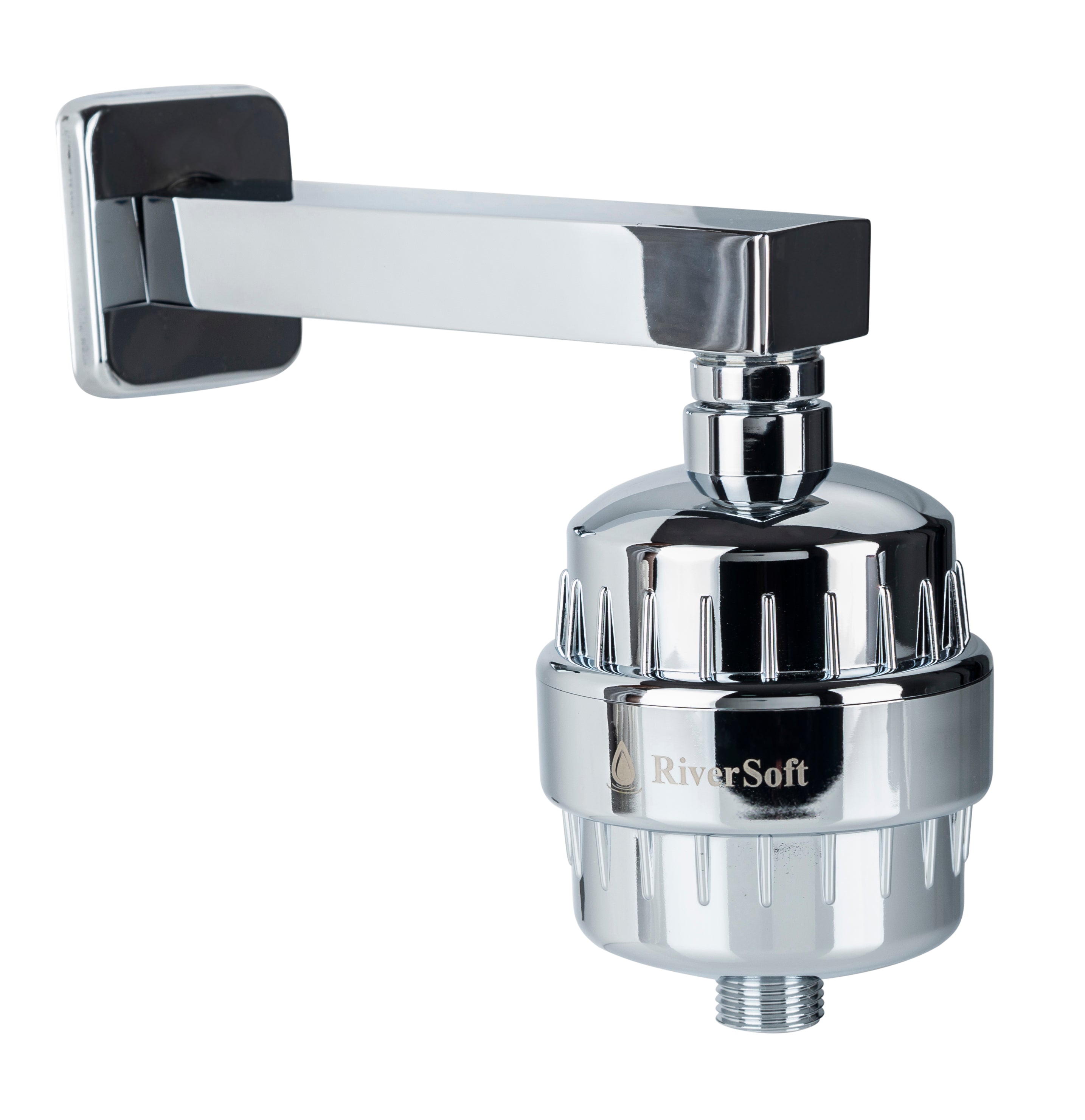
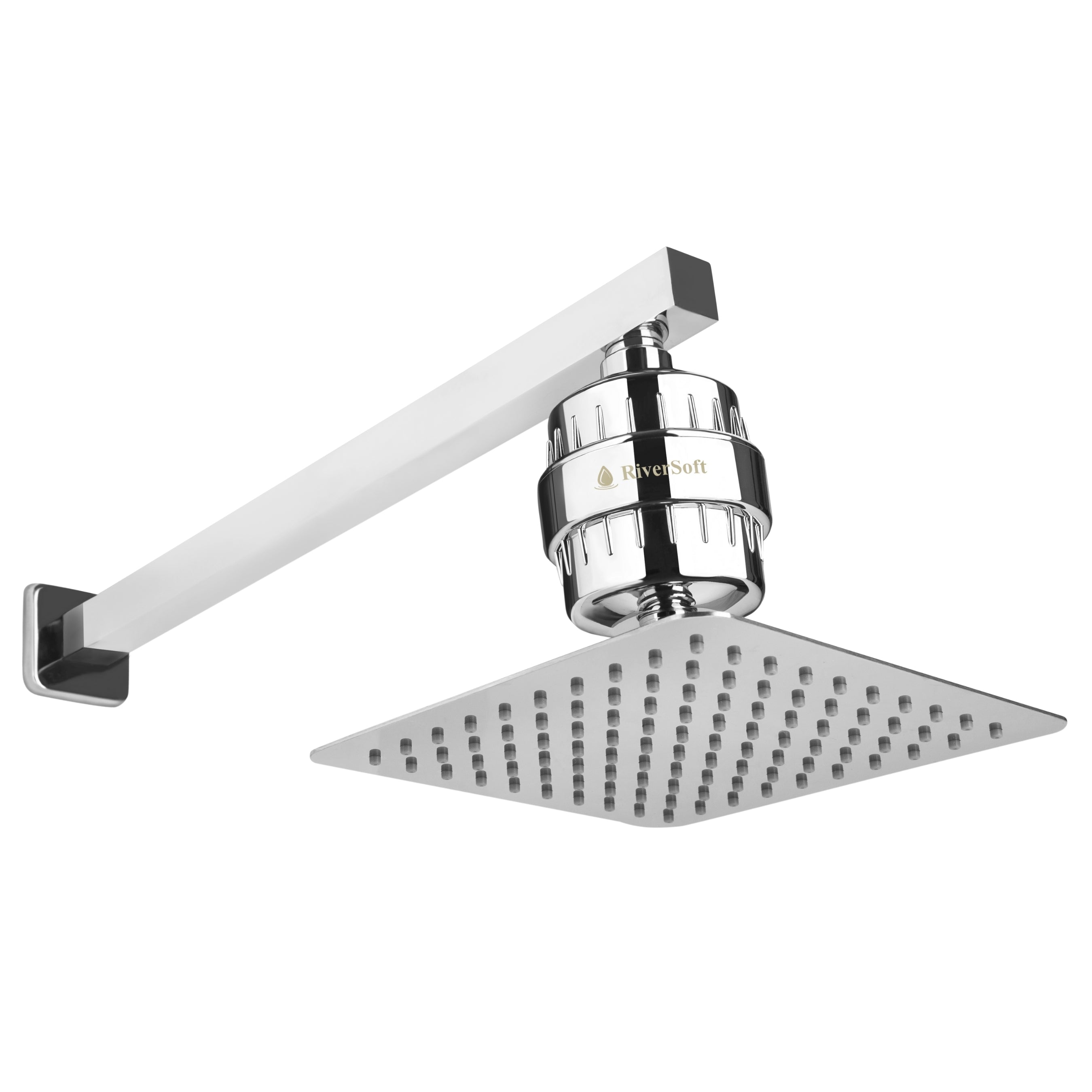
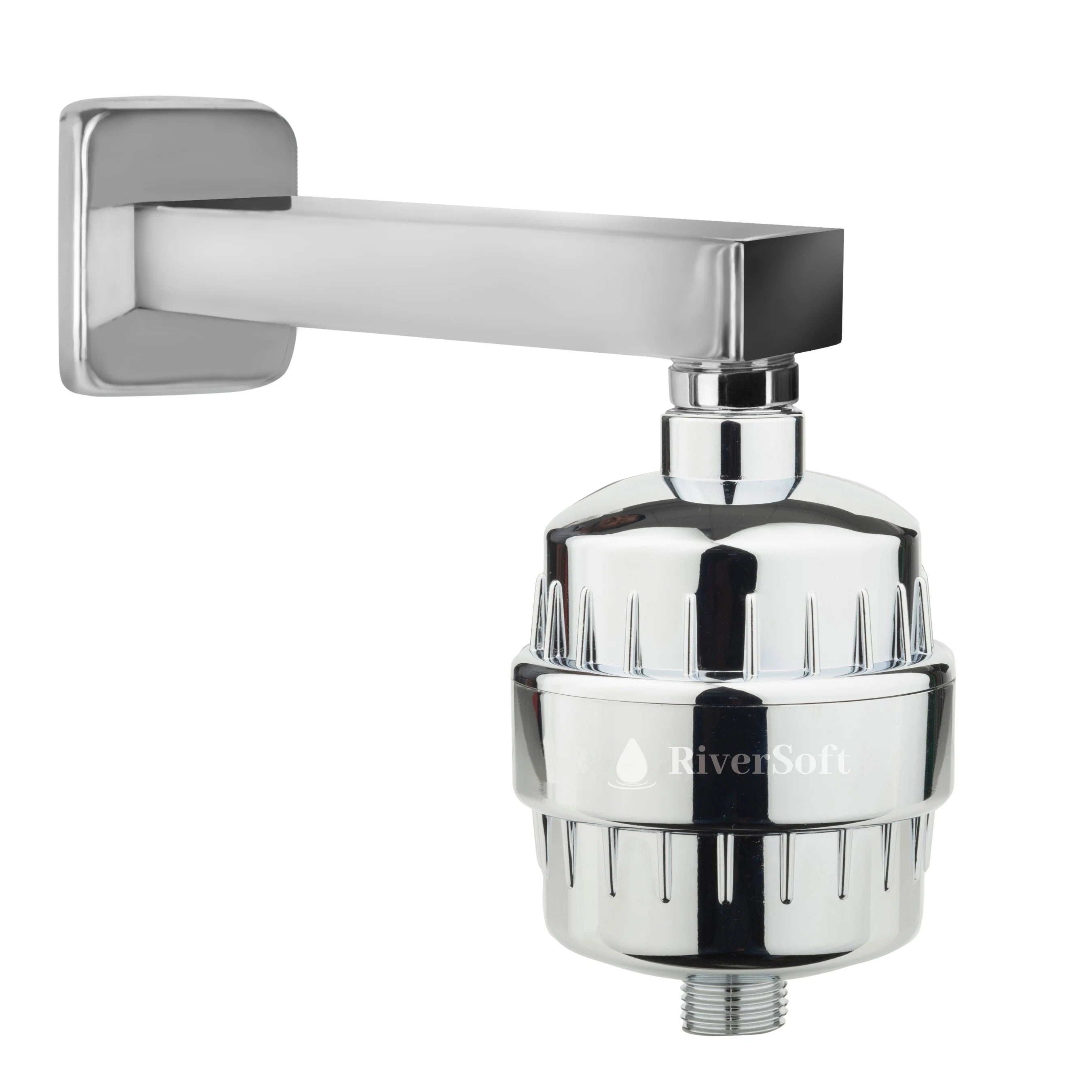
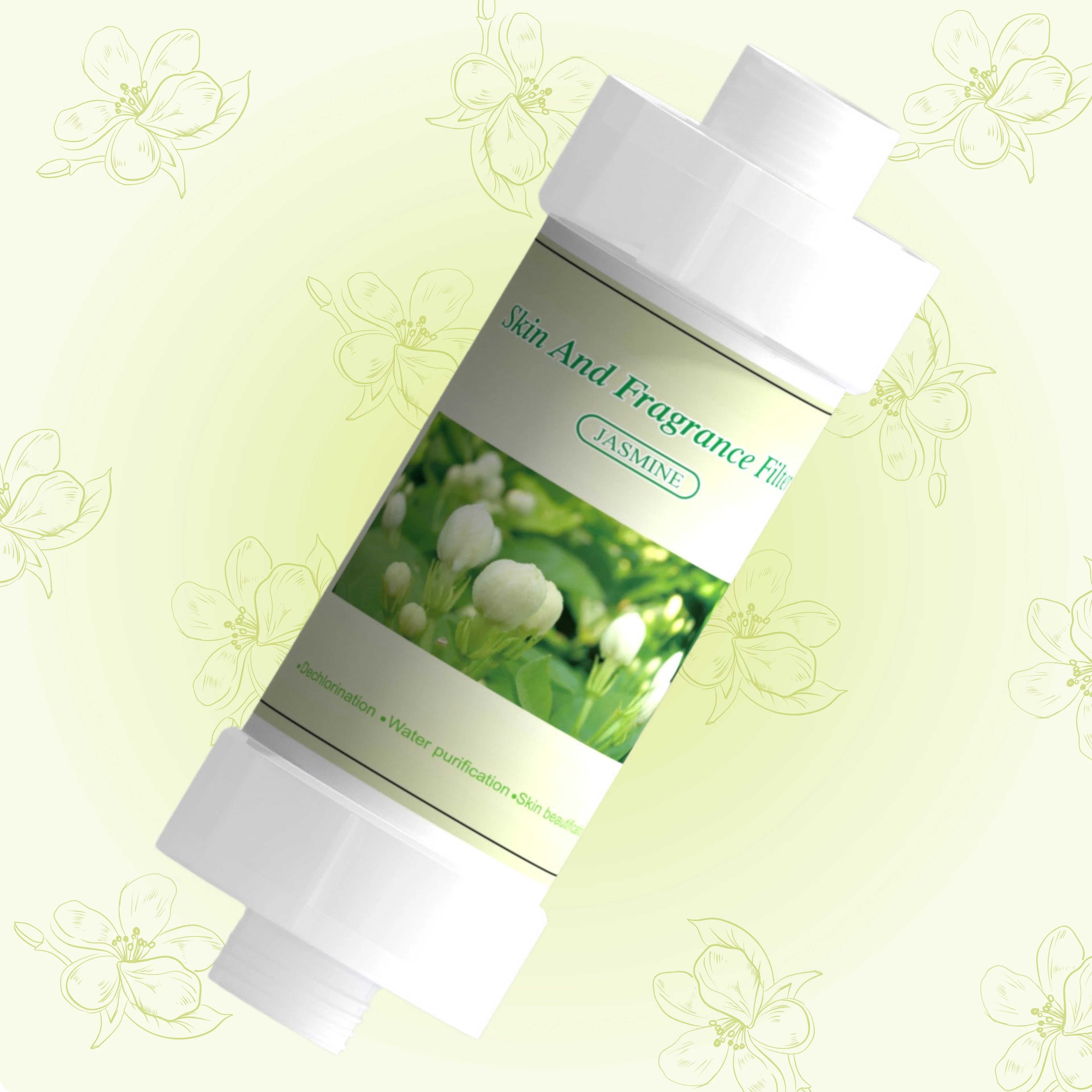
Instead of buying new hair products every month, fix the root cause: your water by installing a shower head water filter. They reduce mineral buildup and chlorine, so your scalp feels less dry, and your hair looks healthier.
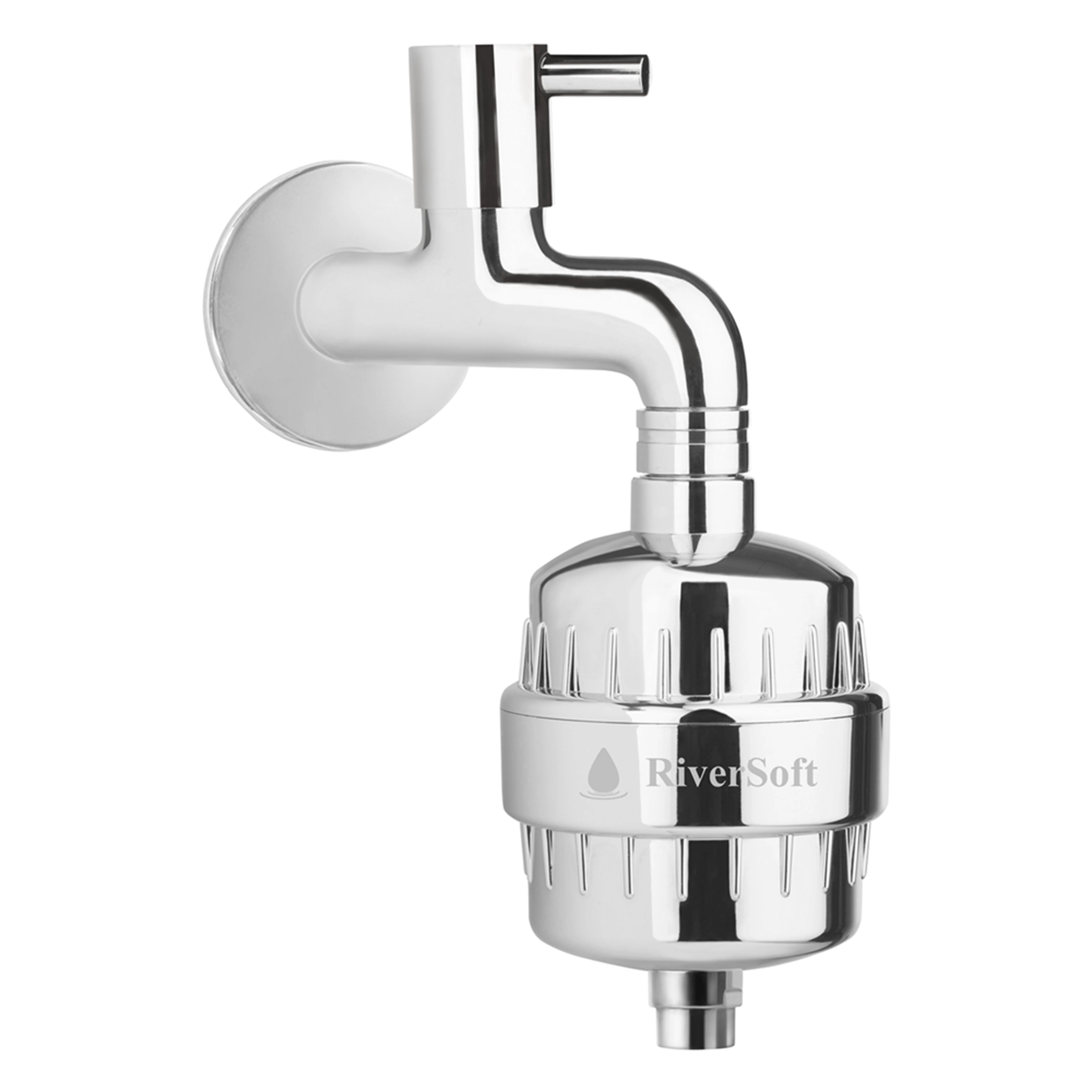
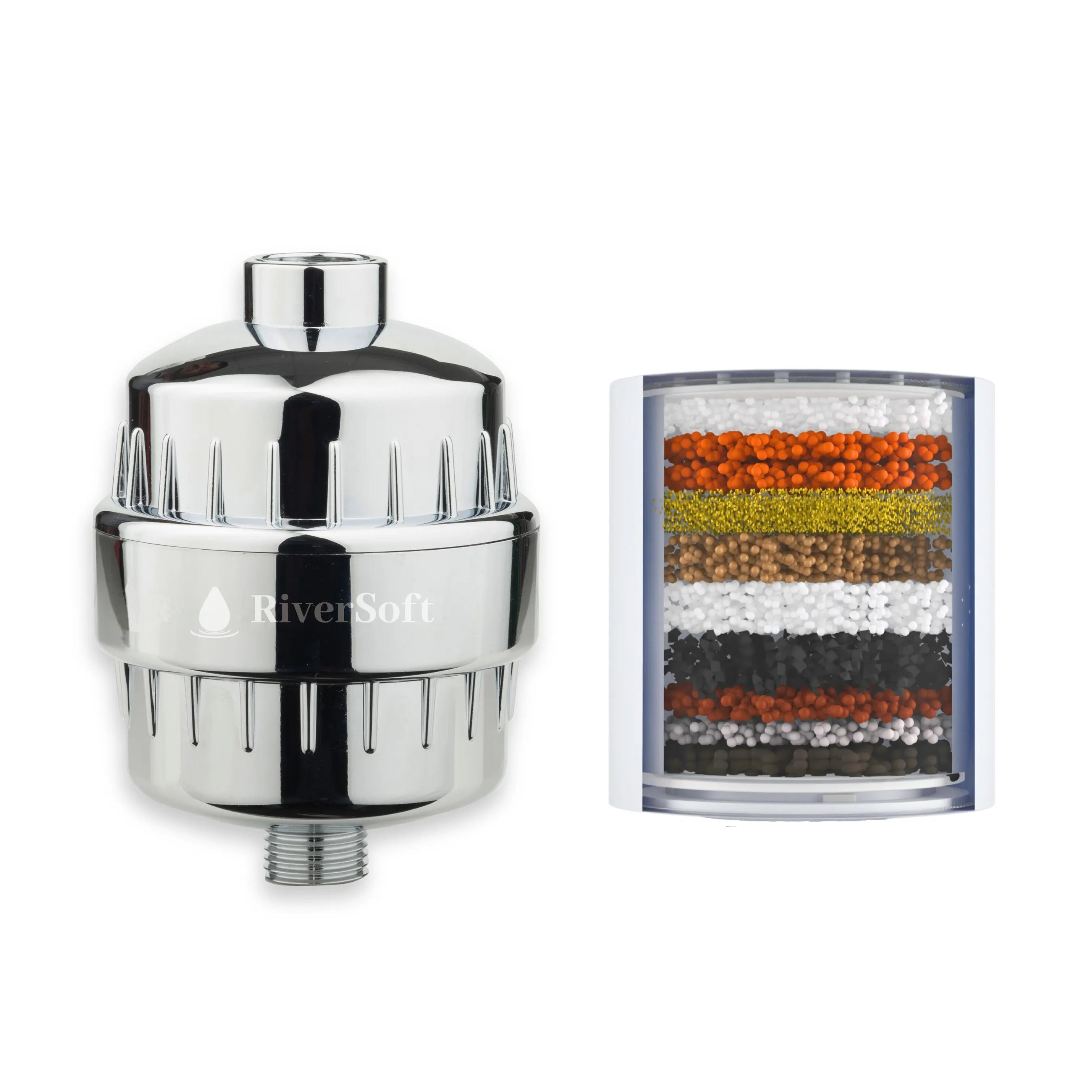
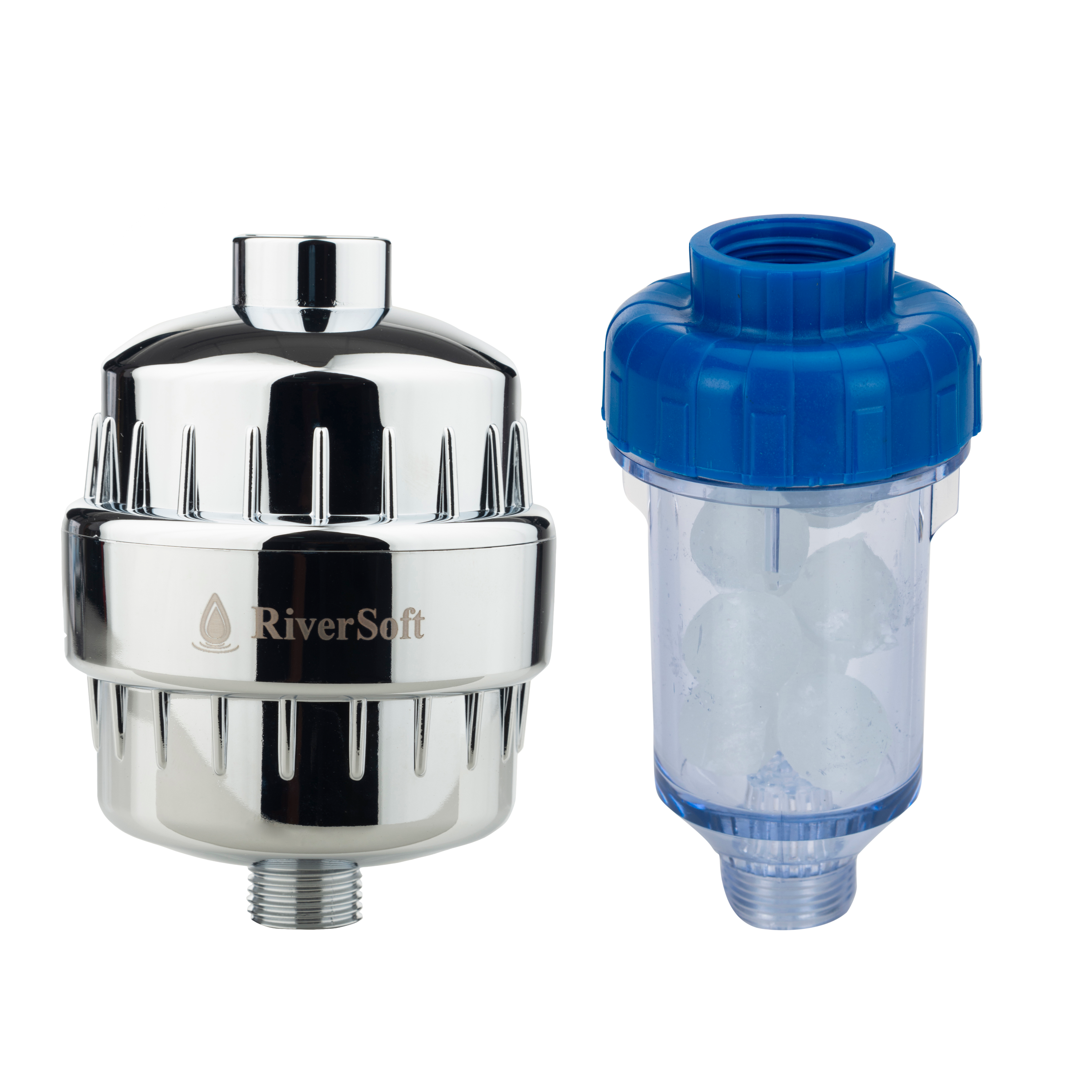
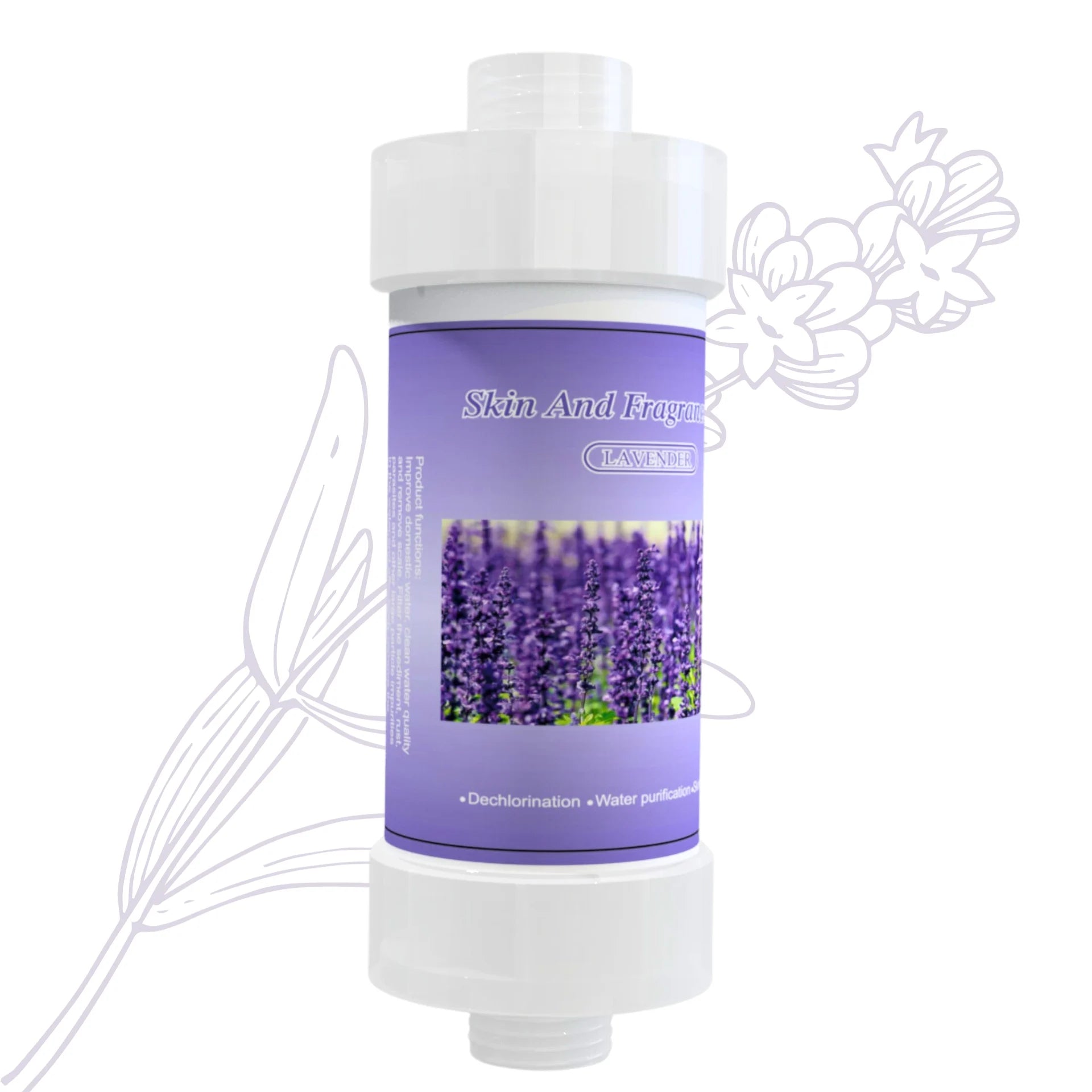
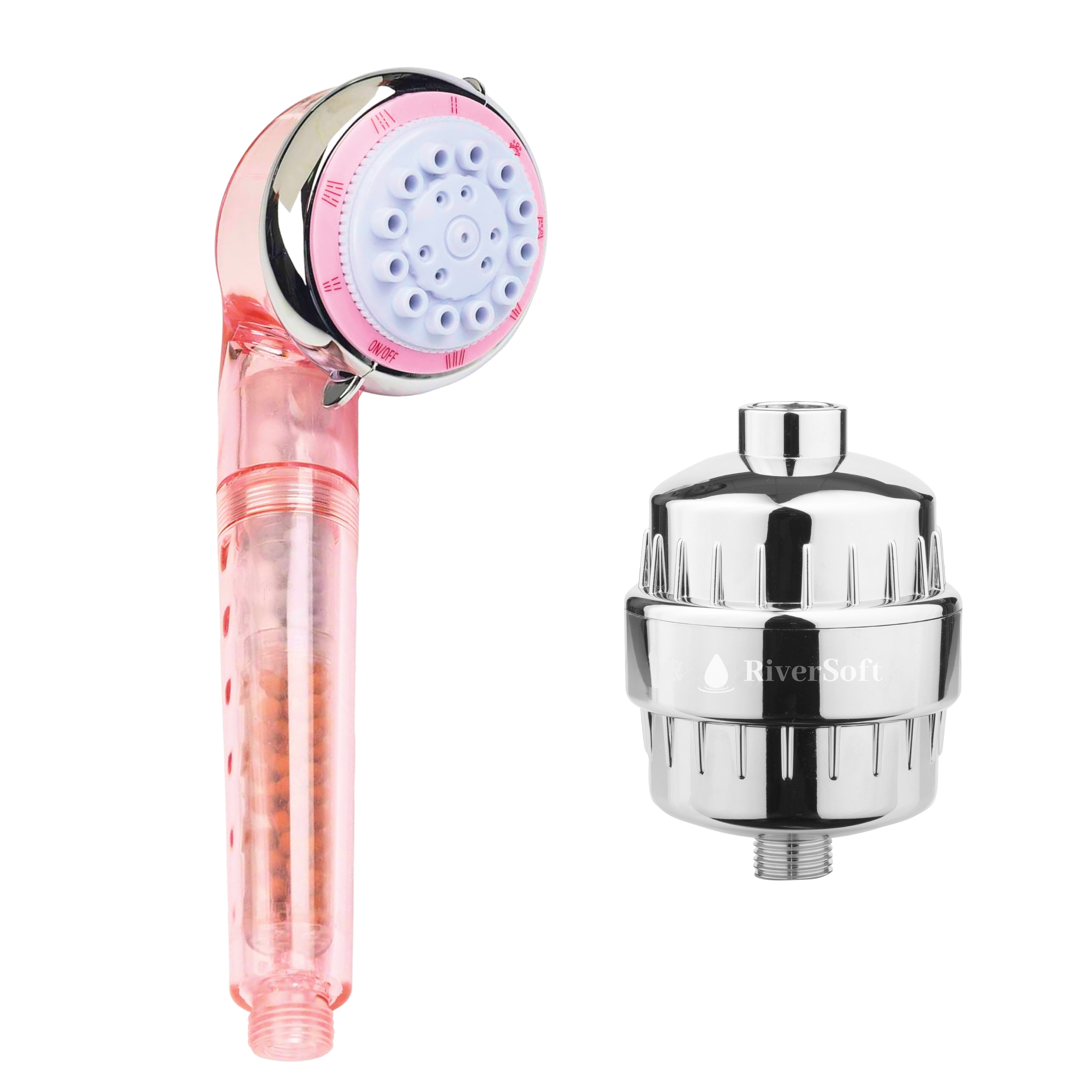
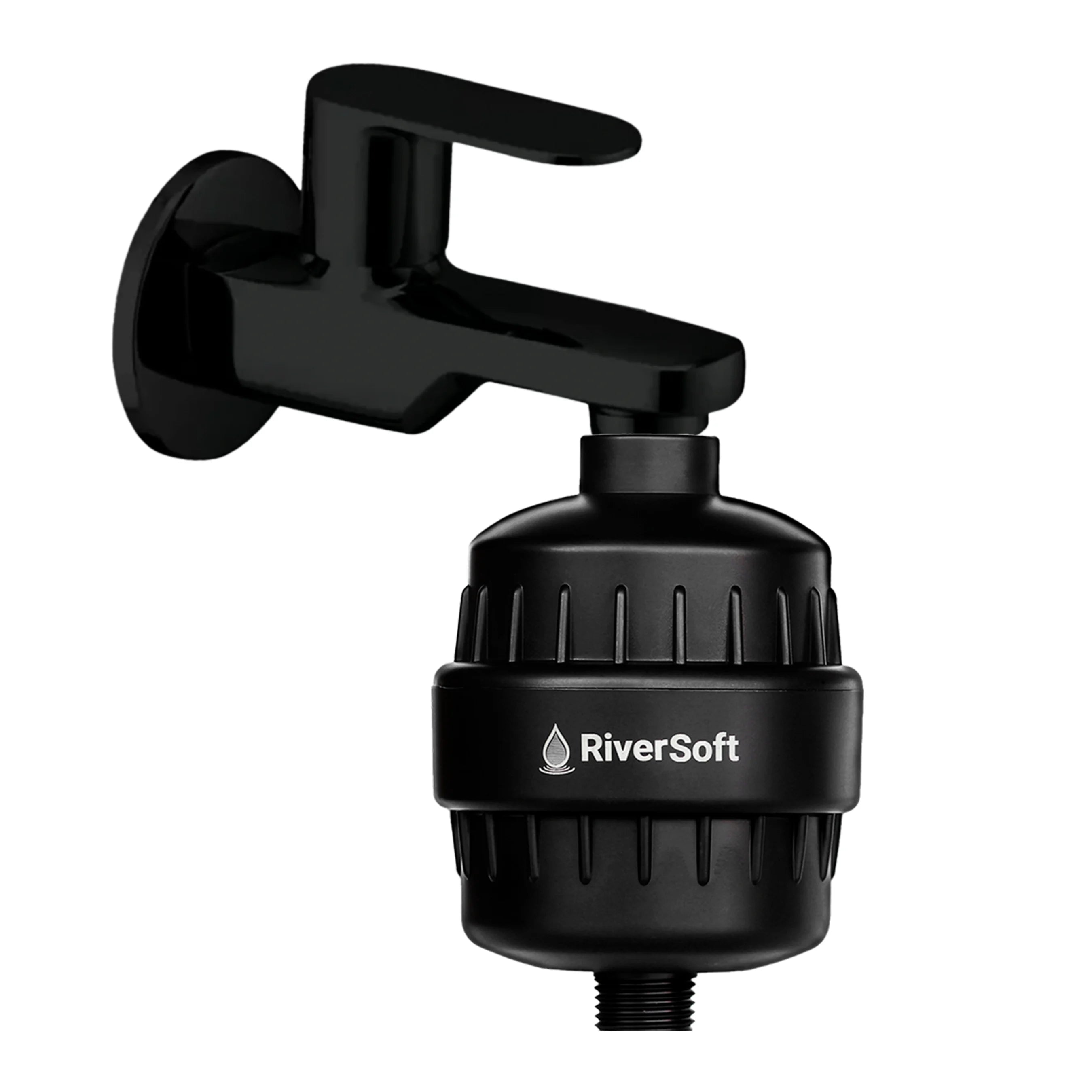
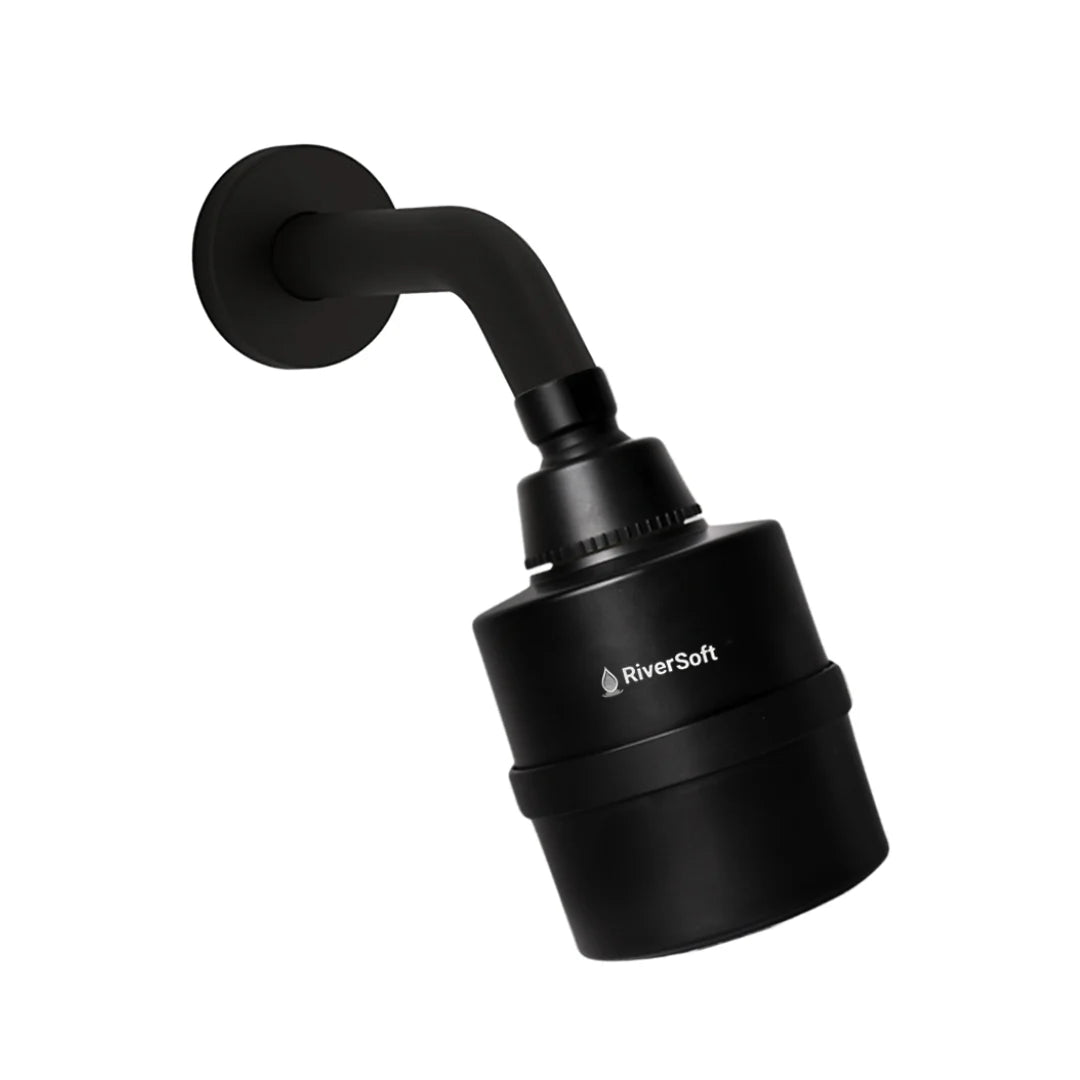
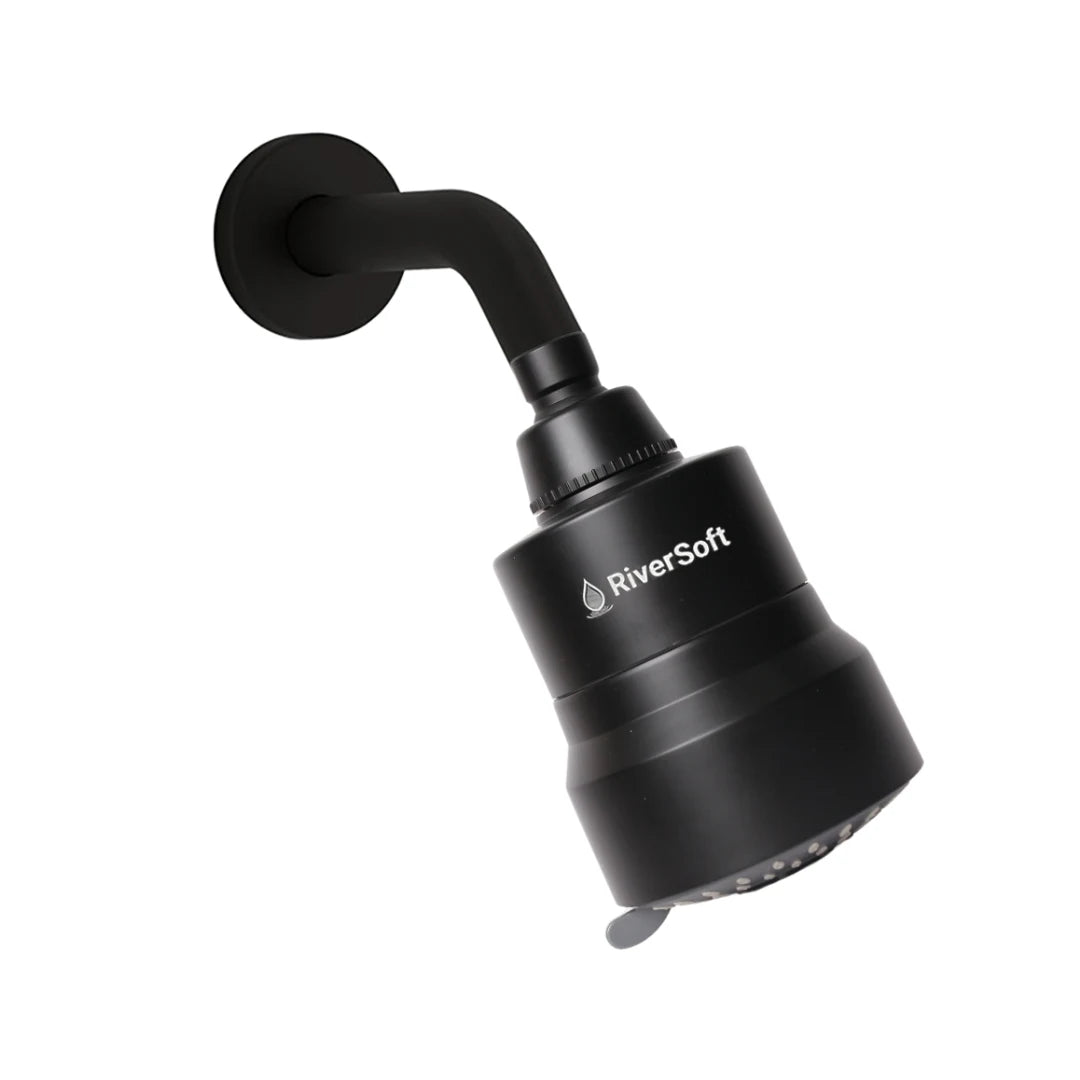
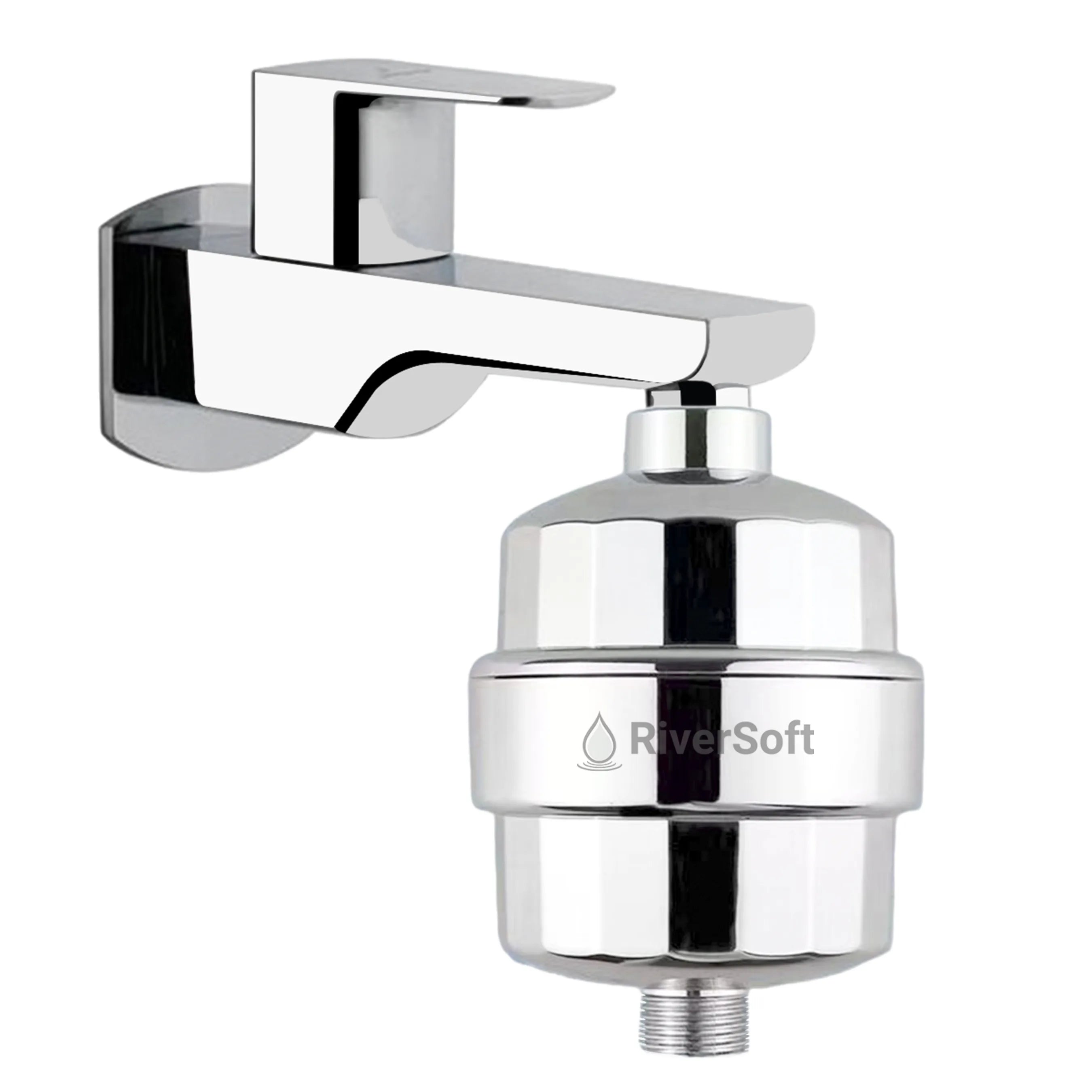
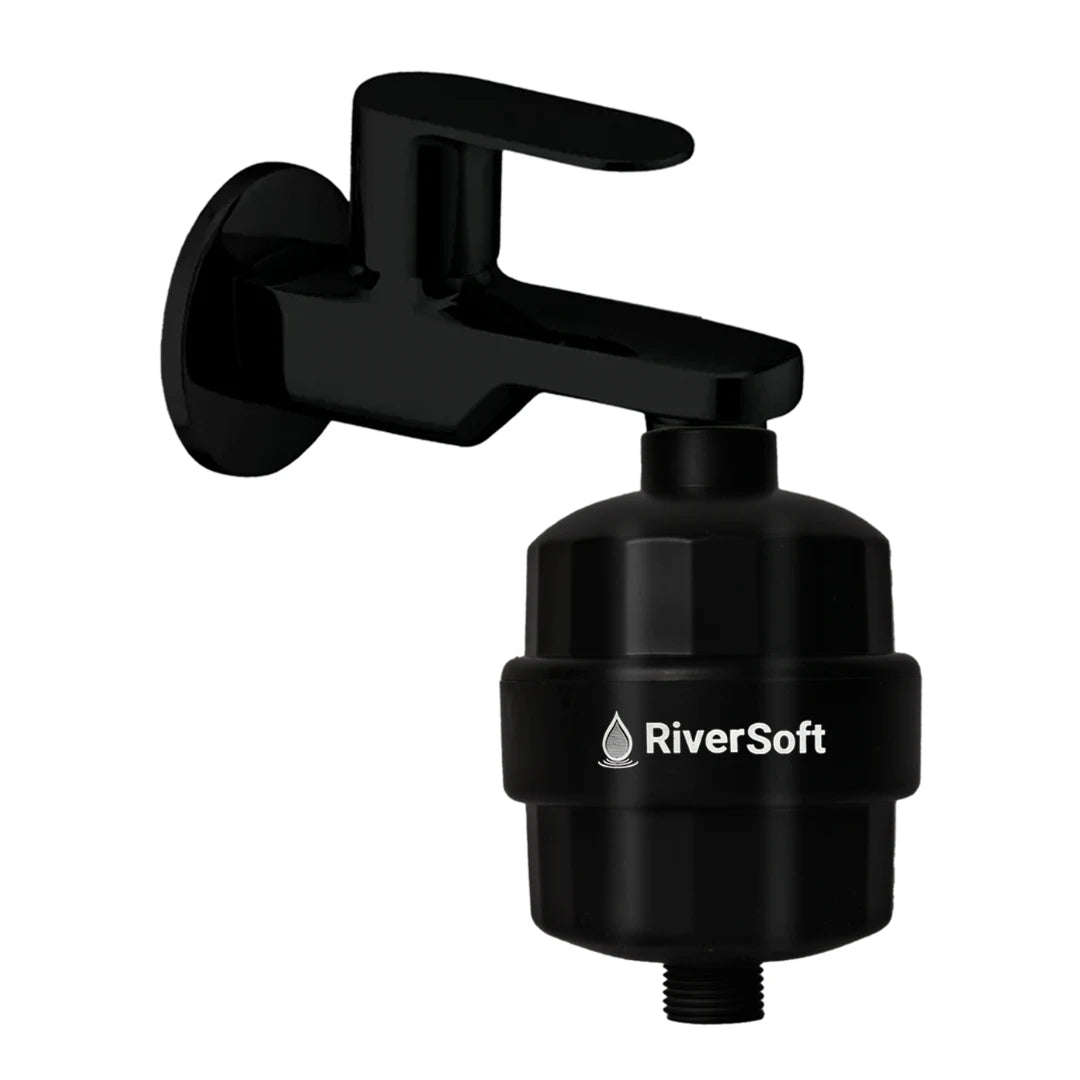
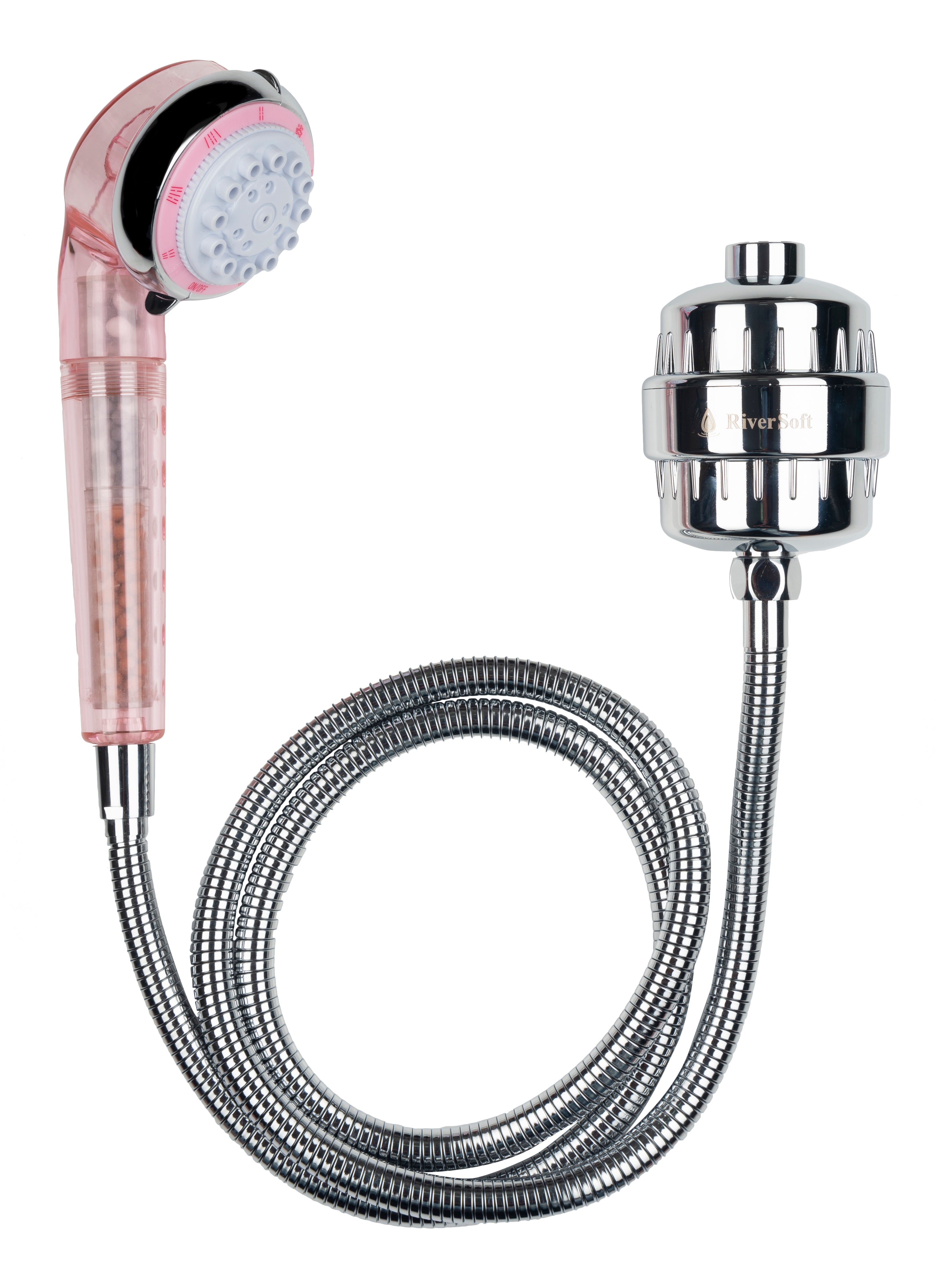
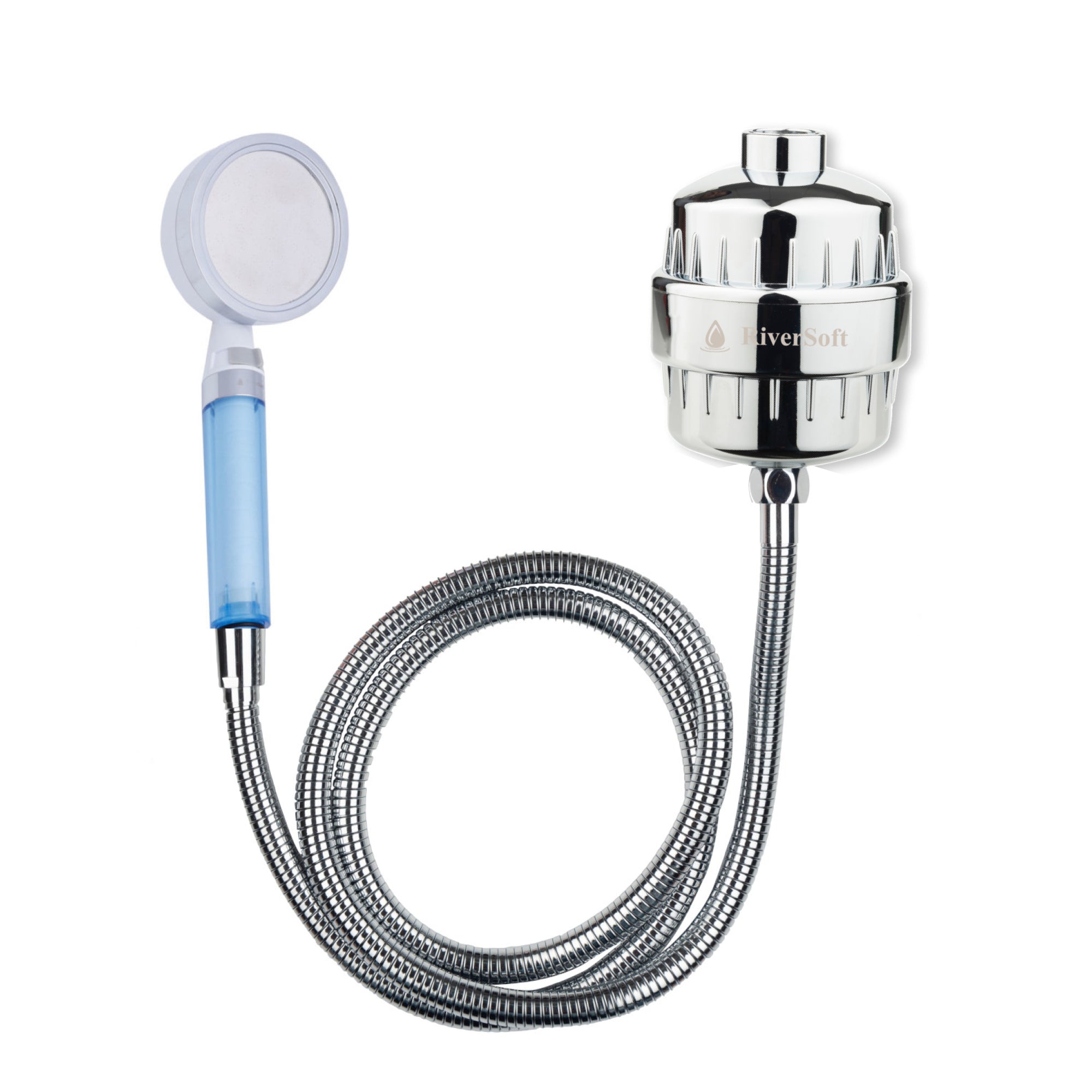
At RiverSoft, you can choose from three options based on your needs:
|
Shower Filter |
Works Best For |
View Product |
|
DIVA |
People who want a premium shower experience with adjustable spray modes. |
|
|
SF-15 |
People who use a tap/bucket for bathing and want better water quality without changing their setup. |
|
|
Bliss-15 |
Areas with very hard water, where regular shower filters can’t effectively handle water hardness. |
Note: Shower filters do not reduce TDS. They are designed to reduce hard water minerals and chlorine.
How Often Should You Replace the Cartridge to Keep Your Shower Filter Working Properly?
Once you install a shower filter, it continues to improve your water quality with every wash. But to keep getting the same results over time, a small amount of maintenance is important.
Filter cartridges typically need to be replaced every 4 to 6 months, depending on the water quality in your area. In areas with very hard water, you may need to replace it slightly sooner to maintain consistent performance.
To make sure you never miss a replacement, set a reminder on your calendar as soon as you install a new cartridge. This simple habit ensures your water stays effective, so your hair stays soft and healthy.















Ashutosh was inspired to solve water quality issues after witnessing the harmful effects of hard water on his family’s health and home. Recognizing the widespread impact of poor water quality, he committed to creating innovative solutions that ensure safe and clean water for everyone. He is an alumnus of IIT Delhi and IIM Ahmedabad, bringing a strong technical and managerial background to RiverSoft.