
Does a water softener for tap actually lower TDS? Most people assume yes. It doesn’t.
Before buying a water softener for tap, ask what it treats. Hardness, sediment, and high TDS are different problems. Understanding the difference helps you choose the right treatment and check whether it is doing its job.
Does a Water Softener for Tap Reduce TDS?
No. Installing a water softener for tap does not reduce TDS, and this is worth being direct about since it's the single most common misconception around these systems.
Water softeners work through ion exchange, specifically targeting calcium and magnesium, the two minerals responsible for "hardness." They don't remove solids from water; they swap them out:
-
A water softener for tap water neutralizes hard salts, so they stop damaging skin and hair on contact. The particles themselves aren't filtered out, so TDS stays exactly where it was.
-
Mainline water softeners work the same way at a larger scale: calcium and magnesium ions are exchanged for sodium ions, but the total dissolved solids in the water are unchanged.
If you're unsure whether hardness is even your issue, it helps to understand the difference between hard water and soft water first, and check the signs that tell you a water softener is what you need before assuming TDS is the culprit. A softener solves the hardness problem. It was never built to solve the TDS problem, and no amount of ion exchange changes that.

So Why Does TDS Matter at All?
TDS measures dissolved substances in water, including minerals and salts. Hardness measures mainly calcium and magnesium. High TDS does not always mean hard water, and a TDS reading alone cannot explain skin dryness or hair breakage.
Under BIS’s drinking water standard, the acceptable TDS limit is 500 mg/L, with up to 2,000 mg/L permissible when no alternative source is available. These are drinking-water limits, not bathing thresholds.
Before choosing a filter, measure your water’s TDS and test hardness separately. Understanding your water better helps you identify what needs treating, rather than expecting one filter to solve every problem.
Water Softener vs. Shower Filter: Which Handles What?
This is where the confusion usually compounds.
A water softener vs. shower filter comparison matters here because the two aren't interchangeable, and neither one is a TDS fix on its own.
| Feature / Issues | Water Softener | Shower Filter |
|---|---|---|
| Calcium and Magnesium | Removes hardness minerals | Usually does not remove them |
| Scale Build-up | Reduces new scale formation | Limited effect |
| Chlorine and Odour | Needs separate filtration | May reduce, depending on the filter media |
| Sand, Rust and Sediment | Needs separate filtration | Can trap particles, depending on the design |
| High TDS | Does not reliably reduce TDS | Generally does not reduce TDS |
| Coverage | Usually covers the whole home | Treats water at one shower |
A softener handles hardness at the tap, while a shower filter is built for a different stage of filtration entirely
If you're dealing with persistently high TDS despite softening your water, it's worth understanding how KDF filtration improves water quality in homes with high TDS, since that's a mechanism a standard softener simply doesn't include.
What Actually Fixes High TDS Problems for Skin and Hair
Since a softener alone won't touch TDS, the fix usually involves filtration designed for that specific job.
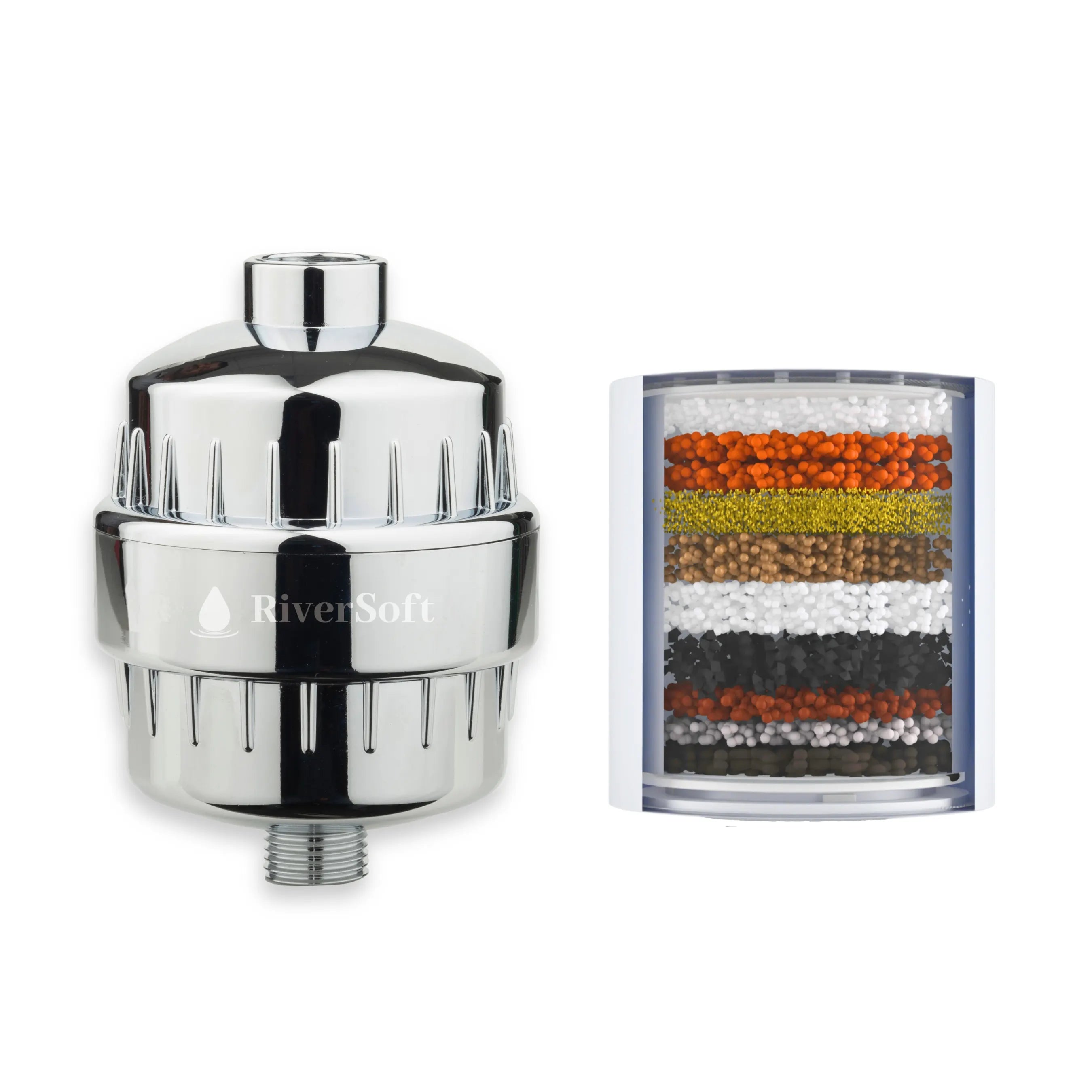
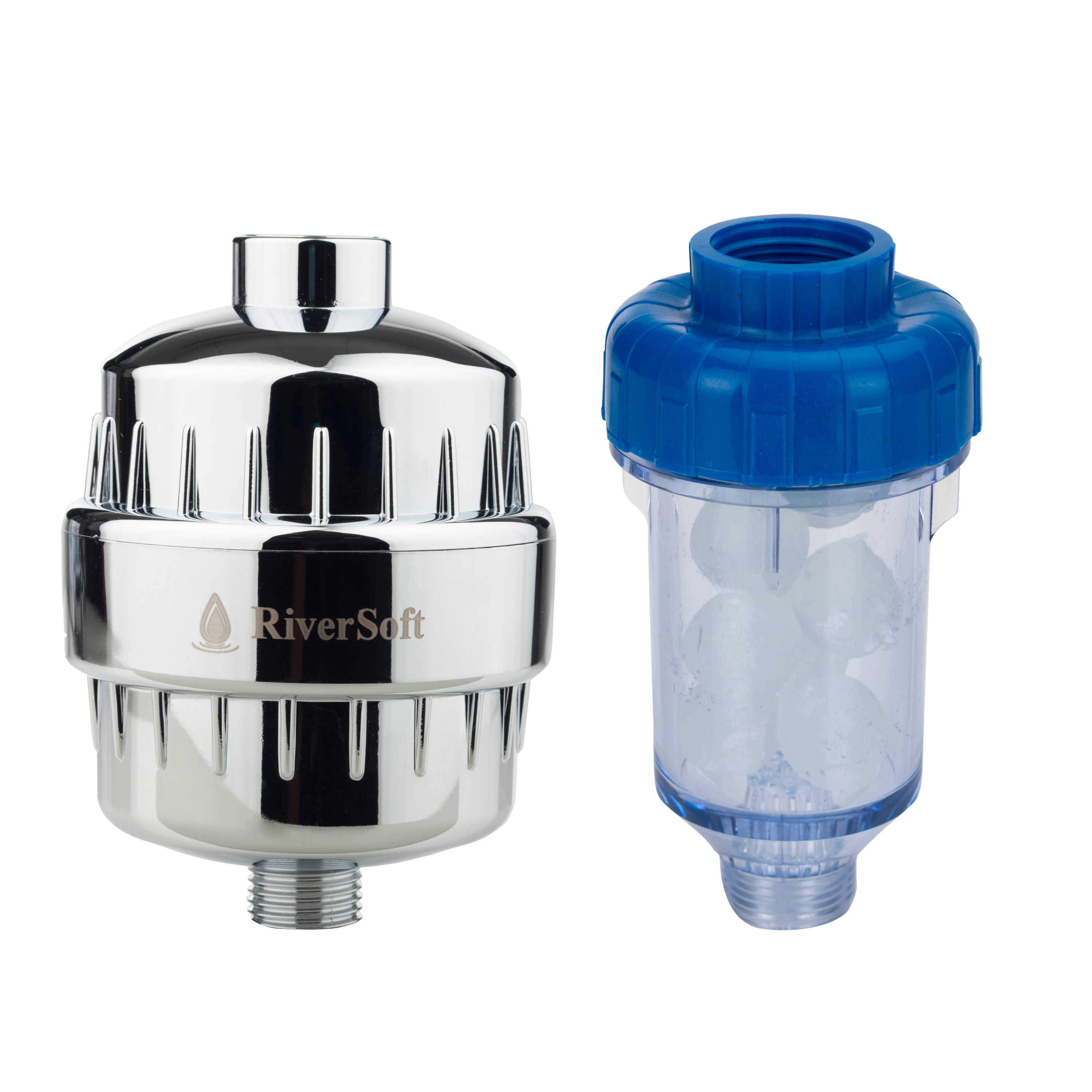
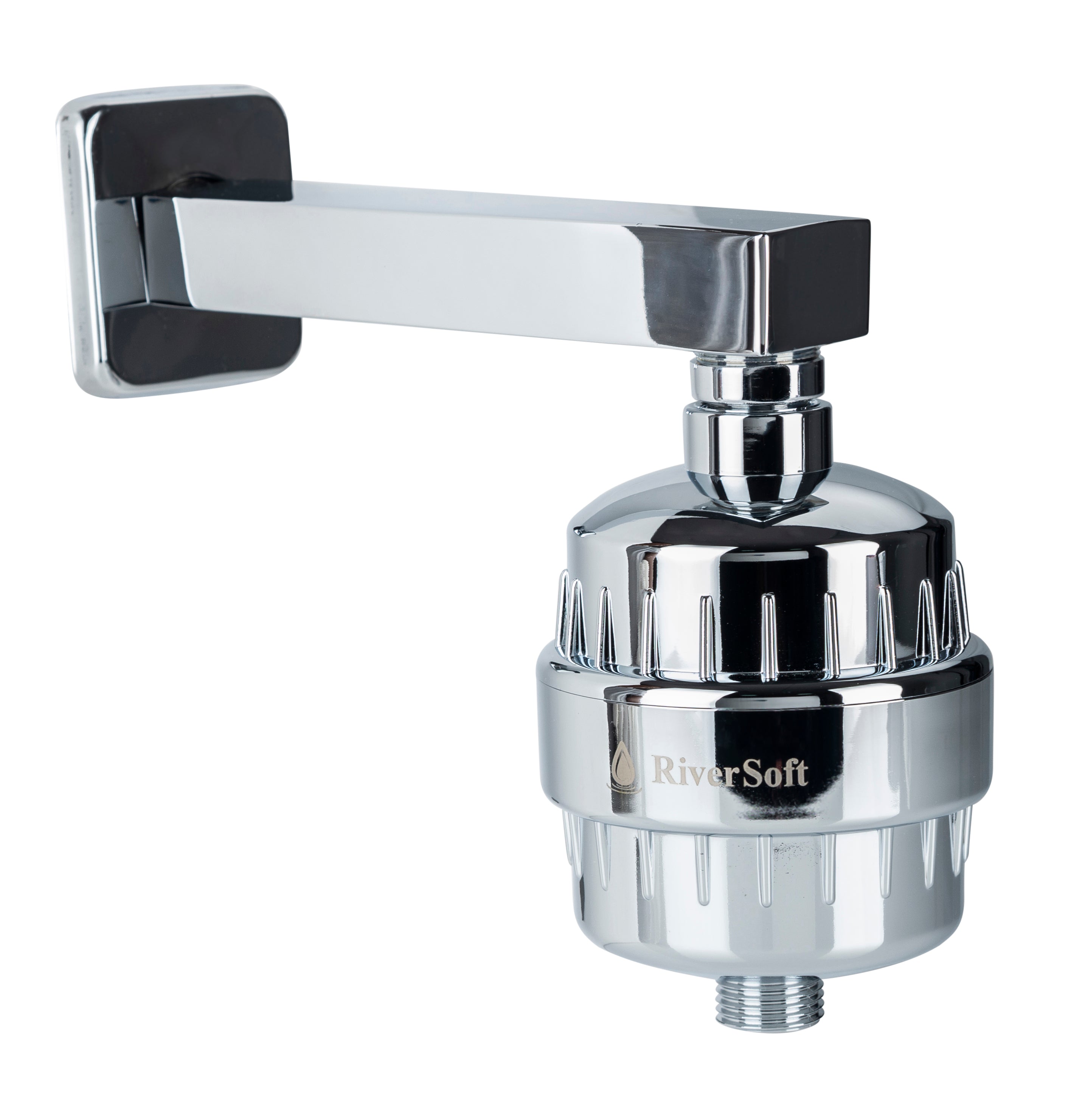
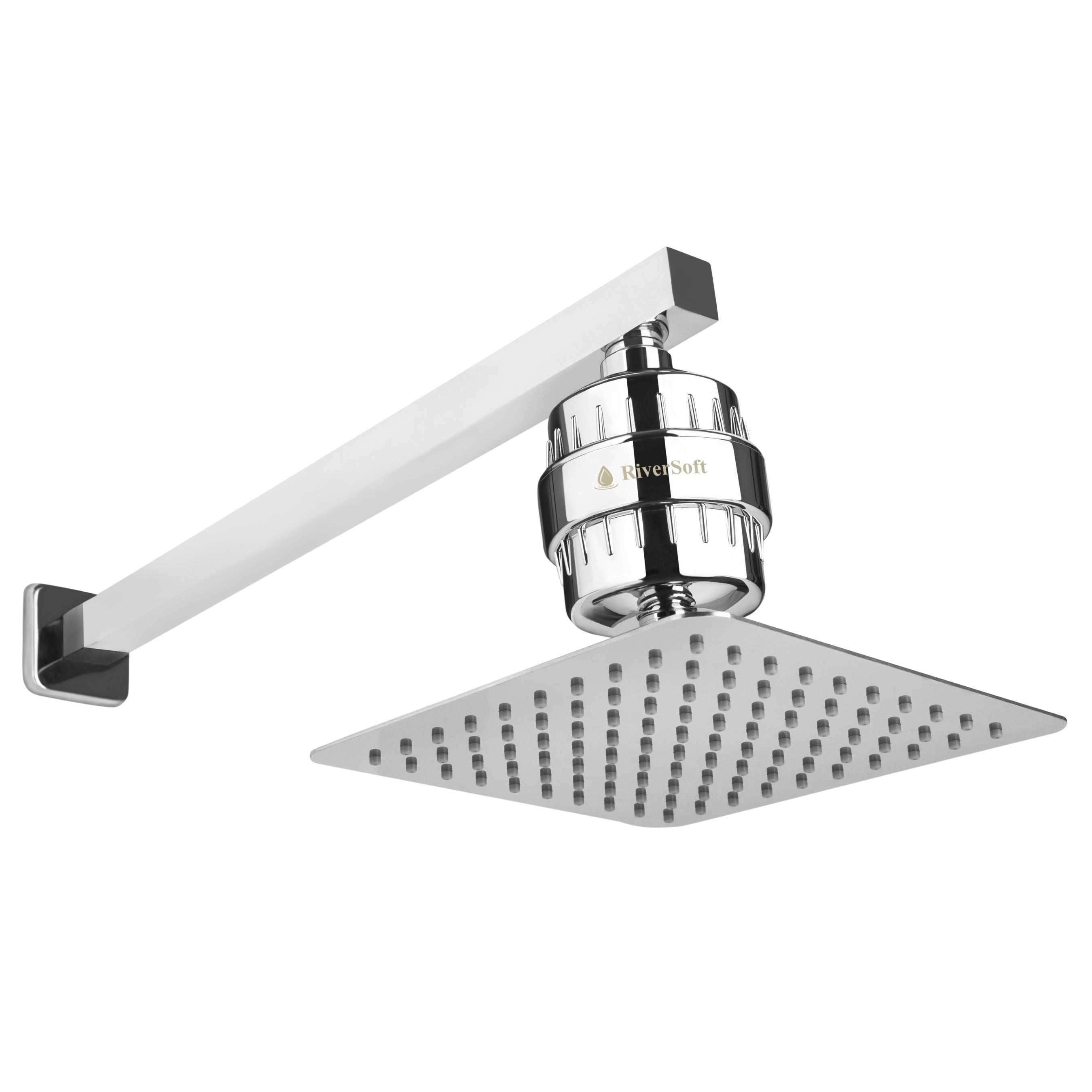
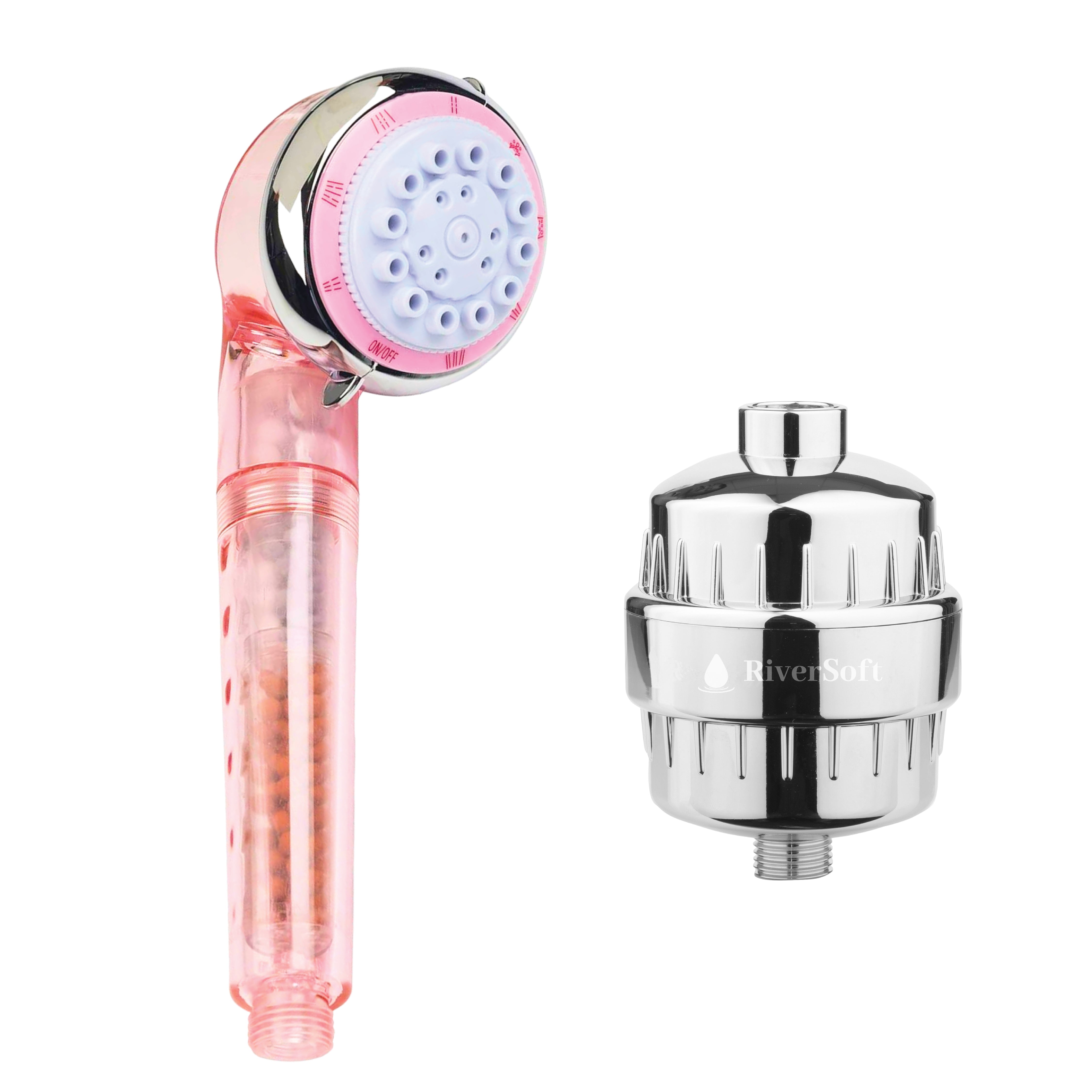
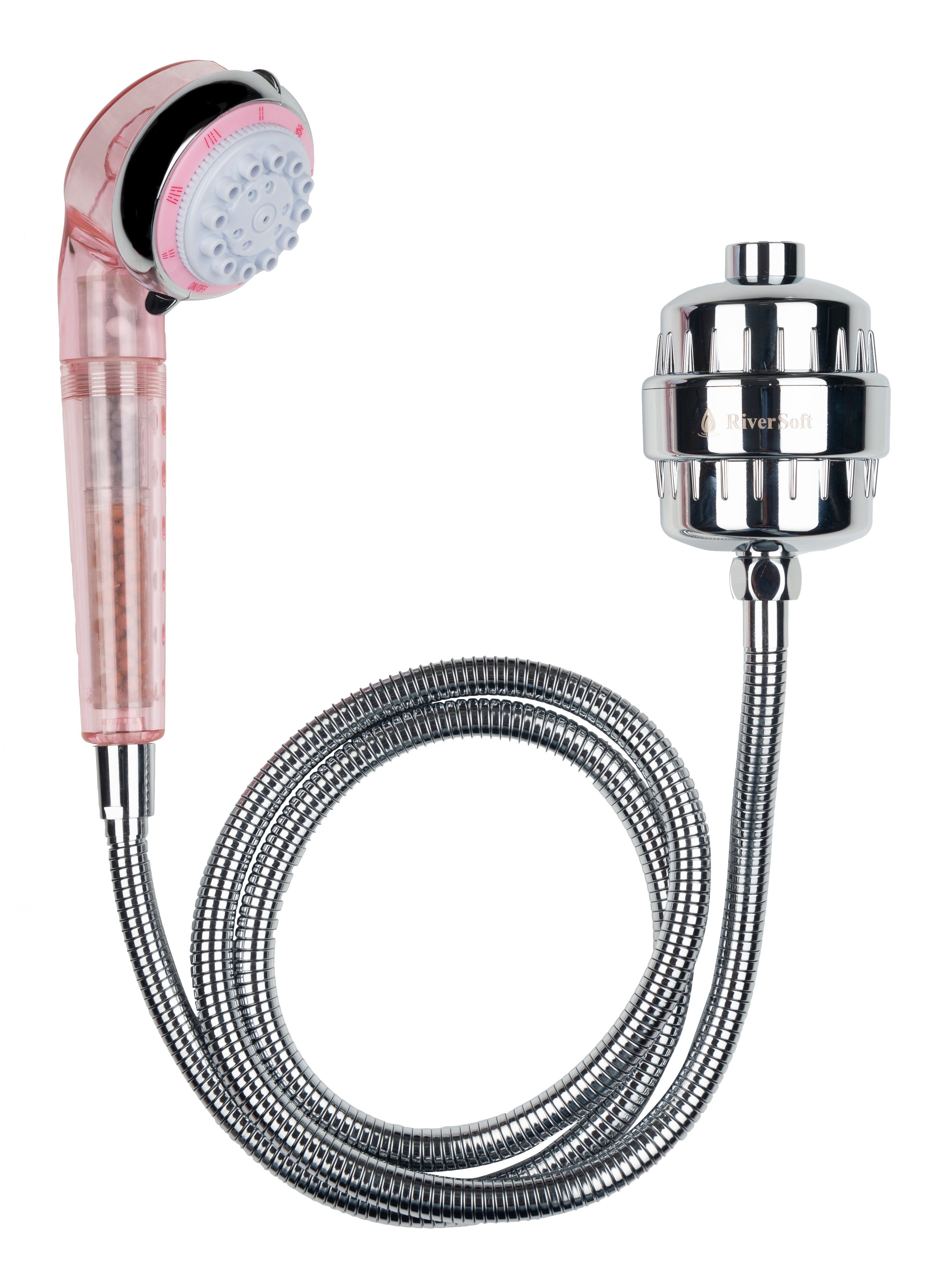
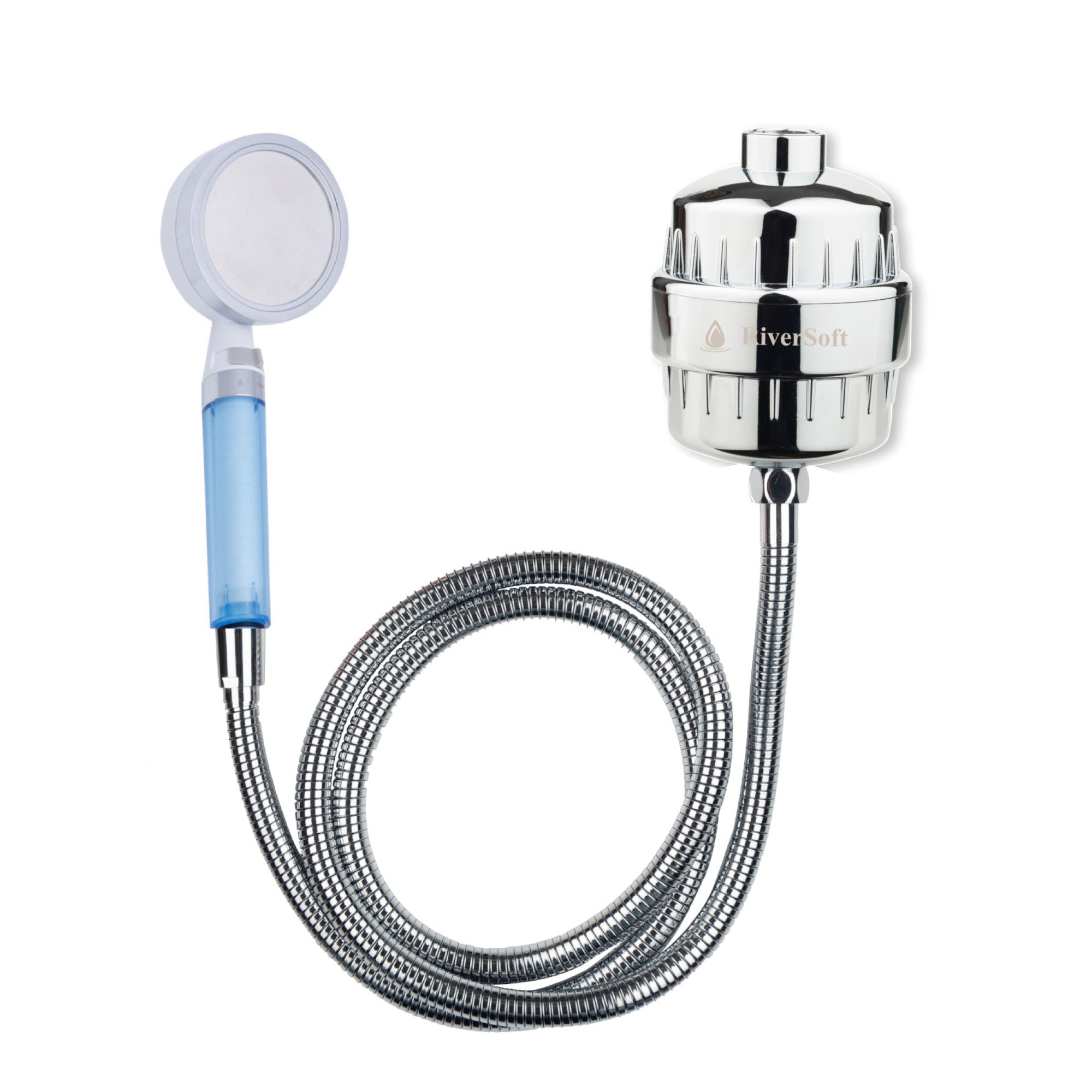
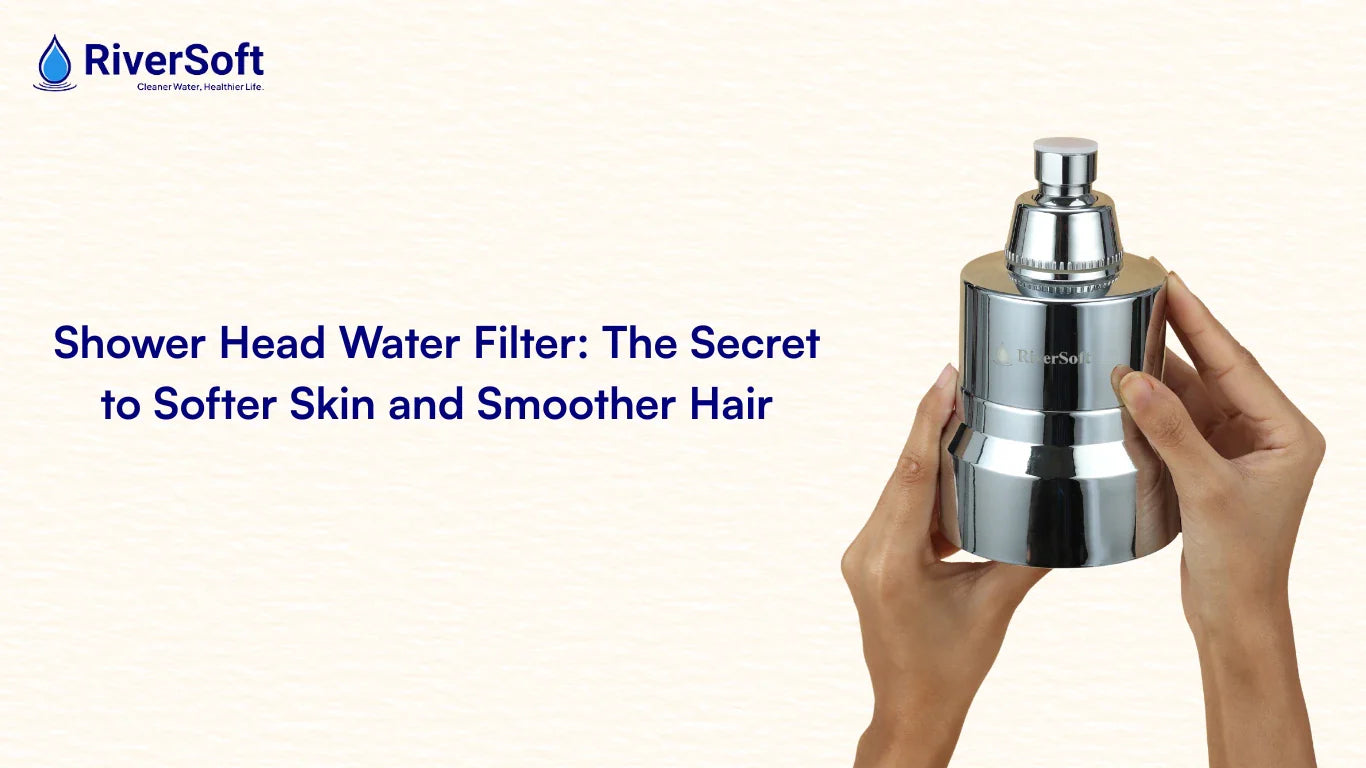
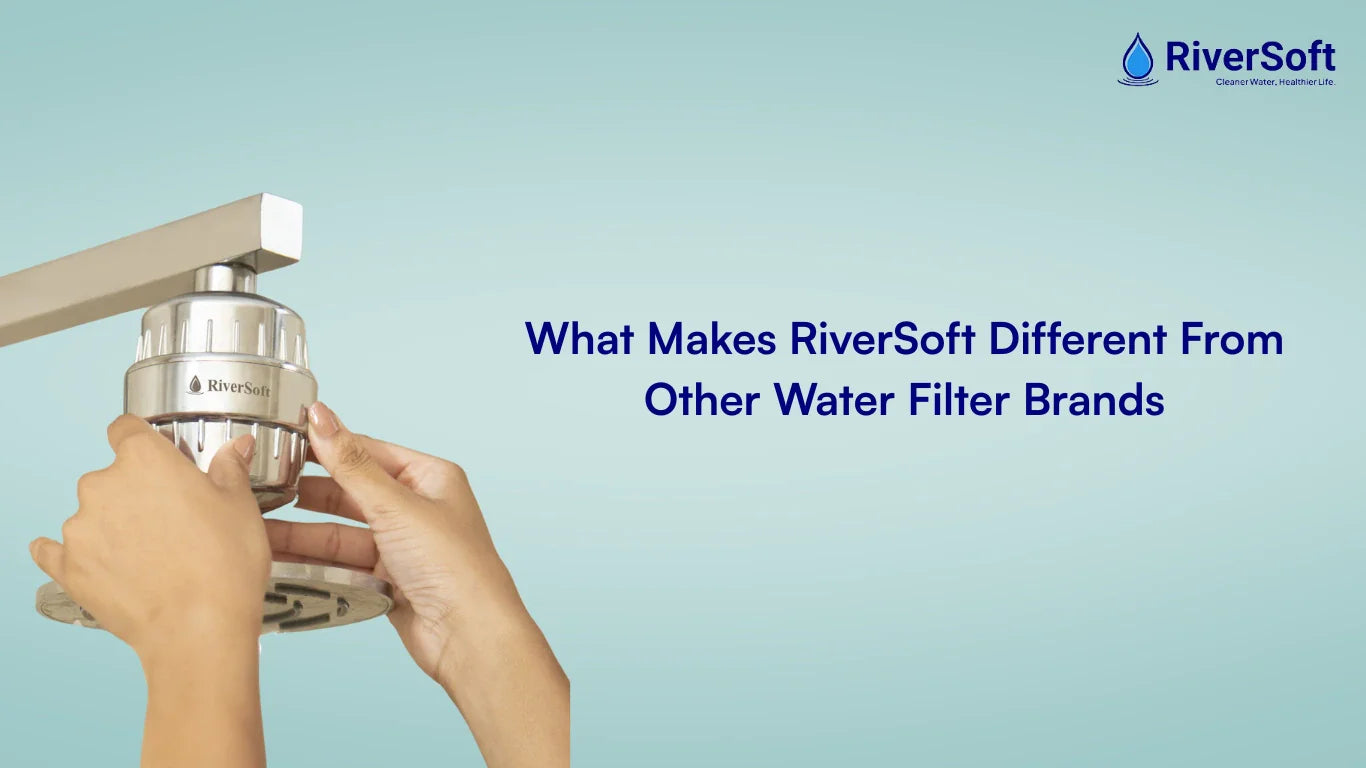
RiverSoft's SF-15 Pro tap filter and Diva shower filter are built to address hard water directly at the point of use, giving you cleaner water for skin and hair without the dryness and brittleness high mineral content tends to cause.
If you're dealing with high hardness specifically, a water softener for tap handles that half of the problem well.
Final Thoughts
A water softener for tap and a TDS fix solve different problems.
Softeners neutralize the calcium and magnesium that make water "hard," but they don't remove the dissolved solids responsible for high TDS.
Testing for both separately, rather than assuming a softener for tap covers everything, is the more reliable way to actually fix what's affecting your skin and hair.























Leave a Comment