
If you’ve ever checked your water with a TDS meter and panicked at the number on the screen, you’re not alone.
TDS in water is one of the most misunderstood terms in home water filtration. A filter may remove sediment without changing dissolved salts. Similarly, a low reading doesn't prove water is safe to drink.
This confusion often leads households to buy the wrong treatment system. Understanding TDS in water starts with knowing what the number measures, what it misses, and which water problems need separate attention.
What Does TDS in Water Actually Mean?
TDS stands for Total Dissolved Solids, which is the combined amount of minerals, salts, and organic matter dissolved in a litre of water, measured in milligrams per litre (mg/L) or parts per million (ppm). This includes calcium, magnesium, potassium, sodium, bicarbonates, and sometimes trace heavy metals, depending on the source.
A TDS meter works by measuring the water’s electrical conductivity. It’s a quick, useful tool, but it has a major limitation: it tells you how much is dissolved in your water, not what.
A reading of 300 ppm could mean mostly healthy minerals, or it could include contaminants. According to the World Health Organization’s Guidelines for Drinking-water Quality, TDS itself is not classified as a health-based contaminant, but very high levels are typically associated with poor palatability and can indicate the presence of other dissolved substances.
Human activities can also introduce salts and other chemicals into water sources. The US Geological Survey explains that dissolved solids include both organic and inorganic substances.
Myth 1: Lower TDS Always Means Safer Water
Low TDS does not guarantee safe drinking water. A TDS meter estimates dissolved solids but cannot identify individual contaminants or detect harmful germs, as the USGS explains.
BIS drinking water standards set an acceptable TDS limit of 500 mg/L, allowing up to 2,000 mg/L only when no alternative source exists. These limits alone do not establish safety. Even clear water can contain lead, which requires testing to detect.
Myth 2: High TDS Water Is Always Dangerous to Drink
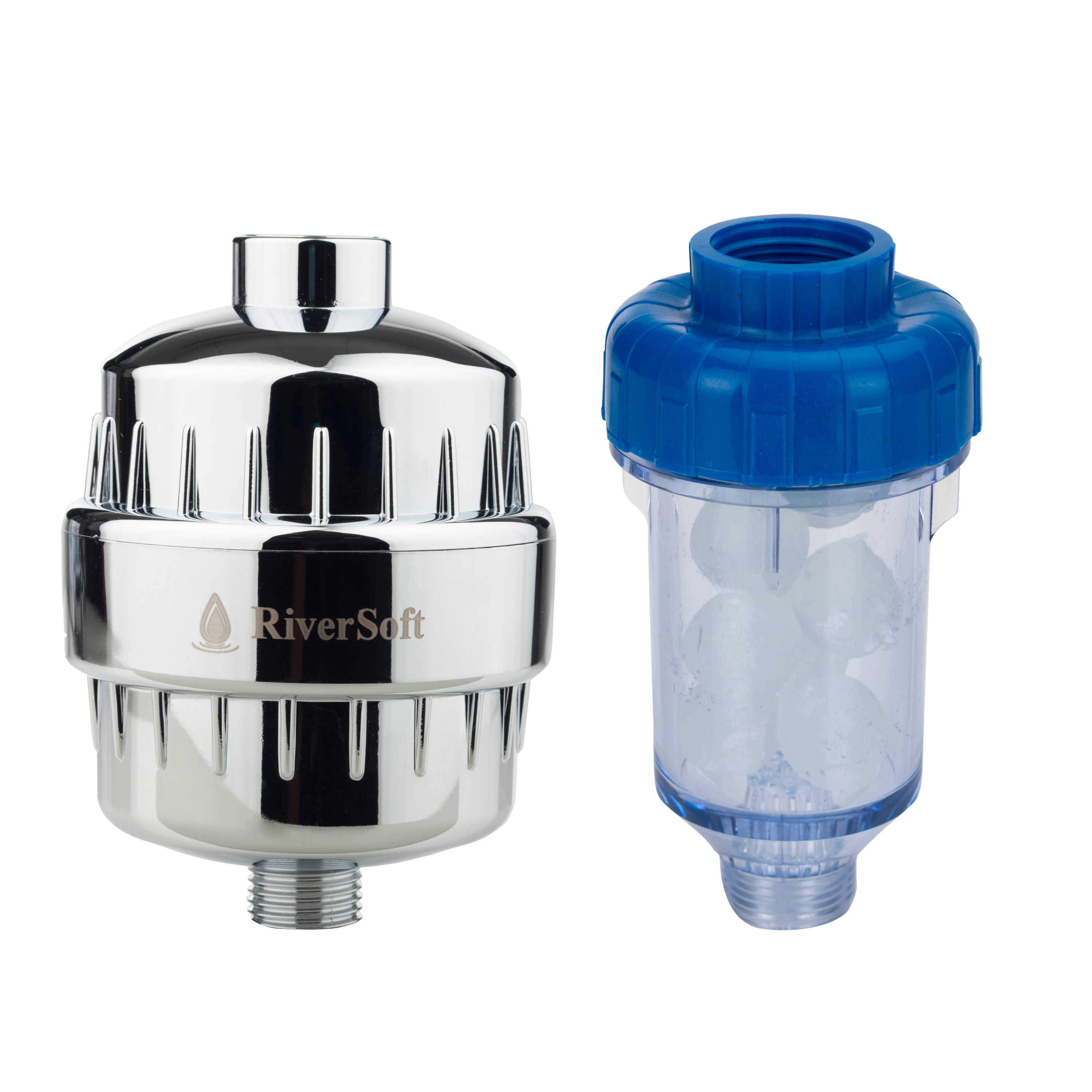
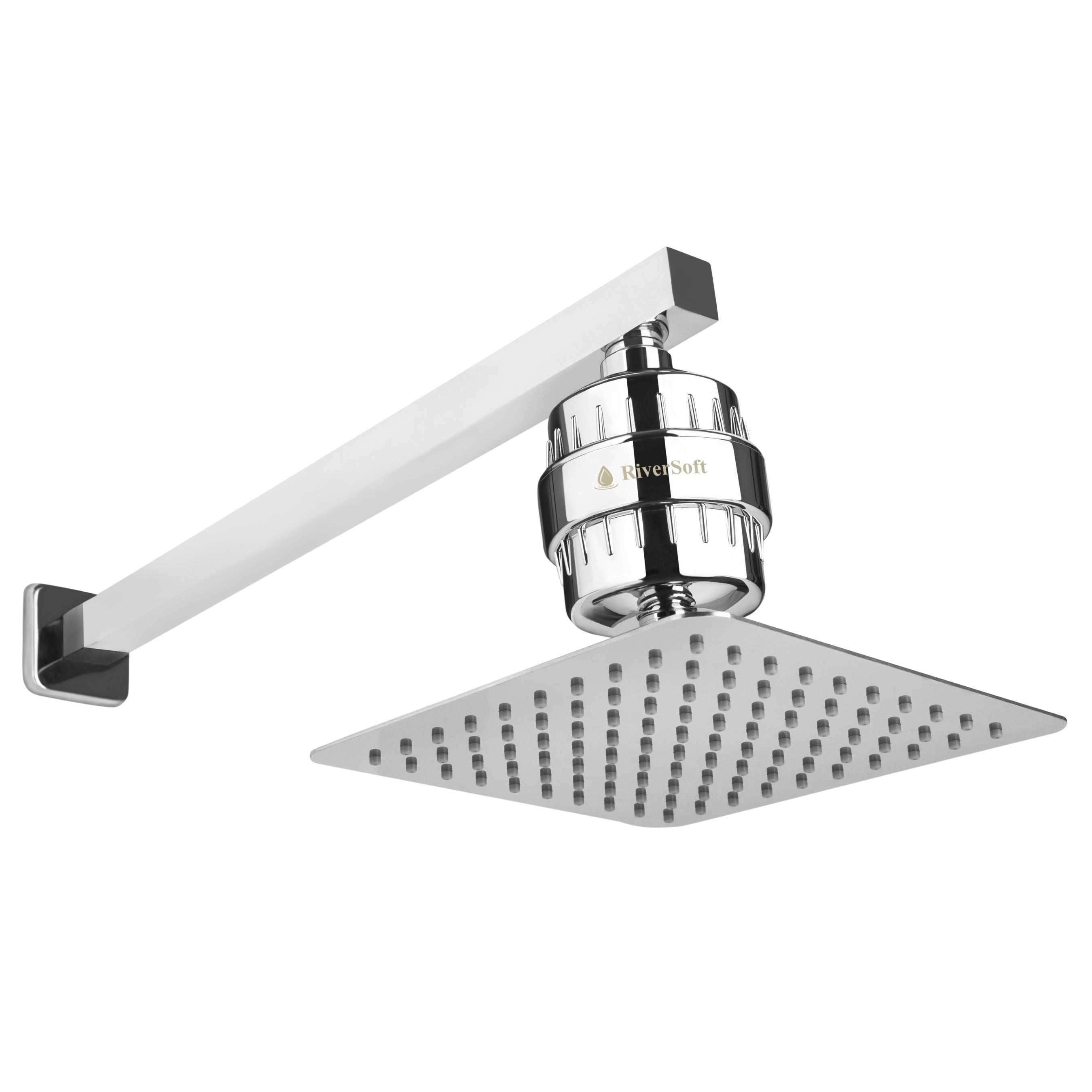
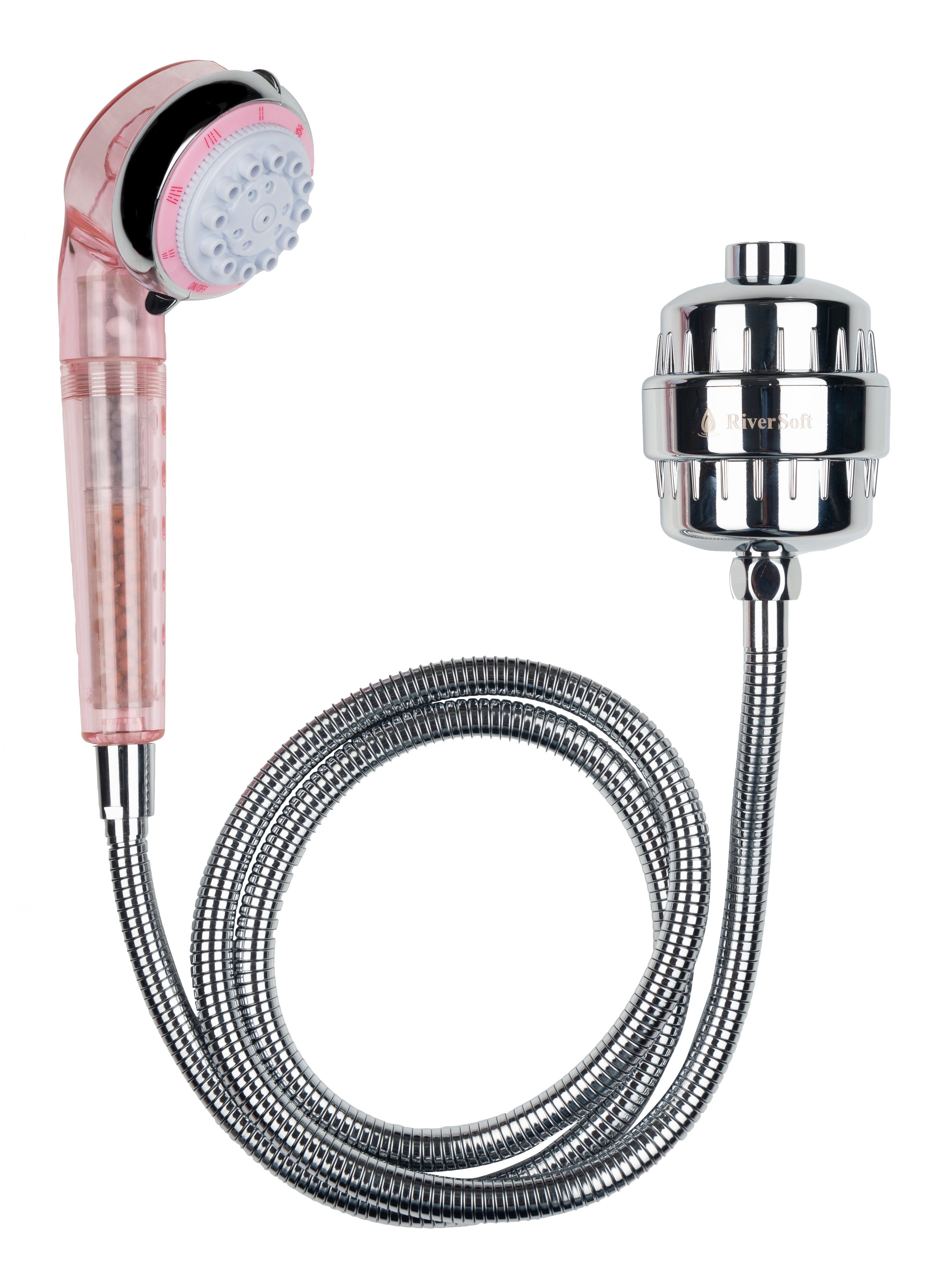
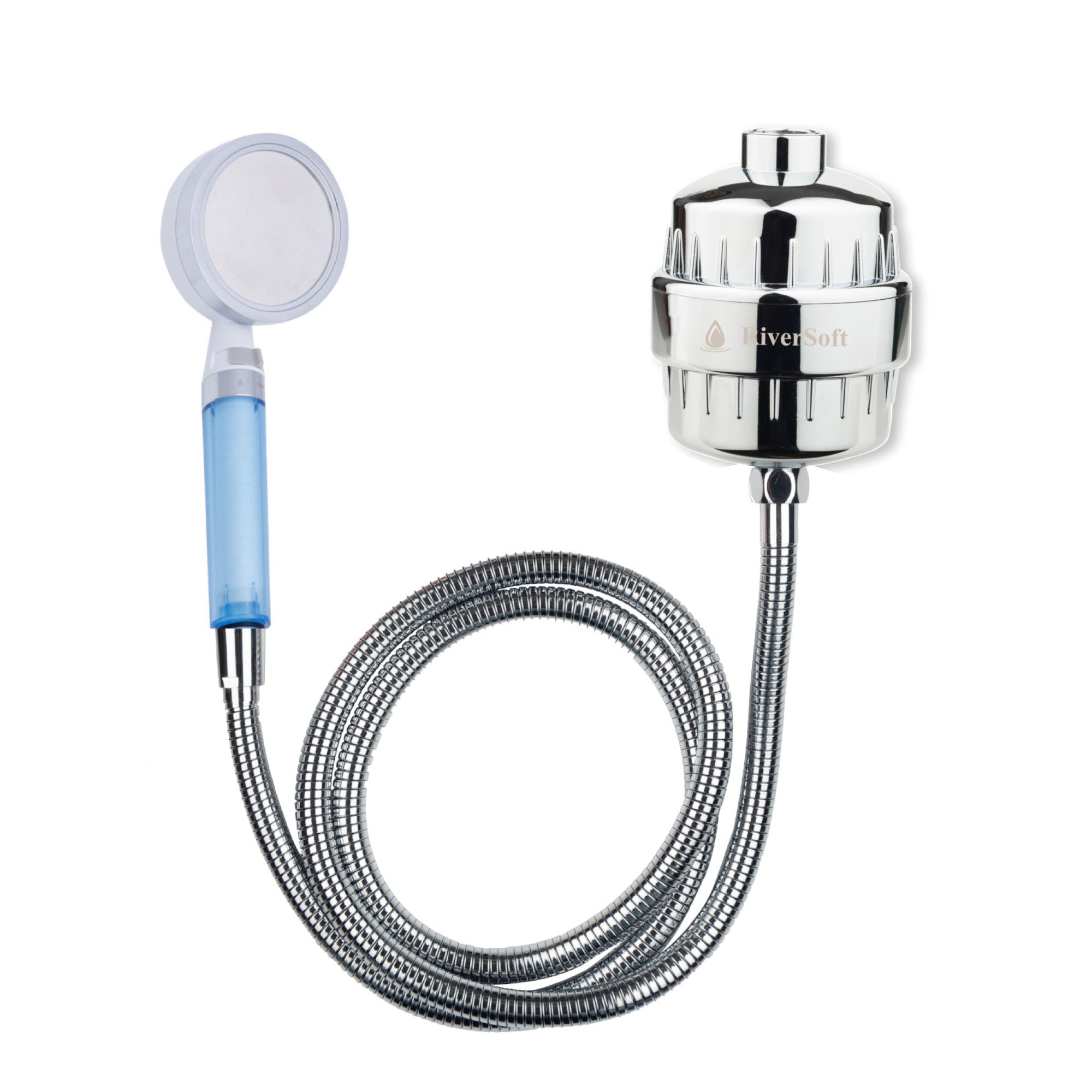
High TDS does not automatically mean toxic water. What matters is what’s dissolved in it. A lab test can identify contaminants that a TDS meter cannot. If your main concern is hardness-related scaling rather than contamination, a Riversoft bathroom water softener is built to target calcium and magnesium buildup specifically, without claiming to “detoxify” your water.
Myth 3: A TDS Meter Can Tell You If Your Water Is Purified Properly
A TDS meter is a conductivity test, not a purification verification tool. It can’t detect bacteria, viruses, pesticides, or many organic contaminants, since they don’t always carry an electrical charge. A TDS meter estimates dissolved solids but cannot confirm water is safe or detect germs and many chemicals. It’s better to know how to measure TDS and why it matters to health.
Myth 4: RO Purifiers Are the Only Way to Control TDS
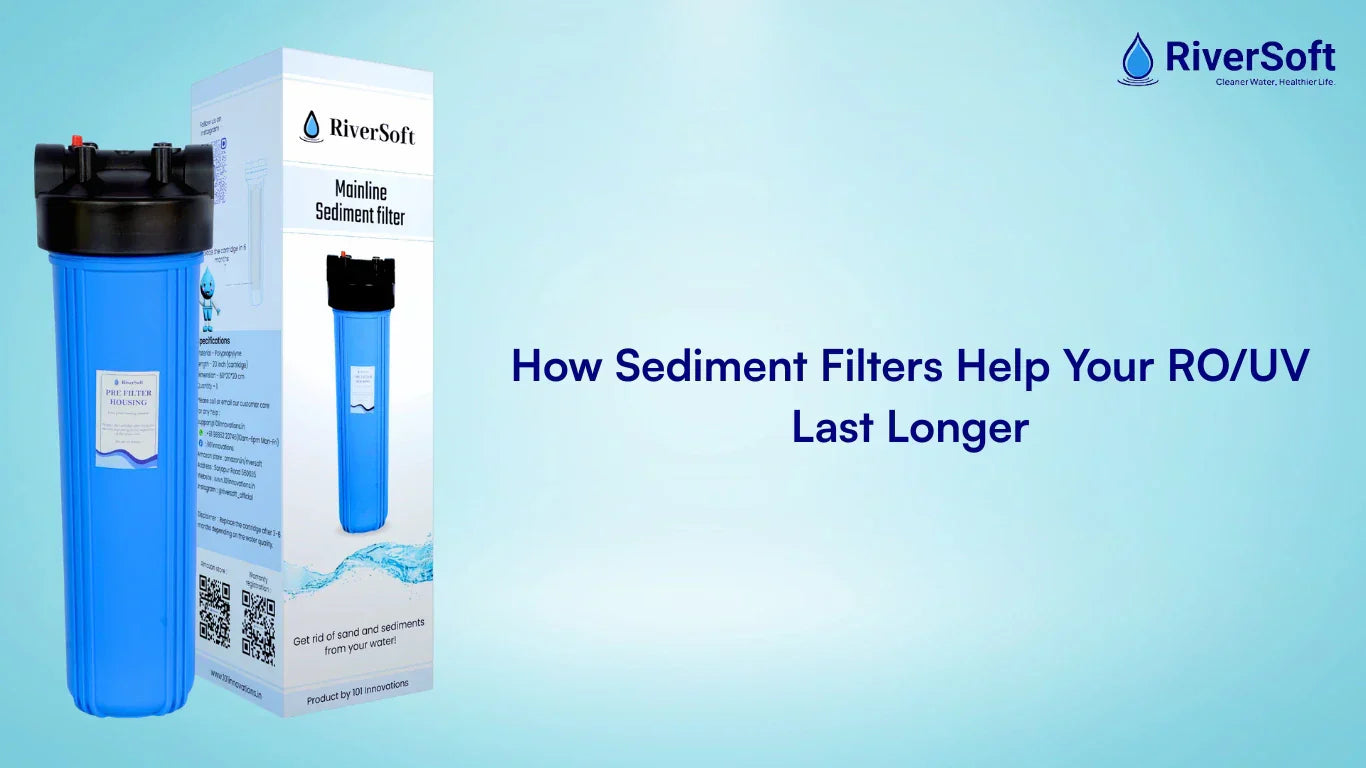
RO (Reverse Osmosis) reduces TDS, while water softeners target hardness and scale without necessarily lowering TDS. The right choice depends on your water test results. If you’re leaning toward protecting your RO membrane rather than replacing it outright, a Riversoft RO prefilter extends the system’s life by catching sediment before it reaches the membrane, while a bathroom water softener handles hardness on the shower/tap side.
Myth 5: Boiling Removes Excess TDS
Boiling is useful for killing many disease-causing germs. It is not a reliable way to remove dissolved salts or chemical contamination.
The CDC’s well-water treatment guidance states that boiling does not remove chemicals from water. Some hardness minerals may form deposits during heating, but this does not make boiling a controlled TDS treatment.
Myth 6: Every Water Filter Should Reduce TDS
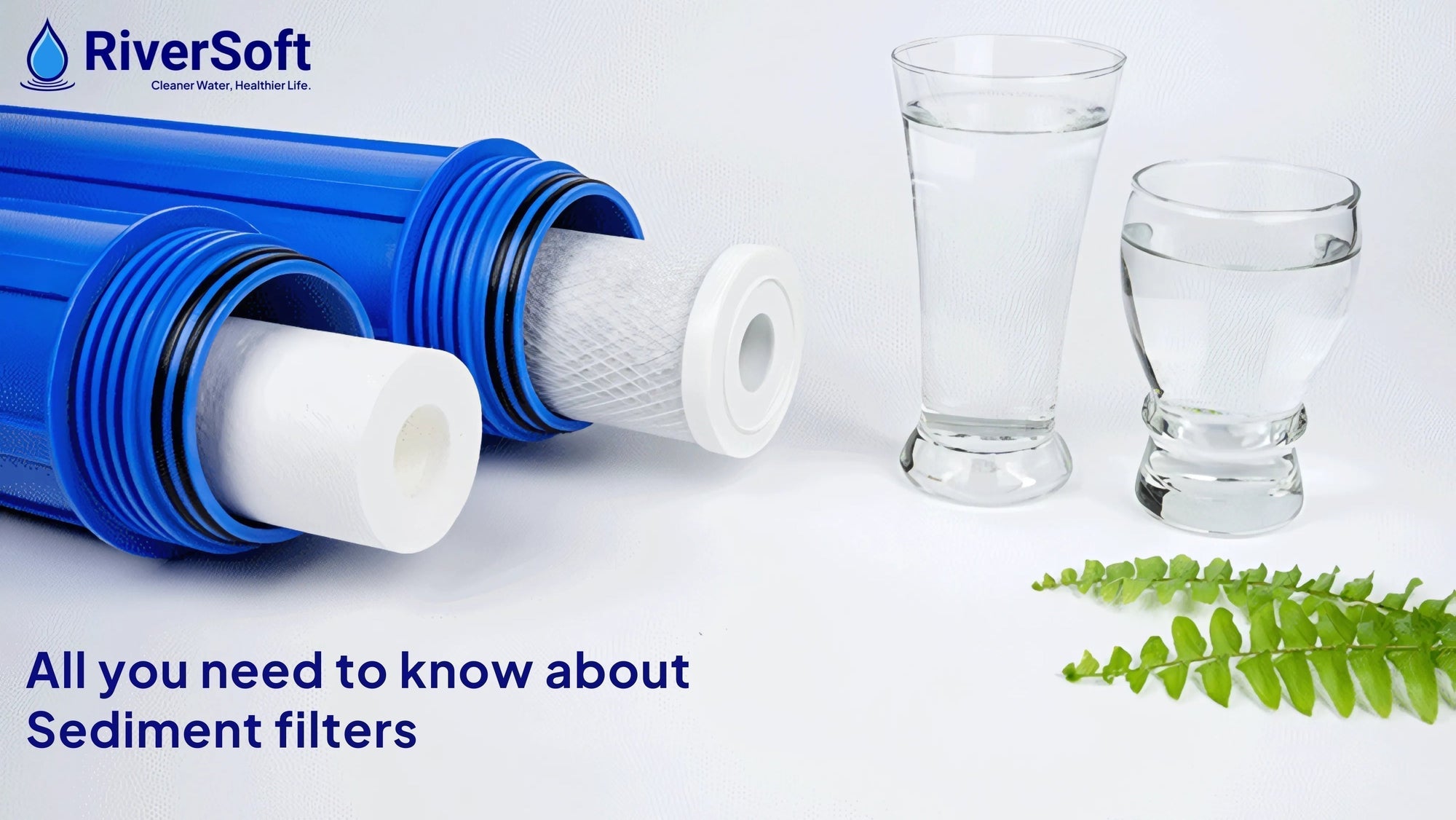
Different filters do different jobs. A sediment cartridge catches particles. A carbon filter targets certain chemicals. Reverse osmosis separates many dissolved substances through a membrane.
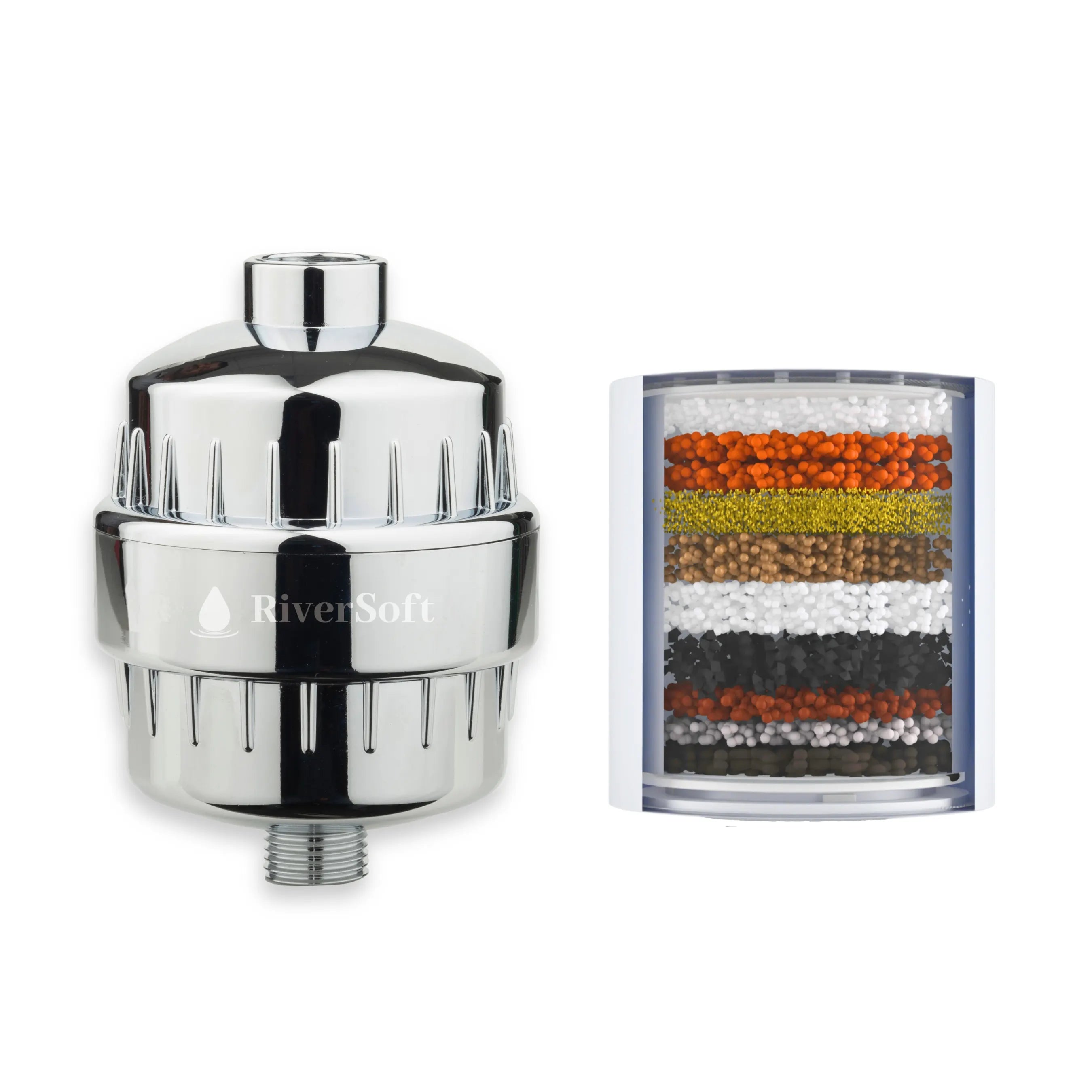
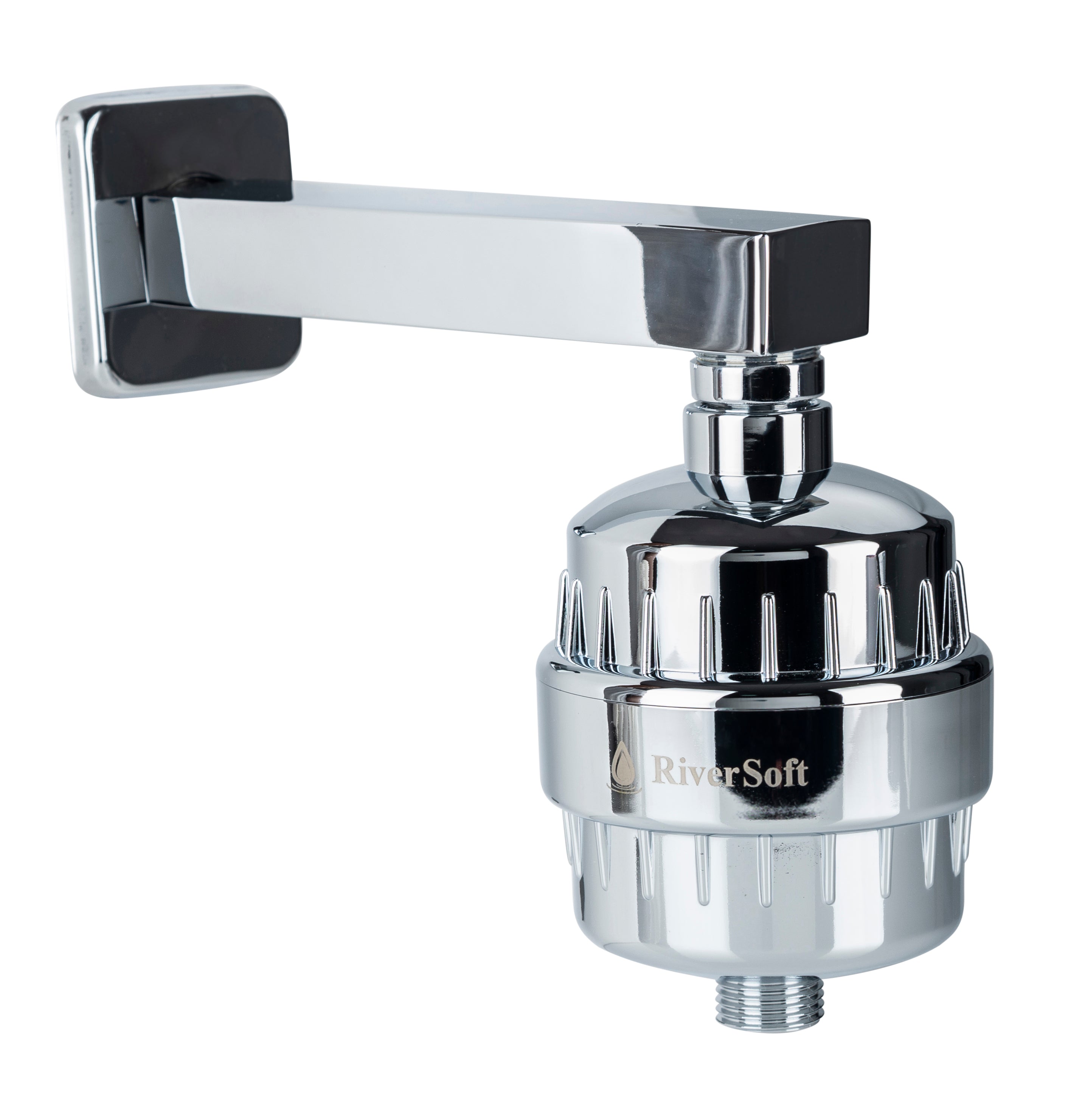
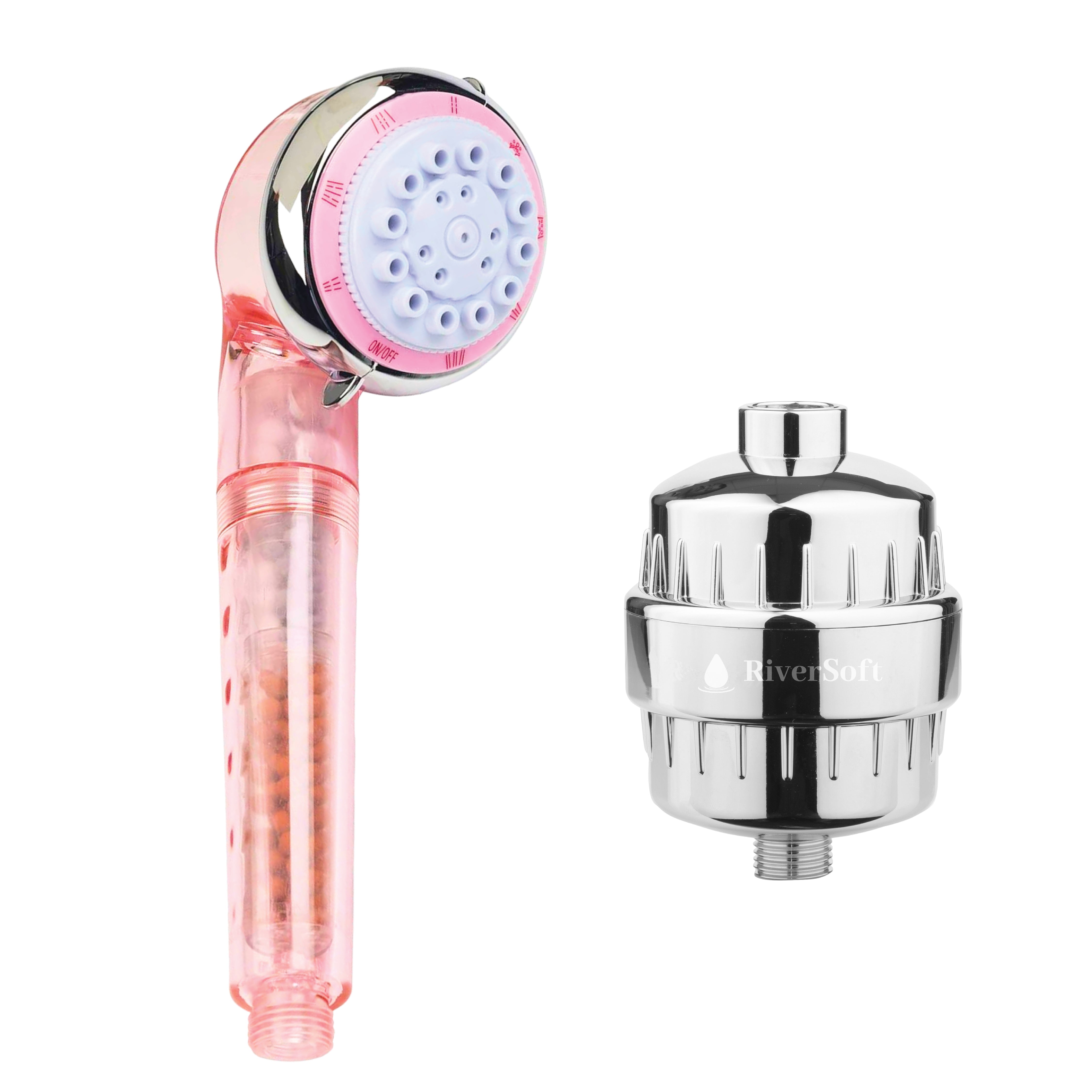
There is a distinction between filtration, reverse osmosis, ultraviolet treatment, and water softening as separate processes. For example, Riversoft’s ASP-20-HV5 sediment filter uses a 5-micron spun cartridge for particle filtration. It should not be judged by whether it lowers dissolved salts, and a shower and tap filter like the SF15 targets chlorine and hardness at the point of use. Neither should be judged by whether it lowers dissolved salts.
Myth 7: TDS and Water Hardness Are the Same
Hardness mainly relates to dissolved calcium and magnesium.
A high TDS reading alone cannot tell you how much hardness your water contains. For example, sodium salts can increase TDS without contributing to calcium and magnesium hardness.
Riversoft’s explanation of softeners and TDS explores why softening water does not necessarily lower the meter reading.
So What TDS Level Should You Actually Aim For?
Here’s a simplified reference based on general drinking water guidelines:
-
Below 300 ppm – Generally considered good quality
-
300–600 ppm – Fair, acceptable for most households
-
600–900 ppm – Noticeably poor taste, filtration recommended
-
Above 1200 ppm – Unacceptable for regular consumption without treatment
These are general benchmarks. Your ideal filtration setup still depends on your local water source. Municipal water, borewell water, and tanker-supplied water can all have very different compositions even at the same TDS reading. The Central Pollution Control Board’s water quality criteria are a useful public reference if you want to understand regional water quality standards in more depth.
Choose Treatment Around the Actual Problem
Before buying a filter, establish what needs fixing:
-
Grit or rust particles: Investigate sediment filtration.
-
Recurring scale: Test hardness; a water softener is usually the fix.
-
Unusual taste or elevated TDS: Test dissolved constituents; a RO prefilter helps if sediment is skewing results.
-
Suspected contamination: Request appropriate chemical and microbiological testing.
TDS in water is a useful measurement, but it is only one part of the picture. Start with your water report, then choose a Riversoft mainline filtration solution that matches the identified household problem.
TDS in water is only one indicator of water quality. Choose a filtration system based on your water test results. If sediment and hardness are concerns, RiverSoft offers three mainline filtration options:
-
RIVIQ MHW-20: A single-stage filter for sediment removal and hard water conditioning.
-
RIVIQ MHW-20-2: Adds CTO carbon filtration to reduce chlorine, unpleasant taste and odour.
-
RIVIQ MHW-20-3: Combines hard water conditioning with GAC and CTO carbon for more comprehensive filtration.
Note: These filters do not reduce TDS. If high TDS is your concern, consider an appropriate RO purification system based on your water test results.
The Real Takeaway
TDS is a useful starting indicator
It tells you there’s something dissolved in your water, but not whether that something is helpful mineral content or harmful contamination. The smarter approach is pairing a TDS check with a proper water hardness test.
Choosing a filtration system suited to what your water actually needs, rather than chasing a “zero TDS” number.






















Leave a Comment