
Hard water can make water-efficient fixtures harder to maintain than they should be. In many homes, mineral-heavy water leaves behind buildup that blocks aerators, reduces water pressure, and creates white stains on taps and showerheads. Low-flow fixtures are especially affected because even small deposits can reduce their performance over time. This is why homes in hard water areas often need a mix of regular descaling, better fixture care, and products like tap water softeners or hard water shower filters to keep bathroom fittings working properly.
Water-efficient fixtures like low-flow faucets, aerators, and showerheads help conserve water without compromising performance. Hard water causes mineral buildup and reduces their lifespan. This blog focuses on practical strategies to maintain water-efficient fixtures in hard water areas using fixtures like water softeners for taps and hard water shower filters, ensuring long-term efficiency.
Common Issues in Hard Water Areas
Hard water can create several problems that directly impact water-efficient fixtures
1. Reduced Water Pressure
Mineral deposits from hard water collect inside pipes and fixtures, causing blockages. This reduces water pressure, impacting the performance of fixtures like showerheads and faucets.
2. Clogged Aerators
The fine mesh in aerators, designed to mix air with water to conserve usage, often gets clogged with limescale. This can reduce flow efficiency significantly.
3. Stains and Discoloration
White, chalky stains or brownish discoloration are common on faucets, showerheads, and sinks in hard water areas.
4. Shortened Fixture Lifespan
Constant exposure to hard water can corrode fixtures, leading to frequent repairs or replacements.
Tips for Maintaining Water-Efficient Fixtures

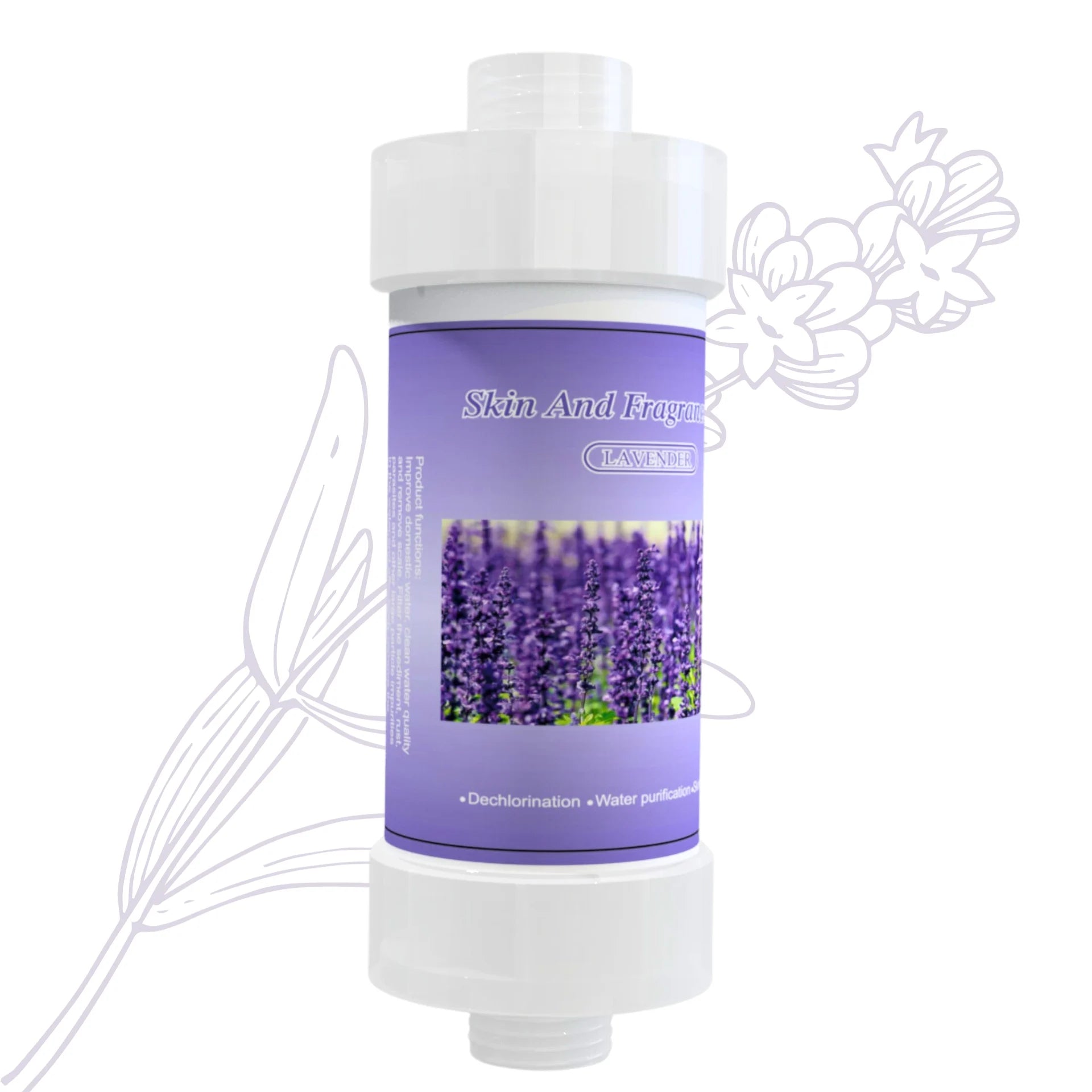
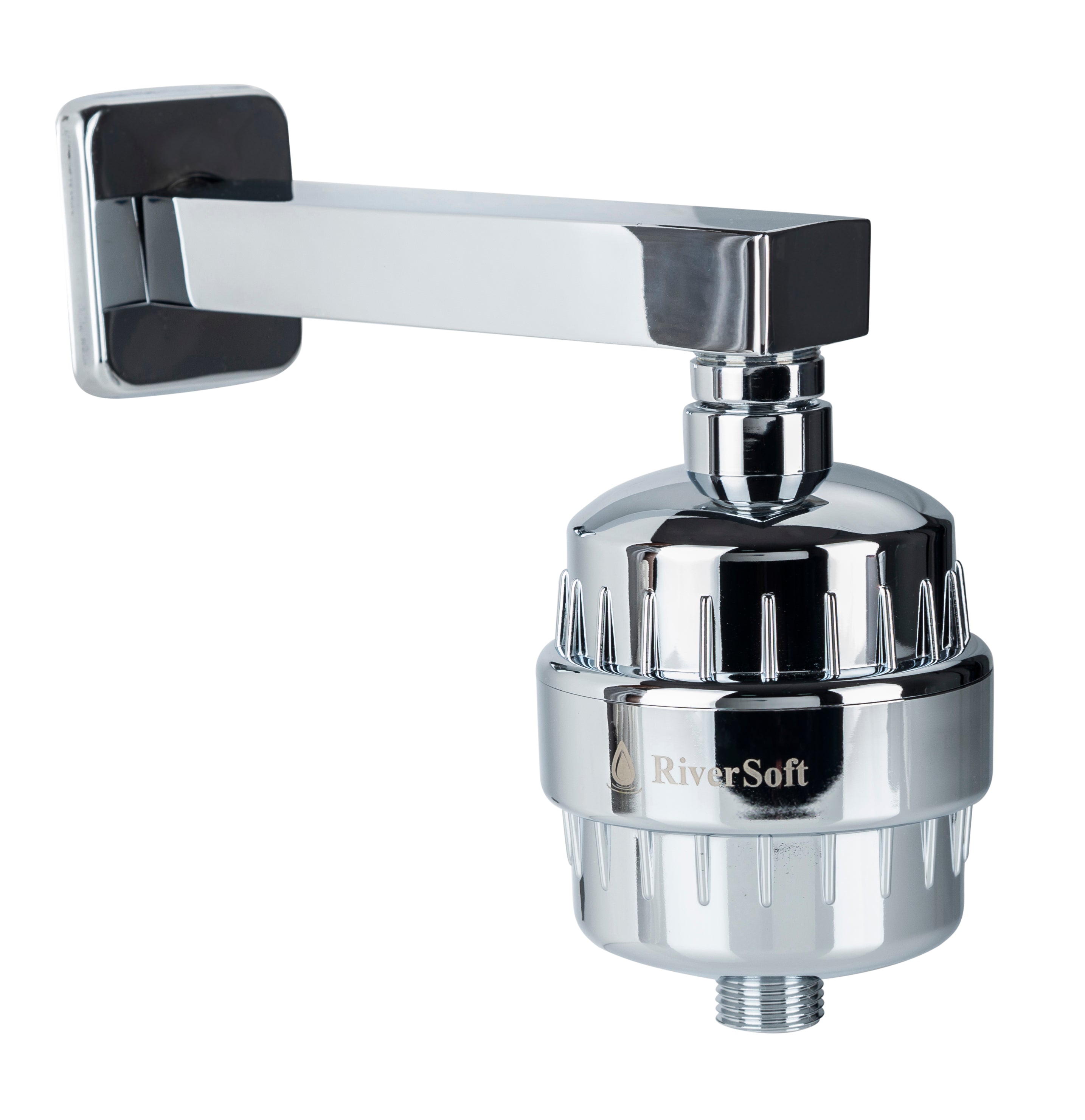
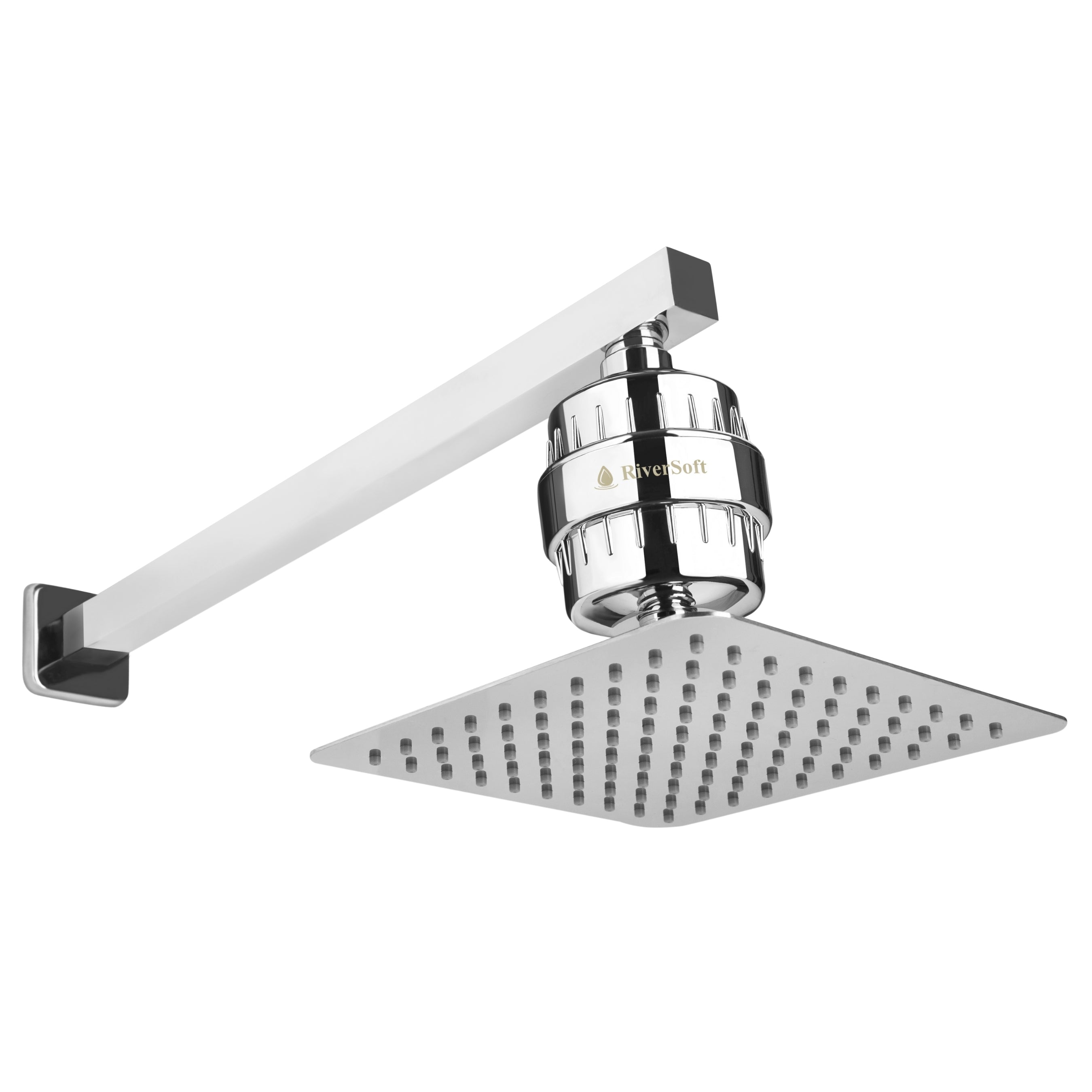
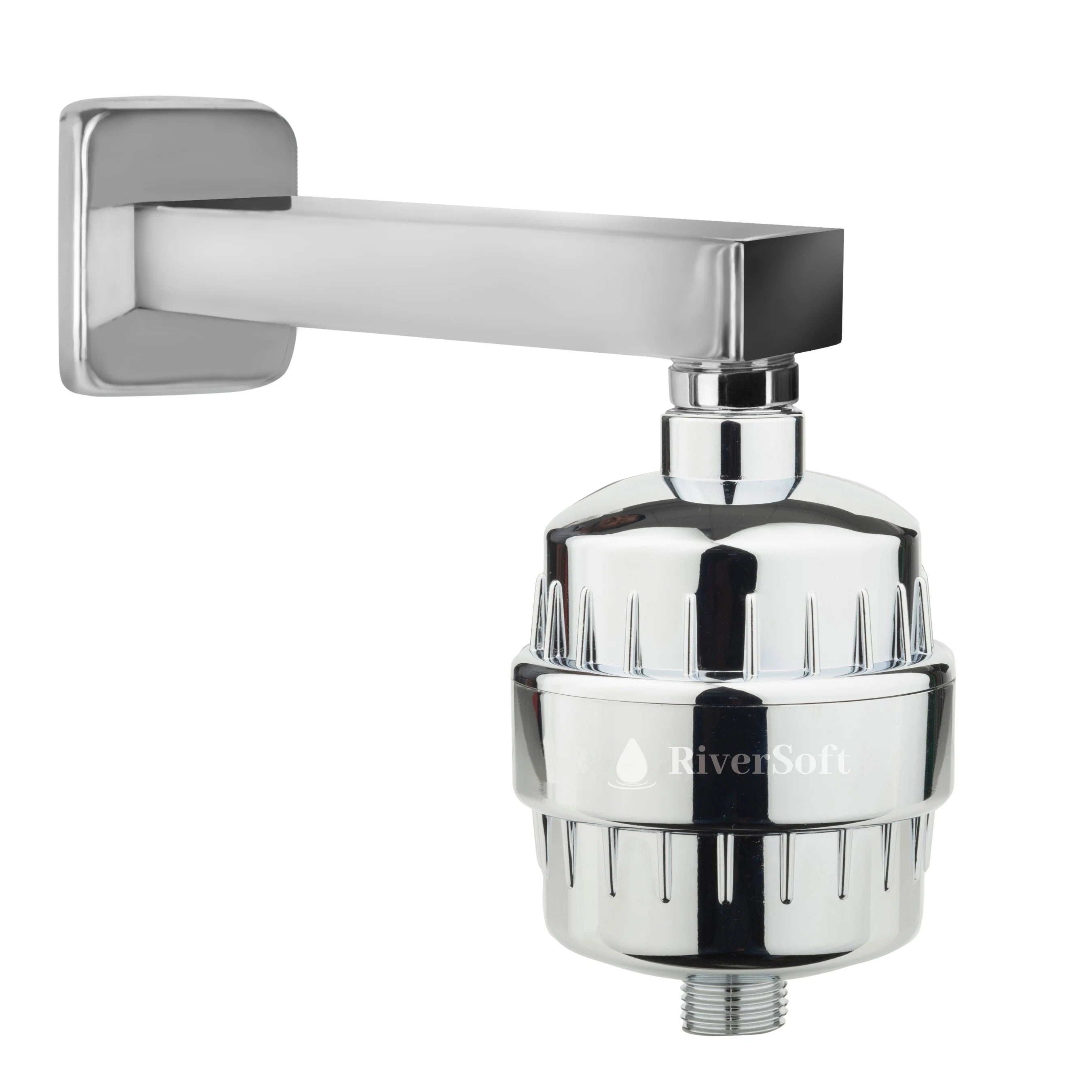
1. Install Hard Water Filters
-
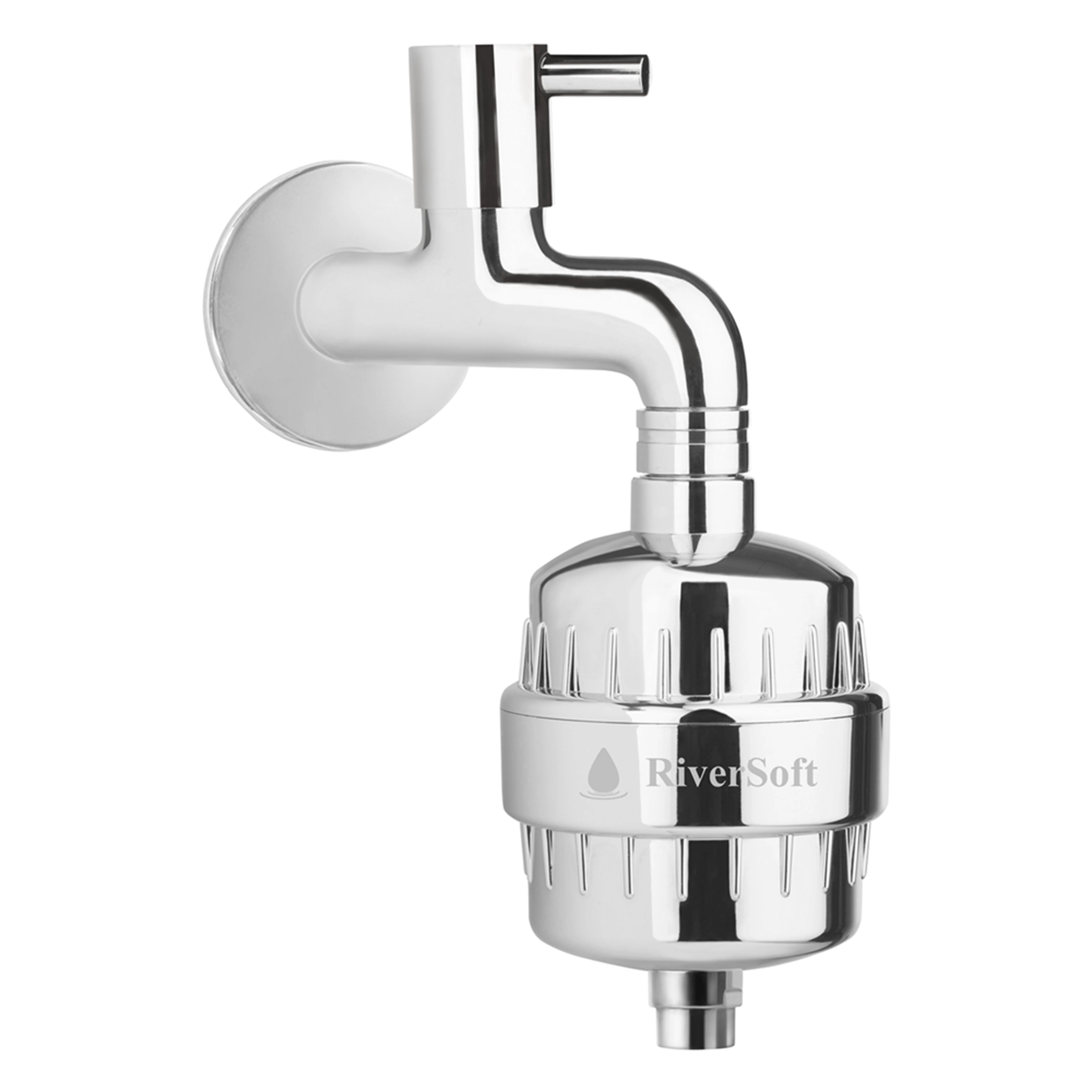
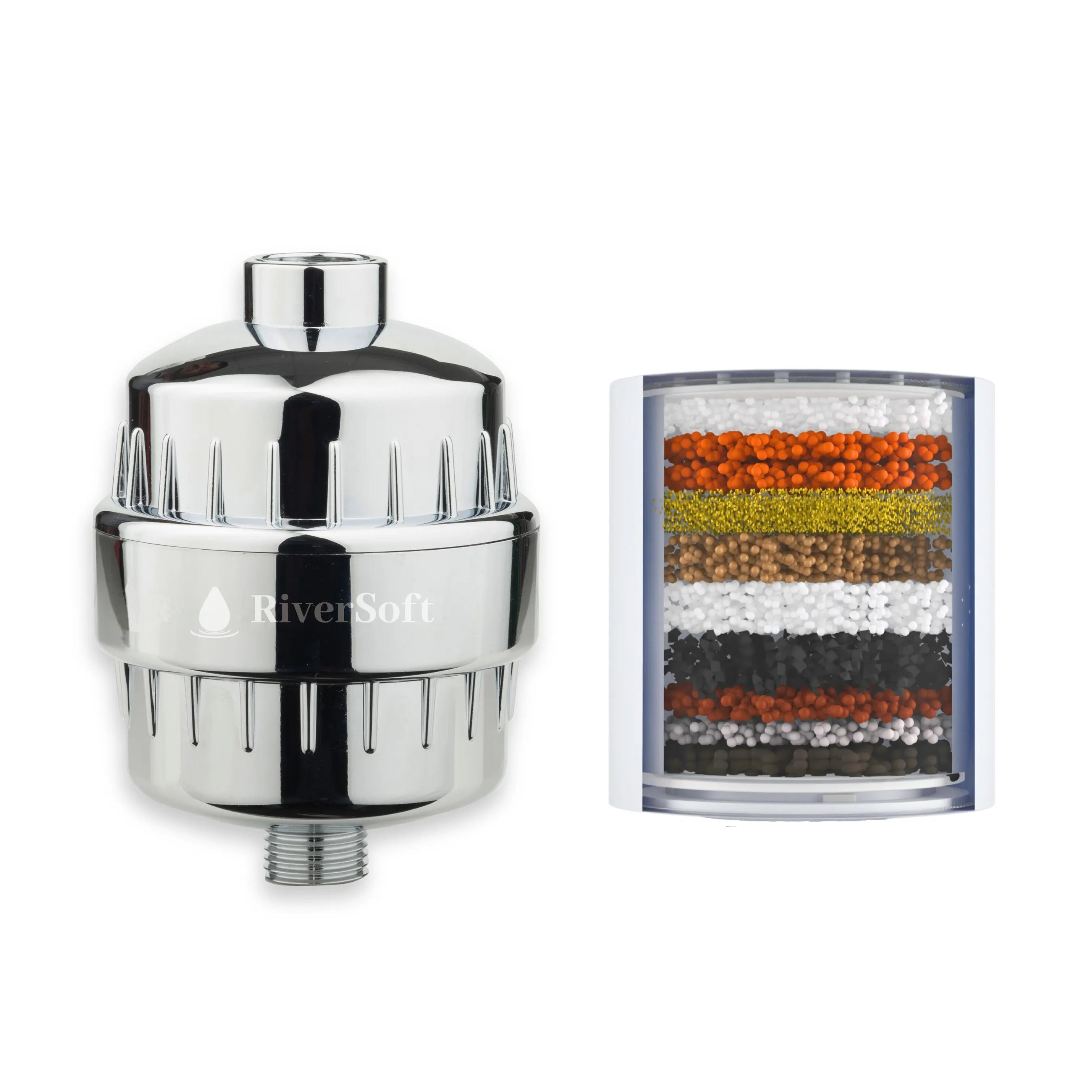
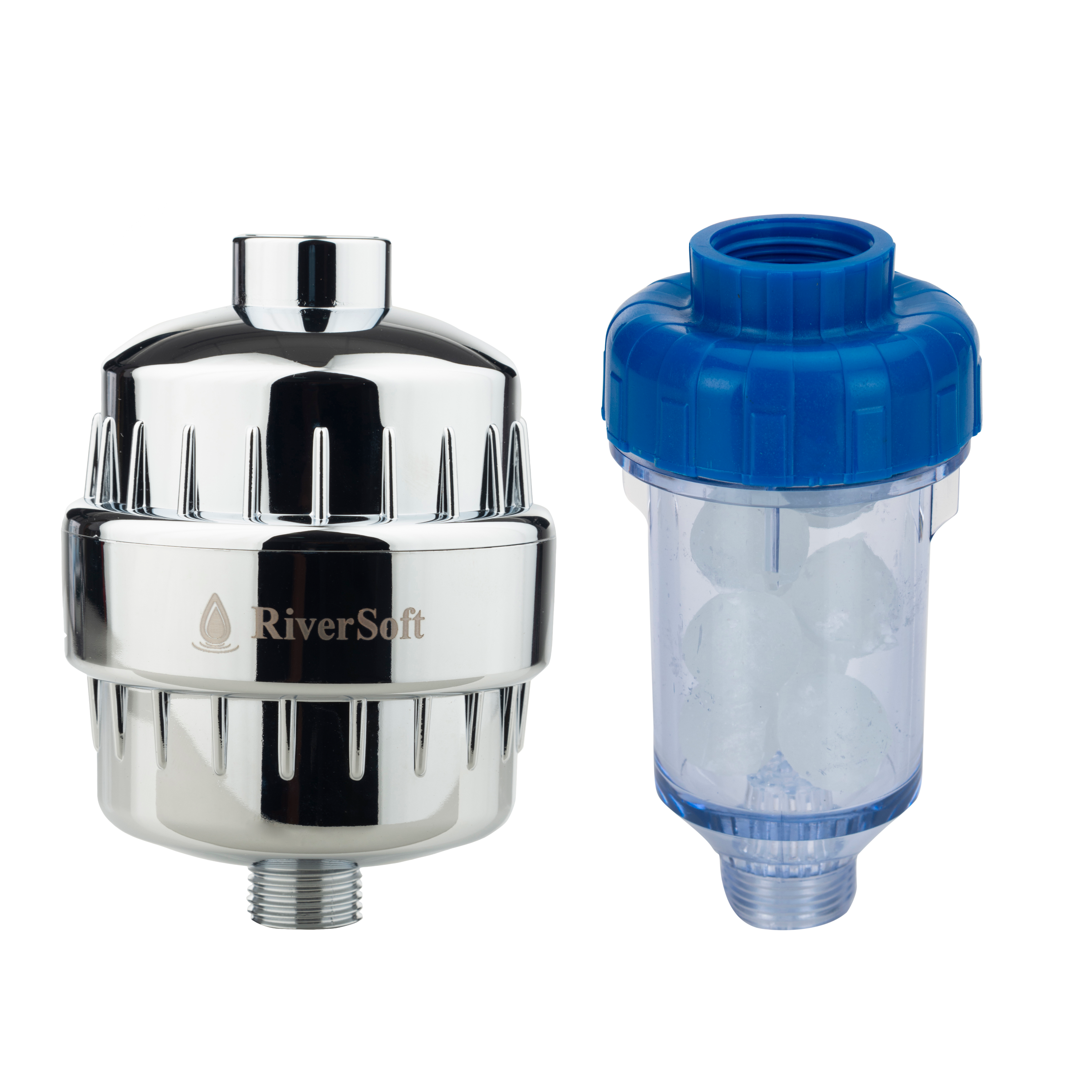
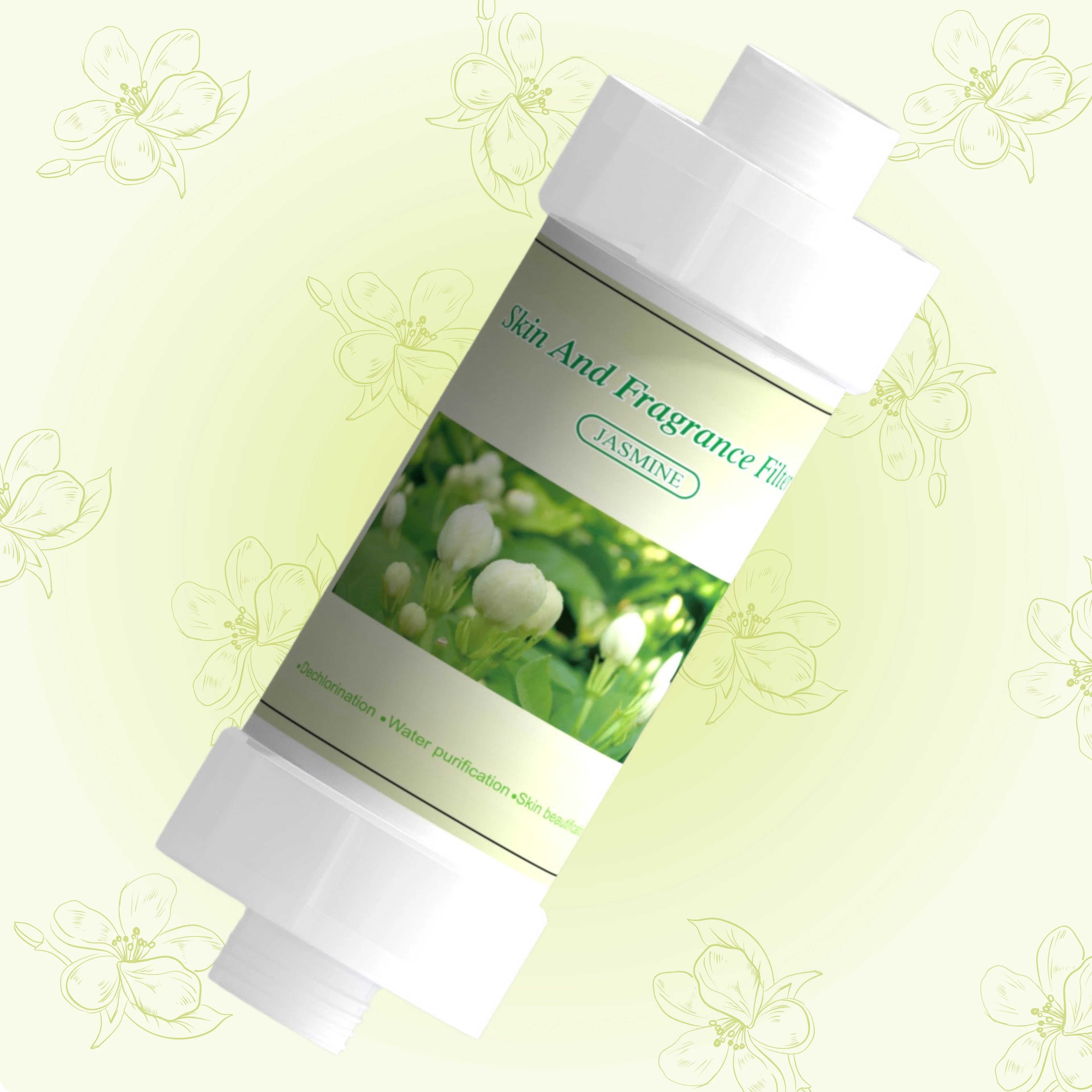
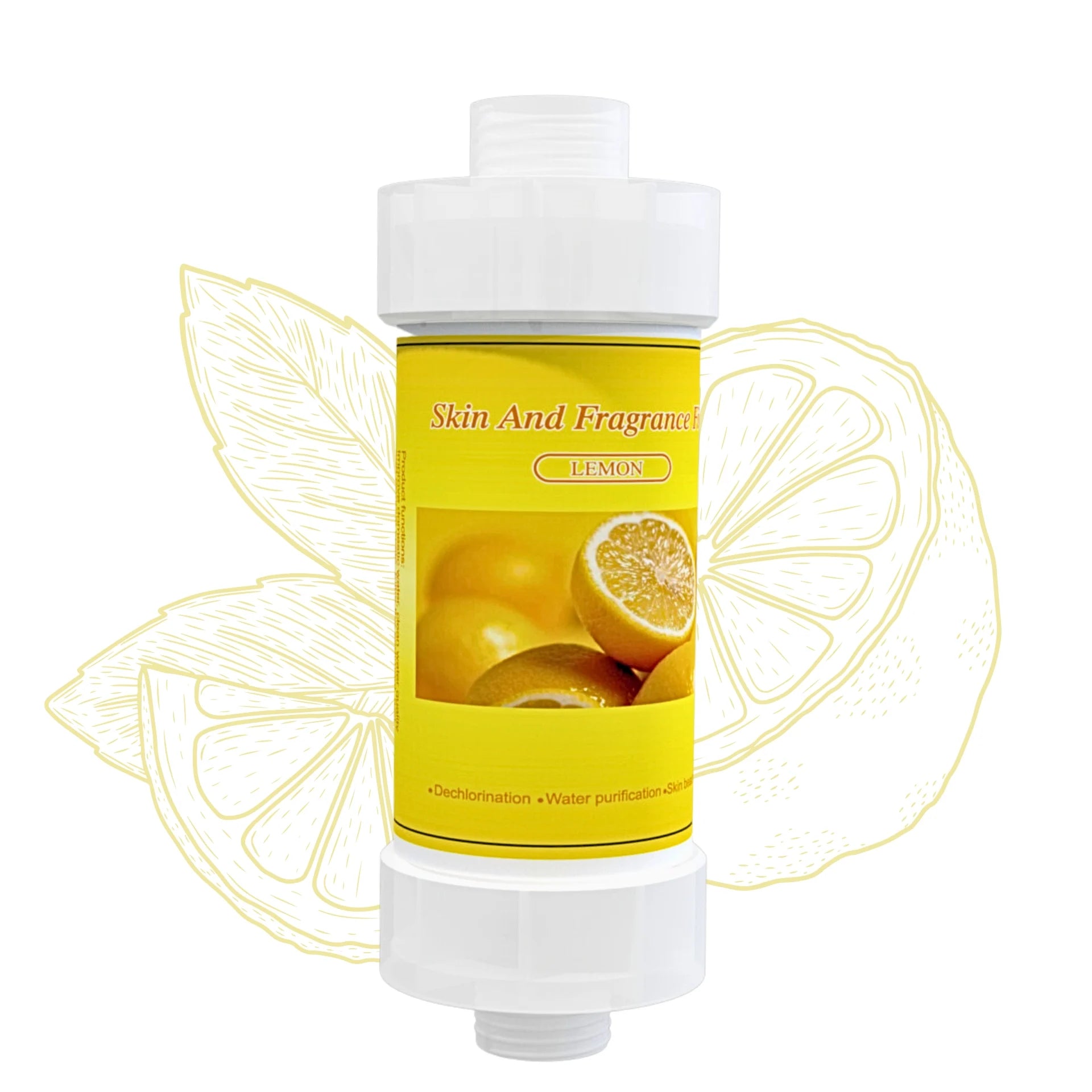
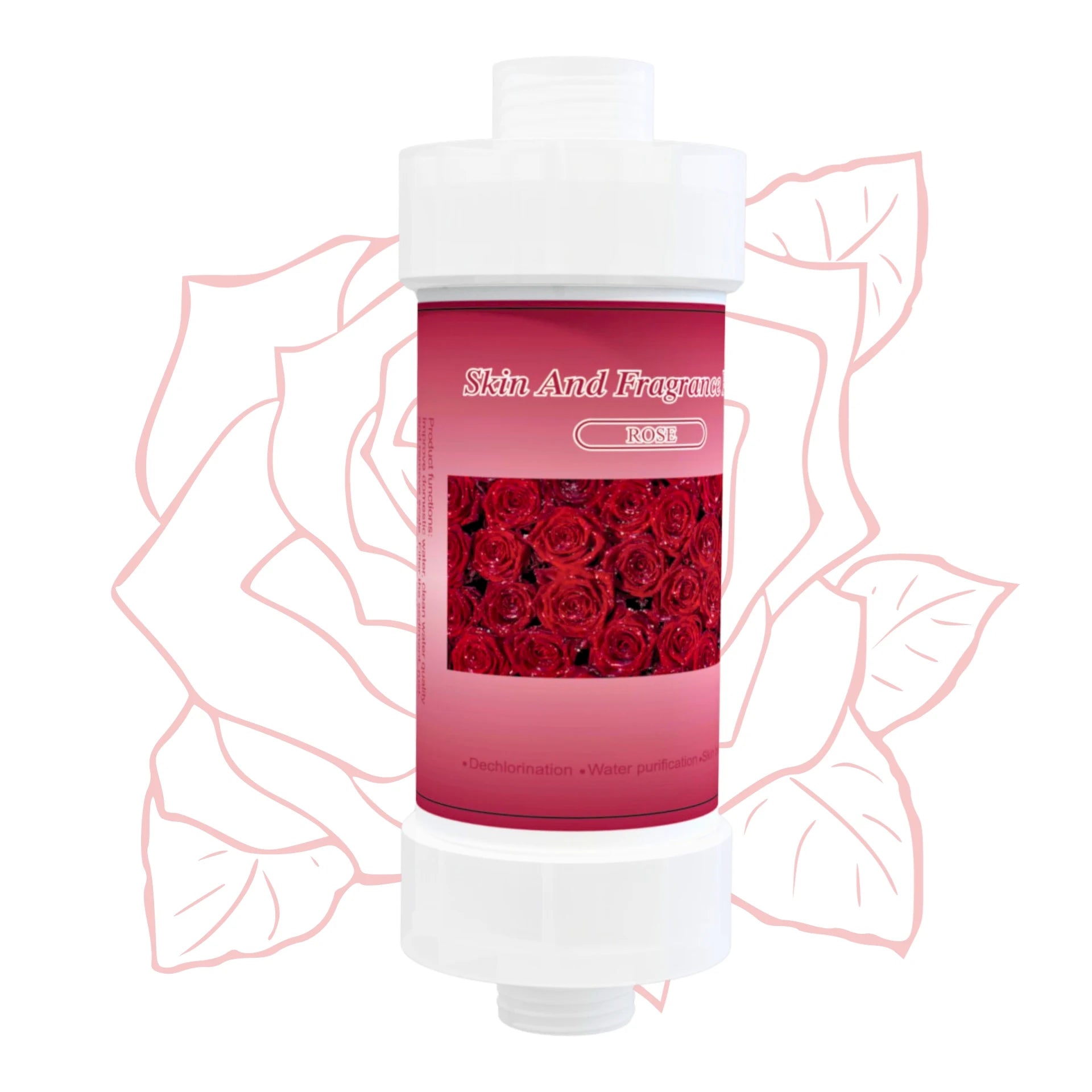
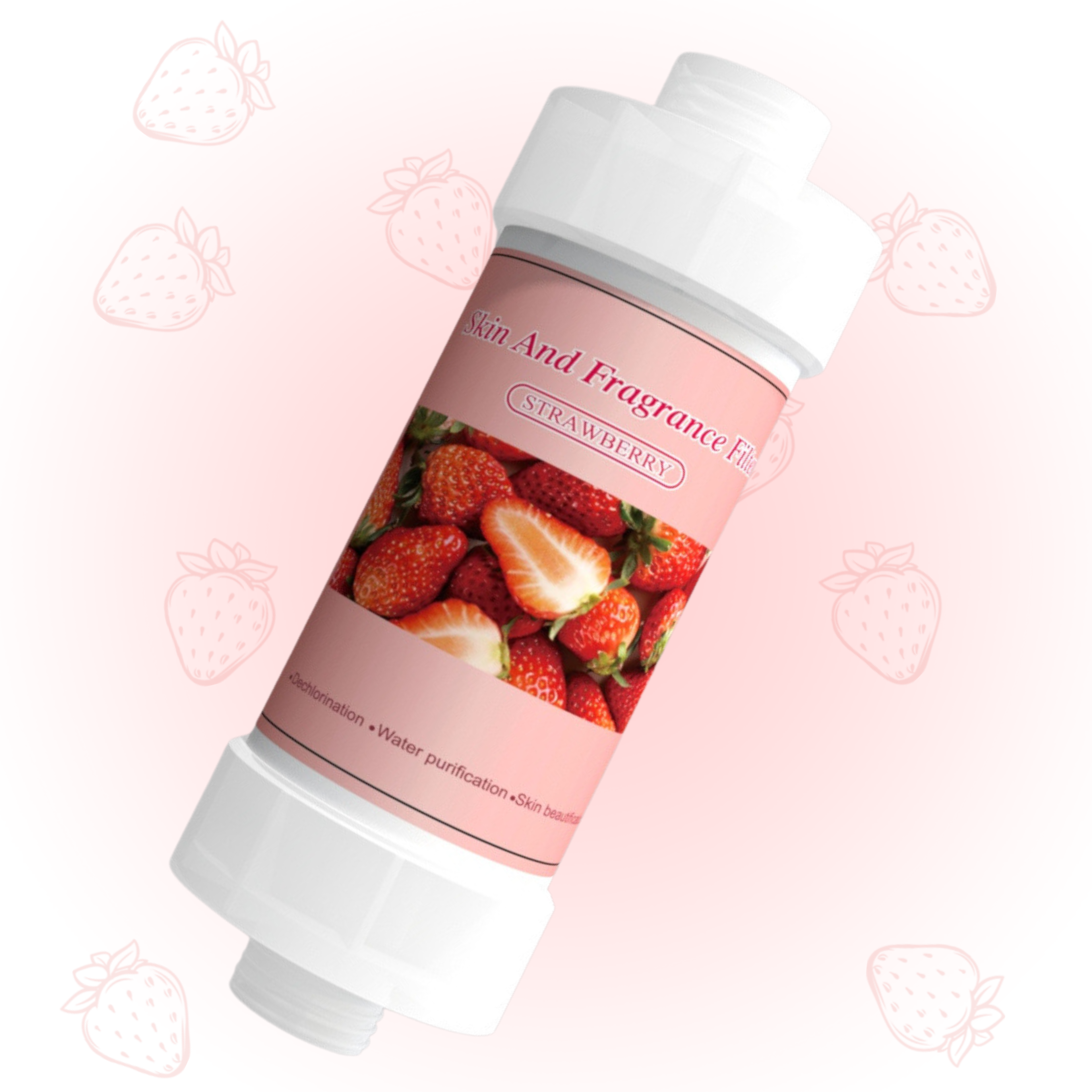
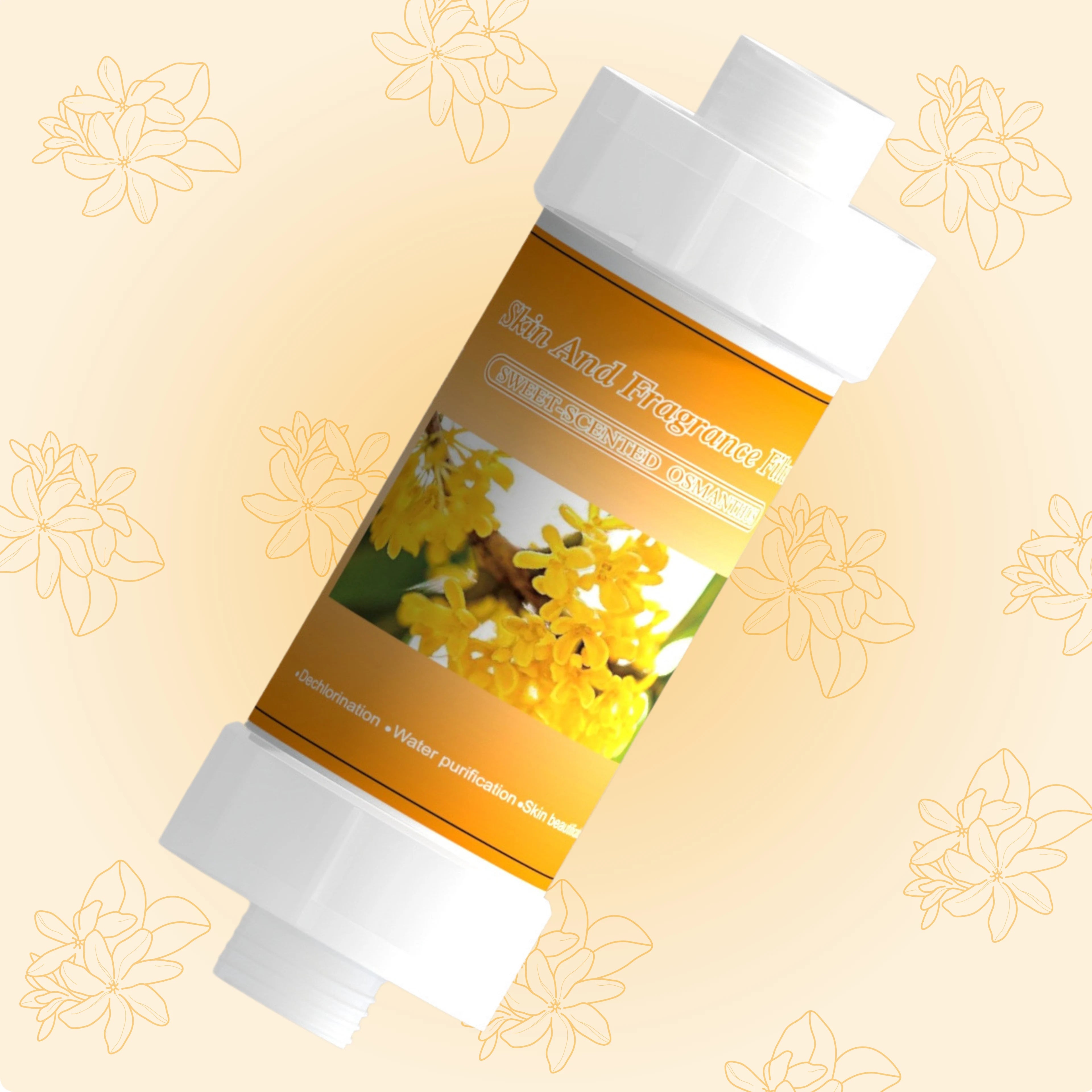
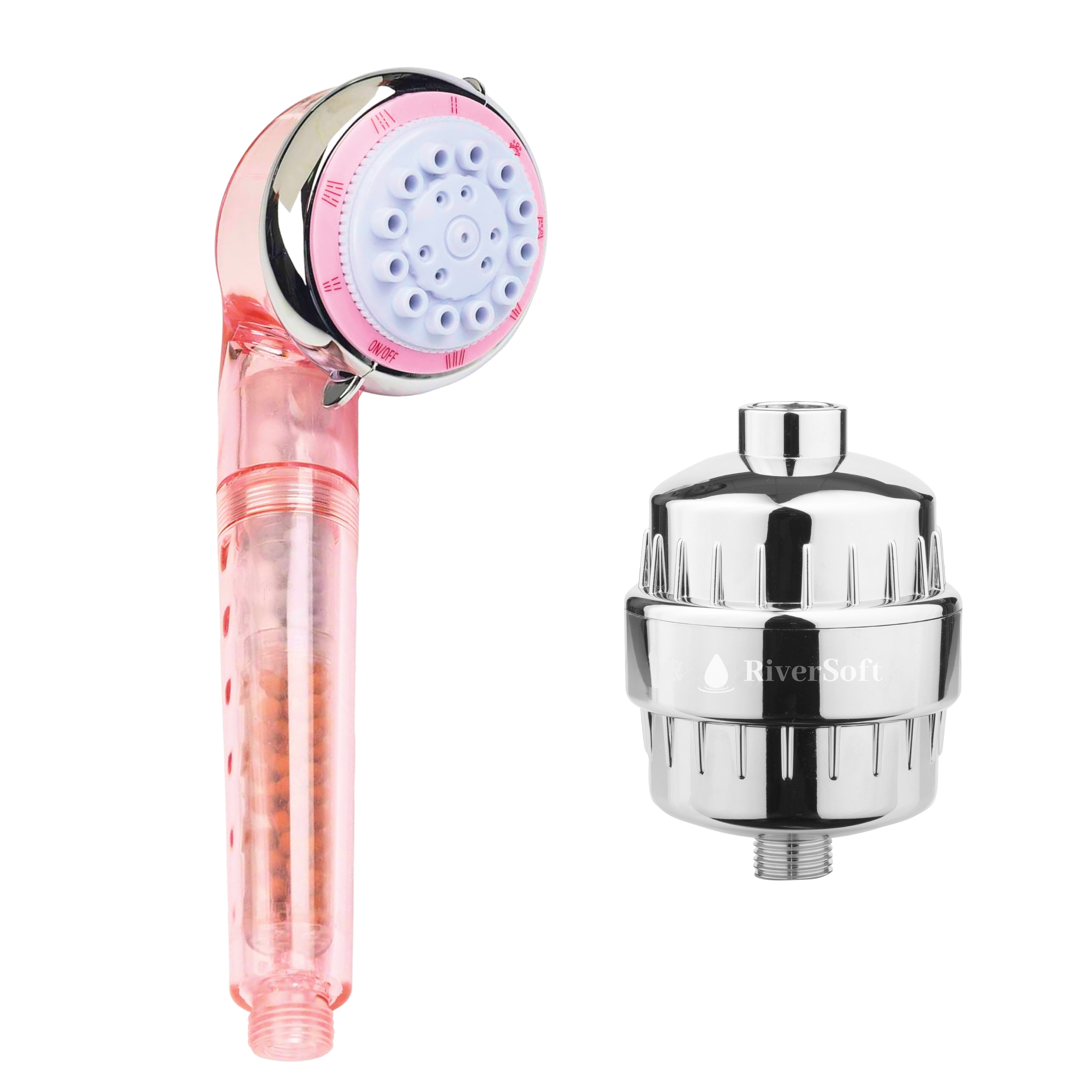
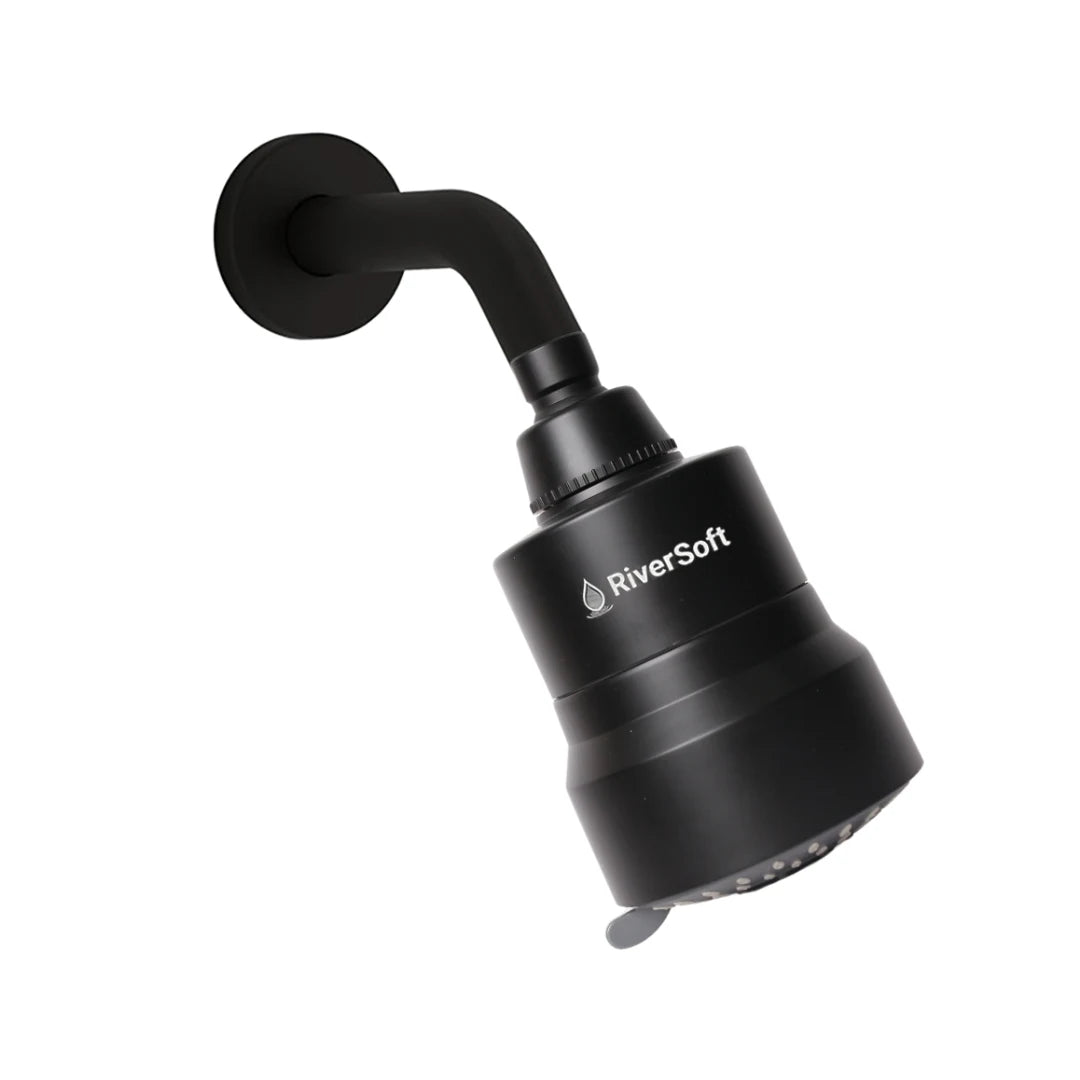
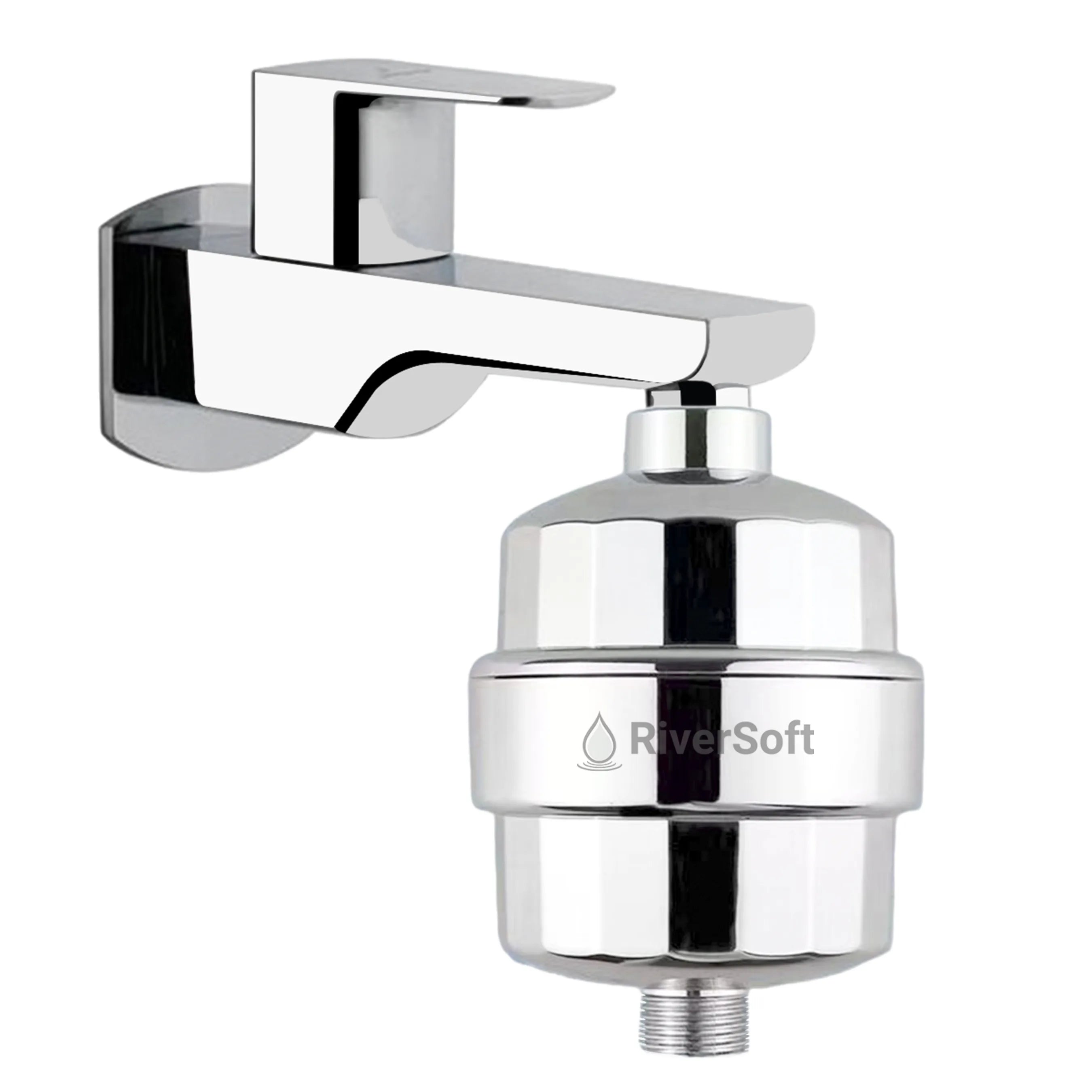
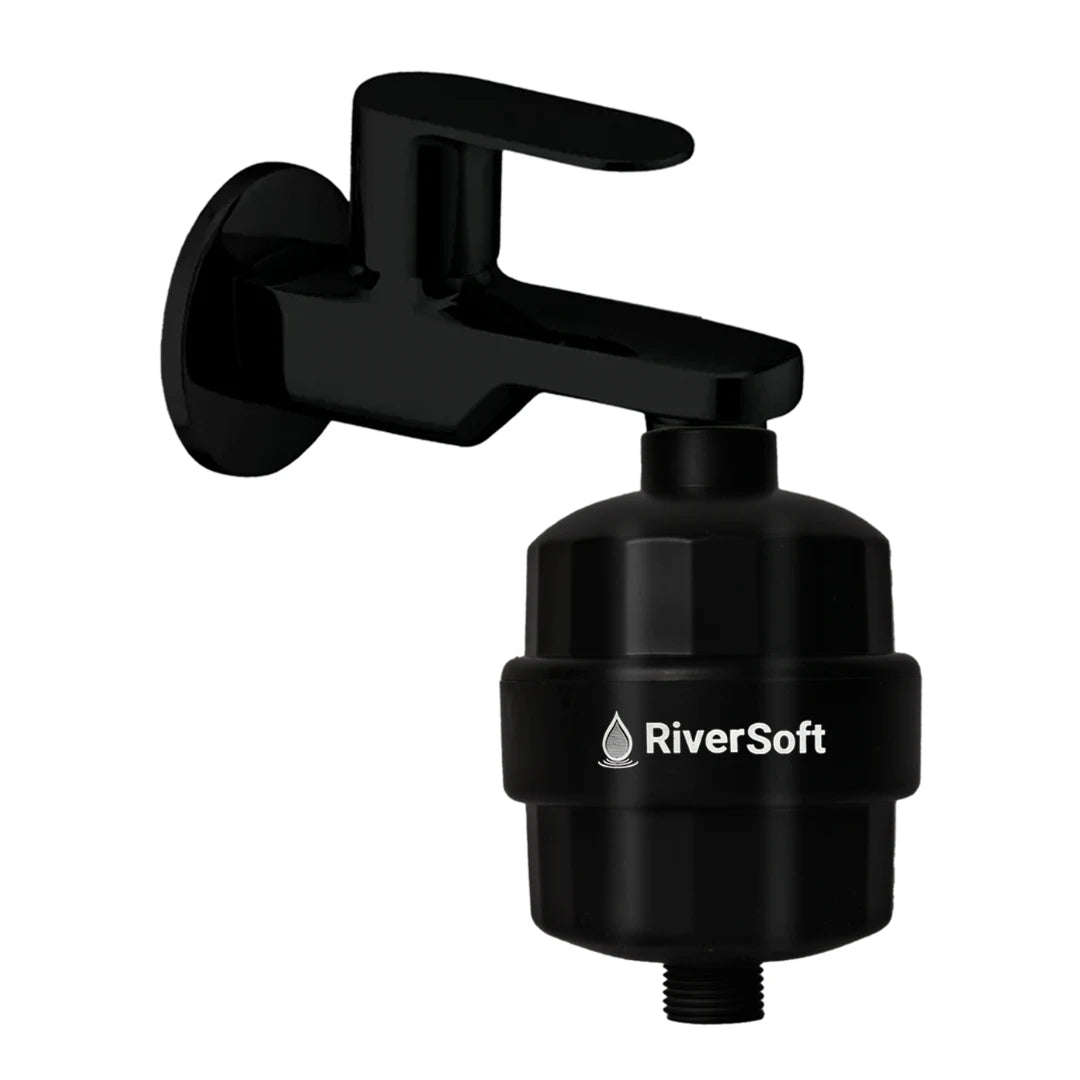
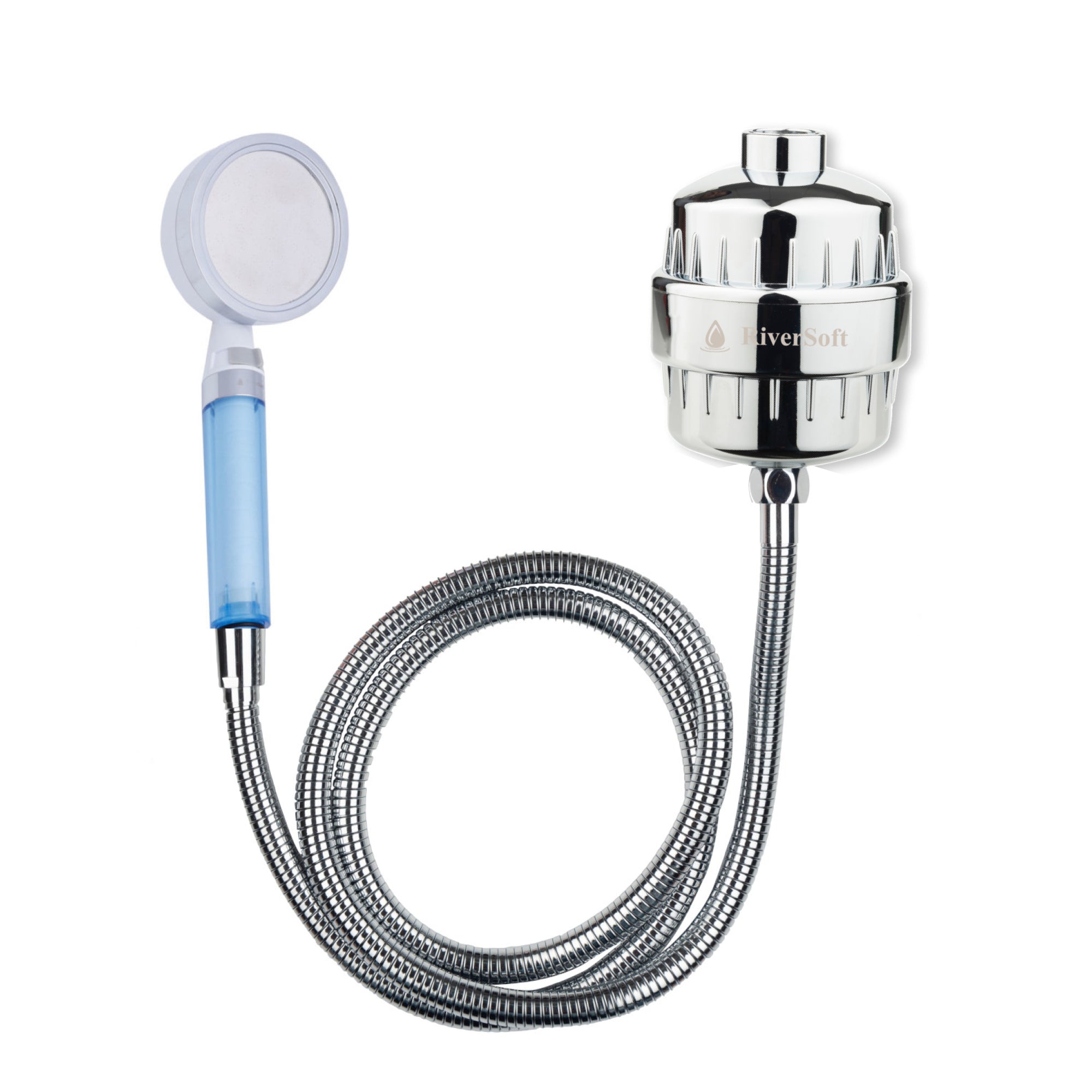
Adding water filters for hard water at key points, such as faucets and showerheads, will help reduce the mineral content in water.
-
These filters trap calcium and magnesium particles, preventing scale buildup on fixtures.
-
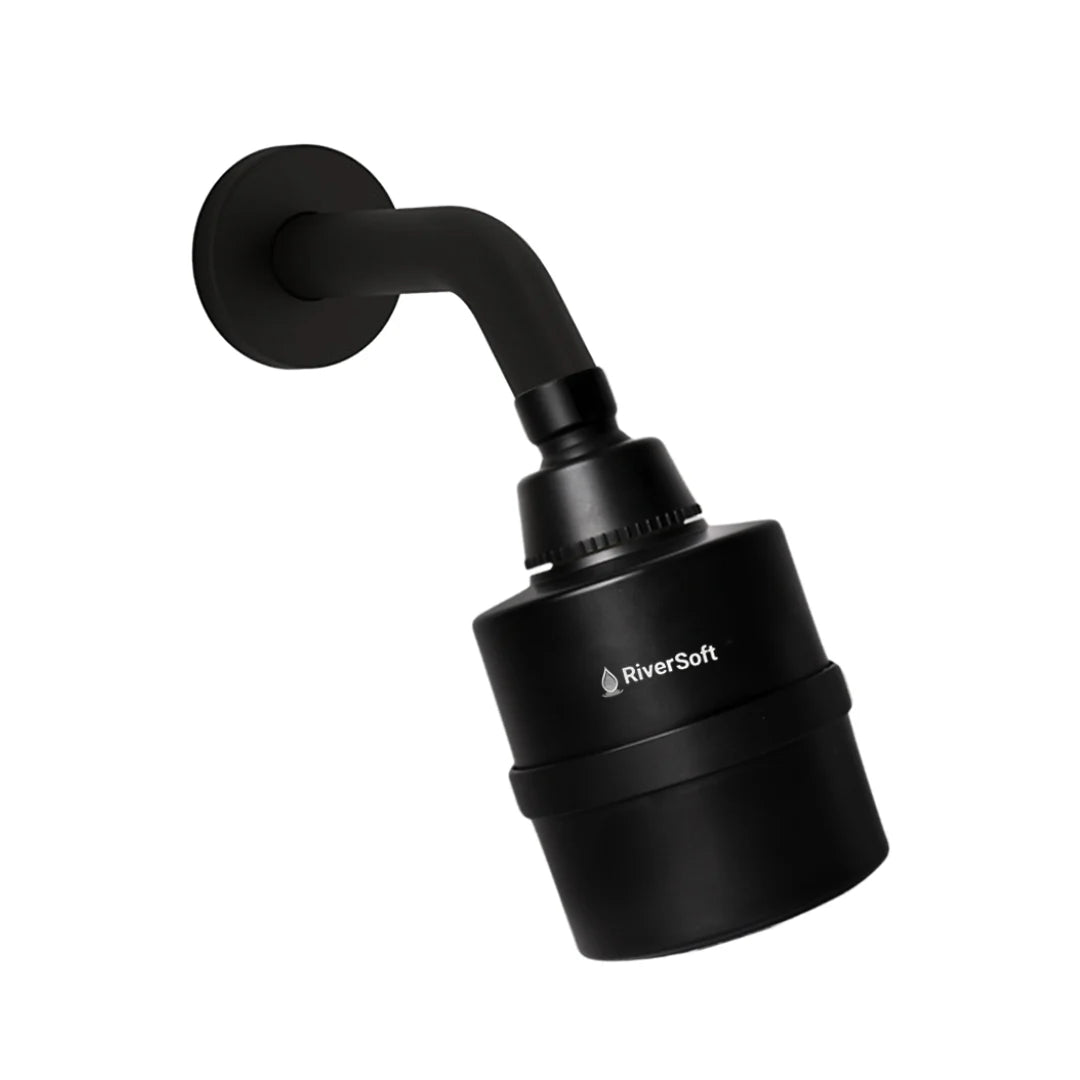
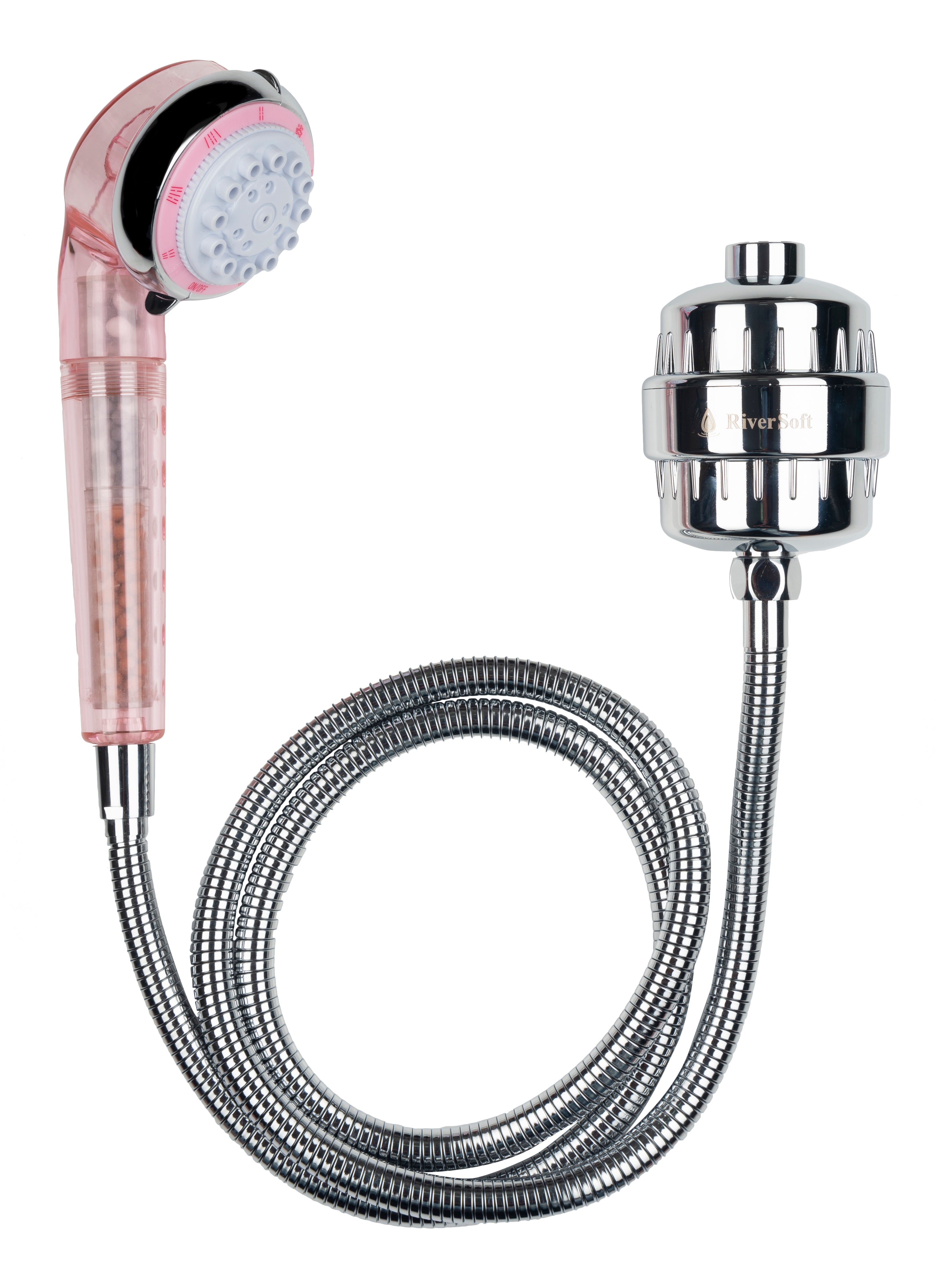
A shower filter for hard water maintains fixture efficiency and improves water quality as well.
2. Use Water Softeners
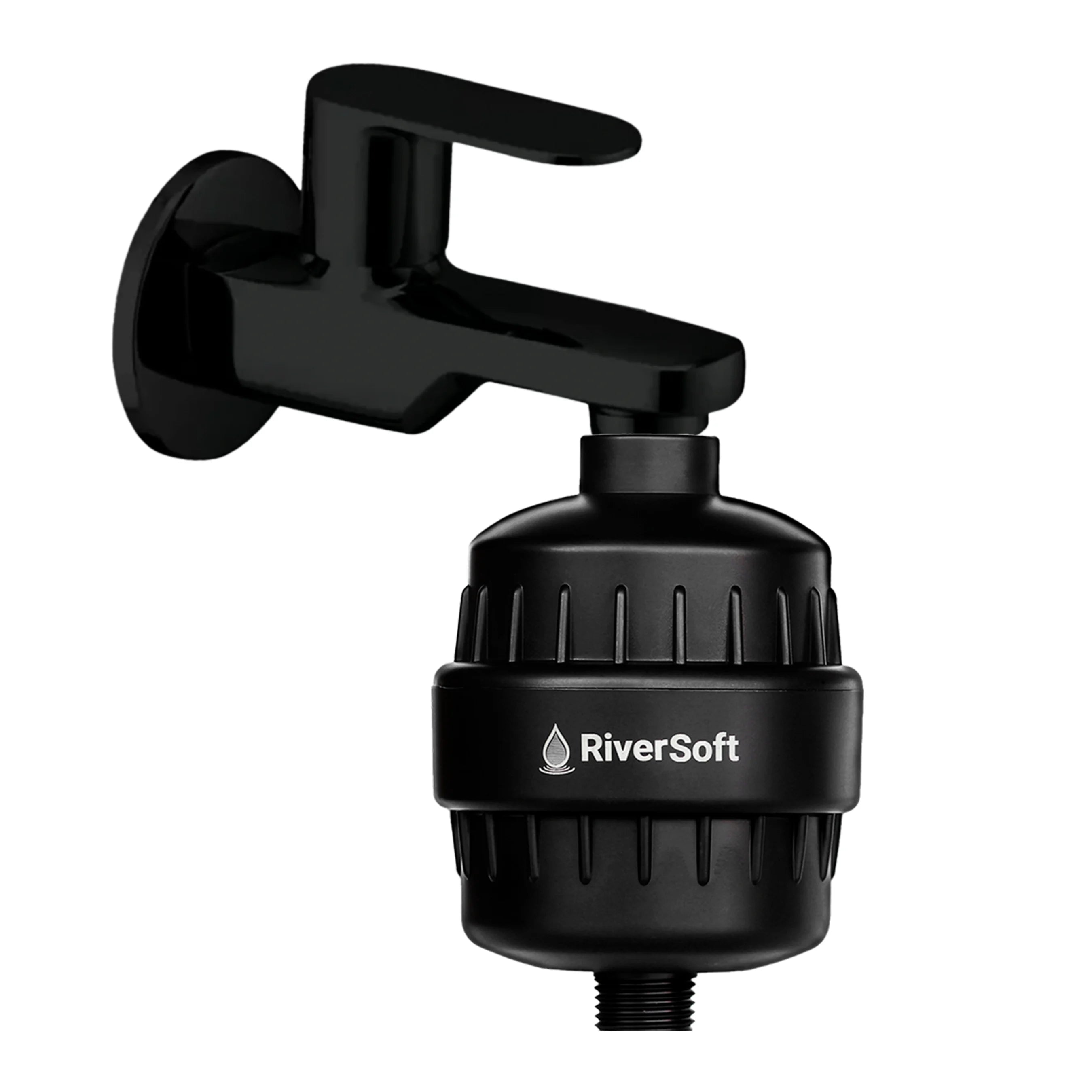
Installing water softeners for tap is an effective way to solve hard water problems throughout the home. Water softeners use ion exchange to replace calcium and magnesium ions with sodium, reducing hardness.
-
Benefits:
-
Prevents scaling in fixtures.
-
Improves the lifespan of plumbing systems and appliances.
-
Reduces the effort needed for cleaning.
3. Opt for Hard Water-Resistant Fixtures
Choosing fixtures designed for hard water areas can minimize damage and maintenance requirements.
-
Stainless steel resists corrosion and limescale buildup and hence can be a good solution for hard water problems.
-
Brass fixtures with protective coatings can also be a durable choice.
4. Regular Cleaning and Descaling
Routine maintenance is important in the proper functioning of water-efficient fixtures.
-
Cleaning Solutions:
-
Soak aerators and showerheads in vinegar overnight to dissolve limescale.
-
Store-bought descalers can also be used to remove tough mineral deposits.
-
Cleaning Frequency:
-
Clean aerators and showerheads once a month to prevent clogs.
-
Wipe down faucets and sinks weekly to avoid stains and scaling.
-
Step-by-Step Descaling Guide:
-
Remove the aerator or showerhead.
-
Soak it in vinegar or descaler for a few hours.
-
Scrub gently with a brush to remove the remaining deposits.
Why Maintenance Matters
Maintaining water-efficient fixtures in hard water areas provides significant benefits:
-
Preventing scale buildup reduces repair and replacement costs.
-
Tools like shower filters for hard water improve water quality for personal use.
-
Fixtures designed for hard water conditions last longer with proper care.
-
Water-efficient fixtures reduce water wastage, contributing to sustainability efforts.
Conclusion
Hard water can reduce the performance of low-flow taps, aerators, and showerheads much faster than many homeowners expect. Regular descaling, better cleaning habits, and the right support products, such as a water softener for tap use, a hard water shower filter, or a bathroom limescale remover, can help keep fixtures working efficiently for longer.
Regular care not only protects your investment but also supports a sustainable and cost-effective household. Invest in RiverSoft to enjoy fixtures that conserve water, reduce maintenance efforts, and improve overall water quality.

























Leave a Comment