
While we pay close attention to our skincare products, the water we rinse our face with every single day. Filtered water removes the chlorine, hardness minerals, and residue that unfiltered tap water leaves behind, and that single change is often what separates a skincare routine that works from one that quietly fights itself.
Hard water is a common issue in Indian households, that can affect both skin and hair health. In Bengaluru specifically, a 2018 survey reported by the Economic Times found that 24% of Bengaluru households received water with hardness above the BIS limit of 200 mg/L, with some areas exceeding 500 mg/L. While this data is from 2018, groundwater dependency in the city has only increased since, making the risk just as relevant in 2026.
Water quality is finally getting consideration as an environmental contributor to skincare. Filtering water does wonders for your skin, and in this blog, we will explore water filtration systems like a tap filter for hard water.
What Does Your Unfiltered Tap Water Contain?
1. Common Contaminants
Most of the tap water in India contains chlorine, chloramines, heavy metals like lead or copper, and bacterial or microbial residue. These are added or collected during the treatment and distribution stages.
2. Role of Hard Water
Hard water is concentrated with excess calcium and magnesium. These minerals are detrimental to your skin as well as your pipes.
3. How These Factors Affect Skin pH
The skin naturally is more acidic, having a pH of about 5.5. Hard water or contaminated water will make the skin alkaline, disrupting the skin barrier. This, in turn, causes dryness, irritation, and breakouts, especially for acne-prone or sensitive skin.
Watch: How to Check If Your Water Is Hard
How Unfiltered Water Affects Acne and Irritation
The quality of water used daily can be a contributor to the long-standing condition of the skin. Here is how:
1. Disruption of the Natural Oil Balance
Chlorine and hard minerals strip your skin's natural oils, leaving it dry and tight. The skin will respond by creating extra oil that clogs pores.
2. Pore-Clogging Residue
Hard water is difficult to rinse off. The minerals mix with soap to create a residue that clogs pores in the skin, eventually developing into blackheads, whiteheads, and breakouts.
3. Increased Sensitivity & Dryness
Chemical additives such as chlorine act as irritants. Regular exposure may increase skin sensitivity, especially in those with conditions like eczema, rosacea, or hormonal acne.
That is where a water softener for tap and shower might ease the stress on the skin from hard water by delivering consistently filtered water to the one tap you actually wash your face at.

Benefits of Using Filtered Water for the Face
Installing a tap filter for hard water is one of the best options for the skin, ensuring cleaner water is incorporated into the skincare routine. Let’s take a look at its benefits-
1. Gentle Cleansing Without Residue
Filtered water rinses off easily and doesn’t leave behind a film of minerals or chemicals, making your cleanser work better and more effectively.
2. Reduced Redness, Itchiness, and Flakiness
A water softener for tap water removes irritants like chlorine and metals. This helps soothe inflammation and prevents dryness, especially in winter.
3. Better Absorption of Skincare Products
The serums and moisturizers enter deeper and work better without leaving your skin with residue. This improves the performance and results of skincare products.
4. Skin Texture Improvement in the Long Run
After using filtered water for two to four weeks, you can observe the changes yourself. There are fewer breakouts, dryness, and irritation, and boosted skin elasticity.
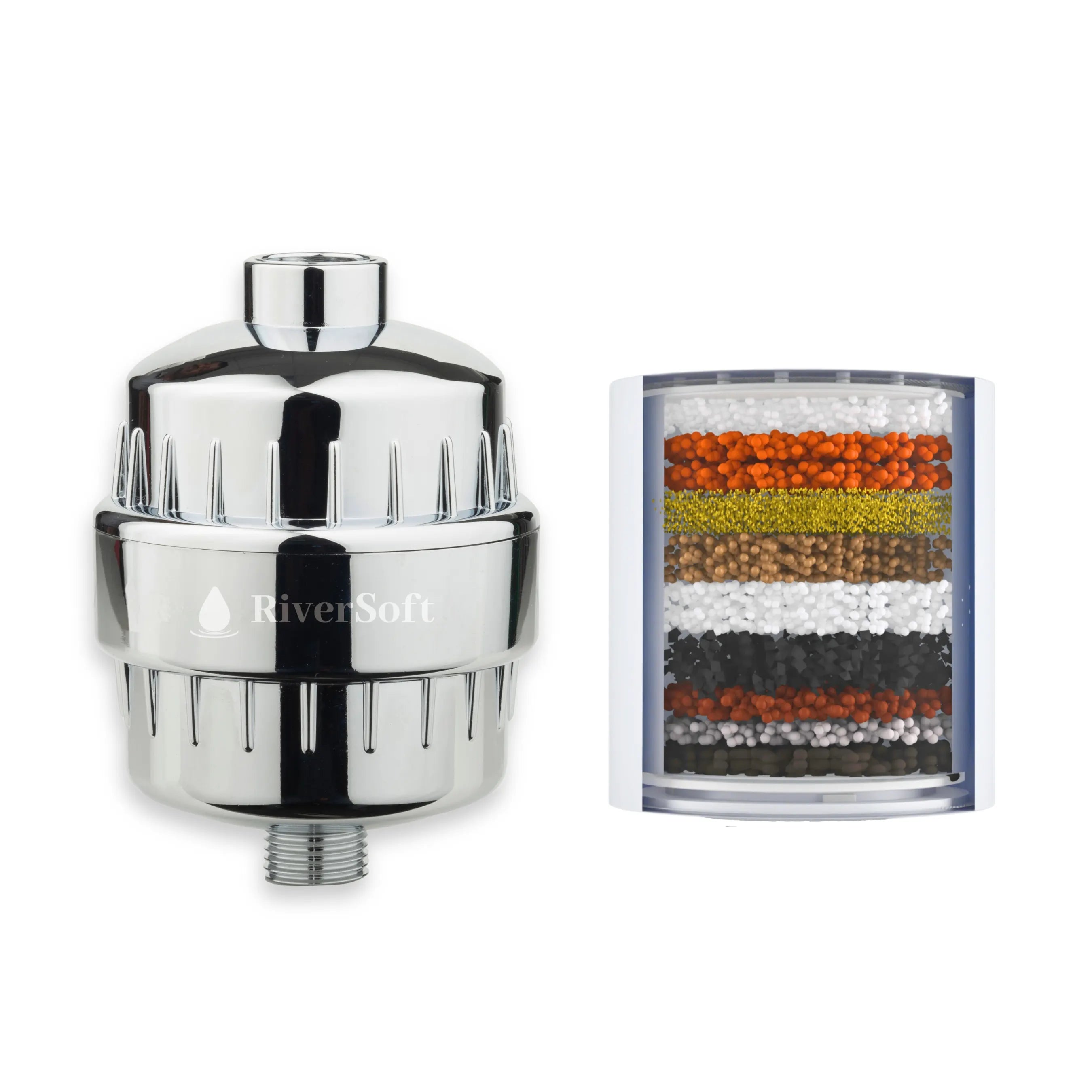
Hard water filters work through a multi-stage process that involves activated carbon, KDF, and calcium sulfite. Impurities are removed and water pressure retained, thus making it perfect for your daily routine.
Is Filtered Water Better Than Bottled or RO Water for Skin?
A common question is whether RO or bottled water is a better choice for skincare than a simple filtered-water setup at the sink. The answer is that it depends on what each is removing:
-
RO water strips almost everything, including beneficial minerals, and is typically plumbed to a kitchen tap for drinking, not practical or necessary for face-washing.
-
Bottled water is inconsistent in mineral content and impractical for daily washing at scale.
-
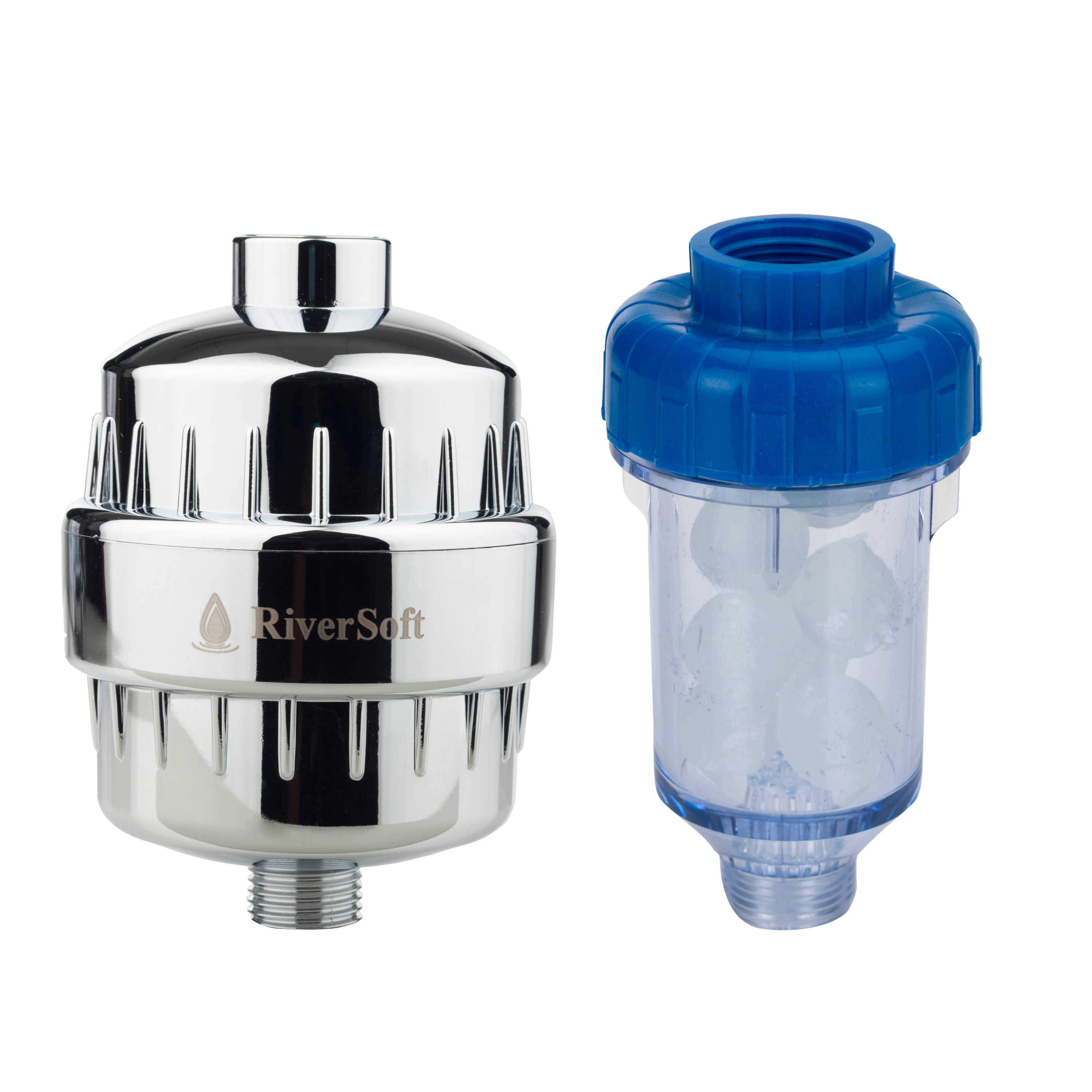
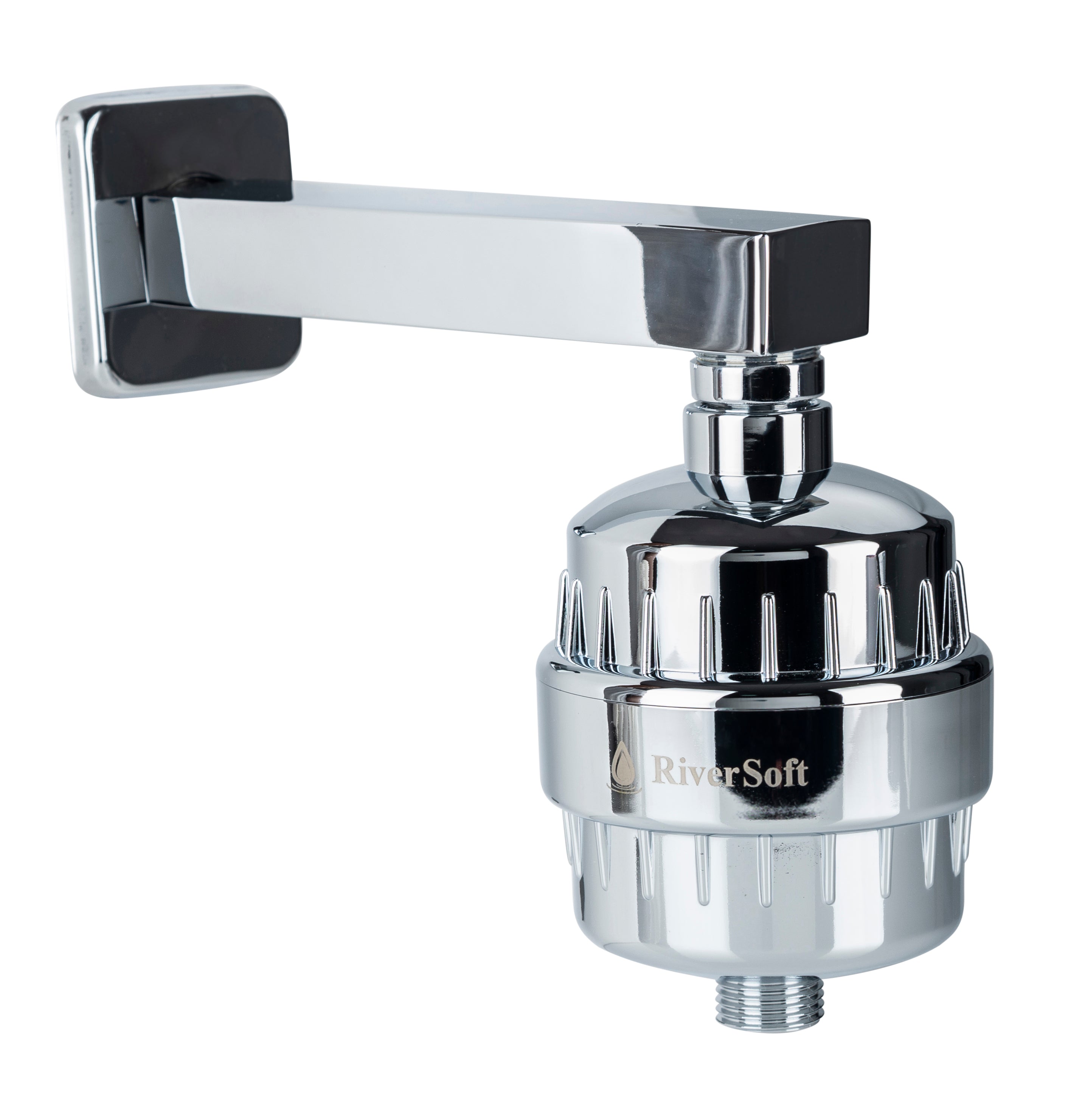
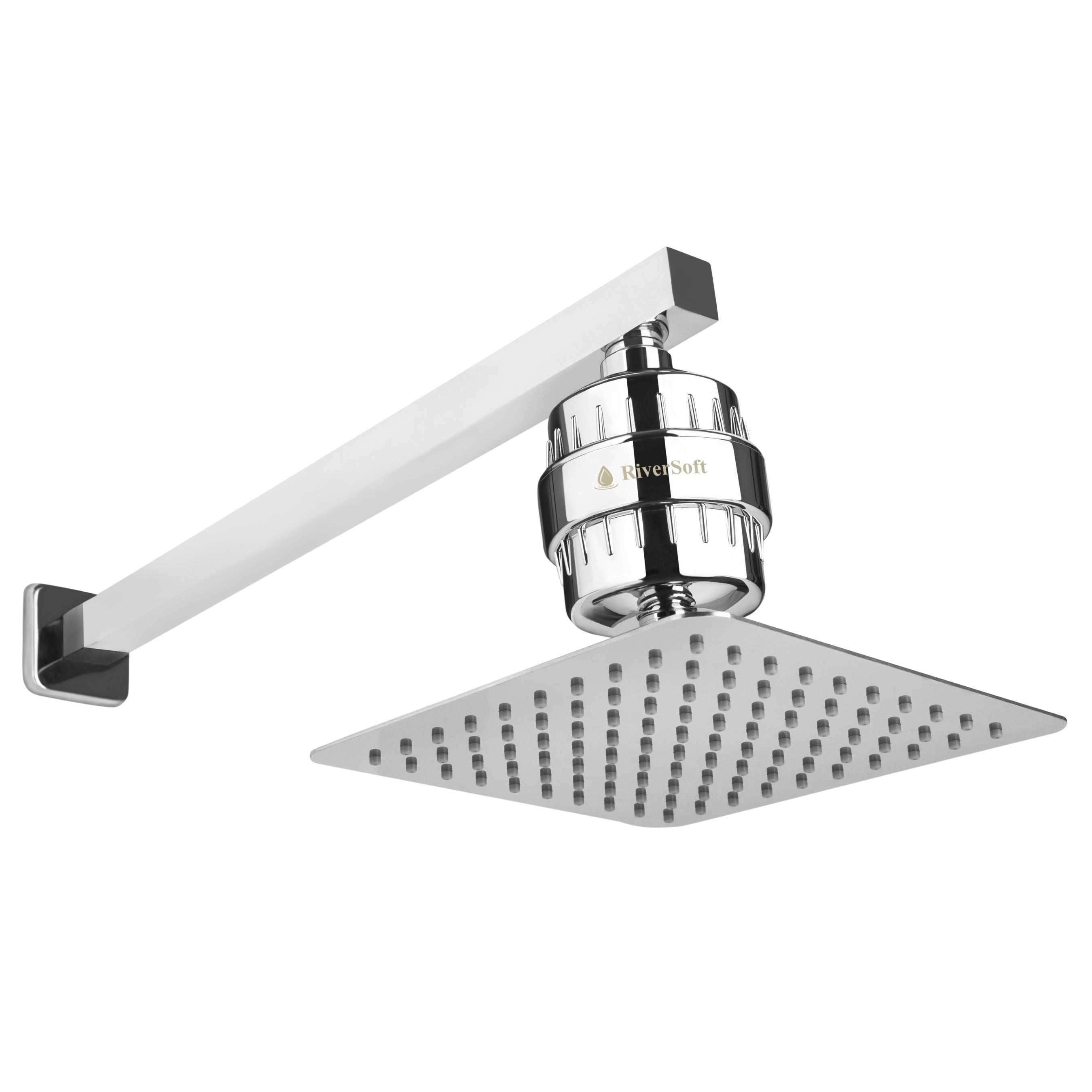
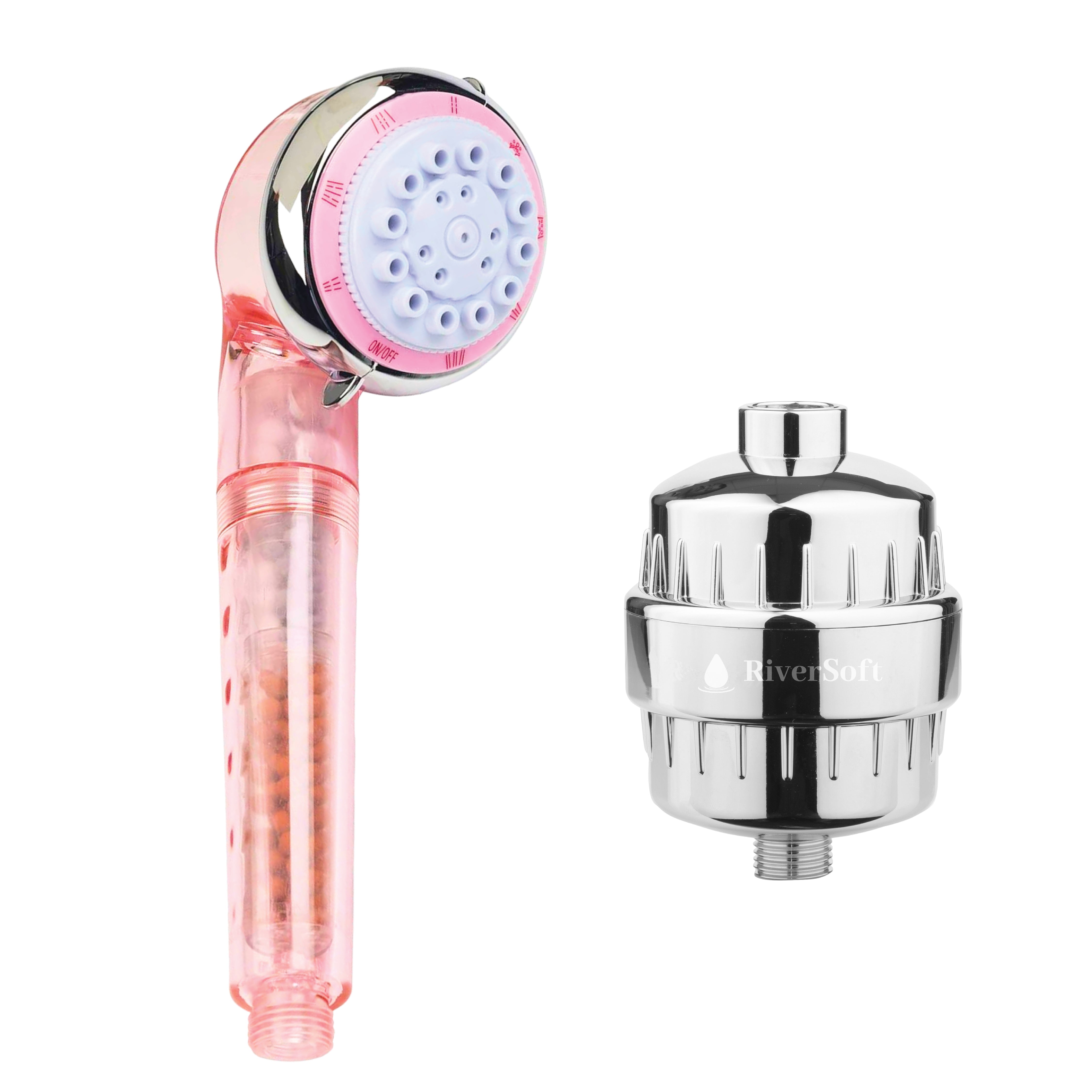
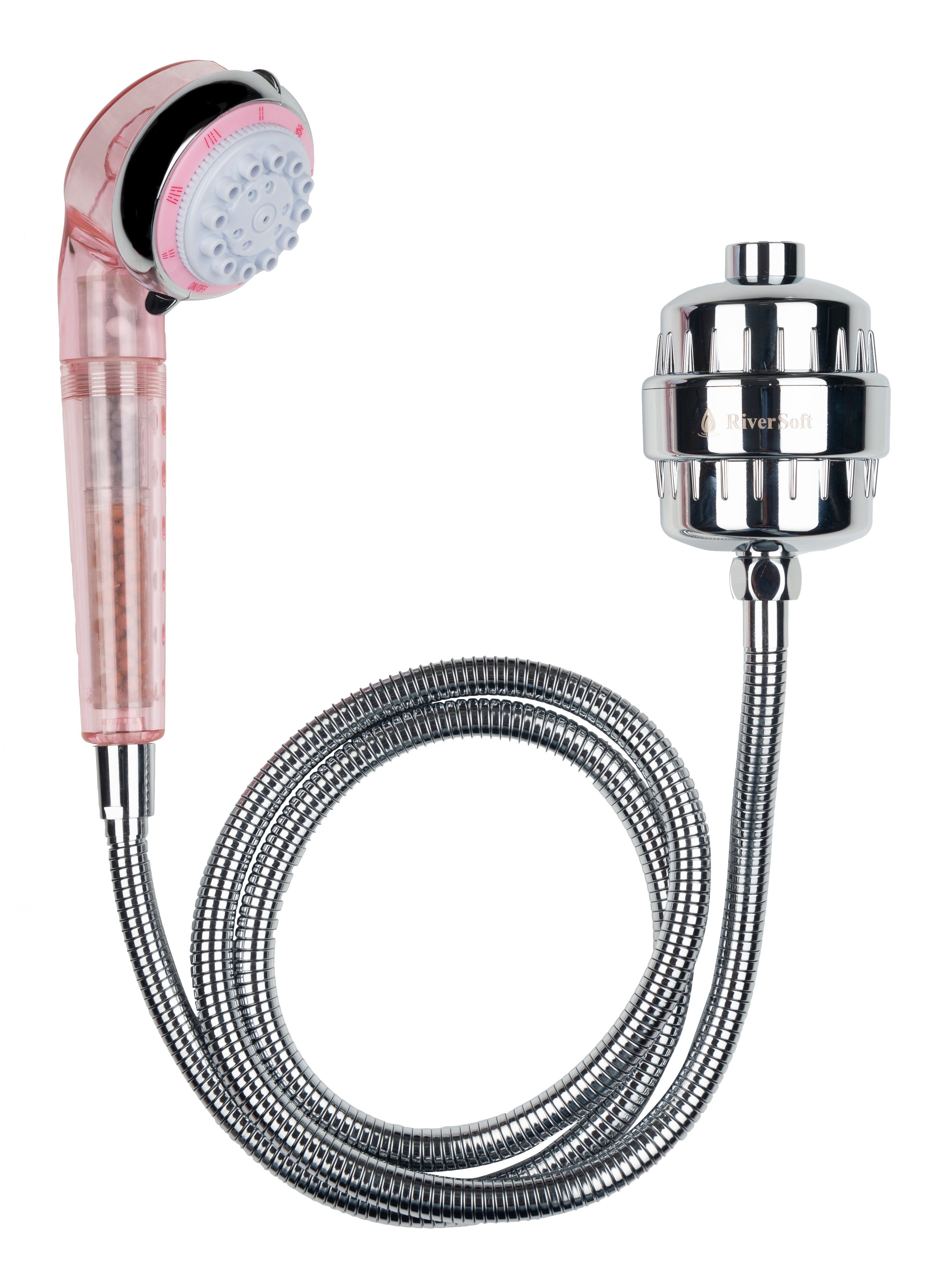
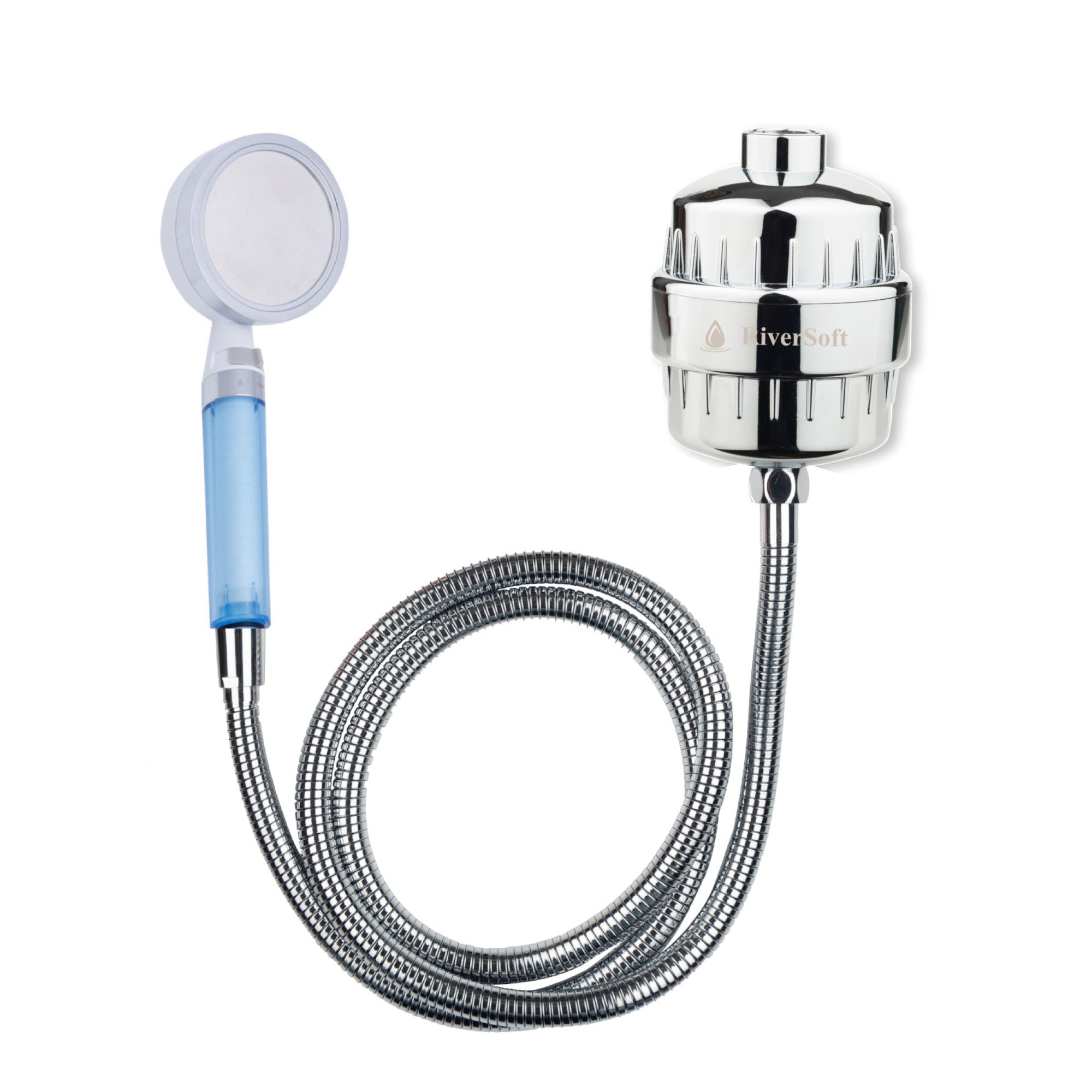
A dedicated tap filter for hard water, like RiverSoft’s SF-15 PRO, DIVA-05, or Bliss-15, is built specifically to reduce chlorine, hardness minerals, and sediment at the exact point you wash your face or shower, which is where filtered water actually matters for skin, rather than for drinking.
Understanding TDS in water is necessary for TDS-specific concerns.
What About Filtering Water Before It Even Reaches Your Tap
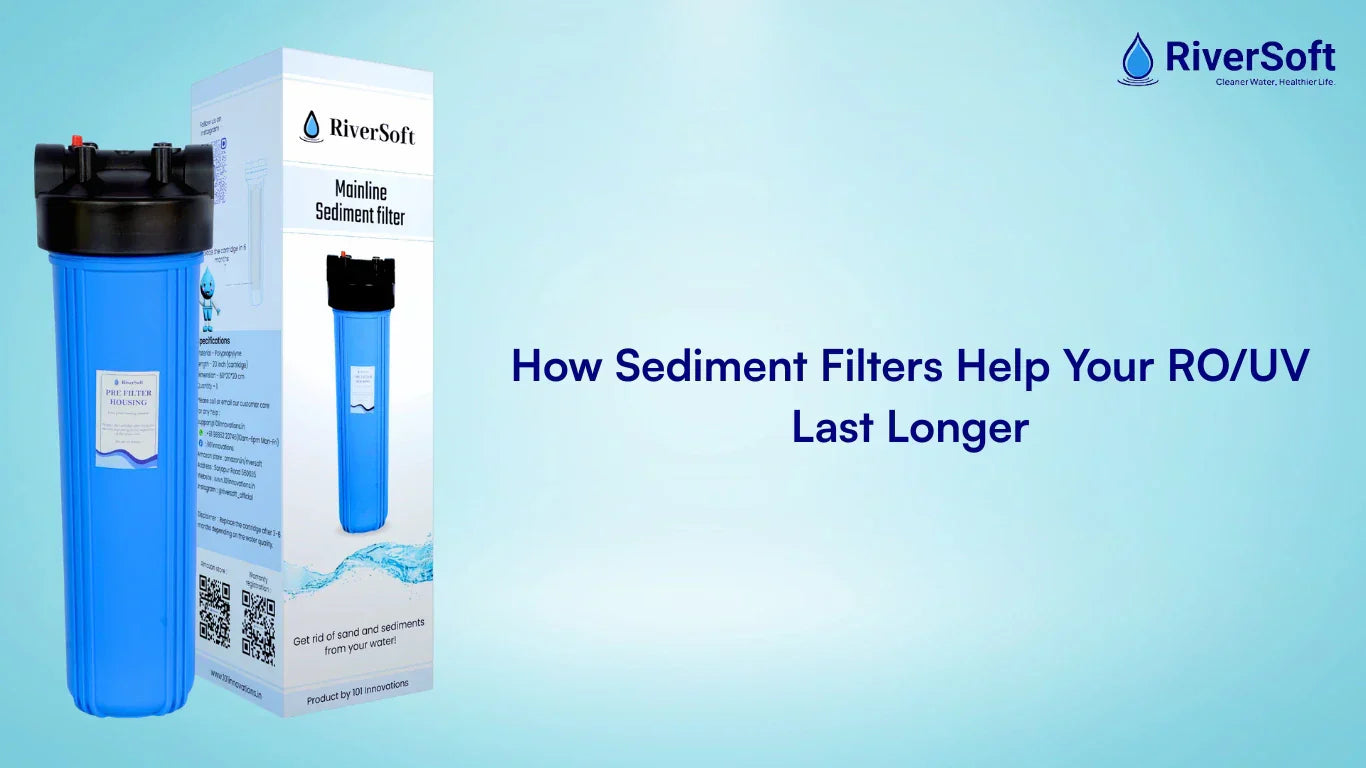
A tap filter for hard water treats water directly at the sink, while mainline filters condition water before it reaches different outlets in the house. RiverSoft offers three options depending on your household's water quality needs:
-
RIVIQ MHW-20: A single-stage mainline filter that reduces sediment, mud, and rust while conditioning hard water to help manage scale formation.
-
RIVIQ MHW-20-2: A two-stage filter with an additional CTO carbon stage to help reduce chlorine, unpleasant taste, and odour.
-
RIVIQ MHW-20-3: A three-stage filtration system combining hard water conditioning with GAC and CTO carbon filtration for more comprehensive water treatment.
These mainline filters do not reduce TDS but help improve water quality throughout the home. For targeted filtration at the bathroom sink, a dedicated tap filter remains a practical option.
Additional Skincare Tips to Prevent Acne and Irritation
Using a tap filter for hard water is a great start, but your routine matters as well. Here are a few simple tips to complement the benefits of filtered water:
1. Use Non-Comedogenic, pH-Balanced Products
Choose products that will not clog pores and are close to the natural pH of your skin. Avoid anything that is too alkaline, as this worsens irritation.
2. Avoid Over-Exfoliating or Harsh Cleansers
Scrubbing your face too often or using products that include strong alcohols may cause damage to the skin barrier, making it more difficult for the skin to heal.
3. Follow a Consistent, Simple Skin Care Plan
Consistency is what your skin thrives on. Use a simple routine: gentle cleanser, hydrating toner, non-comedogenic moisturizer, and sunscreen.
4. Pay Attention to Diet, Stress, and Pillowcase Hygiene
Hydration, a balanced diet rich in antioxidants, low stress, and clean bedding all contribute to fewer breakouts and better skin tone.
5. Using tap filters and water softener
Switching to filtered water through a tap filter for hard water or a water softener for tap water is a one-time improvement with visible, lasting benefits.
Conclusion
Hard water and untreated tap water may seem harmless for short-term use, but their long-term effects on the skin can be significant. Have you been dealing with recurring breakouts, dullness, or irritation despite a strict skincare routine? Your water could be the overlooked cause.
It's better to use tap filters and a water softener for better results. These will be a useful addition to your skincare routine.
Filtered water helps your skin keep its natural barrier intact, prevents pore clogging, and prevents excessive dryness, without changing anything else in your routine.
Experience the difference with RiverSoft!
Reference: Deccan Chronicle

























Leave a Comment