
Limescale is one of the most common signs of hard water in Indian homes. It often shows up as white, chalky buildup on taps, showerheads, tiles, and bathroom fittings. Over time, it can make surfaces look dull, block water flow, and make cleaning harder than it should be. This is why many households look for a practical bathroom limescale remover that can break down buildup quickly. In this article, we explain what limescale is, why it keeps coming back, and how to remove it more effectively.
What is limescale?
Limescale Definition: Limescale, the arch-nemesis of clean surfaces, forms as hard water evaporates, leaving behind calcium and magnesium deposits. This white, chalky residue can wreak havoc on appliances and fixtures, from kettles and coffee makers to faucets and showerheads.
Why Remove Limescale? The requirements for using a limescale remover are manifold:
- Hides Sparkle: Limescale can be Limescale leaves white marks and dulls bathroom surfaces on shiny surfaces. It hides the sparkle on things like faucets and tiles in the bathroom.
- Shortens Appliance Lives: we need to take care of our appliances. Limescale can be like a bad guy that shortens their lives if we don't clean it away.
- Can Cause Plumbing Problems: limescale can clog up real pipes in our home, making it tricky for water to go where it's supposed to.
- Makes Machines Work Harder: Limescale makes machines, like your coffee maker or the dishwasher, work harder and use more energy.
What Is the Chemistry Behind Limescale Formation?
What actually causes this build up? Here is a quick look at chemistry behind limescales formation.
Before delving into the intricacies of water treatment, it's essential to comprehend the concept of hard water.
- Water Hardness: ‘Hard Water’ is water which contains a large amount of mineral ions, most commonly calcium and magnesium ions, that can cause bad effects on your scalp and hair.
- Permanent hard water is mainly due to dissolved calcium and magnesium sulfates.
- Temporary hard water is mainly due to dissolved calcium bicarbonates.
Note: Temporary hardness can be removed by boiling the water, but permanent hardness cannot.
Limescale, also known as calcium carbonate (CaCO3), is formed when hard water containing dissolved calcium and magnesium ions is heated or evaporated, causing the minerals to precipitate and adhere to surfaces.
- Calcium bicarbonate can decompose when heated to form insoluble calcium carbonate- known in this context as limescale – along with water and carbon dioxide. This process removes the temporary hardness from water that the calcium bicarbonate causes.
- Ca²⁺ + 2CO₃⁻ → CaCO₃ + CO2 +H2O
Watch: How to Remove Limescale at Home
Conclusion
Limescale is one of the clearest signs of hard water in the bathroom. If it is left untreated, it can make fittings look dull, reduce water flow, and make regular cleaning less effective. A bathroom limescale remover can help break down buildup more easily, while hard-water filtration can help reduce repeated deposits over time.
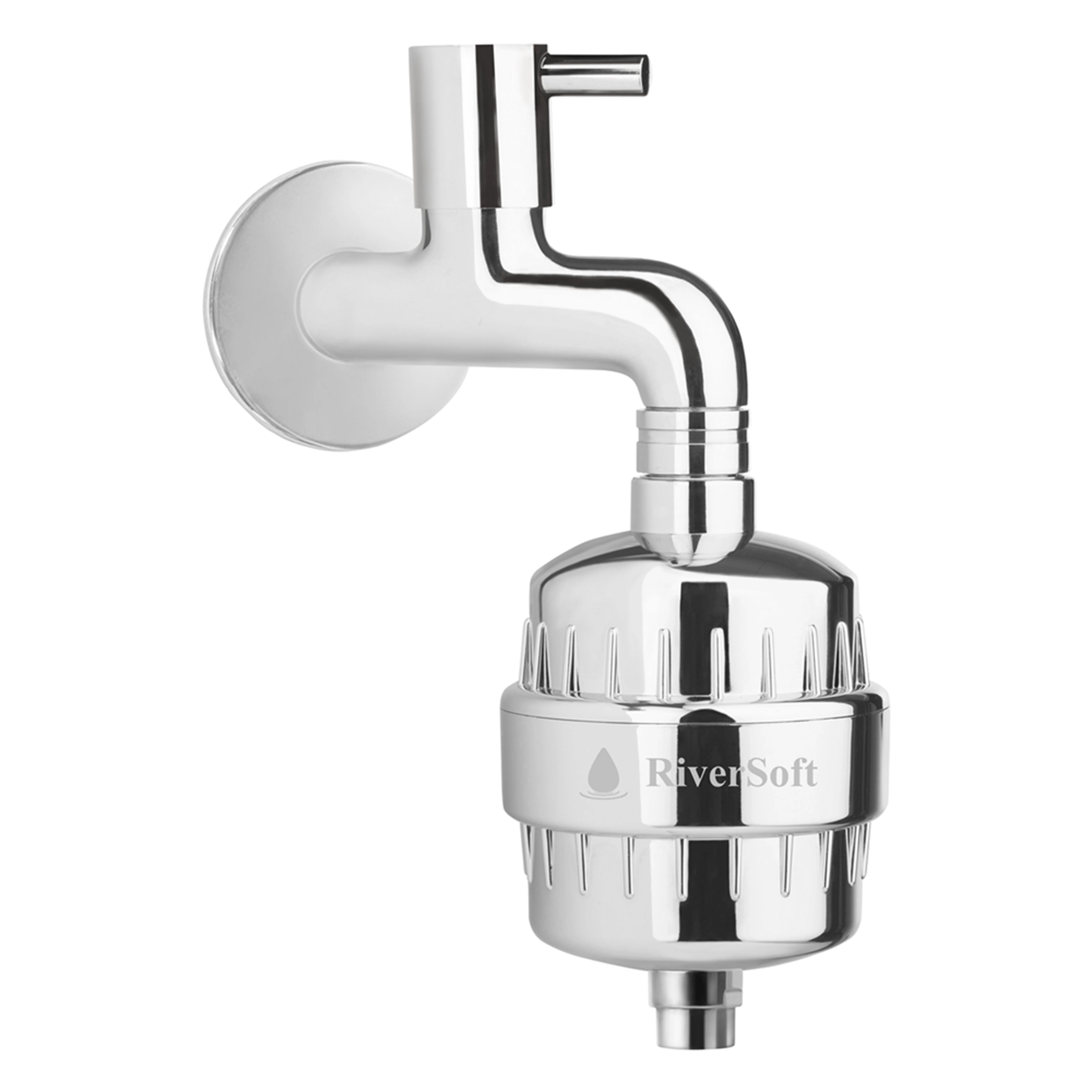
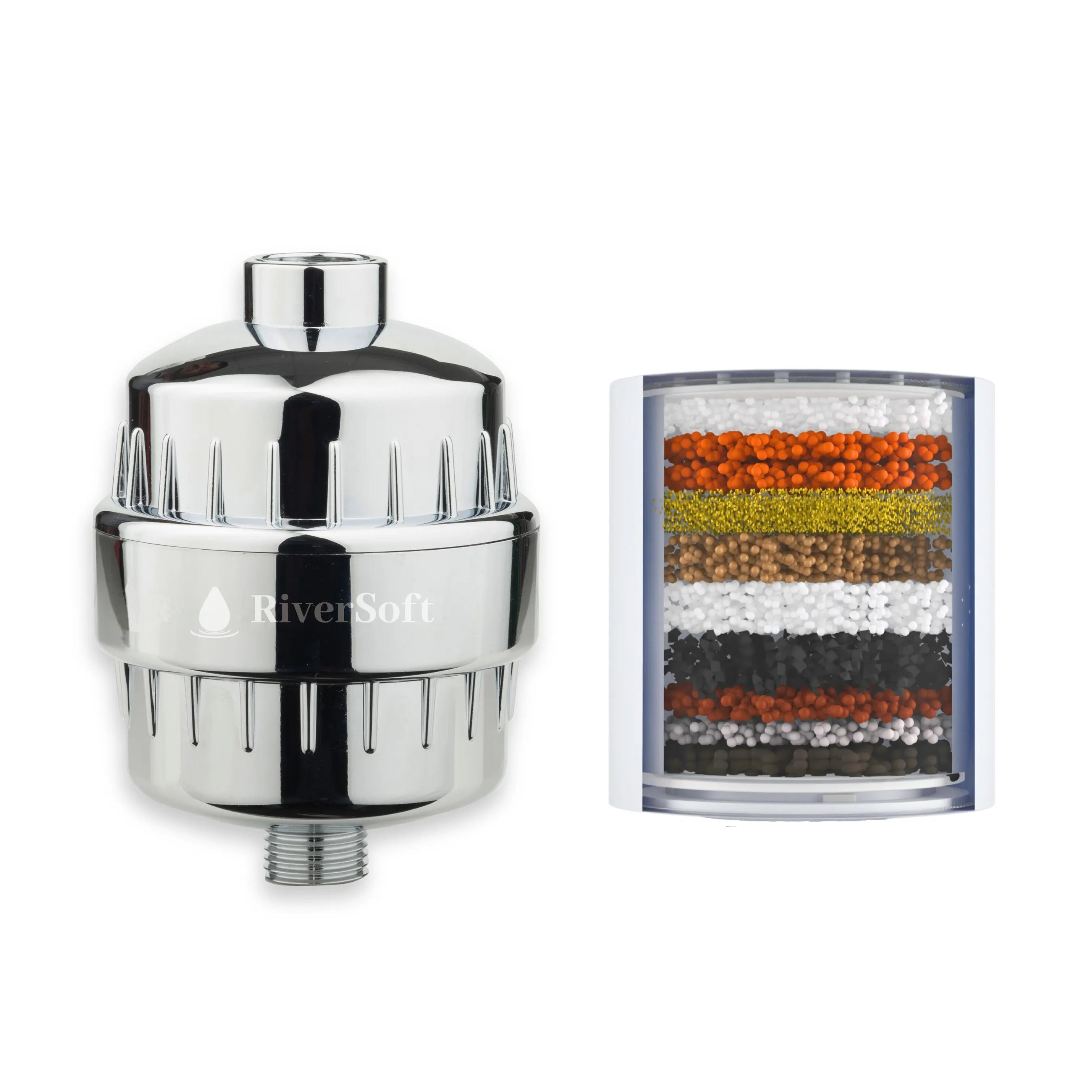
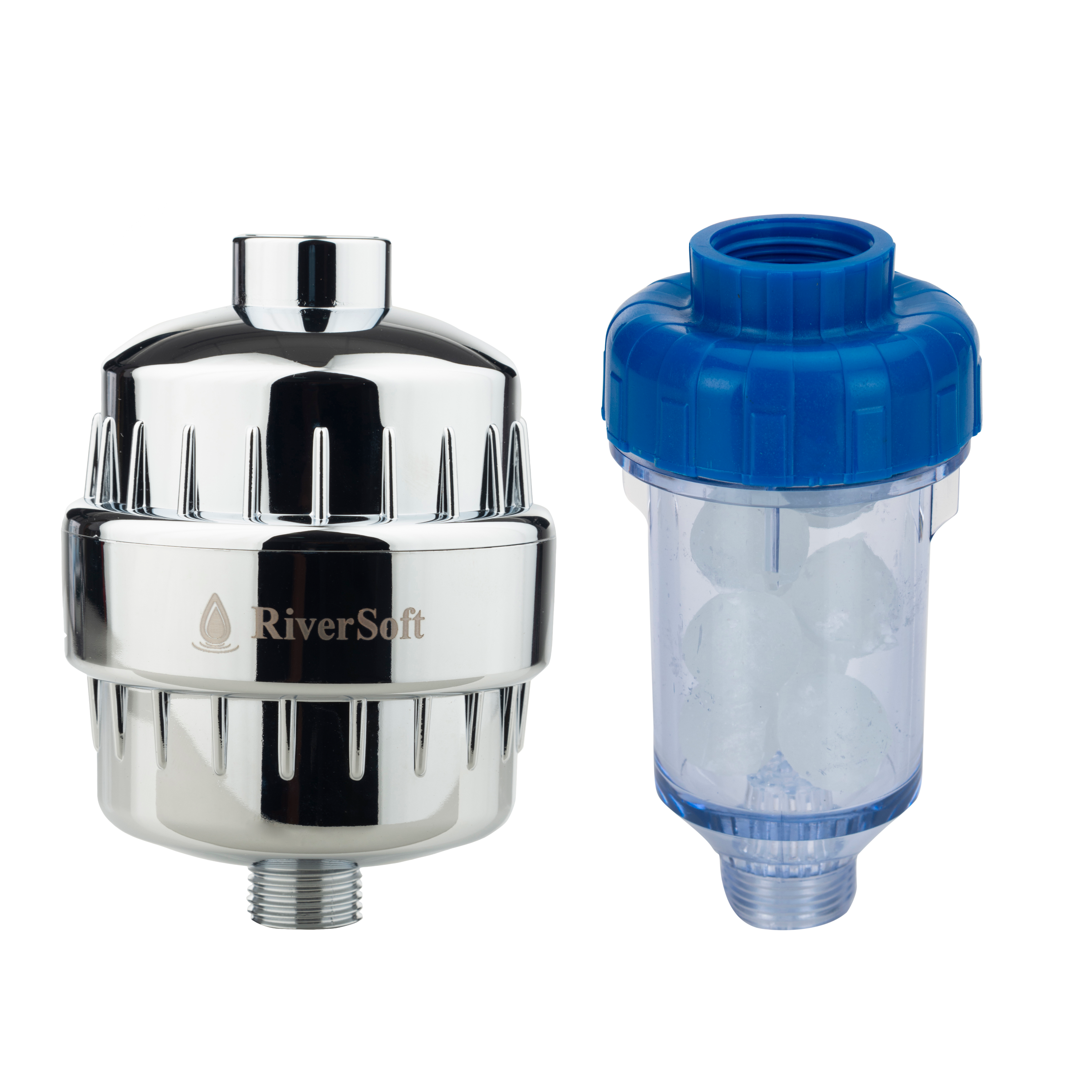
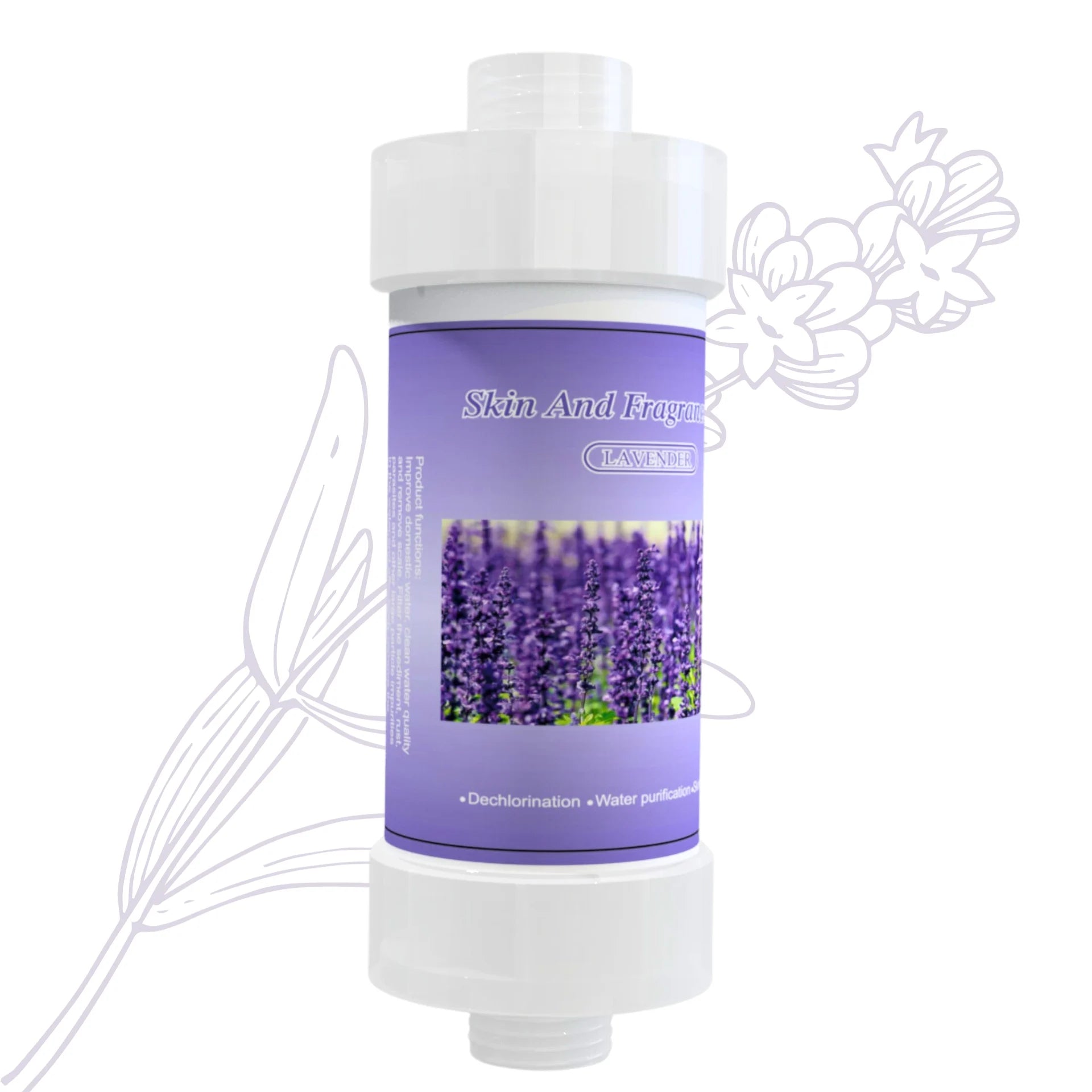
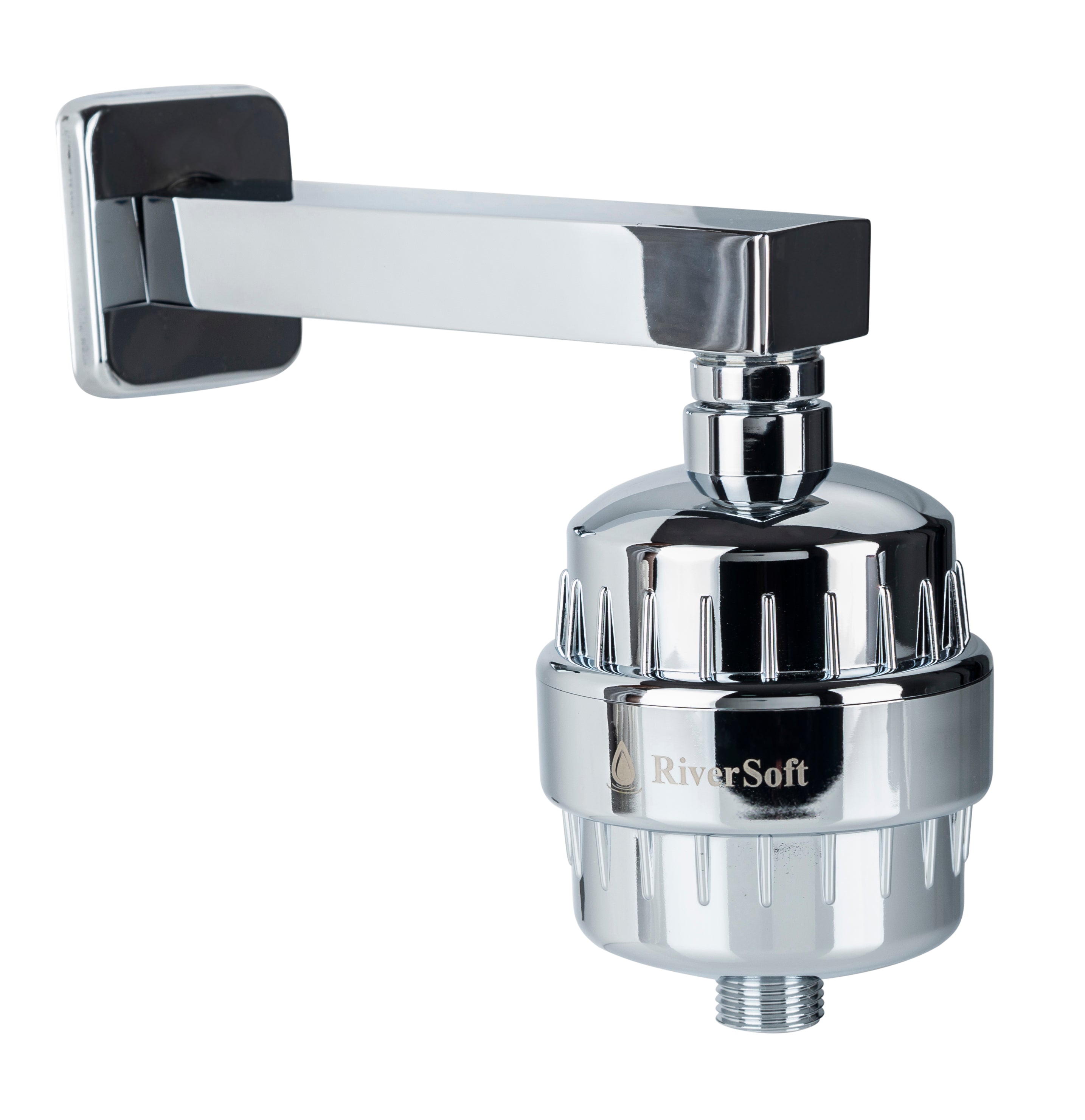
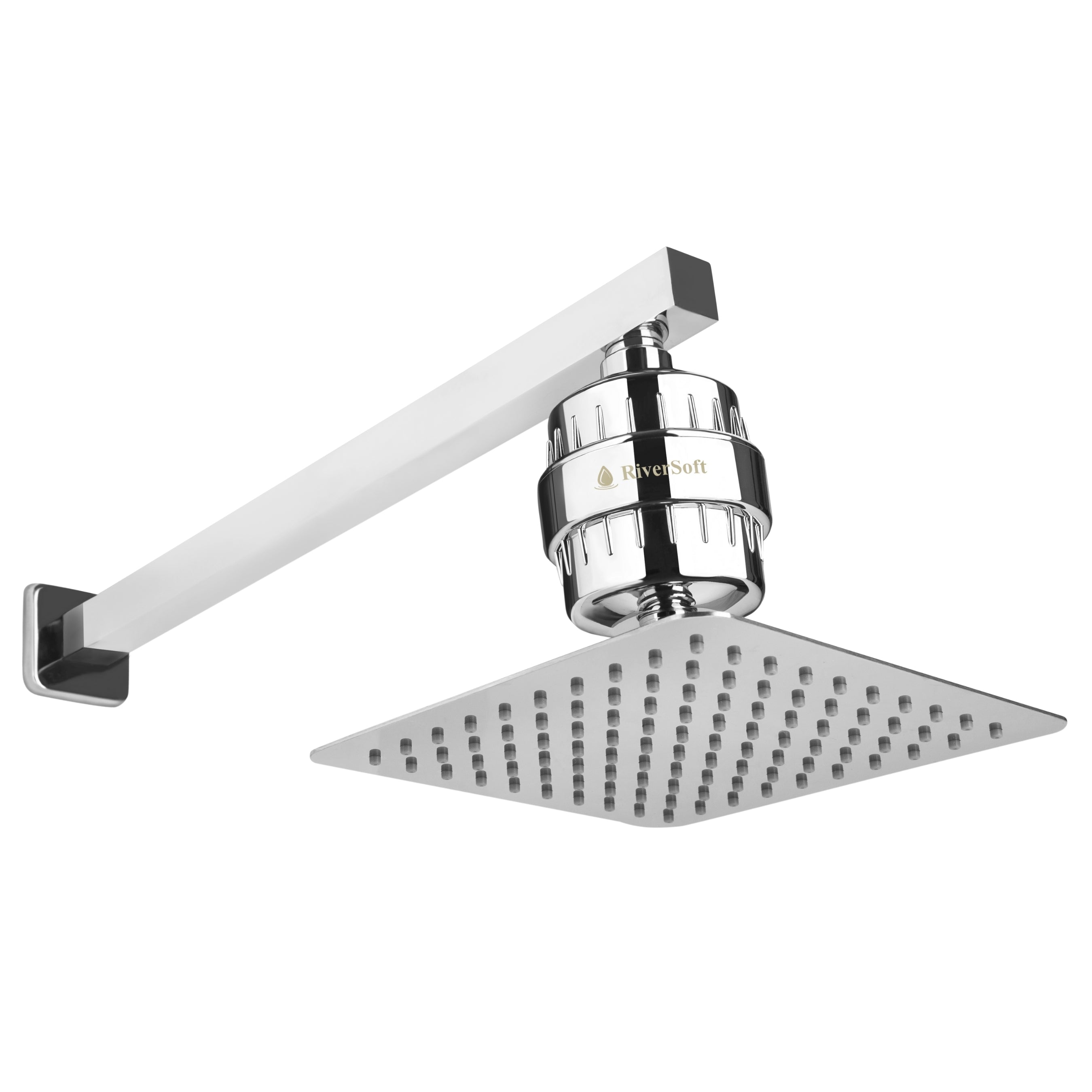
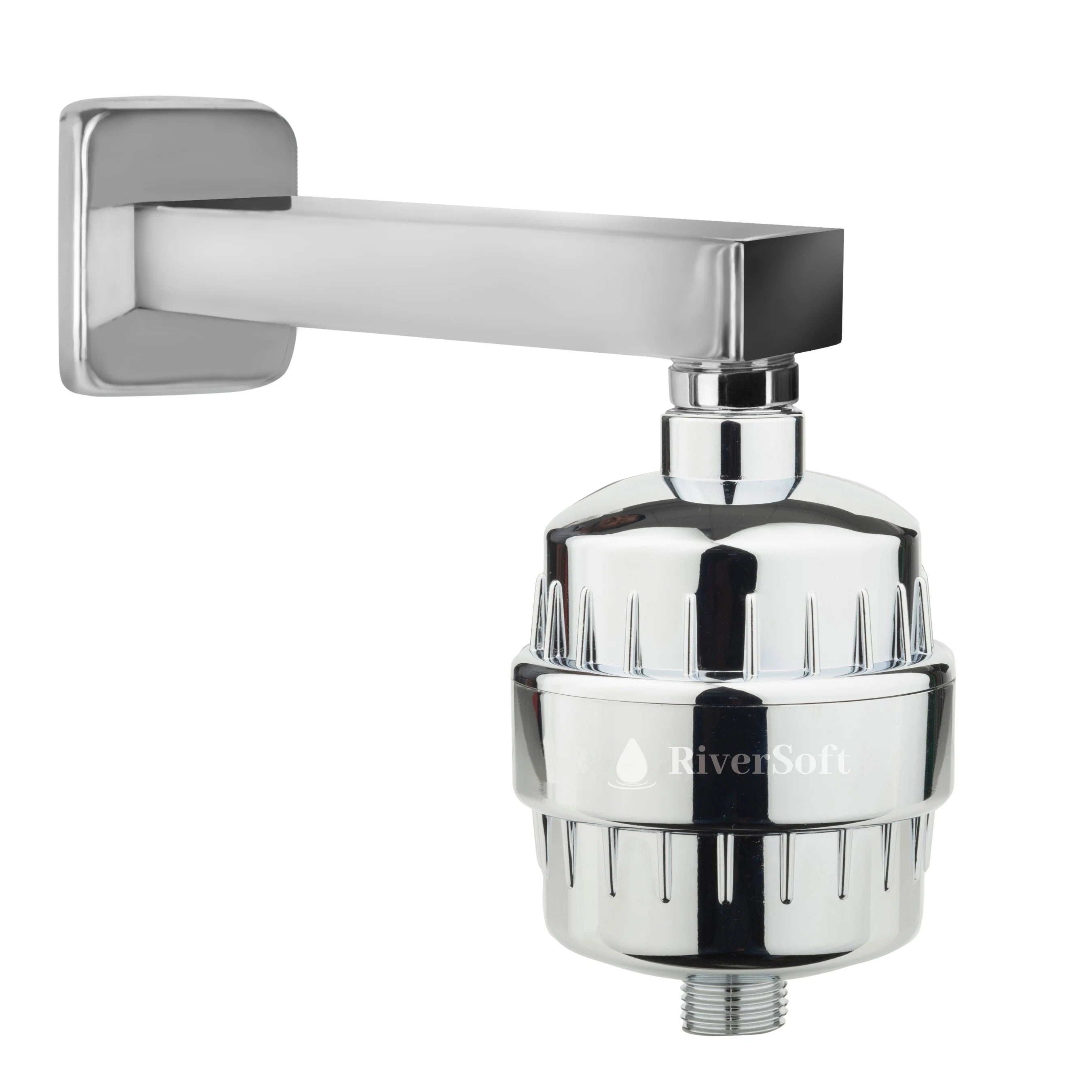
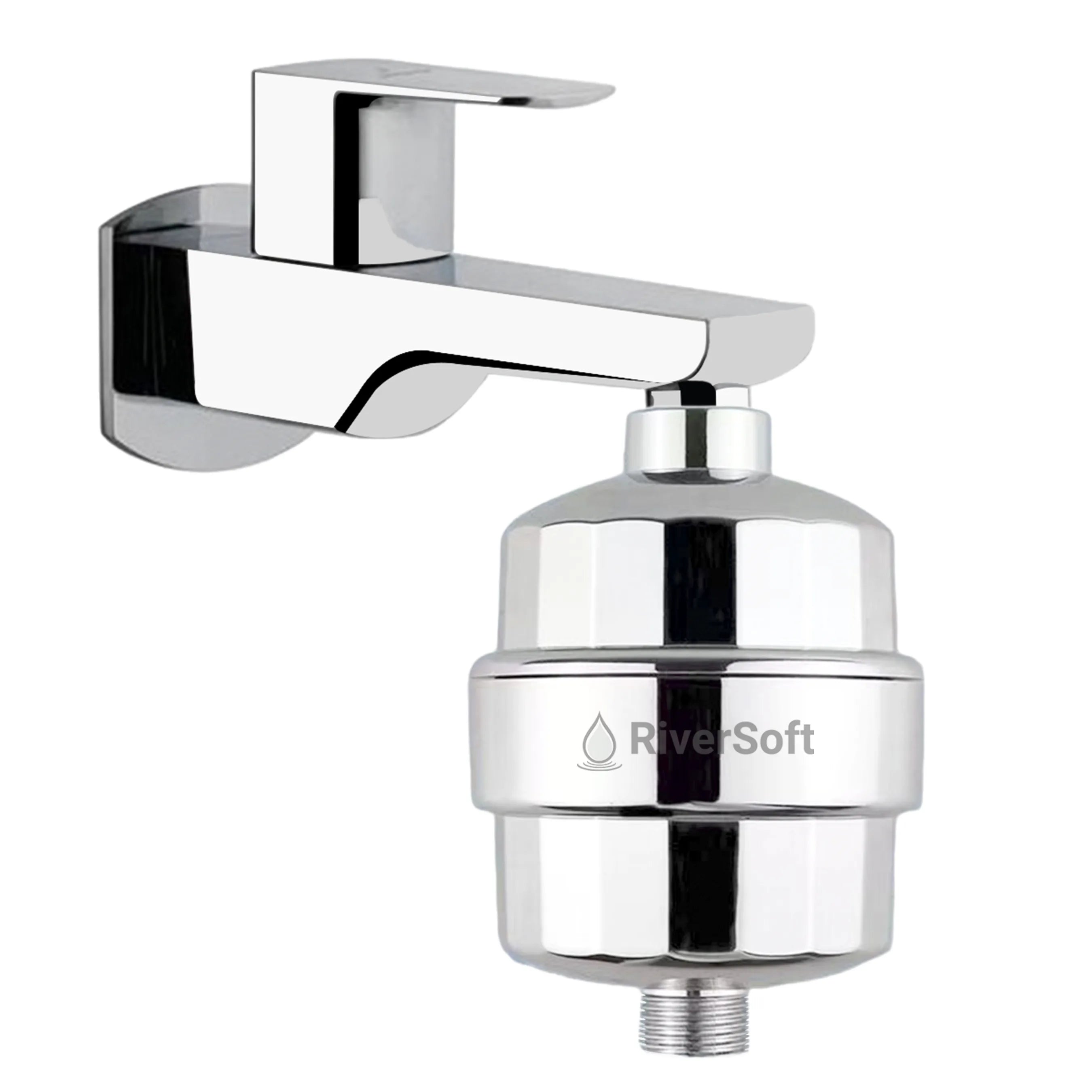
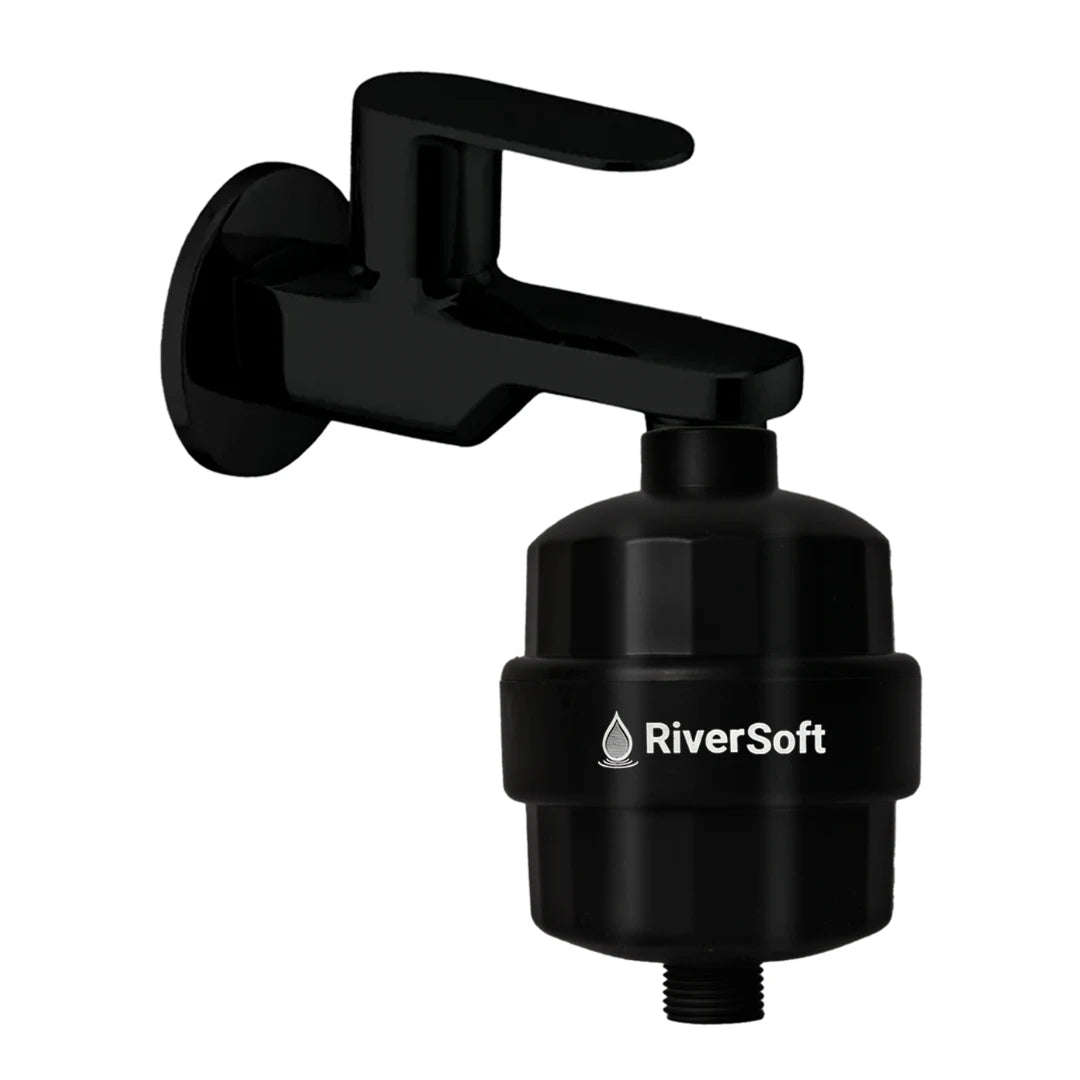
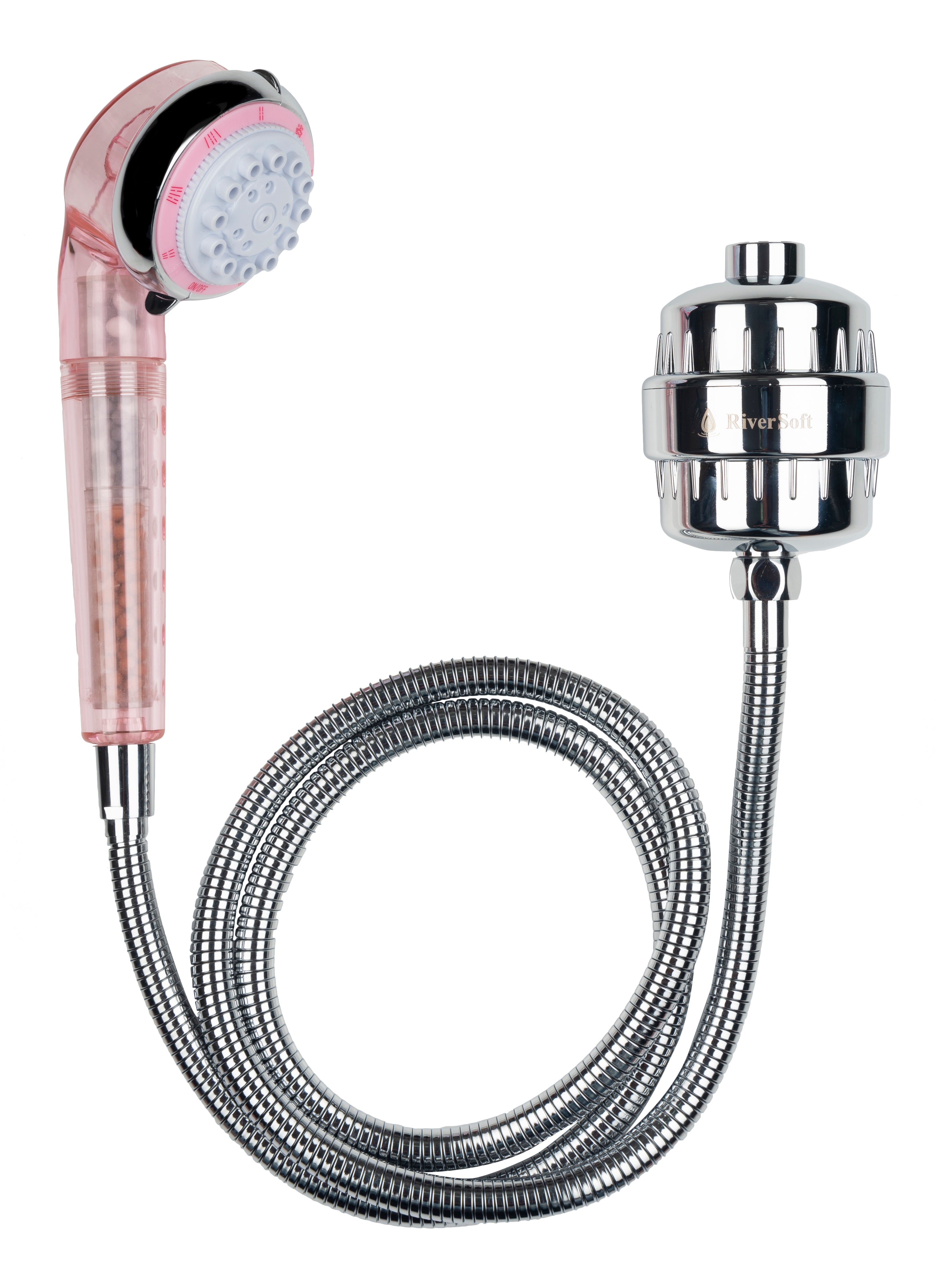
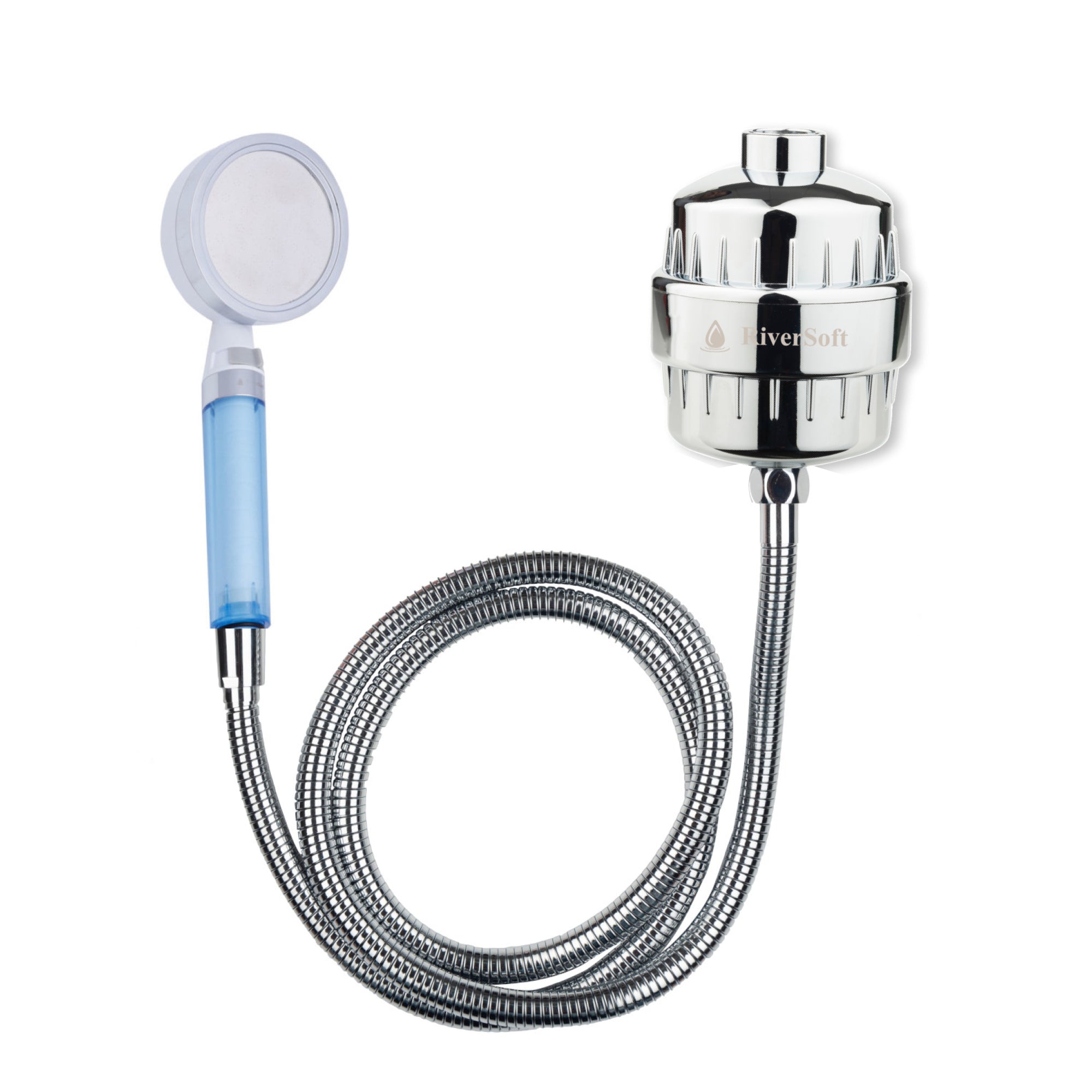
To experience the cleaning revolution firsthand, check out our product RiverSoft limescale remover. Unlock the secret to hassle-free cleaning and bid farewell to limescale woes. Your journey to a spotless home begins here.
Stay tuned for more expert insights and cleaning tips on our blog. Happy cleaning!




























Leave a Comment