
Clean water isn’t about being clear or tasting good.
But it’s about what you can’t see.
Untreated water usually carries a mix of sediment, chemicals, and microorganisms that build up over time and affect your health.
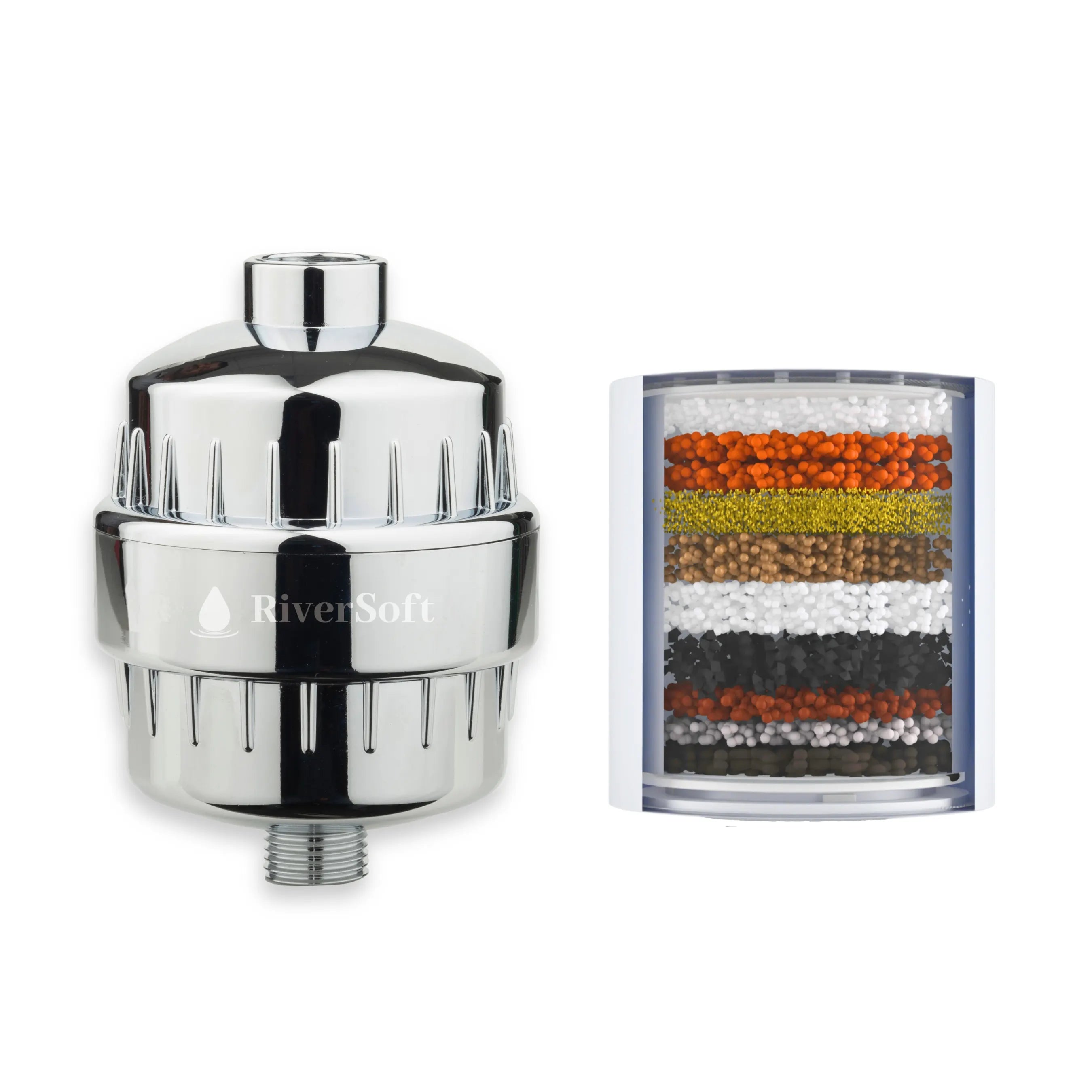
A multi-layer system filters water through several precisely engineered water filter layers to target different kinds of impurities present in the water.
So what is each layer actually doing? And why does stacking water filter layers work so much better than a single filtration stage? Let's take a closer look and discover the four biggest advantages of employing a multi-layer water filtration system.
What Are Water Filter Layers?
Water filter layers are the materials or barriers through which water passes during treatment. They may sit inside one cartridge or in separate housings.
A layer might be a sediment pad, activated carbon, or another treatment medium. A complete system may also include a membrane or a separate UV unit.
“Layers”, “stages,” and “treatment technologies” are not similar. Several layers can perform similar functions, and UV is a treatment process rather than a physical filter layer.
Advantages of Water Filter Layers
Different water filter layers perform specific tasks. They can work together to address several concerns within one system.
-
Capture sediment: Suitable layers trap suspended particles such as sand, rust, and silt.
-
Reduce chlorine and odours: Appropriate filtration media can improve water’s smell and, in drinking-water systems, its taste.
-
Protect later stages: Sediment pre-filtration helps reduce particle buildup on downstream treatment components.
-
Target different impurities: Combining suitable materials allows the system to address more than one identified water quality problem.
The advantage comes from choosing complementary layers that suit your water. All you need to do is replace the hard water filter cartridge in a timely manner.
Different Water Filter Layers: What Each One Can Do
The table below compares common treatment materials and their function.
| Layer or Technology | Main Function |
|---|---|
| Sediment mesh, pads or cartridges | Capture suspended particles such as sand and rust. |
| Activated carbon | Adsorbs selected substances associated with taste, odour and chemical contamination. |
| KDF | Can support chlorine reduction through chemical reactions. |
| Calcium sulphite | Used in shower filtration for chlorine reduction. |
| Softening resin | Exchanges hardness minerals for sodium or potassium ions. |
| RO membrane | Reduces a range of dissolved substances in an appropriately designed system. |
| UV treatment | Disinfects water using ultraviolet light. |
1. Sediment Filter: The First of the Water Filter Layers
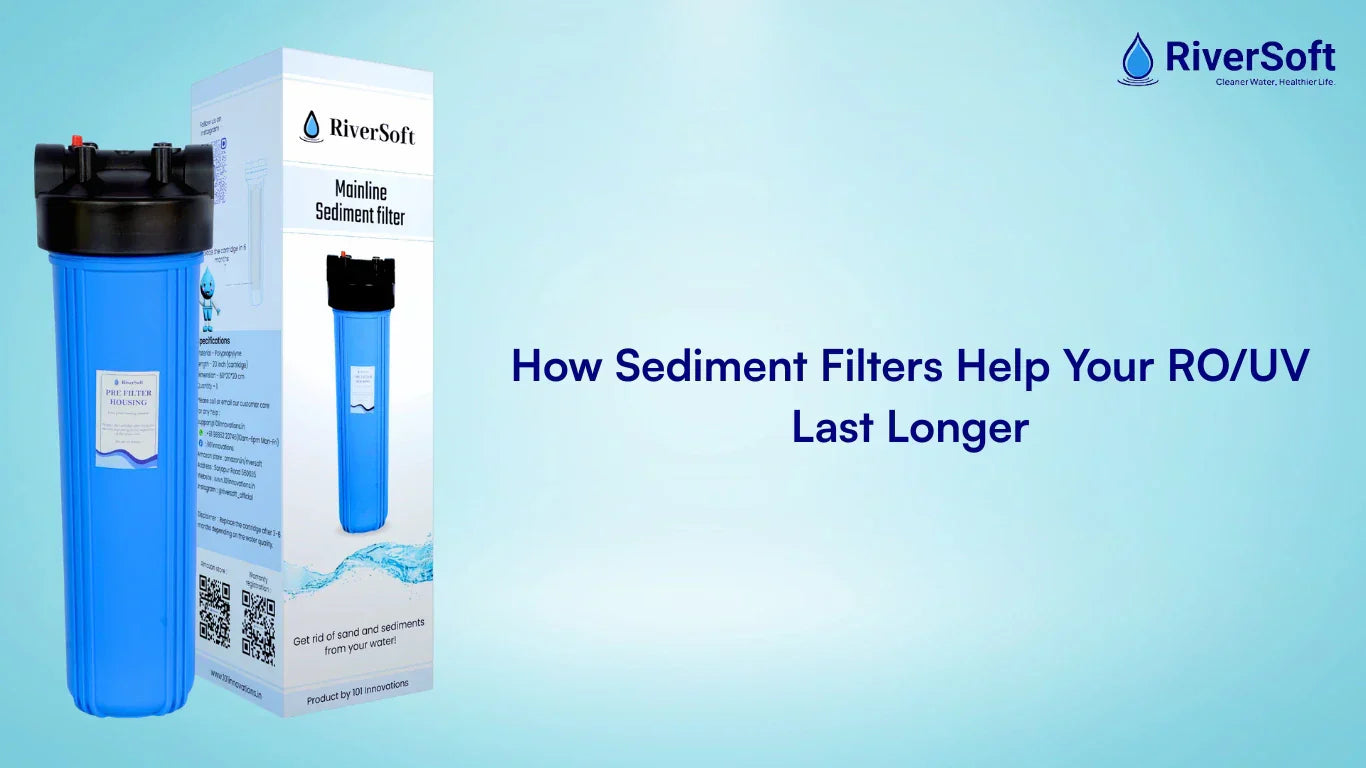
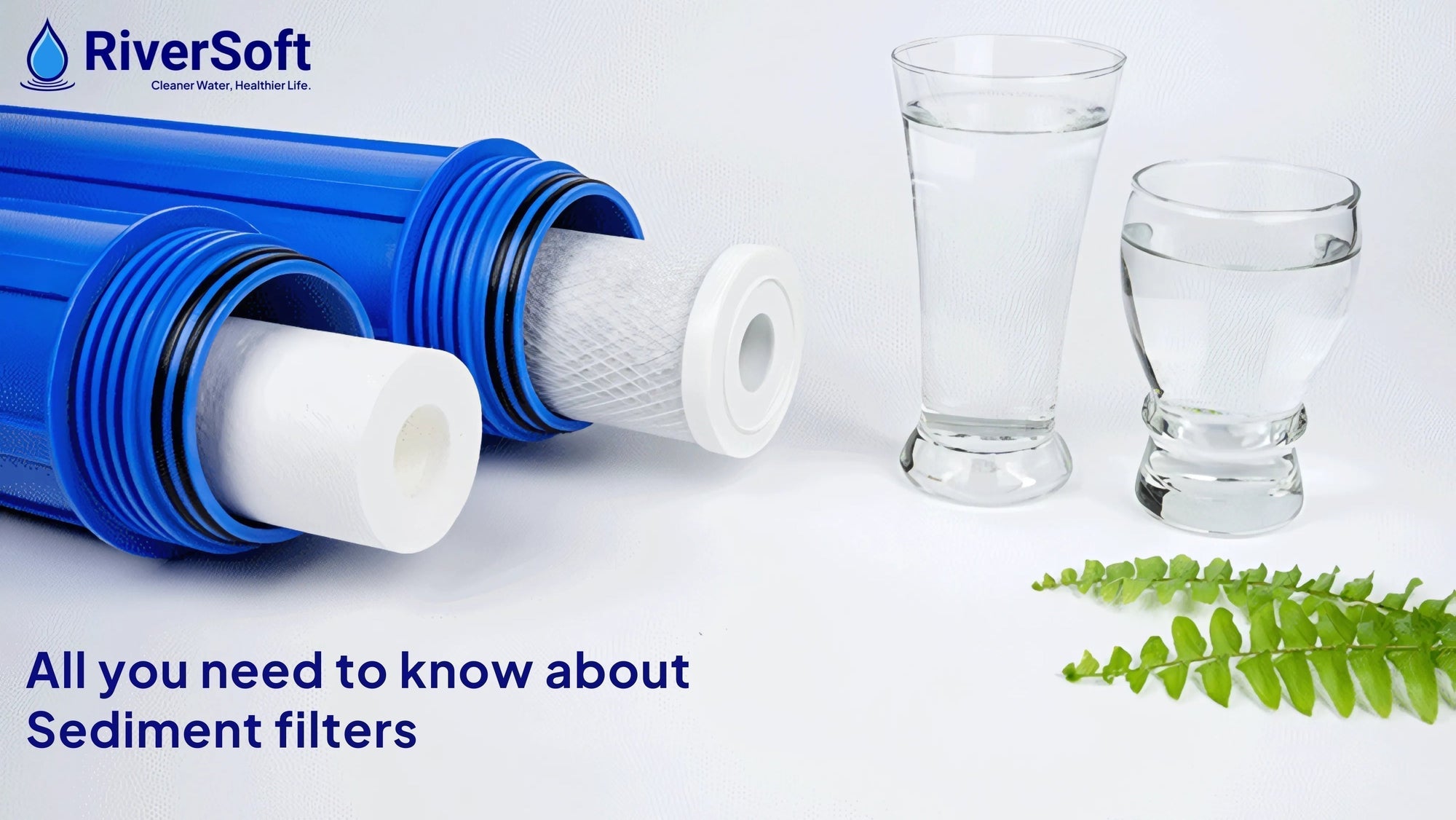
The sediment filter is usually the first of the water filter layers your water passes through. Its job is simple but essential. It blocks large particles like sand, silt, rust, and debris, which are common in both municipal and borewell water. For this, the mainline sediment filter provides first-stage protection.
2. Activated Carbon: Taste, Odour, and Chemicals
The activated carbon layer comes next, made from coconut shells or charcoal.
Activated carbon helps reduce chlorine, unpleasant tastes, odours, and certain organic compounds. Its porous surface traps selected impurities through adsorption.
BIS IS 10500:2012 sets India’s drinking-water requirements. For help choosing suitable treatment, read RiverSoft’s shower filter comparison.
3. Ion-Exchange / KDF Layer: Tackling Hard Water
Hard water contains high levels of calcium and magnesium, which can cause scale and reduce soap efficiency. KDF and calcium sulphite target chlorine rather than removing these hardness minerals.
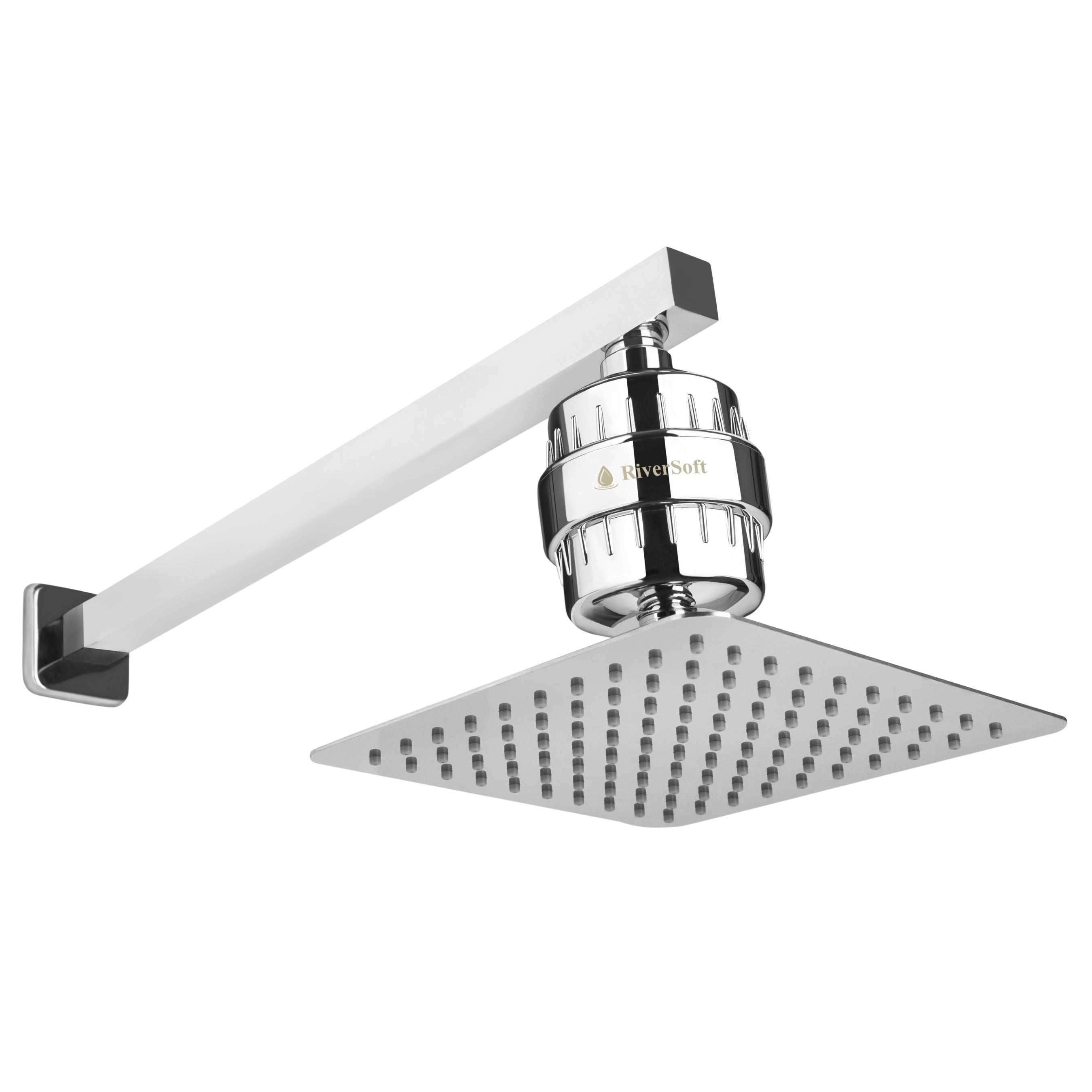
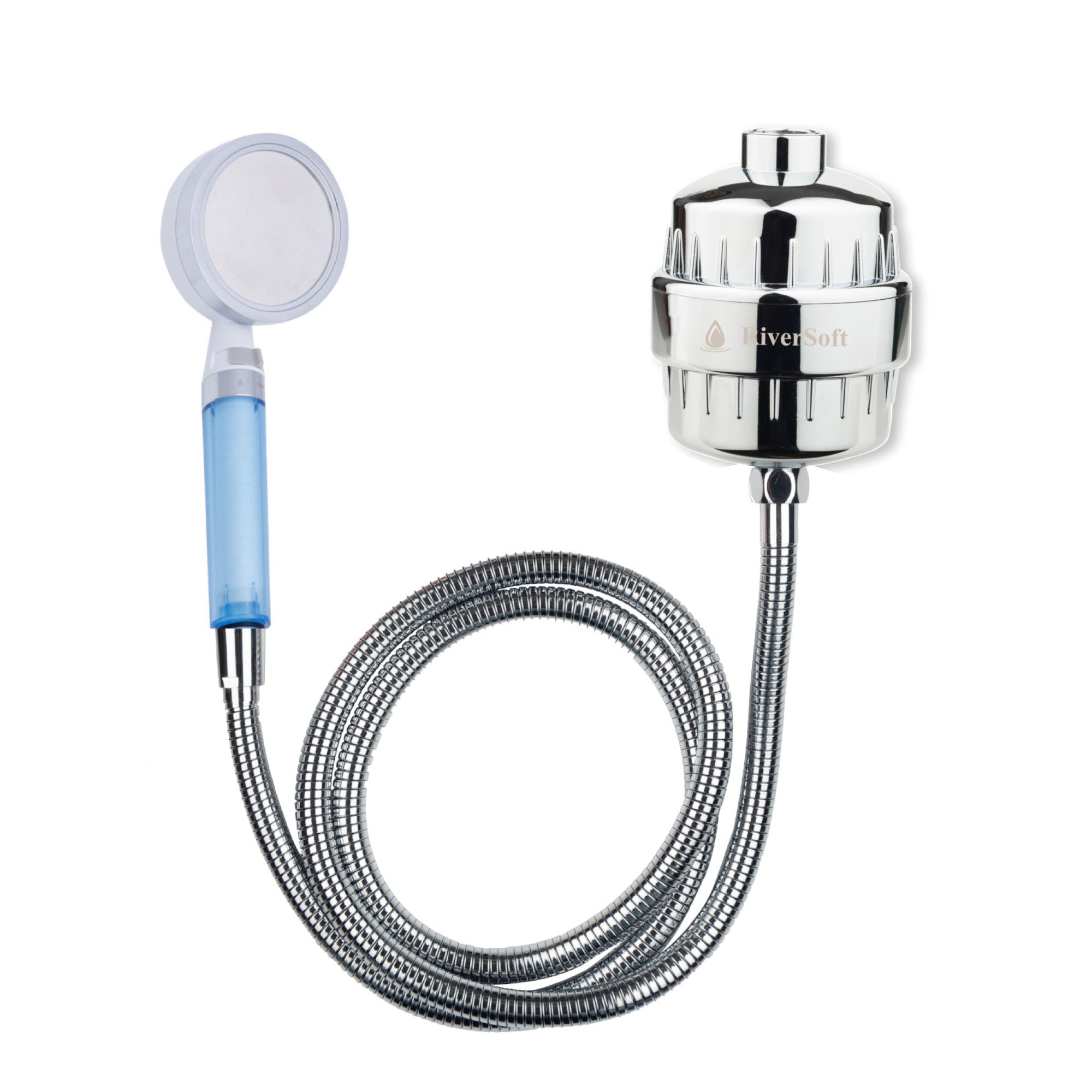
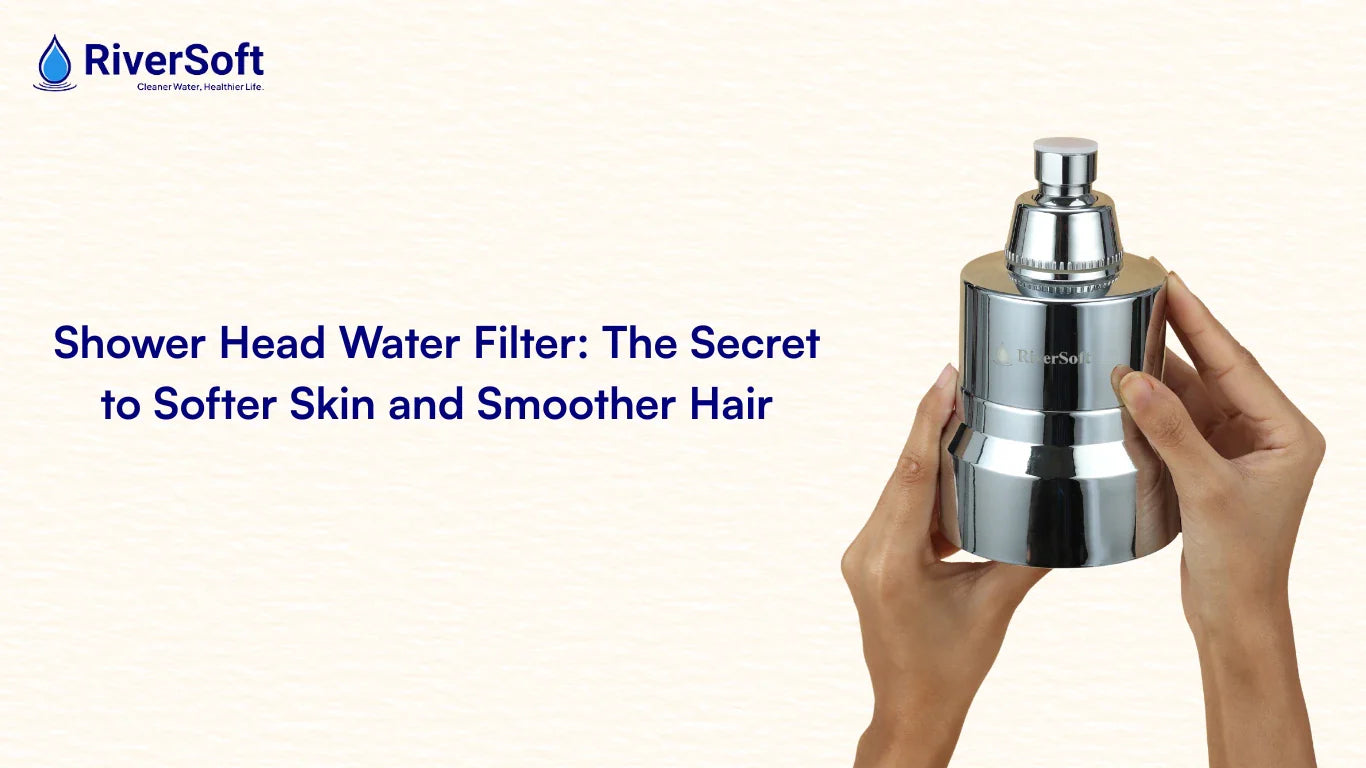
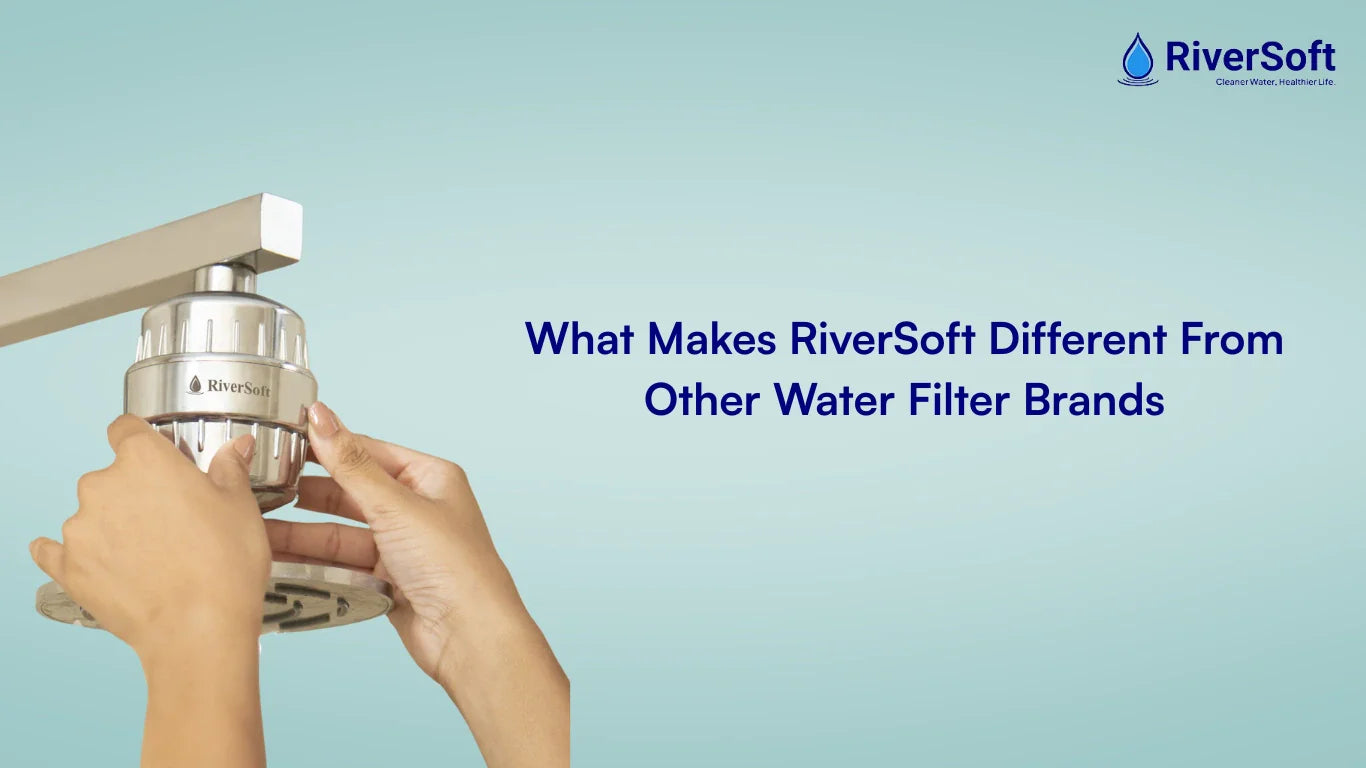
For bathing, consider the DIVA-03 shower filter. For laundry, check whether a washing machine filter suits your water quality and scale-control needs.
Watch: Why Hard Water Leaves a Mineral Film on Your Hair and Skin
4. Micron Filter / UV Sterilization - What Else Is There?
The last of the water filter layers in most multi-stage systems targets microorganisms and ultra-fine particles the earlier stages miss:
-
A fine micron filter traps very small bacteria and protozoa.
-
Some systems add mineral balls as a finishing touch to balance pH.
-
UV sterilization destroys microorganisms by denaturing their DNA.
This final layer provides crucial secondary protection, especially where biological contamination is a risk.

The 4 Major Benefits of Stacking Water Filter Layers
1. Holistic Pollution Elimination
Different water filter layers each eliminate a distinct category of pollution — physical, chemical, and biological. Combined, they deliver a level of purity no single filter can match on its own.
2. Better Taste and Smell
Activated carbon dramatically changes the sensory quality of water by removing chlorine and organic compounds; the result is water that’s both cleaner and more pleasant to drink.
3. Longer Appliance Life
By removing sediment and mineral buildup before they cause scale and corrosion, multi-layer systems extend the life of home and commercial appliances, saving money over time.
It is also good to know how water softeners help you save water for a related angle on cost savings.
4. Stronger Health Protection
Beyond removing chlorine and heavy metals, multi-layer systems neutralize bacteria and viruses, ensuring nothing but clean, safe water reaches your glass or shower.
How to Choose Water Filter Layers for Your Home
Start with the water problem, then assess the product.
-
Visible particles: Investigate the source, tank cleanliness, and suitable sediment filtration.
-
Chlorine concerns: Check relevant reduction evidence and operating conditions.
-
Scale: Measure hardness and assess whether actual softening is needed.
-
Drinking-water concerns: Test for relevant contaminants and select treatment accordingly.
For RiverSoft products, distinguish between these applications:
-
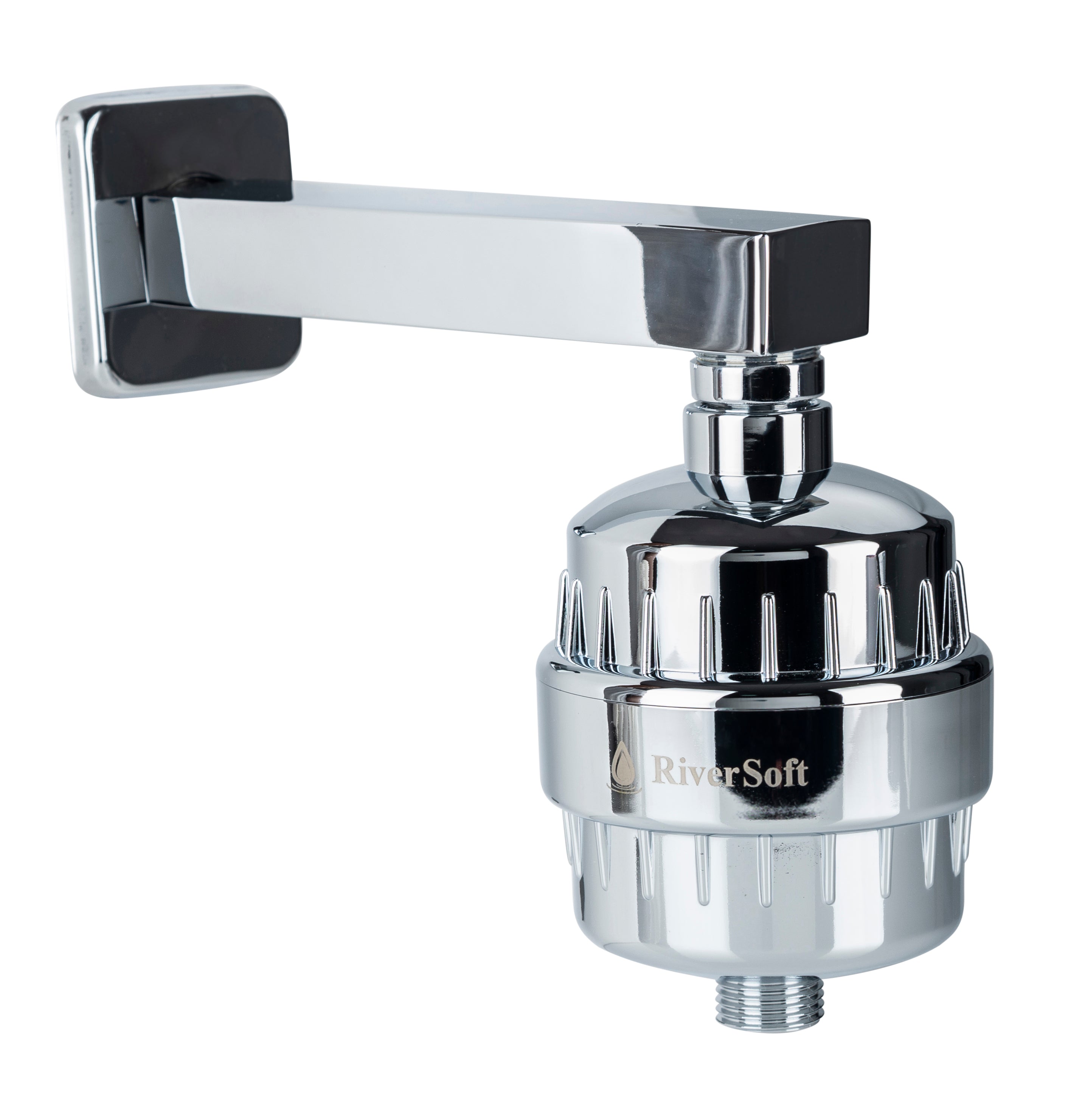
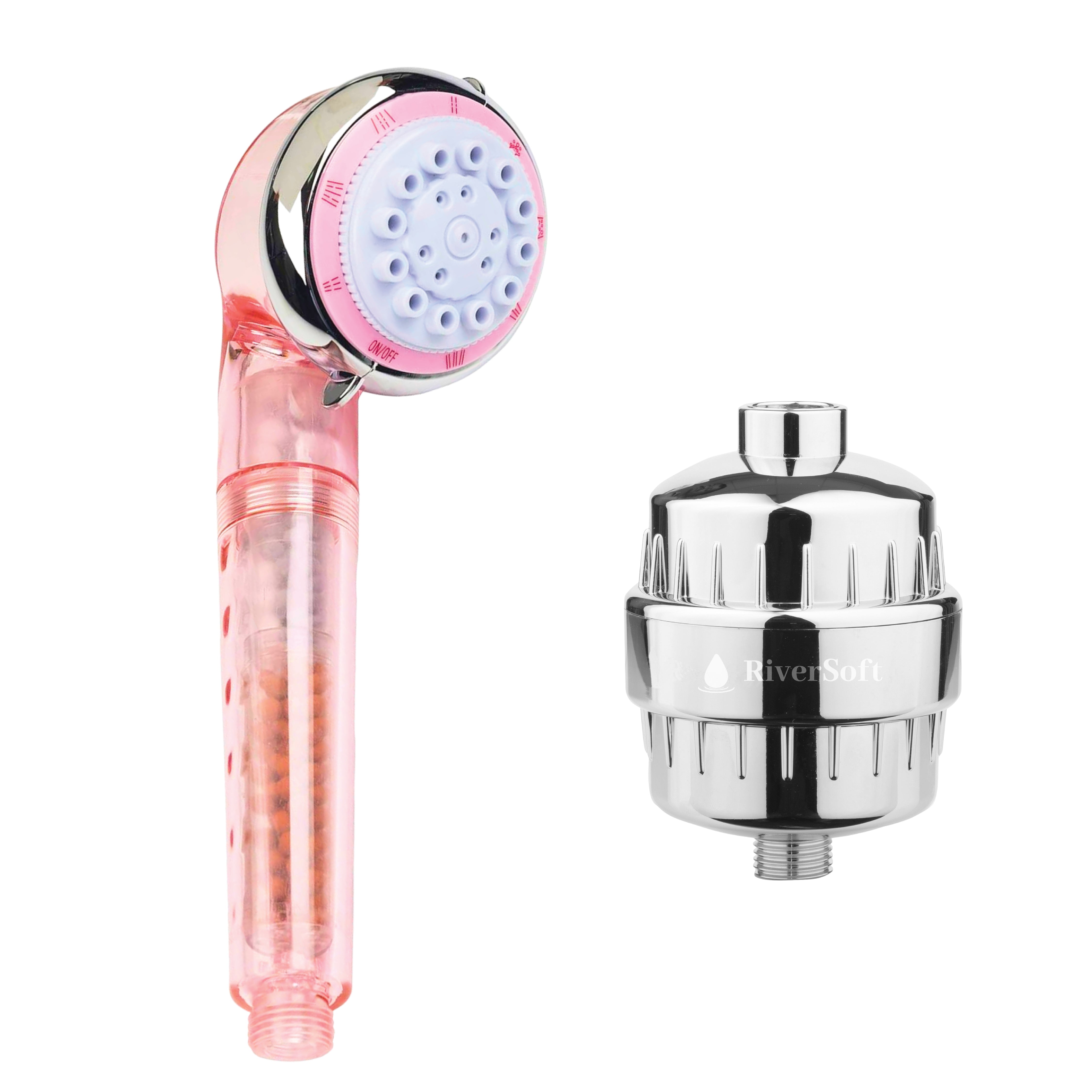
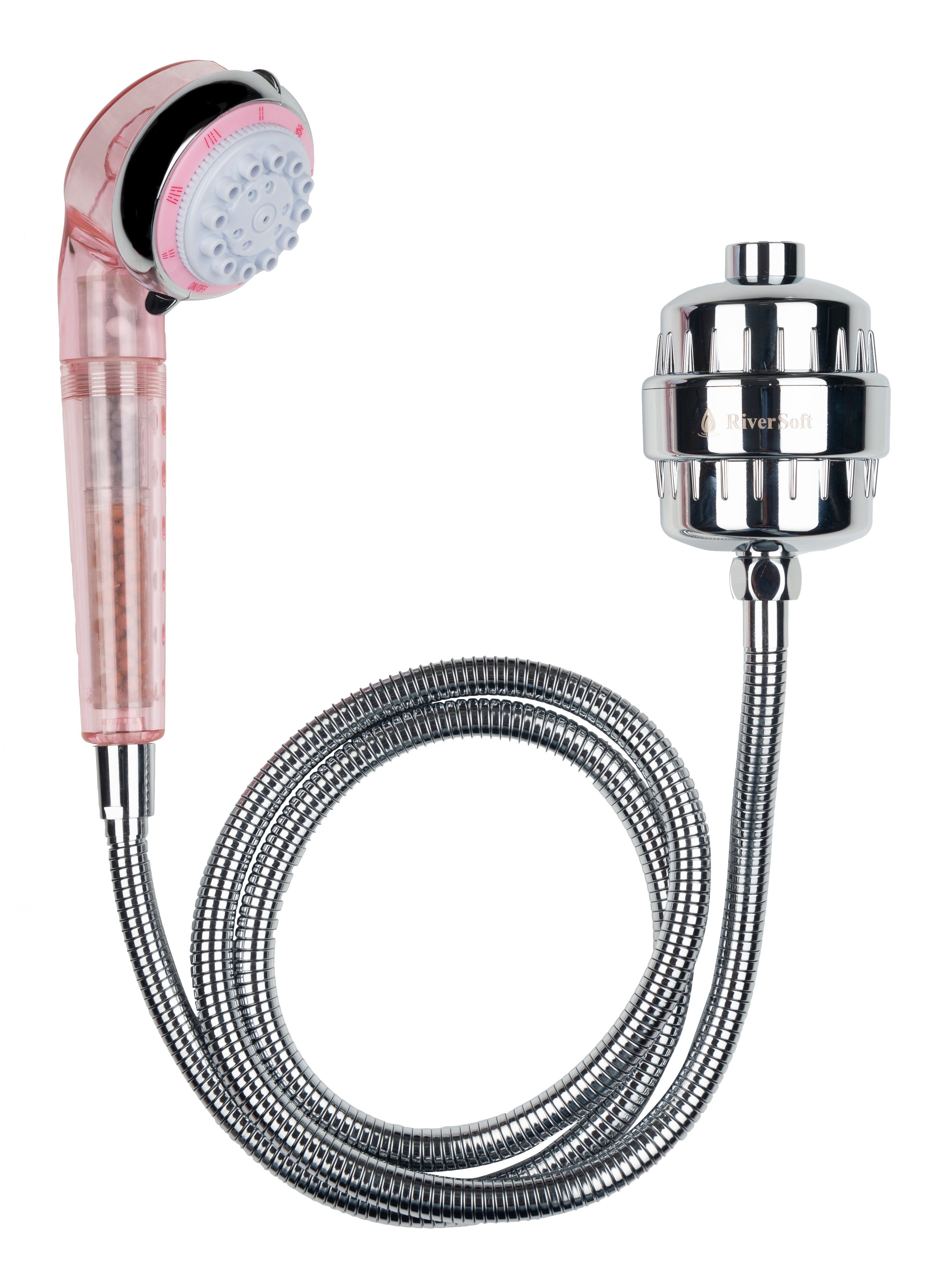
The SF-15 PRO filter is listed as a 15-stage shower and tap filter using an SFC-15 cartridge.
-
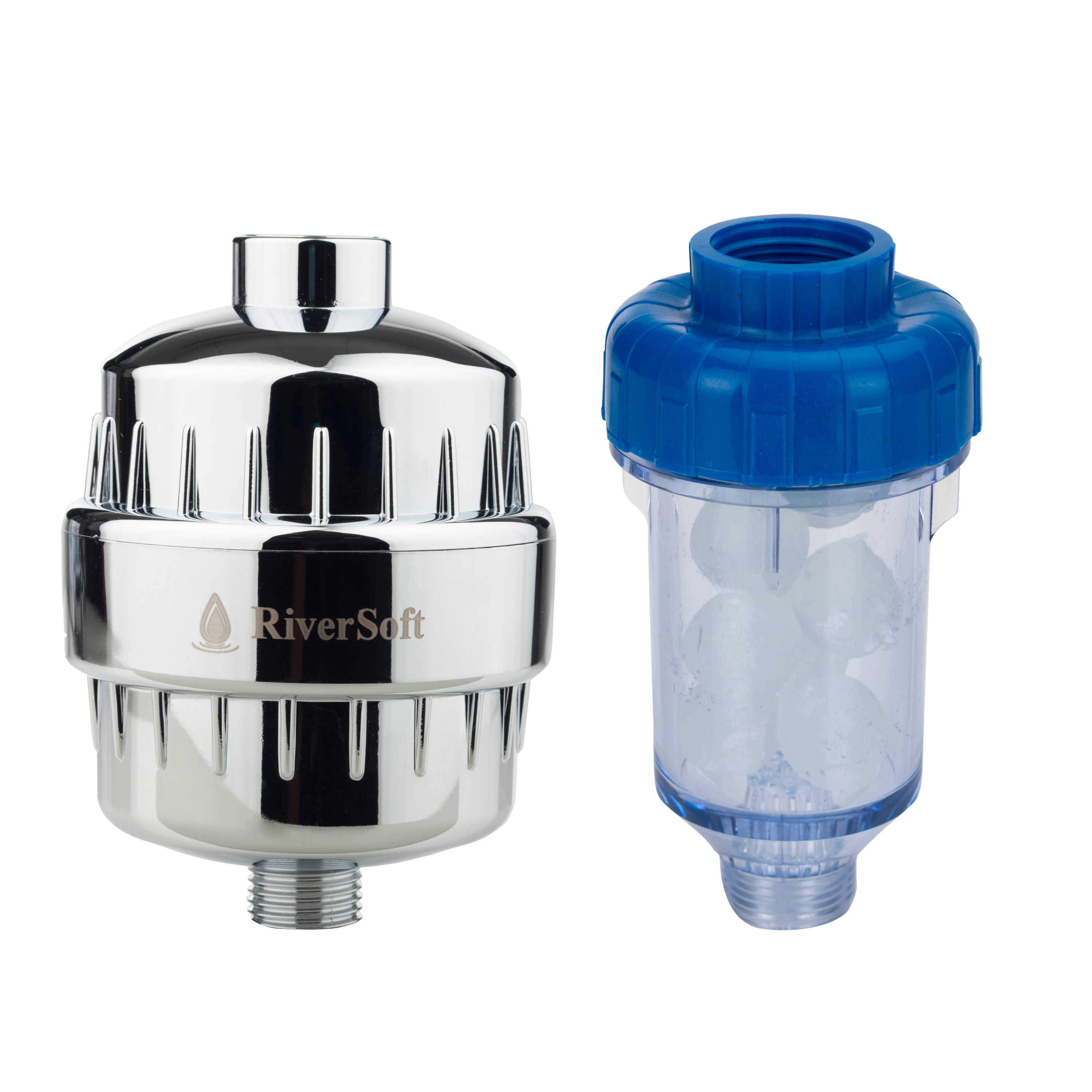
The SF-15 SedimentX filter includes sediment pads for particle capture at the outlet.
-
The ASP-20-HV1 sediment assembly uses a 20-inch, 1-micron spun cartridge for mainline sediment filtration.
Check installation compatibility and avoid choosing solely by the advertised stage count, because these products serve different purposes.
Choose Water Filter Layers by Function
The most useful water filter layers are those that address the conditions in your home.
Multiple water filter layers work together to filter, purify, soften, sterilize, and deliver the full transformation, where a single-stage filter can’t.
This matters most in Indian households dealing with hard water, high chlorine levels, or microbial contamination risk, which is why choosing the best water filter makes a real difference to daily water quality.























Leave a Comment