

Should you buy a sediment filter or a carbon filter? Do they do the same thing? Can one filter handle both dirt and chlorine? These questions confuse most homeowners looking for the right water filtration solution. Today, in this blog, we'll explain what sediment filters and carbon filters do, and how to figure out which one your home needs based on your actual water issues.
What Are Sediment Filters and What Problems Do They Solve?
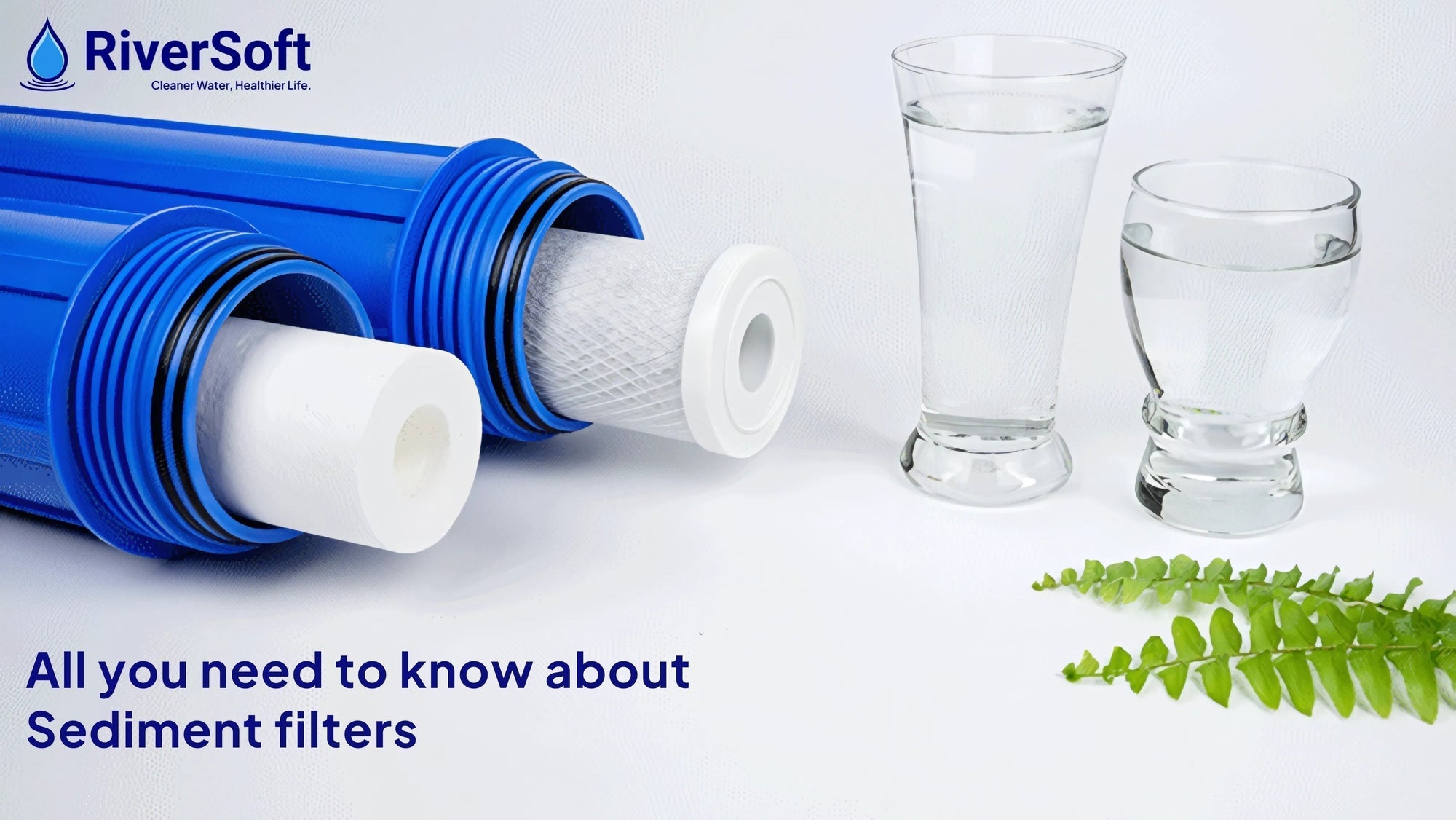
A sediment filter is a physical barrier that catches visible particles in water, such as sand, dirt, rust, silt, mud, and debris. Here’s how it works: Water passes through the filter, particles get trapped, and clean water flows out.
Sediment filters for home water solve problems like:
-
Turning cloudy/murky water crystal clear
-
Protecting washing machines and geysers from internal damage
-
Preventing rust and debris from clogging taps and showerheads
Sediment can damage the expensive RO membrane, which can cost thousands of rupees to replace. Since a sediment filter catches this dirt before it reaches the membrane, it protects your RO membrane, too.
In short: They remove visible dirt and protect appliances.
Recommended Reading:
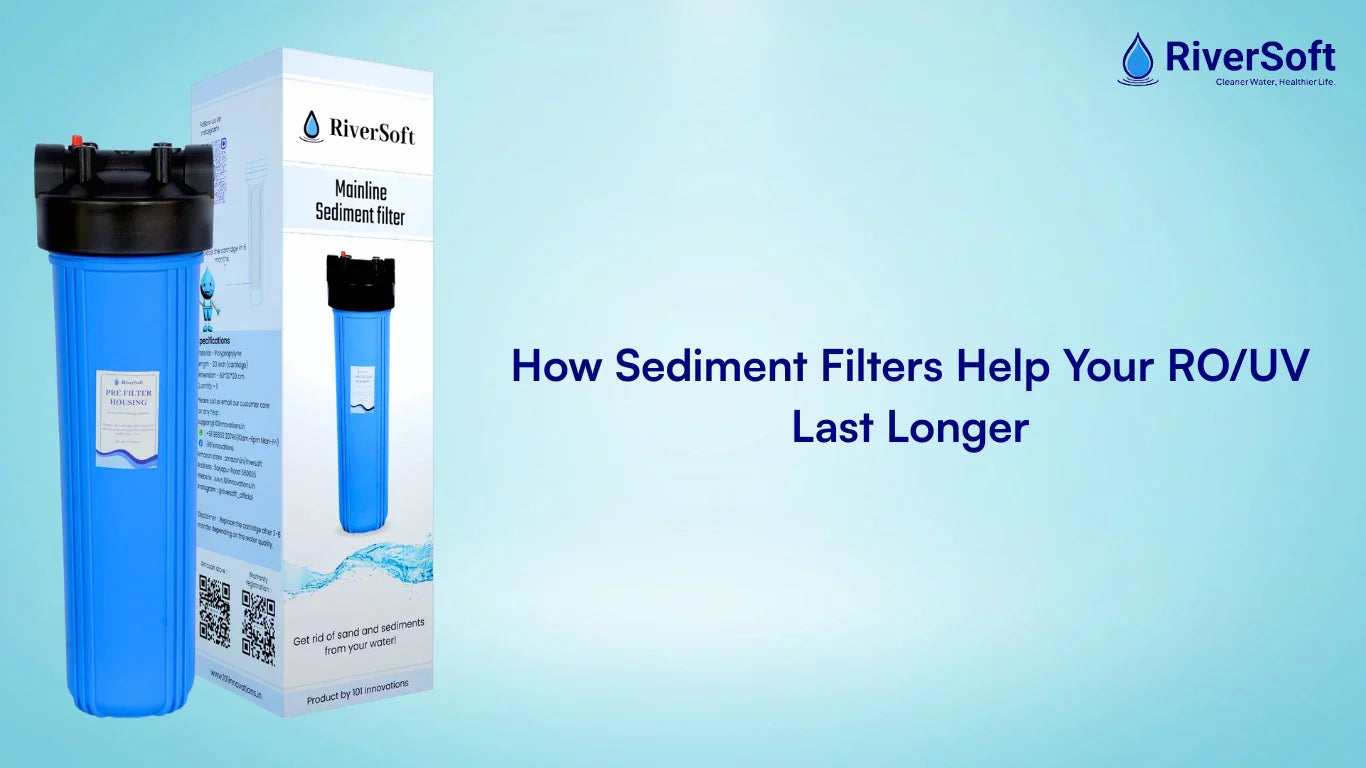
Installing a mainline filter protects not just your RO but your entire home's water system. Discover the benefits of mainline sediment filters for whole-house protection.
What Is Micron Rating & Why It Matters in Water Filtration
Micron refers to the size of particles your filter can trap. Typically, filters come in these options:
-
20-micron filters: Best for trapping larger particles like sand and dirt.
-
5-micron filters: Traps finer impurities like rust and silt.
-
1-micron filters: Perfect for very tiny sediment filtration
Naturally, smaller micron numbers mean better filtration because they filter more particles. But they also clog quickly. Think of it like a sieve: the finer the mesh, the quicker it fills up. This is why we suggest 5 to 10 micron filters for Indian homes, as they offer effective filtration without frequent replacements.
What Are Carbon Filters and What Problems Do They Solve?
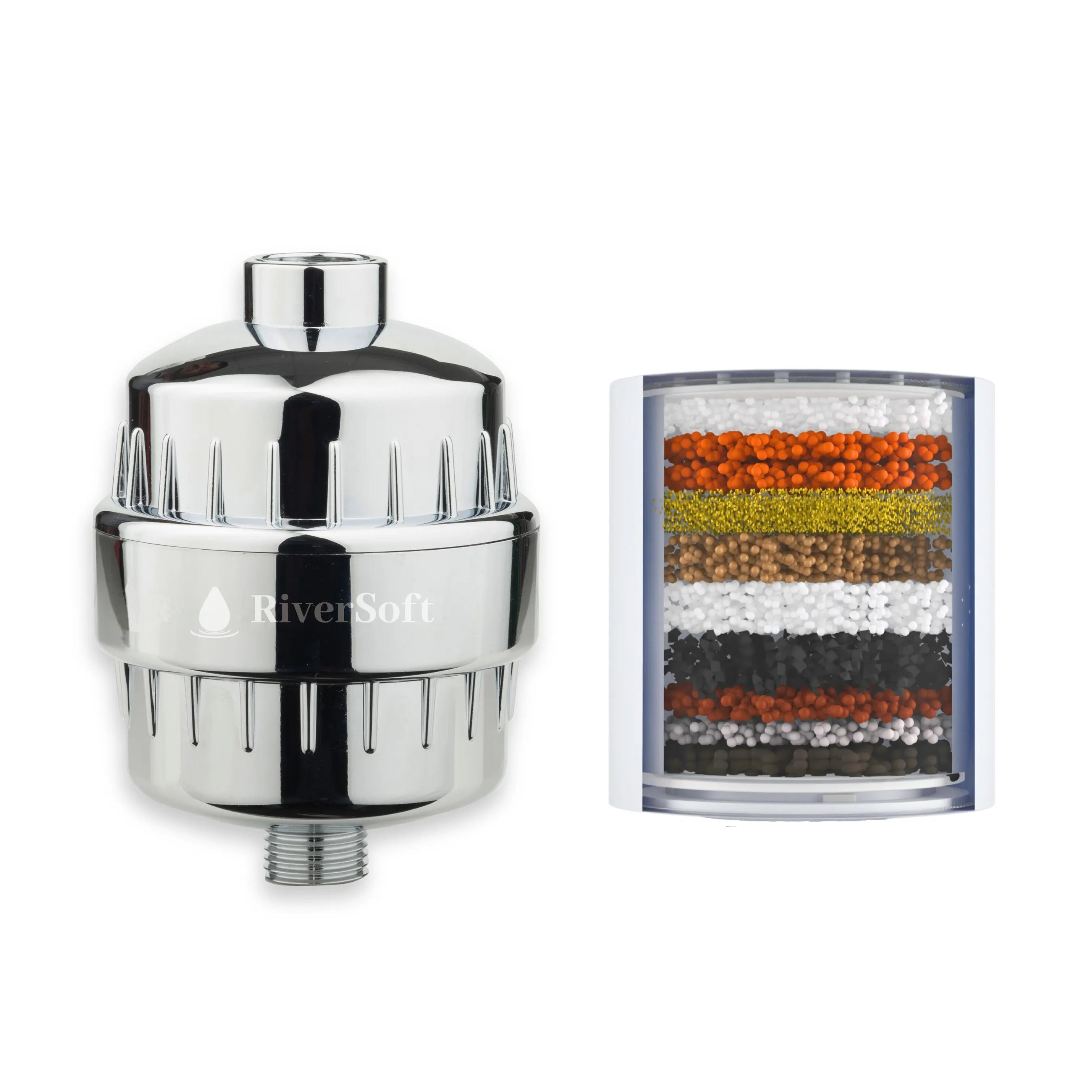
Unlike sediment filters, carbon filters don’t physically trap dirt. They remove chemicals through a process called adsorption. Here’s how it works: the filter contains activated carbon with millions of tiny pores. As water passes through, contaminants like chlorine, pesticides, and volatile organic compounds stick to the carbon surface, allowing purified water to pass through.
Here are the problems carbon filters solve:
-
Removes chlorine smell and chemical taste from water
-
Improves the taste and odour of drinking water by reducing chemicals
-
Reduces chemical exposure through skin absorption during bathing
Clearly, sediment and carbon filters solve very different water problems. So which one does your home actually need? Let's figure that out.
Recommended Reading:
Chlorine does more damage than you think. It strips your skin and hair of natural oils every time you shower. Read about chlorine's effects on your body.
Sediment Filters vs Carbon Filters: Which One Is Right for Your Home?
Step 1: Identify Your Water Type
The right filter depends on your water source. For example, homes that use borewell or well water usually have higher sediment levels because groundwater carries sand, silt, and clay. Municipal water, on the other hand, is treated with chlorine for safety, which often leaves behind a chemical smell and taste.
Step 2: Identify the Problem
Check these signs to know which filter you need:
You need a SEDIMENT filter if:
-
Your water looks cloudy or murky
-
You rely on borewell water
-
You notice rust, sand, or brown particles in the water
You need a CARBON filter if:
-
Your water tastes metallic or chemical
-
You rely on municipal water
-
Your water smells of chlorine
If issues from both categories match your situation, you need both sediment and carbon filters. Yes, you can install both, but getting the order right is important.
Step 3: Choose the Right Setup
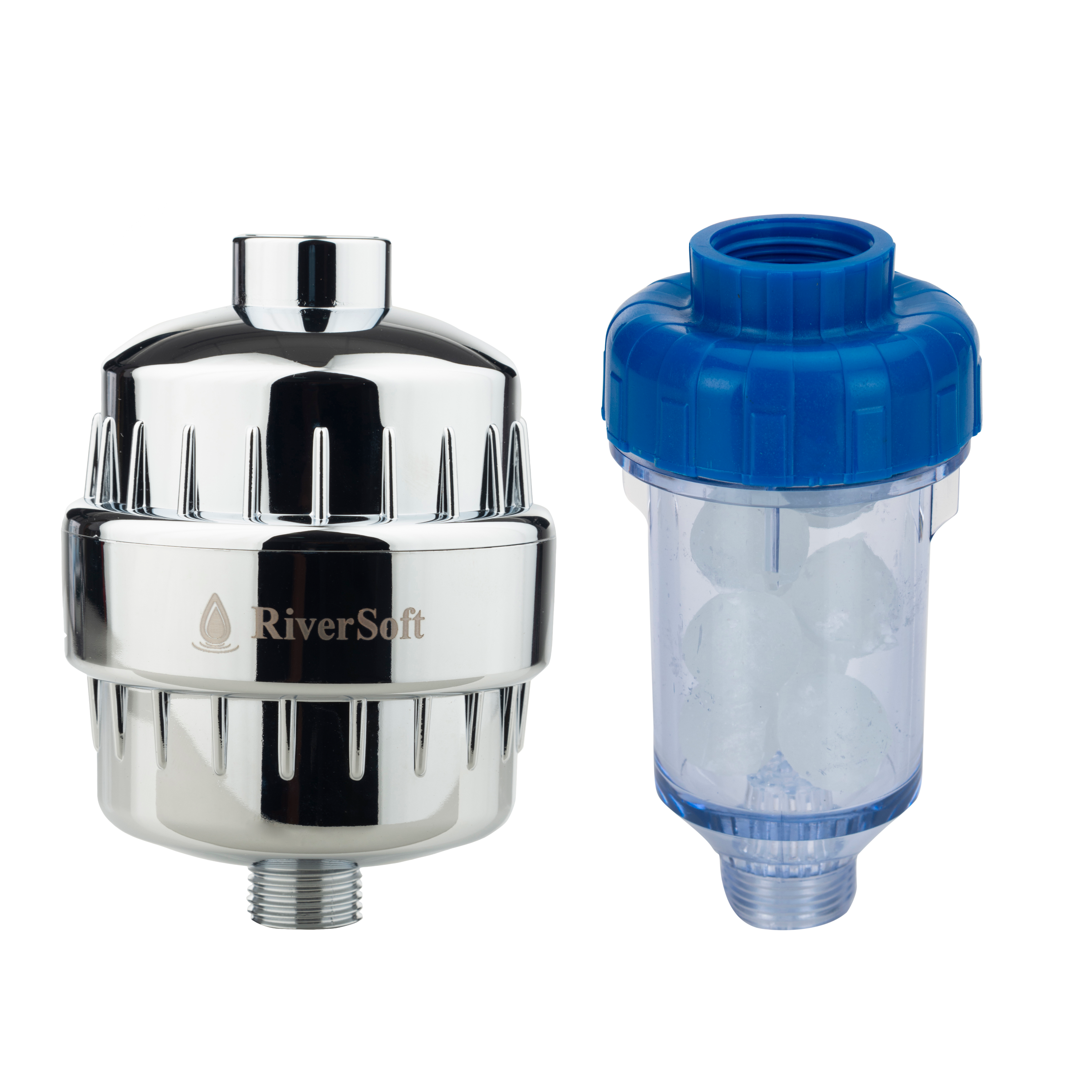
The correct setup is to install the sediment filter before the carbon filter. Why this order? The sediment filter removes dirt, sand, and debris first, so the carbon filter doesn’t clog and can efficiently remove chlorine and other chemical impurities.
The Takeaway:
Choosing between a sediment filter and a carbon filter doesn’t have to be confusing. If your water looks dirty or leaves residue, a sediment filter is the right choice. If it smells like chlorine, a carbon filter works best. And if you’re facing both visible dirt and chemical odours, using both filters together gives the best results. Once you understand your water problem, choosing the right filter becomes simple. The good news is these filters are affordable and easy to maintain.
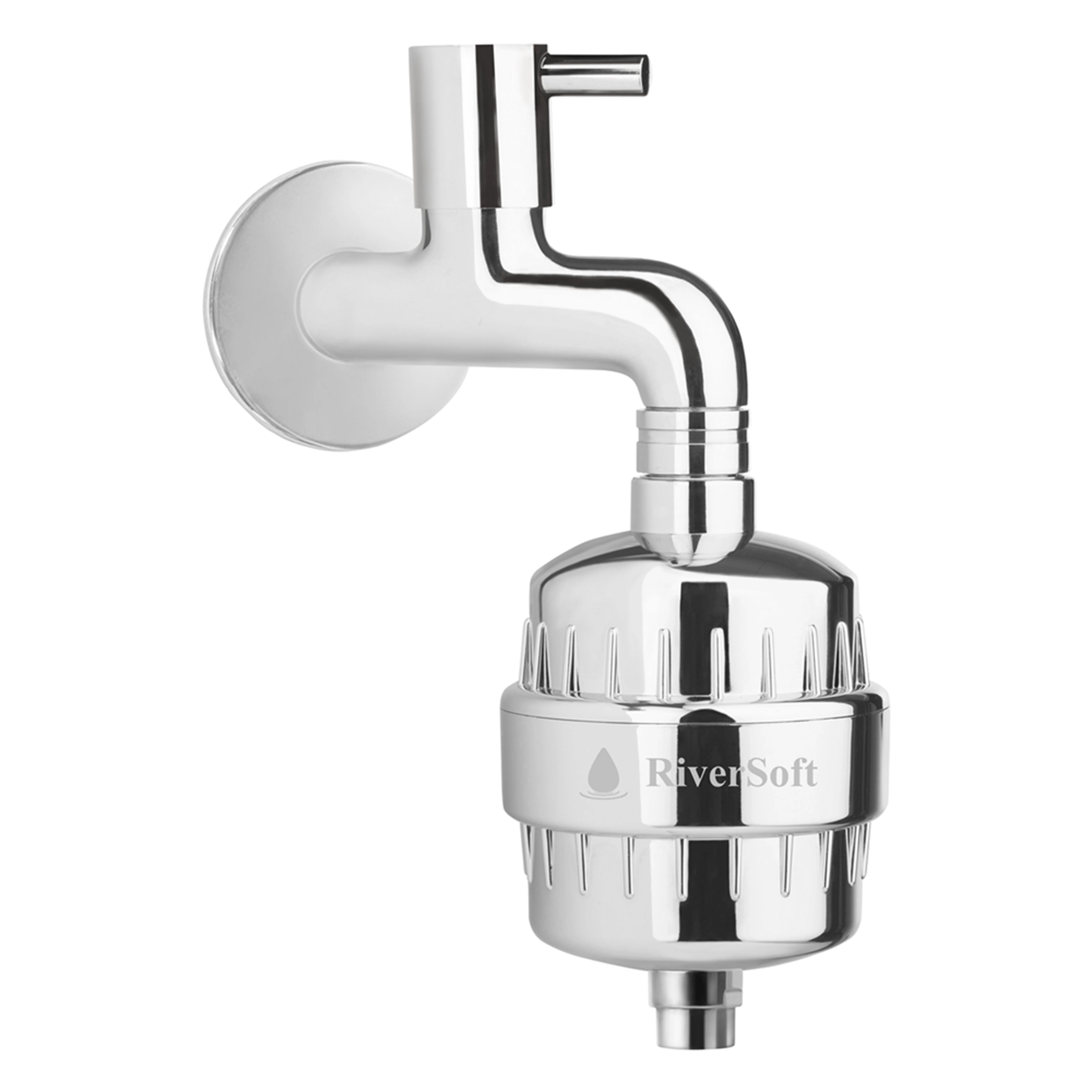
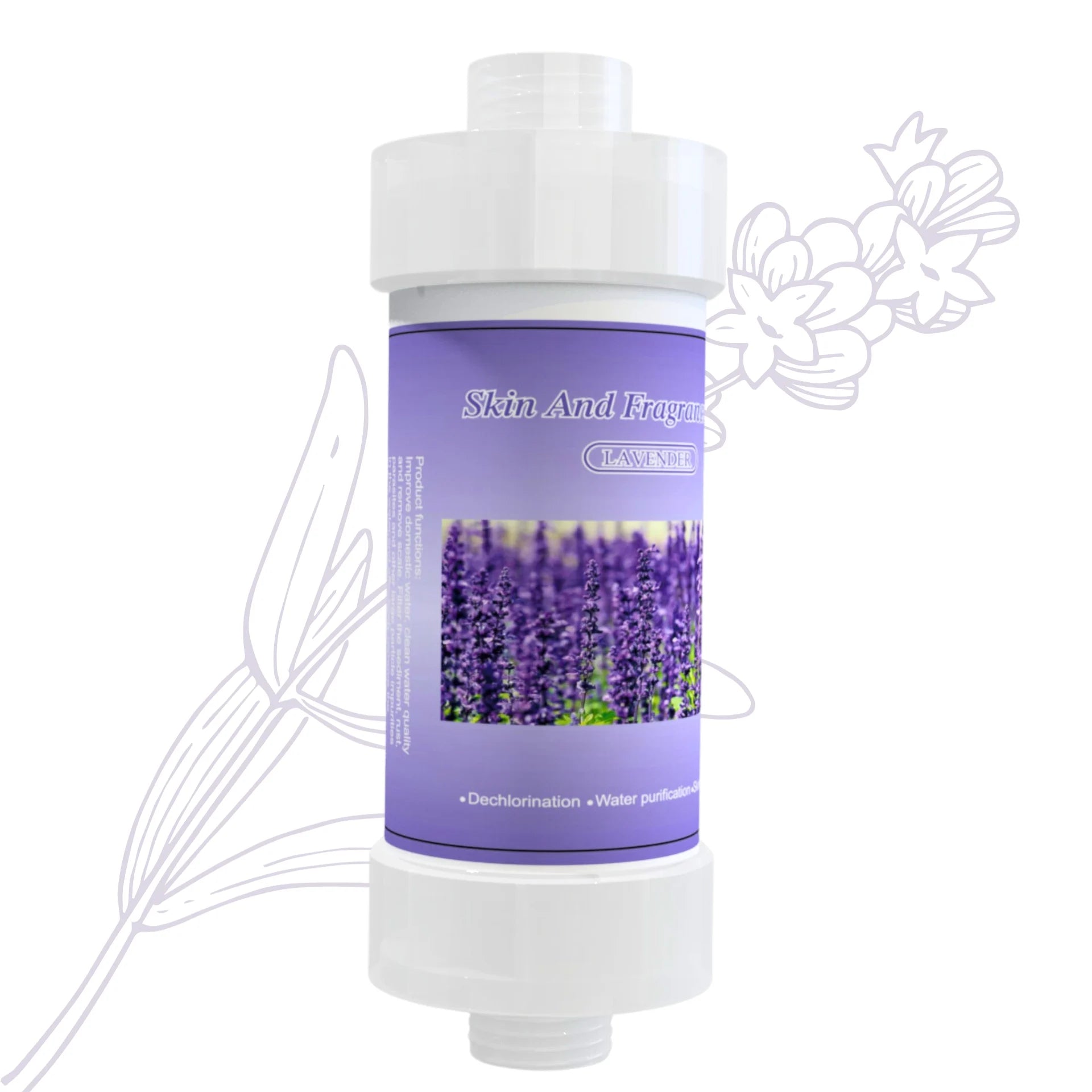
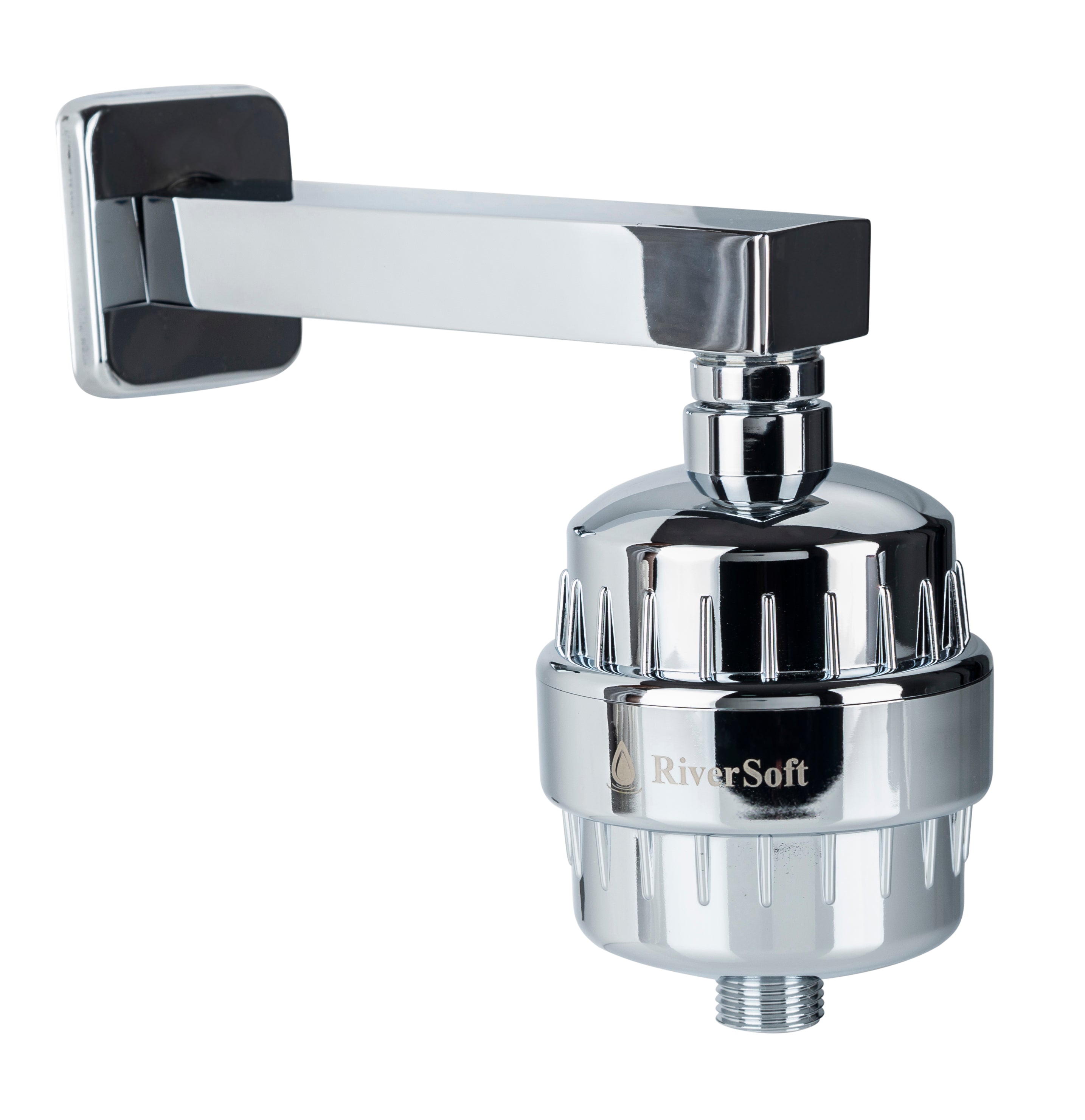
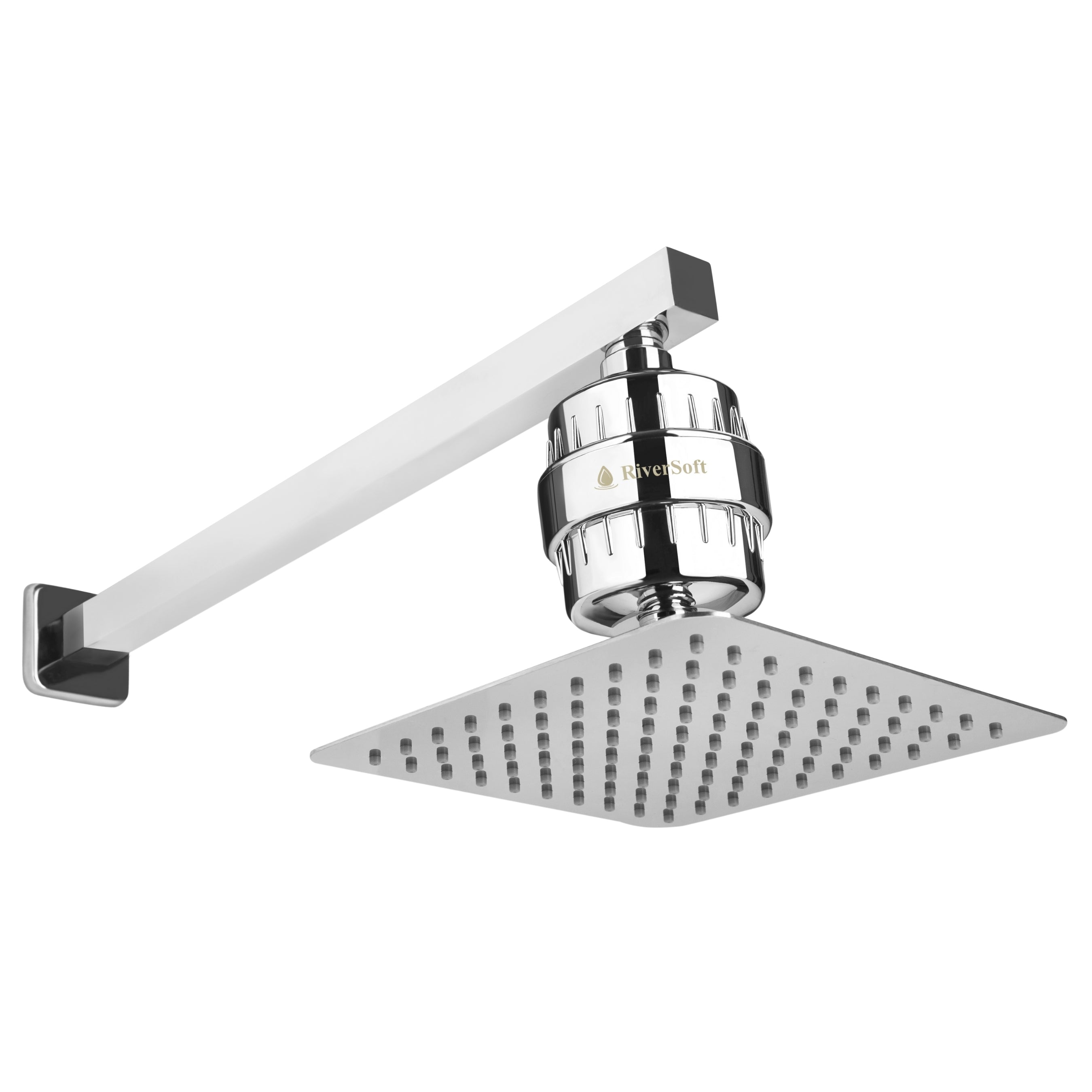
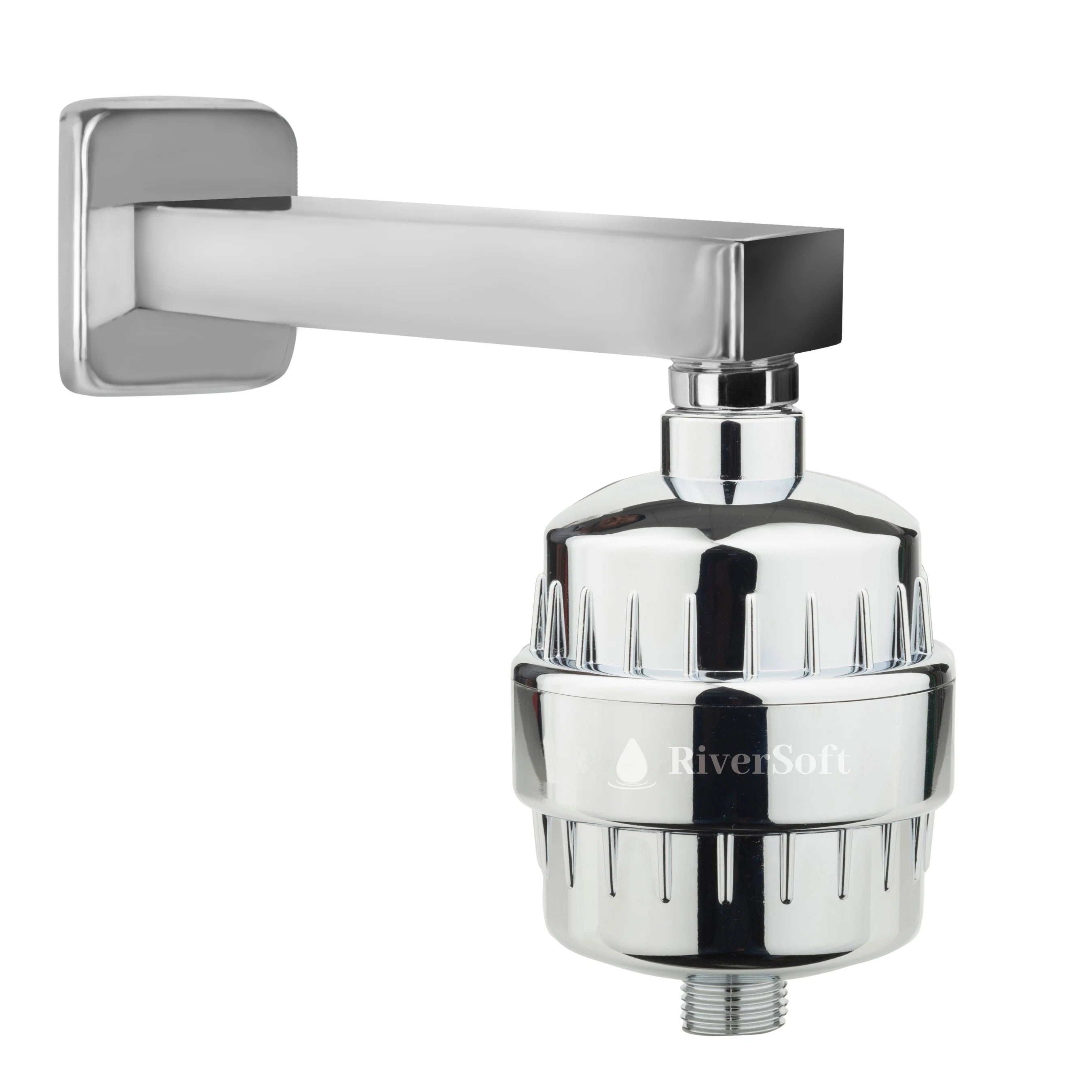
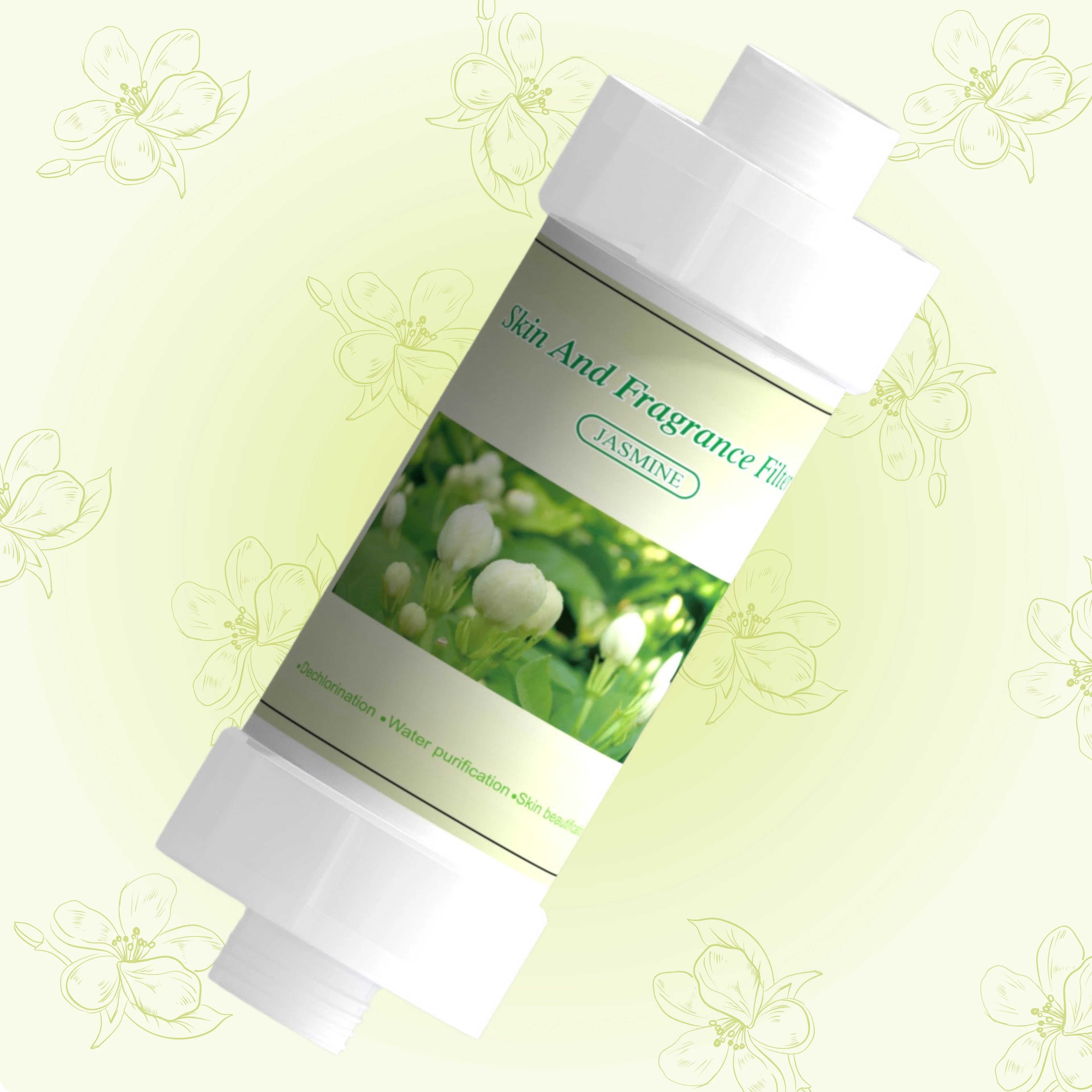
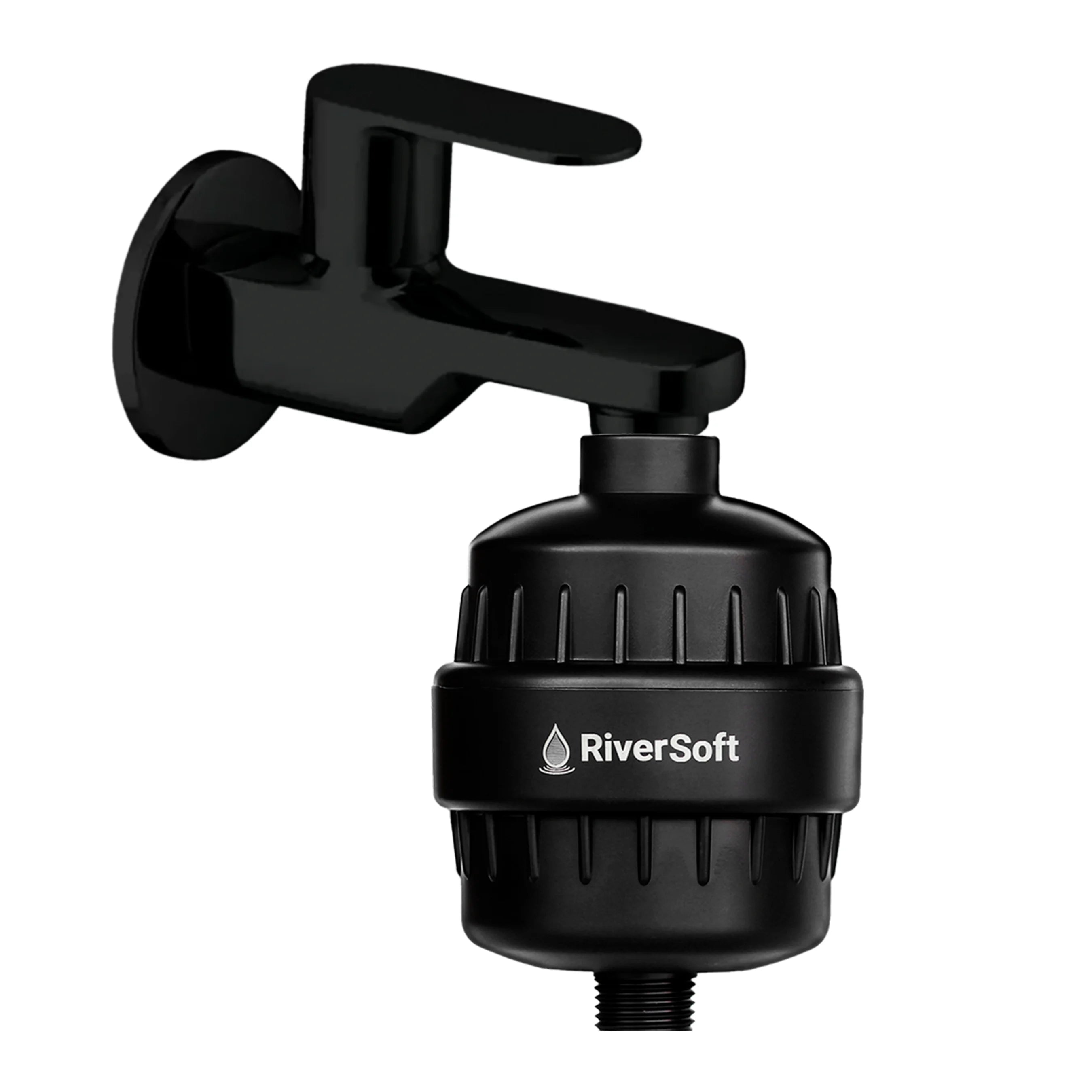
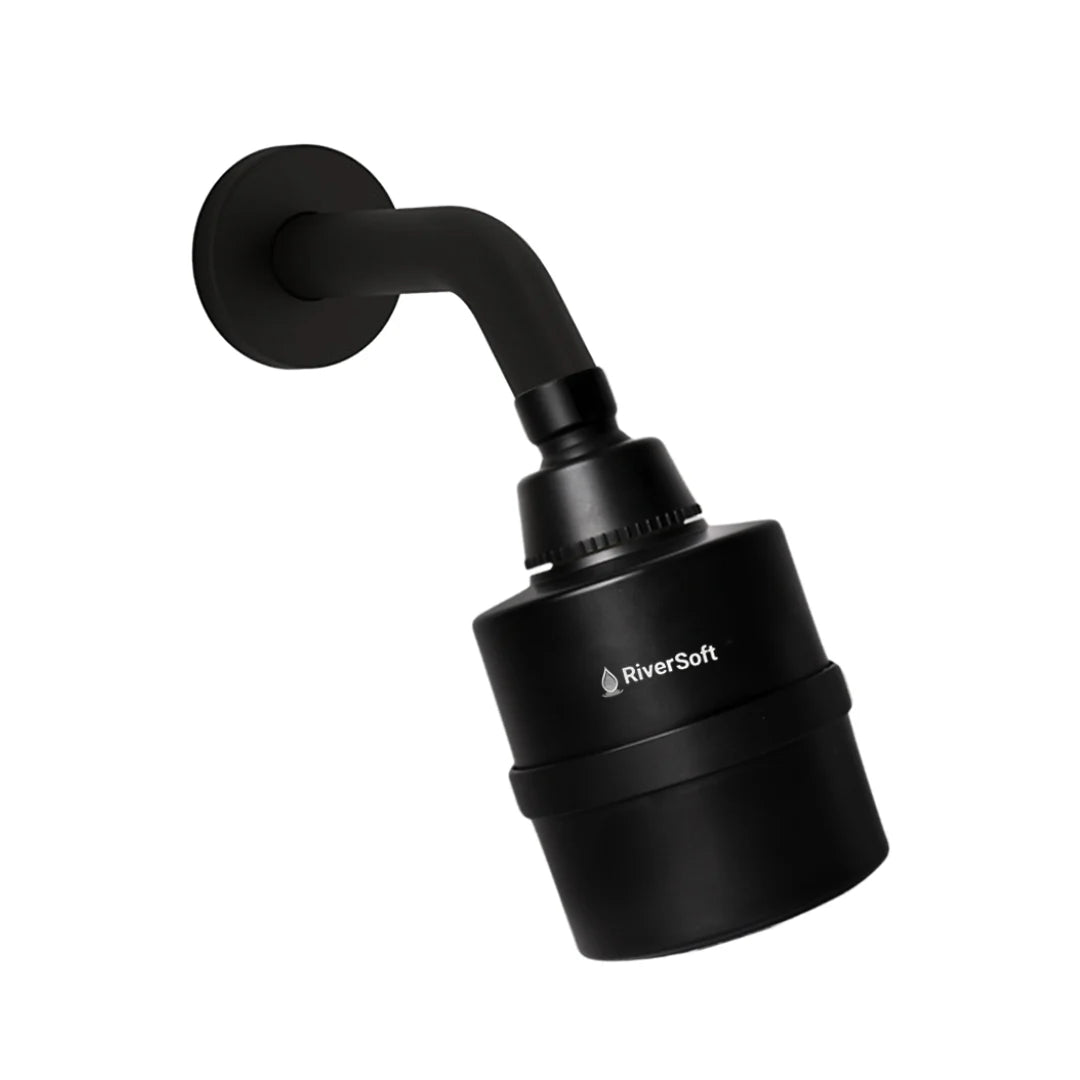
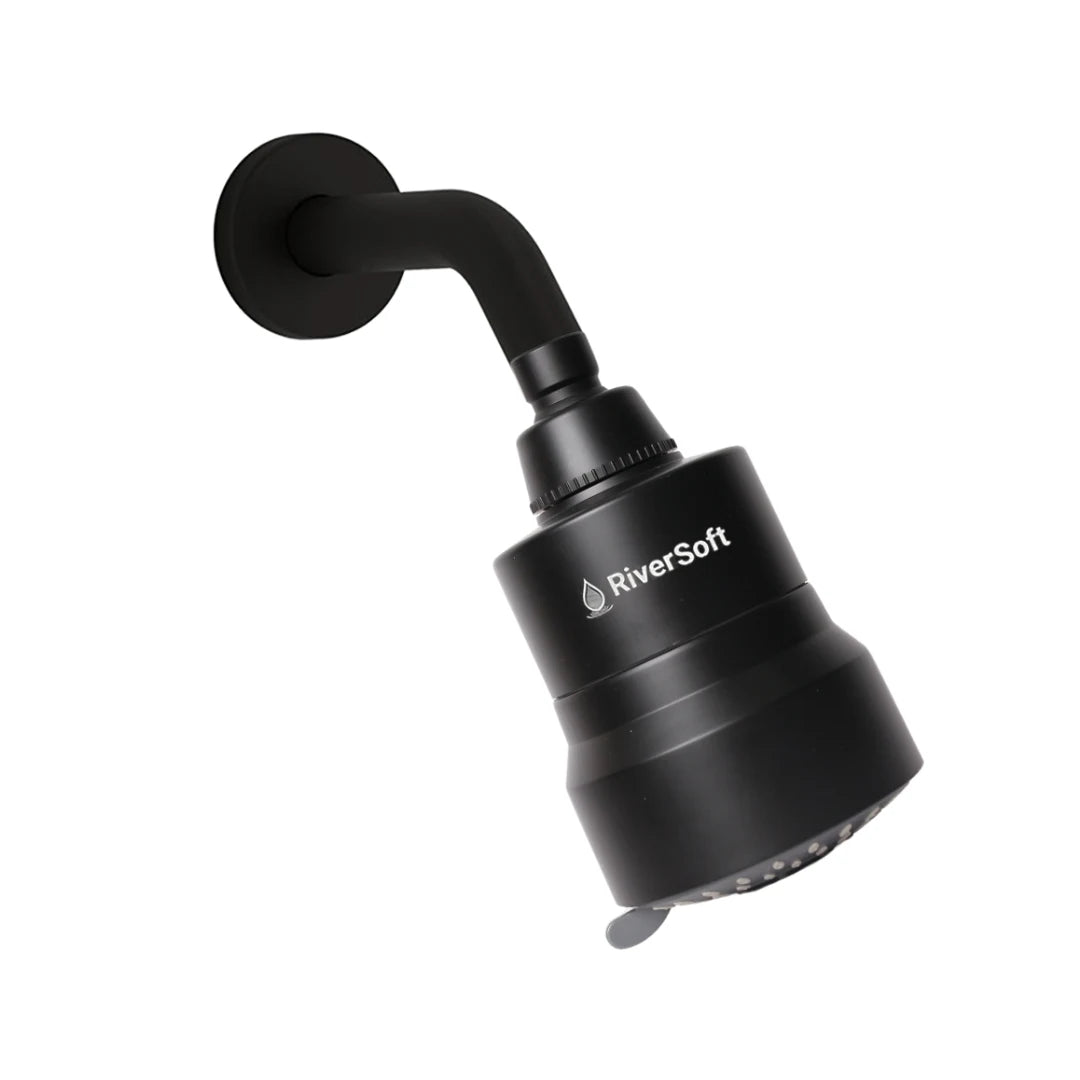
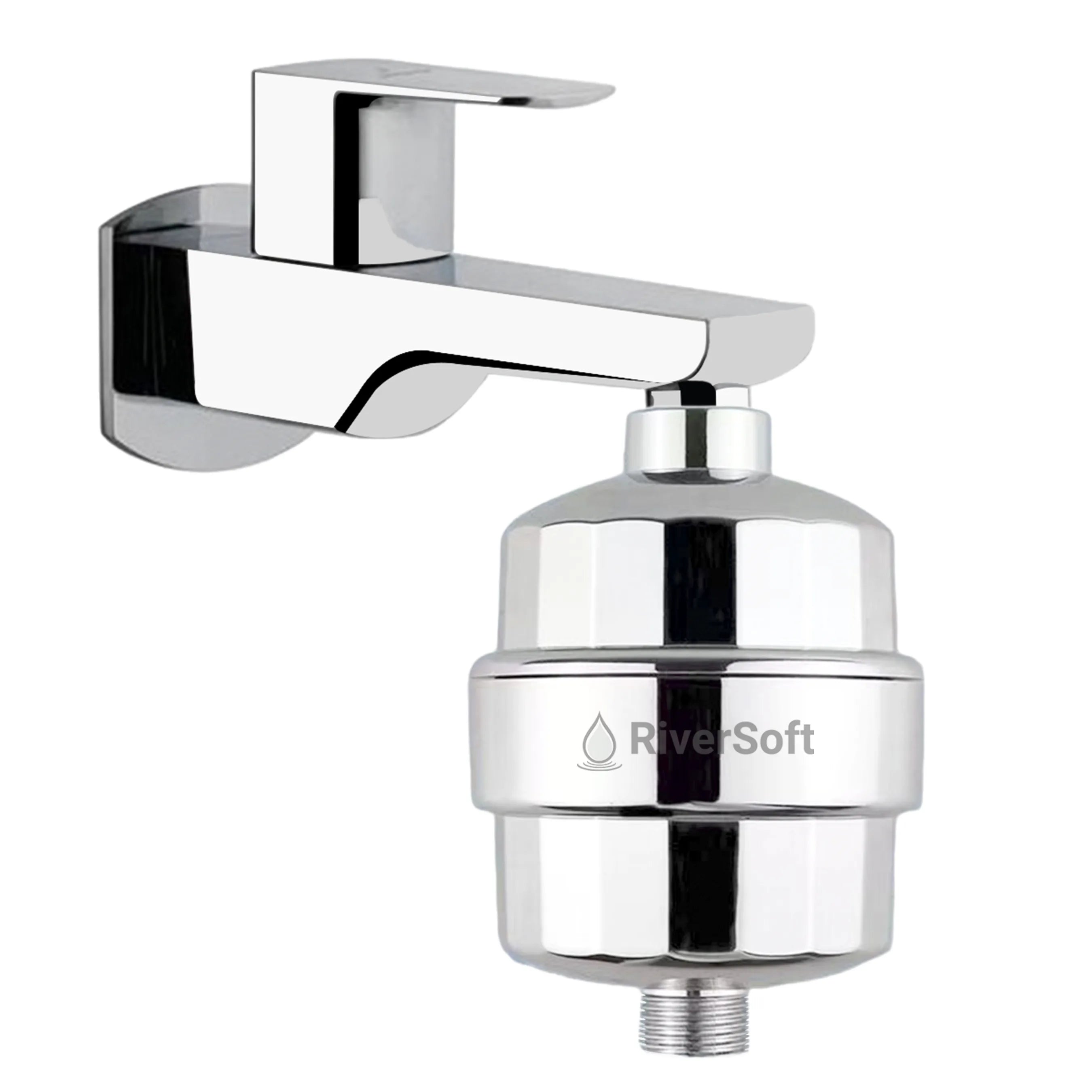
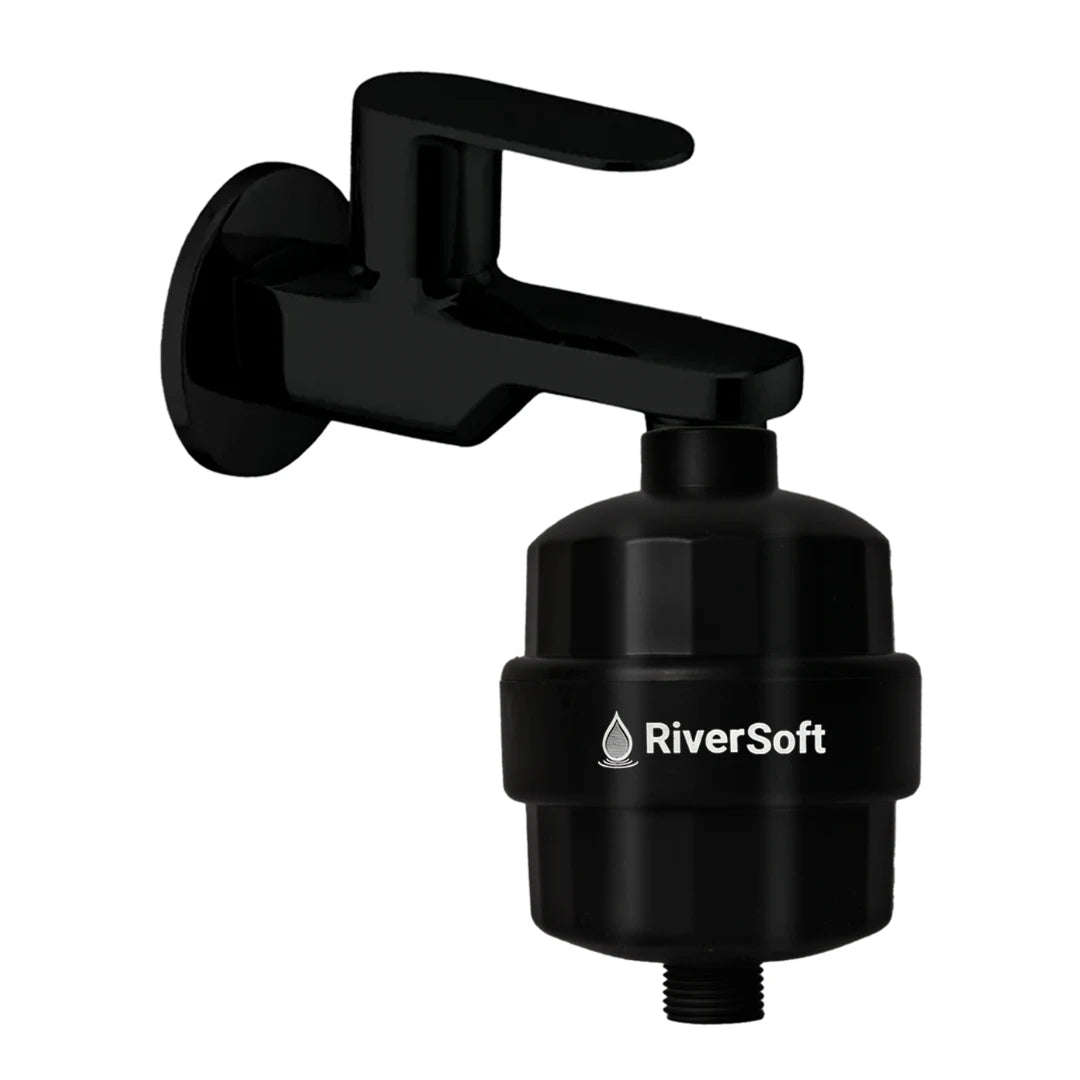
At RiverSoft, we offer filters made specifically for Indian water conditions, helping you remove dirt, chlorine and unwanted impurities right at the source.






































Leave a Comment