
You could spend a fortune on expensive haircare and your hair could still be dry, frizzy or brittle. In many Indian cities, the real culprit may be hiding in plain sight – the hard water flowing from your taps and shower!
Hard water minerals stick to your scalp, block moisture, and make shampoos foam less, which is why your hair looks dull no matter what products you use. And if you’ve just moved to a tier-1 metro city with hard water – like Bangalore, Delhi, Pune or Chennai for example – and suddenly noticed more hair fall or dryness, it's probably your water quality, not your shampoo!
What is Hard Water?
So what exactly is hard water? Water that’s considered “hard” is water that has high levels of mineral ions, particularly calcium and magnesium carbonates which travel from crystalline-rich rocks underground to your home if you source your water from groundwater or mixed sources, especially common in many Indian regions. In fact, some states report very high water hardness levels sometimes above 600 ppm.
So when you wash your hair with hard water, minerals build up over time on both your scalp and hair strands. Let’s look at the specific effects:
Signs Hard Water Is Affecting Your Hair and Scalp
Effects of hard water go beyond a little dry hair after a shower. Hard water can lead to buildup, dryness, scalp irritation, slower hair growth, and even sometimes faster color fading. These effects worsen over time if the mineral deposits aren’t managed.
Mineral Buildup
One of the biggest issues with hard water is mineral residue. When you rinse your hair, calcium and magnesium can cling to the strands and form a film on your scalp; making hair feel heavy, greasy, and difficult to manage. This buildup can prevent shampoos and conditioners from working effectively, as they can’t penetrate the hair shaft as they should.
Dryness, Roughness and Dullness
While hard water does not necessarily “pull” moisture out of hair directly, the same minerals that create a coating on the hair shaft and scalp block moisture from absorbing into the strands. This lack of hydration leaves hair looking dull, lifeless, and prone to frizz or breakage. It’s especially frustrating for anyone with curly or wavy hair, as these hair types are more vulnerable to moisture loss.
Scalp Irritation
The minerals in hard water can irritate your scalp, leading to itchiness and flakiness. If you already have scalp conditions like dandruff, hard water can make them worse by causing product residues and natural oils to build up. A dry, itchy scalp is not only uncomfortable but can also affect hair health over time.
What About Scalp Conditions Like Psoriasis and Eczema?
Now for those with diagnosed scalp psoriasis or seborrheic dermatitis, you guys may tend to feel the effects of hard water more quickly. See, the alkaline mineral film left on the scalp after every wash disrupts the skin barrier, which can trigger or worsen flare-ups. Switching to filtered water often reduces the frequency and severity of symptoms without changing any other part of the routine.
However, if symptoms include:
-
Persistent or severe itching
-
Redness or inflammation
-
Thick or recurring scaling
-
Distinct pain or burning sensations
-
Sudden or significant hair shedding
-
Hair loss that continues despite changing your routine
Definitely consider consulting a dermatologist – or a skin specialist in general – because those could be indicative of much larger issues!
Watch: 4 Simple Ways to Protect Your Hair From Hard Water
The Best Ways to Get Rid of Hard Water Damage
If you’ve confirmed that the undesirable effects on your hair, skin and home appliances really are due to the presence of hard water in your home, don’t worry! Luckily, there are ways to reduce them – using filtration, regular scalp care or a combination of them all works best for long-term results. For example:
Use Clarifying or Chelating Shampoos
Clarifying shampoos can help break down and remove mineral buildup from hard water. Look for ones with chelating agents, which bind to minerals and remove them. However, since clarifying shampoos can be drying, it’s best to use them sparingly; once a week or every two weeks approx.
Moisturizing Products
Since hard water dries out hair, using moisturizing shampoos and conditioners is essential. Look for products designed to replenish moisture in the hair, particularly those containing hydrating ingredients like argan oil, shea butter, or hyaluronic acid. These products can help restore softness and improve manageability.
Regular Scalp Treatment
A healthy scalp is the foundation of healthy hair. Using scalp treatments that focus on hydration and gentle exfoliation can combat the effects of hard water. Look for products containing ingredients like tea tree oil or salicylic acid, which can help cleanse the scalp while soothing irritation.
Installing Water Filters or Softeners
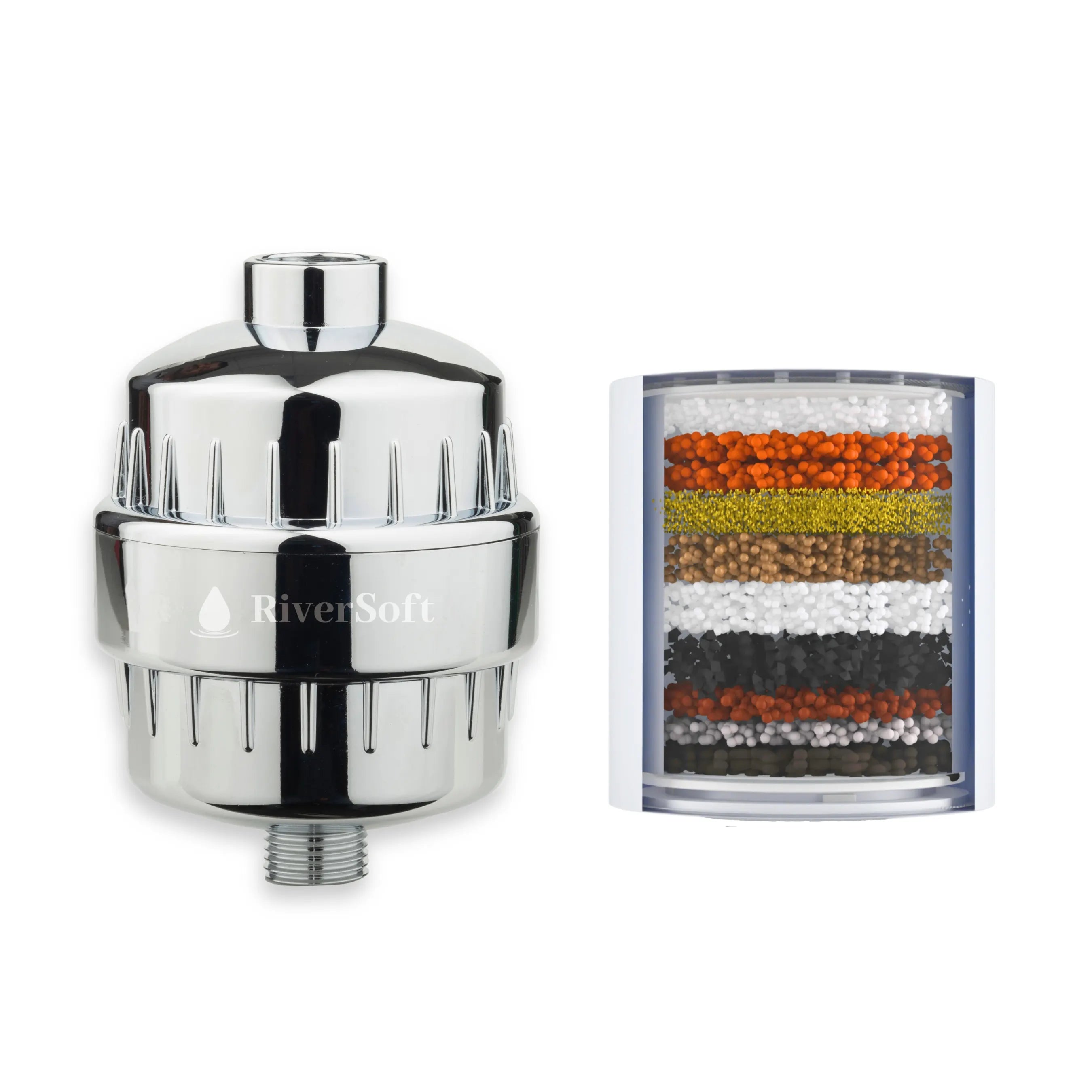
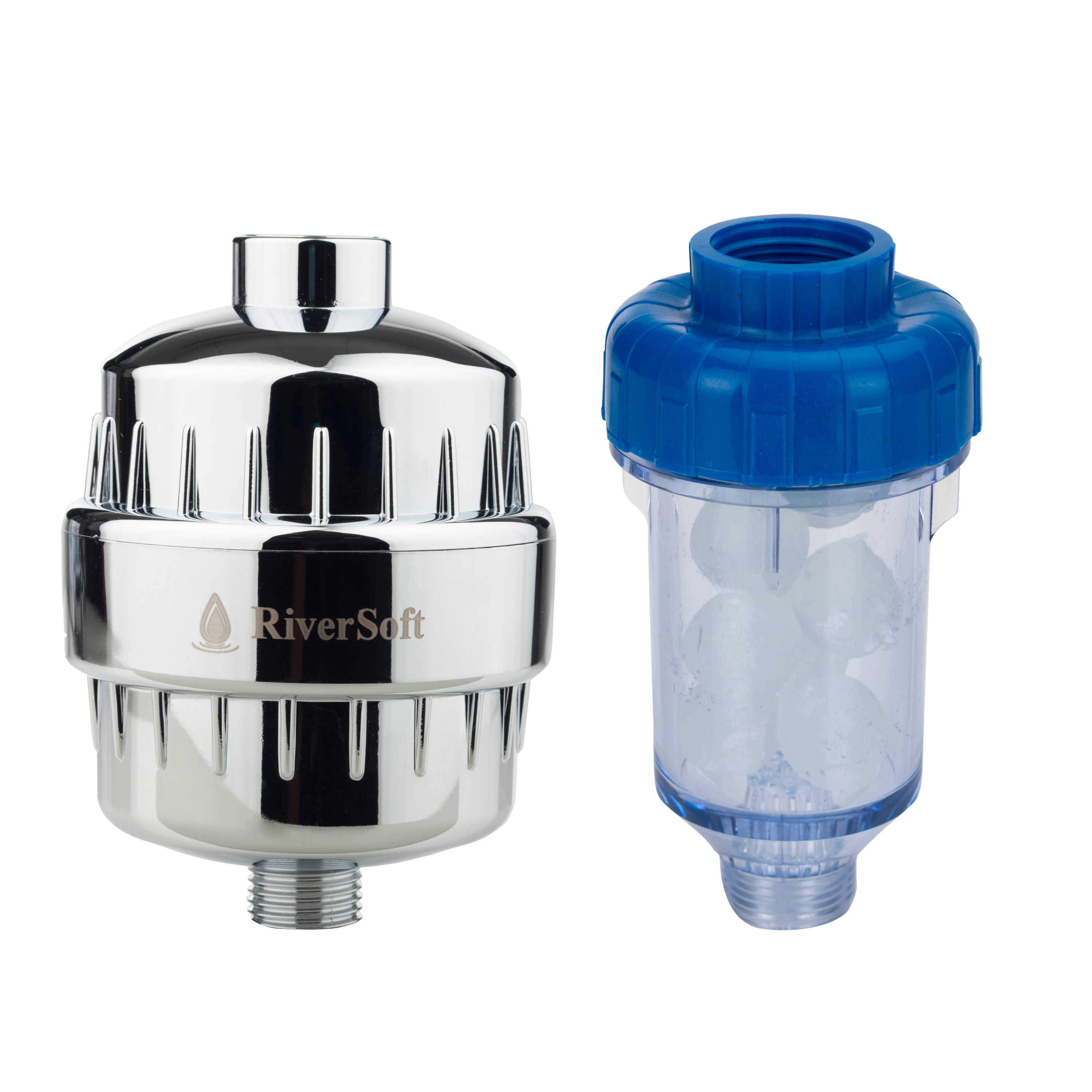
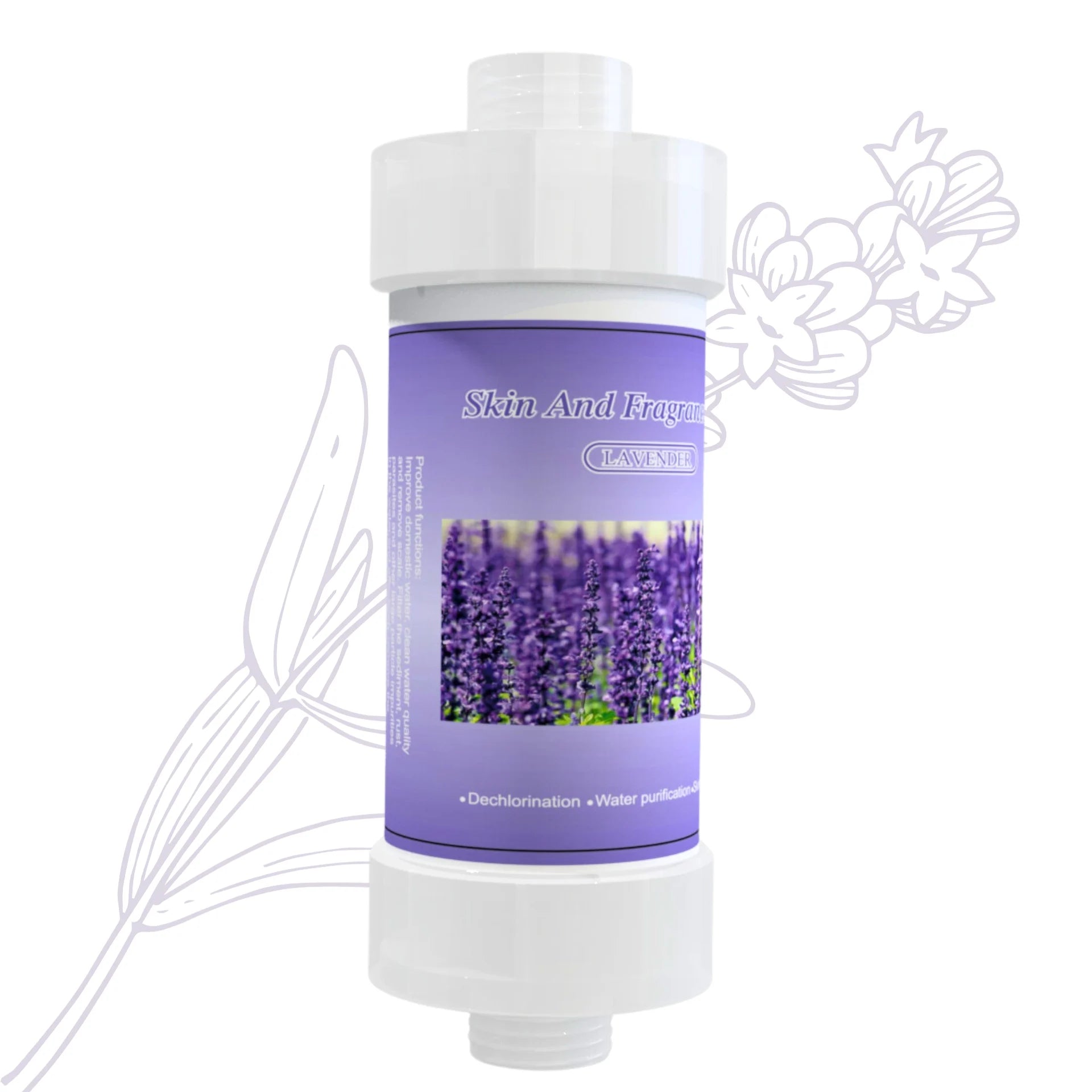
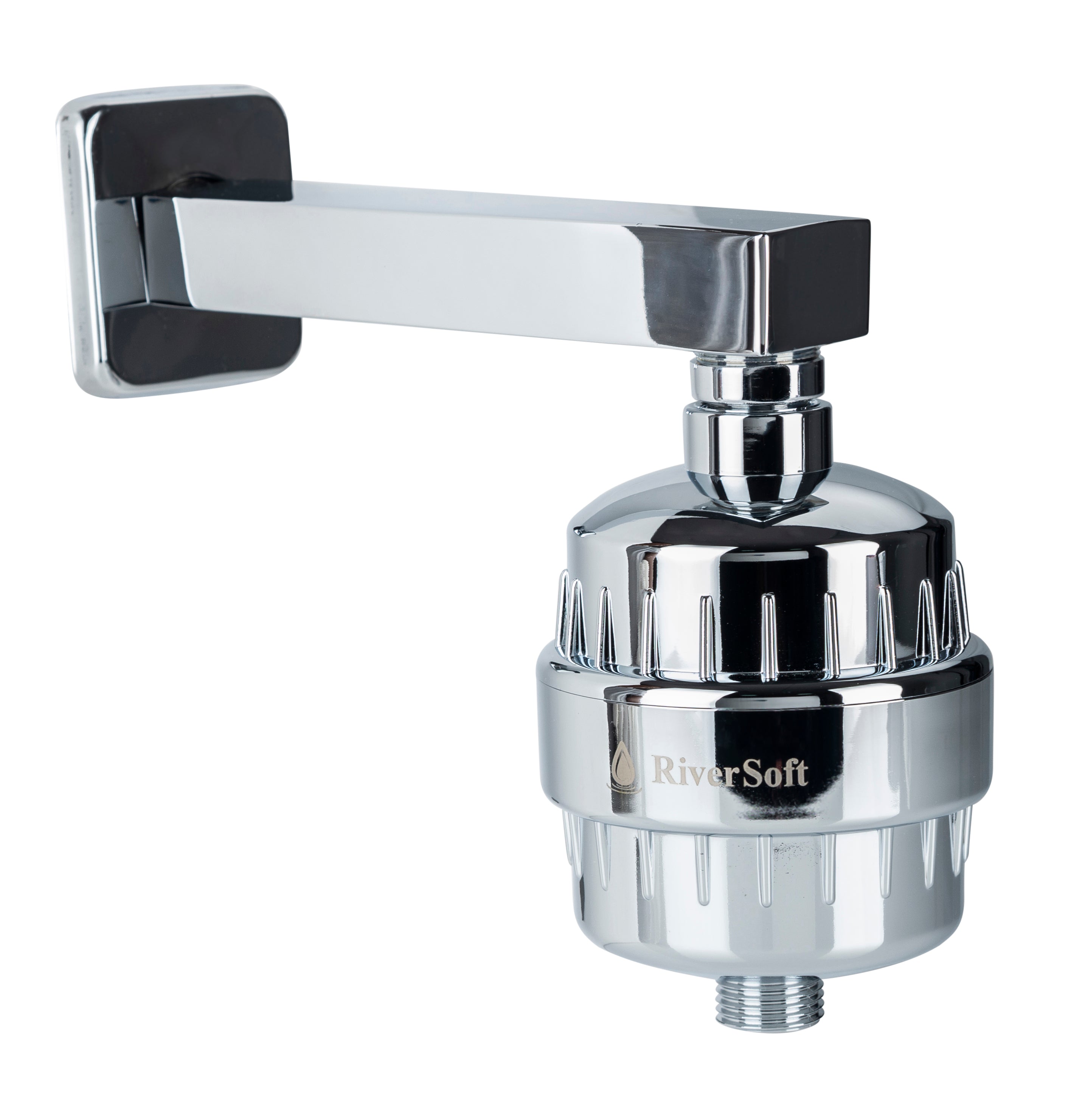
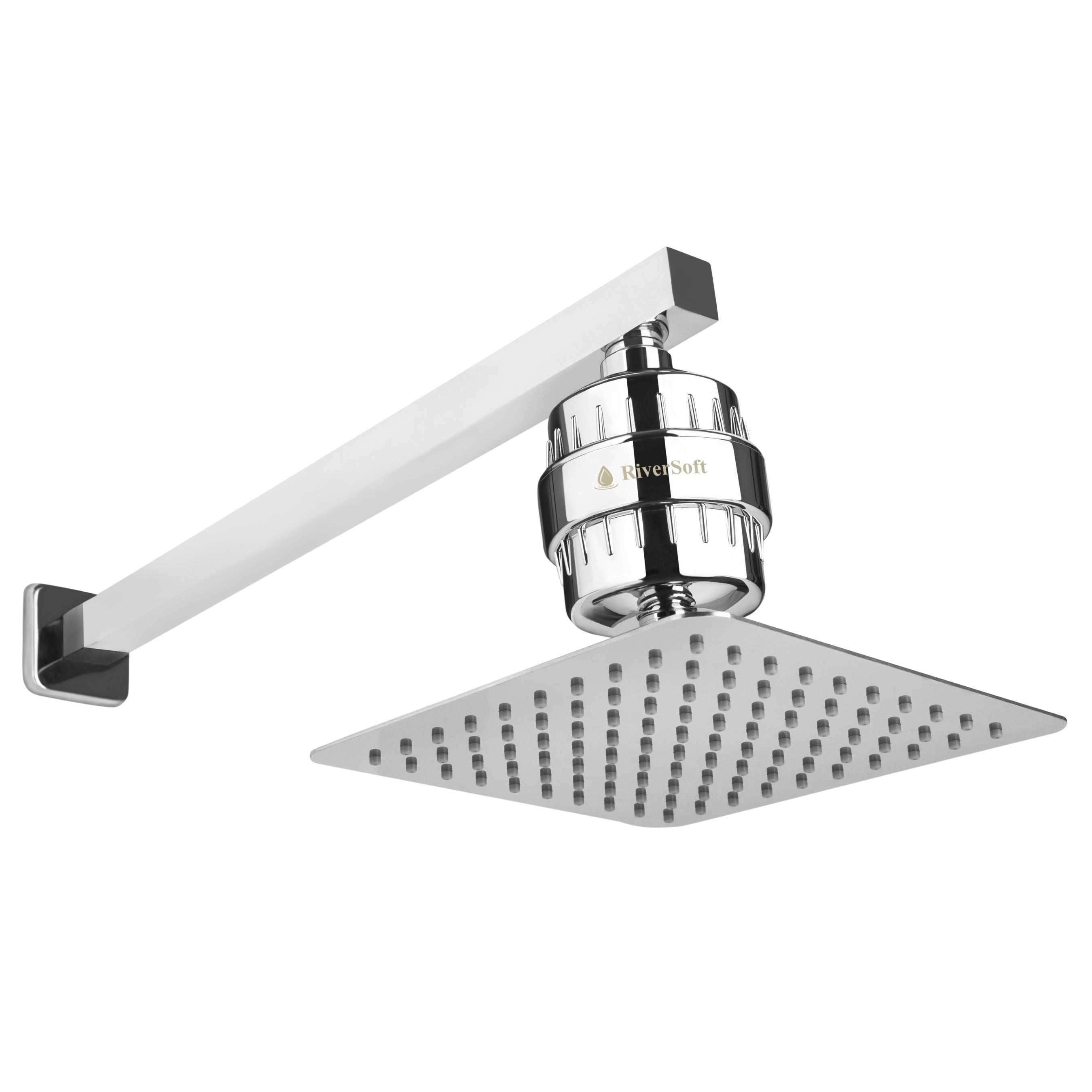
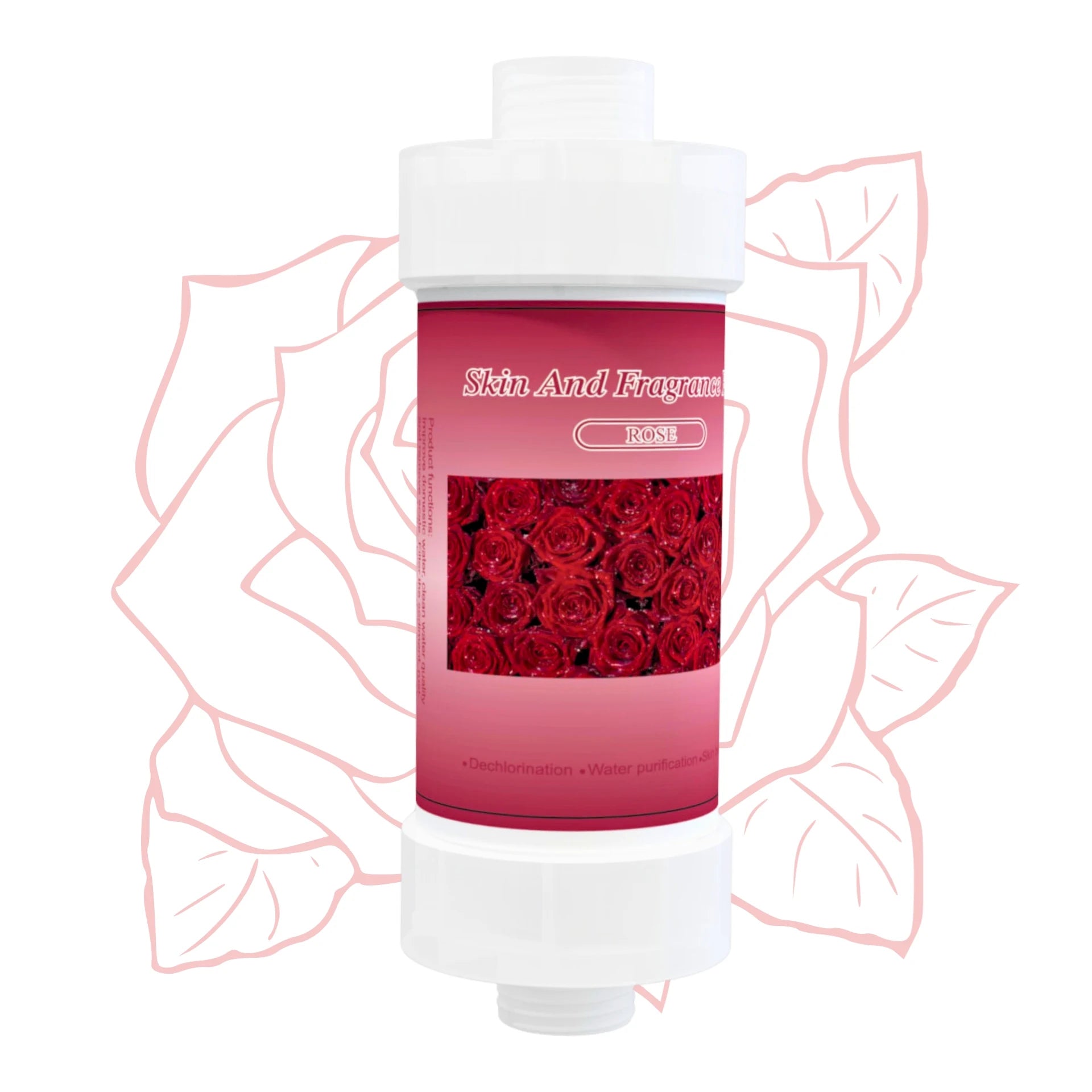
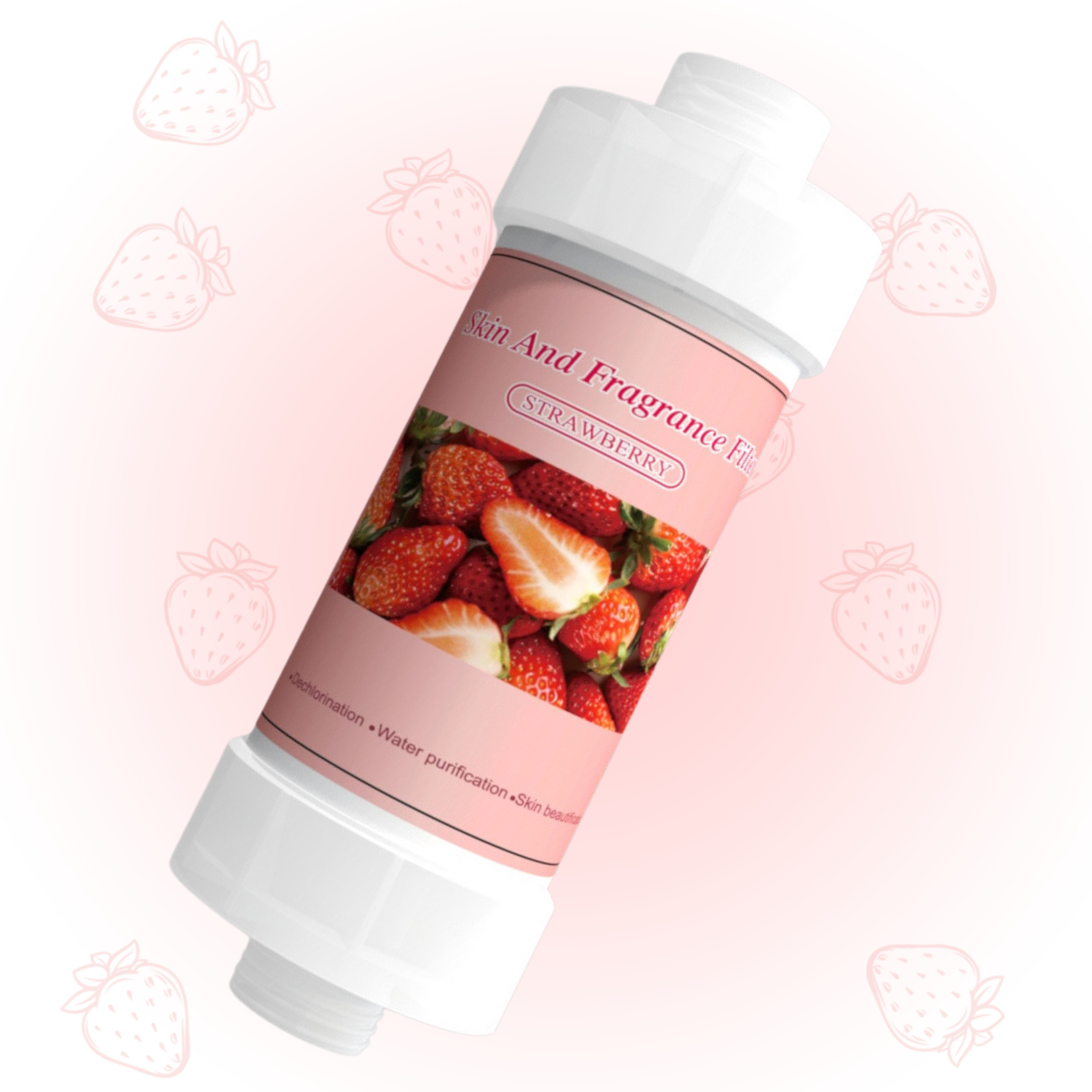
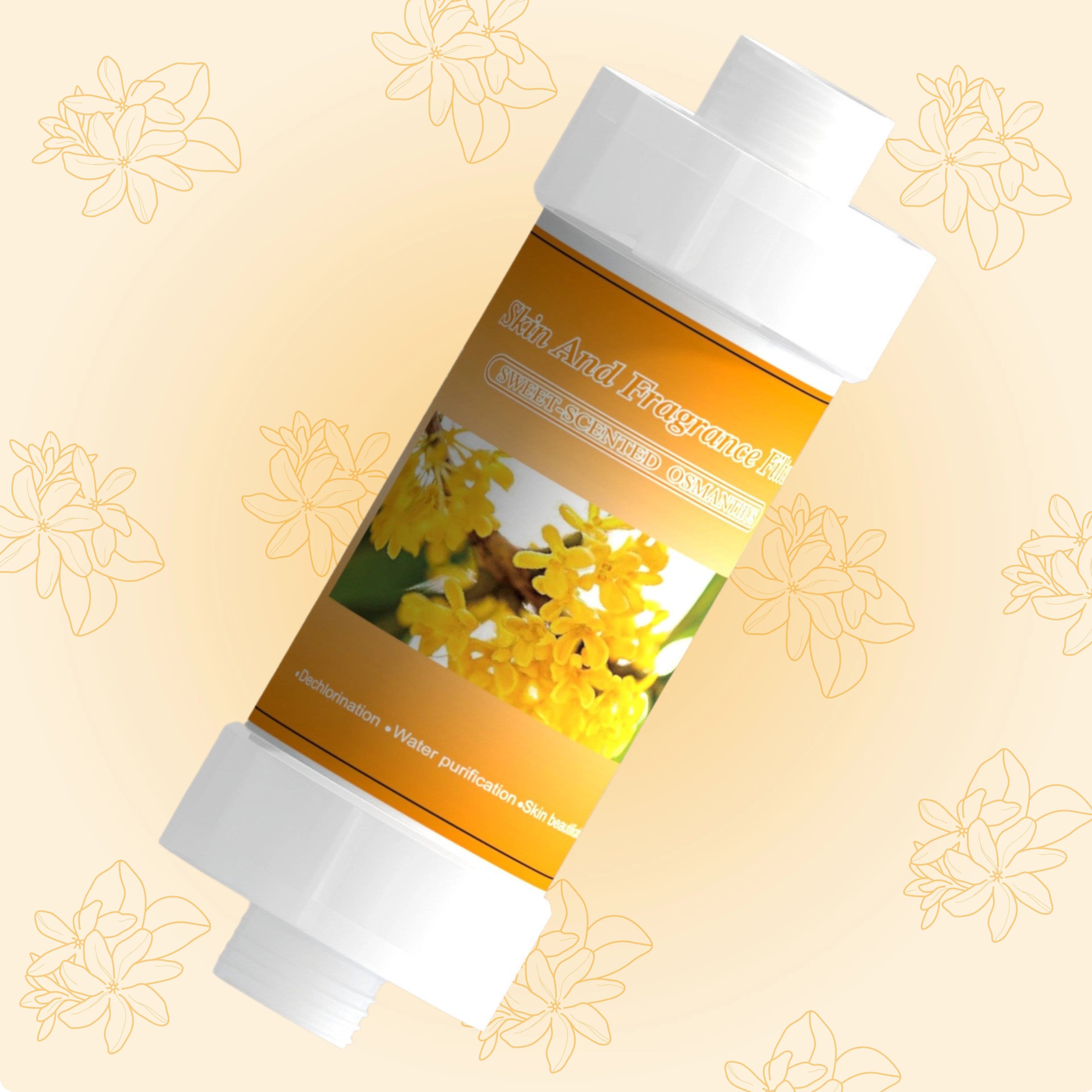
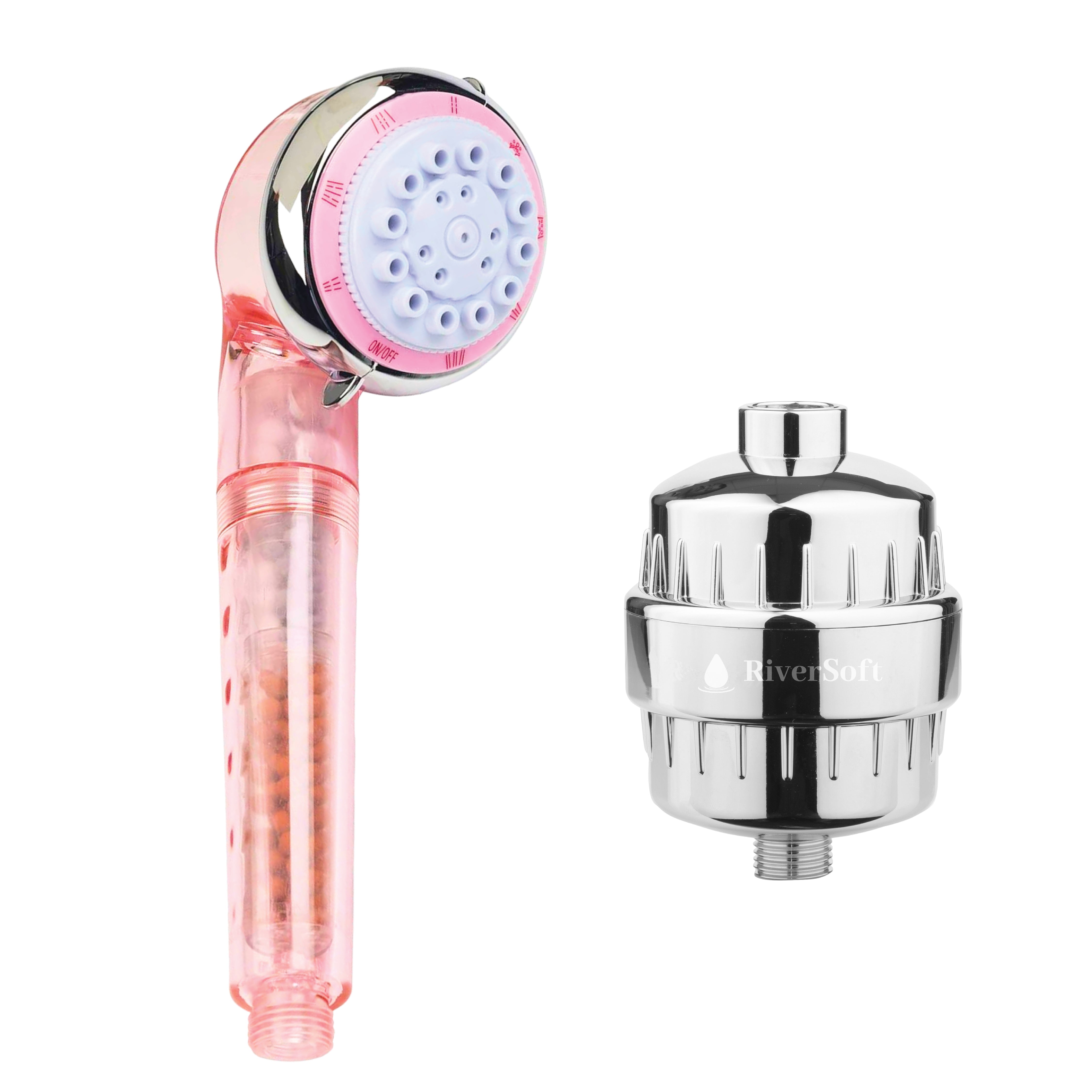
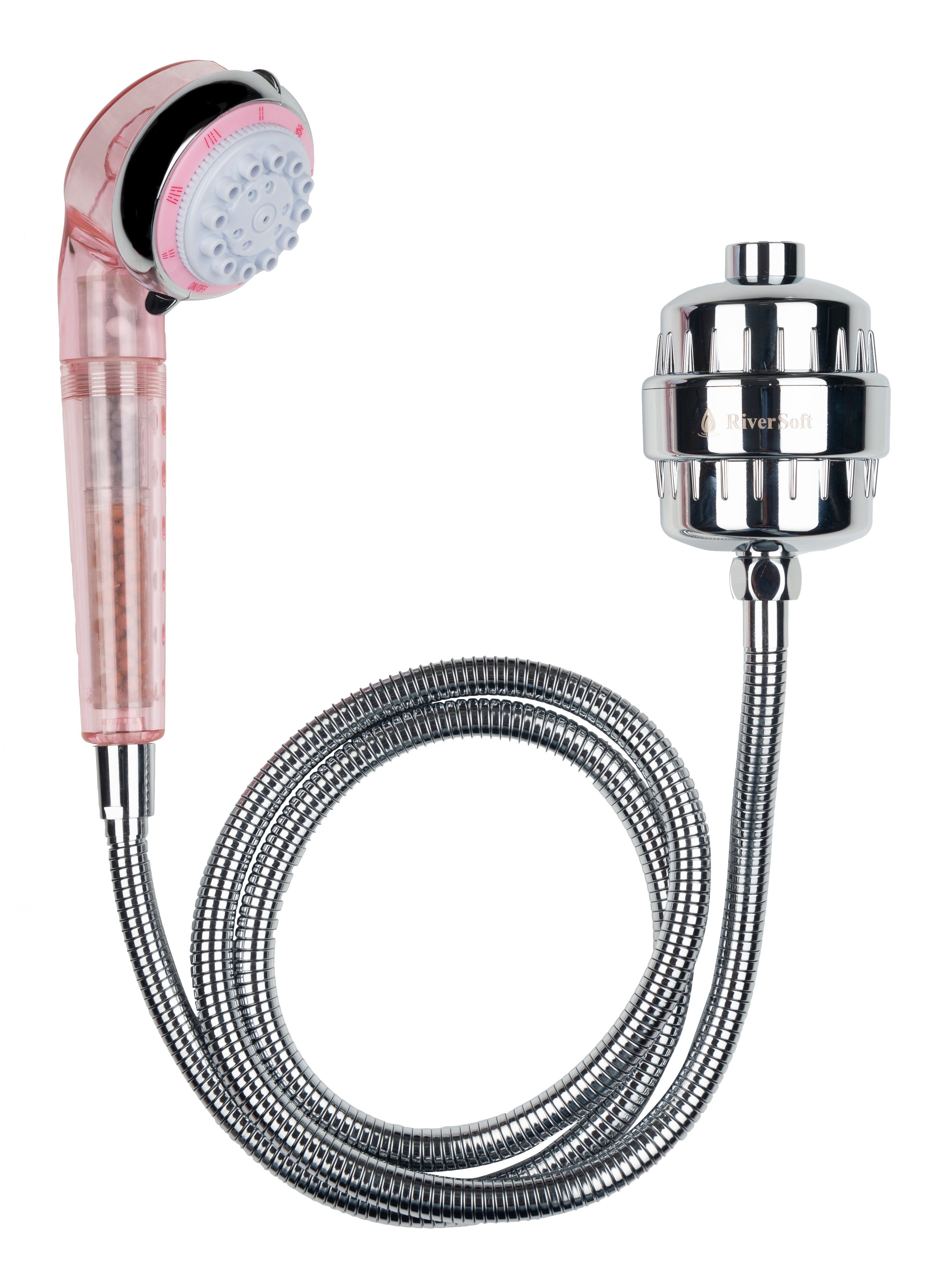
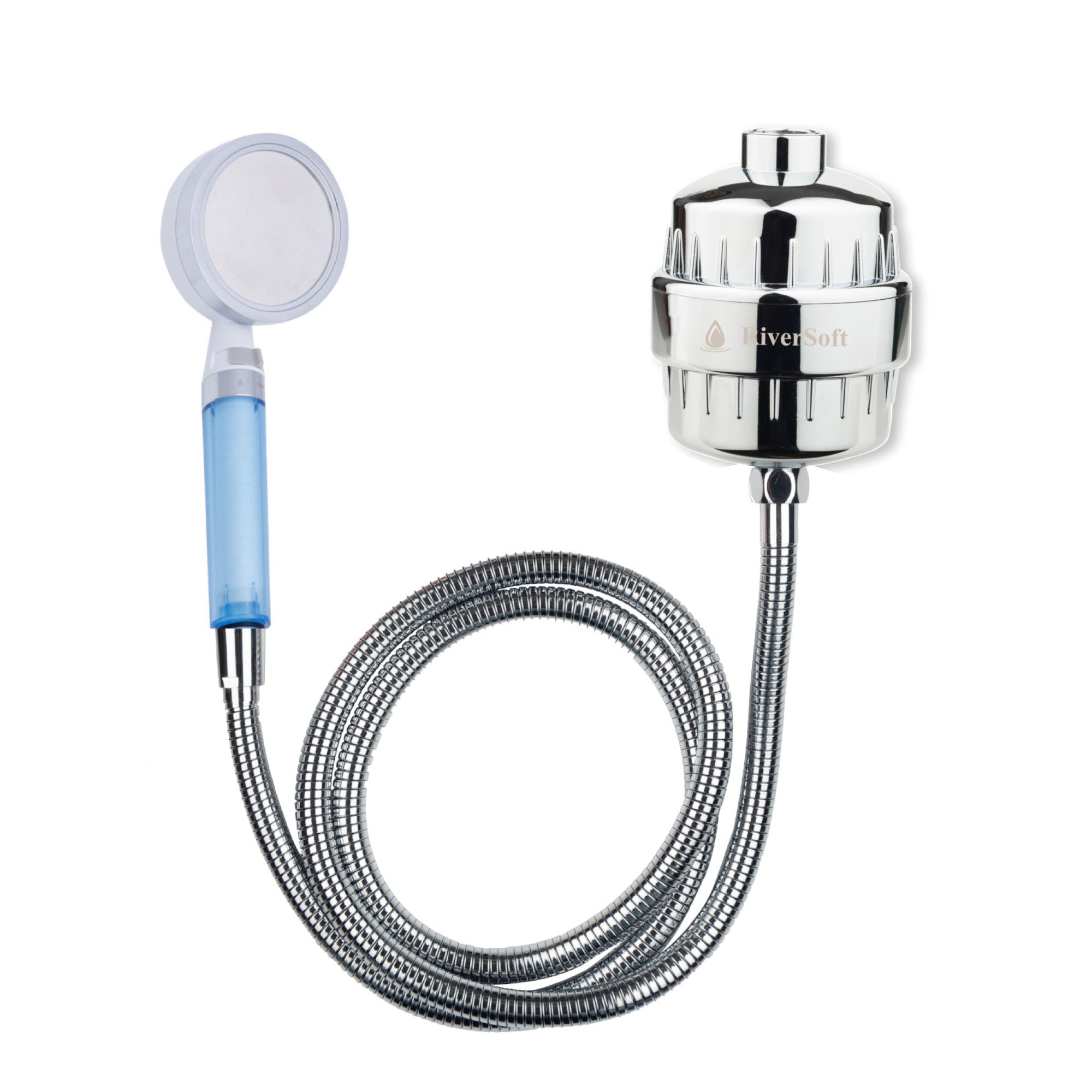
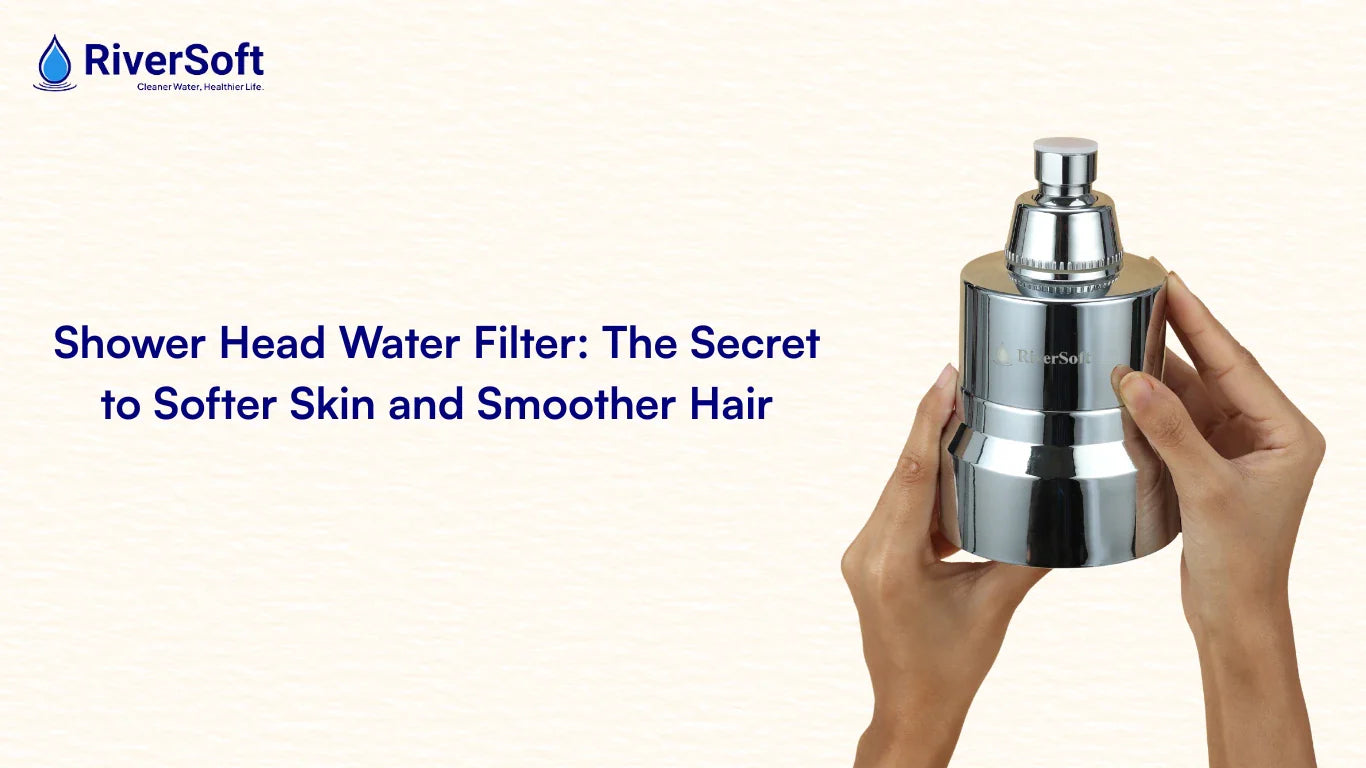
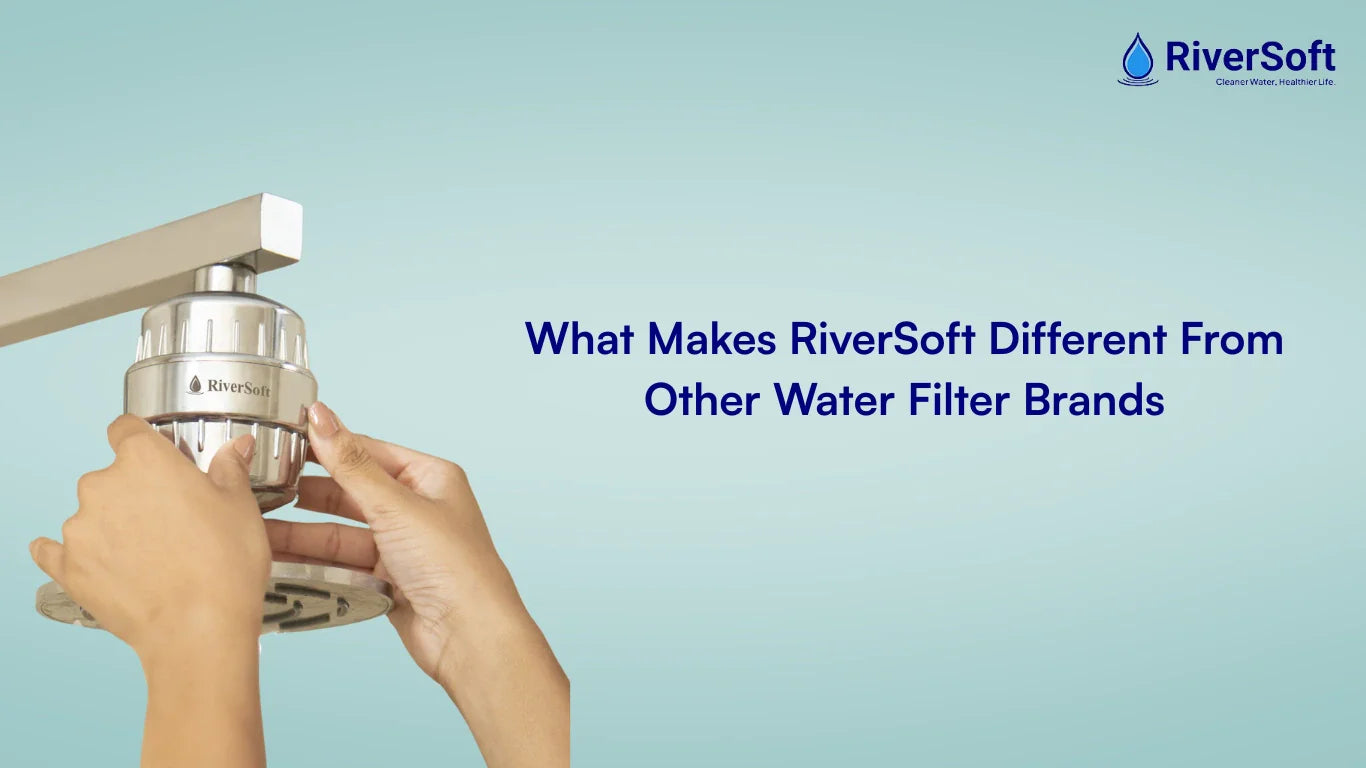
A water softener for taps is one of the most reliable solutions for hard water. These systems work by replacing calcium and magnesium ions with sodium ions, making the water less harsh on your hair and skin. Another way is using shower filters in the bathroom. Though installing a hard water shower filter requires an initial investment, it can save you money over time by reducing the need for extra hair treatments or products to combat dryness and buildup.
But if you’re still unsure about which one you need, our guide on water filters v/s softeners explains which one would fit your specific household needs!
Is Hard-Water Hair Damage Reversible?
Yes, in most cases. Hard water damages the hair shaft and scalp surface, not the hair follicle itself. Once you reduce mineral exposure through a shower filter, the existing damage does not reverse immediately, but new growth comes in healthier. Most users notice a reduction in breakage and scalp dryness within 2 to 4 weeks. A clarifying shampoo in the first two weeks helps remove existing mineral buildup faster.
What You Should Remember
Hard water may be a widespread issue in India, but its effects on your hair can be managed. Mineral buildup, dryness, and scalp irritation are some of the main challenges hard water brings to hair care. By recognizing the symptoms early, you can make smart choices to protect your hair’s health and appearance.
Investing in a water softener, using clarifying shampoos, and trying other remedies like Regular use of moisturizing products can help you maintain soft, healthy, and manageable hair even in areas with hard water!
























Leave a Comment