

Most people do not realize that the secret to healthy water lies in maintaining the filter system as much as installing it. At the center of this maintenance is a small but powerful component: the sediment filter cartridge.
Have you ever wondered if your water filter is working properly? You are not alone. Many homeowners only think about water filter replacement when water quality drops noticeably. However, your filter could be past due by that time.
In this blog, we’ll help you identify five clear signs that your sediment filter cartridge needs attention, so your water stays fresh and your system runs smoothly.
1. Water Pressure Drops Without Reason
A drop in water pressure with no pipe leaks or clogs means your sediment filter cartridge is clogged and needs replacement.
Do you notice reduced water pressure in your shower or kitchen tap? If there are no leaks or clogs in pipes, it could be your sediment filter cartridge clogging up.
The cartridge collects sand, silt, and rust over time. This process in turn prevents water flow due to excess sediment accumulation.
What to do: Refer to your filter’s user manual and determine how often it needs to be replaced. If you’re experiencing frequent pressure drops, it might be time for a water filter replacement soon.
2. Discoloration or Particles in Your Water
If your water appears cloudy, yellow, or brown, or you see particles settling in a glass, your cartridge has stopped filtering effectively.
Looking for a clear sign to change your sediment filter cartridge? You begin to see the particles in your water.
If you have cloudy tap water, or even slightly yellow or brown, or you see small sediments settling at the bottom of the glass, it is time for a replacement. You probably have a saturated filter that is no longer effective.
What to do: Pay attention to some clear symptoms. A clouded glass of water can only imply that your filter’s former protective barrier has been damaged. It’s time to look into replacement filters immediately.
3. It’s Been Over 6 Months (or More)
A metallic taste or unusual odour in filtered water means the cartridge is saturated and no longer removing contaminants.
Most sediment filter cartridges have a recommended lifespan, usually around 3 to 6 months, depending on your water quality and household usage. But most of us might simply end up forgetting this rule.
However, it is safer to take active measures if you haven’t changed your filter in a while. A worn-out filter can have build-up in it, even if everything appears “okay” on the surface, the damage reaches the plumbing appliances as much as the water we use.
What to do: add a reminder after every few months. Regular replacement of filters ensures efficient functioning of your systems, and you’re not compromising on water quality.

4. Strange Smells or Tastes in Water
A heavily darkened or brown filter housing visible from outside is a reliable indicator that the cartridge inside is overloaded.
Clean water must always taste clean. If you smell a musty, metallic, or earthy odor, it indicates that your filter replacement is overdue. A worn-out sediment filter cartridge allows organic particles and dissolved solids to slip through, affecting taste and smell.
This may be particularly worrying when you use filtered water to cook and drink. While the taste is an issue, the trust in your water is also important.
What to do: In case you can detect that your water is off, go for an immediate replacement. This is one of the most common indicators that a water filter replacement is overdue.
5. Visible Dirt on the Cartridge Itself
Even if none of the above signs are visible, replace your cartridge every 3 to 6 months; a clogged filter is not always obvious from the outside.
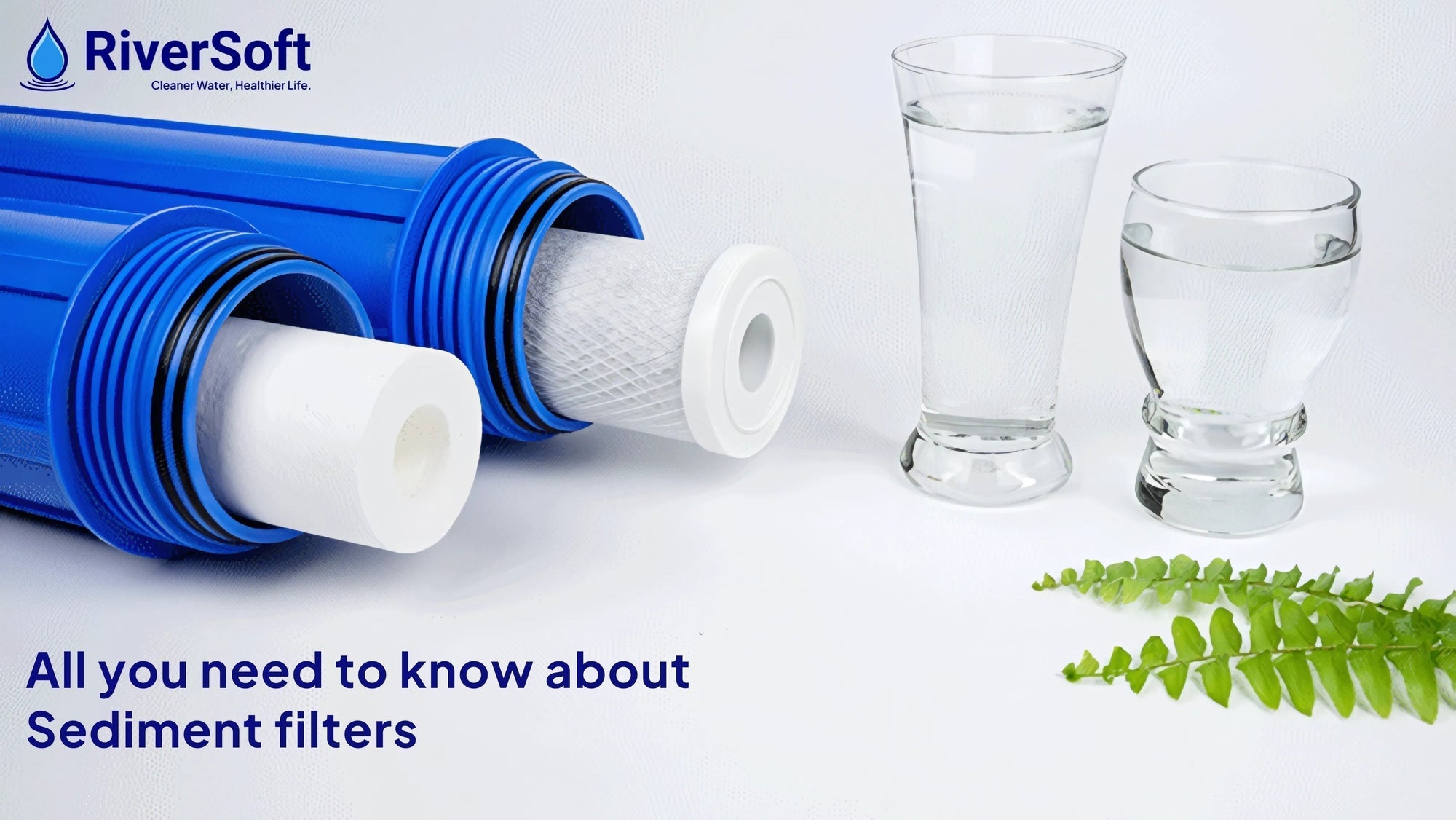
Sometimes, the best way to know is to just look. If you have access to your sediment filter cartridge, take it out and inspect it. A new cartridge is usually white or off-white. If it looks dark, slimy, or stained, it’s time for a change.
Think of it this way: would you drink water that passes through something that looks like that?
What to do: Replace dirty or discolored cartridges with clean, certified replacement filters. Your health and your peace of mind are worth it.
How Often Should You Replace Your Cartridge?
The 3 to 6 month figure is a general guideline. Your actual replacement frequency depends on your water source:
| Water Source | Recommended Replacement |
|---|---|
| Municipal supply (low sediment) | Every 5 to 6 months |
| Municipal supply (high chlorine areas) | Every 4 months |
| Borewell water | Every 2 to 3 months |
| Tanker water | Every 1 to 2 months |
| Borewell during the monsoon season | Every 4 to 6 weeks |
During monsoon months (June to September), borewell and tanker water carry significantly higher sediment loads. Households in Bangalore, Hyderabad, and Pune that are on borewell supply often need to replace cartridges twice as frequently during this period.
Why Timely Filter Replacement Matters
Delaying a sediment filter cartridge change can have a ripple effect on your entire home:
-
Appliance damage: Sediment can build up in washing machines, dishwashers, and geysers.
-
Skin and hair issues: Unfiltered hard water can irritate skin and worsen scalp dryness.
-
Plumbing problems: Overworked filters may allow particles to settle in pipes, leading to corrosion or clogs.
Regular water filter replacement keeps your system efficient and your water safe—not just for drinking, but for bathing, cleaning, and everything else you rely on.
Final Thoughts: Don’t Wait for a Breakdown
Your sediment filter cartridge is a silent protector. It works hard every day to catch impurities and deliver cleaner, safer water. But like any part of your home system, it needs care too.
Pay attention to the signs. Whether it’s a drop in pressure, off-putting tastes, or just time ticking by, being proactive with replacement filters can save you trouble (and costs) down the line.
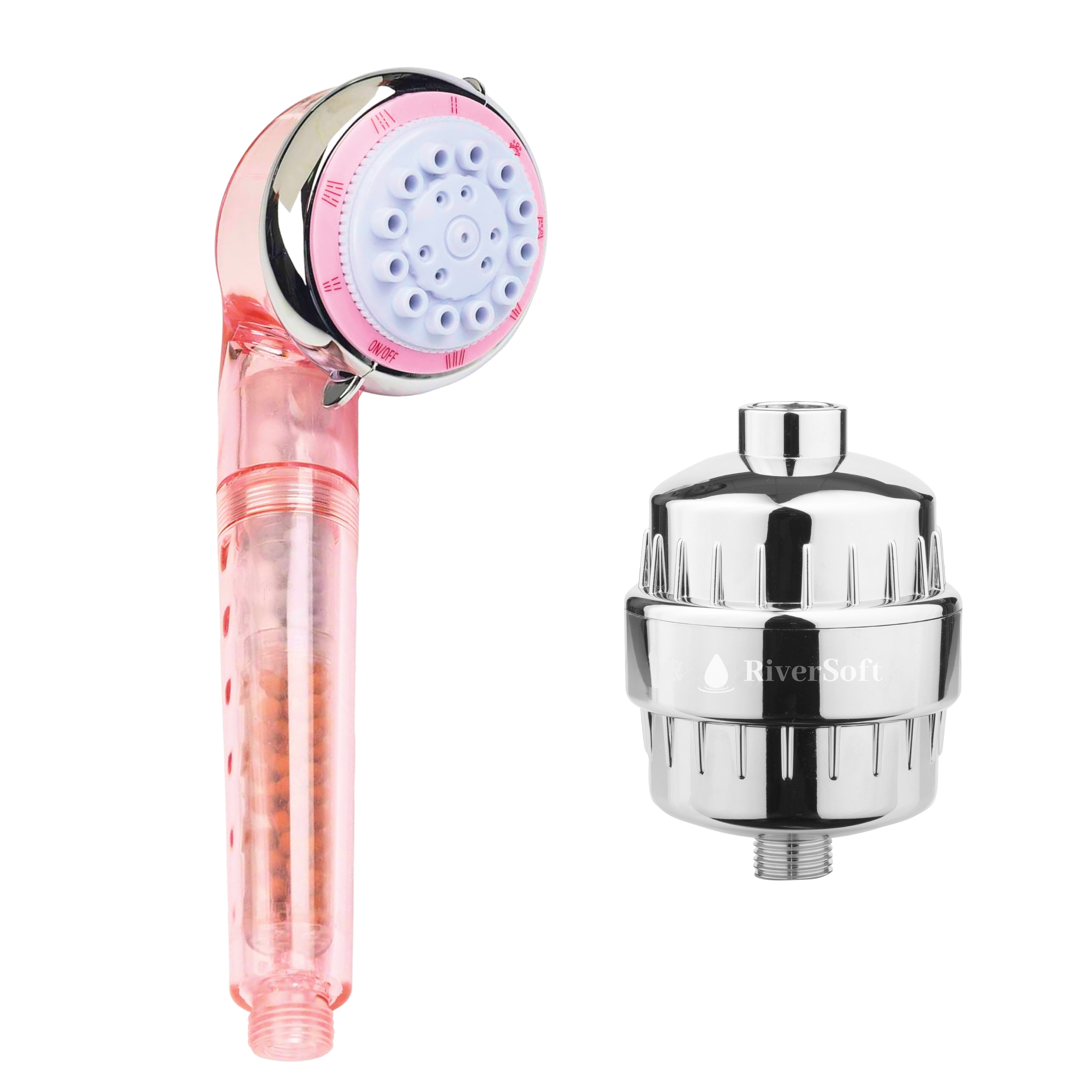
Need help choosing the right cartridge for your system? Explore RiverSoft here.




























Leave a Comment