
Spending on expensive shampoos but your hair still feels dry, frizzy, or flaky? In many Indian cities, the real culprit isn’t your haircare routine at all it’s the hard water coming from your tap. Hard water minerals stick to your scalp, block moisture, and make shampoos foam less, which is why your hair looks dull no matter what products you use. If you’ve just moved to places like Bangalore, Delhi, or Pune and suddenly noticed more hair fall or dryness, your water quality is likely to blame not your shampoo.
What is Hard Water?
Hard water is water with high levels of minerals salts, particularly calcium and magnesium carbonates. These minerals come from natural groundwater sources that pass through mineral-rich soil and rocks. In India, hard water is especially common because many areas rely on groundwater for their supply. In fact, some states report water hardness levels that are very high—often above 600 ppm.
When washing your hair with hard water, minerals build up over time on both your scalp and hair strands. Let’s look at the specific effects:
How Does Hard Water Affect Your Hair and Scalp?
Hard water can lead to buildup, dryness, irritation, slower hair growth, and even faster color fading. These effects worsen over time if the mineral deposits aren’t managed.
1. Mineral Buildup
One of the biggest issues with hard water is mineral buildup. When you rinse your hair, calcium and magnesium can cling to the strands, making hair feel heavy, greasy, and difficult to manage. This buildup can prevent shampoos and conditioners from working effectively, as they can’t penetrate the hair shaft as they should.
2. Dryness and Dullness
Hard water pulls moisture out of your hair, leaving it feeling dry. Minerals create a coating on the hair shaft, blocking moisture from penetrating the strands. This lack of hydration leaves hair looking dull, lifeless, and prone to frizz or breakage. It’s especially frustrating for anyone with curly or wavy hair, as these hair types are more vulnerable to moisture loss.
3. Scalp Irritation
The minerals in hard water can irritate your scalp, leading to itchiness and flakiness. If you already have scalp conditions like dandruff, hard water can make them worse by causing product residues and natural oils to build up. A dry, itchy scalp is not only uncomfortable but can also affect hair health over time.
4. Slower Hair Growth
A healthy scalp is essential for hair growth. When mineral deposits from hard water clog your scalp’s pores, natural oils can’t nourish the hair follicles effectively. This blockage can disrupt circulation, which, over time, slows down hair growth and may even lead to thinning hair.
5. Faster Color Fading
If you color your hair, you’ve likely noticed that hard water affects your color, making it fade more quickly. The minerals can interact with hair dyes, causing them to wash out faster or even change color slightly. This means more frequent touch-ups, which can be costly and damaging to hair.
How Can You Recognize Signs of Hard Water Damage?
Common signs include frizz, dryness, dullness, tangling, and increased hair breakage. These symptoms often appear gradually and worsen over time.
Understanding the signs of hard water damage can help you take action. Common signs include:
1. Frizzy or Flat Hair: Your hair may lack bounce and volume.
2. Dry Scalp: Flakiness or itchiness could indicate scalp irritation.
3. Brittle Strands: Hair may break more easily due to reduced moisture.
4. Dull Appearance: Hard water robs hair of its natural shine, making it look lifeless.
5. Increased Tangles: Buildup makes hair harder to comb or brush.
What Are the Best Ways to Get Rid of Hard Water Damage?
You can manage hard water damage by using filters or softeners, clarifying shampoos, moisturizing products, and regular scalp care. A combination of these works best for long-term results.
Luckily, there are ways to reduce the effects of hard water on your hair. Here are some effective options:
1. Install a Water Softener or shower filters
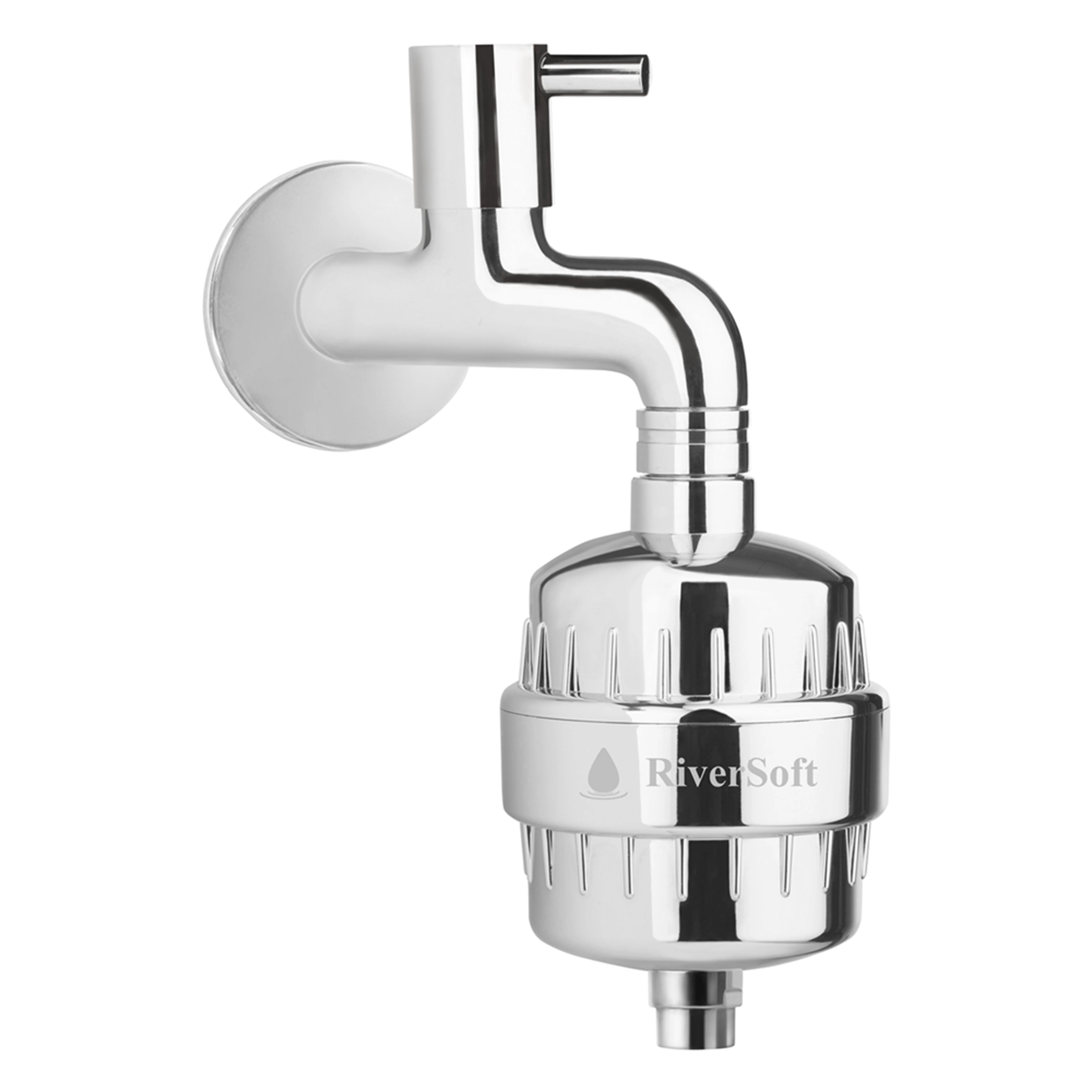
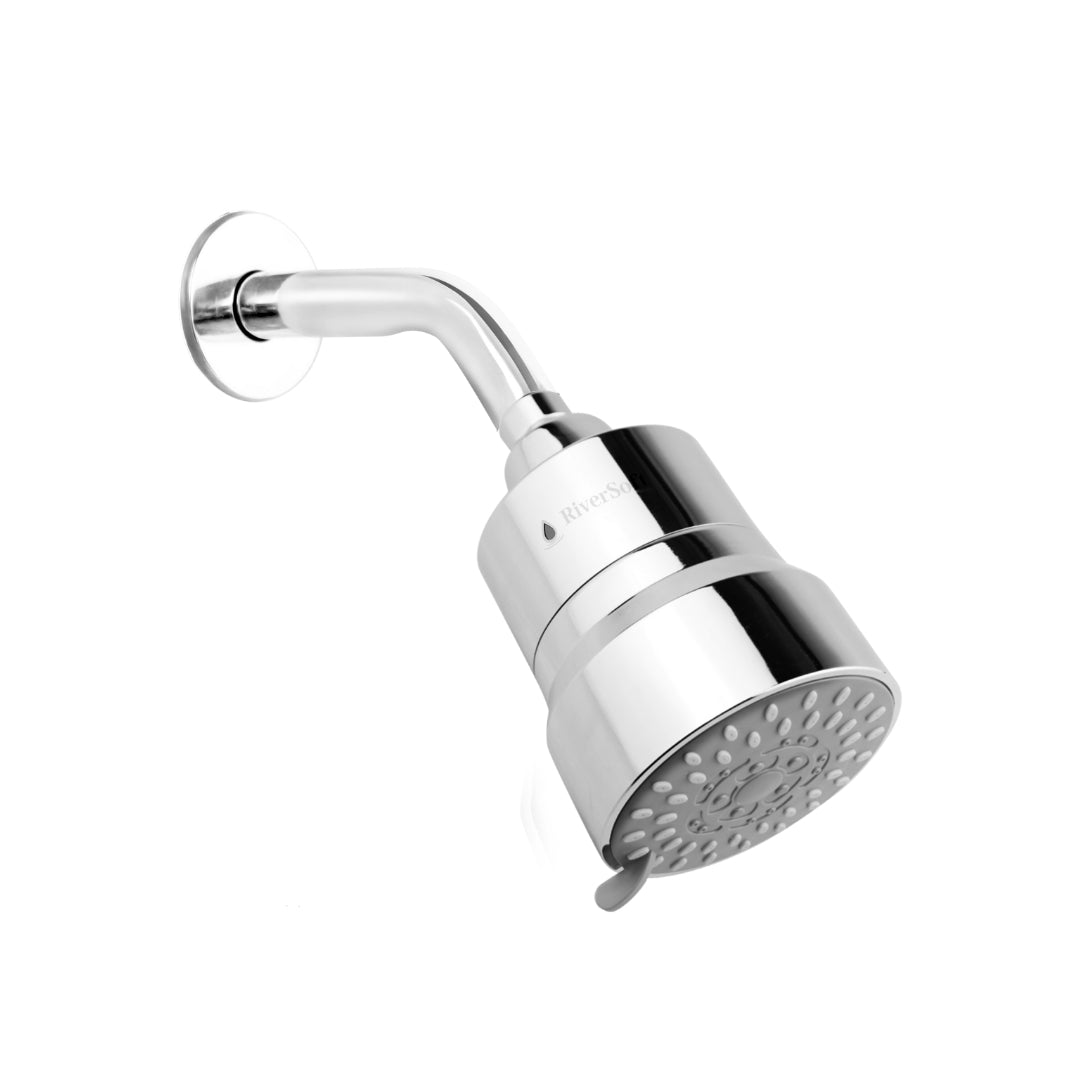
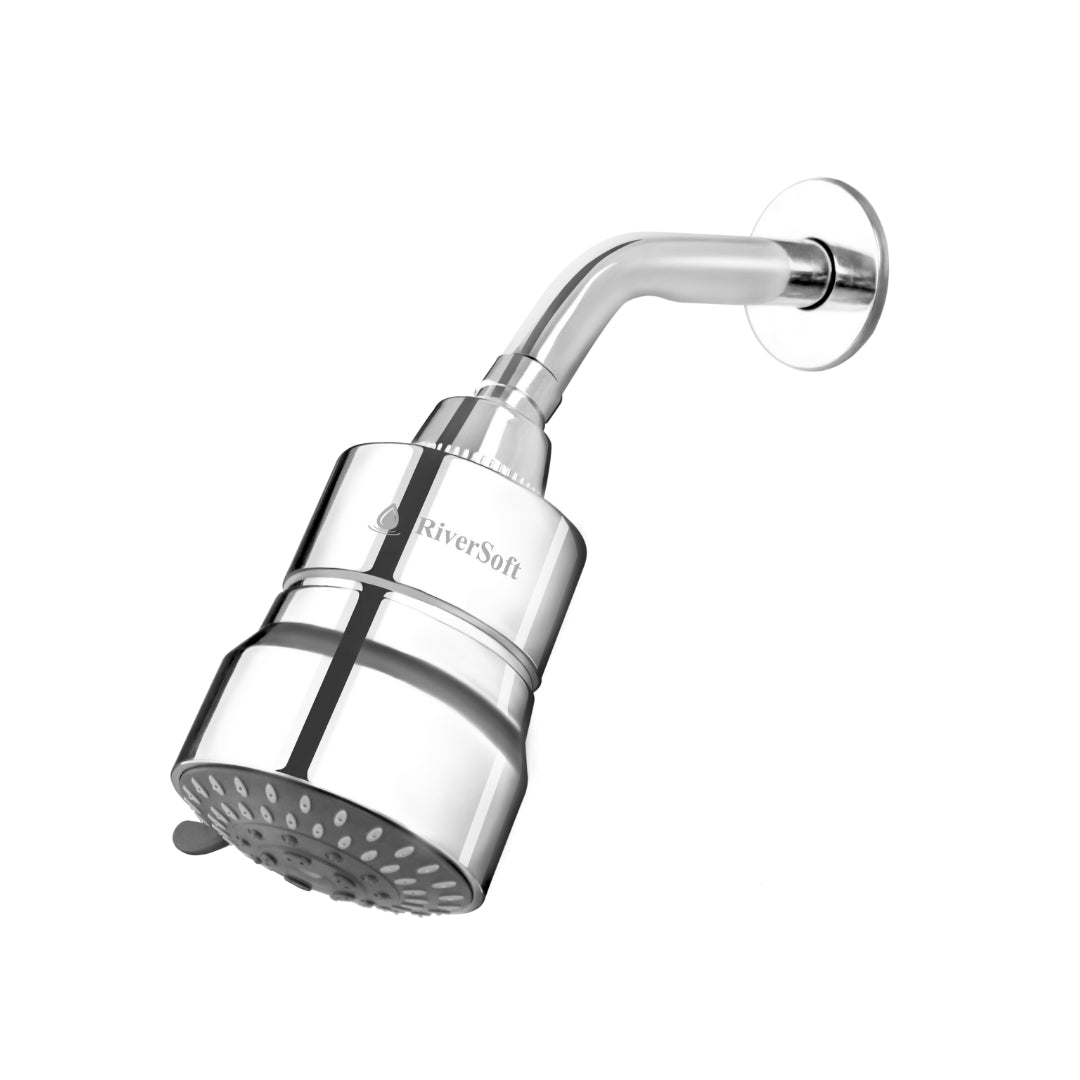
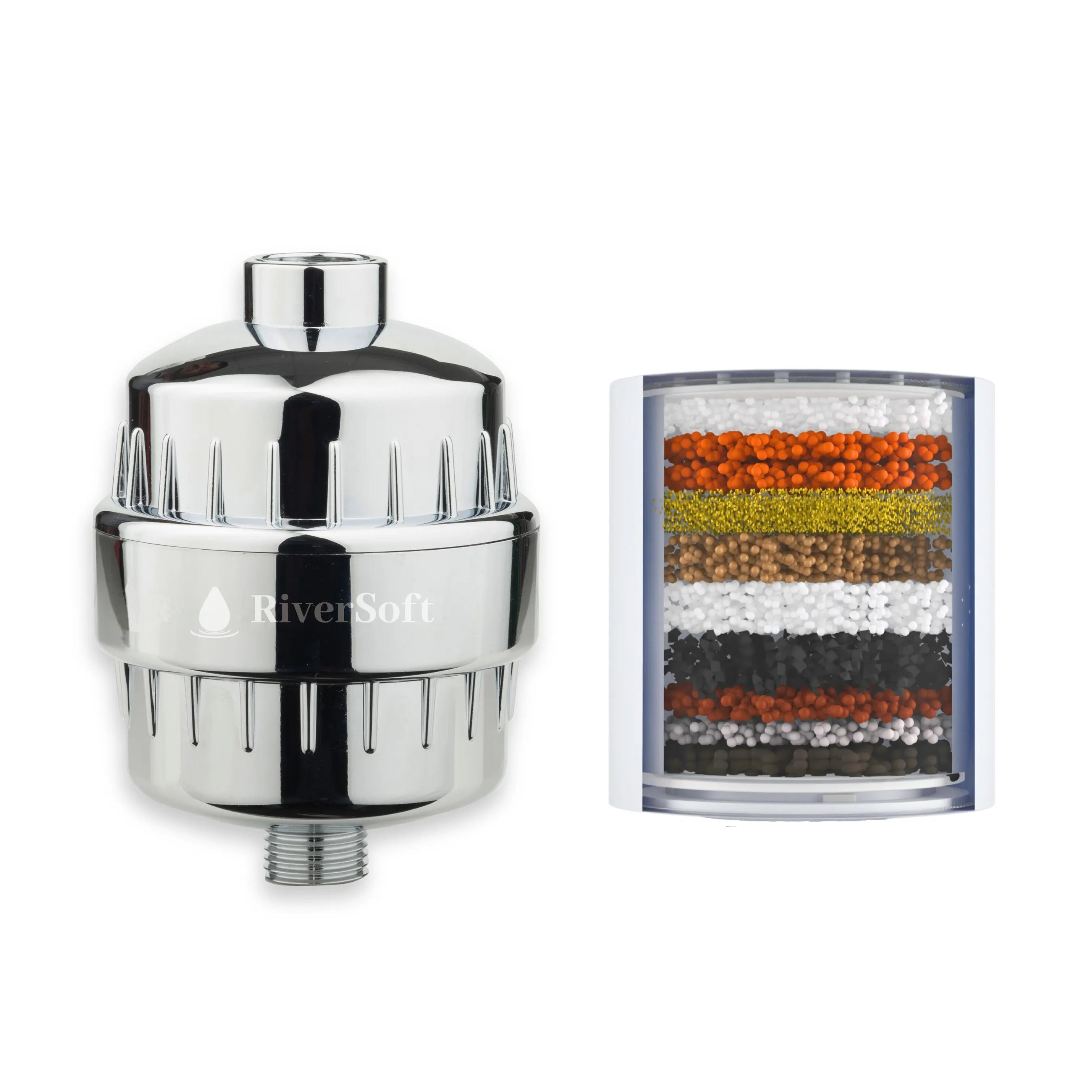
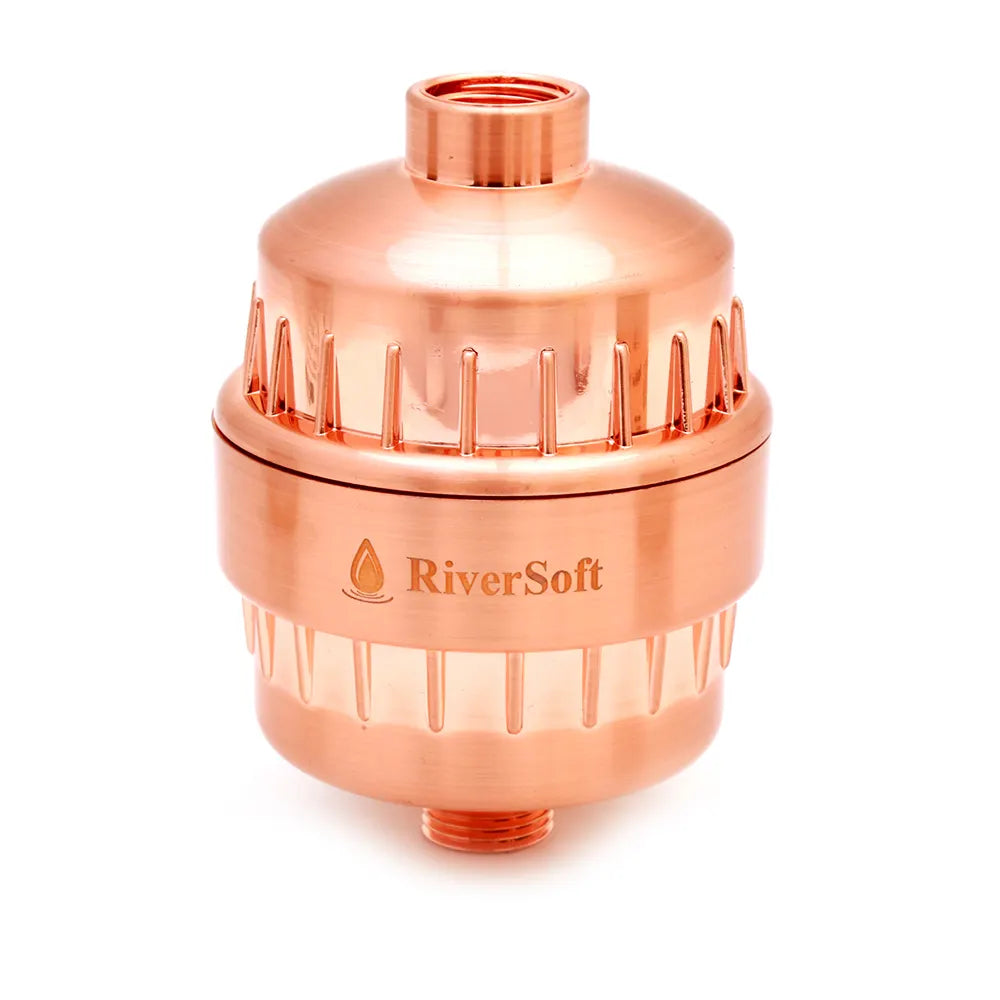
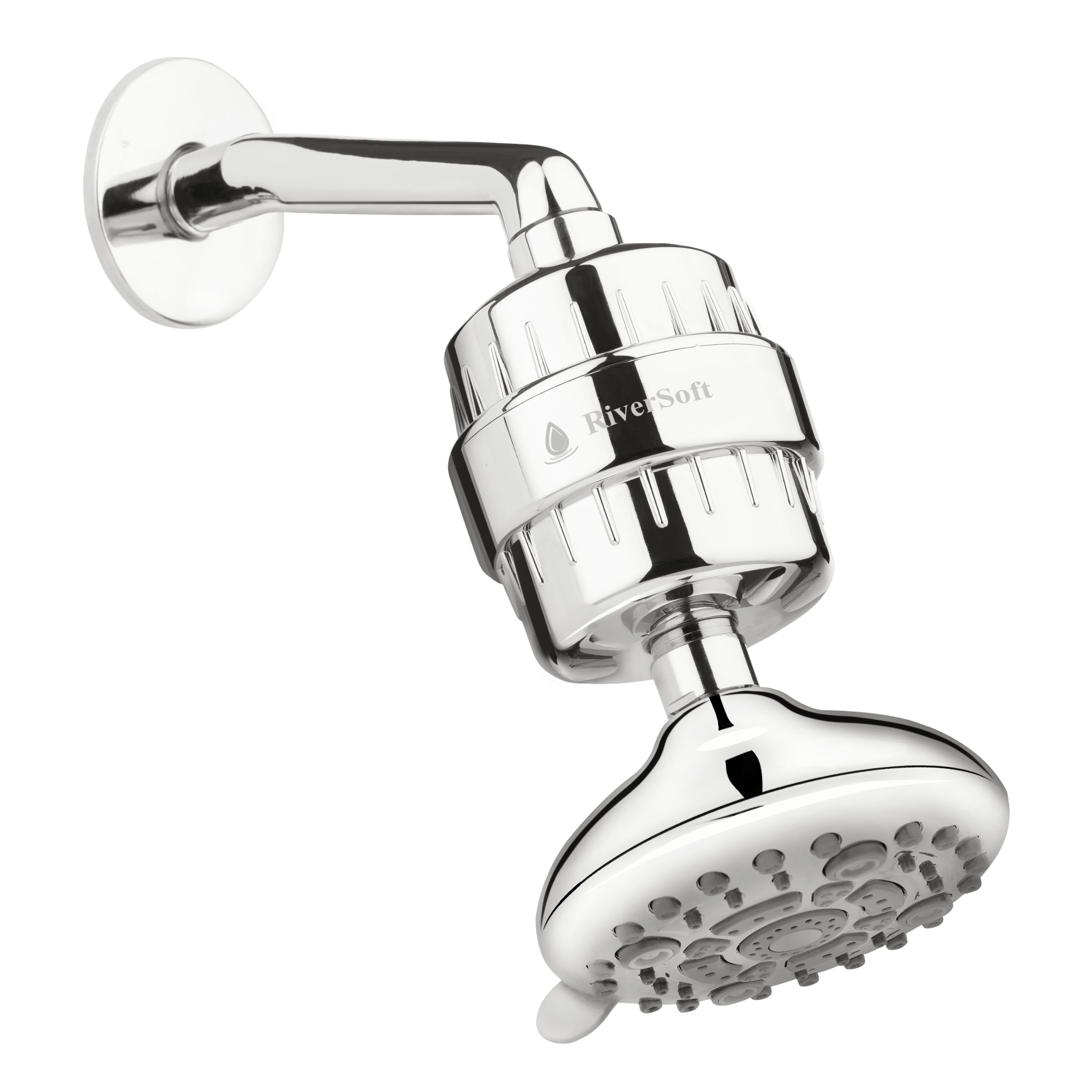
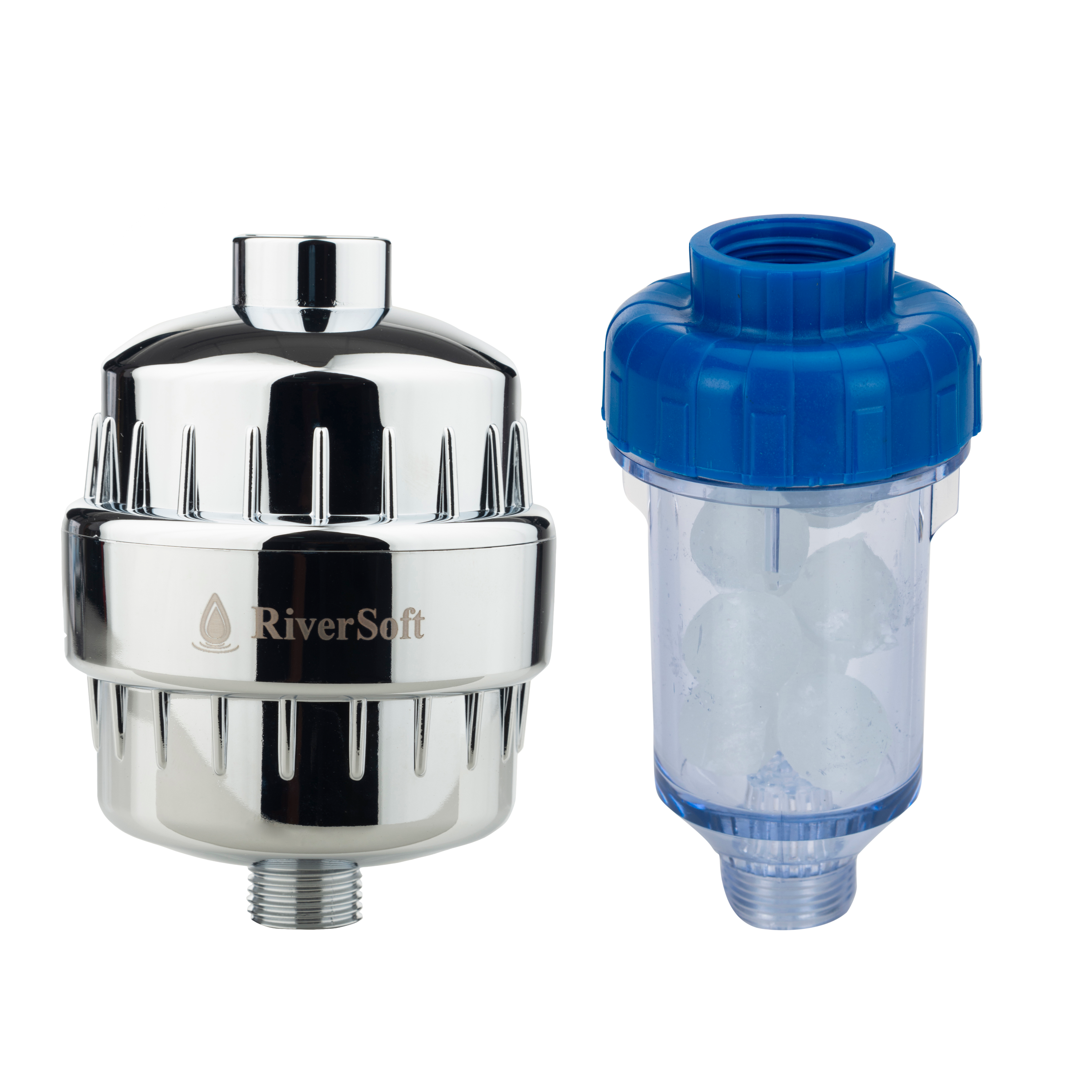
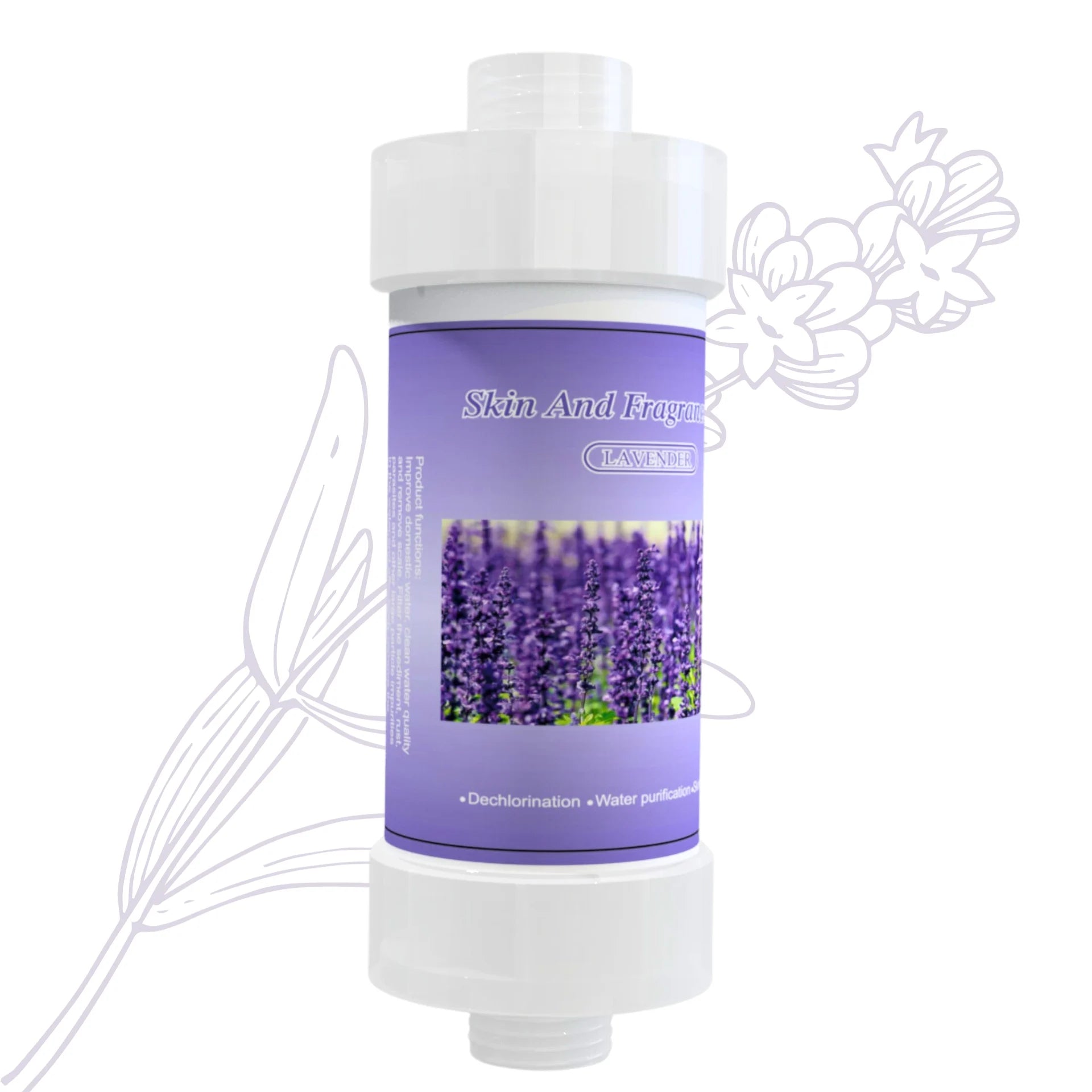
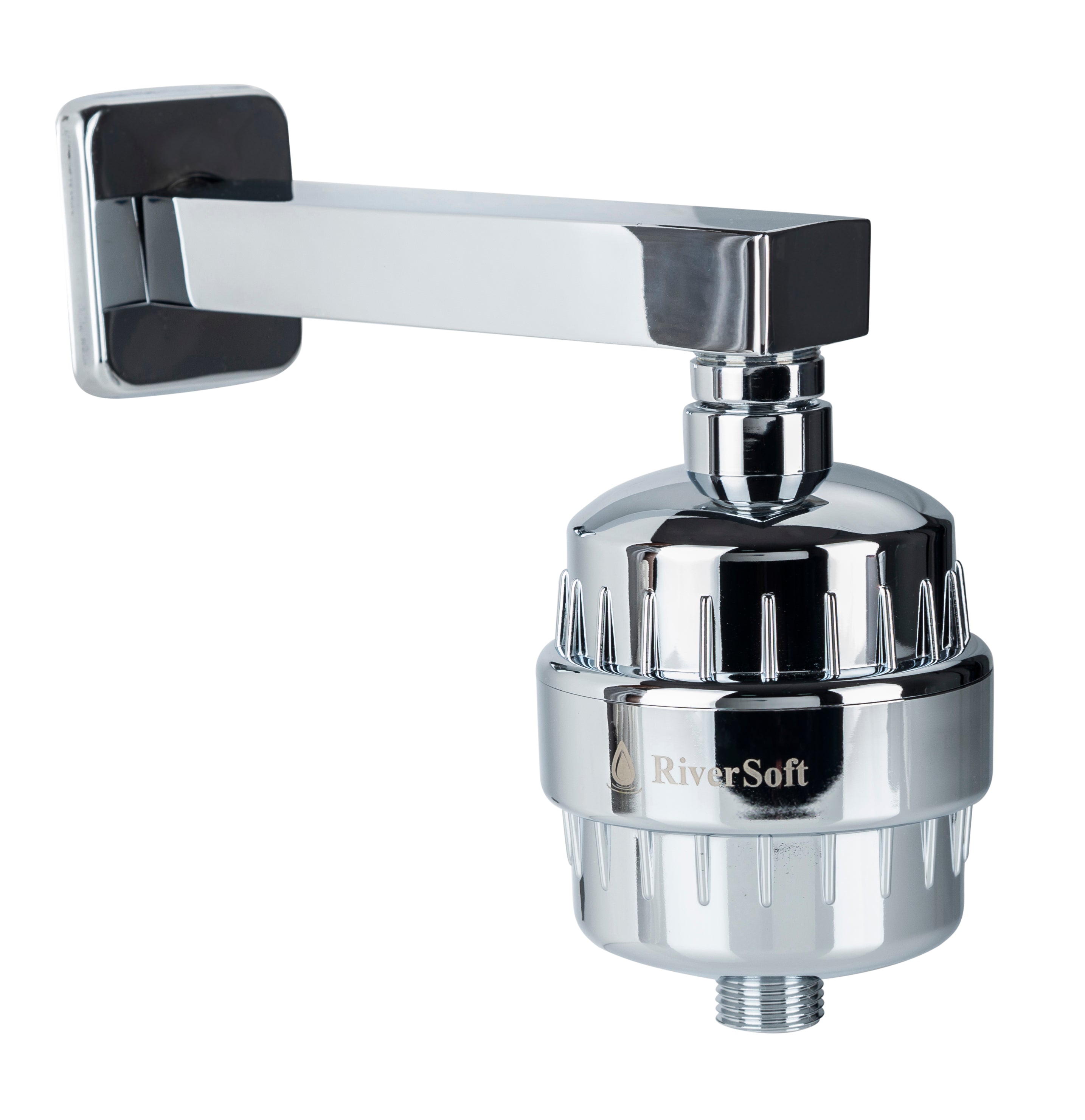
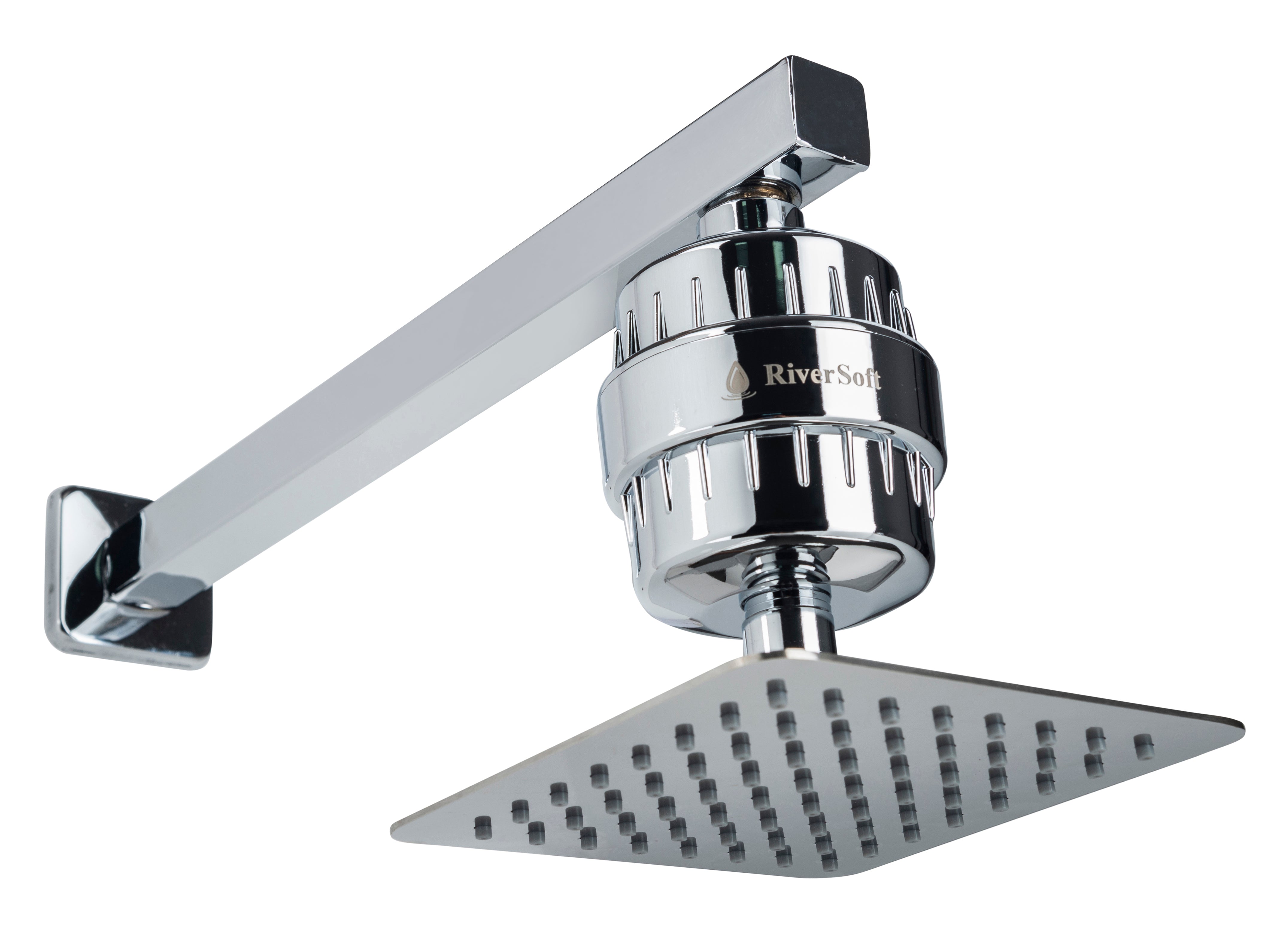
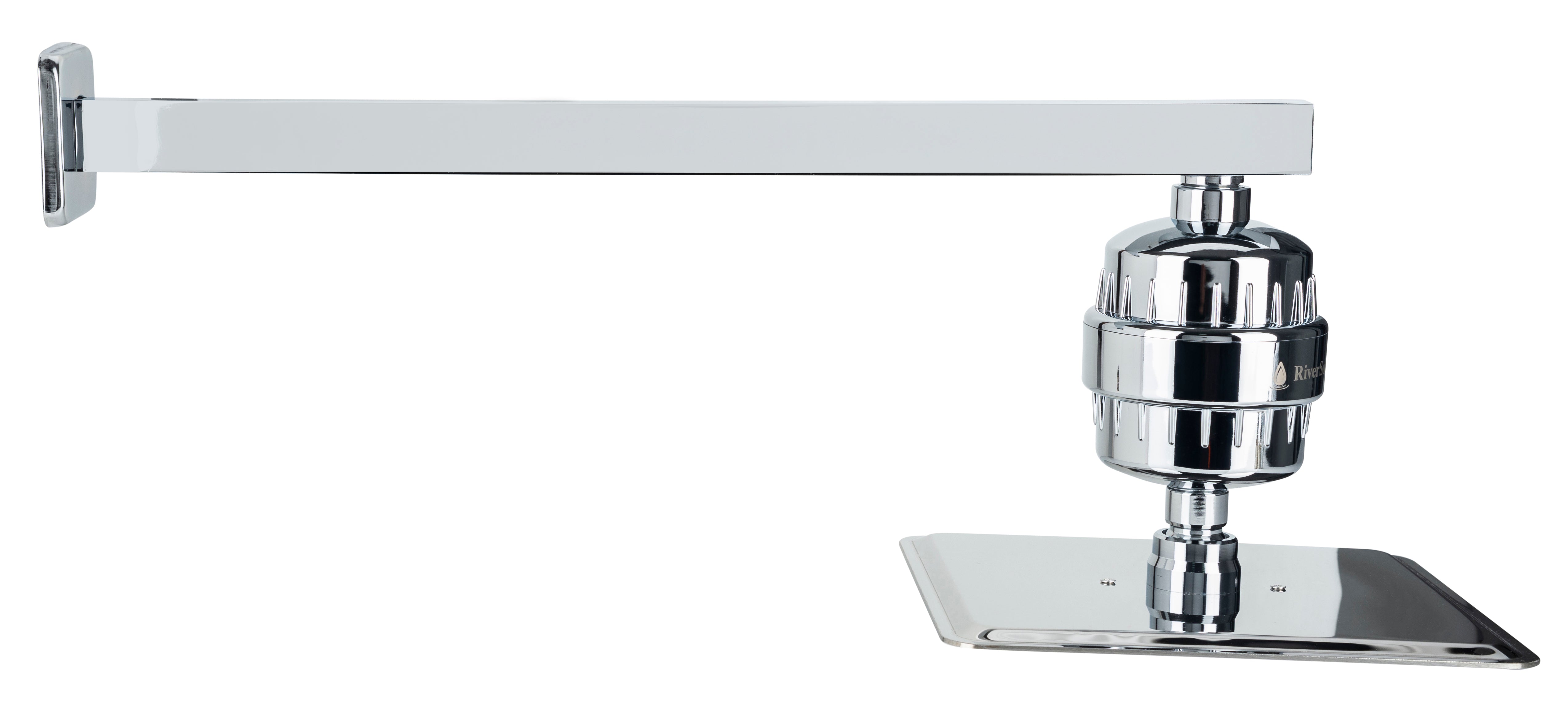
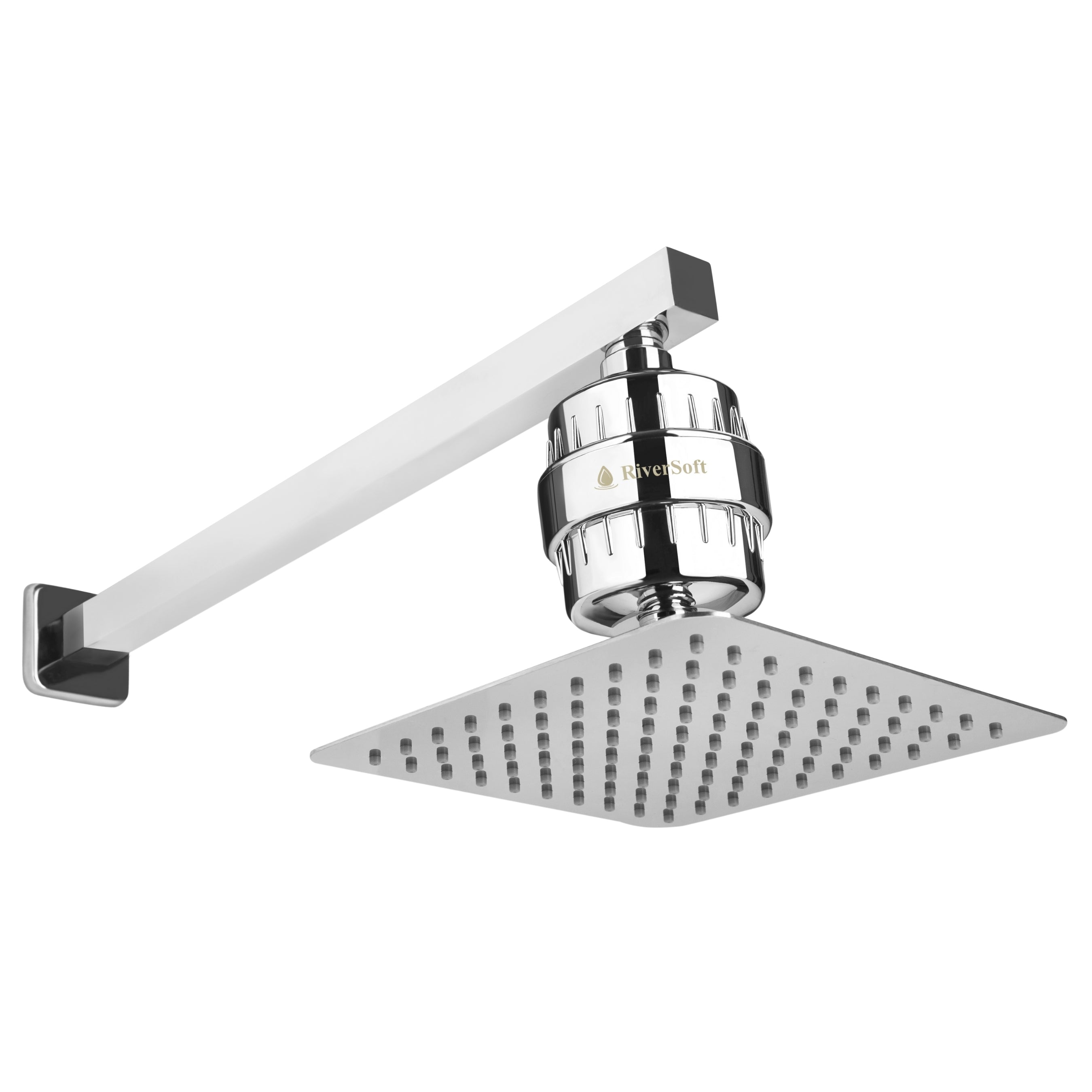
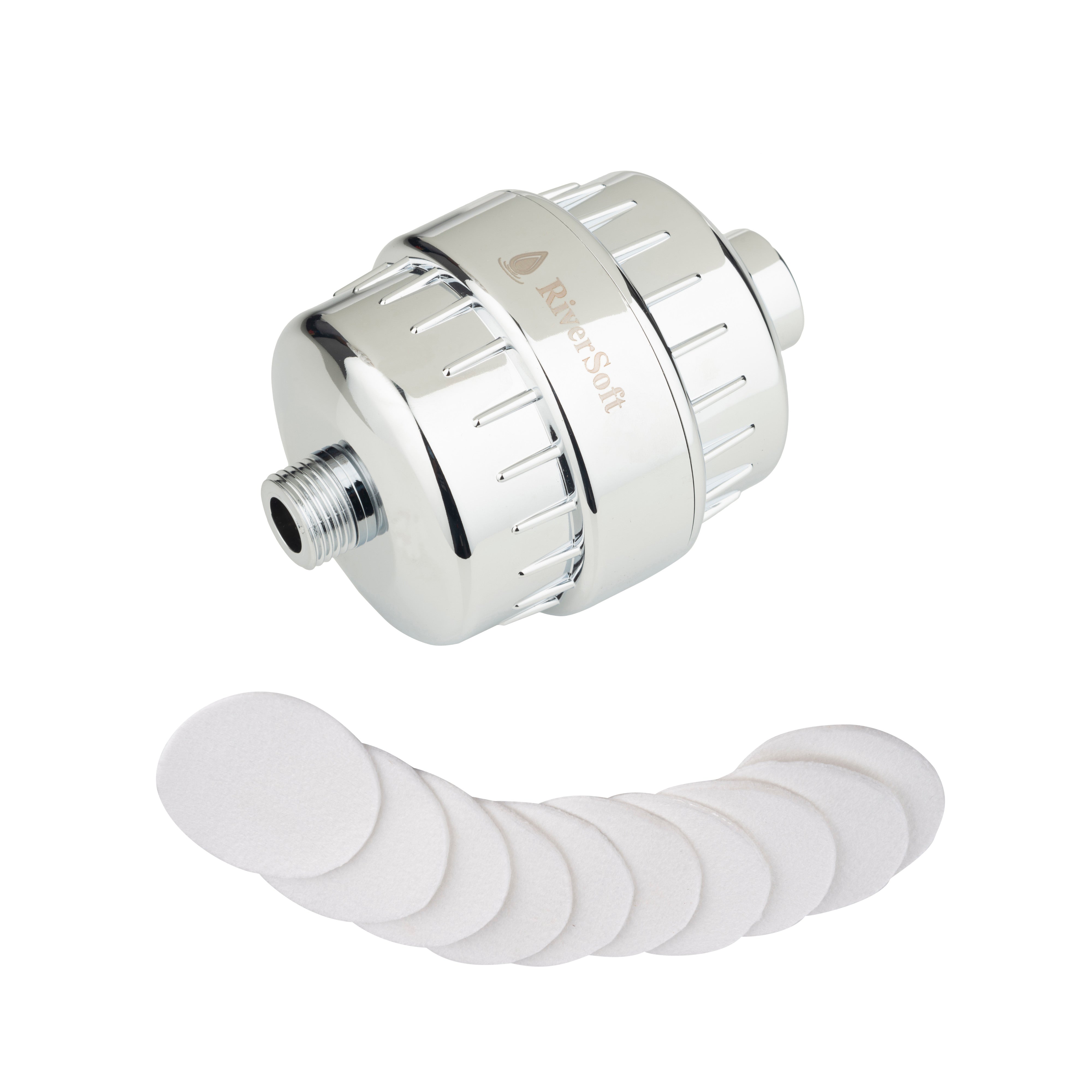
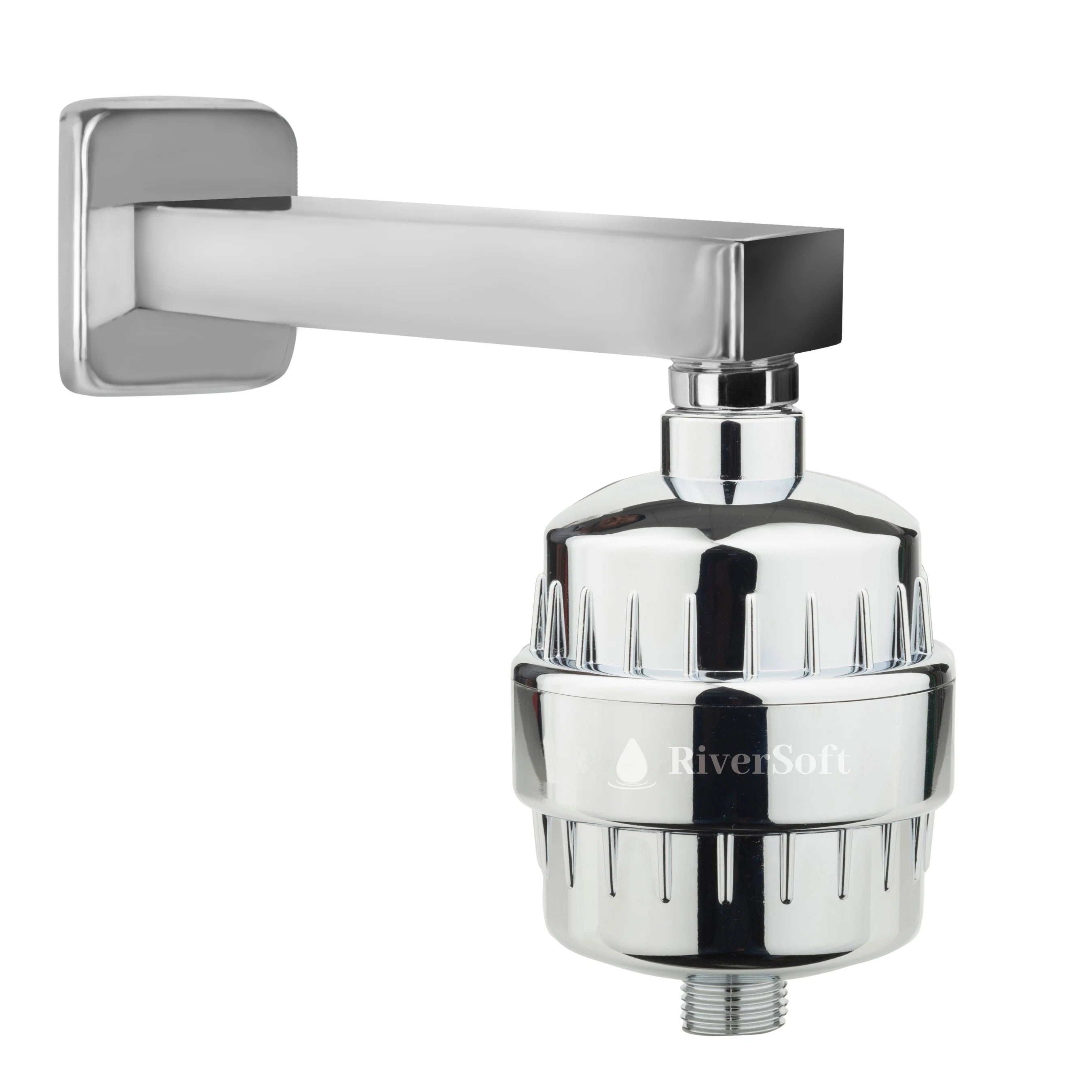
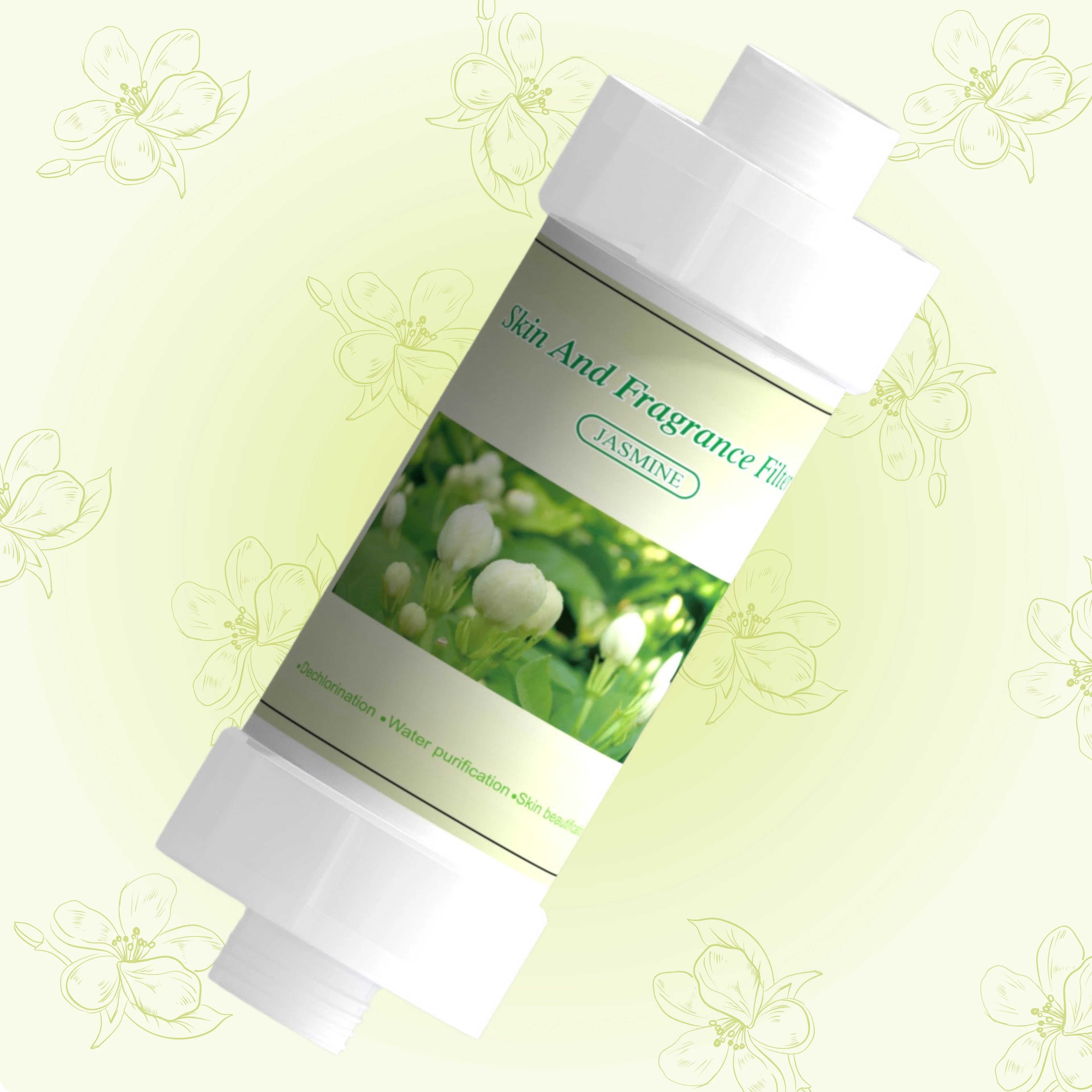
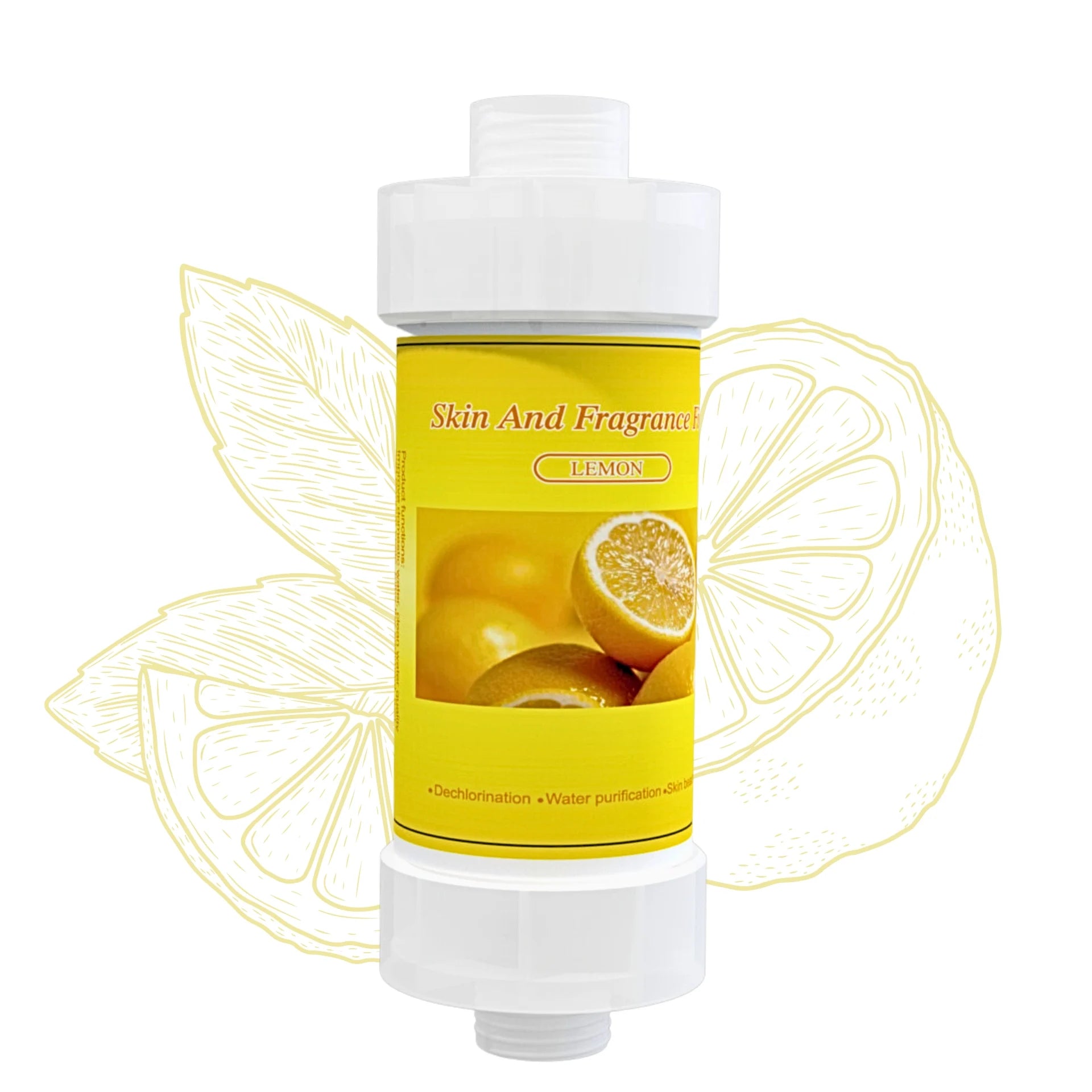
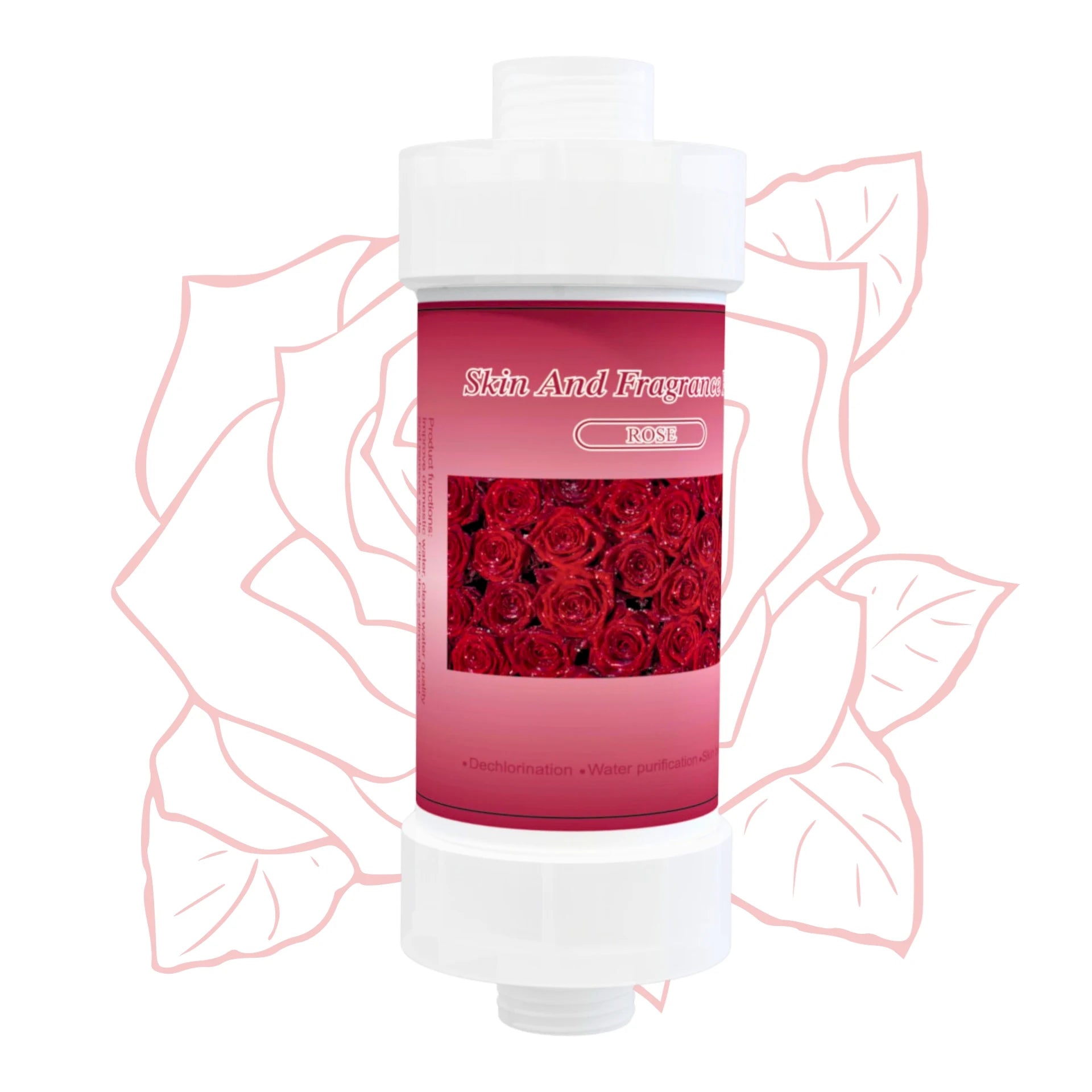
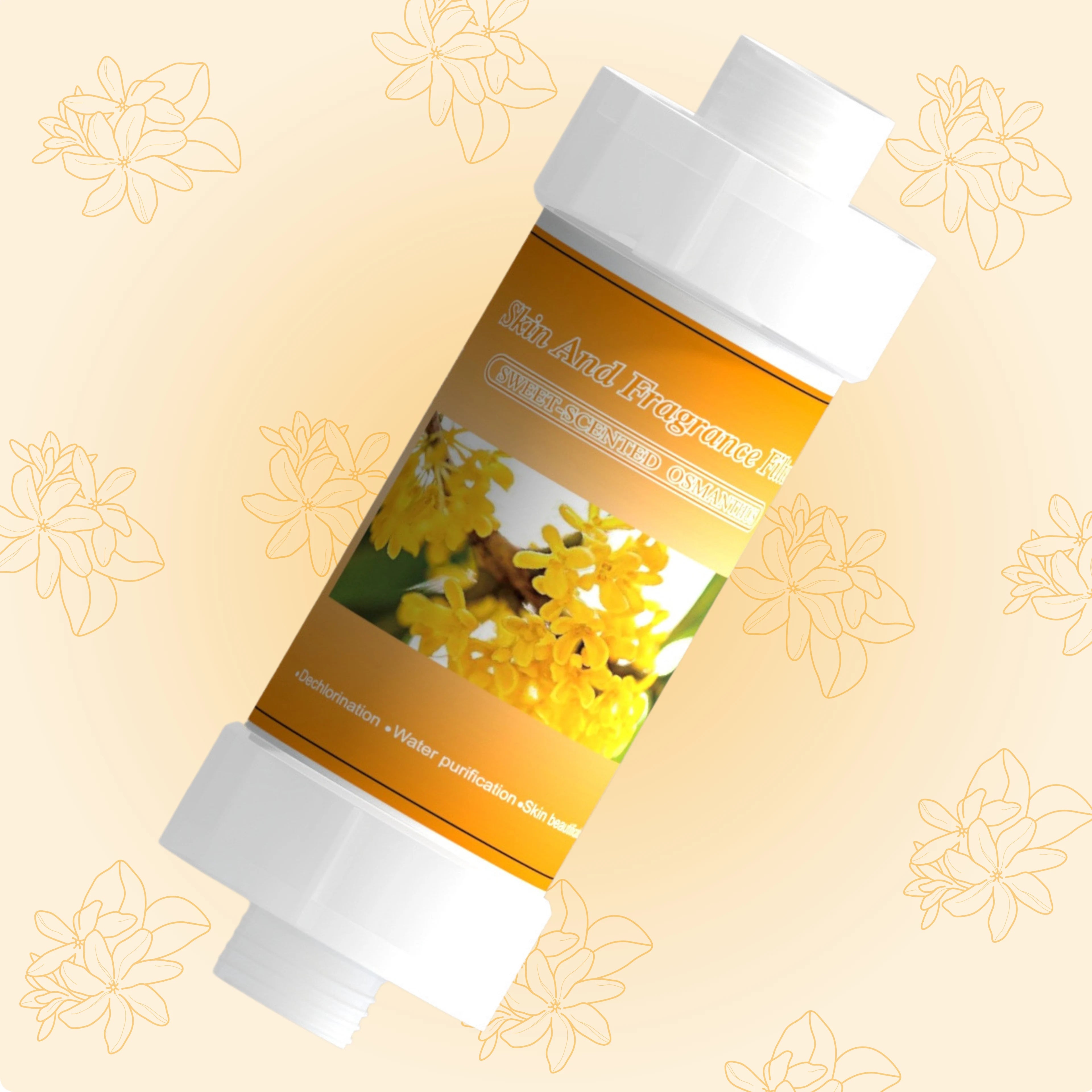
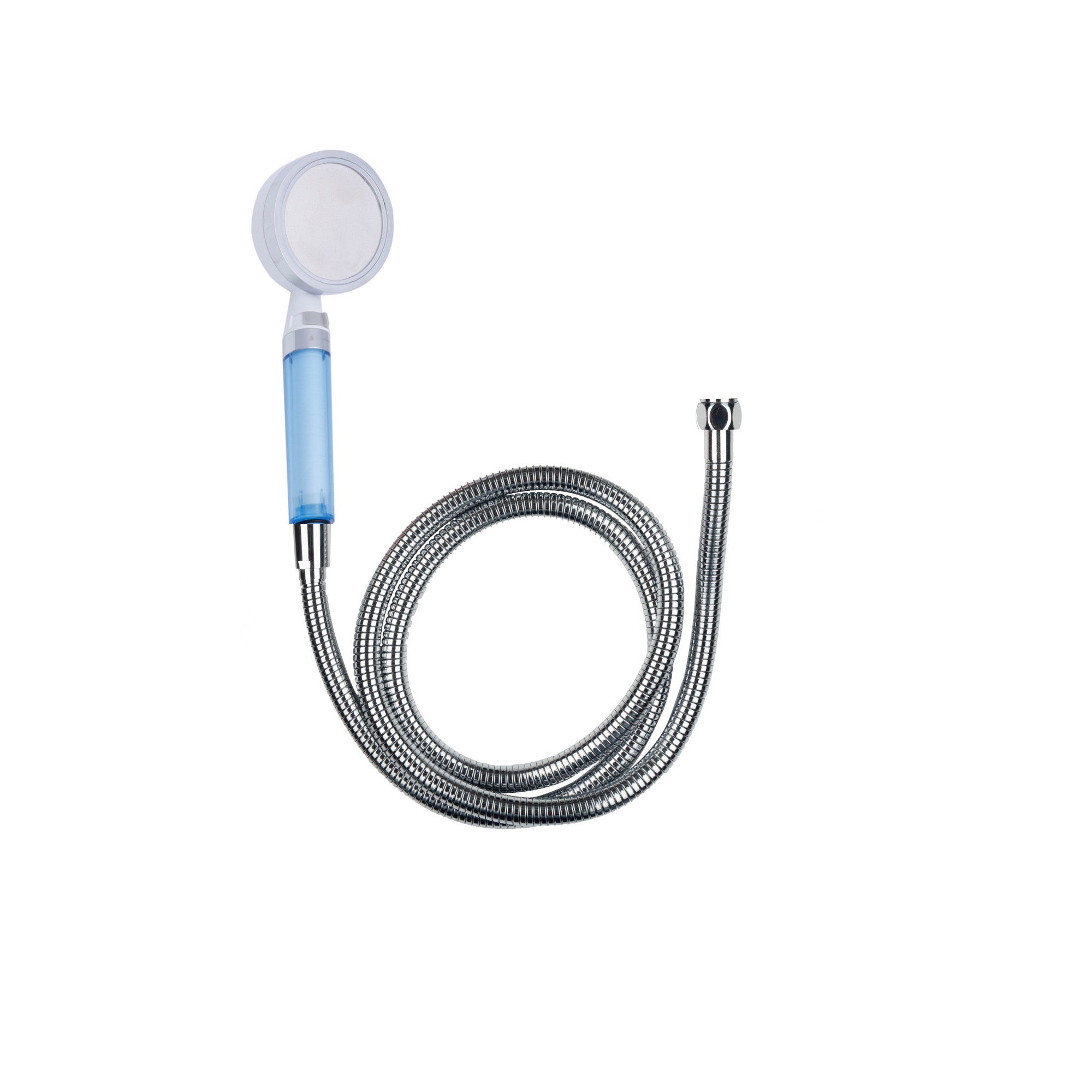
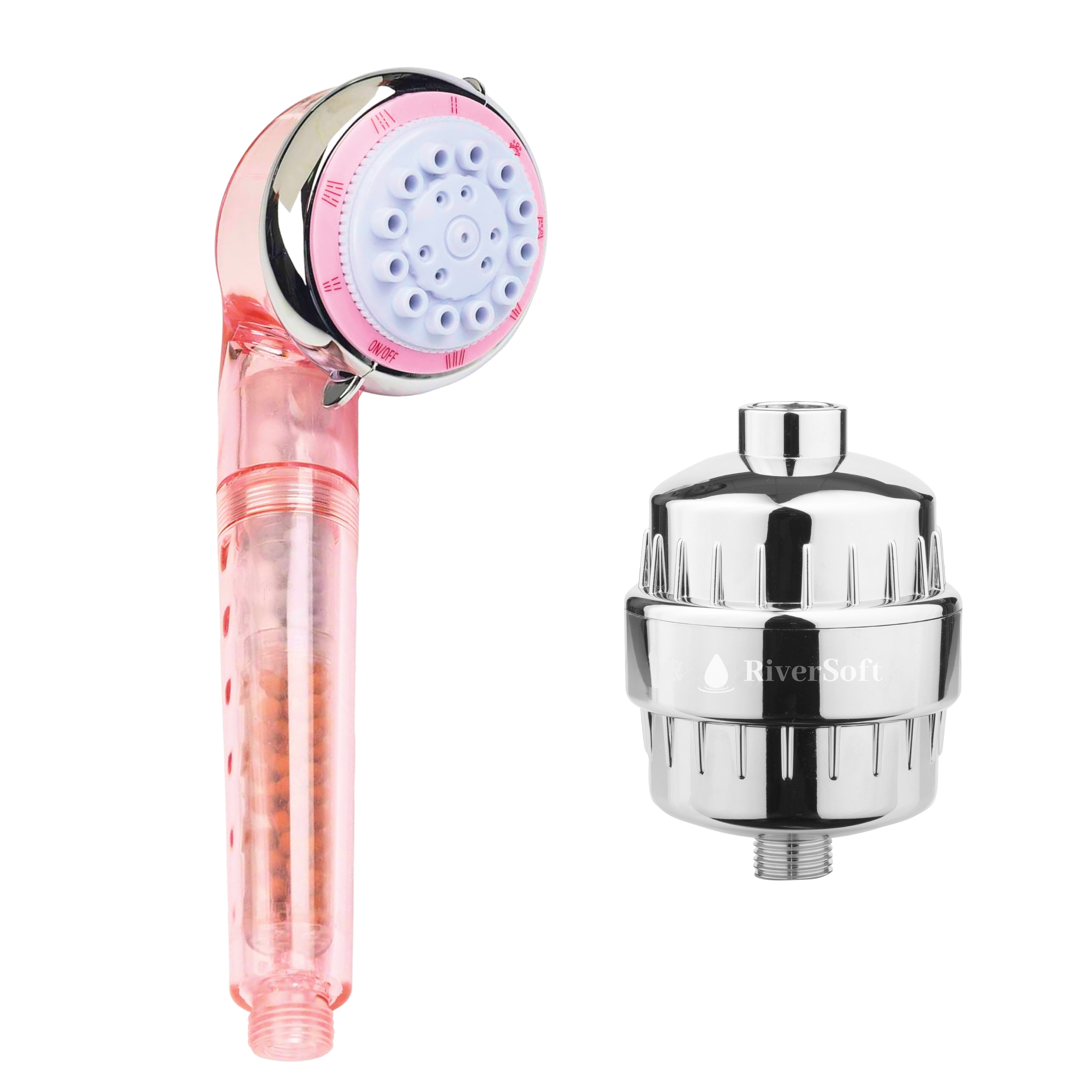
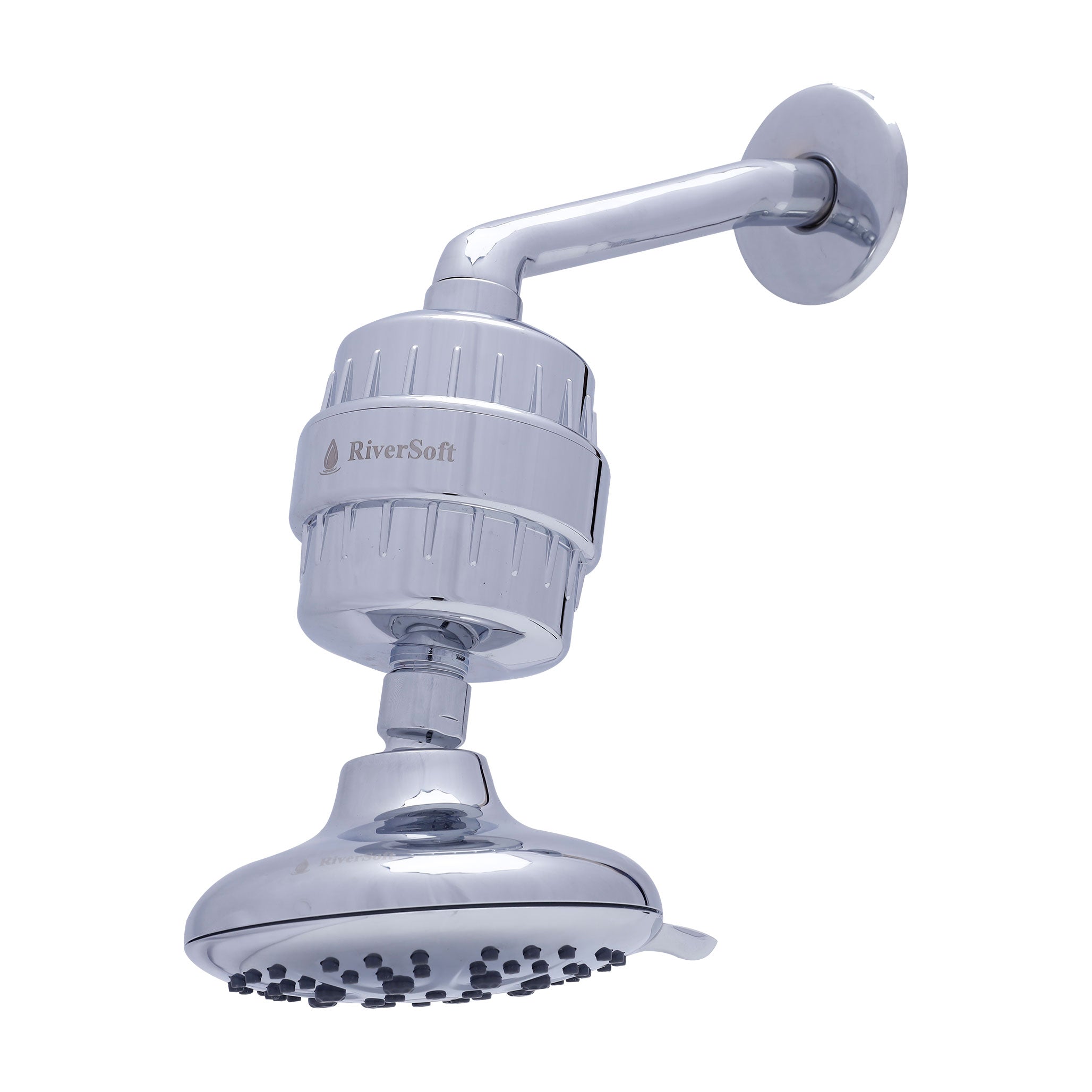
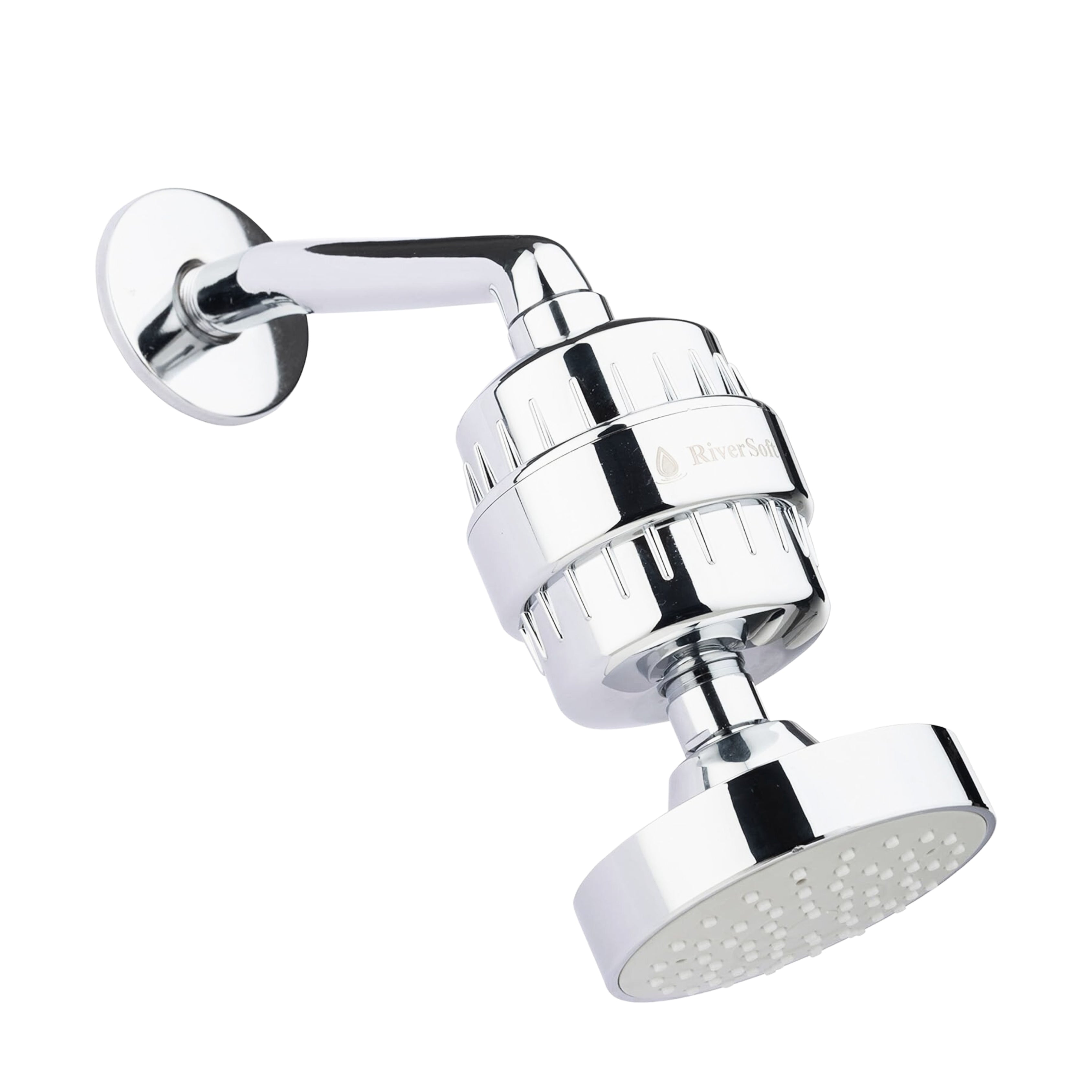
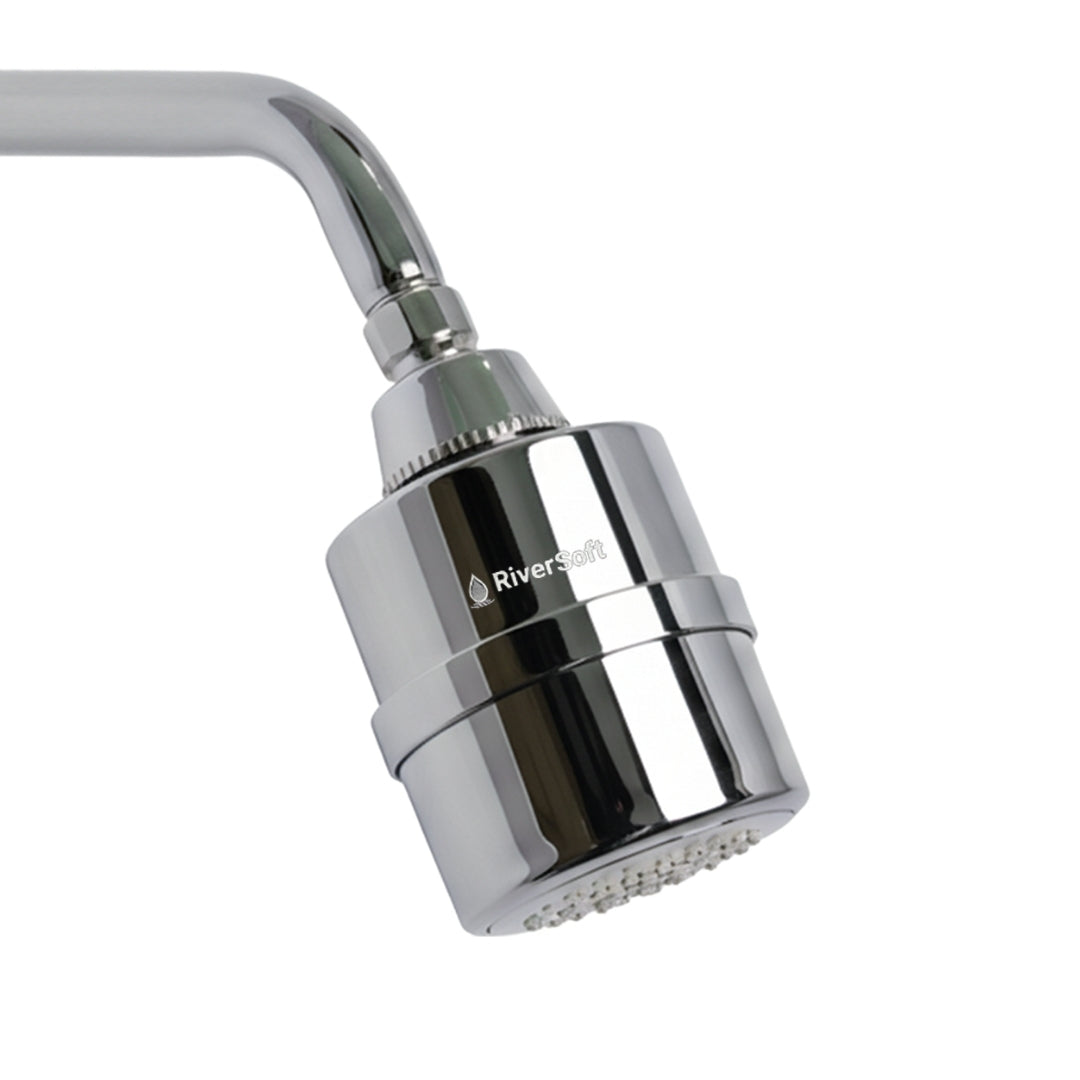
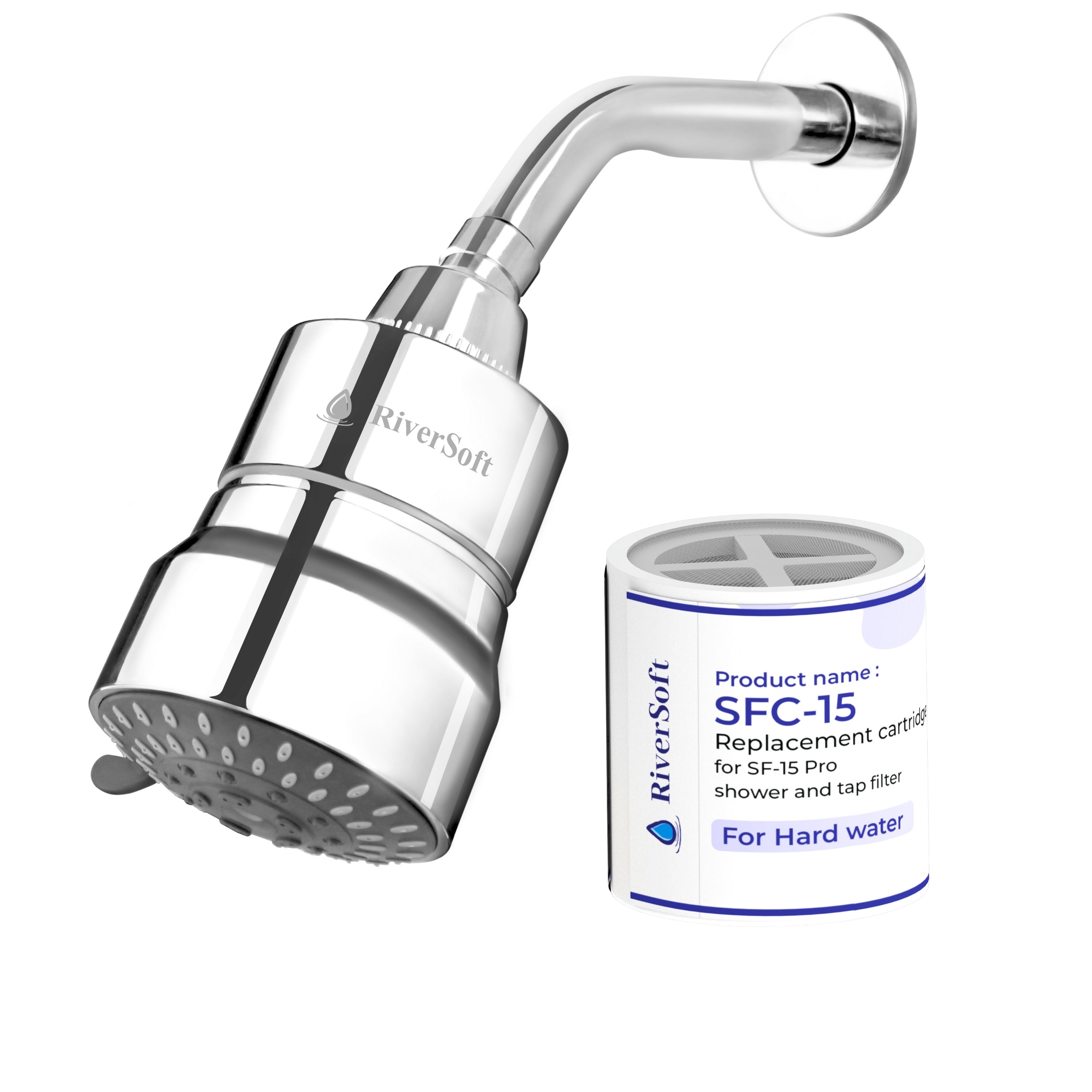
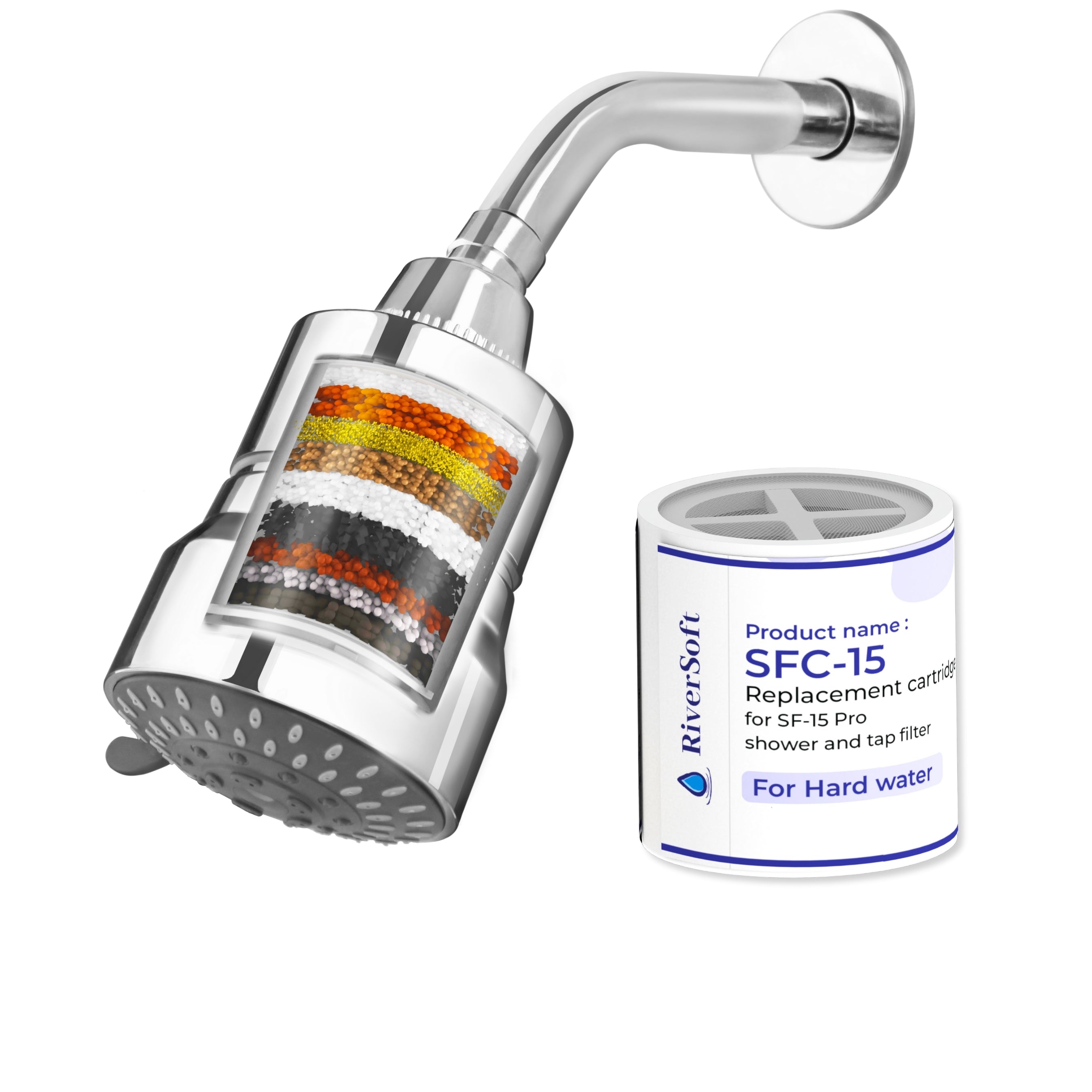
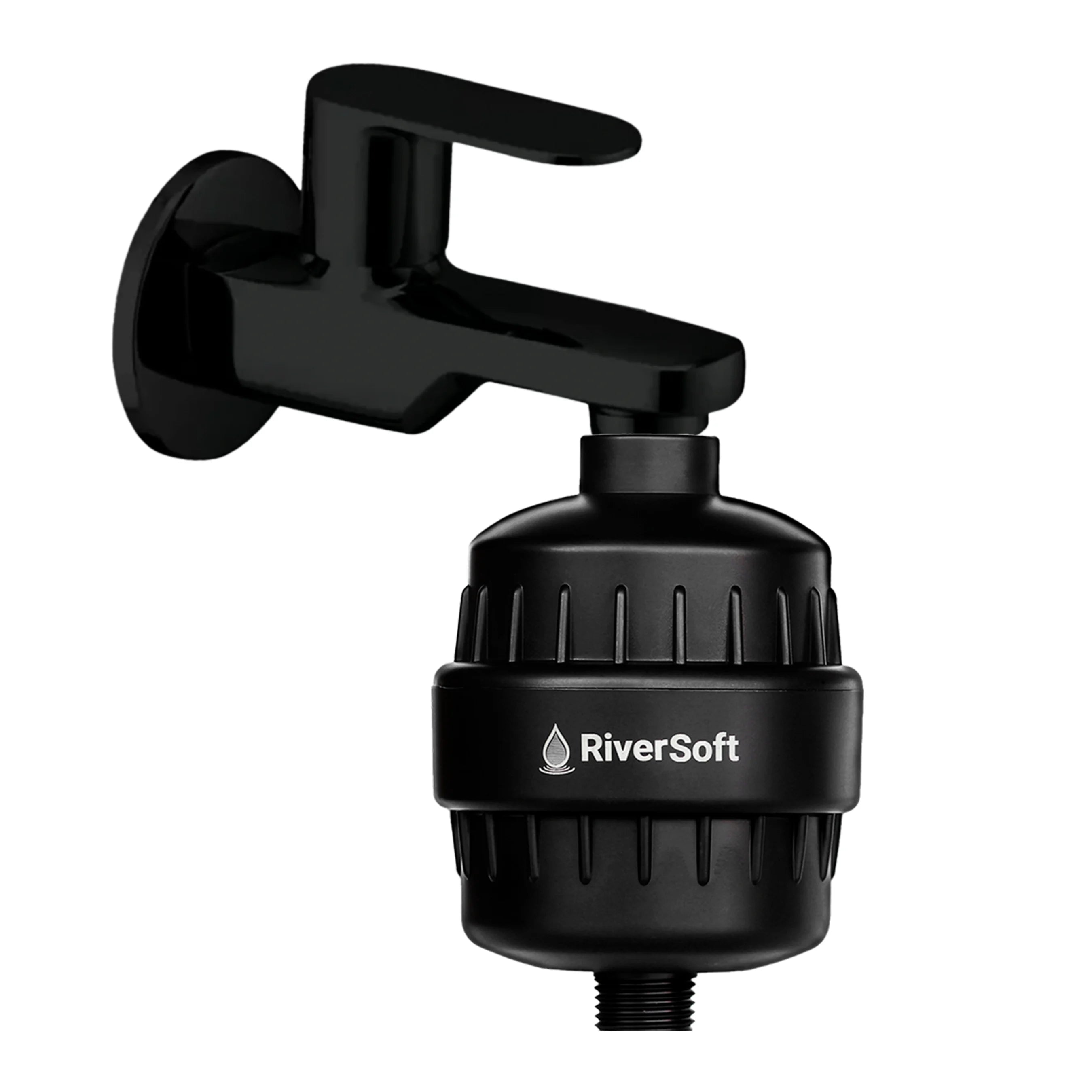
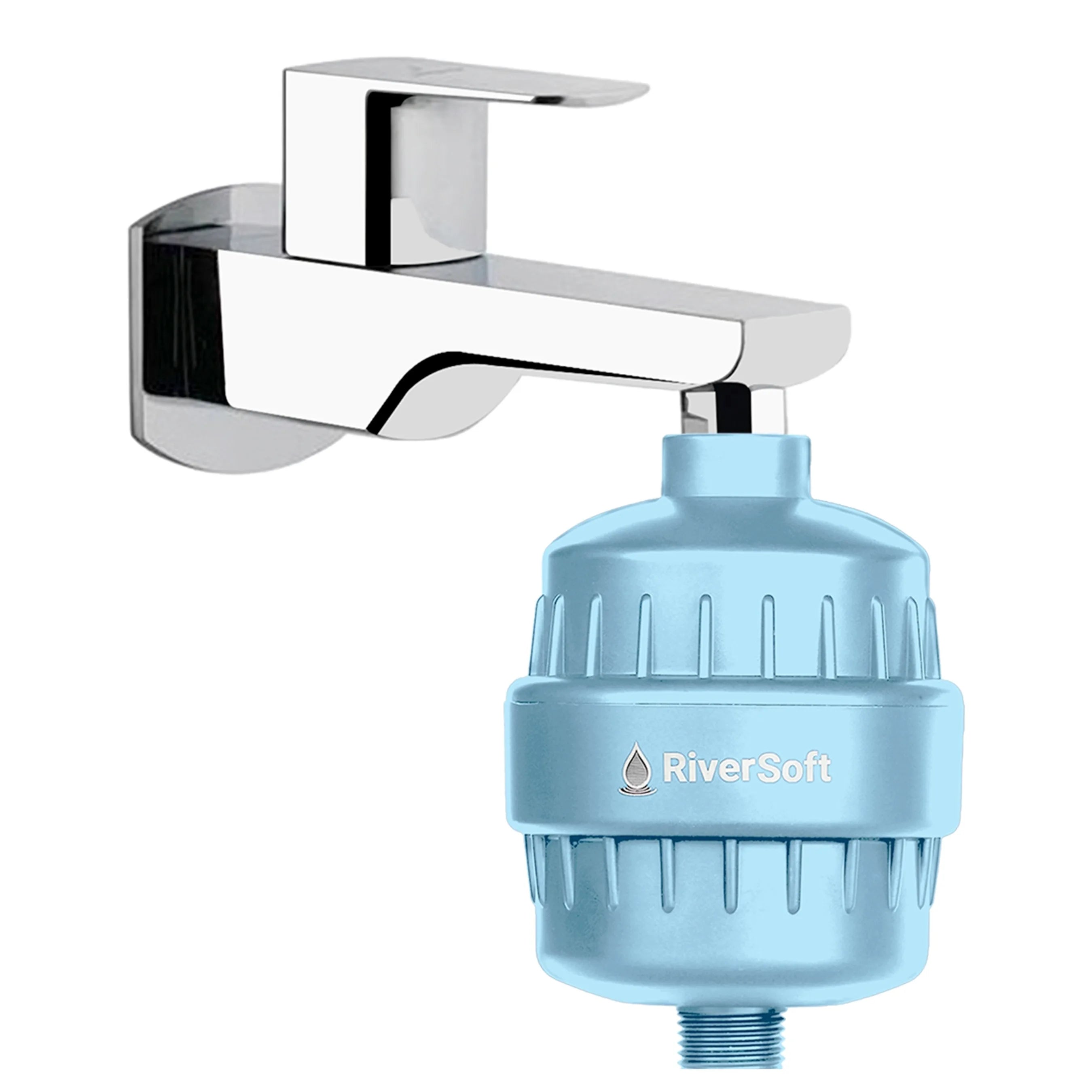
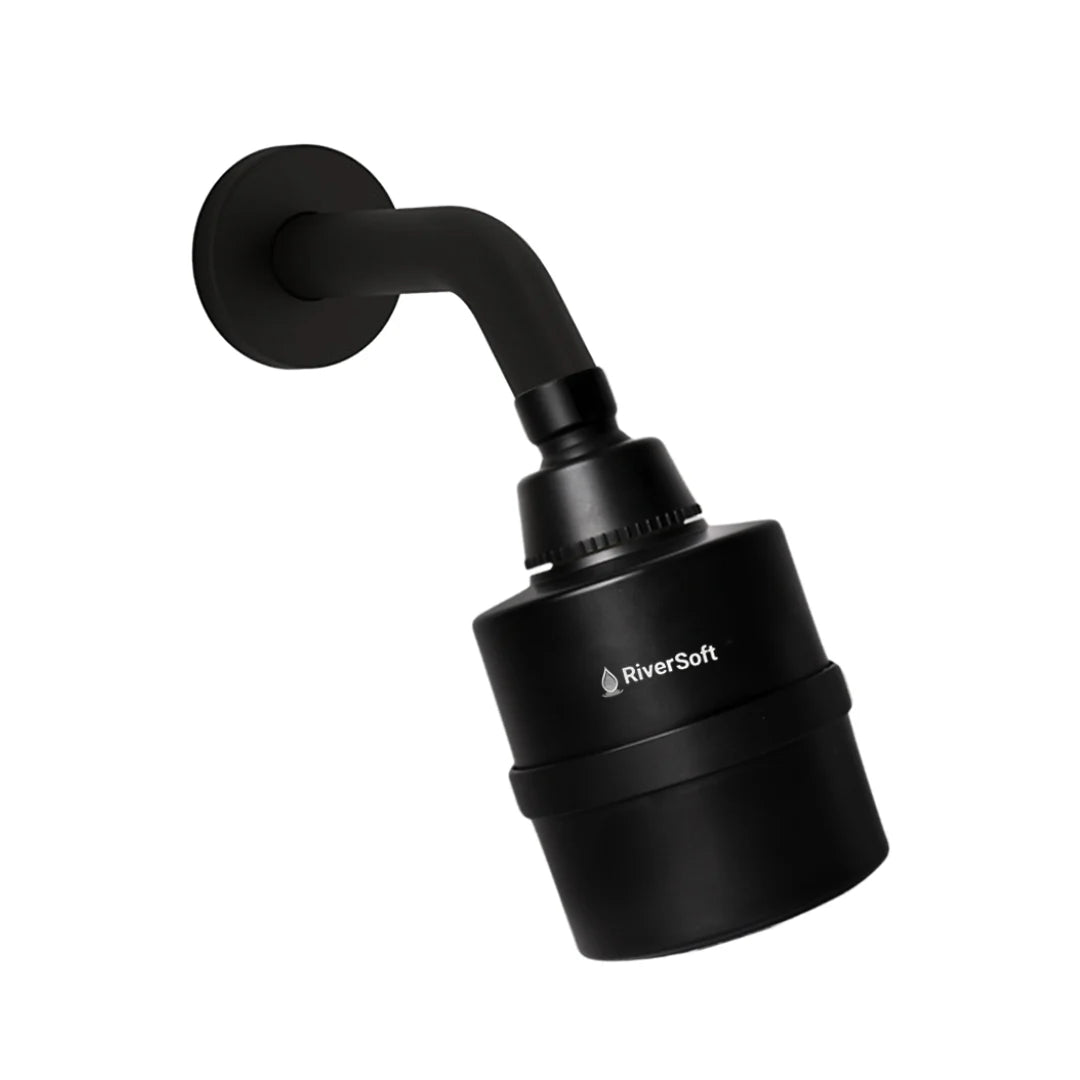
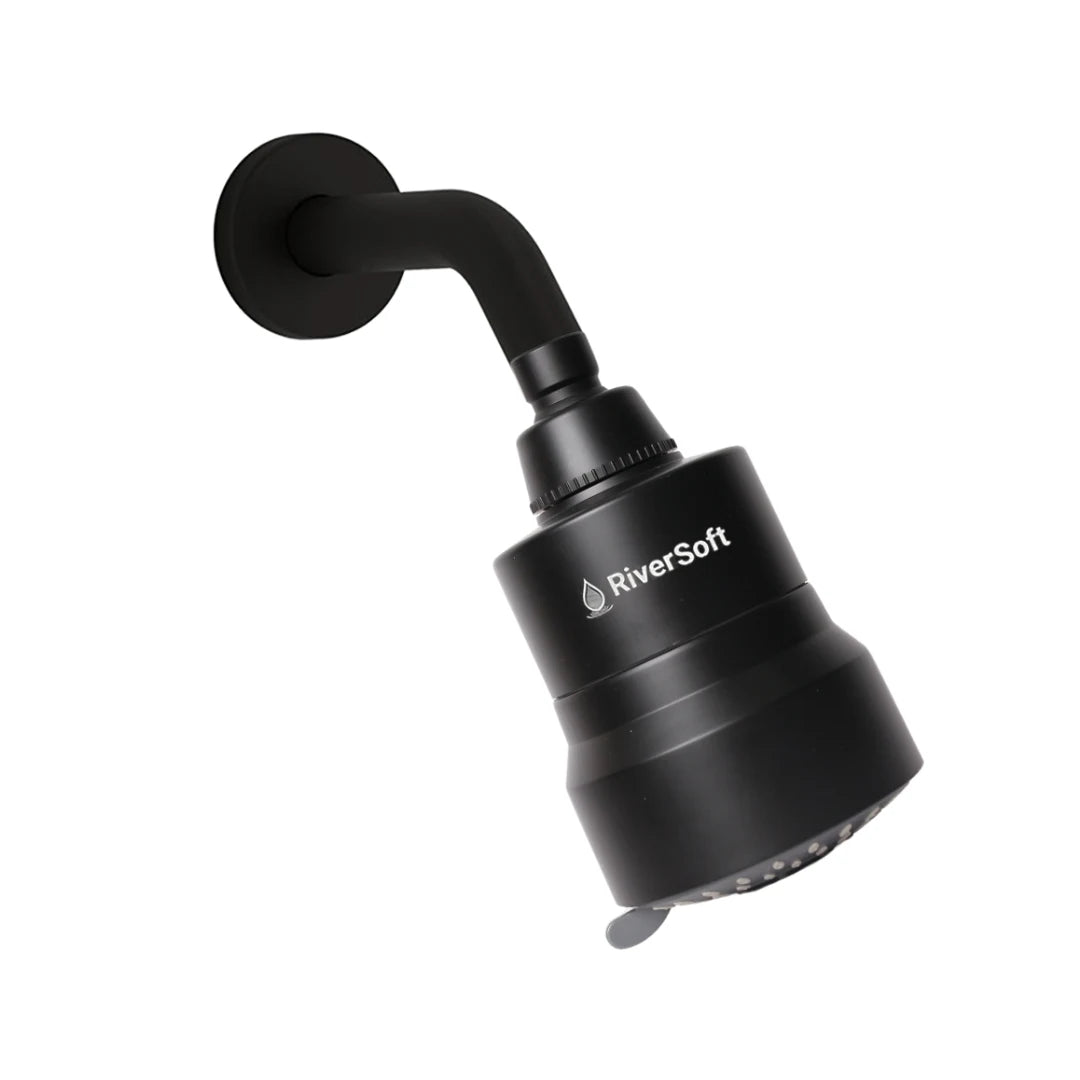
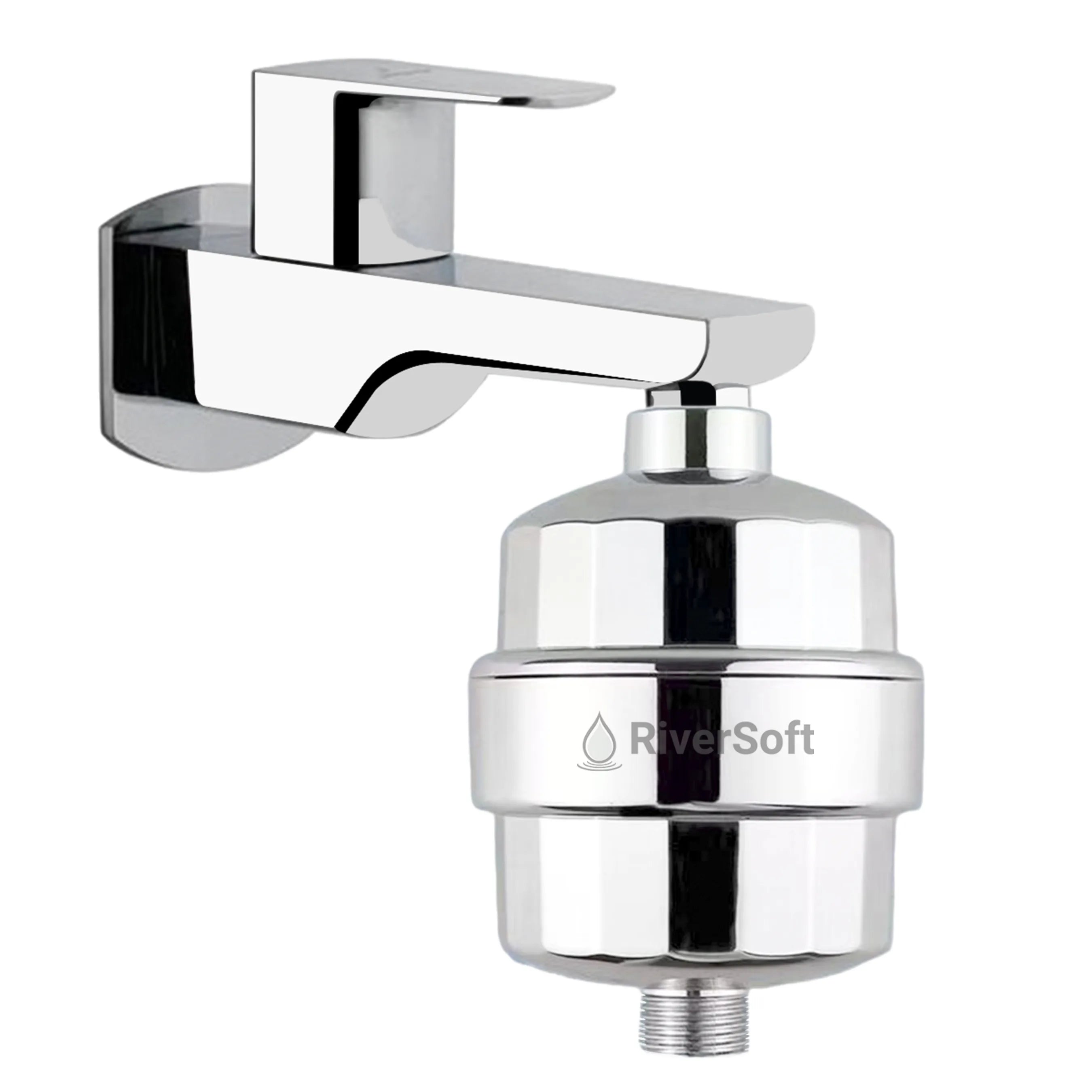
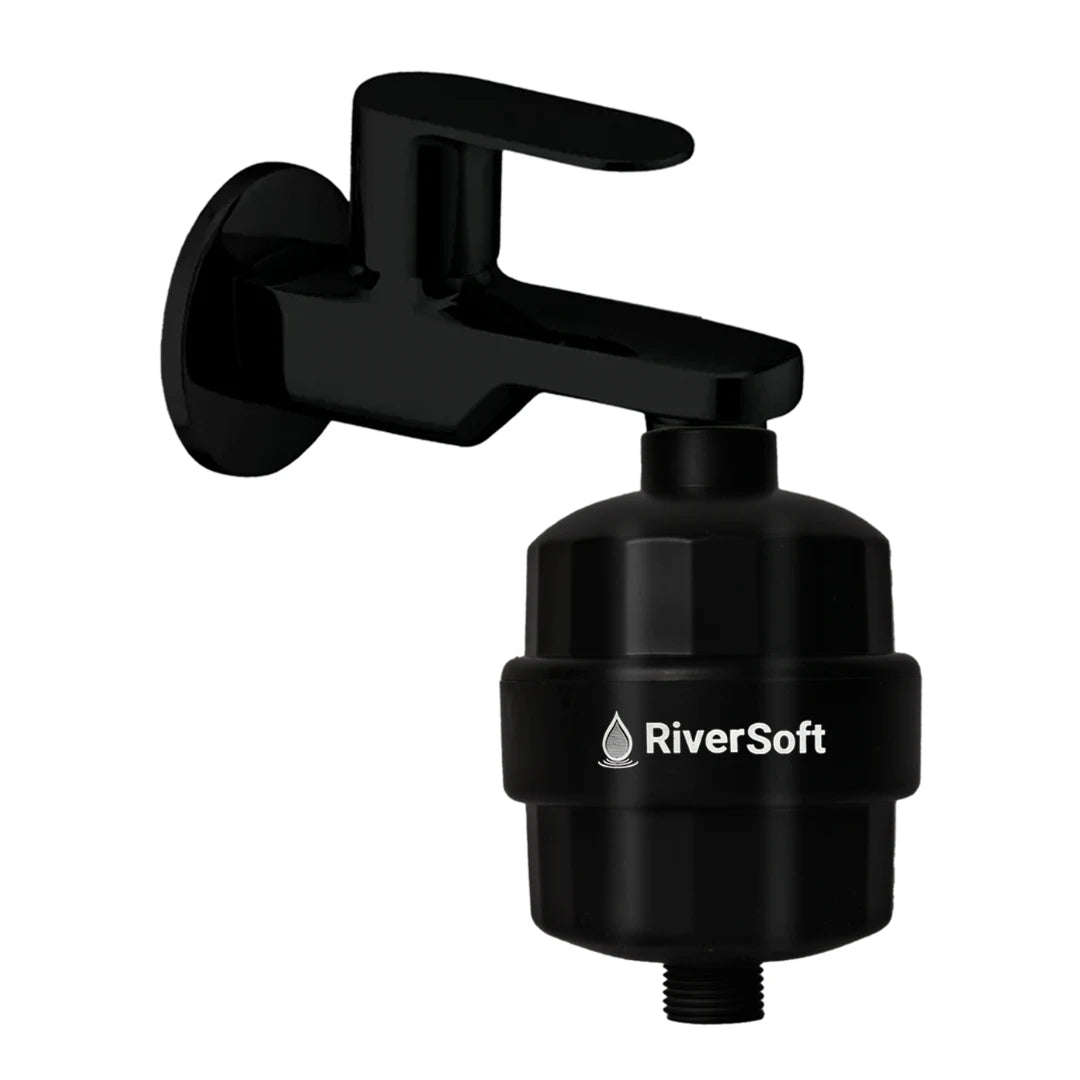
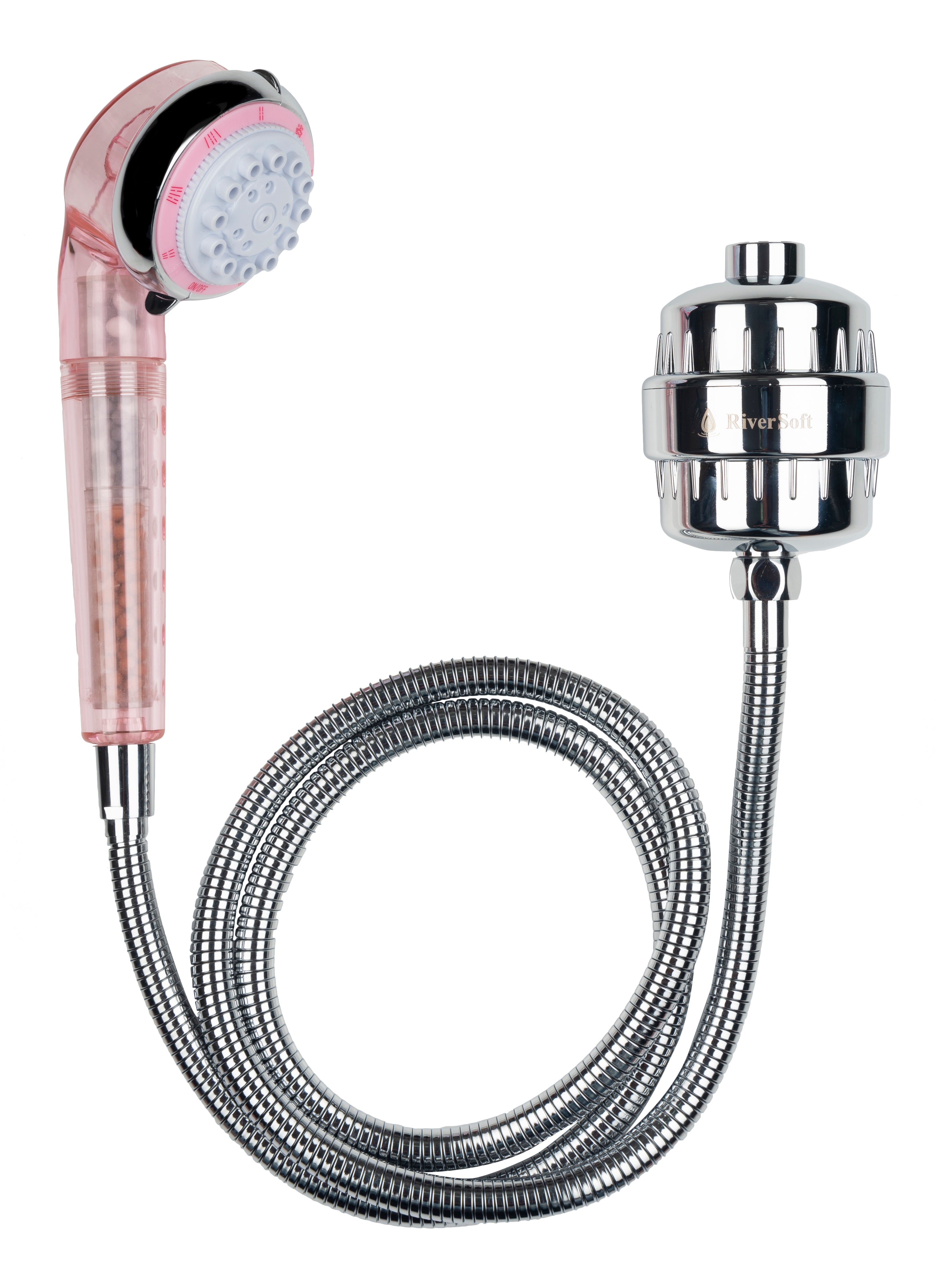
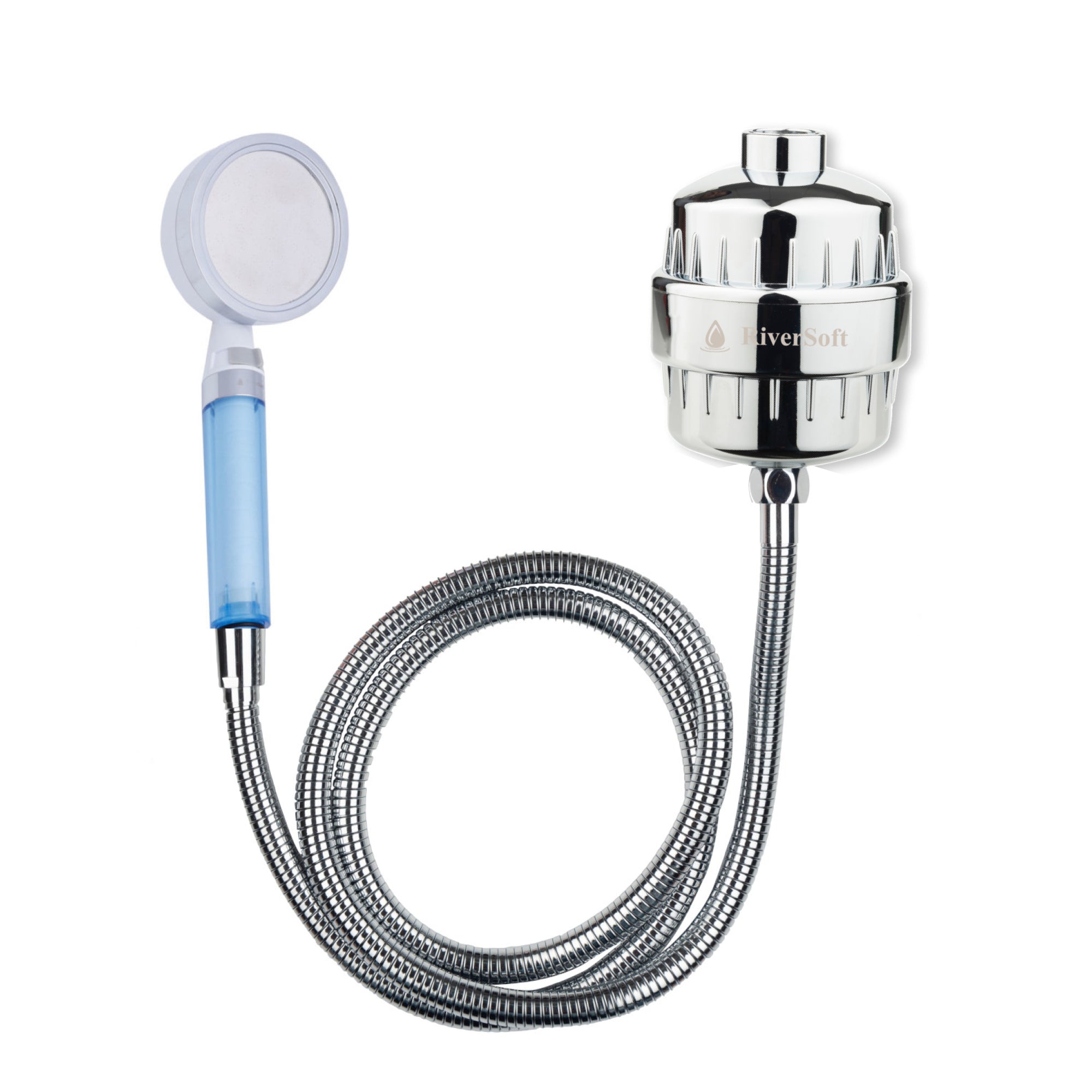
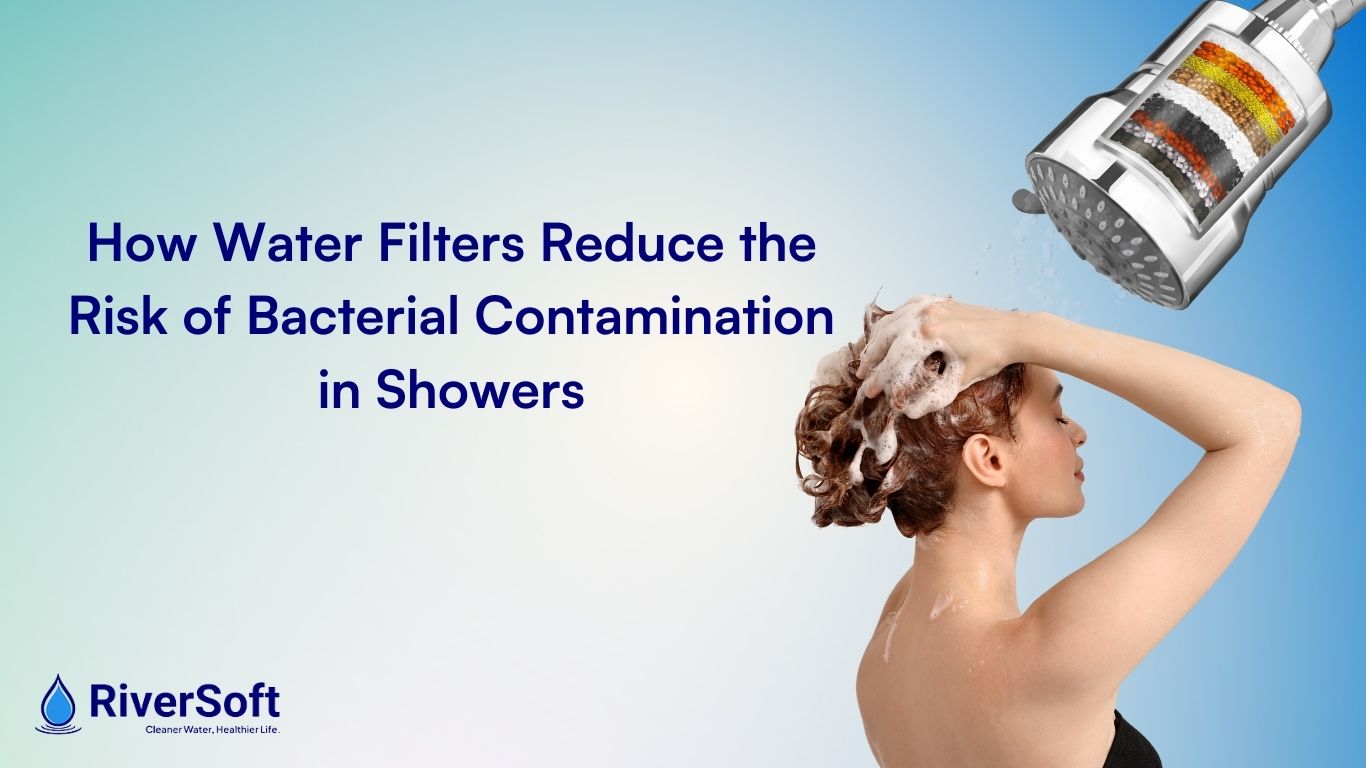
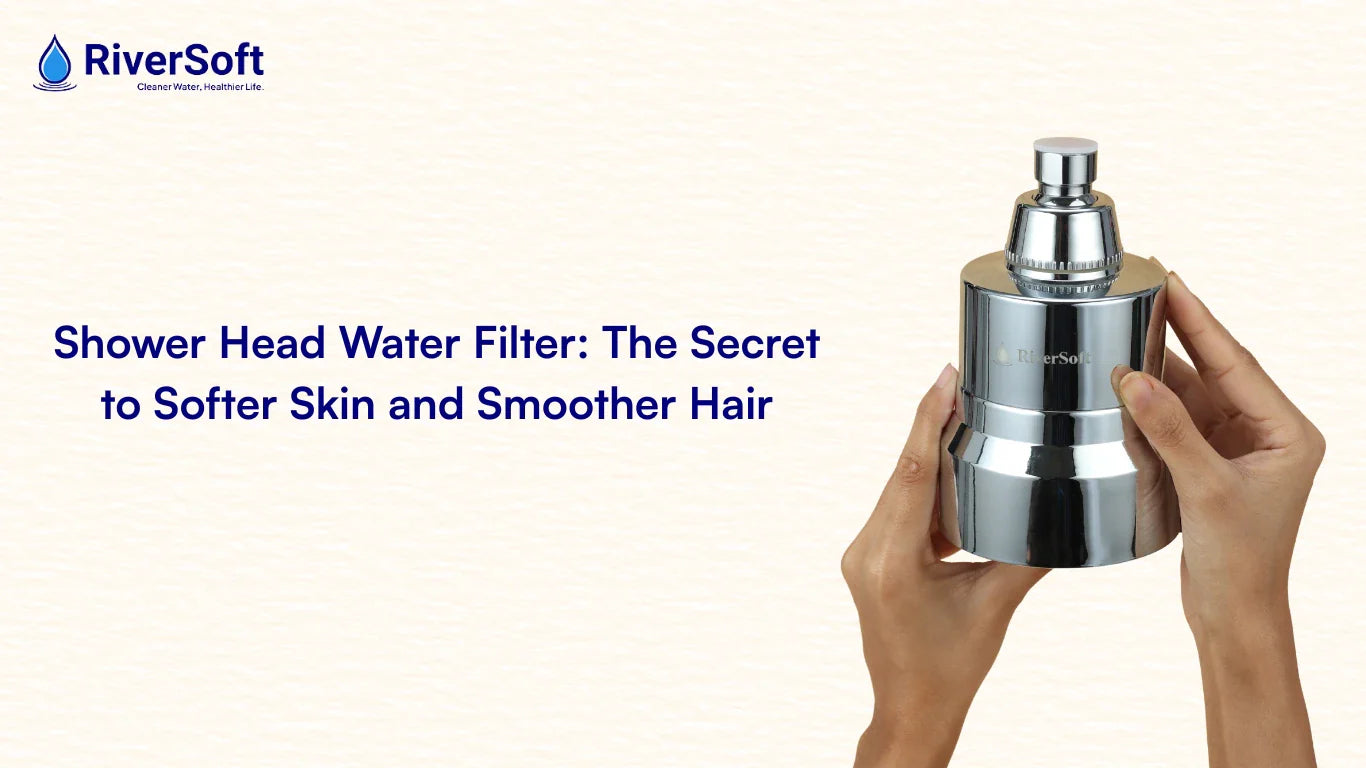
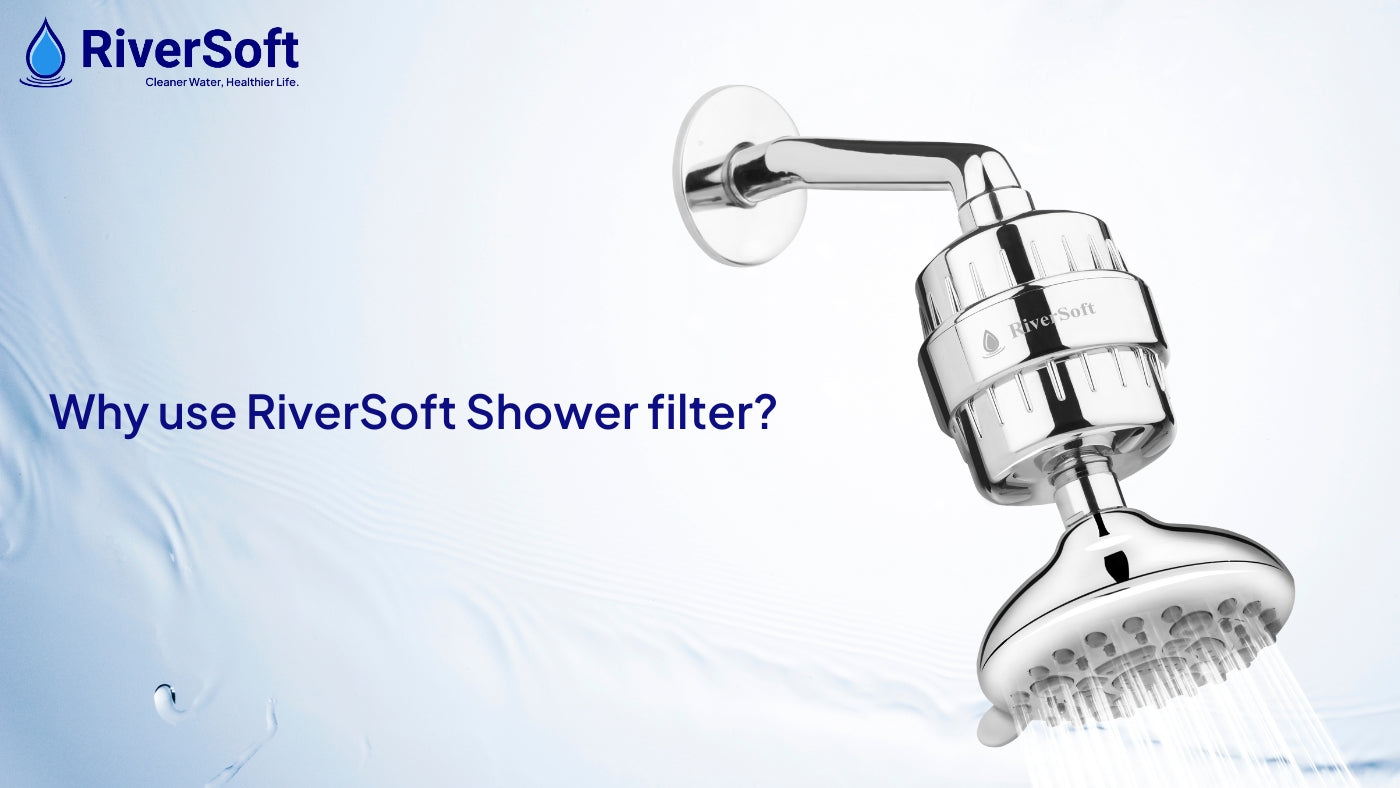
Water softener for tap is one of the most reliable solutions for hard water. These systems work by replacing calcium and magnesium ions with sodium ions, making the water less harsh on your hair and skin. Another way is using shower filters in the bathroom. Though installing a hard water shower filter requires an initial investment, it can save you money over time by reducing the need for extra hair treatments or products to combat dryness and buildup.
2. Use Clarifying Shampoos
Clarifying shampoos can help break down and remove mineral buildup from hard water. Look for ones with chelating agents, which bind to minerals and remove them. However, since clarifying shampoos can be drying, it’s best to use them sparingly—around once a week or every two weeks.
3. Moisturizing Products
Since hard water dries out hair, using moisturizing shampoos and conditioners is essential. Look for products designed to replenish moisture in the hair, particularly those containing hydrating ingredients like argan oil, shea butter, or hyaluronic acid. These products can help restore softness and improve manageability.
4. Regular Scalp Treatments
A healthy scalp is the foundation of healthy hair. Using scalp treatments that focus on hydration and gentle exfoliation can combat the effects of hard water. Look for products containing ingredients like tea tree oil or salicylic acid, which can help cleanse the scalp while soothing irritation.
Conclusion
Hard water is a widespread issue in India, but its effects on your hair can be managed. Mineral buildup, dryness, and scalp irritation are some of the main challenges hard water brings to hair care. By recognizing the symptoms early, you can make smart choices to protect your hair’s health and appearance.
Investing in a water softener, using clarifying shampoos, and trying natural remedies like a lemon rinse are just a few ways to reduce the impact of hard water on your hair. These steps, along with regular use of moisturizing products, can help you maintain soft, healthy, and manageable hair even in areas with hard water.
Reference: Worldbank



























Ashutosh was inspired to solve water quality issues after witnessing the harmful effects of hard water on his family’s health and home. Recognizing the widespread impact of poor water quality, he committed to creating innovative solutions that ensure safe and clean water for everyone. He is an alumnus of IIT Delhi and IIM Ahmedabad, bringing a strong technical and managerial background to RiverSoft.