

We’ve all heard of the term “Hard Water”, haven’t we? And especially in these current times – with the reduction and depletion of both underground and fresh water resources – this term has become relevant enough in our daily lives that we must at least try to understand it. Water becomes hard due to its chemical constituents, and it impacts our lives - be it drinking water, bathing, or even washing clothes.
In this blog, we’ll go on a little journey to understand what hard water is exactly and what its potential effects on hair, skin, and home are!
What Is Hard Water?
Water is “hard” when it contains elevated concentrations of dissolved calcium (Ca²⁺) and magnesium (Mg²⁺) ions. These minerals are naturally picked up as water moves through soil, rocks and underground geological formations — which is why groundwater can often have higher mineral content depending on the local geology!
Now, when these calcium and magnesium ions react with soap, they can form insoluble compounds – which make soap less effective making soap scum. This water will leave behind chalky white residue on tiles, bathroom fixtures and corners known as scaling. According to the World Health Organization (WHO), the hardness caused predominantly by calcium and magnesium ions is traditionally expressed as milligrams of calcium carbonate (CaCO₃) per litre.
And if you’re now curious, you can also learn how to identify and test hard water at home before looking at possible solutions.
Watch: Hard Water vs Soft Water Simple Soap Test at Home
How Is Water Hardness Classified?
Soft water contains much lower concentrations of these hardness-forming ions. In simple terms: the more calcium and magnesium dissolved in the water, the harder the water tends to be!
If you’re curious, water hardness has been classified by the World Health Organization (WHO) as follows:
|
Water Hardness Level |
Hardness (ppm as CaCO3) |
|
Soft Water |
0-60 ppm |
|
Moderately Hard Water |
60-120 ppm |
|
Hard Water |
120-180 ppm |
|
Very Hard Water |
>180 ppm |
NOTE: In international standards, like those from the World Health Organization (WHO), a single health-based threshold is rarely specified because hardness is treated as an aesthetic/operational parameter rather than a toxic constraint. However, they acknowledge that palatability significantly decreases above 600 mg/L.

Is Hard Water Bad for You?
One of the most common questions people have is: is hard water bad for you?
To be fair, “hard water” does not automatically mean “bad water”; and for most people, hard water is not considered inherently harmful to health simply because it contains calcium and magnesium. However, hardness can contribute to certain problems, particularly when people are exposed to hard water for a prolonged time through drinking, bathing or when very mineral-rich water is used throughout the home.
Is Hard Water Safe to Drink?
An acceptable limit of 200 mg/L of hardness in drinking water is specified by the Bureau of Indian Standards (BIS) under the national specification IS 10500:2012. Within this framework, total hardness (measured as calcium carbonate or CaCO₃) is given an upper limit of 600 mg/L, strictly when no alternative water source is available.
Hardness in drinking water is primarily caused by naturally occurring calcium and magnesium. Both are essential minerals, and drinking water can contribute to their overall dietary intake.
Now, the relationship between water hardness and health is more complex. Some studies have examined whether the mineral composition of drinking water is associated with conditions such as kidney stones and kidney disease. Importantly, the available evidence does not consistently show that harder water increases the risk of kidney stones. In fact, a 2025 study published in PubMed examining domestic water hardness and kidney disease reported findings suggesting that higher magnesium concentrations in drinking water may have a protective association against kidney stones in certain populations.
These findings should, however, be interpreted cautiously, as associations observed in individual studies do not establish that drinking harder water prevents kidney stones or protects against kidney disease.
Is Hard Water safe for Bathing?
Hard water can influence how water interacts with skin, hair, soap, and other personal hygiene products. Those pesky calcium and magnesium ions can form insoluble deposits in reaction with the soap, leading to the development of a film or residue on your skin during and/or after bathing.
Exposure to hard water above 200 mg/L may contribute to dryness, tightness, and irritation, especially if combined with soap residues or hot water. The minerals in hard water can also cause deposits in hair, resulting in dryness, roughness and coat dullness. Bear in mind, though, that the impact varies individually. So hard water is best considered only as one possible factor when dealing with persistent skin or hair concerns.
Effects of Hard Water on Hair
Hard water isn't kind to our hair, often leading to dry, dull hair prone to breakage and an itchy scalp. Studies have found that exposure to hard water can result in mineral deposition on hair, which may affect its texture, strength and appearance.
So if your hair feels rough, dry or coated even after washing, hard water may be one factor worth investigating, because the minerals in hard water form deposits on the hair shaft, making maintaining a healthy and vibrant mane quite challenging.
And if you need more details, you can always consult our guide on the effects hard water has on your hair and scalp, and how to prevent and get rid of it!
Effects of Hard Water on Skin
Hard water can interact with soaps and surfactants, potentially leaving more cleansing-product residue on the skin. Experimental research has found greater surfactant deposition after washing with hard water, which may contribute to skin-barrier irritation.
This happens because of the aforementioned calcium and magnesium ions that interact with soaps and surfactants, potentially leaving deposits on the skin and making it more difficult to rinse away cleansing products. This in turn may contribute to dryness, irritation or a feeling of residue on your skin.
Nevertheless, the above information does not prove that hard water is necessarily harmful, and should not be confused with contaminated drinking water. The presence of certain minerals in a particular amount is crucial in assessing the influence of drinking water on the health of people.
Is Hard Water Safe for Home Chores?
Effects of Hard Water on Washing Machines and Appliances
Hard water can affect both laundry performance and your washing machine itself! Calcium and magnesium can interact with detergents and contribute to mineral deposits, leaving fabrics feeling stiff and/or coated. Also, you might start noticing scale deposition, which can lead to poor washing performance, higher levels of energy consumption and even wear and tear on your machine!
Effects of Hard Water Around the Home
Washing utensils:
Hard water used for washing utensils can leave mineral spots or a cloudy film on glasses, plates and utensils, particularly when dishes are allowed to air-dry. These deposits are generally an aesthetic/cleaning issue rather than evidence that the utensils are unsafe, but it is still something you should watch out for.
Cleaning bathroom/floors:
When hard water comes into contact with soap, it can form soap scum, while evaporation can leave behind mineral deposits. Over time, this can appear as white or grey marks on shower walls, taps, tiles and other bathroom surfaces. Regular cleaning can remove these deposits, but reducing the hardness of the water can help reduce the amount of scale and soap scum that forms in the first place.
And if you’re now wondering what to do about it, our guide on how to prevent and remove hard water stains from tiles and glass surfaces is here to help!
The impact of hard water is profound in homes with high-mineral-content water. Other than the above highlighted issues, it can impact the geysers in your home, which can get scale deposition on their heating rods and suffer frequent breakdowns.
How to Reduce the Effects of Hard Water
Unfortunately, while hard water may not automatically be “bad water”, the physical effects of it on our hair, skin or homes cannot be completely denied. And though none of us wants hard water in our lives, not a lot of us can control which city, area or neighbourhood we end up living in. All of us are aware of RO purifiers for drinking water, and many of us are definitely using one of them. But the effect of bathing water or washing water on our health and homes is ignored. But fear not – there are ways to mitigate the impacts of hard water in these areas as well.
What Type of Hard-Water Treatment Do You Need?
For starters, if you’re managing hair and skin symptoms, using a clarifying shampoo or changing the one you already have – as well as avoiding really hot water so as not to dry out hair and skin and sticking to lukewarm or cold water should help.
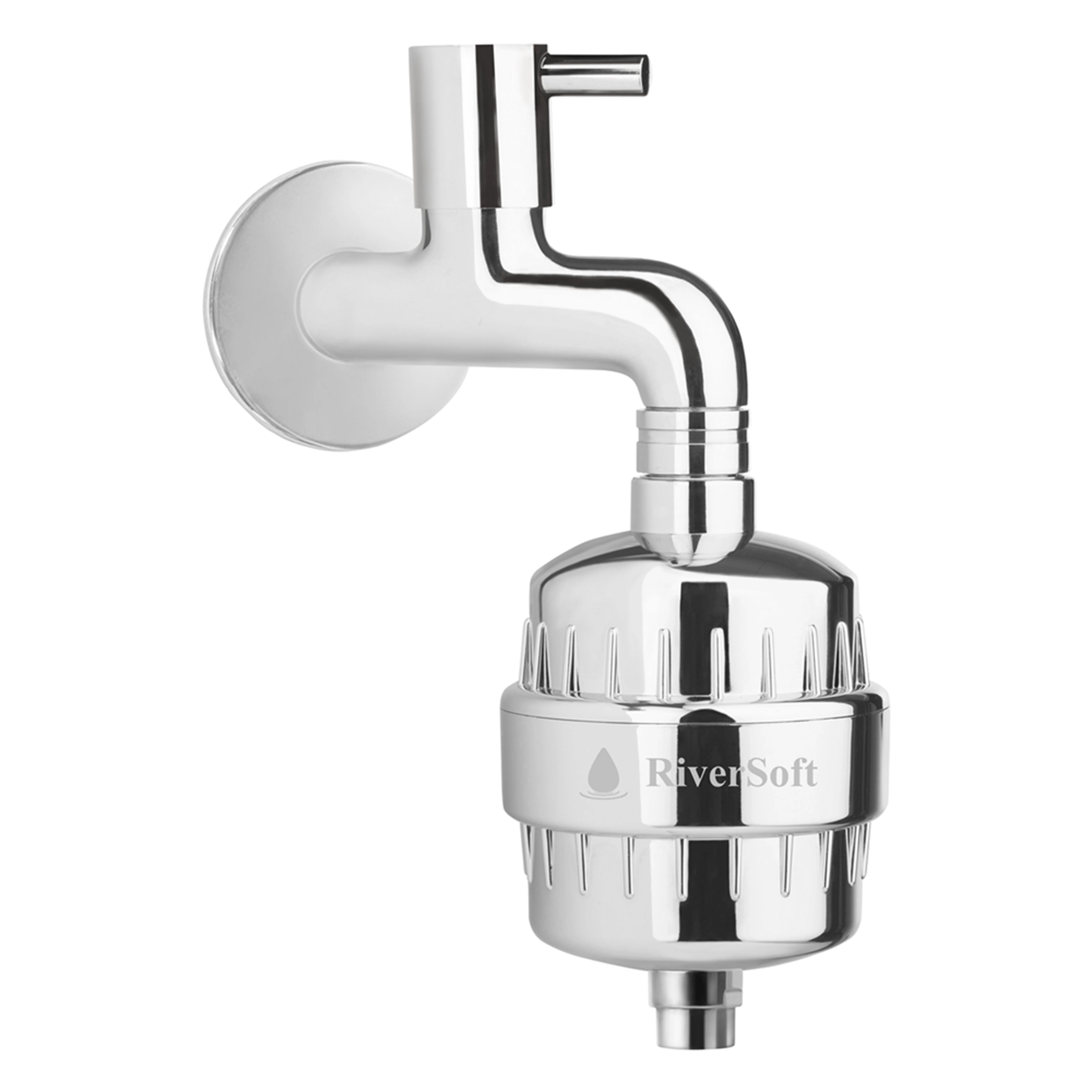
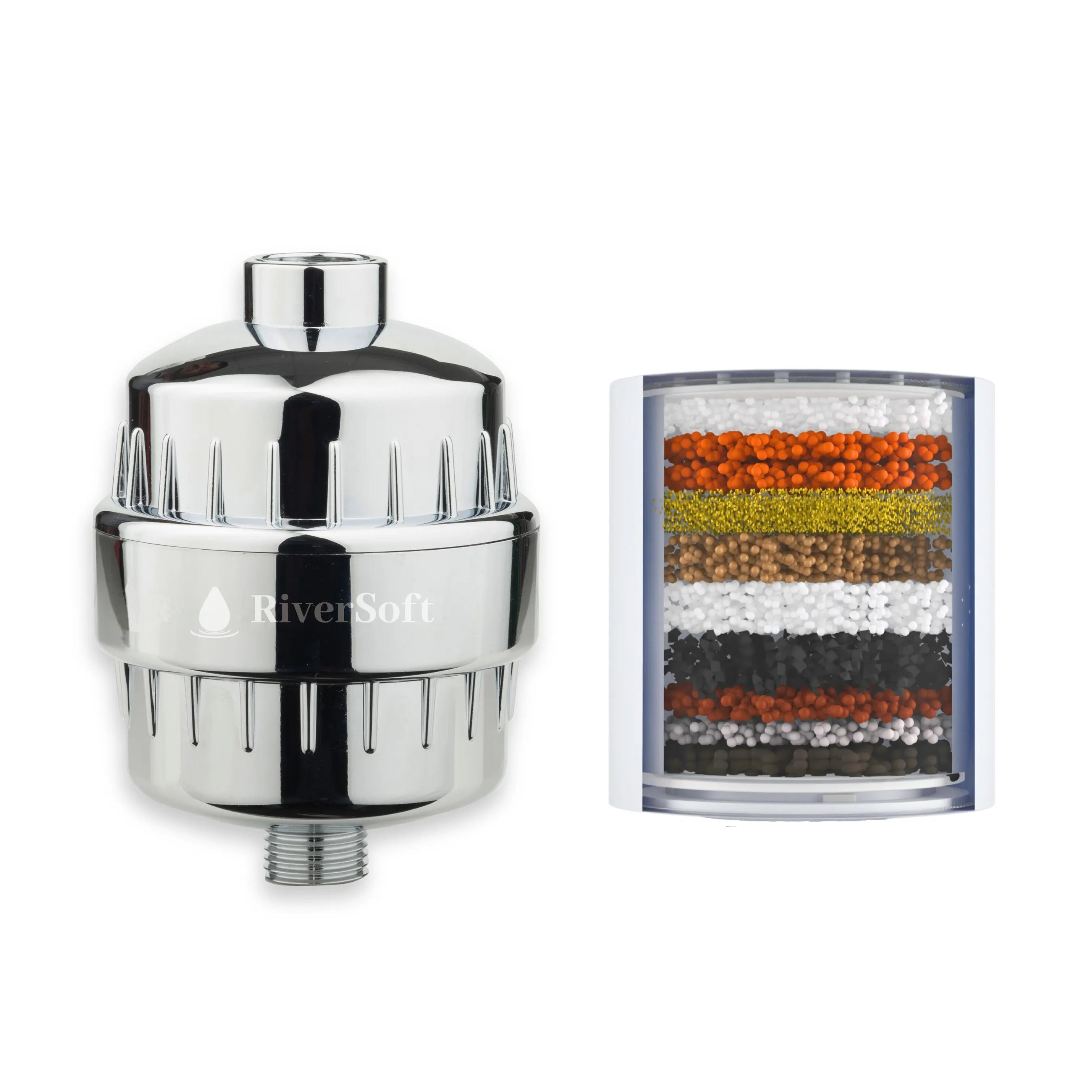
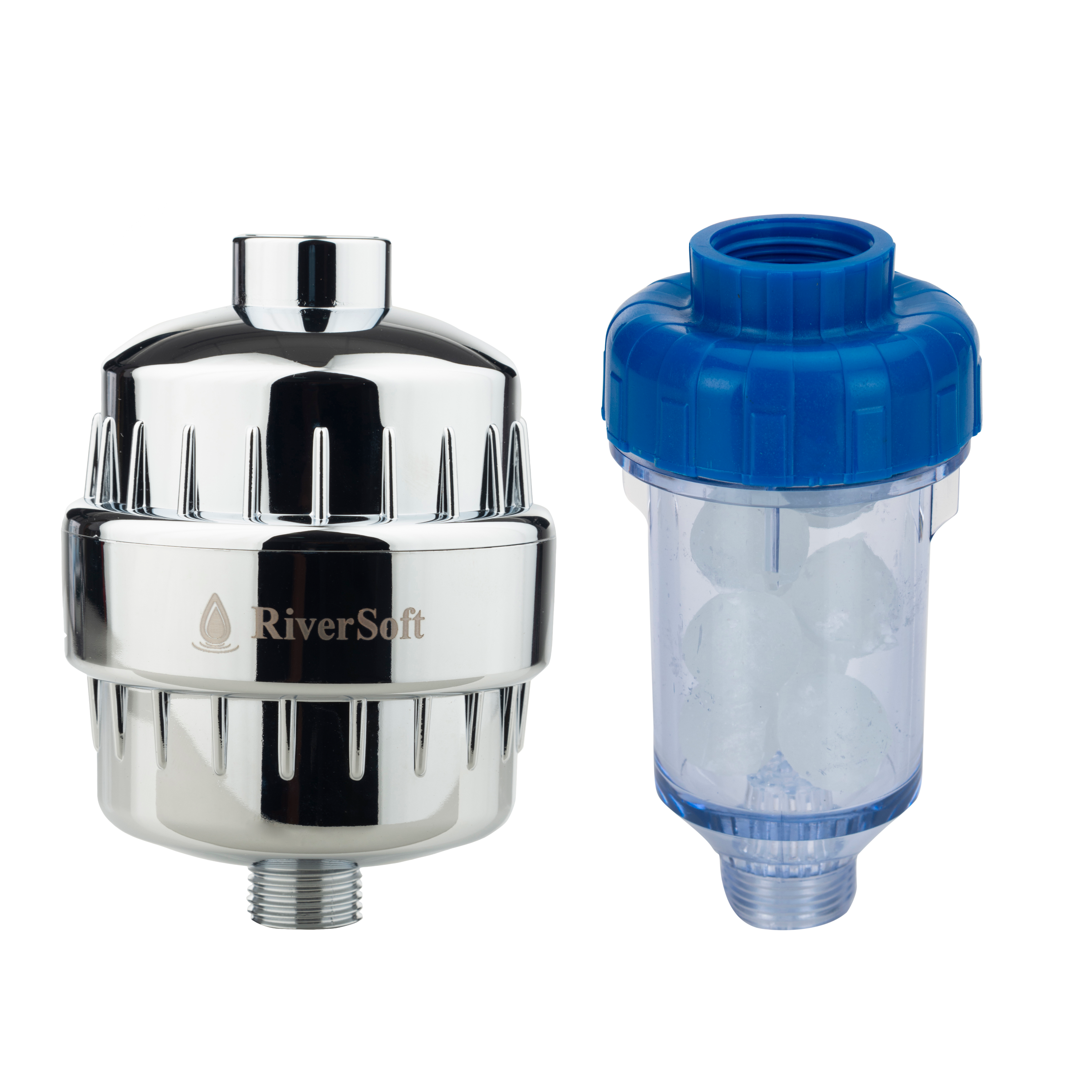
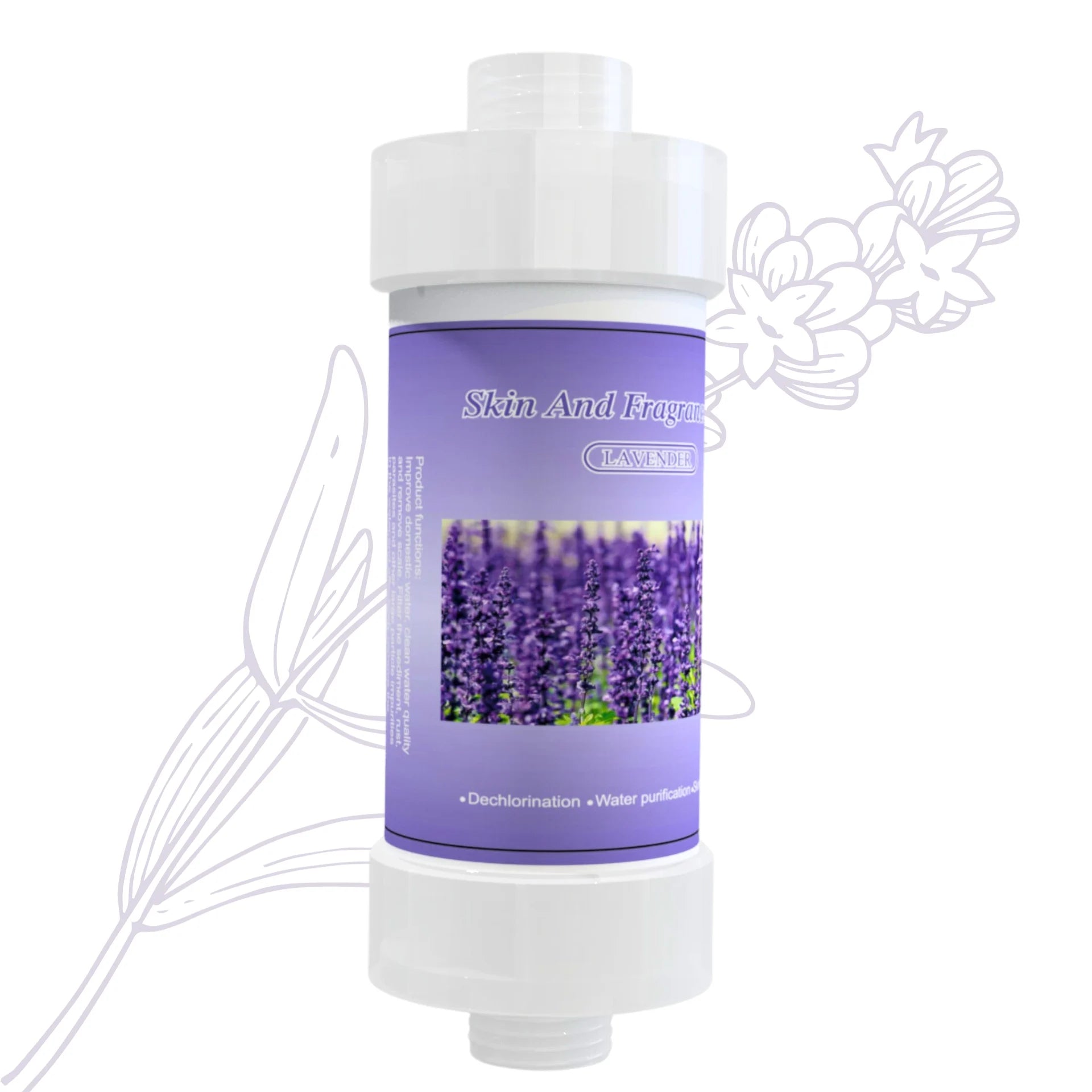
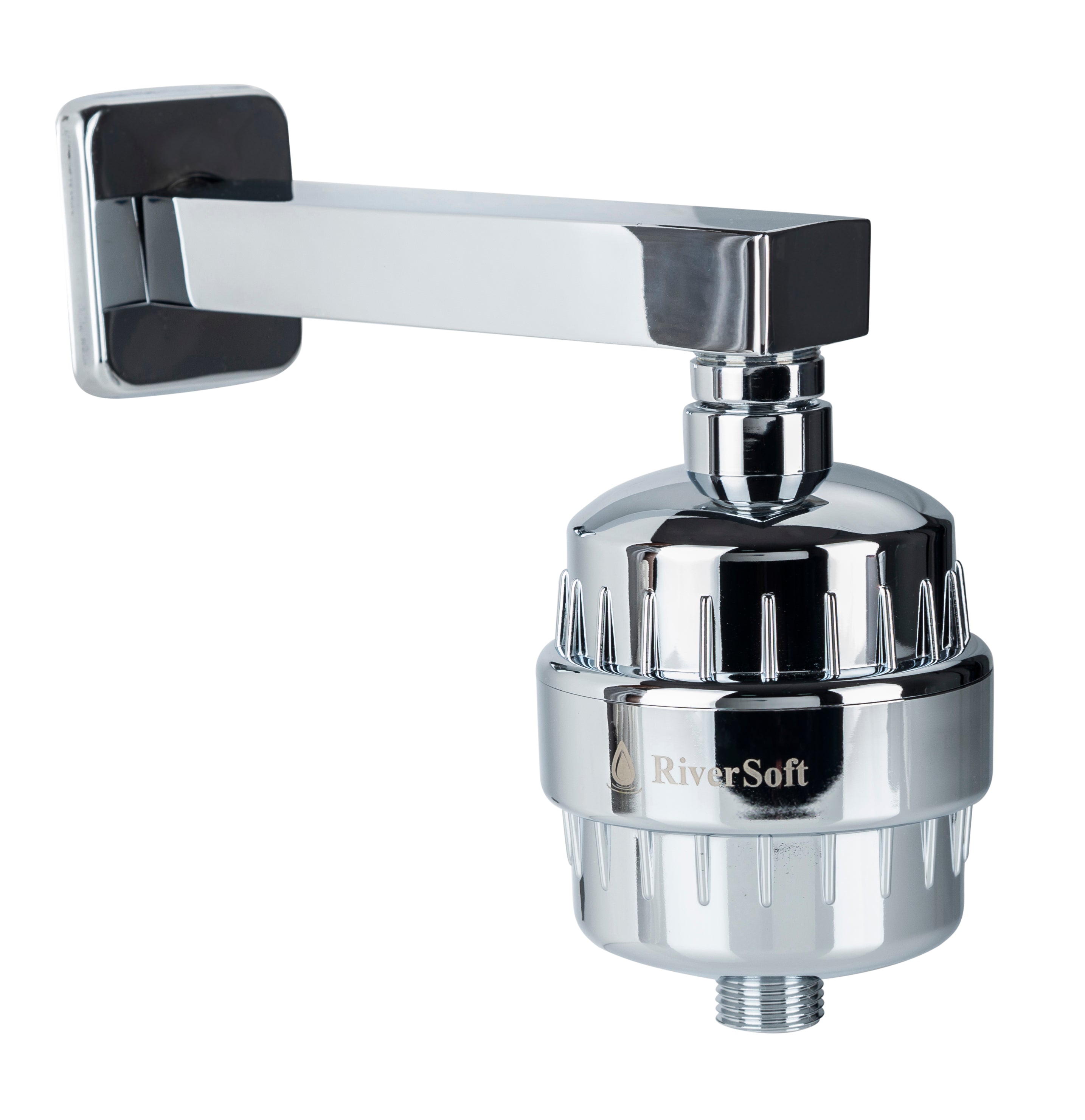
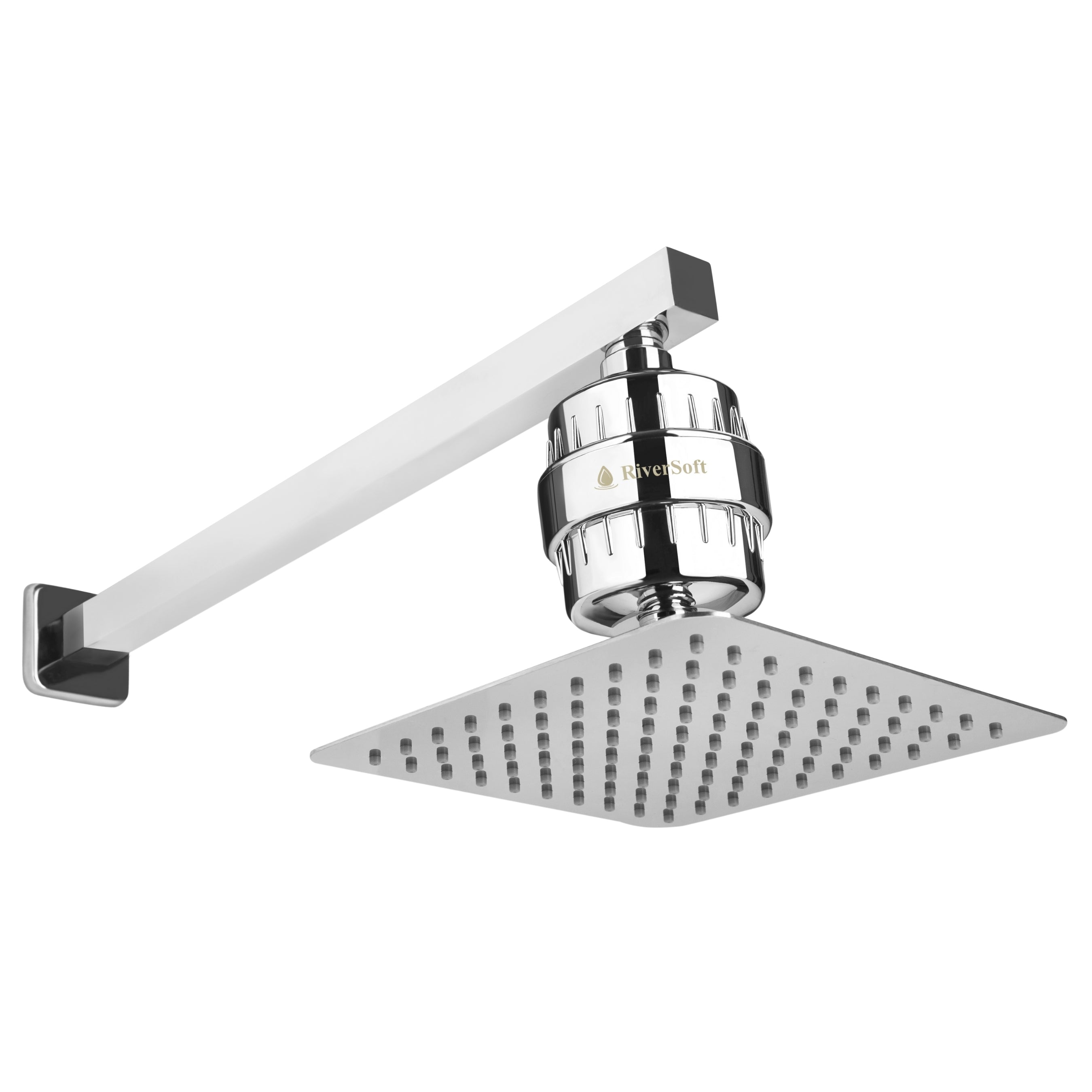
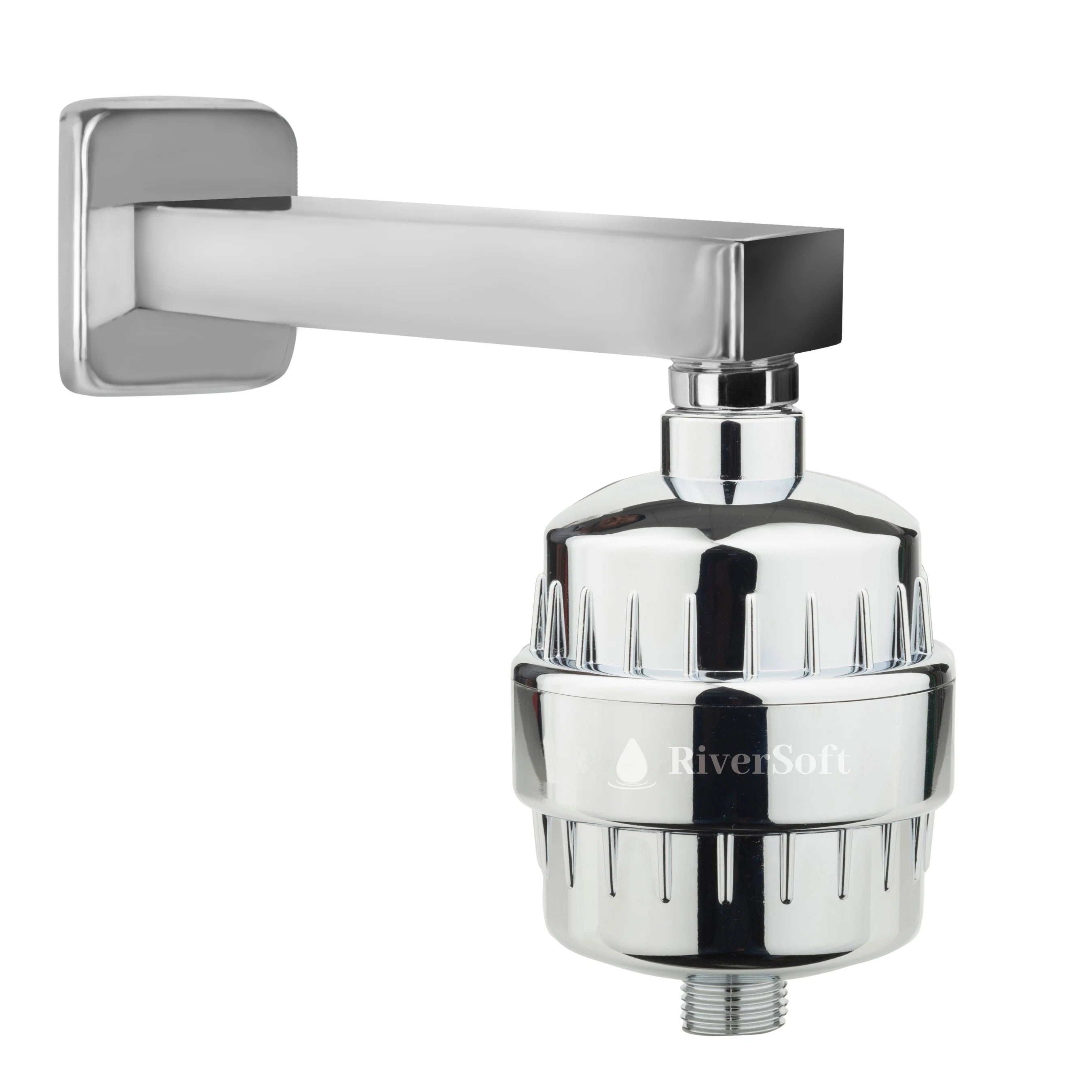
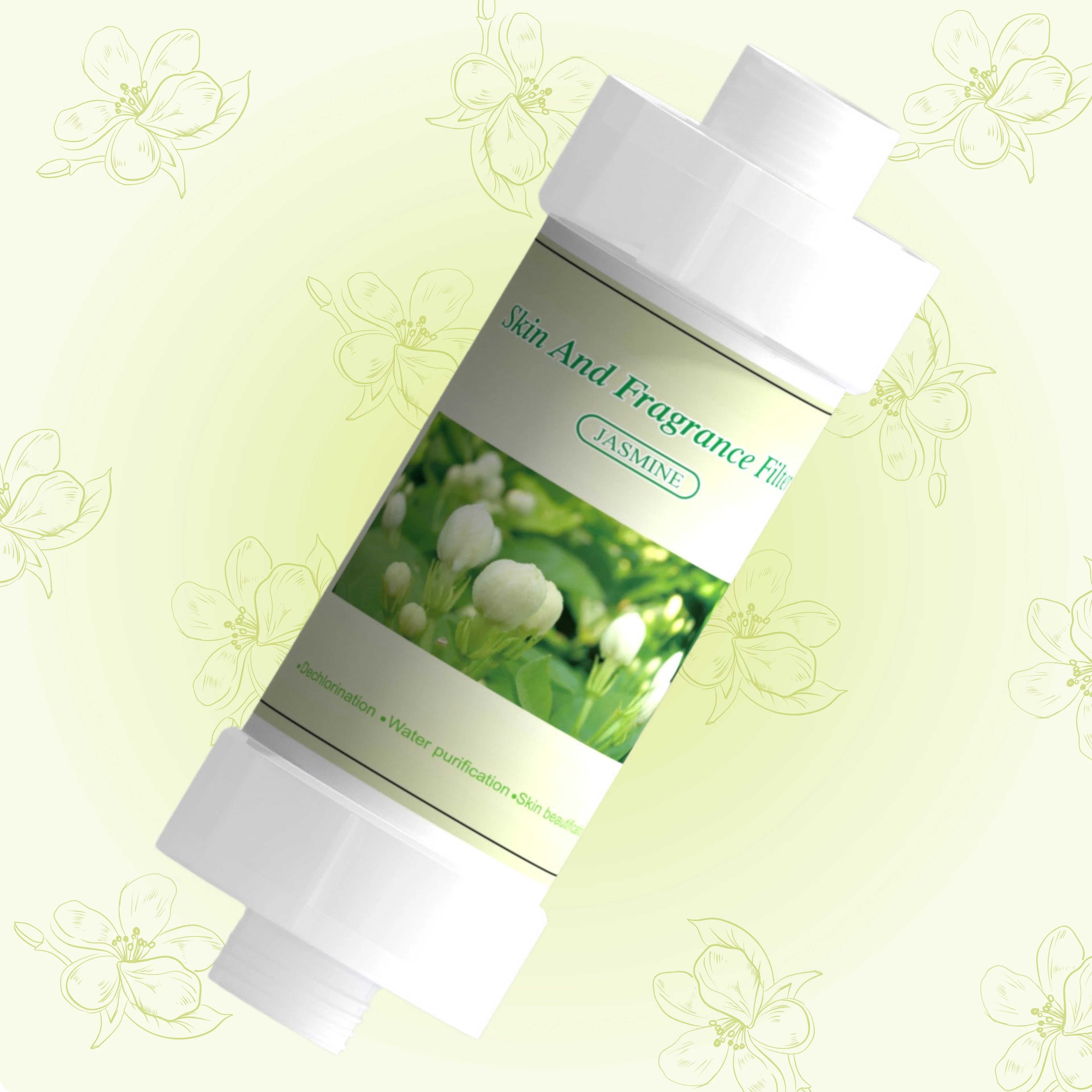
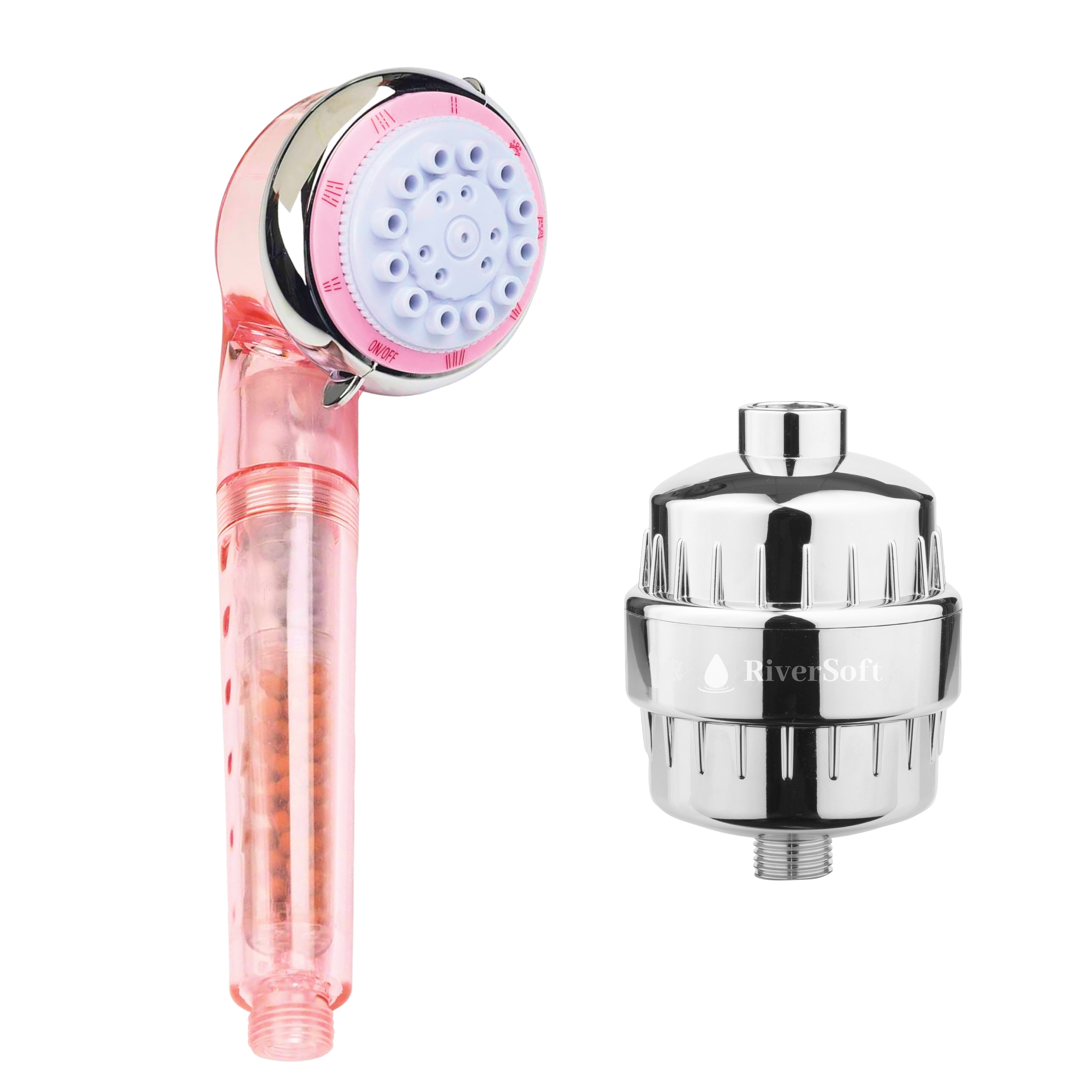
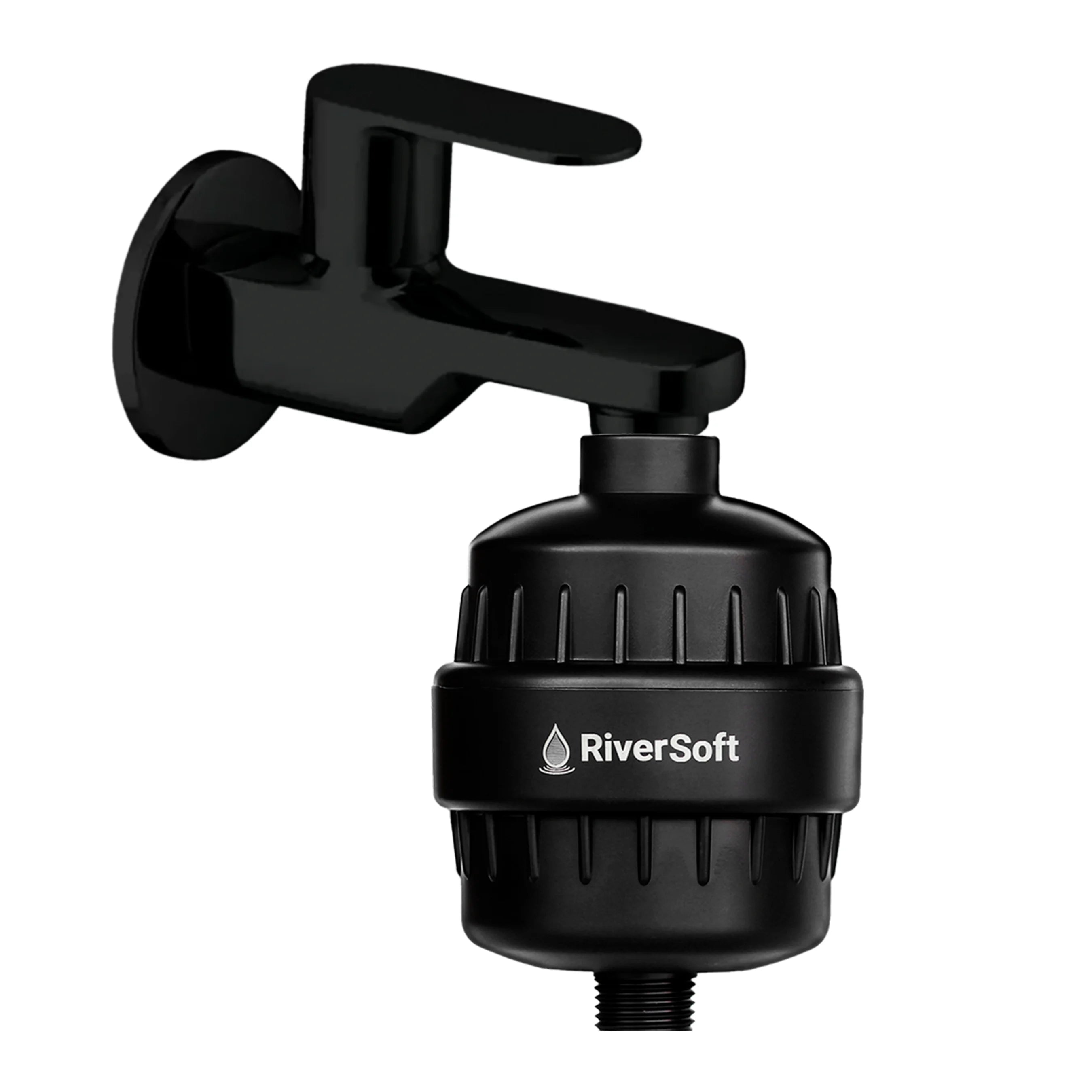
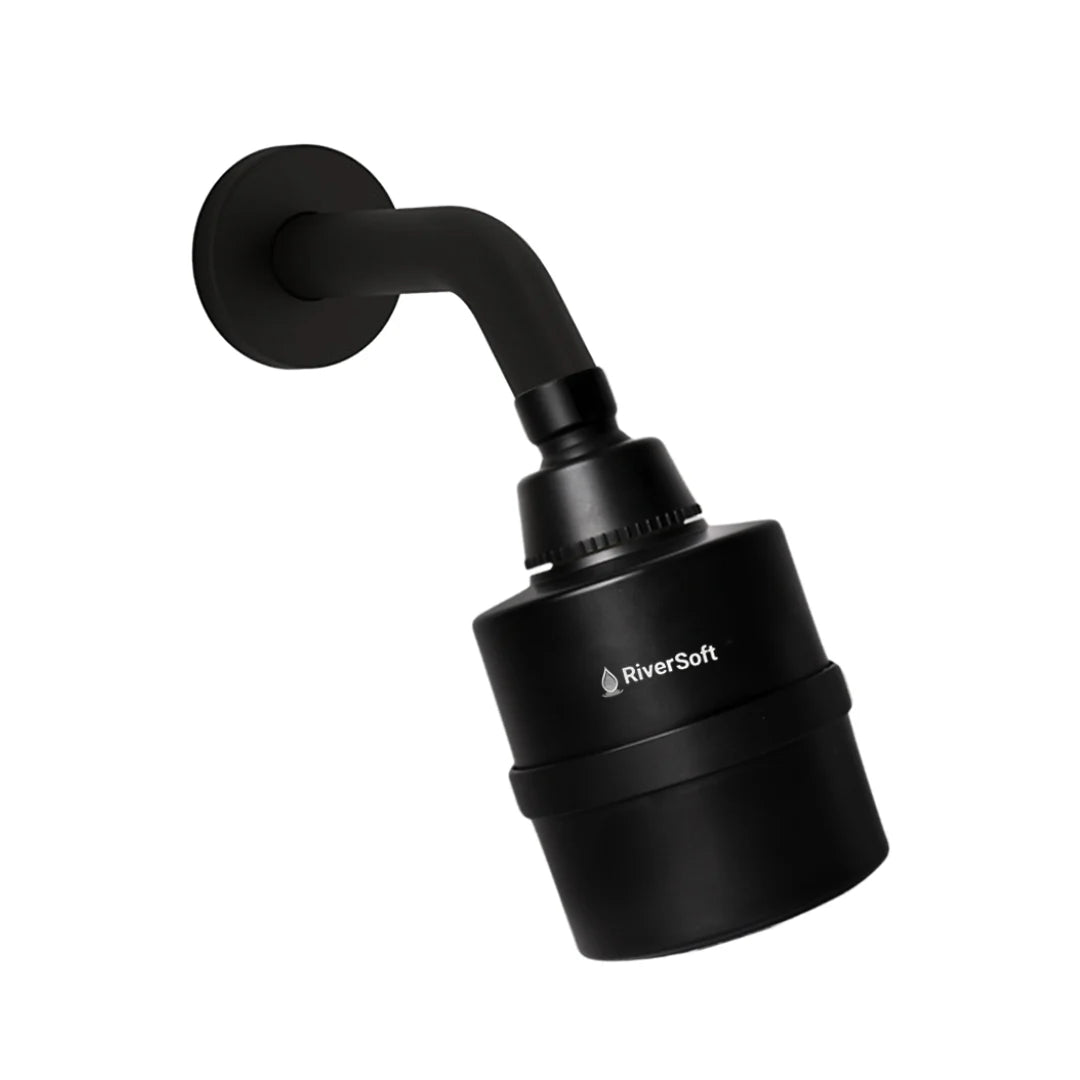
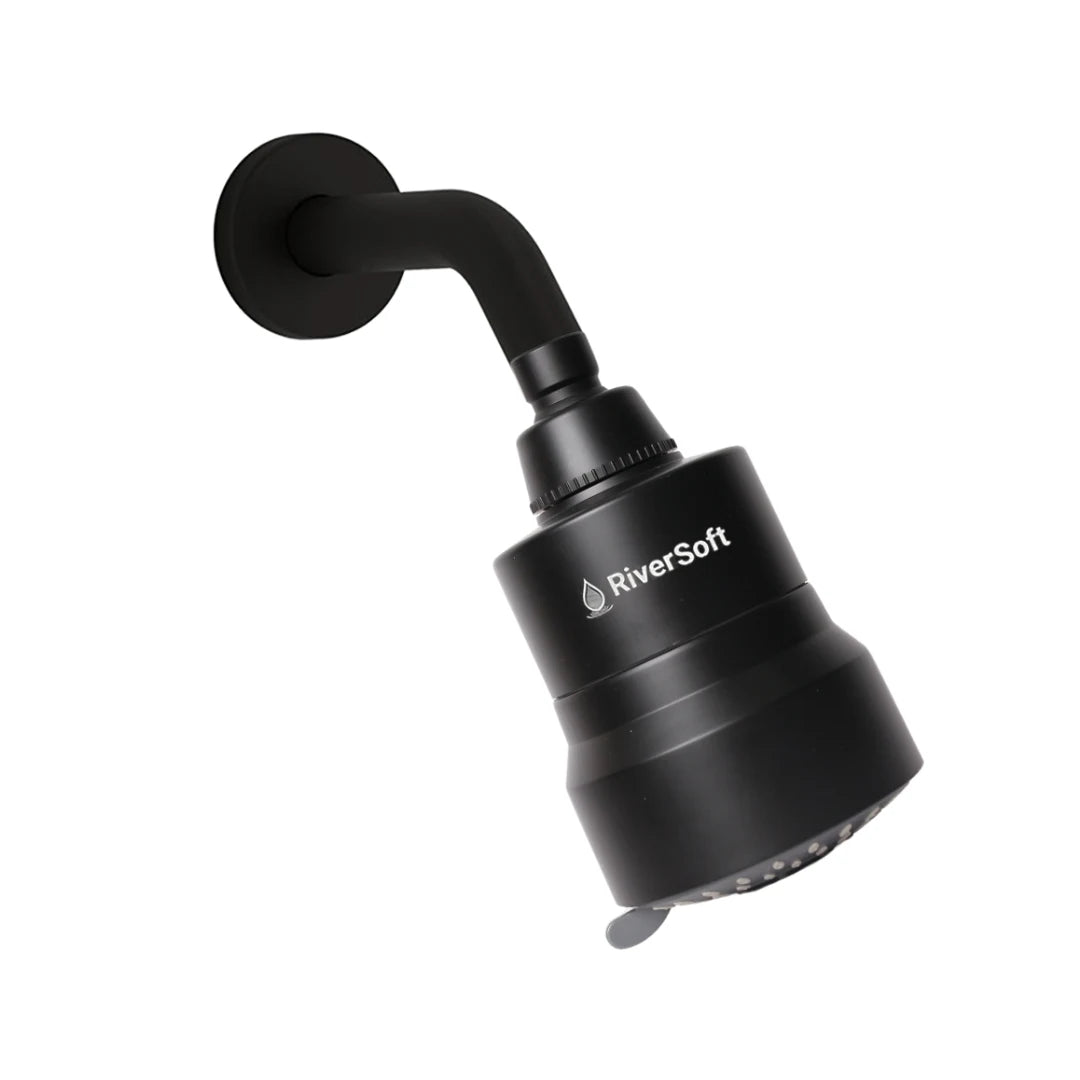
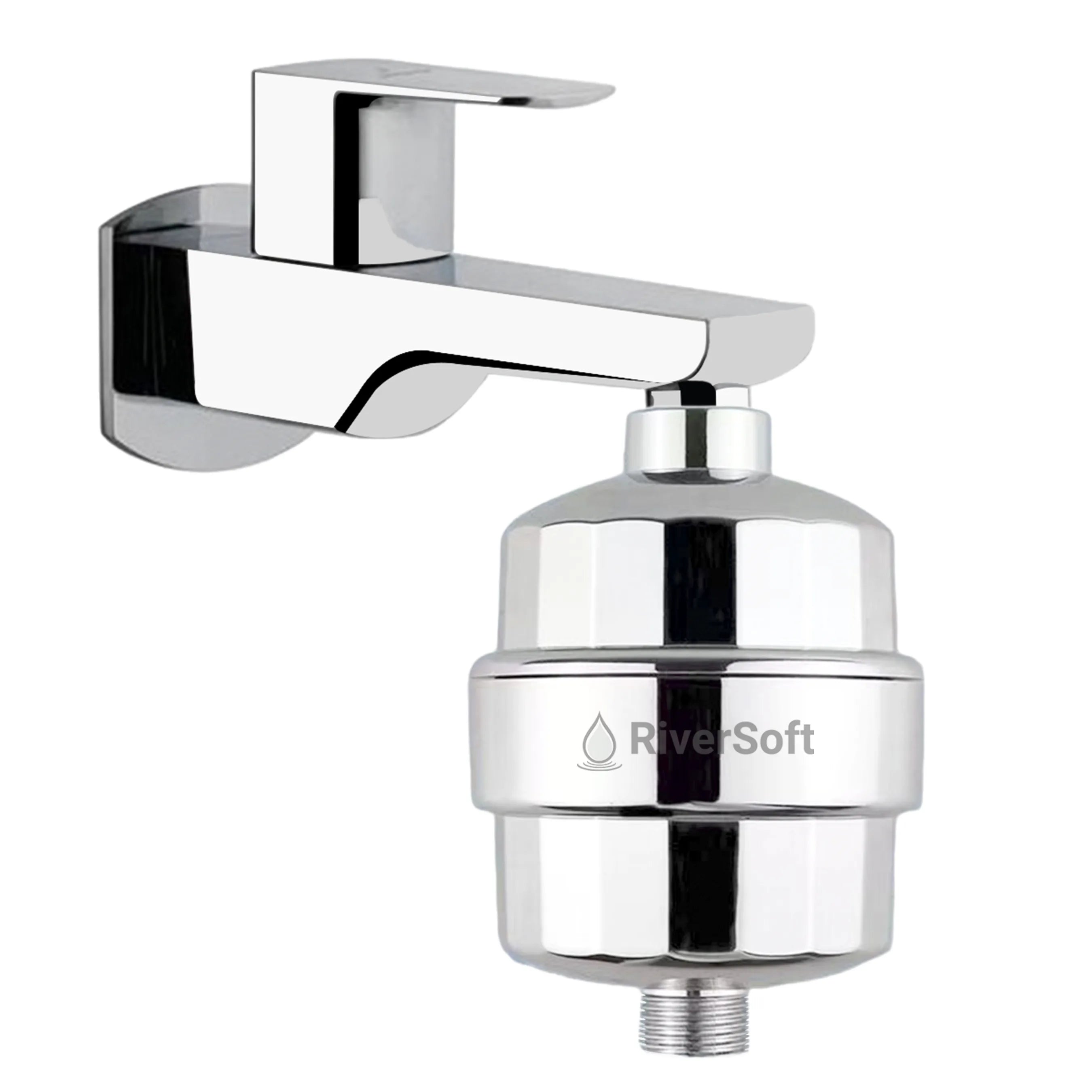
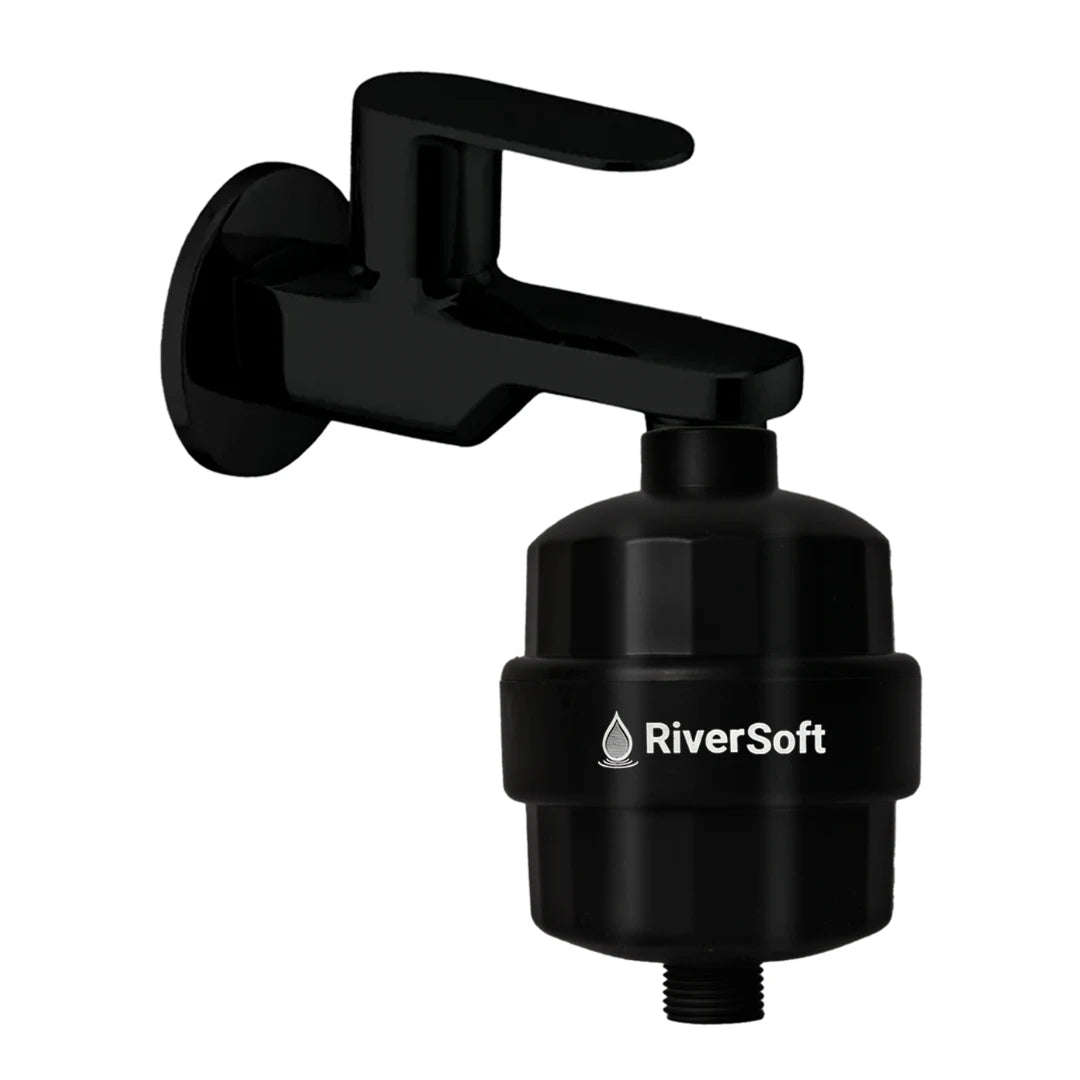
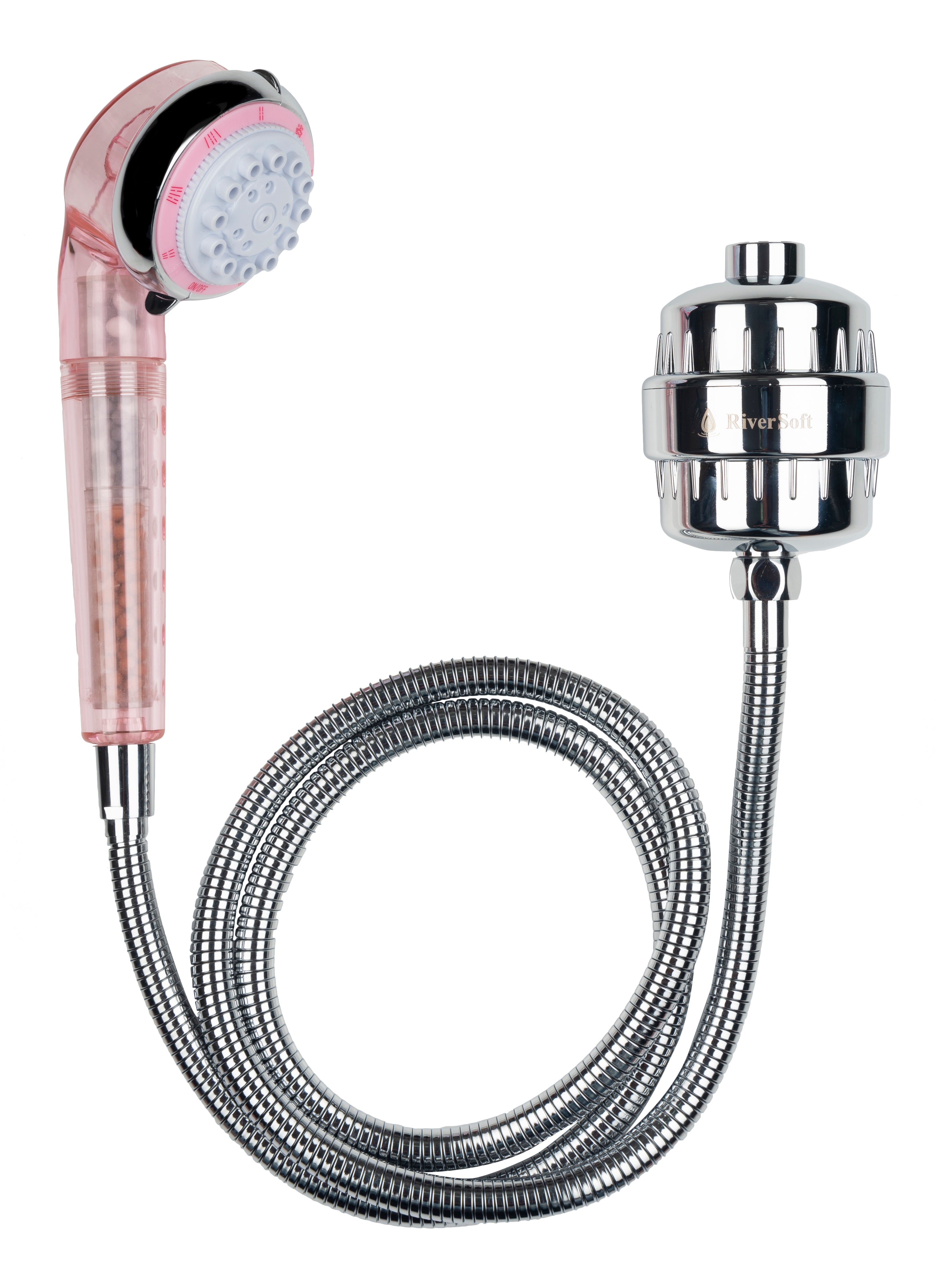
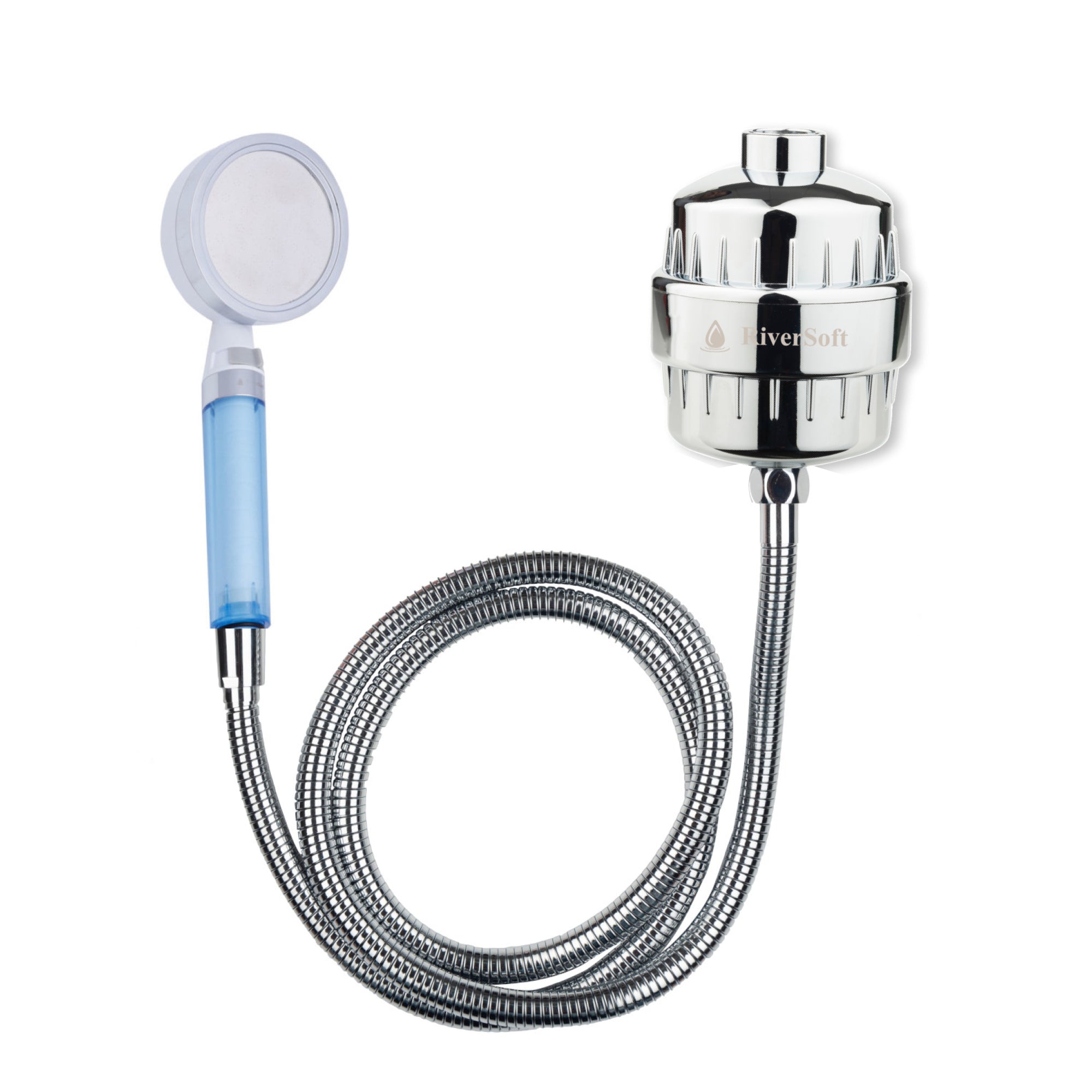
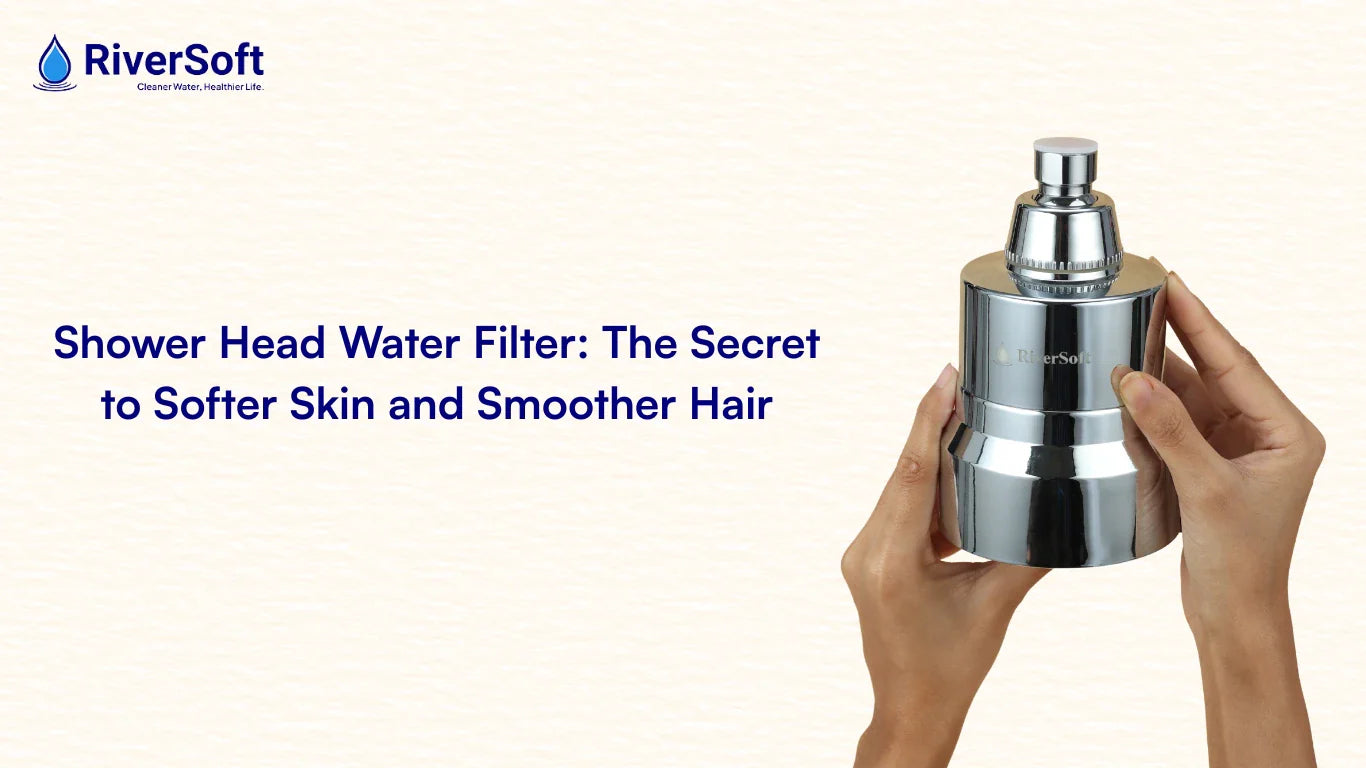
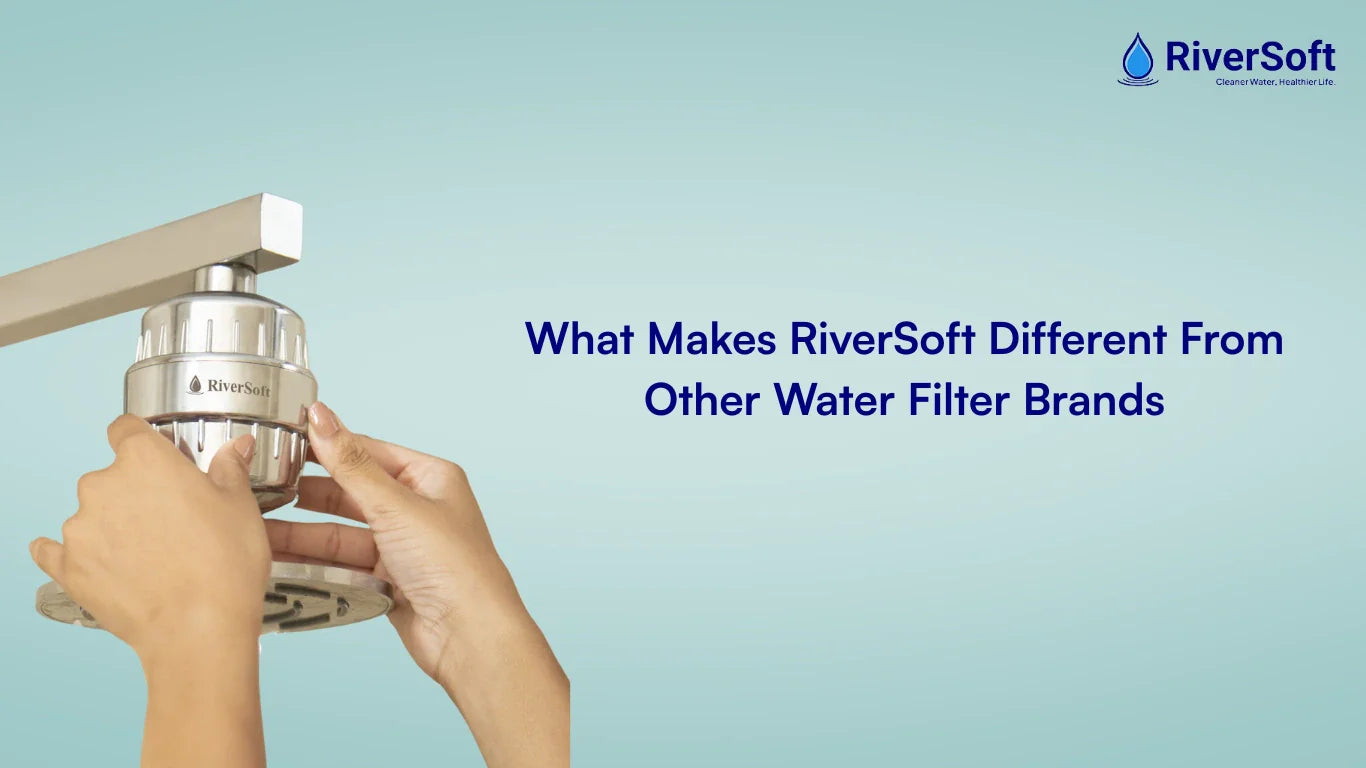
And you must consider a hard water filter and use the appropriate filter as per your requirement. You can use a hard water filter for the tap or a hard water filter for showers. You can also use a descaler for washing machines. There are also mainline filters for the home to condition hard water for your full home. These are no longer optional, and the earlier we start them, the less we are impacted by the menace of hard water.
What You Should Remember
Water plays perhaps the most vital role in our daily lives. So hard water, with its mineral-laden composition, presents challenges to our health that should not be ignored. By adopting preventive measures and staying informed, we can ensure that the water we consume contributes to our well-being rather than posing a risk to our health. As we navigate the complexities of water quality, let us prioritise health and take the necessary steps to safeguard ourselves from the potential harms of hard water.
Stay tuned for more blogs like this and follow us on our YouTube & Instagram pages for exciting deals and offers!
























Leave a Comment