

Have you installed a sediment filter but are still dealing with dirt, water clogging or frequent blockages?
The problem may not be the filter; it could be where you’ve installed it.
In many homes, sediment collects in storage tanks. Over time, it gets carried through the pipes into every outlet, despite having a filter installed.
In this blog, we’ll explain
-
Where to install a sediment water filter
-
How to choose the right micron rating and housing size
-
How to avoid common mistakes that affect performance.
Where Is the Right Place to Install a Sediment Filter Based on the Water Source?
There is no single correct position for a sediment filter. The ideal placement depends on your water source and how it flows through your home.
-
Borewell Water: Install the filter between the borewell pump and the overhead tank. If you place it after the tank, the sediment has already settled inside and will keep mixing back into your water every time you open a tap.
-
Municipal Water: Install the filter at the overhead tank inlet. This allows one filter to protect the entire household supply.
-
Tanker Water: Place the filter at the sump inlet, before water enters the tank. Because tanker water is often inconsistent, filtering it at the entry point prevents buildup later.
-
Apartment Residents: Install the filter at the flat's main water inlet, after the meter and before the line splits to the bathroom, kitchen, and geyser. It may not be the ideal position, but it protects the entire home more effectively than a single point-of-use filter.
Most Indian homes use a gravity-fed overhead tank system. This means sediment settles inside the tank over time and gets carried back into your water with daily use. That’s why installing the sediment filter before the tank works better than placing it after.

Do Micron Rating and Housing Size Affect Sediment Filter Performance?
A sediment filter’s performance depends on two key factors:
Micron rating and housing size.
The micron rating determines how small the particles are that the filter can block.
A lower micron = finer filtrations, but clogs faster and drops water pressure. That’s why a 1-micron filter is not suitable for water that has heavy sediment. This is how micron rating should be chosen based on usage:
-
For whole-house or mainline use, a 5 to 20 micron filter is the practical range.
-
For borewell water, a two-stage setup works best, with a 20-micron filter followed by a 5-micron filter.
The second factor is housing size.
It determines how much sediment the filter can handle before replacement.
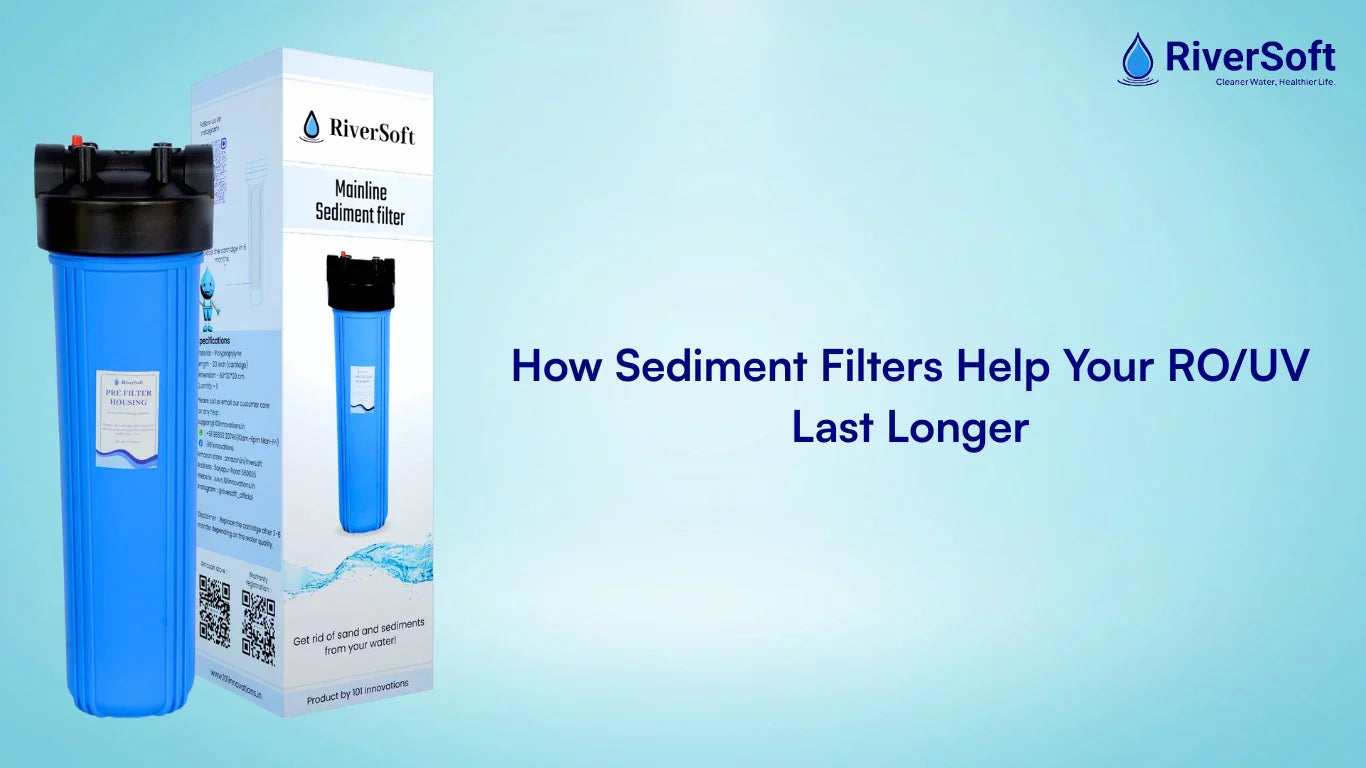
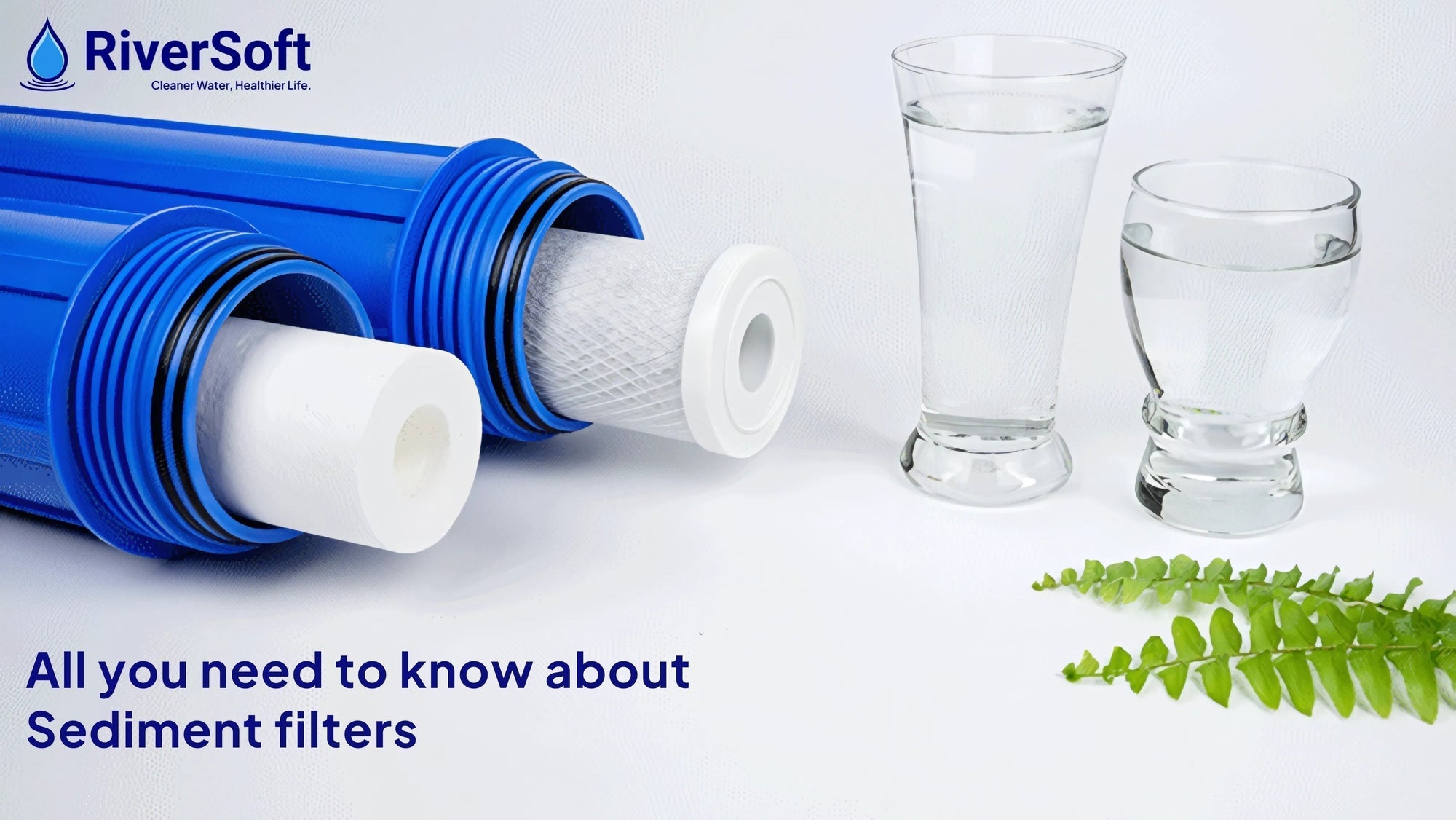
For example, a 20-inch housing holds more sediment and lasts longer between replacements, making it better suited for mainline installation. A 10-inch housing, on the other hand, is more suitable for specific points such as before the geyser, the RO, or the bathroom inlet.
The wrong micron rating and housing size not only increase replacement frequency but also affect flow rate, filtration efficiency, and overall filter lifespan.
What Happens to Home Appliances When a Sediment Filter Is Missing or Installed Incorrectly?
Sediment doesn’t just affect water quality; it slowly damages your home appliances.
Here is how sediment affects the appliance:
-
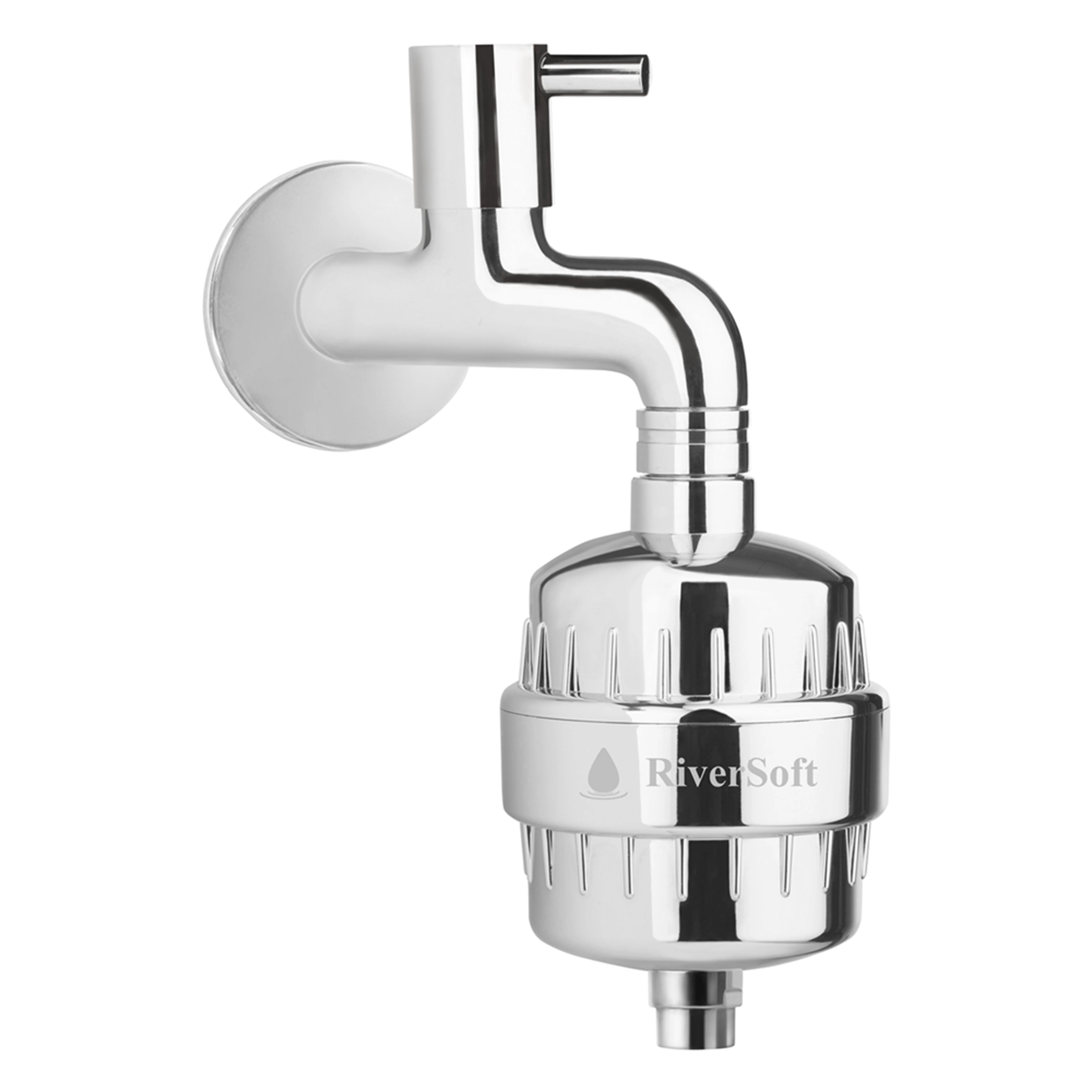
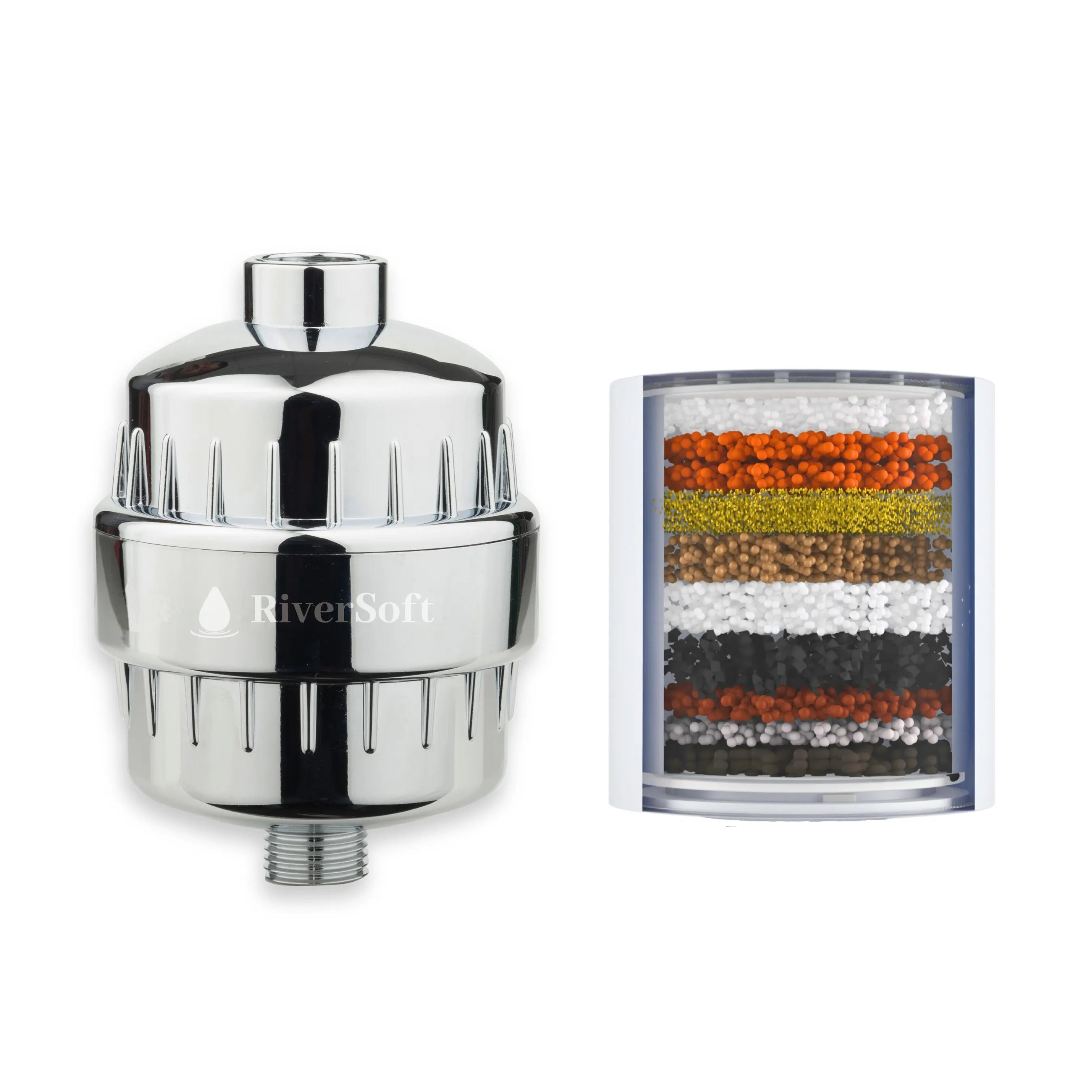
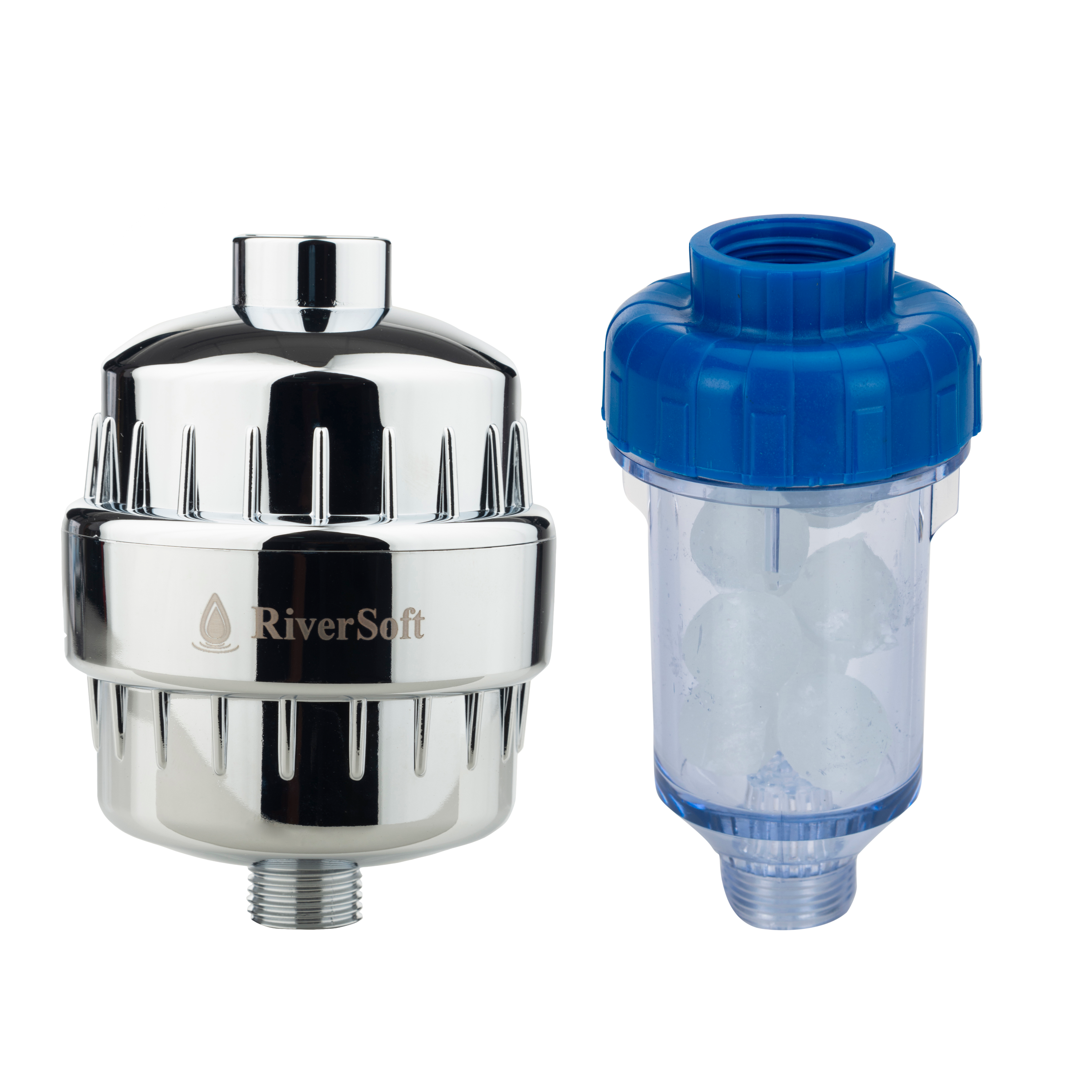
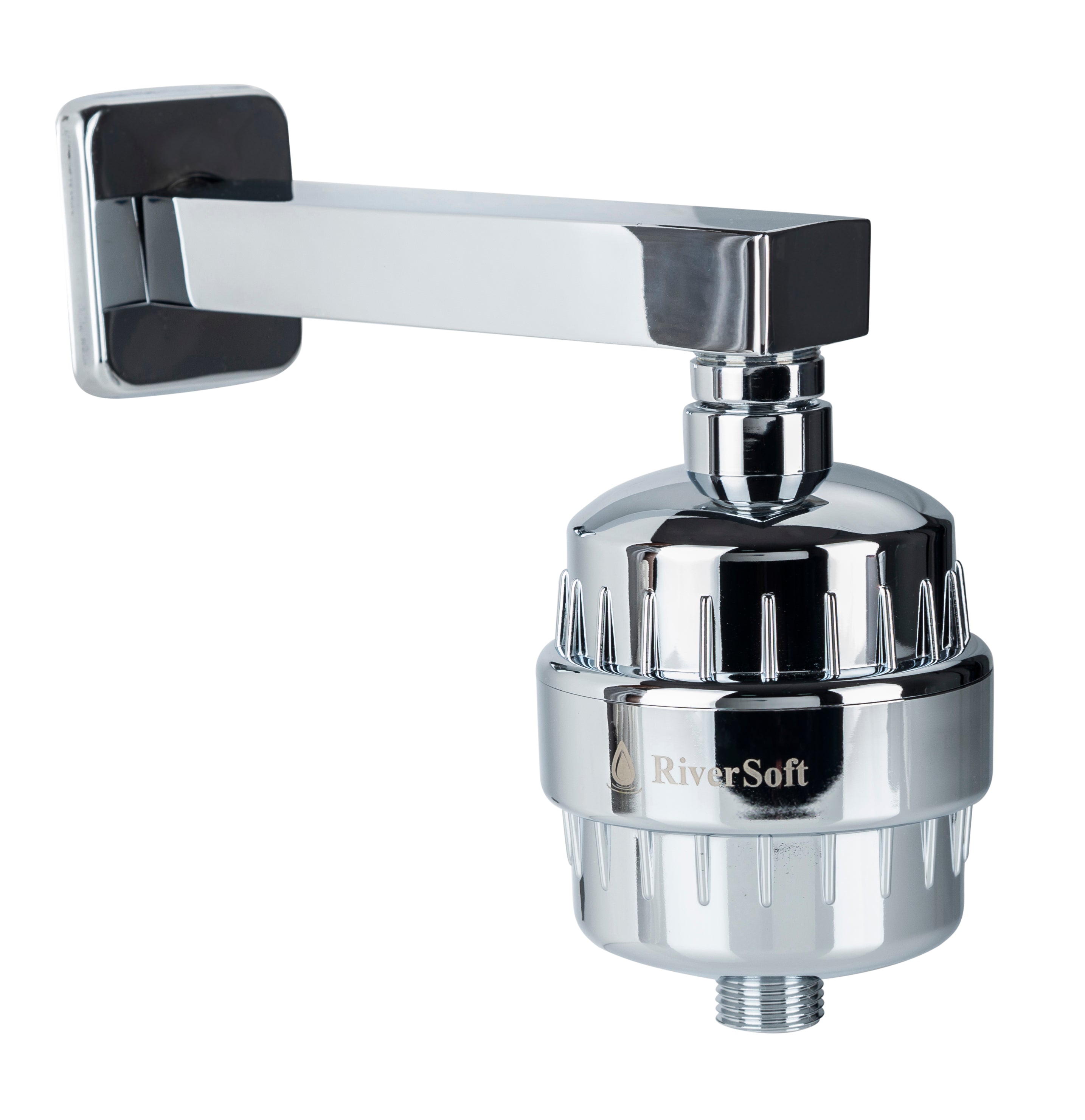
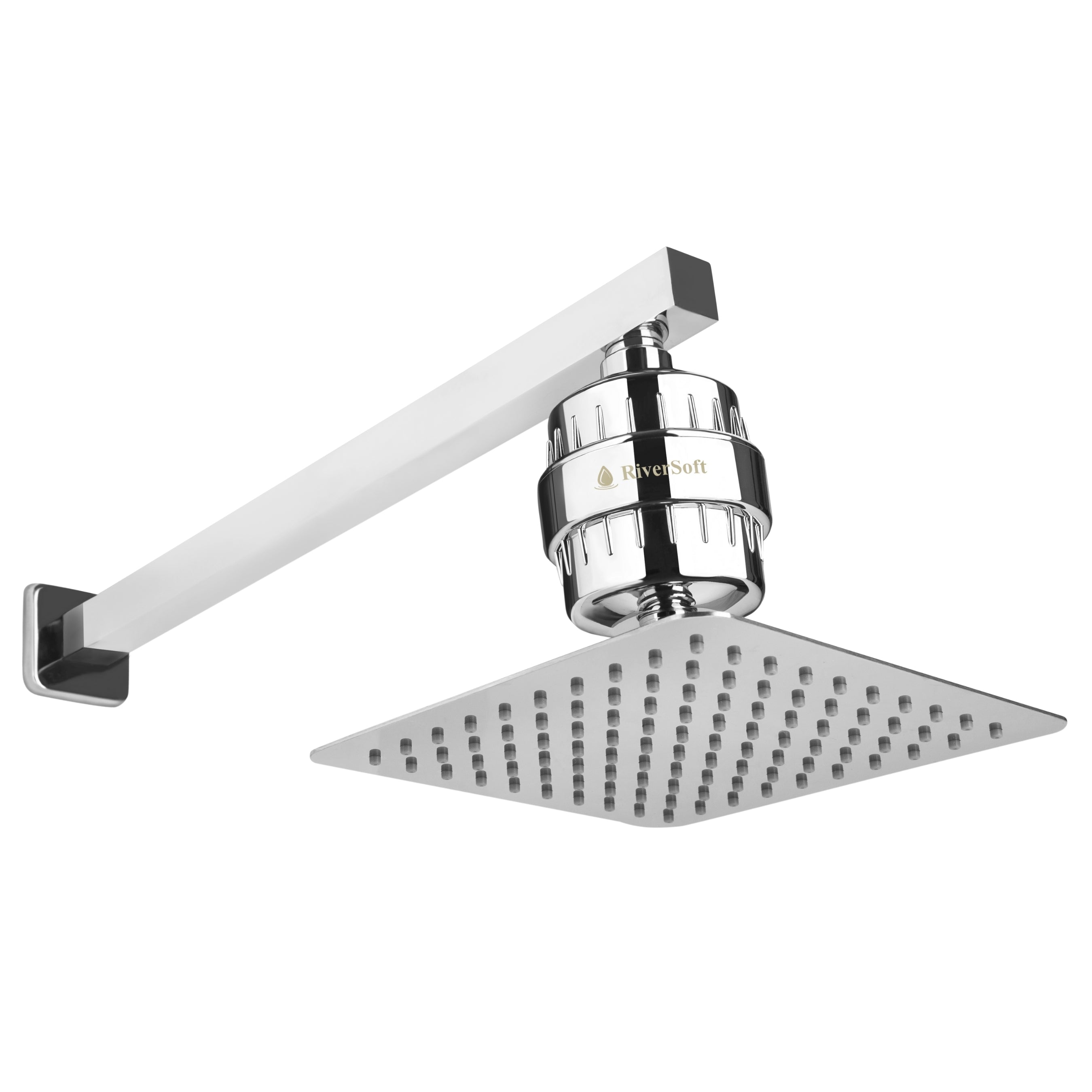
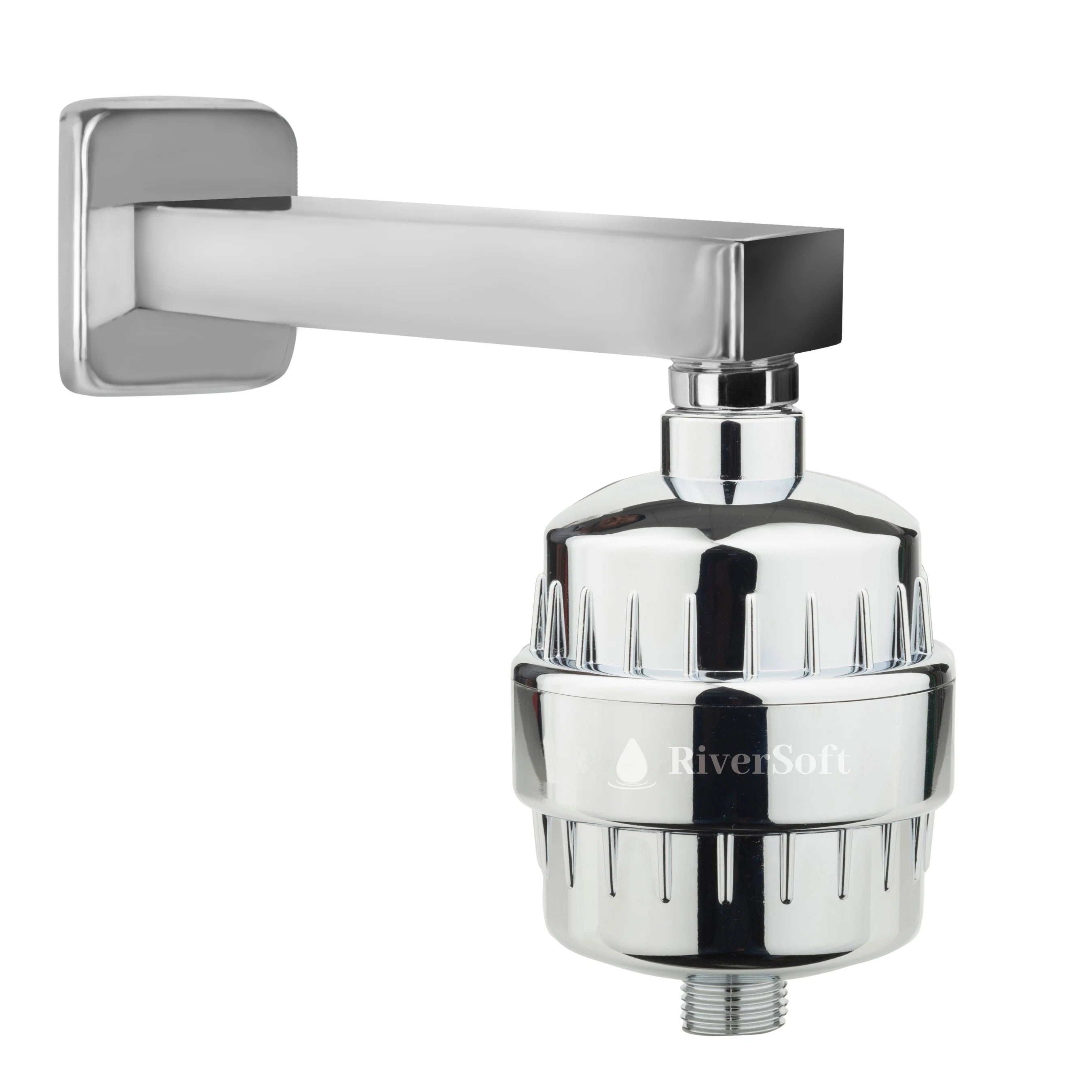
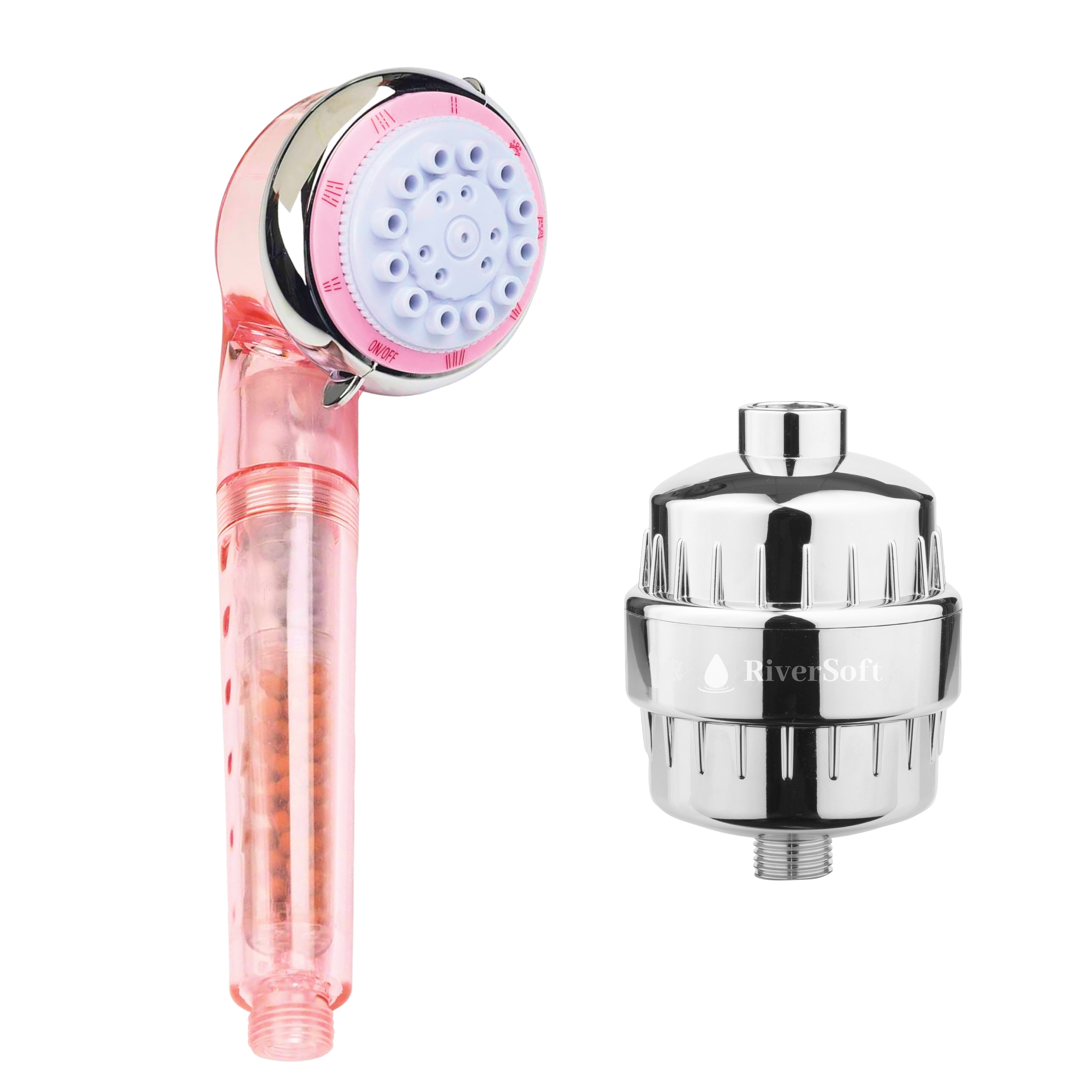
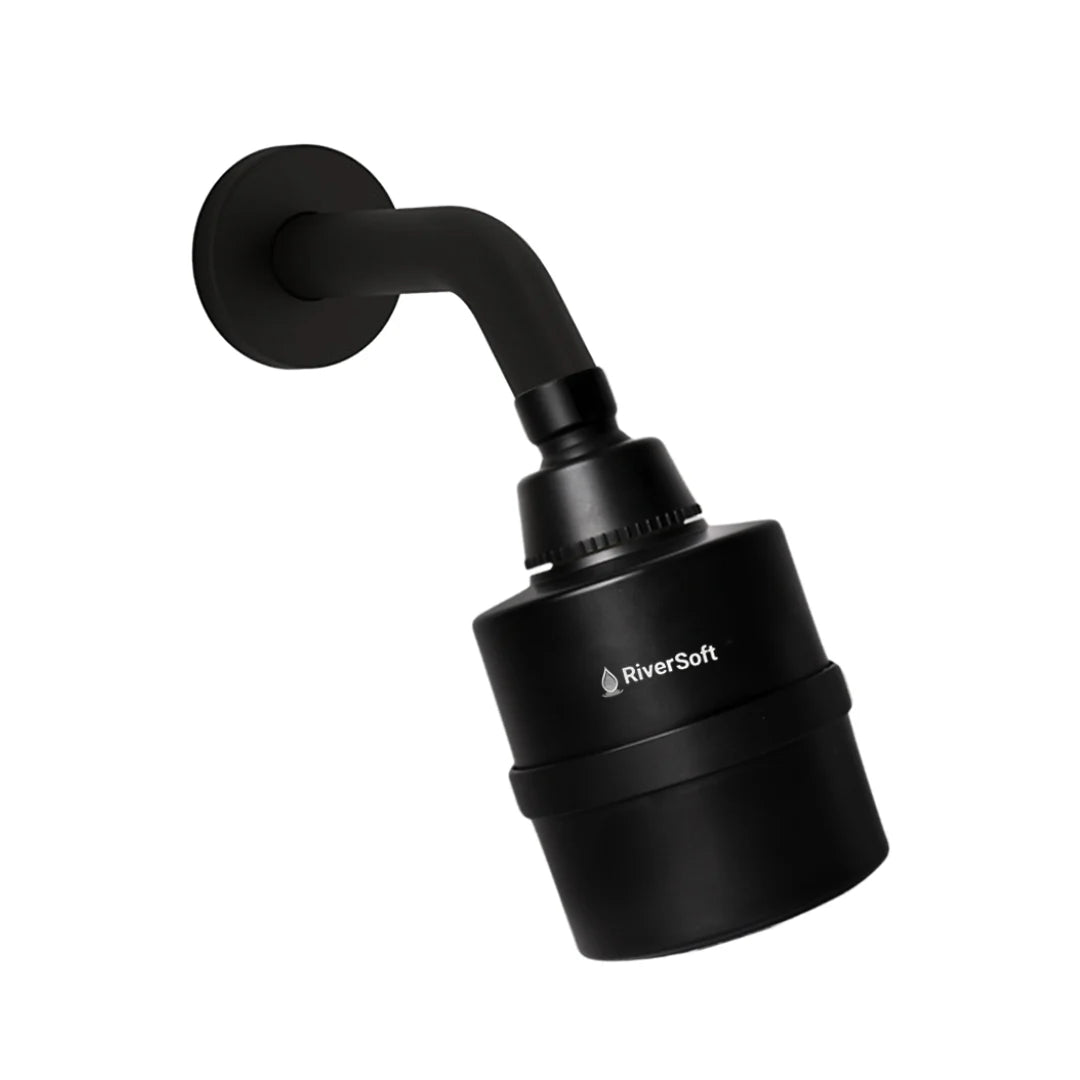
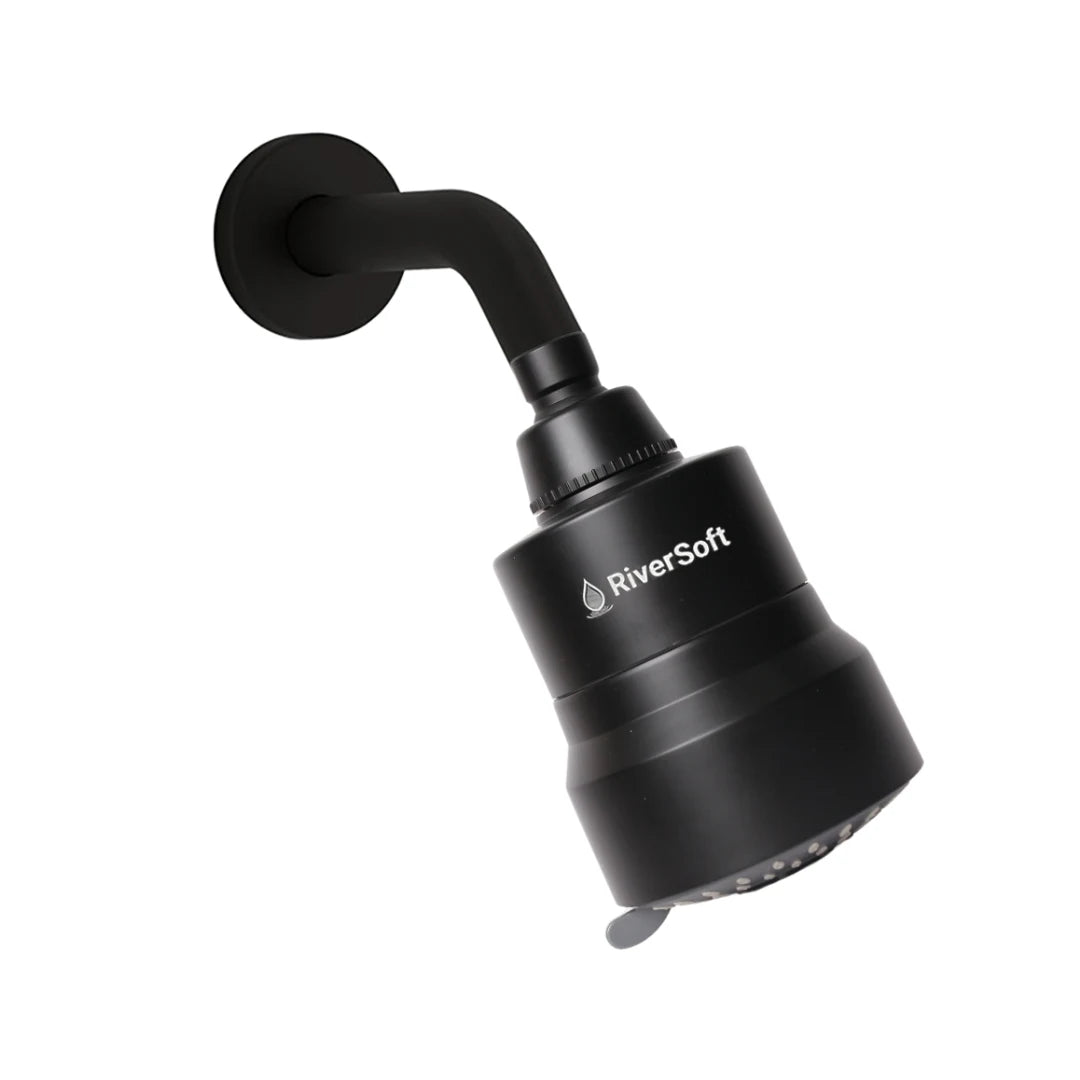
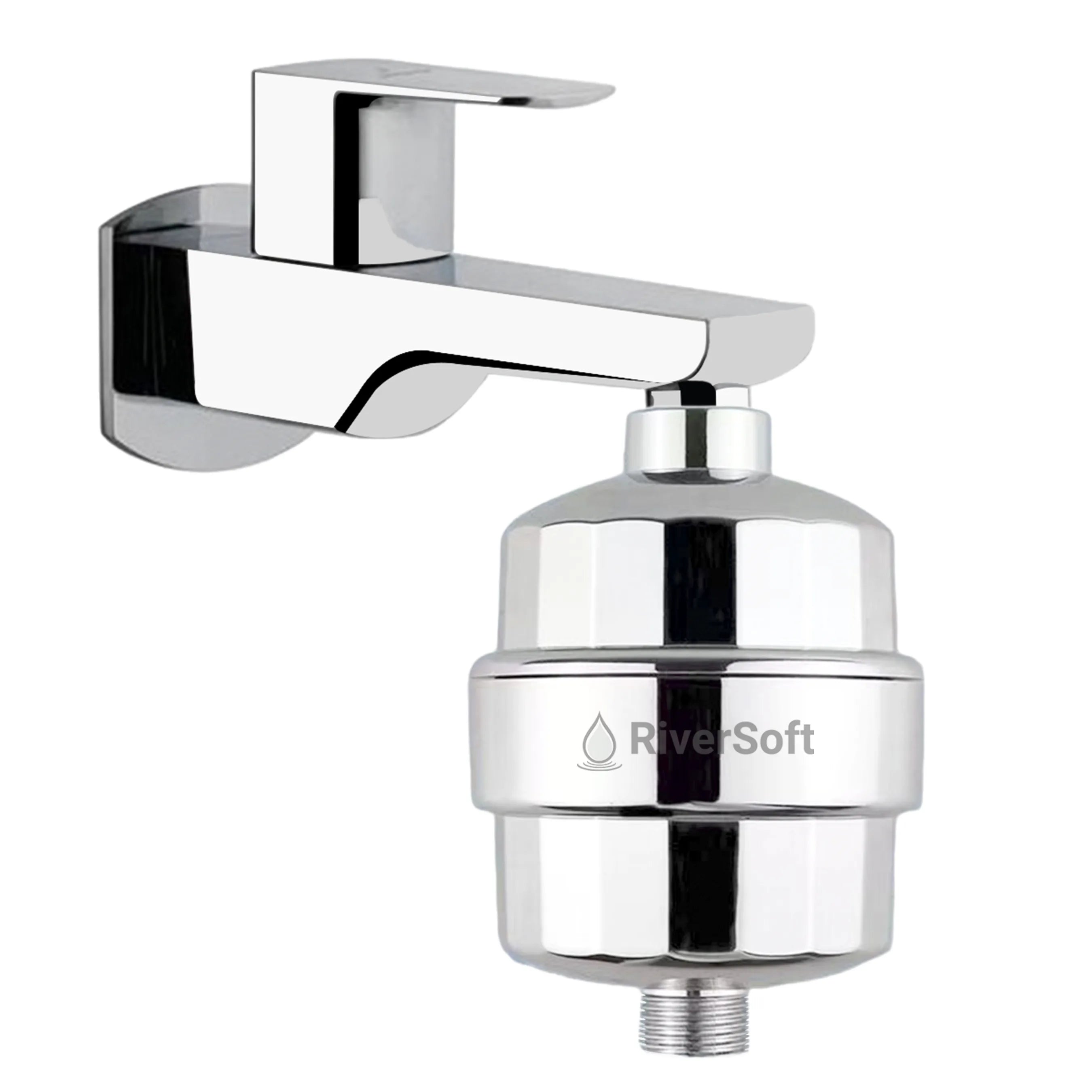
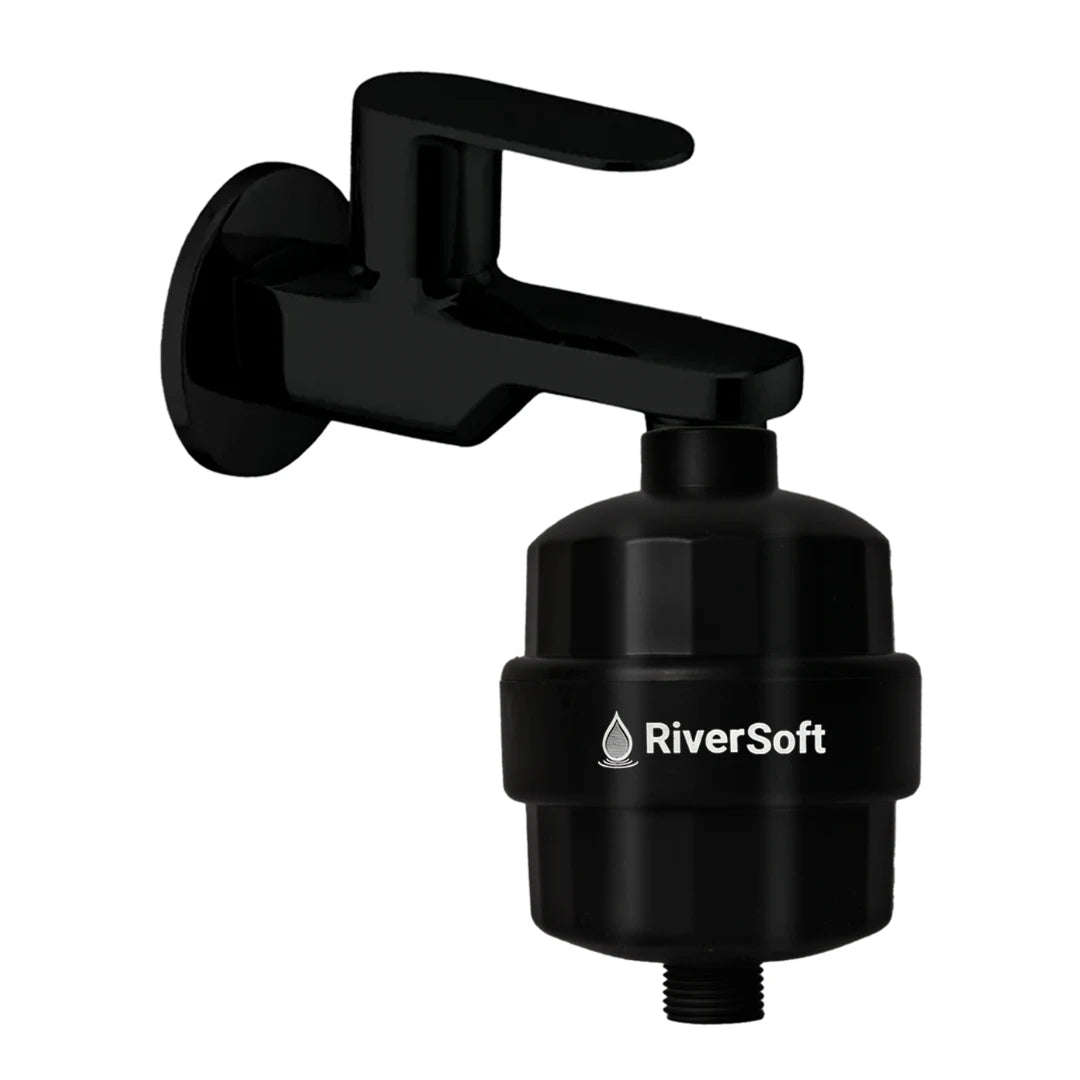
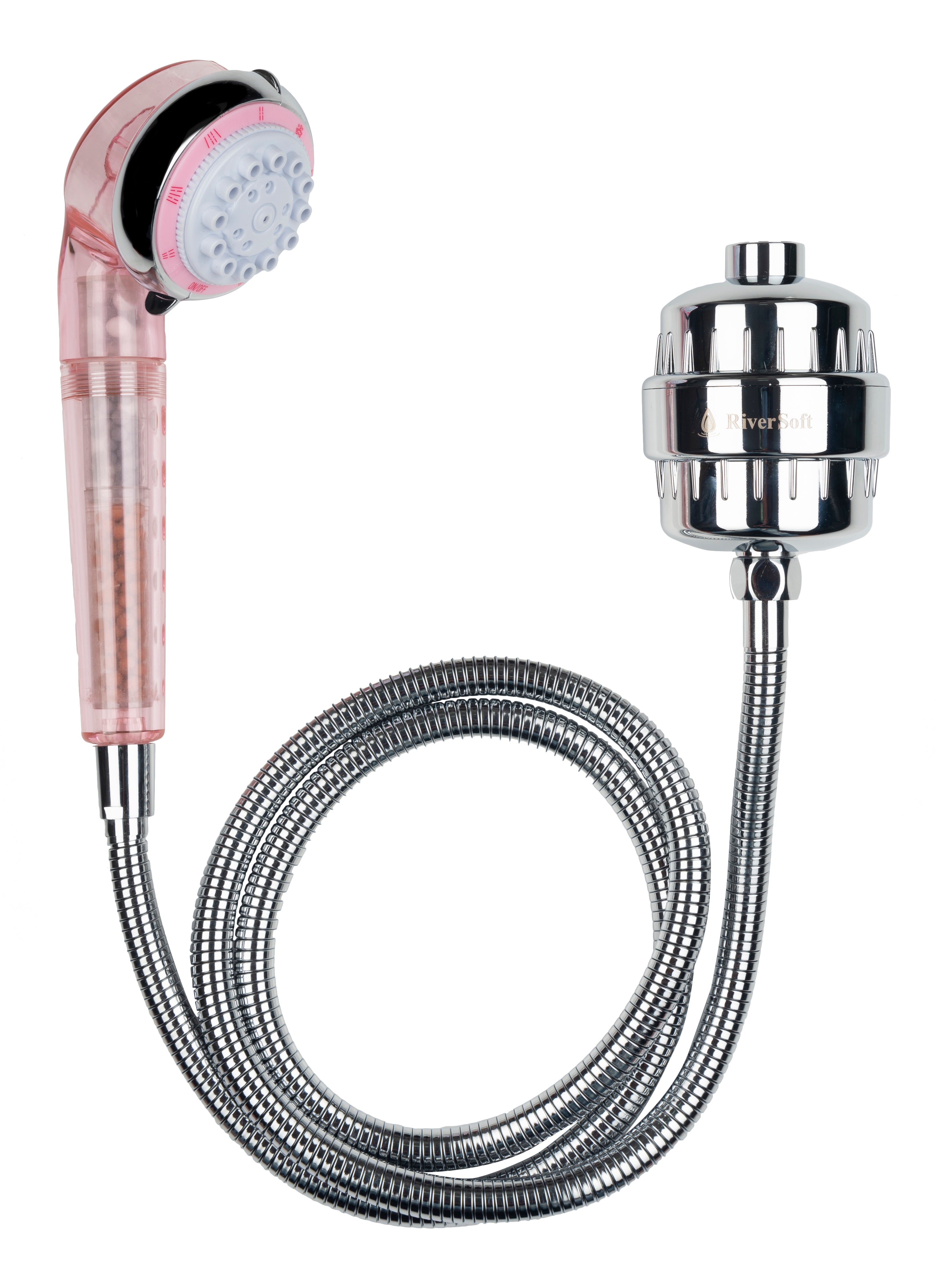
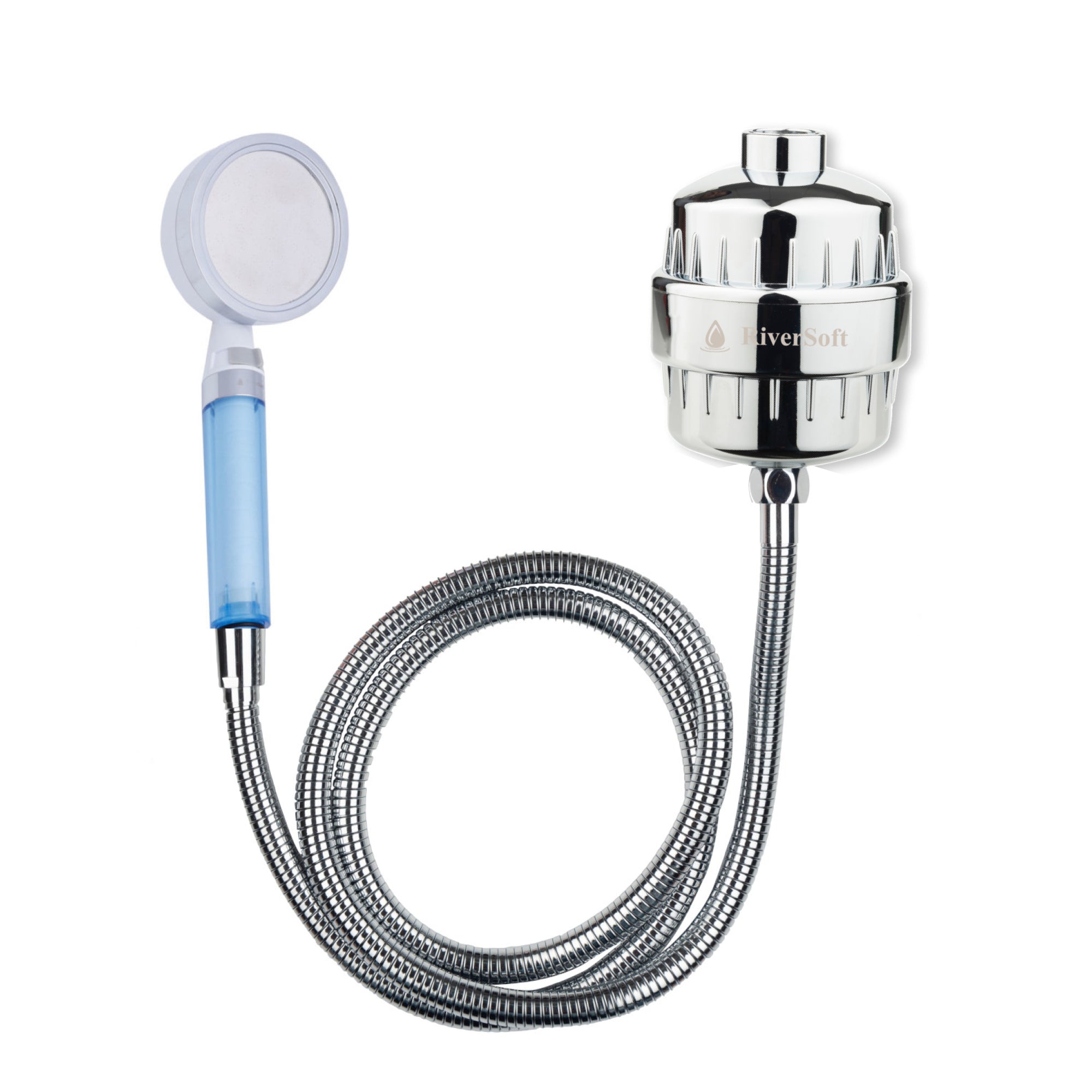
Shower filters: These are hard-water purifiers that remove minerals and chlorine. When sediment-filled water enters the cartridge, it clogs the media and reduces overall performance.
-
RO systems: Sediment particles clog and damage RO membranes, leading to early failure. A pre-filter for RO reduces this load and keeps the system working properly.
-
Geysers: Sediment collects inside the tank and forms a layer at the bottom. This can lead to overheating of the heating element and reduce its lifespan.
-
Washing machines: Sediment in the water builds up inside the inlet valve and drum. This can damage internal parts and lead to frequent repairs.
Of all the components in a home water setup, a sediment filter is among the cheapest to replace. Without it, fine particles in the water can damage RO membranes, geyser heating elements, and shower filter cartridges.
Conclusion
Sediment in water may not always be visible, but it gradually affects all filters and appliances connected to your water system. Fixing issues after they appear often leads to higher costs and repeated maintenance.
The more effective approach is to stop sediment at the entry point. A properly placed sediment filter reduces the load on other systems and helps them perform as intended.
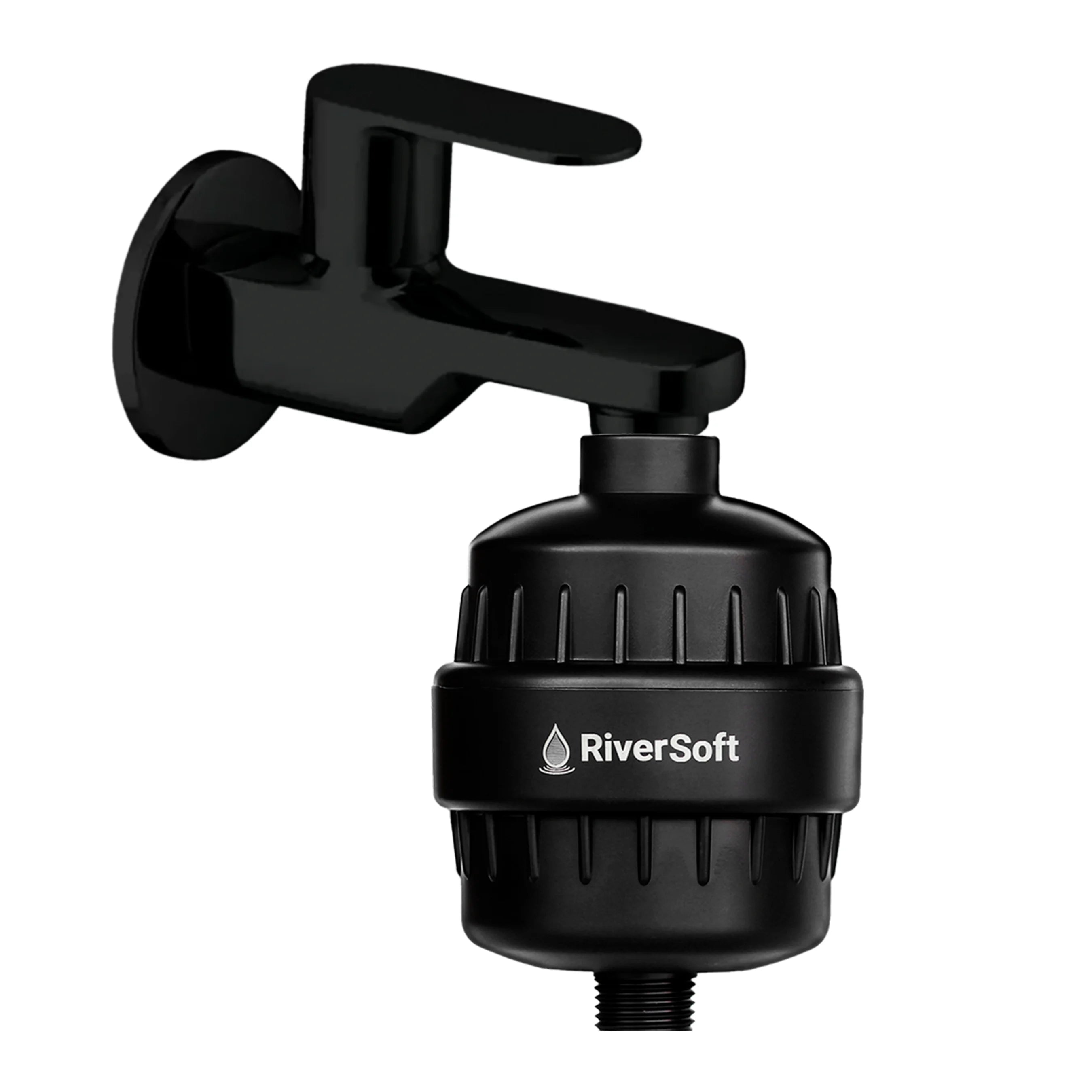
This means fewer breakdowns, longer-lasting appliances, and more consistent water quality across your home. Check out RiverSoft sediment water filters designed for Indian homes and prevent damage caused by sediment buildup.






























Leave a Comment