
Is it normal to replace your RO membrane every 6 months? No, and it's a warning sign.
Under normal conditions, an RO membrane should last 2 to 3 years. If you’re replacing it every 6 months, sediments in your water are likely damaging the RO membrane silently.
In this blog, we'll explain how sediments damage RO membranes, why a pre-filter is essential, and how it can save thousands in replacement costs.
Why You Need To Install Both an RO Filter and a Pre-Filter
RO filters and pre-filters do two very different jobs.
RO membranes remove molecular-level impurities, such as dissolved salts, heavy metals, TDS, and bacteria, at a microscopic scale.
Pre-filters, on the other hand, block physical particles like dirt, rust, sand, and pipe debris before they reach the RO membrane.
Since RO filters remove molecular contamination and pre-filters filter physical sediments, both are necessary to maintain water quality and protect your RO system.
Recommended Reading:
Confused about what TDS means and why it matters for your RO system? Read our guide on what is TDS
4 Common Sources of Sediments in Household Water
Water collects sediments from multiple sources before it reaches your tap:
-
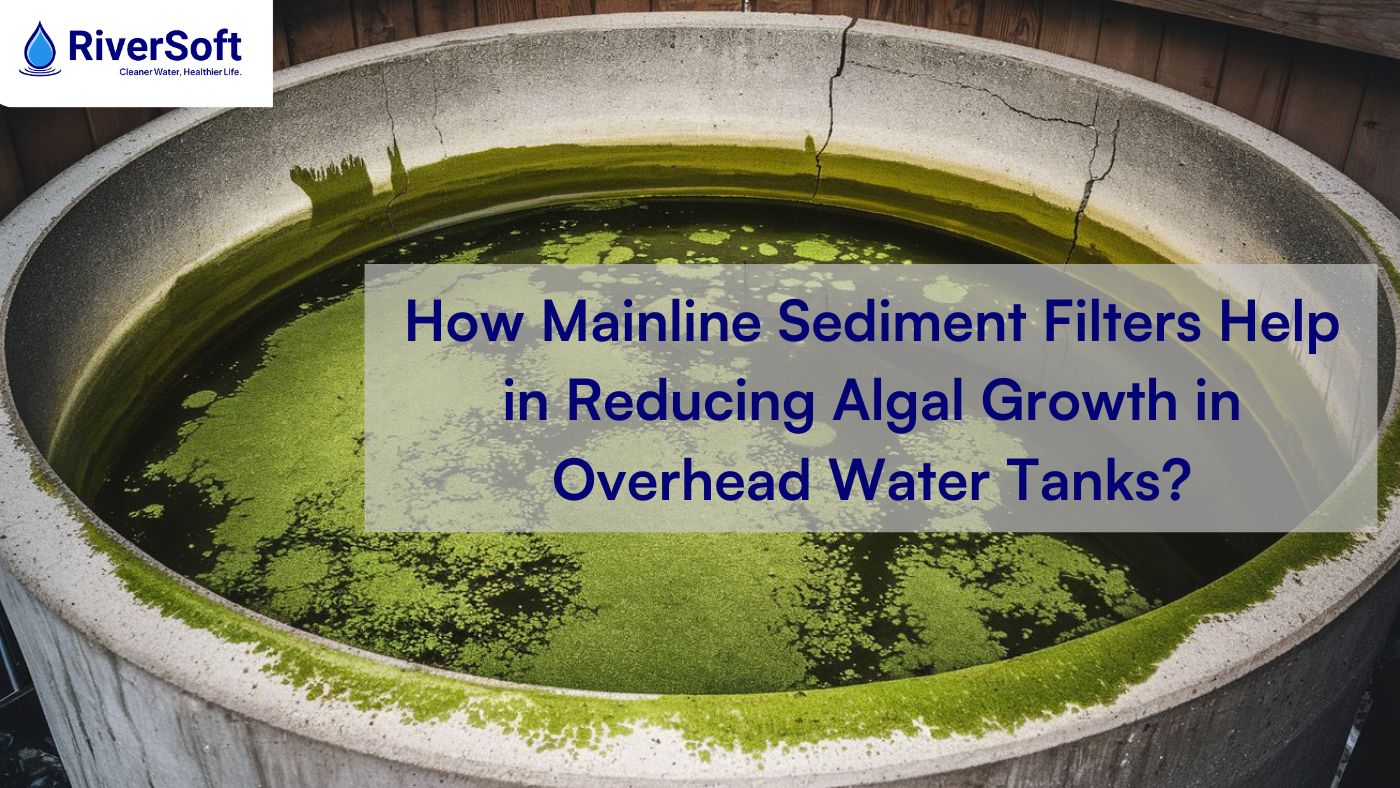
Overhead tanks: Silt, rust, and algae settle over time and mix with stored water.
-
Ageing pipes: Internal corrosion releases flakes and metal debris in the water flow.
-
Borewell water: Naturally contains sand, clay particles, and mineral deposits.
-
Municipal supply: Chlorinated at the source, but picks up sediments from old distribution pipes.
In short, water may look clear but can pick up sediments as it flows through these sources.
Quick Tip: The Sediment Test
Here’s a simple way to identify sediment in water:
-
Fill a bottle/bucket with tap water
-
Wait for 10–15 minutes
-
Check the bottom for fine particles or residue
Do you notice particles settling or a layer forming at the bottom? If so, your water supply contains sediments that are silently damaging your RO membrane.
This simple test takes less than 15 minutes and reveals what your eyes usually miss.

What Happens When Sediments Reach Your RO Membrane
When sediments reach your RO membrane, damage happens in three stages:
-
Stage 1: Sediments block the membrane pores, which slows the water flow.
-
Stage 2: Sediments scratch the membrane surface, and the filtration quality drops.
-
Stage 3: Continuous damage creates gaps where unfiltered water starts flowing in.
How to know if sediment damage has already started in your RO? Here’s how:
-
Water flow from the RO has become noticeably slower
-
Frequent pressure error messages pop up on the RO display
-
TDS levels increase even with a working RO
-
The membrane has discoloured from white to brown
Most people notice these problems and then call a technician. But at that point, the membrane is already damaged beyond repair, so replacement is the only option.
Recommended Reading:
Not sure if your overhead tank is contaminating your water? Learn about these 5 clear warning signs of sediment damage.
Cost Comparison: Pre-Filter vs No Pre-Filter
Without a pre-filter, an RO membrane replacement costs ₹2,500 to ₹5,000 every 6 to 12 months.
With a pre-filter, you only spend ₹300-₹500 on cartridge replacements every 6 months, and your RO membrane will last 2-3 years.
In simple terms, one RO membrane replacement costs the same as 6 to 8 pre-filter cartridges. So you’re choosing between spending ₹500 twice a year on prevention or ₹3,000+ every year on repairs.
3 Types of Pre-Filter Cartridges
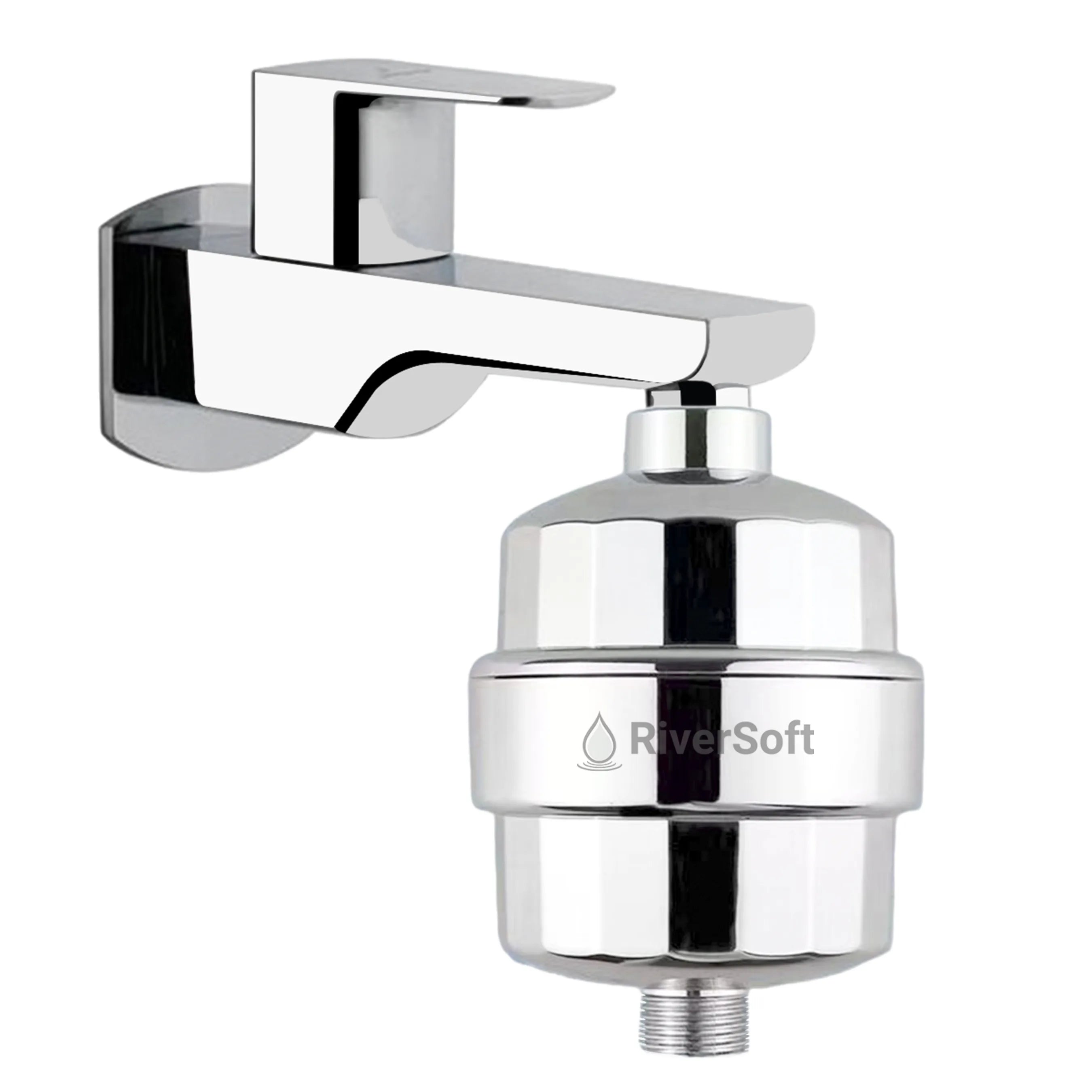
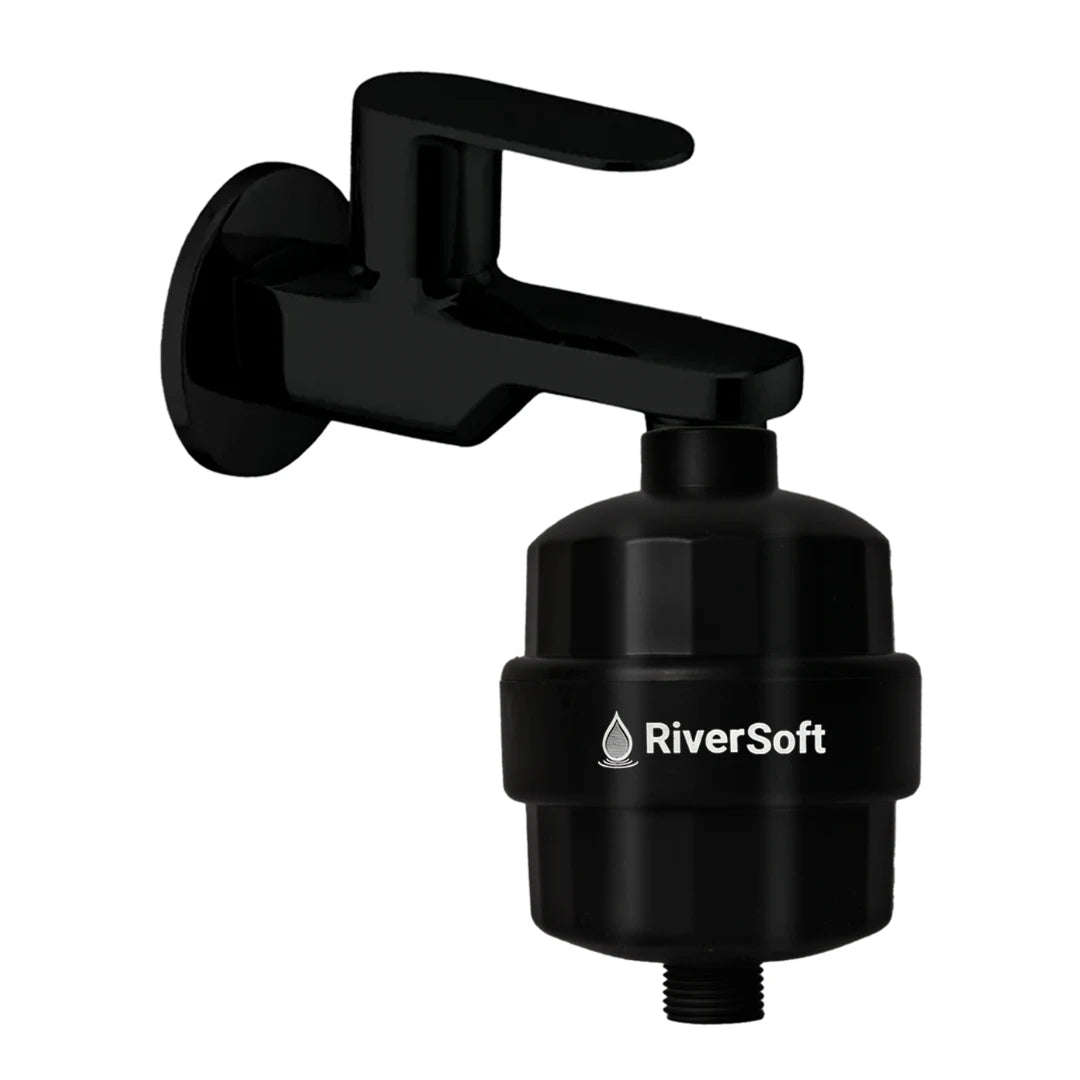
RiverSoft offers 3 types of pre-filter cartridges, each designed for different water conditions:
-
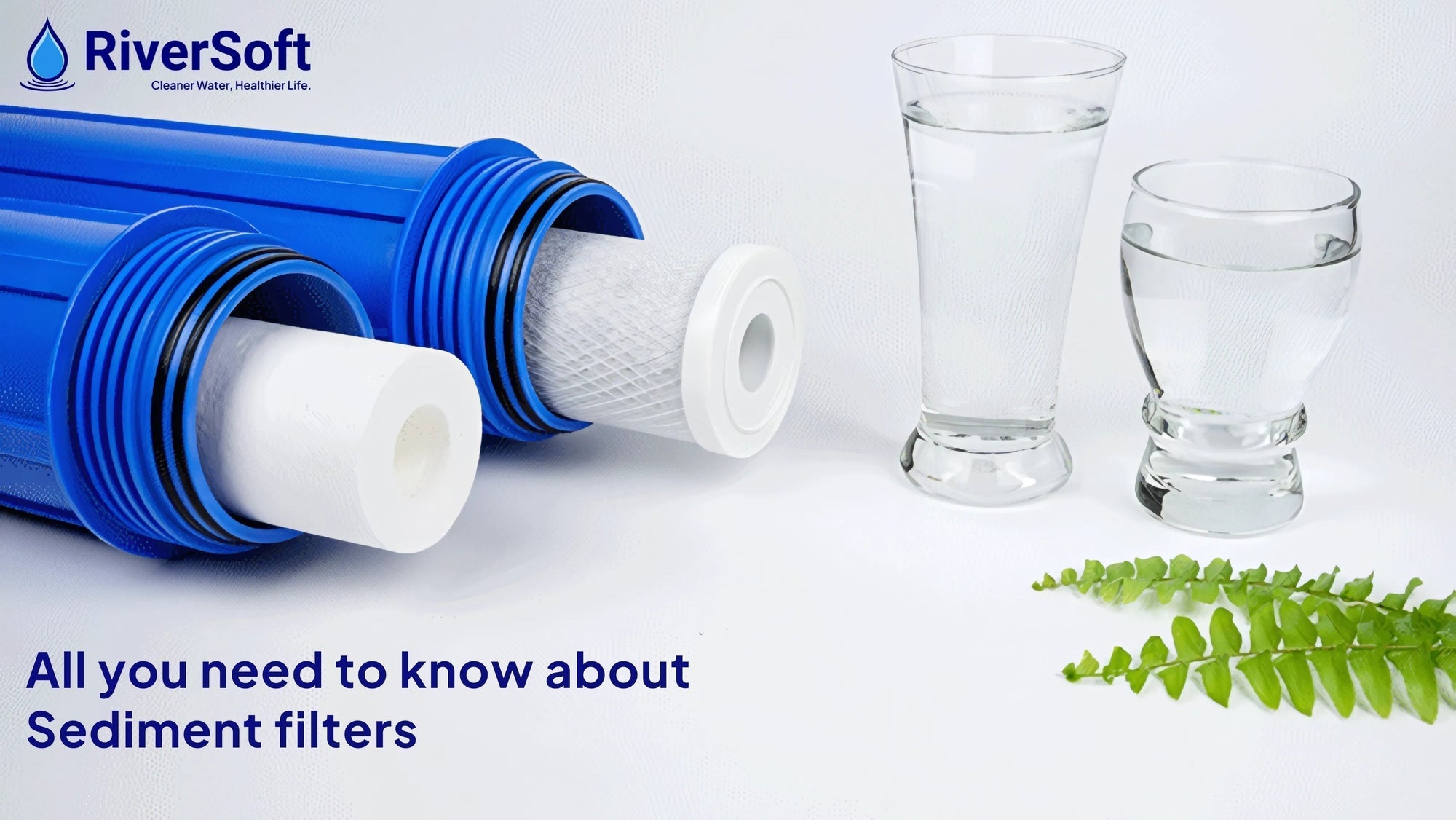
Spun Cartridge – Designed for municipal water with moderate sediment, this cartridge removes dust, dirt, and rust particles. It’s ideal for urban homes that receive water from overhead tanks, where these impurities are commonly found.
-
MLT Cartridge – Designed for water with mixed impurities, this cartridge removes dirt and rust while also reducing chlorine. It’s perfect for homes where the water appears cloudy and has a noticeable chlorine smell.
-
Yarn Cartridge – Designed for high-sediment water sources, this cartridge removes sand, clay, and heavy dirt. It’s the best choice for borewell water or areas with ageing pipes that release significant sediment.
Recommended Reading:
Quick Guide: Choosing the Right Pre-Filter Cartridge
Which Pre-Filter Cartridge Should You Choose?
| Your Water Condition | Cartridge to Choose |
| Municipal water with occasional rust or dust | Spun Cartridge |
| Water looks cloudy and smells like chlorine | MLT Cartridge |
| Borewell water with sandy residue and heavy sediment | Yarn Cartridge |
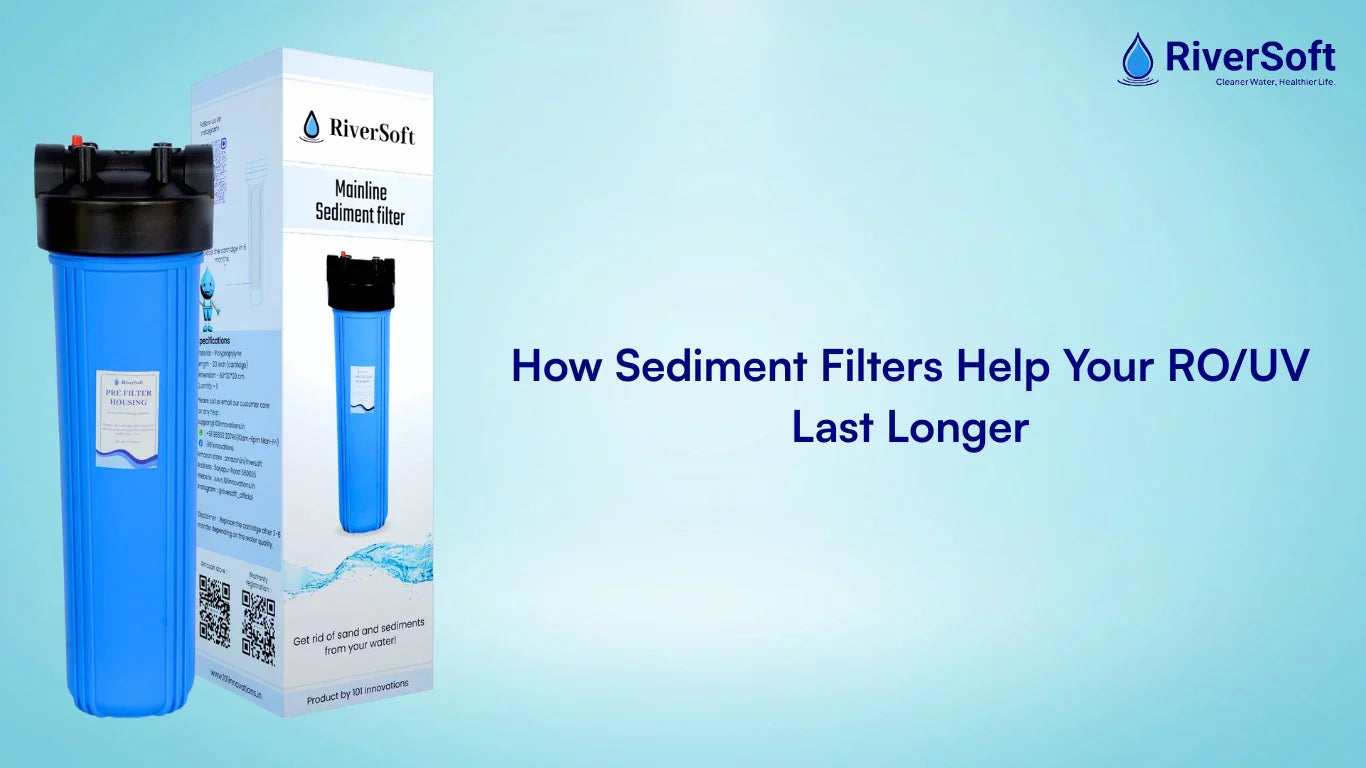
The good news is that all three cartridges fit into the same filter housing. That means if you switch from municipal to borewell water, you can simply change the cartridge instead of the full setup.
Conclusion
Is a pre-filter necessary for RO? Absolutely yes, a pre-filter is essential for protecting your RO membrane.
Sediments like sand, rust, and dirt can damage the membrane and drastically shorten its life. A pre-filter blocks these particles early, saving costly replacements and keeping your RO running smoothly for years - even with sediment-heavy water or old pipelines.
If you want your RO to work efficiently for years, especially with Indian water conditions, a pre-filter is essential.
Check out RiverSoft's pre-filters and protect your RO system.

























Leave a Comment