
Have you ever wondered why your appliances age faster than they should?
Most people blame poor build quality. But usually the real reason is sediment in water damaging appliances from the inside. Tiny particles like sand, rust, silt, and fine grit travel through your water supply every single day and quietly accumulate inside your appliances.
Over time, this buildup strains the internal parts and breaks them down faster than they should.
The good news is that sediment problems are entirely preventable if caught early.
In this blog, we will explain how sediment affects home appliances, the warning signs to watch for, and how to protect your appliances before the damage is done.
How Sediment in Water Damages Appliances
-
Geysers: The sediment that travels through the water settles at the bottom of the tank and coats the heating element. With sediment sitting over it, the element takes longer to heat the water, pulling more electricity in the process and wearing out sooner than expected.
-
Washing machines: Sand and rust particles accumulate on the inlet valve and internal pipes over time. Water flow slows down, and wash cycles become less effective as a result.
-
RO purifiers: The RO membrane are designed to filter dissolved impurities, not heavy physical particles like sand or rust. When sediment reaches it directly, it clogs the RO before its expected lifespan.
The sediment damage is slow and invisible, which is why the water supply is rarely the first thing anyone suspects.
4 Signs: How to Tell If Sediment Is Already Damaging Your Appliances
Here are four signs that sediment is already causing damage:
-
Rumbling sounds from the geyser: A low rumble or pop before the water heats up indicates sediment has already settled at the bottom of the tank. The heating element cannot heat through the buildup cleanly, which causes the trapped water beneath to bubble and crack.
-
Poor washing machine performance: When sediment accumulates inside the inlet valve, water flow into the machine is restricted. This reduces washing efficiency, leaving clothes looking dull or not fully cleaned after a cycle.
Recommended Reading:
Read more about how washing machine filters work to understand what sediment does to a washing machine over time.
-
Clogged taps and showerheads: Sediment does not just damage appliances. It collects inside tap aerators and showerhead openings and restricts the flow over time.
-
RO water flow has dropped: A slowdown in water output is one of the earliest signs of sediment damage inside an RO purifier. As sediment accumulates inside the system, water moves through the filtration stages more slowly and output drops over time.

How to Stop Sediment From Damaging Your Appliances
Sediment enters the home through the main water supply and reaches every appliance connected to it. Most households address the damage after it has already occurred.
-
A geyser gets descaled after it starts rumbling.
-
A showerhead gets cleaned after the pressure drops.
-
An RO cartridge gets replaced after output slows down.
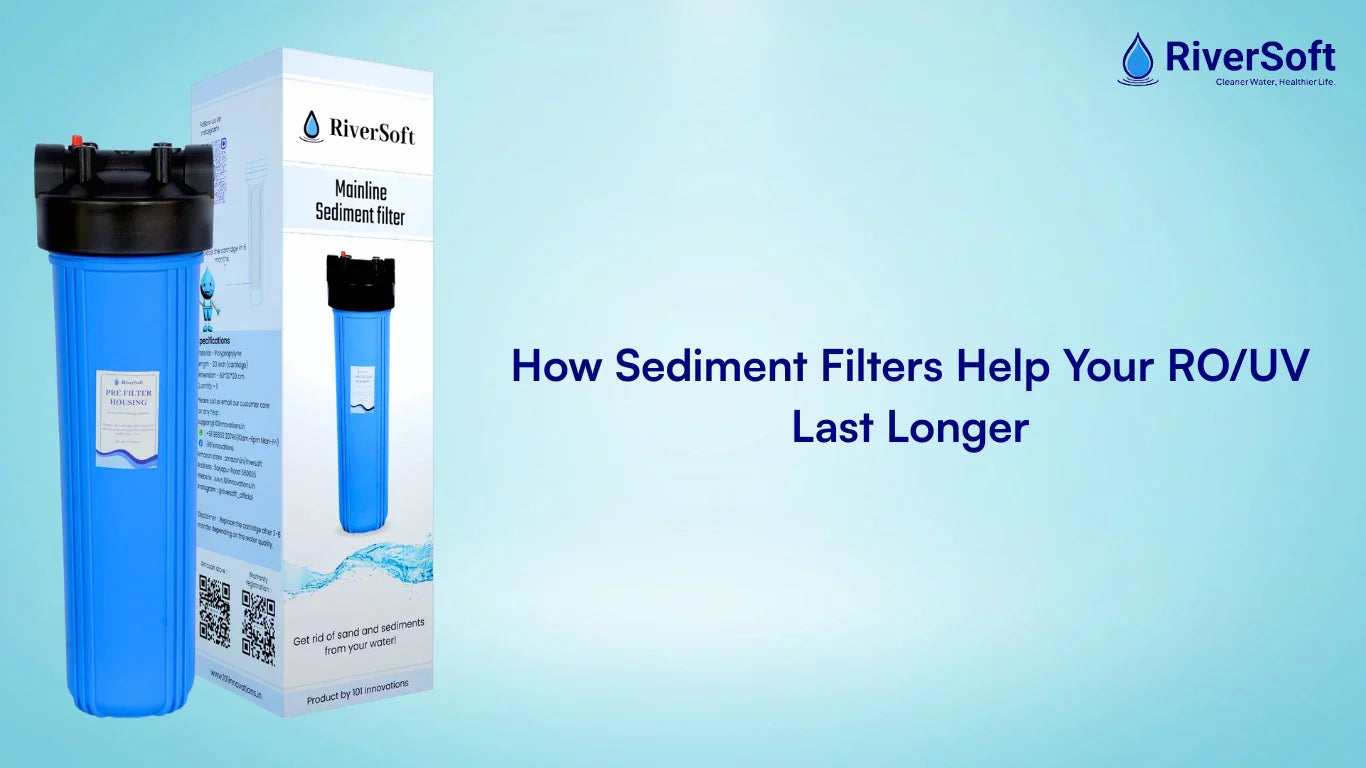
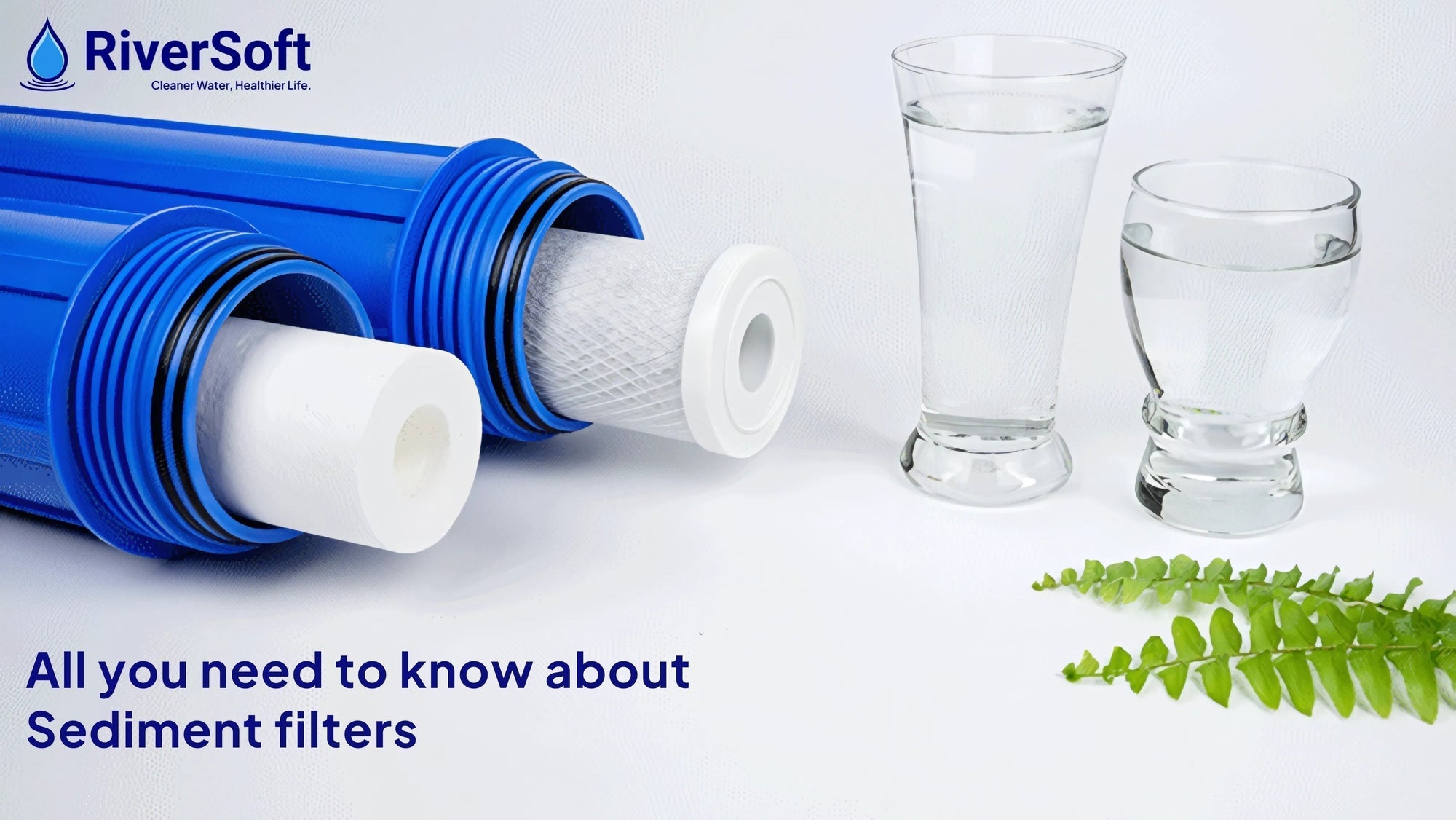
The only fix that actually works is stopping sediment before it reaches any appliance. This is where a mainline sediment filter comes in. Installed at the point where water enters the home, it blocks sand, rust, silt, and fine grit before they travel further into the supply line.
At RiverSoft, we have designed sediment filters specifically for Indian water conditions:
-
ASP-20-HV1 Mainline Sediment Filter: Installs directly at the main water inlet and filters particles as fine as 1 micron. It is compatible with 1HP and 2HP motors and built from food-grade polypropylene.
-
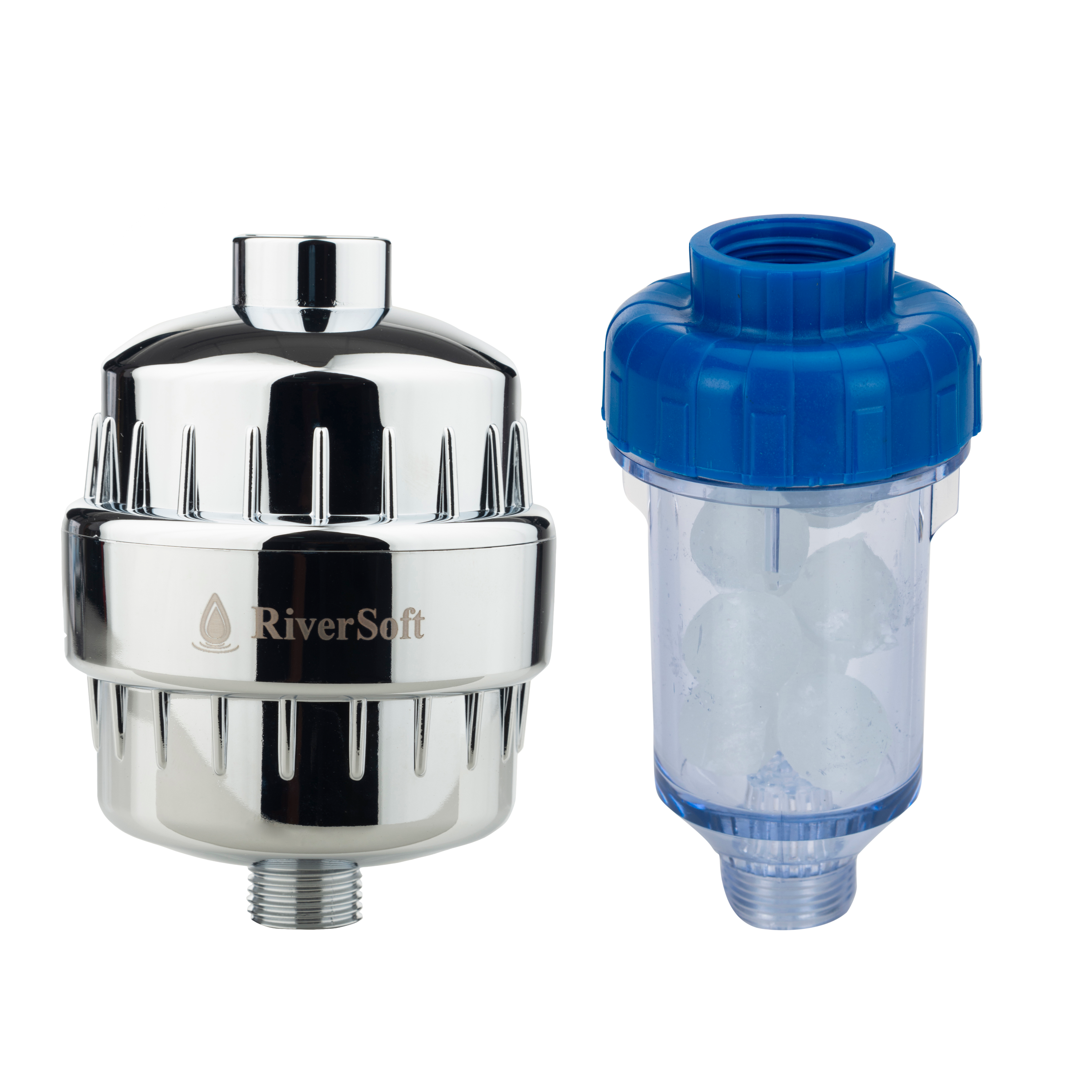
Washing Machine Filter: Attaches to the washing machine inlet and blocks sand, rust, and fine particles at the point of entry. It also prevents limescale from forming inside the drum, protecting the machine's internal parts.
RiverSoft sediment filters are designed to remove physical particles like sand, rust, and silt. They do not reduce TDS or dissolved minerals. For drinking water concerns around high TDS, an RO purifier is the right solution.
Conclusion
Sediment enters every home through the water supply and reaches every appliance connected to it. Most households only find out after something breaks down, and by then the damage has already been building for months. Filtering sediment at the source is the only long-term solution. Explore RiverSoft sediment water filters and protect your appliances before the damage becomes impossible to ignore.

























Leave a Comment