
An RO purifier is designed to last for years. But most homes replace the membrane, the pump, or other components far sooner than they should.
Why does this happen?
Because of invisible damage building up inside your RO system every single day.
In this blog, we will discuss the hidden reasons why an RO filter stops working and what you can do before it turns into a costly repair.
What Are the Most Common Causes of RO System Failure?
These are the most common causes of early RO system failure:
1. Chlorine Damages the RO Membrane
Most RO purifiers sold in India use a TFC (Thin Film Composite) membrane. Its main filtering layer is made of polyamide, which removes dissolved contaminants from water. But polyamide is sensitive to chlorine. When chlorine reaches this layer, it causes a chemical reaction that permanently reduces the TFC membrane's ability to filter dissolved solids from water. The solution? Install a carbon pre-filter for RO. It removes the chlorine from the water before it ever reaches the polyamide layer. However, a carbon filter has a saturation limit. Once saturated, it stops absorbing chlorine, and it passes straight through to the membrane. This is why it’s recommended to replace the pre-filter every 6 months.
2. Low Water Pressure Can Damage the Pump
An RO system typically requires around 40-60 PSI of inlet pressure to function efficiently. In many Indian homes (especially high-floor apartments or buildings that rely on overhead tanks), water pressure may not consistently meet this level. When the inlet pressure drops too low, the system cannot operate at its optimal performance, which can gradually increase strain on the internal pump. You can fix this by installing a booster pump before the RO purifier. It brings the inlet pressure up to around 40-60 PSI, so the internal pump works properly.

3. Sediment Clogging the RO Membrane
The RO membrane filters water by pushing it through tiny pores that block dissolved contaminants. But sediments like sand, rust, and silt are not dissolved in water. They move through as physical particles and get trapped inside these pores. Unlike chemical damage, sediment blockage can happen quickly, and once the pores are blocked, the membrane has to be replaced, which is the most expensive replacement in any RO purifier. So how do you protect the membrane from sediment damage? Simple. Install a spun pre-filter. It catches sand, rust, and silt so only clean water flows through to the membrane.
4. High Water Temperature Damaging the Membrane
RO membranes are designed to work best at water temperatures between 25°C and 35°C. When water temperature rises above this range (which happens in many Indian cities during summer, especially when water sits in overhead tanks exposed to direct sunlight), membrane performance can be affected. Higher temperatures make the membrane more permeable, which can lower its filtration efficiency and reduce its overall lifespan over time. So how can you minimise this risk? If possible, cover your overhead tank with a thermal insulation sheet to limit heat exposure. If the tank is shared or managed by your building society, use your purifier early in the morning when water is naturally cooler.
Now that you know what damages your RO system, the next question is:
How do you prevent it?
Let’s look at how you can protect your purifier with the right pre-filter.
How Can You Protect Your RO System with a Pre-Filter?
RO systems often fail due to water quality problems, such as sediment and chlorine. You can fix both by installing a pre-filter before the purifier.
But before you buy one, you need to understand two things:
1 . The right housing type for your setup
2 . The right cartridge for your water problem
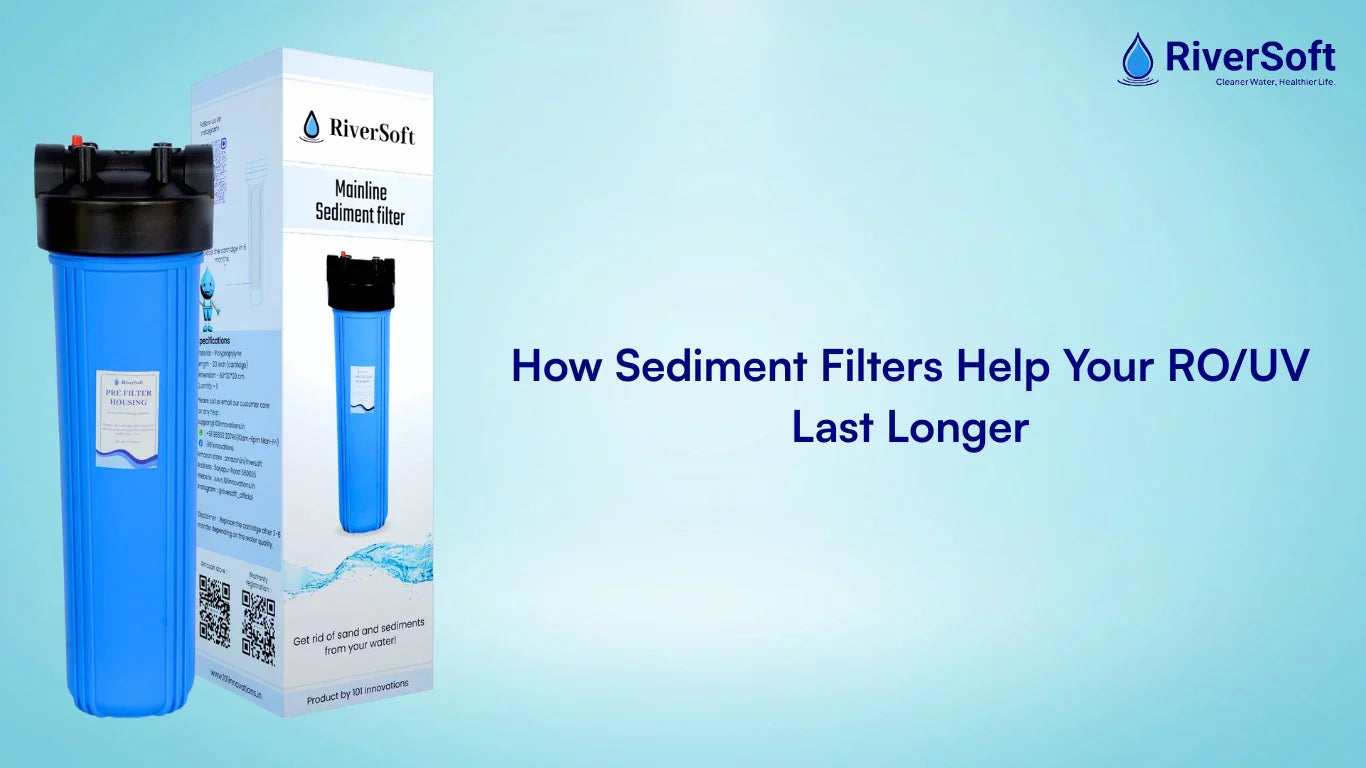
Two Types of Pre-Filter Housing
-
Semi-transparent housing has a clear body that lets you see the cartridge from the outside. You can track sediment buildup and know when to replace it without opening the unit.
-
Solid housing handles high-pressure water systems, making it more suitable for homes on pump-based or borewell connections.
Once you have selected the housing, you can pick the cartridge for your specific water problem:
-
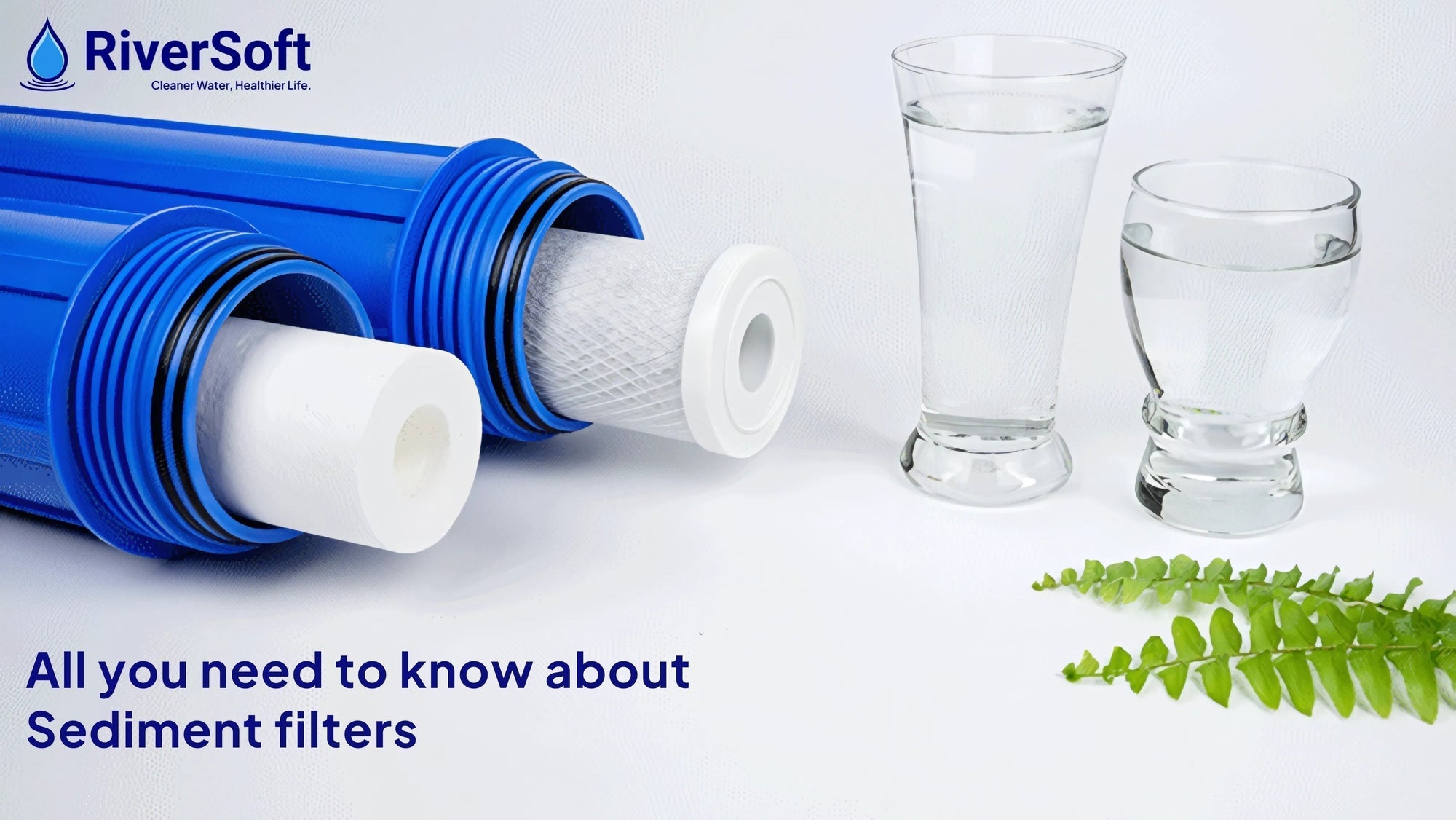
If sediments like rust, dust, or dirt are in your water supply, a spun cartridge is the right choice.
-
If you live in an area with heavy sediment in the water, go with a yarn cartridge as it is built to handle heavier sediment loads.
-
If your water smells like chlorine, pick a CTO cartridge. It absorbs chlorine from the water before it reaches the membrane.
A pre-filter cartridge has limited capacity. Once it is saturated, it stops filtering sediment and chlorine, and both pass straight through to the membrane. We suggest replacing the cartridge every 6 months to ensure the RO membrane is protected at all times.
Conclusion
Now you know why an RO filter stops working. If it is because of chlorine, install a carbon pre-filter. If it is sediment, install a sediment pre-filter. If it is because of low inlet pressure, install a booster pump. And if it is water temperature, insulate your overhead tank with a thermal insulation blanket.
The good news?
All these fixes are simple and affordable.
A pre-filter or booster pump costs far less than replacing an RO membrane or repairing a pump.
So fix the root cause early, and you can extend your purifier’s life by years.
































Ashutosh was inspired to solve water quality issues after witnessing the harmful effects of hard water on his family’s health and home. Recognizing the widespread impact of poor water quality, he committed to creating innovative solutions that ensure safe and clean water for everyone. He is an alumnus of IIT Delhi and IIM Ahmedabad, bringing a strong technical and managerial background to RiverSoft.