

If your baby’s skin feels dry, irritated or develops red patches after a bath, the issue might not be the soap-it could be hard water. While it may seem harmless, hard water can silently affect your baby’s delicate skin, even when you’re using the most gentle baby products.
Hard water contains a significant proportion of dissolved minerals; among them are calcium and magnesium. Though suitable for drinking purposes, it is not suitable for the baby's skin because of regular use.
The skin barriers are not strong enough in babies, as adults; their skin is thinner, more sensitive, and incapable of defense from irritation. This is the reason why their sensitive skin must always be protected from anything that could easily strip away moisture or disrupt their skin's pH, such as hard water.
Why Babies’ Skin is More Vulnerable
-
Thinner epidermis: Compared with the epidermis of adults, a baby’s epidermis is up to 30% thinner, meaning it absorbs more substances and loses moisture faster.
-
Less Natural Oil Production: The production of sebum, the skin oil that protects and keeps the skin hydrated, is much lower in babies.
-
More Sensitive to Skin Issues: Due to sensitivity, babies easily contract skin-related disorders such as eczema, dry patches, or rashes due to exposure to skin irritants from hard water. In such a case, picking the right baby care routine and water quality is vital for having healthy and happy skin.
It is necessary to choose the perfect baby skin care routine and water quality for happy and healthy skin!
How Hard Water Affects Babies’ Skin
1. Dryness and Flakiness
The moisture will be stripped away by minerals in hard water, leaving the skin dry and rough.
2. Soap Residue Build-up
It is hard to wash away soap in hard water. Soap can remain on the skin, block pores, and irritate it.
3. Worsening Condition
Conditions like cradle cap, eczema, and dermatitis may be aggravated by hard water, especially in babies who are already vulnerable to skin sensitivity.
A study led by King's College London found that babies living in hard water areas had up to an 87% higher risk of developing eczema by three months of age, independent of chlorine levels. This makes water hardness a significant early environmental factor in infant skin health.
4. Increasing the skin pH
The pH of the skin in babies is slightly acidic and helps keep harmful bacteria at bay. Hard water increases the pH of their skin and hampers this natural protective mechanism.
Boiling water does not soften it. Boiling kills bacteria and can reduce temporary hardness slightly, but most calcium and magnesium remains dissolved. A water softener or shower filter is far more effective and practical than boiling water for every bath.
Signs Your Baby May Be Reacting to Hard Water
If your baby shows any of these signs after a bath, hard water could be the cause:
- Redness or irritation right after washing: Appears within minutes of bath time and fades slowly
- Dry, flaky patches on arms, legs, or cheeks: Areas with thinner skin show dryness first
- Persistent diaper rash that resists usual treatment: Mineral residue can worsen rash in the diaper area
- Cradle cap that does not improve: Hard water can aggravate existing cradle cap flare-ups
In such cases, the importance of looking into your water quality is as essential as the products you use.
How to Protect Your Baby’s Skin from Hard Water

A. Hard Water Filter Installation
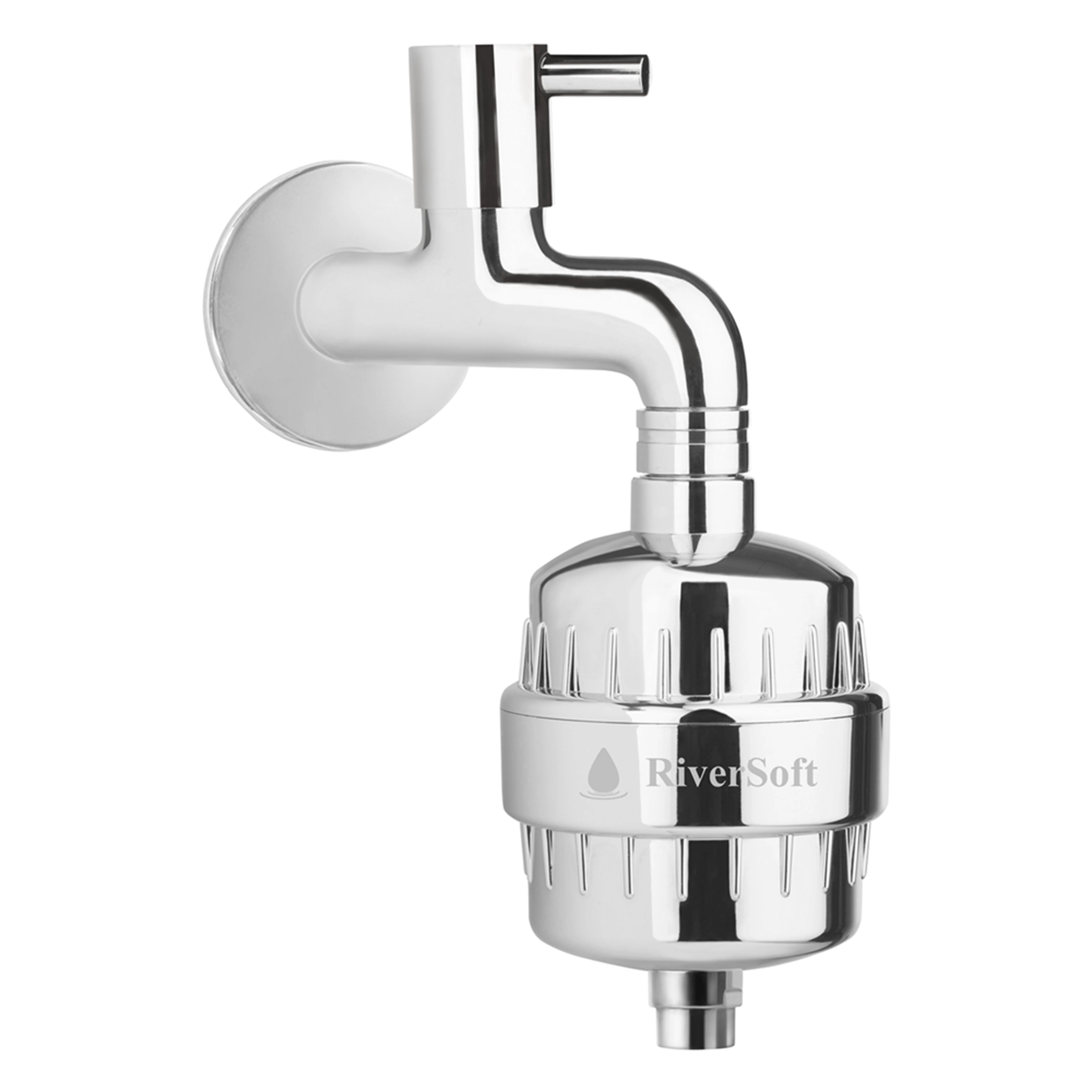
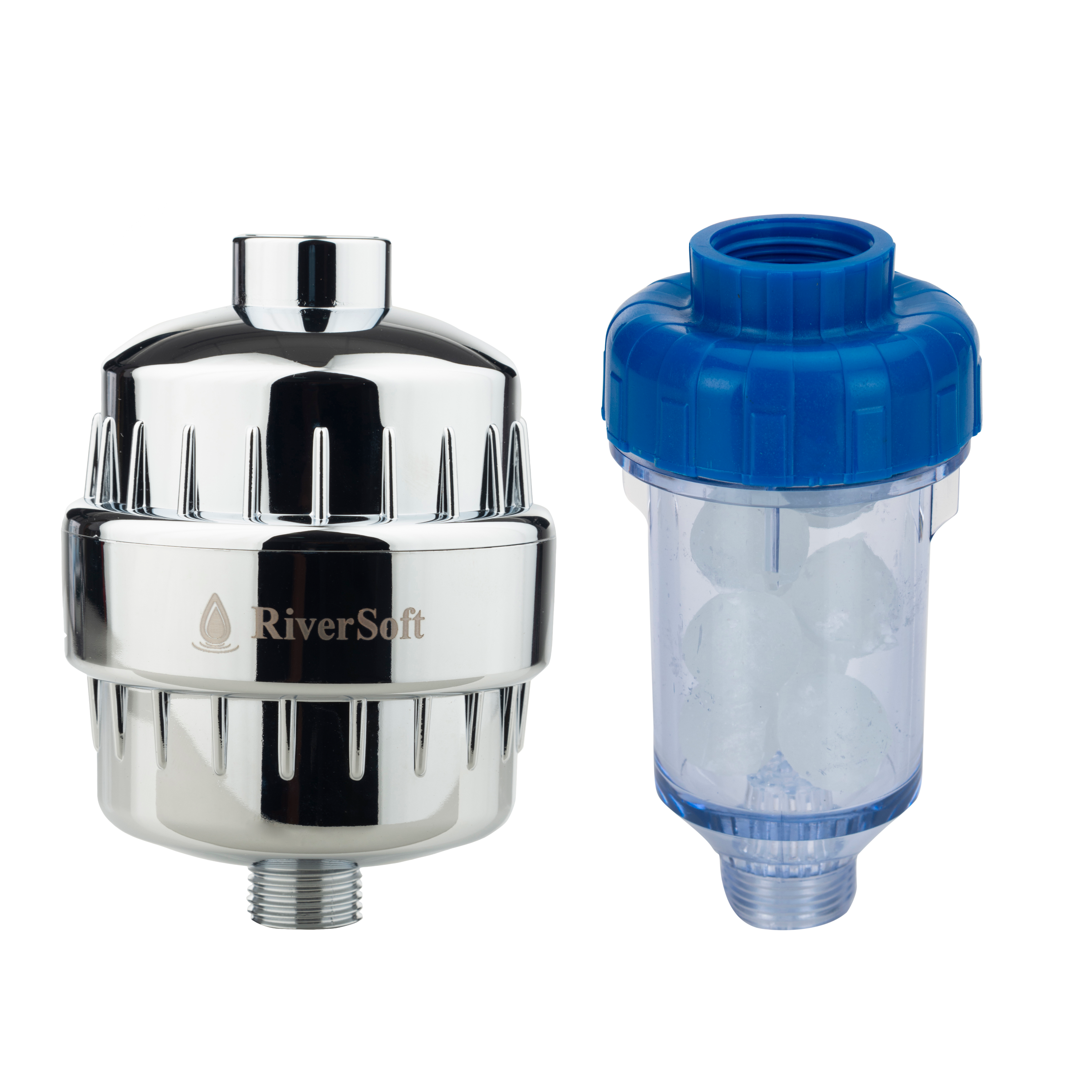
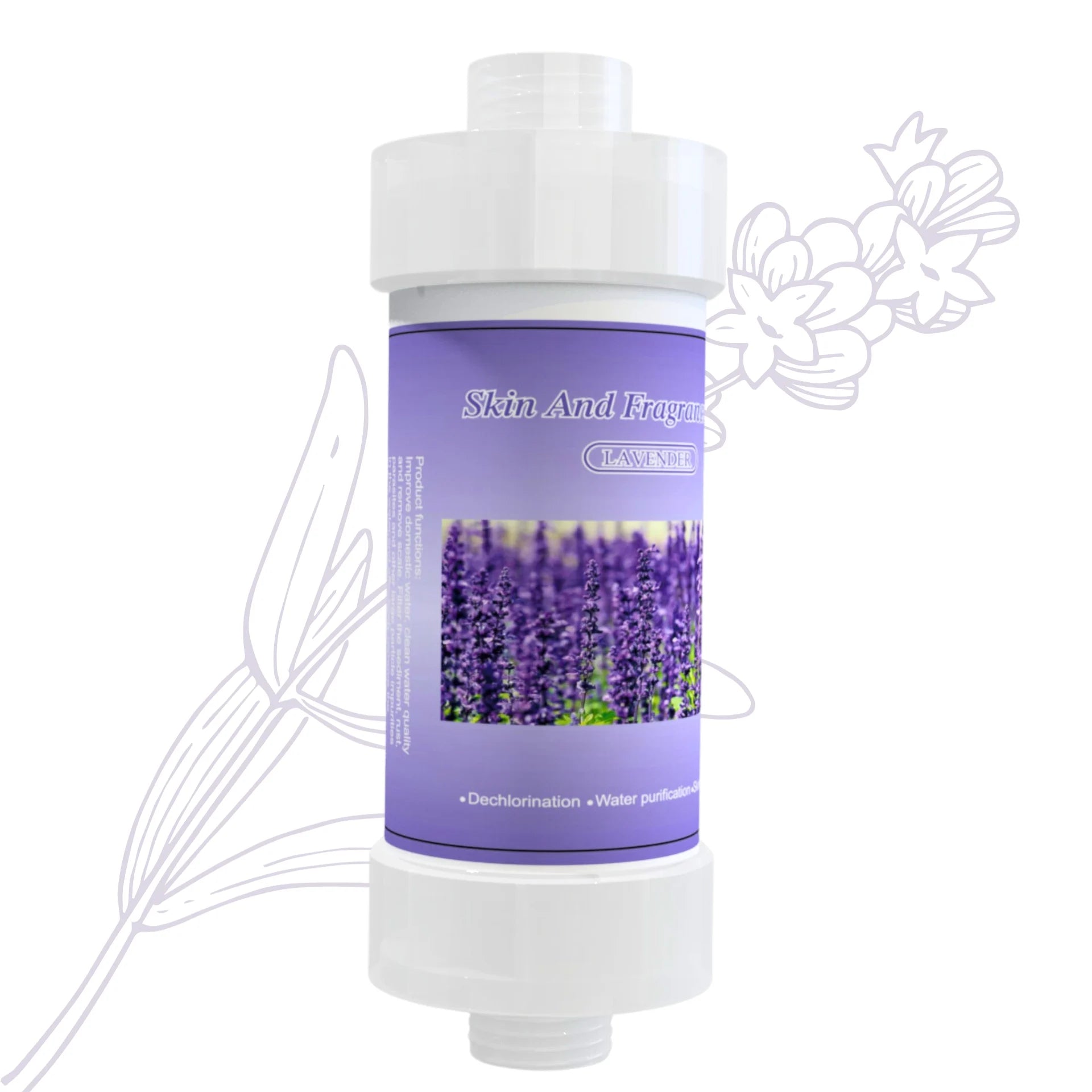
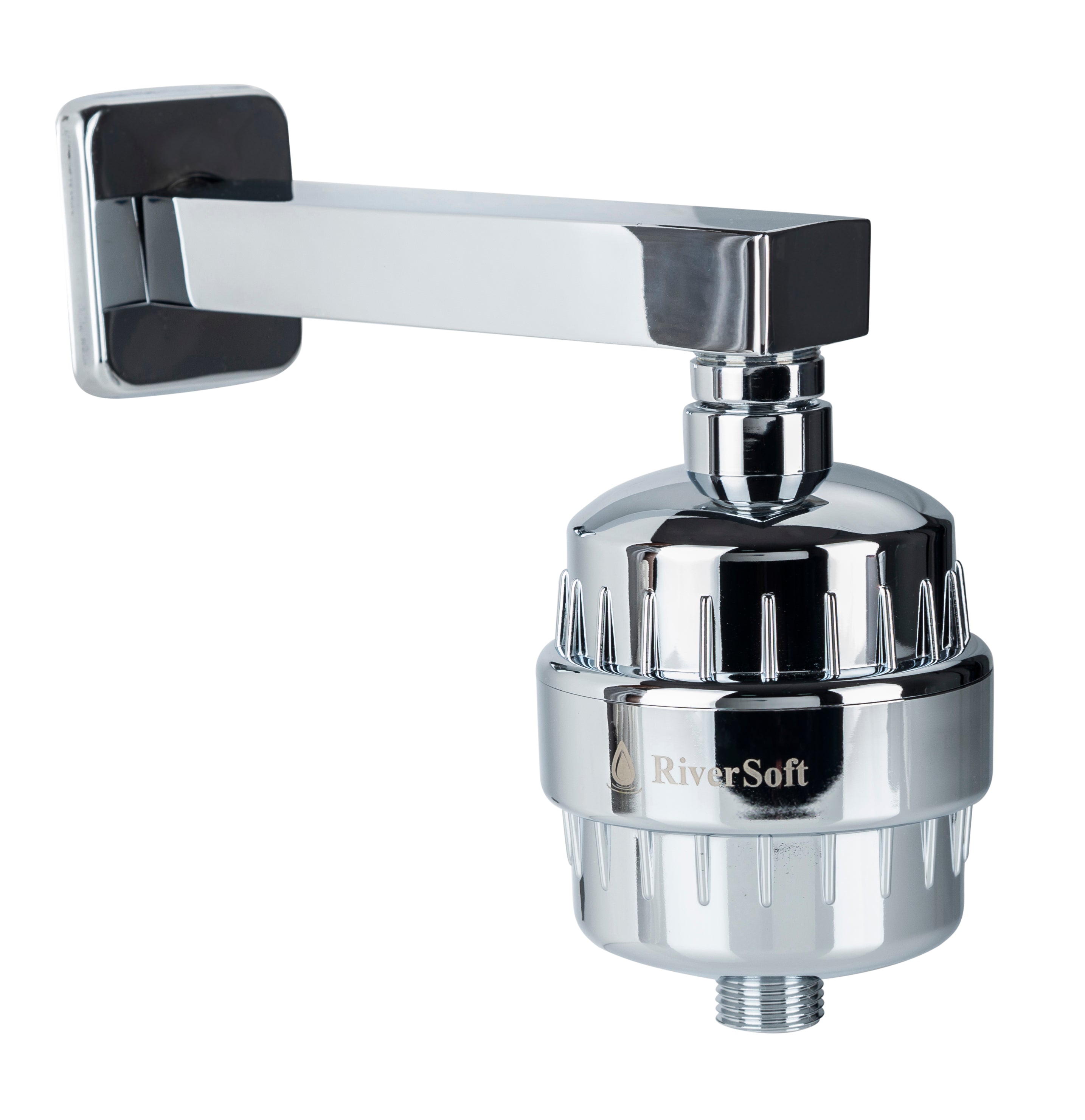
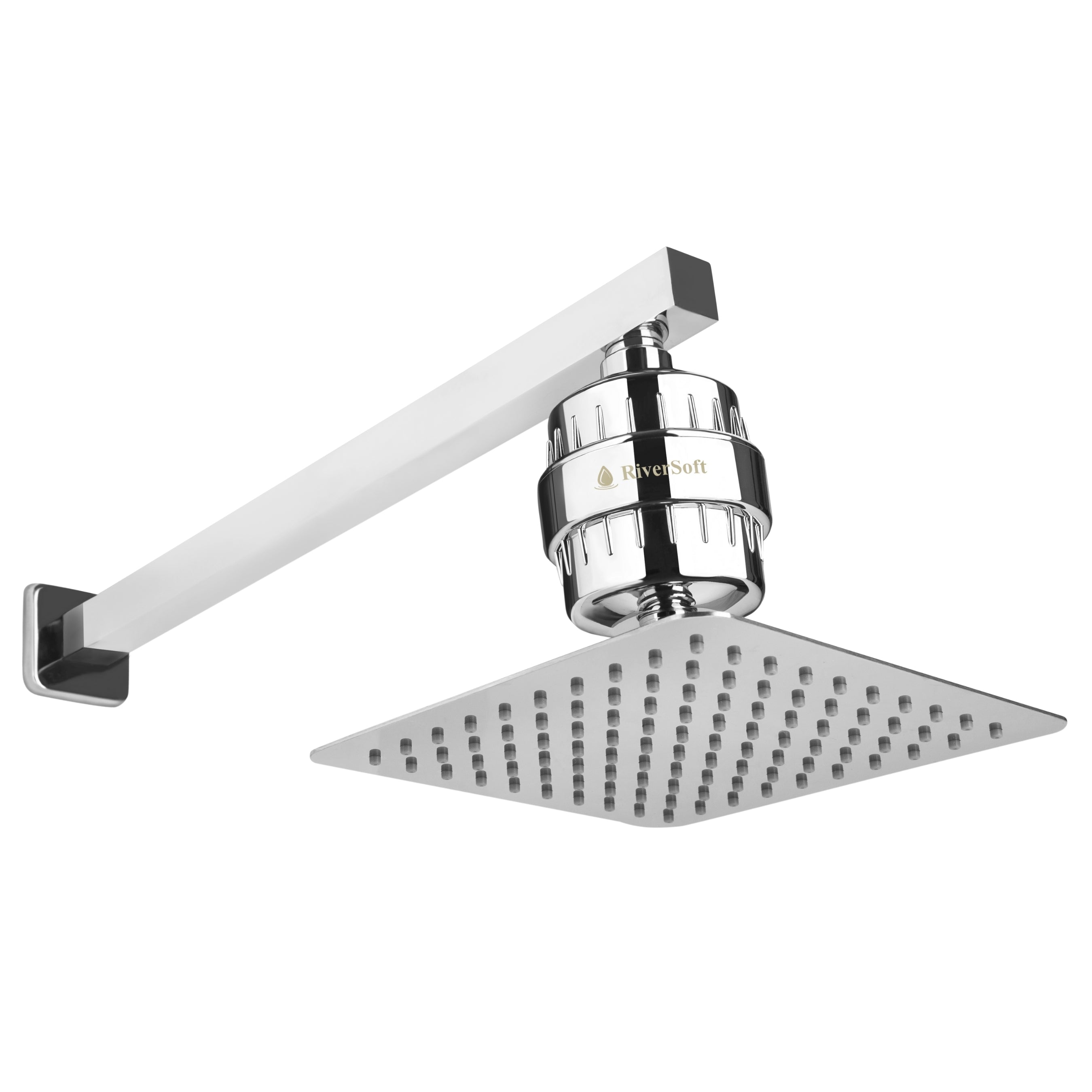
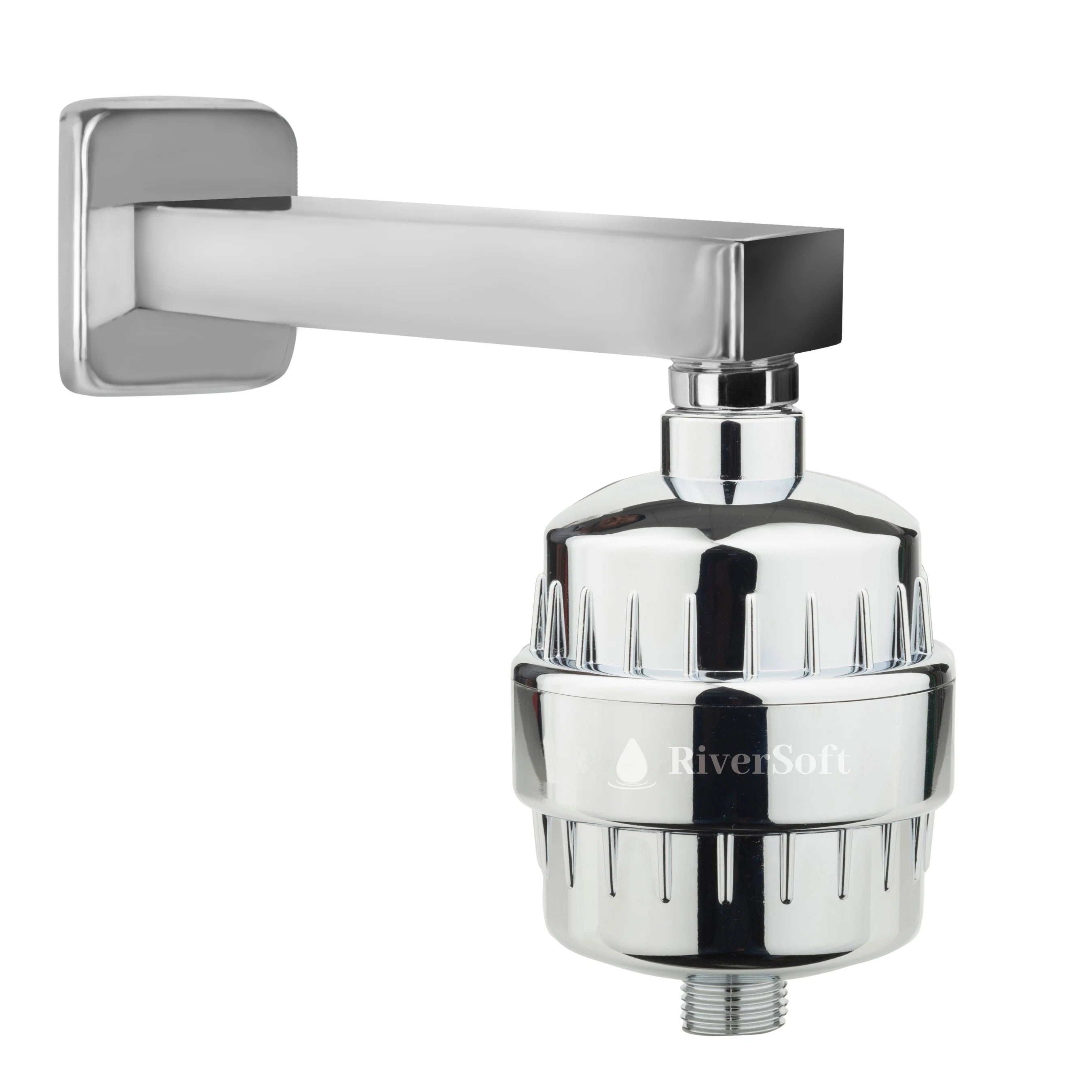
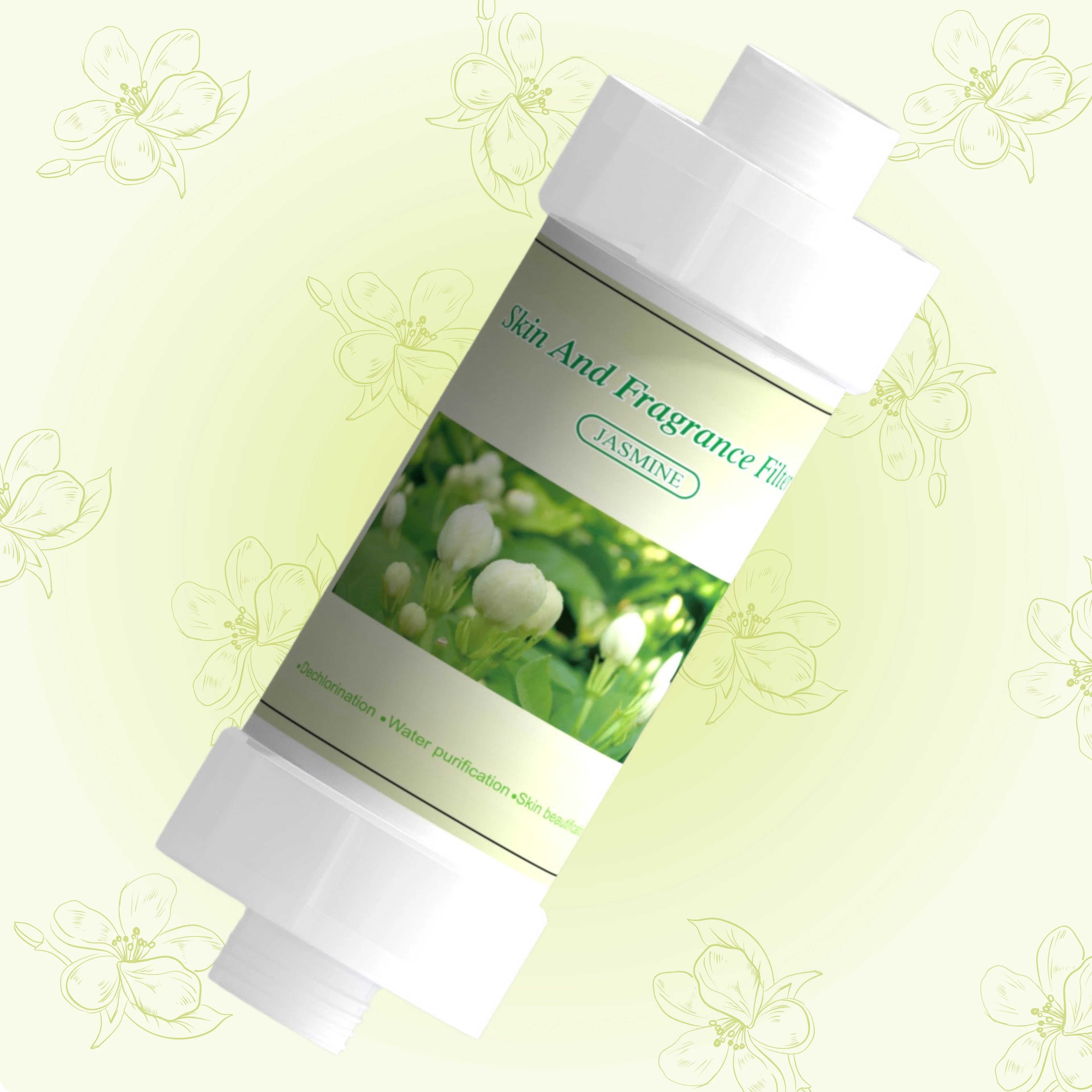
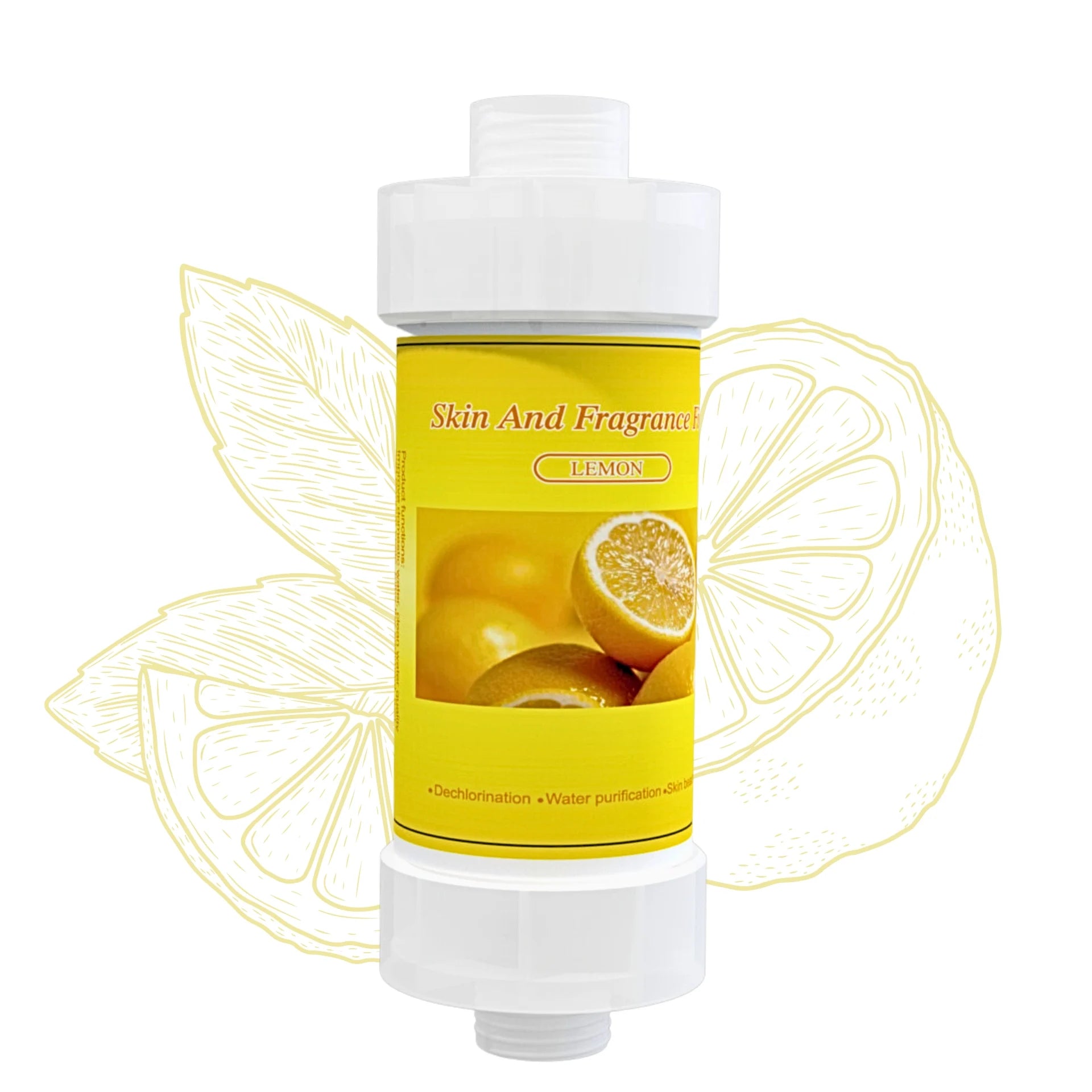
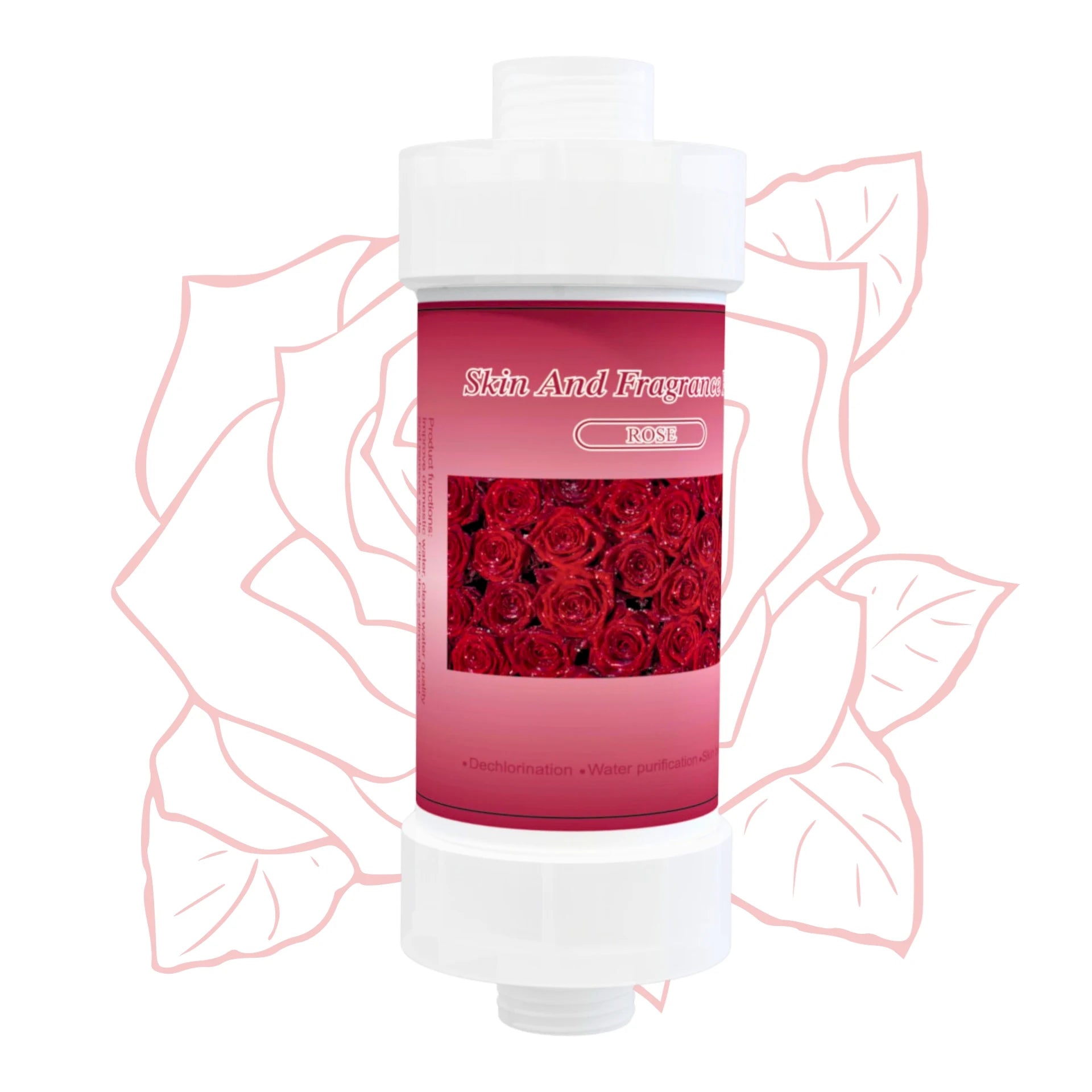
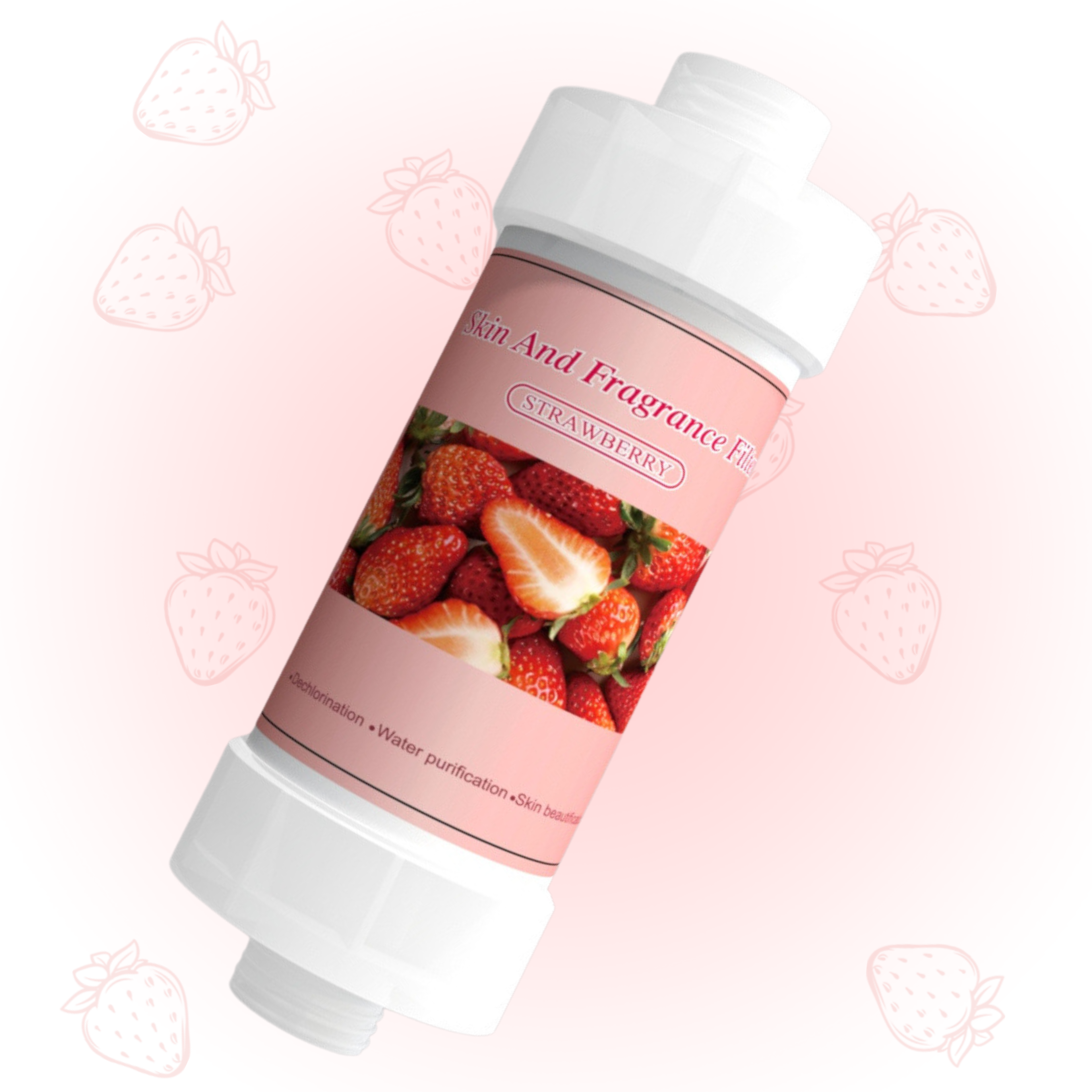
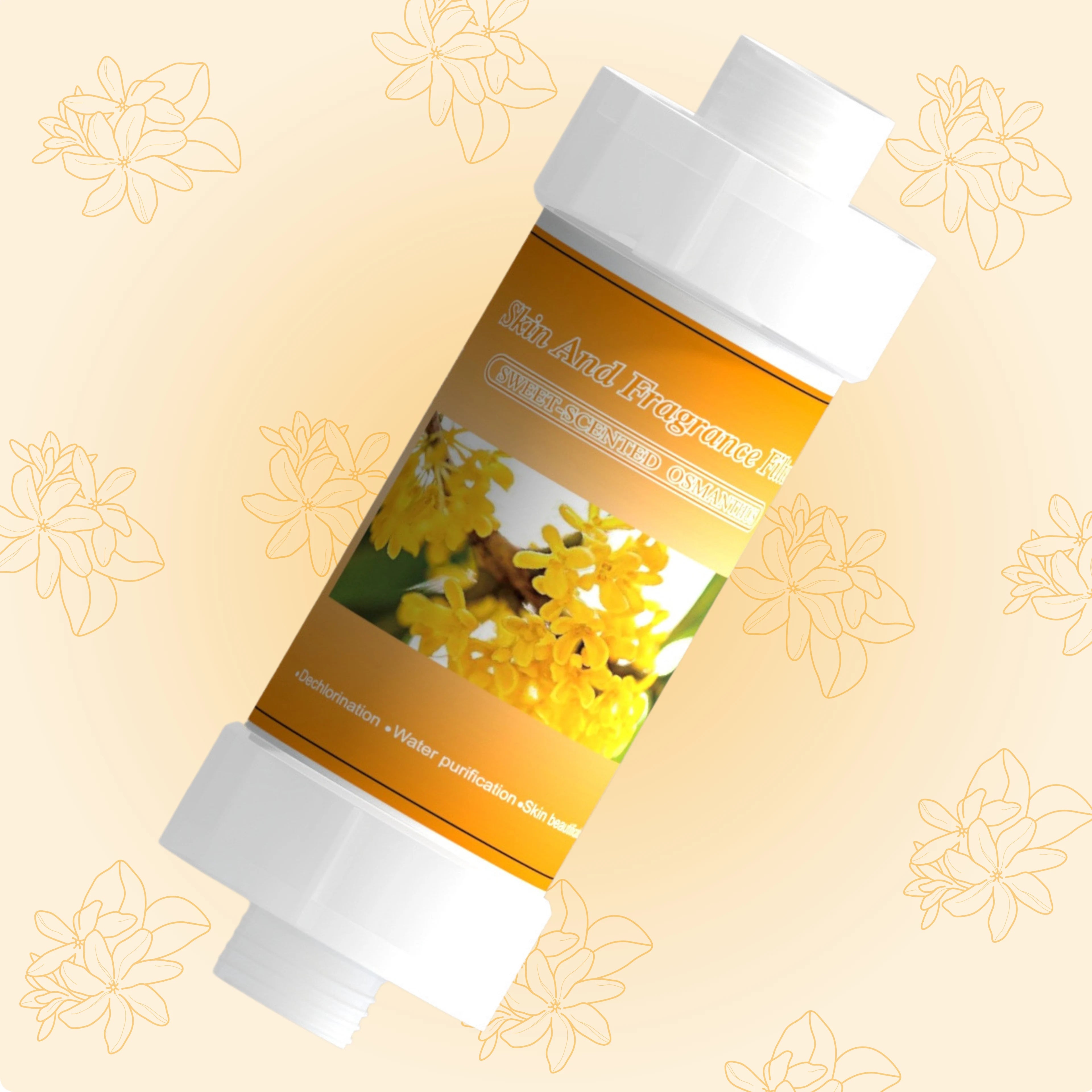
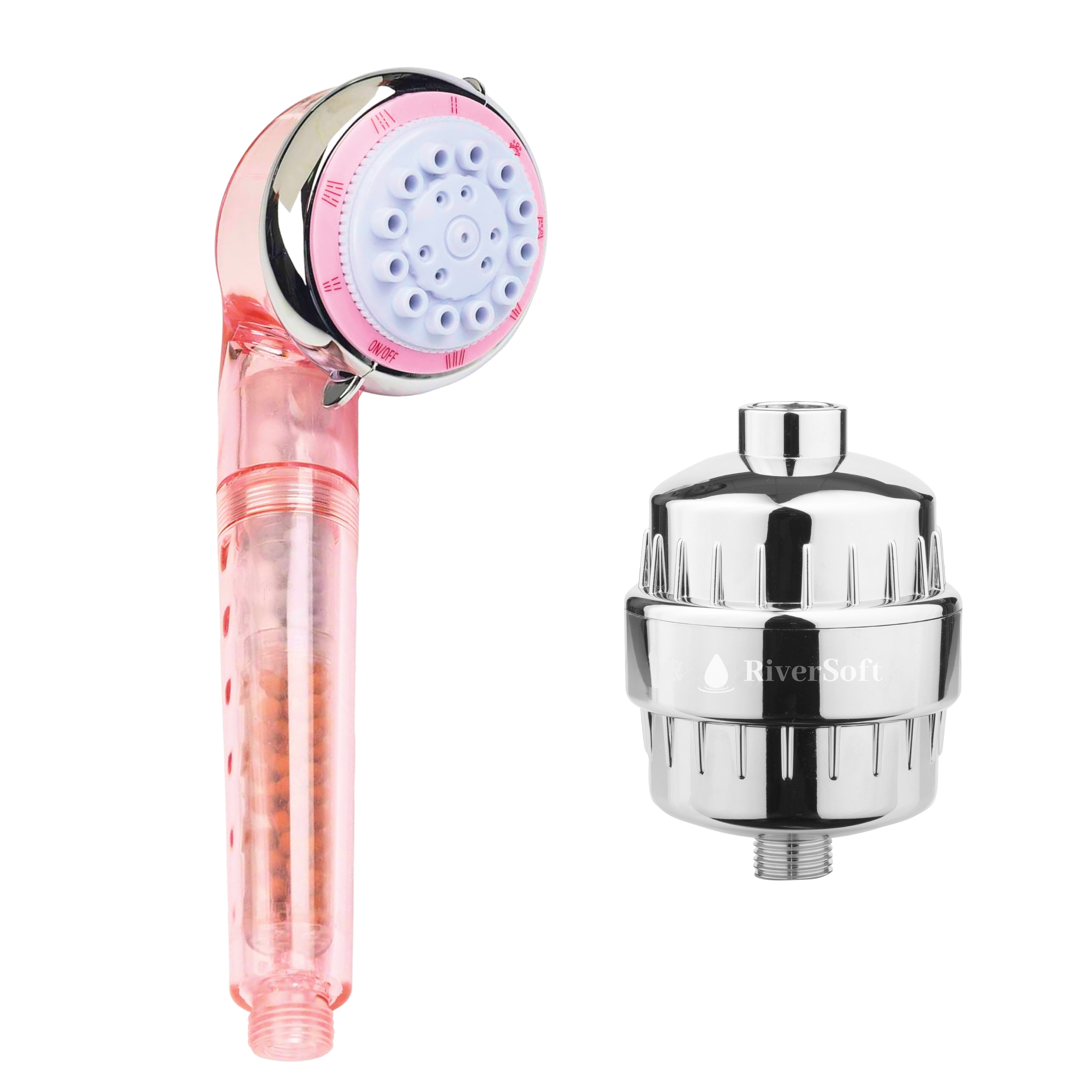
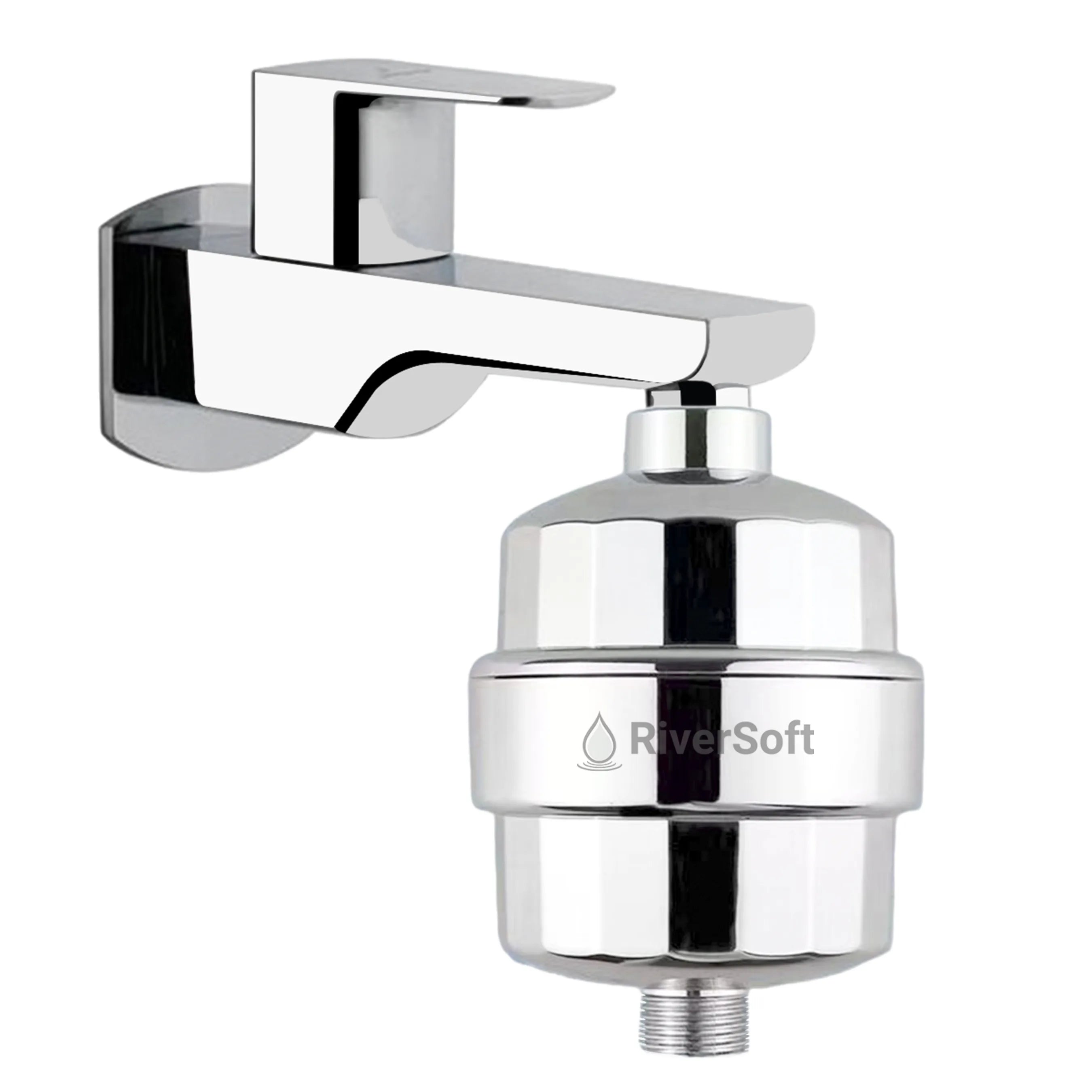
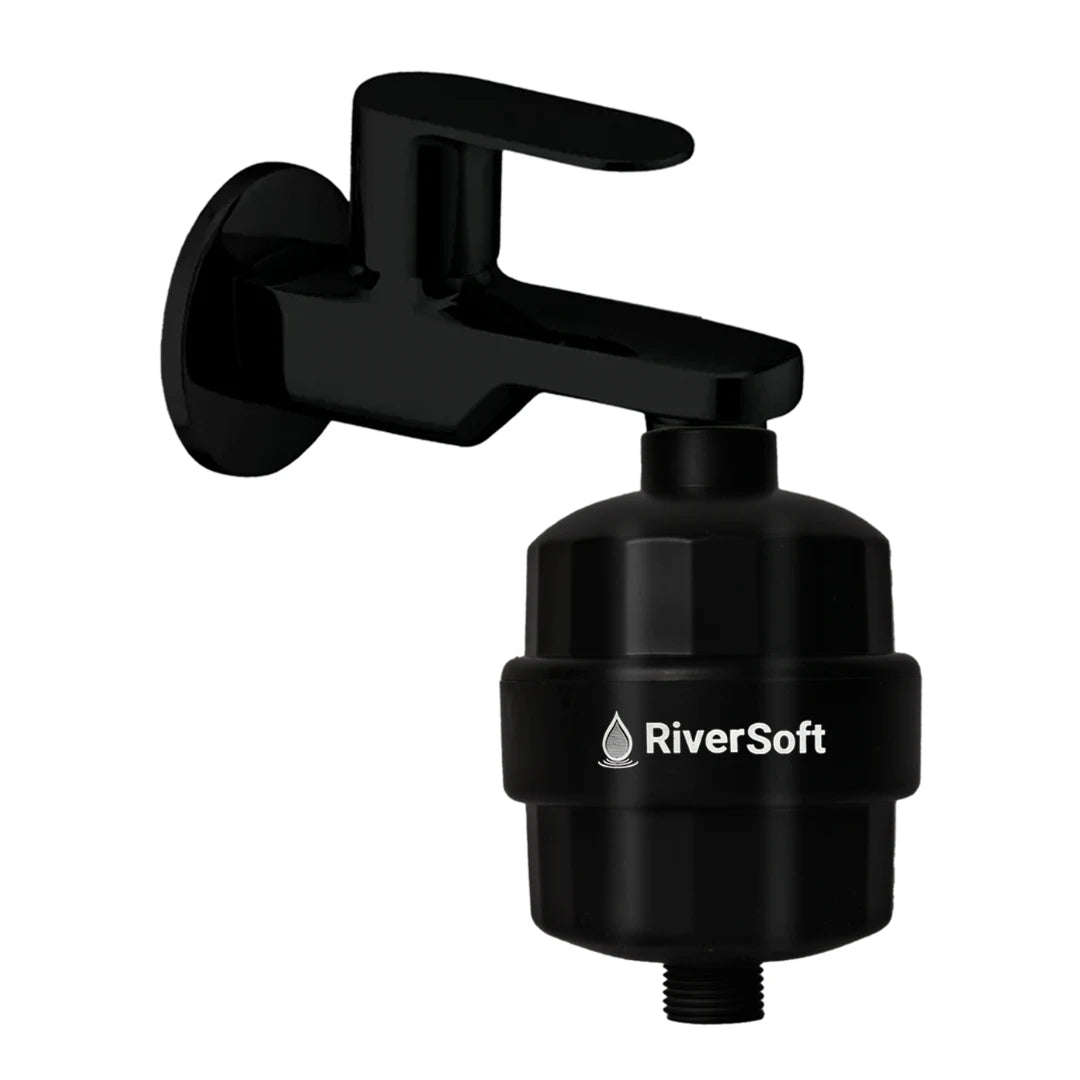
The first and easiest solution is to install a hard water filter. This will keep the mineral content in your water in check, before reaching your baby's skin.
-
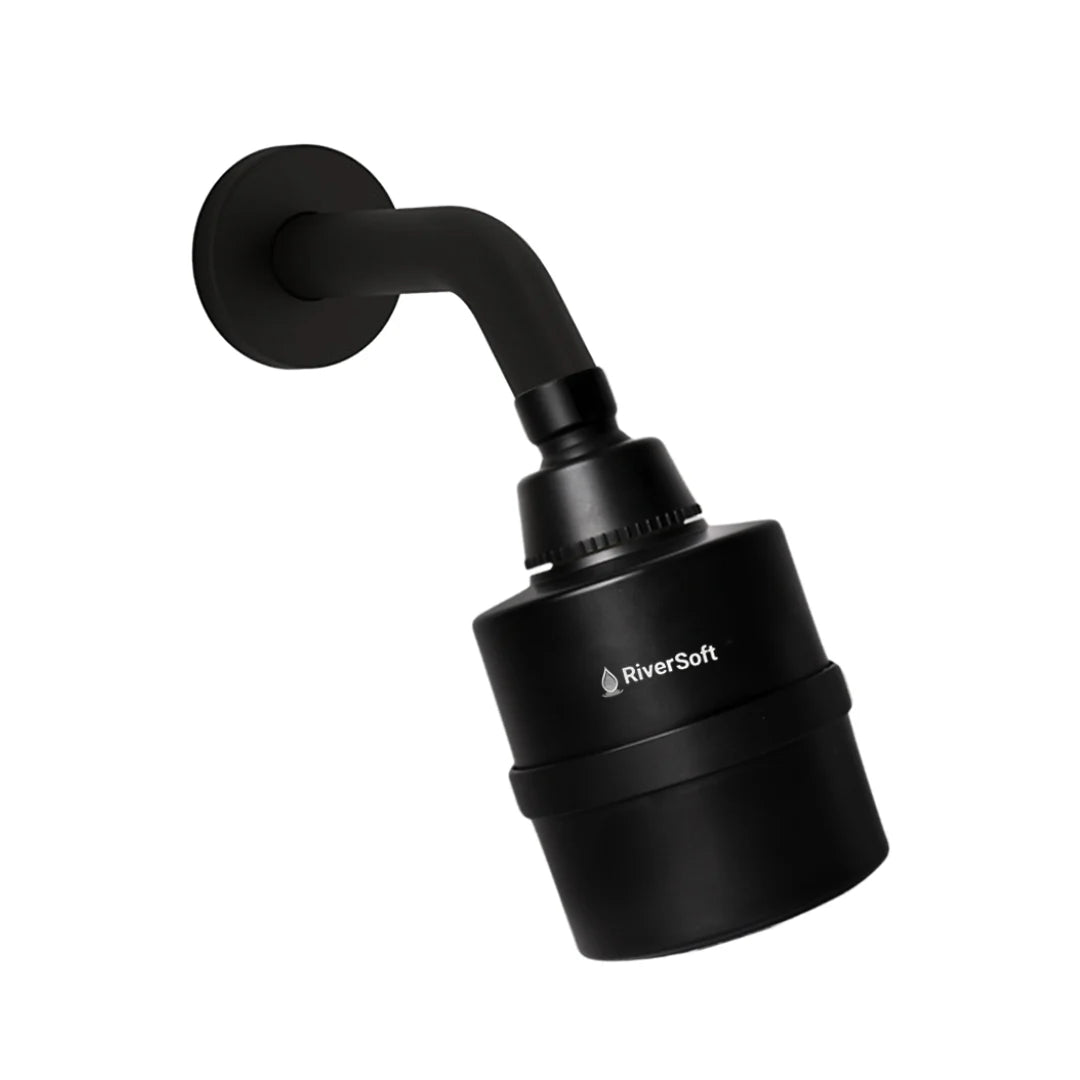
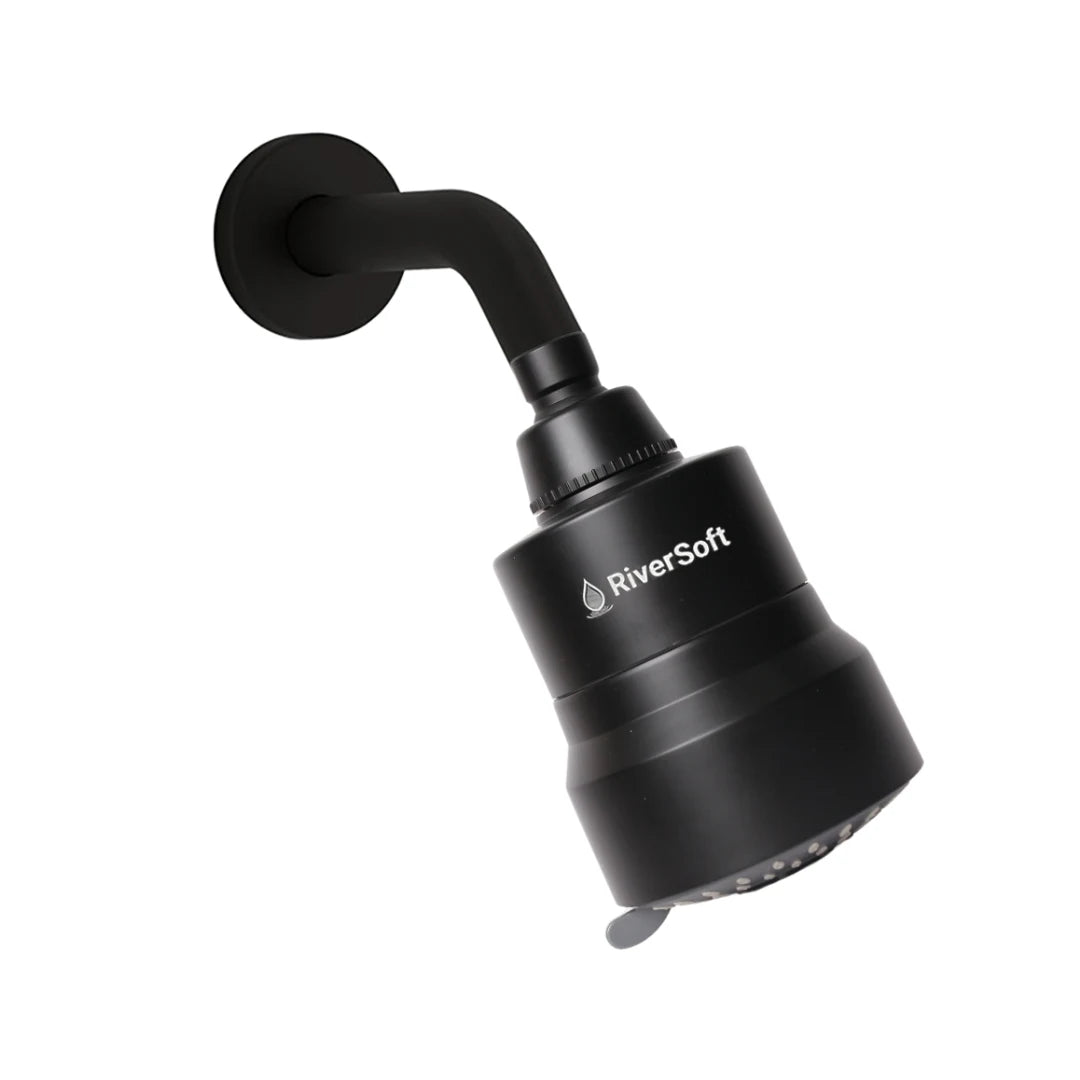
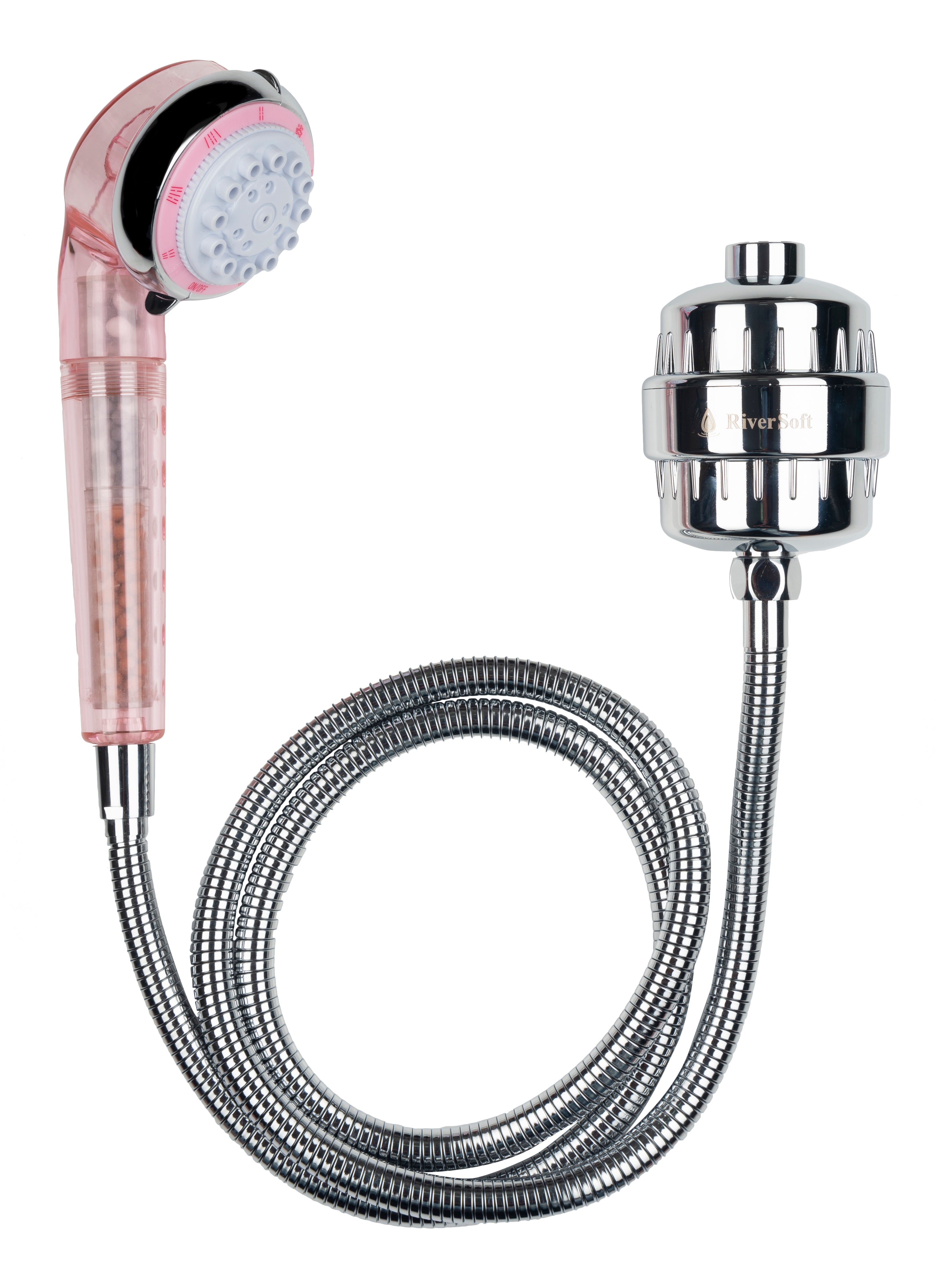
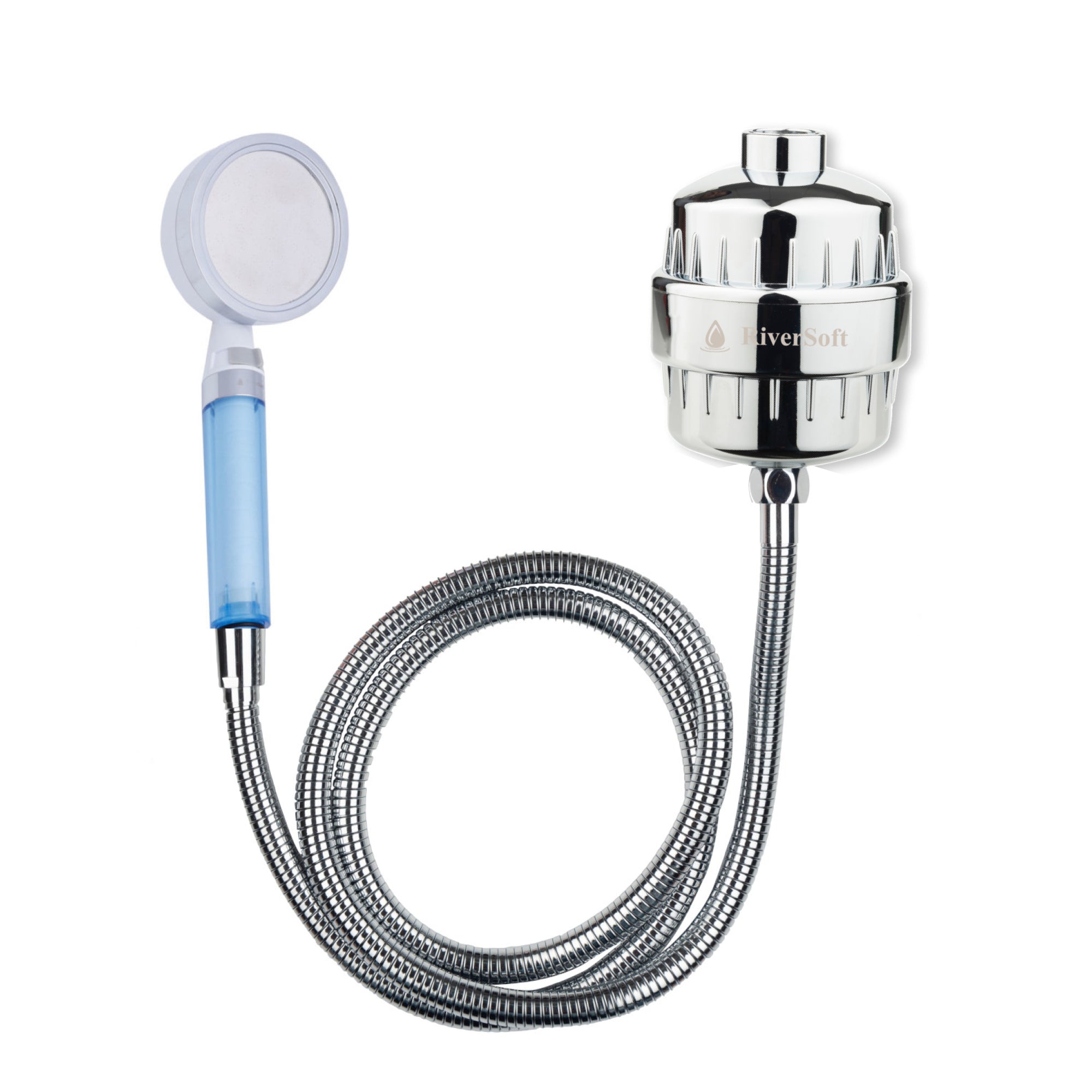
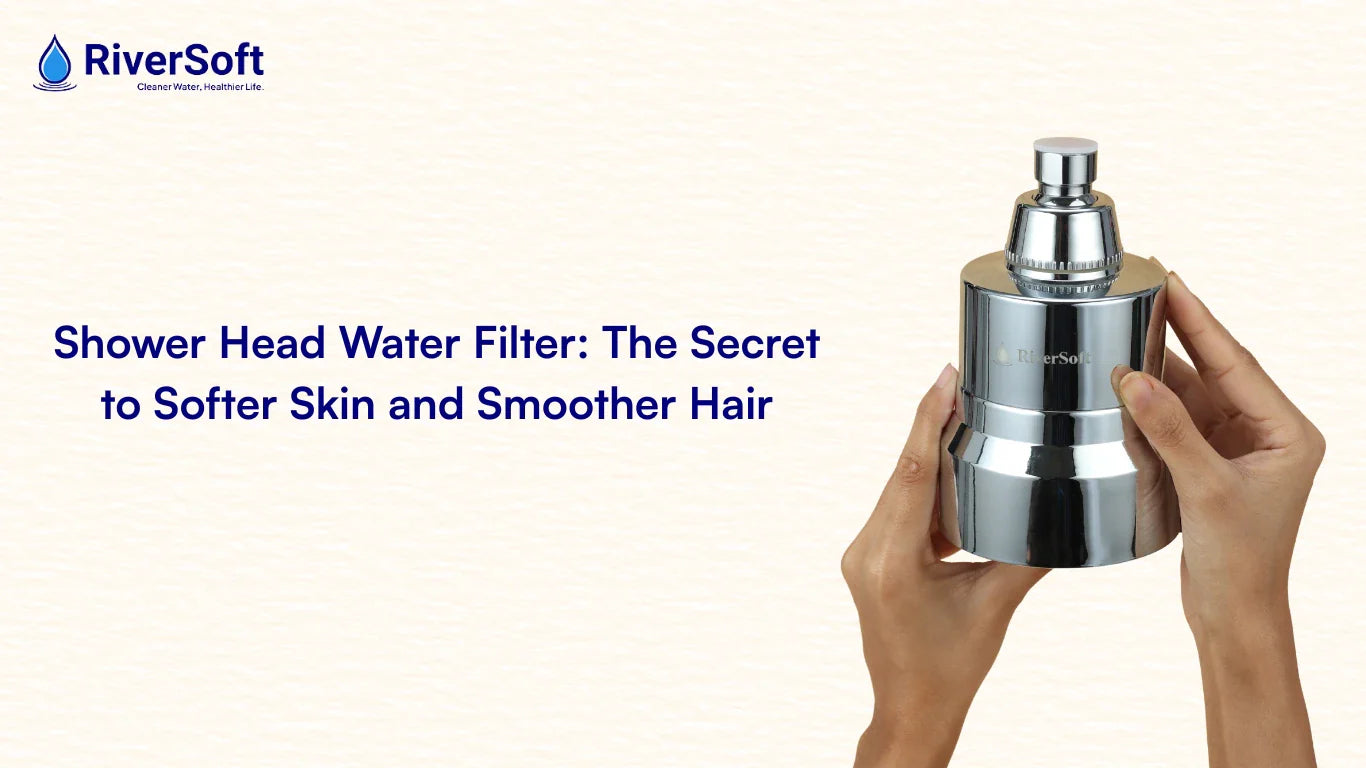
Install showerhead filters designed specifically to reduce chlorine and minerals.
-
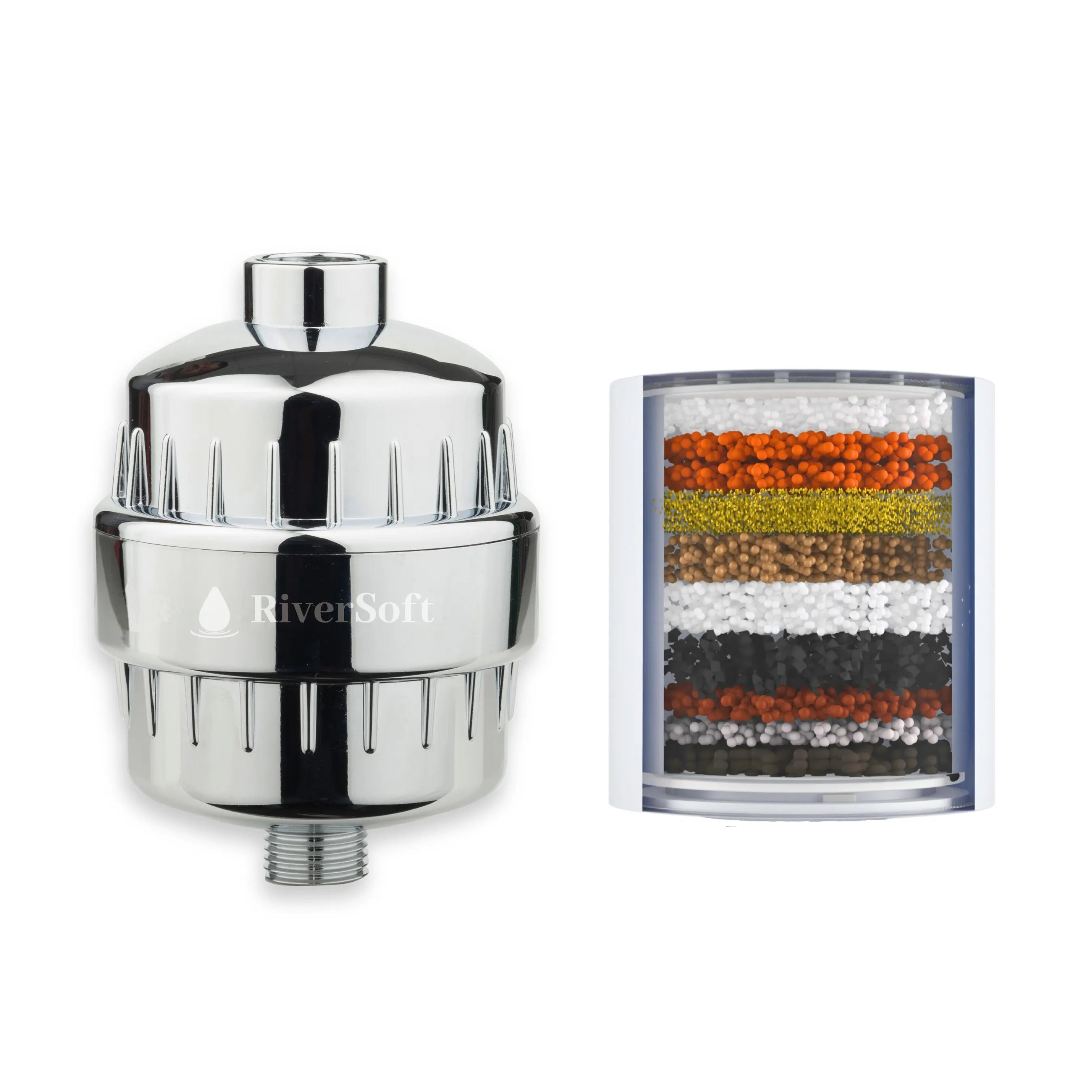
Most filters employ multi-layer technology in order to remove calcium and magnesium, as well as other sediments, making the water gentle.
-
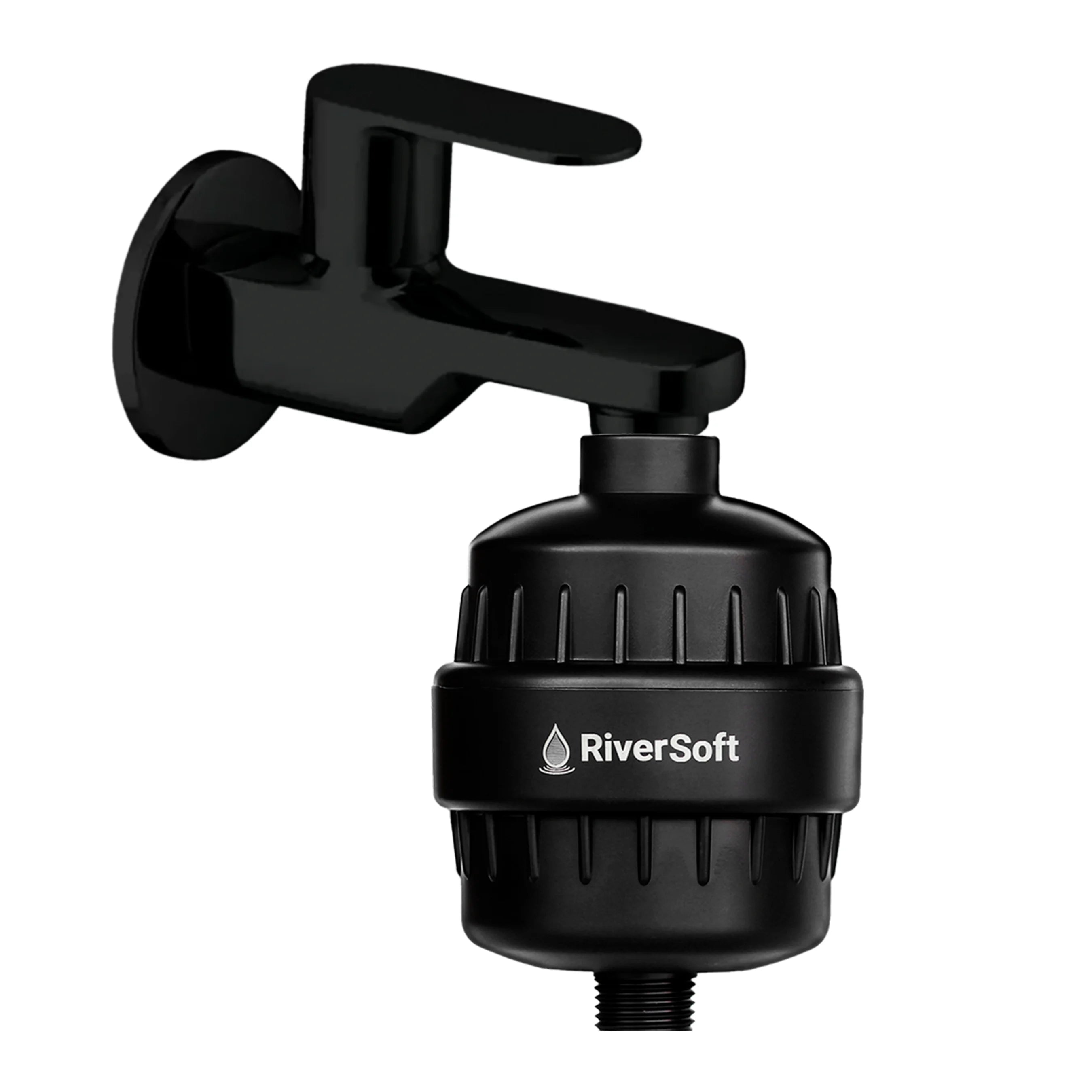
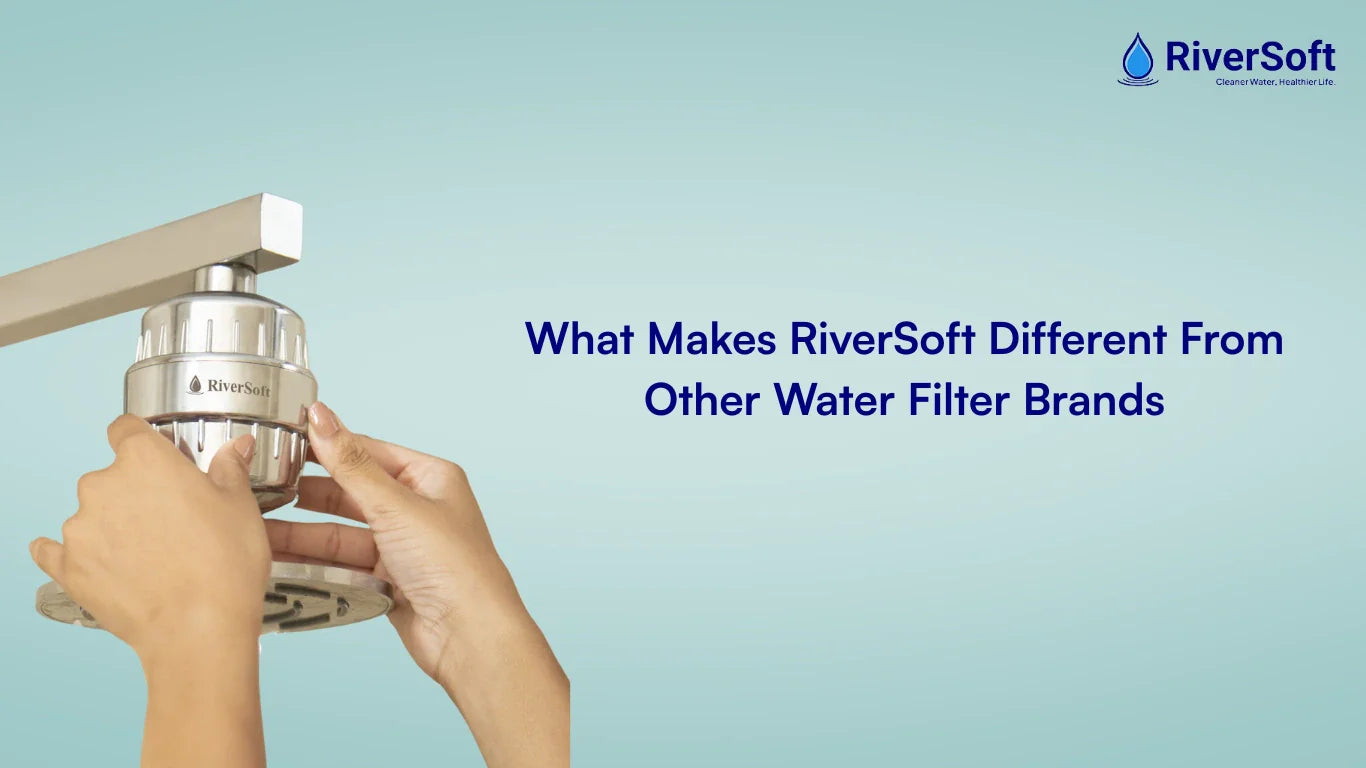
They are easy to attach to existing taps or showers, making them an easy option for every Indian home.
This filter will help protect not only your baby's skin but also your own skin, hair, and bathroom fixtures.
B. Water Softener for Tap Water Usage
In homes, especially in cities such as Delhi, Pune, and Bangalore, that have very hard water, the installation of a water softener for tap water is a long-lasting and worthwhile option.
-
It operates by deactivating or removing calcium and magnesium ions and turning hard water into soft water.
-
This prevents mineral deposition and increases the lathering and rinsing of soaps and cleansers.
-
It is suitable for bathing, washing baby clothes, and even cleaning feeding bottles.
While using a booster heater or geyser, water softeners can protect the pipelines and the appliances from scales too.
C. Bathing Advice to Minimize Skin Stress
No matter how filtered or softened the water is, there are things you can do for your baby to keep their skin healthy:
-
Gentle, pH-balanced, fragrance-free baby cleansers.
-
Do not soak in bubble baths or use adult soaps that strip moisture.
-
Have a bath for only about 5-10 minutes in lukewarm water.
-
Pat dry the skin with a soft towel instead of rubbing it.
-
Moisturize right after bathing with baby-safe creams or lotions locking moisture in.
These steps will minimize the effects of the remaining minerals and keep your baby's skin soft and protected.
Conclusion
Hard water can cause serious harm, especially to infants. The effects include skin dryness and itching or eczema outbreaks. The effects of hard water on baby skincare are avoidable.
Simple efforts such as the installation of hard water filters or using a water softener for tap, along with gentle bathing practices, could make the difference.
A baby’s skin is still learning to defend itself. Rely on RiverSoft to ensure every bath is as safe as can be.
Reference: Healthline

























Leave a Comment