

Have you ever stepped out of a shower only to find your skin feeling tight, dry, or itchy? If so, it might not be your soap or the climate to blame. The real culprit could be hard water, a widespread issue affecting homes across India.
Reports suggest 70% of water sources in India are contaminated, thus filtration for safe drinking is essential. Most of us unknowingly expose our skin to minerals that affect the skin's natural balance, which adds to the alarming factor.
We will explore the causes of hard water, how it affects your skin, and what you can do about it, starting with a tap filter for hard water.
What Is the Science Behind Hard Water and Its Effects on Skin?
For a better understanding of how hard water affects the skin, we need to understand what causes hardness in water. Hard water has calcium and magnesium. These stay in the pipes and affect the skin. With a little scientific understanding, you can take deliberate steps to minimize its effect on your skin.
Here's what takes place:
-
Minerals react with soap, and produce white, filmy substance, soap scum. It does not come off easily; instead, it clings to the skin.
-
It has a negative effect on the moisture barrier system of the skin, and the skin elasticity and health are compromised.
-
Hard water washes out natural oils that create hydration and gives the skin a feeling of dryness and unease.
-
Another destructive effect of hard water is its alkaline pH level, which acts opposite to the skin's acidic nature, eventually causing irritation and hypersensitivity.
A 2021 meta-analysis of 16 studies confirmed that hard water exposure significantly increases the risk of eczema and skin barrier disruption. For Indian households in cities like Bangalore, Chennai, and Delhi where water hardness regularly exceeds 300 ppm, daily unfiltered exposure compounds this damage over time.
Though these effects might seem worrying, once you understand the science, you can take proactive steps to protect your skin.
Watch: Confirm It With a Simple Soap Test
What Are the Signs That Your Skin Is Responding to Hard Water?
Are you still wondering if hard water is the one to blame? Here are certain signs that you should watch out for:
-
The skin feels tight after a bath, especially on the cheeks and forehead.
-
Dryness, flakiness, or itching continues despite moisturization.
-
Pre-existing skin conditions like eczema or psoriasis are hard to control, or have been flaring up.
If you notice any of these changes despite the use of good skin products, chances are water quality is the culprit.
How to Reduce Hard Water Damage to the Skin?

You don’t have to live with discomfort. Below are actionable steps that can help minimize the impact of hard water on your skin:
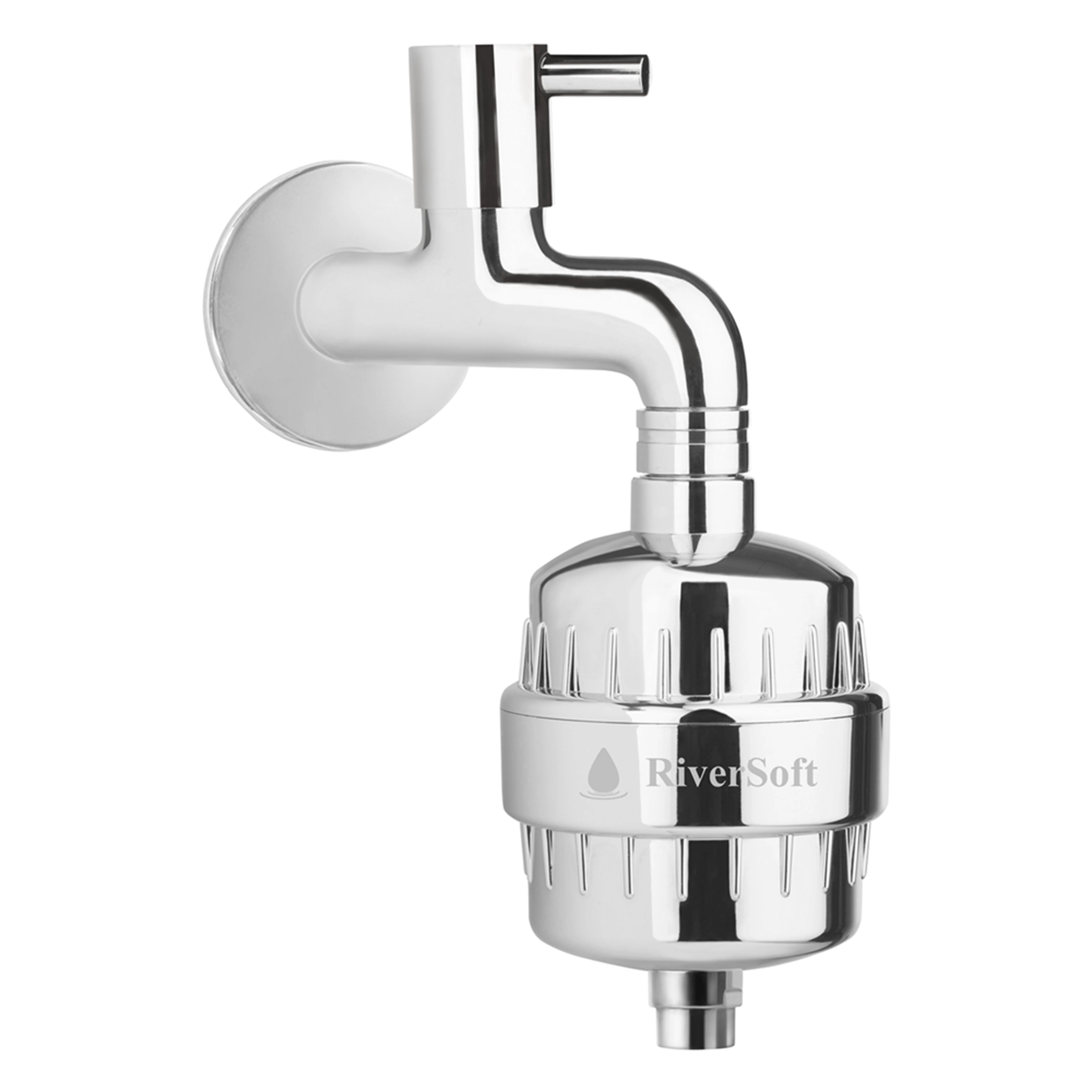
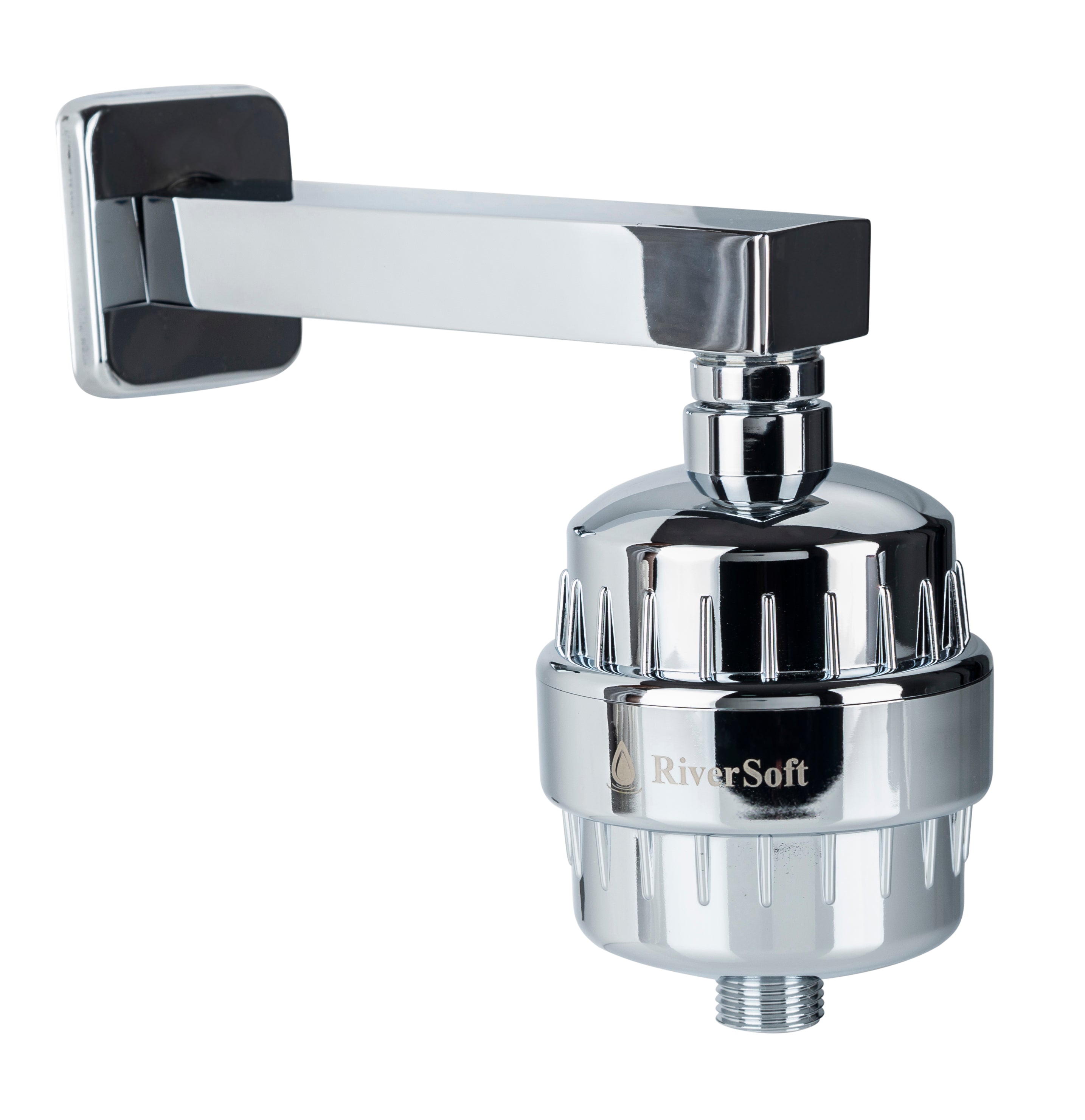
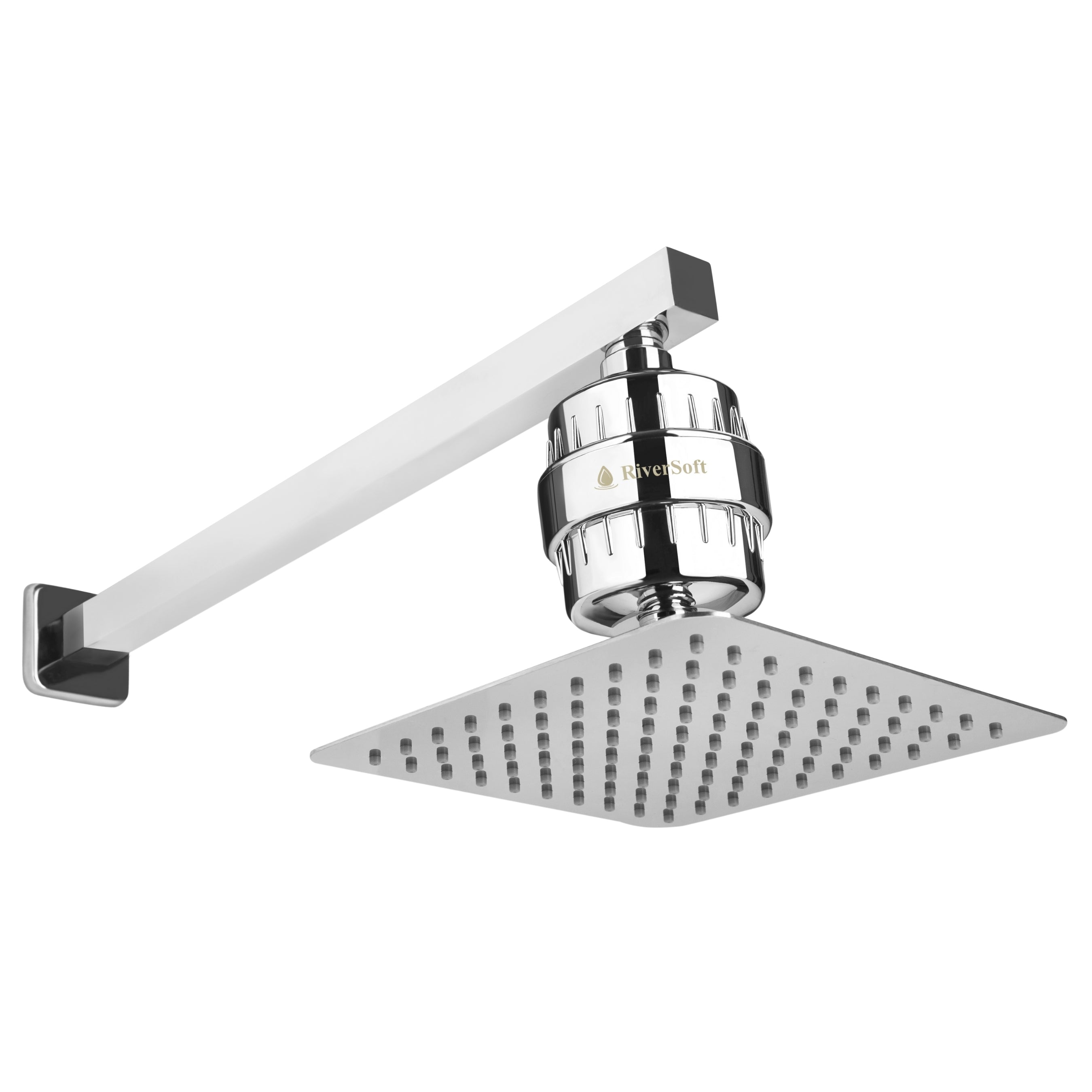
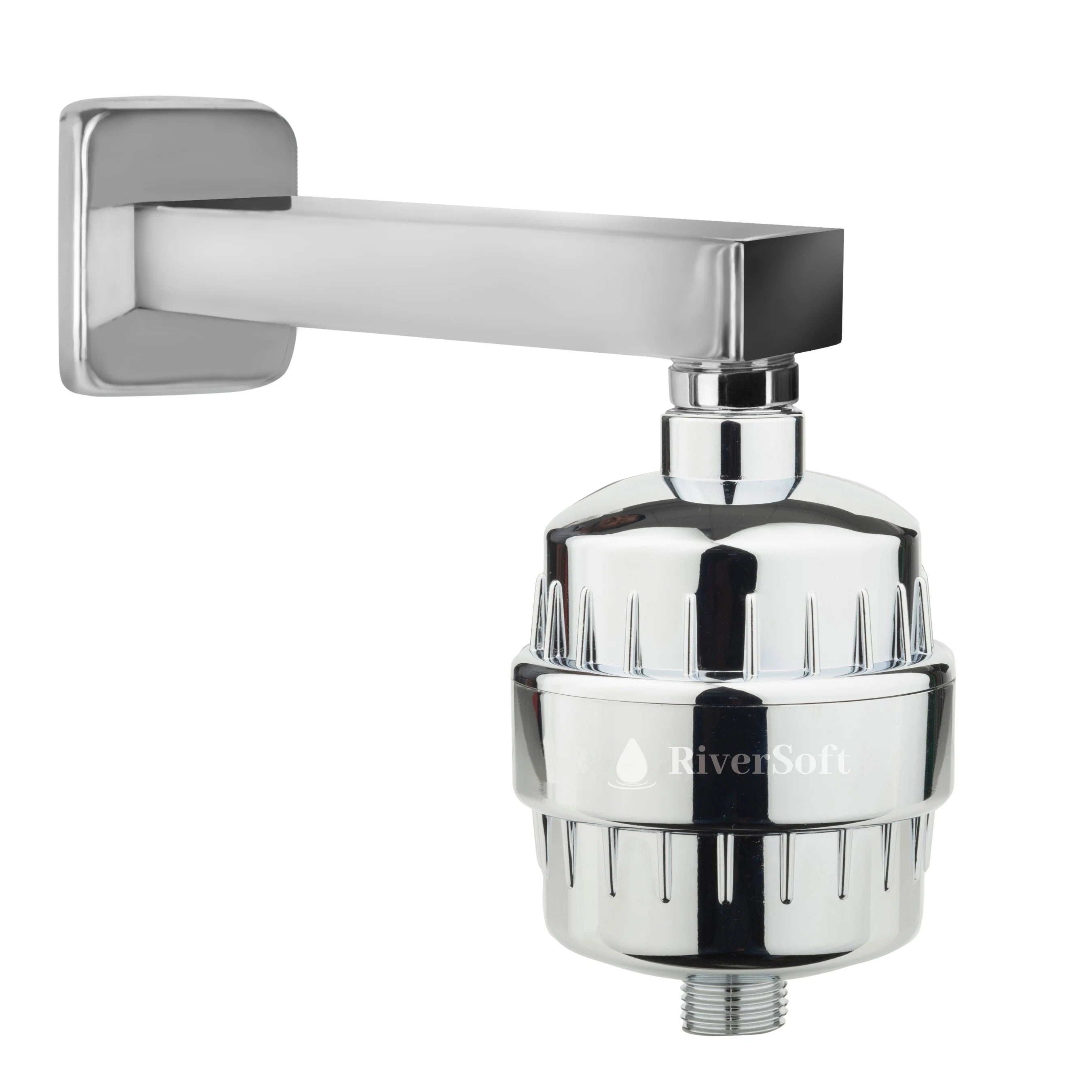
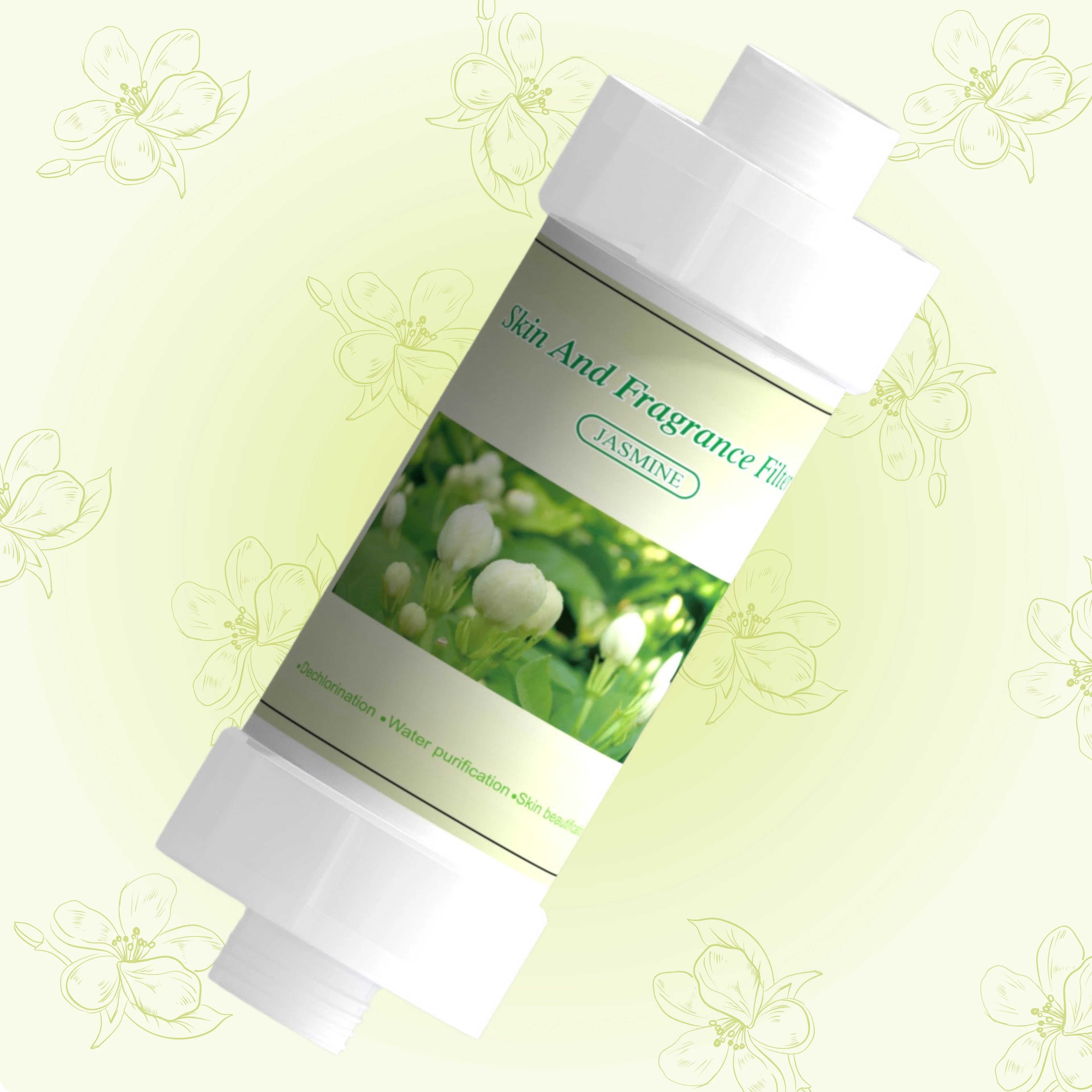
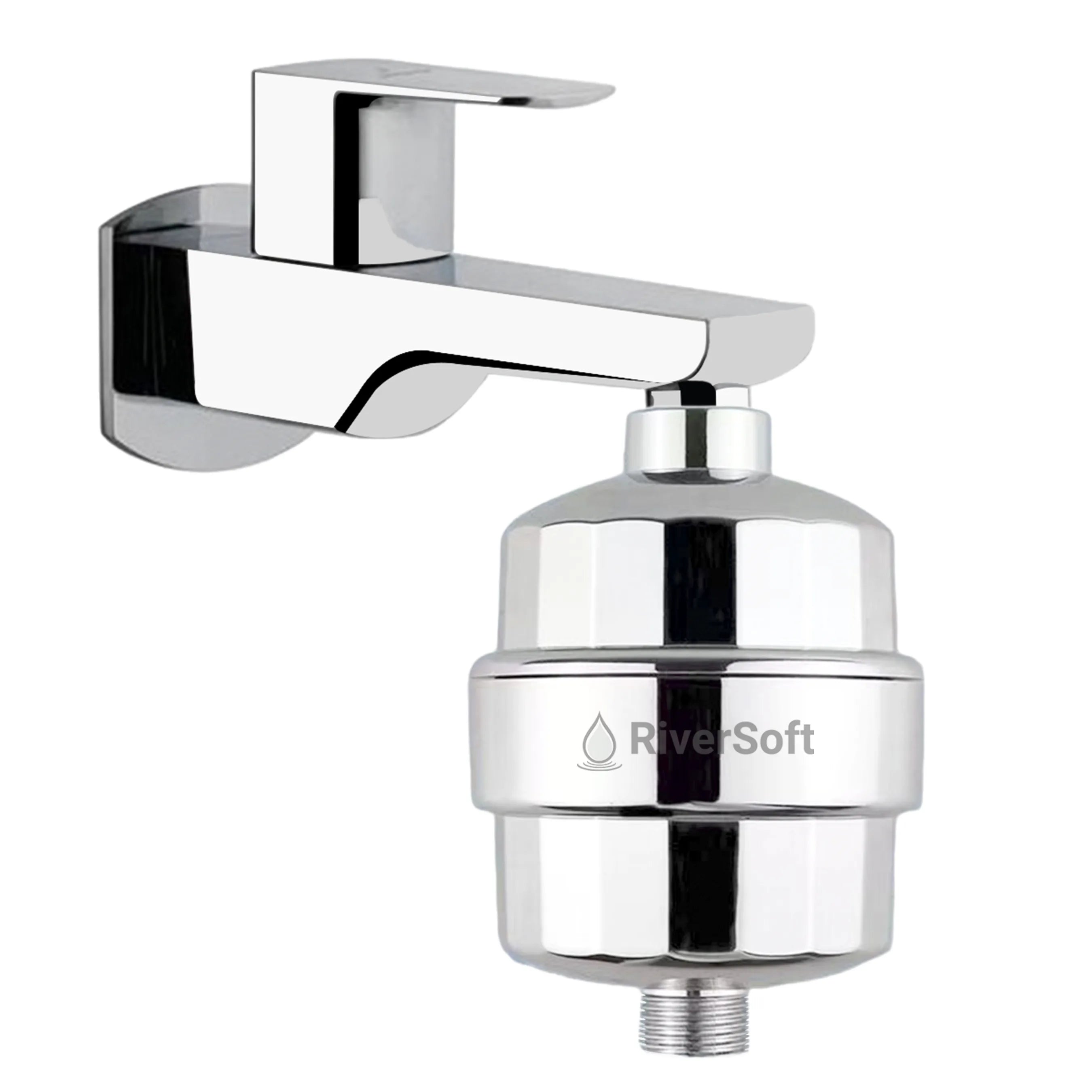
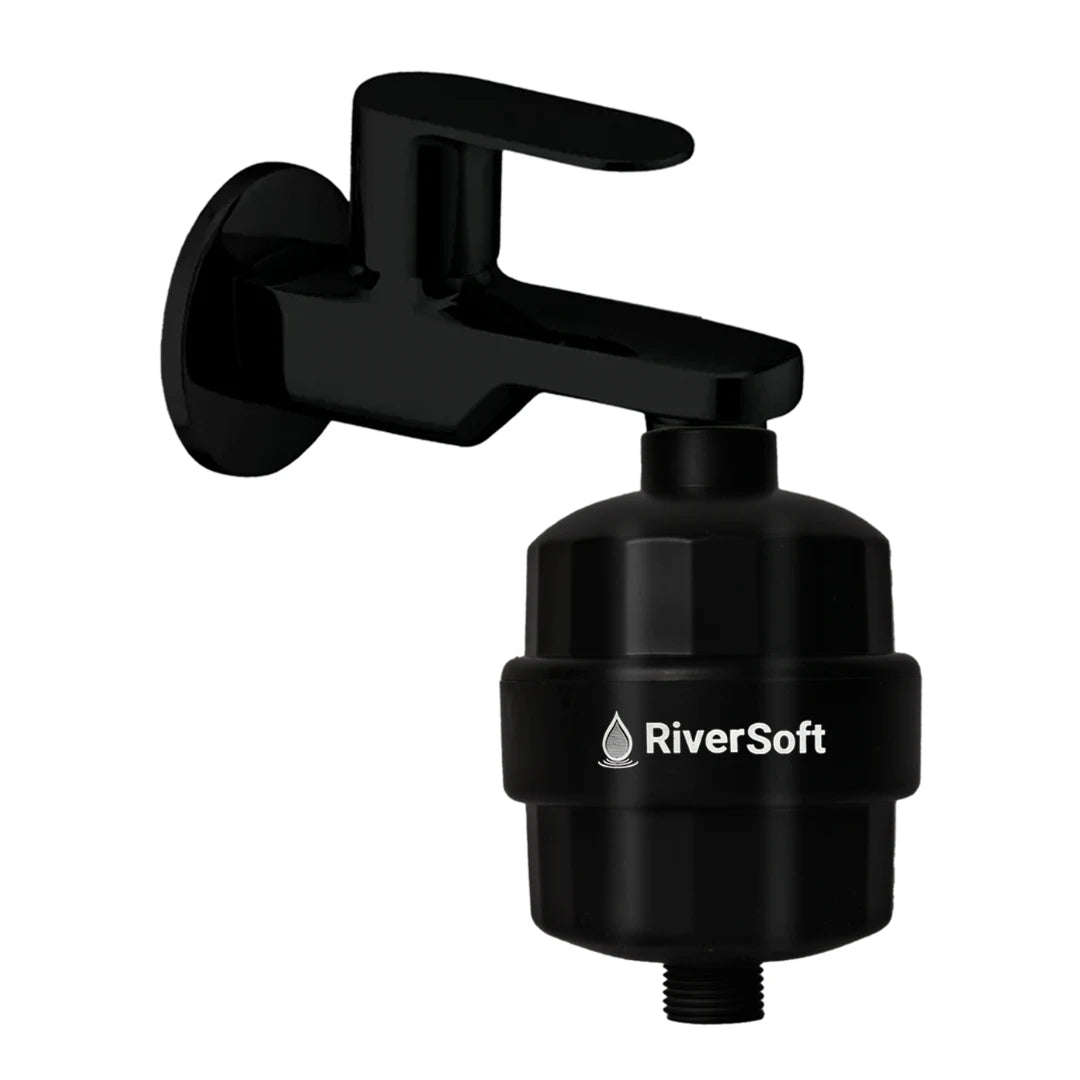
1. Install a Tap Filter for Hard Water
-
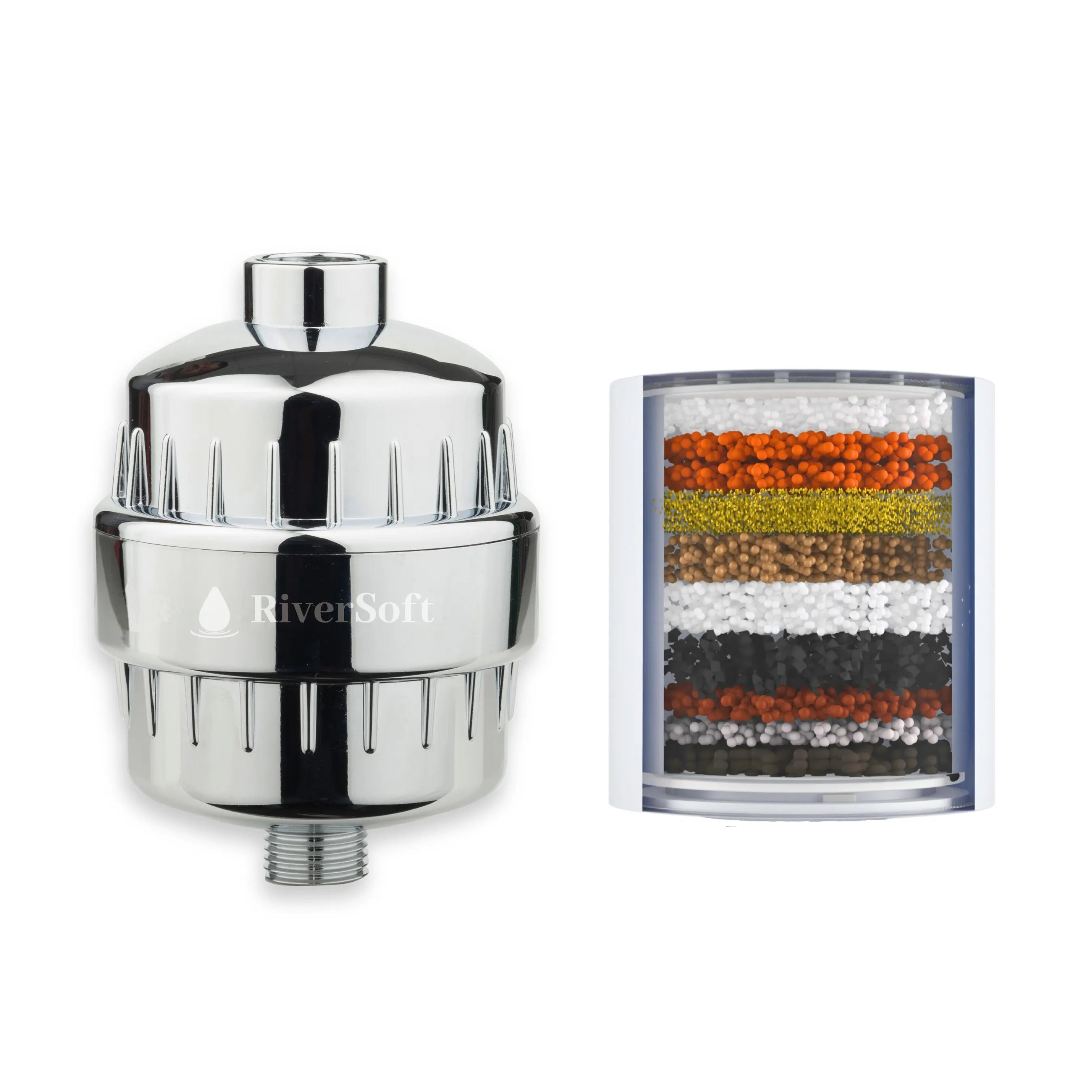
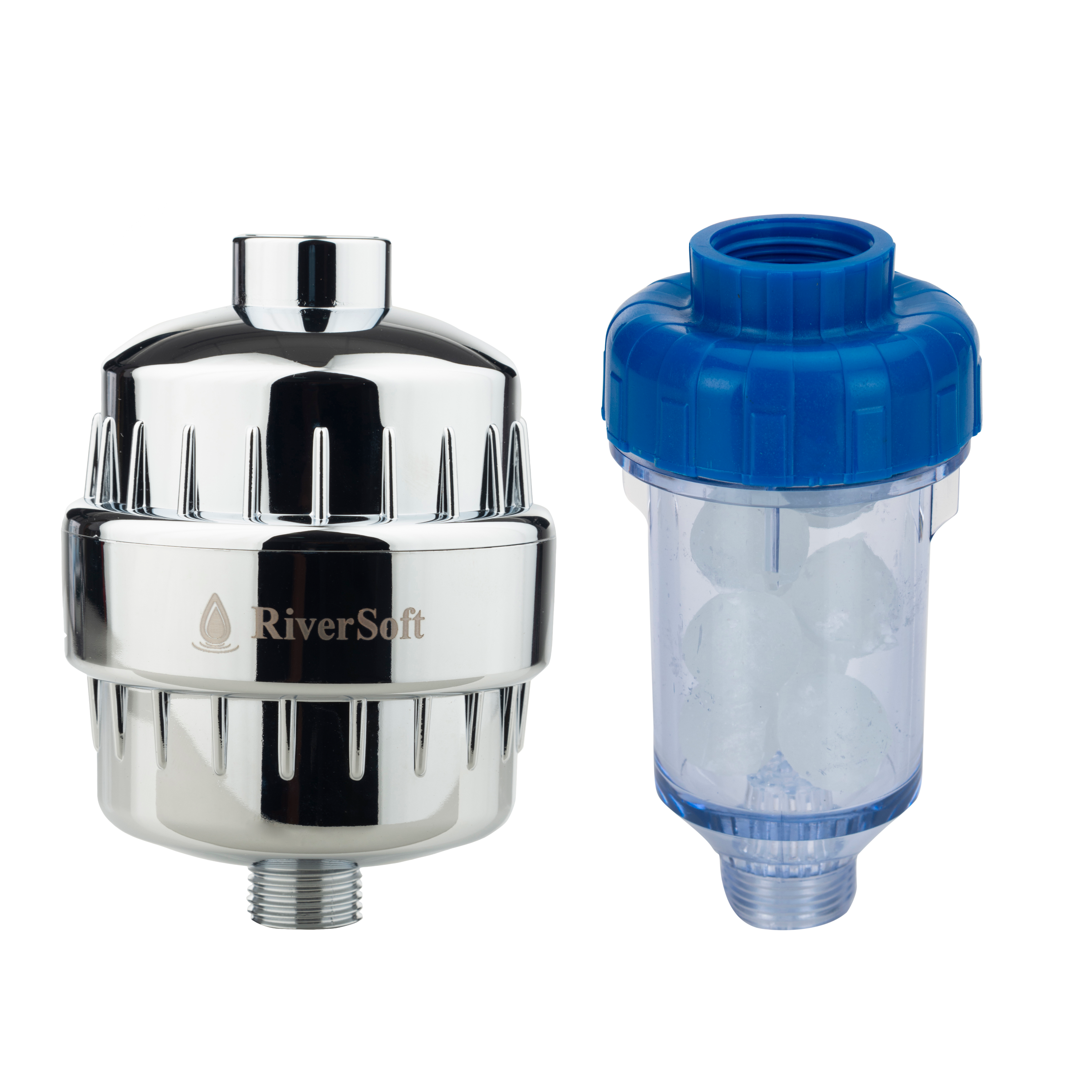
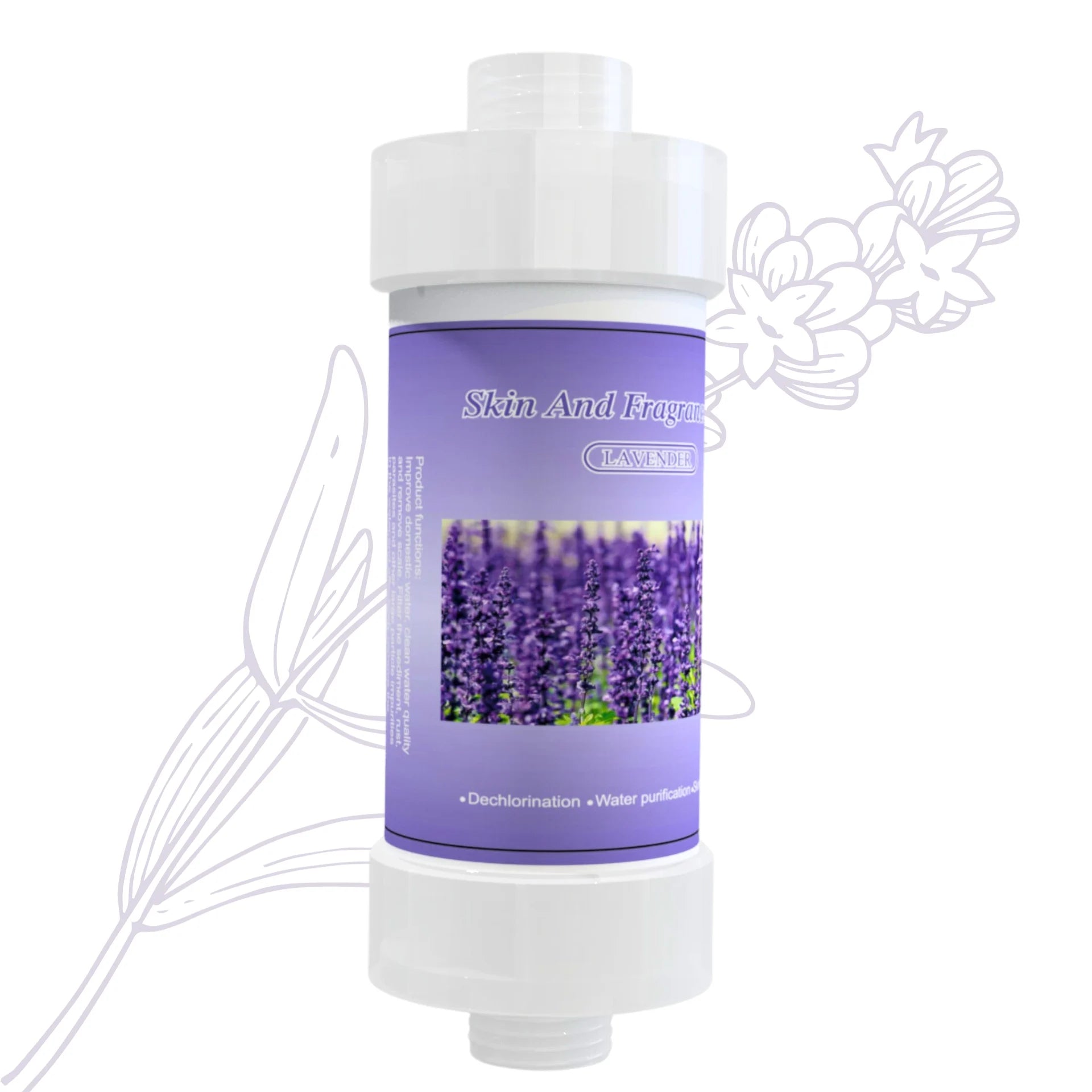
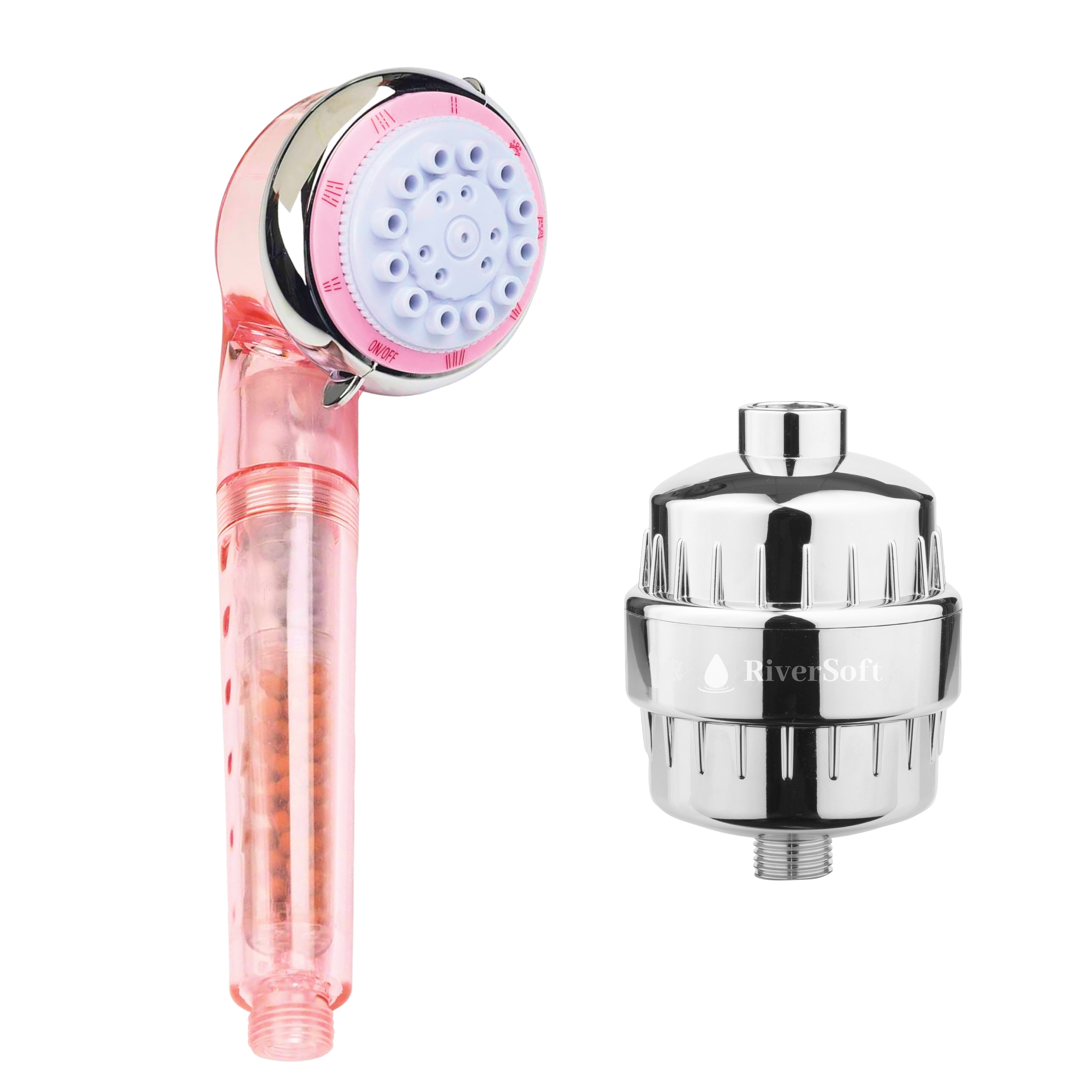
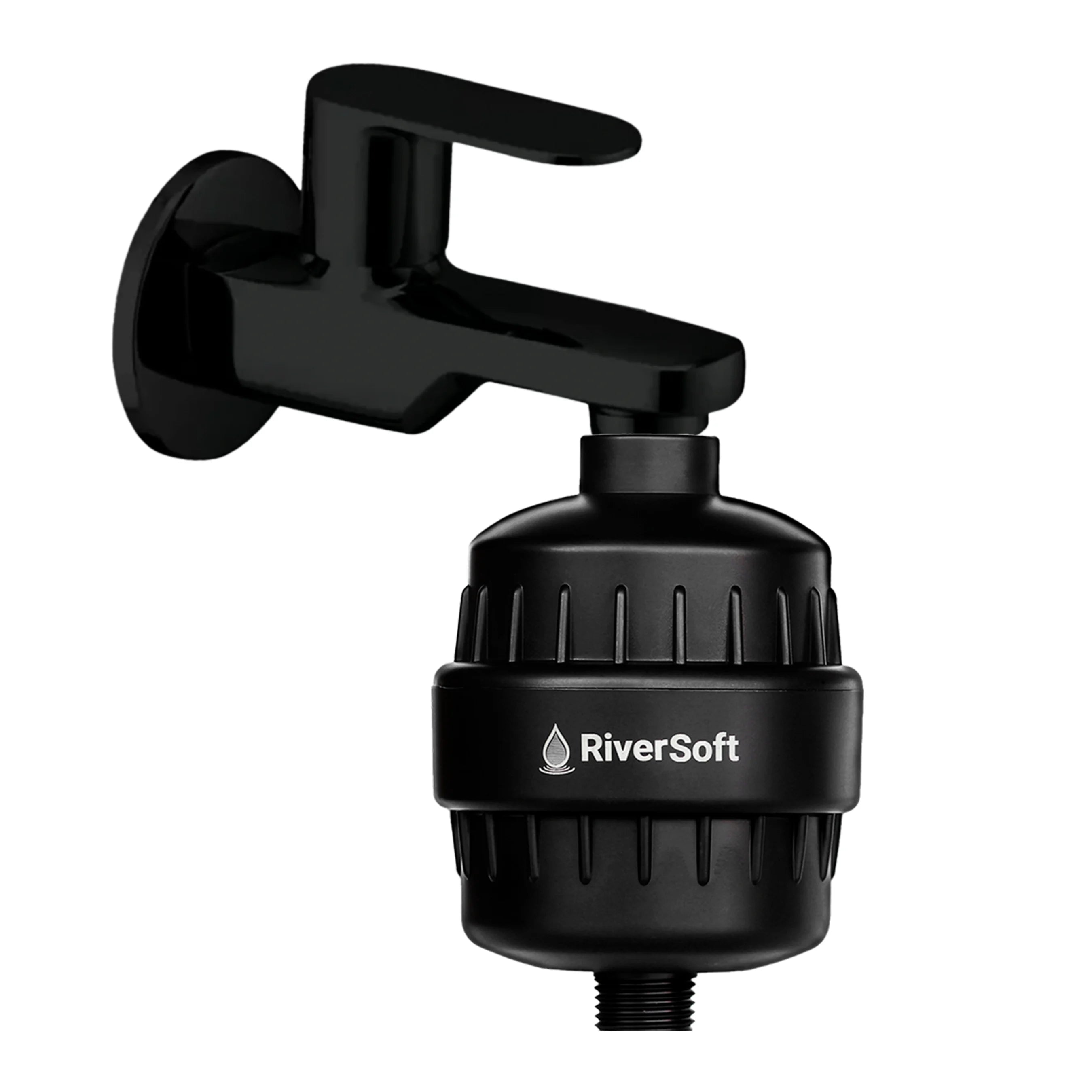
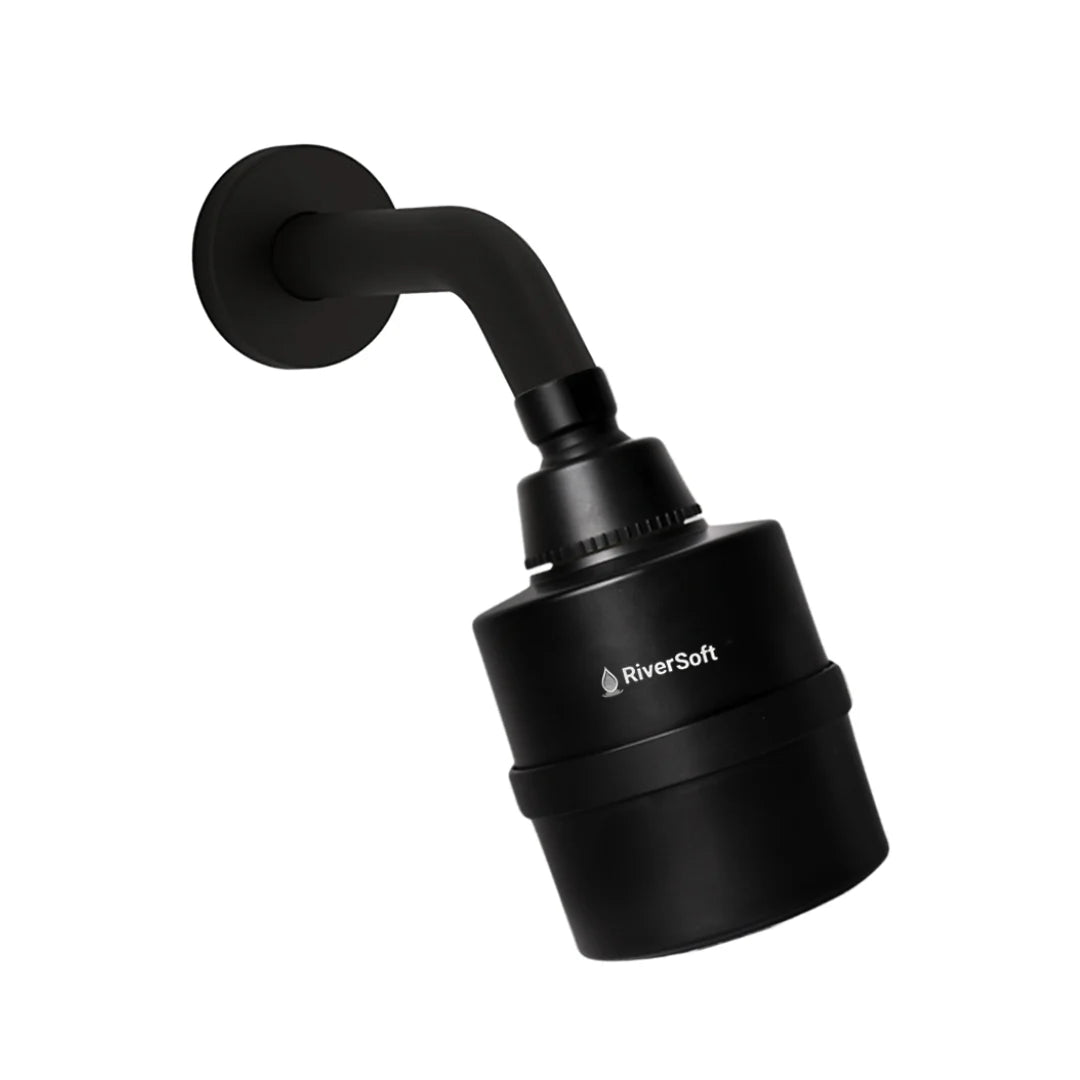
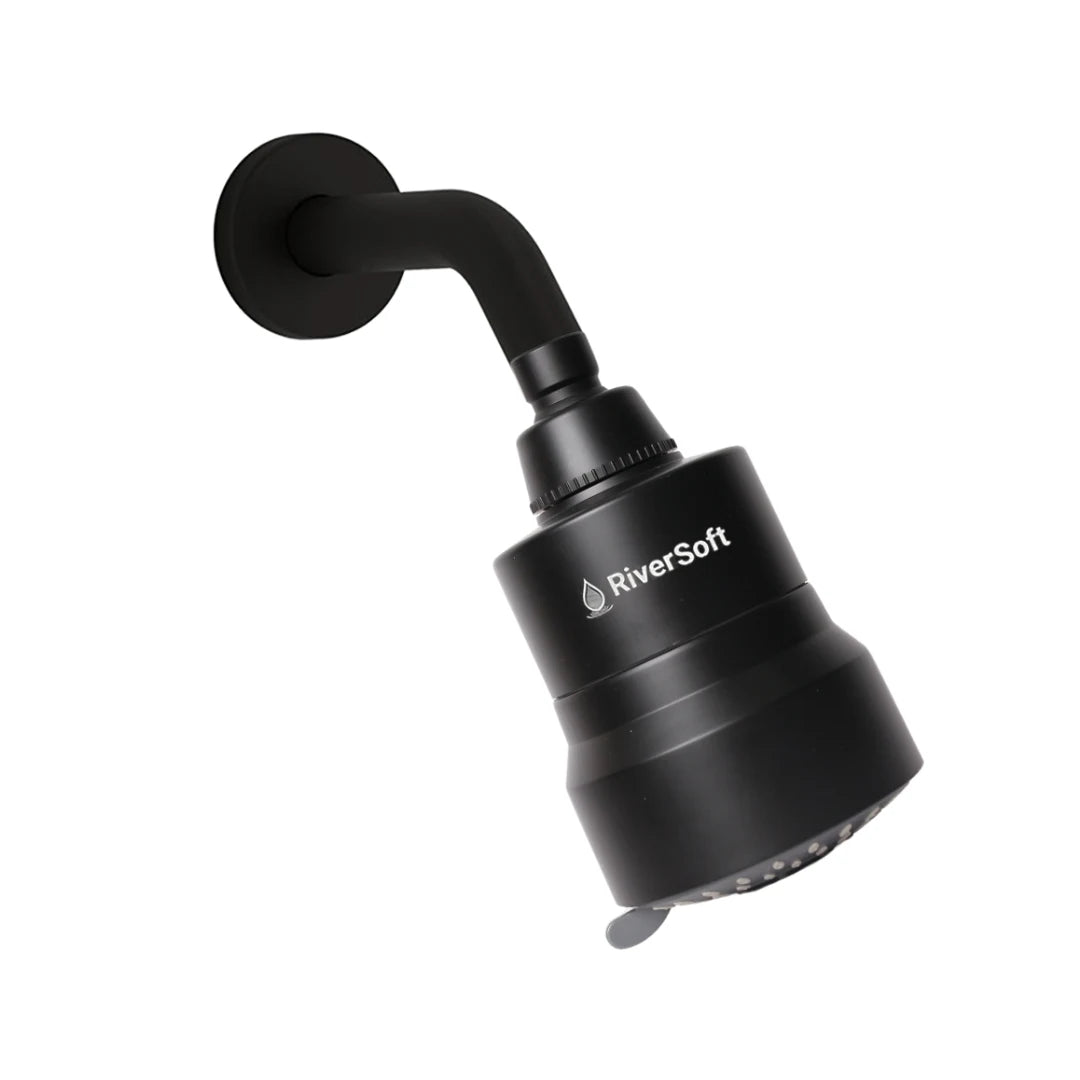
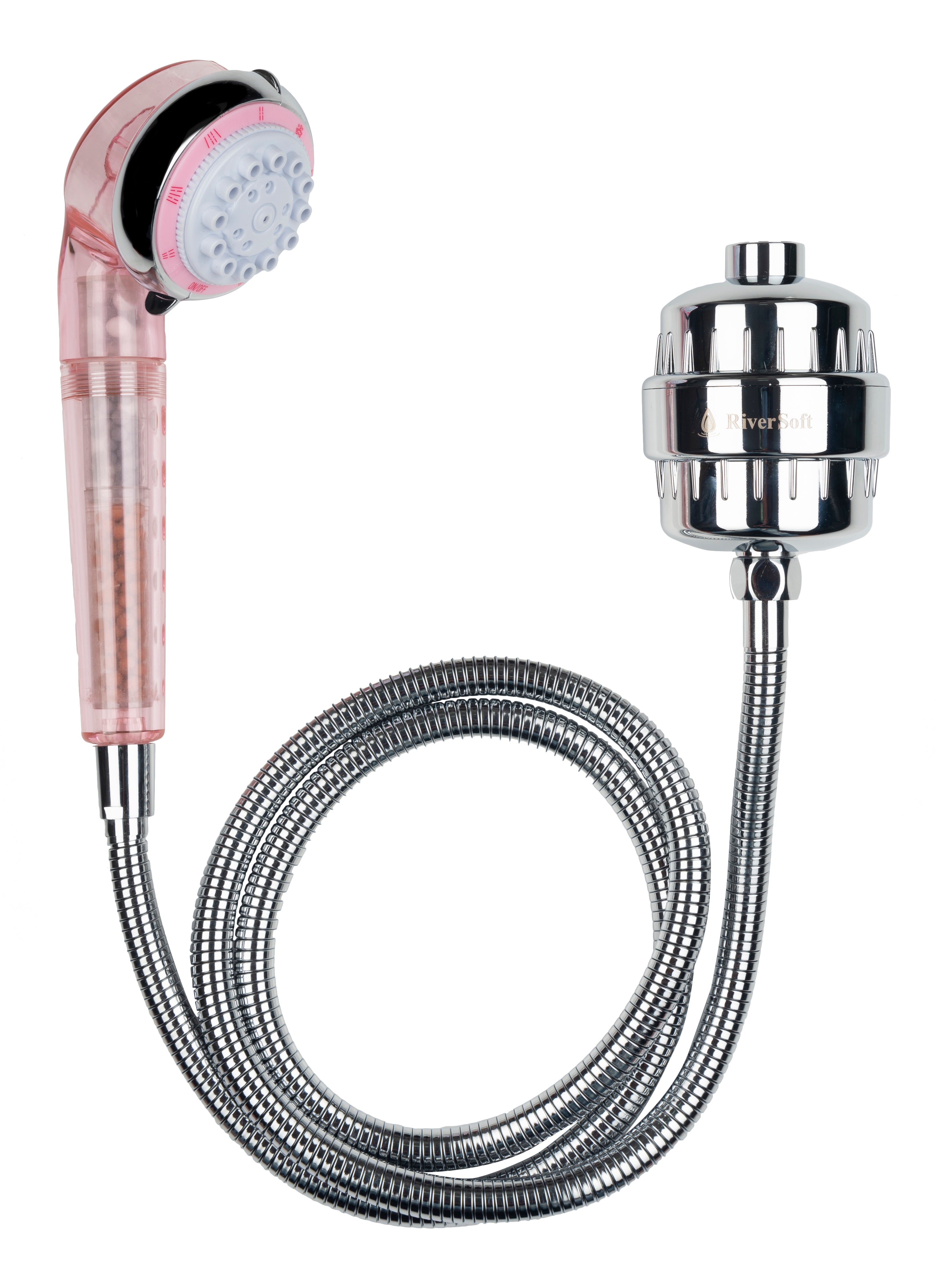
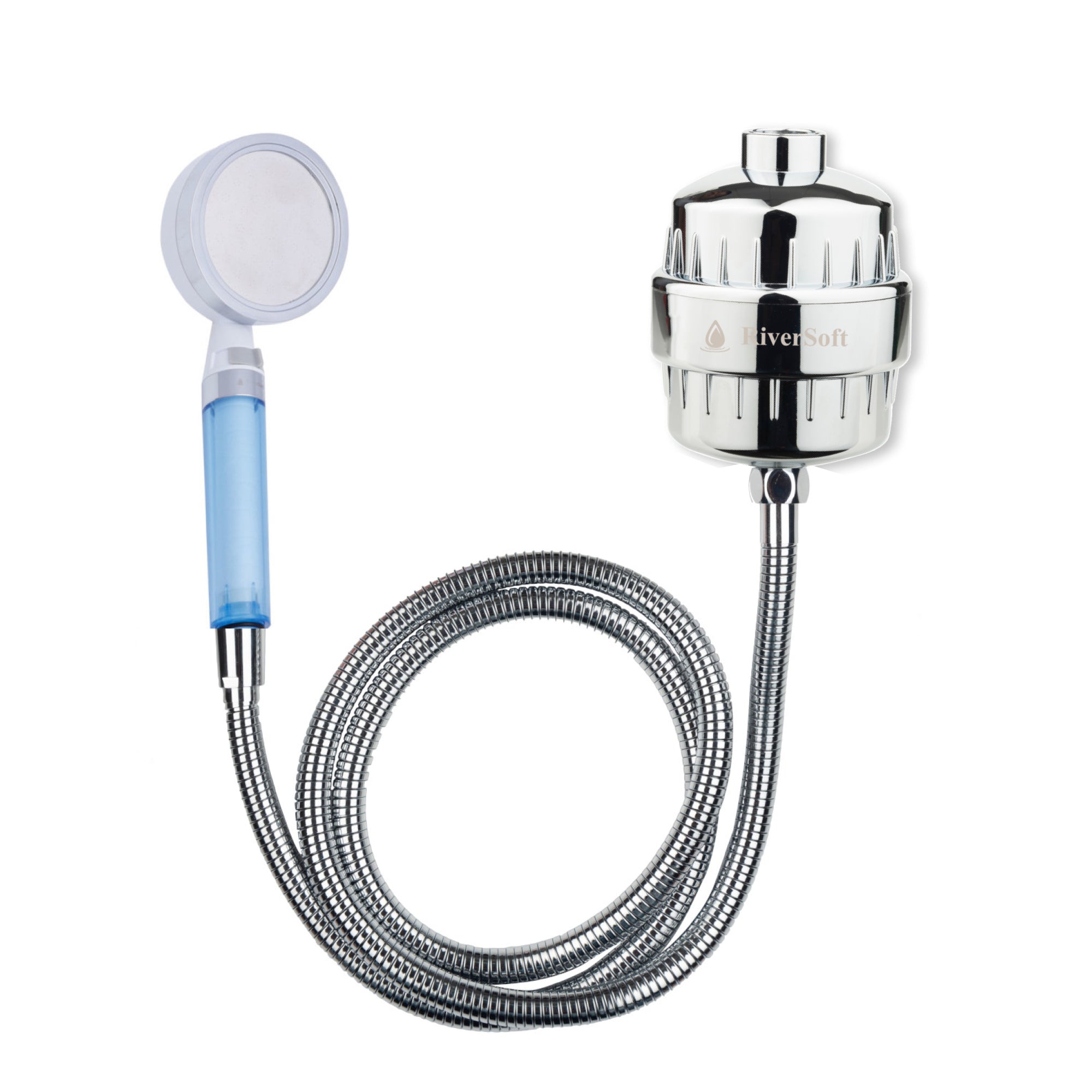
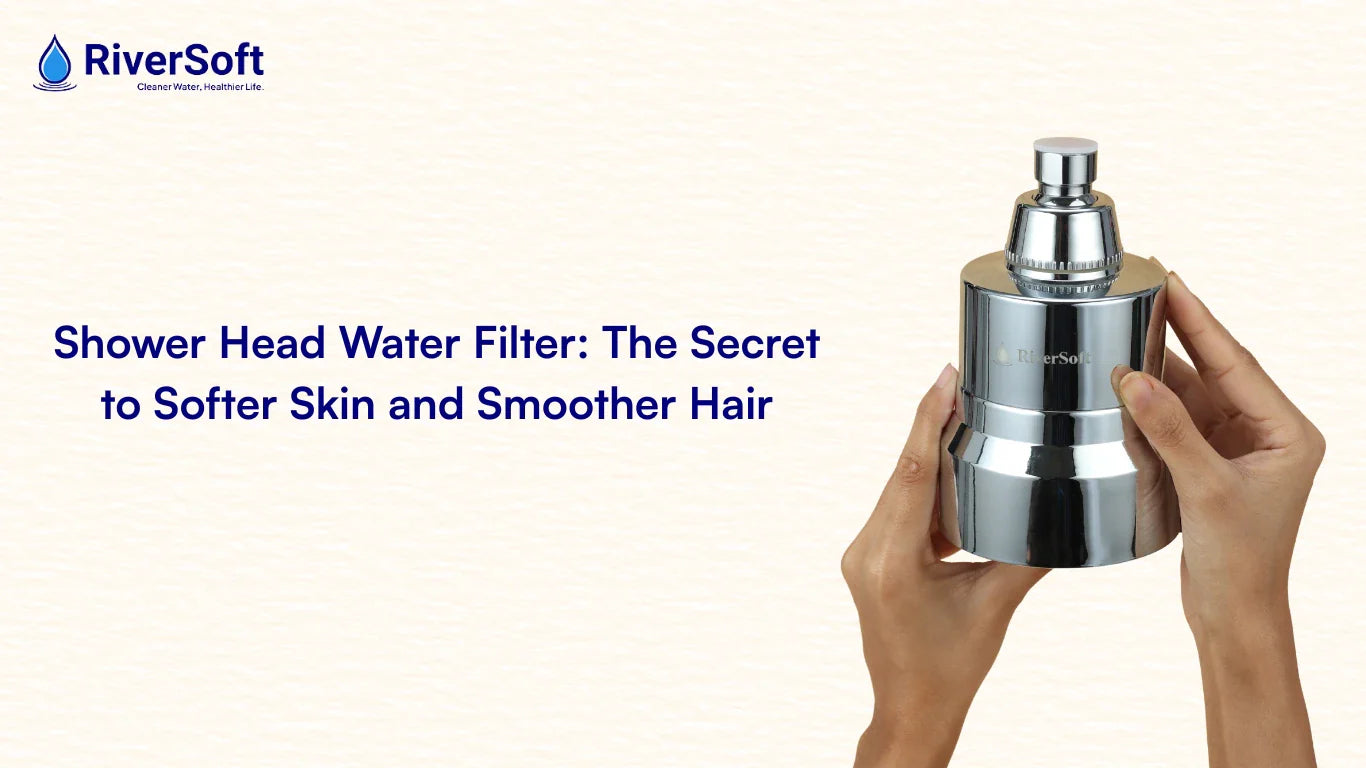
Installing a water softener for tap or shower can be an easy solution for this problem.
-
Hard water filters can prevent calcium and magnesium from contacting your skin.
-
It can prevent degradation of scum soap and improve soap and cleanser lathering.
-
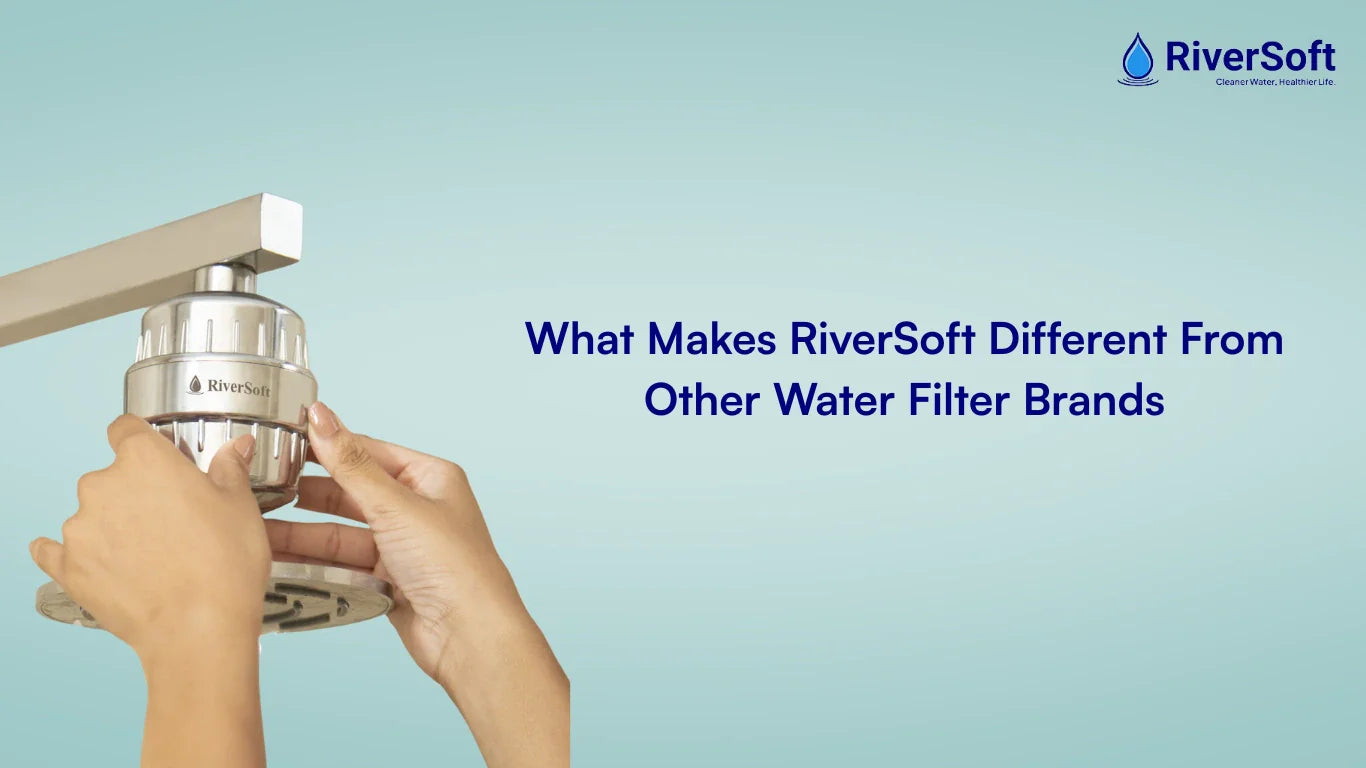
It can be easily attached to taps or showers.
2. Switch to Gentle Soap-Free Cleansers
Most of the soap in the houses is alkaline and further aggravates the dryness of hard water.
-
Select soap-free or syndet cleansers with a pH of about 5.5.
-
Use products with no fragrance that have been tested for irritation.
-
Cleansers that lock moisture, like those with glycerin or ceramides.
3. Rinse Your Skin Well After Soaping or Cleansing:
-
Wash face and body with clean water free of soap.
-
Use lukewarm water instead of hot, since the latter only dries the skin even more.
4. Immediately Moisturize After Washing
-
Apply moisturizer while the skin is still slightly damp to lock in the moisture.
-
For skin that is dry, use occlusive agent products such as petrolatum or shea butter.
-
Use a toner or micellar water to balance and purify the pH levels of your skin from the effects of hard water.
5. Daily Skincare
Even with filtered water, your skin needs regular care:
-
Gentle cleansing two times every day.
-
Hydration serums can also be applied as often as needed.
-
Apply to the skin at around dawn for sun protection and all environmental stresses.
A steady routine with clean water can do much for skin health.
What Actually Fixes Hard Water Skin Tightness
Switching moisturisers or cleansers helps temporarily but does not address the root cause. Here is what works at the source:
Shower or tap filter: Reduces calcium and magnesium before the water reaches your skin. Most users in hard water cities notice skin feeling less tight within 2 to 4 weeks of installation. Look for filters with KDF and calcium sulphite media, not basic carbon filters.
pH-balanced cleanser: Sulfate-free, slightly acidic cleansers counteract the alkalinity that hard water leaves on skin. Avoid soap bars, which react with hard water minerals to form soap scum on the skin surface.
Apply moisturiser on damp skin: Hard water increases trans-epidermal water loss after washing. Applying a ceramide-based moisturiser within 60 seconds of washing traps residual moisture before it evaporates.
Conclusion
In brief, hard water contains calcium and magnesium that causes skin tightness, dryness, and irritation. Once hard water is identified as the issue, you are halfway toward solving the problem.
Sufficient knowledge about the issue and smart gadgets like a tap filter for hard water or a water softener for bathroom can do a lot of good by reducing the impact of hard water on the skin.
If you are ready to make the change, check out proven solutions from RiverSoft today. Your skin deserves comfort-not compromise.
Reference: The Times of India



























Leave a Comment