
Water is essential for life, but not all water is created equal there are different substance present in it some are essential some are harmful. Total Dissolved Solids (TDS) is a crucial parameter in determining water quality. In this blog, we'll learn what TDS is, where it comes from, its implications for health and the environment, and how we can manage it effectively.
What is TDS?
Total Dissolved Solids (TDS) refer to the total amount of inorganic salts, organic matter, minerals and other dissolved substances present in water. TDS can include minerals like calcium, magnesium, sodium, and potassium, as well as pollutants like heavy metals and chemicals.
(Source: knowyourh2o)
TDS are essentially a measure of anything dissolved in water that is not an H2O molecule. when water encounters soluble material, particles of the material are absorbed into the water, creating total dissolved solids.
What is the Source of TDS?
Total dissolved solids come from many sources, both natural and man-made. Natural sources of TDS include springs, lakes, rivers, plants, and soil. For example, when water flows underground in a natural spring, it absorbs minerals, such as calcium, magnesium, and potassium, from rocks.
On the other hand, effects of human activity can also produce total dissolved solids in water. Pesticides and herbicides may come from agricultural runoff, lead may come from old plumbing pipes, and chlorine may come from water treatment plants. Total dissolved solids are even purposefully added to water sometimes, as bottled mineral water you come across in the grocery store may contain mineral additives.
How we can measure TDS of Water?
Measurement of Total Dissolved Solids (TDS) in water is essential for assessing water quality and determining its suitability for various uses. Several methods and instruments are available for measuring TDS levels accurately
TDS is measured in milligrams per liter (mg/L) or parts per million (ppm) using instruments like conductivity meters or TDS meters. Understanding TDS levels helps in assessing water quality and suitability for various uses.
TDS Level Chart for Drinking Water
Table 1: TDS chart
| TDS Level (ppm/mg/L) | Classification | What It Means |
|---|---|---|
| Below 50 | Too low | Lacks minerals, tastes flat, not ideal long-term |
| 50–150 | Acceptable | Safe, slightly mineral-light |
| 150–300 | Ideal | Best for drinking; BIS and WHO recommended range |
| 300–500 | Permissible | Still within BIS limits; fine for most uses |
| Above 500 | Needs treatment | BIS limit exceeded; RO or filtration required |
| Above 1000 | Unsafe | Not suitable for drinking or bathing |
Source: Bureau of Indian Standards IS 10500:2012
TDS Levels Across Indian Cities (2025 Data)
Water quality varies dramatically depending on where you live and your water source:
- Delhi: 400–800 ppm (groundwater-dependent areas, aging infrastructure)
- Bangalore: 200–500 ppm (varies significantly; Mahadevapura and Dasarahalli zones have recorded TDS above 1,600 mg/L in groundwater)
- Mumbai: 150–400 ppm (better municipal treatment, some areas higher)
- Pune: 200–500 ppm (varies by locality)
- Hyderabad: 250–700 ppm (groundwater vs. surface water difference)
- Chennai: 300–600 ppm (seasonal variation, monsoon vs. dry months)
- Punjab/Haryana belt: 800–1,200 ppm (agricultural runoff, groundwater depletion)
If you're on borewell water in any of these cities, check your TDS regularly — municipal supply and borewell readings from the same locality can differ by 300–500 ppm.
TDS Effects on Drinking Water Quality
Though an elevated TDS level can affect the taste of your water, it is not usually harmful to human health. However, readings above 500 ppm require further investigation for toxic particles and heavy metals, and readings above 1000 ppm are considered unsafe for human consumption. Again, it is important to remember that when it comes to your health, the type of dissolved solids in your water is more important than the amount. A home water test kit or lab analysis can help you determine if your water contains any harmful substances like lead or pesticides and herbicides.
How can you reduce the TDS of water?
Three of the most common ways to reduce TDS in Water are:
TDS for bathing water
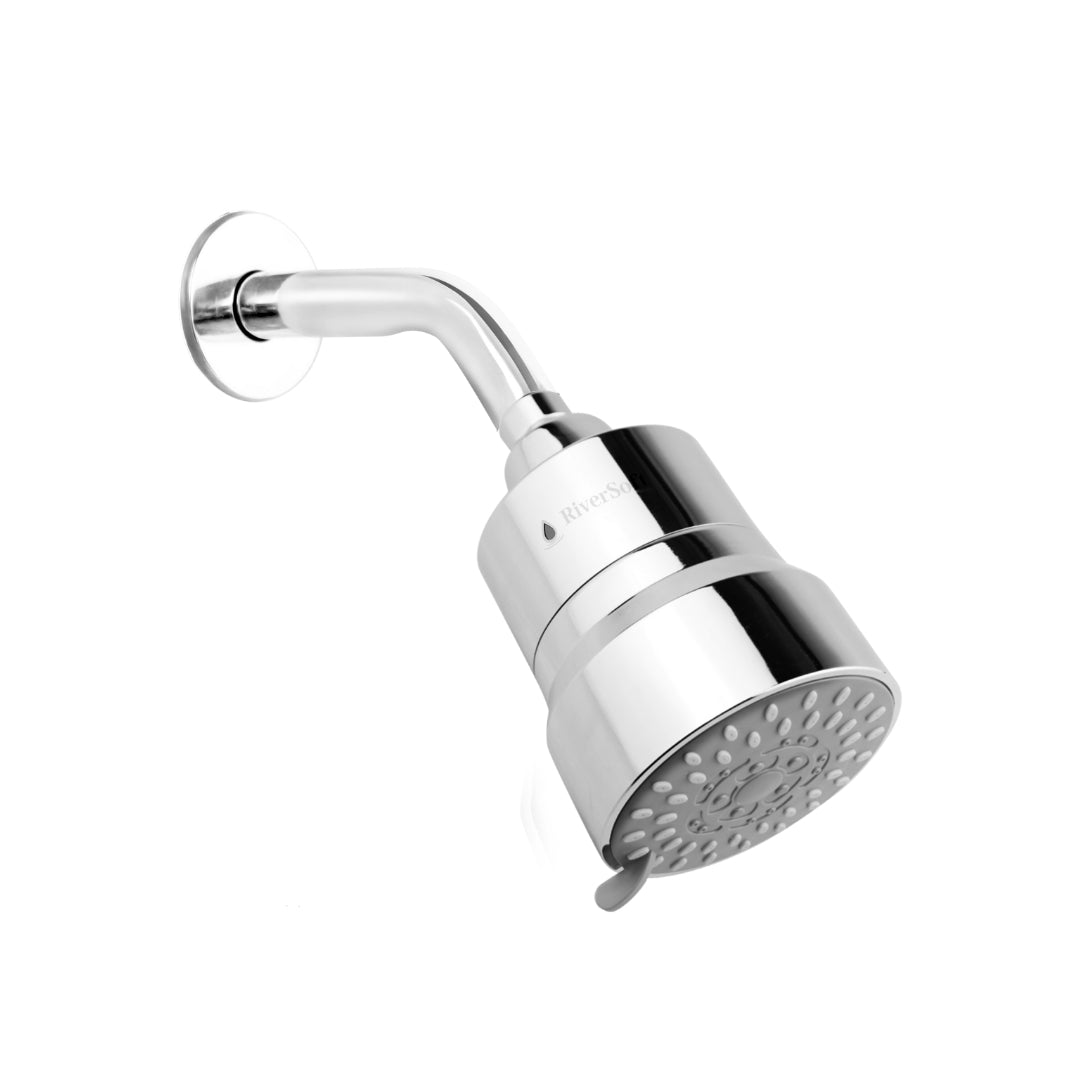
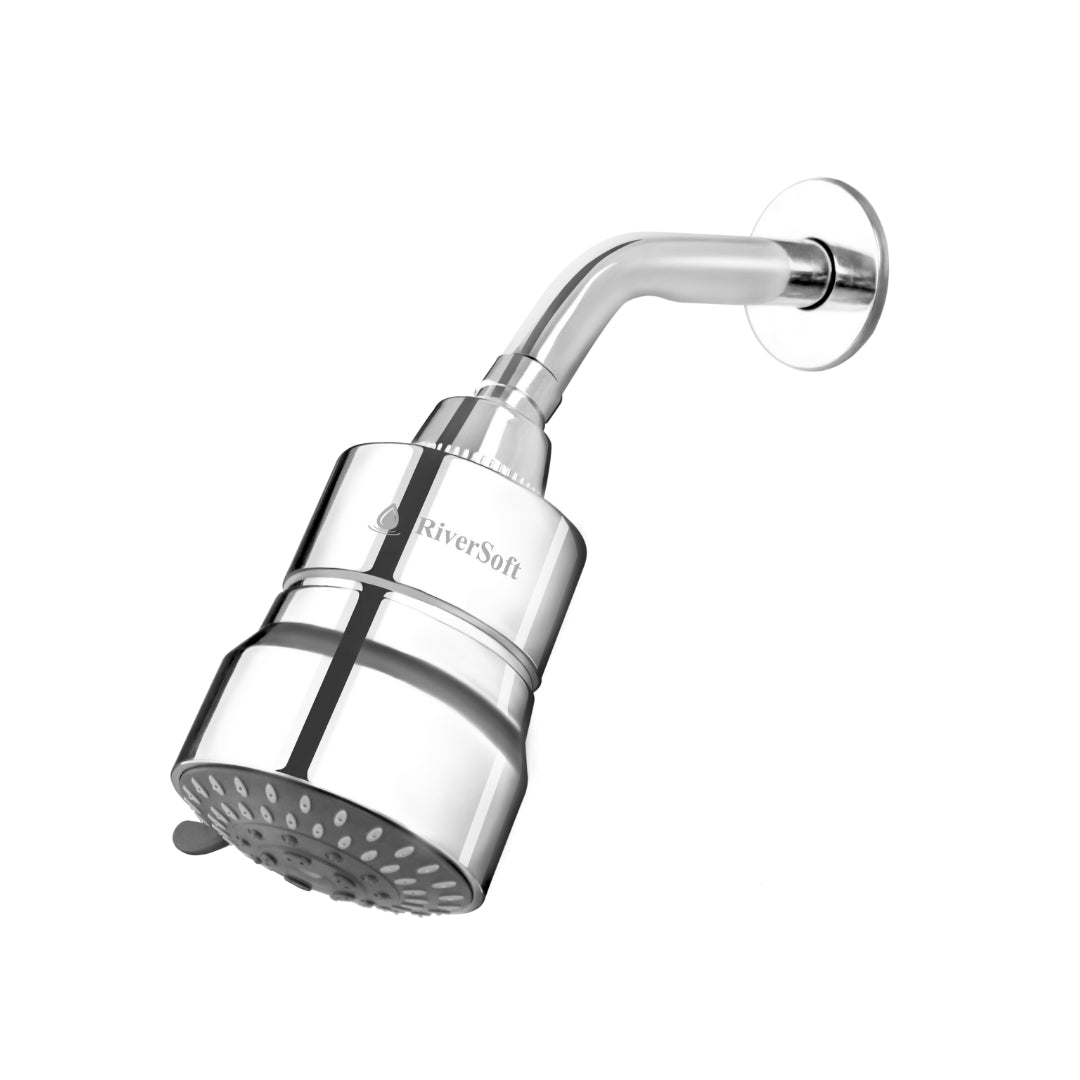
The TDS requirement for bathing water is not as stringent as for drinking water. But a high TDS will cause harm to skin, hair and health. If TDS > 500 indicate the presence of various minerals and salts that might cause irritation or dryness to the skin and hair. To mitigate these effects, some additional filter recommended before using the water. Above 1000 TDS, it's generally advised to avoid using the water for bathing altogether, as it may cause more significant skin and health issues. Various solutions for water treatment consists of water softeners for bathroom, hard water shower filters etc.
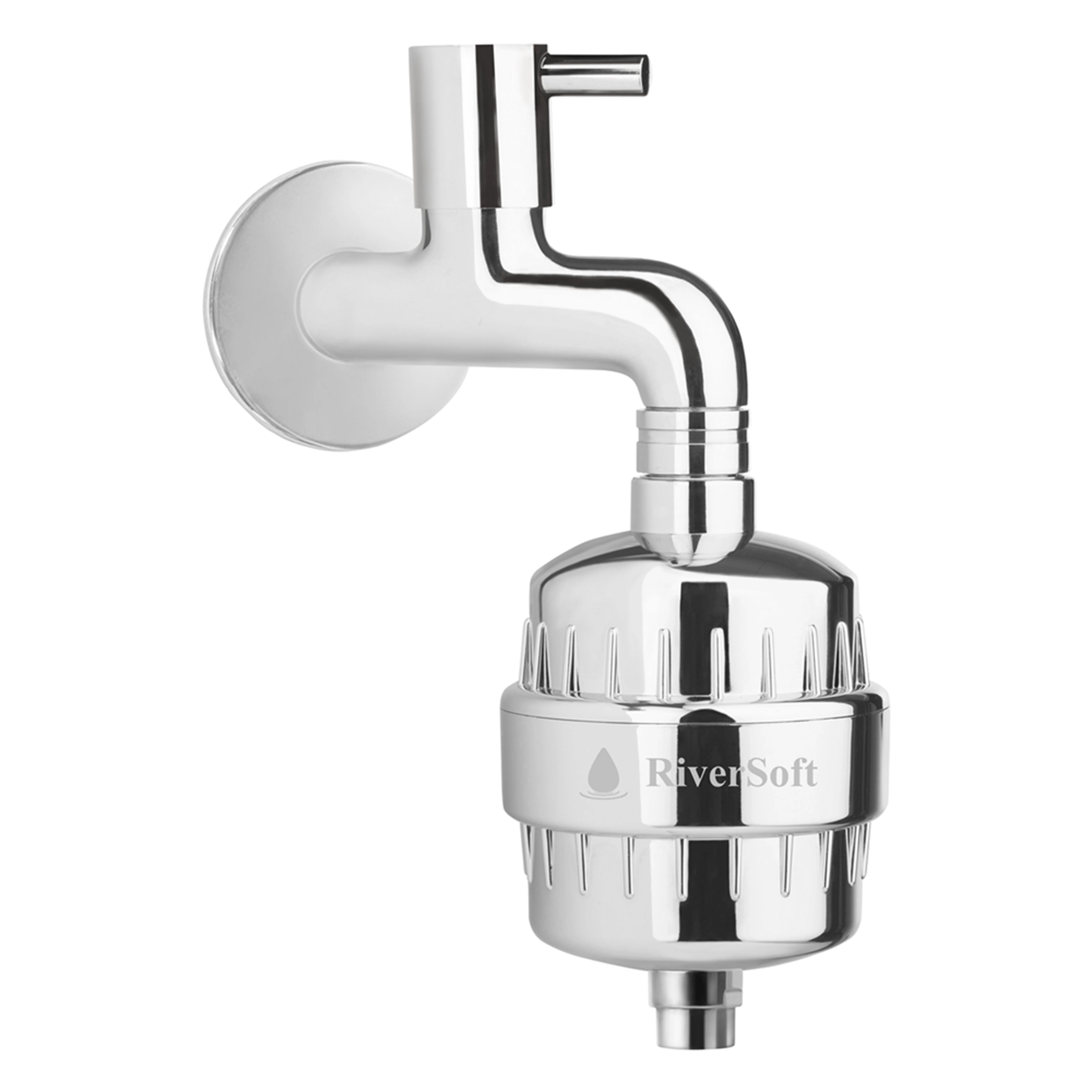
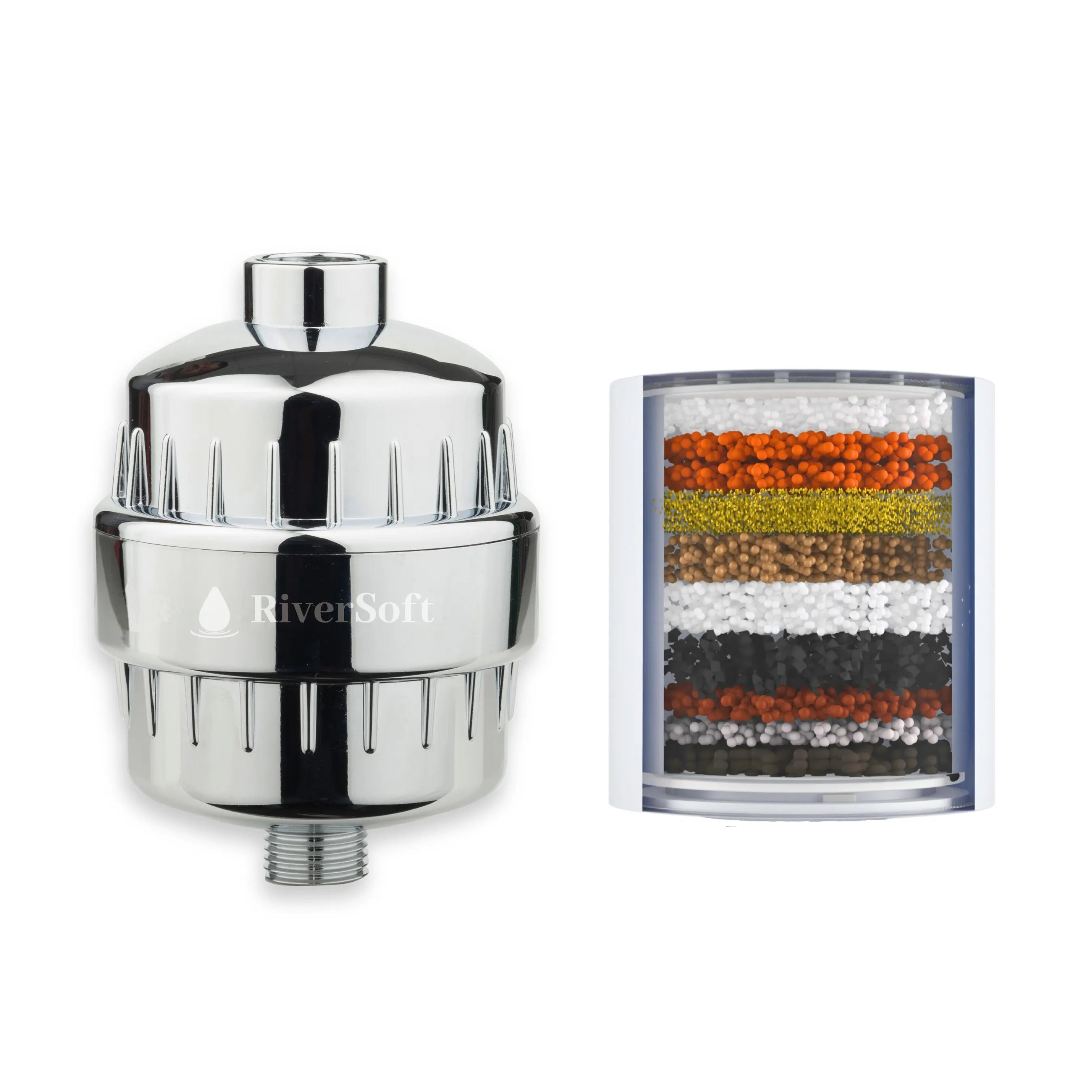
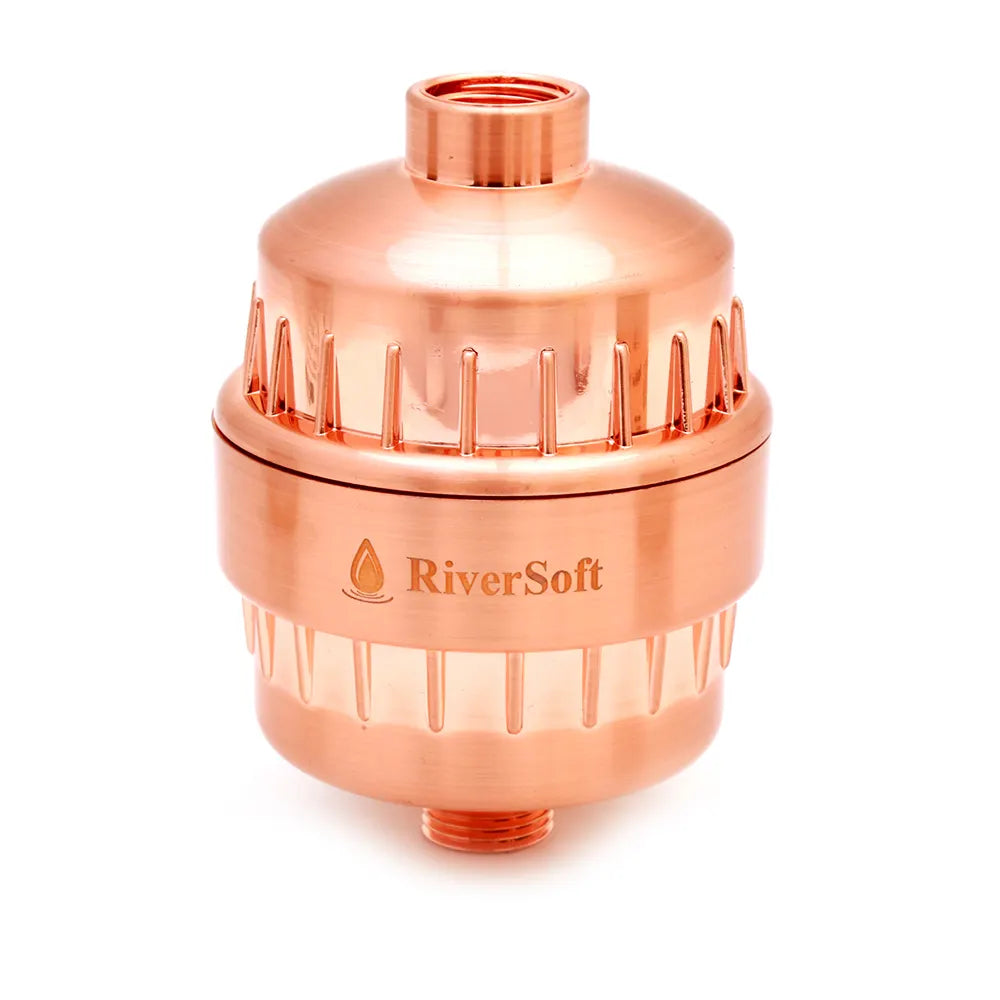
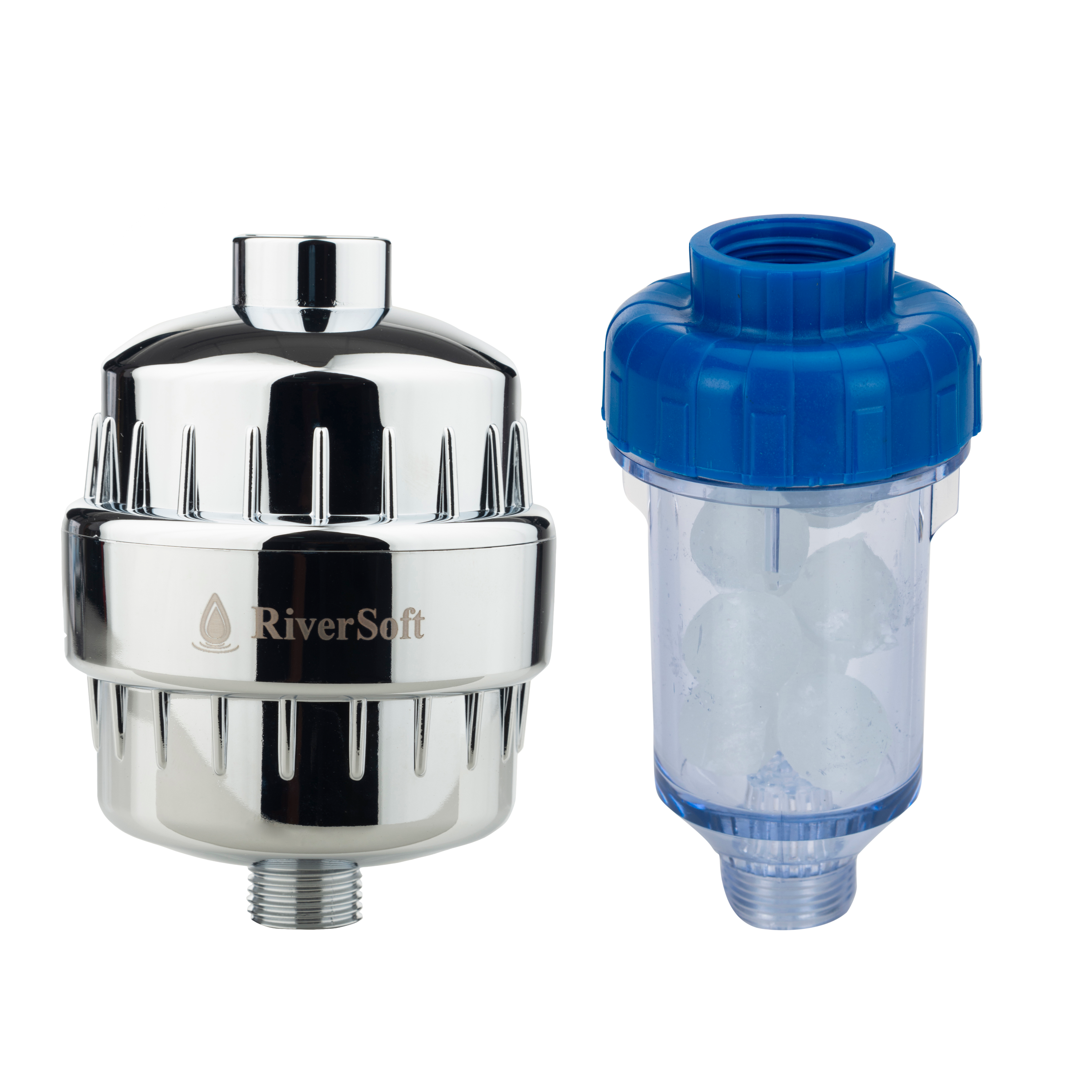
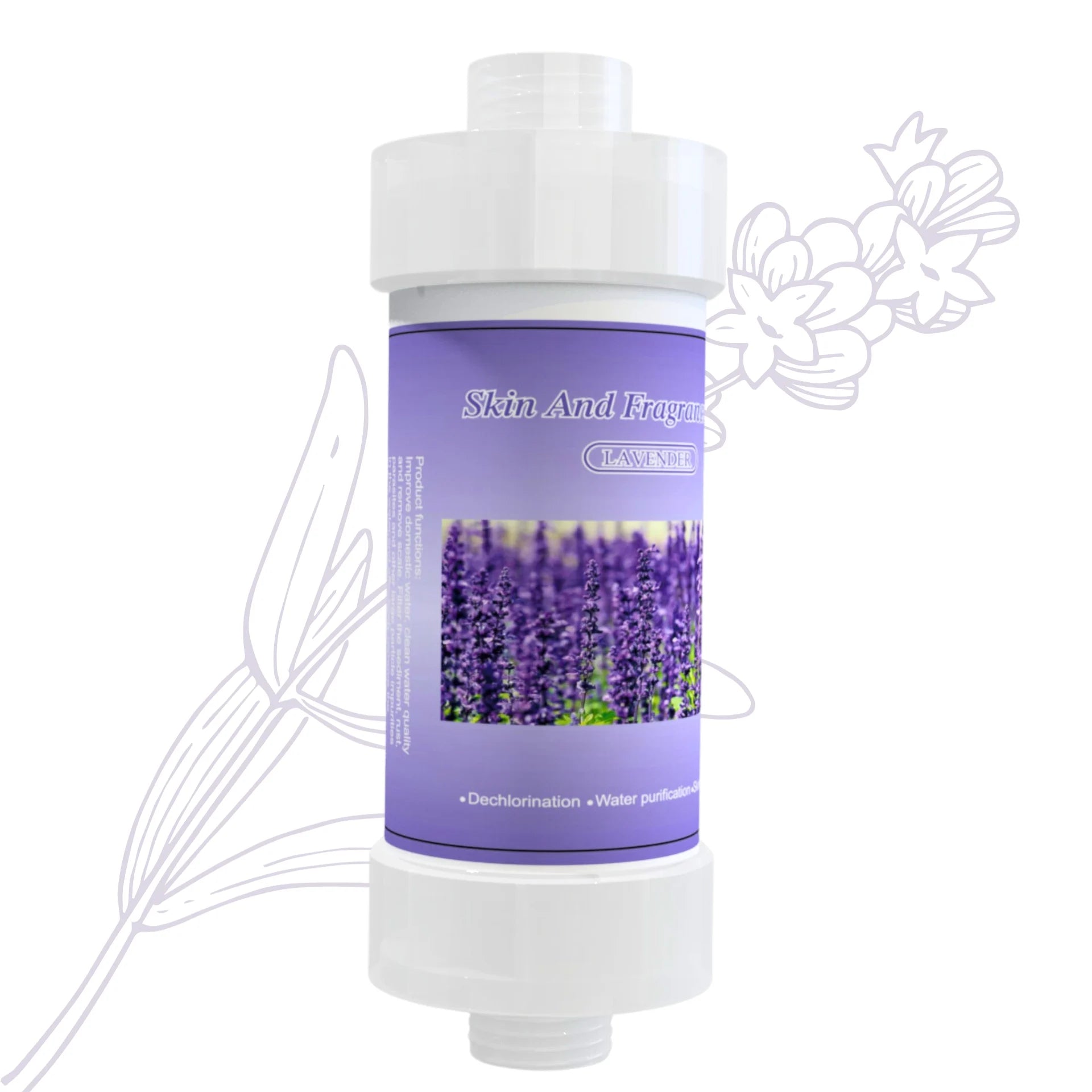
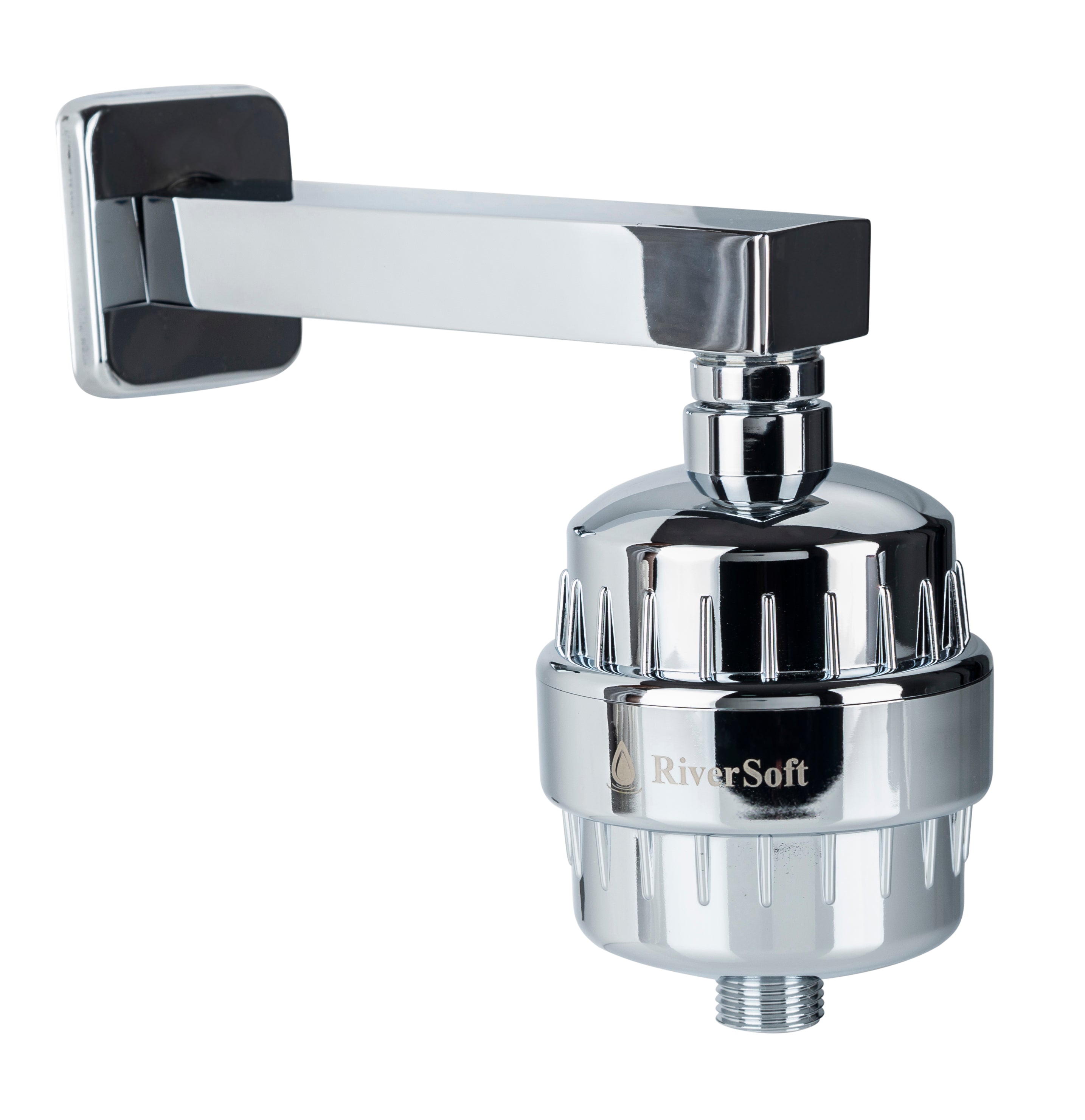
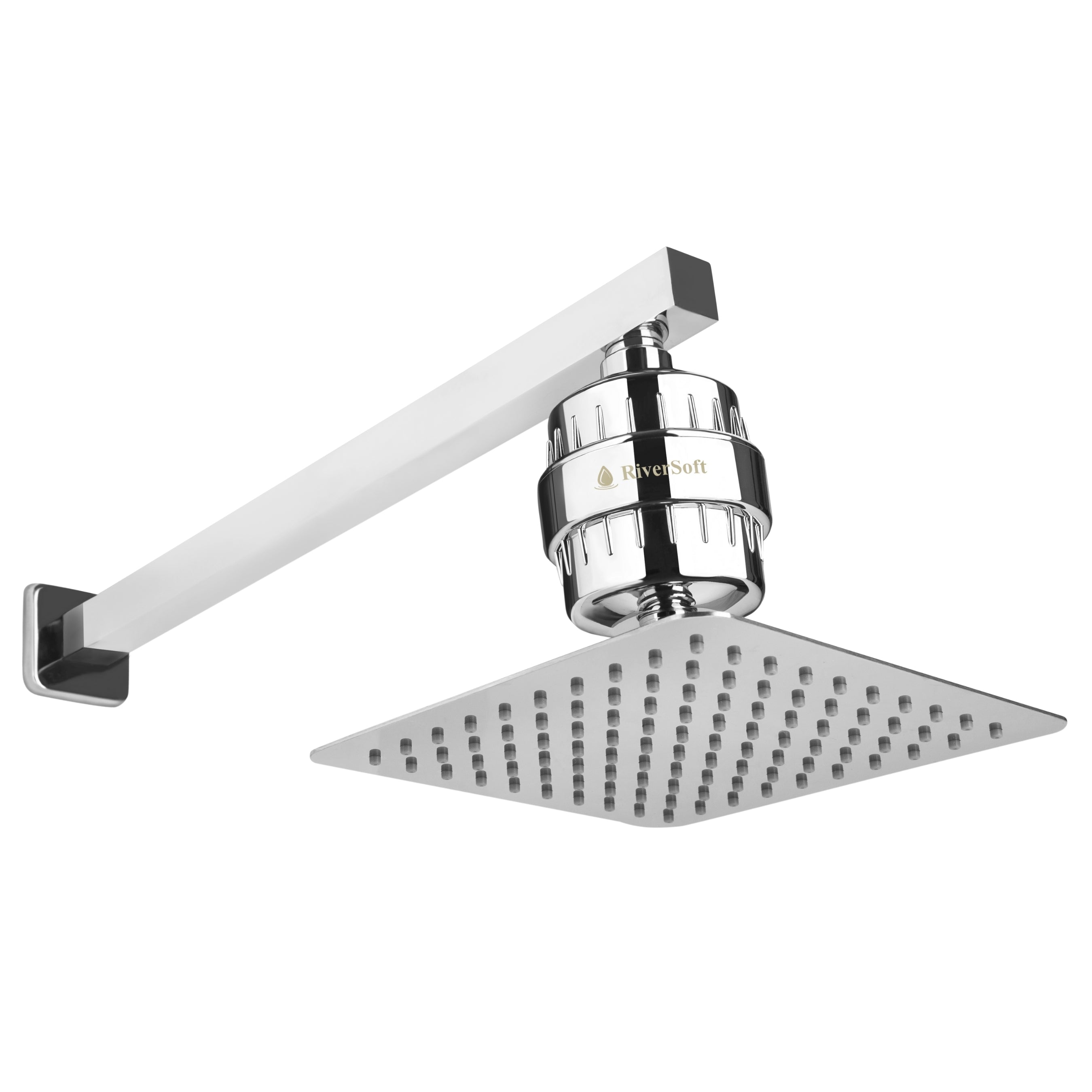
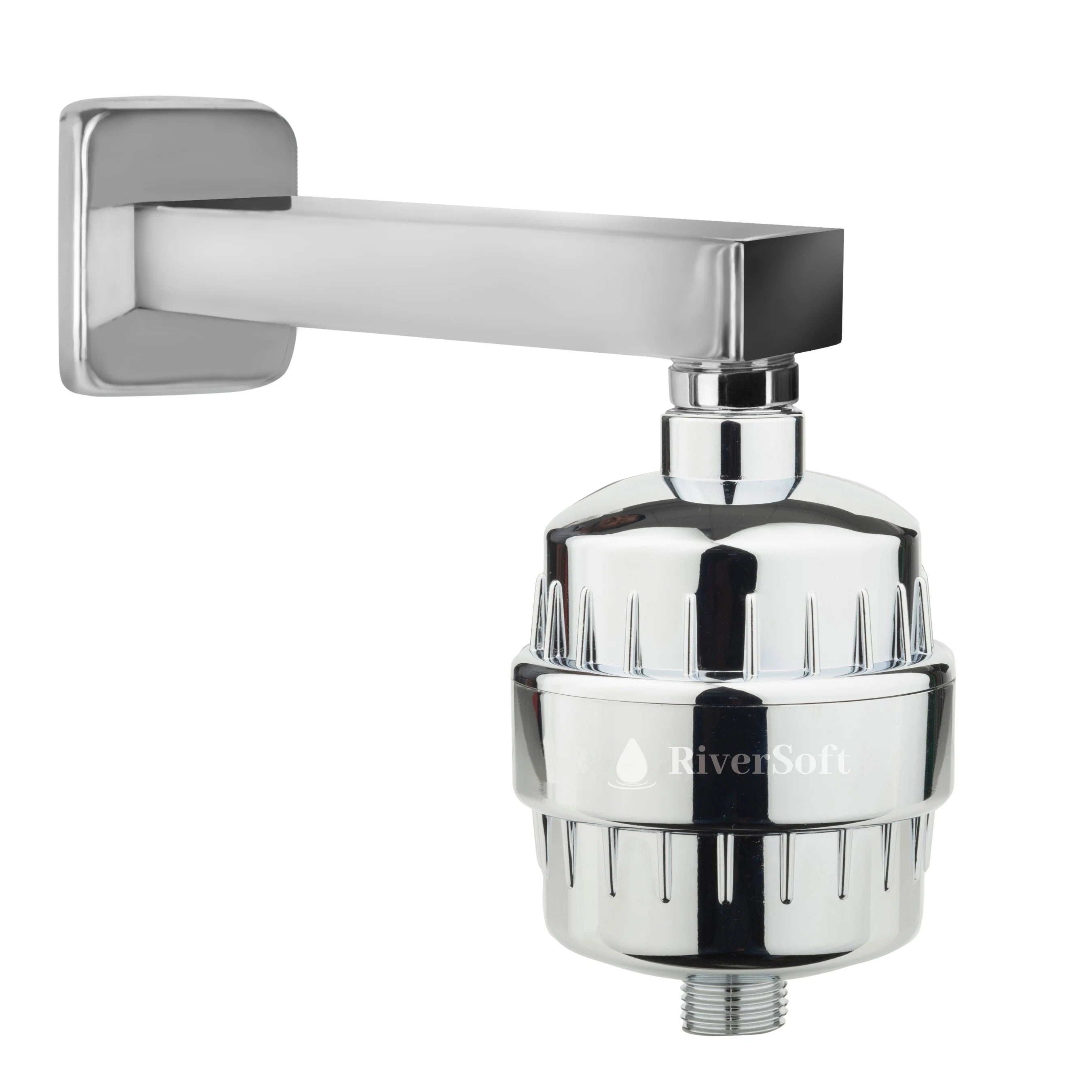
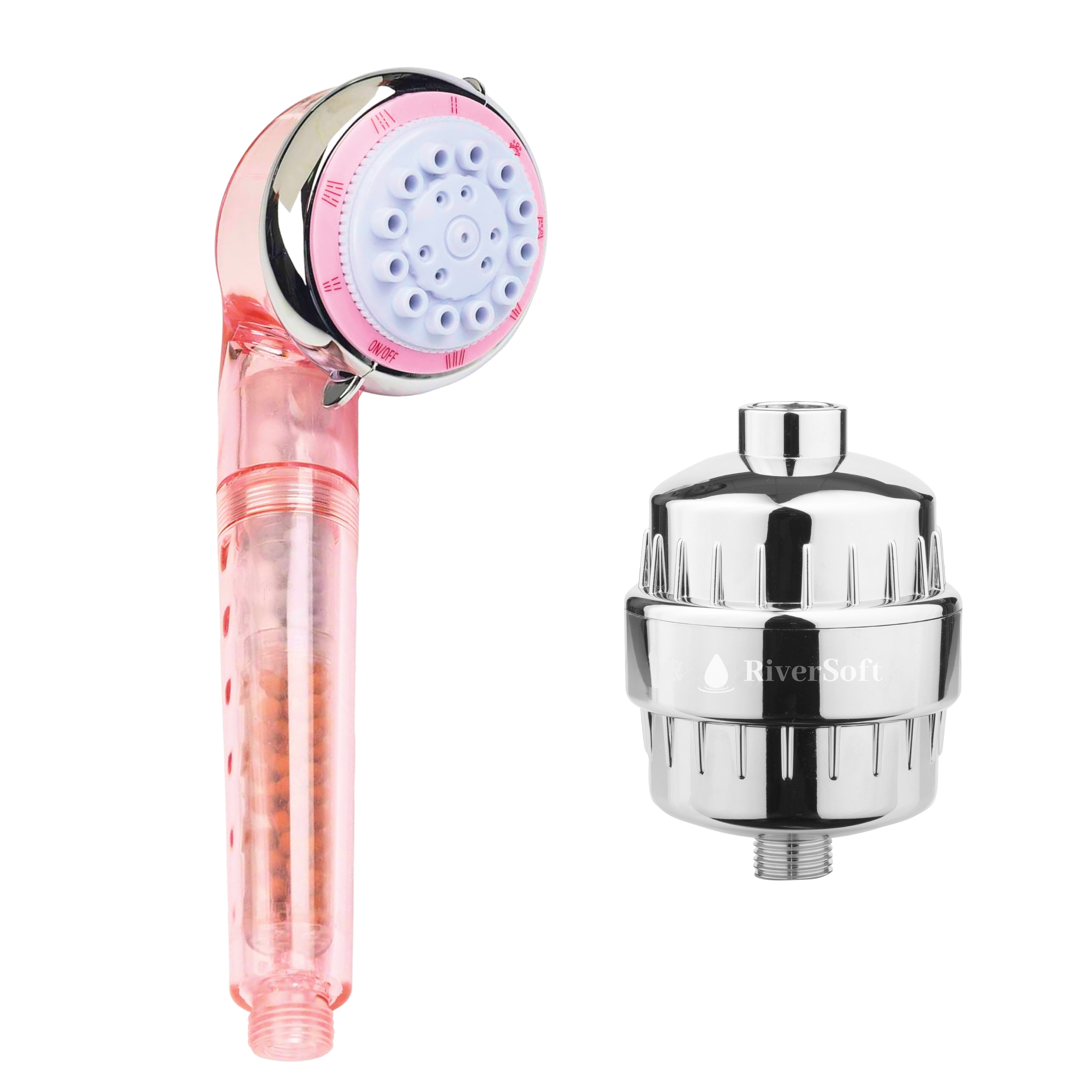
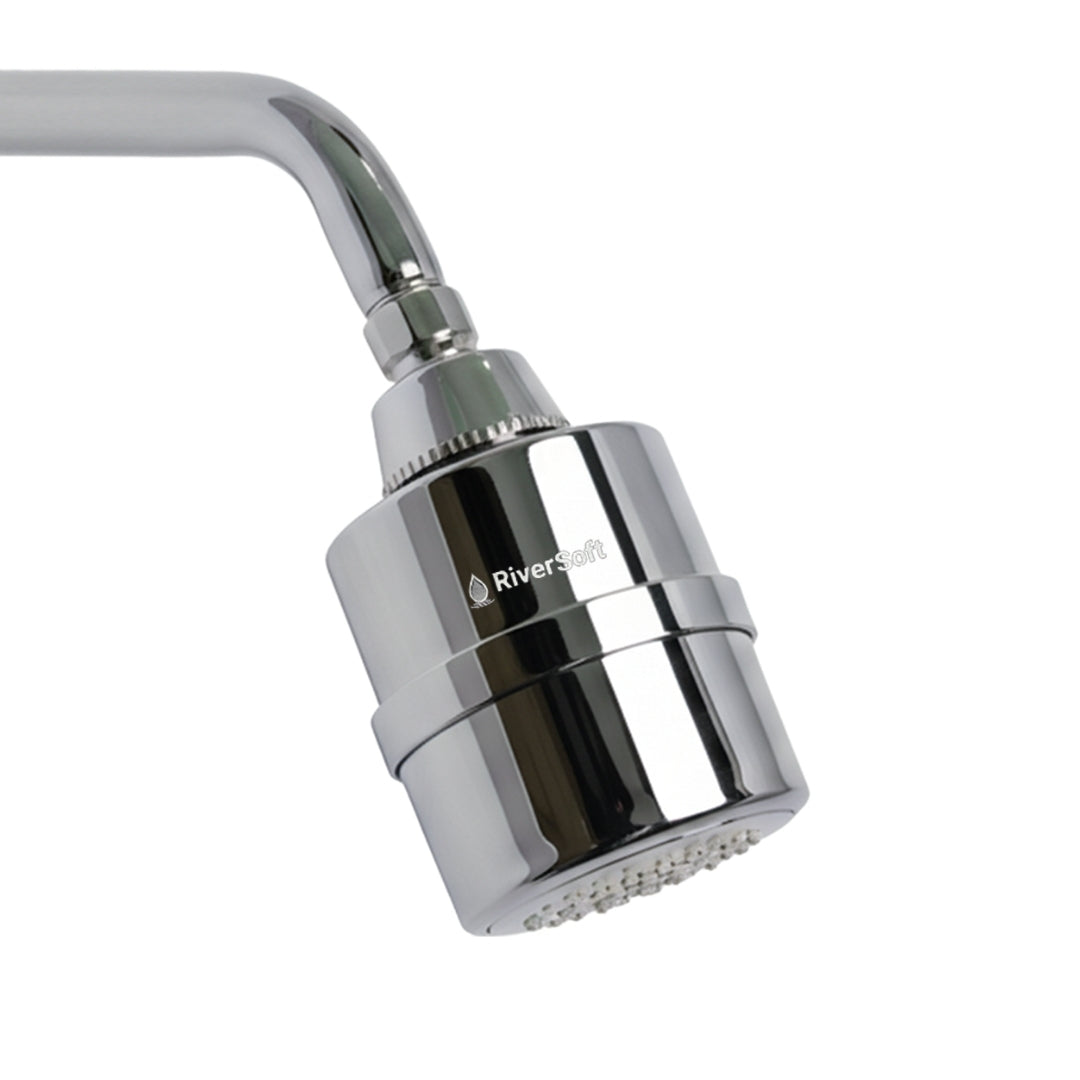
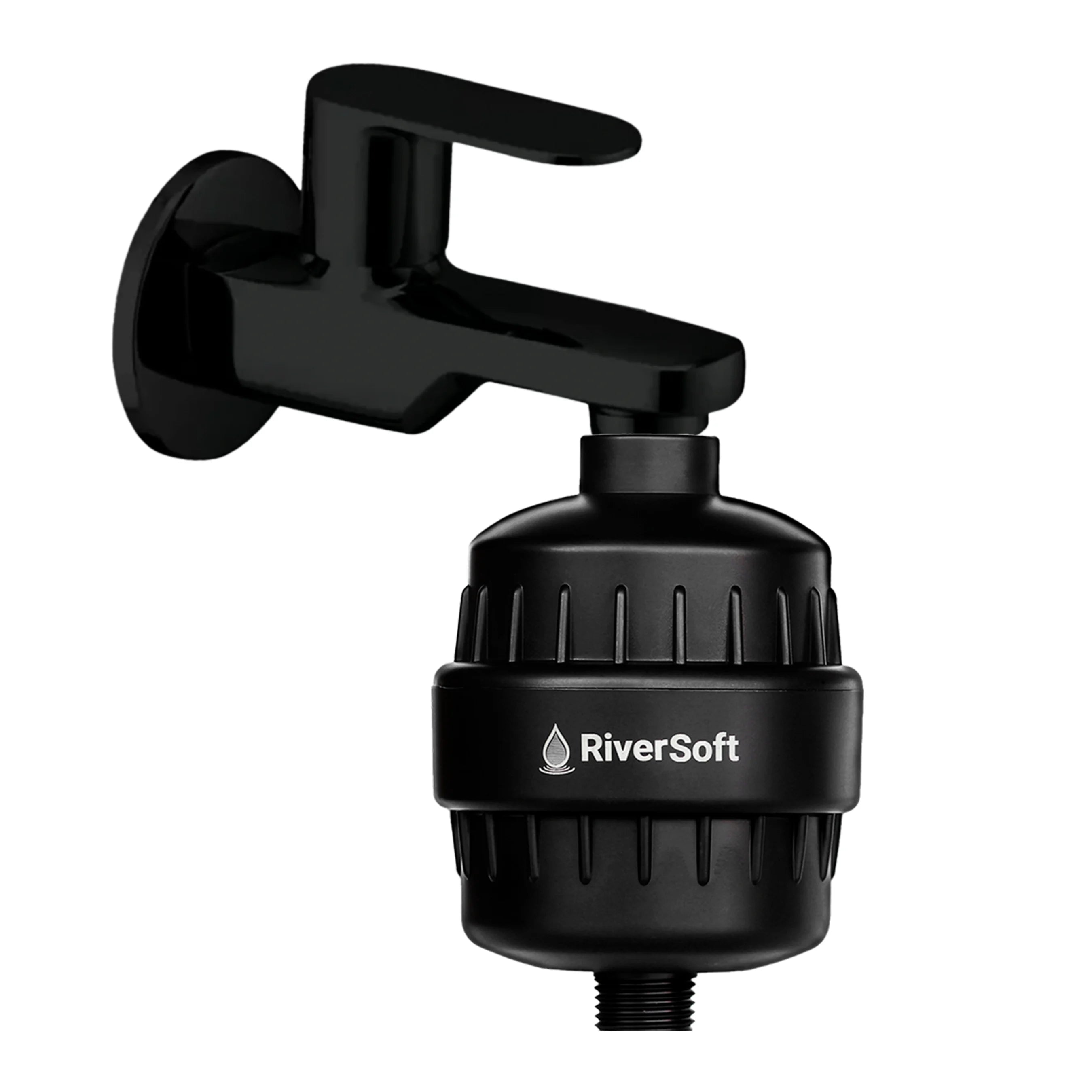
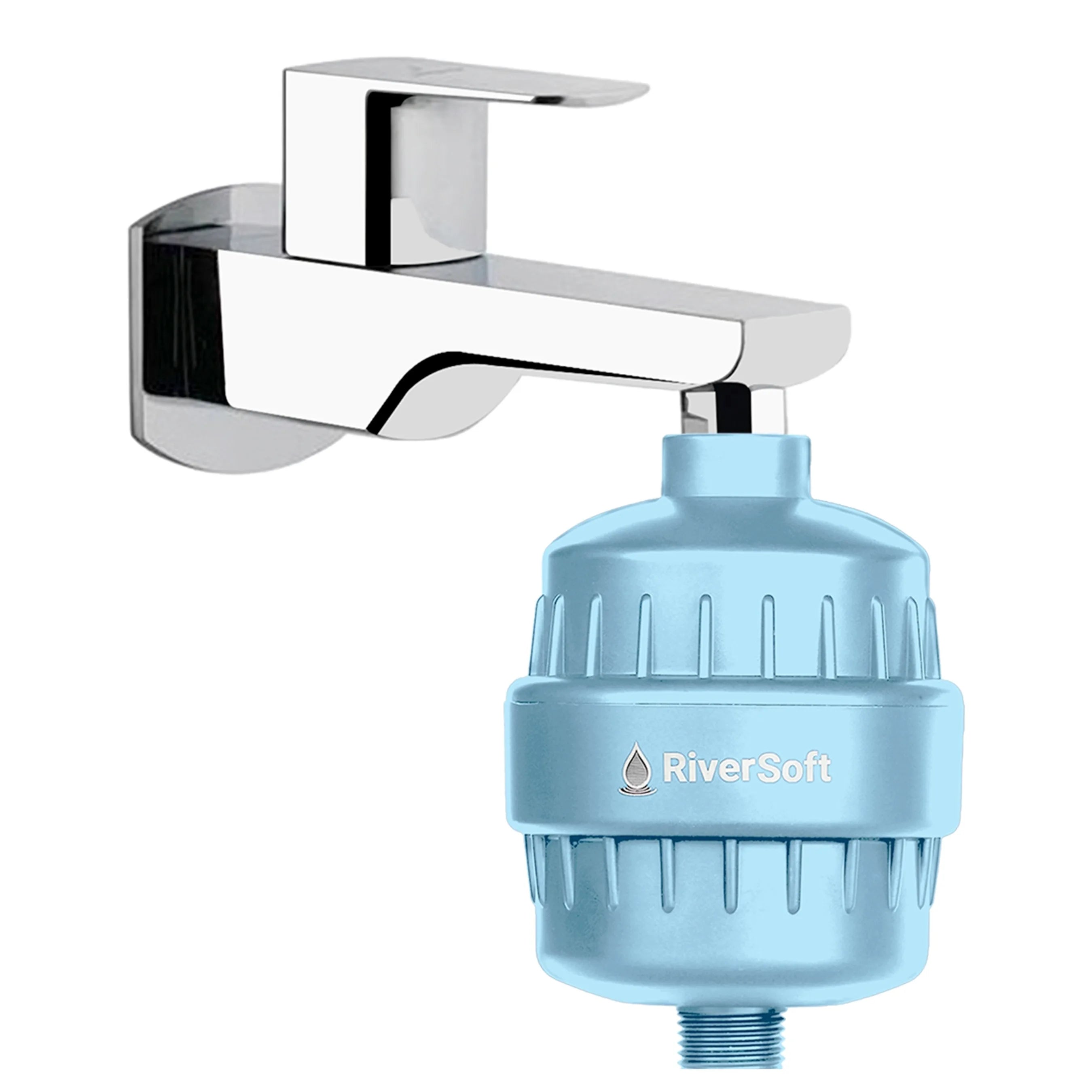
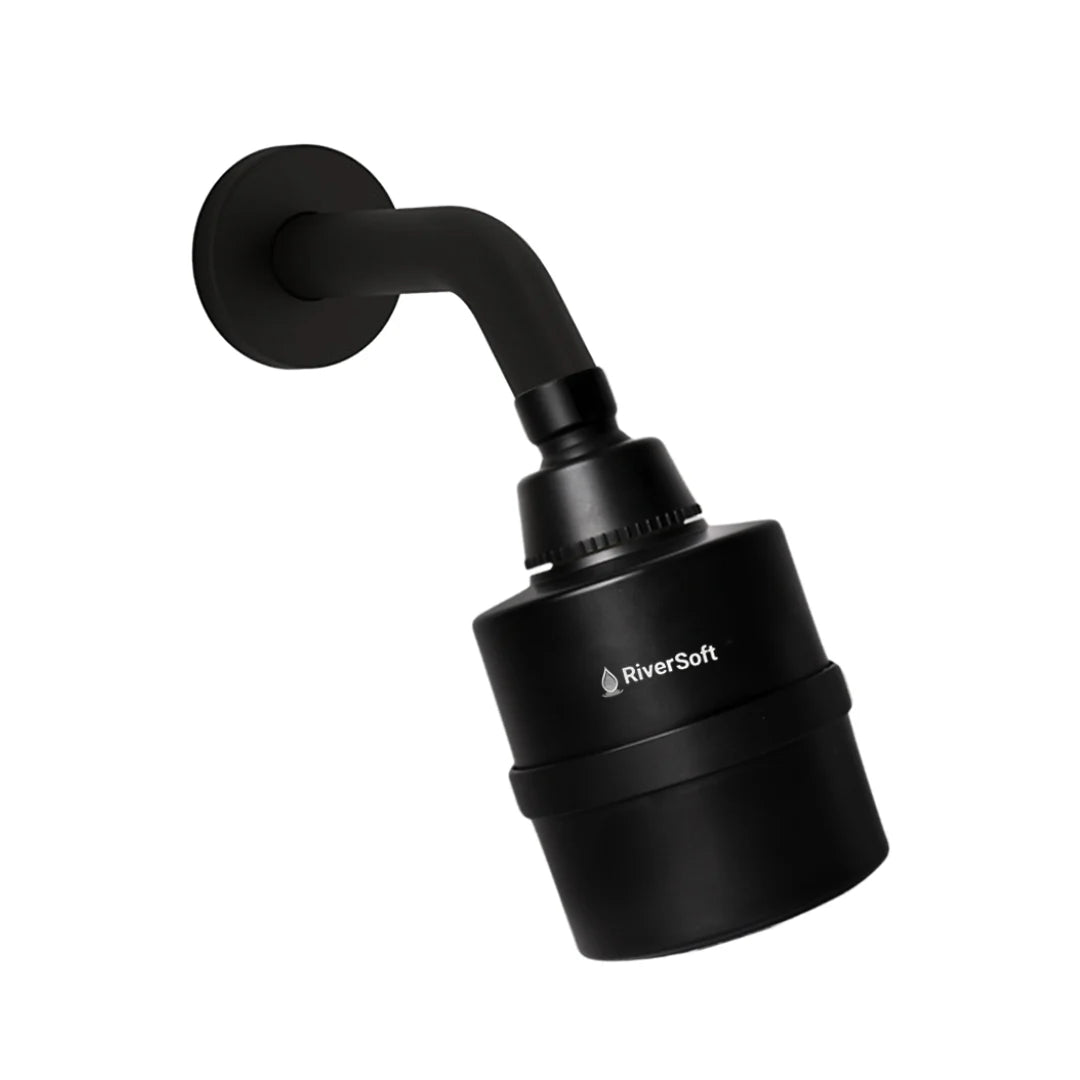
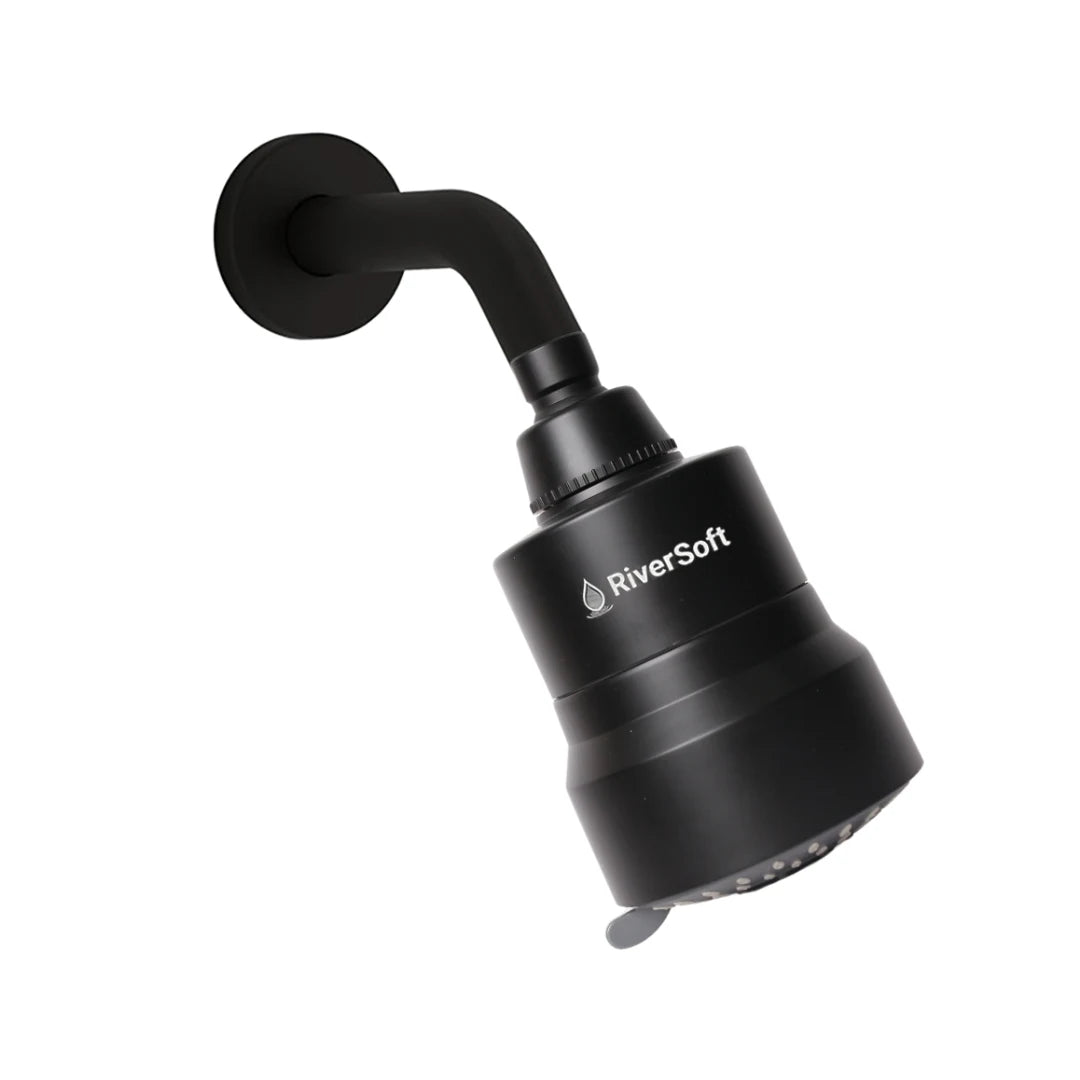
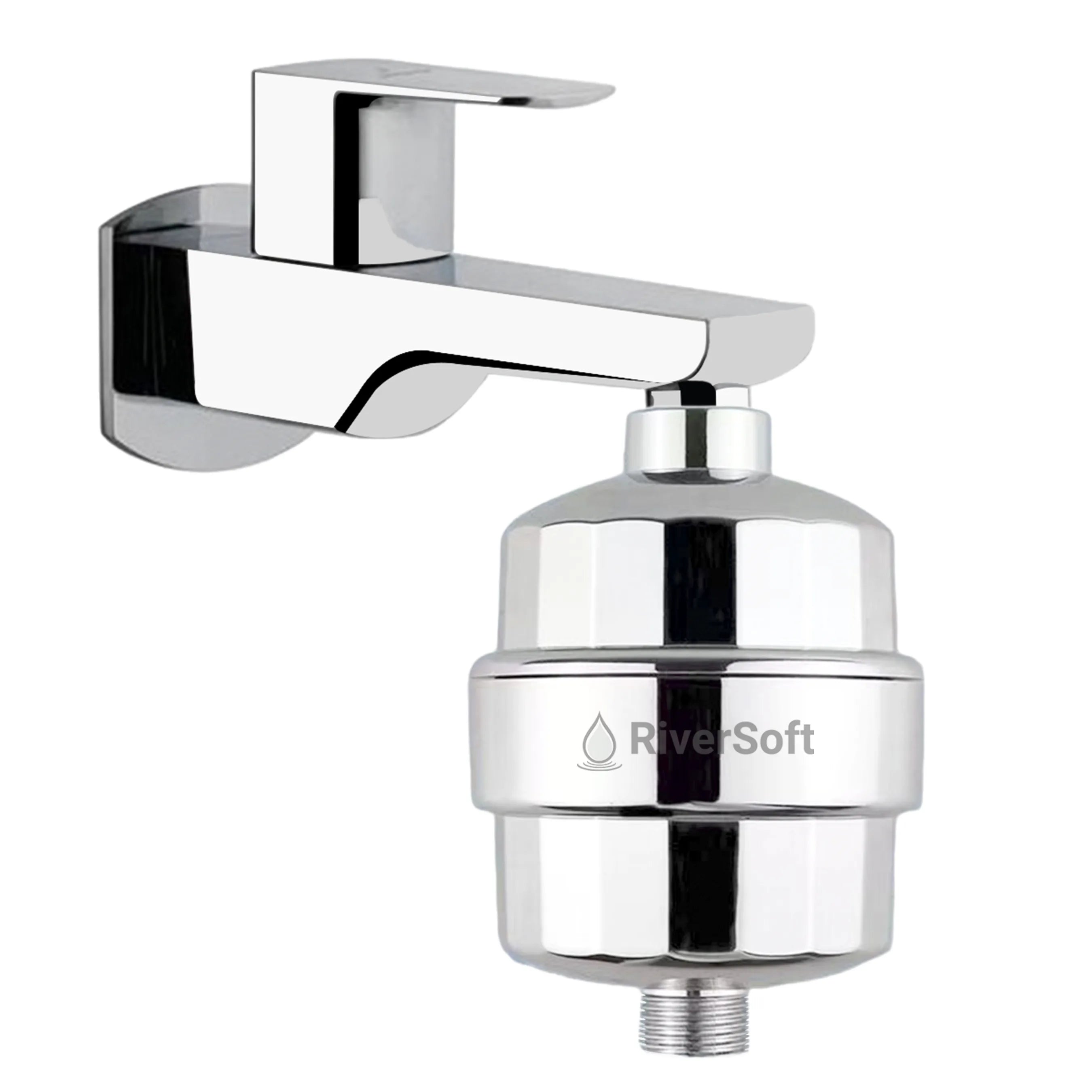
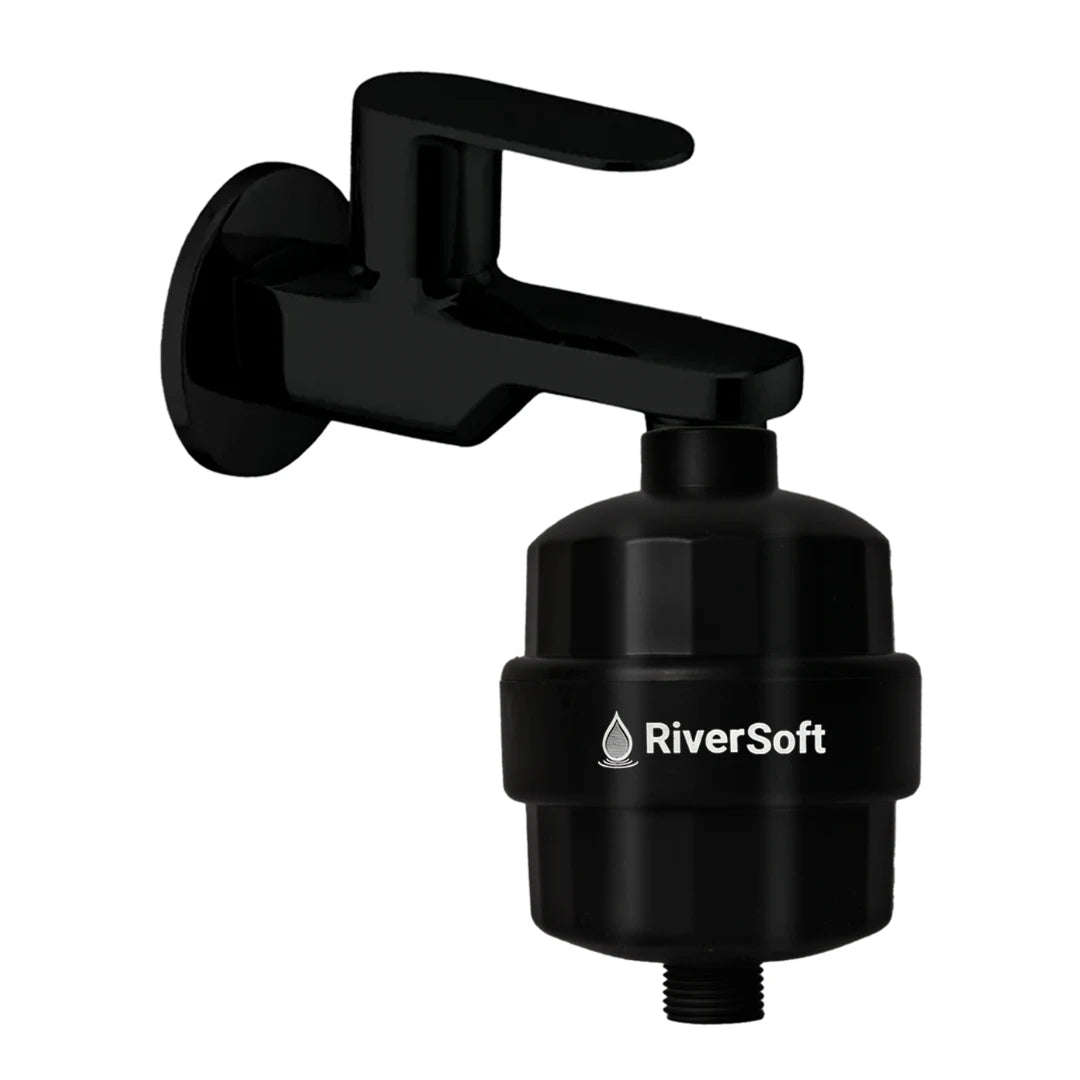
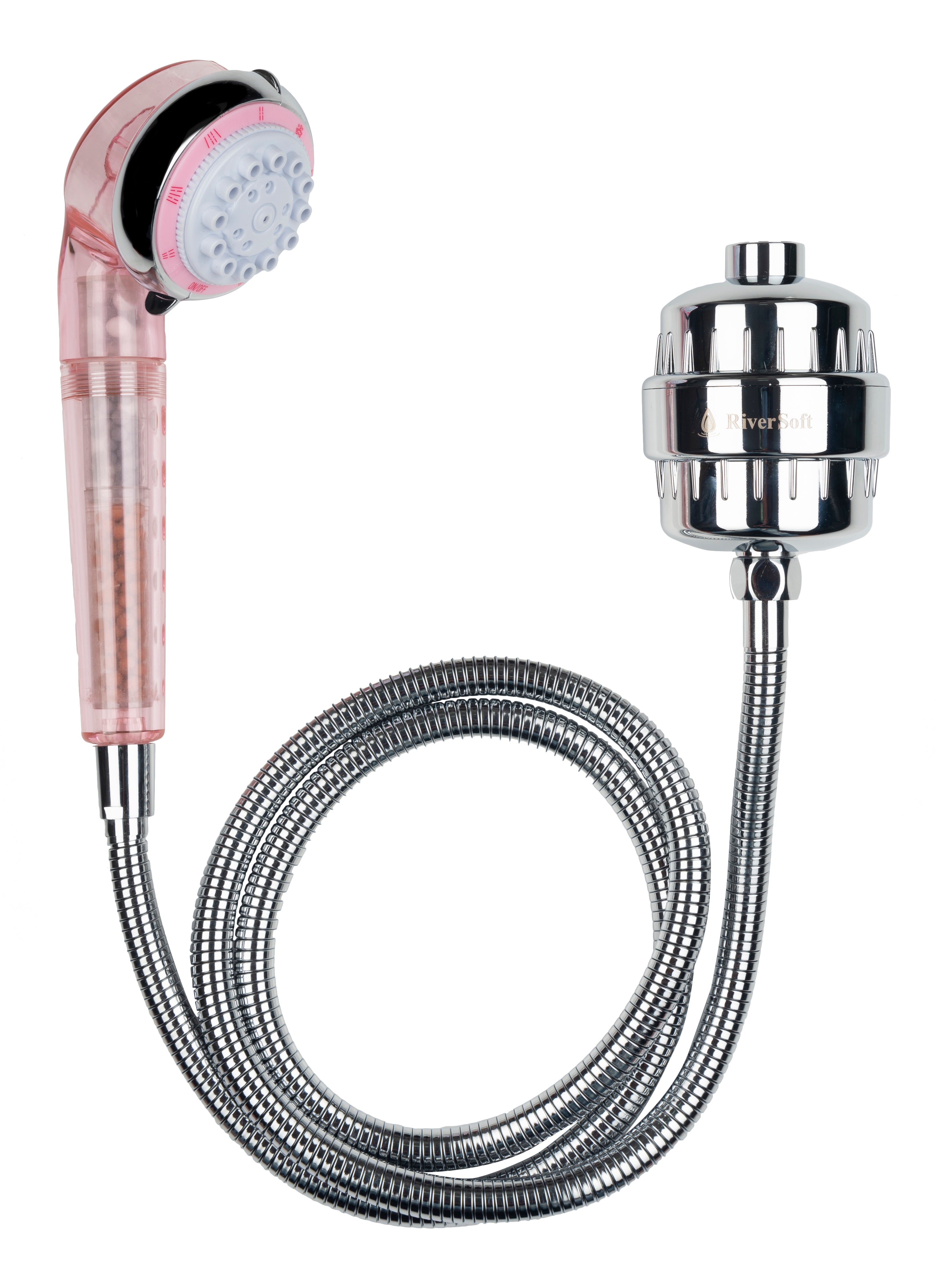
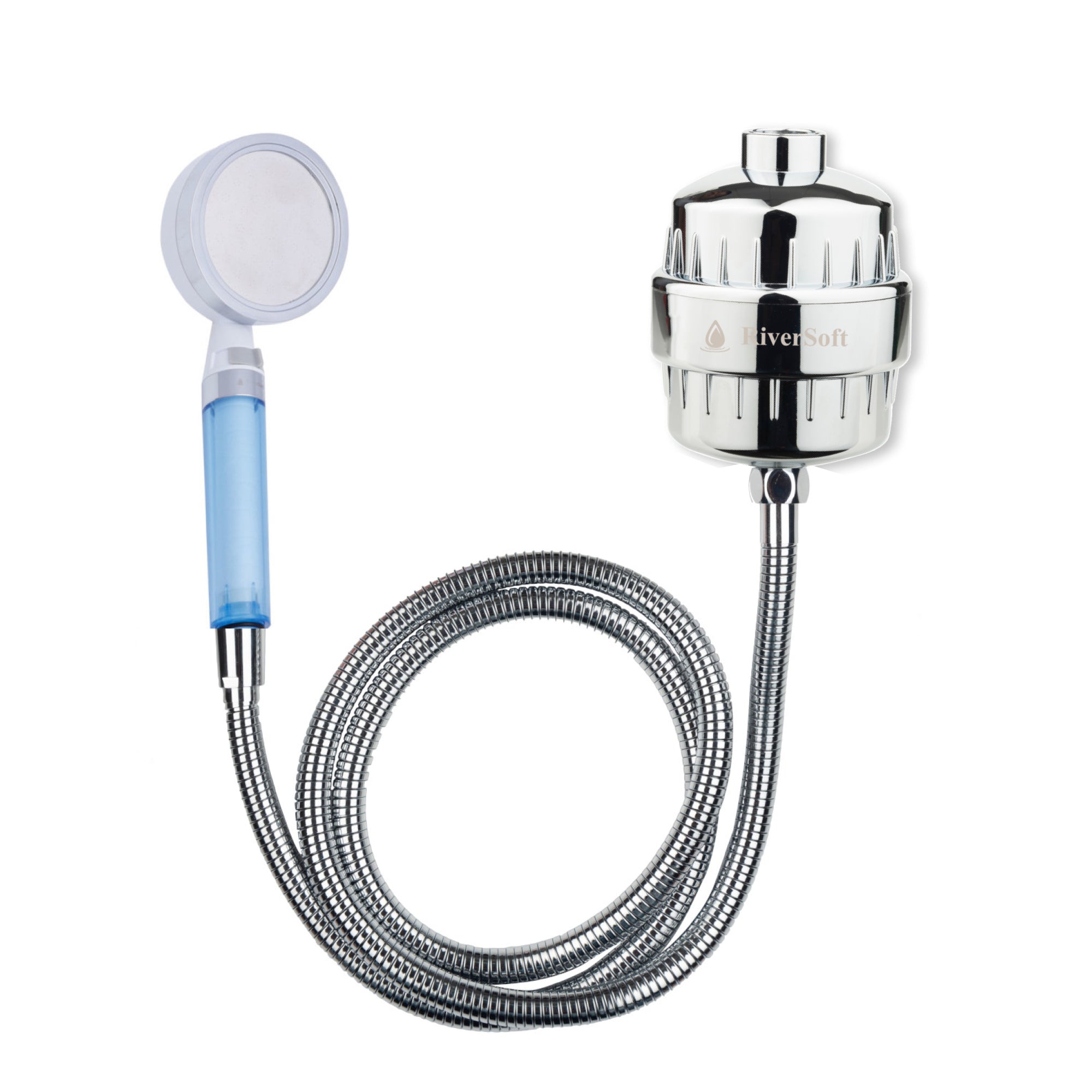
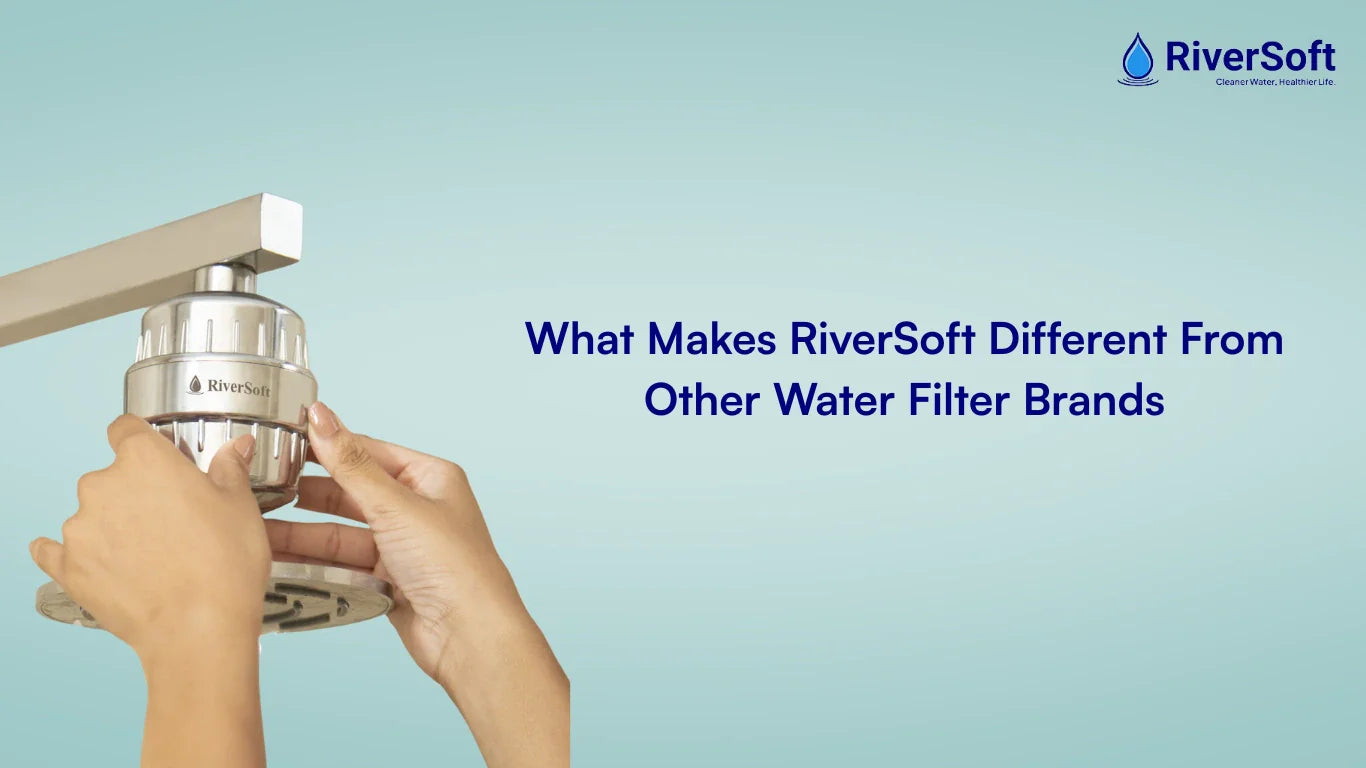
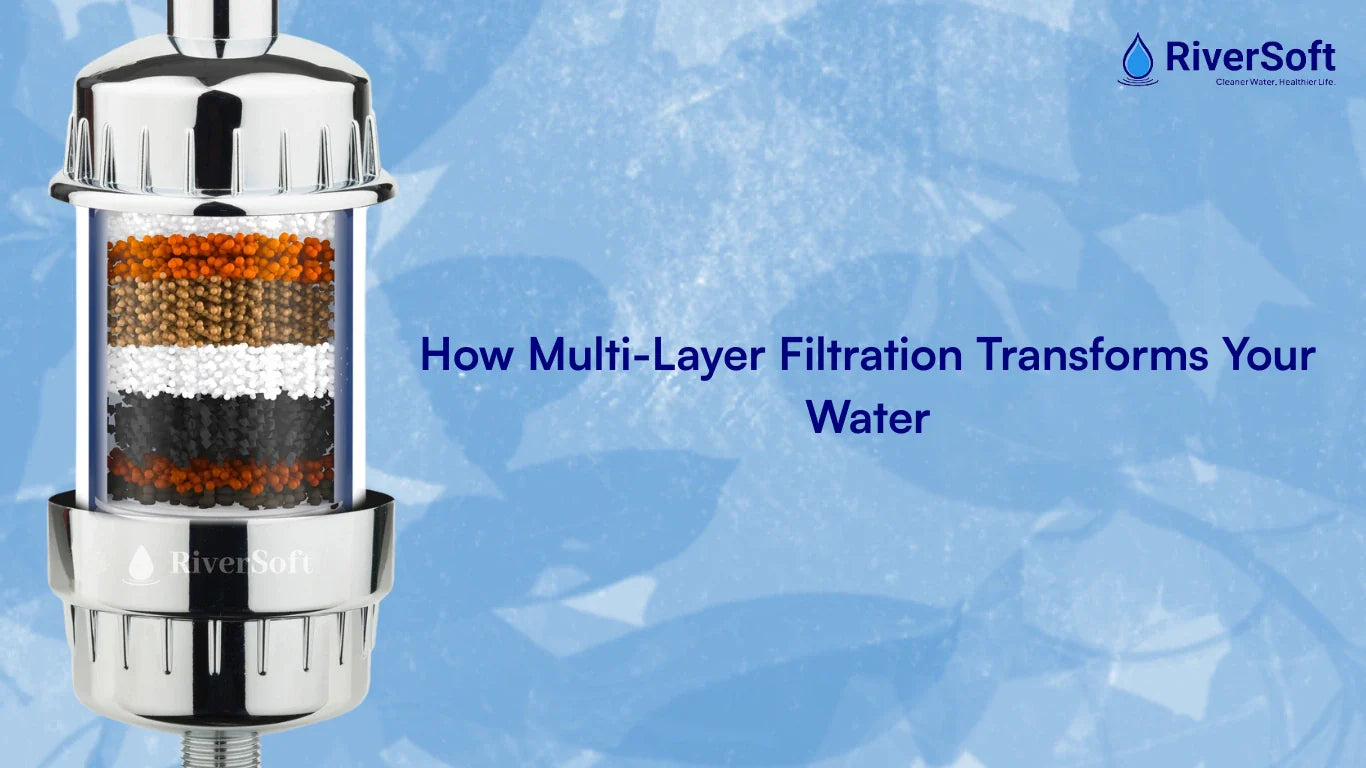
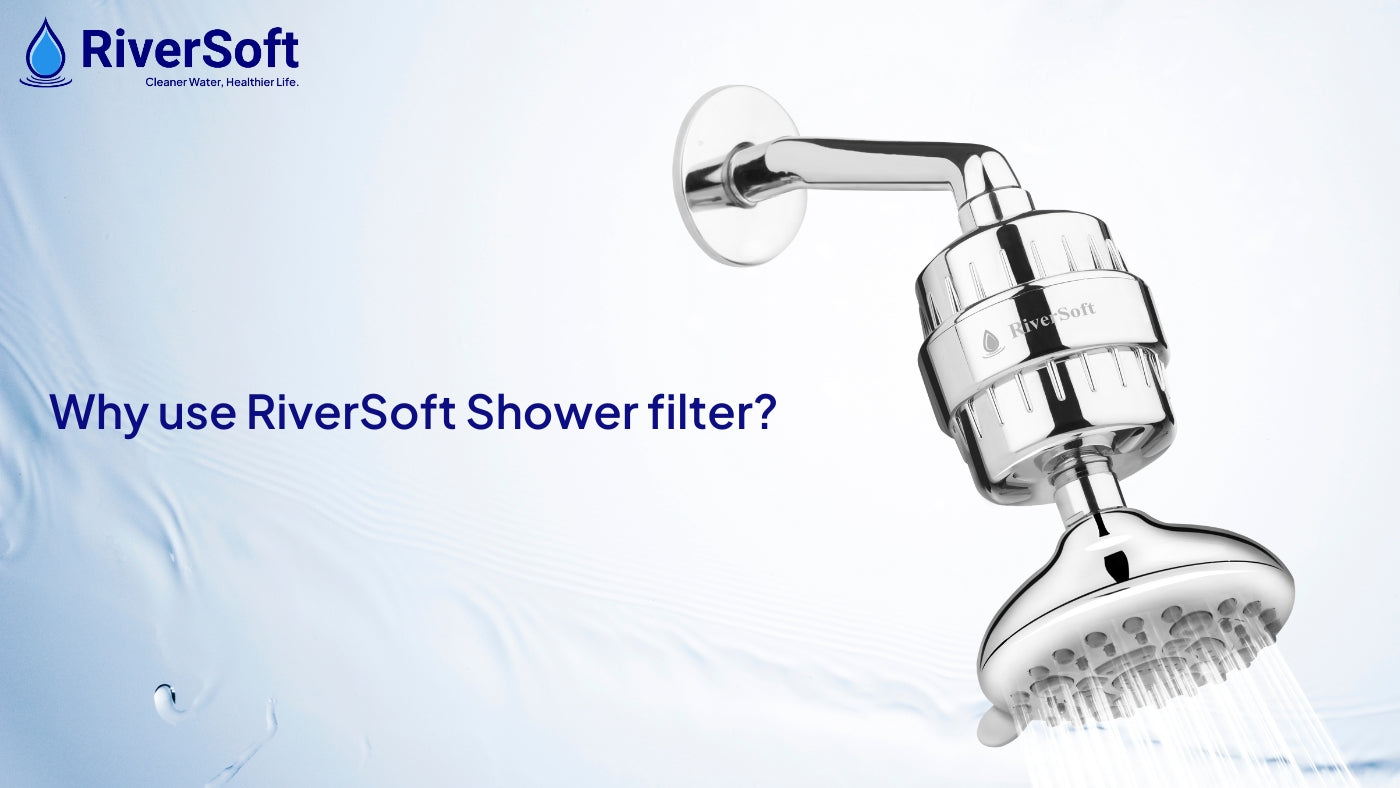
It's important to note that shower filter, while they can improve the feel of water and reduce scaling (Limescale), do not typically reduce TDS levels. They primarily exchange calcium and magnesium ions with sodium or potassium ions to soften the Hard water, but the overall TDS level remains largely unchanged. Shower or hard water tap filters is an effective way to reduce the harm of high TDS water. Check out RiverSoft SF-15 Shower Filter. A tap filter for hard water can be a practical solution for reducing the impact of high-TDS water when washing your face or hands at the sink.
Conclusion
TDS is one of the most misunderstood numbers in water quality. A high reading does not always mean harmful water, and a very low reading is not always safe. For most Indian households, a TDS between 150 and 300 ppm is the safe zone for drinking water. If your bathing water exceeds 500 ppm, it starts affecting your skin and hair over time. A shower filter helps reduce the impact of dissolved minerals before they reach your skin.




































Water tds is 14 is good