
Does clear water always mean safe water? Not necessarily. Tap water may look crystal clear and smell fine. But once the water test report arrives, you’re suddenly staring at a page full of numbers and unfamiliar abbreviations. It’s no surprise that most people feel confused when trying to make sense of it.
But here’s the good news:
You don’t need a science degree to understand it. In this blog, we’ll break down a few of the numbers that truly matter for your skin, hair, and appliances.
How to Read a Water Test Report?
Typical water test reports usually contain 20 different technical terms. They talk about a important parameters to define water quality. Here we will clarify one of the most important ones which affects water taste and affects your hair and skin
They are:
-
TDS (Total Dissolved Solids)
-
Total Hardness
-
and pH
If you understand these three values, everything about the water report will start to make sense.
Now, let’s begin with the first number: TDS
What is TDS in Water?
TDS (Total Dissolved Solids) is a measure of all the dissolved substances in your water. This includes minerals like calcium and magnesium, salts, metals and sometimes even pollutants. It's measured in ppm (parts per million).
So, why does TDS matter?
Mainly because it affects how your water tastes and how it interacts with your appliances and skin. For example:
-
Under 50 ppm: Water can taste flat or dull.
-
50 - 300 ppm: Water generally tastes fresh or balanced.
-
Above 500 ppm: Water may taste salty or metallic.
However, not all TDS in water is bad. If your TDS is high due to natural minerals… it might just affect taste or cause mineral buildup on taps and showerheads. However, high TDS from pollutants or nitrates can be a health concern.
Recommended Reading:
What Is TDS in Water: The Truth About Good vs. Bad TDS
How to mitigate the effect of high High TDS at Home?
A water softener can help prevent scale buildup on taps, tiles, and appliances, and make water gentler on your skin and hair by inserting hard salts and making the water suitable for non drinking purposes like showering etc. These products do no reduce the TDS, which can be reduced only by a reverse osmosis process like RO purifiers. RO purifiers are essential to reduce TDS above 500 to make water fit for drinking purpose.

What is Water Hardness?
Water hardness is the amount of calcium and magnesium dissolved in your water. These minerals are common in borewell and even municipal water.
Water hardness is classified as:
-
Soft: 0–75 ppm
-
Moderately Hard: 75–150 ppm
-
Hard: 150–300 ppm
-
Very Hard: 300–600 ppm
- Not acceptable: Above 600 ppm
As per Bureau of Indian Standards IS 10500:2012, the acceptable hardness limit for drinking water is 200 mg/L. Levels up to 600 mg/L are only permissible when no better source is available.
While hardness doesn’t significantly affect the taste of water, it interferes with how soaps and shampoos work, leading to:
-
Dry skin
-
Hair breakage
Over time, it also causes limescale buildup on taps and appliances and reduces the lifespan of washing machines and geysers.
How to Reduce Water Hardness at Home?
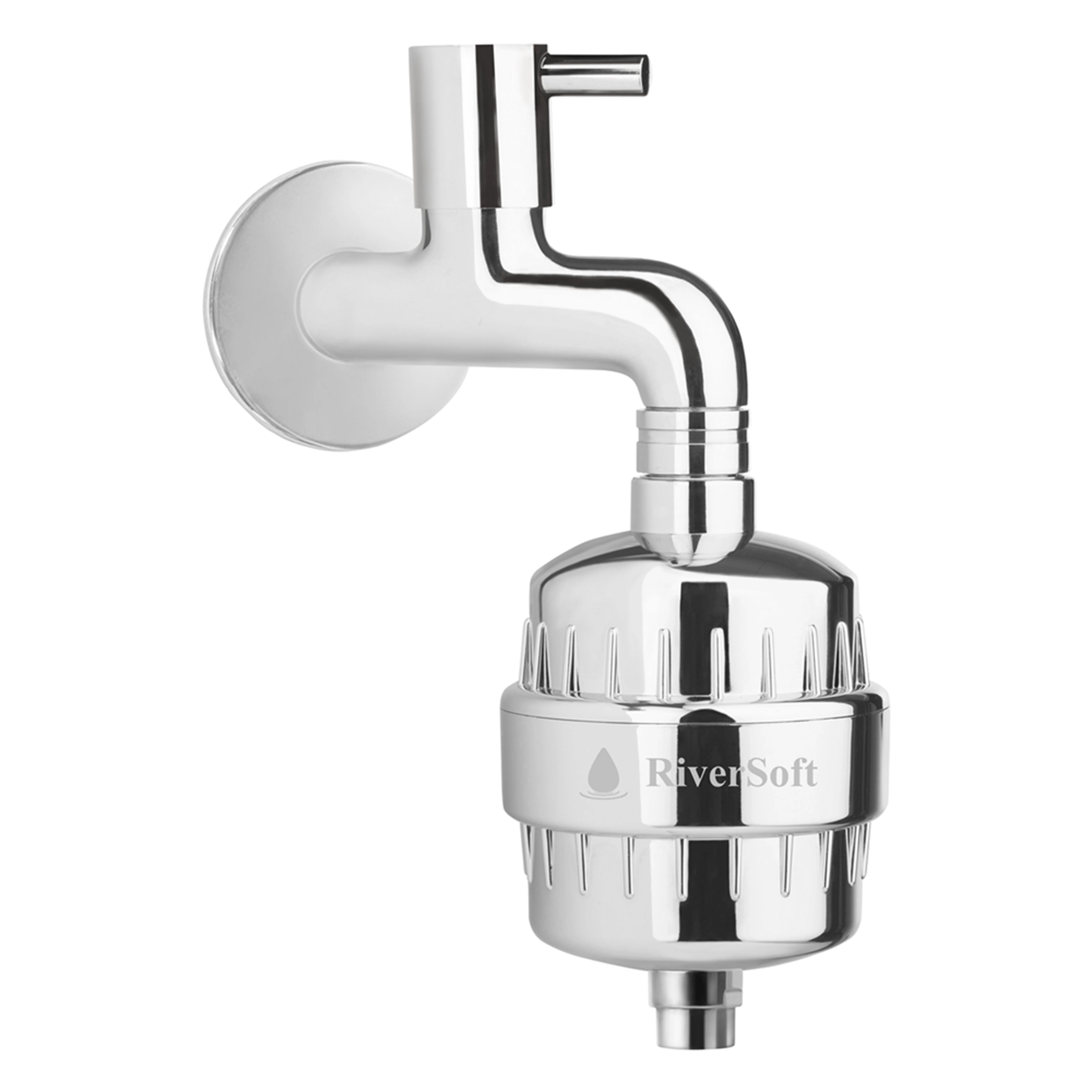
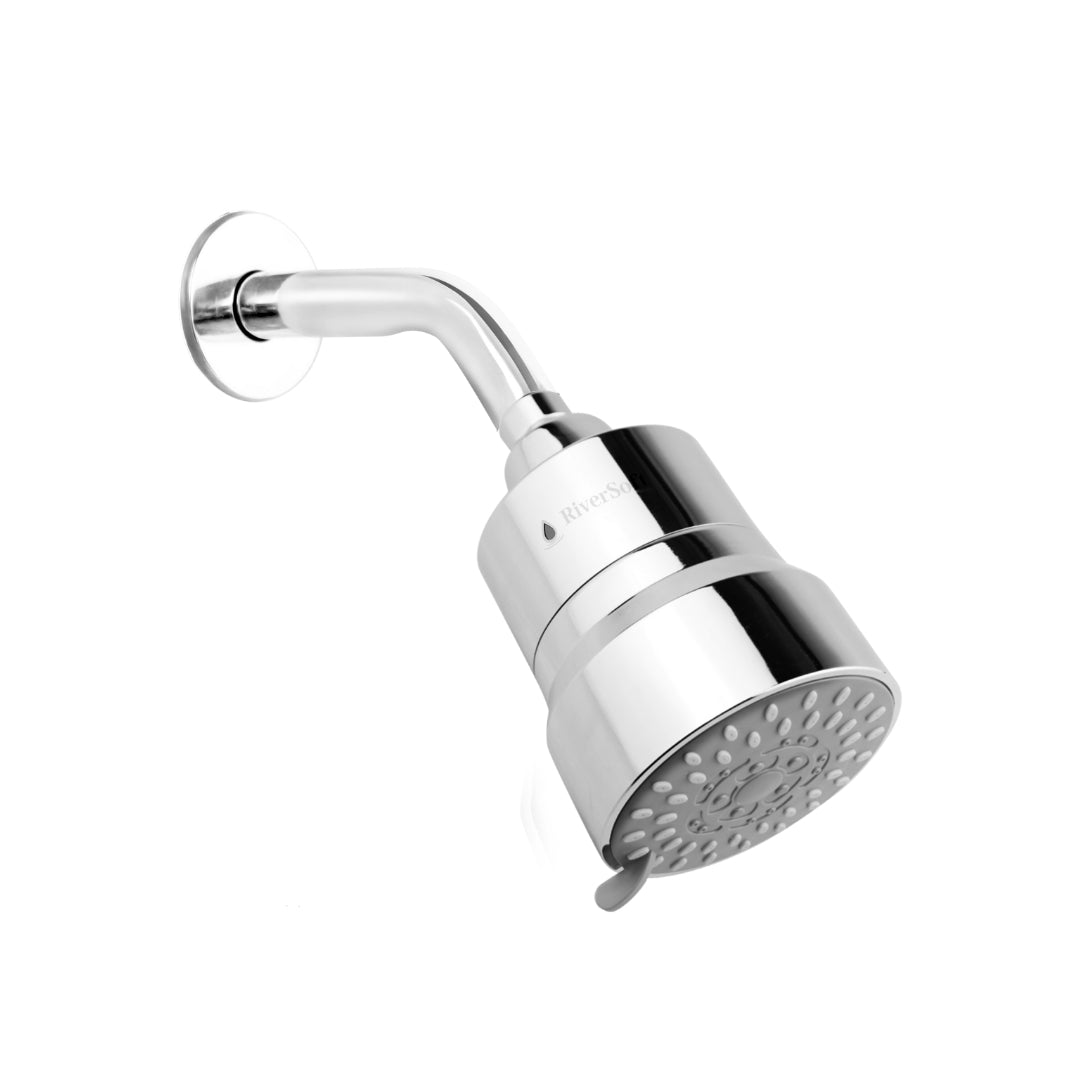
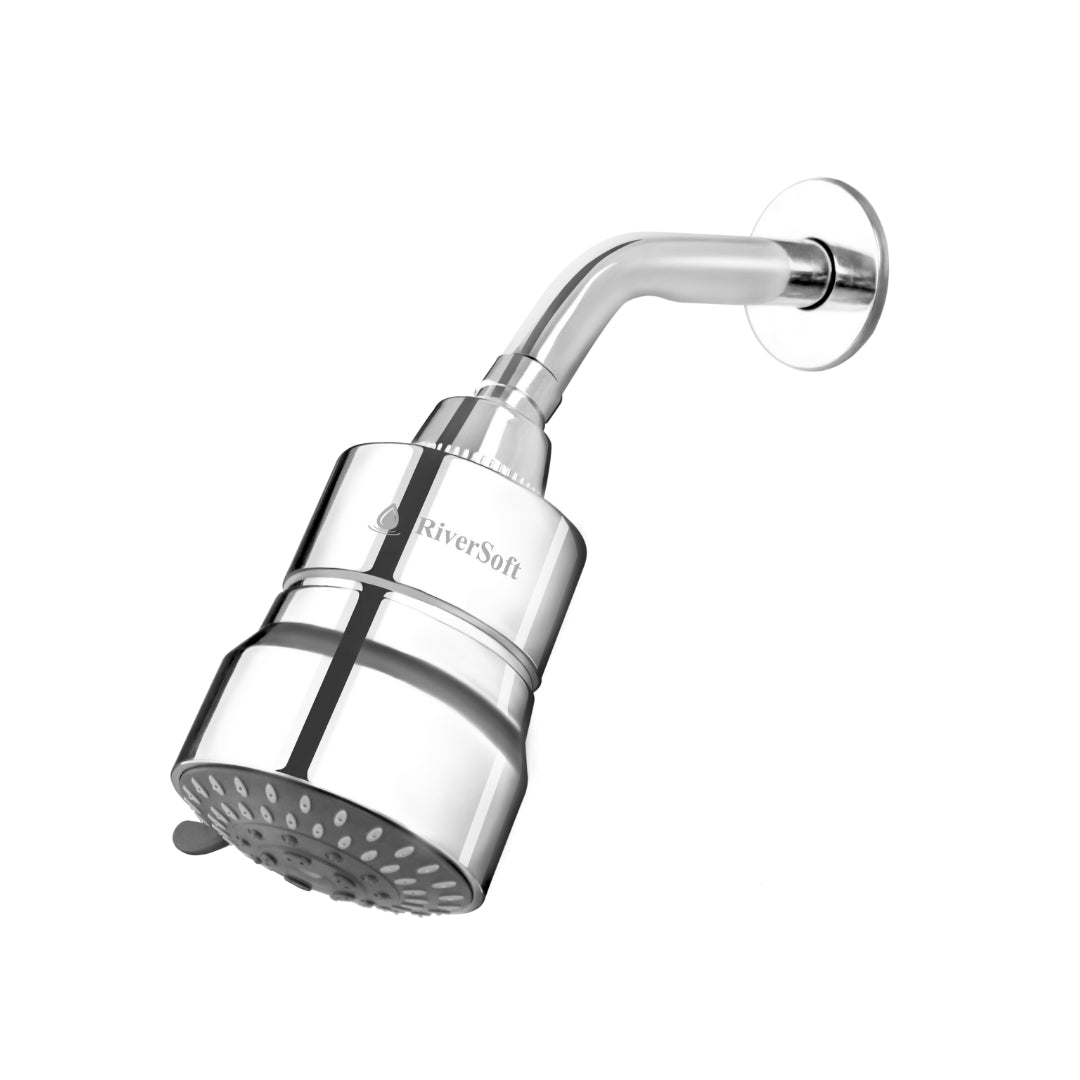
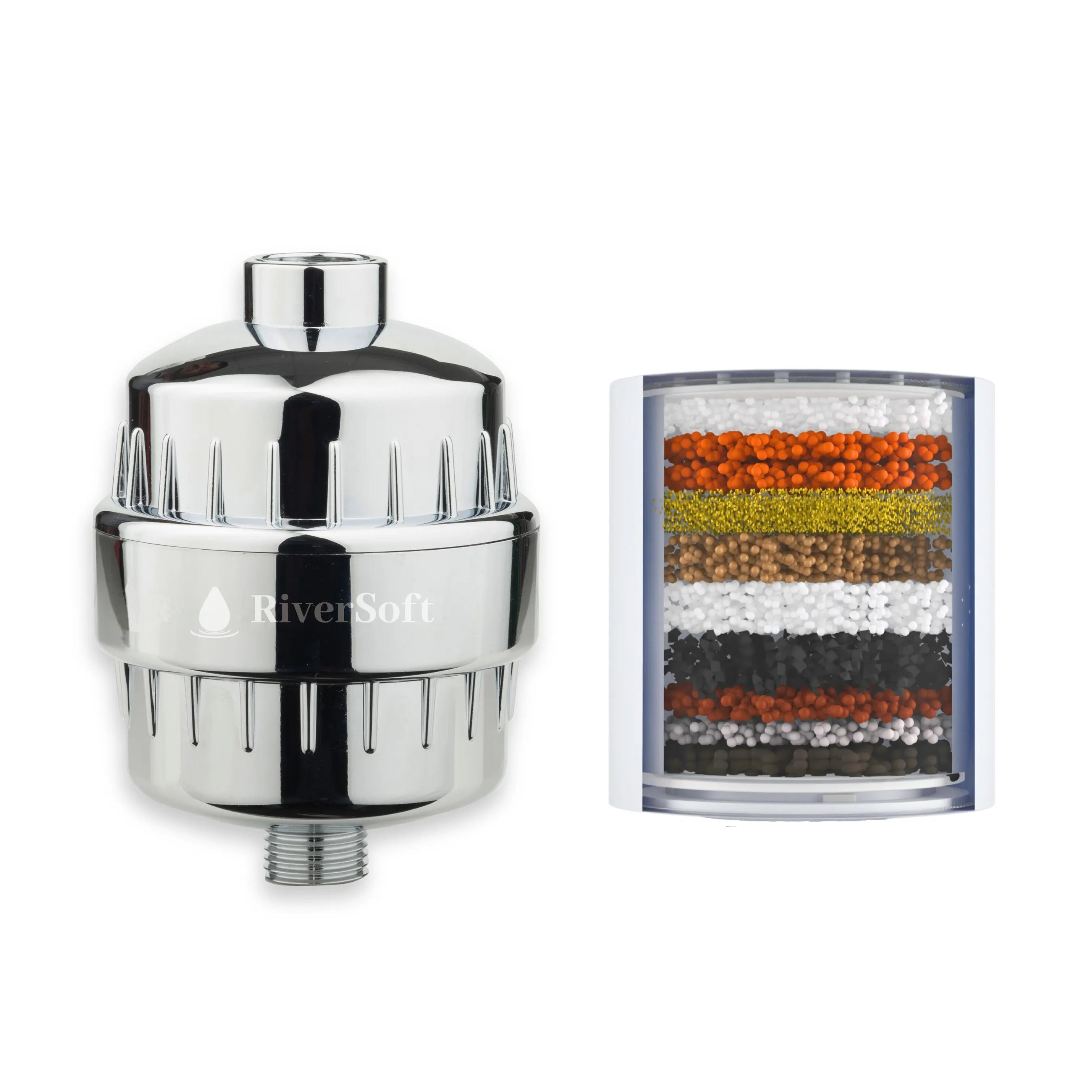
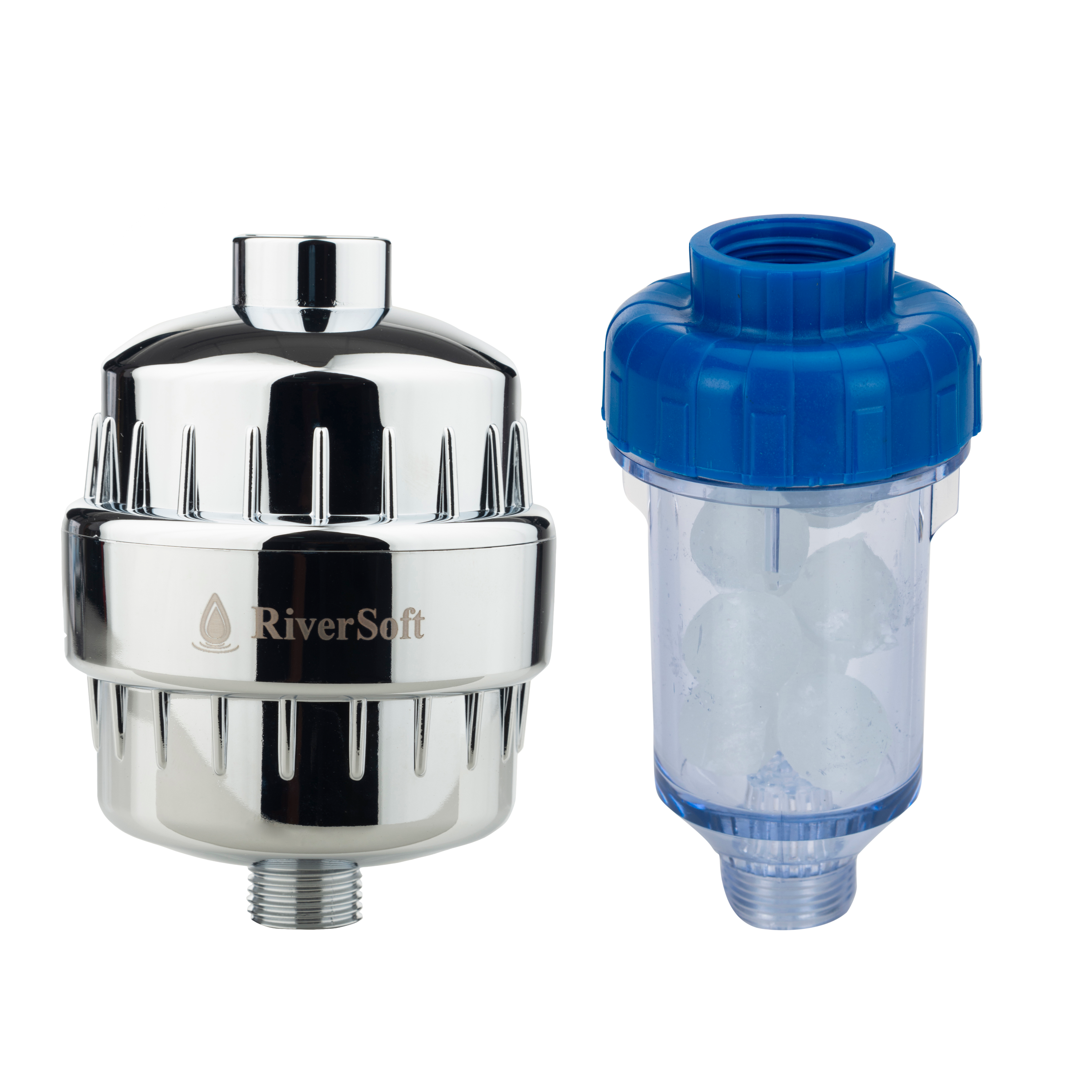
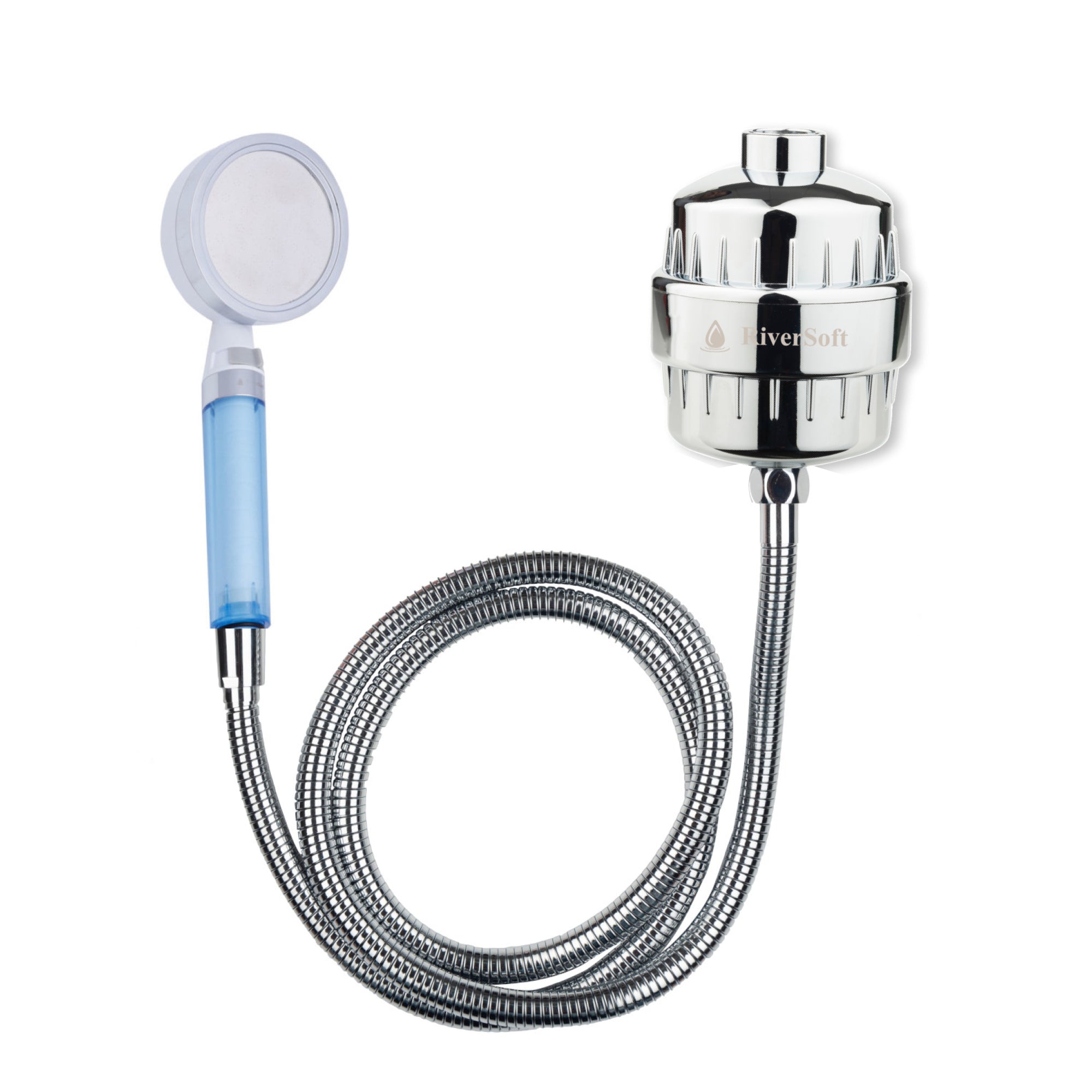
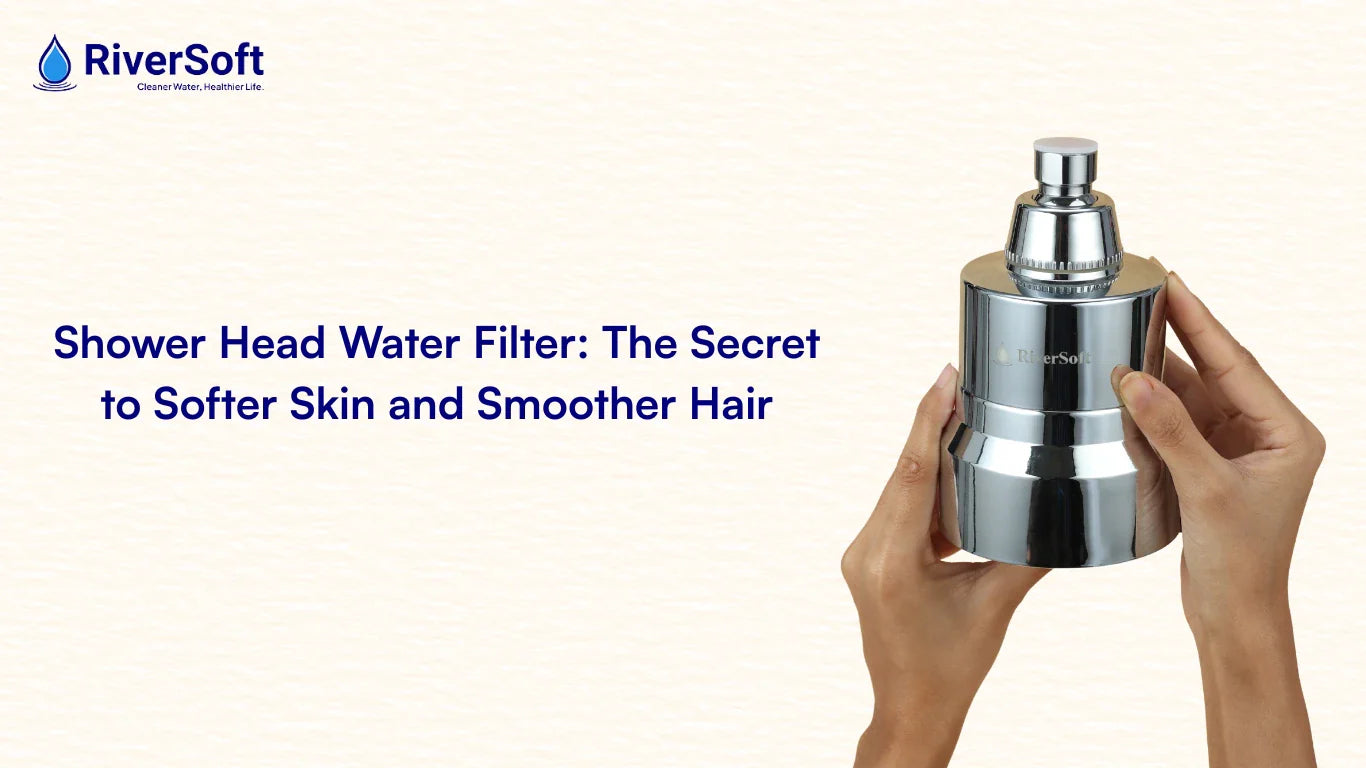
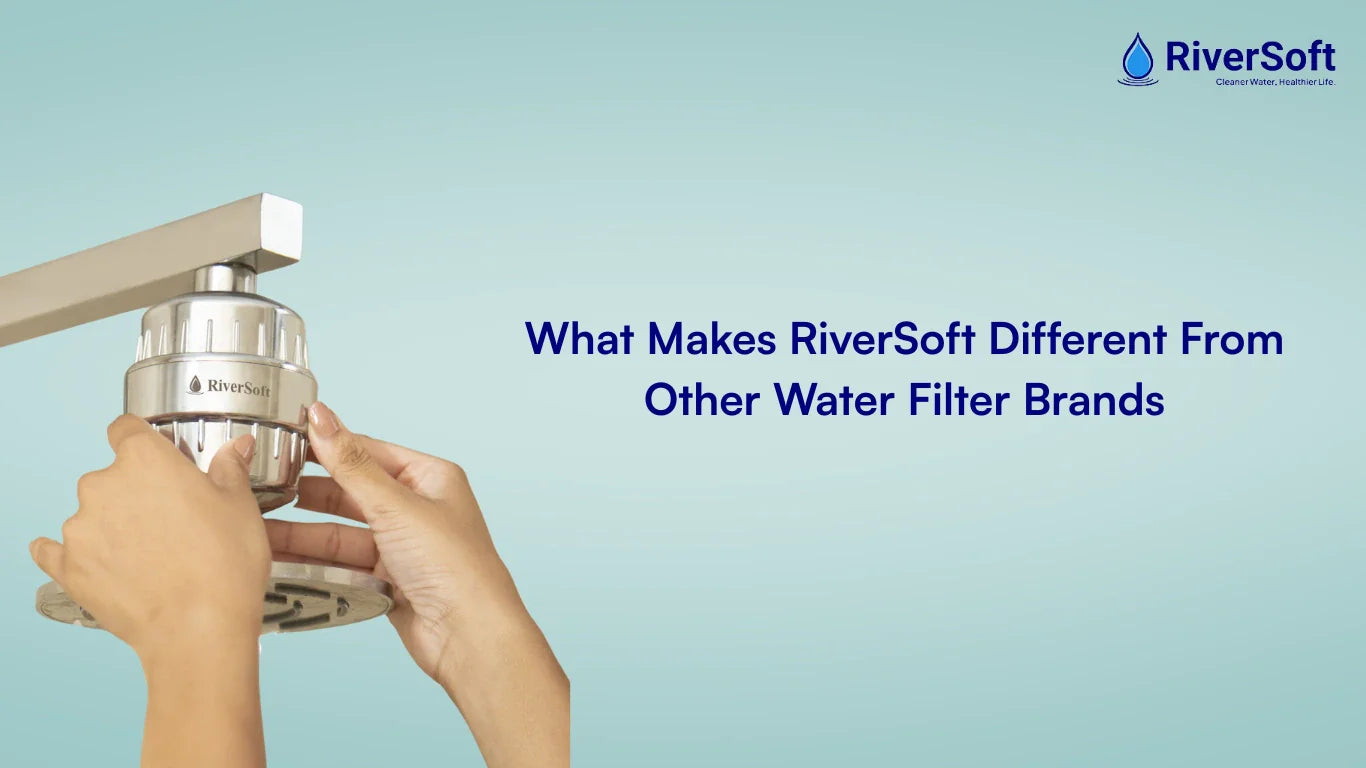
You can use a bathroom water softener or washing machine filter. The bathroom softener reduces hair fall, prevents skin damage, and reduces flaky scalp… while the washing machine filter protects fabric quality, and extends machine life - all with simple, no-plumber installation.
Recommended Reading:
How Hard Water Affects Your Daily Life: Hair Fall, Dry Skin & More
What is pH in Water?
The pH is a measure of how acidic or alkaline your water is, on a scale from 0 to 14. The ideal pH for drinking water is between 6.5 and 8.5. This makes sure water is safe to consume and non-damaging to your pipes or appliances.
Here’s why it matters:
-
Low pH (<6.5): Acidic water can cause corrosion and leaching of metals like lead or copper.
-
High pH (>8.5): Alkaline water may lead to a bitter taste and buildup in appliances.
Best Solutions for Unbalanced Water pH at Home
A pH balancer or hard water purifier can fix off-range pH, improve water quality and reduce plumbing damage.
What Your Water Hardness Test Results Are Telling You (and How to Fix It)
Once you understand how TDS, hardness, and pH work together, the real value lies in knowing what to do next. Here’s how to respond to common water test findings:
-
High TDS? Use a water softener for bathroom to reduce hardness-related issues like hairfall and dry skin.
-
To lower TDS, you’ll need an RO purifier so that water becomes fit for drinking purpose
-
Low pH ? Install a pH balancer or purifier to prevent rust and pipe corrosion.
Once you understand what's in your water, the solution becomes simple. All you need to do is choose the right product to protect your skin, your hair, and your home.
What Your Water Test Results Are Telling You
Once you have your report, the numbers only matter if you know what to do with them. Here is a quick reference:
| Parameter | Your Reading | What It Means | What to Do |
|---|---|---|---|
| TDS | Below 300 ppm | Safe and balanced | No treatment needed for drinking |
| TDS | 300–500 ppm | Acceptable, within BIS limit | Consider an RO purifier for drinking water |
| TDS | Above 500 ppm | Exceeds BIS limit | RO purifier required; shower filter for bathing water |
| Hardness | Below 150 mg/L | Soft to moderately hard | No urgent action needed |
| Hardness | 150–300 mg/L | Hard | Bathroom water softener recommended |
| Hardness | Above 300 mg/L | Very hard | Bathroom filter or softener essential; expect hair fall, dry skin, limescale |
| pH | 6.5–8.5 | Ideal range per BIS | No action needed |
| pH | Below 6.5 | Acidic; can corrode pipes | pH balancer or RO purifier |
| pH | Above 8.5 | Alkaline; bitter taste | Water purifier with pH correction |
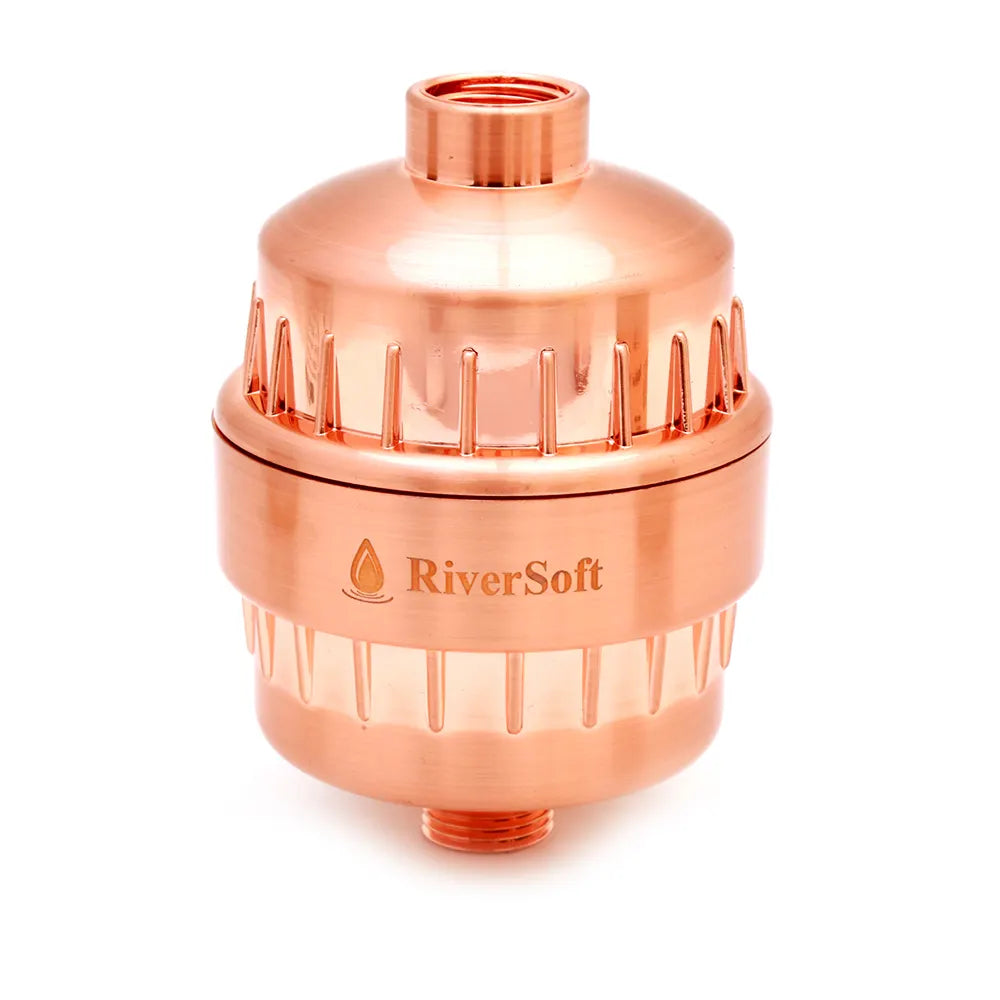
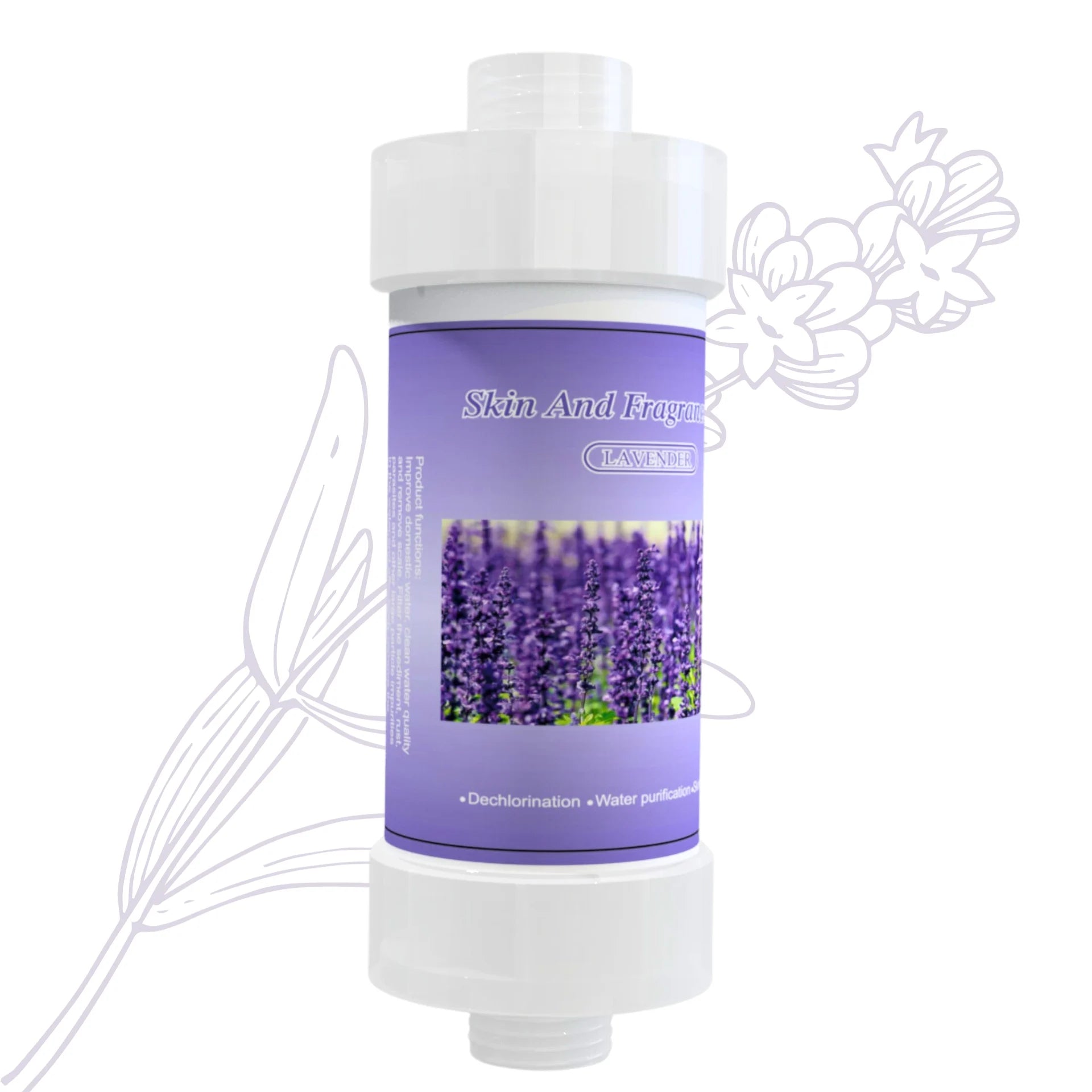
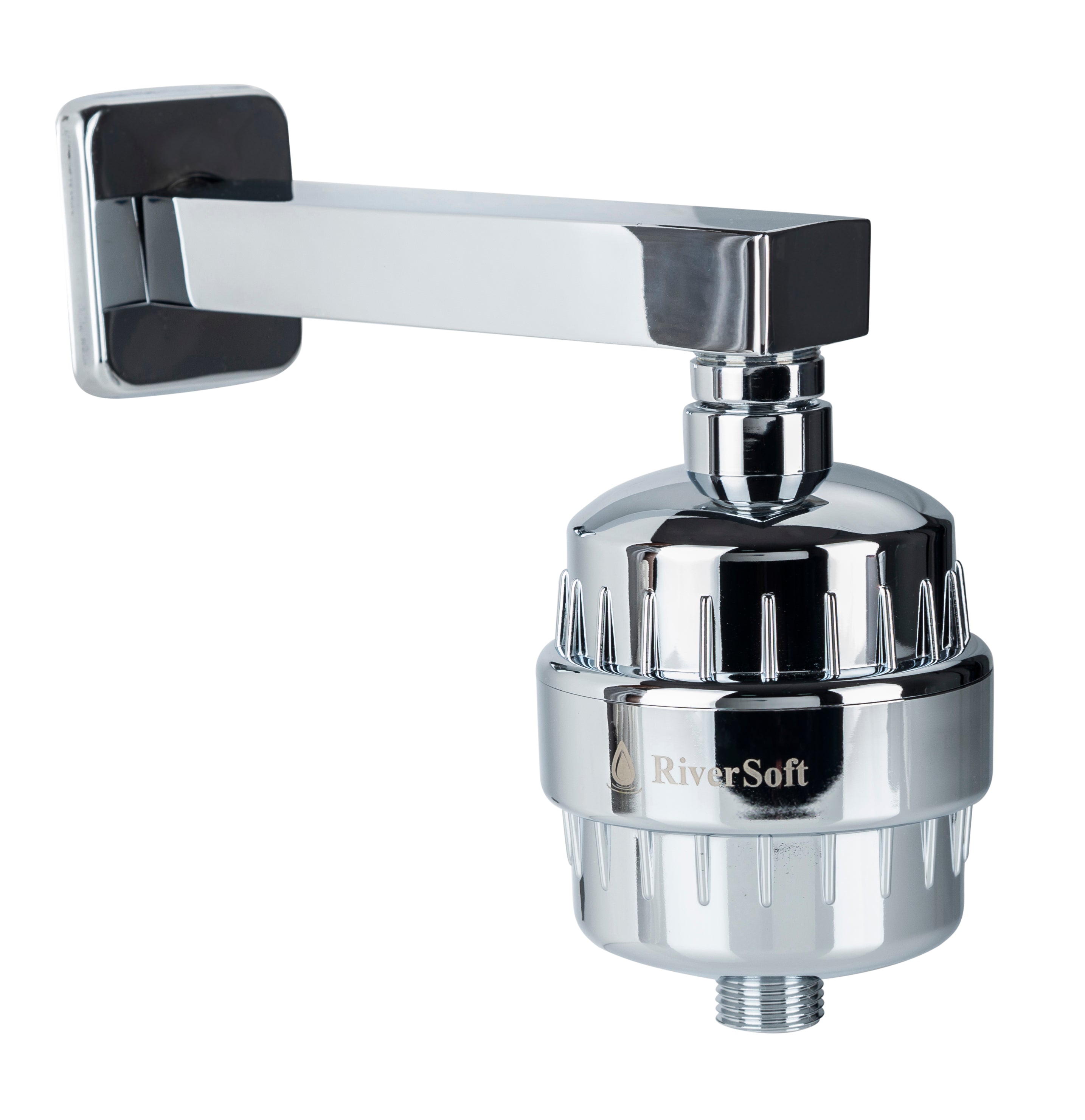
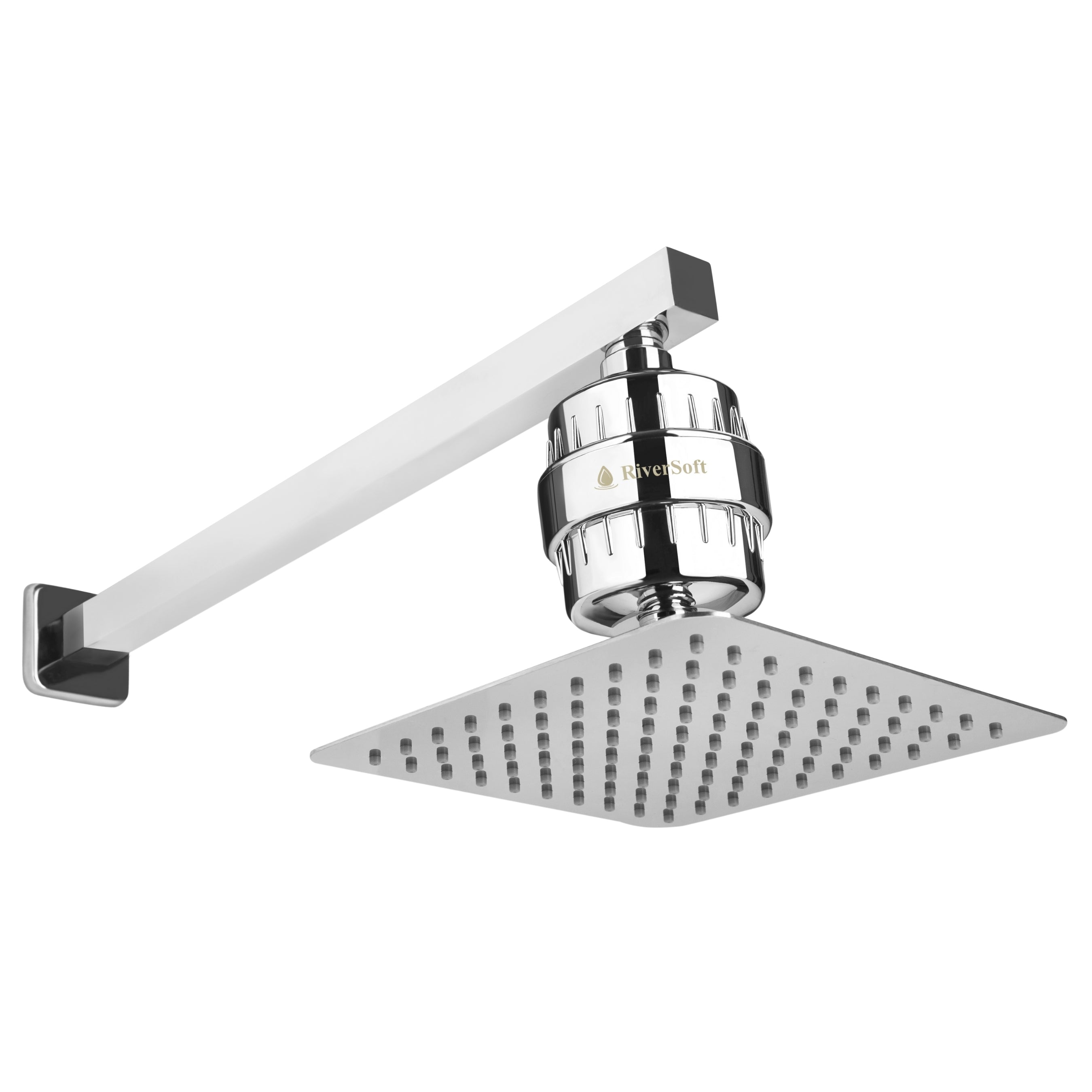
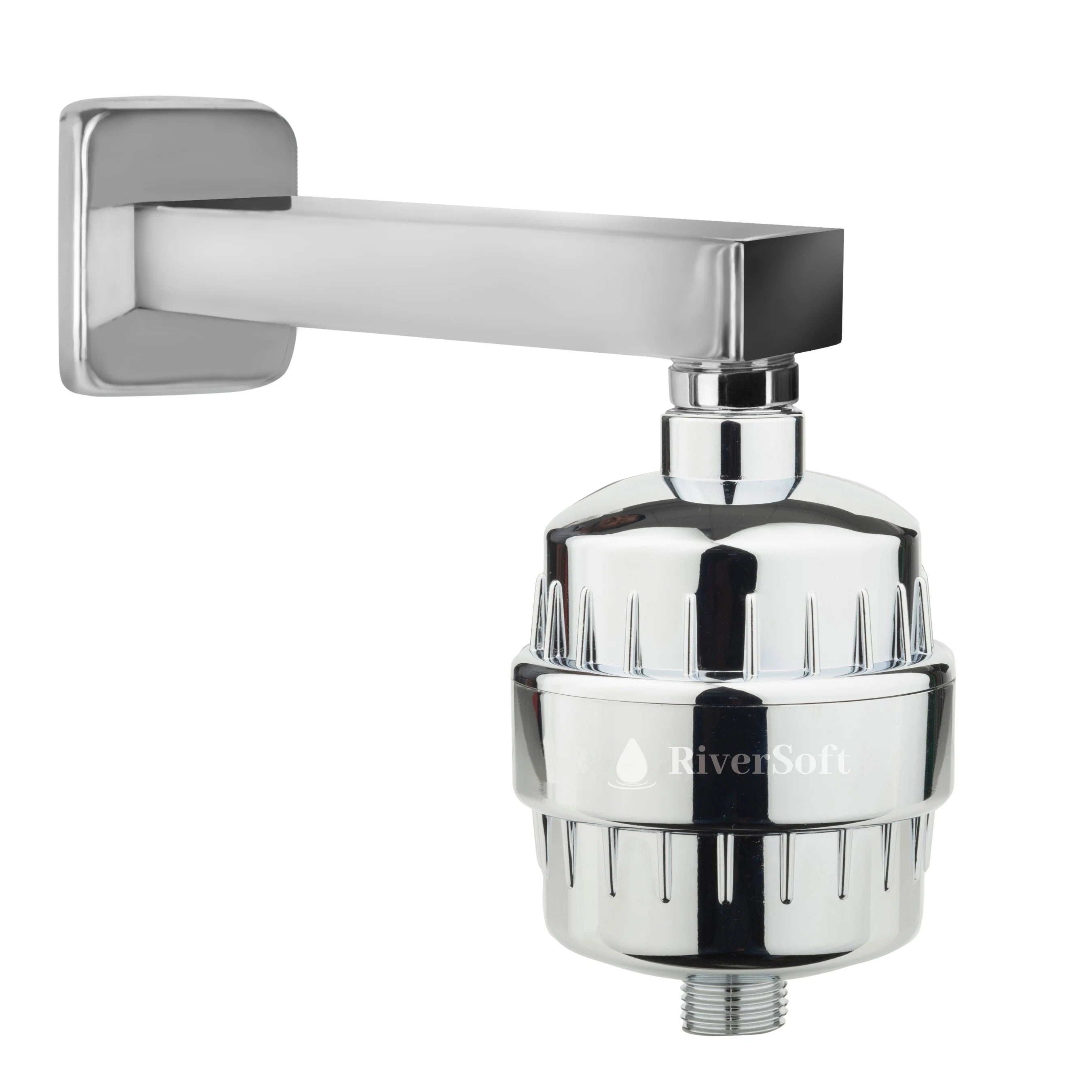
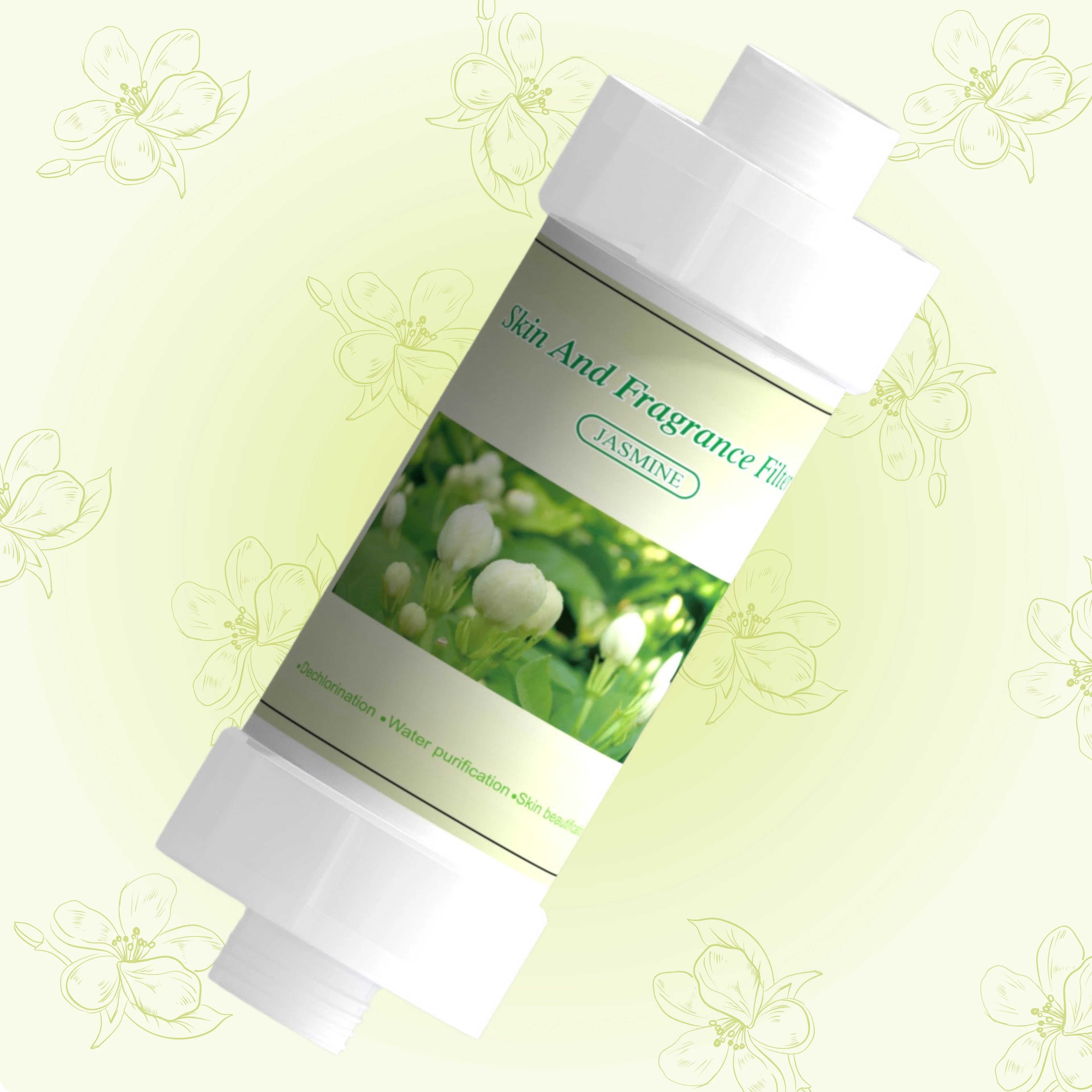
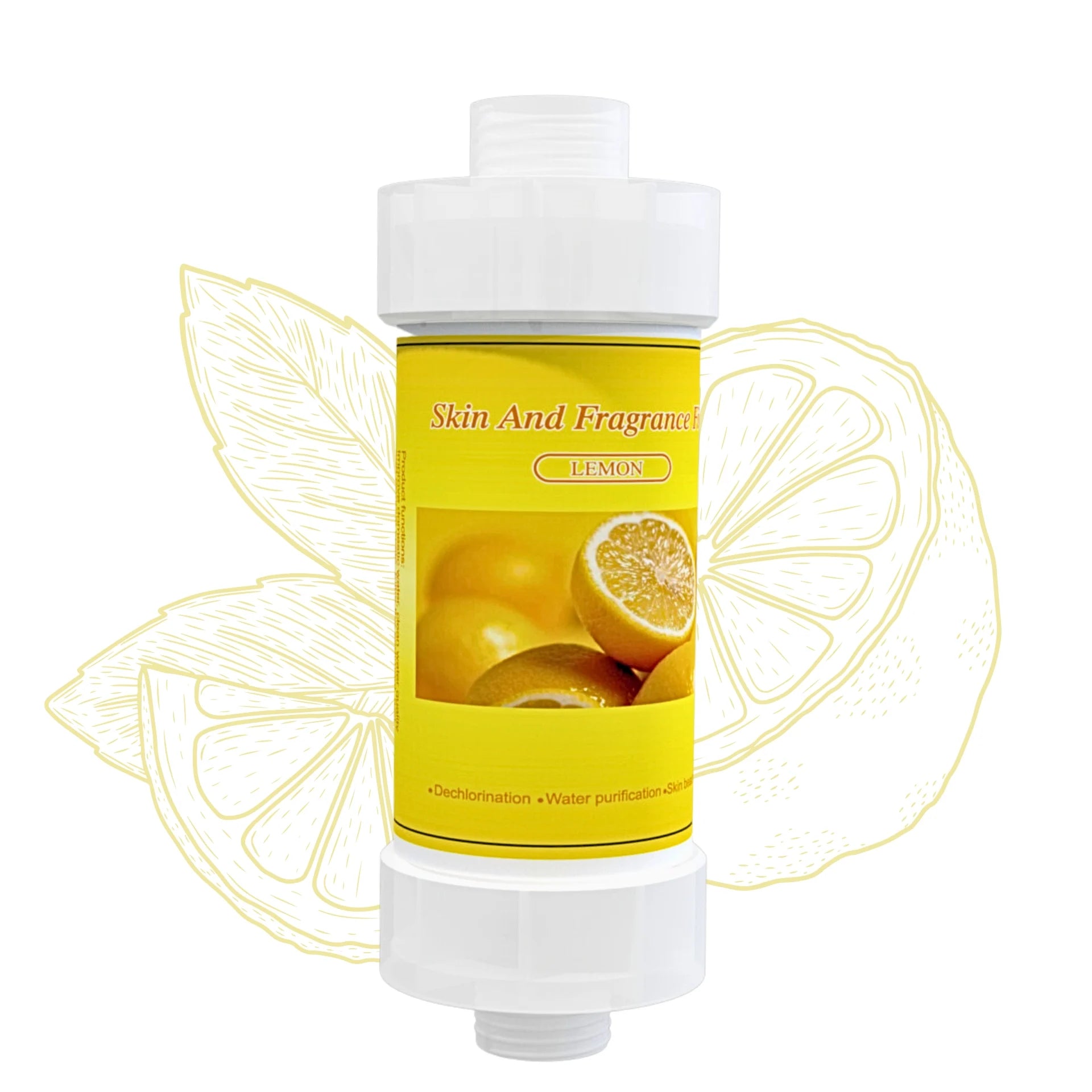
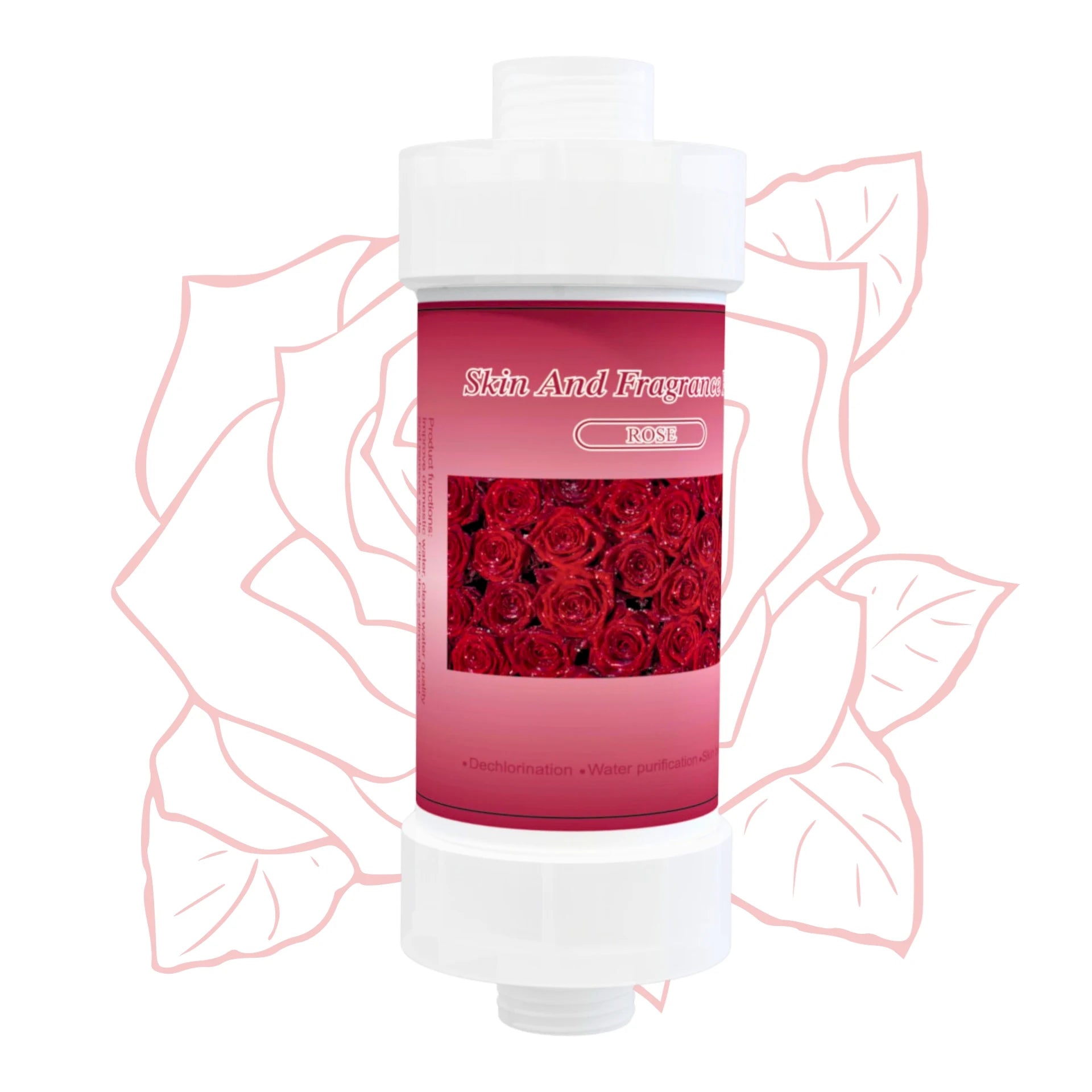
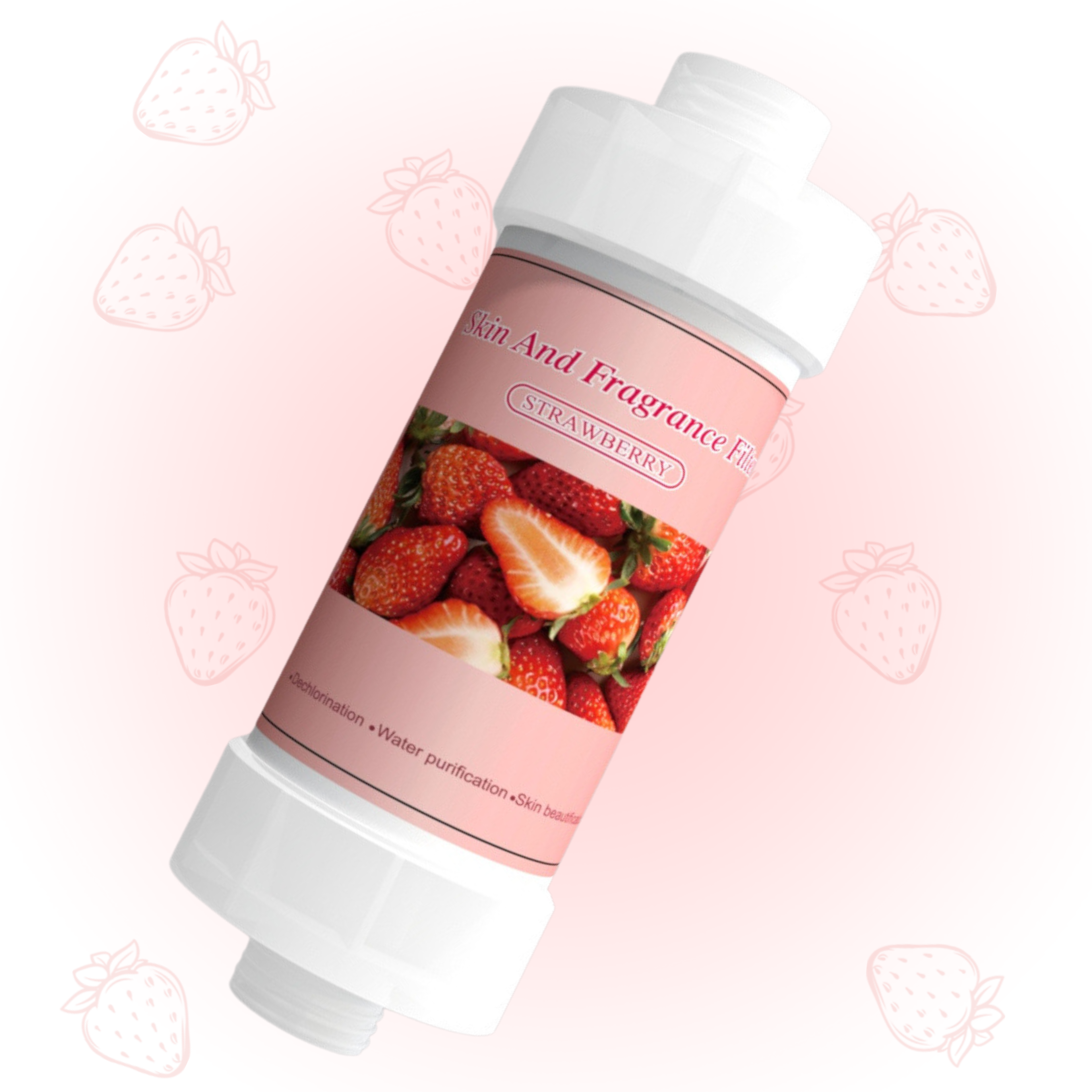
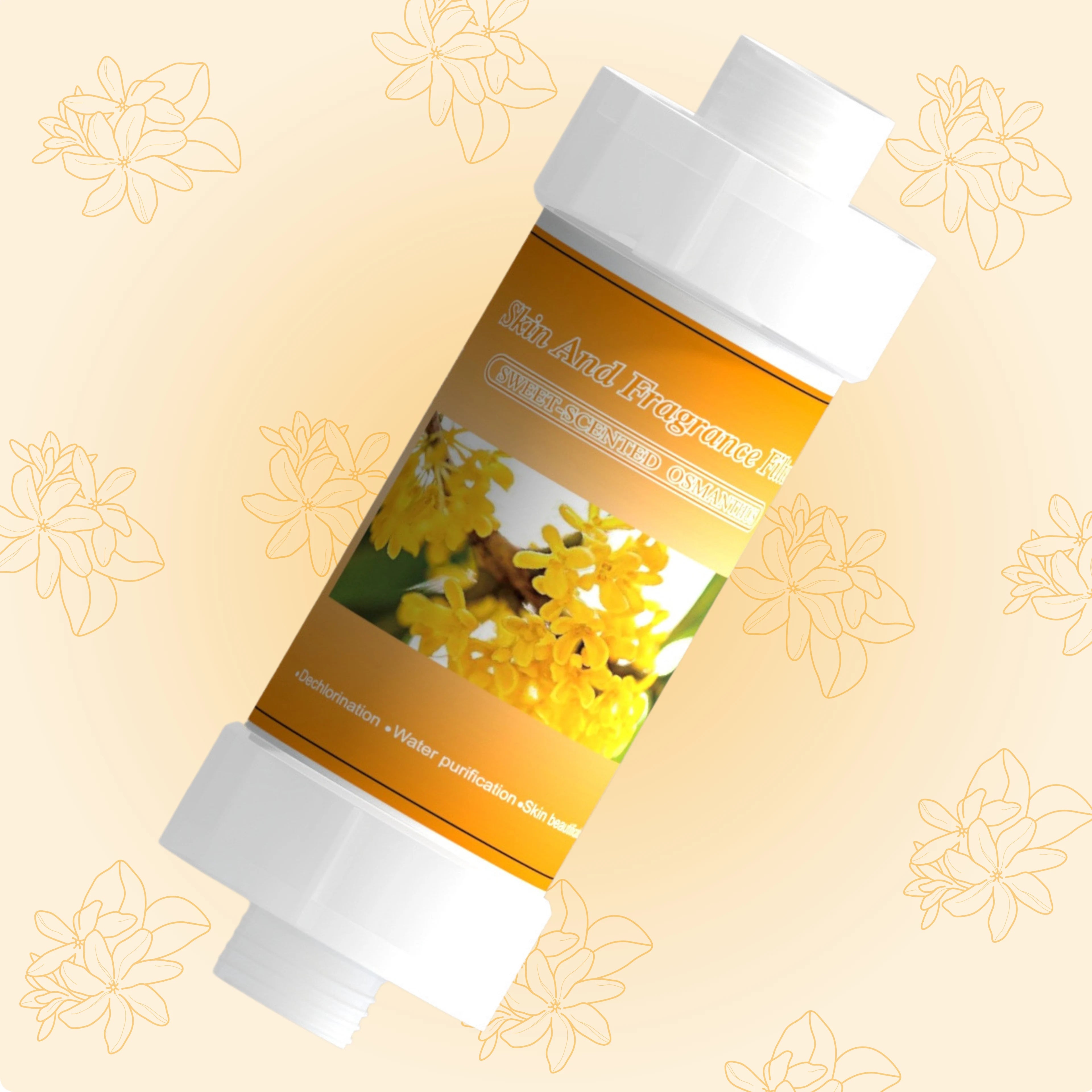
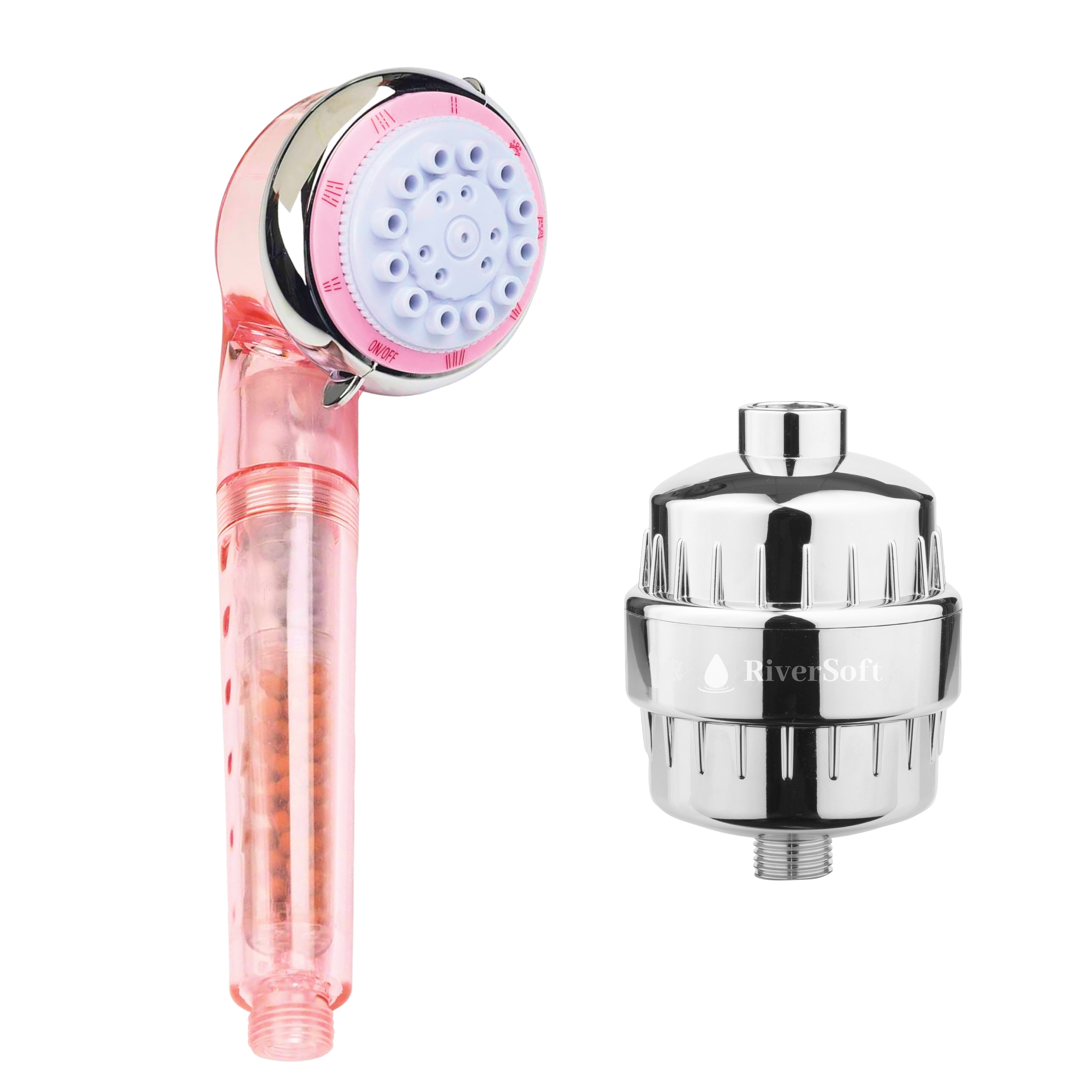
Say Goodbye to Water Quality Problems with RiverSoft Solutions
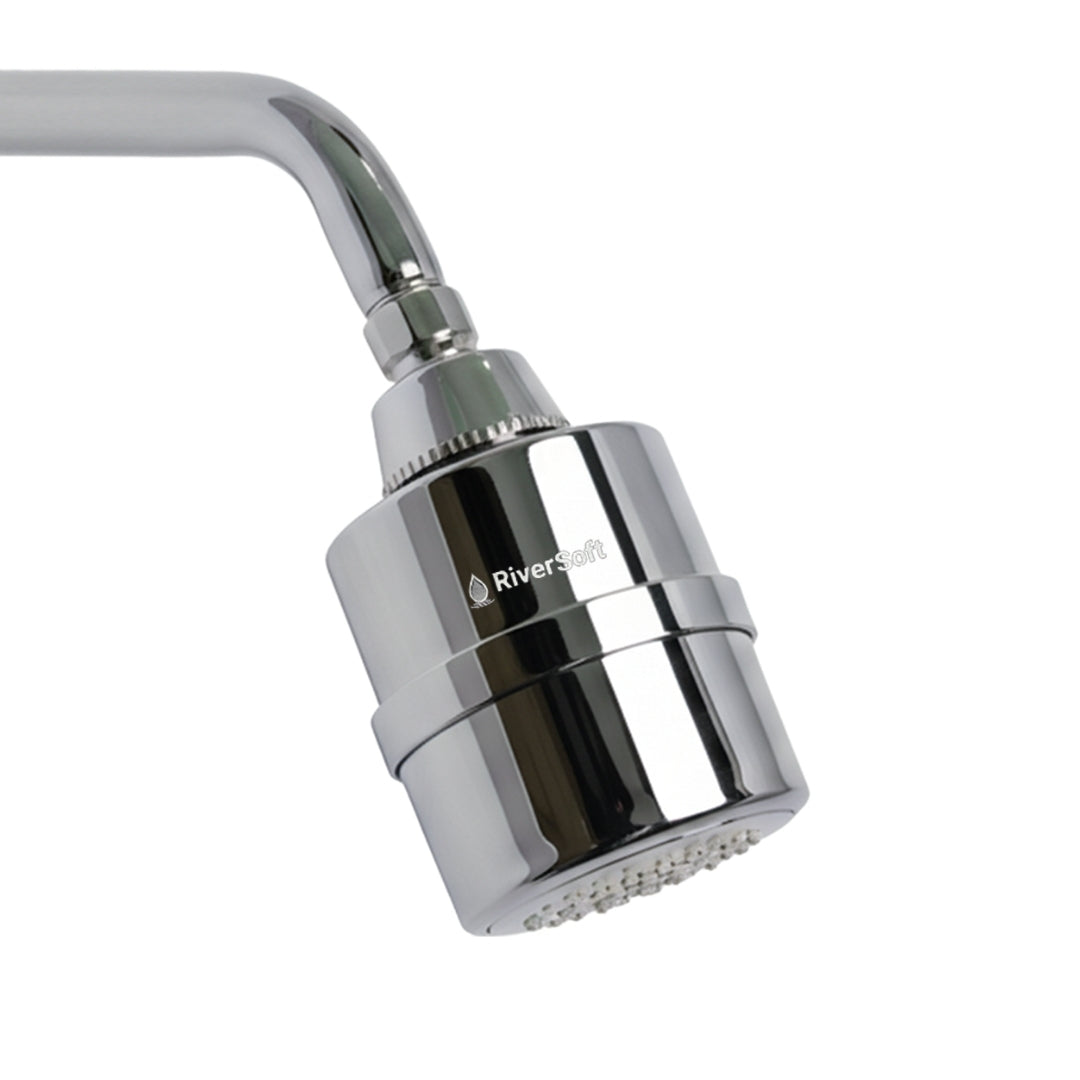
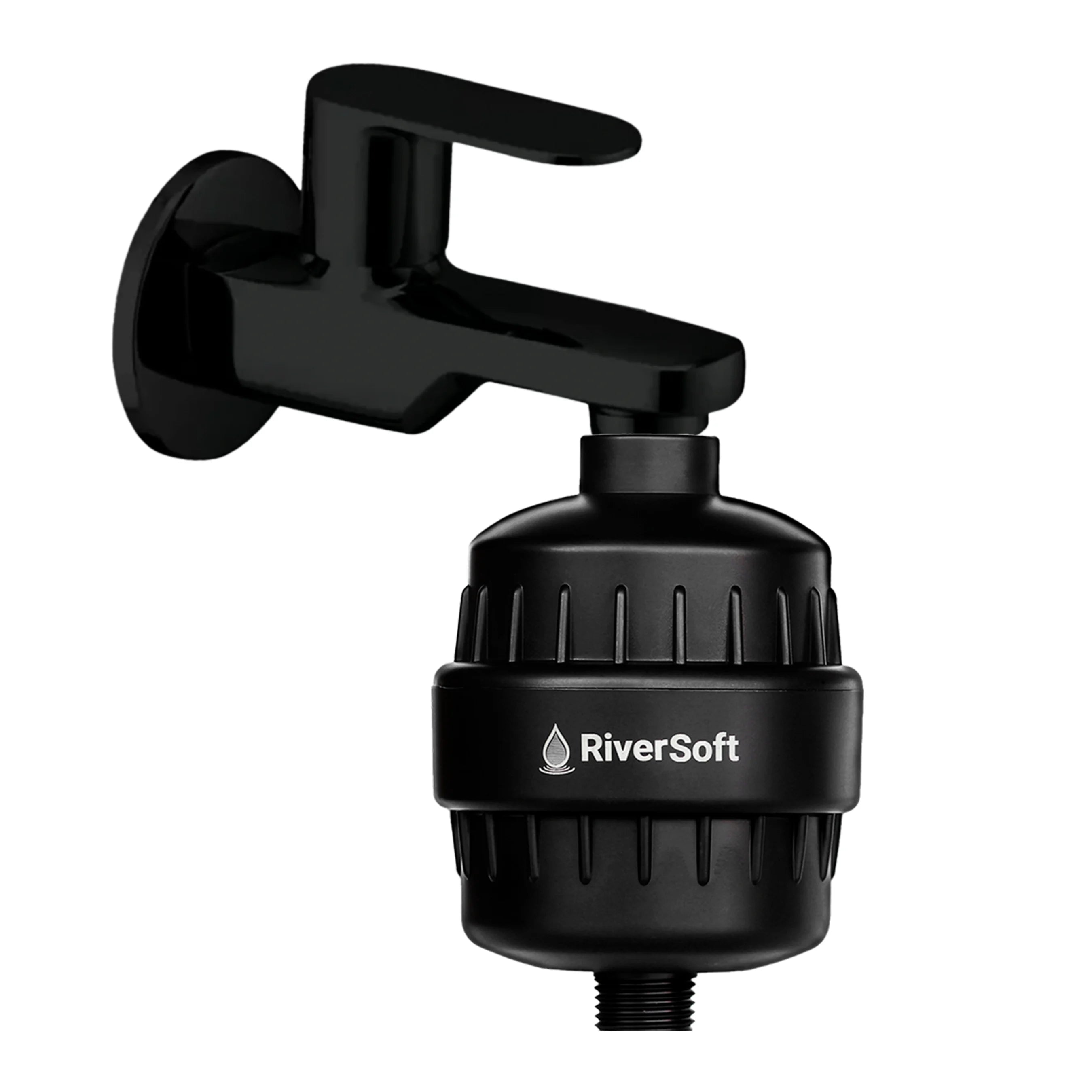
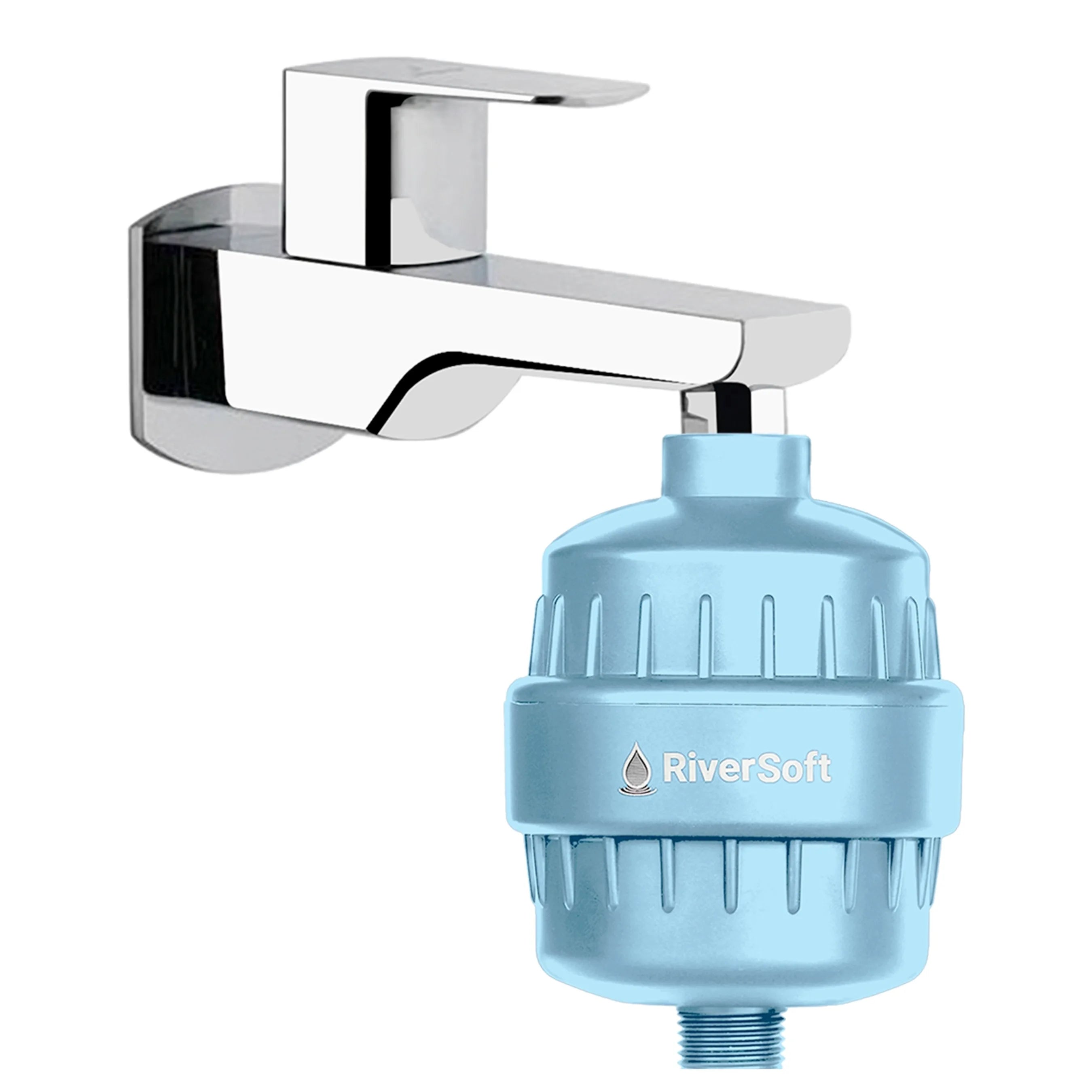
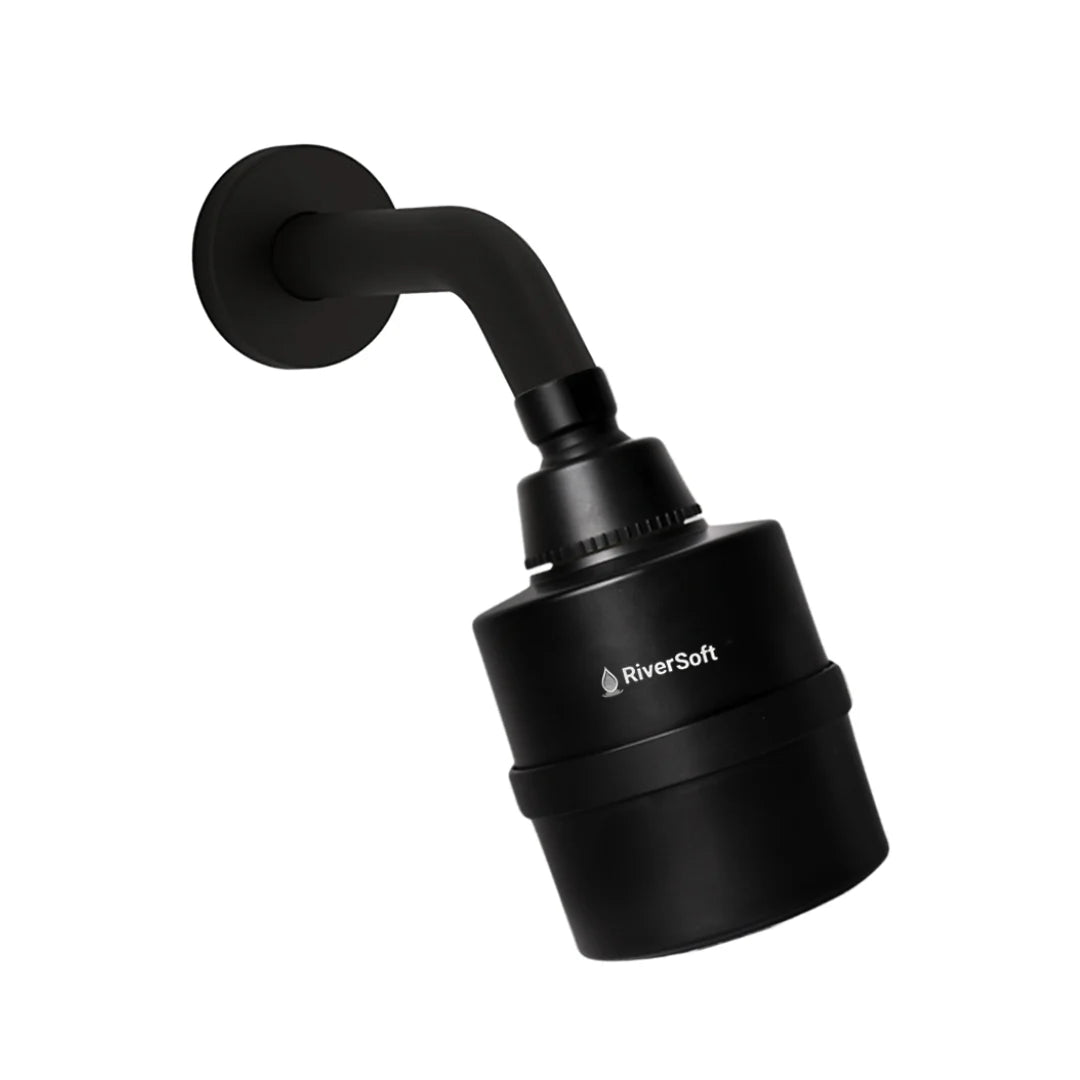
TDS, hardness, and pH are the three numbers that tell you the most about your water. A TDS above 500, hardness above 300 mg/L, or pH outside the 6.5 to 8.5 range all need attention. For drinking, an RO purifier addresses TDS. For bathing, a shower or tap filter handles hardness before it reaches your skin and hair.































Ashutosh was inspired to solve water quality issues after witnessing the harmful effects of hard water on his family’s health and home. Recognizing the widespread impact of poor water quality, he committed to creating innovative solutions that ensure safe and clean water for everyone. He is an alumnus of IIT Delhi and IIM Ahmedabad, bringing a strong technical and managerial background to RiverSoft.