

Do your shiny tiles and glass look dull, no matter how much you scrub them?
It’s a problem most households face: they wipe the glass, polish the tiles, but the shine never lasts. The truth is, the problem isn’t the cleaning routine at all. The problem is the water.
This guide focuses specifically on stains forming on tiles and glass surfaces. For removing existing limescale from appliances like kettles or washing machines, see limescale remover guide.
Why Does Hard Water Make Tiles and Glass Lose Their Shine?
Most Indian homes, especially in cities like Bangalore and Pune, get water rich in calcium and magnesium (i.e. hard water). As this water dries, it leaves behind white spots and cloudy streaks. Over time, these deposits harden into a stubborn layer that regular cleaning can’t remove.
You’ll usually see the damage on:
-
Bathroom tiles losing their shine and turning patchy
-
Shower glass stays hazy no matter how much you polish it.
-
Faucets and mirrors that always look spotted
And here’s the worst part:
If you ignore these stains, they’ll slowly etch into glass and corrode metal fixtures.
What Are Easy DIY Fixes for Hard Water Stains on Tiles and Glass?
Are you struggling with stains on your tiles and glass? Don’t worry, there are a few simple hacks that can help remove them.
-
Vinegar spray (for shower glass): Mix equal parts vinegar and water, spritz on cloudy spots, let it sit for a few minutes, then wipe clean.
-
Baking soda paste (for tiles): Mix baking soda with water into a paste, apply it on corners or grout lines, scrub gently, and rinse.
-
Hard Water Stain Remover: At RiverSoft, we offer a ready-to-use hard water stain remover designed to effectively remove tough hard water stains, giving your tiles and glass a spotless shine with minimal effort.
- Baking soda paste (stubborn tile stains): Mix baking soda with water into a paste, apply to stains, leave for 10 minutes, then scrub gently and rinse. Works well on grout where vinegar struggles to penetrate.
- Lemon juice (chrome fixtures and faucets): Rub a cut lemon directly on stained chrome or steel, or apply juice and let sit for 5 minutes before wiping. Dissolves deposits without scratching the surface.
Caution: Avoid vinegar or lemon on natural stone like marble or granite, as the acidity can etch the surface. Use a pH-neutral stone cleaner instead.
These remedies can clear the surface, but they only clean what’s already there. As long as hard water continues to flow through your taps, the stains will persist – affecting not just your bathroom surfaces, but also causing damage to your hair and scalp.

Recommended Reading:
Hard water doesn’t just leave stains - it also damages your hair and scalp. Find out more in this blog - Effects of Hard Water on Hair and Scalp - to learn how
What Is the Real Problem with Hard Water Stains?
The frustrating thing about hard water stains is:
You scrub, but within days, the cloudy marks are back. And the longer the stains stay, the worse it gets: glass loses its shine, tiles turn dull, and faucets start looking worn out. This means the real solution isn’t scrubbing, it’s preventing stains from forming in the first place.
Recommended Reading:
Did you know the same hard water that clouds your glass also shortens appliance life? Find out more here: How Hard Water Reduces the Efficiency of Your Appliances
What Are the Prevention and Long-Term Fixes for Hard Water Stains?
A few simple habits can slow down buildup and keep your bathroom looking fresher for longer:
-
Wipe tiles and glass after a shower with a microfiber cloth
-
Use a squeegee (a wiper) on shower glass for crystal-clear panels
But if you want lasting results, the key is not more scrubbing; it is treating the water itself. You can do that by using hard water purifiers like:
-
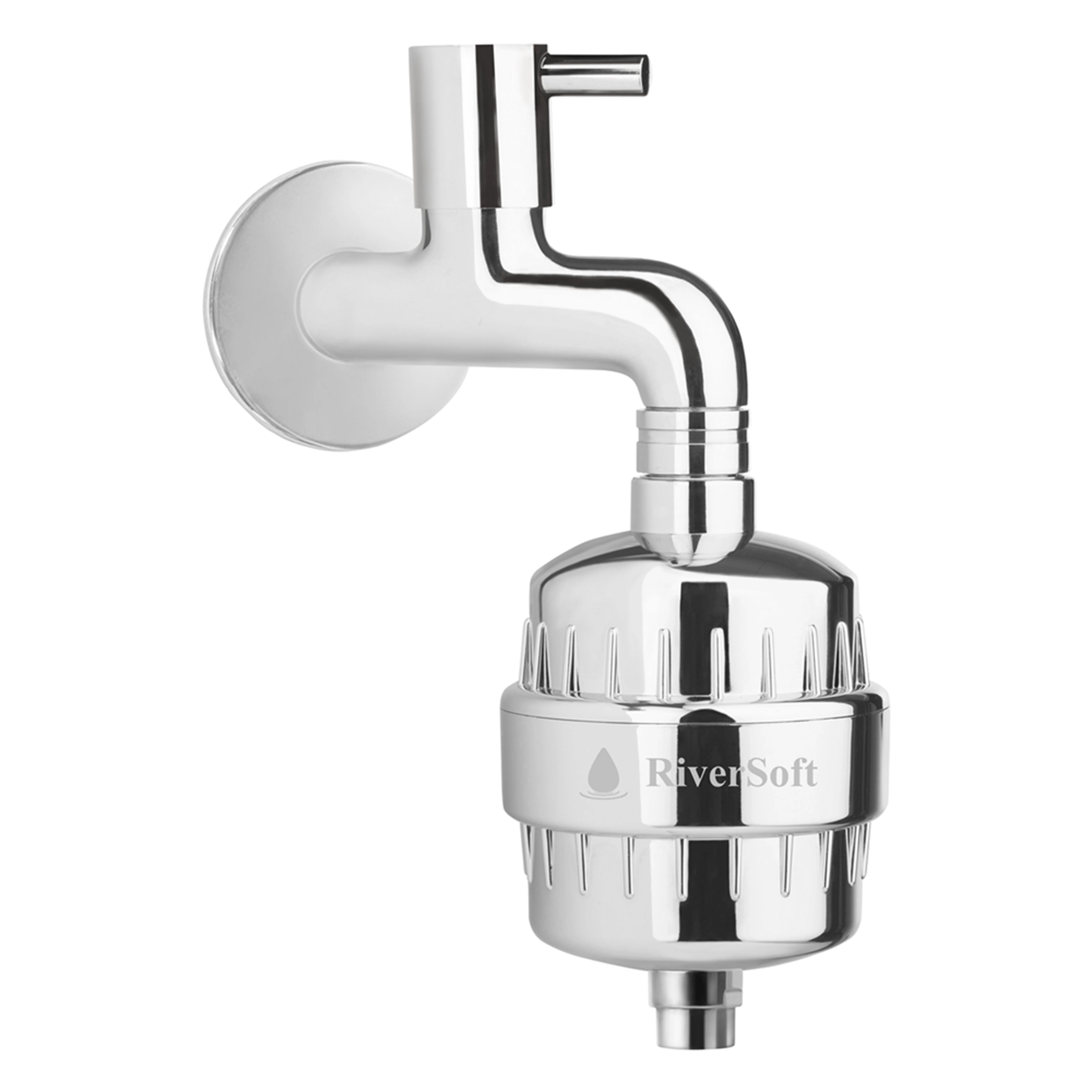
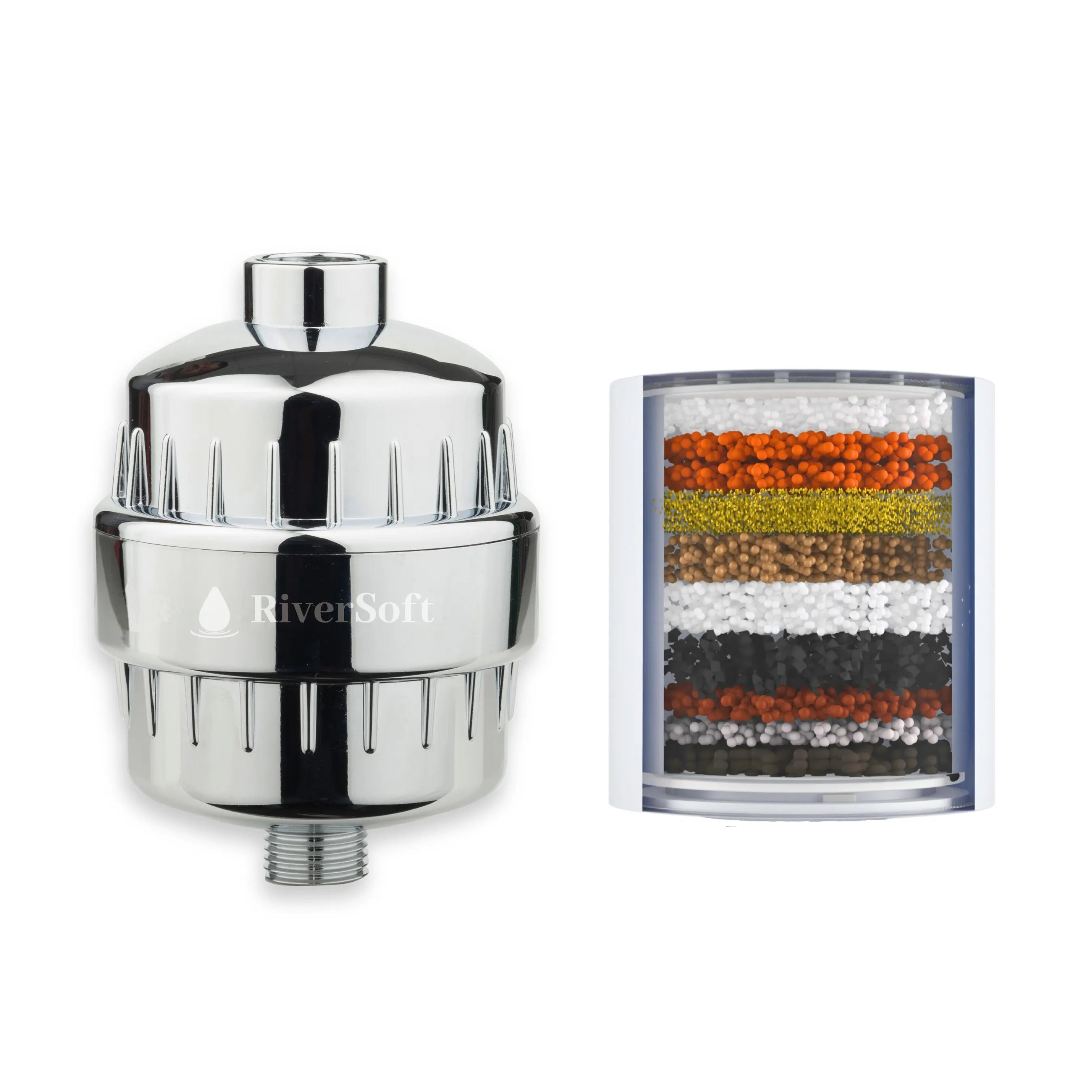
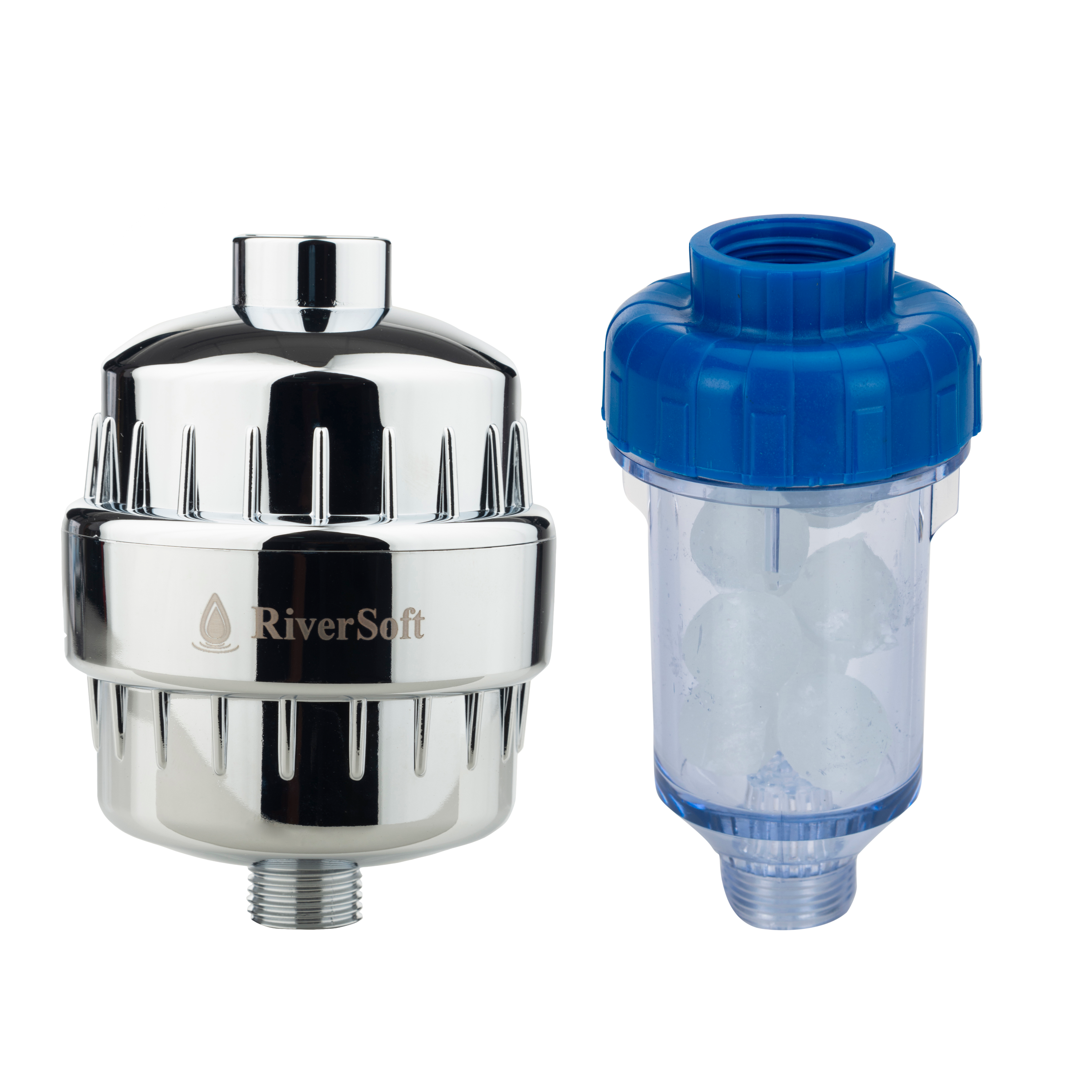
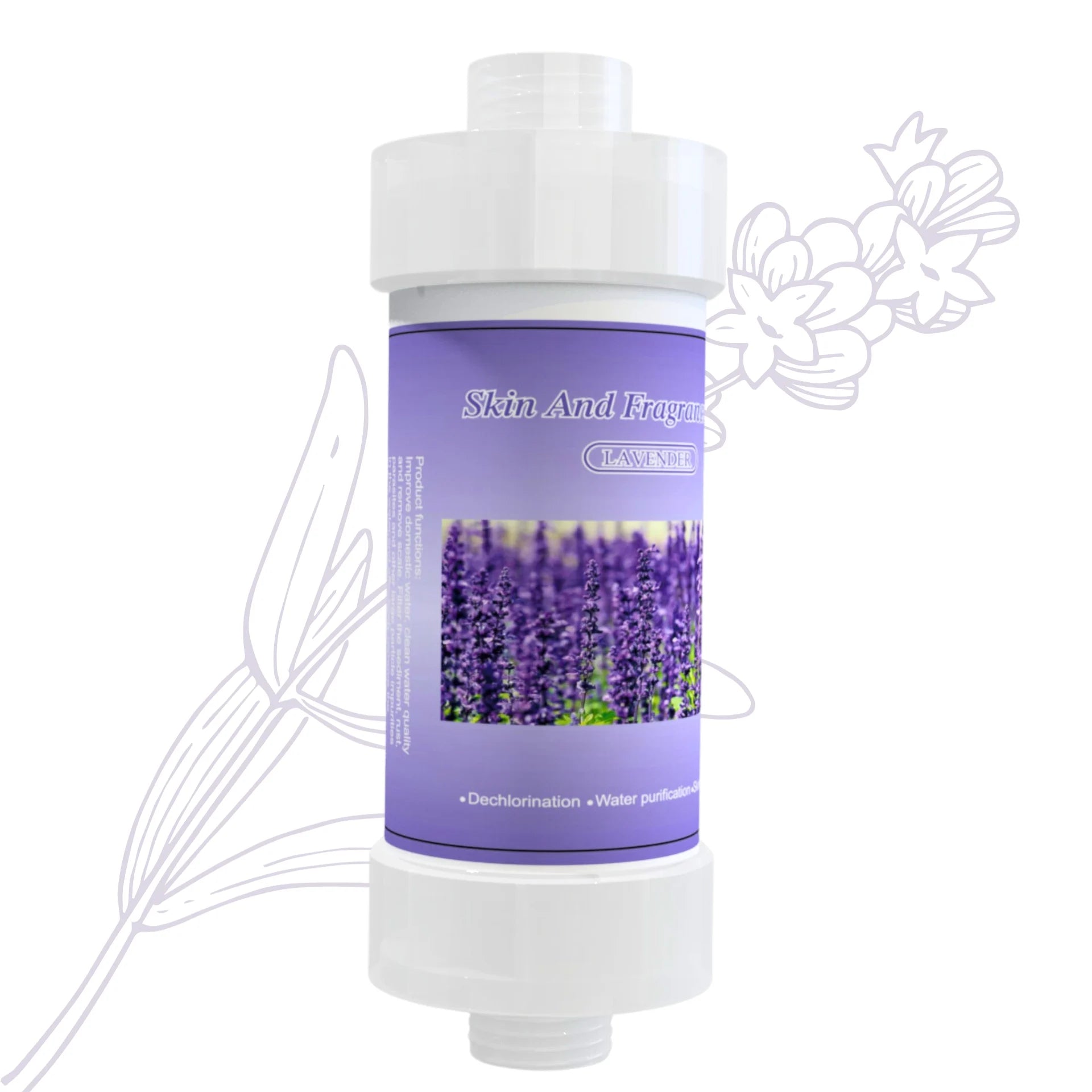
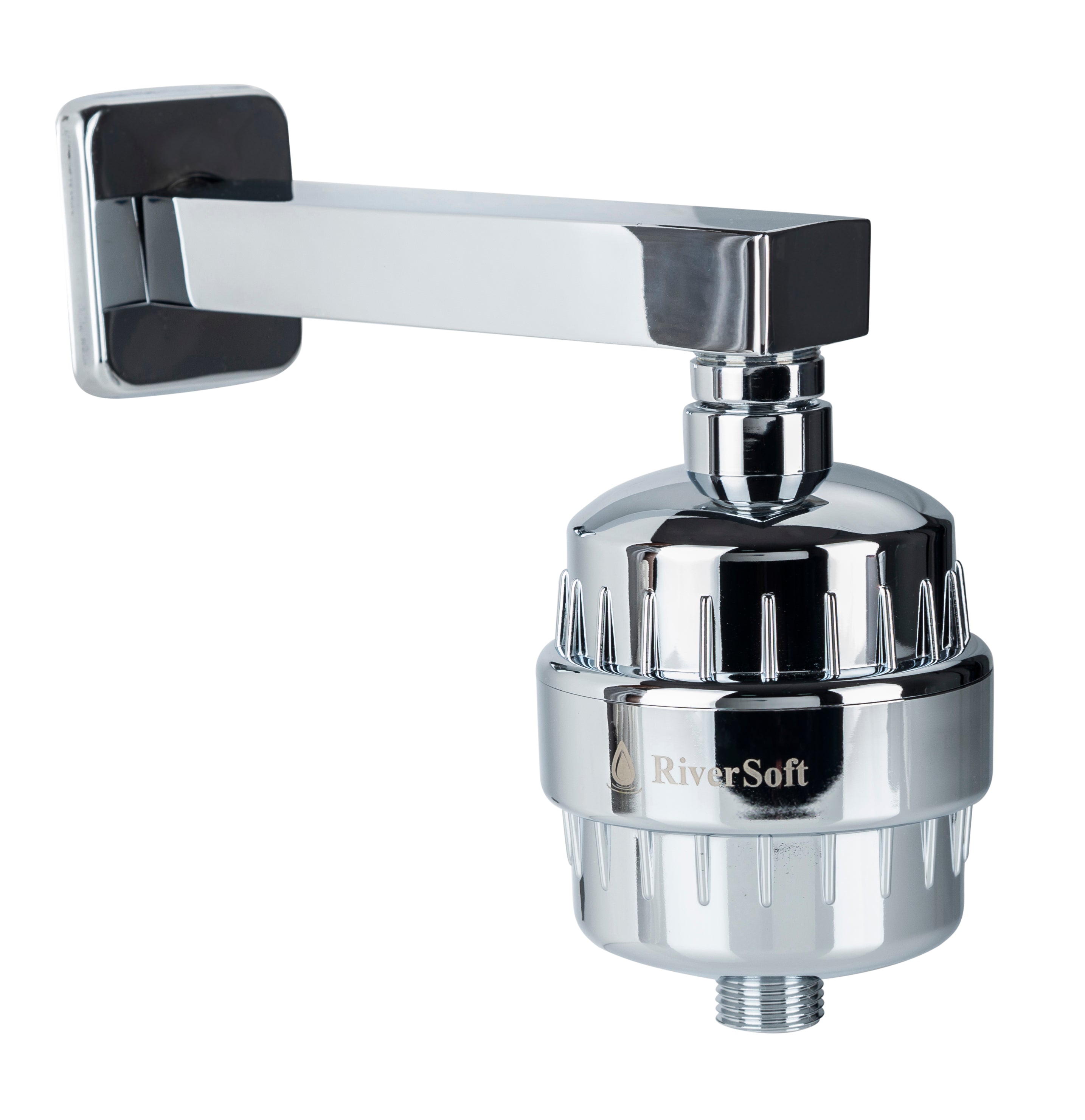
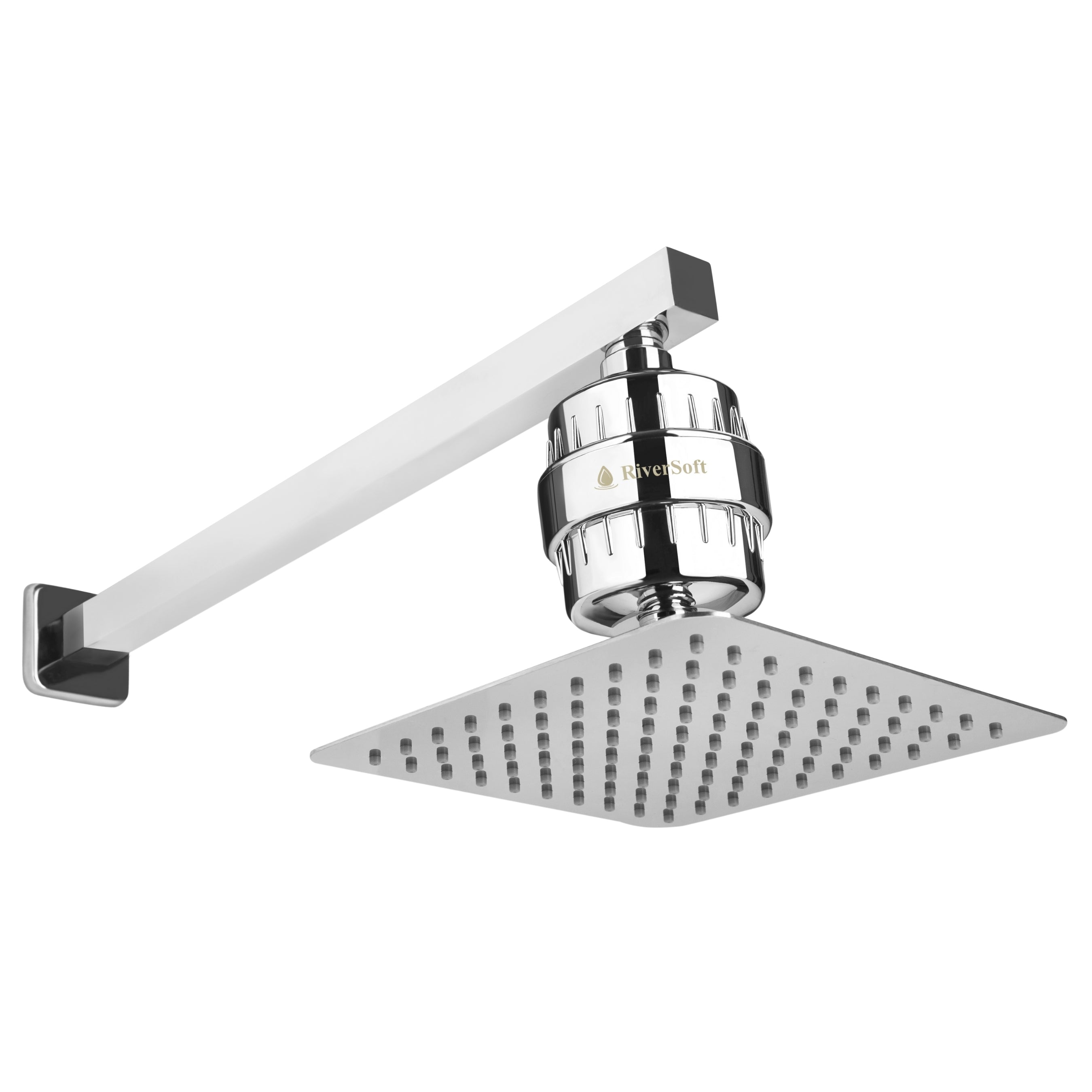
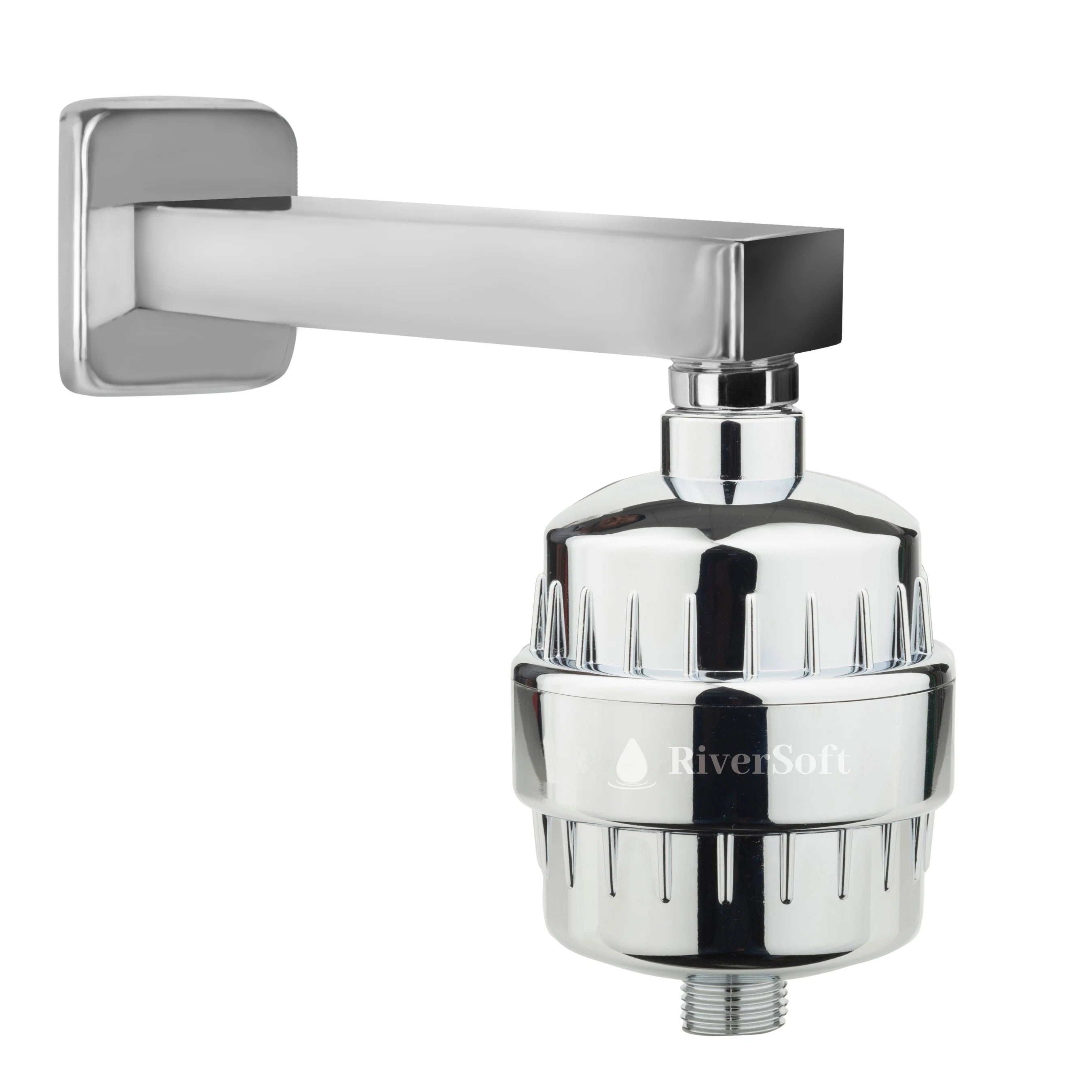
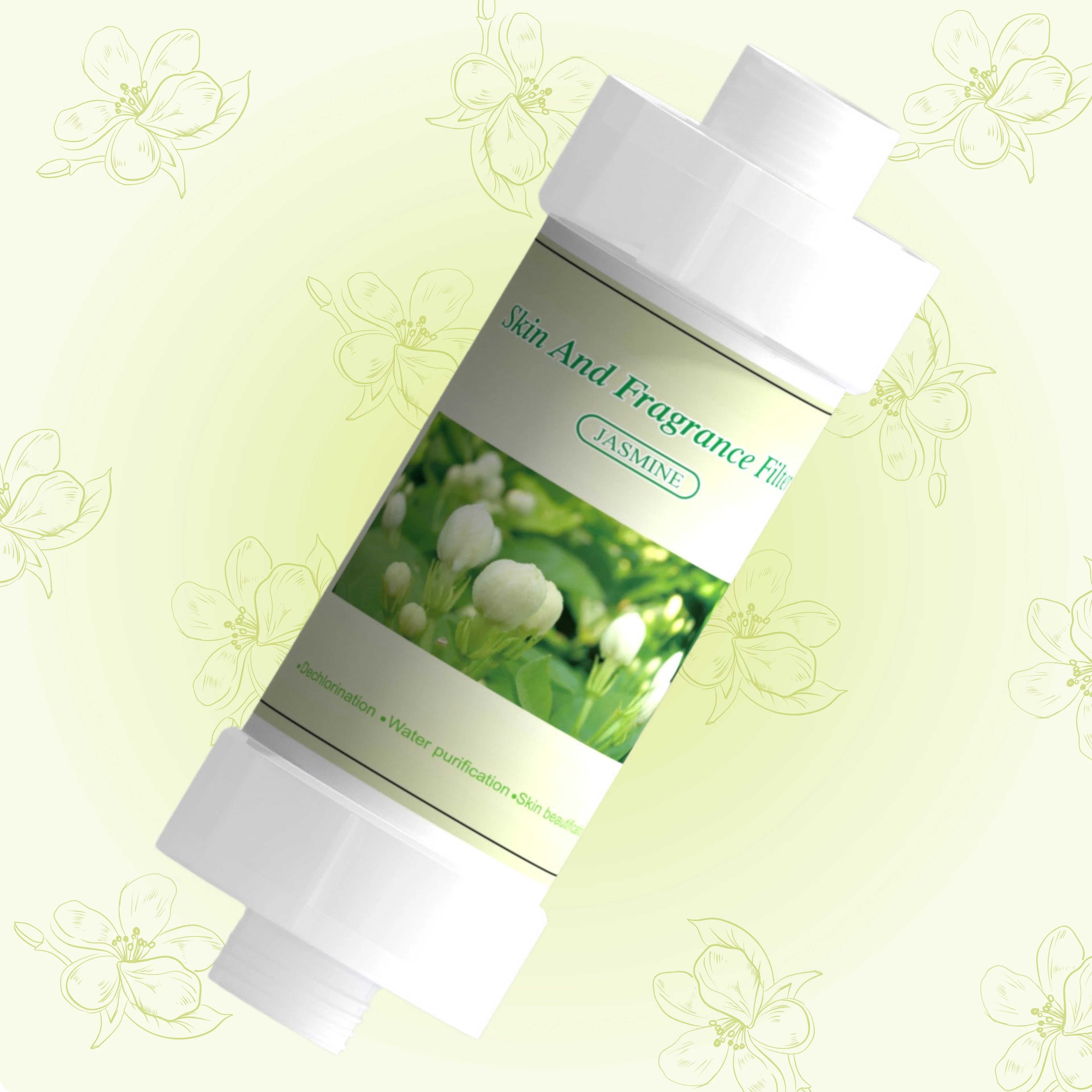
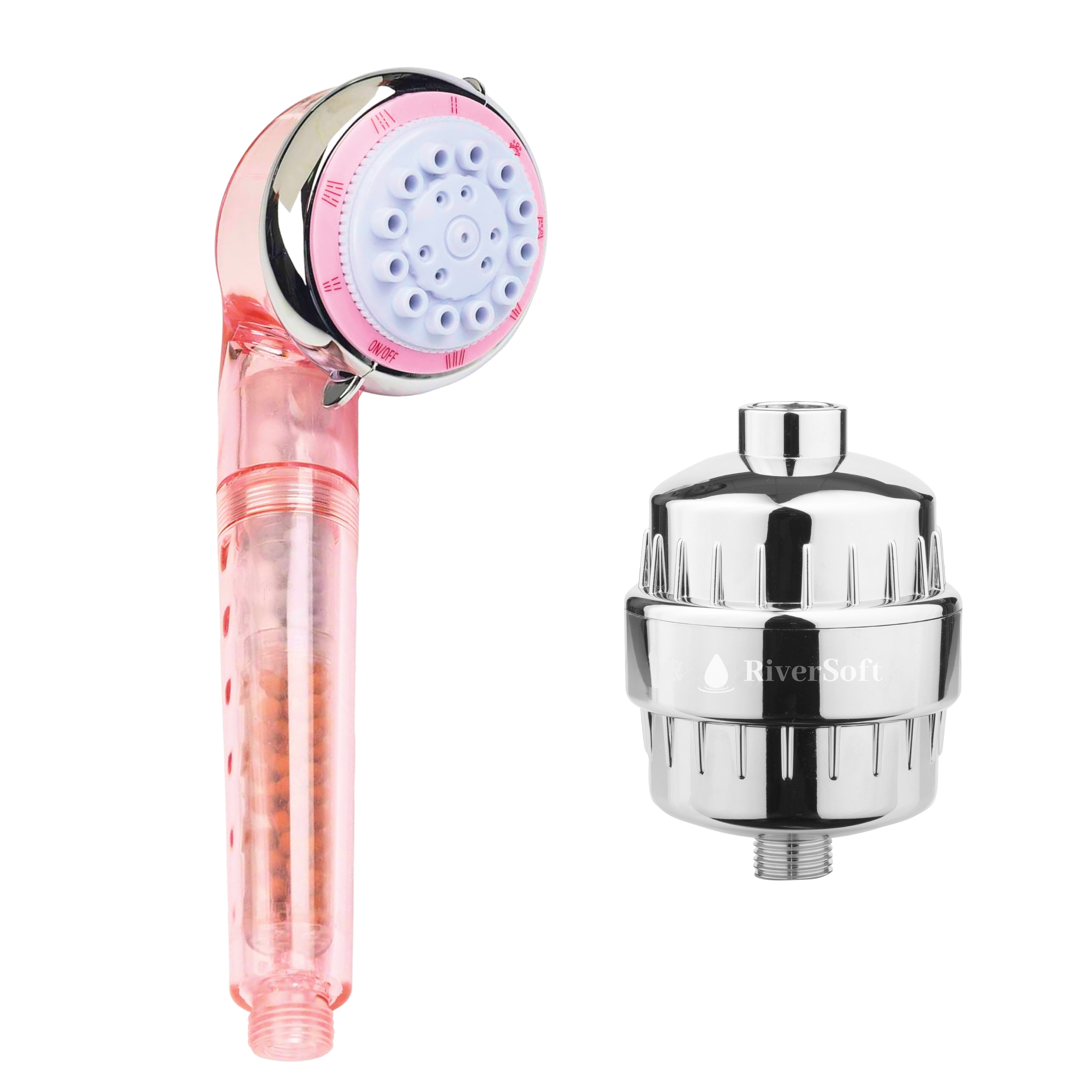
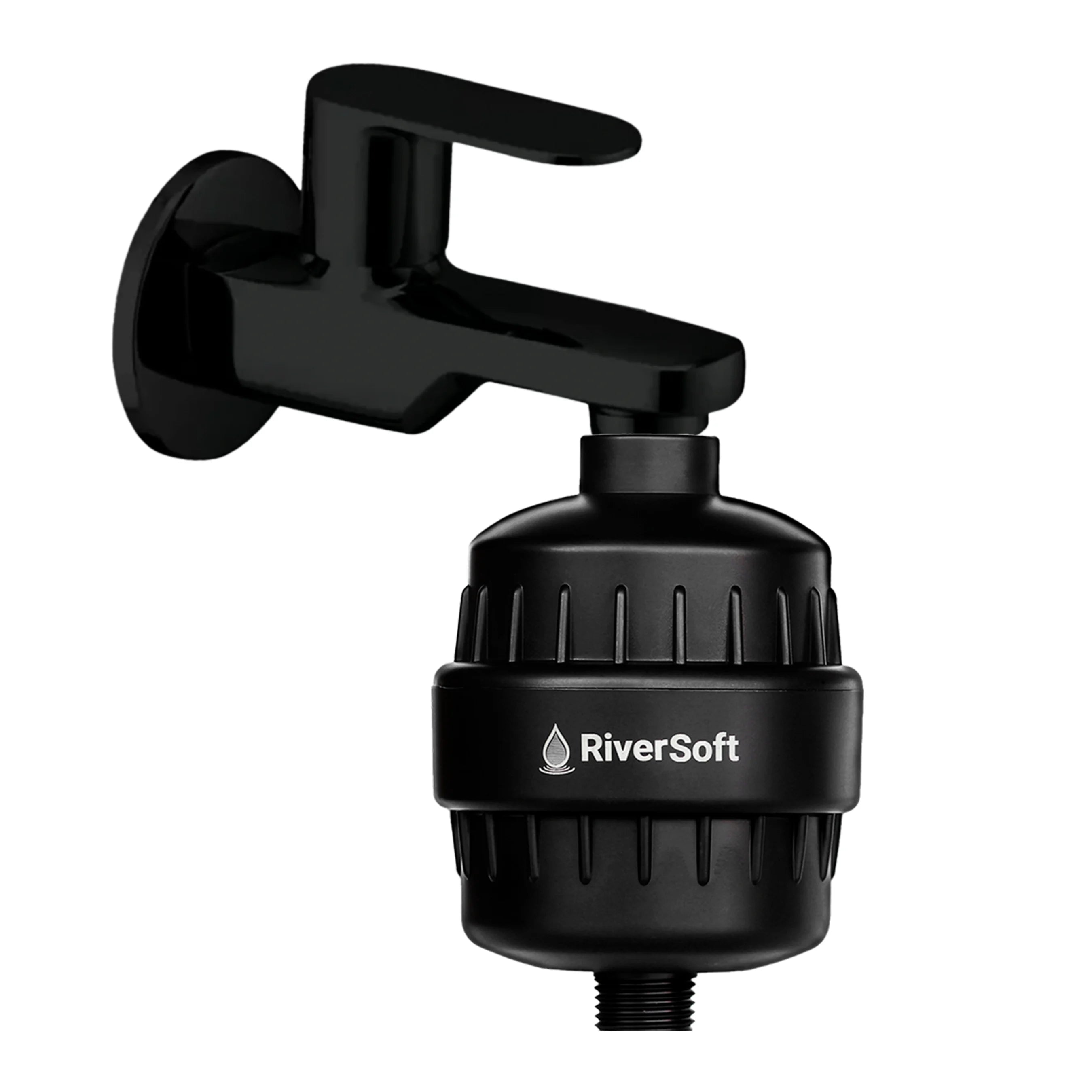
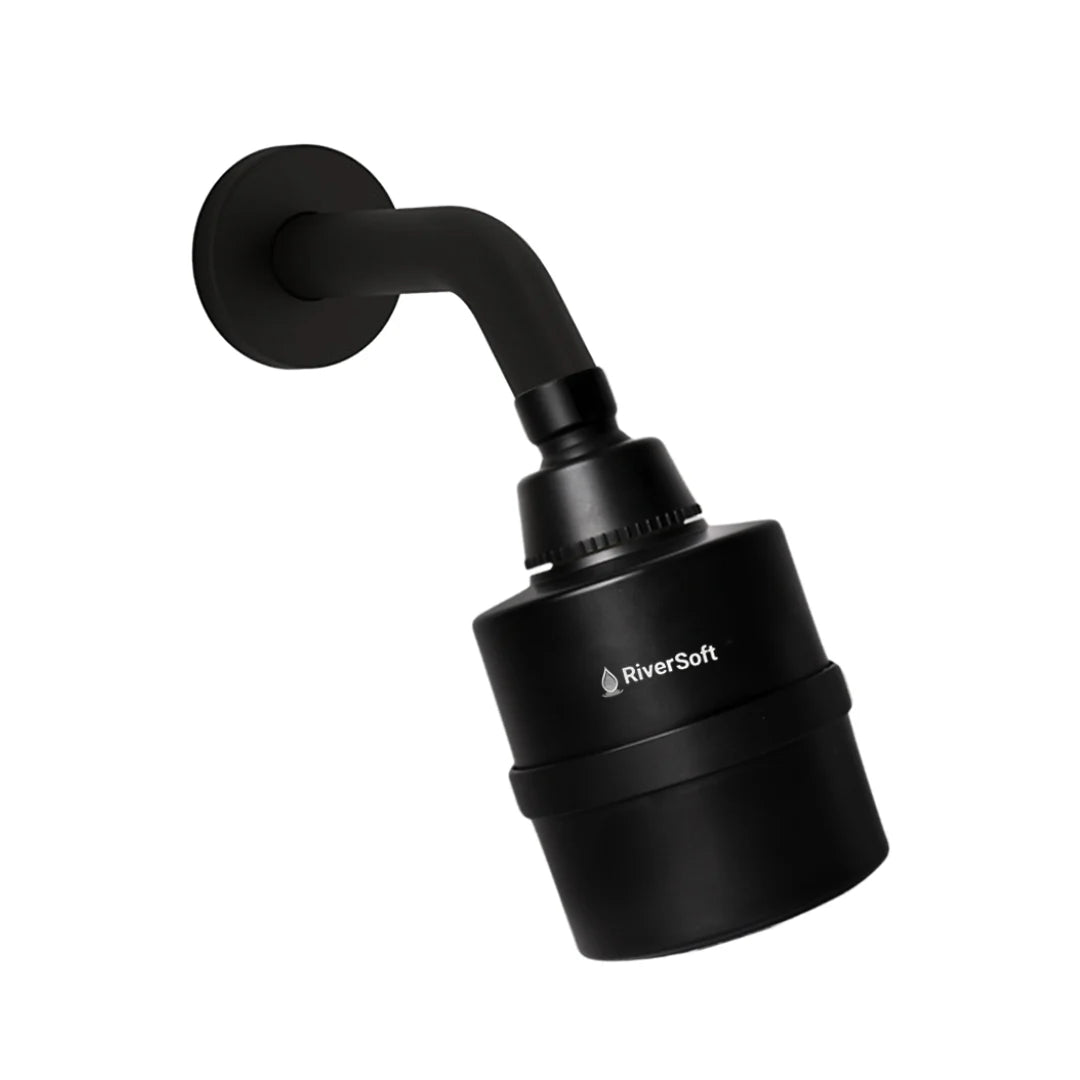
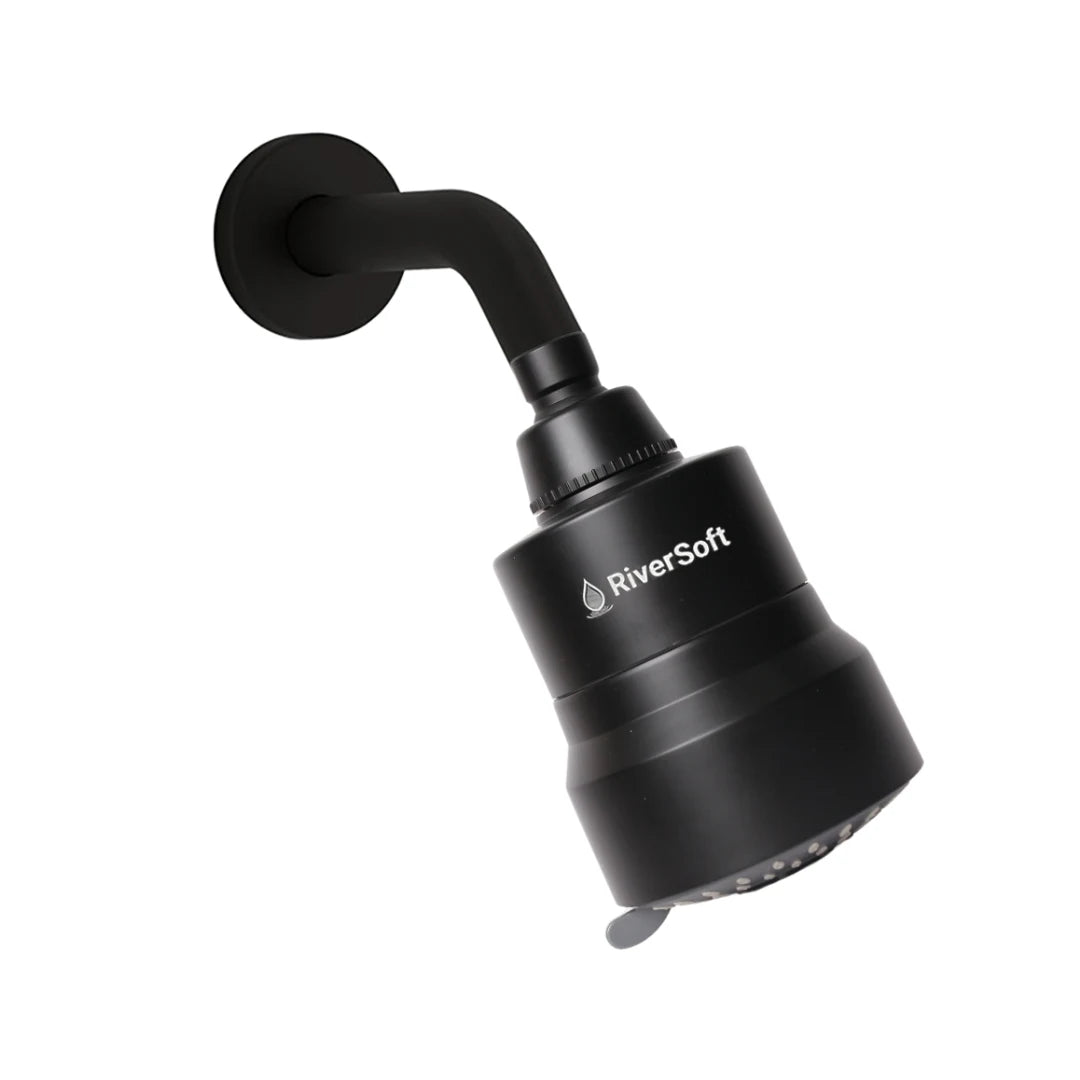
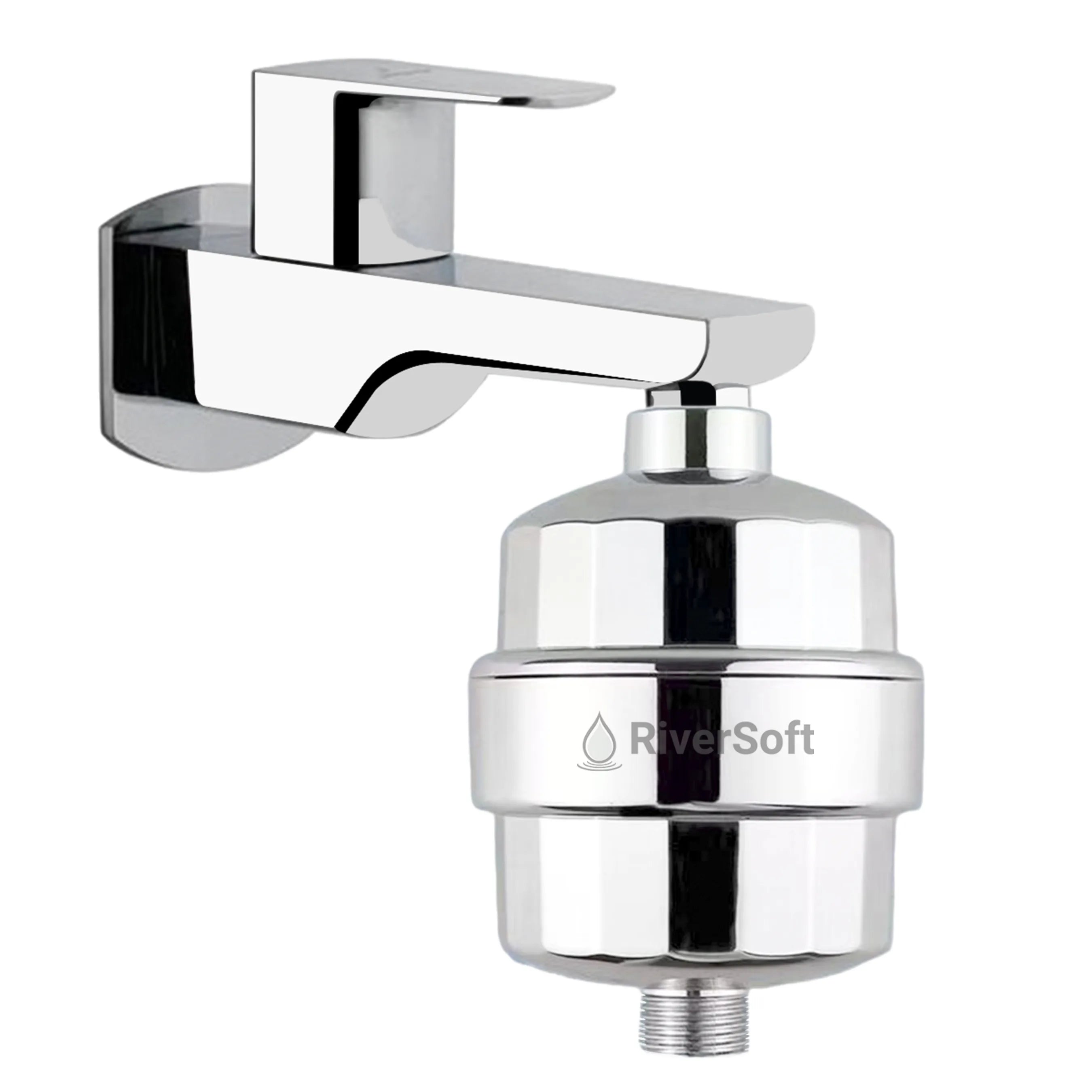
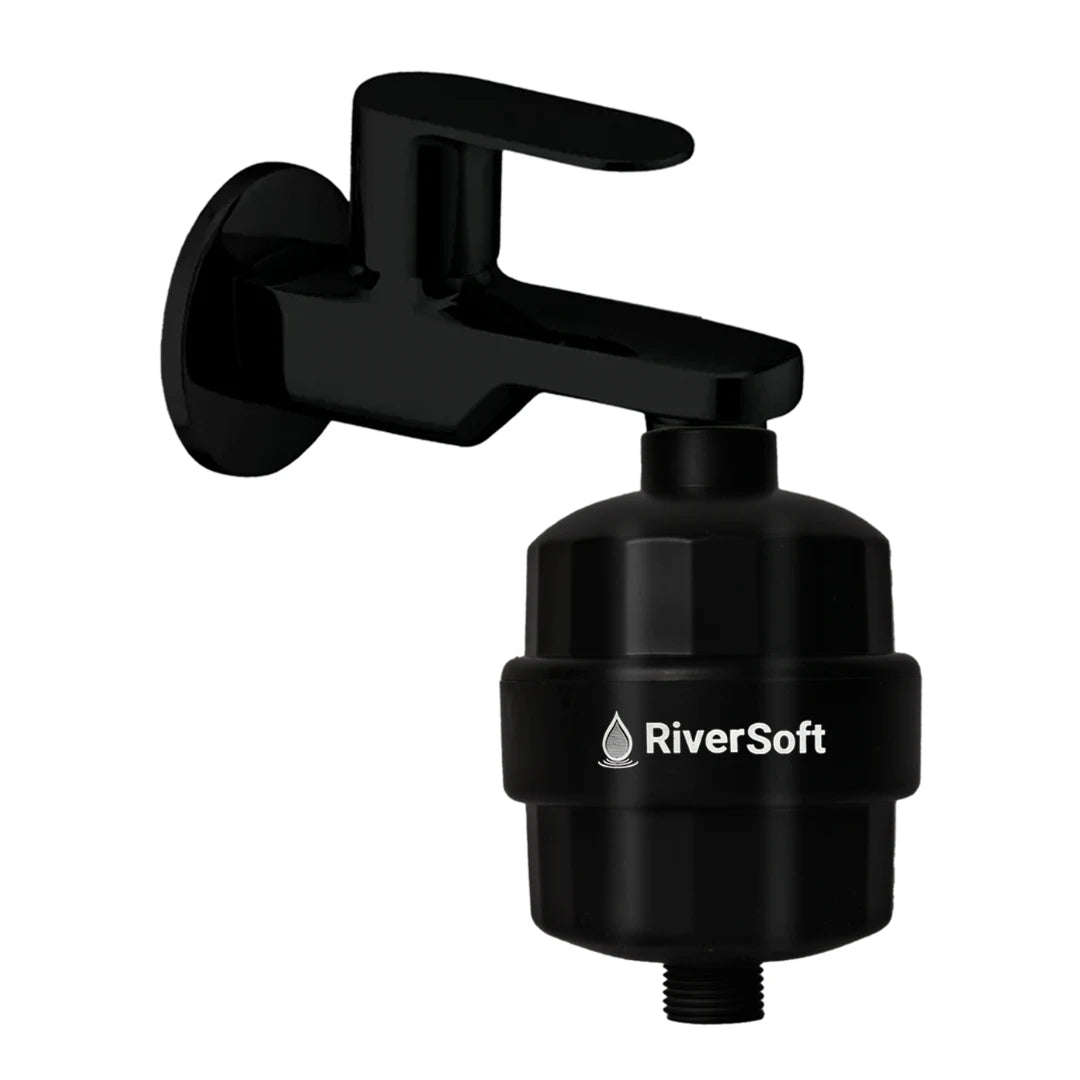
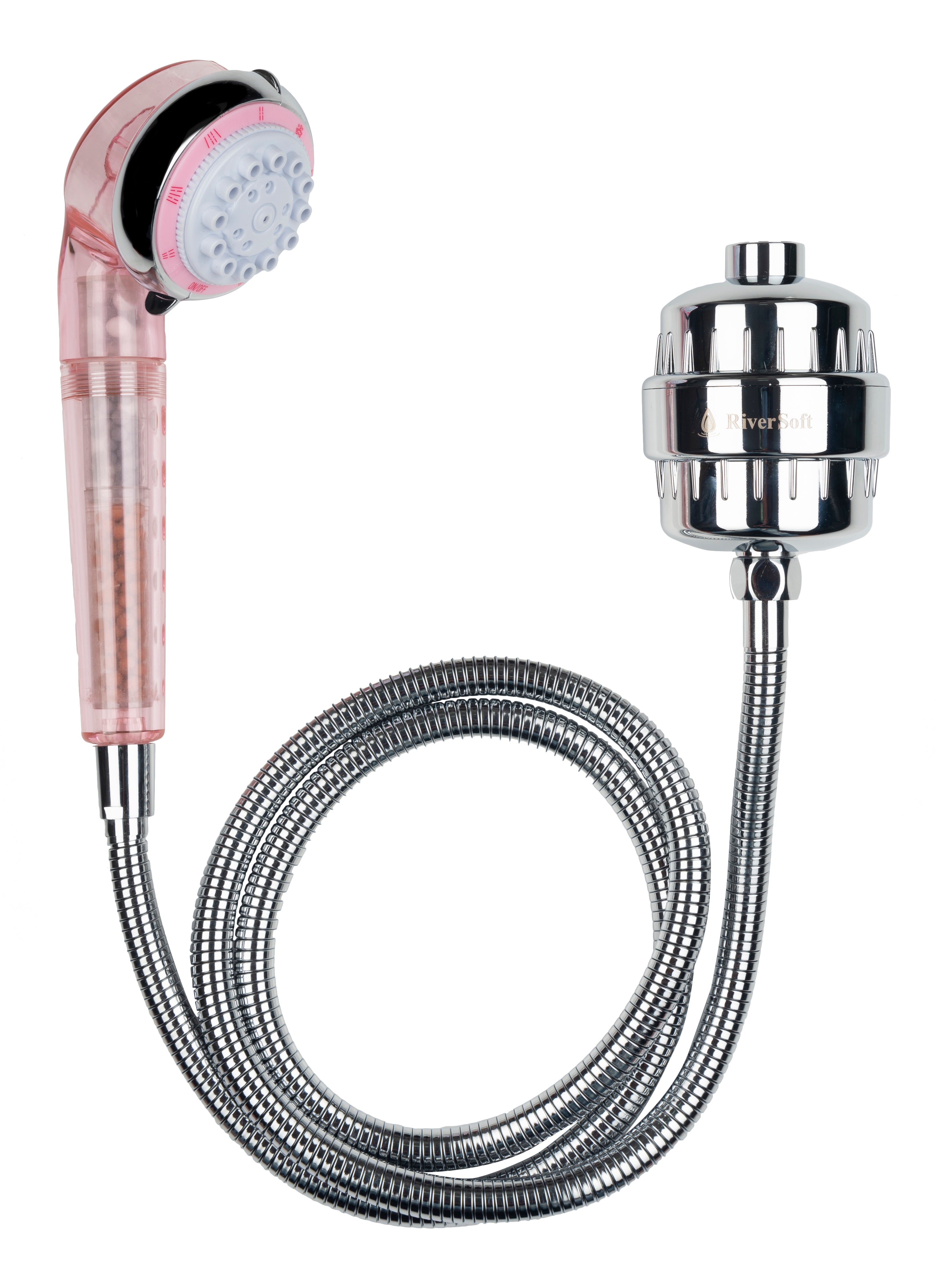
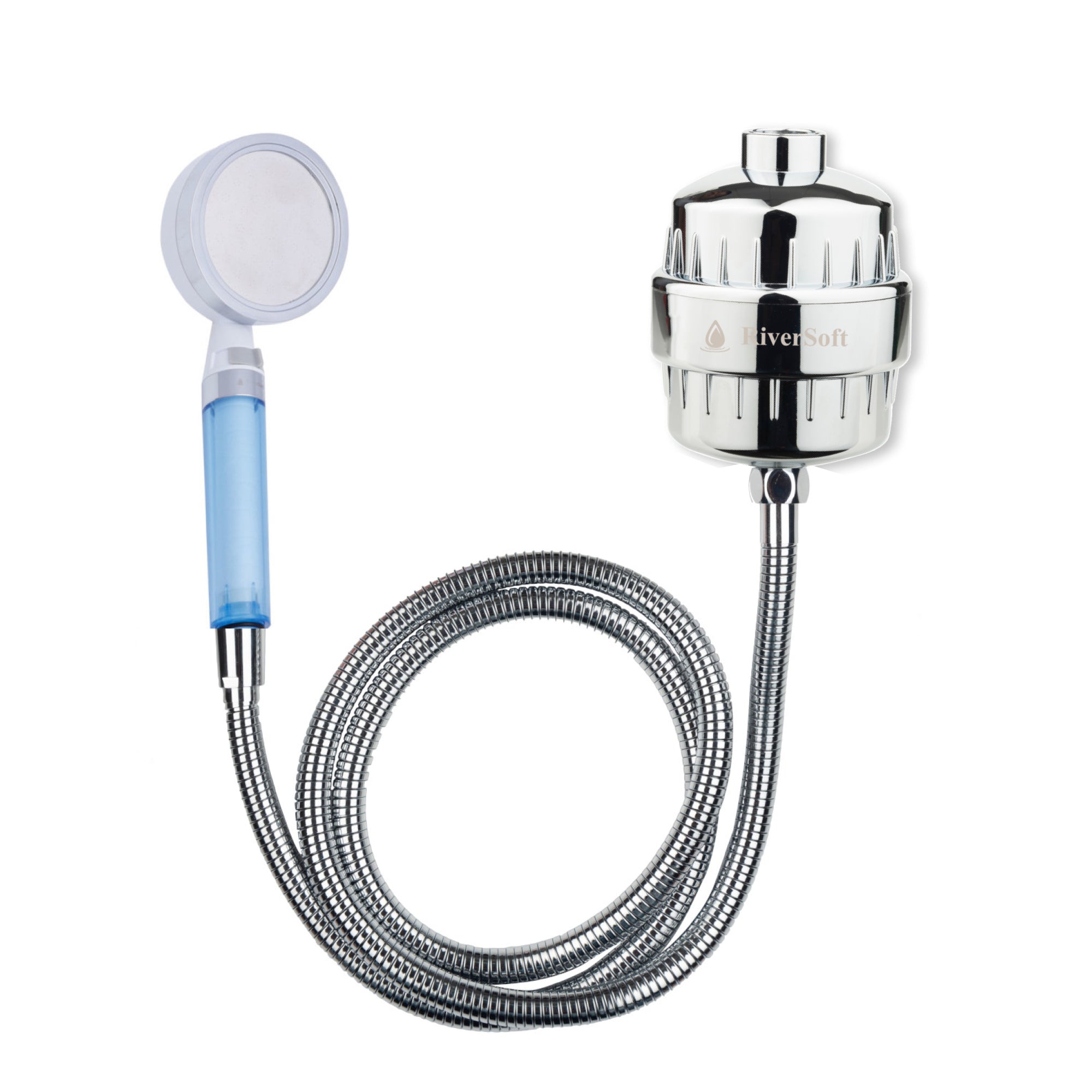
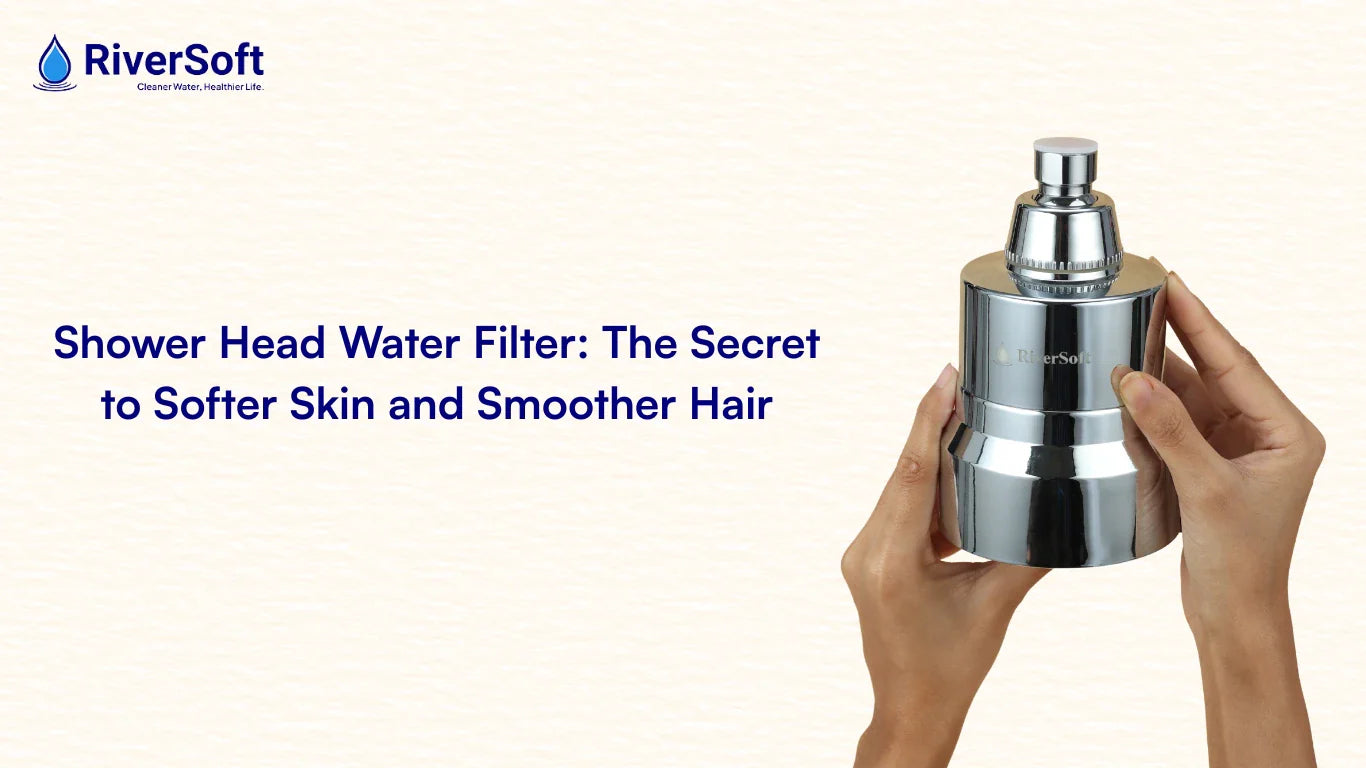
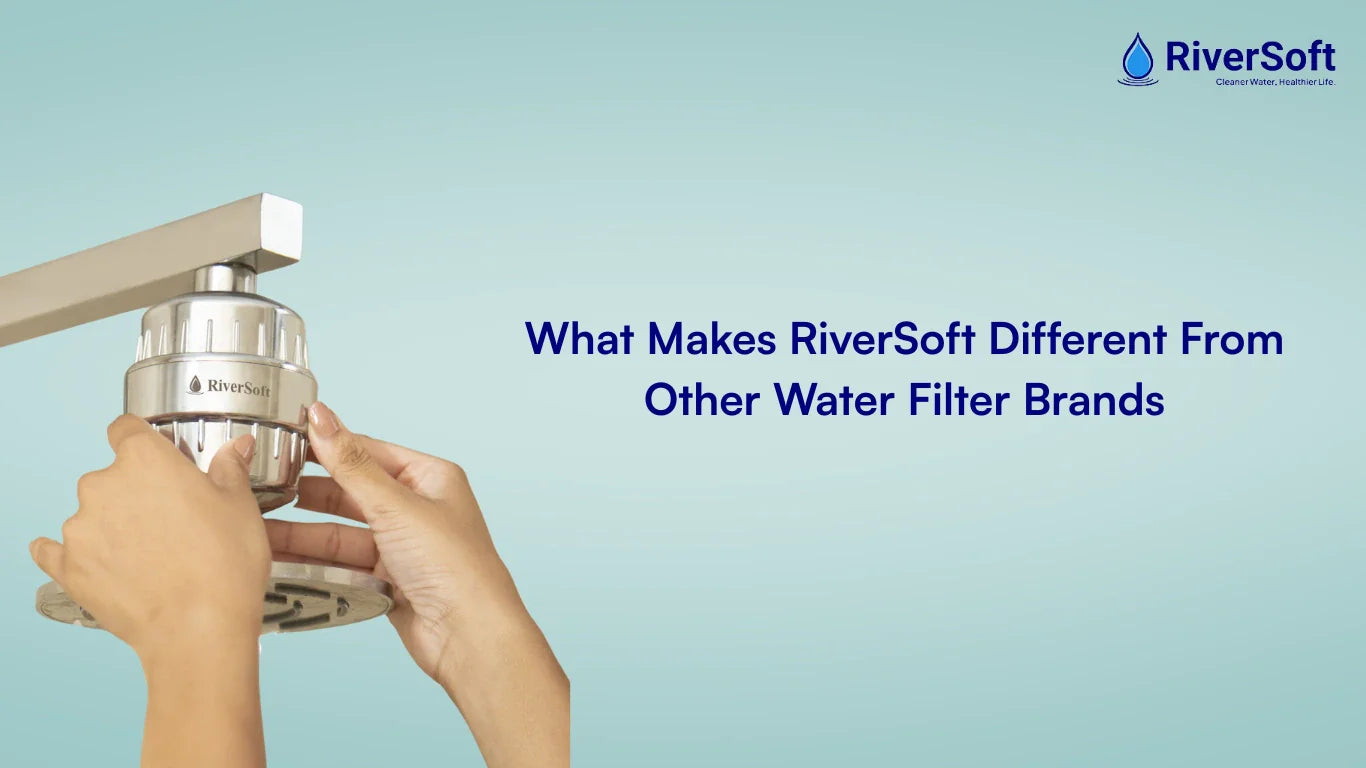
Shower and tap filters: At RiverSoft, we offer the SF-15 and Diva series, which can be easily installed on your taps or showers to reduce hardness minerals and chlorine. That means fewer cloudy streaks on glass, brighter tiles, and faucets that stay looking fresh.
Note: Tap and shower filters for hard water reduce the calcium and magnesium responsible for staining, but they don't lower TDS. For stain prevention specifically, this distinction doesn't matter, since hardness minerals, not overall TDS are what cause the white residue on glass and tiles.
Watch: How to Remove Hard Water Stains From Glass, Tiles & Taps
Conclusion: Stop Hard Water Stains at the Source with RiverSoft Filters
Hard water stains may seem like just another cleaning problem, but they’ll keep coming back unless you treat the water at its source. The simplest way to do that is by using shower and tap filters that cut down on hard water minerals and chlorine. With RiverSoft filters designed for Indian homes, you can stop stains at the source and enjoy a bathroom that feels fresher and easier to maintain.

























Leave a Comment