
If your taps have a chalky white crust around them, your showerhead has started spraying unevenly, or your kettle has a thick layer of deposits inside, you are dealing with limescale.
It is one of the most common and quietly damaging effects of hard water in Indian homes. According to the Central Ground Water Board (CGWB), 80% of Indian districts report water hardness above the WHO-recommended limits, which means most Indian households are dealing with this problem whether they know it or not.
What is Limescale?
Limescale is the residue left behind when hard water evaporates, and the calcium and magnesium minerals in it stay behind on every surface the water touches. Over time, this builds up into a stubborn chalky layer that damages appliances and leaves surfaces looking dull and stained.
Recommended Reading:
To learn more about why this buildup happens in the first place, check out our blog on Limescale And Its Nemesis
What is Limescale Remover?
A limescale remover is a specialised cleaning solution to eliminate chalky deposits caused by calcium and magnesium minerals. In a chemical process, it dissolves and eliminates stubborn residues, restoring appliances and fixtures to their former condition and leaving surfaces free from hard water buildup.
Learn how limescale removers work and how to choose the right type for different surfaces and levels of buildup.
Why Do You Need a Limescale Remover?
Limescale forms from hard water deposits that build up on taps, tiles, and appliances, causing stains and reducing efficiency. Using a limescale remover helps prevent damage, restore cleanliness, and keep your home and appliances working smoothly for longer.
-
Appliance Health: Maintain the efficiency and longevity of appliances by preventing limescale buildup on heating elements, ensuring optimal performance.
-
Plumbing Preservation: Prevent blockages and reduce maintenance costs by addressing limescale accumulation in pipes and fixtures, preserving the integrity of your plumbing system.
-
Aesthetic Appeal: Keep surfaces looking clean by eliminating limescale stains on faucets, showerheads, and tiles, preventing permanent damage. This is especially relevant for bathrooms, where hard water stains on tiles and glass are a persistent problem.
-
Energy Efficiency: Tackle limescale in water heaters to reduce energy consumption and keep utility bills in check.
Limescale also damages washing machines, specifically. If you use one regularly with hard water, it is worth reading about the effects of limescale on washing machines and clothes to understand the full extent of the damage.
Watch: How to Remove Limescale & Hard Water Stains
What Are the Different Varieties of Limescale Remover?
Limescale removers use different mechanisms to break down or remove mineral deposits. Learn the science behind how limescale removers work.
Acid-Based Limescale Removers
-
Ingredients: Hydrochloric acid and sulfamic acid are common components of acid-based limescale removers.
-
Effectiveness: These removers work by breaking down the mineral deposits through a chemical reaction, turning them into soluble compounds that can be easily rinsed away.
Abrasive Limescale Removers
-
Mechanical Action: Abrasive removers use physical abrasion to scrub away limescale deposits. Fine-grit sand or pumice particles may be present in these formulations.
-
Effectiveness: They are less aggressive chemically but rely on mechanical action to wear away the deposits. Abrasive removers are suitable for surfaces that can withstand some scrubbing without being damaged.
Chelating Agents
-
Chelation Process: Chelation is the bond formation between two molecules or ions. Chelating agents like EDTA form soluble complexes with calcium ions, preventing them from precipitating and forming limescale.
- Gentle Approach: Chelating agents offer a milder approach to limescale removal, making them suitable for surfaces sensitive to strong acids or abrasives. They are often found in descaling products for appliances like coffee makers and dishwashers.
Recommended Reading:
Want to learn how limescale removers are made and how they work?check out our blog on The Magic Behind Limescale Removers: Cracking the Code
Conclusion
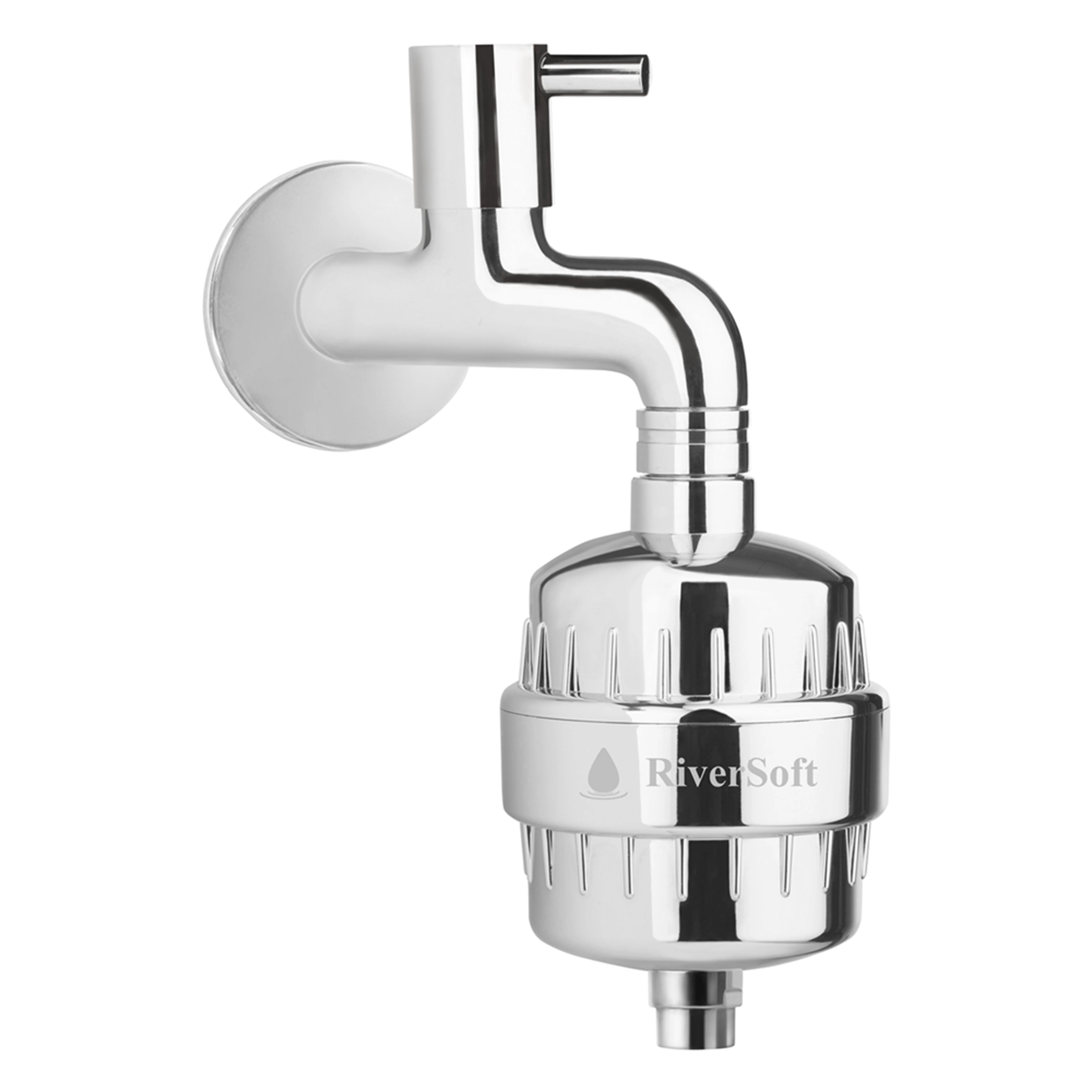
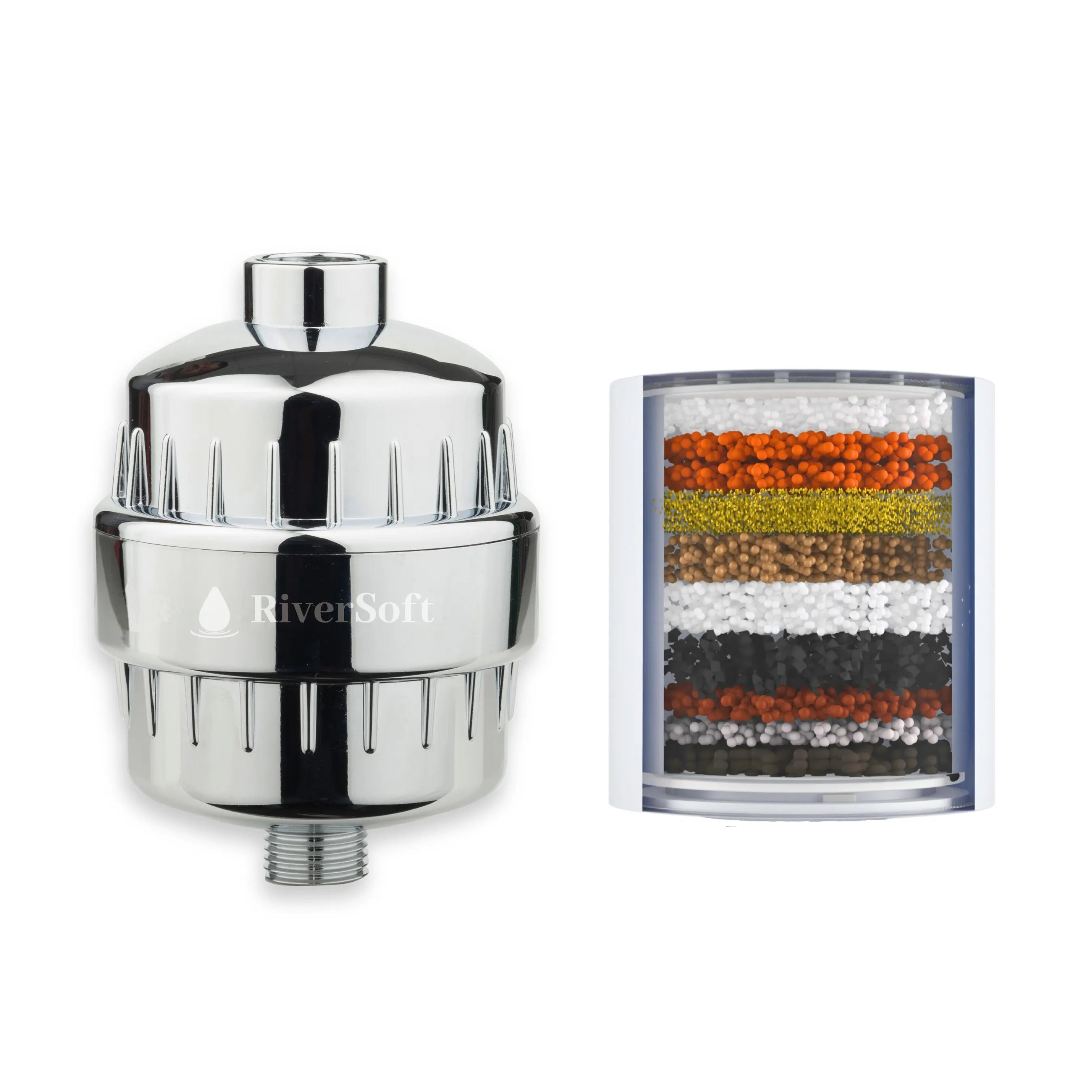
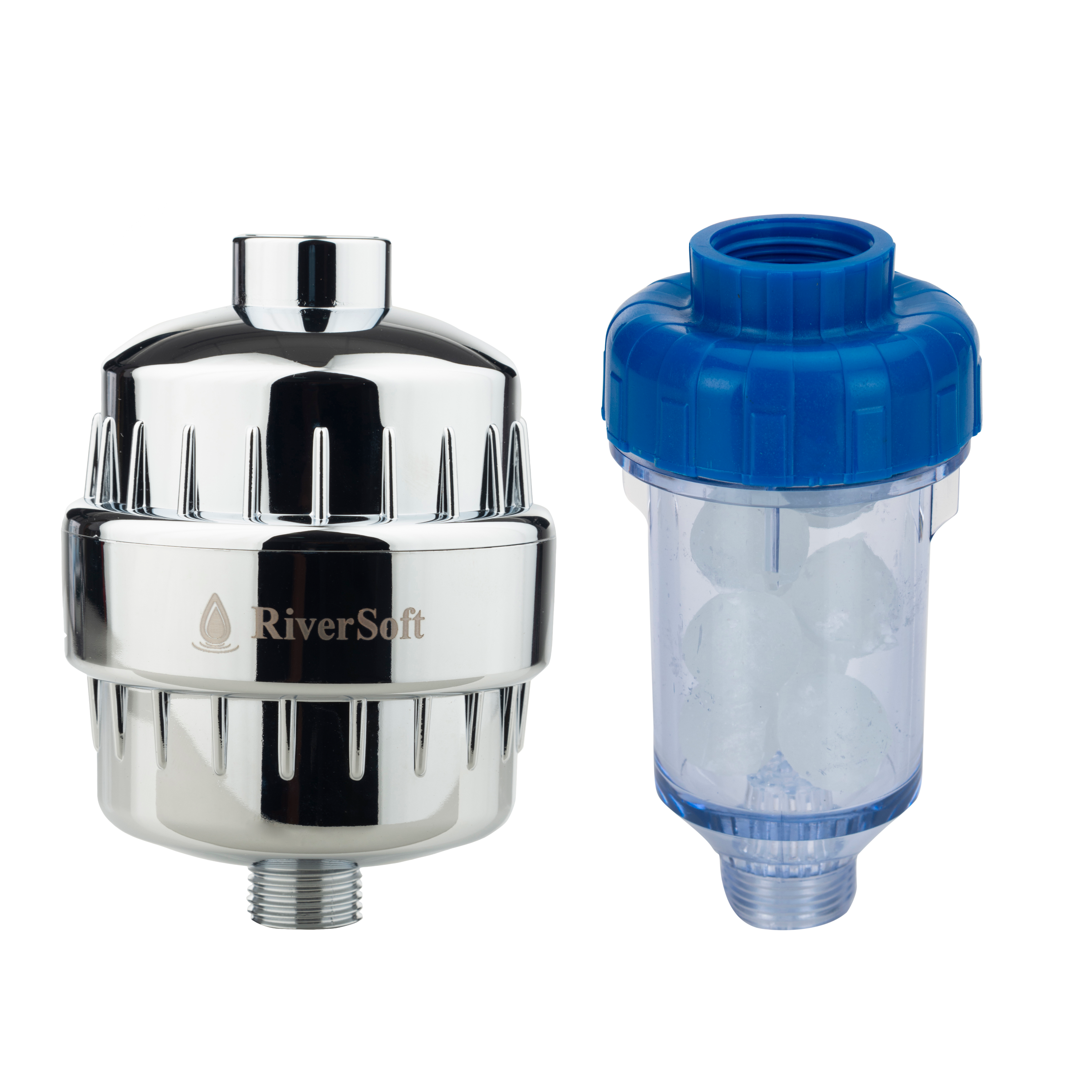
Limescale is a slow and steady problem. It does not cause immediate visible damage, but left untreated it shortens the life of your appliances, clogs your plumbing, and leaves your home looking harder to clean than it should be. Choosing the right limescale remover depends on the surface, the severity of the buildup, and how sensitive the material is. Acid-based removers work fastest on heavy deposits, abrasive options suit tougher surfaces, and chelating agents are the safer choice for delicate appliances. Read product labels carefully, do a spot test before wide application, and replace the cartridge in your shower or tap filter regularly to reduce the rate at which limescale builds up in the first place. Dealing with it consistently is far easier than tackling years of accumulated buildup.

























Leave a Comment