
Your water heater is taking longer to heat up. Your washing machine is leaving clothes stiff. Your kettle has a thick white crust inside that will not scrub off. These are not appliance problems. They are all connected to one source: hard water.
Research from the Water Quality Research Foundation found that water heaters operating on hard water can lose up to 48% of theirf efficiency and fail up to 30% sooner than units running on softened water. The calcium and magnesium in hard water do not just pass through your pipes harmlessly. When heated, they separate from the water and settle on surfaces as limescale, and that buildup thickens over time. The damage compounds quietly until appliances start failing sooner than they should. Understanding how this happens and what to do about it can save you a significant amount in repair and replacement costs.
Hard Water 101: What It Is & Why It Matters
What Is Hard Water?
Hard water contains high levels of mineral content, particularly calcium and magnesium. These minerals are naturally picked up as water flows through limestone, chalk, or gypsum deposits in the ground.
Recommended Reading:
If you want to check whether your home has hard water, here is a straightforward guide on how to test for hard water at home.
How Hard Water Affects Appliances
As hard water flows through your appliances, heat causes the minerals to separate from the water and settle on surfaces. Over time, these deposits build up on the appliance, affecting its performance. The appliances that usually face scale buildup issues are coffee makers, dishwashers, and water heaters.
Appliances Most Affected by Hard Water

From everyday kitchen utensils to essential home systems, hard water impacts appliance performance and longevity.
1. Water Heaters: Water heaters develop limescale on heating elements, making them work harder and consume more energy. Over time, the buildup can cause the heating element to fail, requiring costly replacements.
2. Washing Machines: Mineral deposits clog pipes and internal components, reducing water flow and efficiency. Hard water also makes detergents less effective, leaving clothes feeling stiff and looking dull.
3. Dishwashers: Dishwashers are impacted by limescale buildup in heating elements and water jets, leading to inefficient cleaning. Dishes may come out with a white, chalky residue, making them look dirty even after a wash.
4. Coffee Makers and Kettles: Coffee makers and kettles experience scale buildup that slows heating times and reduces efficiency. Hard water can also alter the taste of coffee and tea while shortening the appliance's lifespan. Regular cleaning is needed to keep them functioning well.
5. Plumbing and Faucets: Plumbing and faucets suffer from mineral buildup in pipes, which reduces water pressure and increases wear and tear. Faucets and showerheads may develop crusty white deposits that restrict water flow, requiring frequent maintenance.
How Removing Limescale Can Help Keep Your Appliances Working Efficiently
4 Costly Consequences of Ignoring Hard Water at Home
- Higher Energy Use: Scale buildup makes appliances work harder, increasing electricity and gas bills. Water heaters take longer to warm up, and washing machines need extra detergent and cycles.
- Shorter Appliance Life: Hard water causes corrosion and mineral damage, leading to frequent repairs. Water heaters and dishwashers often fail sooner than expected.
- More Maintenance Costs: Regular descaling is needed to prevent buildup. Professional servicing and part replacements, like heating elements and pipes, can be expensive.
- Reduced Performance: Hard water weakens cleaning efficiency, leaving streaky dishes, dull clothes, and clogged pipes that lower water pressure.
Recommended Reading:
Many of these effects are also misunderstood or dismissed as normal wear and tear. This post on hard water myths that mislead Indian homes clears up some of the most common ones.
The Complete Guide to Protecting Your Home from Hard Water
1. Water Softeners
Water softeners are the most effective solution to reduce harmful hard water effects on your appliances. They work by replacing calcium and magnesium ions with sodium or potassium, preventing scale buildup.
-
Salt-Based Softeners: These use ion exchange to remove minerals from water, making it soft
-
Salt-Free Softeners: These condition the water but do not remove minerals completely
Installing a water softener can significantly extend the lifespan of appliances and improve water quality throughout your home.
2. Descaling Solutions
Regular descaling can help remove mineral buildup and restore appliance efficiency.
-
Use vinegar or commercial descaling solutions for coffee makers, kettles, and dishwashers
-
Water heaters may need professional descaling if the buildup is severe
-
Use a dedicated limescale remover for stubborn deposits on appliances, taps, and showerheads where vinegar alone may not be effective
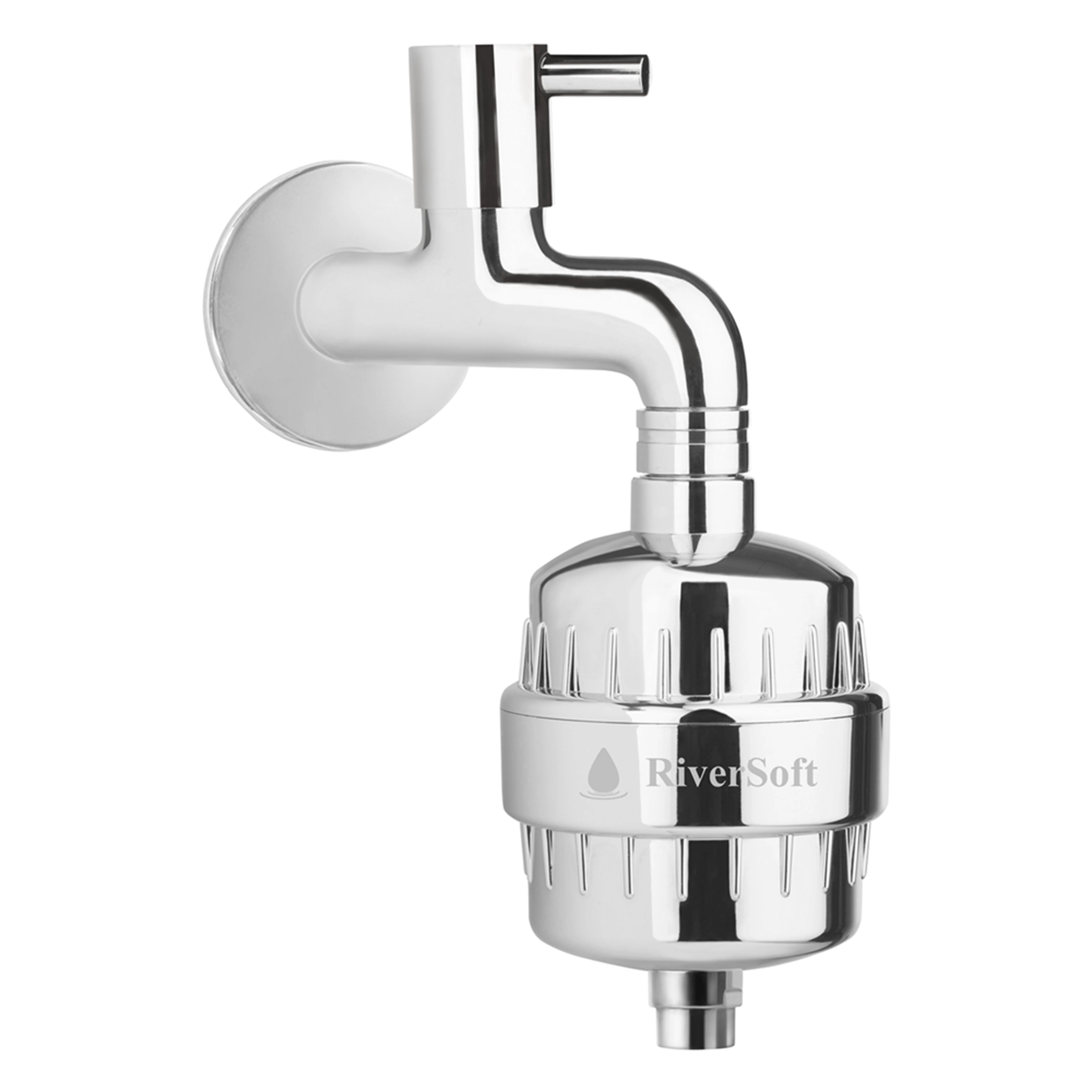
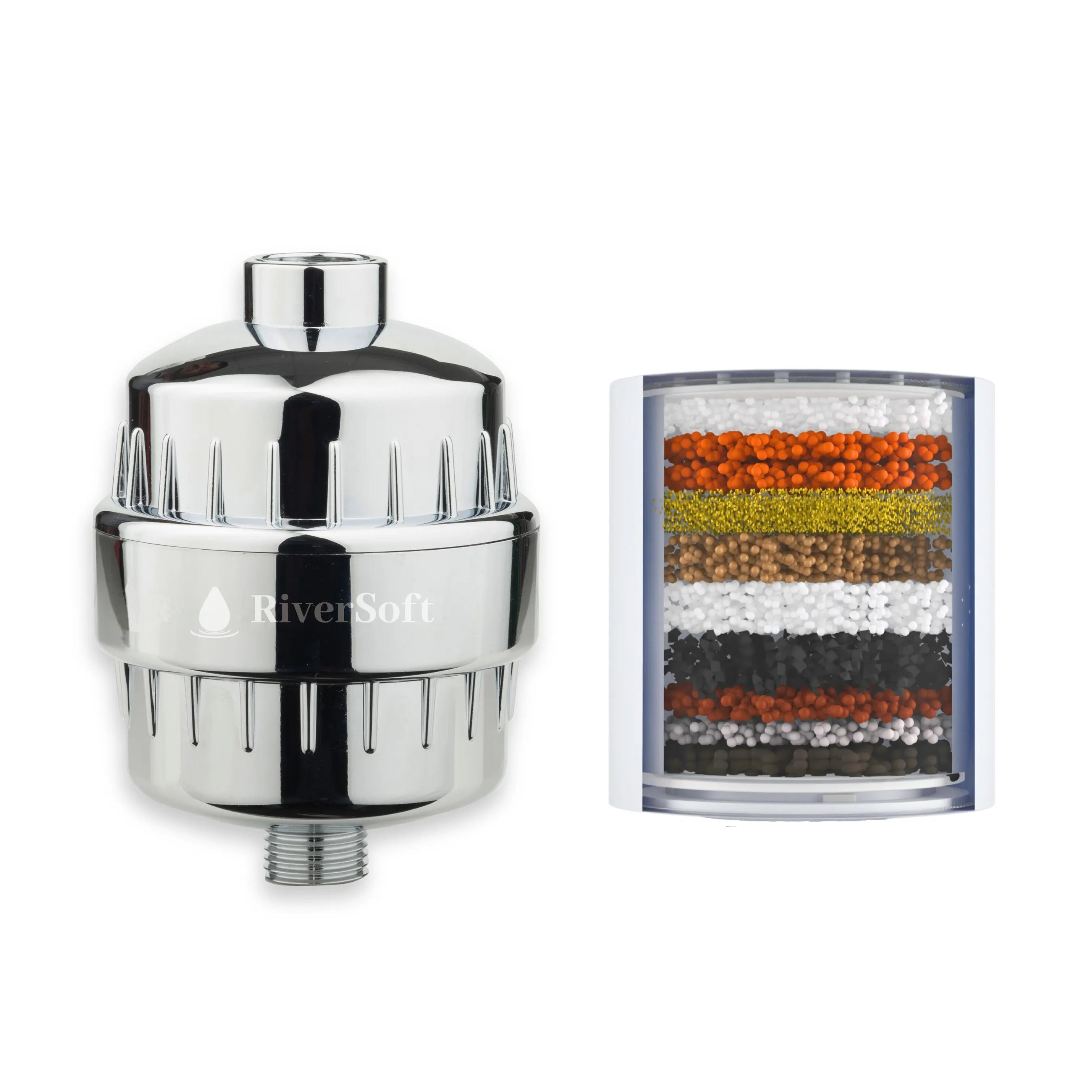
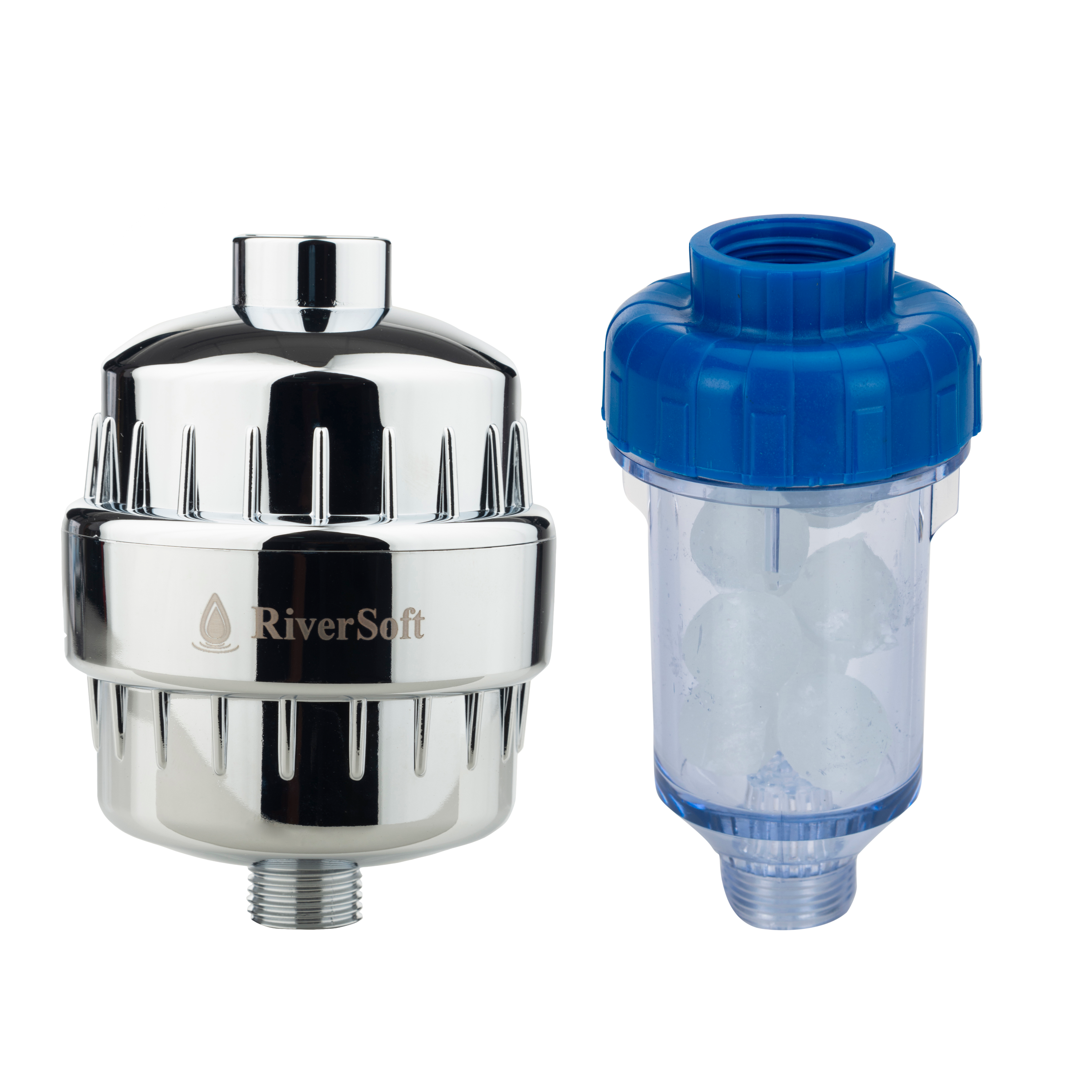
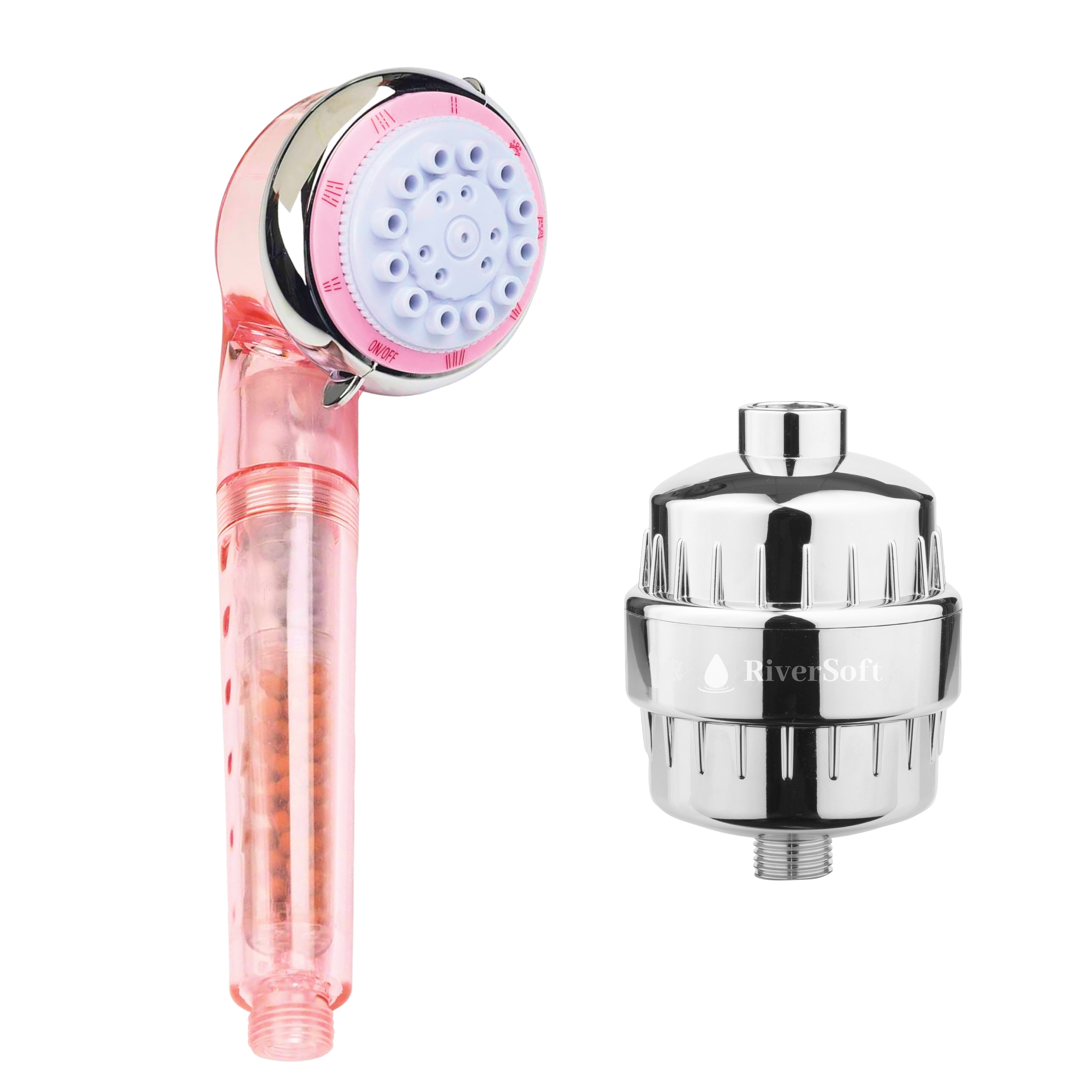
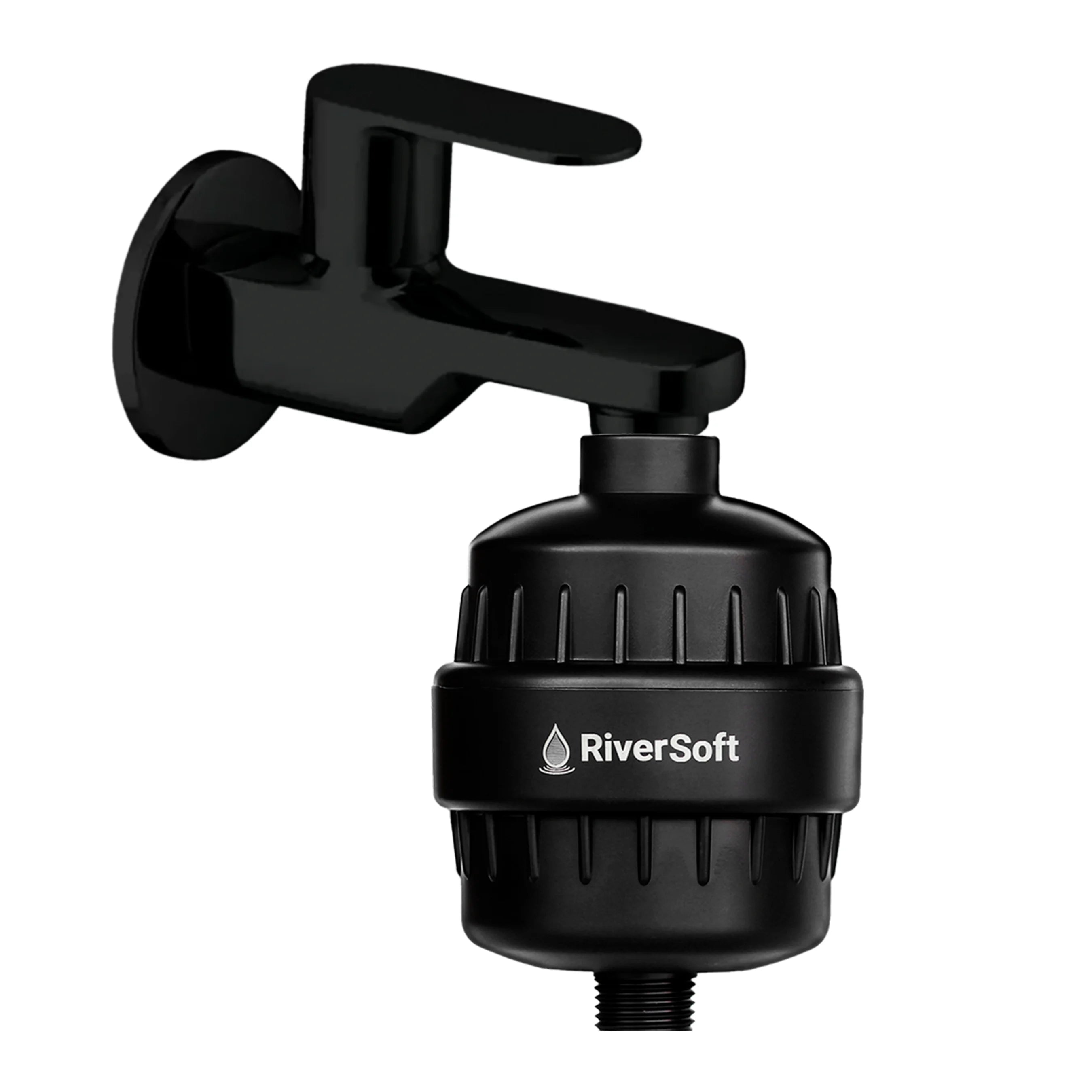
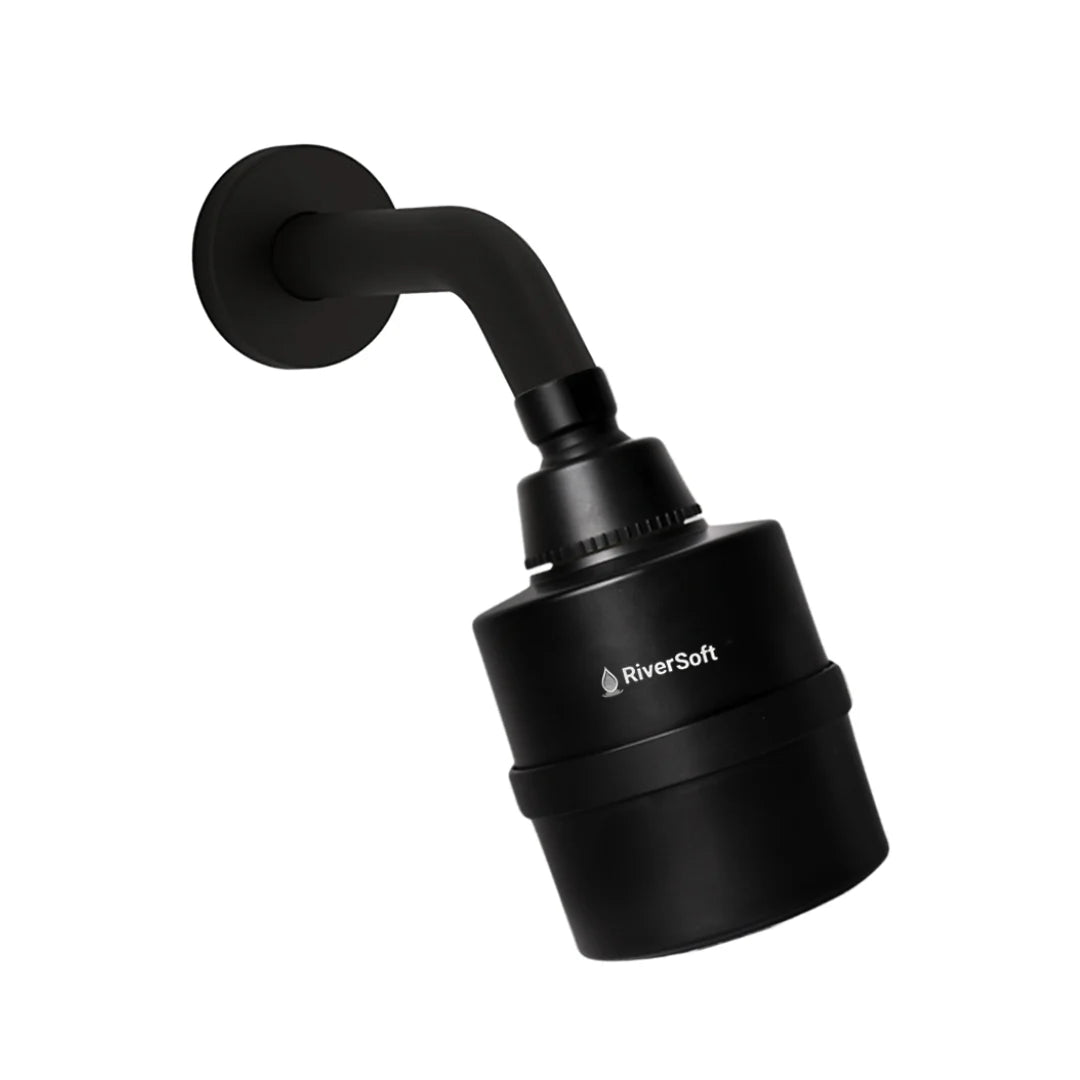
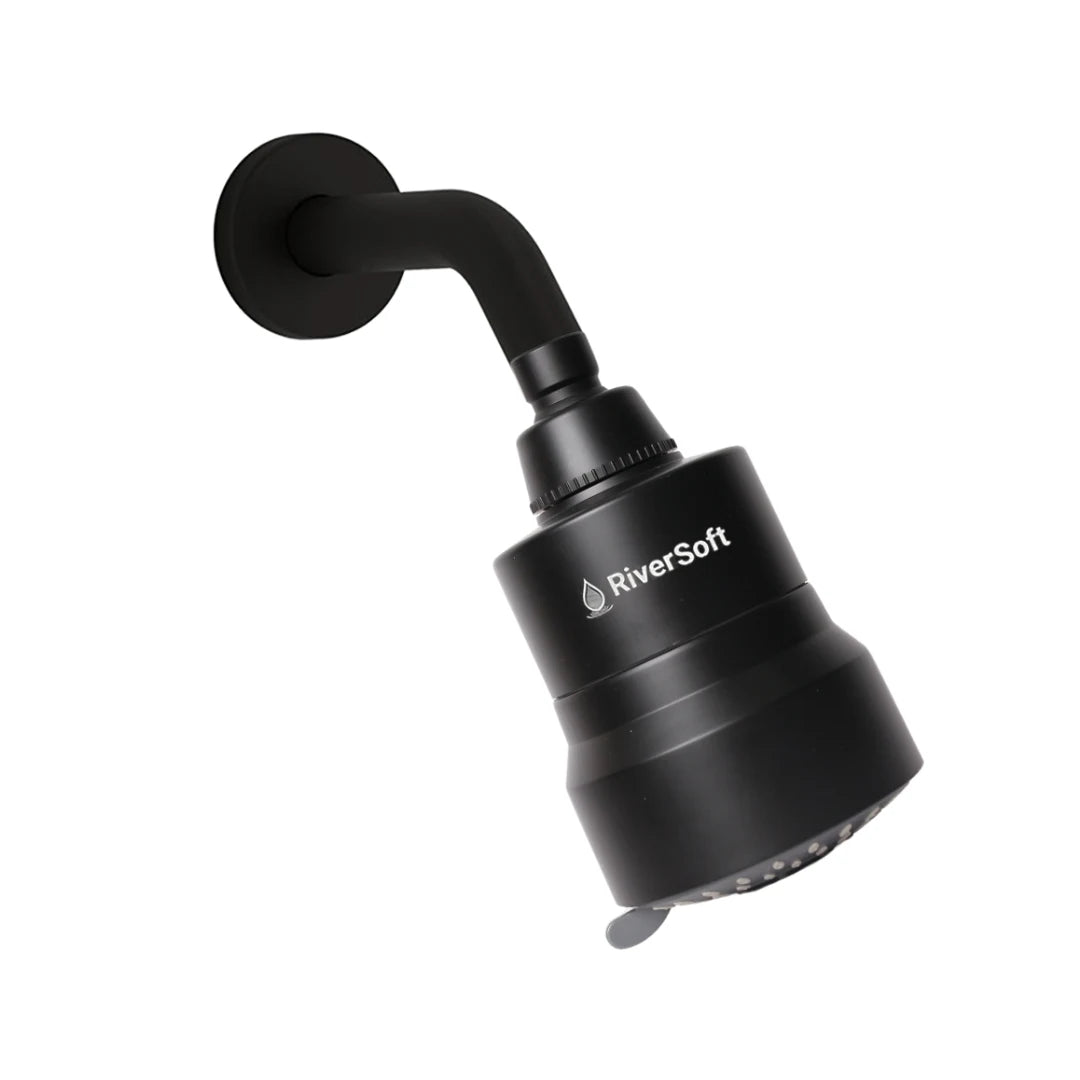
3. Shower and Tap Filters
Water filtration systems help reduce mineral content before water enters appliances.
-
Whole-house filtration systems treat water at the main supply point
-
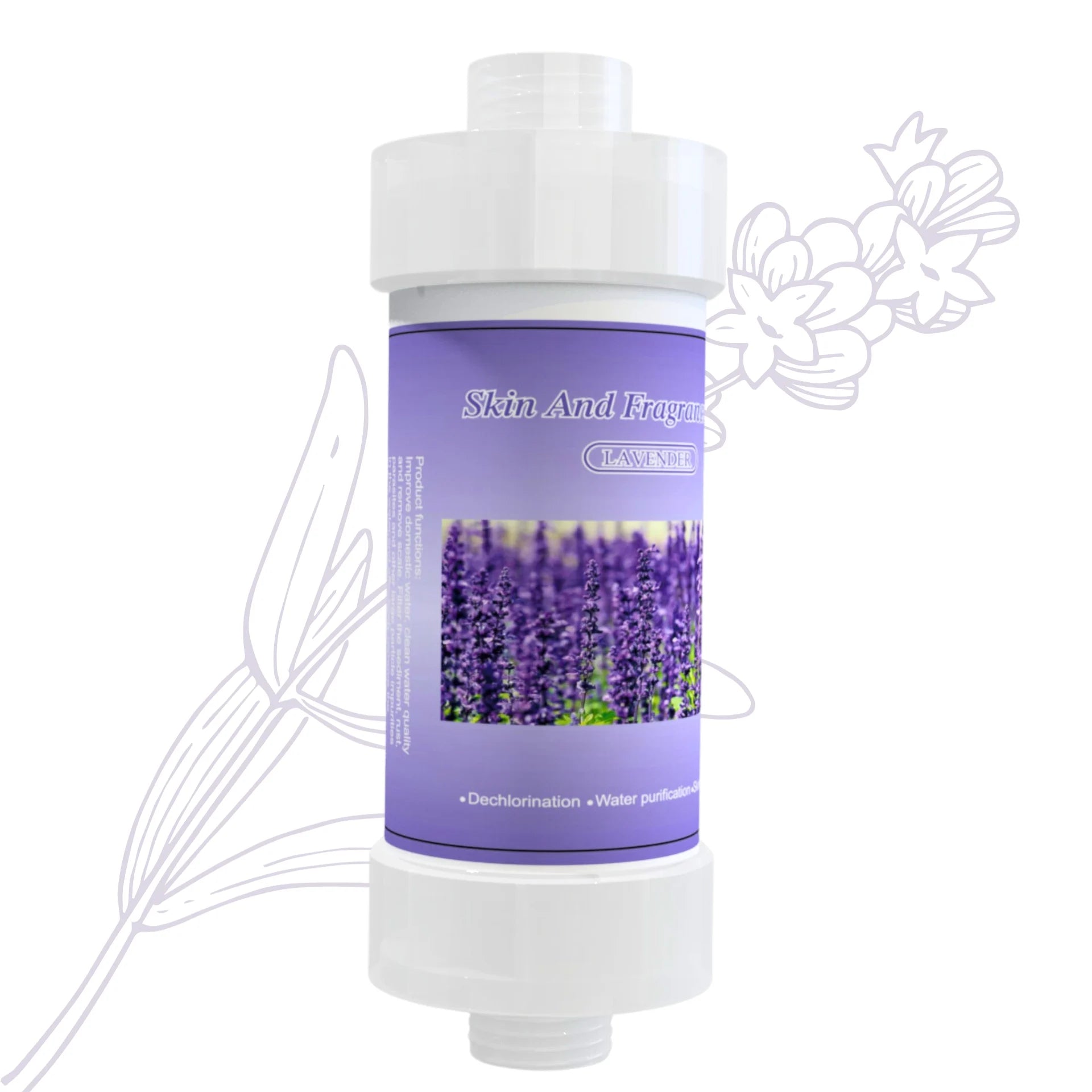
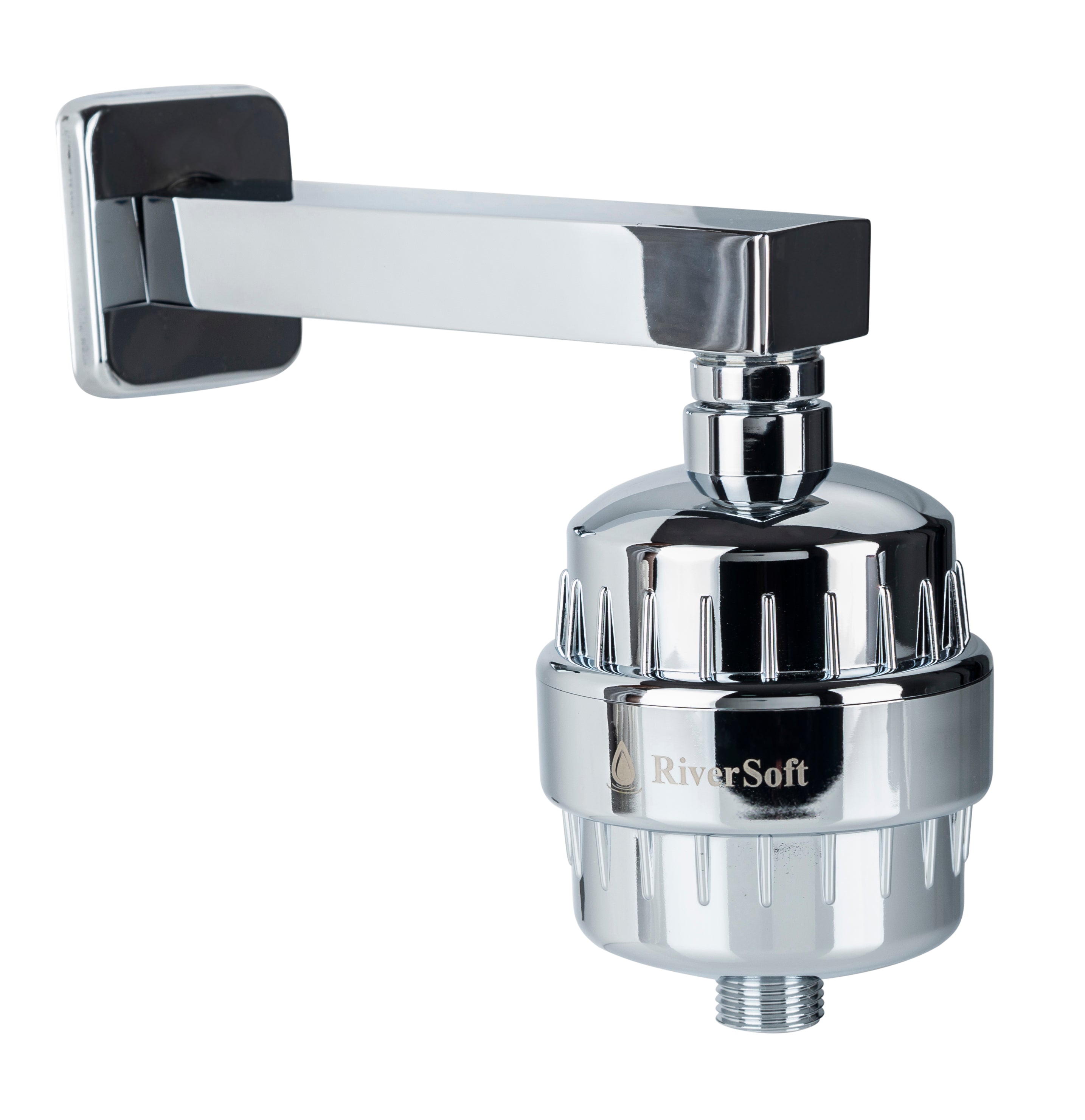
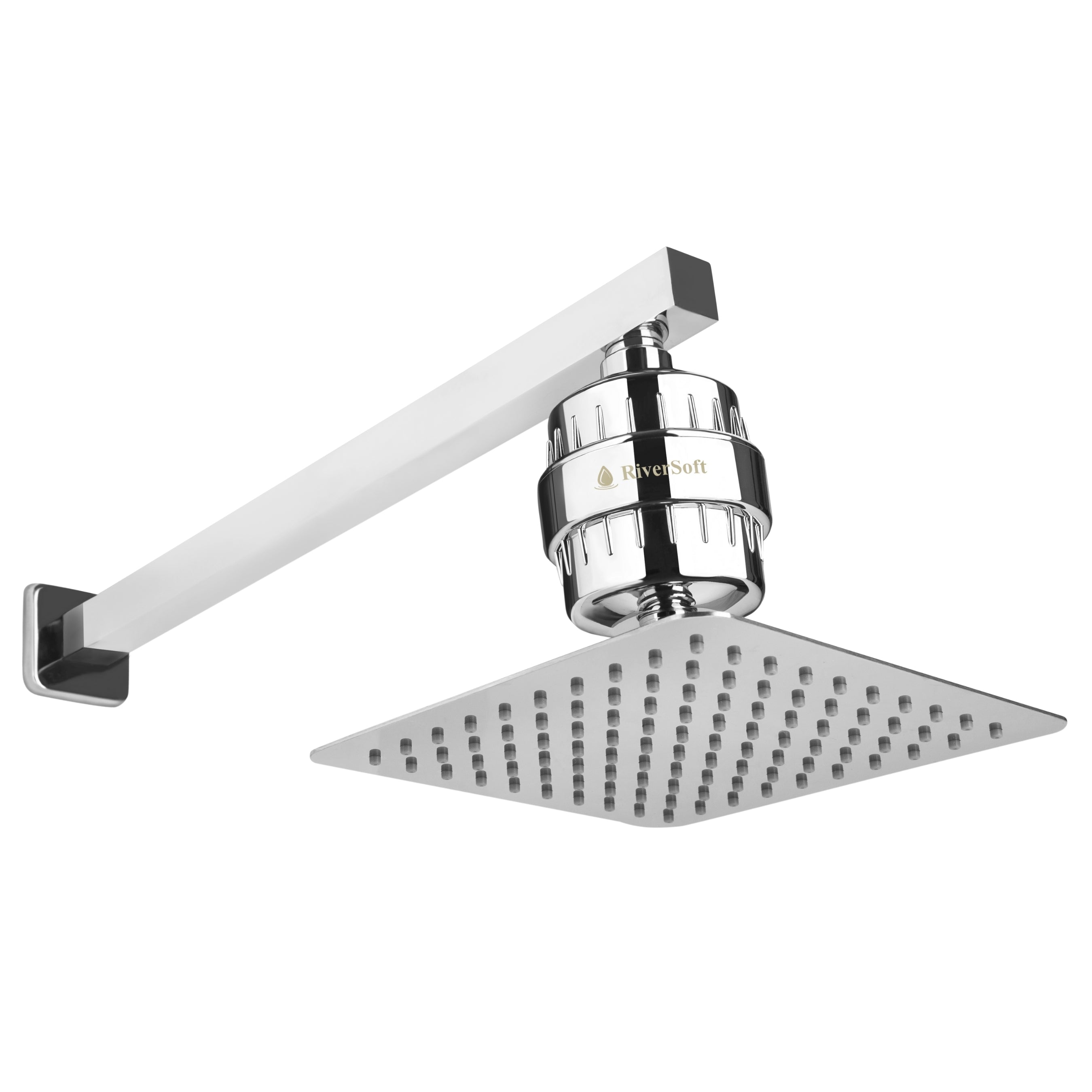
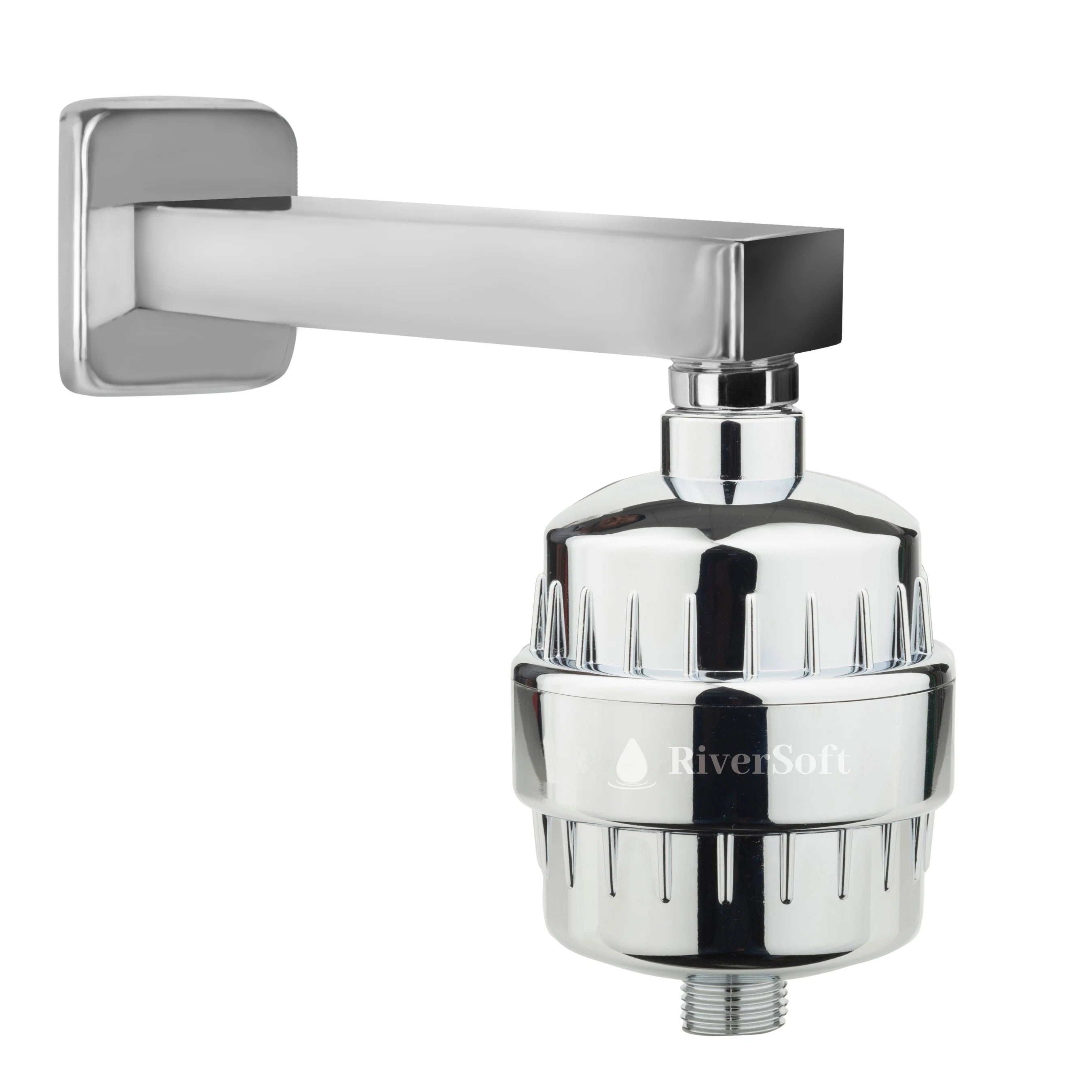
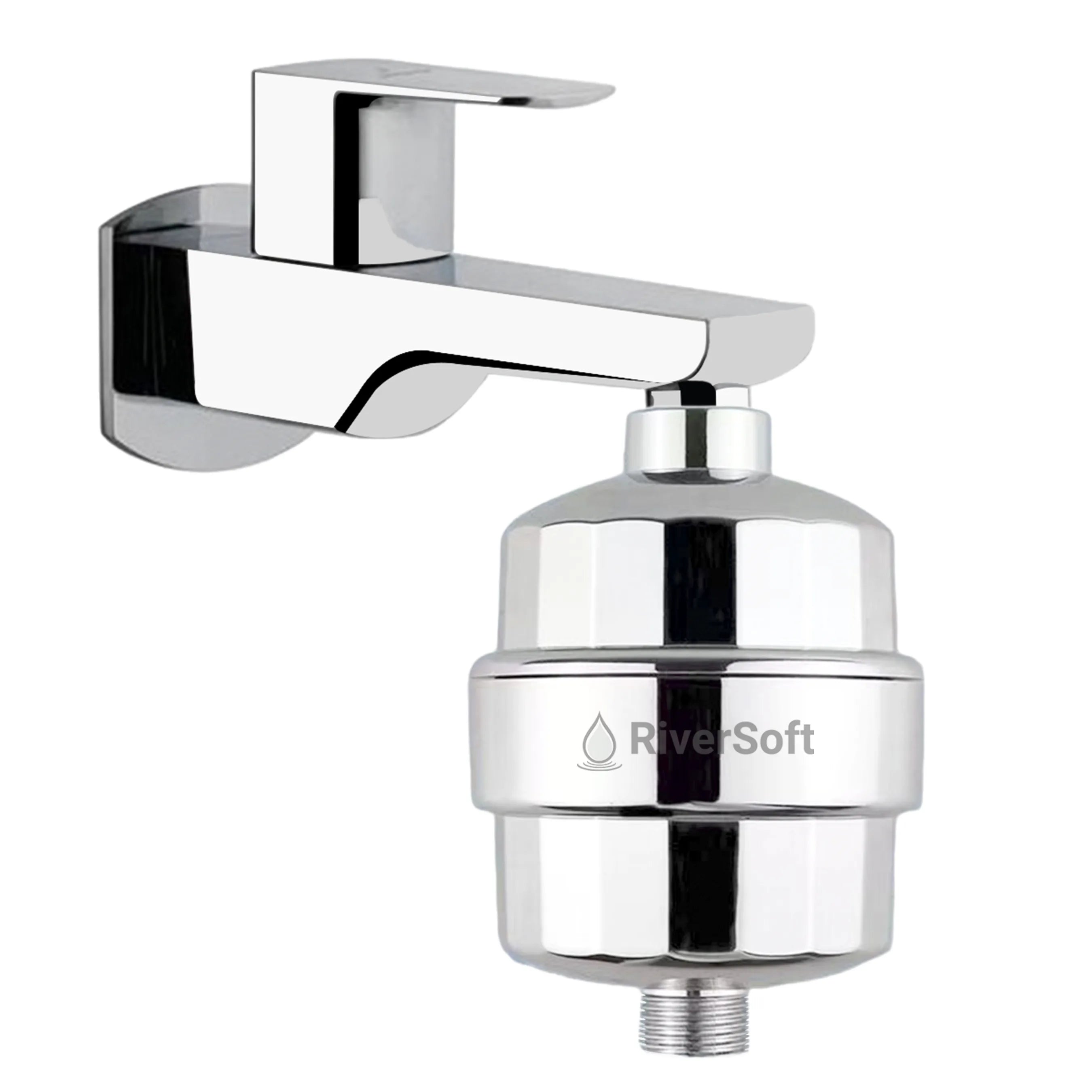
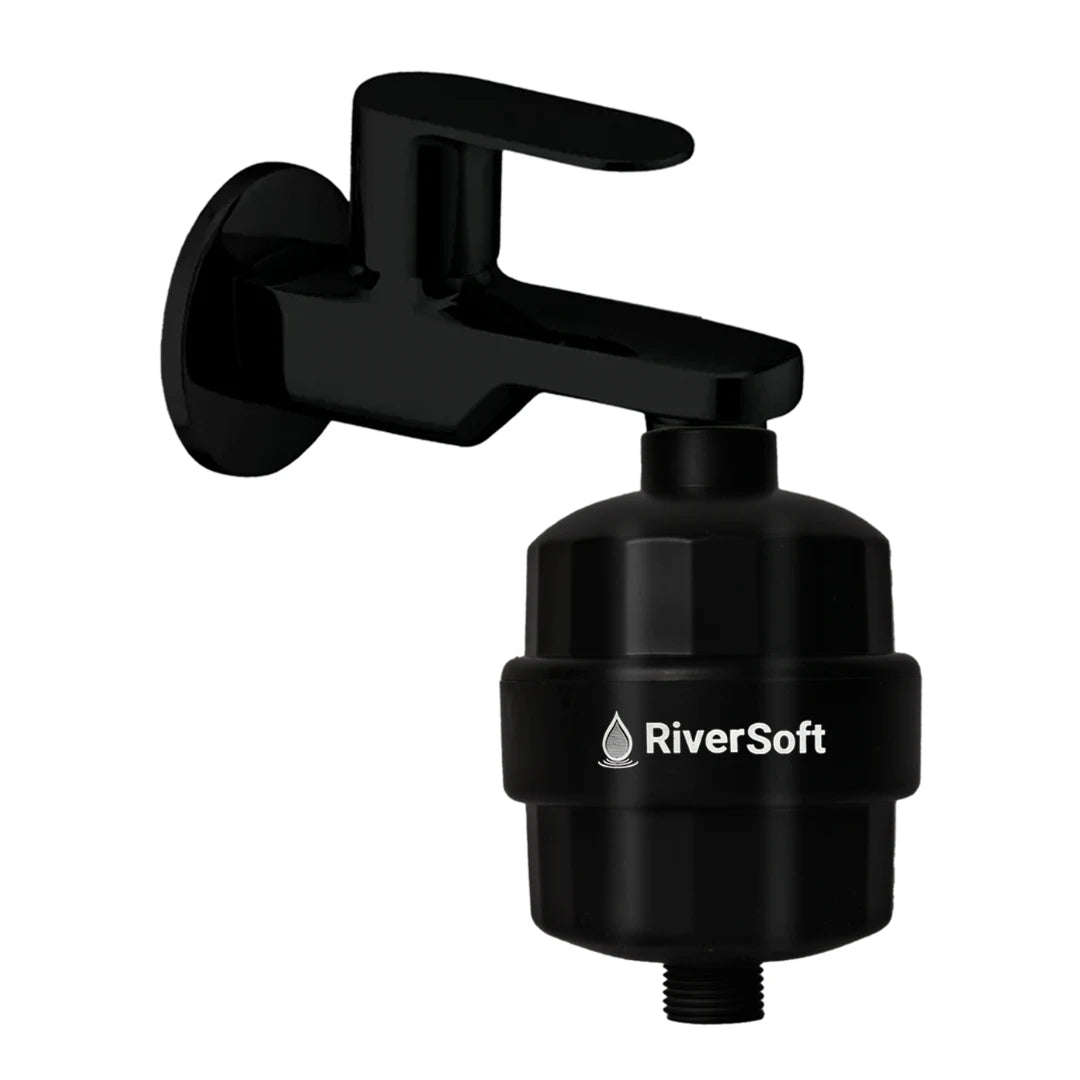
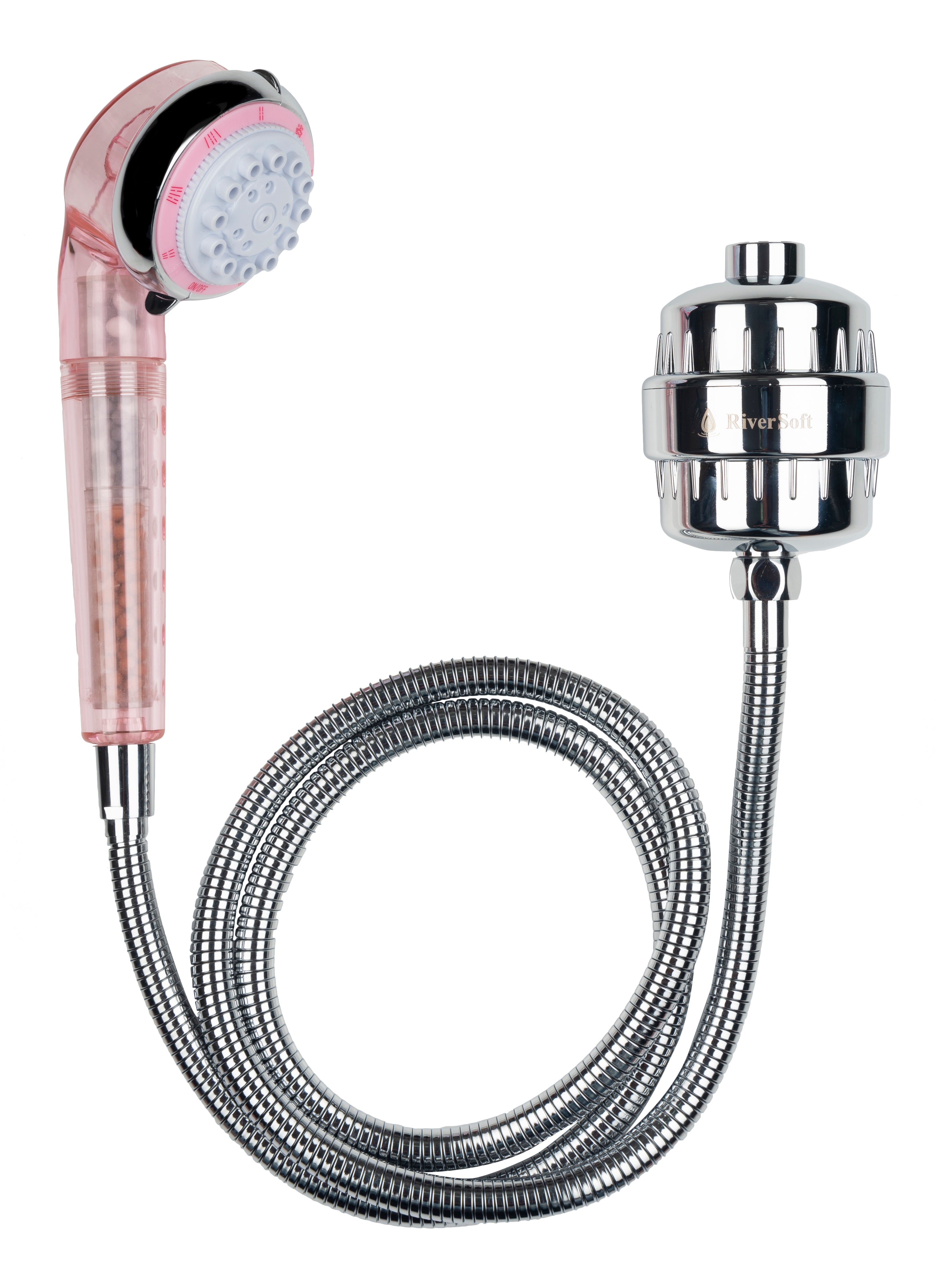
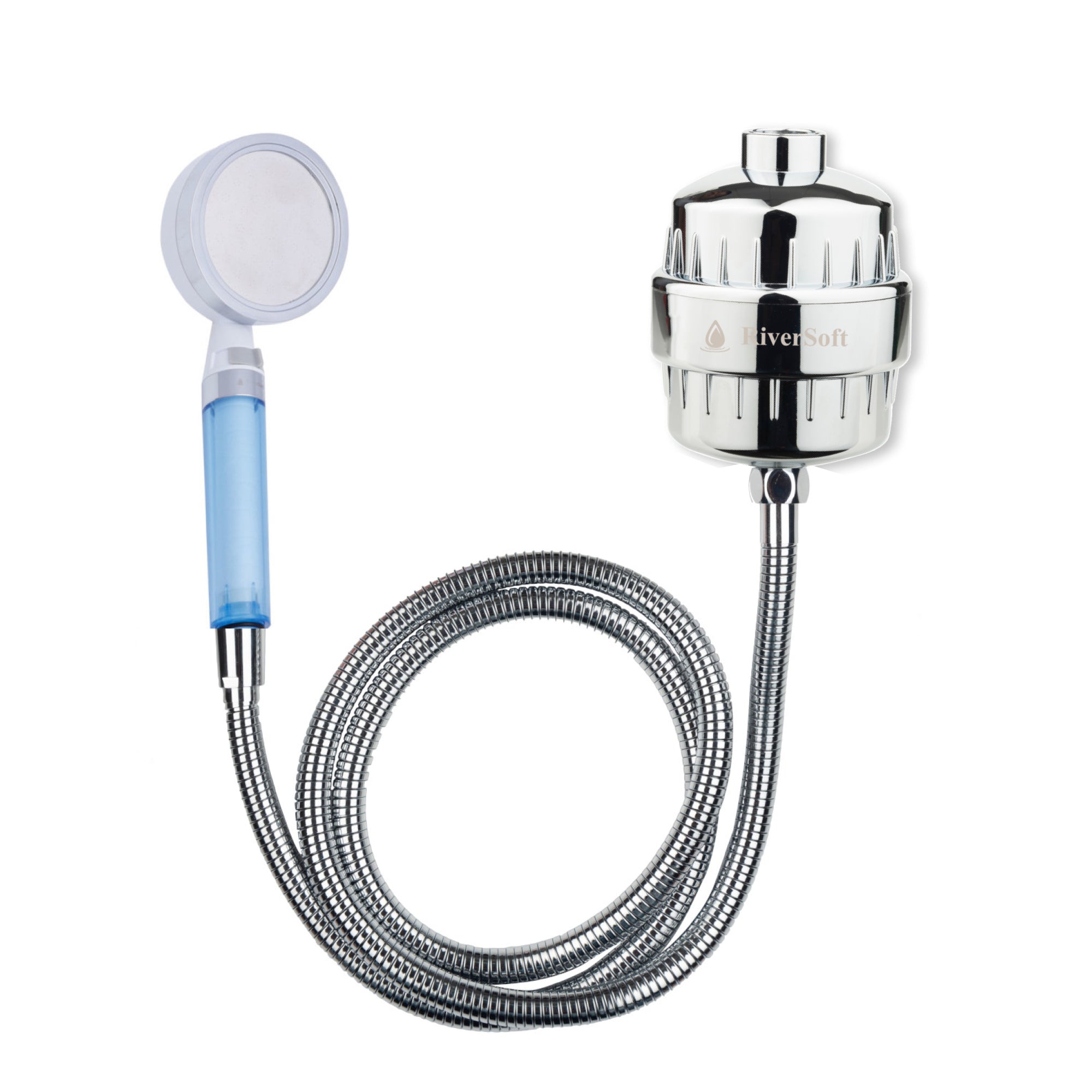
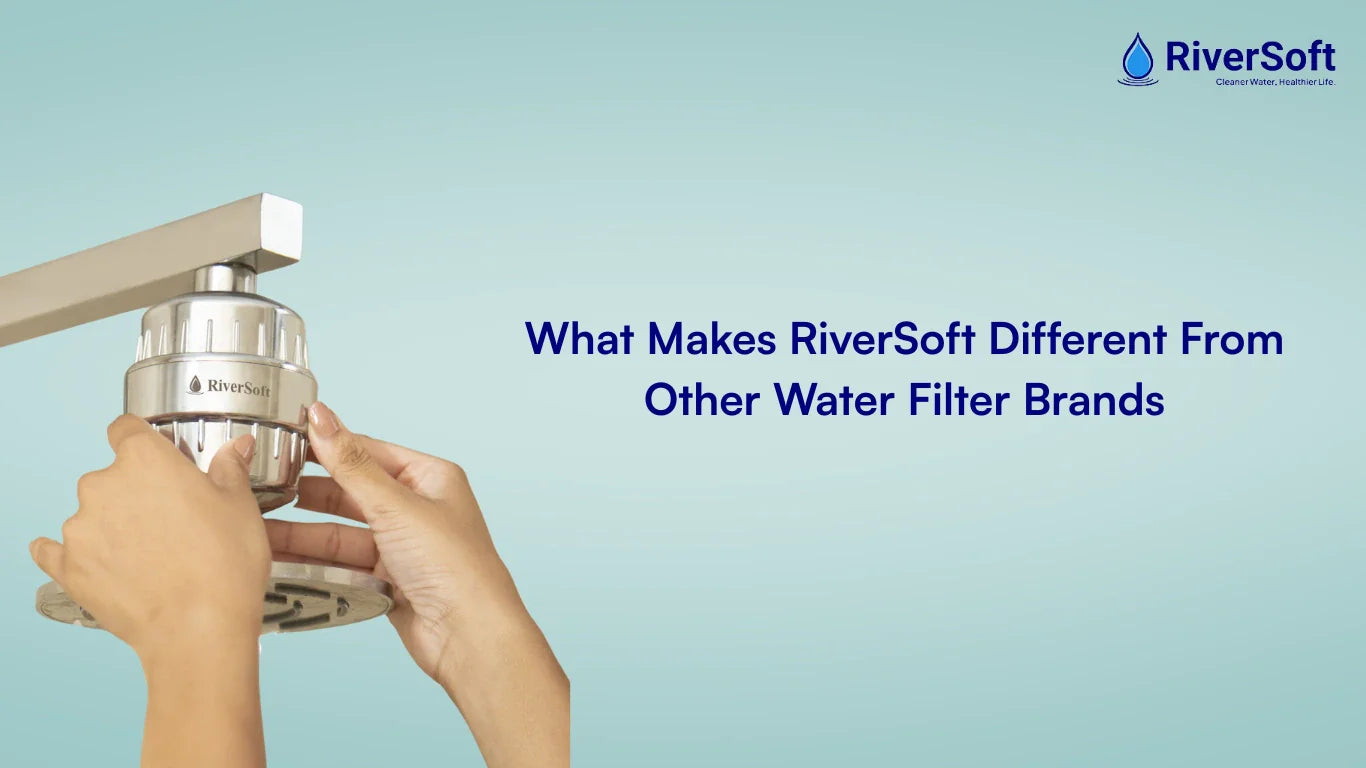
Point-of-use filters such as shower and tap filters and washing machine filters can be installed on faucets and showerheads
-
Filtration can improve water quality, but may not remove all hard water minerals
4. Routine Maintenance Tips
-
Clean appliances regularly to prevent mineral buildup
-
Use cleaning agents designed to combat hard water residue
-
Inspect pipes and plumbing fixtures for signs of clogging
-
Install water softeners and hard water shower filters for long-term protection
Conclusion
Hard water damage to appliances is not dramatic or sudden. It builds up quietly, and by the time most people notice something is wrong, the scale has already thickened, and efficiency has already dropped. The good news is that it is entirely preventable. Whether you start with a regular descaling routine, add a shower or tap filter, or invest in a water softener for full coverage, acting early is always cheaper than replacing a failed appliance. RiverSoft's water filtration solutions are built for Indian households dealing with exactly this problem, offering easy-to-install options that protect your appliances without requiring a plumber or a major setup.


























Leave a Comment