

You've tried everything to fix your hair:
-
The conditioning mask.
-
The sulphate-free shampoo.
-
The leave-in conditioner.
Yet your hair feels dry, rough, and lifeless after every wash. Before you buy another product or blame your genetics, there's one thing worth checking first:
The water.
What is Hard Water?
Hard water is the water that contains high levels of calcium and magnesium minerals that stick to your hair and scalp with every wash. It’s especially common in cities that rely on borewell water. Over time, they build up on your strands and scalp, blocking moisture, reducing product effectiveness, and leaving your hair dull, and difficult to manage.
Here are 5 common signs your hair problems may actually be caused by hard water.
5 Signs Your Hair Problems Are from Hard Water
1. Shampoo Barely Lathers No Matter How Much You Use
This is usually the first sign people notice. If you’re using more shampoo than usual and still getting watery foam that disappears quickly, your water is likely interfering with the lather.
Minerals in hard water interfere with shampoo lather, making it harder to properly clean your hair. In the shower, they bond with each other instead of lathering, leaving behind a soap scum residue rather than actually cleaning your hair.
More shampoo means more residue. And that residue builds up with every wash, leaving hair heavy and flat even right after washing.
Recommended Reading:
For a deeper look at what this cycle does over time, this blog on shampoo and hard water breaks it down clearly.
2. Your Hair Feels Dry Even Right After Conditioning
Calcium and magnesium in hard water coat each hair strand with a thin mineral film. Because of this, the conditioner can't actually penetrate the hair shaft. It sits on top of that mineral layer and gets rinsed off without doing anything.
Recommended Reading:
To understand what this mineral coating does to your hair's ability to absorb and hold moisture with every wash, this read on hair porosity and hard water is worth your time.
3. Hair Feels Dry and Straw-like After Washing
Over time, mineral buildup creates a rough coating on your hair strands. Instead of feeling smooth after washing, hair may feel dry, tangled, and stiff.
Many people assume their products aren’t working when the real issue is the water itself.
4. Hair Breakage
When people notice more hair on their pillow or in their comb, they assume it’s hair loss. But there's a quick way to tell the difference:
-
Look at the fallen strand
-
White bulb at the end = shed from the root
-
No bulb, both ends snapped = mid-shaft breakage.
Hard water makes hair brittle by blocking the moisture it needs to stay elastic. Strands that can't retain moisture lose their flexibility and snap during combing, styling, or even just sleeping.
5. Your Scalp Is Flaky & Itchy Even Though You Wash Regularly
Hard water mineral deposits block the oil glands on your scalp, preventing natural sebum from reaching the surface. Without that sebum, the scalp dries out and starts to flake. This looks exactly like dandruff, but the cause is completely different.
Dandruff has a fungal cause and usually responds to medicated shampoo. Hard water flakiness doesn't respond to any shampoo, because the problem isn't on your scalp, it's in the water.

If hard water is affecting your hair, filtering it at the source can make a noticeable difference.
Shower Filters That Stop Hard Water Before It Reaches Your Hair
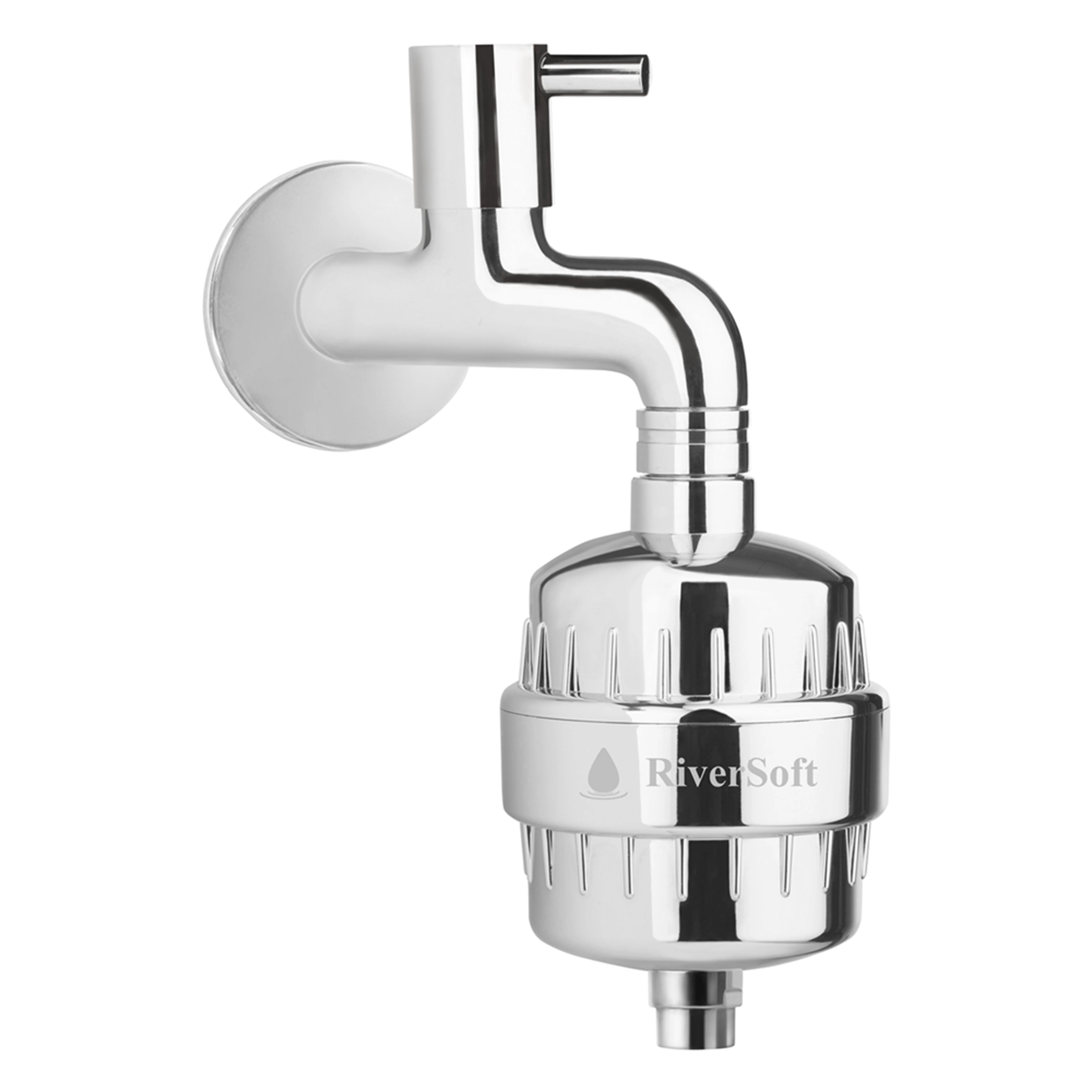
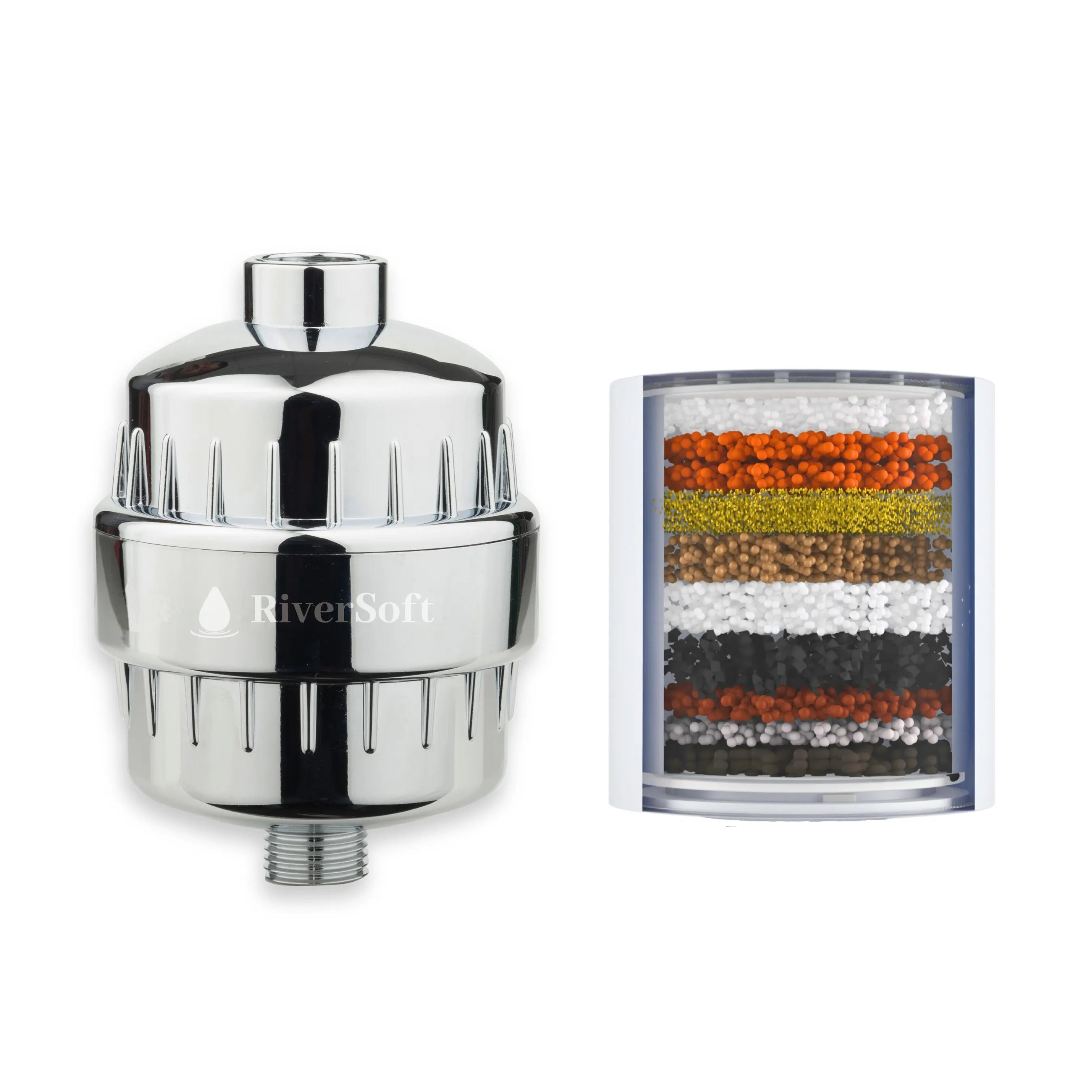
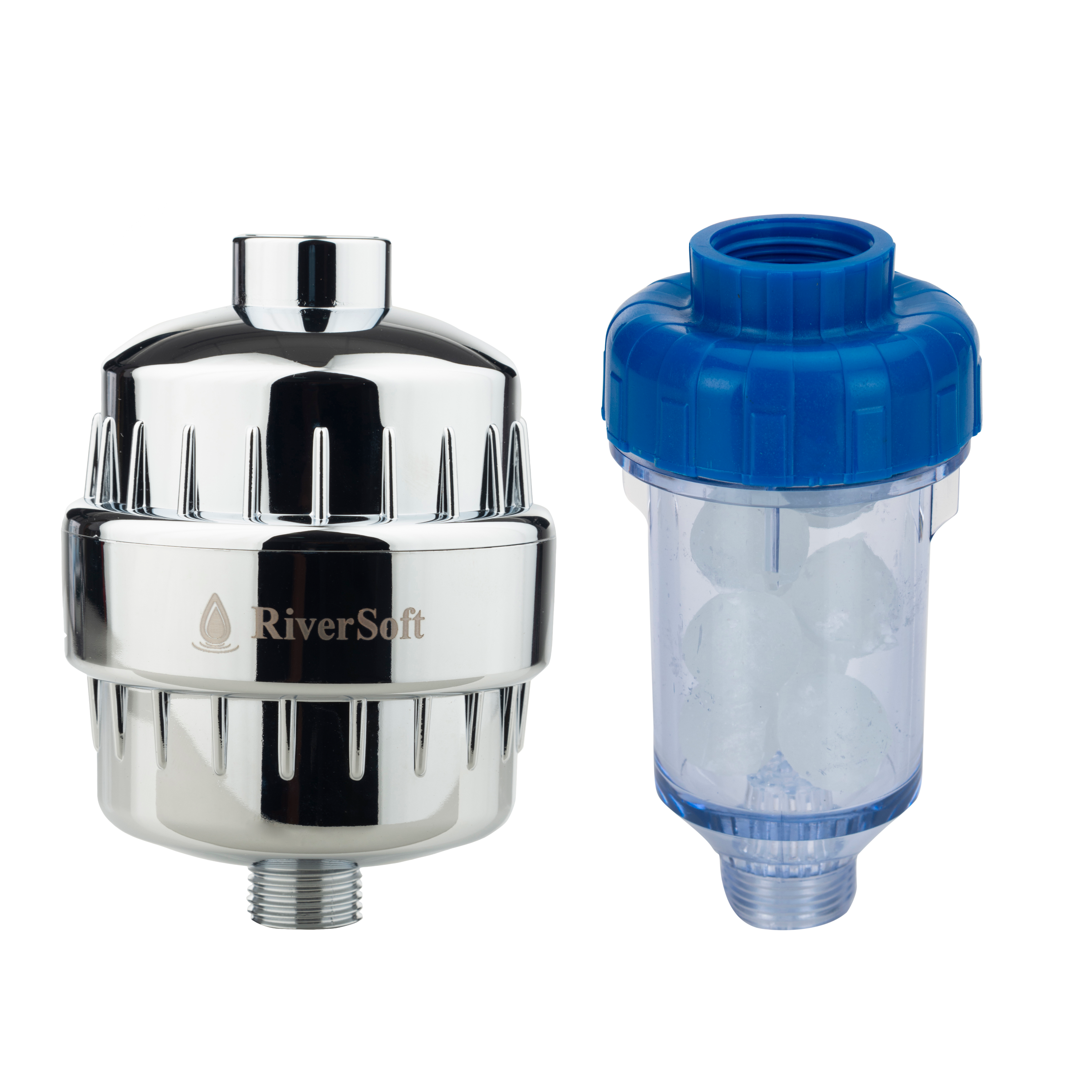
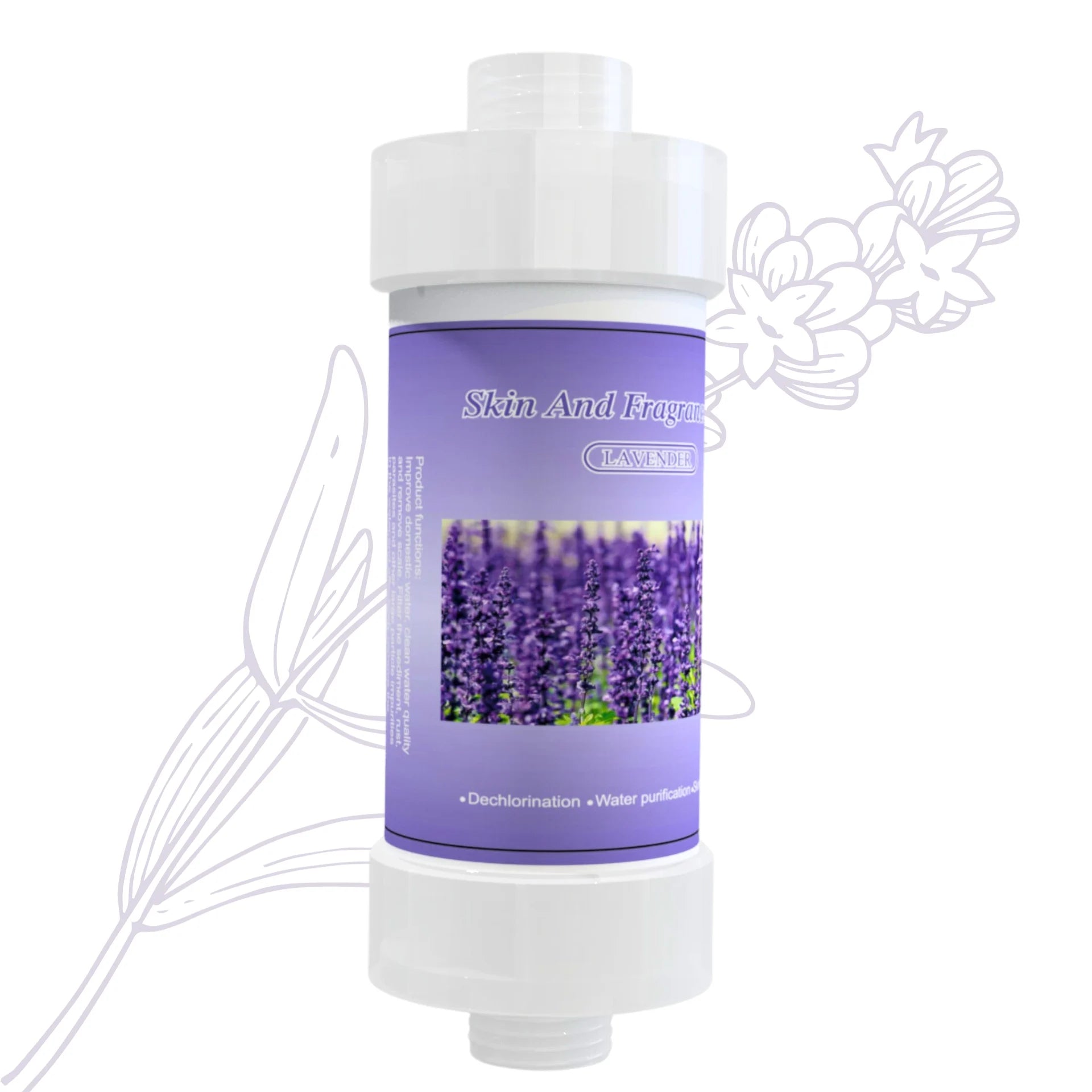
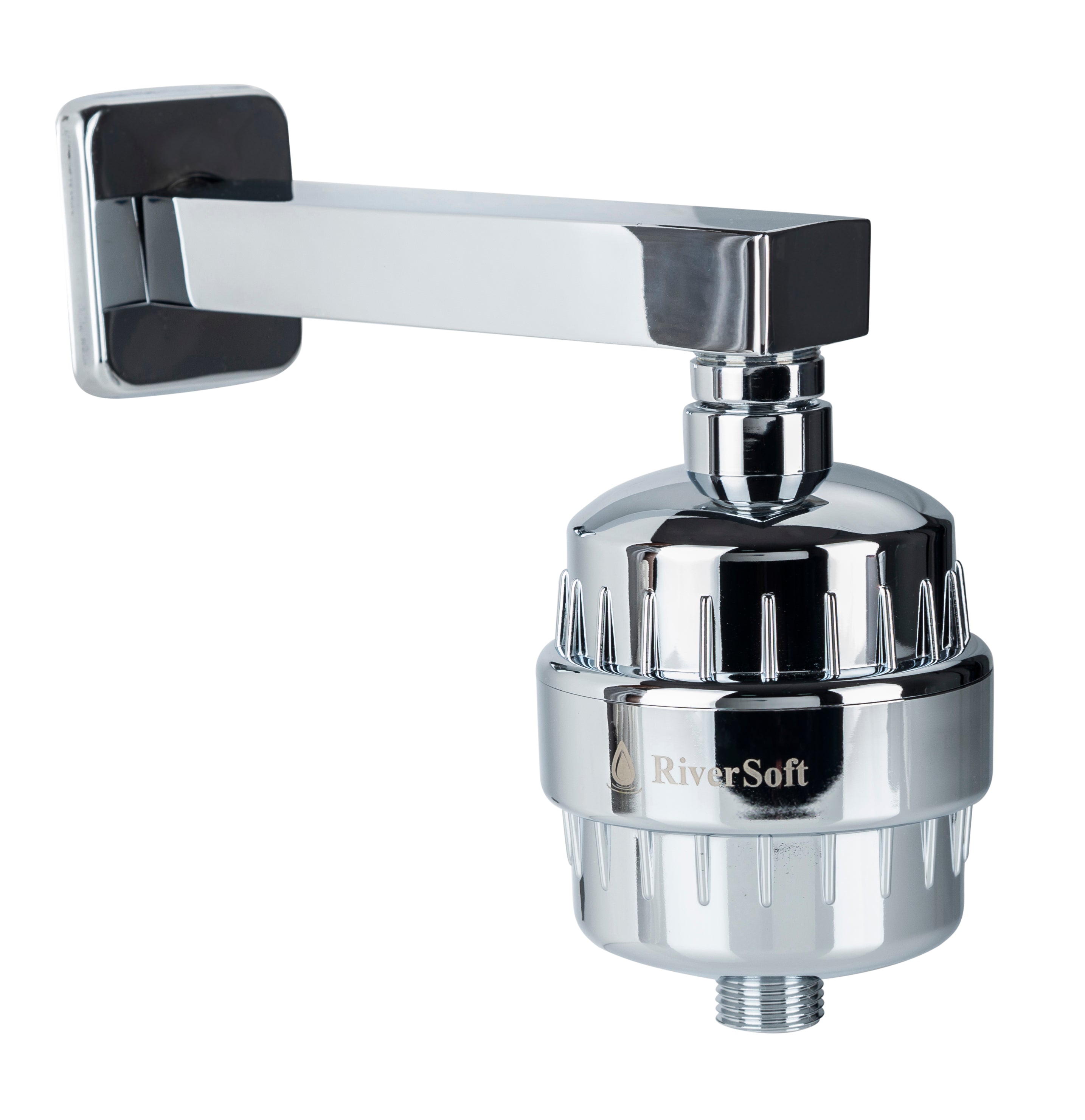
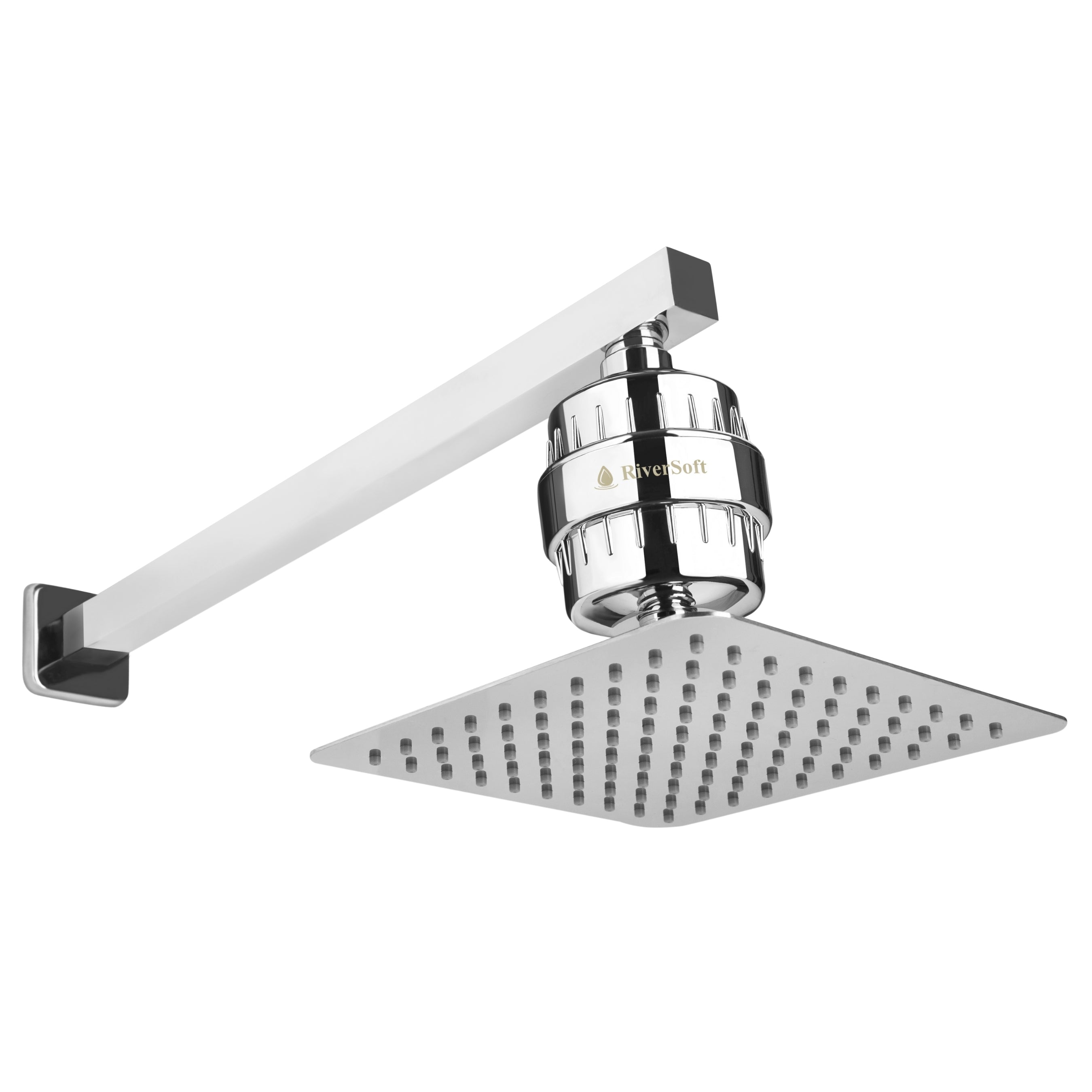
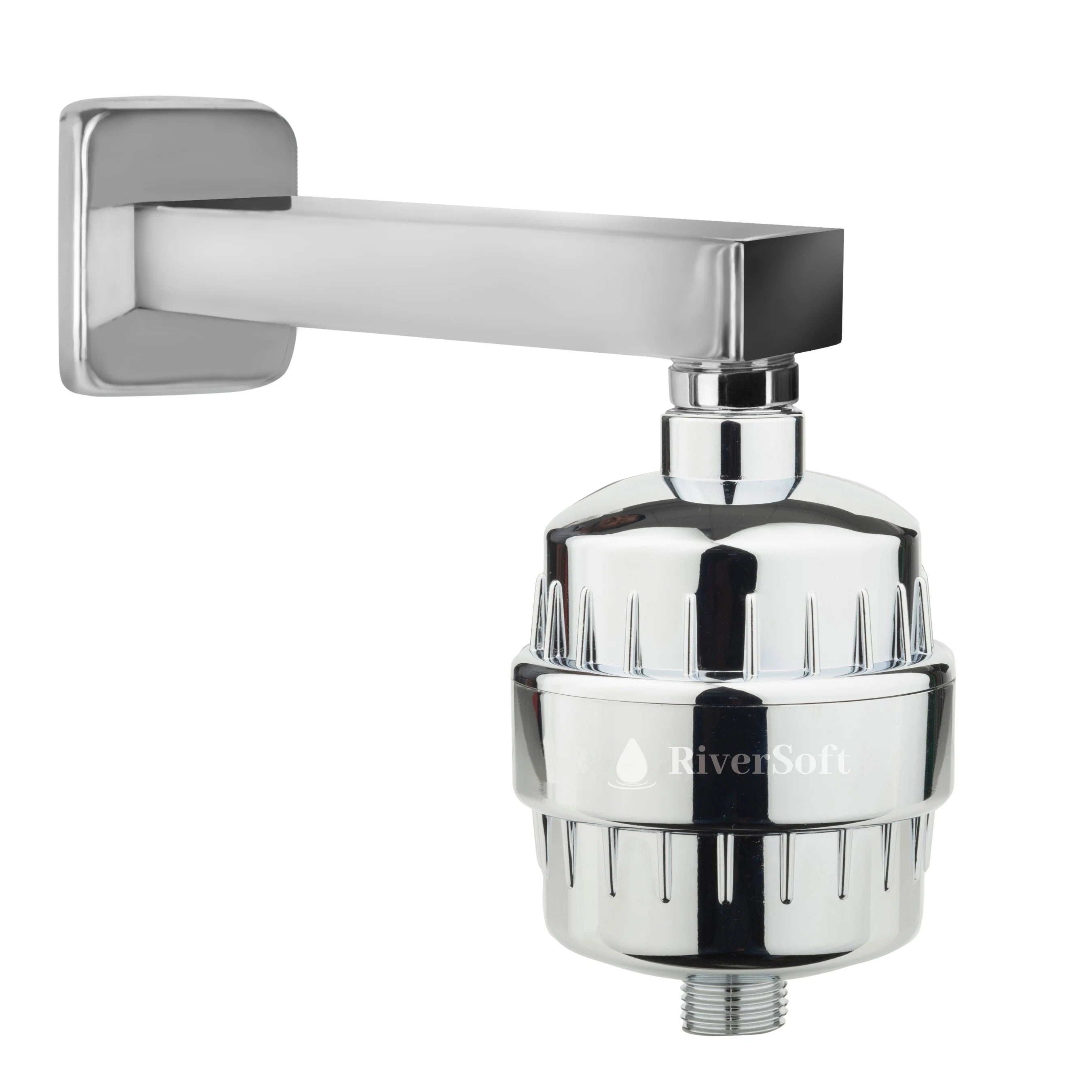
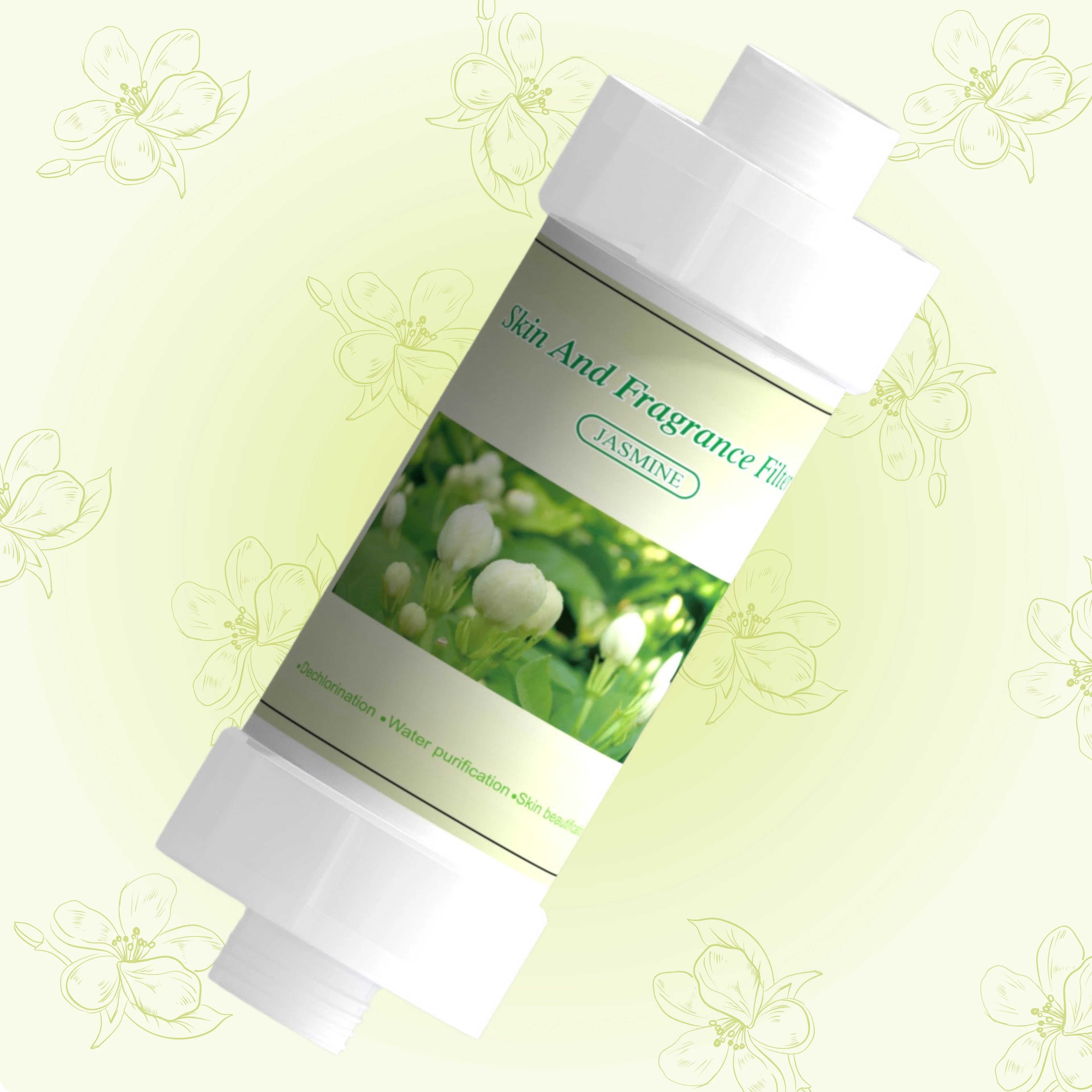
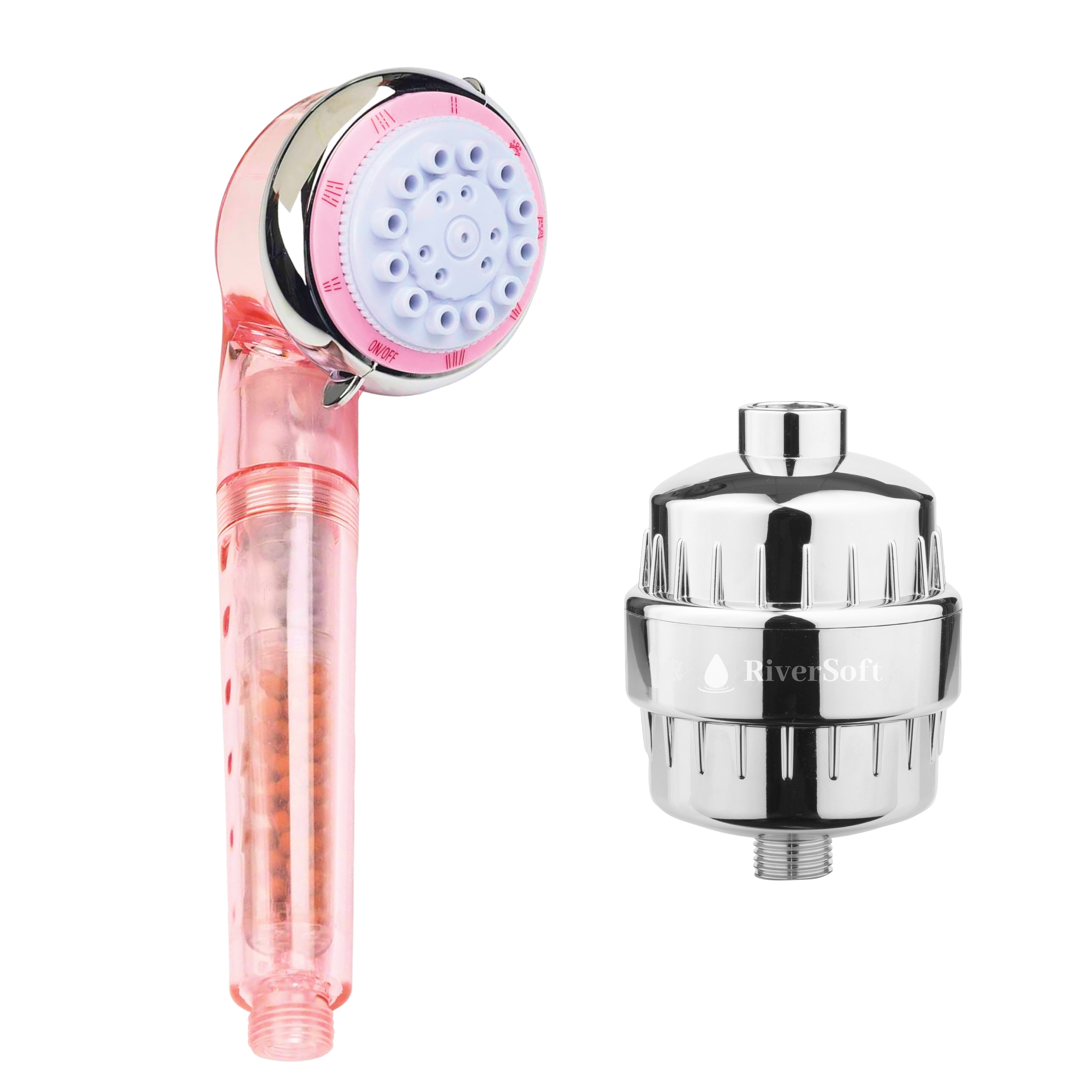
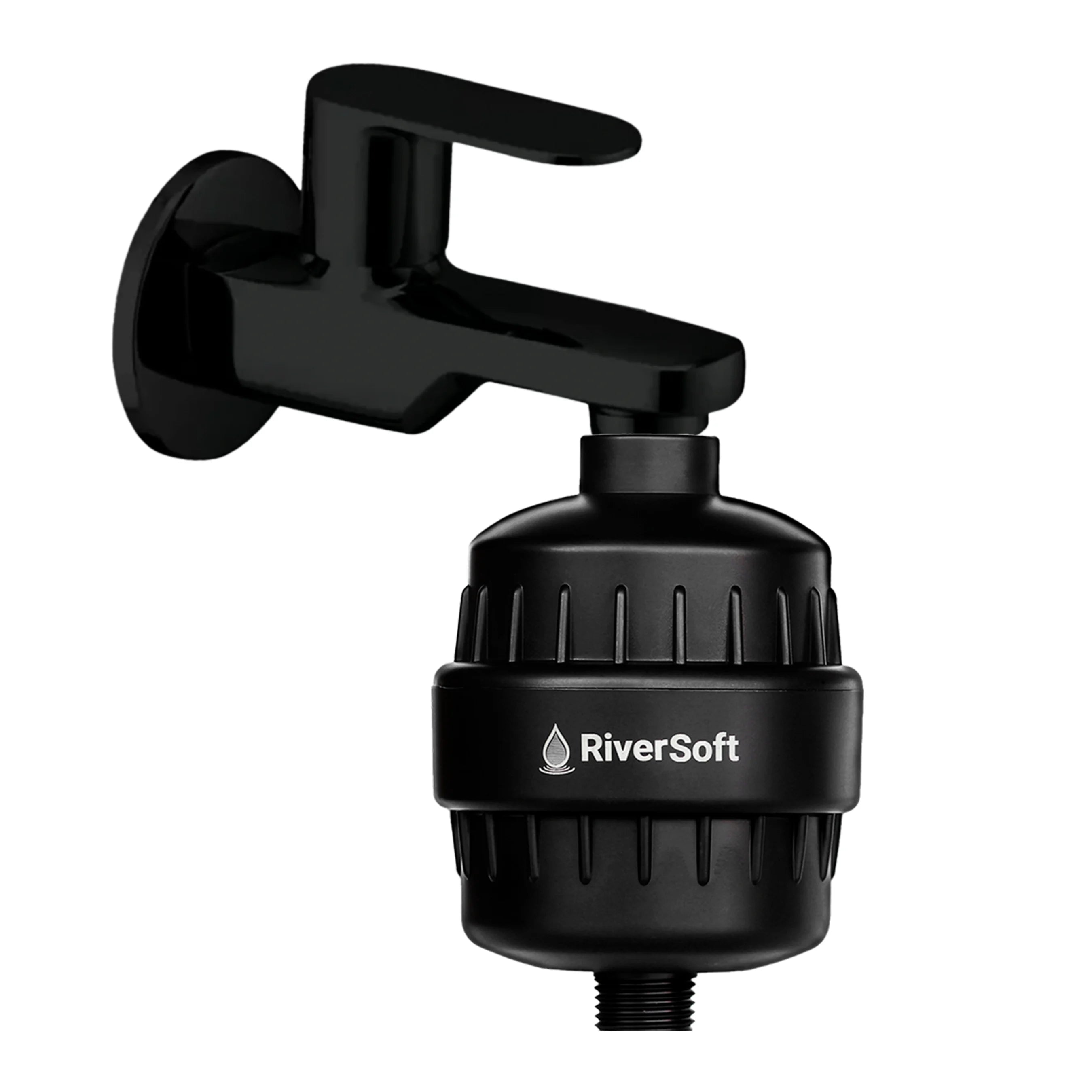
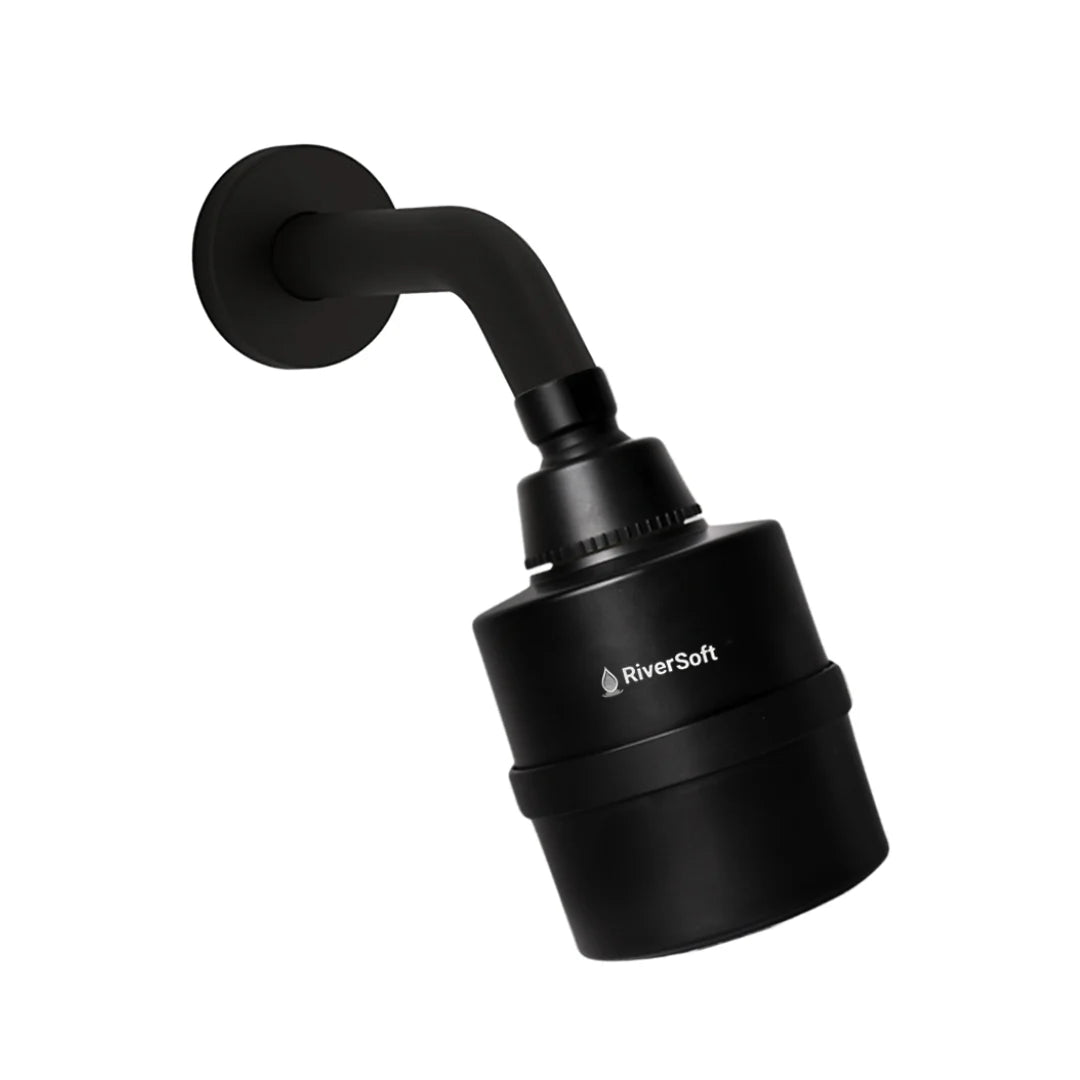
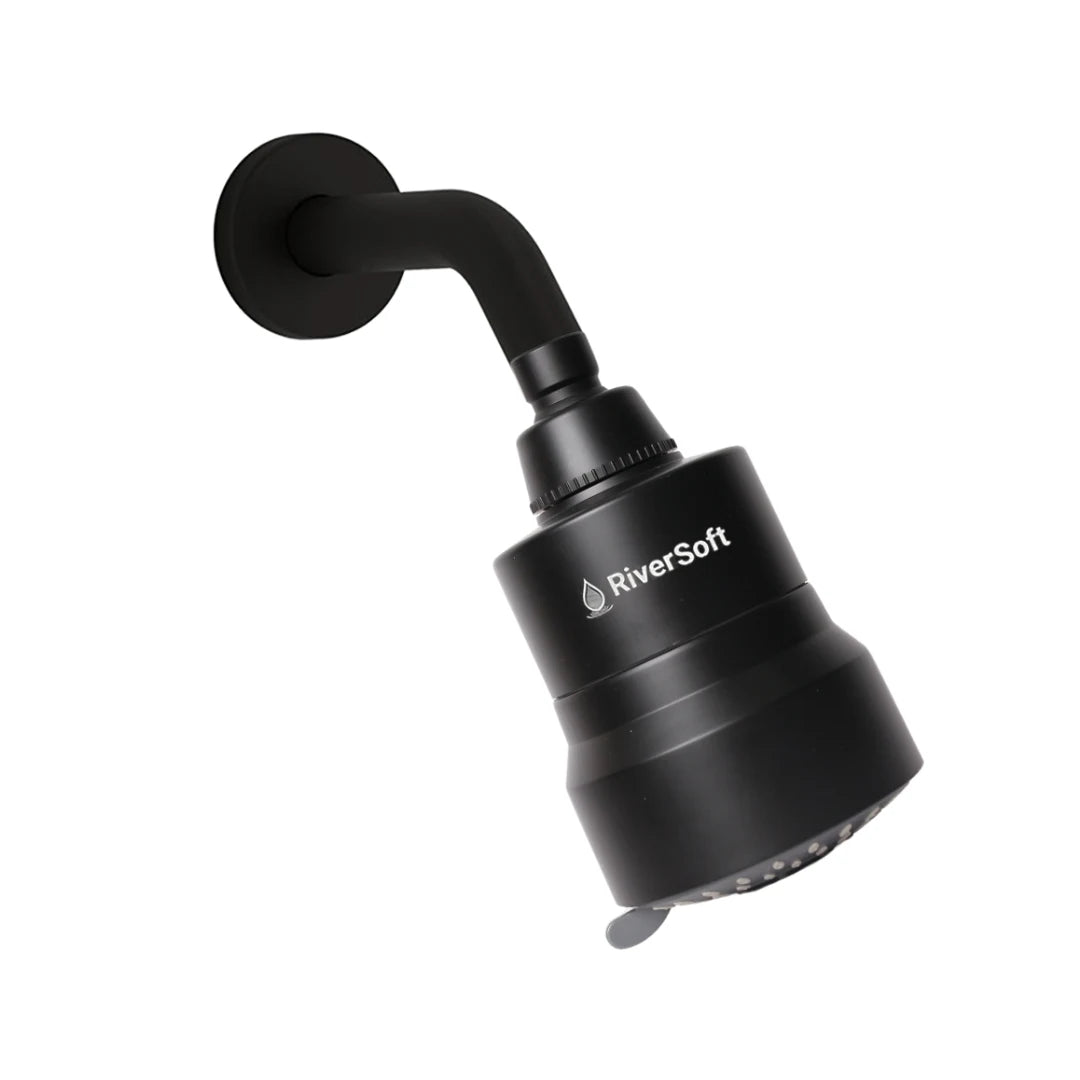
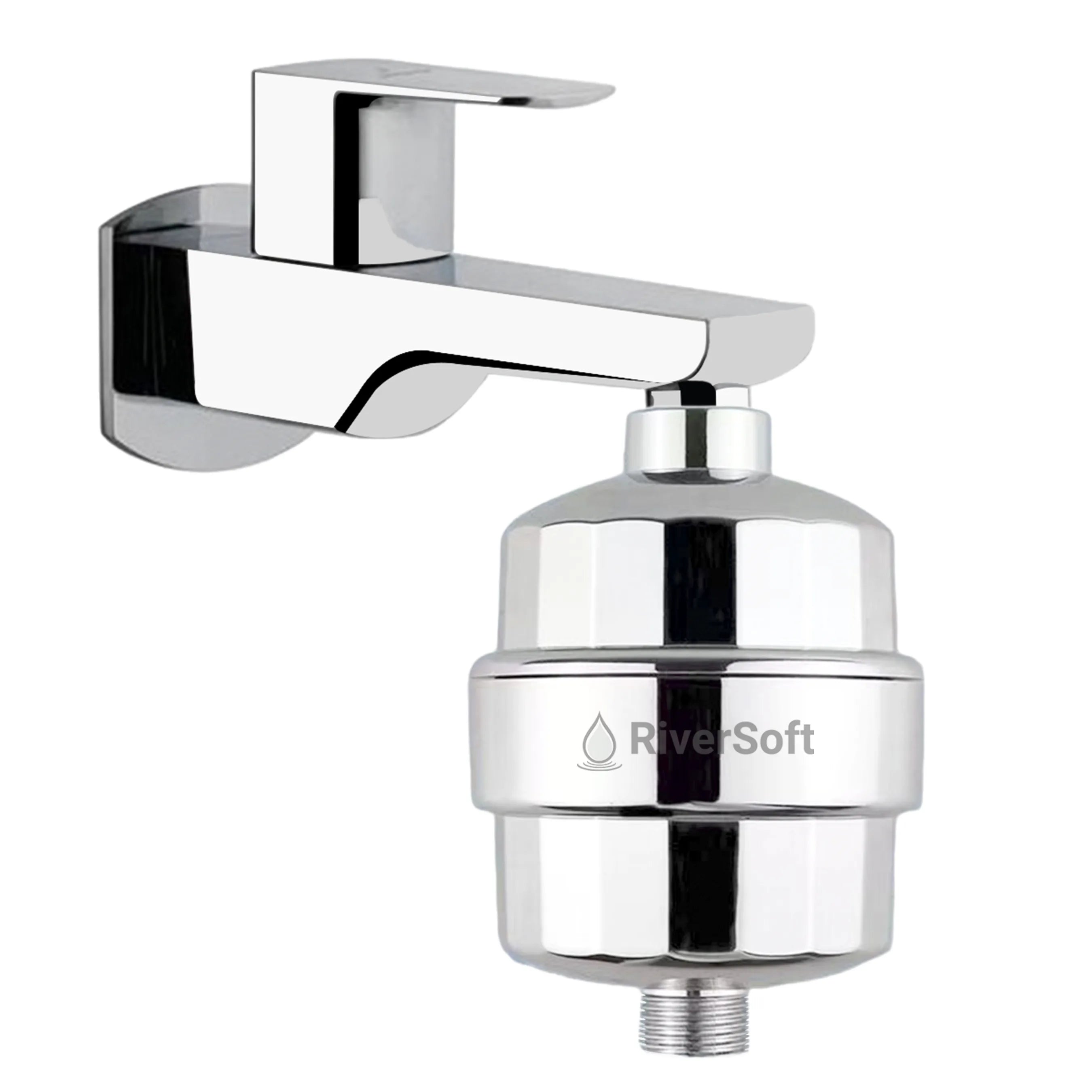
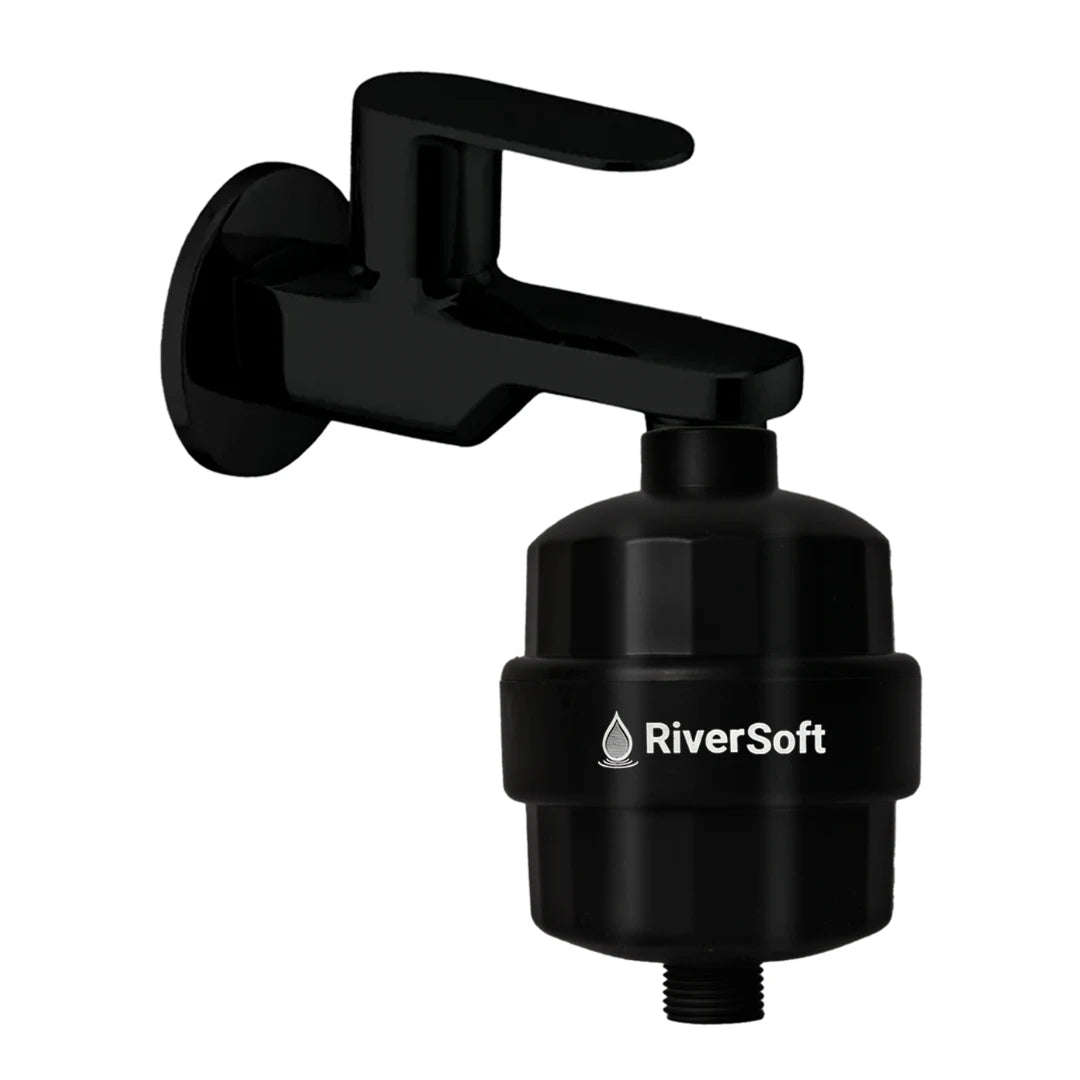
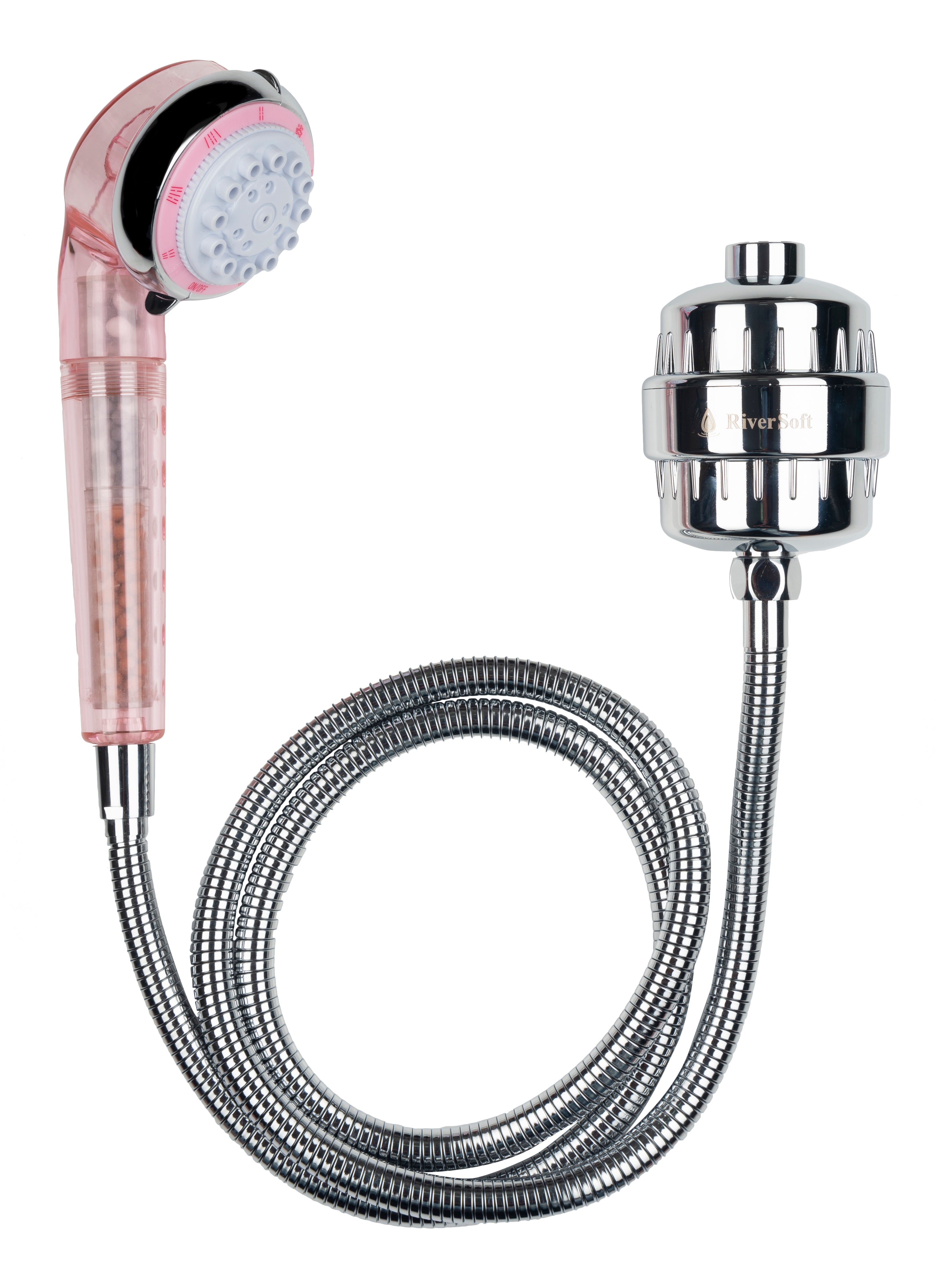
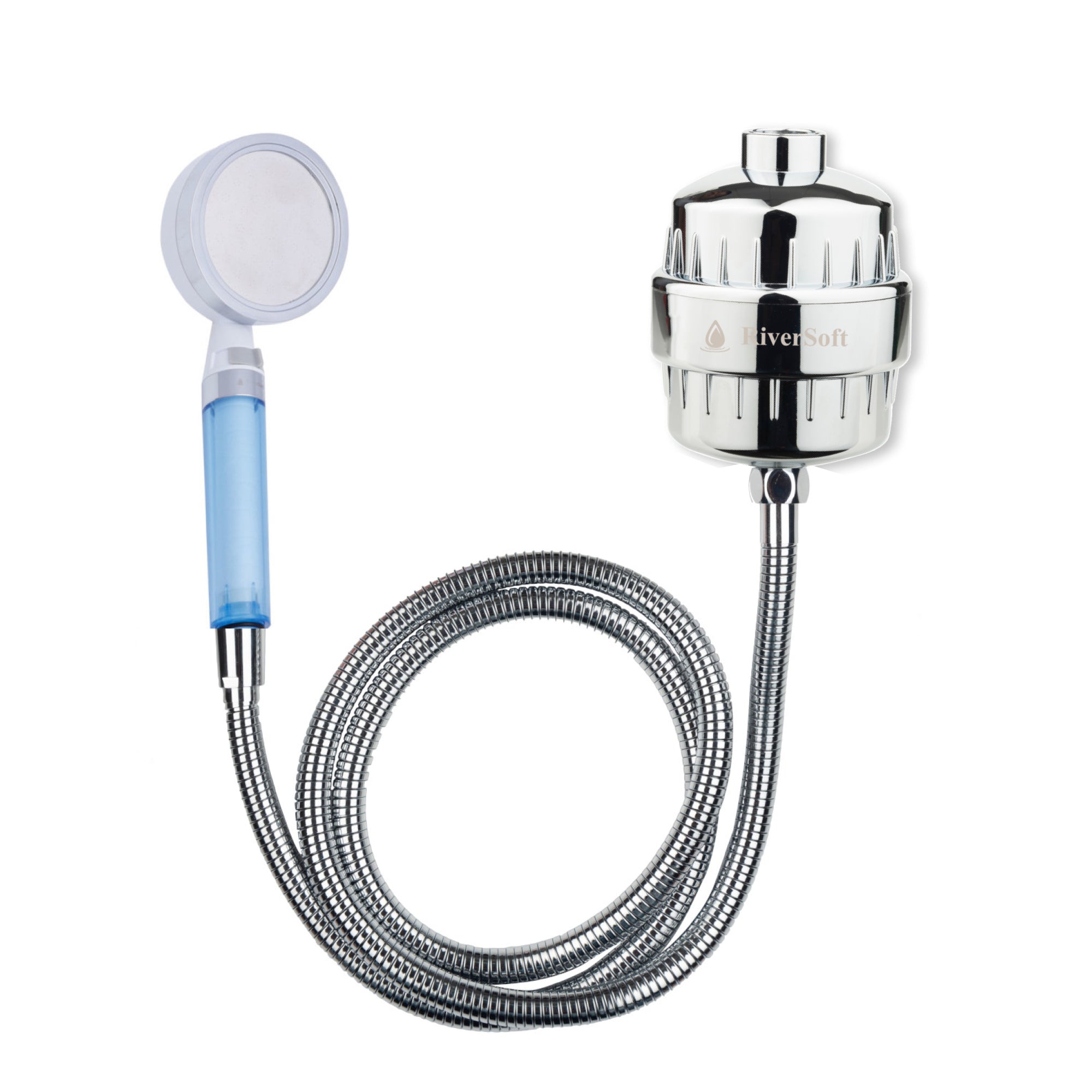
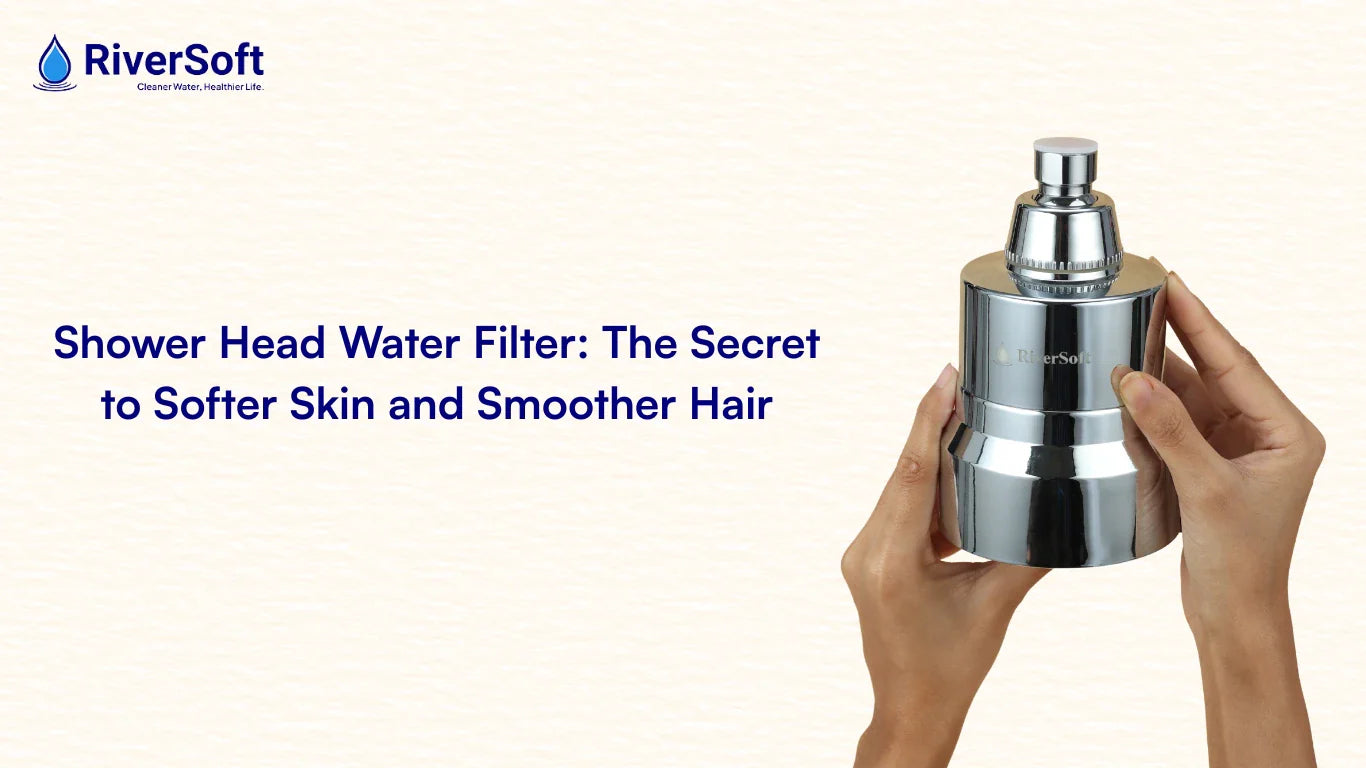
At RiverSoft, we have three shower filter variants to choose from:
-
SF-15 Pro: For moderate water hardness on municipal supply
-
Bliss-15: For borewell-heavy areas with higher mineral loads
-
DIVA Filters: A complete shower head replacement with built-in filtration
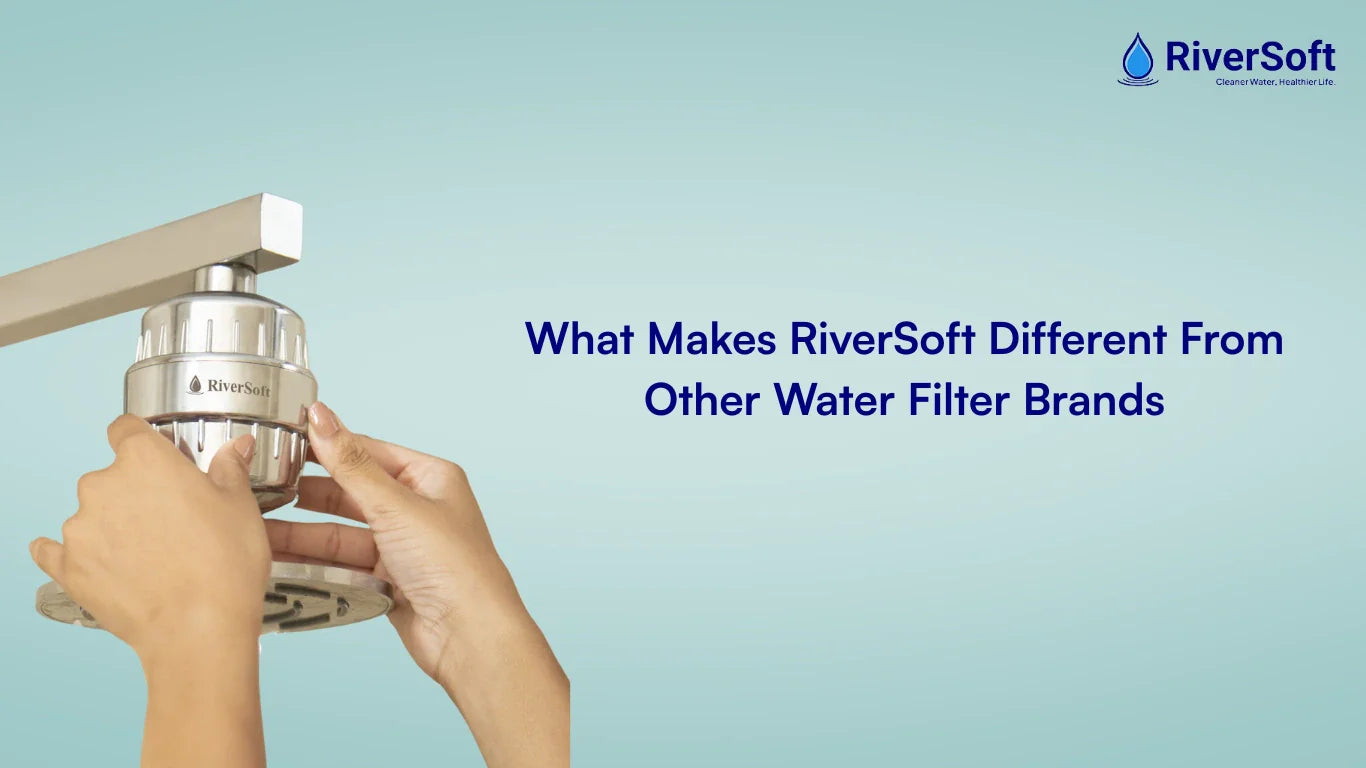
The best part? You don't need a plumber. Install it yourself in minutes by following our guide on how to install a shower filter.
Note: Our shower filters do not reduce Total Dissolved Solids (TDS). We recommend using an RO purifier if your main concern is high TDS in drinking water.
Final Thoughts
If you relate to three or more of these signs, your water may be affecting your hair more than your products are helping it.
The good news is that this is one of the more fixable hair problems, not genetic or hormonal, as it is manageable once you address the source of the problem.
No amount of product-switching will change what's coming out of your shower head. Filtering that water before it reaches your hair will.
Check out RiverSoft shower filters for hard water to find the right fit for your water supply and budget.

























Leave a Comment