

An RO prefilter is a filter unit installed before your main water purifier that removes sand, rust, and silt before the water reaches the RO membrane.
Why Is an RO Prefilter Important for Indian Households?
If you’re using an RO purifier at home, a prefilter is not optional; it’s essential. In Indian households, water rarely comes clean. Here’s why installing an RO purifier is important:
-
Rusted City Pipes: Most urban water networks in India use old, corroding pipes, allowing rust and metal particles to mix with your water.
-
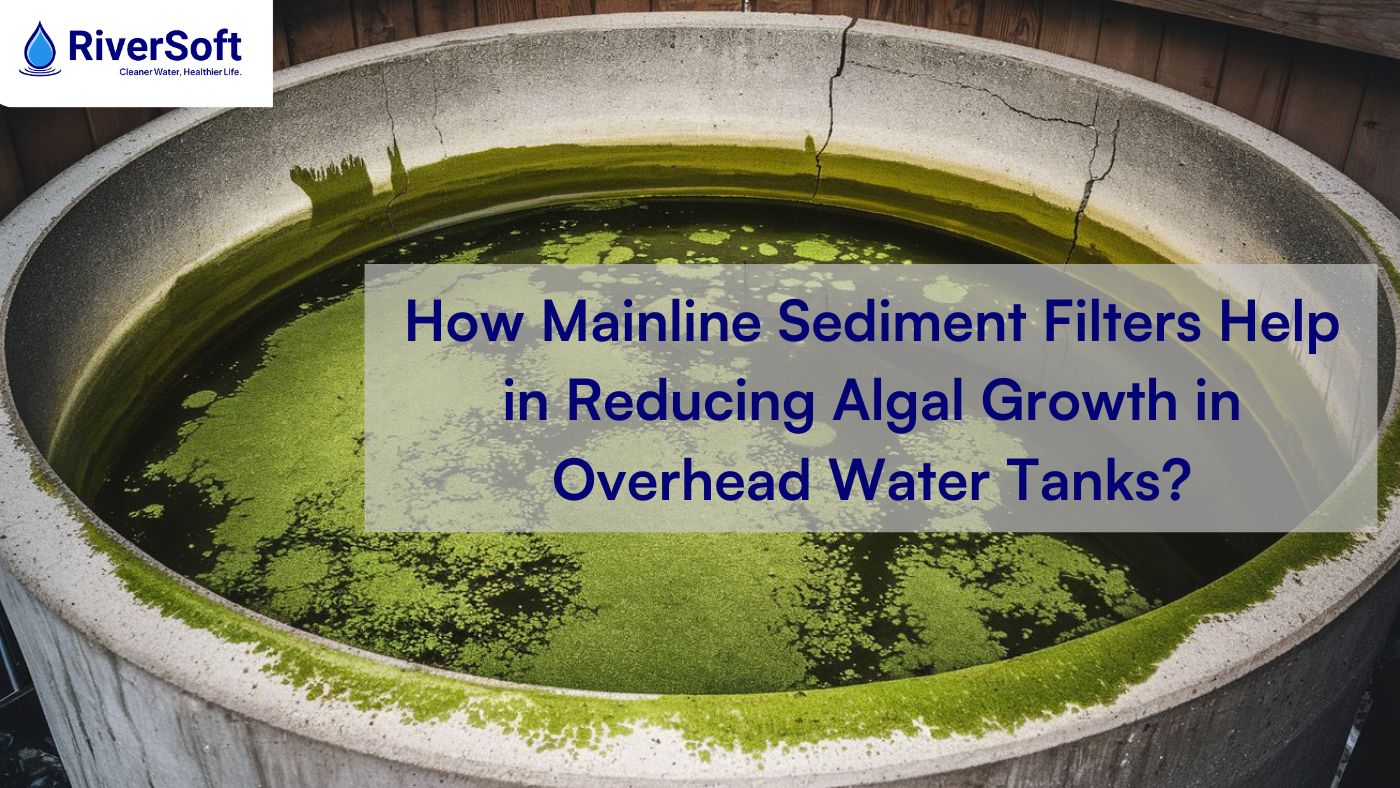
Stored Water Contamination: Even clean municipal water can lead to silt, dirt, and algae buildup inside overhead tanks.
-
Borewell and Monsoon Impact: Borewell water carries natural grit and sediment, and during the monsoon season, underground disturbances increase impurities significantly.
RO membranes remove dissolved salts and heavy metals. Because their pores are extremely fine, even fine sediment can enter and clog them over time.
A prefilter prevents this by stopping particles before they reach the membrane, protecting your purifier.

What Happens If You Don’t Use an RO Prefilter?
Here’s what happens inside your RO system without a RO prefilter:
-
Clogged RO Membrane: Sand and rust flow directly into your RO system and block the membrane’s tiny pores. This decreases water output and shortens the life of your RO membrane.
-
Higher Power Consumption: When there is no prefilter, sediment builds up inside the system, restricting water flow. This forces the RO pump to work harder, increasing power consumption and reducing its lifespan.
Technical damage in your RO system is only part of the story. The real question is, how much is not installing a prefilter costing you every year?
Prefilter vs. Membrane Replacement: Which Is More Expensive?
Without a pre-filter, you may need to replace your RO membrane every 6 to 12 months, depending on the sediment level in the water. Costing for this would be anywhere between ₹2,500 and ₹5,000.
In comparison, an RO prefilter housing, whether clear-body (semi-transparent) or heavy-duty (solid), costs only ₹600 to ₹700 as a one-time setup. Even with cartridge replacements twice a year, the annual total cost is significantly lower than replacing the RO membrane even once.
The takeaway?
An upfront investment in installing an RO prefilter can save you ₹2,000 to ₹4,000 every year.
What Are The Different Types of RO Prefilter Housing and Cartridges?
Selecting the right prefilter depends on two factors:
-
Your water pressure
-
The type of impurities present in your water supply.
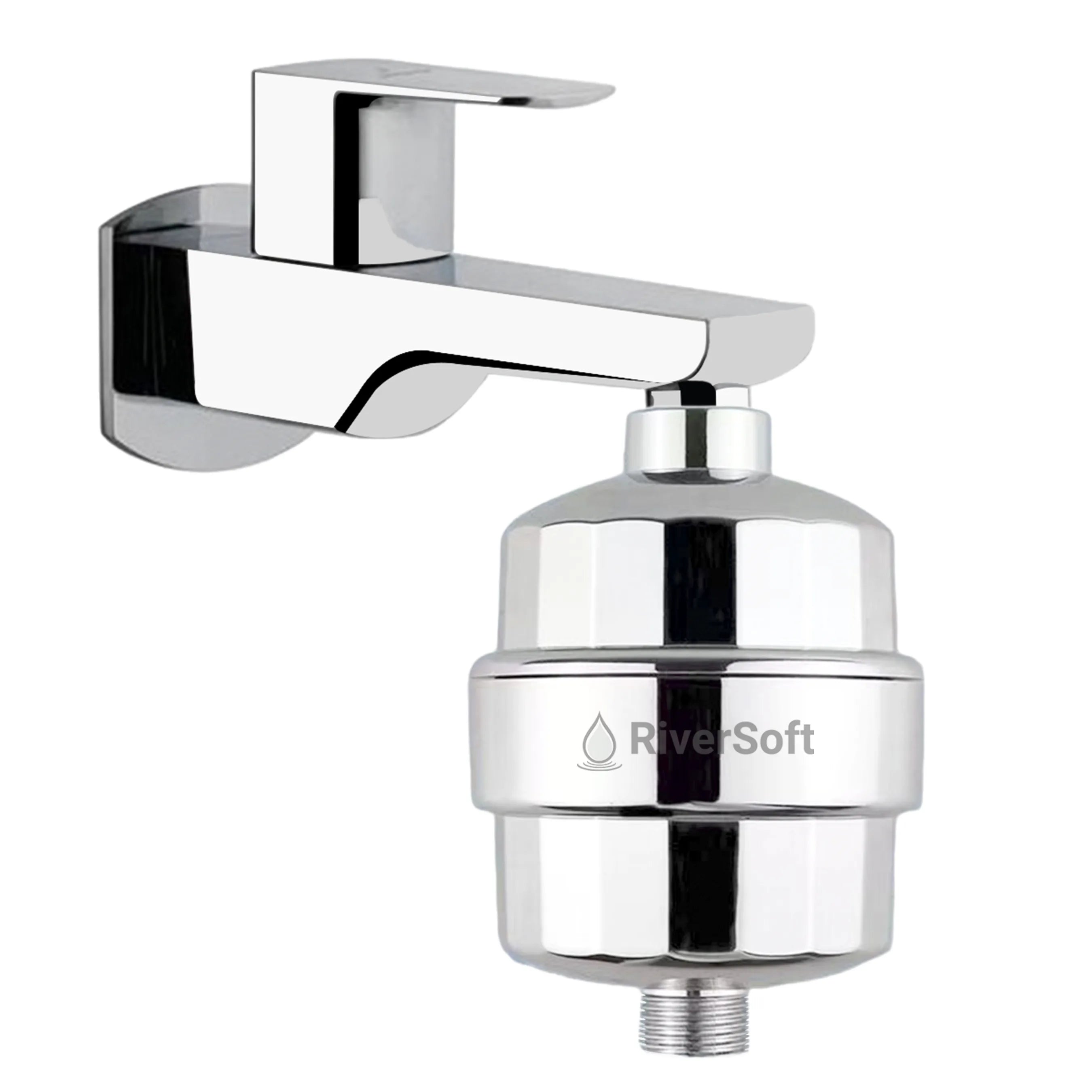
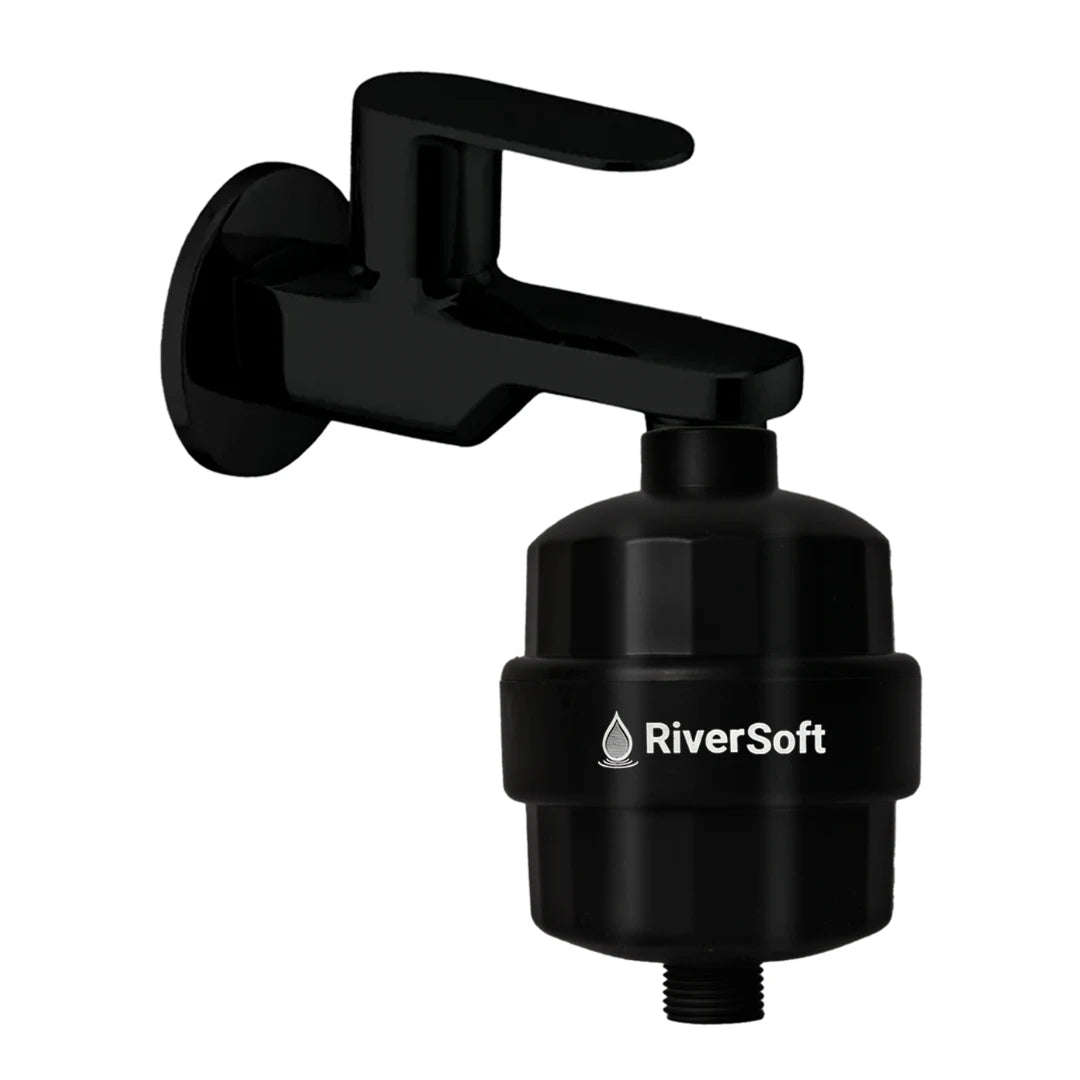
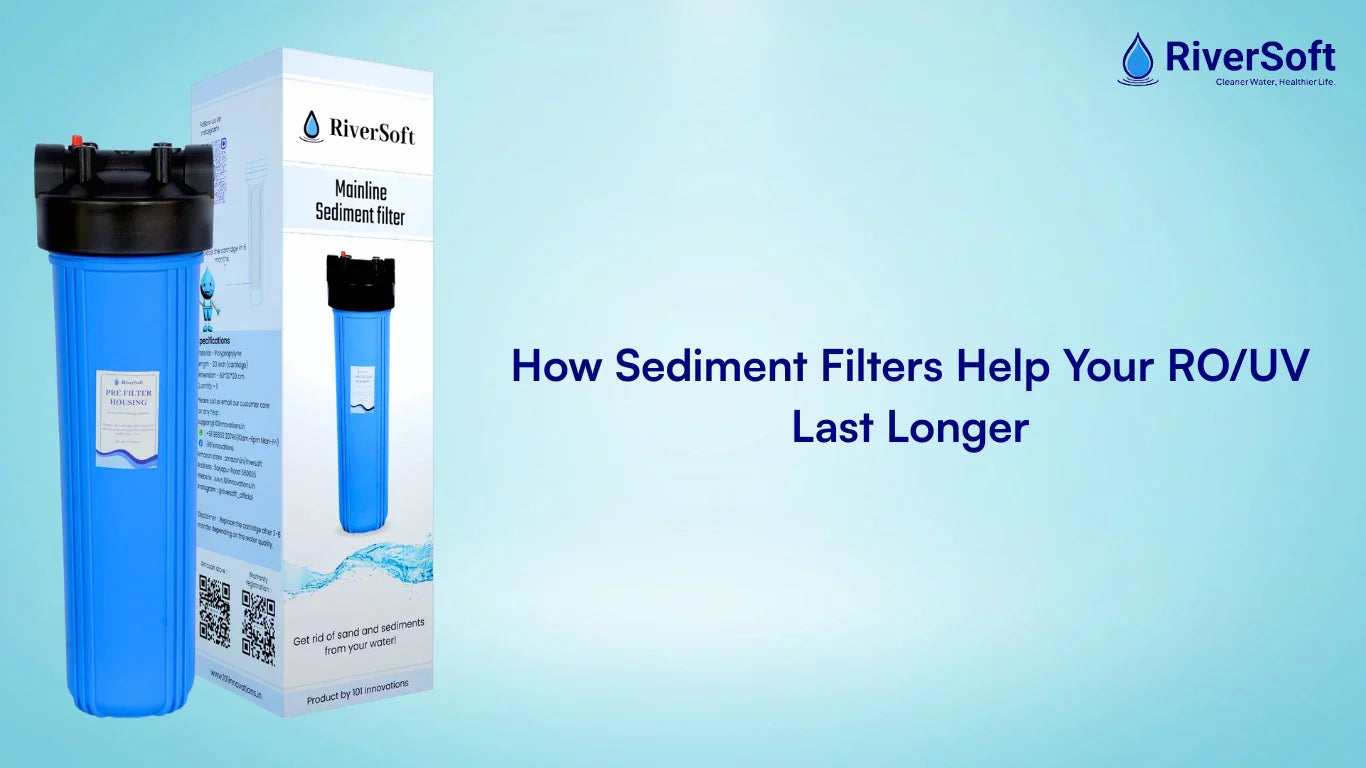
2 Types of Prefilter Housing
-
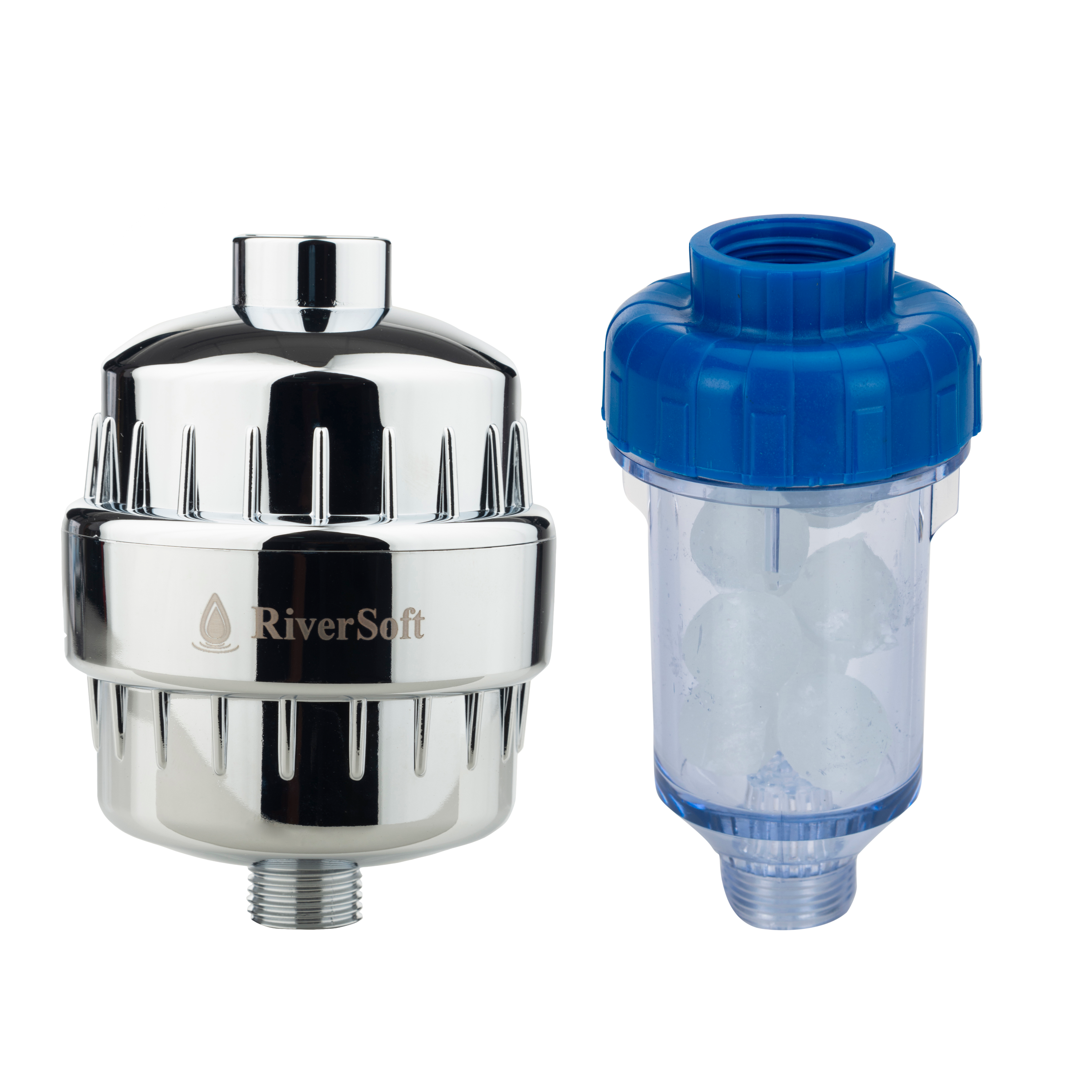
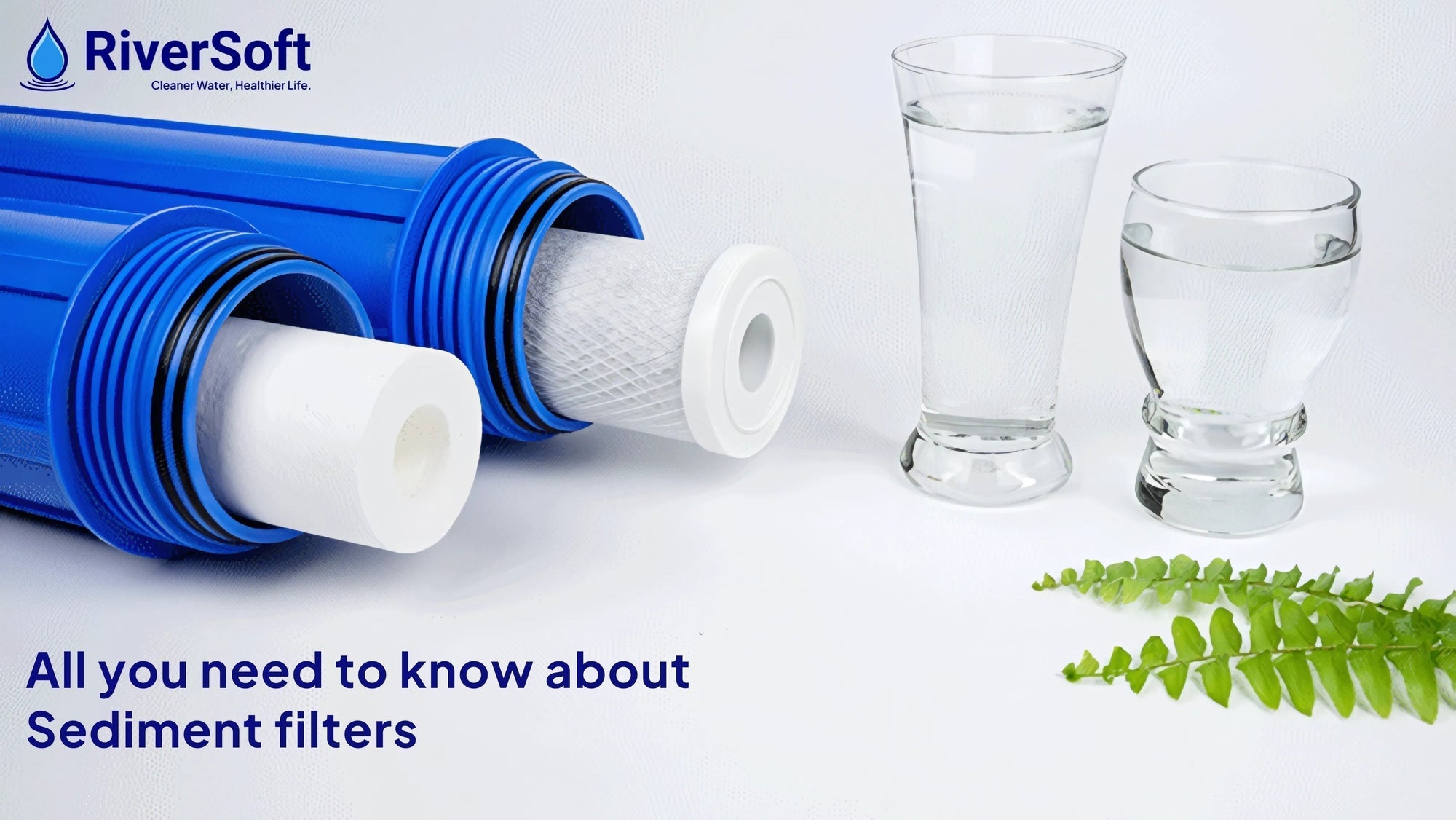
Semi-Transparent Body: Has a transparent outer body that provides clear visibility of the cartridge. You can easily monitor sediment buildup and change the cartridge to ensure consistent water purification.
-
Solid Body: Built to handle high-pressure systems. It’s the go-to choice for homes with heavy-duty pumps or borewell connections where the water pressure is too high for a standard pre-filter.
|
Feature |
Semi-Transparent Body |
Solid Body |
|
Pressure Handling |
Suitable for normal pressure |
Withstand high water pressure |
|
Maintenance Check |
Visual monitoring |
Time-based replacement |
|
Build |
Standard housing |
Heavy-duty housing |
3 Types of RO Pre-Filter Cartridges
-
Spun Cartridge – Best suited for municipal water with moderate sediment. Removes dust, rust, and dirt before they reach and clog the RO membrane.
-
MLT Cartridge – Works well for mixed water conditions. Removes sediment, sand, rust, and suspended solids from liquids to improve overall water quality.
-
Yarn Cartridge – Built for high-sediment water sources like borewell supply. Best for monsoon when groundwater carries higher levels of impurities.
Both the solid body and semi-transparent body can support all three cartridge types.
So choosing the right cartridge depends on two things: the water pressure and the level of sediment and chlorine in your water supply.
Not sure which prefilter is right for your home?
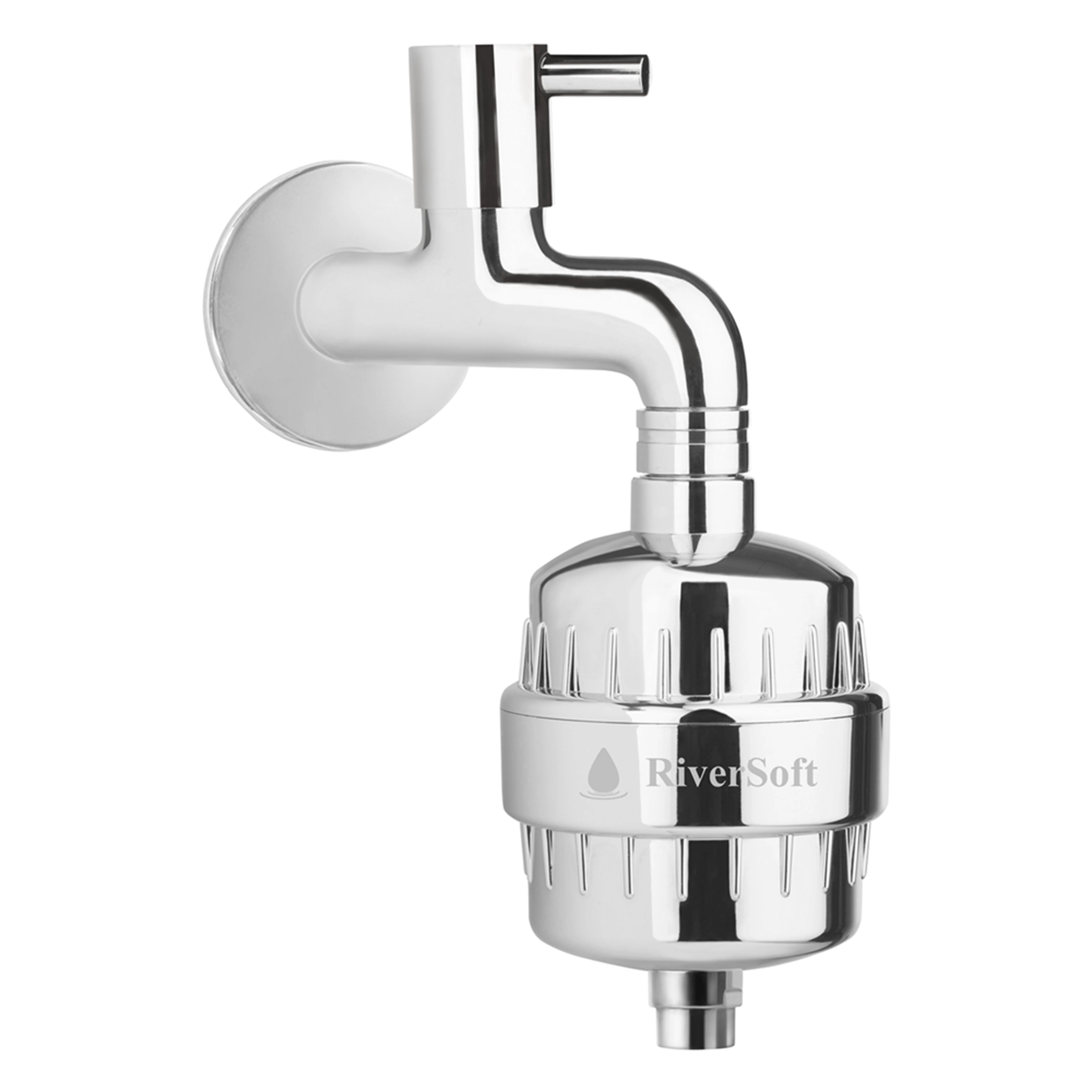
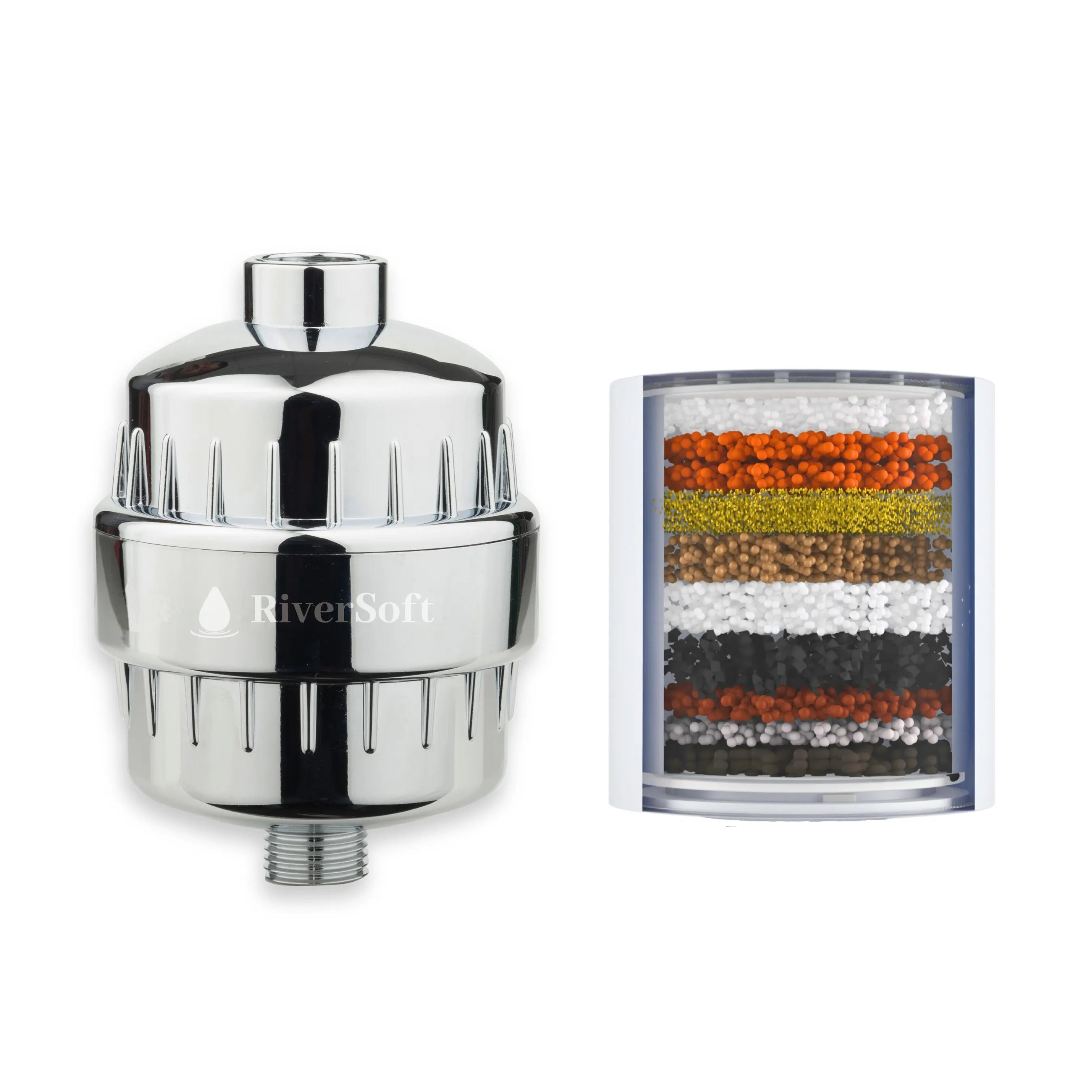
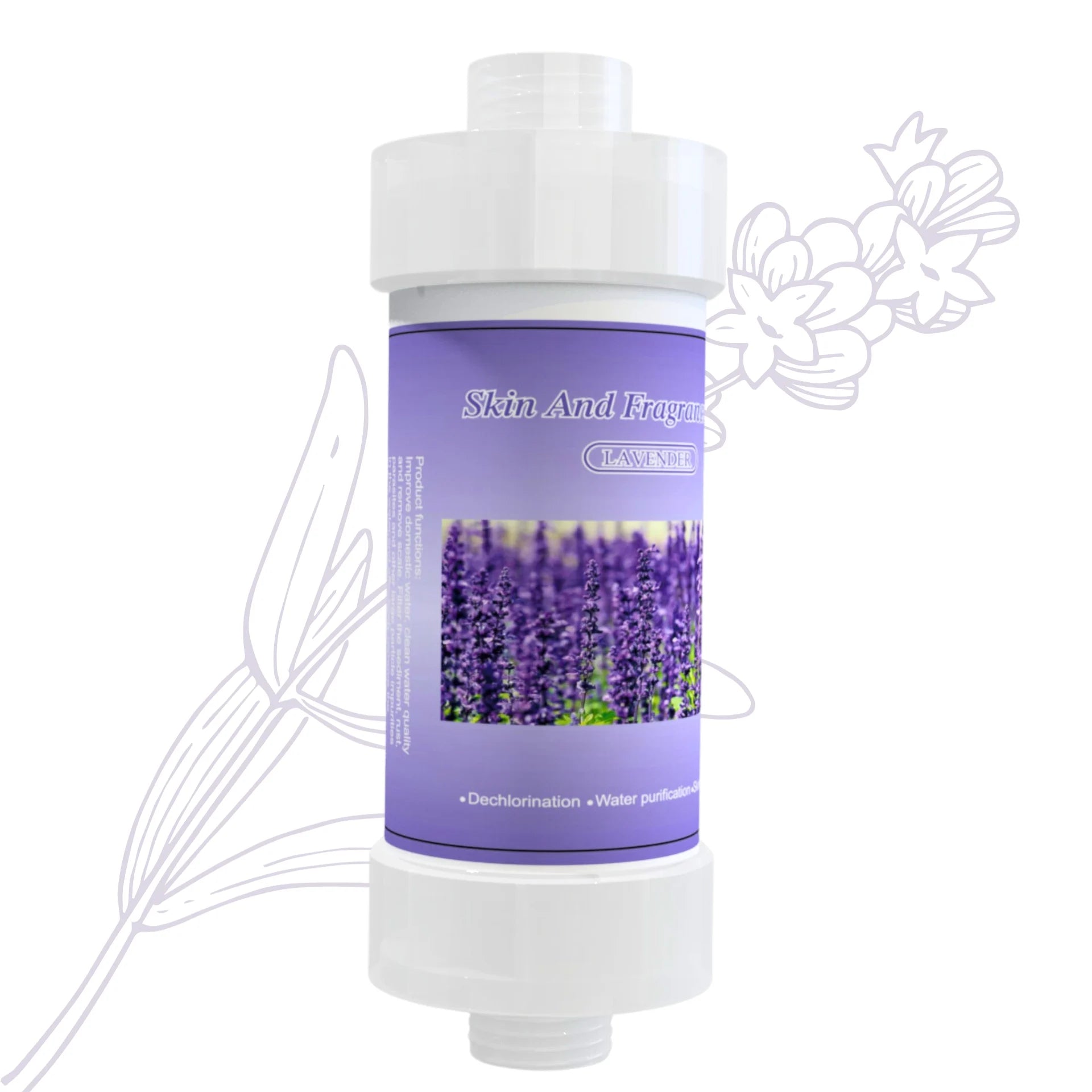
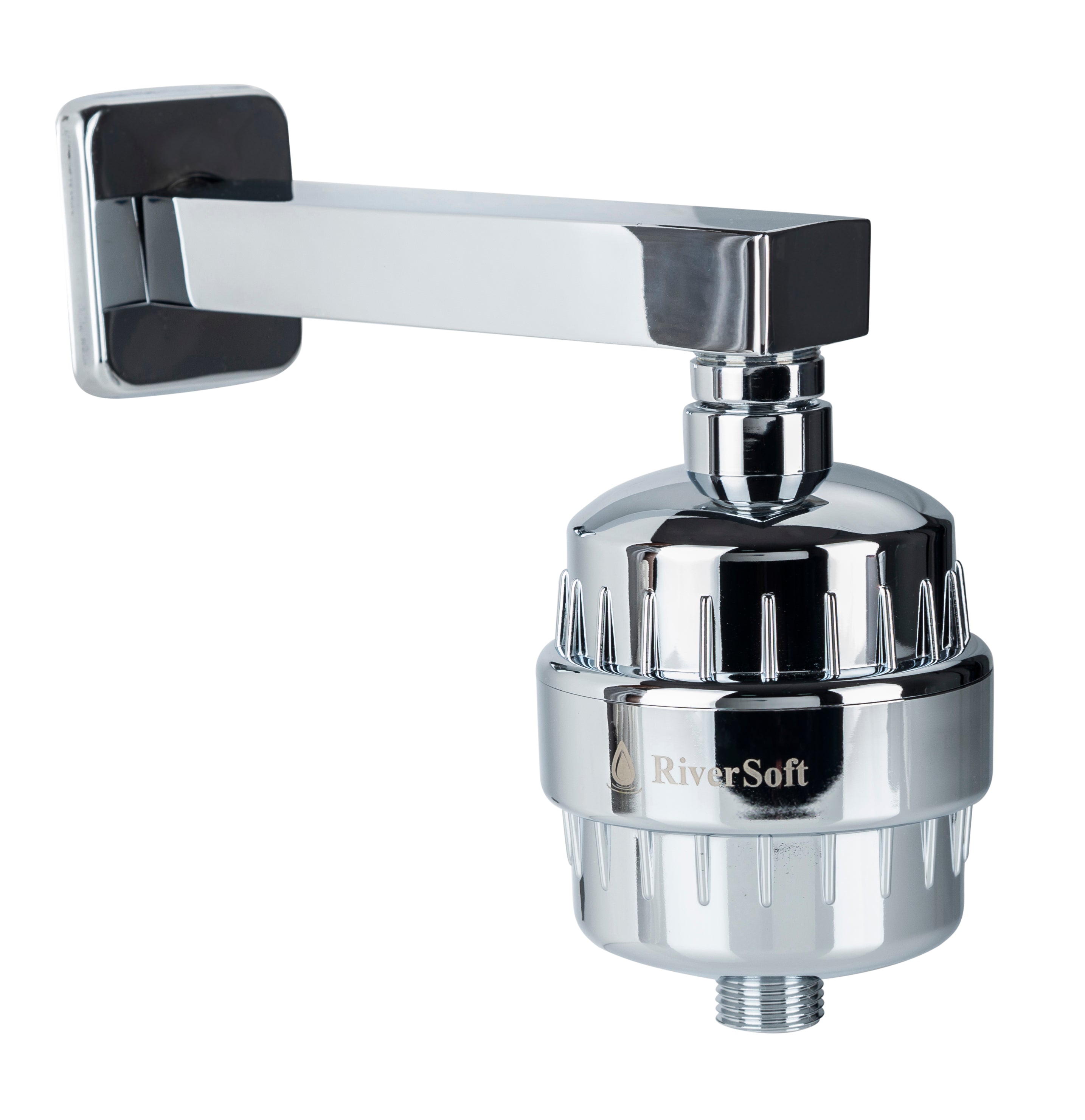
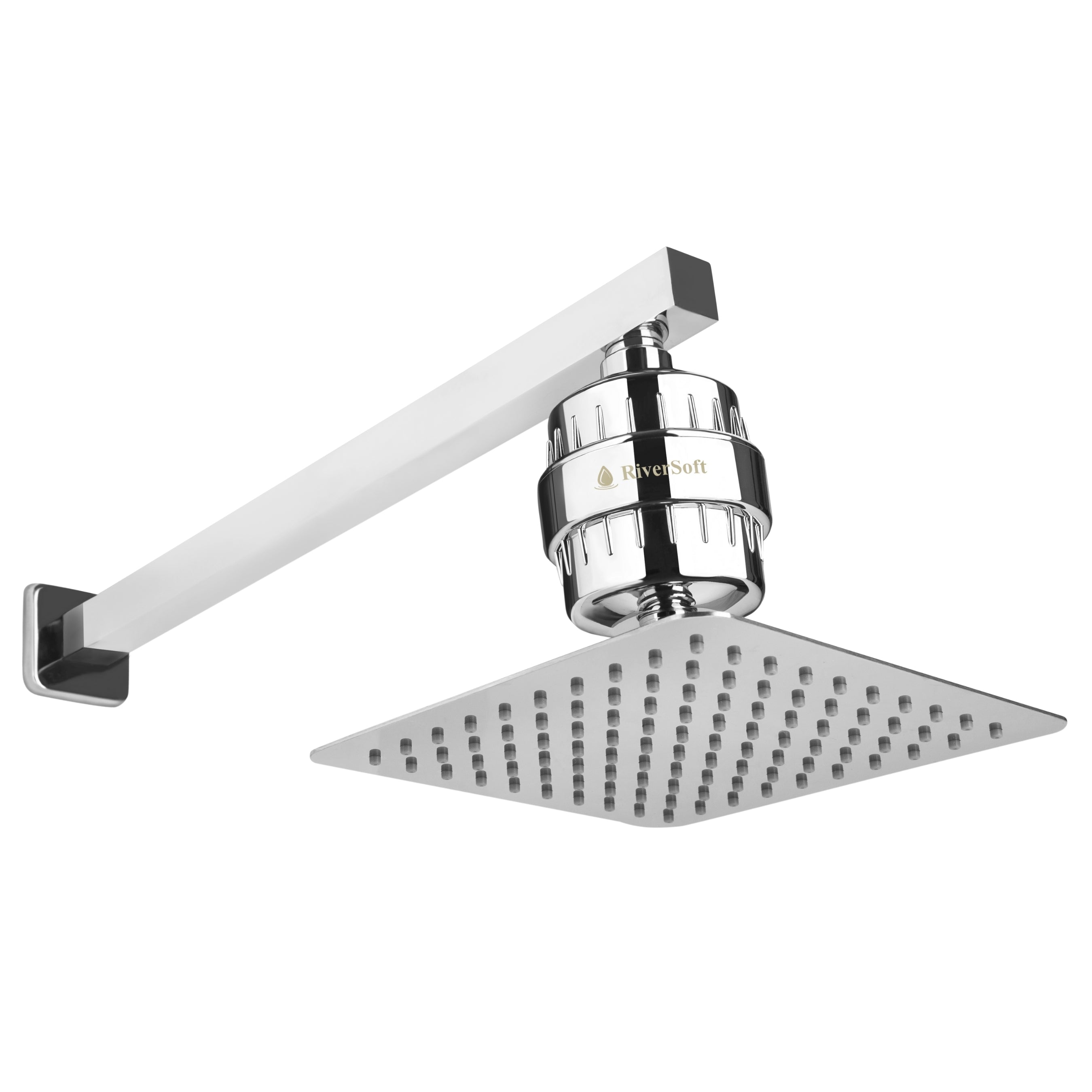
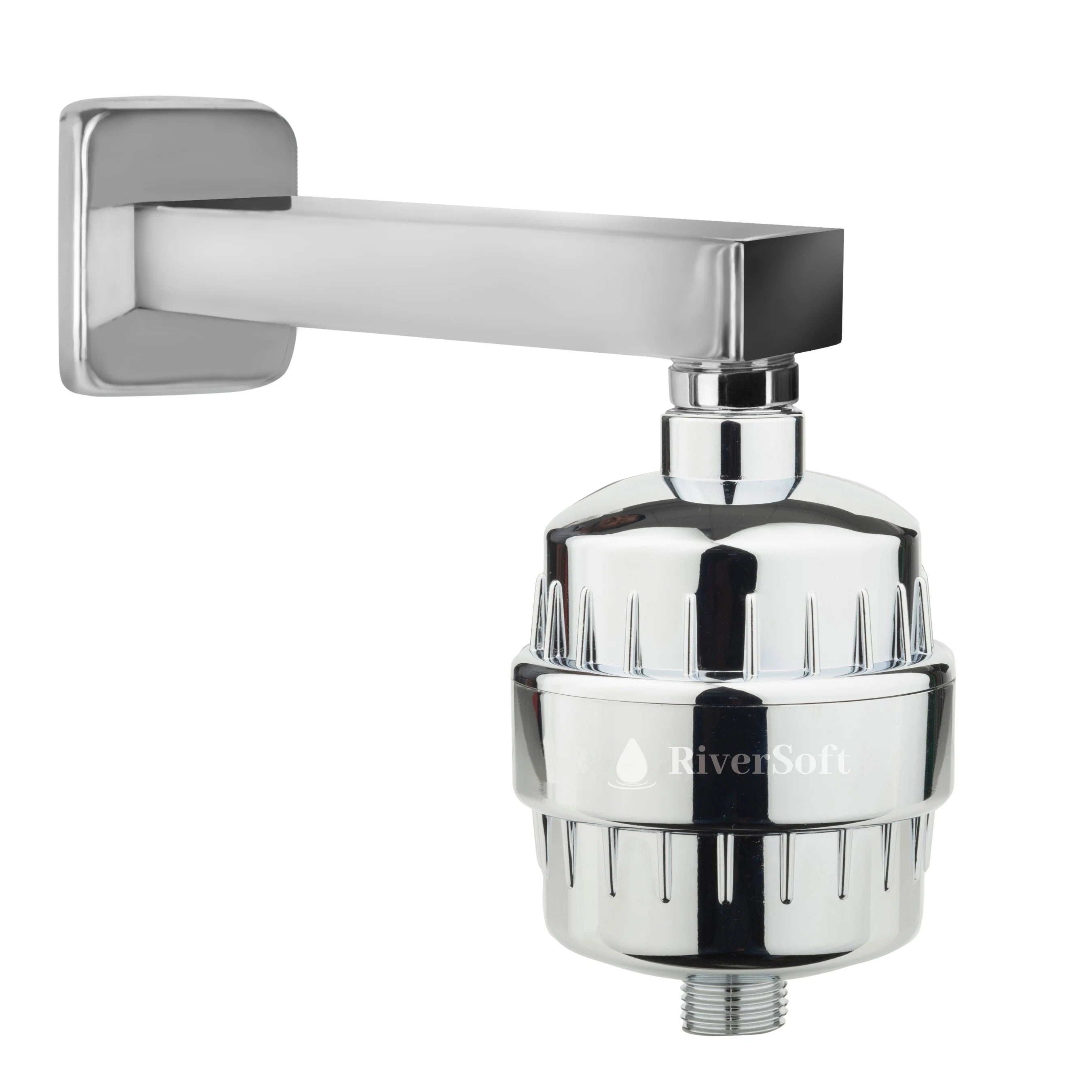
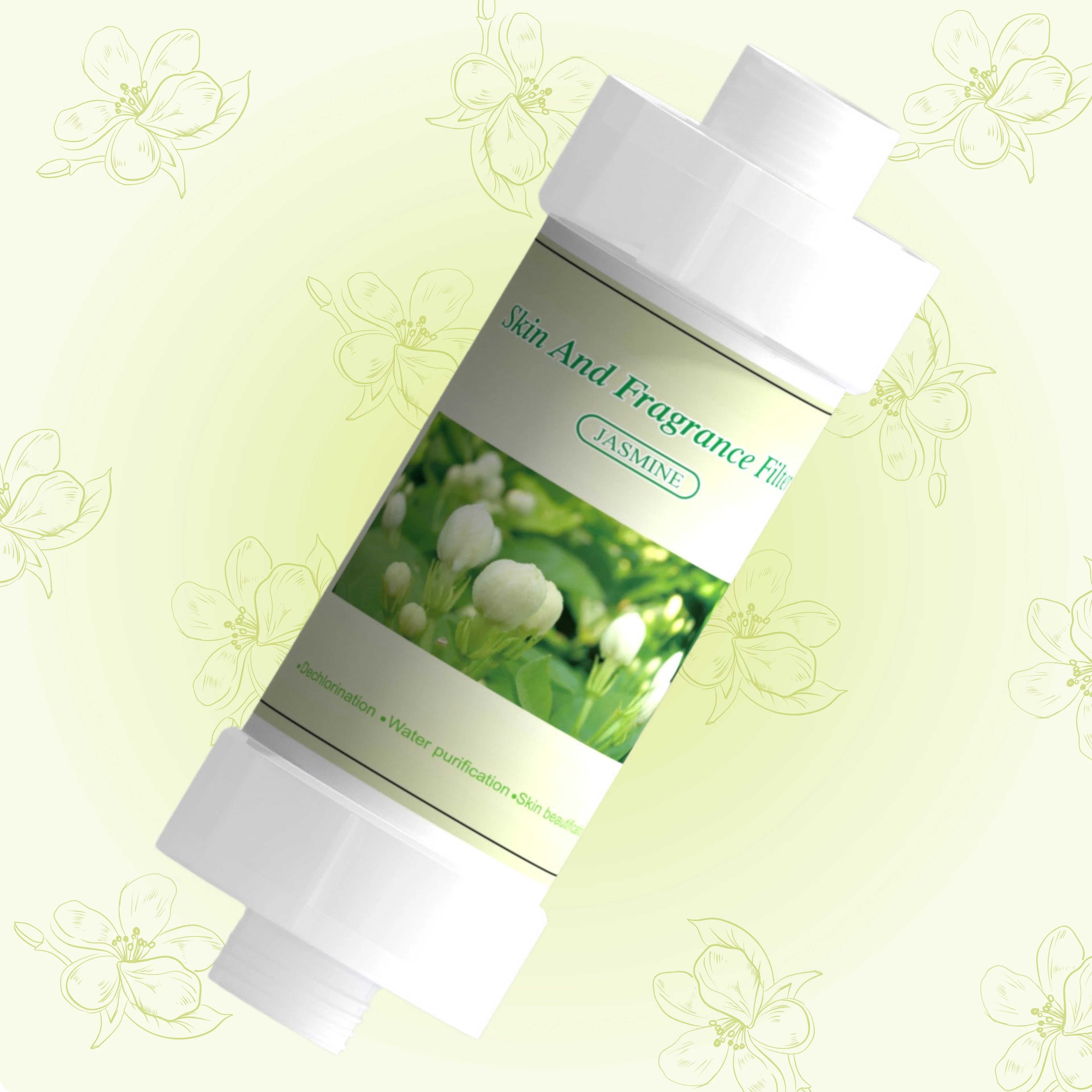
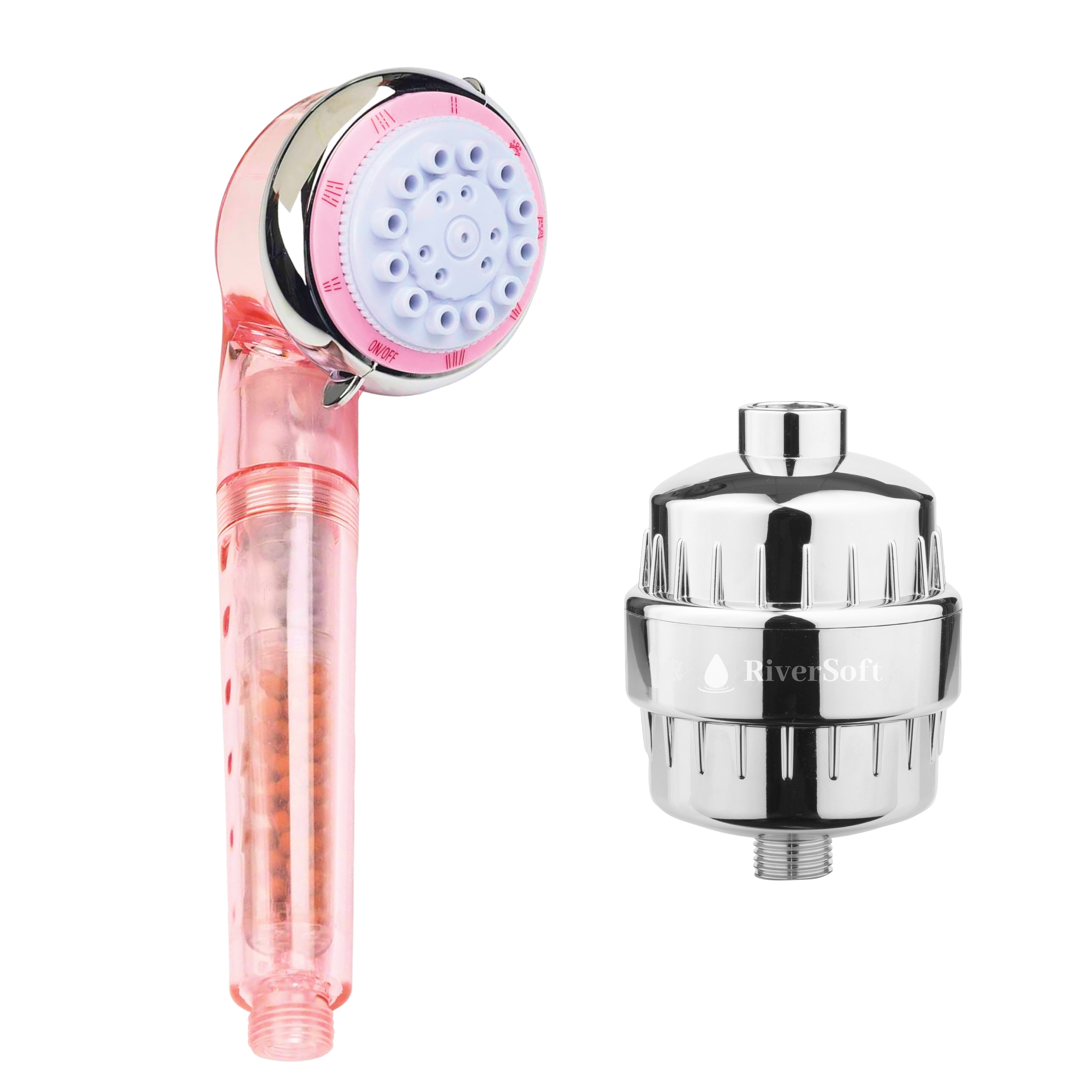
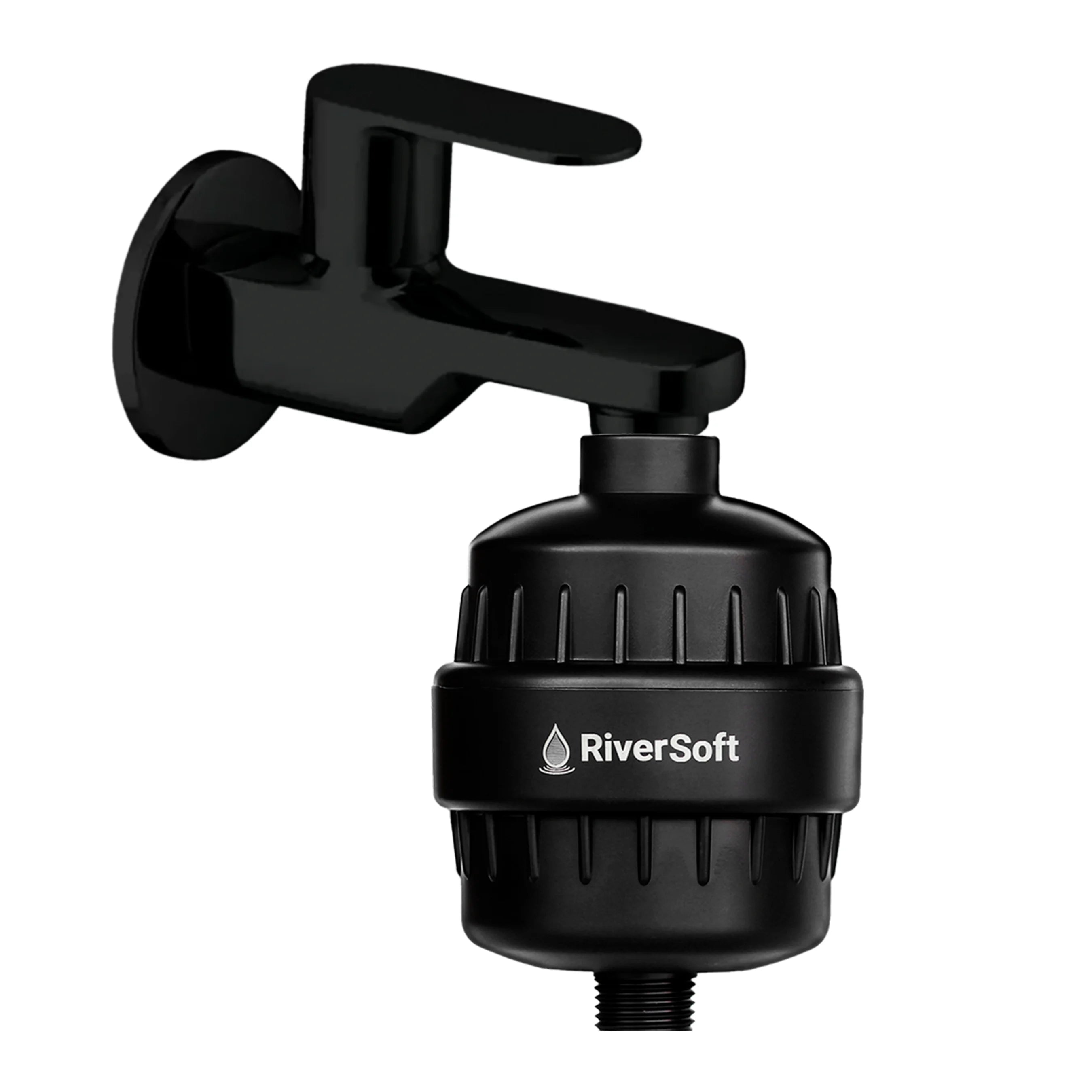
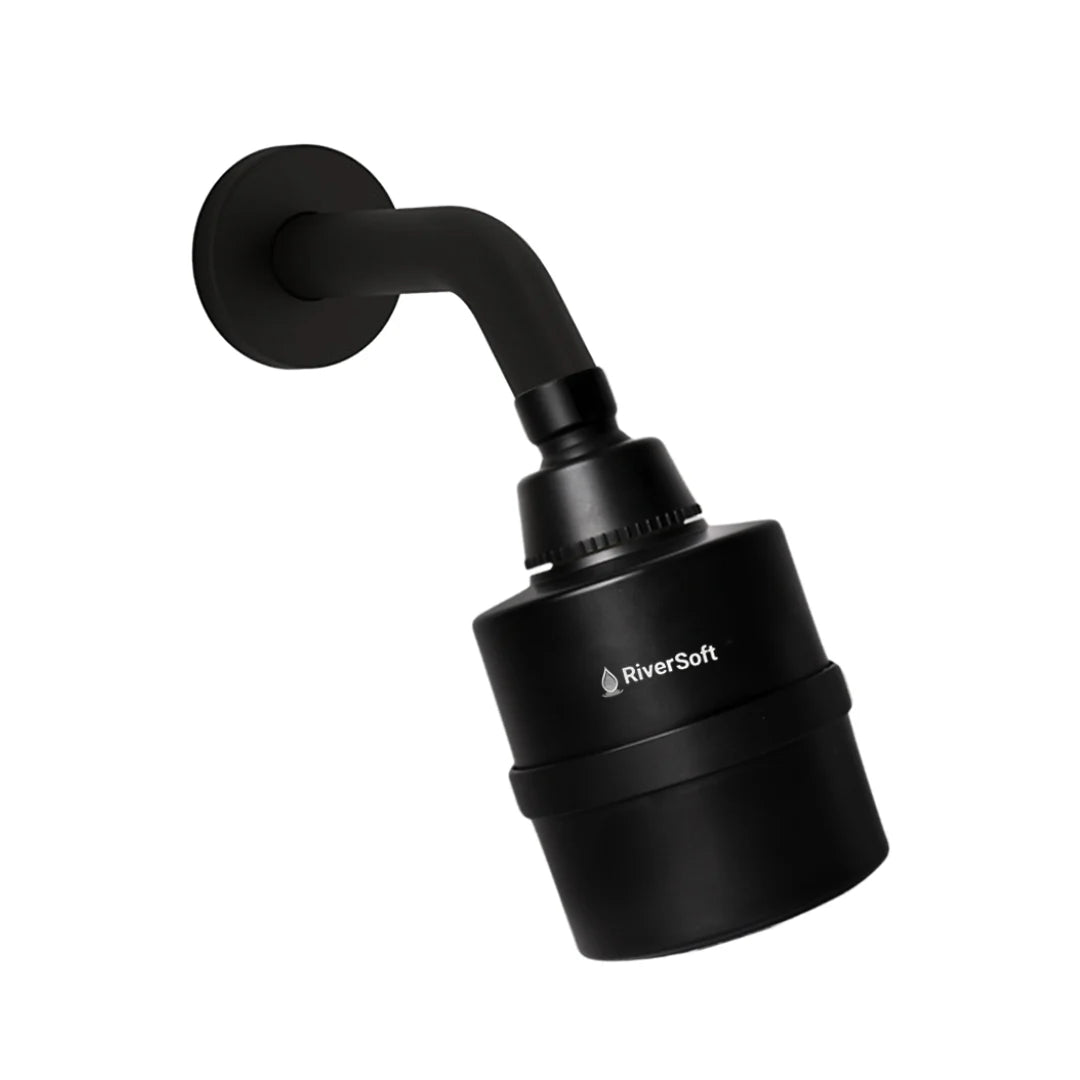
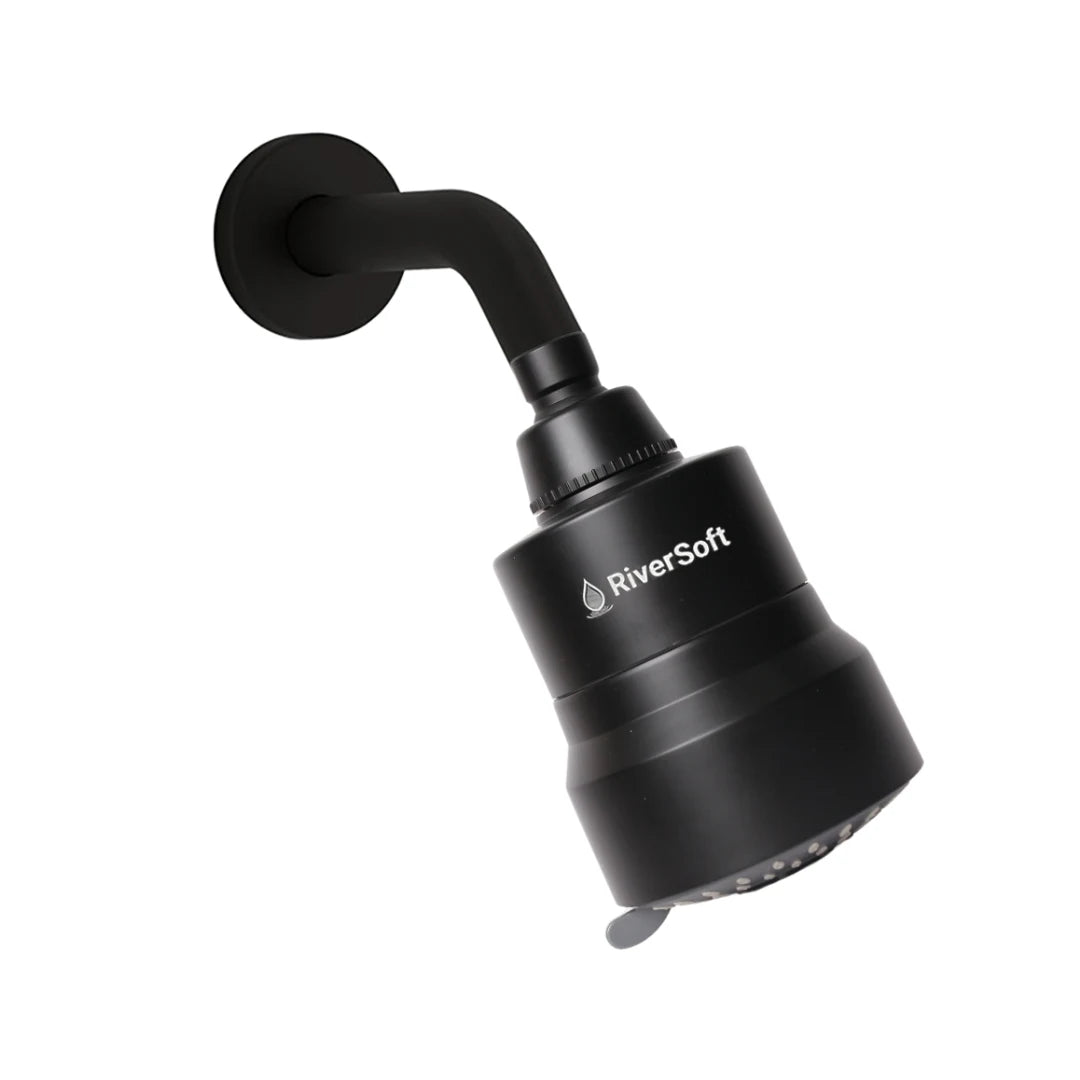
Explore RiverSoft’s range of prefilters designed for Indian water conditions.
Conclusion
An RO membrane is designed to remove dissolved salts and heavy metals, but cannot handle sand, rust, or silt.
In Indian homes, these impurities are almost unavoidable due to ageing pipelines, overhead tanks, and borewell water supply.
That’s why installing a prefilter is essential. It acts as the first layer of protection, prevents RO membrane damage, improves performance, and saves you from spending thousands on frequent replacements and expensive repairs.




























Leave a Comment