

If your water looks clear, has no smell, and no visible particles, then it must be safe, right?
Not quite.
According to a report by the Bureau of Indian Standards, water samples from 13 major state capitals failed multiple safety parameters - even when the water looked completely clean.
In this blog, we'll walk you through why clear water isn't always clean, the hidden signs of poor water quality, and a simple solution most people overlook.
How Does Clear Water Still Get Contaminated?
Municipal water is treated at the source to meet basic safety standards. But the real problem starts after that. As water travels through the city pipelines, it often passes through old, rusted pipes, picking up sediments, rust, and metal particles along the way. By the time it reaches your home, it is stored in overhead tanks, where stagnation can increase bacterial growth within just 4-7 days.
On top of that, in most urban and semi-urban areas, hard water adds another layer to the problem. Since calcium and magnesium minerals are not treated at the municipal level, they travel through every pipe and storage tank and end up damaging your skin and hair.
The bottom line?
Even clear-looking water carries a hidden mix of contaminants between the treatment plant and your bathroom.
What Are the Signs of Poorly Filtered Bathroom Water?
You can’t judge water quality by looking at it alone. The difference shows up on your skin, your hair, and your bathroom walls. Here are the signs to look for:
-
Skin Feels Tight After Bathing: Hard water minerals settle on your skin while chlorine strips natural oils. This is why your skin feels dry and uncomfortable after showering.
-
White Deposits on Taps & Tiles: When hard water dries on your taps and tiles, the minerals slowly build into a chalky white crust that makes your bathroom dirty.
-
Rough Hair After Conditioning: A mineral film from hard water sits on each hair strand. So, no matter what conditioner you use, it cannot get through that mineral layer.
-
Shampoo Not Lathering: Hard water minerals react with shampoo and prevent it from foaming properly. As a result, you end up using more product, yet your scalp still feels unclean.
If any of these sound familiar, your shower water is not as filtered as it should be.
How Does a Shower Filter Cartridge Protect Skin and Hair?
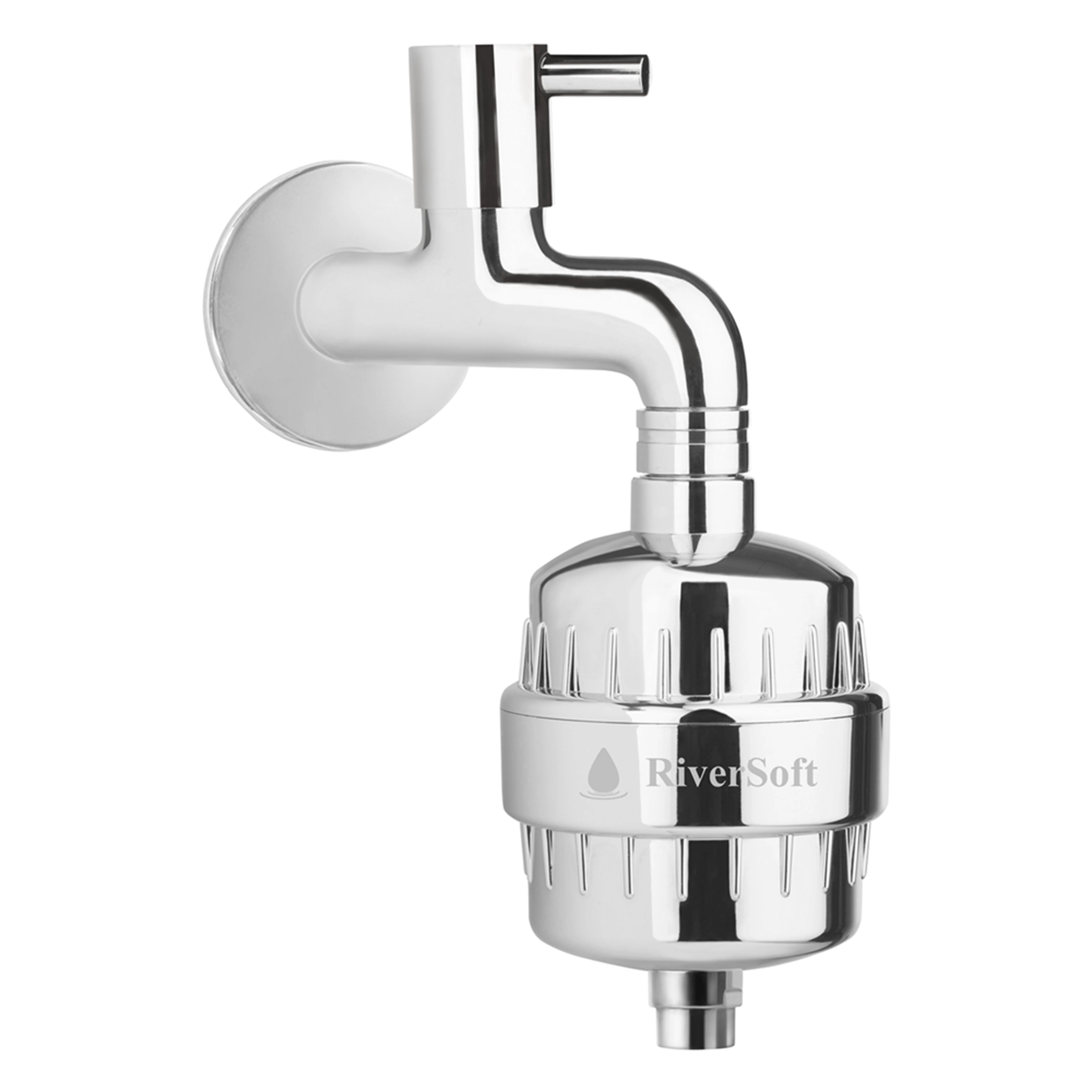
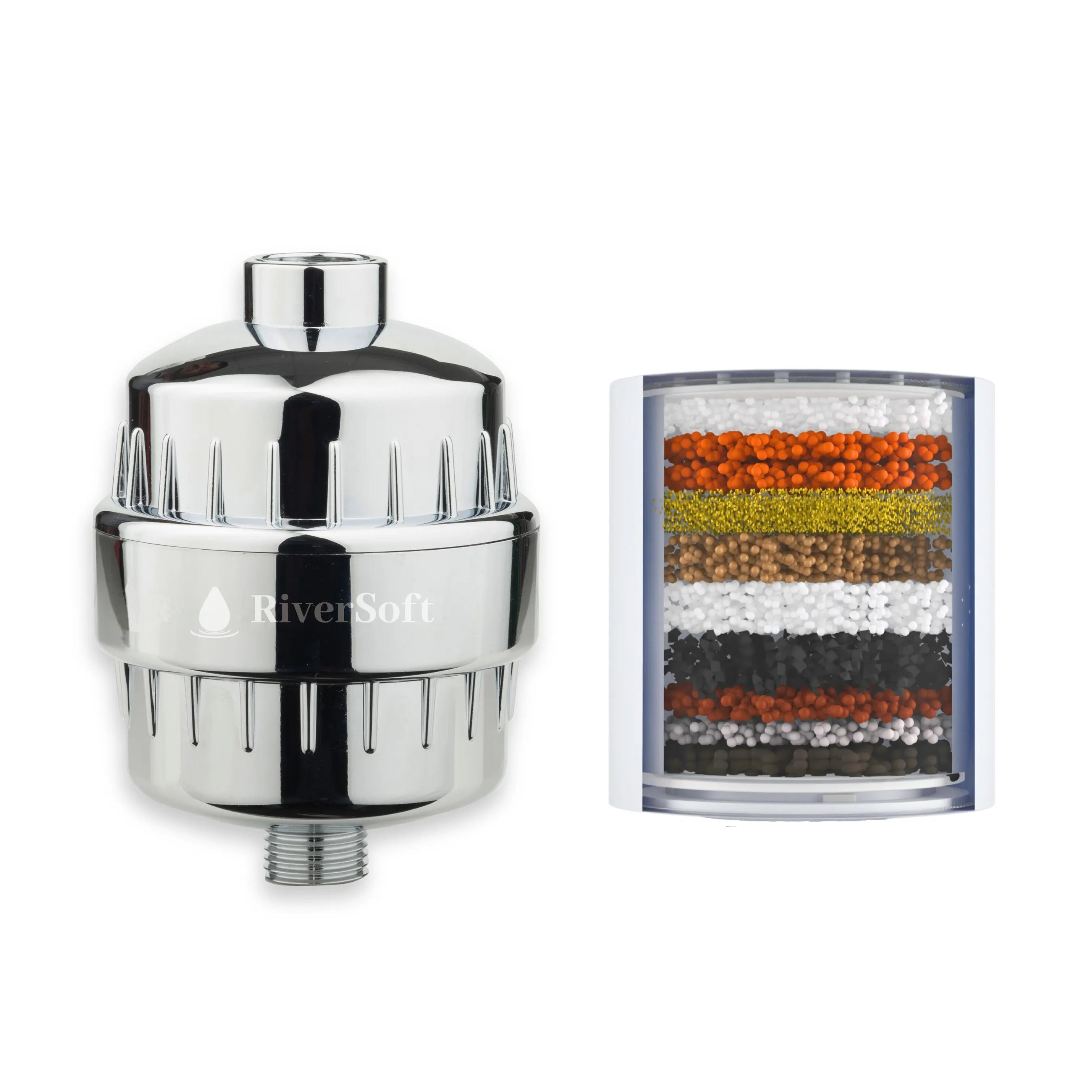
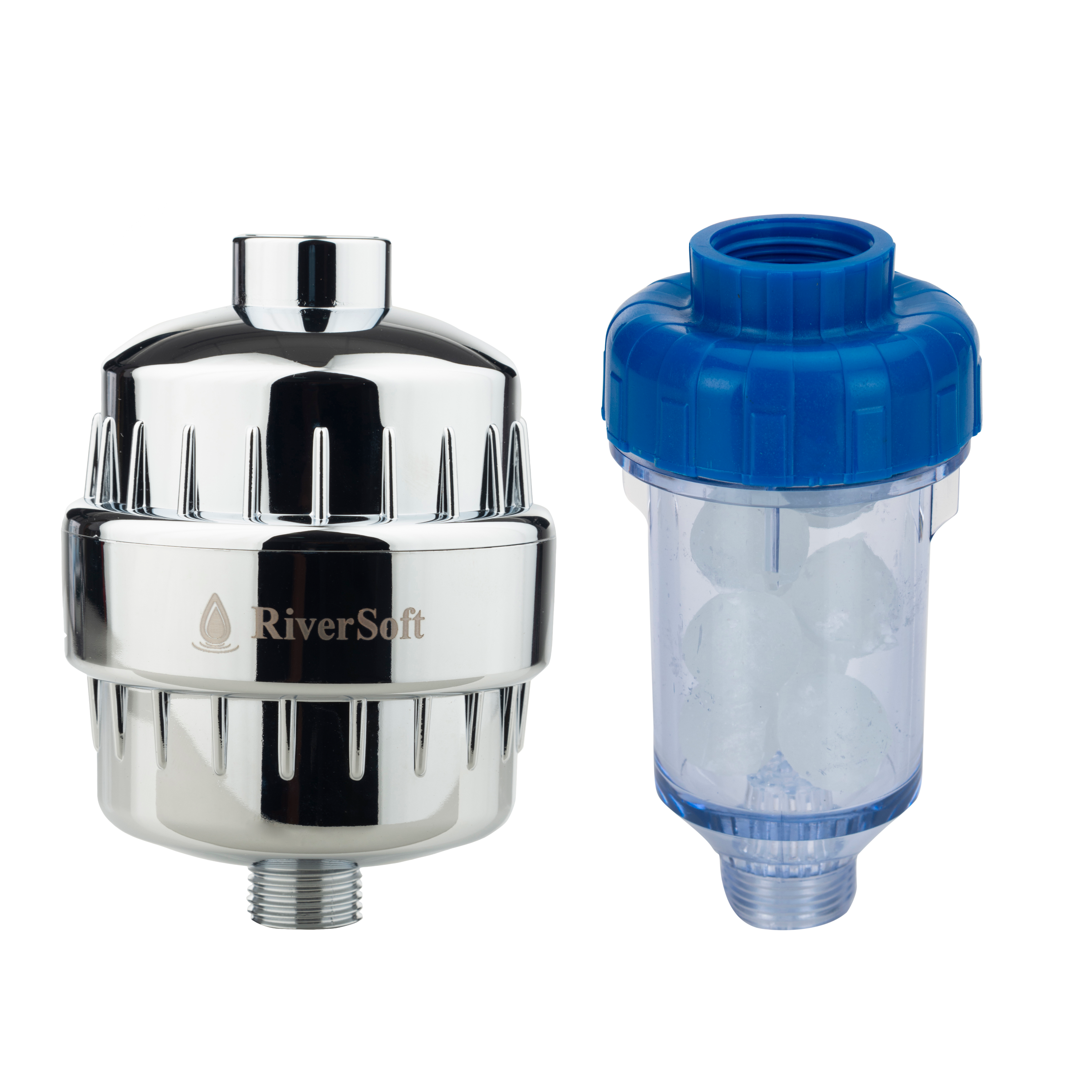
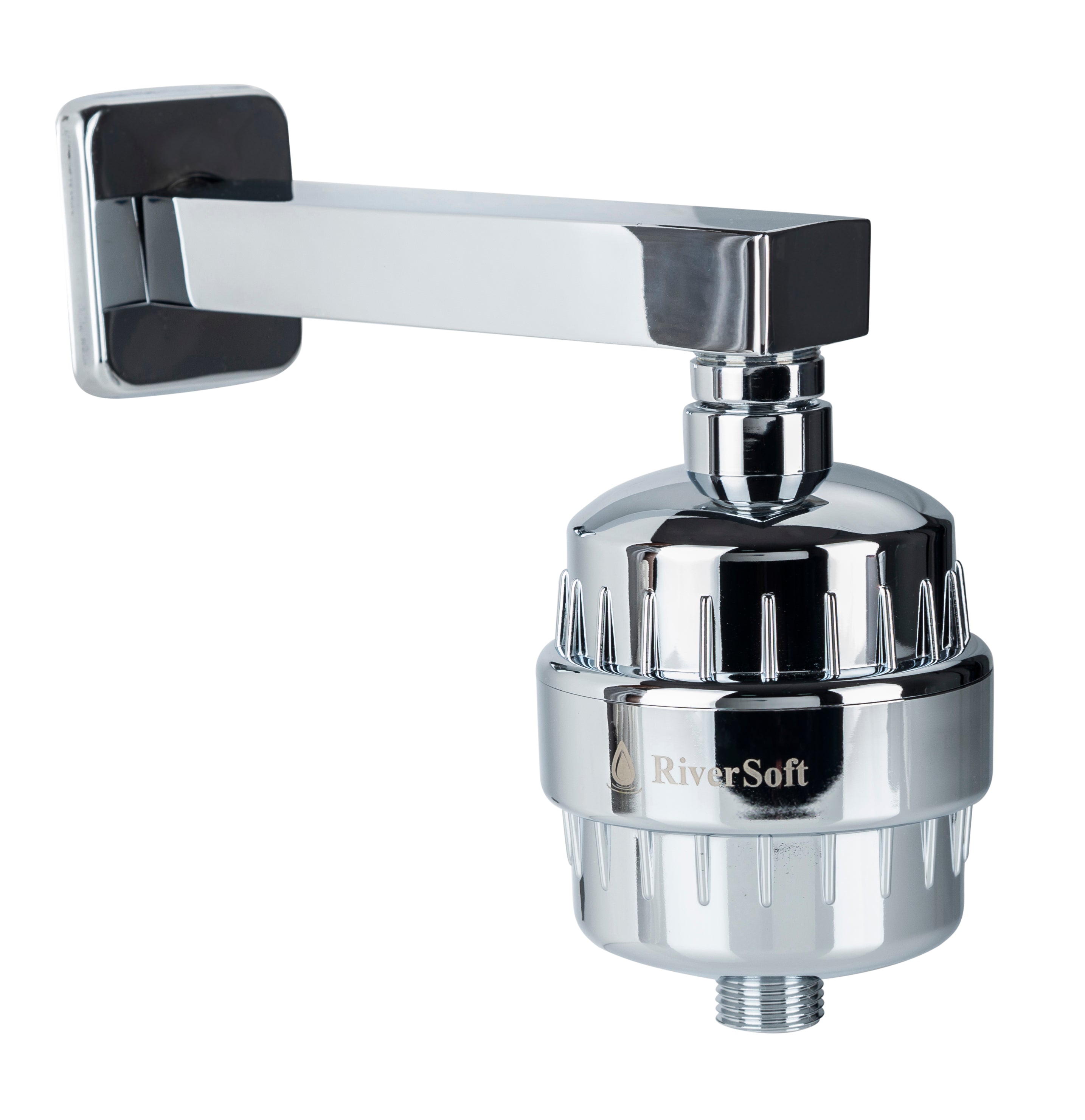
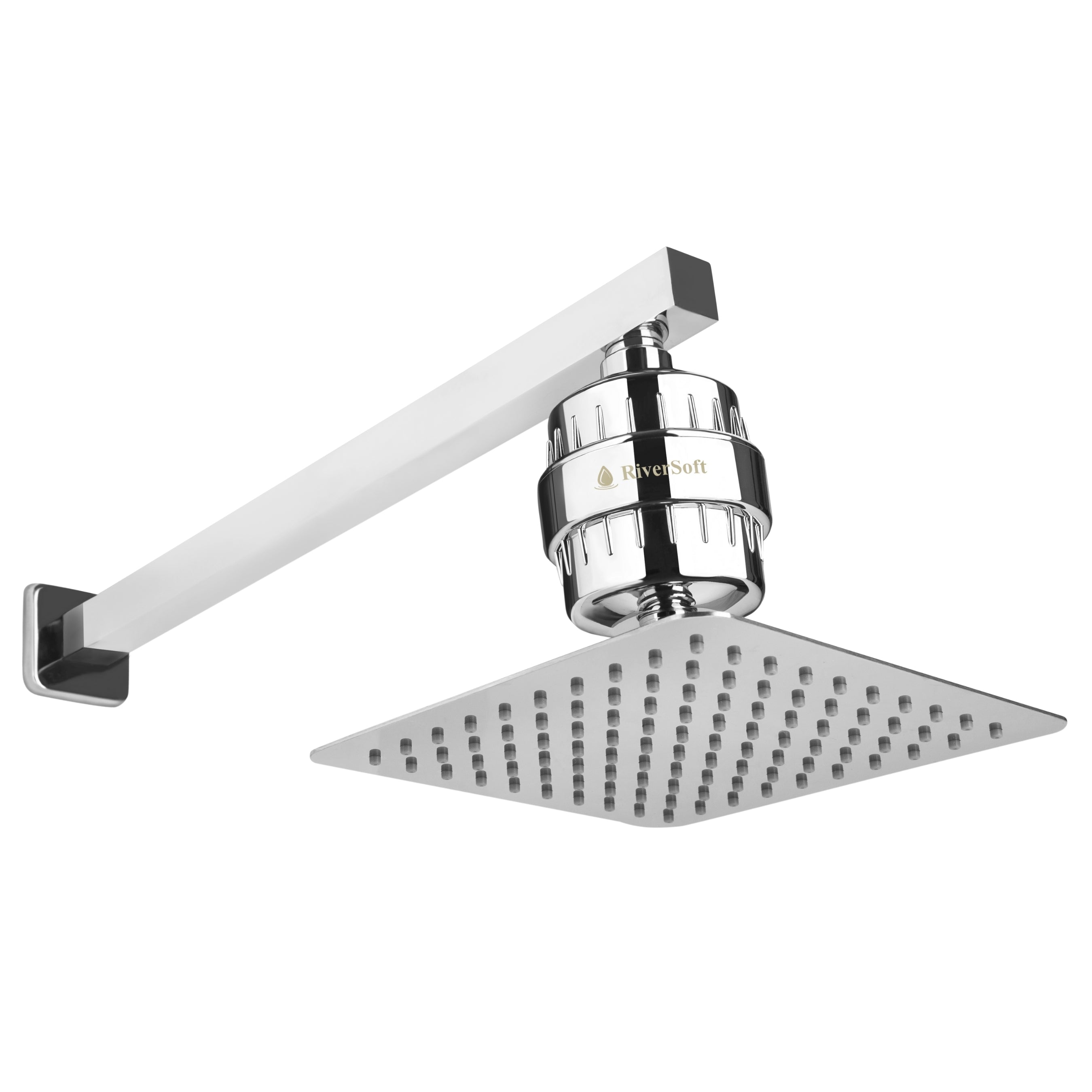
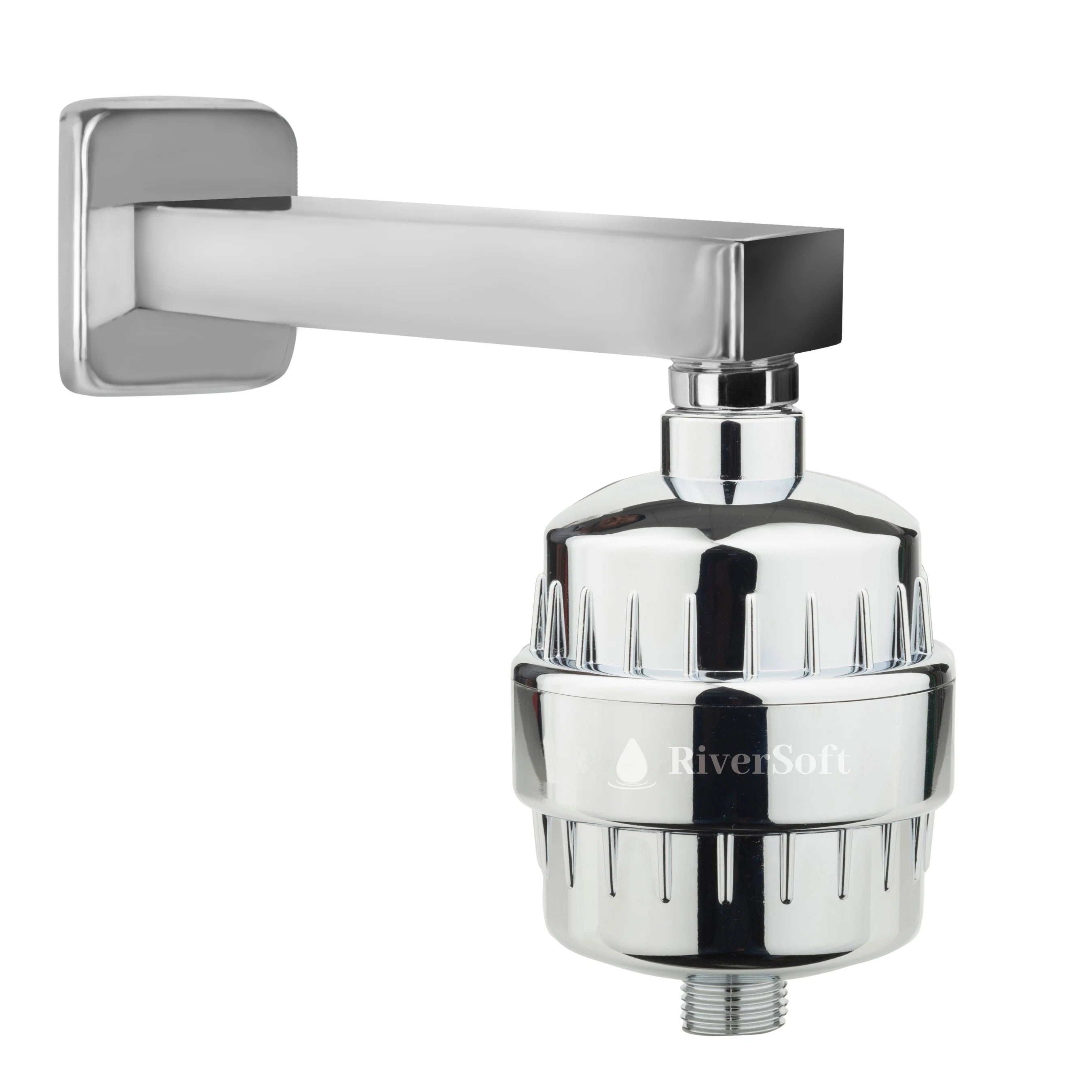
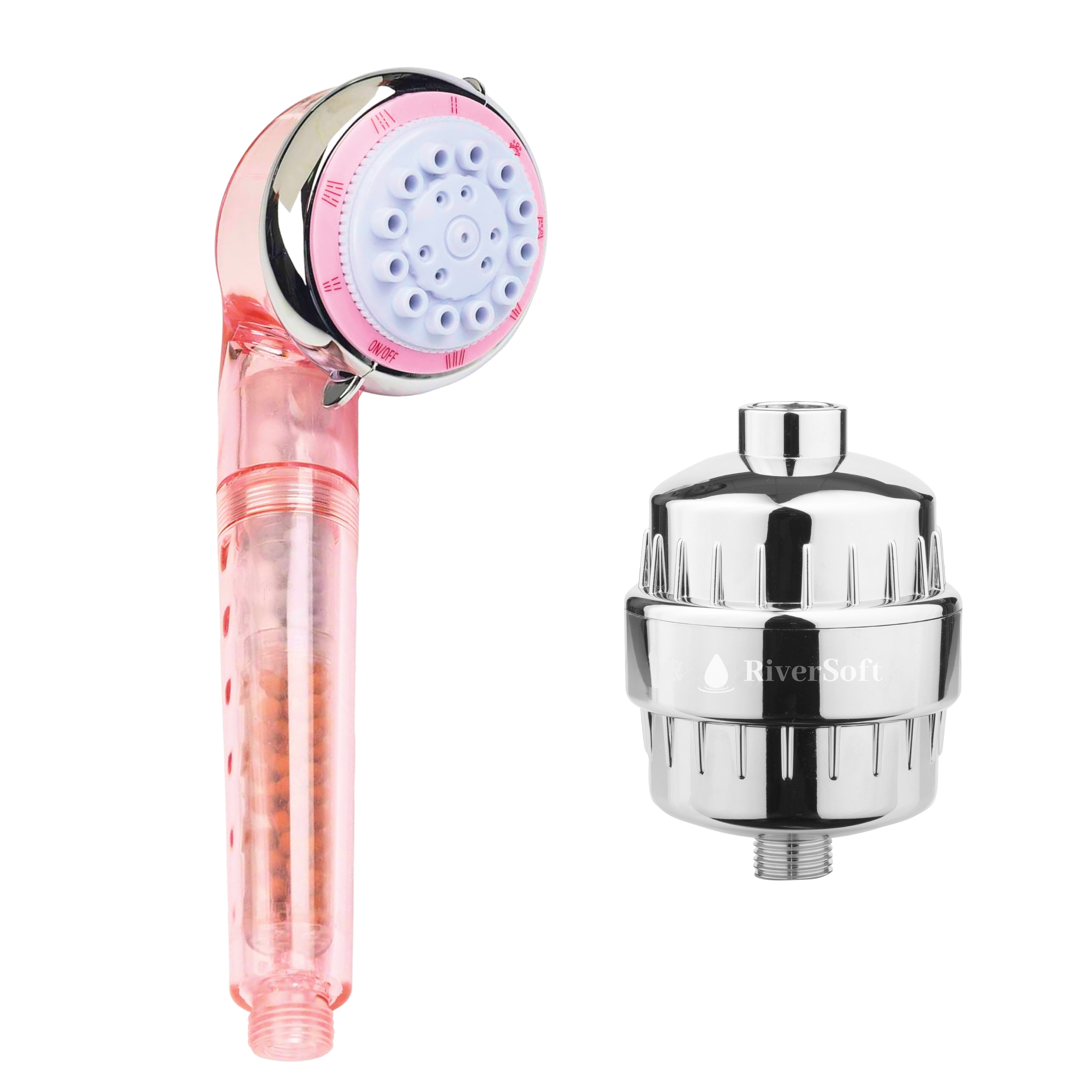
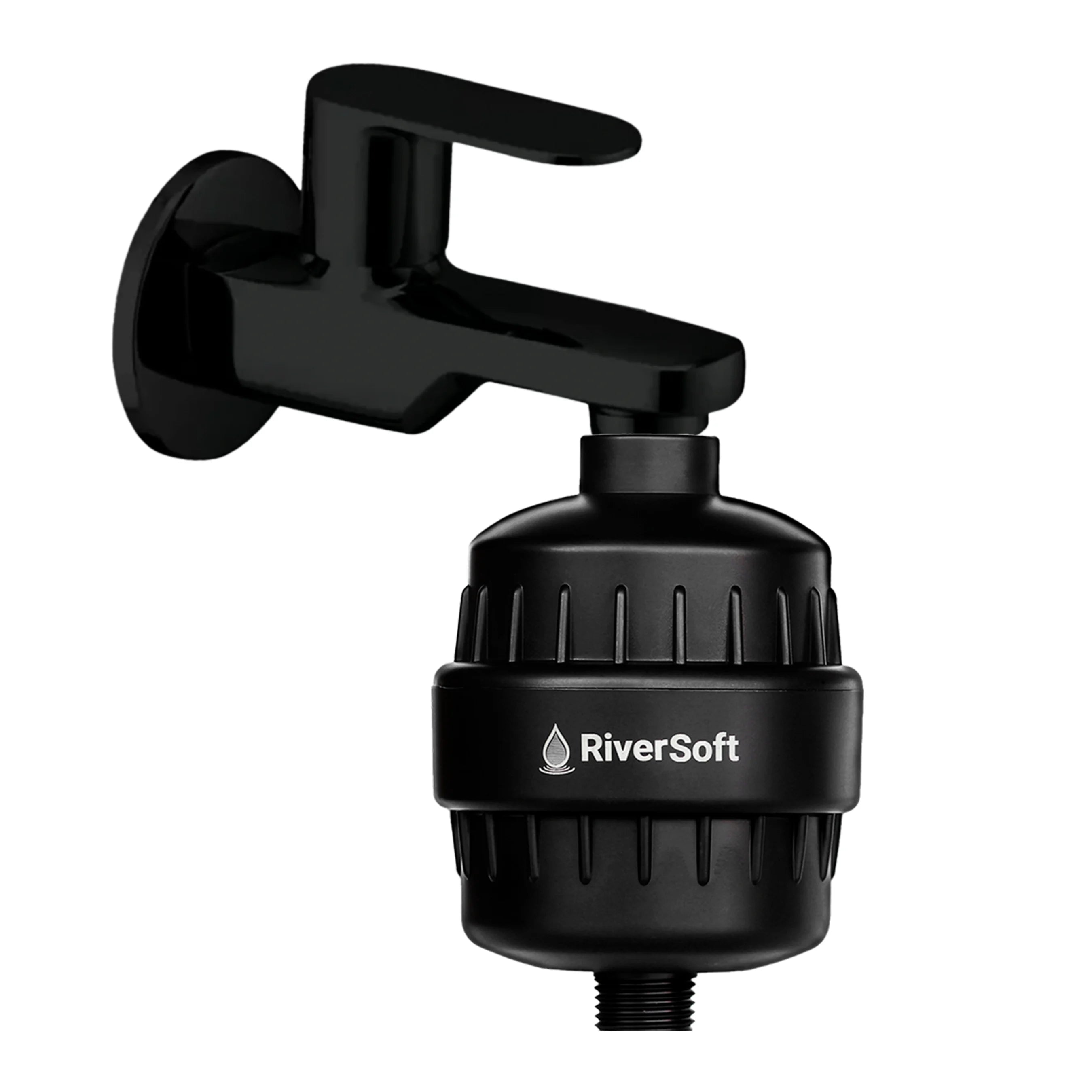
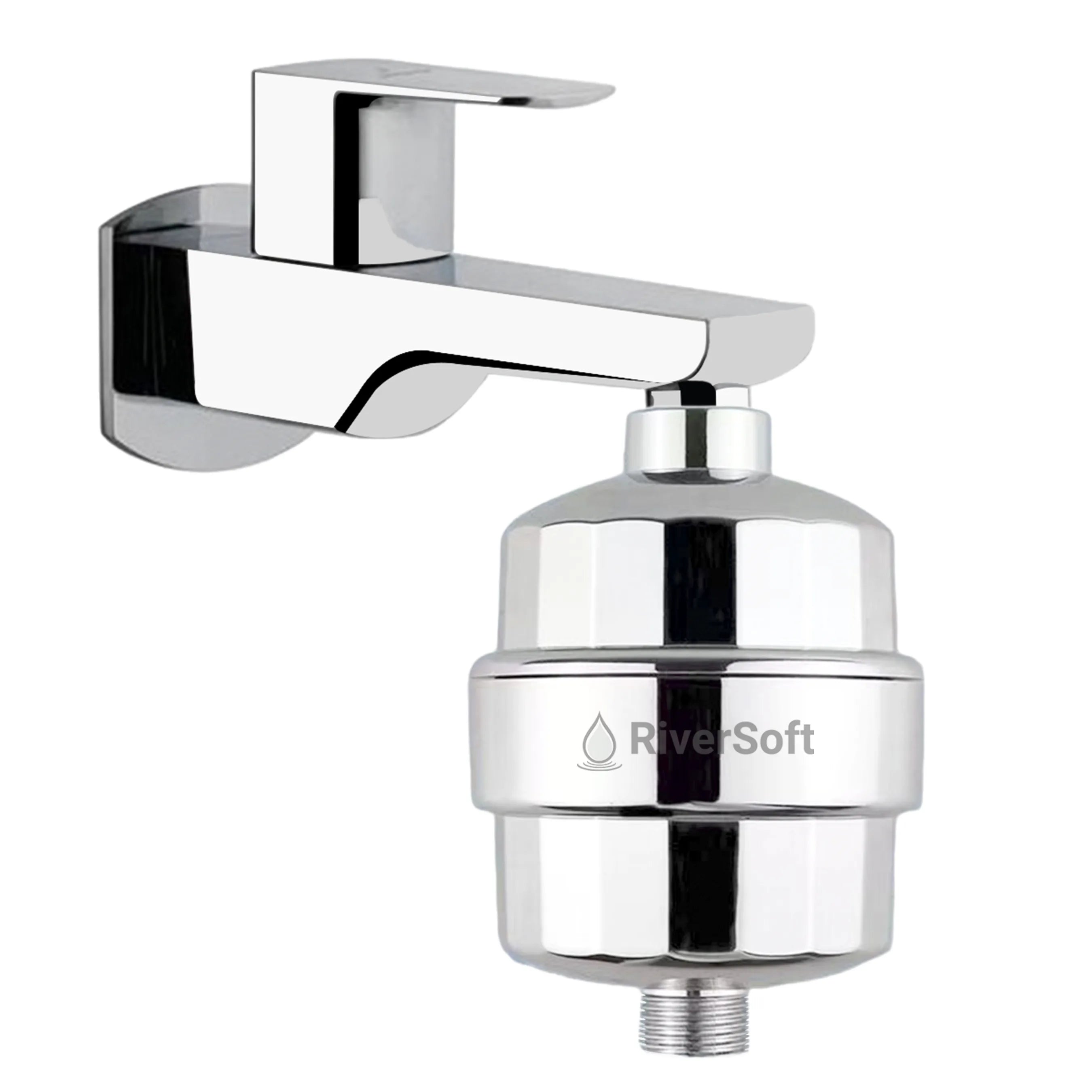
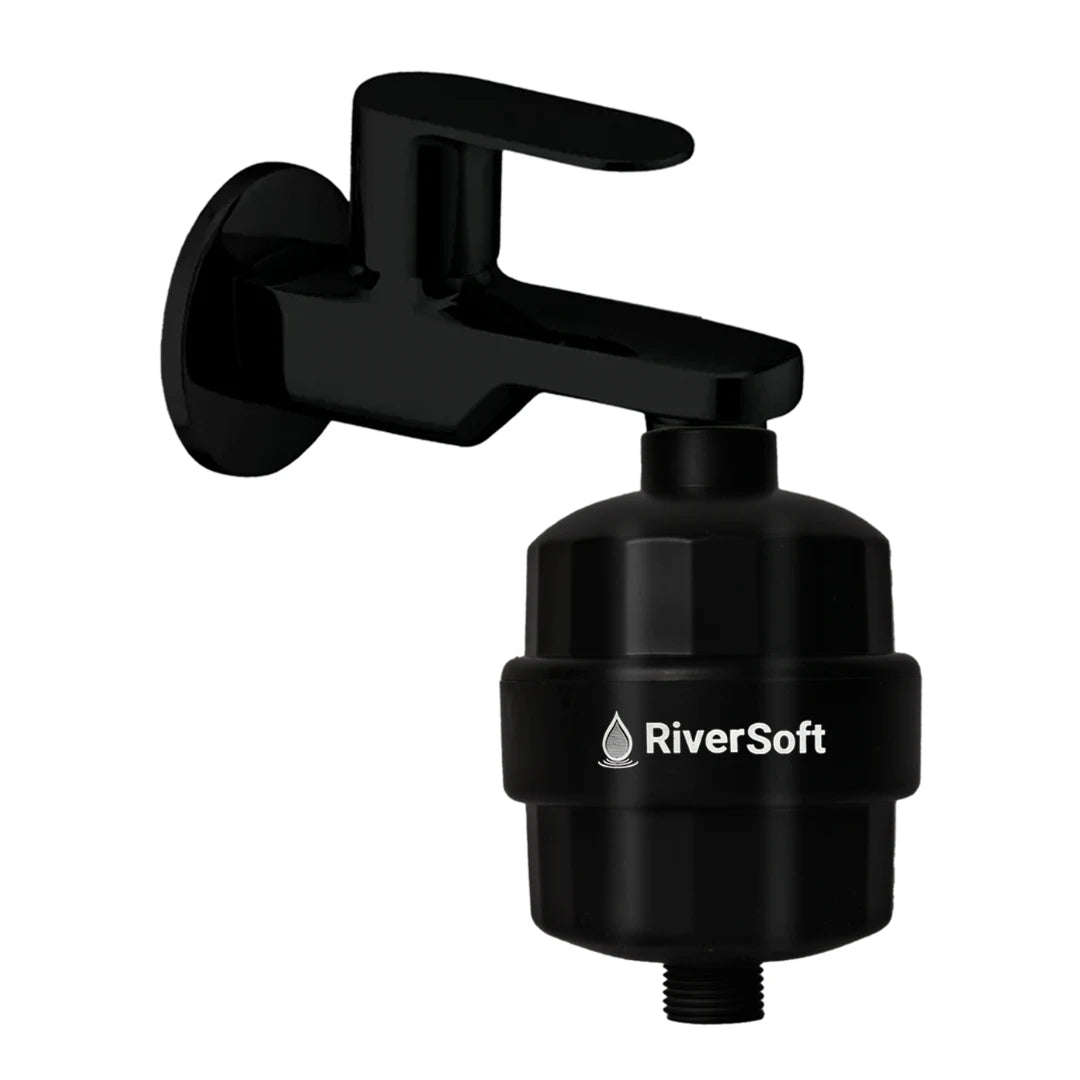
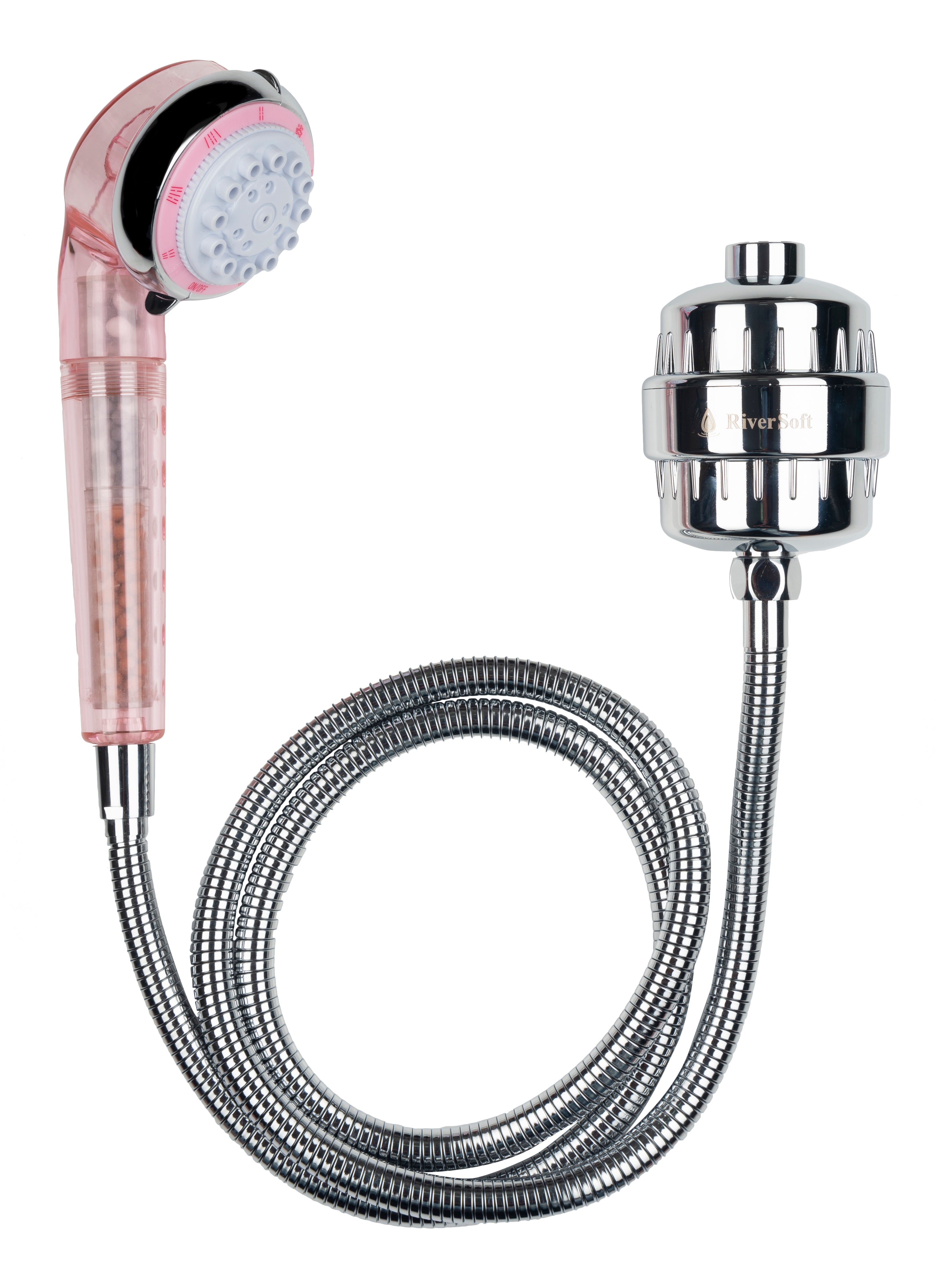
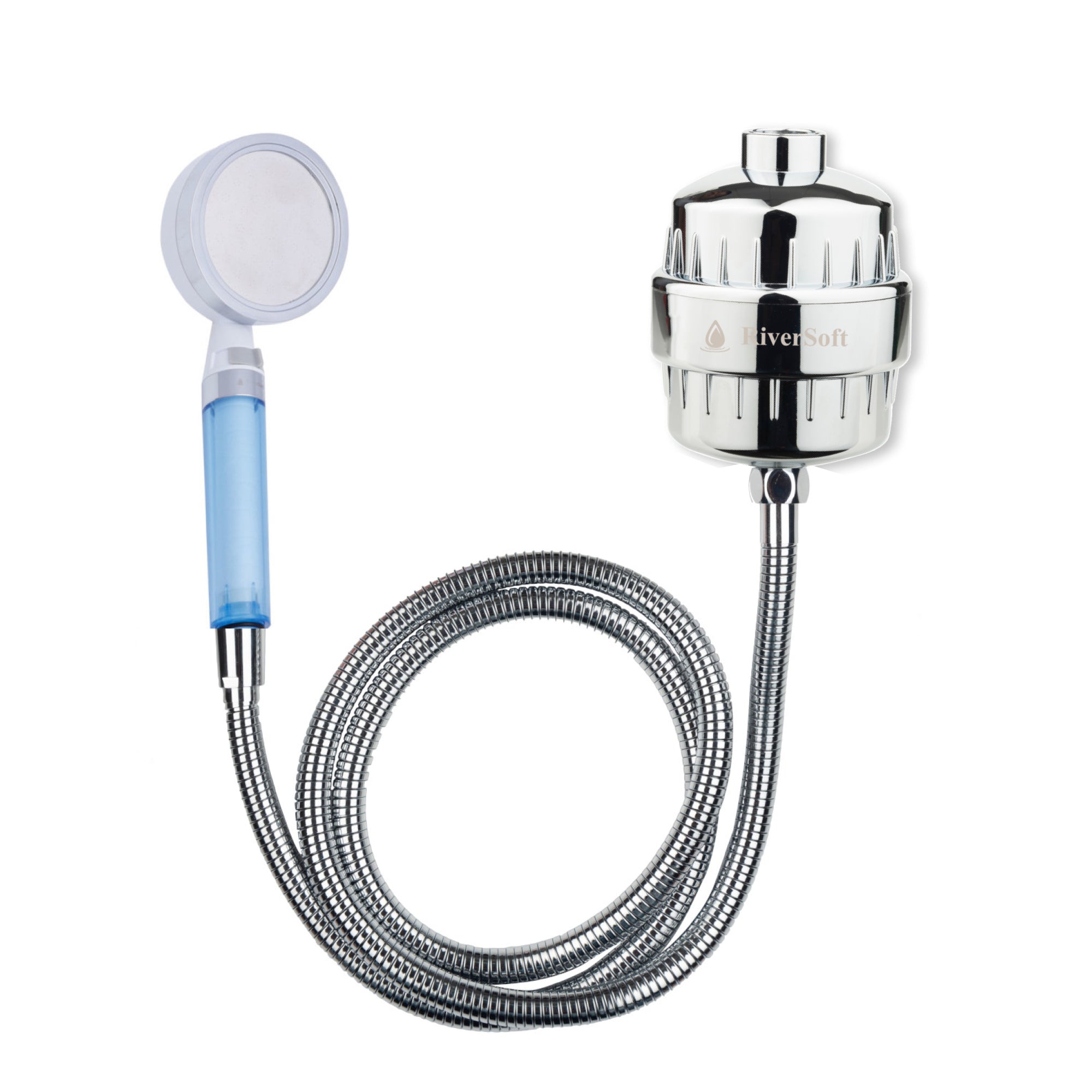
You cannot fix the city's pipelines or building's overhead tank, but you can control the water coming out of your shower. That is exactly where a shower water filter comes in. A good shower filter relies on a replaceable cartridge.
Inside this cartridge, the water flows through a sequence of filtration media designed to trap and neutralise the specific contaminants. This multi-stage process uses specialised layers to address different water quality issues simultaneously:
-
Sediment Filtration Layer: Removes dust, rust, and visible particles from the water.
-
Chlorine Removal Layer: Neutralises chlorine and improves overall water quality.
-
Hard Water Conditioning Layer: Helps reduce the harsh effects of hard water on skin and hair.
-
Odour Reduction Layer: Reduces unpleasant smells and residual impurities for fresher water.
Every cartridge has a fixed filtration capacity.
As water passes through, the internal media absorbs and neutralizes contaminants until it is completely exhausted. That is why 4-6 months is the recommended replacement window for typical home usage.
NOTE: If the cartridge isn’t replaced on time, it becomes less effective and may even trap moisture, increasing the risk of bacterial growth. The easiest way to stay on track? Set a quick reminder in your Google Calendar using this link.
Conclusion
Water may look clear, but clean-looking water can also carry rust, hard water minerals, and chlorine. A simple step like installing a shower filter and replacing its cartridge on time can make a noticeable difference in your daily routine.
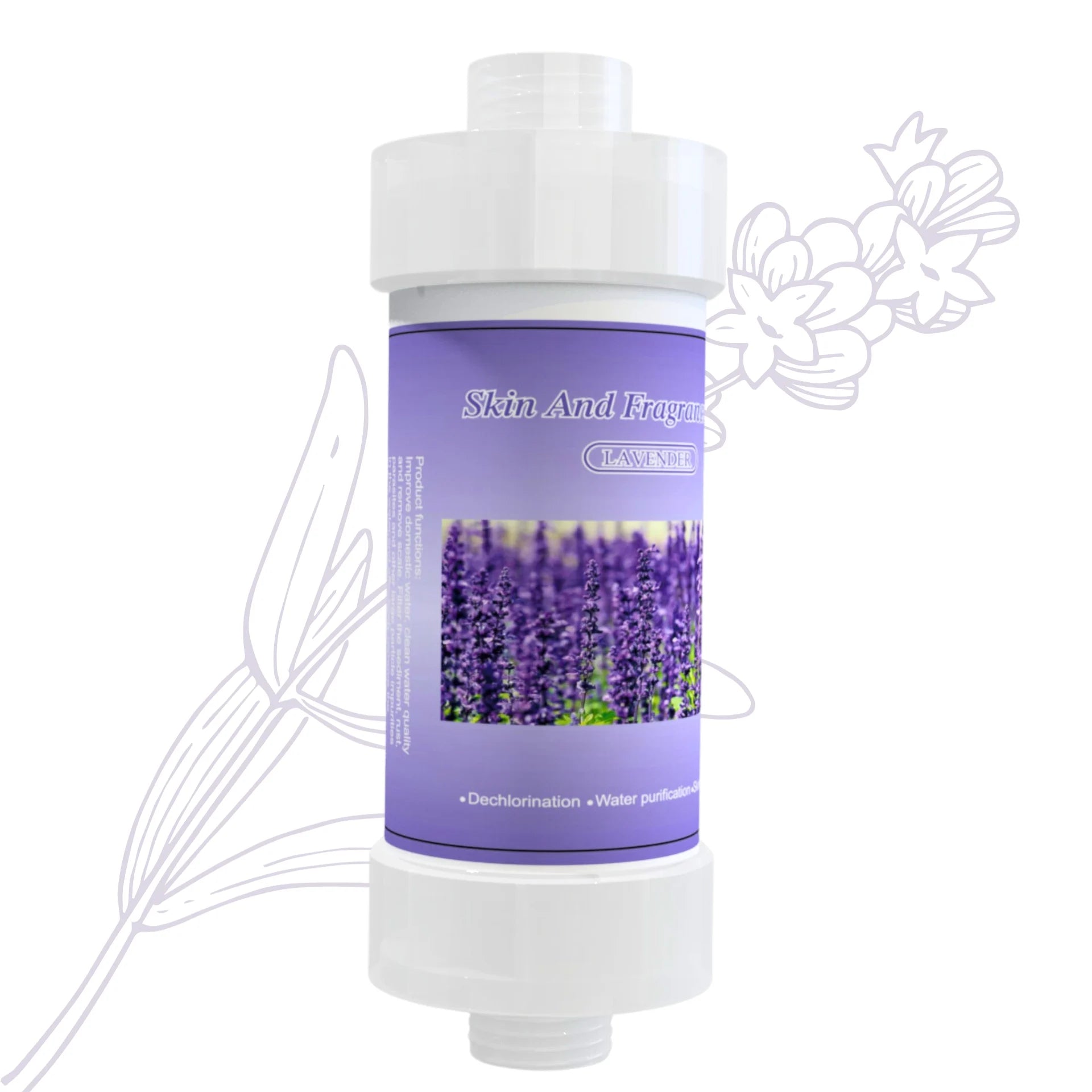
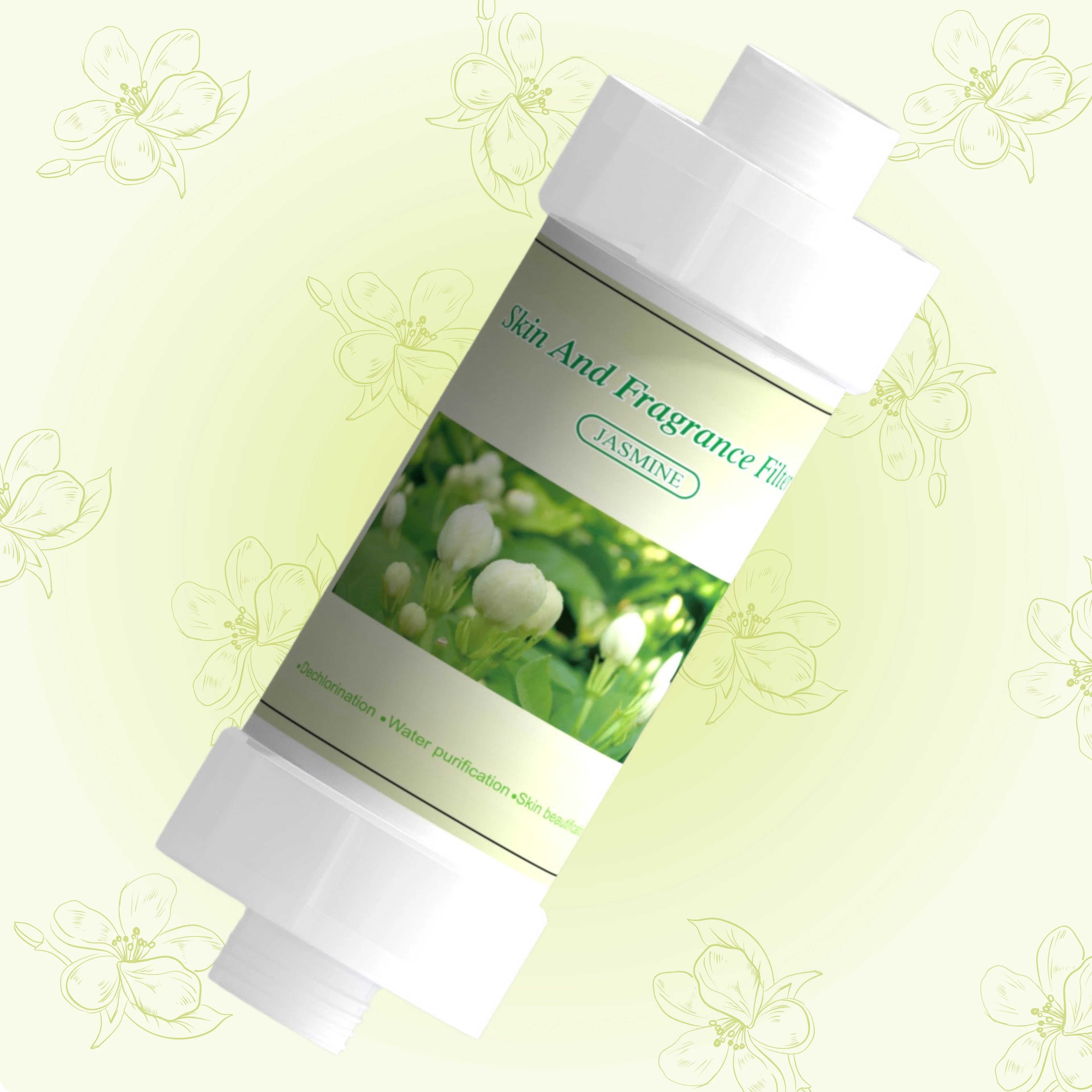
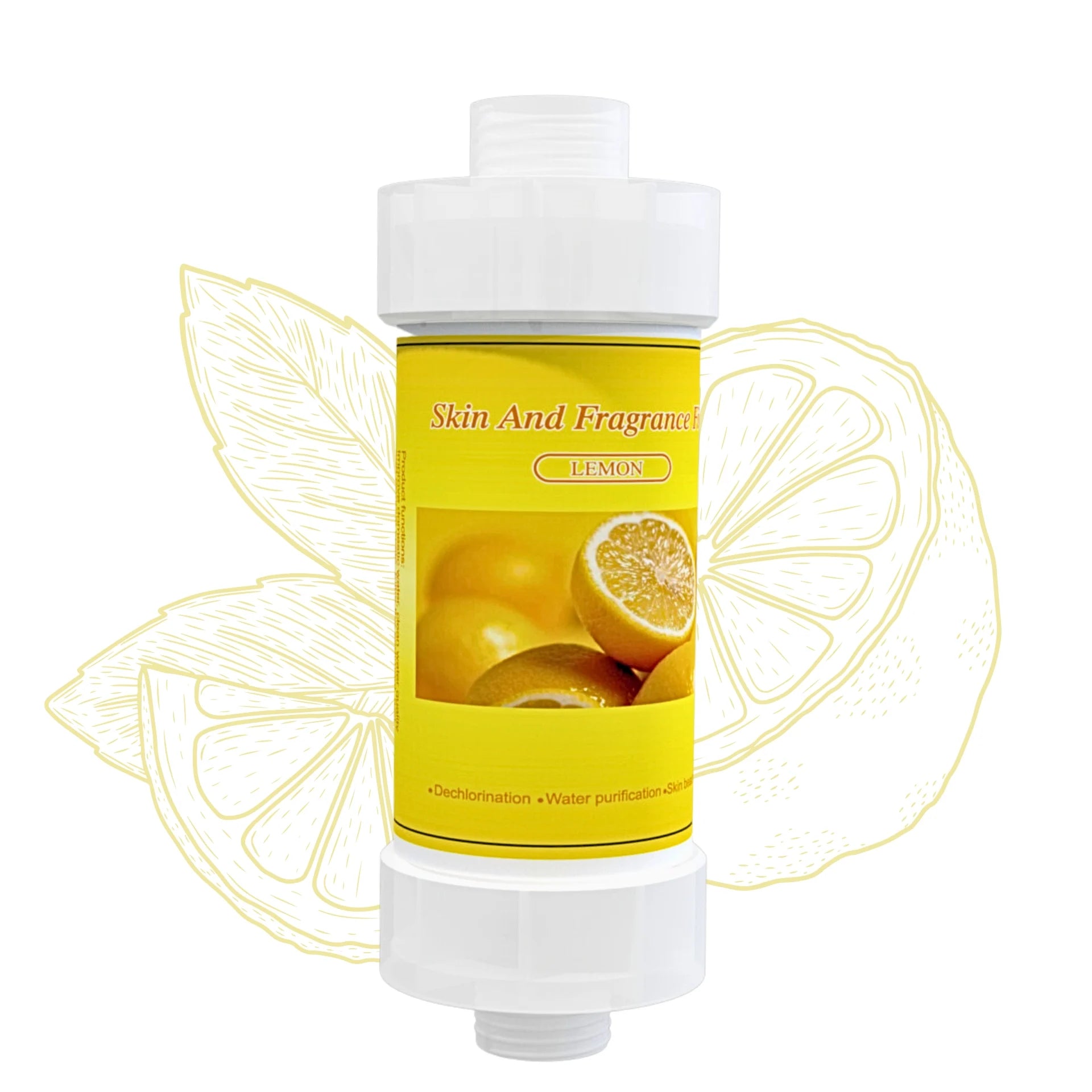
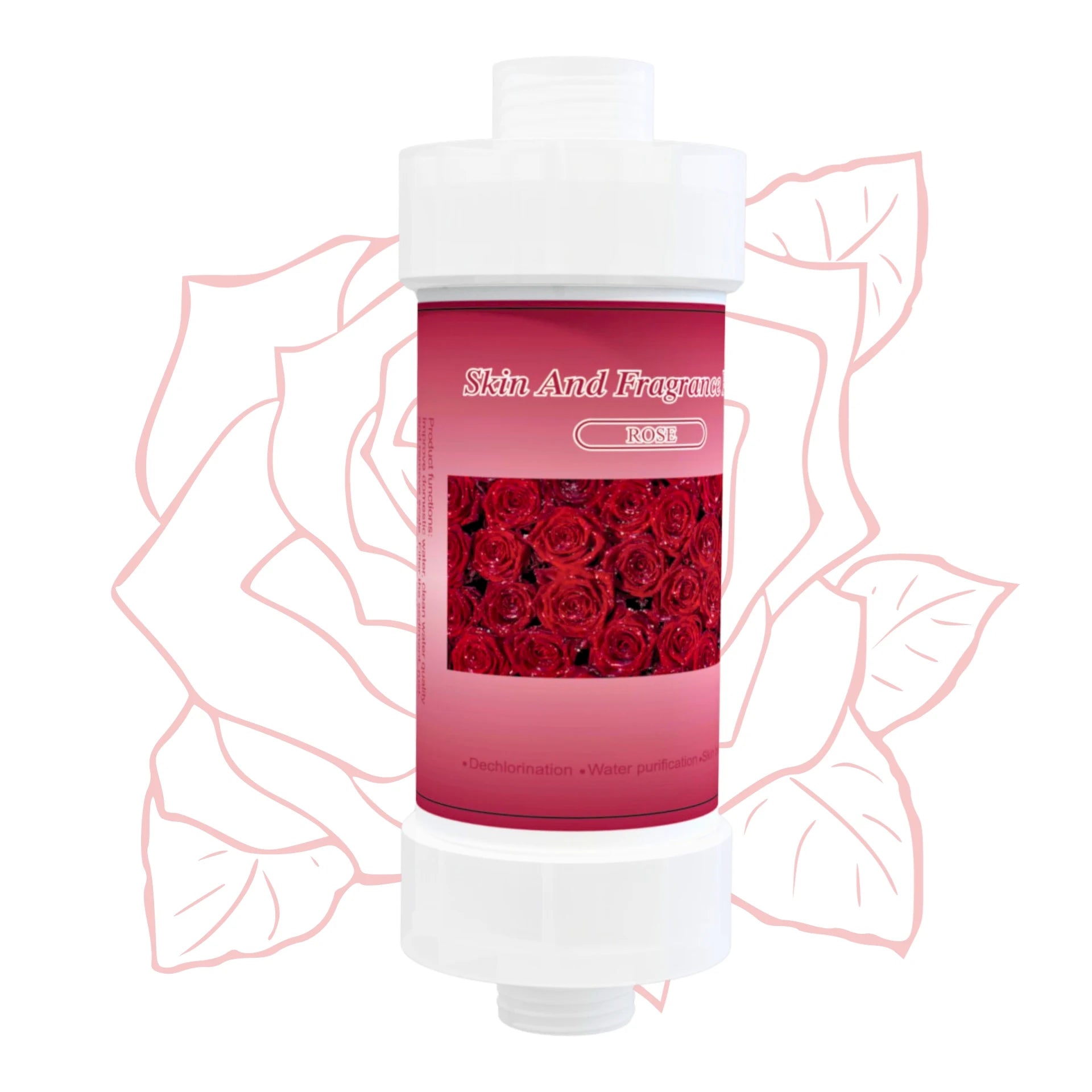
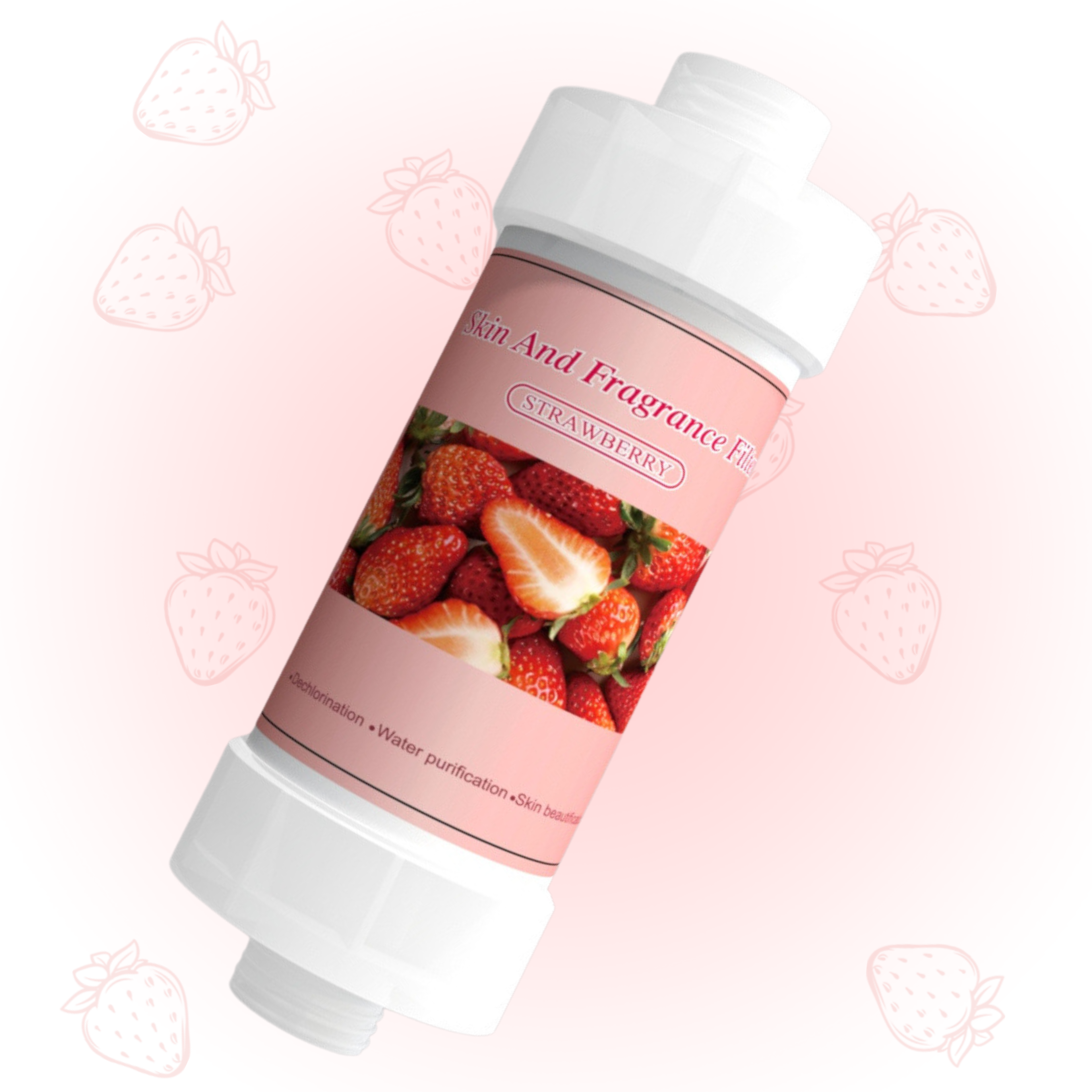
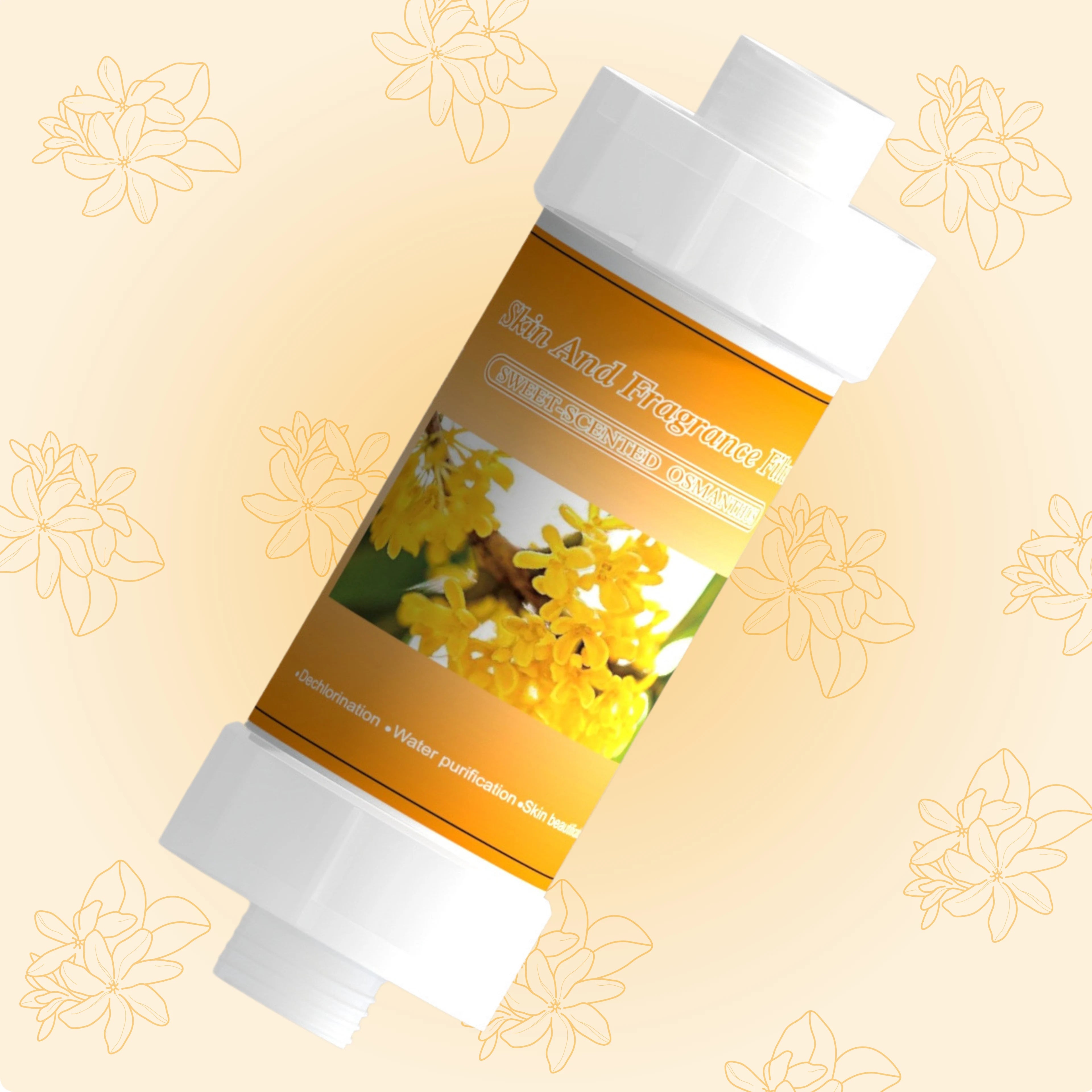
Check out our replacement water filter cartridge to ensure your shower water is clean, safe, and filtered.
Reference Link: Bureau of Indian Standards (BIS) Water Quality Report































Leave a Comment