

Are you noticing more hair on your pillow or seeing your ponytail look thinner than before?
Many people assume hair fall and hair thinning are the same - but they’re not the same, and understanding the difference matters. Why? Because if you misunderstand the real cause of your hair issue, you cannot fix it.
In this blog, we’ll explain the difference between hair fall and hair thinning, explain how hard water affects your hair, and share a simple daily routine to help reduce hair damage and support hair growth.
Hair Fall vs Hair Thinning: What’s the Real Difference?
Hair fall happens when you lose hair strands. This is a normal process because hair follows a natural growth cycle - old strands fall out so new ones can grow. If you look at these fallen hairs, you’ll see a small white bulb at the end, which shows the strand has completed its cycle.
Hair thinning, on the other hand, happens when your hair strands become finer and weaker because the follicles shrink and produce thinner hair. The cause? Genetics, hormones, and long-term damage from hard water.
Spotting the Difference Between Hair Fall & Thinning
Here’s a simple way to tell the difference: check the hair strands on your pillow or floor. If you see a white bulb at the root, it’s normal shedding. But if the strands are broken mid-length with no bulb, it’s a sign of hair thinning.

How Hard Water Causes Hair Thinning and Breakage
We often blame our hair products, but in many cases, the real problem is the water we use. Hard water is loaded with calcium and magnesium minerals. And when you wash your hair with hard water, these minerals coat your strands with an invisible film that prevents moisture from reaching your hair and reduces the effect of shampoo and conditioner.
Here are the common signs of hard water:
-
Shampoo doesn't foam properly
-
Hair feels dry even after conditioning
-
Cloudy marks on the bathroom mirror
-
White deposits and hard water stains on bathroom taps
So, how does this lead to hair thinning? Here’s how:
When your hair doesn't get moisture, it becomes dry and fragile. Weak hair breaks constantly while combing, washing, or styling. Over time, this mineral buildup can clog the scalp and weaken hair follicles, making new hair also grow thinner and weaker.
Simple 4 Step Hair Care Routine to Prevent Hair Thinning
Follow these simple habits to protect your hair from thinning:
Step 1: Start with Proper Hair Washing
-
Use a sulfate-free shampoo, as sulfates strip natural oils from your hair
-
Massage your scalp with your fingertips to increase blood flow
-
Shampoo your hair 2-3 times a week
Step 2: Condition Your Hair Based on Its Type
-
If you have fine hair, apply conditioner only to the ends
-
If you have thick or curly hair, apply conditioner from scalp to ends
-
Let the conditioner absorb into your hair for 2 minutes, then wash it
Step 3: Dry Your Hair Gently
-
Pat your hair dry with a microfiber towel
-
If you use a blow dryer, use the lowest heat setting
Step 4: Protect Before Styling
-
Apply a heat protection spray before using any tools
-
Use straighteners, curlers, or blow dryers only once a week
-
Avoid tight hairstyles like ponytails or buns because they strain hair roots
The key is doing these steps regularly, and if you stay consistent, you'll see visible improvement in 2-3 months because small daily habits create lasting results for your hair.
The Missing Step in Most Hair Care Routines: Hard Water Filtration
No matter how good your hair care routine is, hard water minerals like calcium and magnesium buildup creates a film that prevents your products from working properly and blocks nutrients from reaching your hair strands.
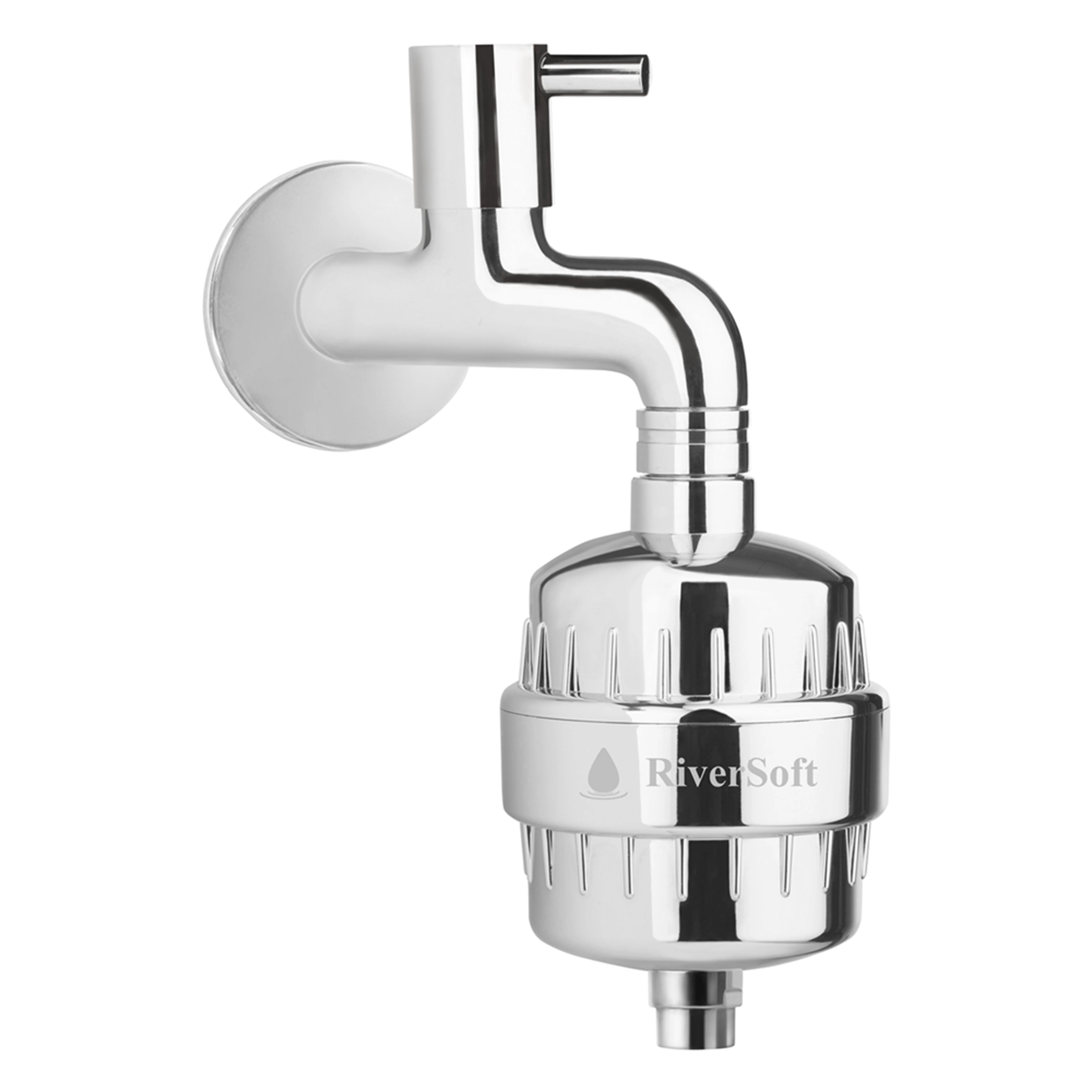
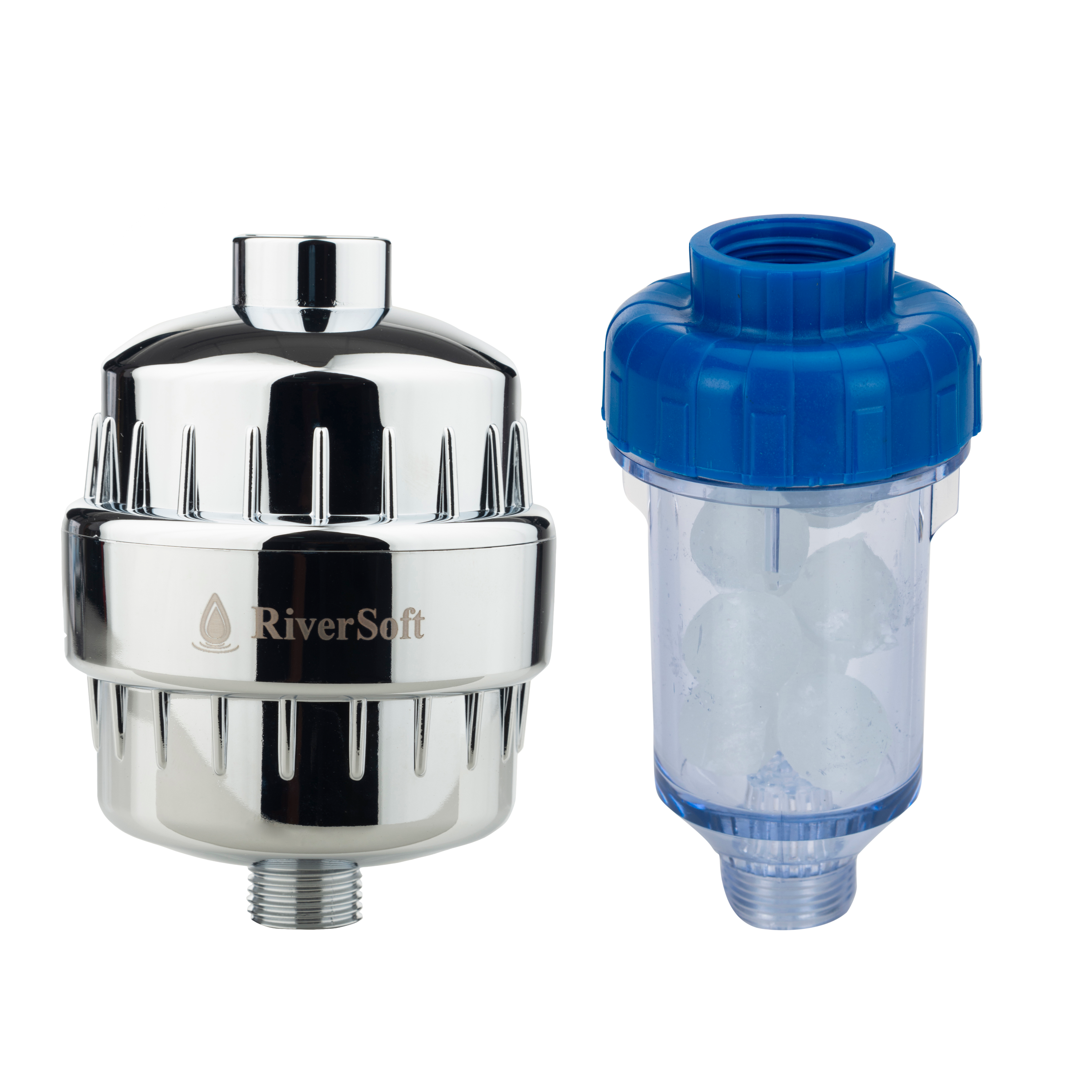
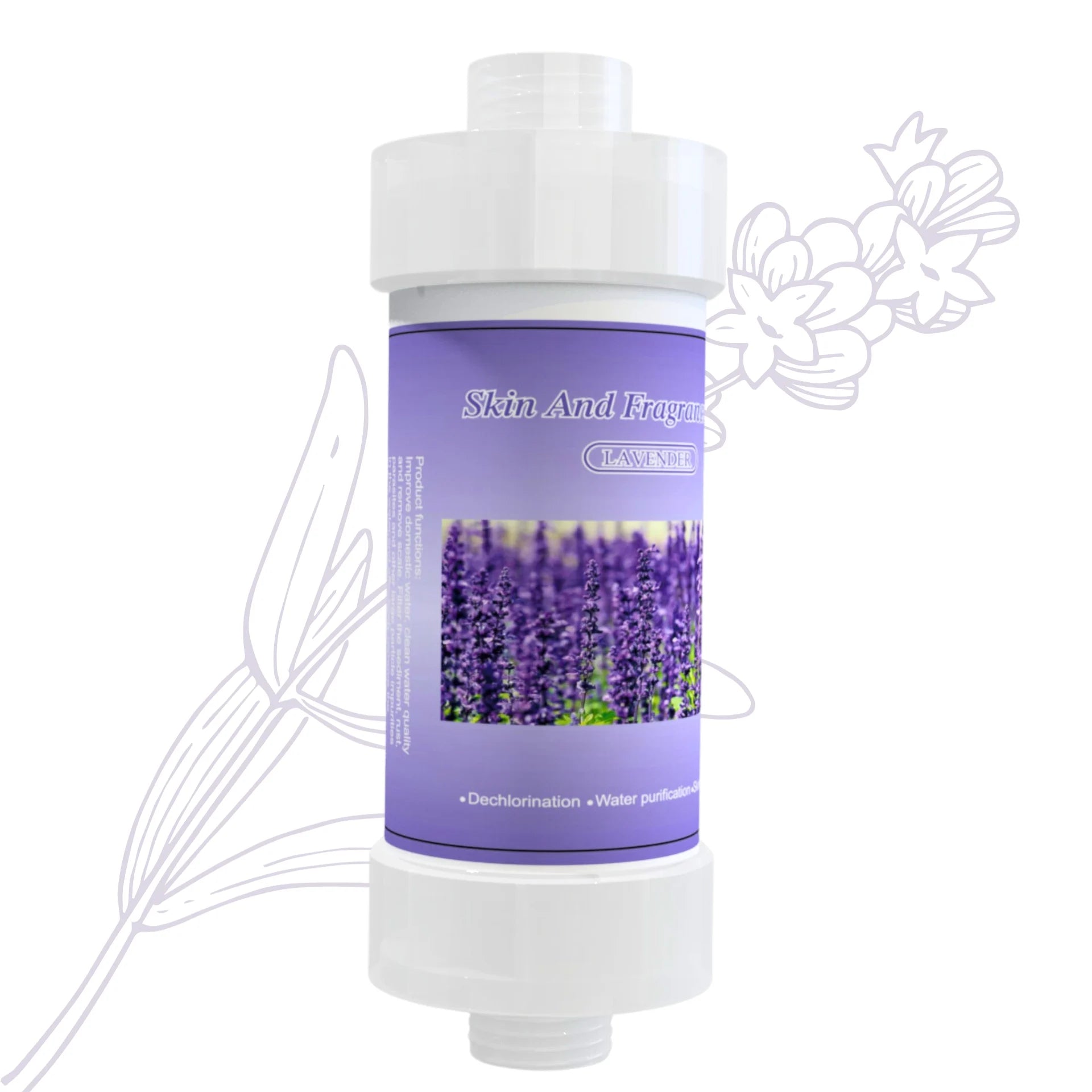
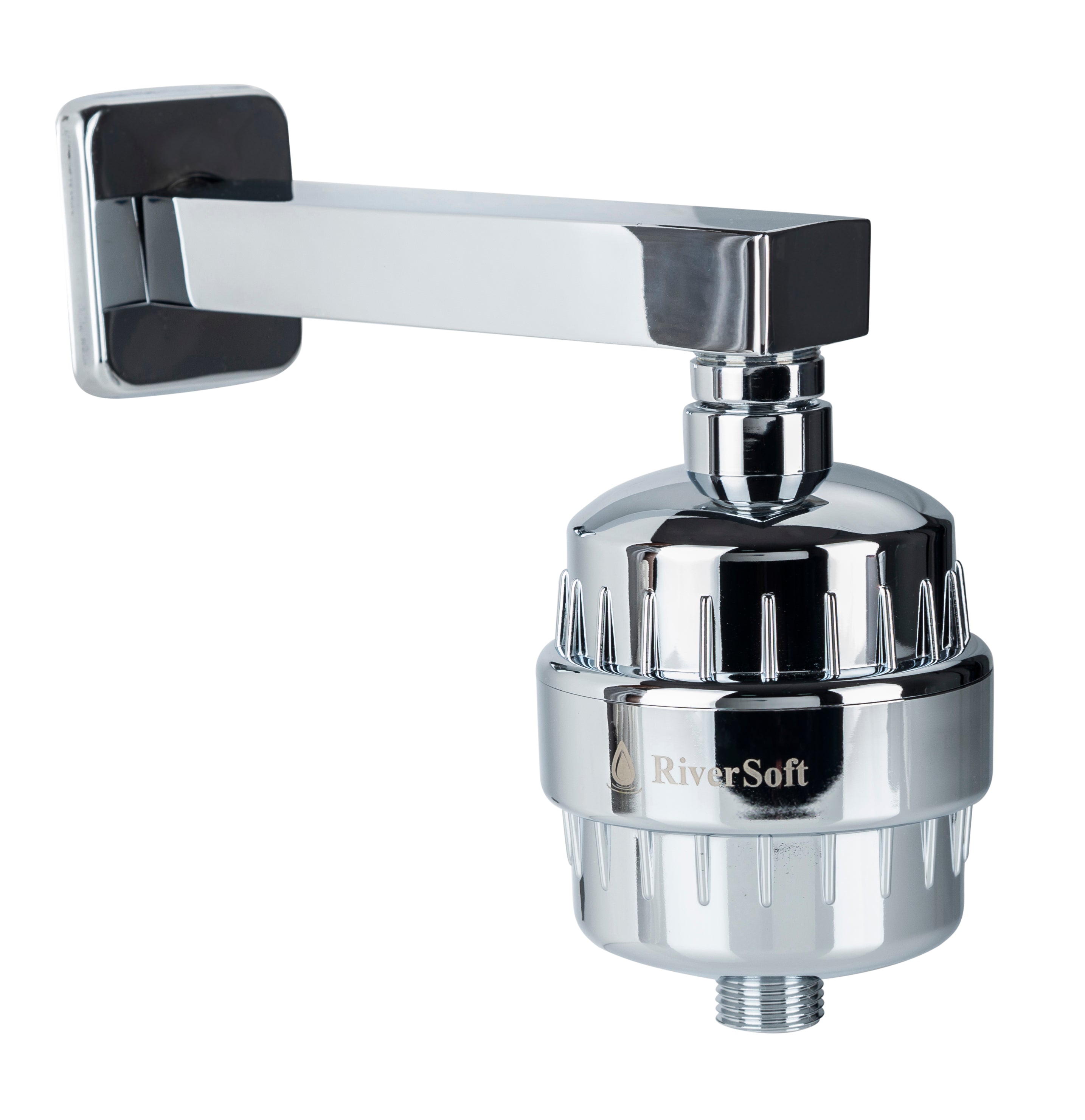
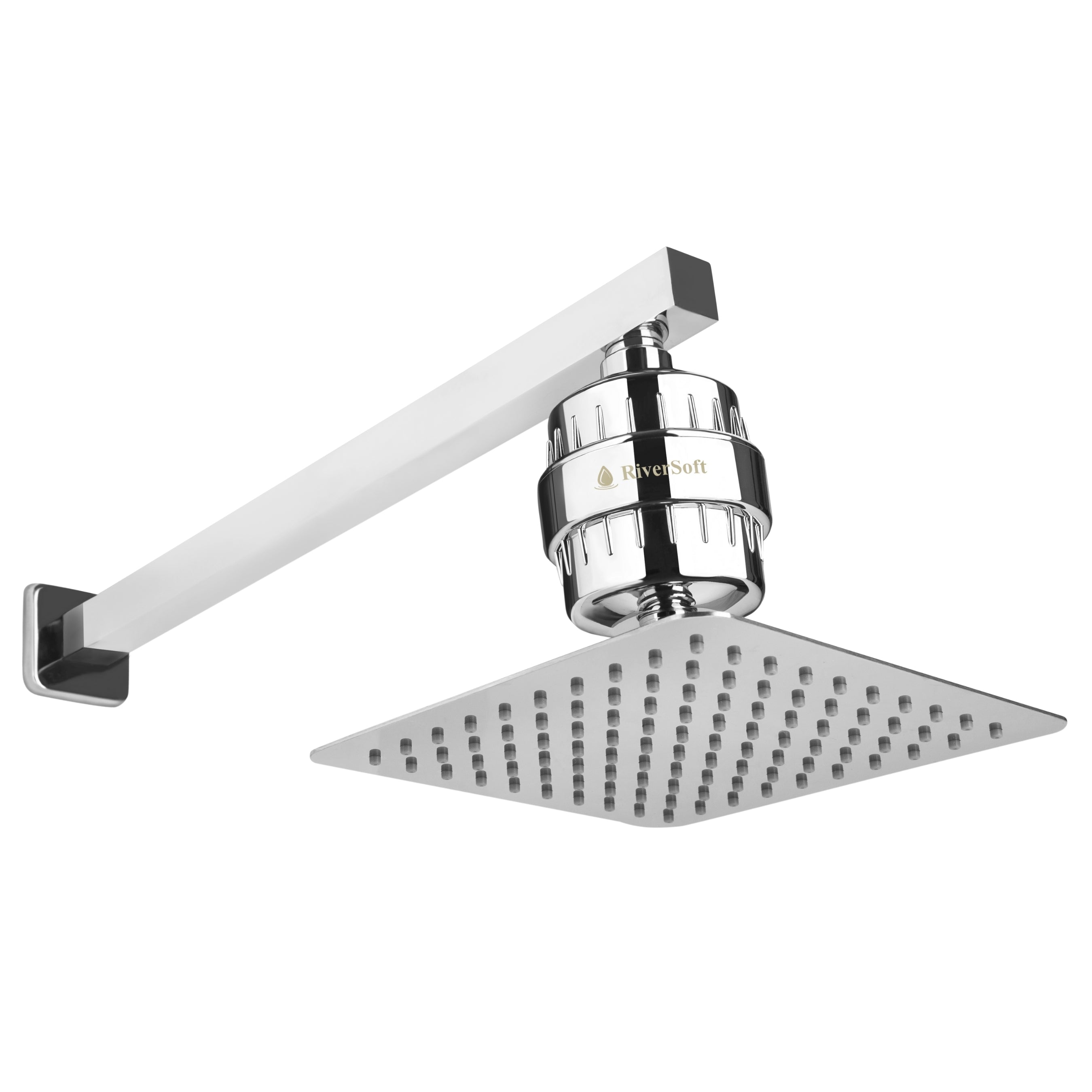
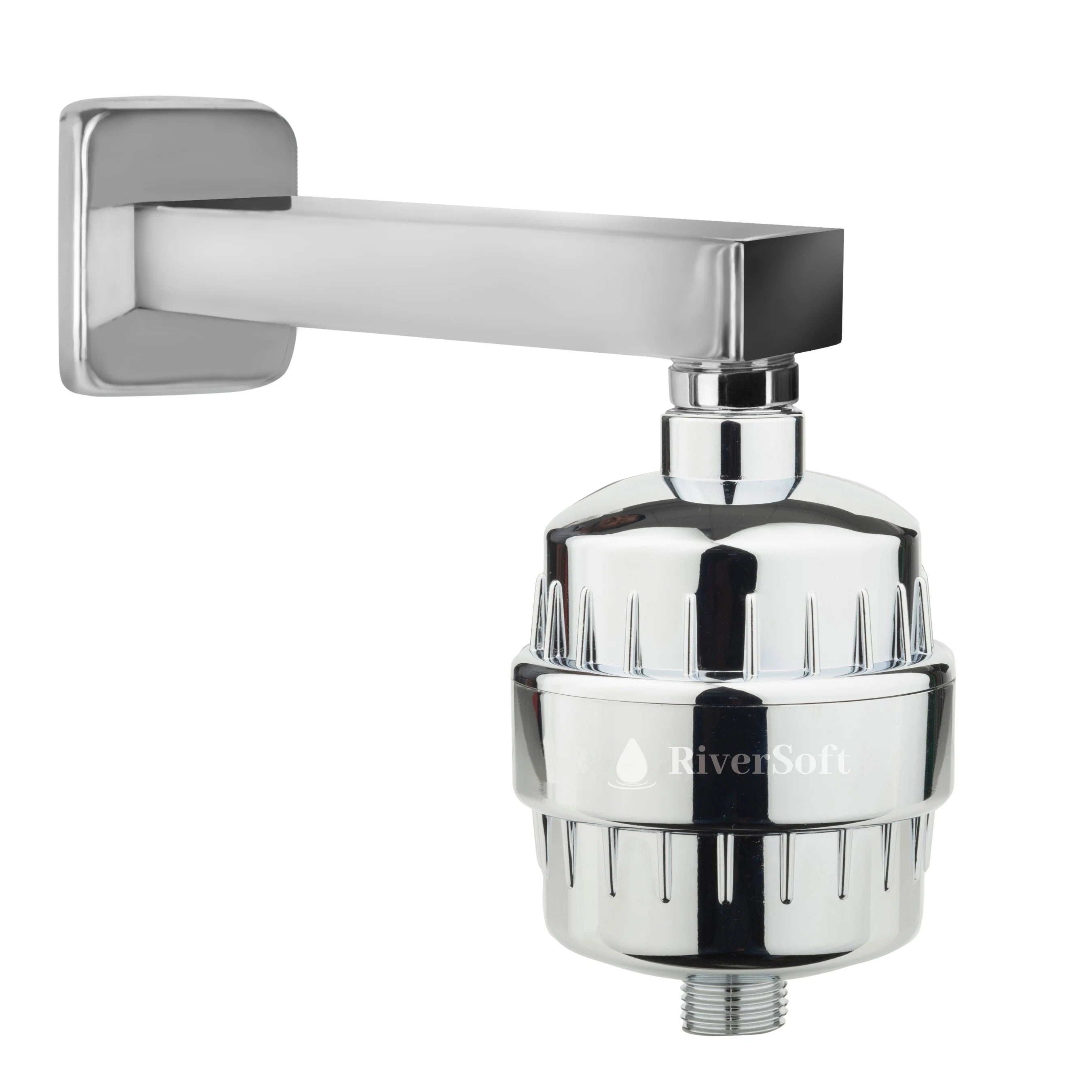
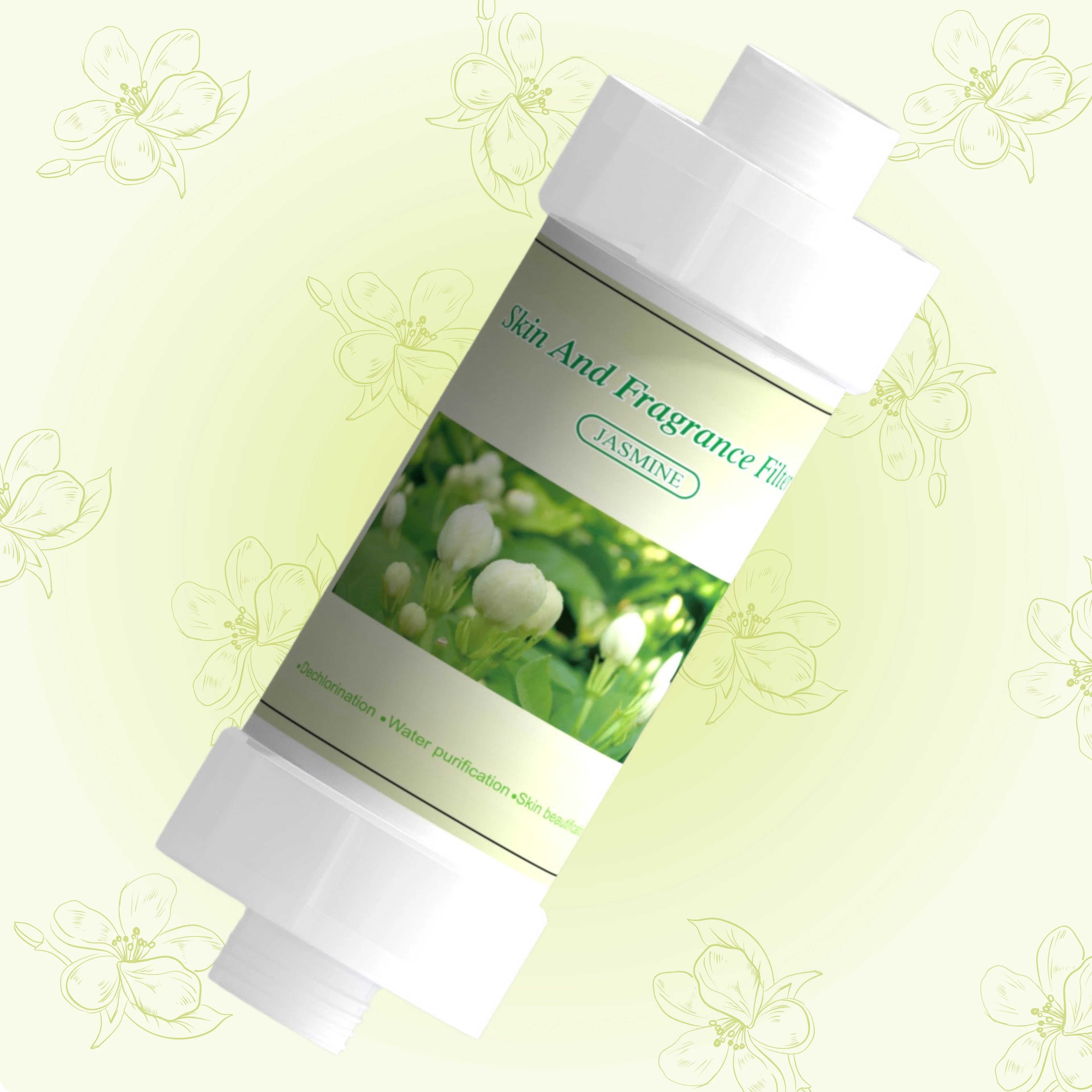
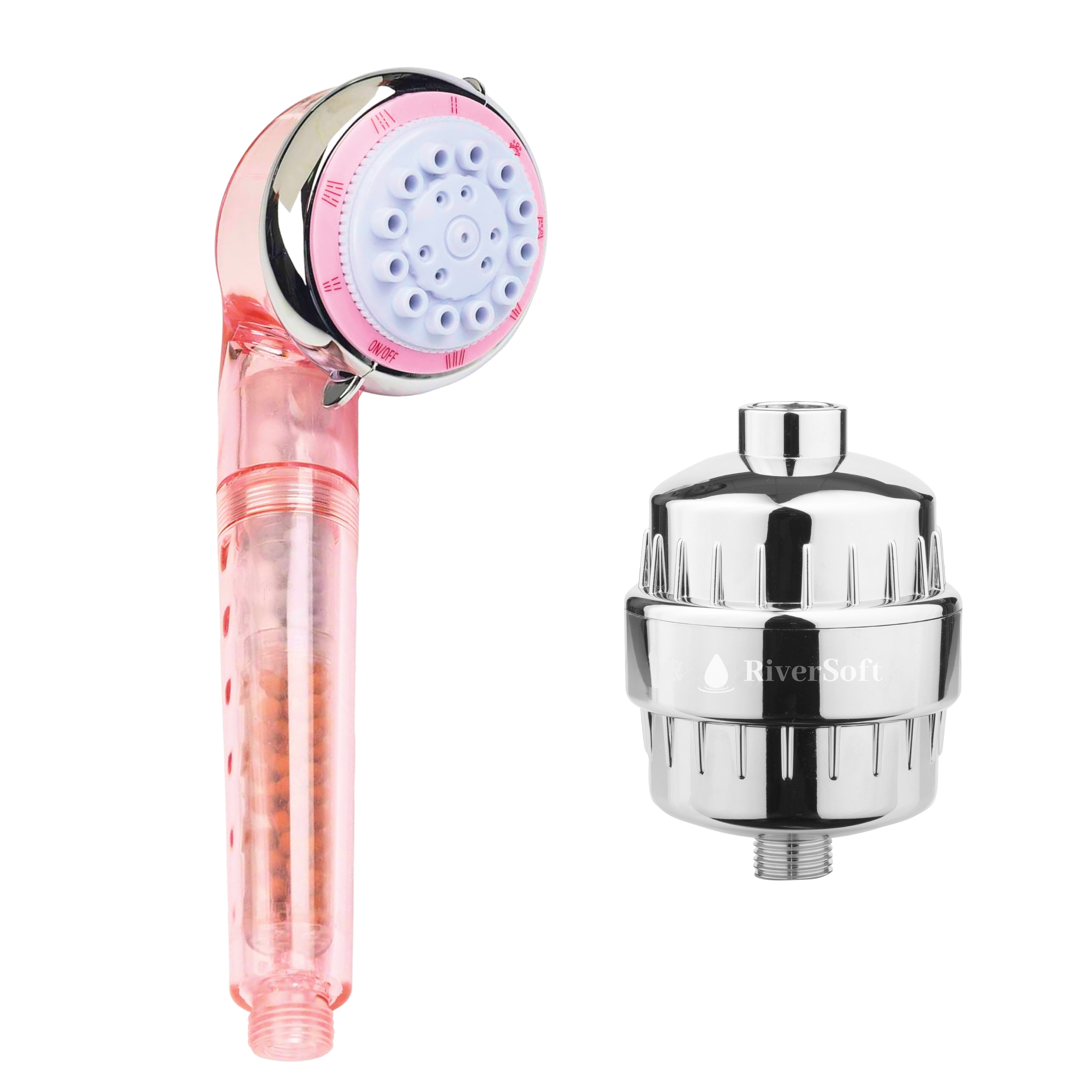
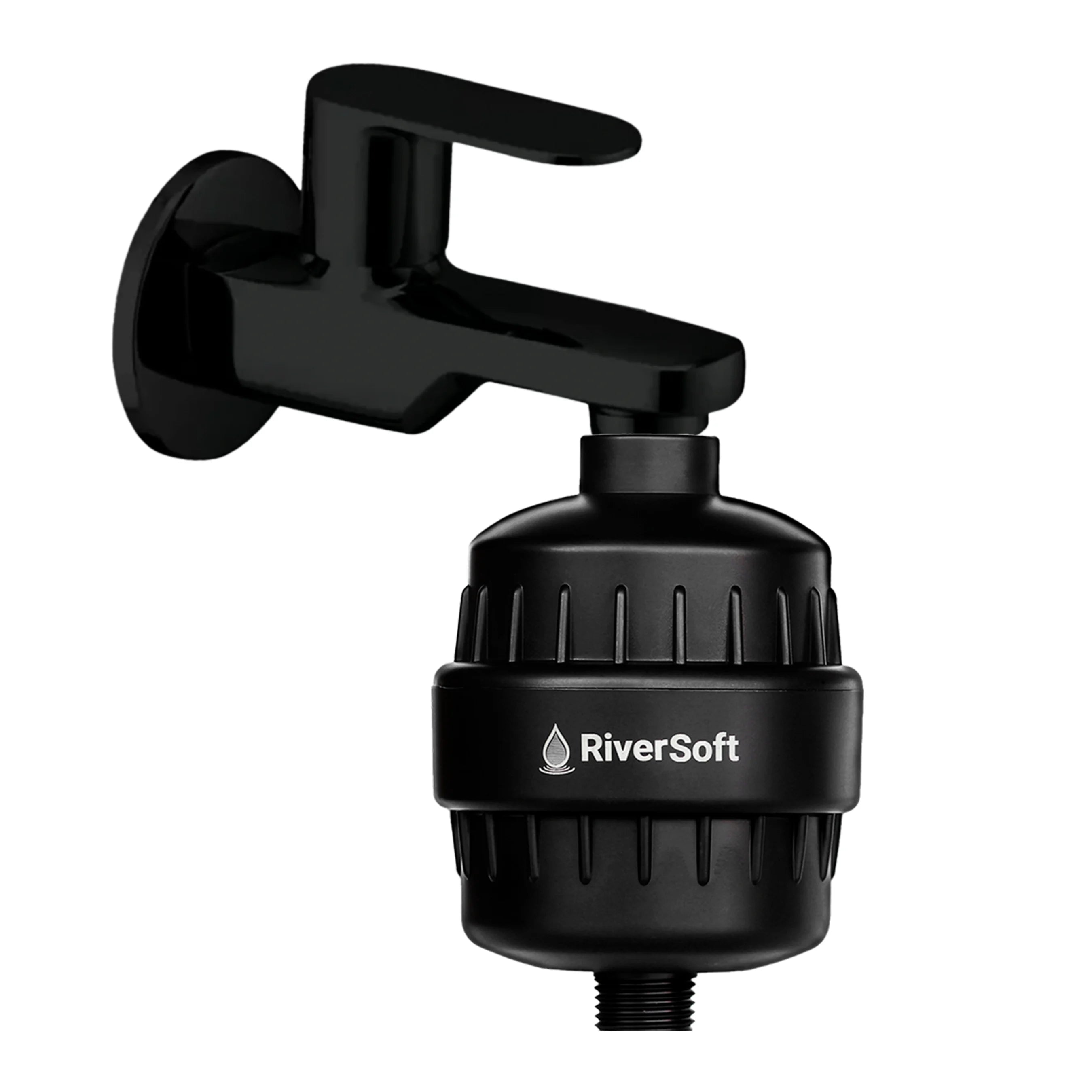
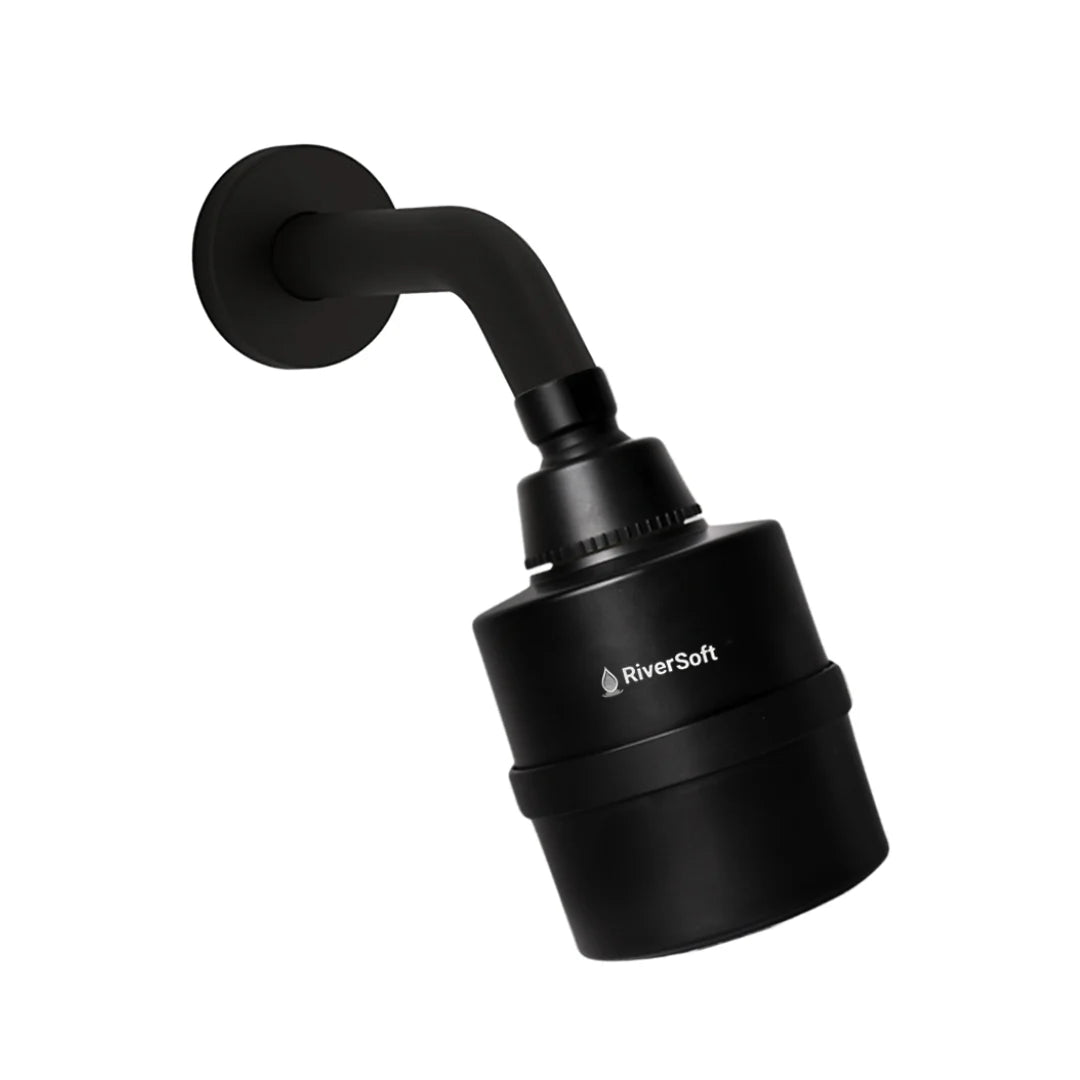
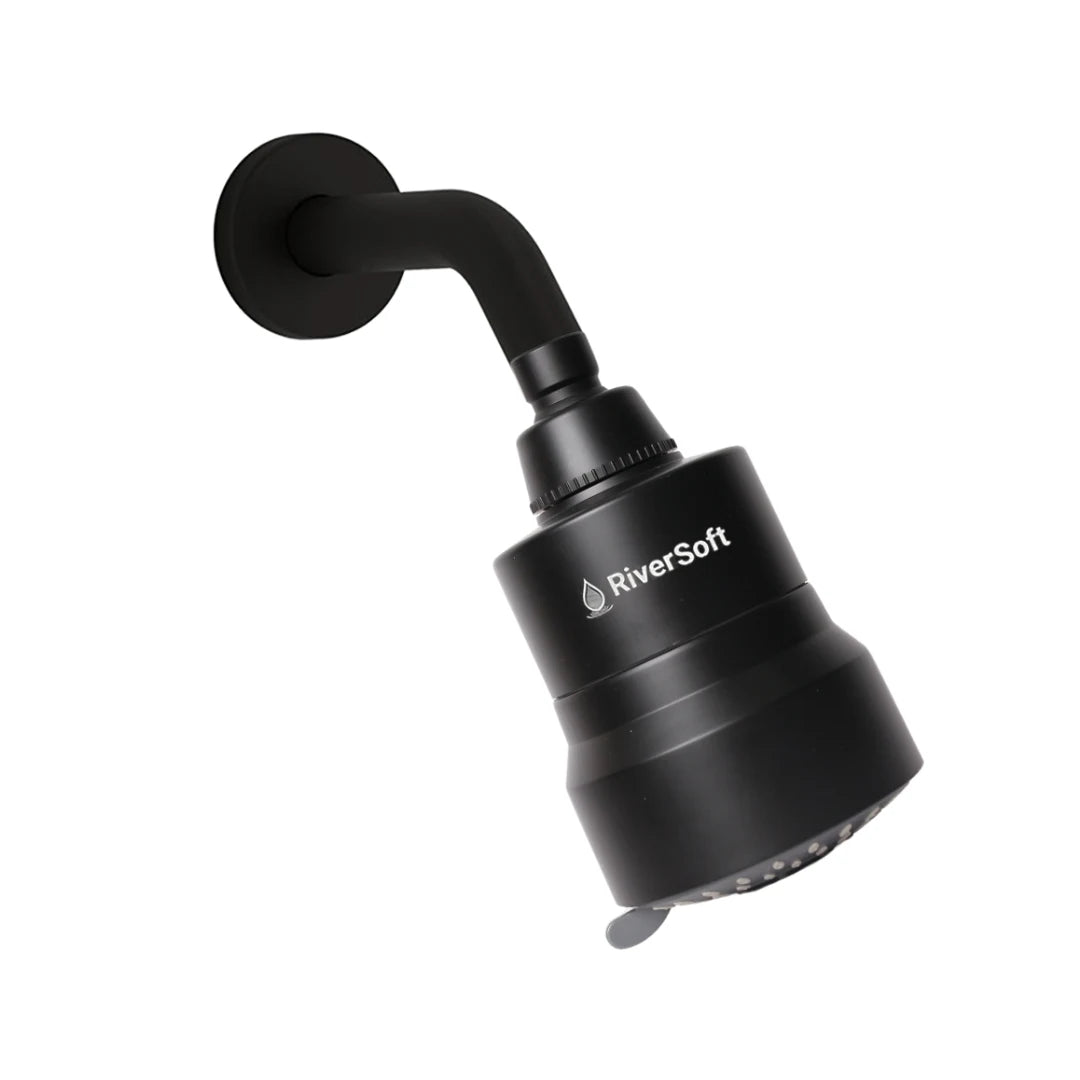
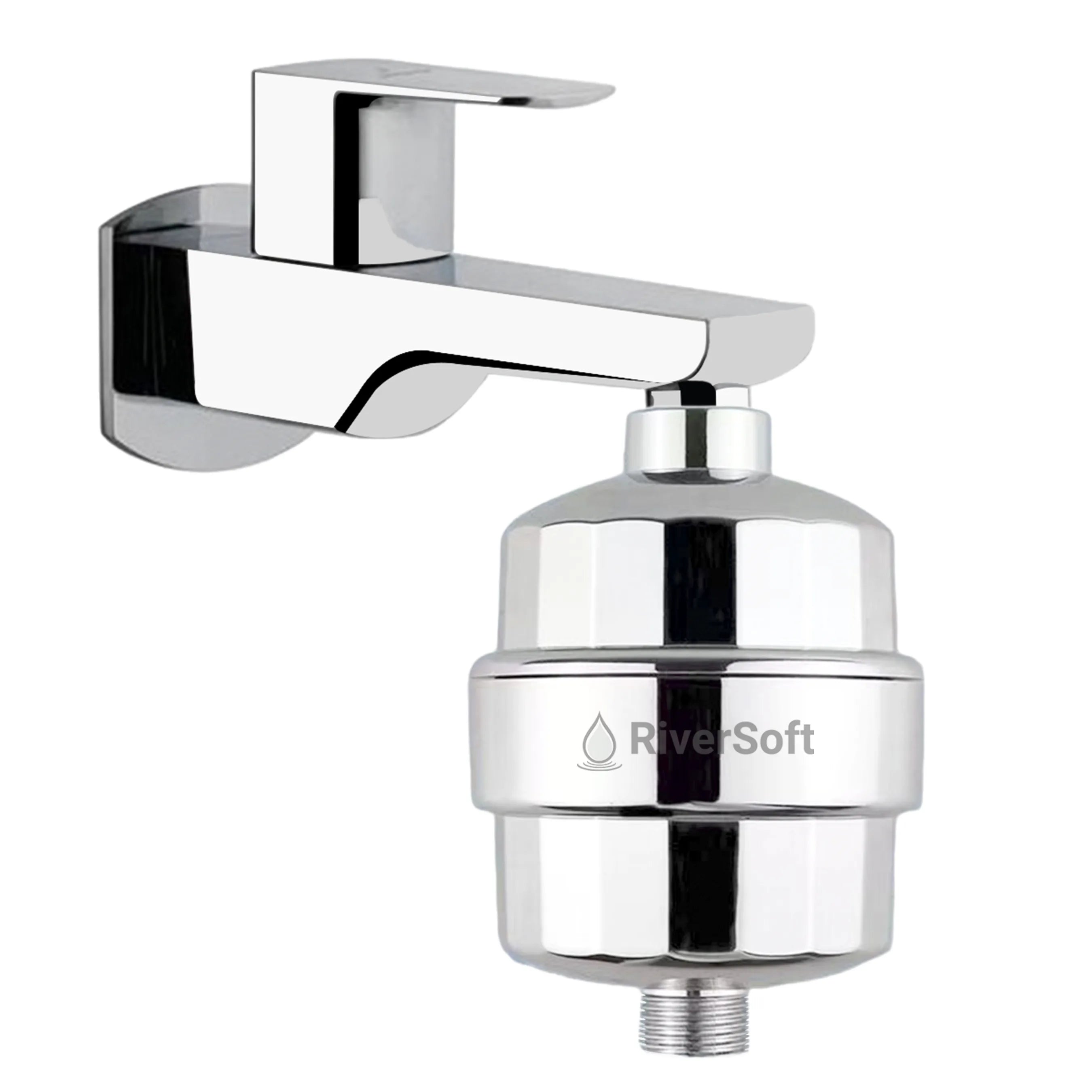
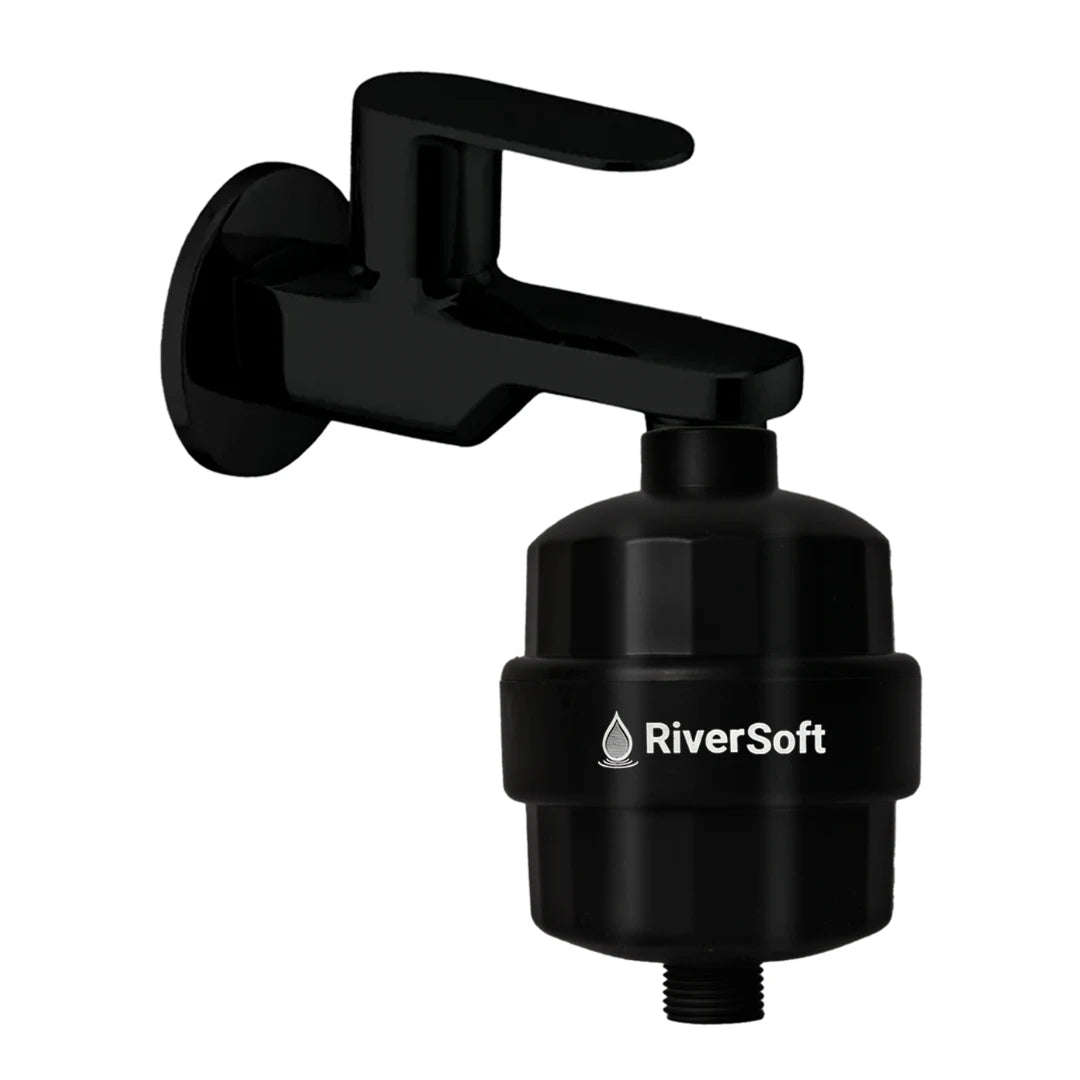
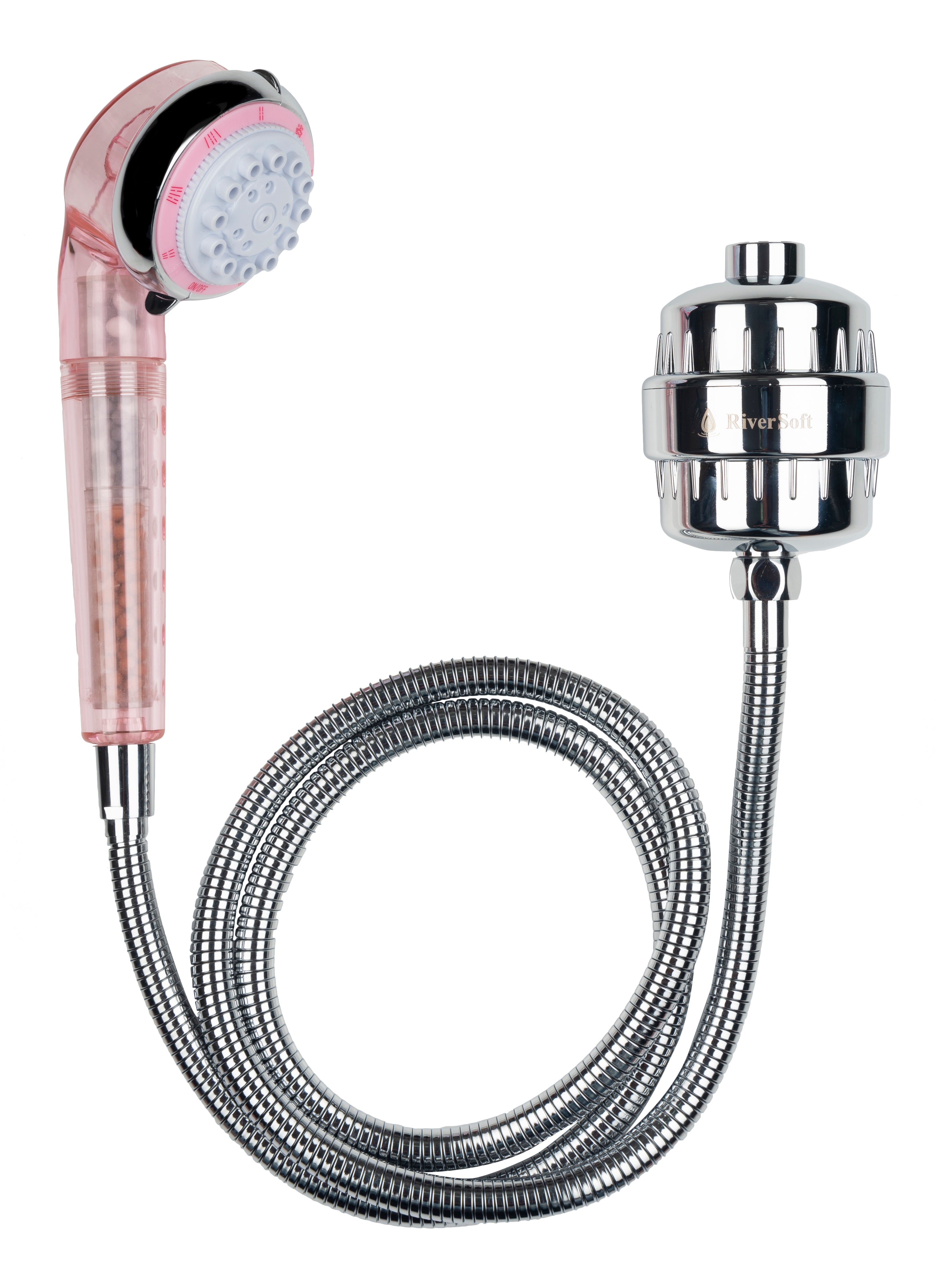
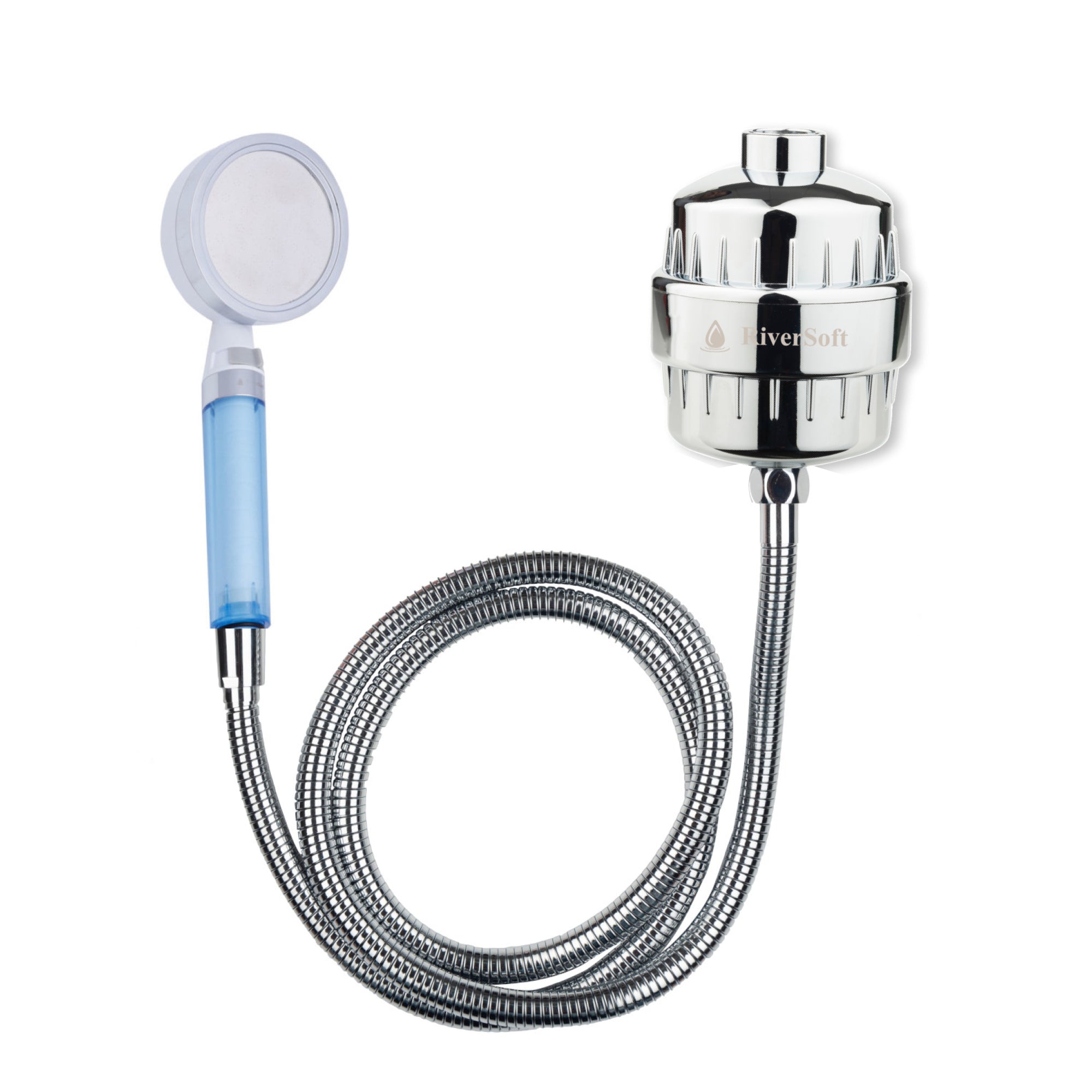
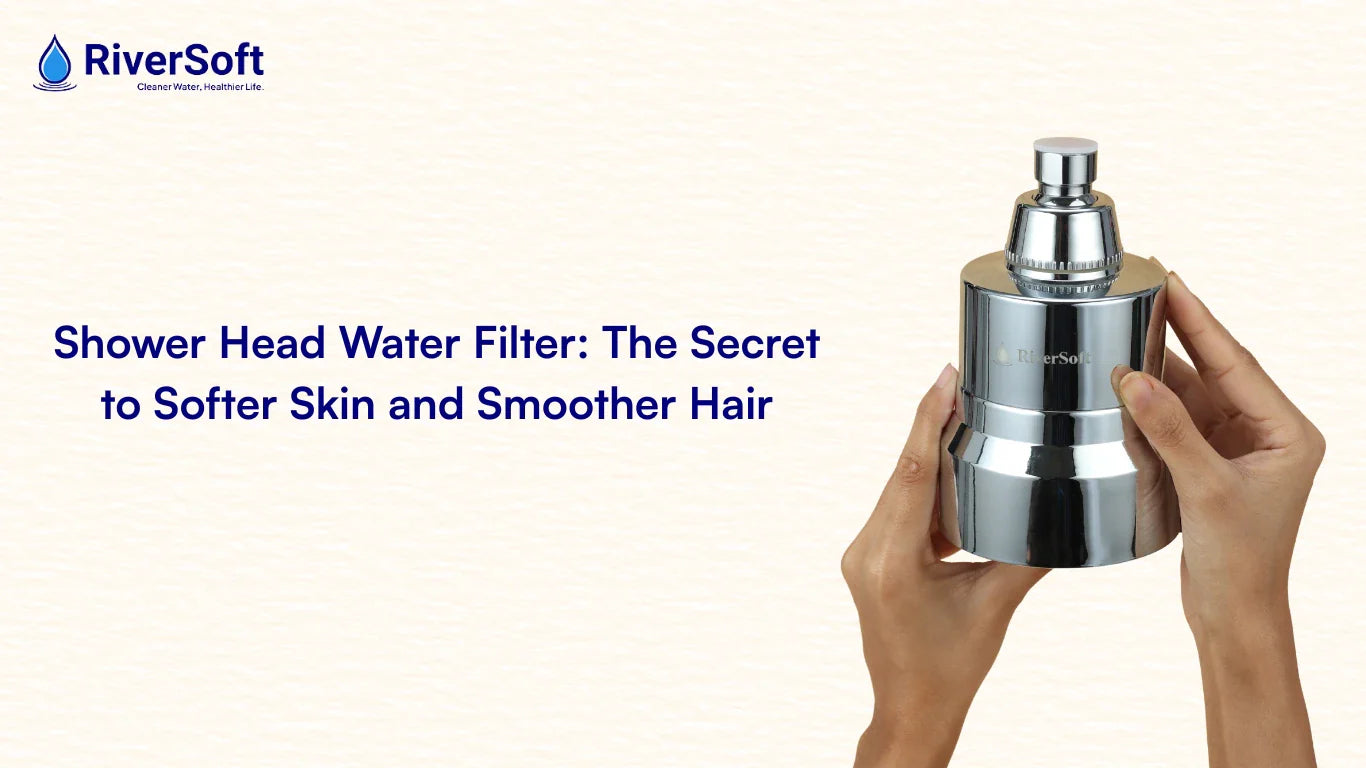
That's why, along with a good hair care routine, you need a hard water purifier. Filtering hard water at the source, before it touches your hair is essential for long-term hair health. At RiverSoft, we have three water solutions designed for Indian households:
-
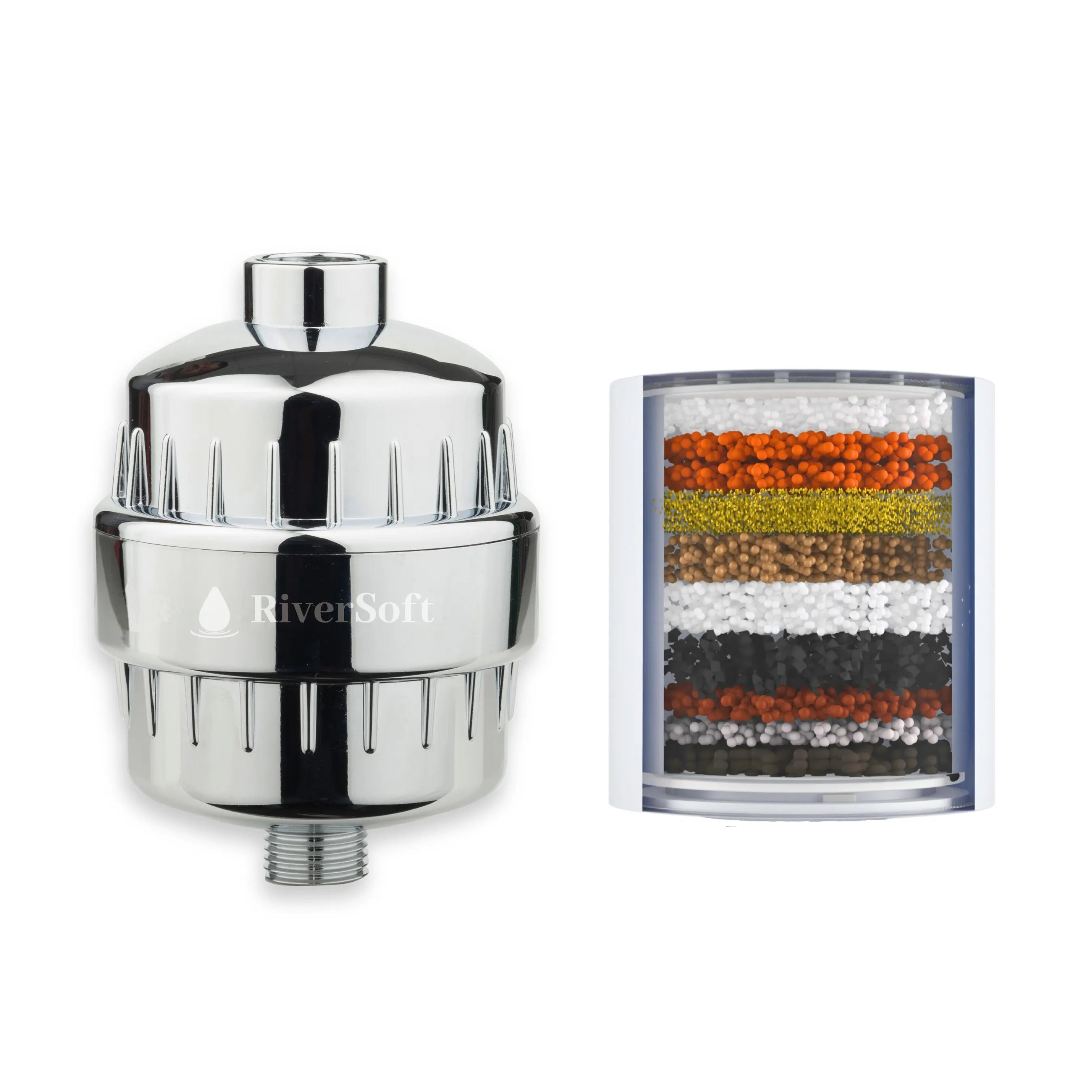
SF-15: This filter is perfect for areas with normal to moderate hard water. It uses a 15-stage filtration system, activated carbon, and mineral stones to remove hard water minerals and chlorine.
-
Bliss-15: This filter looks identical to the SF-15, but we recommend it for cities which have a higher concentration of hard water minerals.
-
DIVA-03: Available in multiple spray modes with built-in hard water protection, so you can enjoy a spa-like shower while protecting your hair from hard water damage
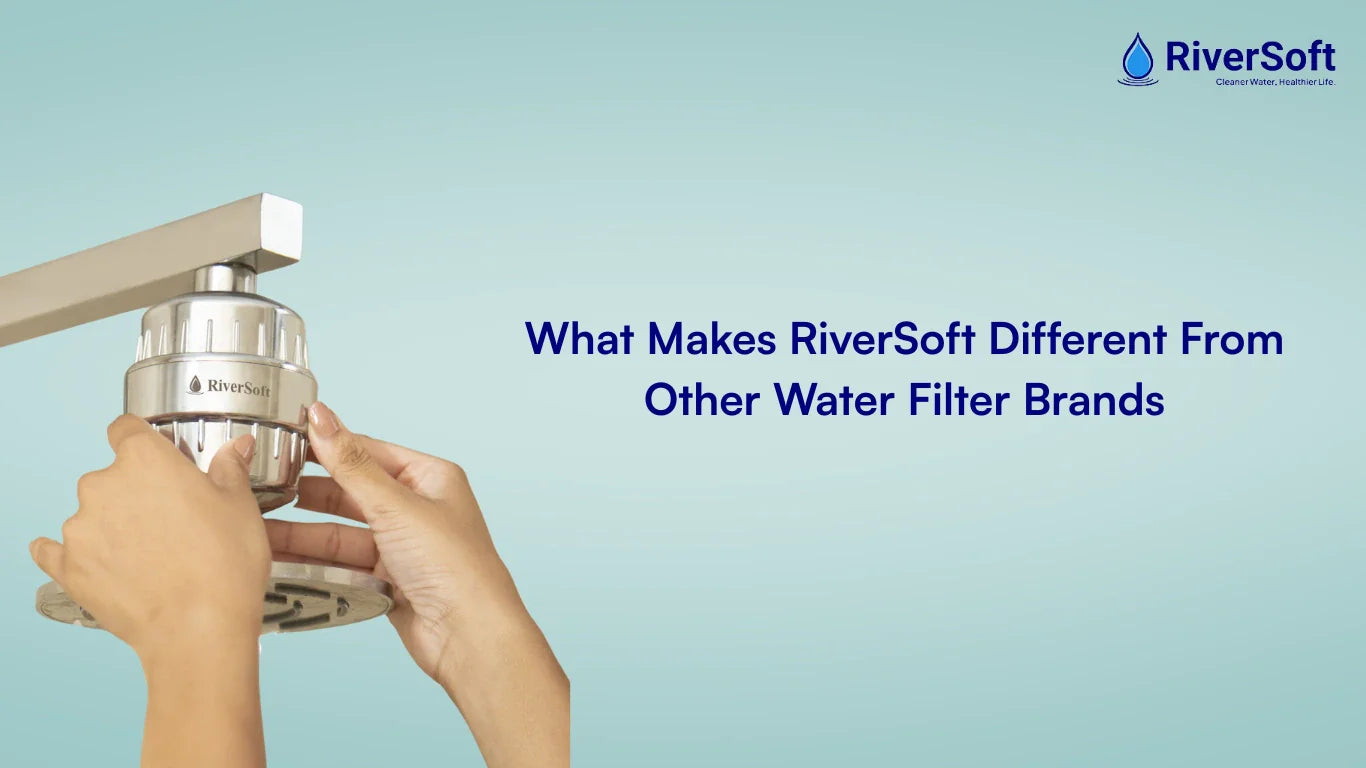
All our filters are designed for DIY installation, so you don't need a plumber. Simply follow our installation guide and install it in less than 10 minutes.
Note: Our shower filters do not reduce Total Dissolved Solids (TDS). We recommend using an RO purifier if your main concern is high TDS in drinking water.
Conclusion
The earlier you start preventing hair thinning, the better your results will be. Once you know what’s really happening to your hair, you can adjust your approach accordingly. Follow the hair care routine we shared above, but remember that even the best routine won't work if hard water is coating your hair with minerals.




























Leave a Comment