

Every shower ends the same way for a lot of people. You look down and there it is, a small tangle of hair sitting near the drain. It's easy to panic when you notice hair falling out after a shower. But before you assume the worst, remember that some hair shredding is a normal part of hair growth cycle. The real question is: how much hair fall is normal, and when should you be concerned?
Hair Falling Out After Shower: How Much Is Normal?
Most people naturally shed dozens of hair each day as older hair enter the resting and shedding phase. The exact number varies from person to person, so seeing some hair in your shower drain doesn’t automatically mean you are experiencing abnormal hair loss.
Here's why it feels worse in the shower specifically. Hair that's already loosened or ready to shed doesn't always fall out during the day. Washing dislodges it all at once, so what collects over hours or days shows up in a single rinse.
-
Shedding is part of your hair's natural growth cycle, not a sign something is wrong
-
Thicker or longer hair looks like more strands even at a normal rate
-
One heavy shower doesn't necessarily mean anything has changed
Shedding and hair loss aren't the same thing. Shedding is your scalp cycling through hair naturally; hair loss means something is disrupting that cycle at the root. For a deeper look at the water-hair connection, this piece on what dermatologists say about hard water hair damage is worth a read before jumping to conclusions.
Signs Your Shower Hair Fall Isn't Normal
The strand count matters less than the pattern. Rather than counting every strand, it’s more useful to look for changes in your usual shedding pattern.
You're seeing clumps rather than loose strands, especially after light washing
-
The amount hasn't dropped off after a few days, it keeps climbing
-
Your parting looks wider or your hairline has started to recede
-
Hair fall shows up even outside the shower, on your pillow or hairbrush
-
Your scalp is persistently itchy, and unusually flaky.
If this sounds familiar, track it for next few weeks before jumping to conclusions. A one-off spike after a stressful week usually settles on its own; a steady increase over weeks is different, and that's when your water supply is worth a closer look. These signs overlap heavily with the ones covered in this guide to hard water effects on hair and scalp.
Is Hard Water Making Your Problems Worse?
Hard water doesn't attack your follicles directly, but it does something almost as damaging. Water high in calcium and magnesium leaves a mineral film on your scalp and hair shaft with every wash. That film dries out strands, weighs them down, and makes them more prone to snapping. When hair breaks partway down the shaft, it often gets mistaken for hair falling out after shower from the root, when it's really breakage.
This is especially common in homes running on borewell water, where mineral exposure happens with every shower. Cities like Bangalore, Chennai, and parts of Delhi NCR see this often, particularly among residents new to a building who notice hair changes within a few months of moving in. If your scalp has been reacting since you moved in, it's worth checking these borewell water side effects to see how closely they match what you're noticing.
Note: Our shower filters do not reduce Total Dissolved Solids (TDS). We recommend using an RO purifier if your main concern is high TDS in drinking water.

RiverSoft's Fix for Water-Related Hair Fall
Start simple. Avoid very hot showers, since heat strips moisture and makes strands brittle. Don't overwash, since it means more mineral contact and less natural oil on your scalp. Be gentle when detangling wet hair, since it's weakest right after a shower.
If you suspect your water is a factor, install a shower filter and watch your shedding over six to eight weeks. If your hair feels less dry or you notice less breakage after changing your water setup, hard water may have been contributing to the problem. if nothing changes, that points toward causes worth flagging with a dermatologist. Still weighing whether it's worth the switch? This breakdown of whether shower filters reduce hair fall covers what to realistically expect.
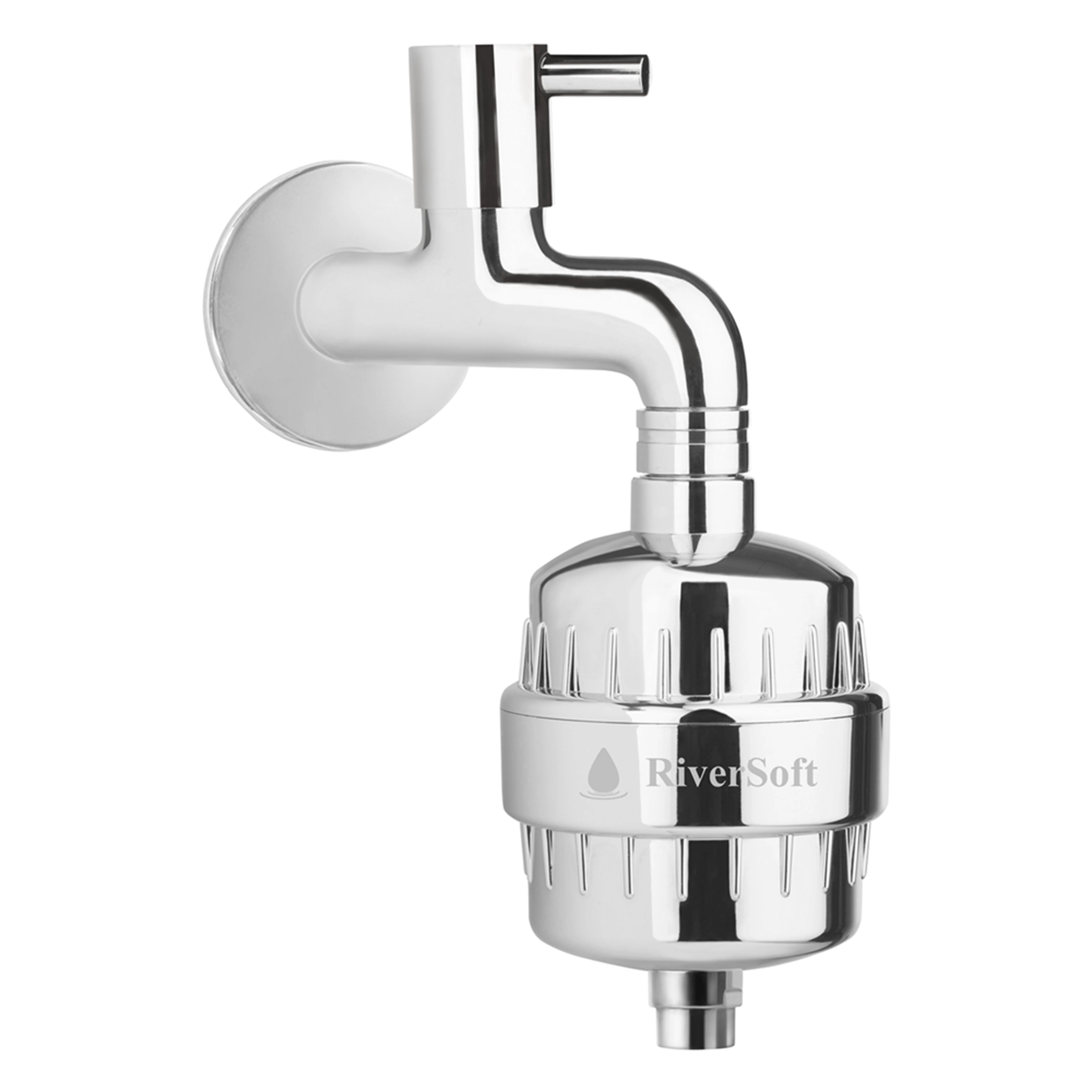
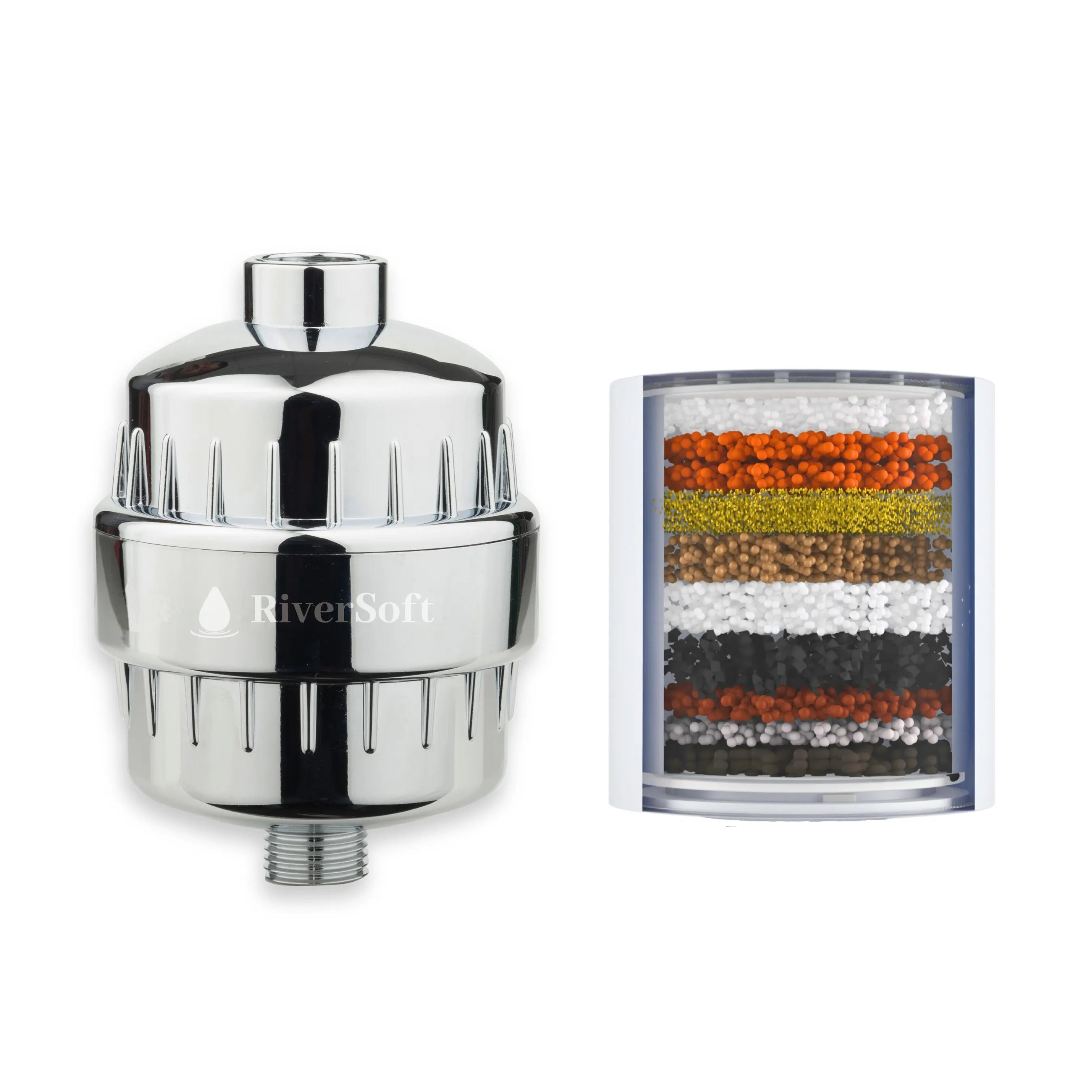
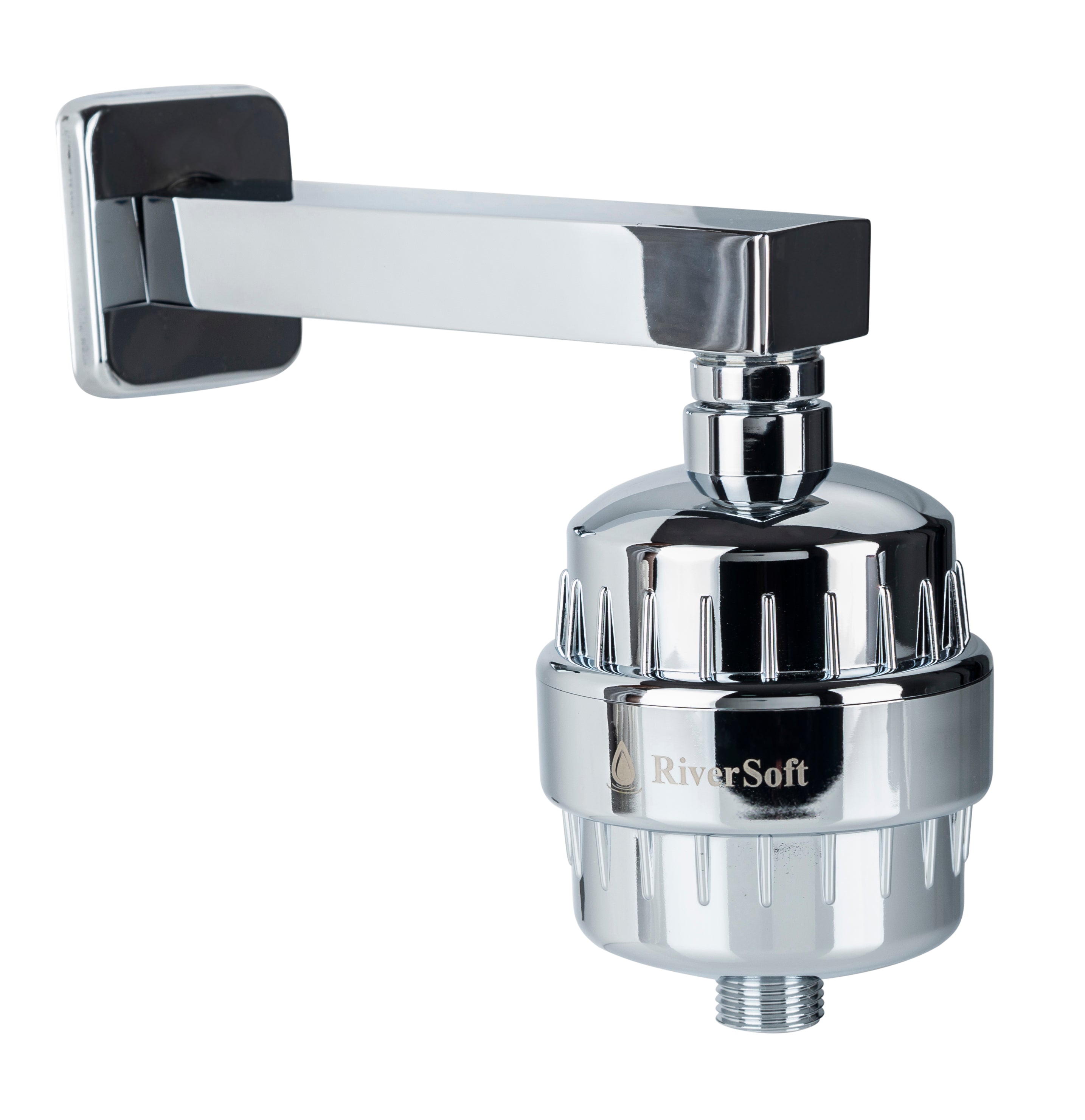
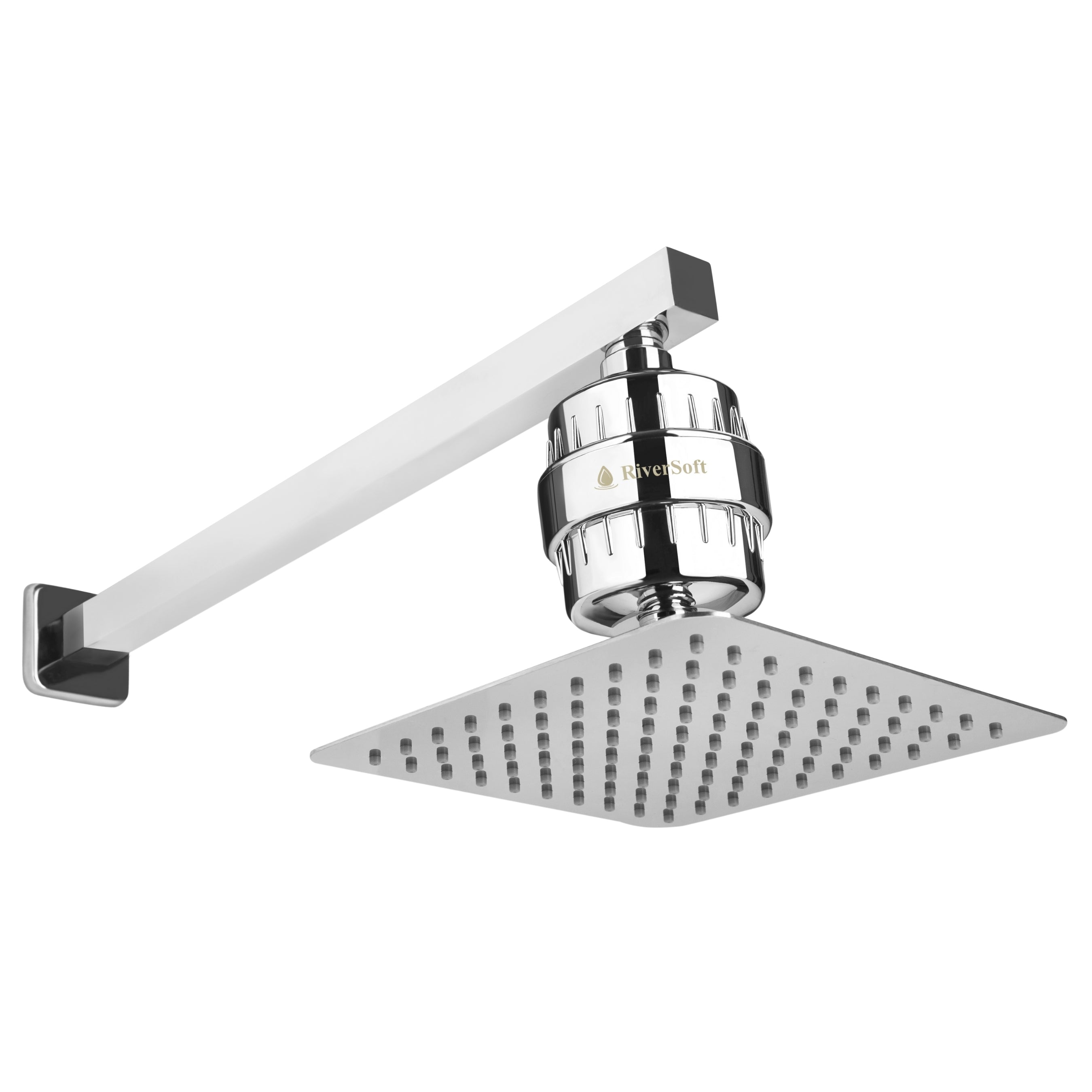
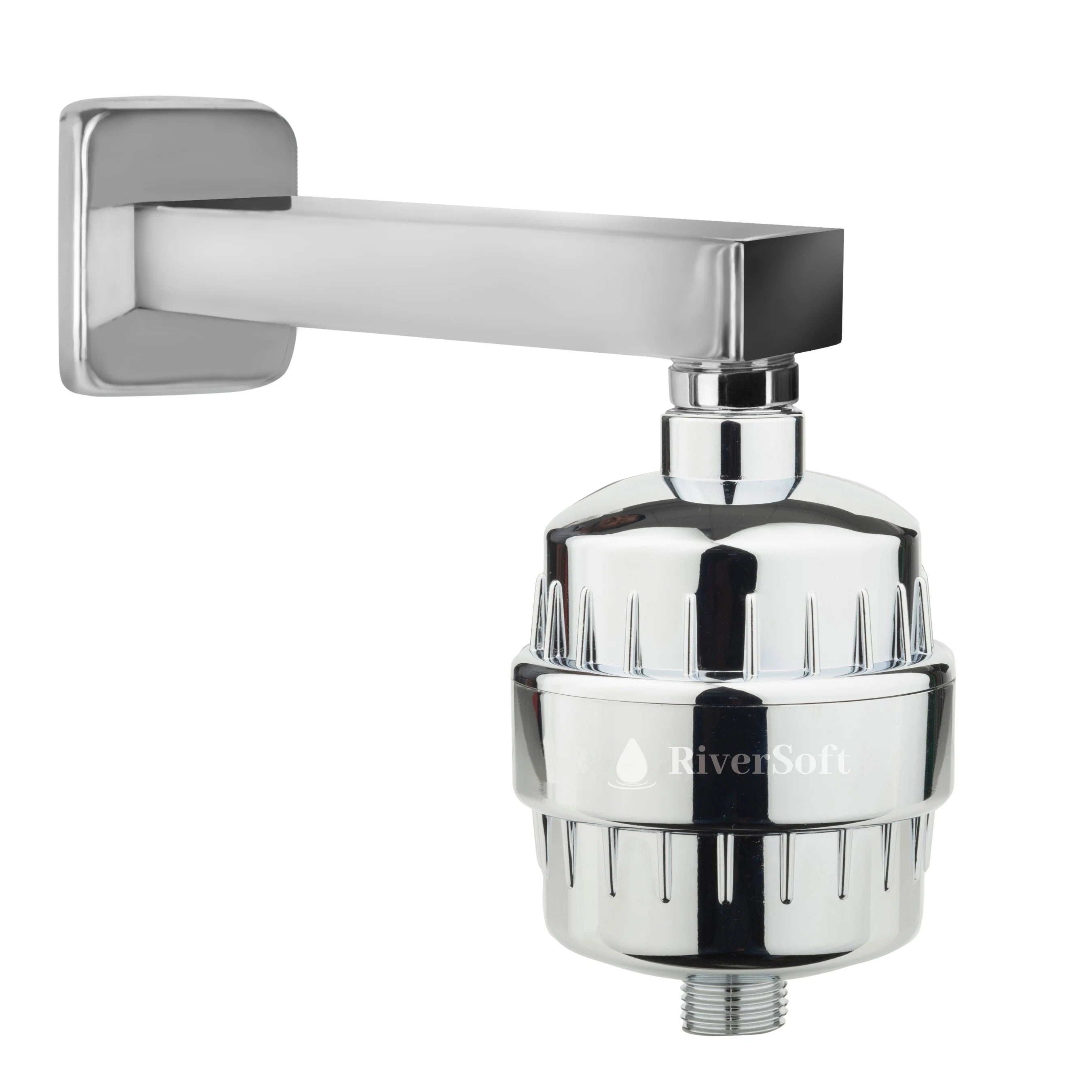
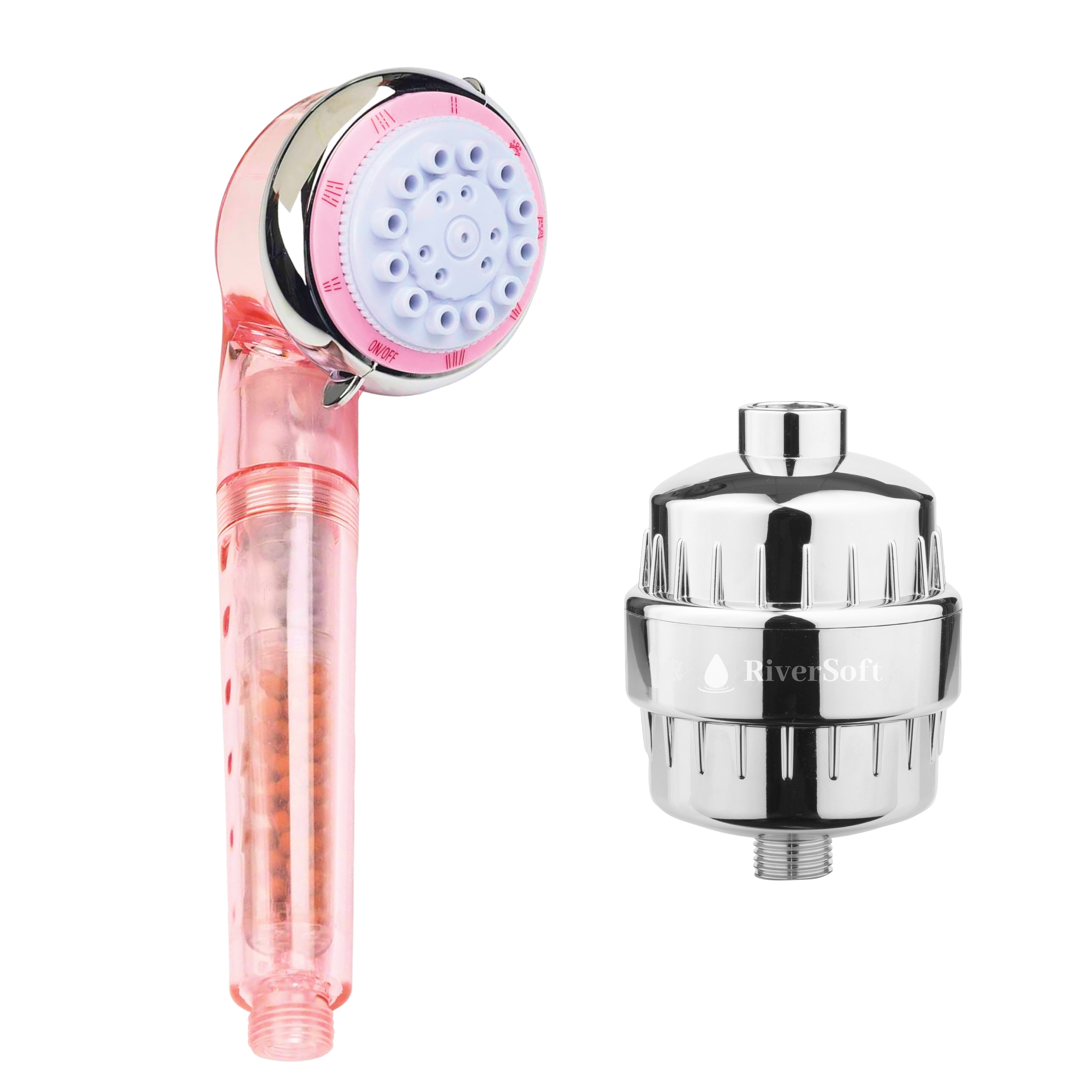
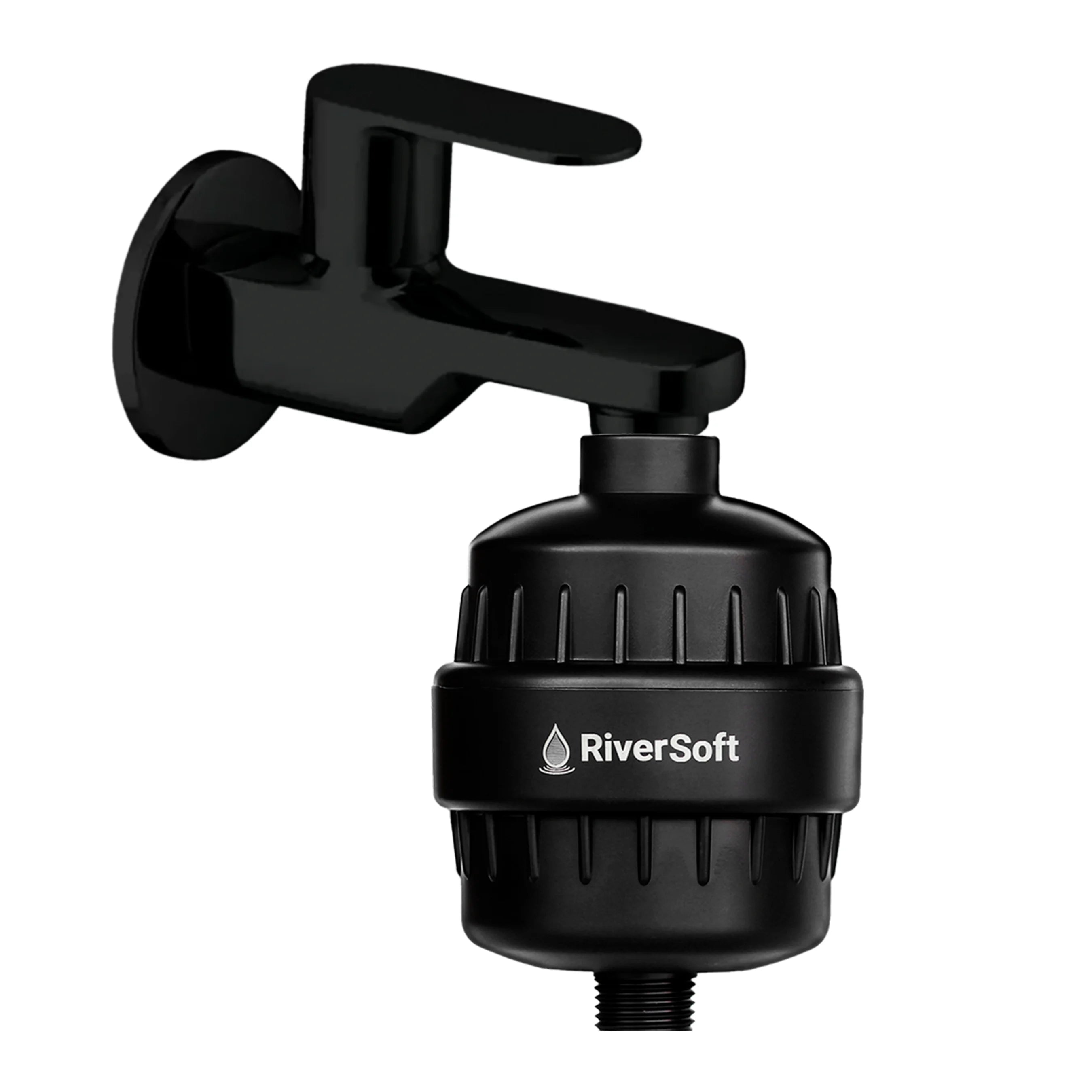
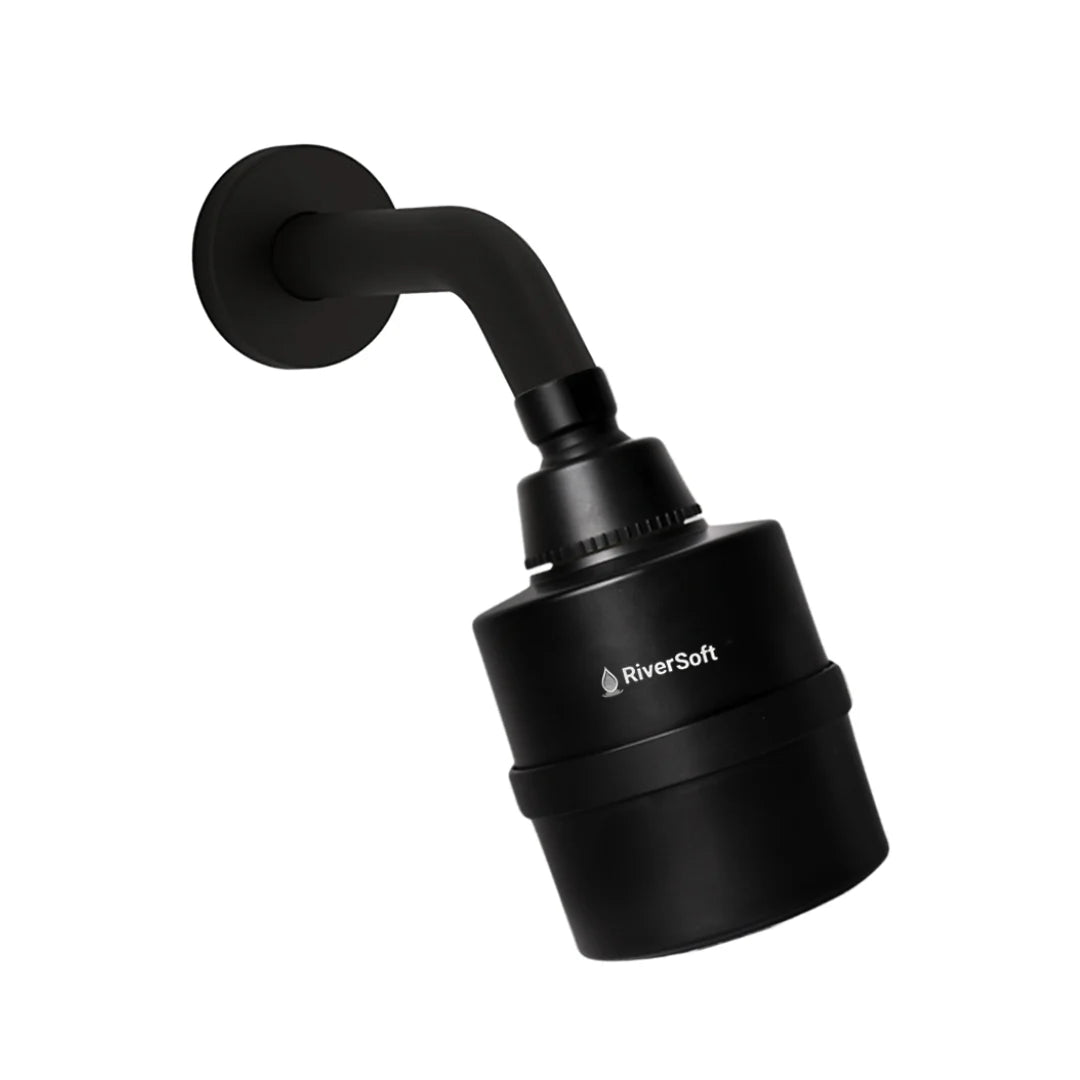
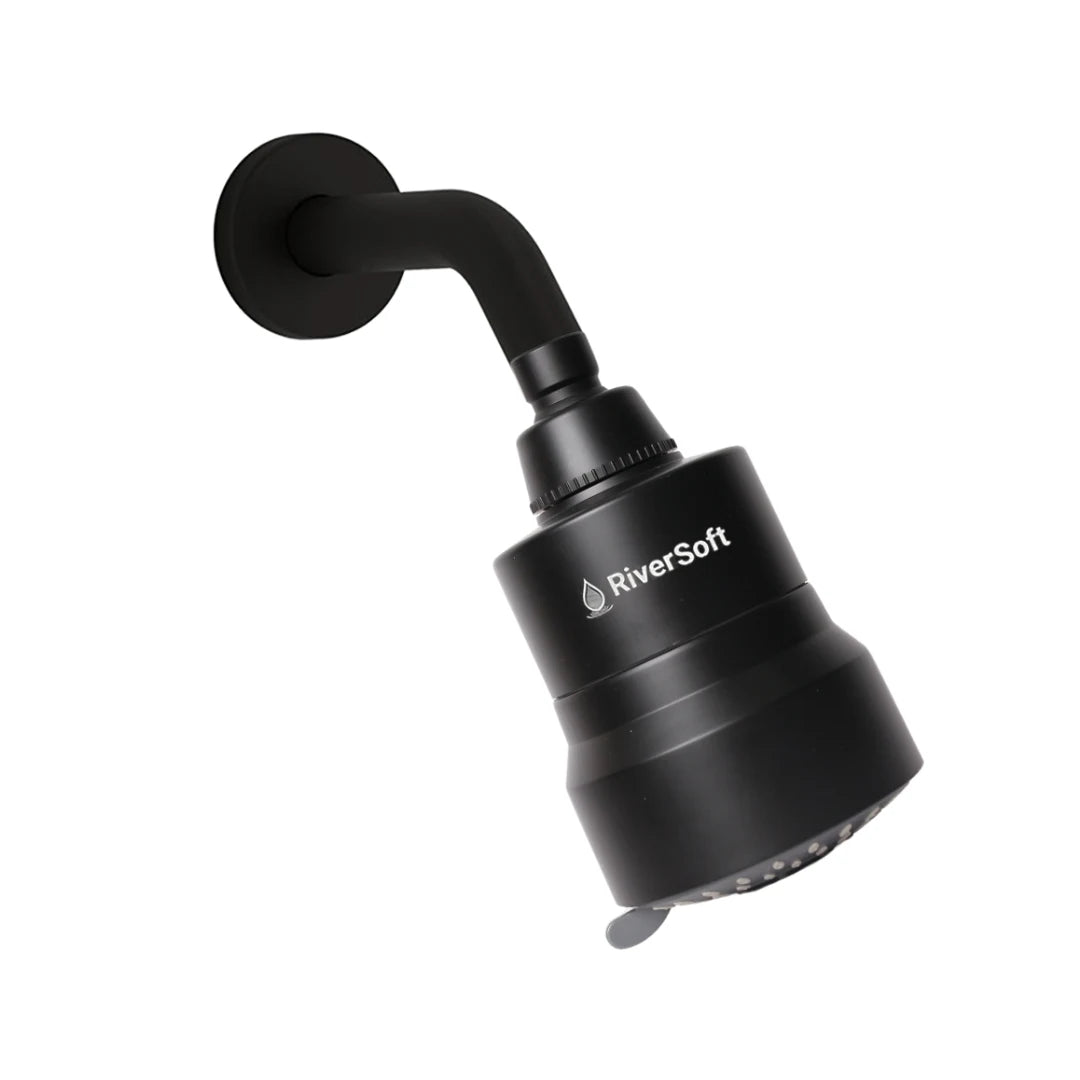
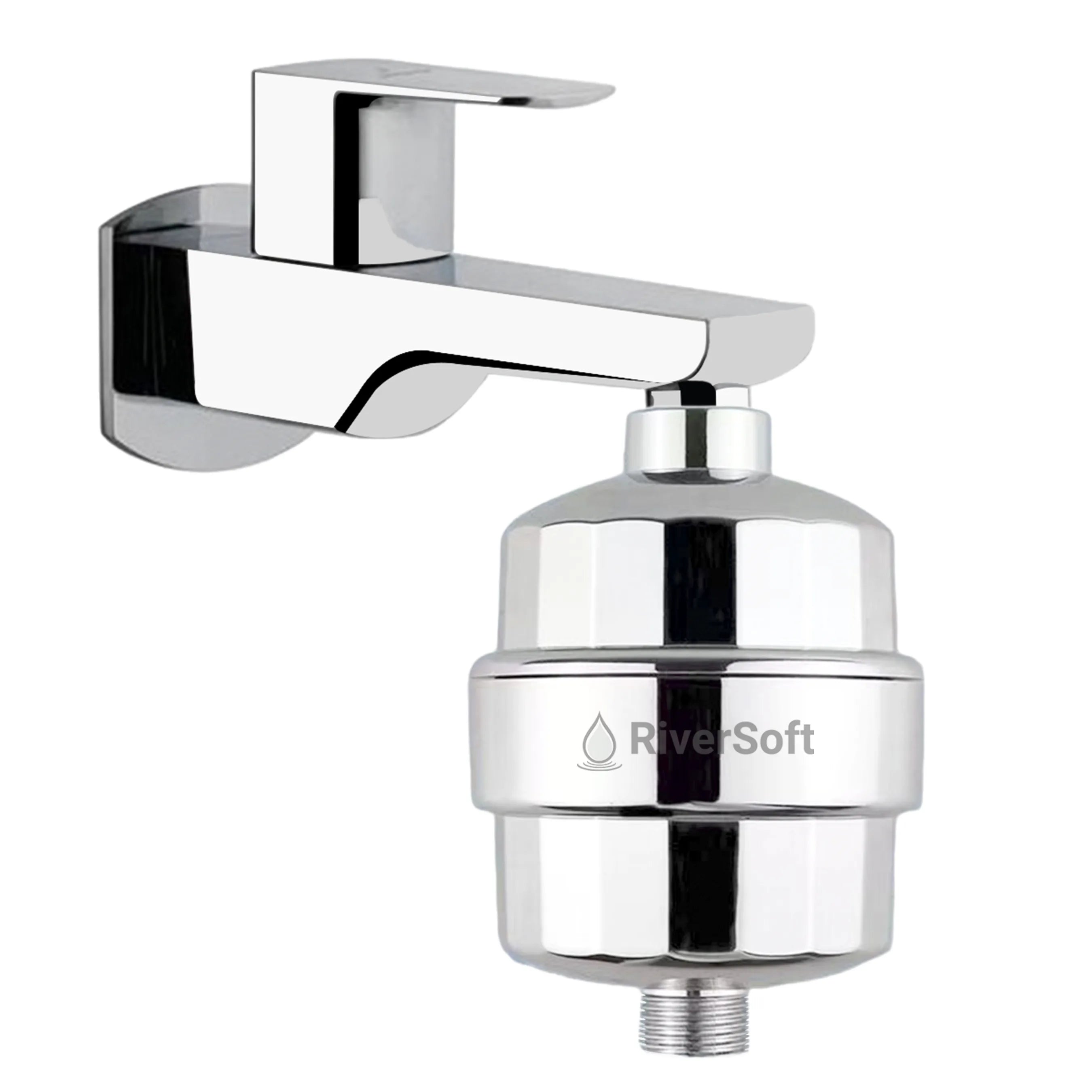
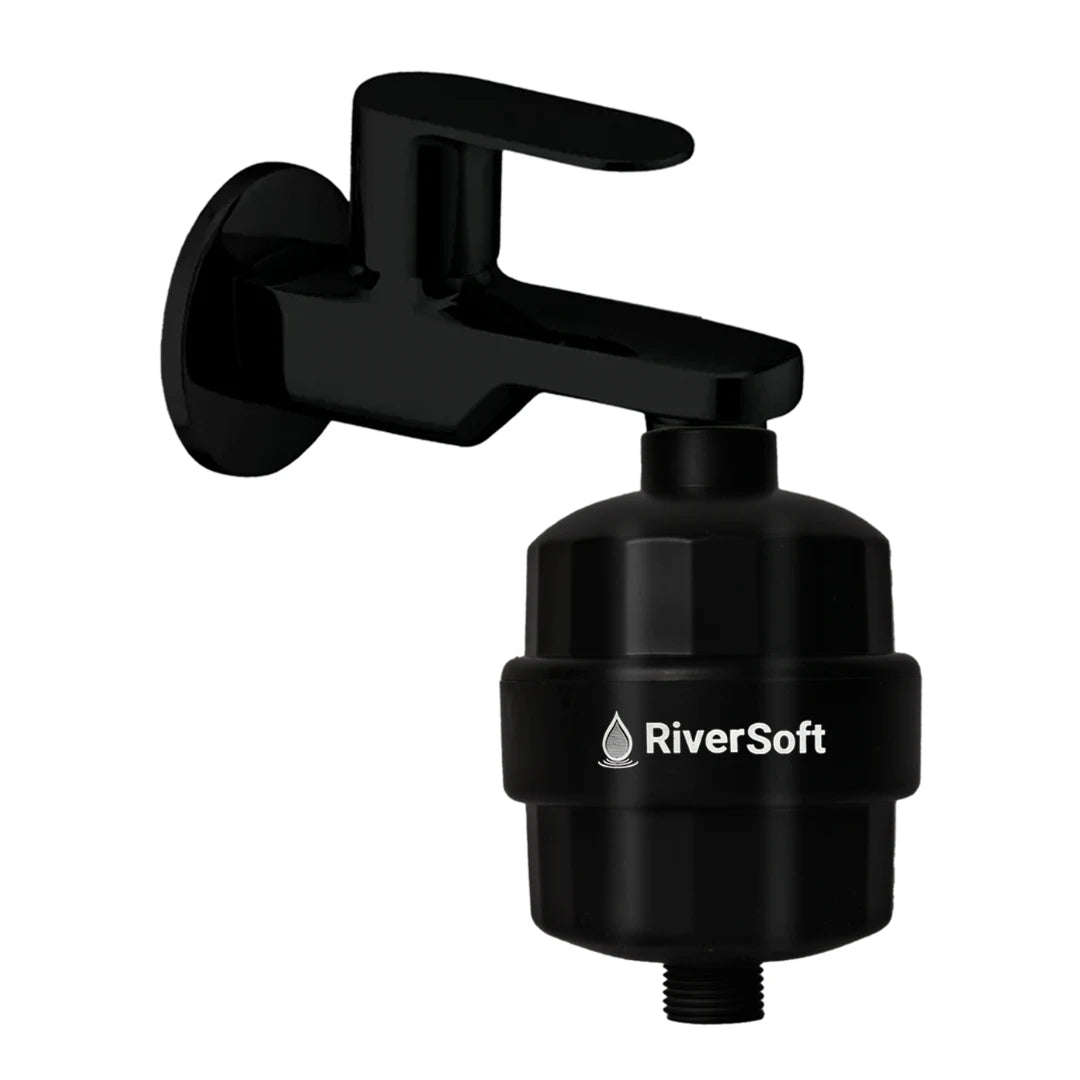
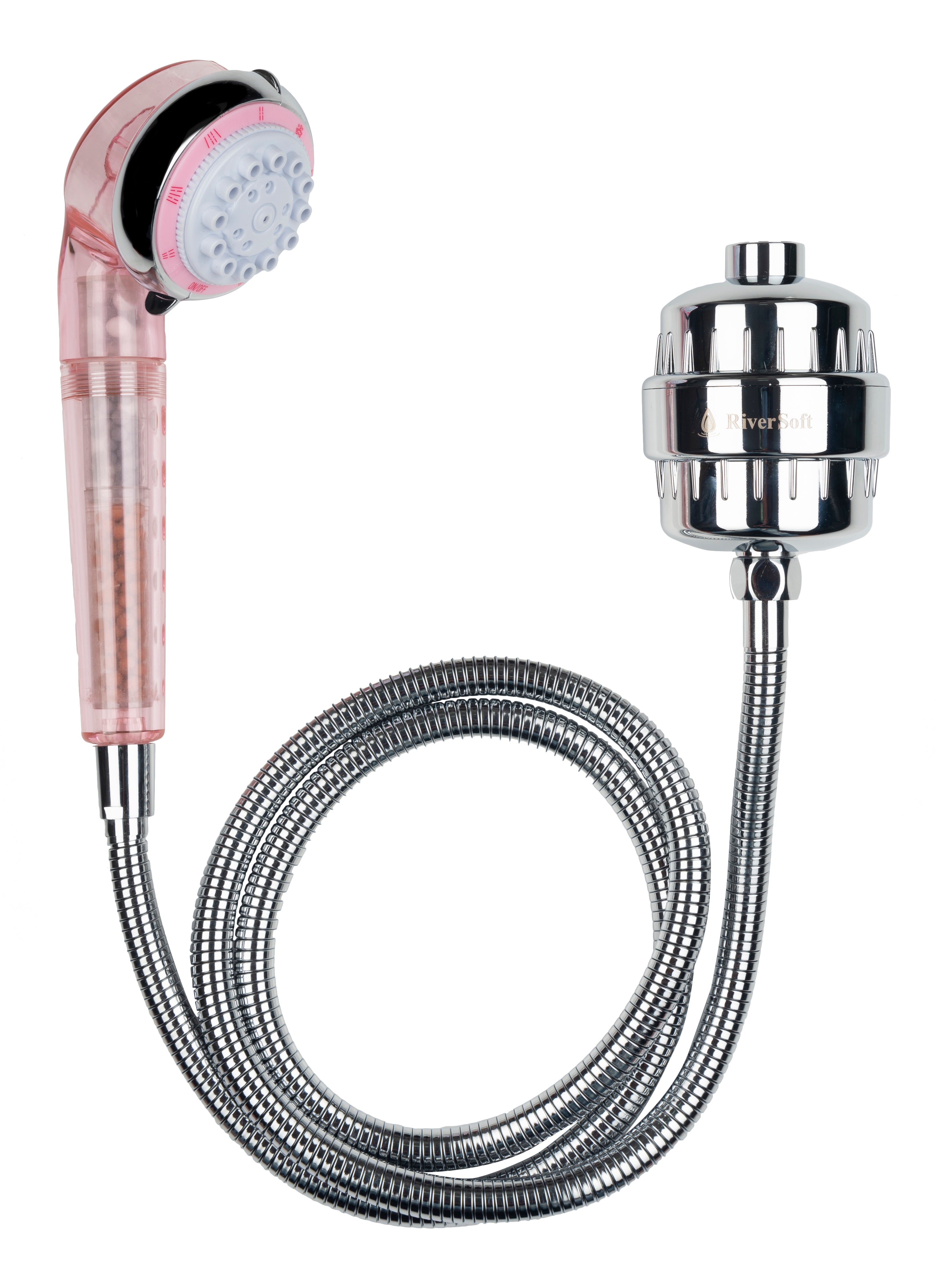
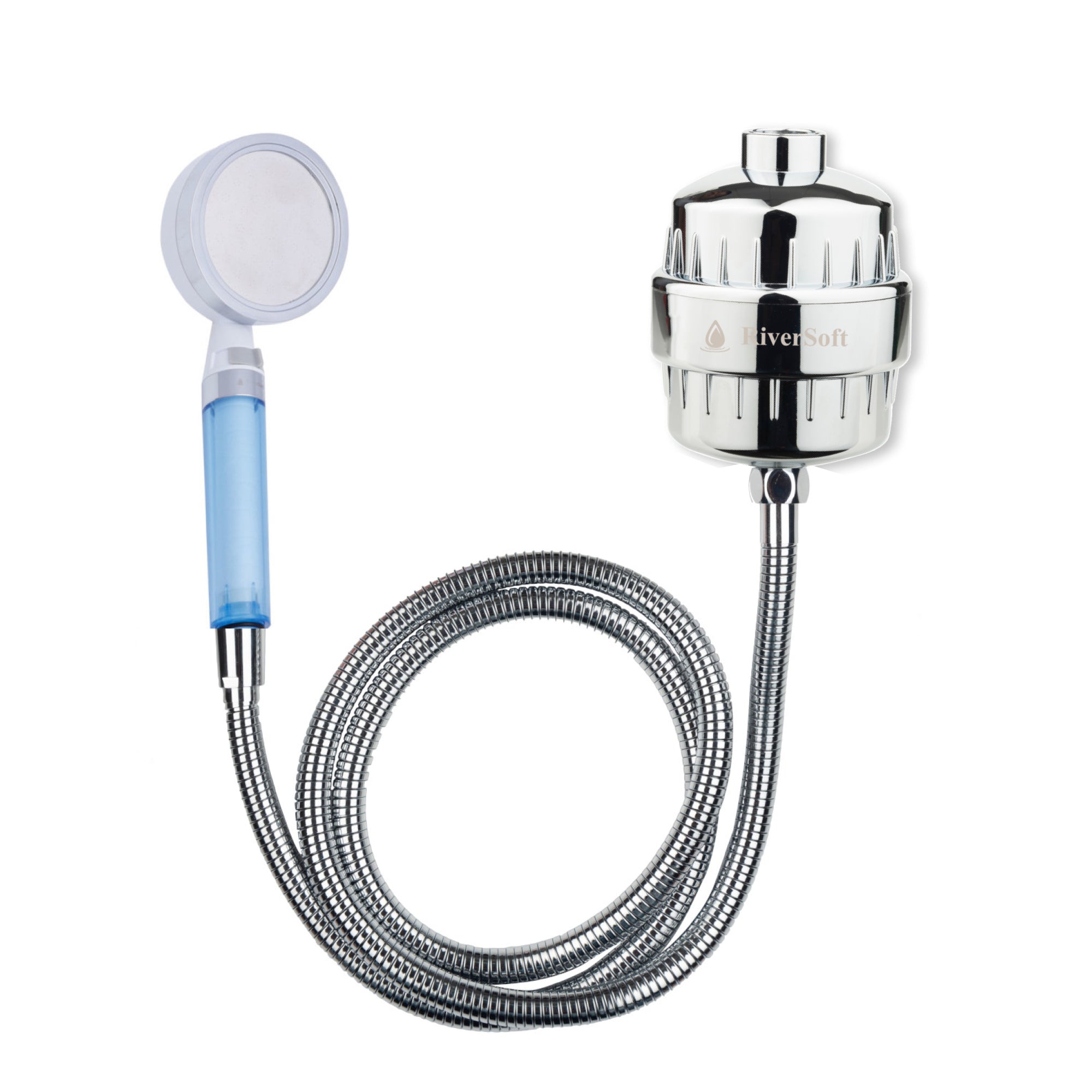
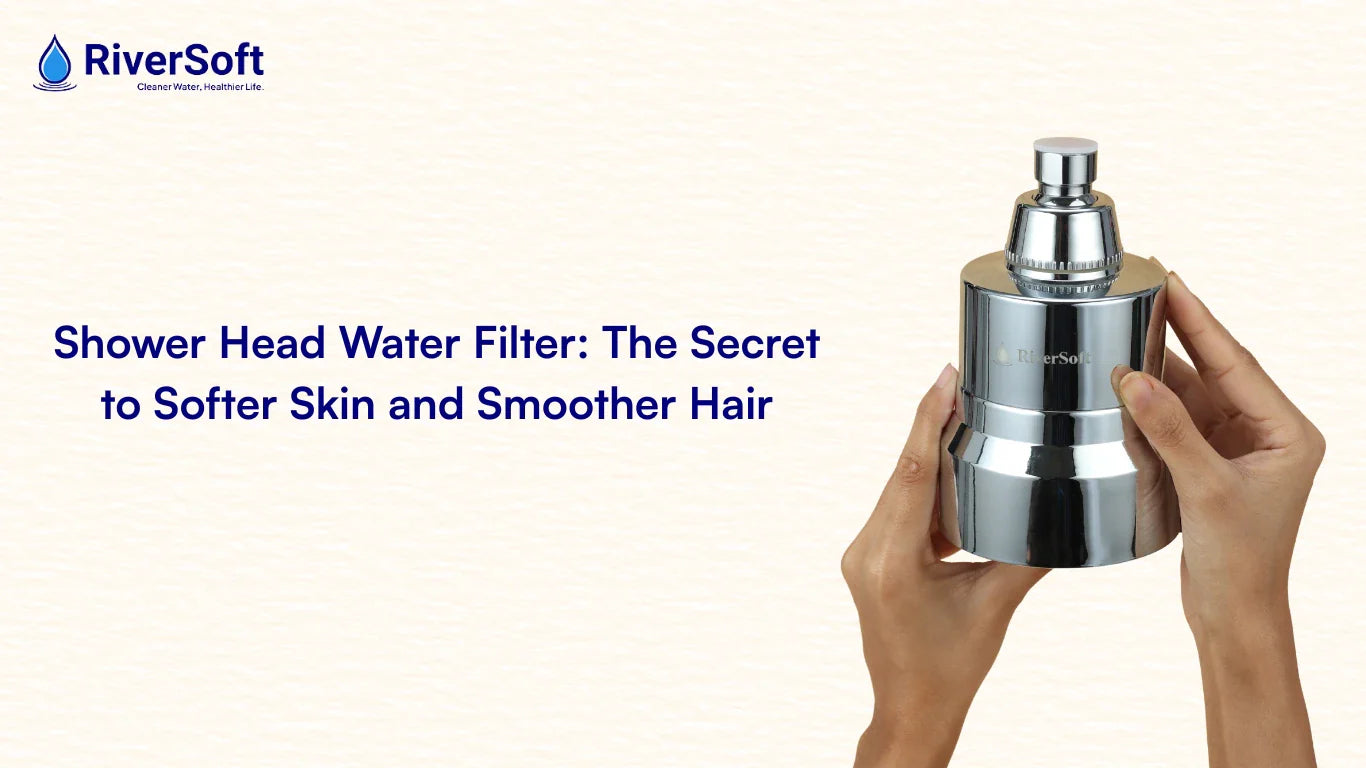
If your hair fall lines up with a move to a new city, a borewell-fed building, or generally hard tap water, a shower filter is worth trying first. The SF-15 PRO is built for moderate to high water hardness, covering most Indian municipal and borewell supplies. It fits directly onto your existing shower, no plumber or drilling required, and starts working from the first wash. If your shedding started right around a move, this guide on hair fall after moving to Bangalore explains why it happens so fast.
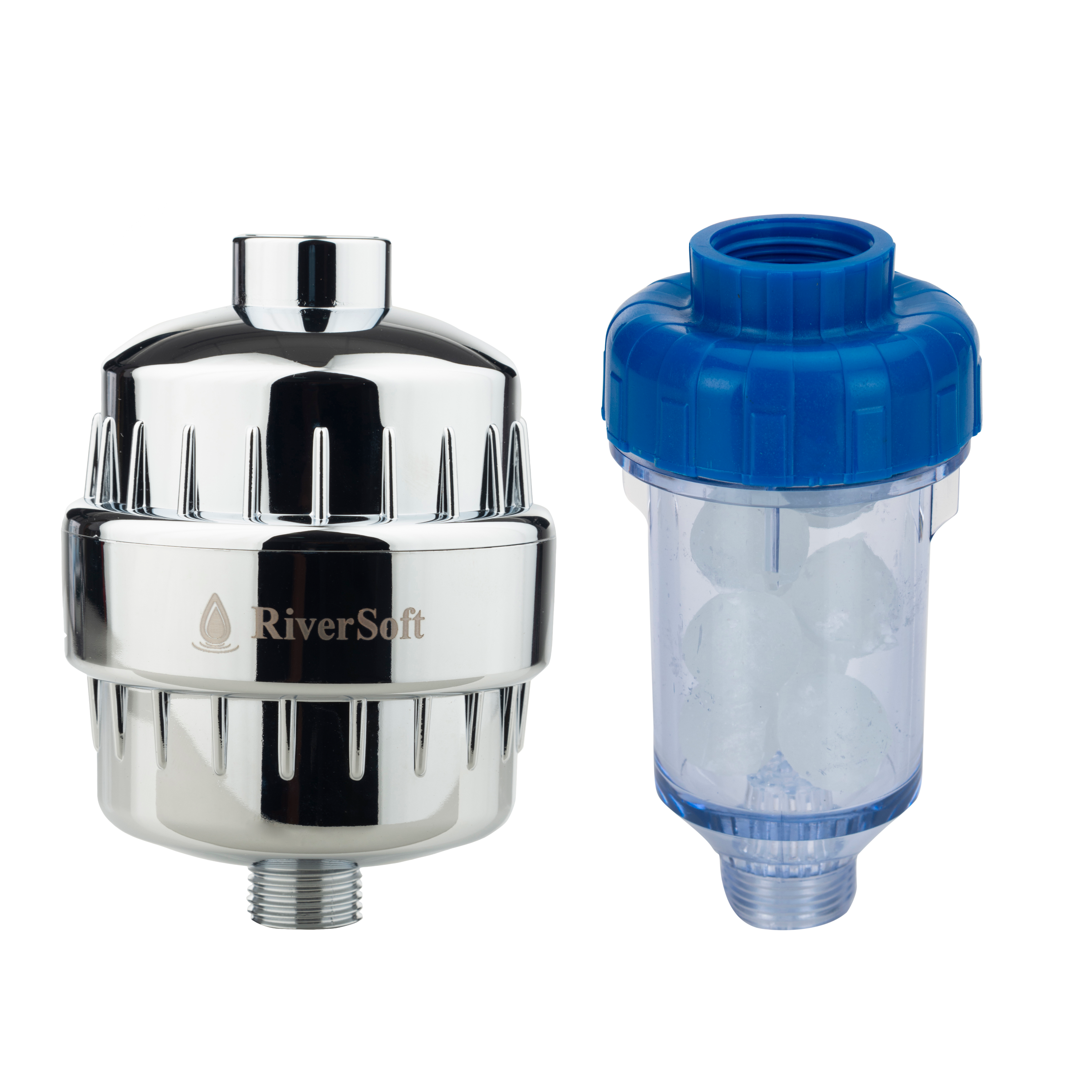
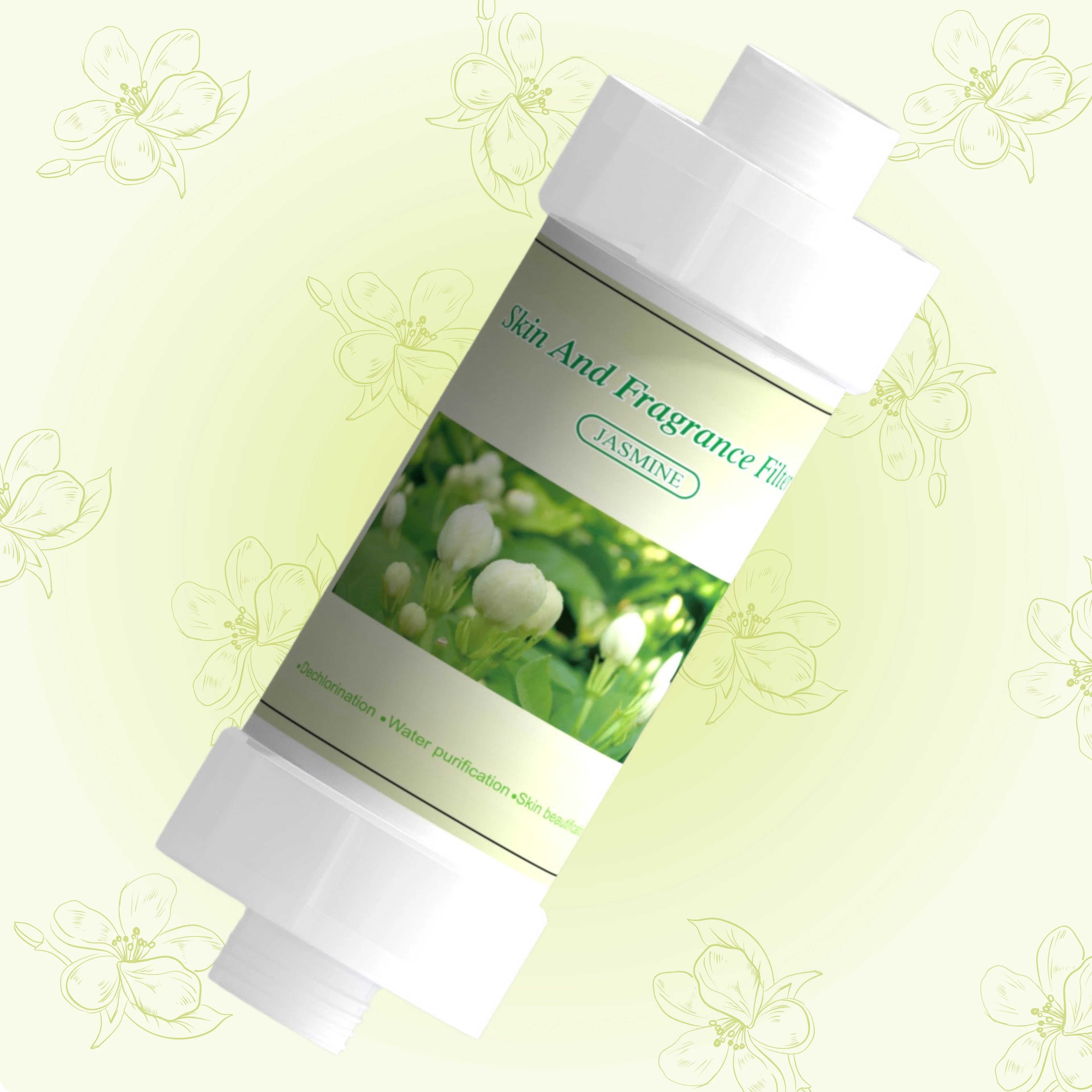
For extremely hard borewell water, Bliss-15 offers a stronger filtration stage. Check out RiverSoft's shower filters to see which fits your water condition.
Conclusion
Some hair falling out after shower is normal, and most of what you see in the drain is your hair simply completing its natural cycle. What matters is the pattern over time, not any single wash day. If shedding keeps climbing or you notice thinning at the hairline, hard water is a common and often overlooked contributor worth ruling out first.




























Leave a Comment