

You step out of the shower and, within minutes, the itch starts. You've tried three different shampoos in the last two months. None of them fixed it. An itchy scalp after a shower, no matter what shampoo you use, usually isn't a shampoo problem. The real culprit may be the water coming from your tap.
What Causes an Itchy Scalp After Shower?
Most Indian homes receive hard water, which contains high levels of calcium and magnesium. These minerals don't rinse off the way you'd expect. They leave behind a thin residue film on the scalp with every wash. Over time, this film clogs follicle openings and traps dead skin cells. This buildup prevents your scalp from functioning normally.
Then there's chlorine. Municipal water across Indian cities is treated with chlorine to kill bacteria. But chlorine is also a strong stripping agent. During a 10 to 15 minute shower, it dissolves sebum. This is the natural oil your scalp produces to stay protected and moisturised. Without that oil layer, your scalp dries out, the skin barrier weakens, and irritation sets in. That's the tight, itchy feeling that starts a few minutes after you towel off.
Together, minerals and chlorine can make the problem worse.. Minerals weaken the scalp barrier; chlorine strips whatever protection is left. If you're also seeing flaking, that's covered in detail in our hard water dandruff blog.
What This Looks Like in Practice
If your water is causing the itch, there's usually a clear pattern. The scalp feels fine during the shower. It becomes tight and irritated 10 to 20 minutes after you step out. Watch for these signs:
-
Scalp feels dry or tight even after conditioning
-
White flakes on your scalp or shoulders that don't respond to anti-dandruff shampoo
-
Hair feels rough and coated at the roots right after washing
-
Shampoo doesn't lather well, and your hair never quite feels fully rinsed
This problem becomes even more noticable in cities where hard water is common.. Cities like Bangalore, Hyderabad, and Chennai regularly see water hardness of 300 to 500 ppm and above. That's well beyond the BIS-recommended limit of 200 mg/L. In areas like Whitefield and Sarjapur in Bangalore, borewell water can exceed 500 ppm. At these levels, the mineral deposit on the scalp after each shower is significant.
Delhi, Gurgaon, and Noida get heavily chlorinated municipal supply on top of moderate to high mineral hardness. Residents there often deal with both problems at once.
Why Switching Shampoos Doesn’t Fix It?
Most people reach for a new shampoo because it's the obvious thing to try. But shampoos work on the hair shaft. They can't change the mineral content of the water hitting your scalp, and they can't replace the oils that chlorine strips away during the wash itself. By the time the shampoo is doing anything, the damage is already in progress.
There's another reason shampoos fall short in hard water. The minerals react with the cleansing agents in shampoo and form a sticky soap residue that stays on the scalp even after thorough rinsing. Medicated shampoos can offer temporary relief, but the next shower resets the problem entirely. If you've noticed that nothing from the pharmacy seems to last more than a few days, understanding what hard water does to your products explains why.
How to Actually Stop the Itch: Filter the Water First
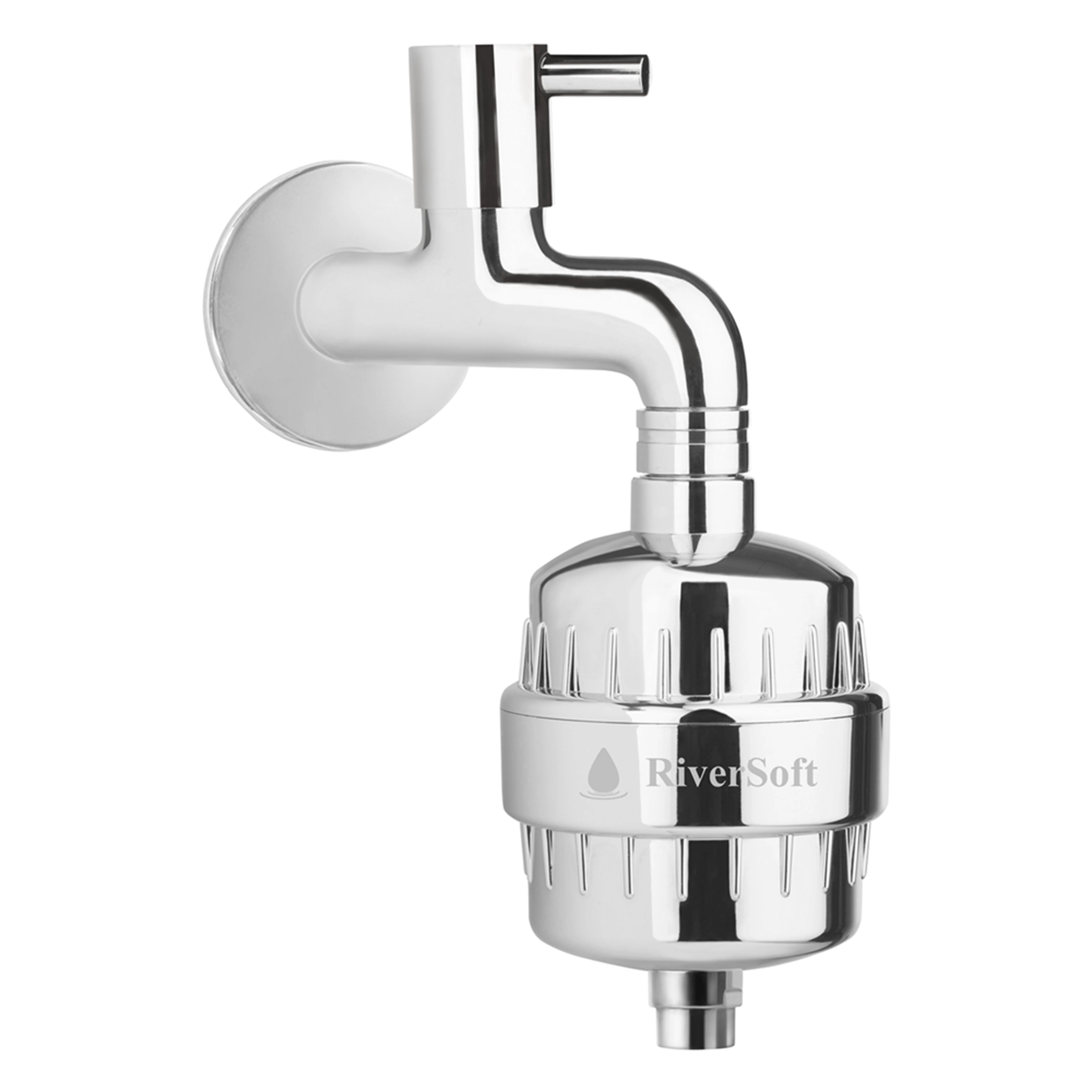
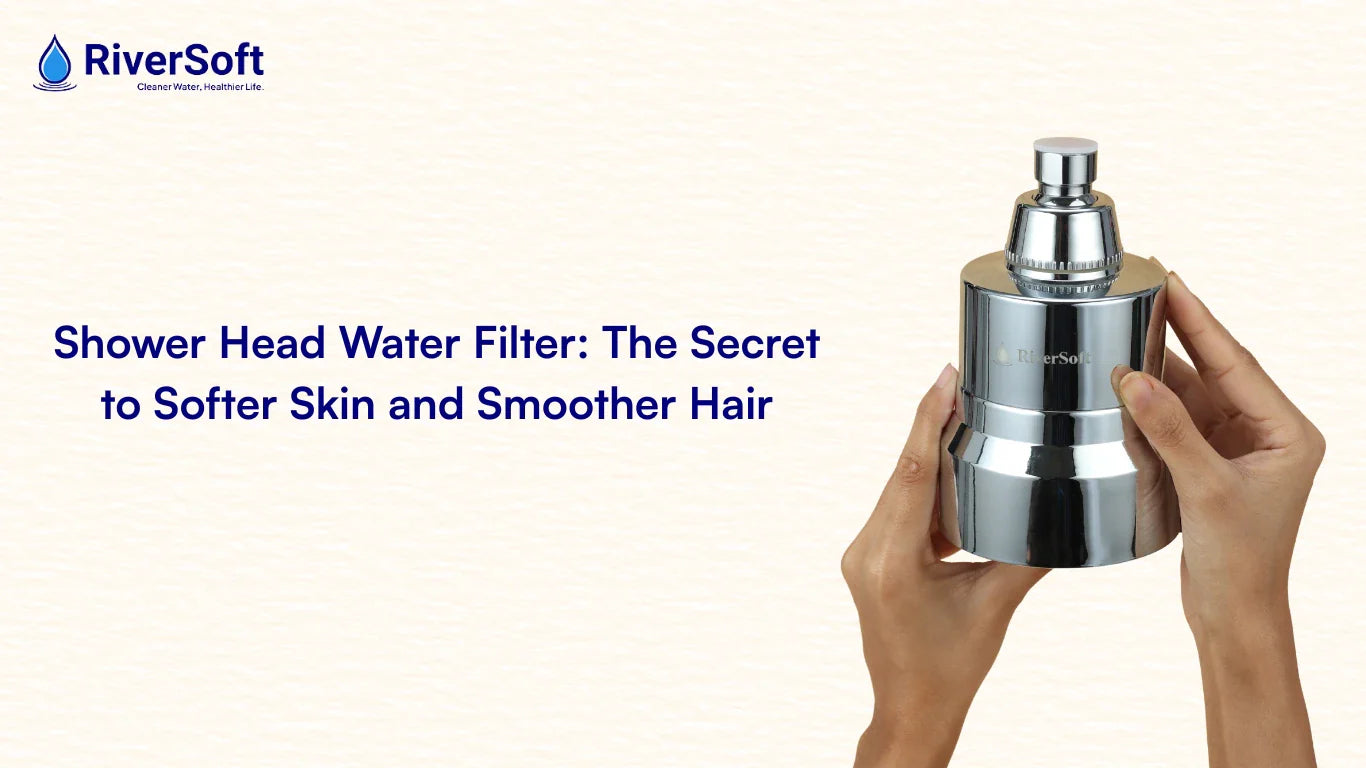
The solution starts before the water reaches your scalp.. Reduce the minerals and chlorine before the water reaches your scalp, and the chain reaction that causes irritation doesn't start. That's what a shower filter for hard water does. It attaches to your existing shower outlet and filters the water before it touches your skin and scalp.
Once you’ve identified water as the cause, choosing the right shower filter becomes much easier.
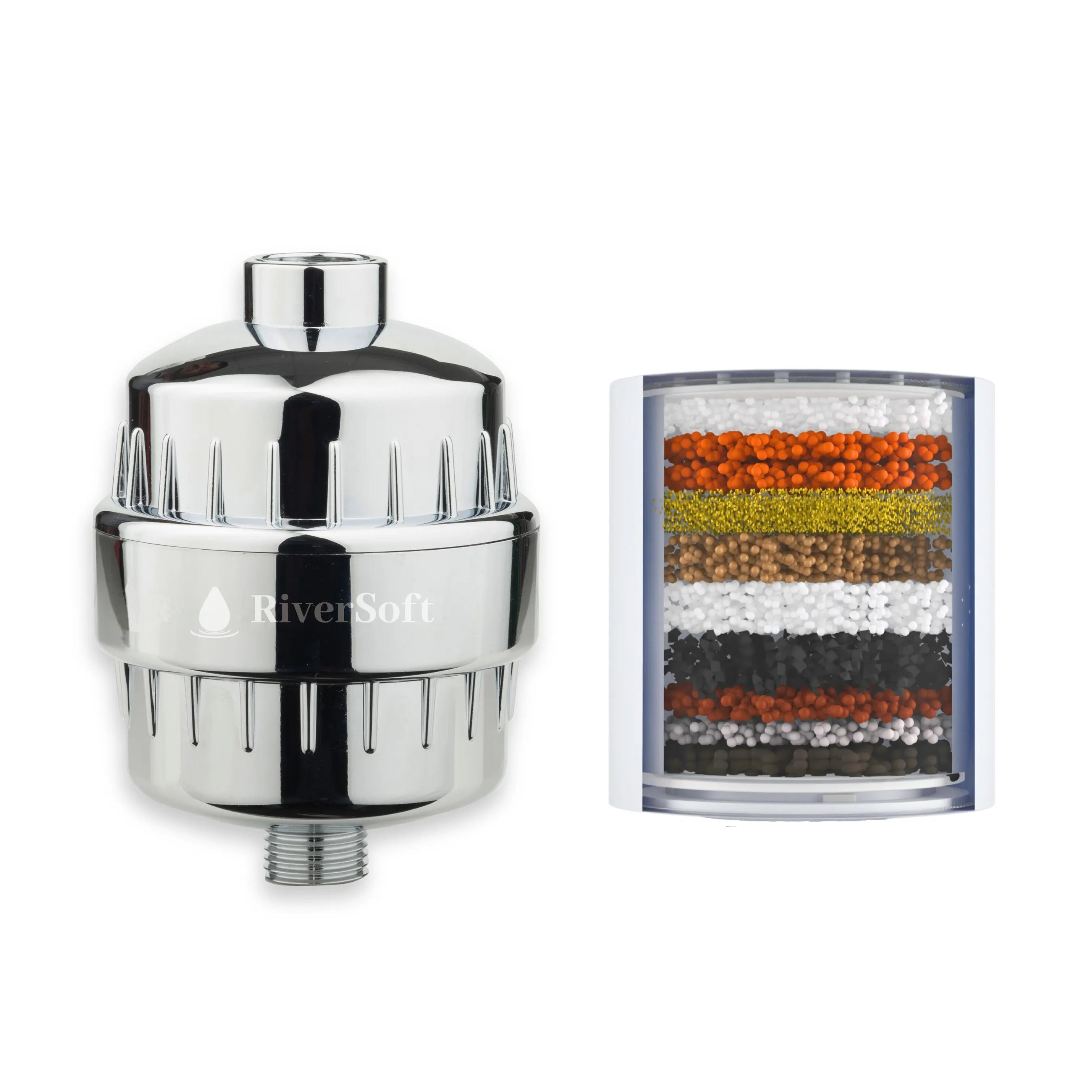
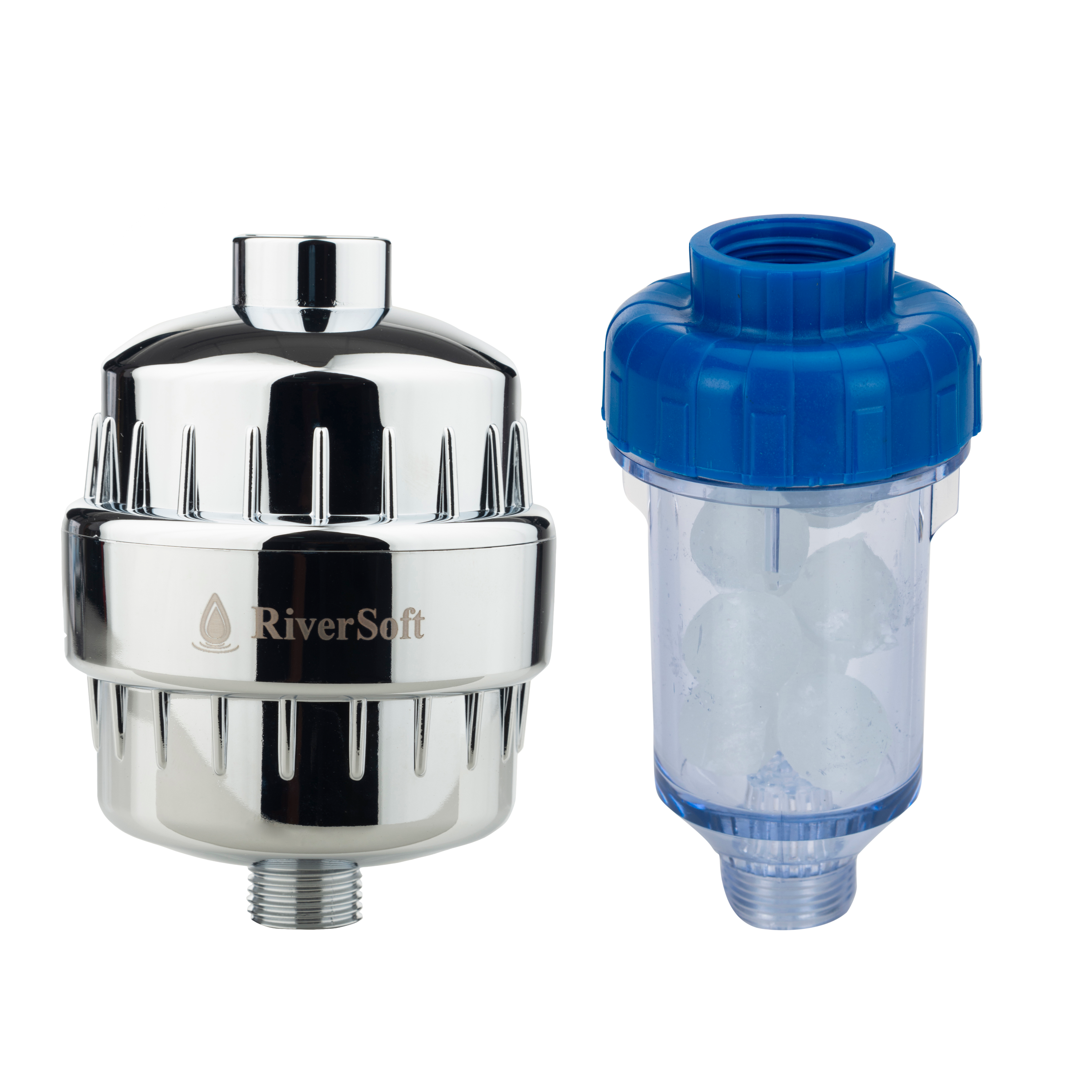
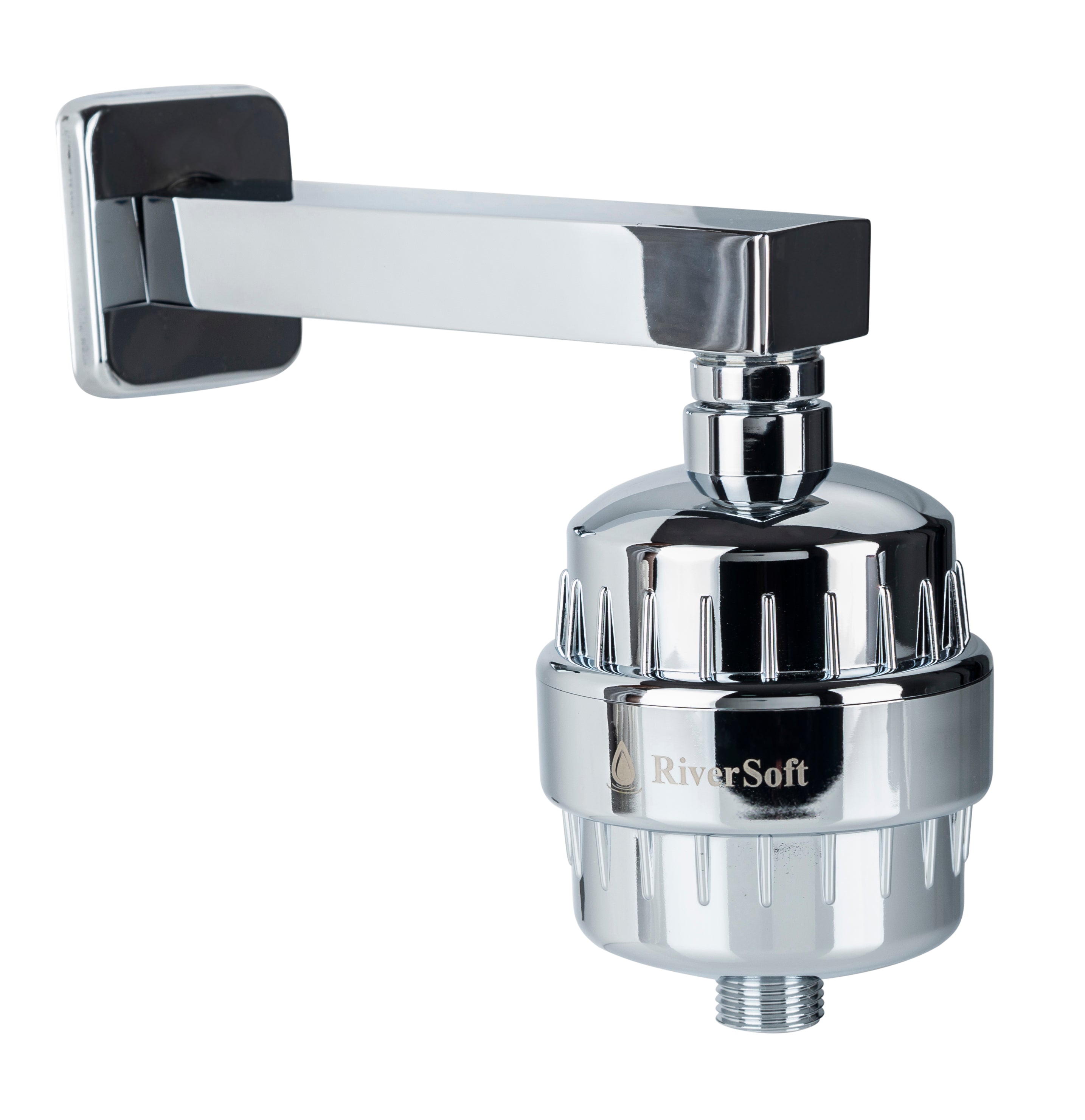
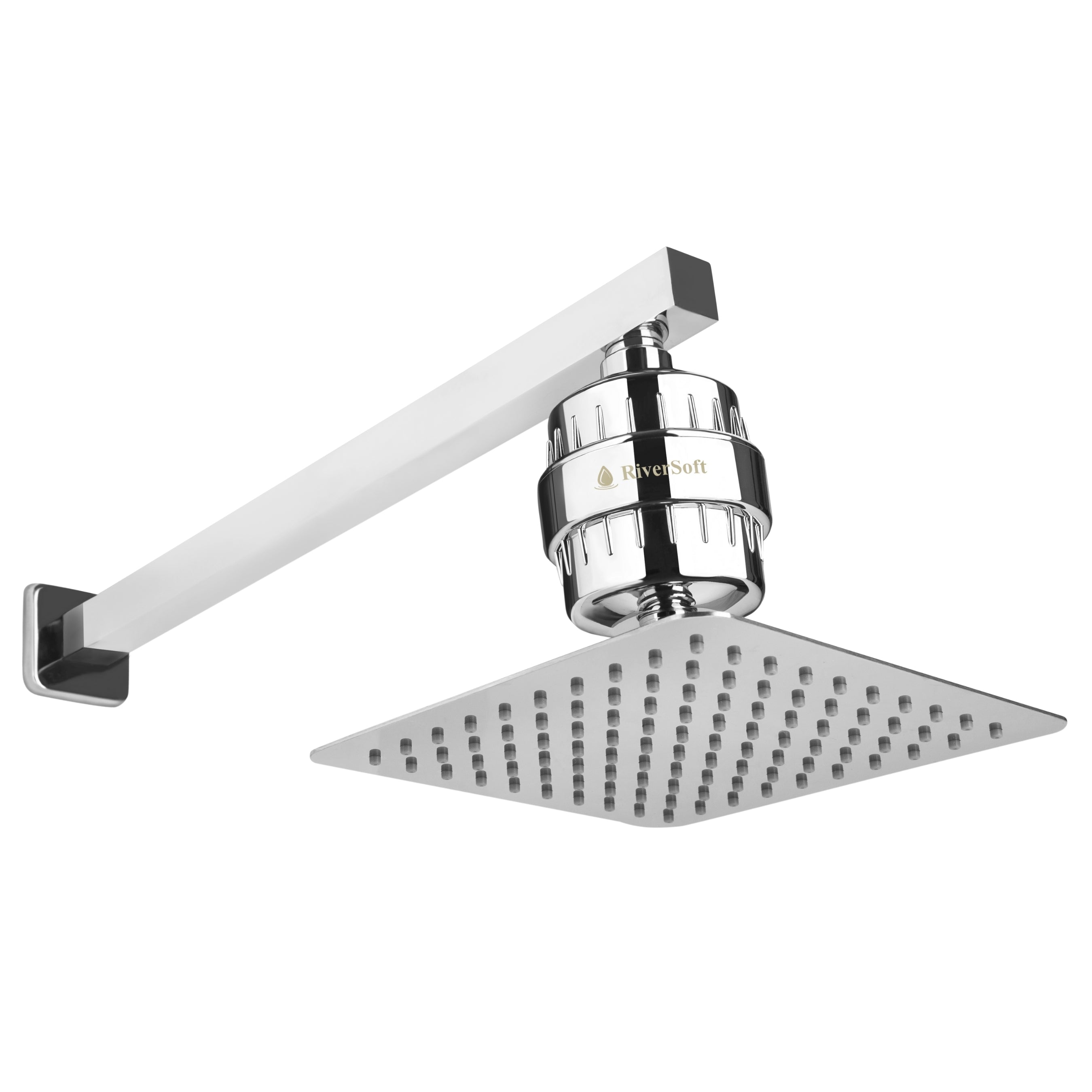
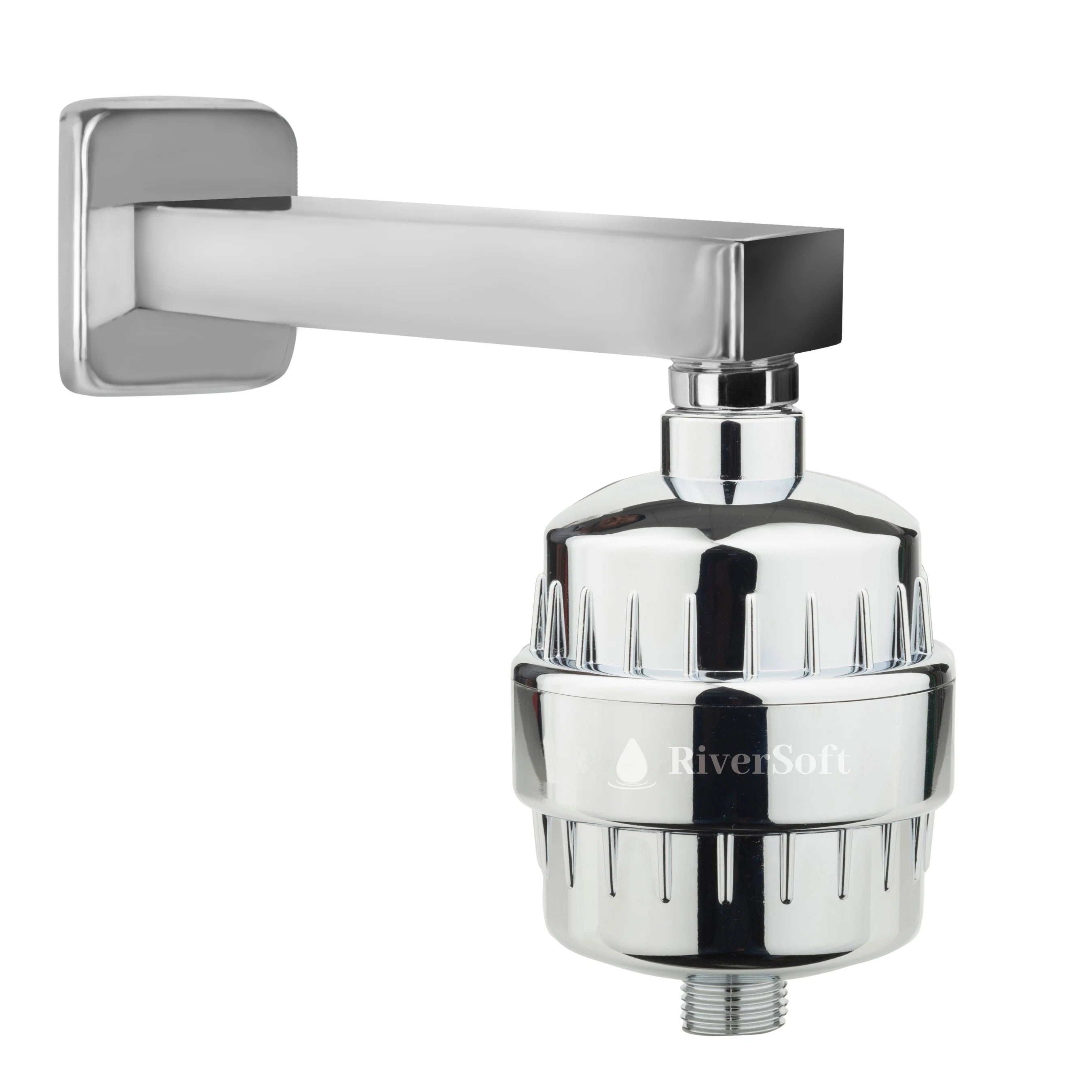
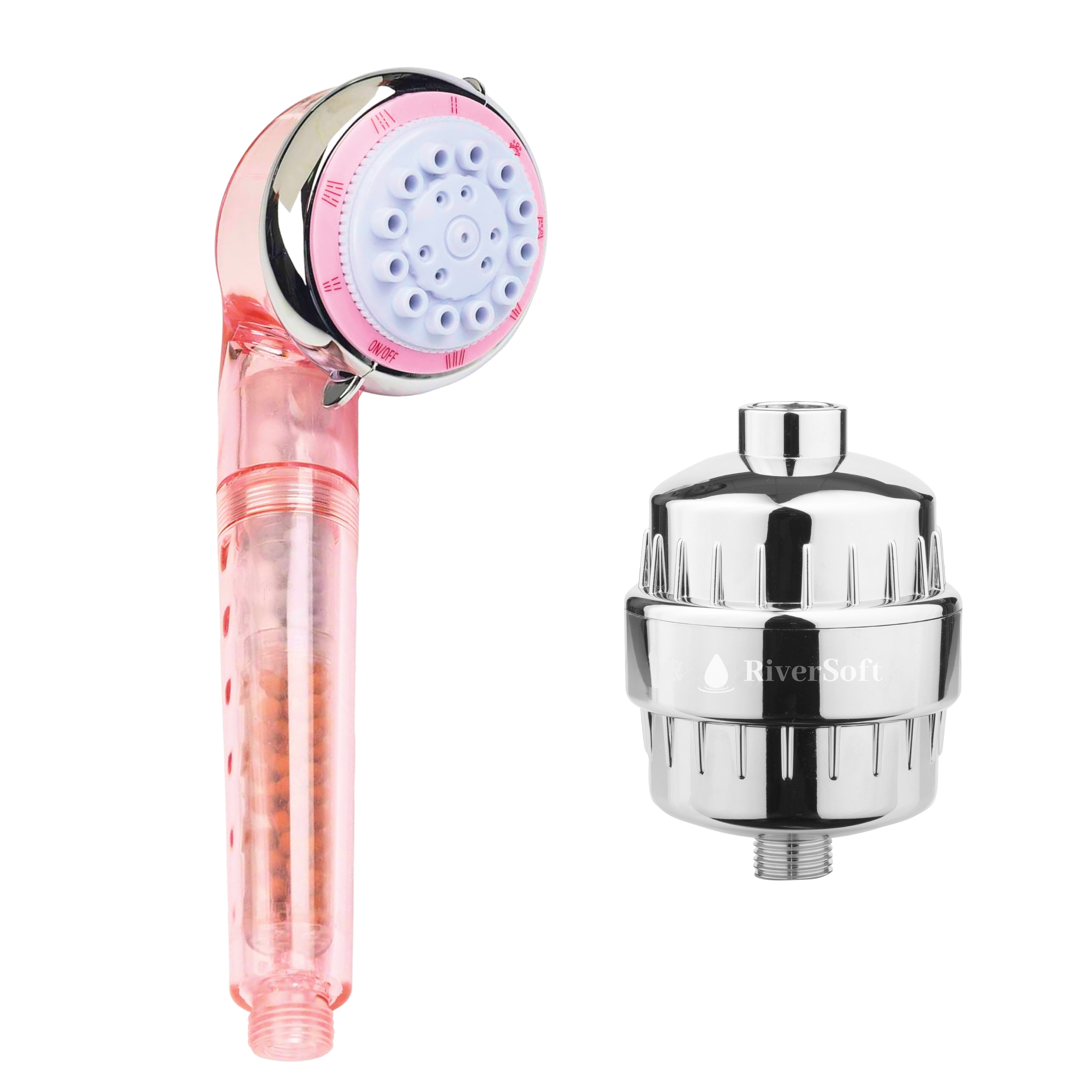
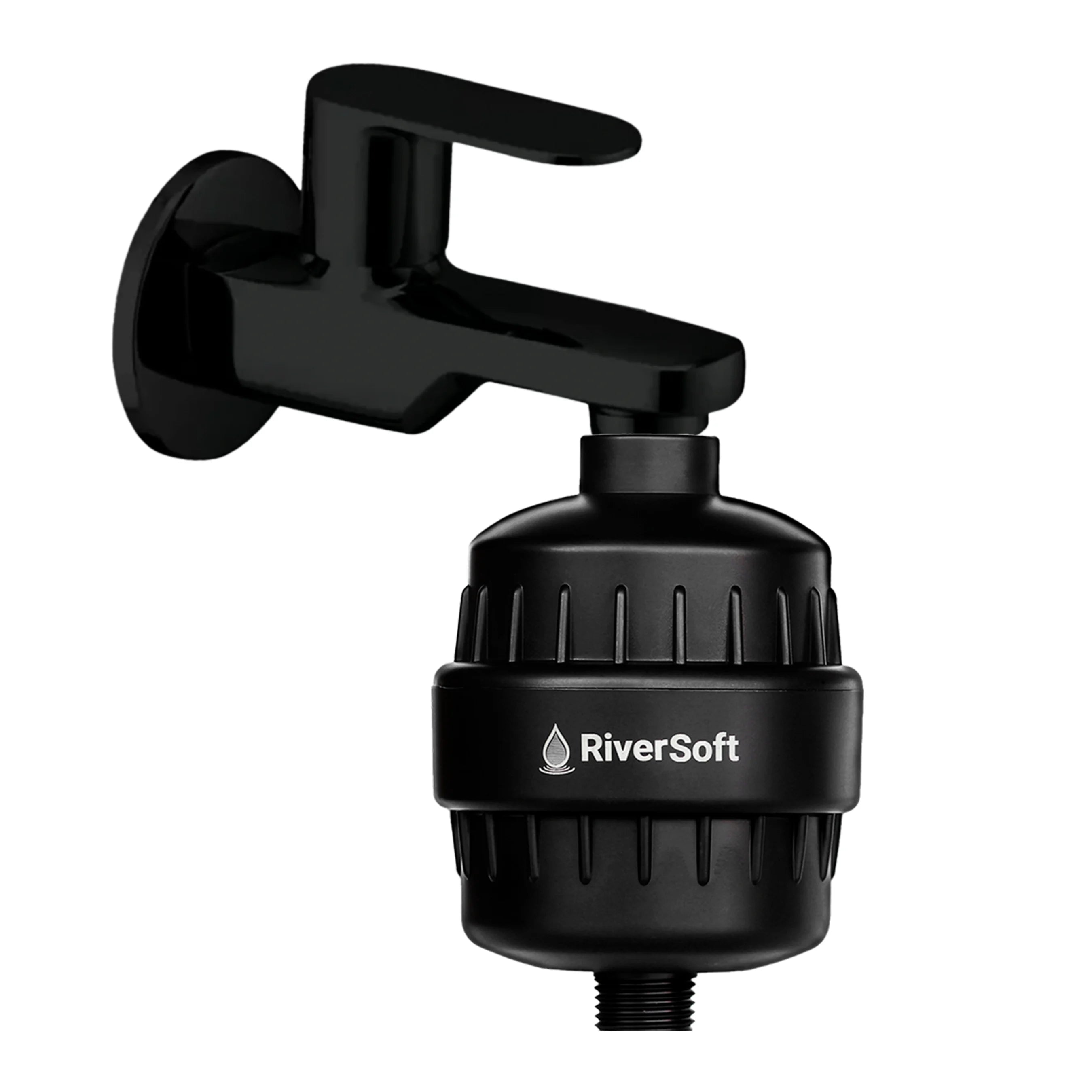
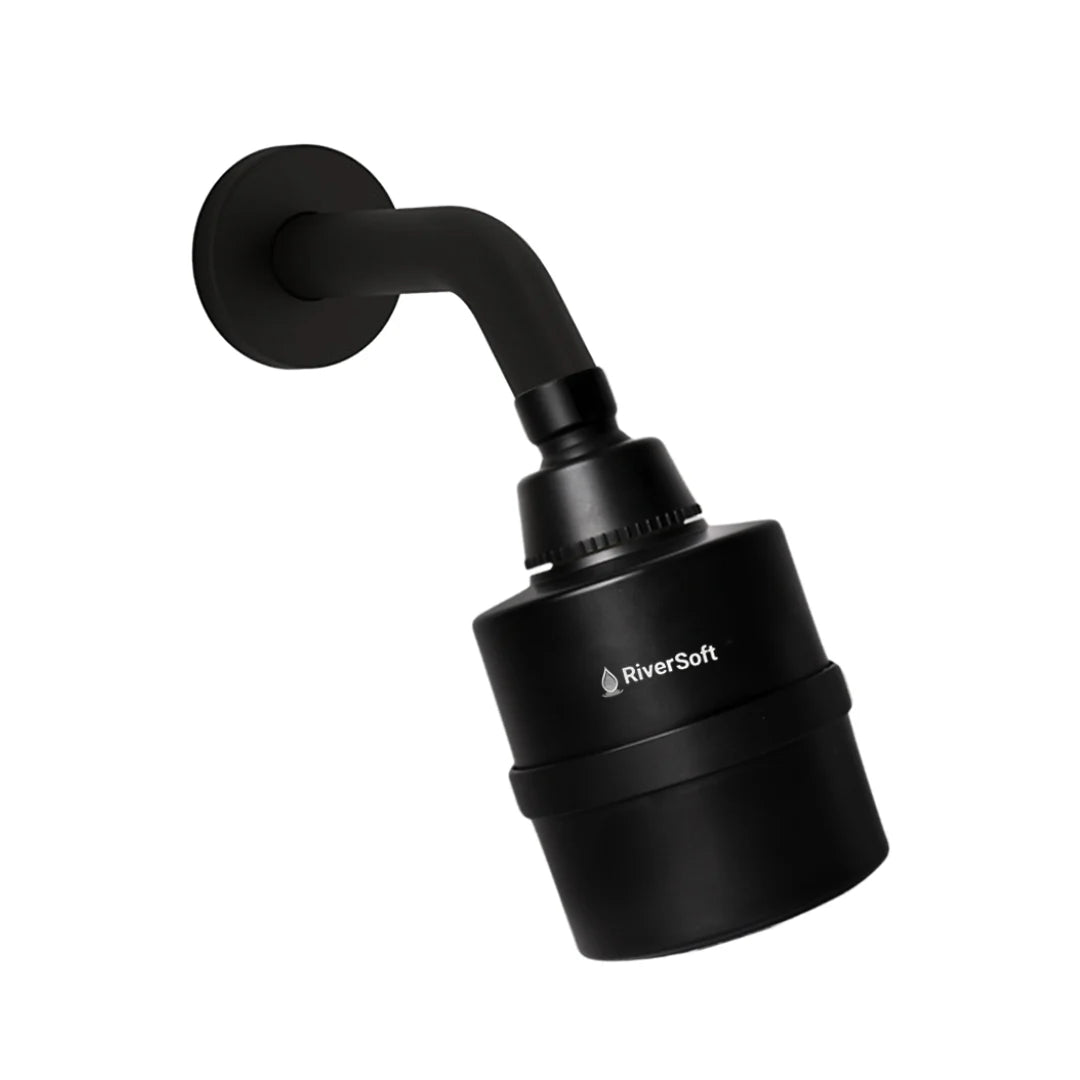
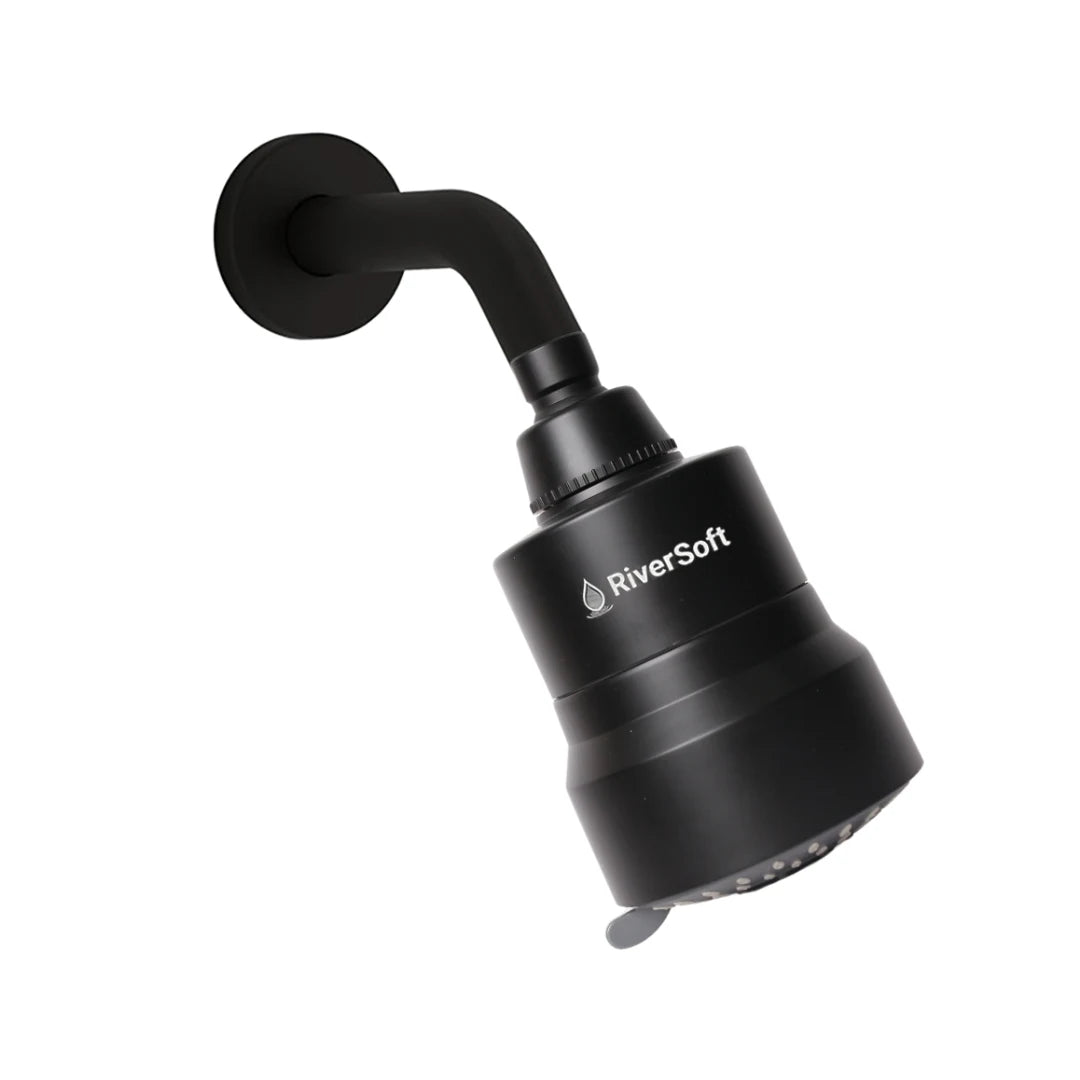
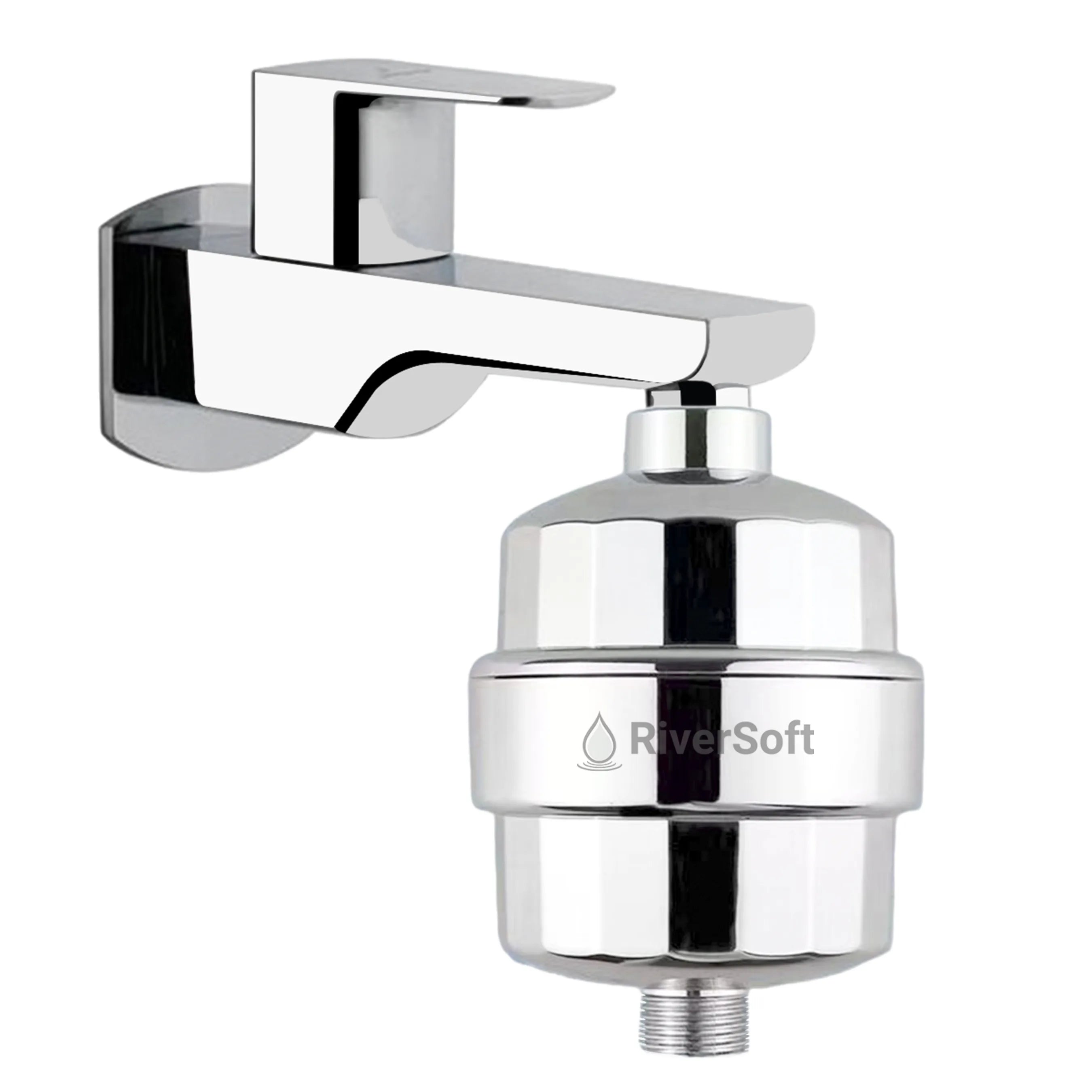
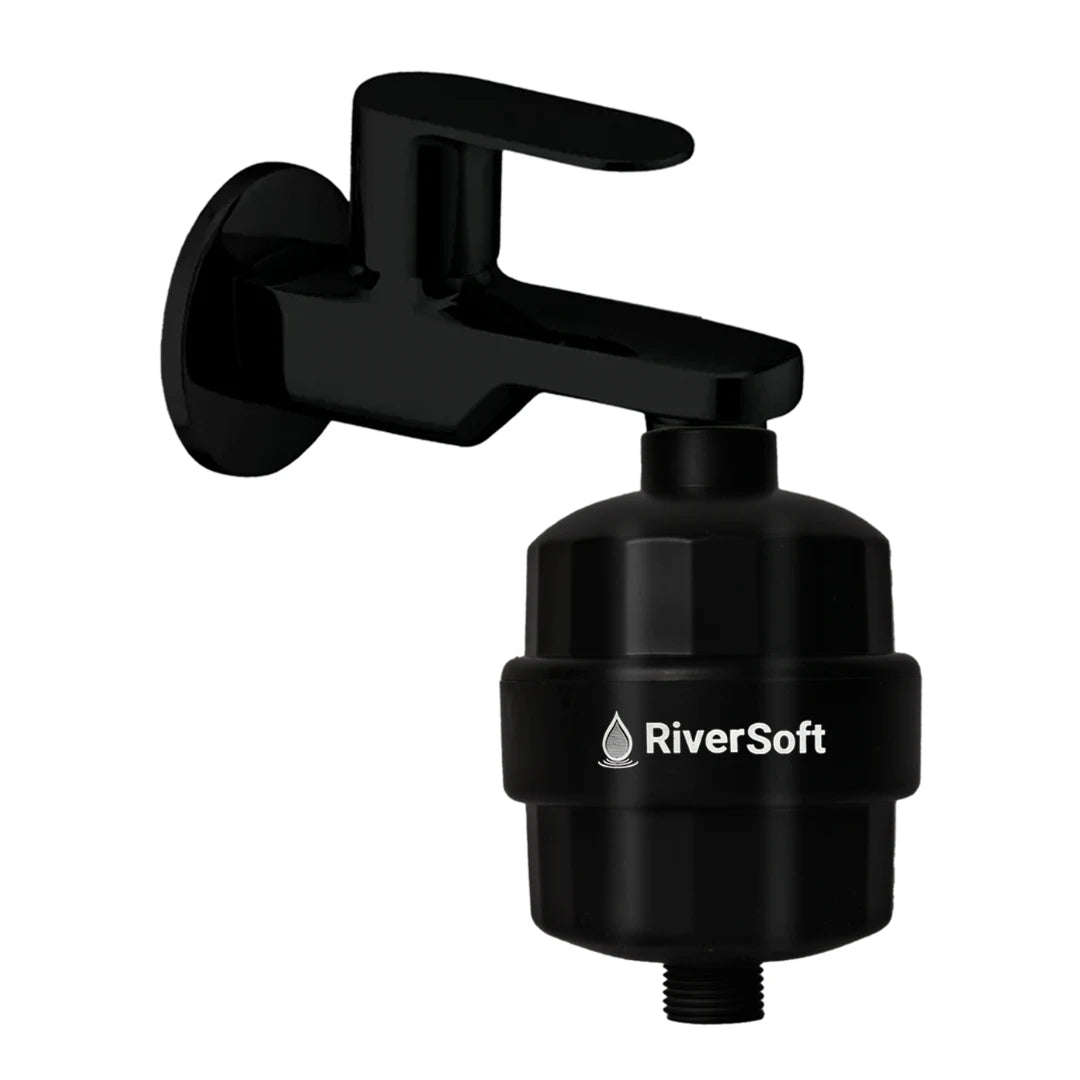
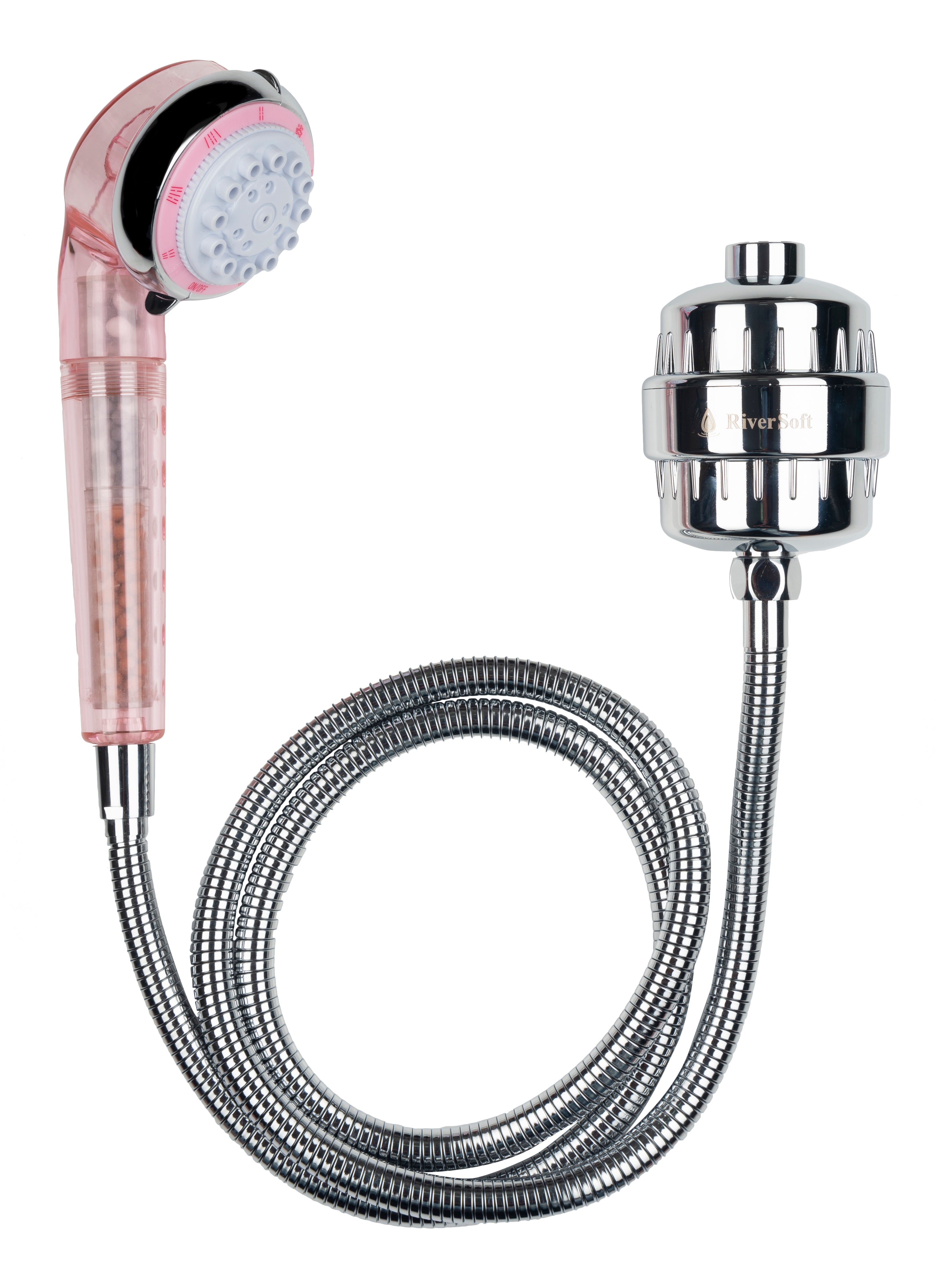
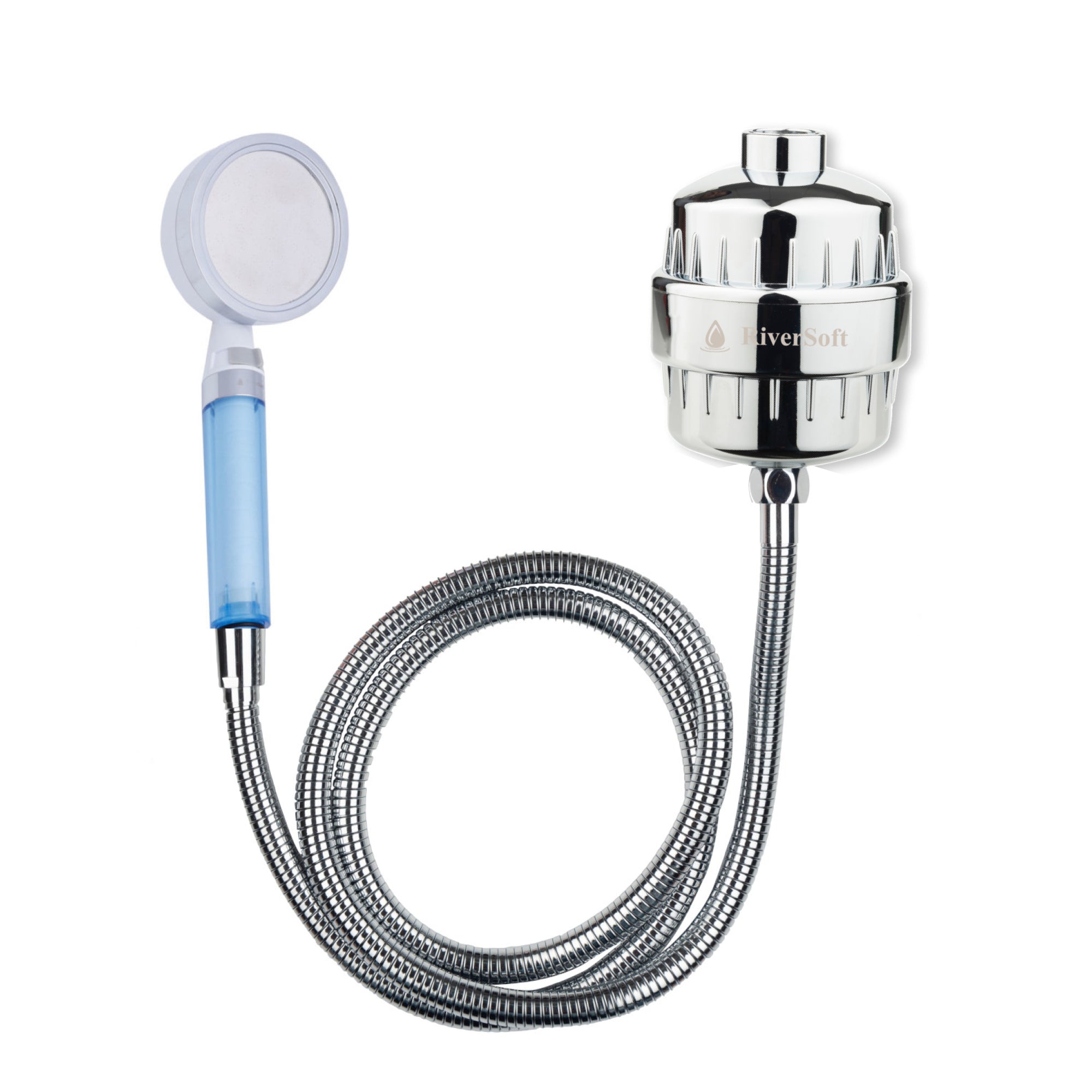
At RiverSoft, we make filters designed for the water conditions found across Indian homes:
-
SF-15 PRO works well for moderate hardness and homes in metro cities. It addresses both mineral buildup and chlorine. Good for most Bangalore, Noida, Mumbai, and Pune households.
-
Bliss-15 is built for areas with very high water hardness. If your home relies primarily on borewell water, then this is the one to go with.
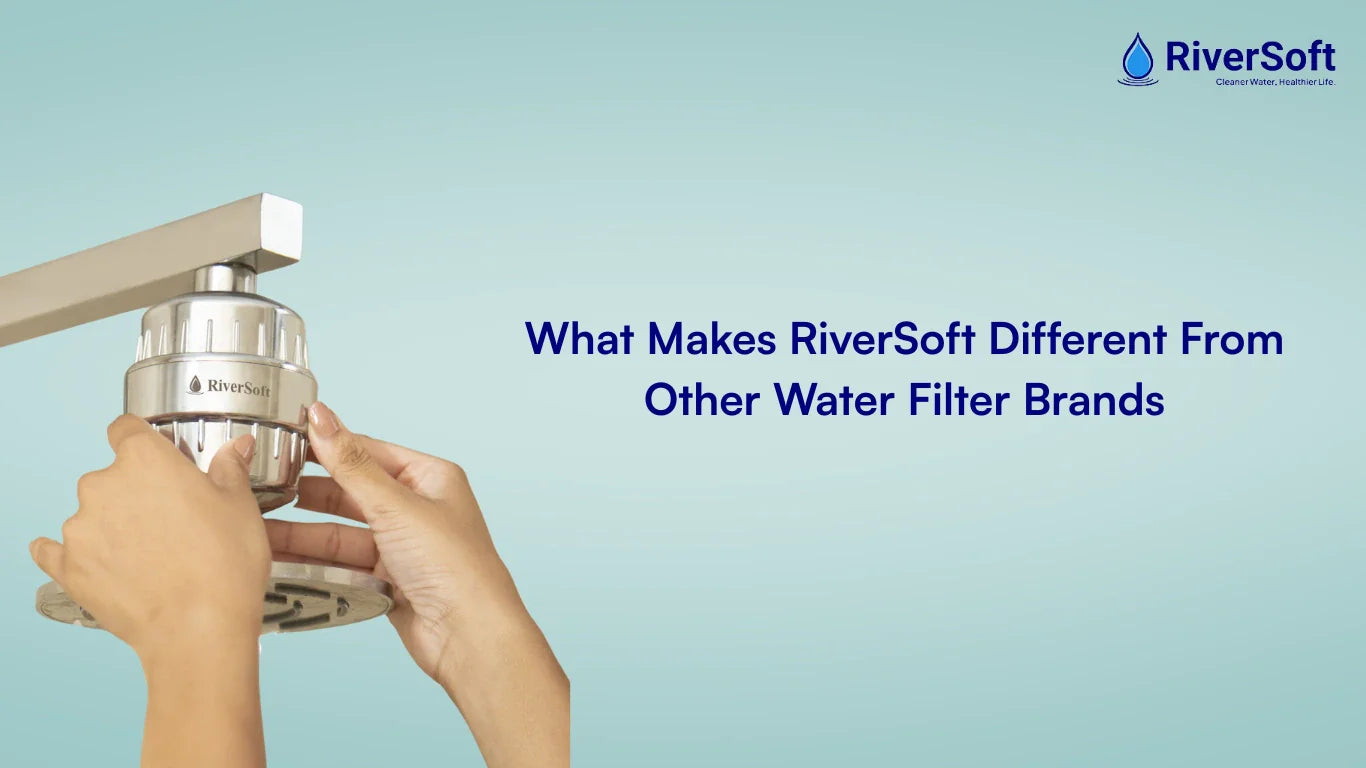
Both can be easily installed. No plumber required. They fit standard Indian shower outlets and can be set up in under 10 minutes.
Note: RiverSoft shower filters do not reduce Total Dissolved Solids (TDS). If your main concern is high TDS in drinking water, we recommend using an RO purifier alongside a shower filter.
Conclusion
An itchy scalp after a shower is rarely a shampoo problem. In most Indian homes, it comes down to water quality: hard water minerals leaving residue on the scalp, and chlorine stripping the oils that protect it. The itch keeps coming back because the source of the problem resets with every shower. Address the water before it reaches your scalp, and you address the itch at its root.

























Leave a Comment