
Water is one of the most essential resources of our life on our planet and also the most abundant - yet its scarcity is becoming a pressing issue worldwide. According to the United Nations, by 2030, an estimated 700 million people could be displaced due to intense water scarcity. This highlights the urgent need to understand and address the growing crisis.
A more recent assessment from UN-Water shows the crisis has accelerated faster than earlier predictions. About four billion people, nearly two-thirds of the global population, now experience severe water scarcity for at least one month every year.
The effects of water shortage are a global concern affecting millions of people, agriculture, industries, and natural ecosystems. From climate change to poor water management, several factors contribute to this crisis.
This article explores the causes and effects of water shortage while emphasizing the importance of conservation efforts and different solutions to solve this problem.
What Are the Main Causes of Water Shortage?
Water scarcity is caused by a mix of human activities and environmental changes, including overuse, pollution, climate change, and poor management.
Understanding the reasons behind water scarcity is crucial for finding effective solutions. Here are the primary causes:
1. Overuse & Wastage
Excessive water consumption in industrial, household, and especially agricultural use contributes to water scarcity. The agriculture sector alone accounts for nearly 70% of freshwater withdrawals globally, according to the Central Ground Water Board’s Dynamic Ground Water Resources Assessment, which tracks India’s annual groundwater recharge and extraction data. Inefficient irrigation, over-extraction of groundwater, and wasteful household usage further deplete supply.
2. Pollution & degrading water quality
Freshwater sources are becoming increasingly polluted due to industrial waste, plastic pollution, and untreated sewage. With depleting groundwater levels, hard water has become a pressing issue which renders water unfit for consumption. Contaminated and mineral-rich water reduces the availability of clean drinking water, worsening water shortages in many regions.
3. Climate Change
Climate change is altering precipitation patterns and increasing global temperatures. This leads to prolonged droughts, reduced freshwater availability, and more frequent extreme weather events, affecting water supplies worldwide.
4. Deforestation & Urbanization
Rapid urban development and deforestation disrupt the natural water cycle. With fewer trees to absorb rainfall and replenish groundwater, the risk of water shortages increases. Expanding cities also lead to excessive water demand, often surpassing supply capacity.
5. Poor Water Management
Many regions suffer from inefficient water treatment systems, outdated policies, and underinvestment in conservation. India’s own NITI Aayog Composite Water Management Index found that most states score below 50 out of 100 on water management performance, a clear signal of how widespread this gap is.
What Are the Effects of Water Shortage?
Water scarcity has far-reaching consequences for health, agriculture, ecosystems, and economies. Let’s explore the major effects of water shortage:
1. Health Crisis
A lack of clean drinking water leads to waterborne diseases like cholera, dysentery, and typhoid. Poor sanitation due to water shortages further exacerbates health risks, especially in developing countries. Treating these illnesses and the resulting lost labor productivity spike public spending and depress economic output, especially in low-income regions.
2. Agricultural Decline
Farming heavily depends on water for irrigation. When water supplies dwindle, crop yields drop, leading to food shortages and economic instability. This directly affects food prices and can trigger hunger crises in vulnerable regions.
3. Ecosystem Disruption
Drying lakes and rivers threaten biodiversity, causing habitat loss for aquatic life and wildlife. Reduced water levels also affect fish populations and the overall health of natural ecosystems.
4. Socioeconomic Impact
Water scarcity can drive conflicts over access to freshwater resources. Migration from drought-affected areas increases, and the cost of water rises, making it unaffordable for many communities.
Addressing these challenges is crucial to ensuring a stable and sustainable future. Fortunately, there are effective ways to manage and conserve water to reduce the impact of shortages.

Why Water Shortage Hits India Especially Hard
India faces some of the most acute water stress globally. Groundwater tables in cities like Bangalore, Chennai, and Delhi are dropping every year a trend confirmed annually by CGWB’s state-wise groundwater resource reports, which show over-exploitation concentrated in northwestern, western, and peninsular India. This pushes households toward deeper borewells and lower water quality.
Agricultural regions in states like Punjab and Maharashtra face recurring drought cycles that affect food security and rural livelihoods. At the household level, this translates directly into the hard water and sediment problems covered across other RiverSoft guides: what hard water actually is and how to test it at home, and how hard water affects your daily life, since stressed water sources tend to carry higher mineral and sediment content.
What Are the Best Solutions to Prevent Water Shortage?
1. Modern plumbing fixtures
Combining technology, conservation practices, and policy changes can significantly reduce water scarcity. Both individual and collective actions play a crucial role.
There are several proactive steps individuals and communities like us can take to prevent and mitigate the crisis
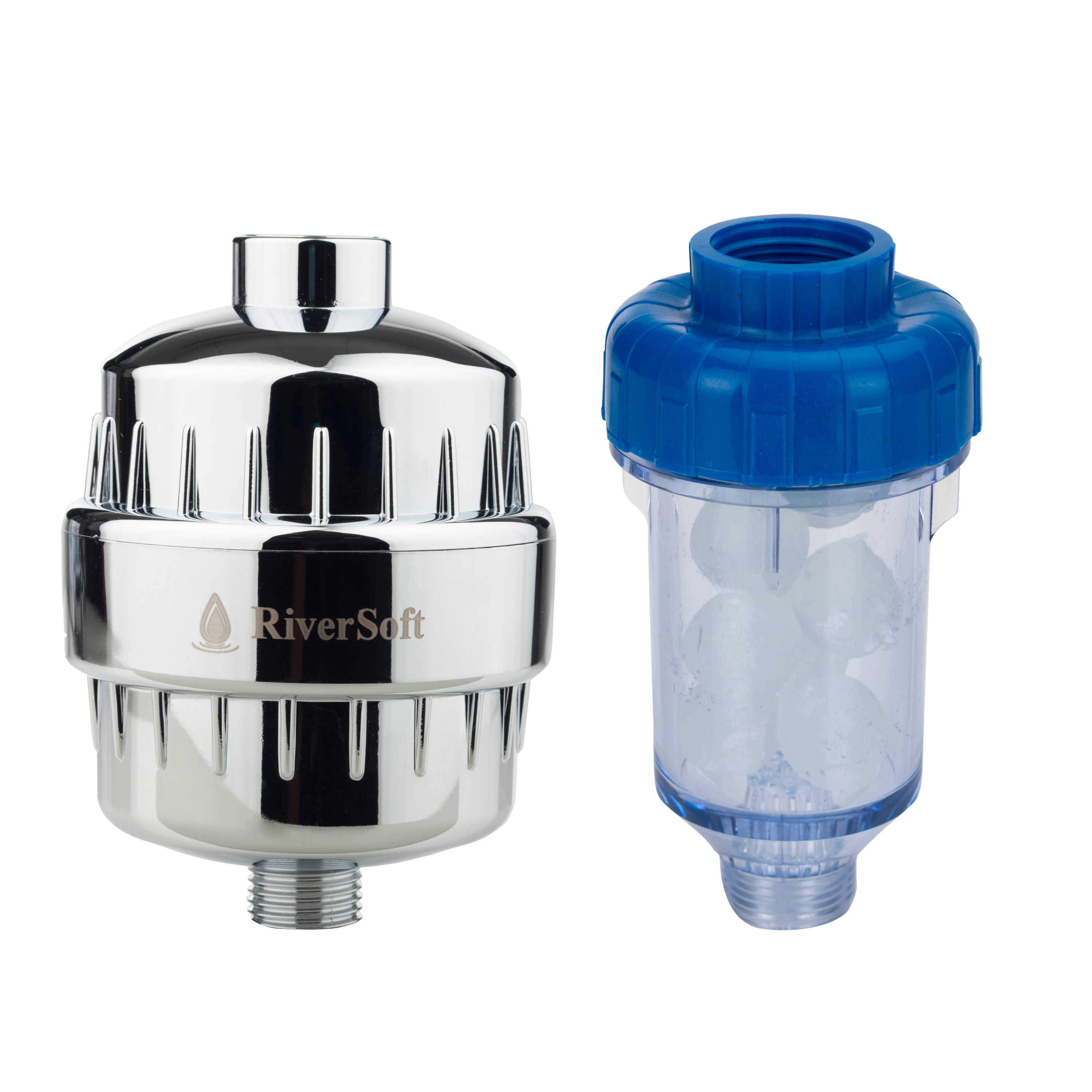
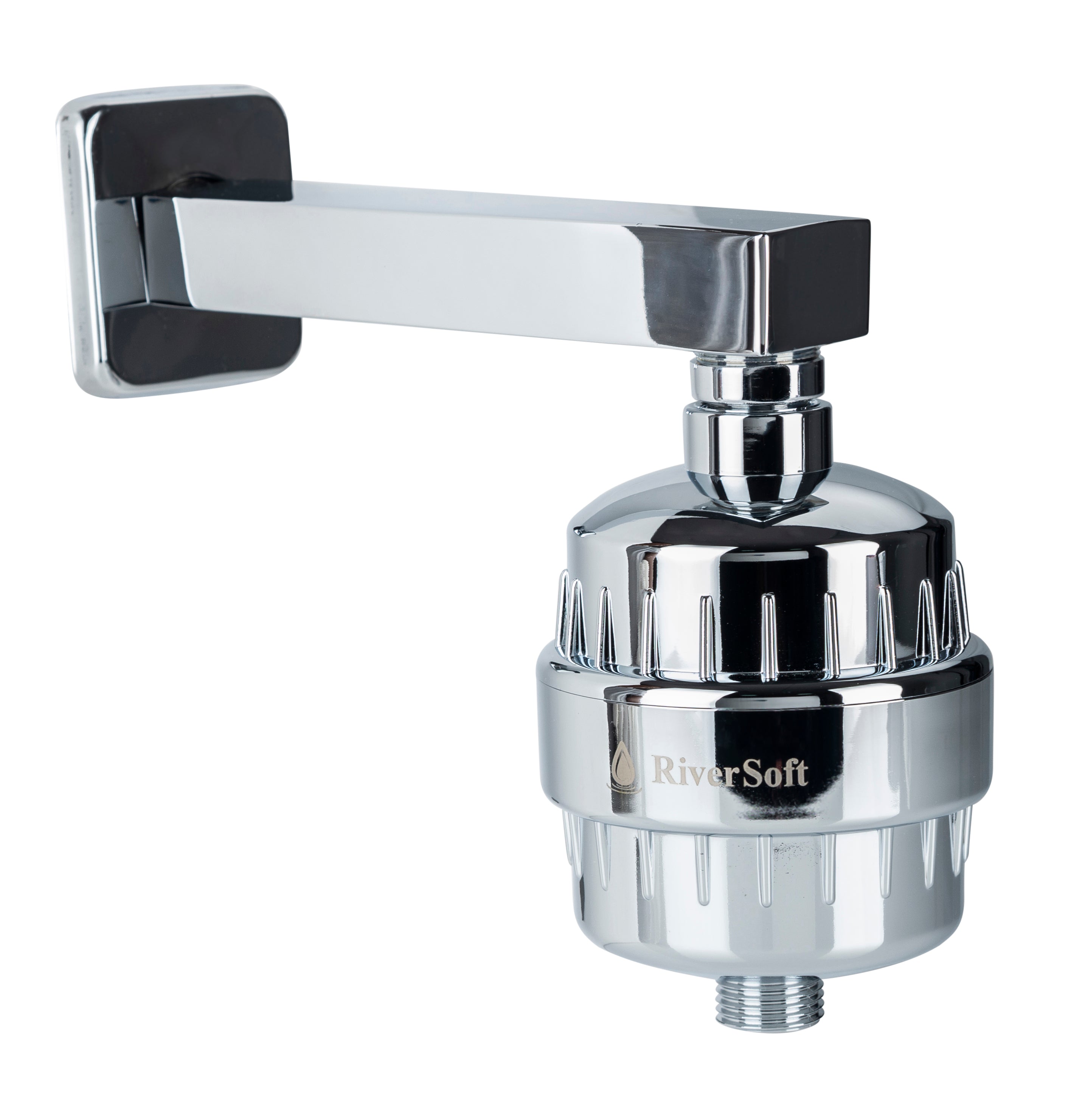
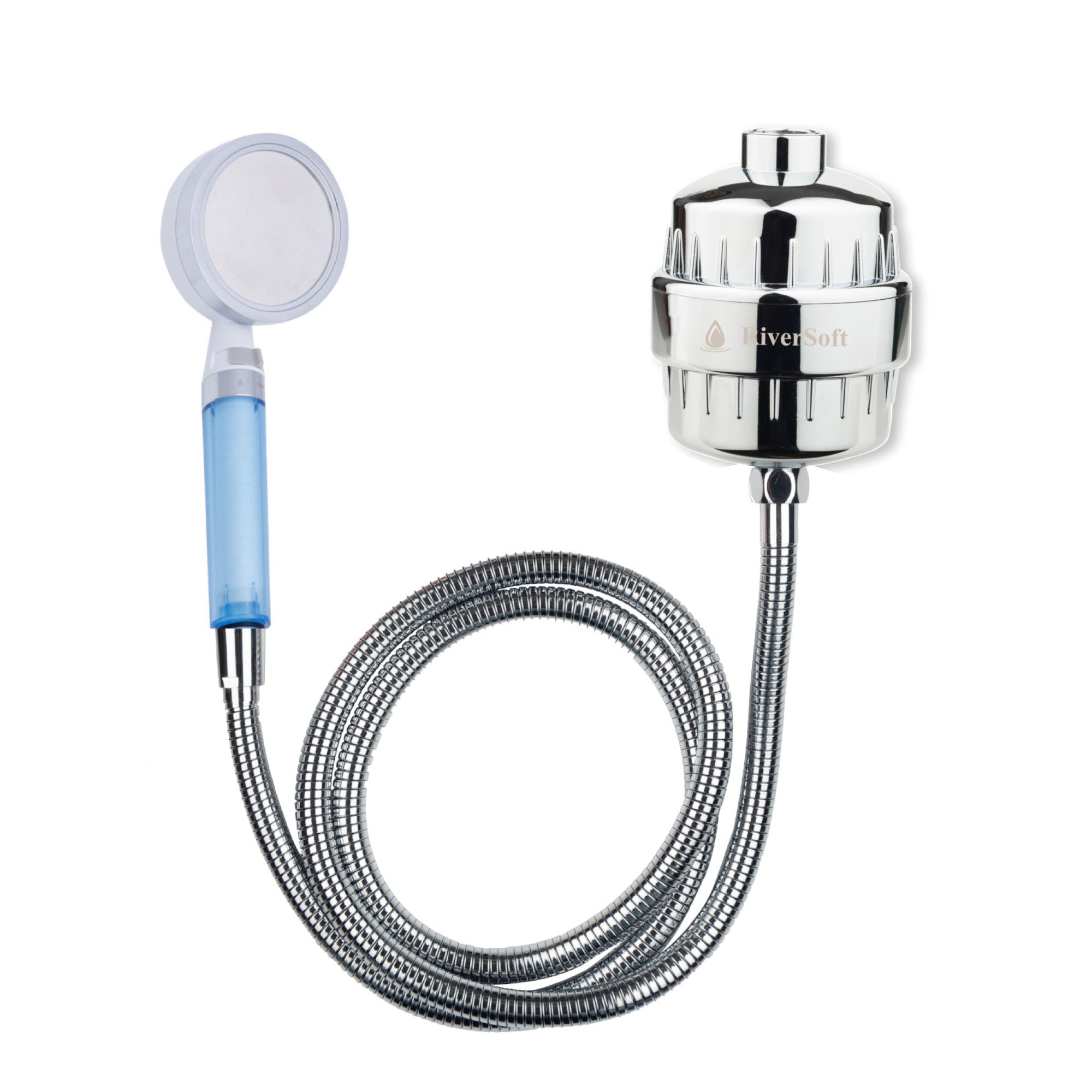
Low-flow faucets and aerated shower heads reduce water flow via built-in restrictors without sacrificing pressure. For example, water-saving showerheads have water-saving modes that cut usage while maintaining strong flow, and RiverSoft’s 15-stage shower & tap filters combine filtration with flow efficiency. Dual-flush toilets and smart sensors round out the household toolkit.
2. Water Filtration Fixtures
Advanced filtration is key to making every litre count. Communities need STP systems to make water reusable for gardening and non-potable use. Hard water filters for tap and the shower filter for hard water also play a role in making water fit for bathing. Combining these methods delivers water that meets safety standards, reducing the need for extra chemical treatments and protecting public health.
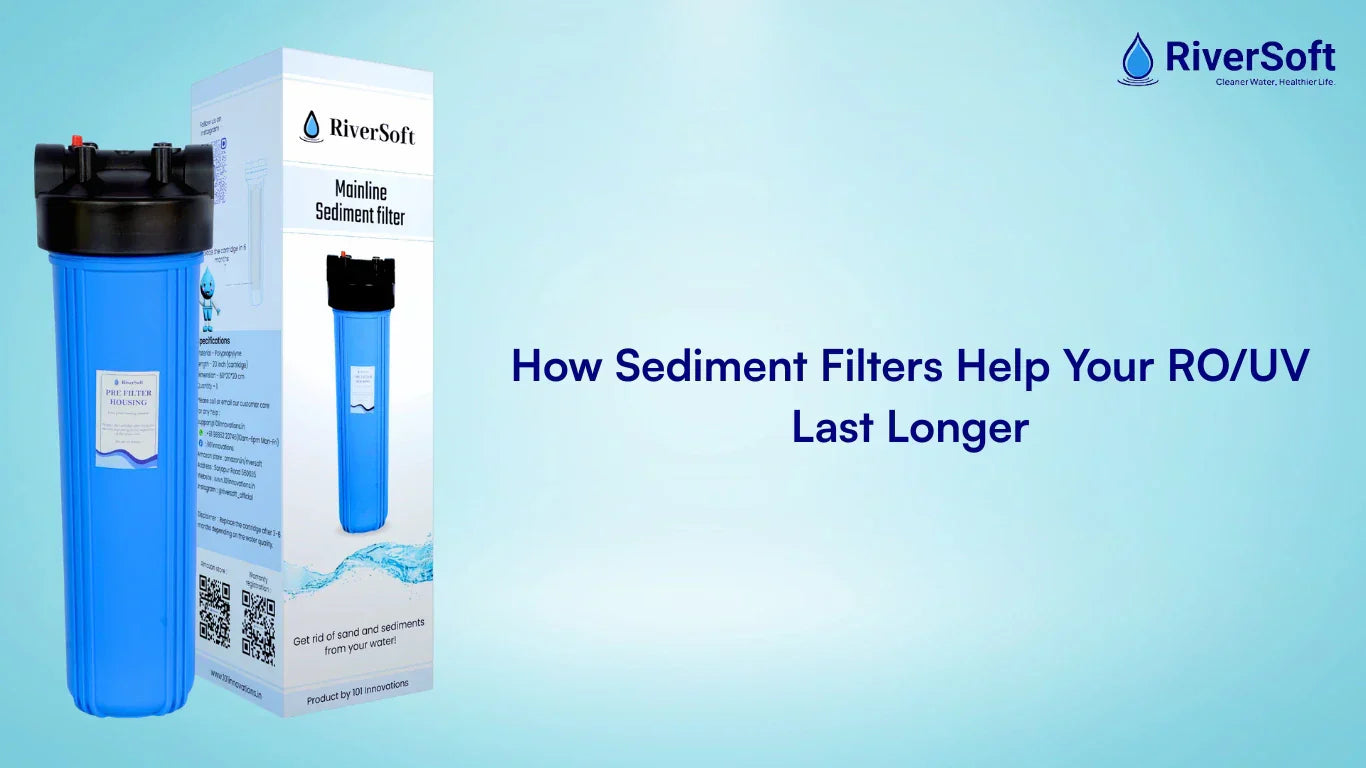
Mainline sediment filters also play a role in extending the life of RO/UV systems and reducing wasted reject water.
3. Choose fixtures by flow rate and suitability
An efficient showerhead or tap aerator can reduce consumption of water.
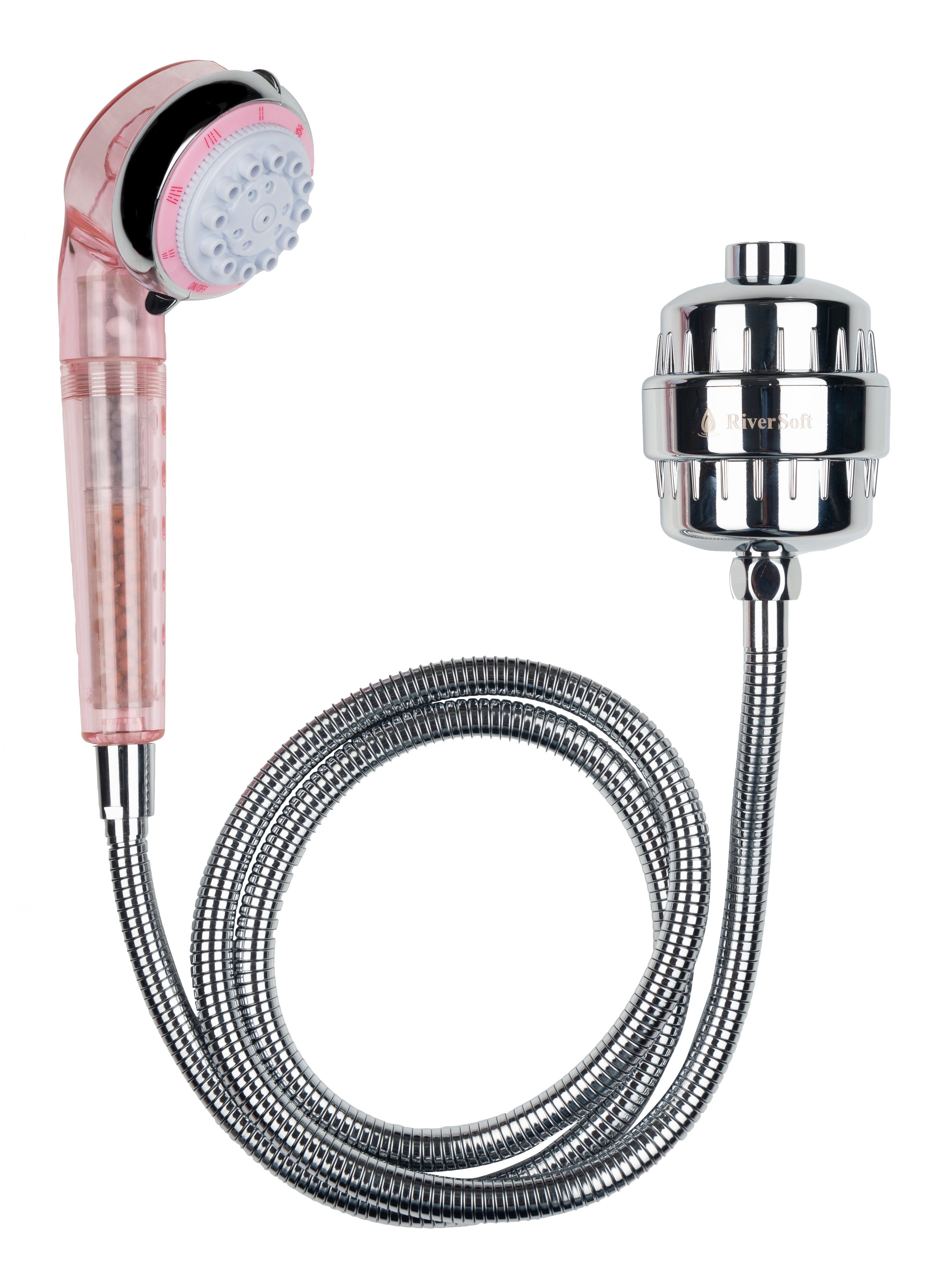
RiverSoft’s DIVA-05 shower filter includes multiple spray settings, including mist mode. The EcoBlu Edge extender includes a water-saving aerator.
4. Water Conservation Practices
Efficient water use in households, industries, and farming is key to addressing water scarcity. Fixing leaks, using low-flow fixtures, and adding flow restrictors can conserve significant amounts of water.
On the other hand, water softeners also help to save water
5. Rainwater Harvesting
Capturing and storing rainwater provides a reliable domestic and agricultural water source, reducing dependency on groundwater and municipal supply.
The government-backed Atal Bhujal Yojana, run by the Ministry of Jal Shakti, funds community-led recharge structures, check dams, percolation ponds, and rooftop rainwater harvesting in seven of India’s most water-stressed states. There are community conservation efforts that are celebrating water conservation champions.
6. Reforestation & Wetland Restoration
Planting trees and restoring wetlands enhance groundwater recharge, stabilize local climates, and improve water availability. These initiatives also support biodiversity and protect natural water sources.
7. Policy & Education Initiatives
Strong water management policies and public awareness are vital. A recent study found that countries with comprehensive policies, like Israel with its integrated water resource management and mandatory water recycling, manage limited resources better.
India’s own NITI Aayog CWMI framework was built on this same premise: measurable, state-level accountability drives better outcomes.
Conclusion
The impending water crisis is a global challenge that requires immediate action.
The effects of water shortage are already being felt across health, agriculture, and economies, but solutions like advanced water filtration, rainwater harvesting, and household conservation practices can help mitigate the impact.
By making simple, mindful choices, a water-saving showerhead filter, a tap aerator, a mainline sediment filter, or a complete hard water filtration setup, individuals and organizations can contribute to a water-secure future.
Reference: Unicef



































Leave a Comment