

You've switched moisturisers twice this month. You've tried a gentler body wash and cut down on hot showers. But every time you step out, your skin still feels tight, rough, sometimes itchy by evening. If this sounds familiar, the problem probably isn't what you're putting on your skin. It's what you're washing with. For millions of households across India, hard water is the real reason behind dry skin, yet most people never consider it.
Why Does Hard Water Dry Your Skin?
Hard water carries dissolved calcium and magnesium. When these minerals come in contact with your skin, they react with soap to form a sticky film that doesn't rinse away cleanly. It sits on your skin long after the shower ends.
Researchers from the University of Sheffield, publishing in the Journal of Investigative Dermatology, confirmed that hard water damages the skin barrier. A 2021 meta-analysis in Clinical & Experimental Allergy further linked hard water exposure to a significantly higher eczema risk. In Indian cities like Bangalore, Delhi, and Chennai, where water hardness regularly exceeds 300 ppm, daily exposure stacks up over time.
Chlorine in municipal water makes the problem worse. It strips your skin's natural oils with every wash, leaving skin dry before mineral residue even gets a chance to build up.
Over time, these effects become noticeable in your everyday skincare routine.
Signs Your Skin Is Reacting to Hard Water
So what does this actually feel like day to day?
-
Your skin feels tight within minutes of stepping out of the shower, even on days you've been careful with your routine.
-
Moisturiser helps for an hour, then the dryness comes back. A mineral film on your skin blocks product absorption.
-
Your soap never lathers properly, and you feel slightly unrinsed even after a full shower.
-
Hard water can contribute to skin barrier stress, making skin feel more sensitive to products that previously worked well
If you're seeing these signs alongside a dry scalp or rougher hair texture, water hardness is very likely involved. In borewell-dependent areas of Bangalore, Chennai's OMR, or Hyderabad's outer zones, hardness can cross 1,000 ppm, where the effects on skin become hard to ignore.

Why Moisturiser Alone Won't Fix It
You'd think a good moisturiser would solve it. But here's the problem: if there's a mineral film sitting on your skin from the shower, the product can't get through it. The effect fades quickly, not because the cream is wrong, but because it's working on the wrong layer.
Switching to a gentler cleanser helps at the margins. But whatever you use will still react with calcium and magnesium in your water and leave some residue behind. The product isn't the issue. The water is. If you've looked into the connection between filtered water and acne, the same logic applies here: change the water first, and the skin responds.
The tight feeling after every shower isn't your skin failing you; it’s your water. It's responding to repeated mineral exposure. The fix isn't in your bathroom cabinet. It's at the showerhead.
How a Shower Filter Protects Your Skin Barrier
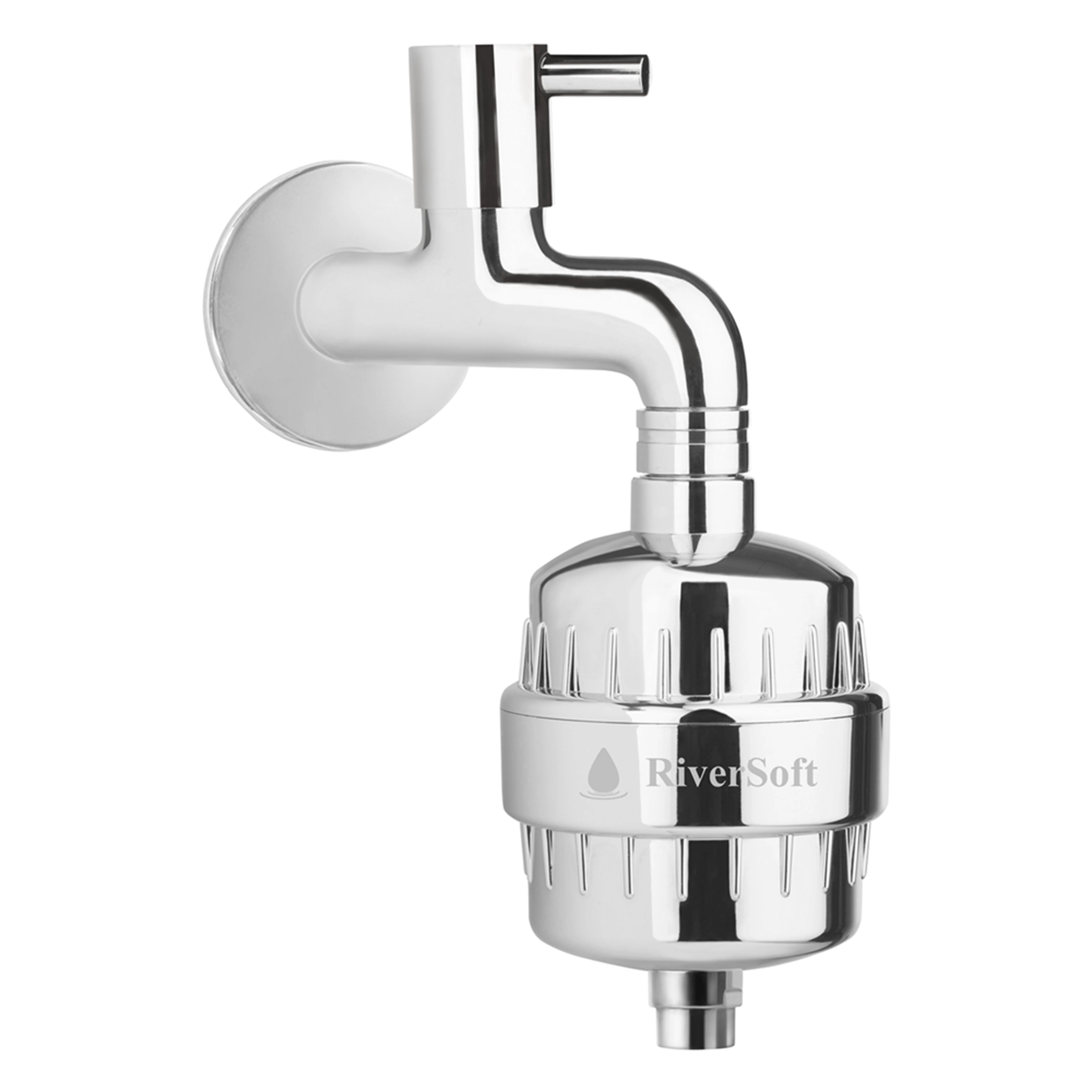
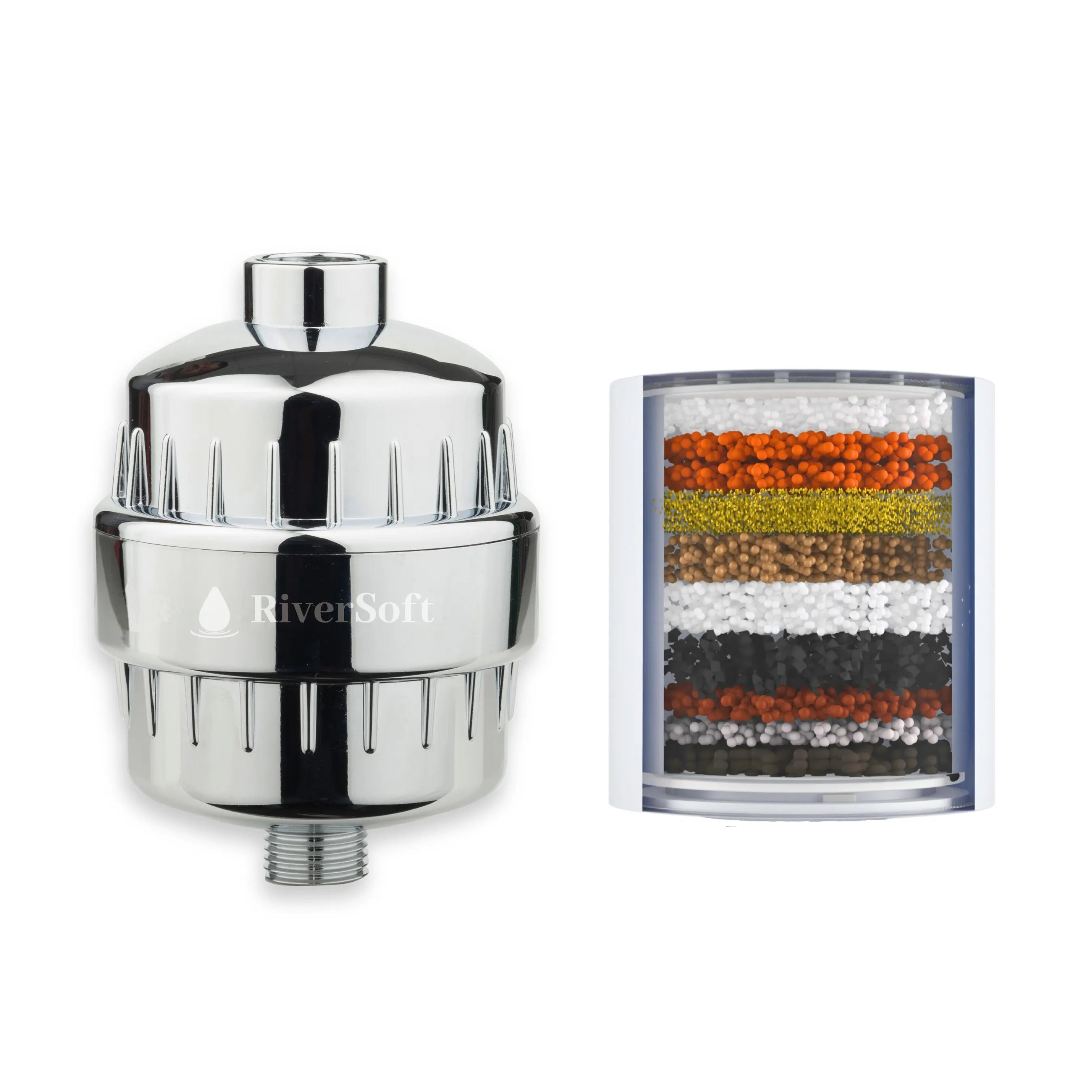
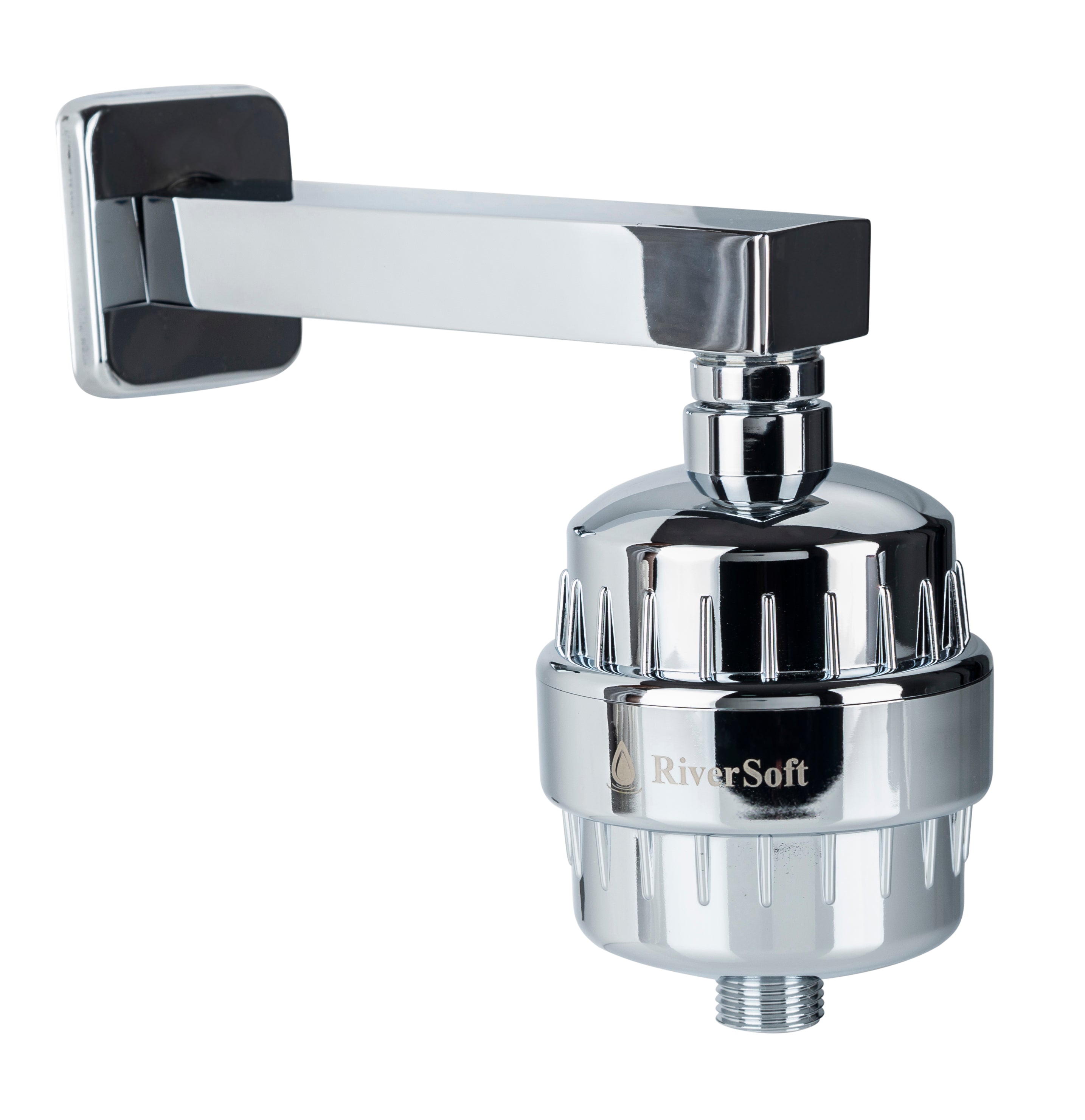
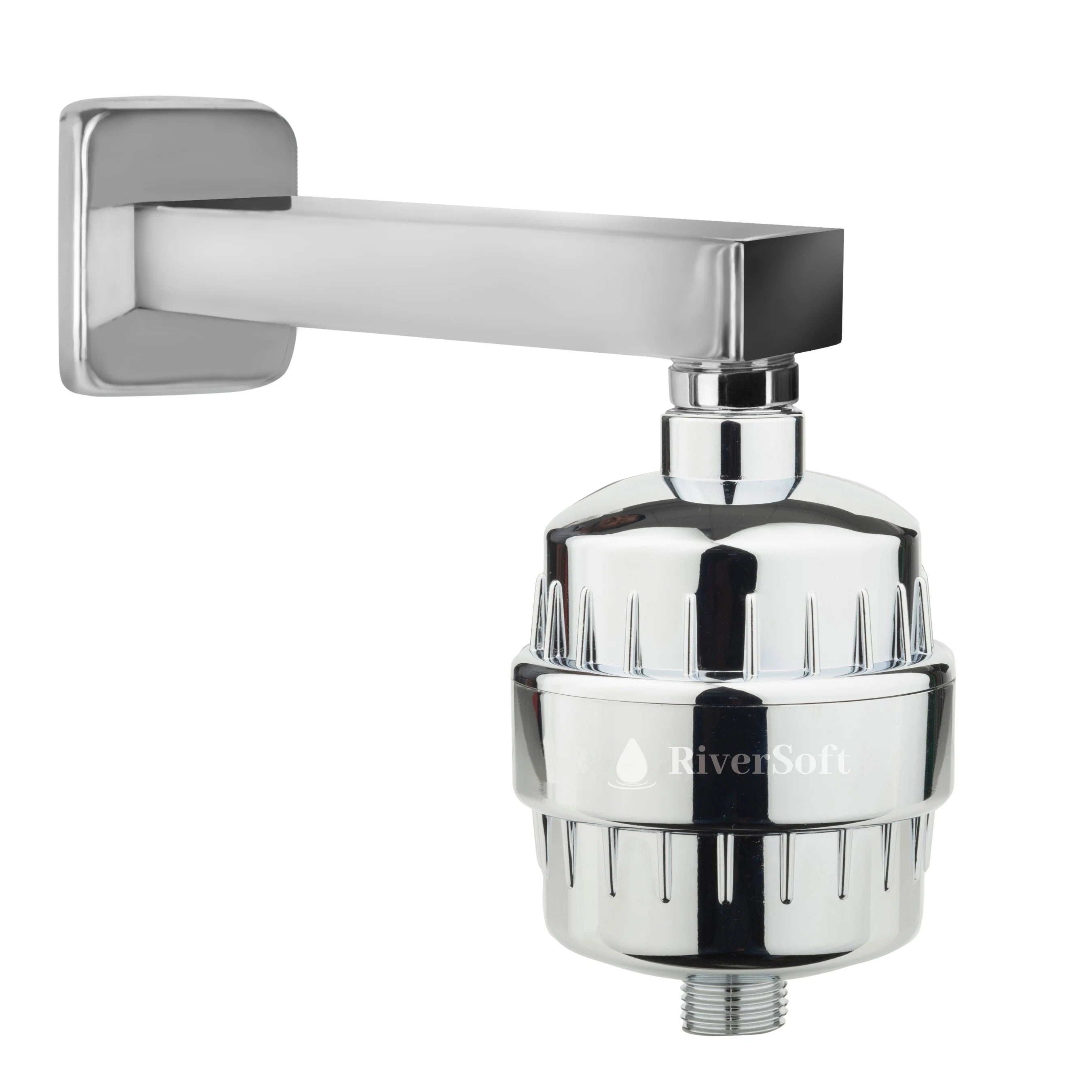
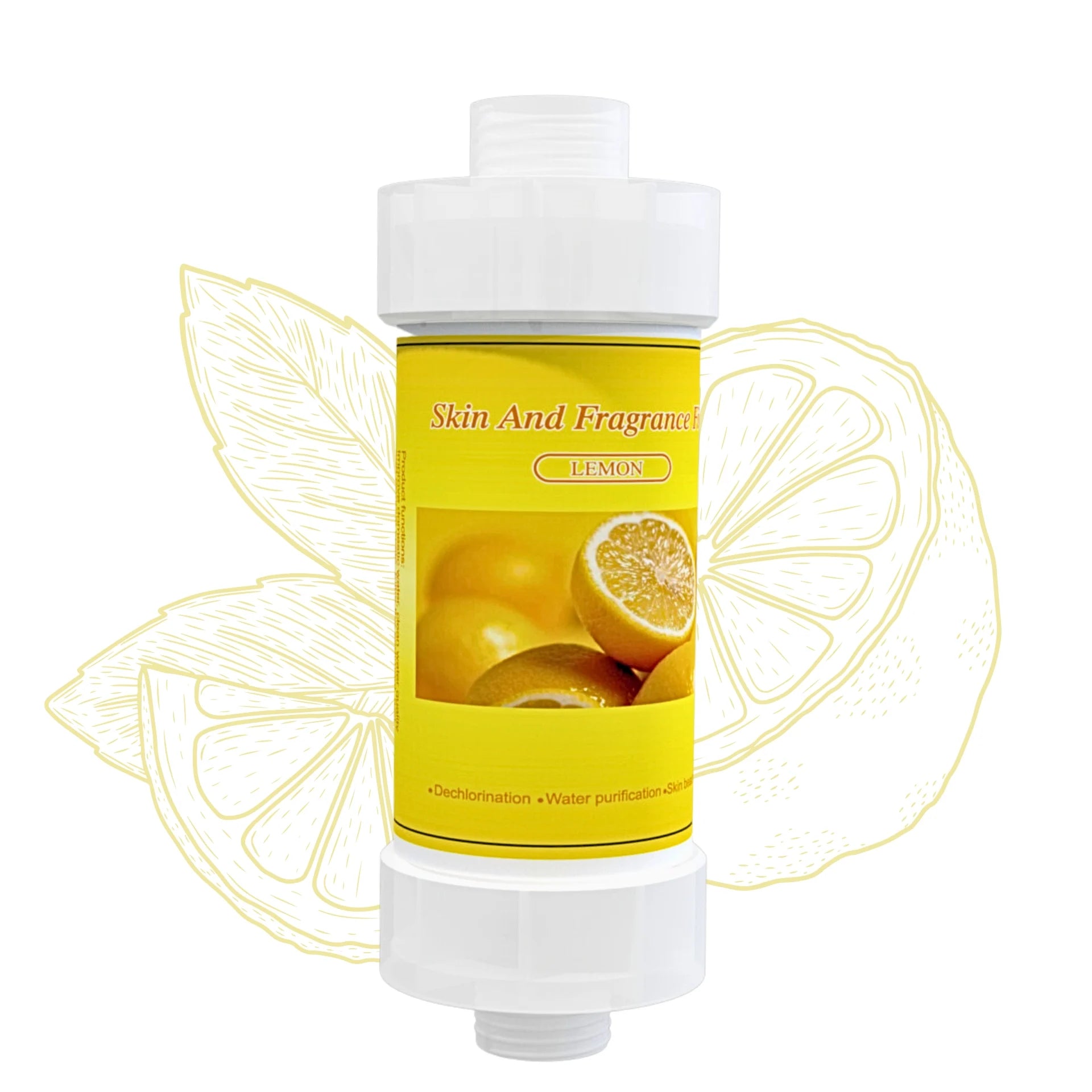
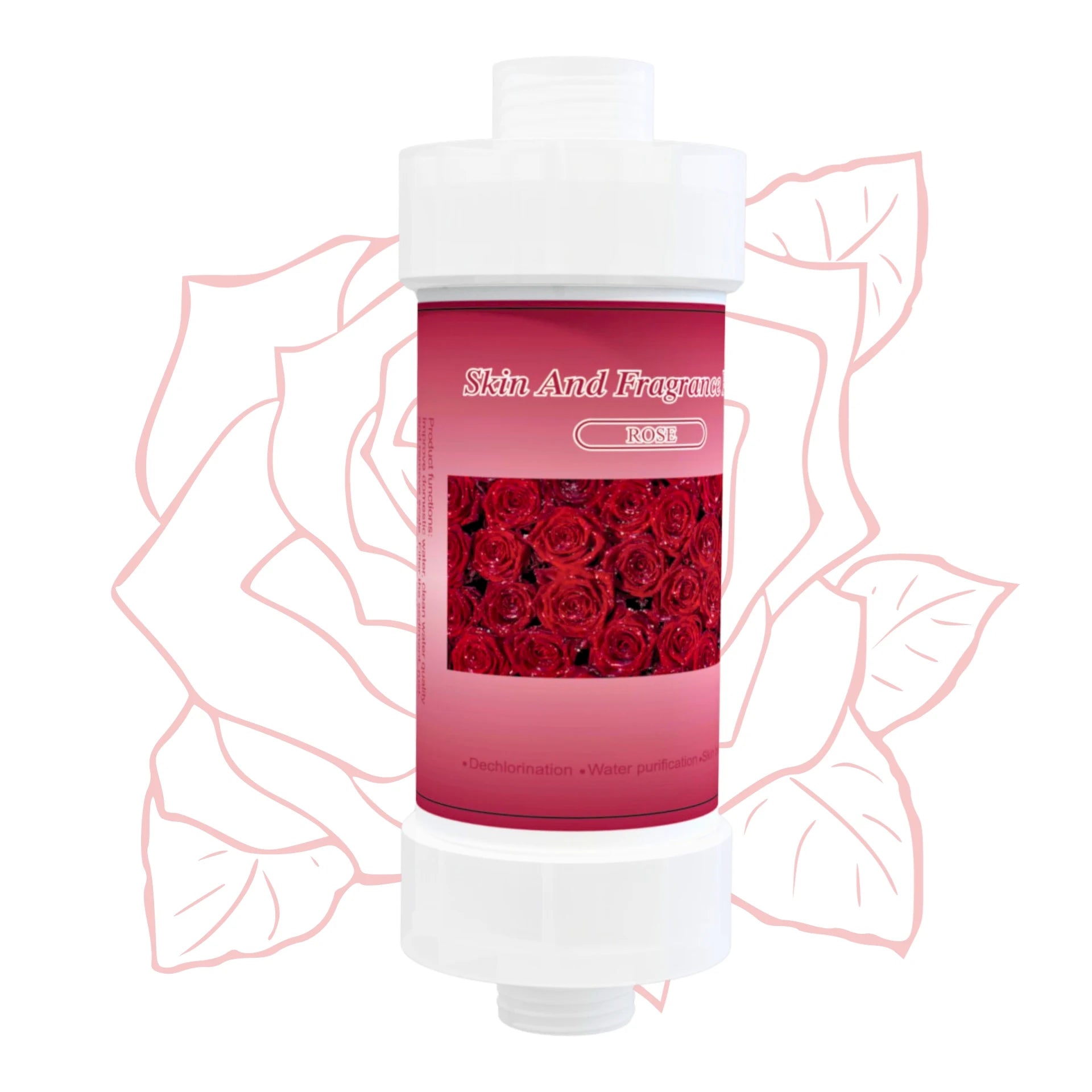
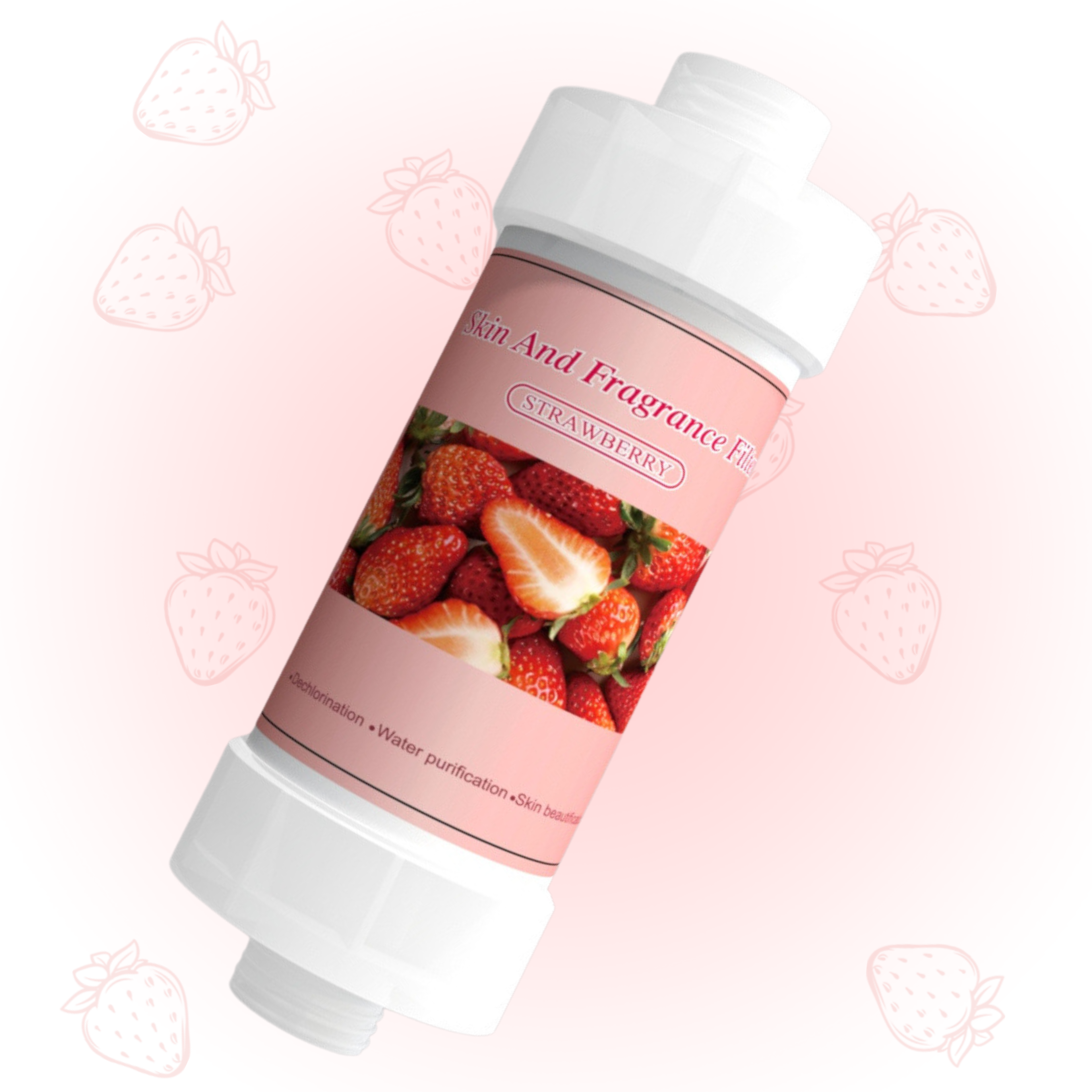
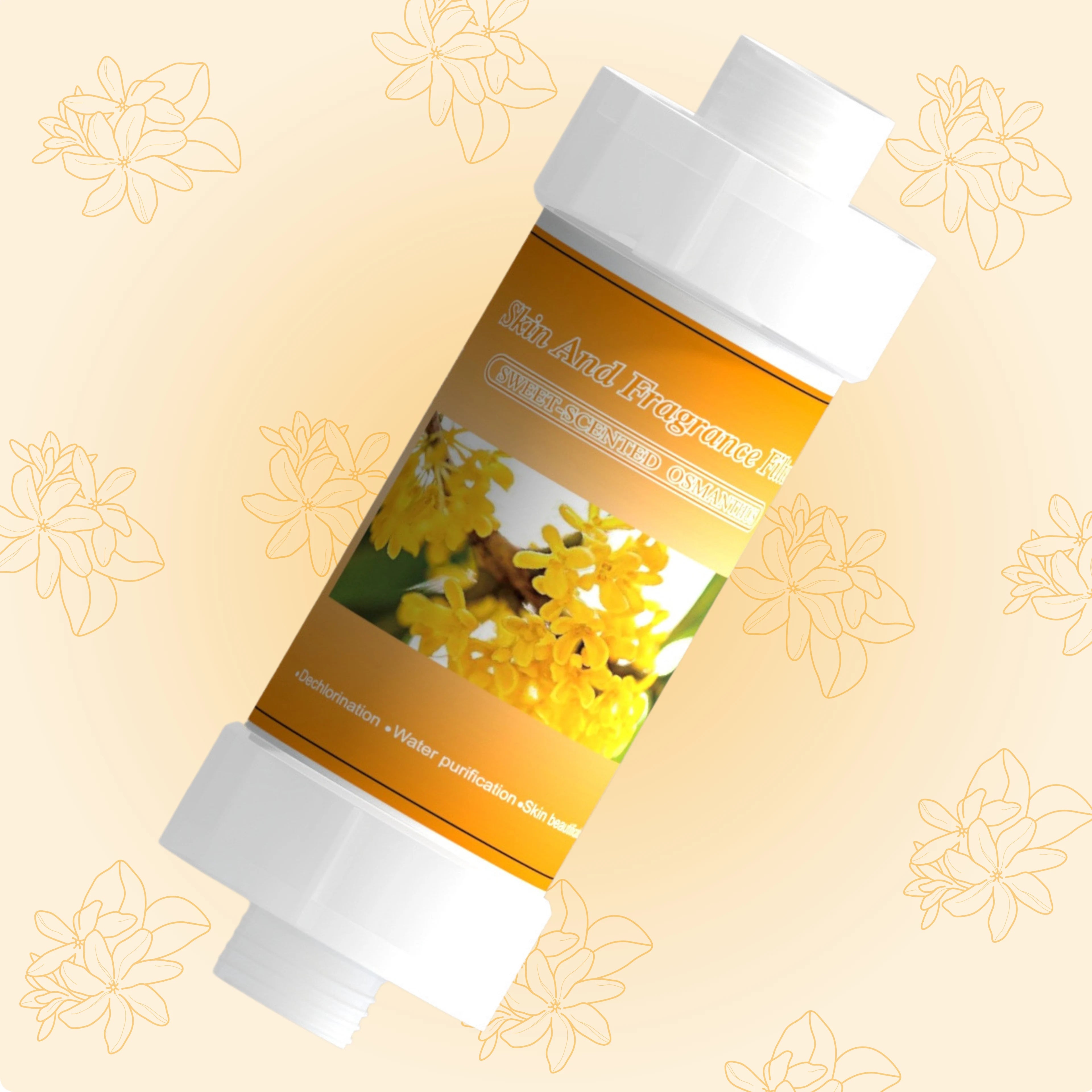
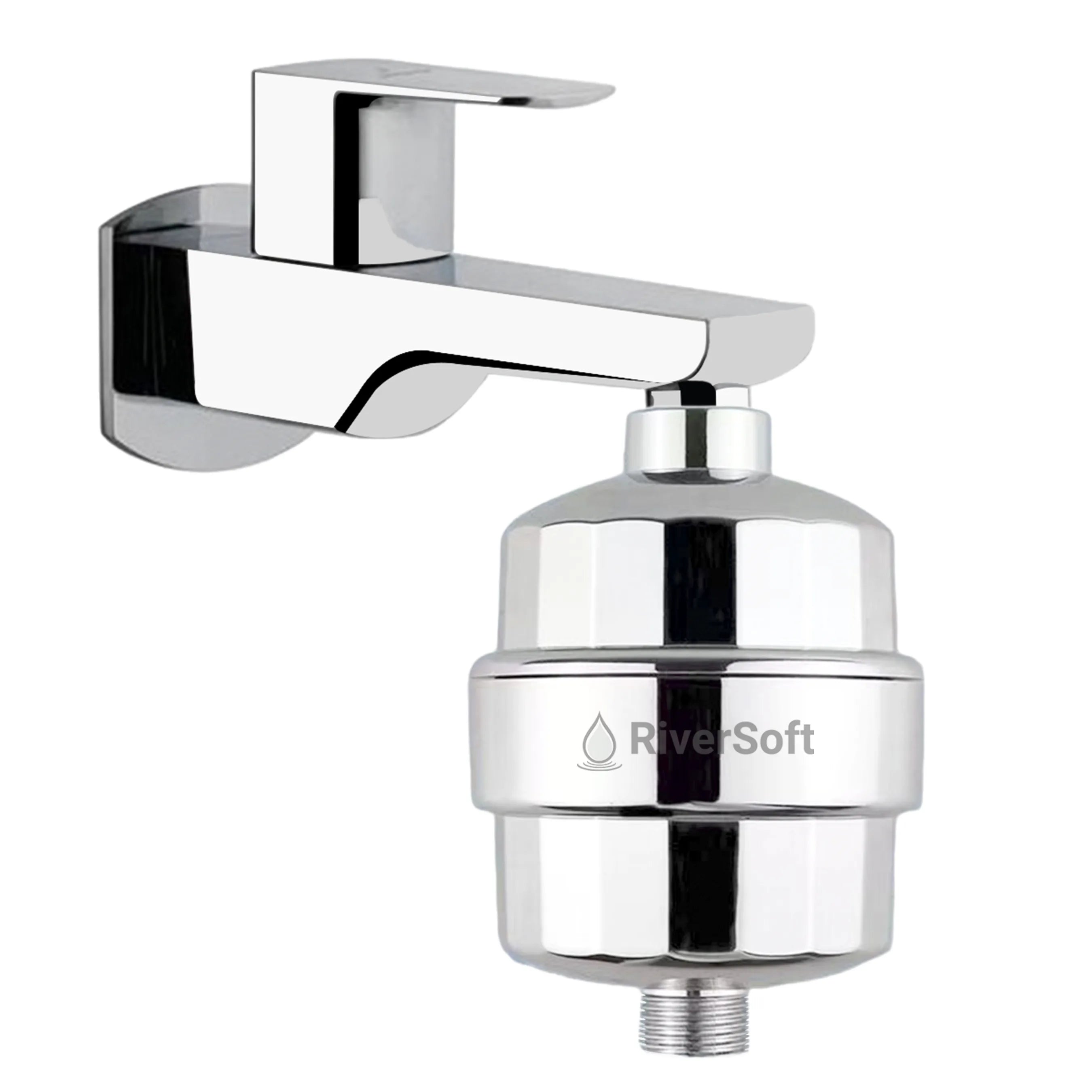
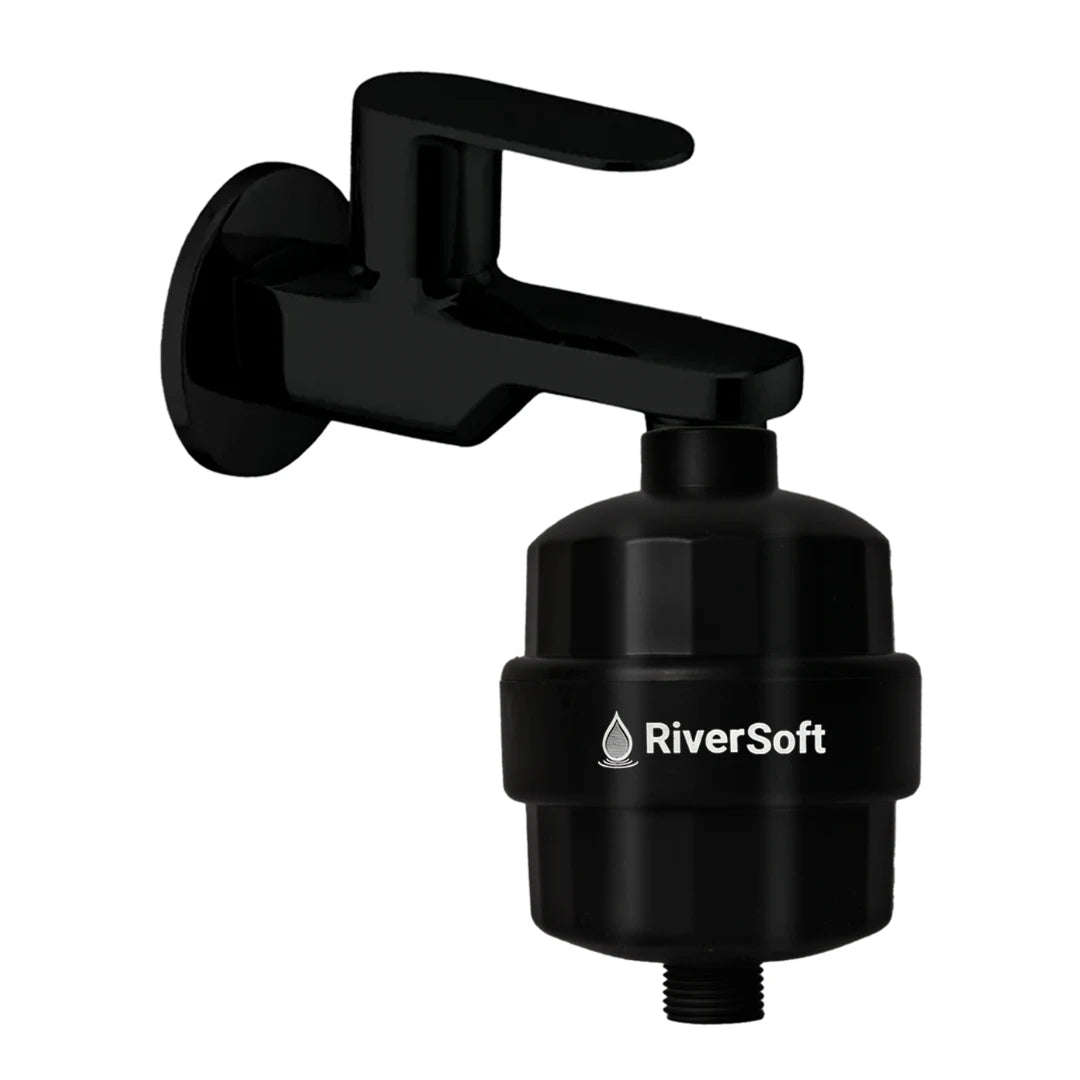
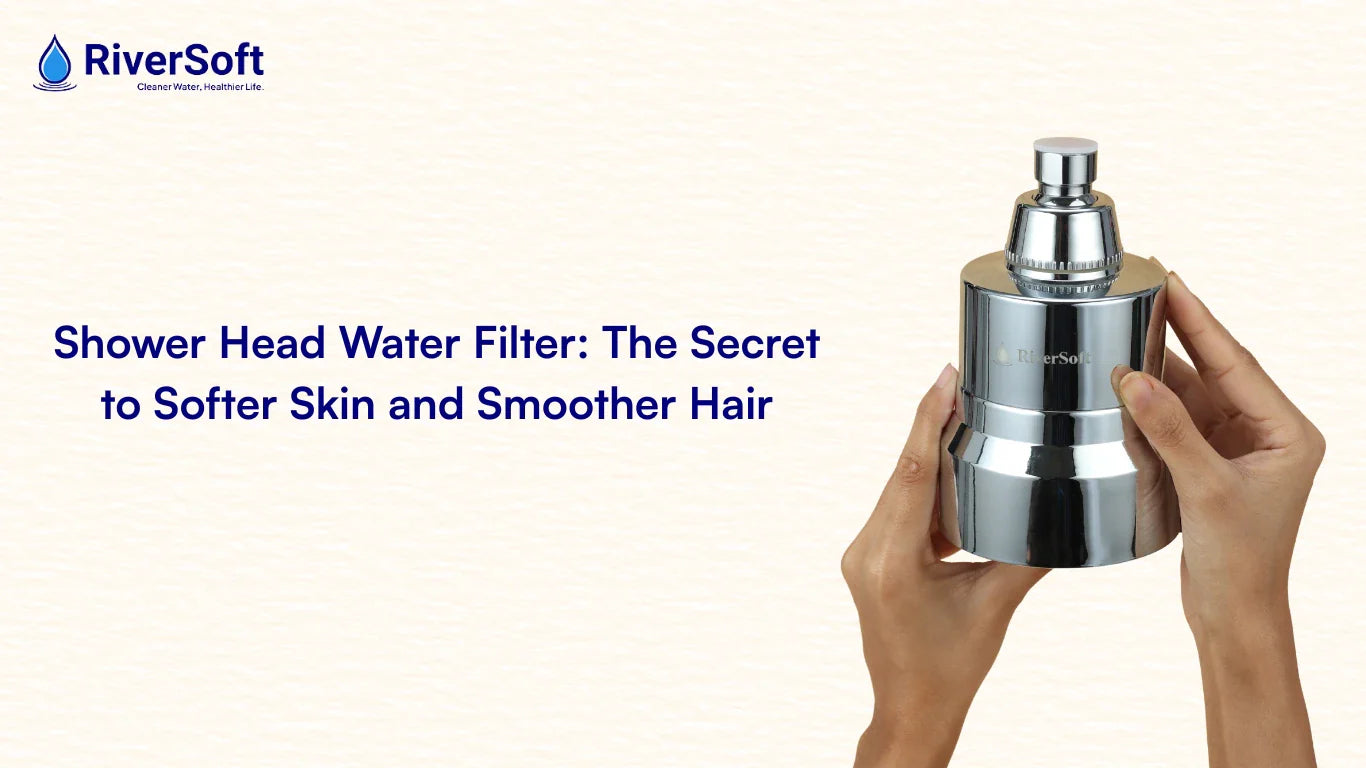
A shower filter reduces the minerals and chlorine in your water before they reach your skin. Less mineral load means less soap scum, less pH disruption, and less stripping of natural oils with every wash. Your moisturiser can finally absorb the way it's supposed to.
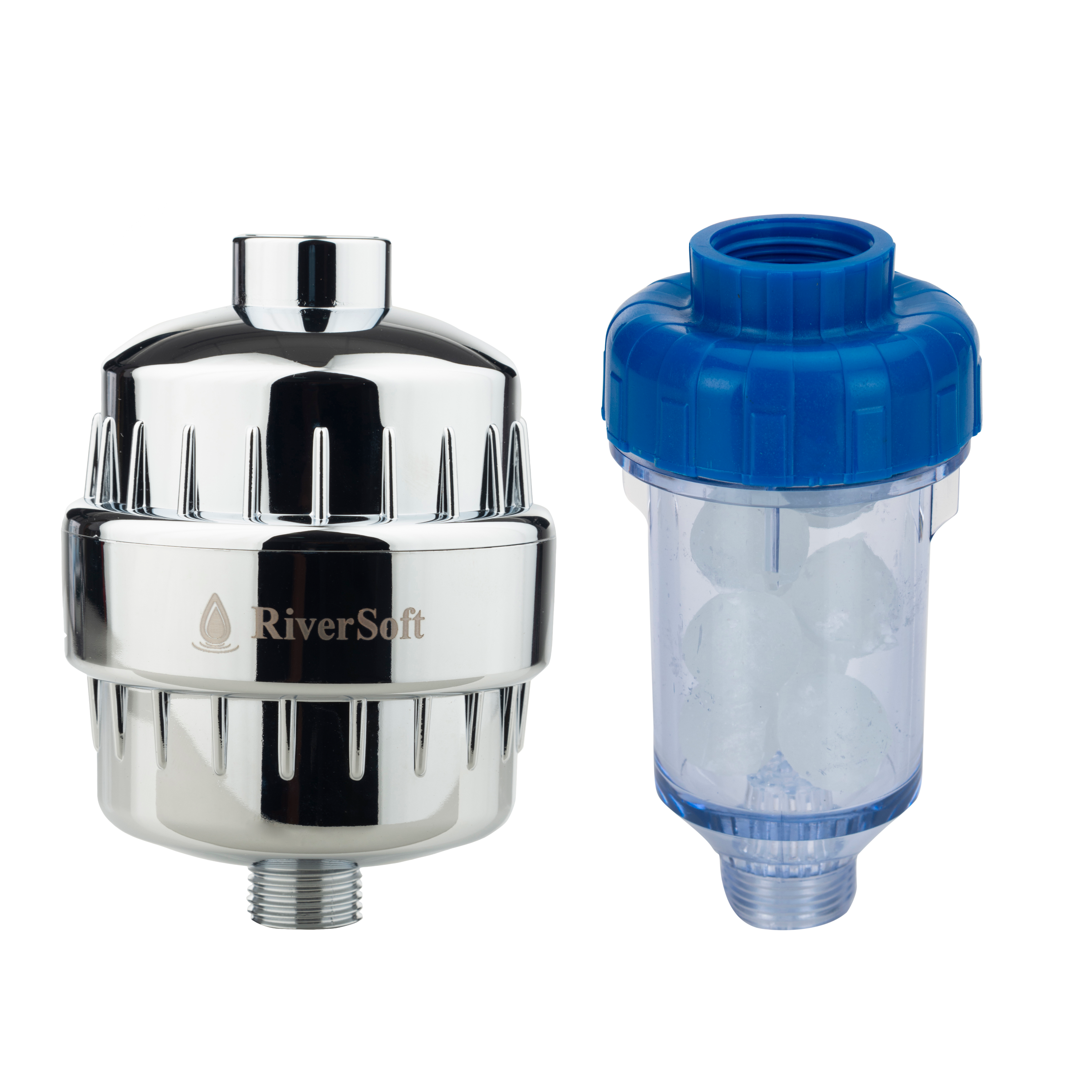
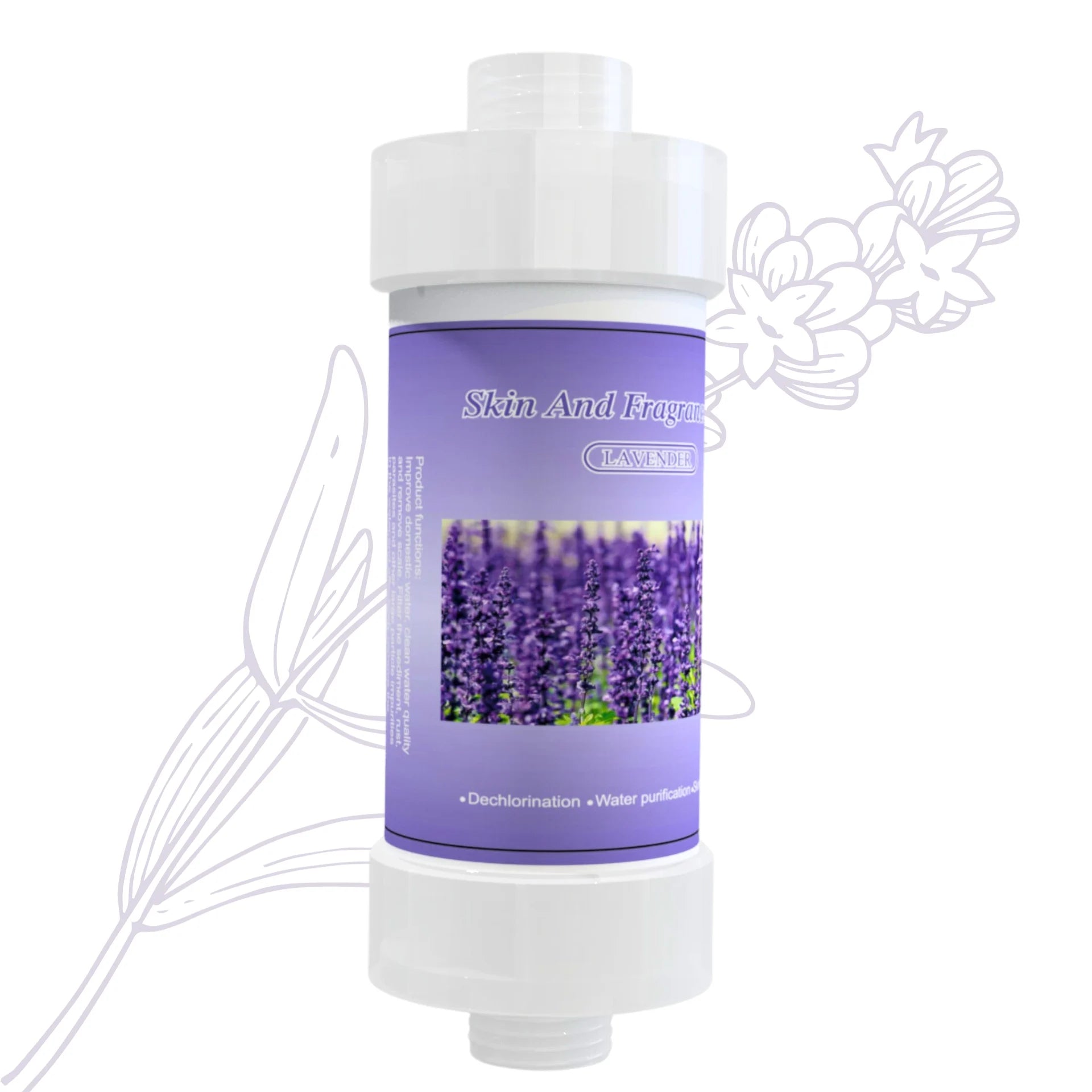
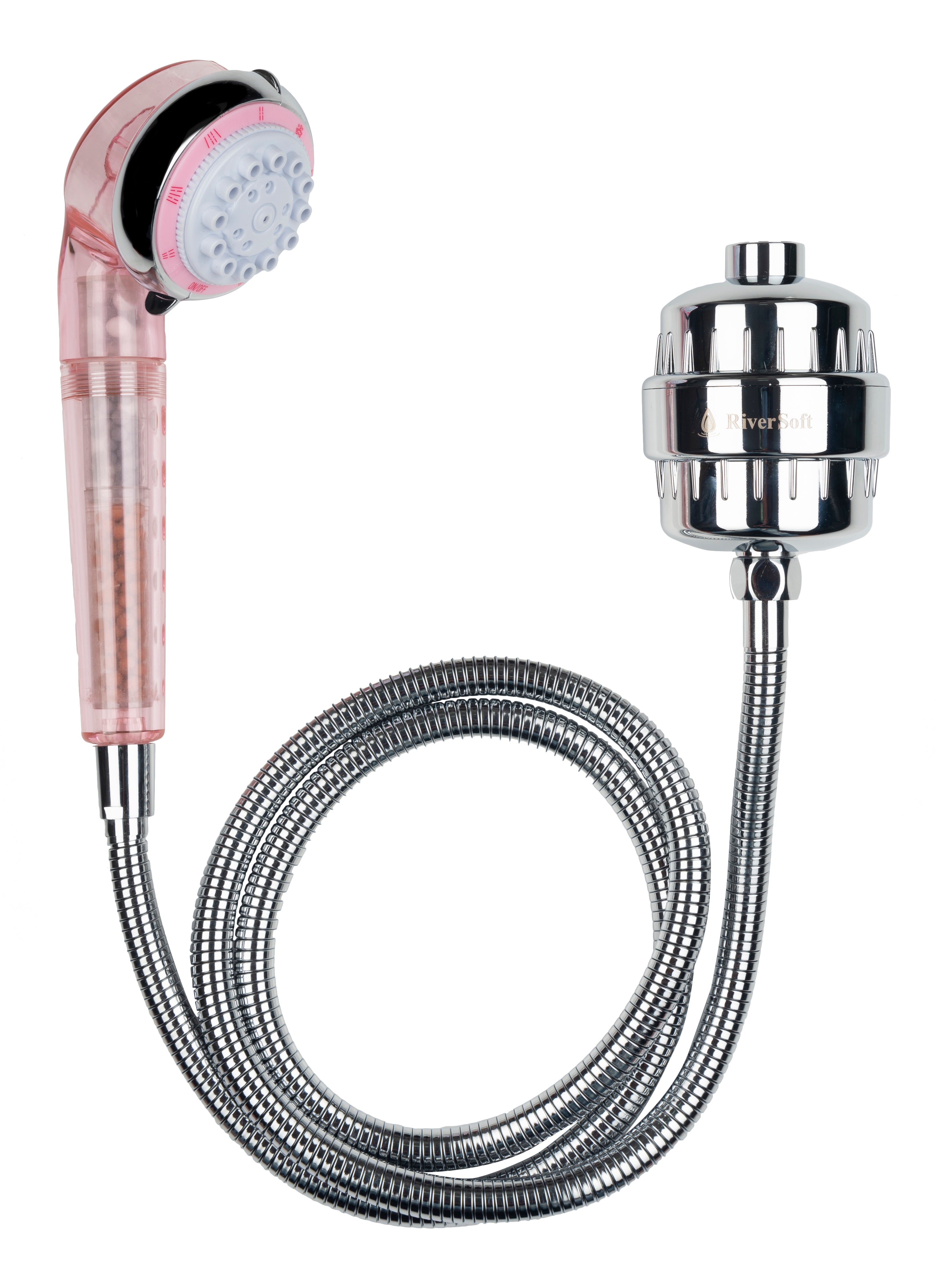
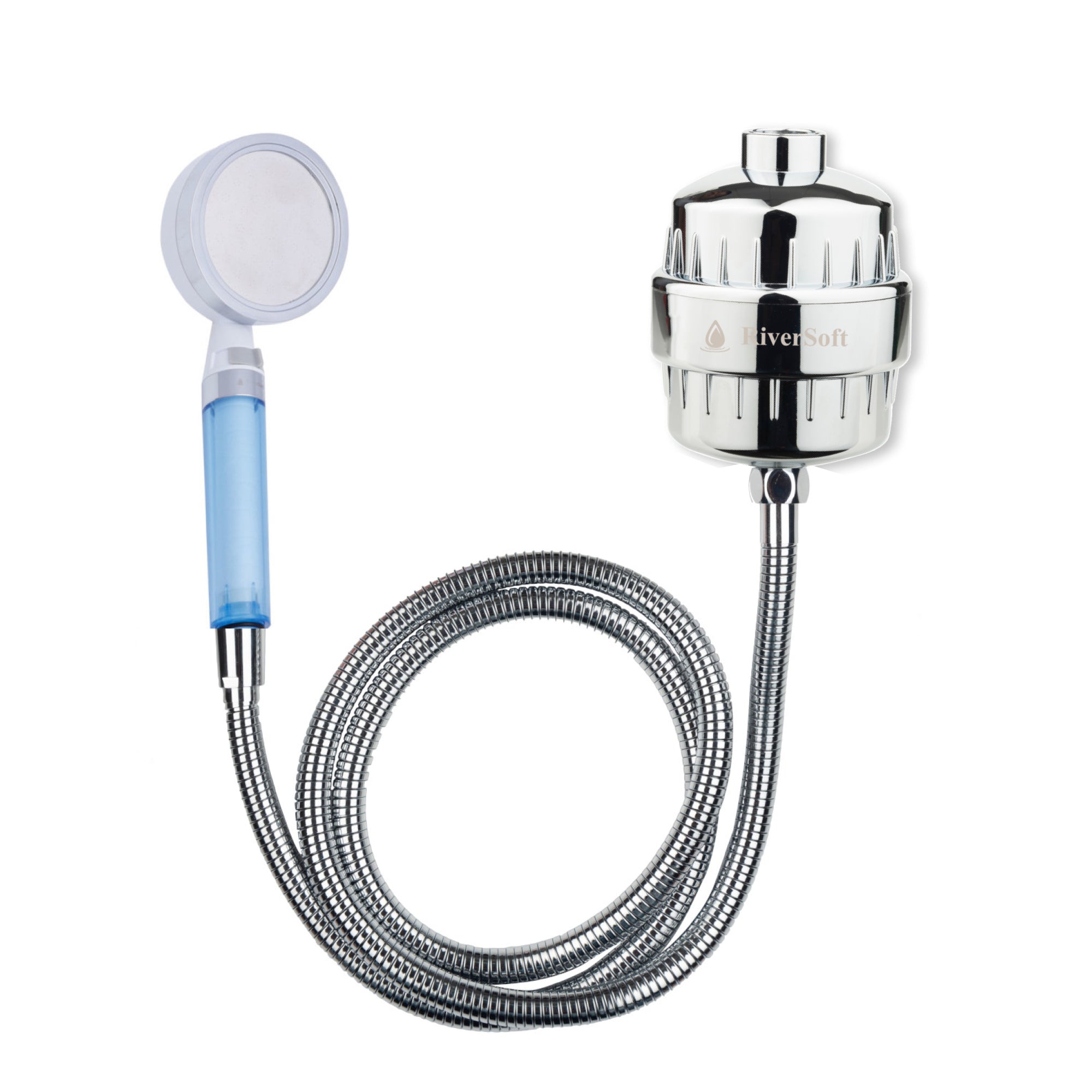
RiverSoft offers three shower filters designed for different water hardness levels:
-
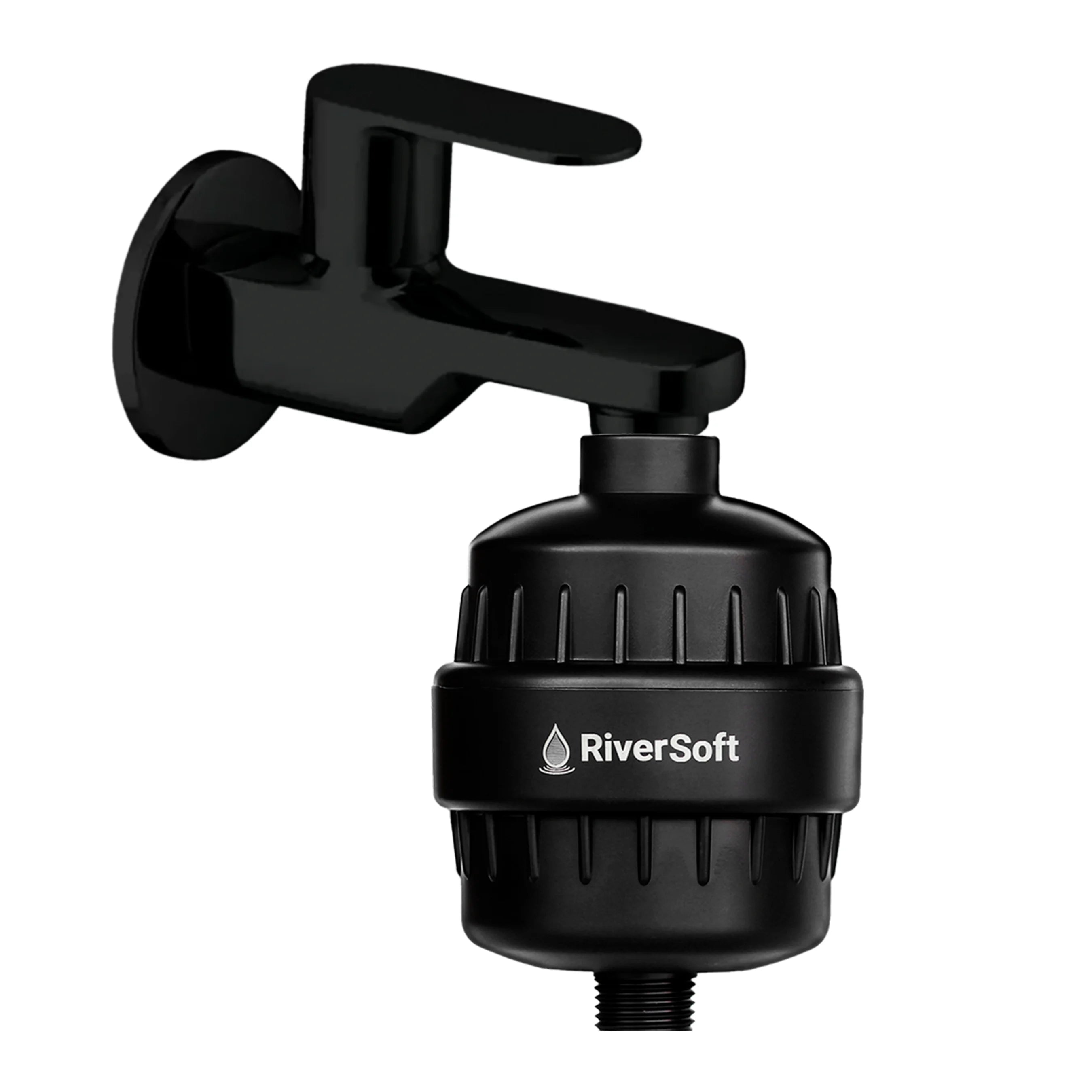
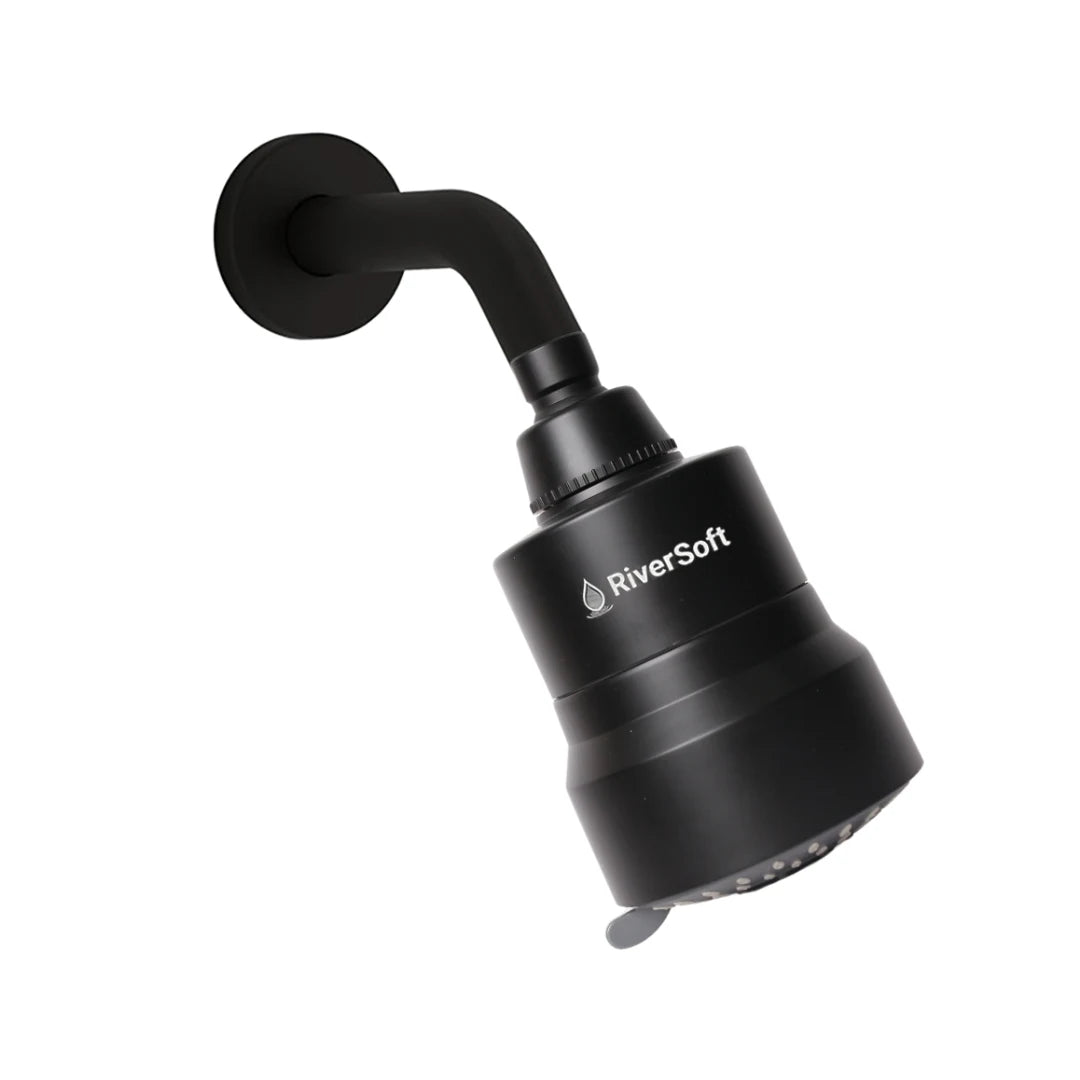
SF-15 PRO: For moderate hardness on municipal supply. Fits most Indian city homes.
-
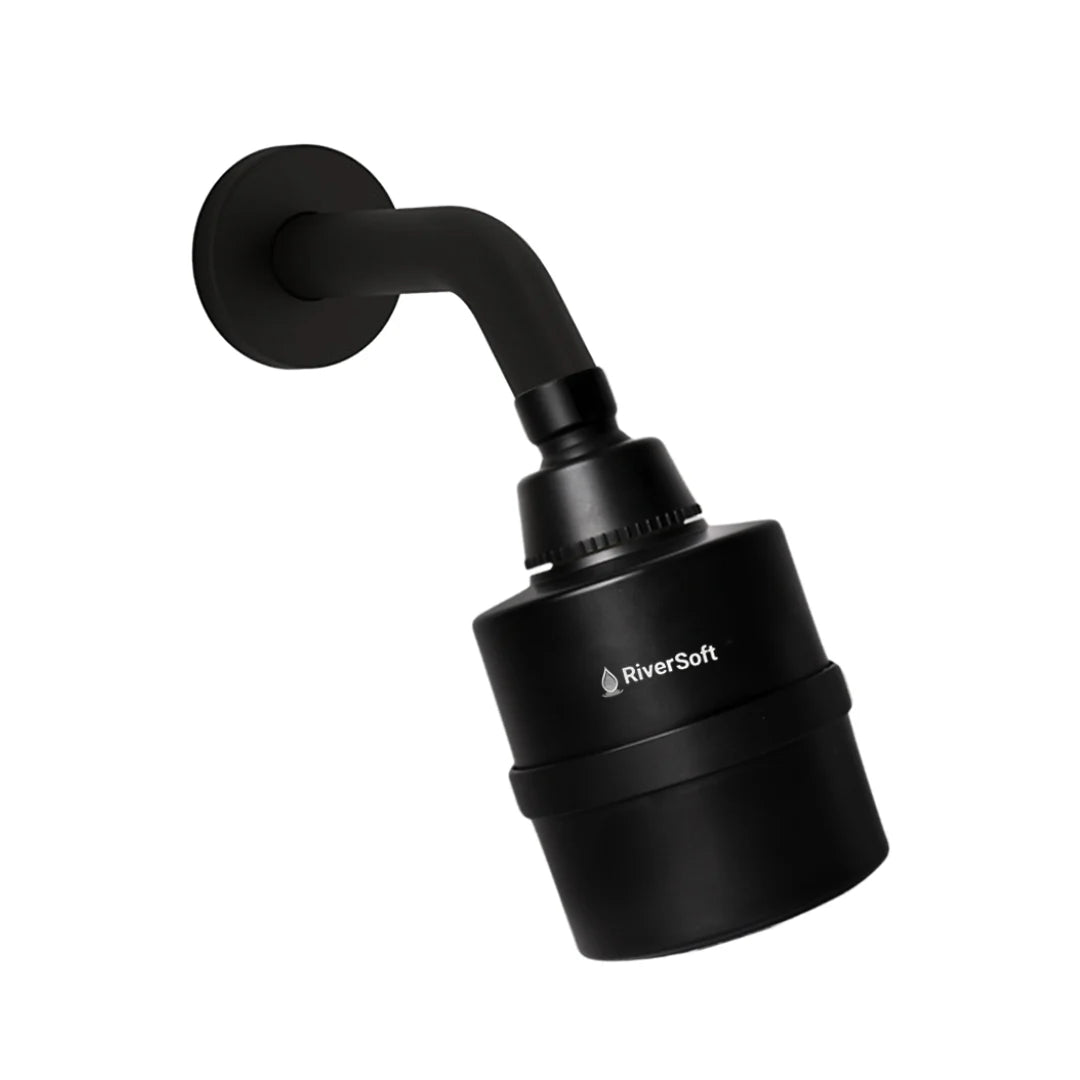
Bliss-15: For borewell-dependent areas with higher mineral loads.
-
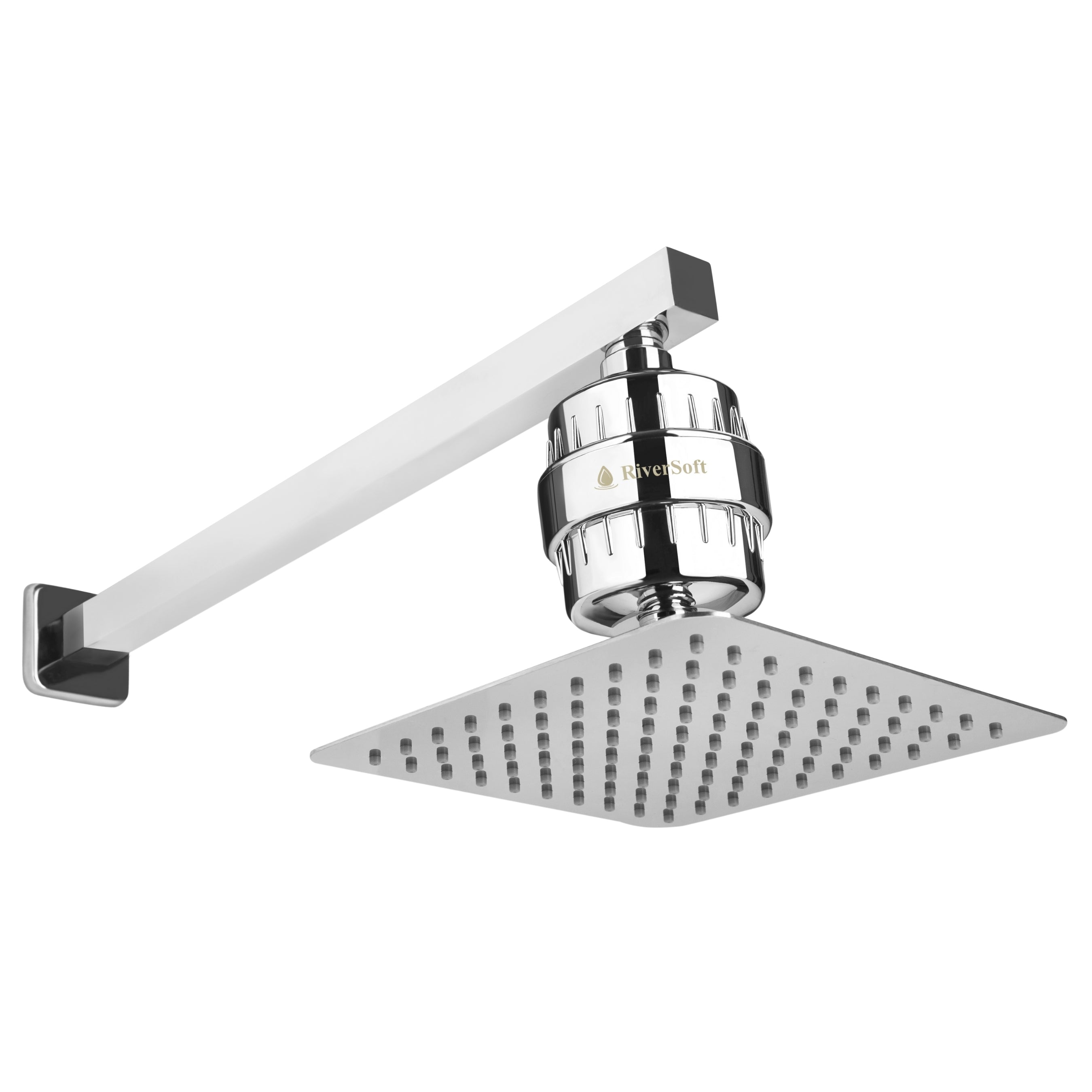
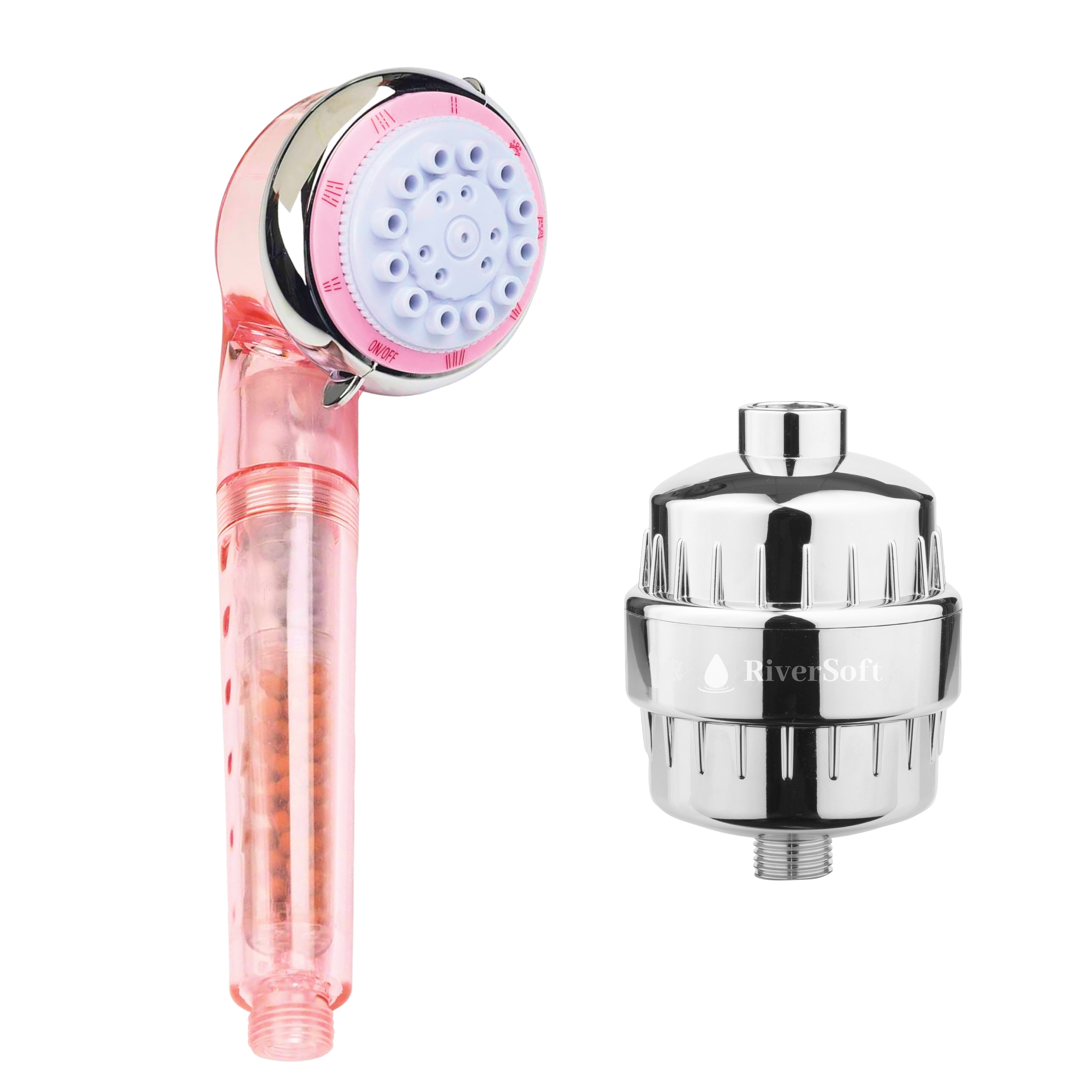
DIVA Filters: A complete showerhead replacement with built-in filtration and multiple spray modes.
All three are DIY-install. No plumber, no drilling. If your skin has felt dry, a shower filter for hard water is the most direct fix.
Note: Our shower filters do not reduce Total Dissolved Solids (TDS). We recommend using an RO purifier if your main concern is high TDS in drinking water.
Final Thoughts
The tight, dry feeling your skin carries after every shower isn't a skincare problem. It's a water problem. Hard water minerals disrupt your skin's natural barrier, block moisture absorption, and strip the oils your skin needs to stay comfortable. Does hard water dry your skin? The research says yes, and the pattern is easy to recognise once you know what to look for. Fixing the water is a more direct solution than any amount of moisturiser applied over the same problem.



























Leave a Comment