

Pune is known for its pleasant weather and relaxed lifestyle.. Its water quality tells a different story. Many households notice white crust on taps. Others deal with rough skin after every shower, or hair that remains dry and frizzy no matter which shampoo you use. This isn't a coincidence. It comes down to where your water is sourced from and what's dissolved in it. Understanding Pune water quality is the first step to fixing the problem at home.
What Does Pune's Water Quality Actually Look Like?
Pune draws most of its municipal supply from four dams: Khadakwasla, Panshet, Varasgaon, and Temghar. This water travels through treatment plants before reaching your tap. On its own, it isn't unusually hard. Government groundwater data shows the average TDS in the wider Pune region at around 592 mg/L, above the Bureau of Indian Standards acceptable limit of 500 mg/L. However, this number varies significantly depending on where the sample is taken.
The important point is that not every Pune home runs entirely on municipal supply. Many apartment complexes and independent houses top up with borewell water. This is common during summer cuts, or in newer developments still expanding their pipelines. Borewell water in Pune tends to carry more natural minerals such as calcium and magnesium than the dam-fed supply. This is the primary reason water hardness varies across Pune.Two homes on the same street can have very different water quality depending on their source. The same pattern shows up in hard water across Indian cities with mixed supply sources.

Why Does Pune's Groundwater Turn Hard? The Basalt Rock Connection
Pune sits on the Deccan Traps, layers of volcanic basalt rock formed millions of years ago. Many articles guides skip this part, but it plays an important role. As groundwater moves through this basalt, it dissolves calcium and bicarbonate from the rock. The longer water sits in contact with basalt, the more mineral content it picks up. This is what makes Pune's groundwater naturally hard before it ever reaches your building's tank.
This is different from coastal cities, where seawater intrusion drives up hardness. In Pune, it's the geology beneath your feet. Understanding what hard water does over time helps explain why the effects show up not just in taste, but in how water behaves on your skin, in your pipes, and inside your appliances. These effects develop gradually, which is why most people only notice it once it has already built up.
Which Areas In Pune Have the Hardest Water?
Pune water quality isn't uniform across the city. Areas like Hadapsar and parts of Pimpri-Chinchwad depend more heavily on borewell supply. Hardness there commonly falls between 200 and 450 ppm. Fast-growing pockets like Wagholi, Hinjewadi, and Wakad often mix municipal lines with private borewells. That mix makes their water quality harder to predict.
By contrast, established areas like Kothrud, Deccan, and Shivaji Nagar tend to receive steadier municipal supply. Even there, hardness doesn't disappear entirely. If your home has ever switched to borewell water during a shortage, you've likely noticed the difference within days. That pattern lines up with common borewell water side effects reported across similar Indian cities. Regardless of where you live, the signs of hard water are usually easy to spot.
Signs You Have Hard Water At Home
Most people don't test their water. They notice the symptoms instead. Hard water leaves traces across your home long before you think to check. Here is what to look for.
-
White, chalky buildup around taps, showerheads, and glass surfaces
-
Soap and shampoo that won't lather properly
-
Skin that feels tight or itchy after a shower
-
Clothes that feel stiff even after washing
-
Geysers and washing machines losing efficiency faster than expected
If two or more sound familiar, you can spot hard water signs without buying a test kit. A quick check of your kettle or shower glass usually gives you a clear enough answer, and a shower/tap filter is typically the simplest next step.
Which RiverSoft Shower Filter Is Right For Pune Water?
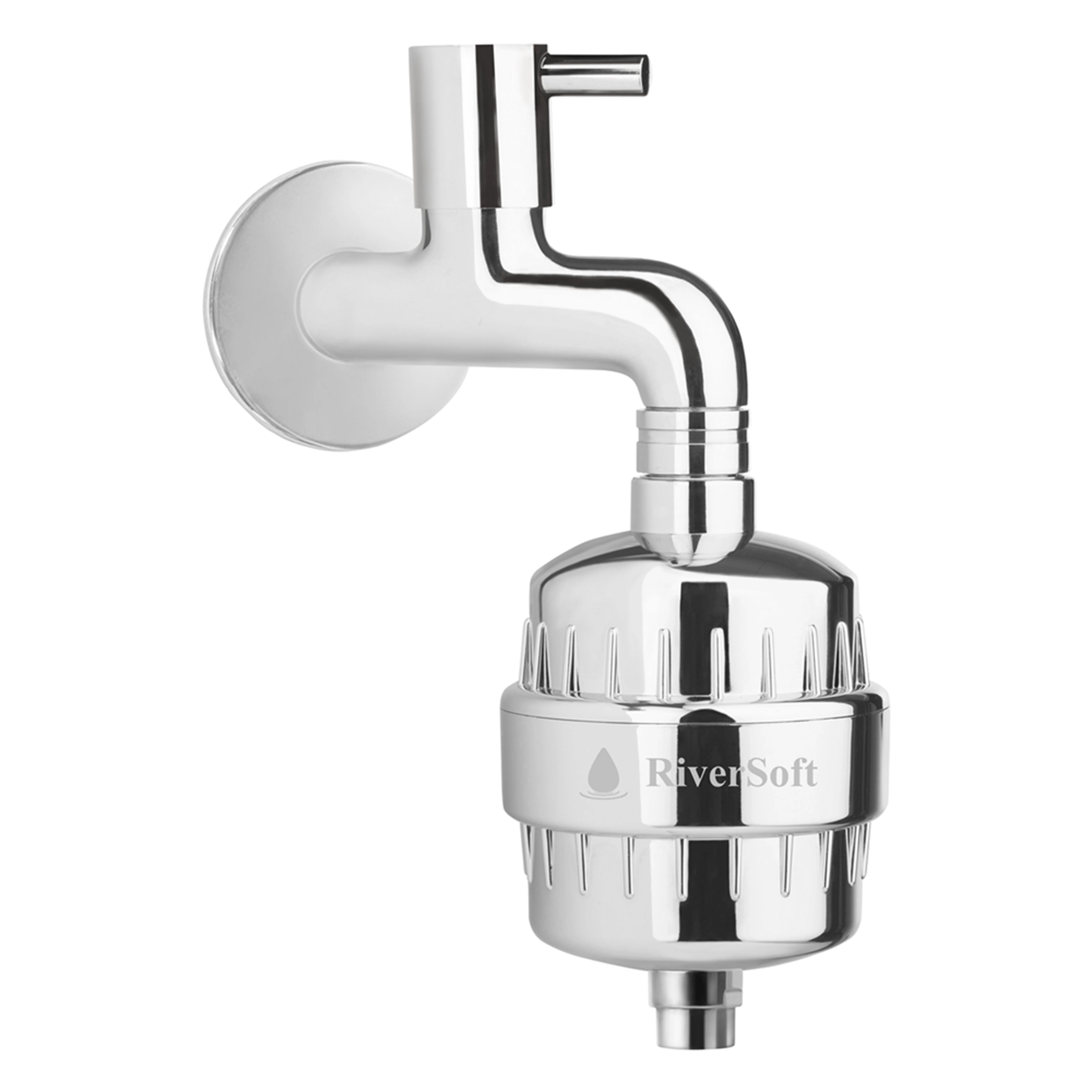
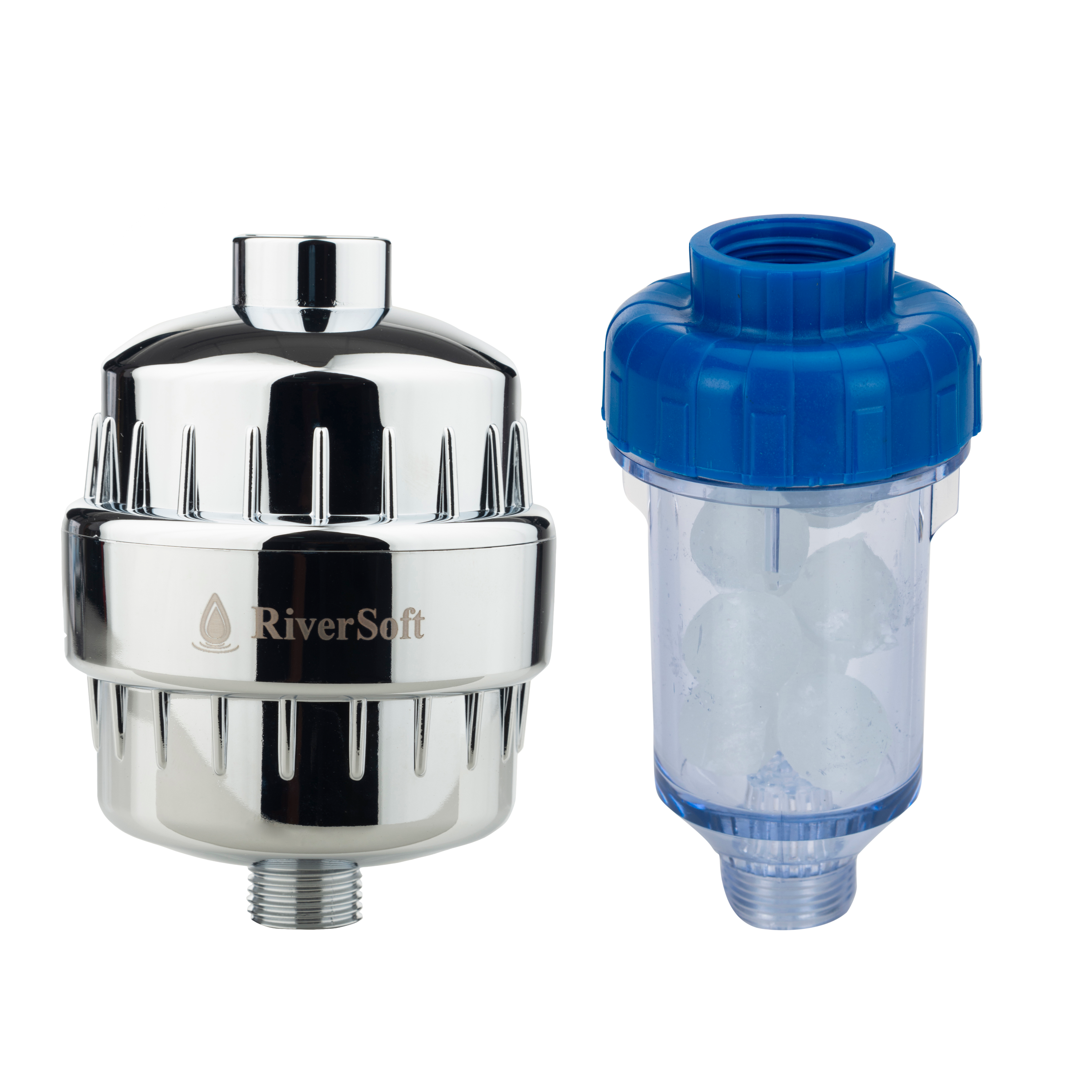
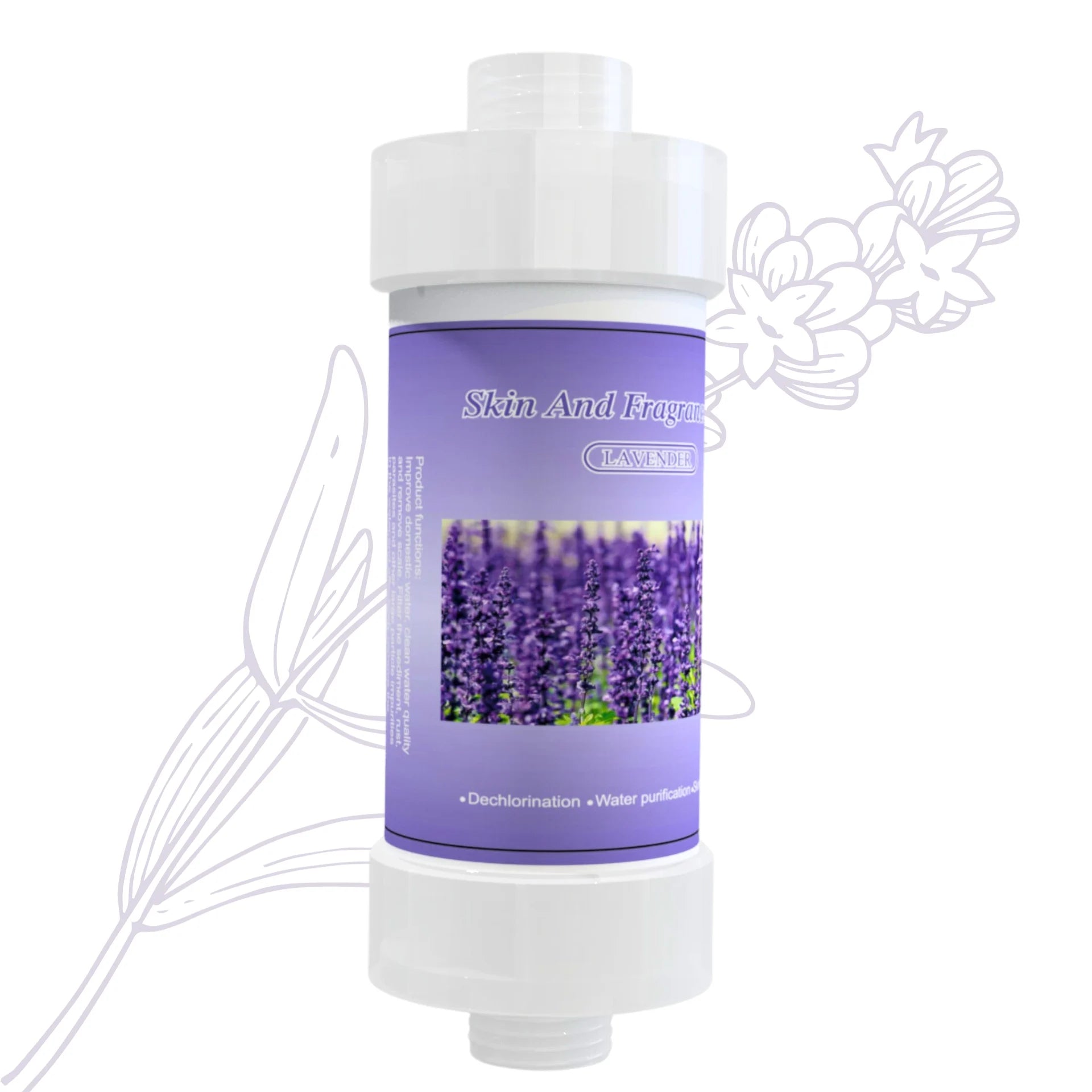
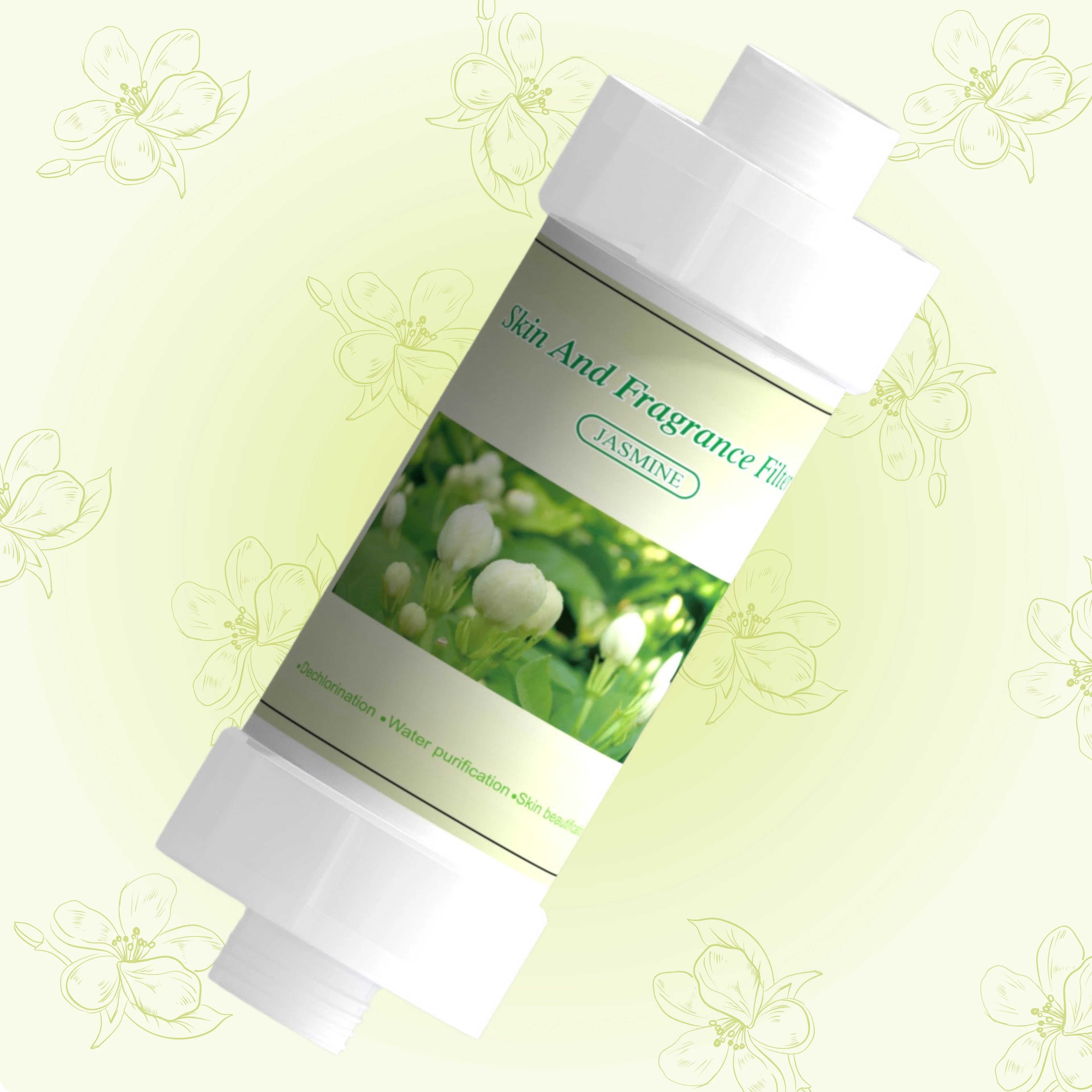
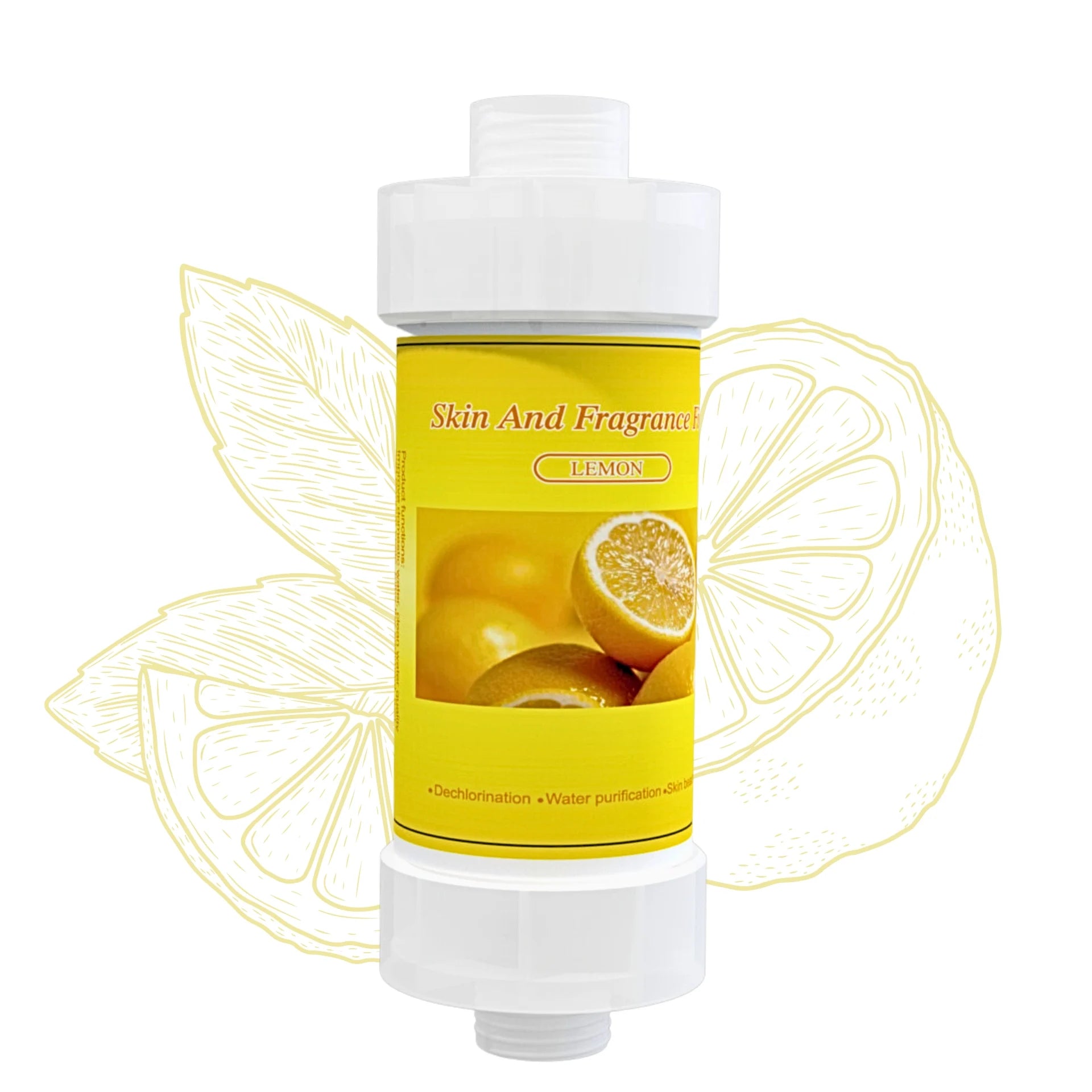
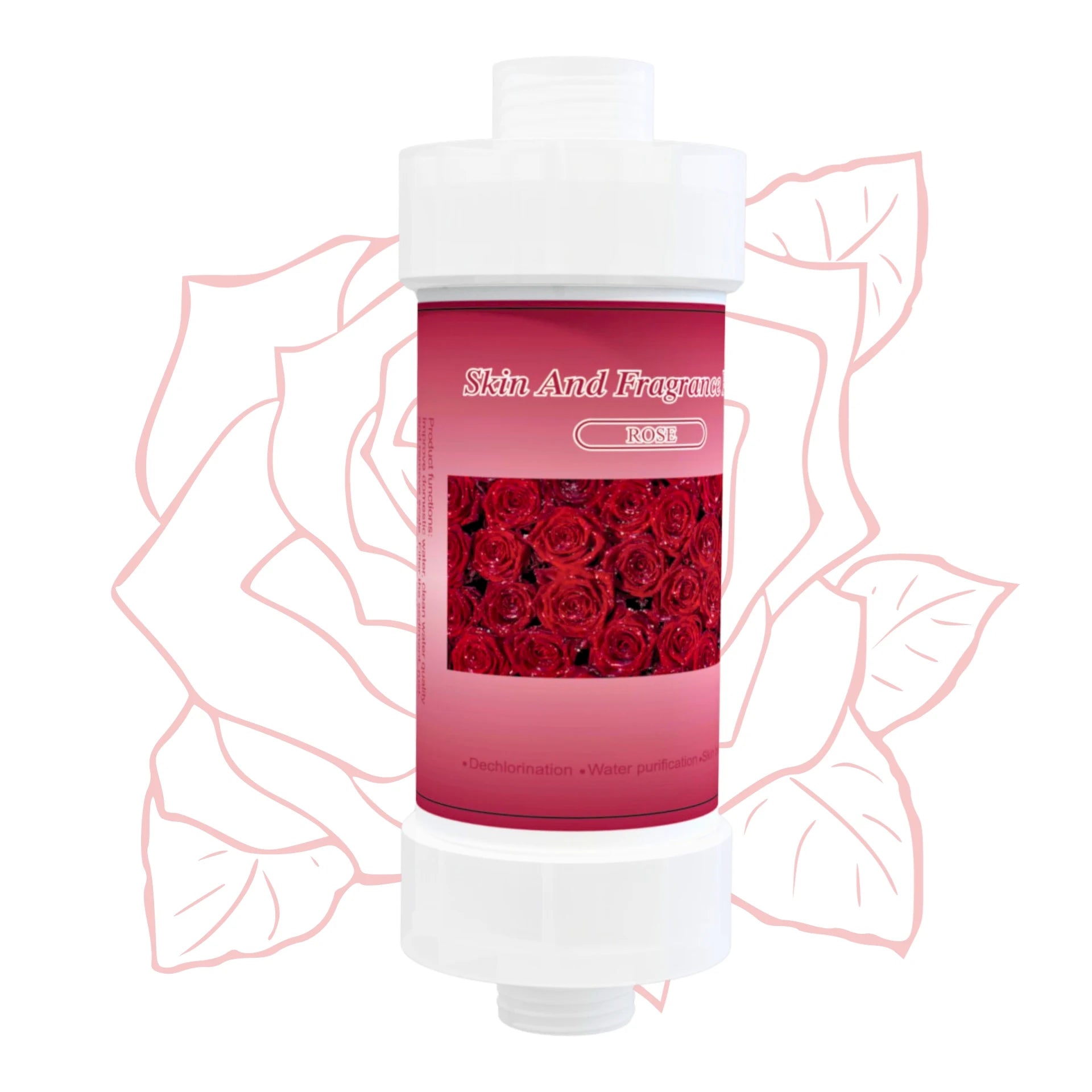
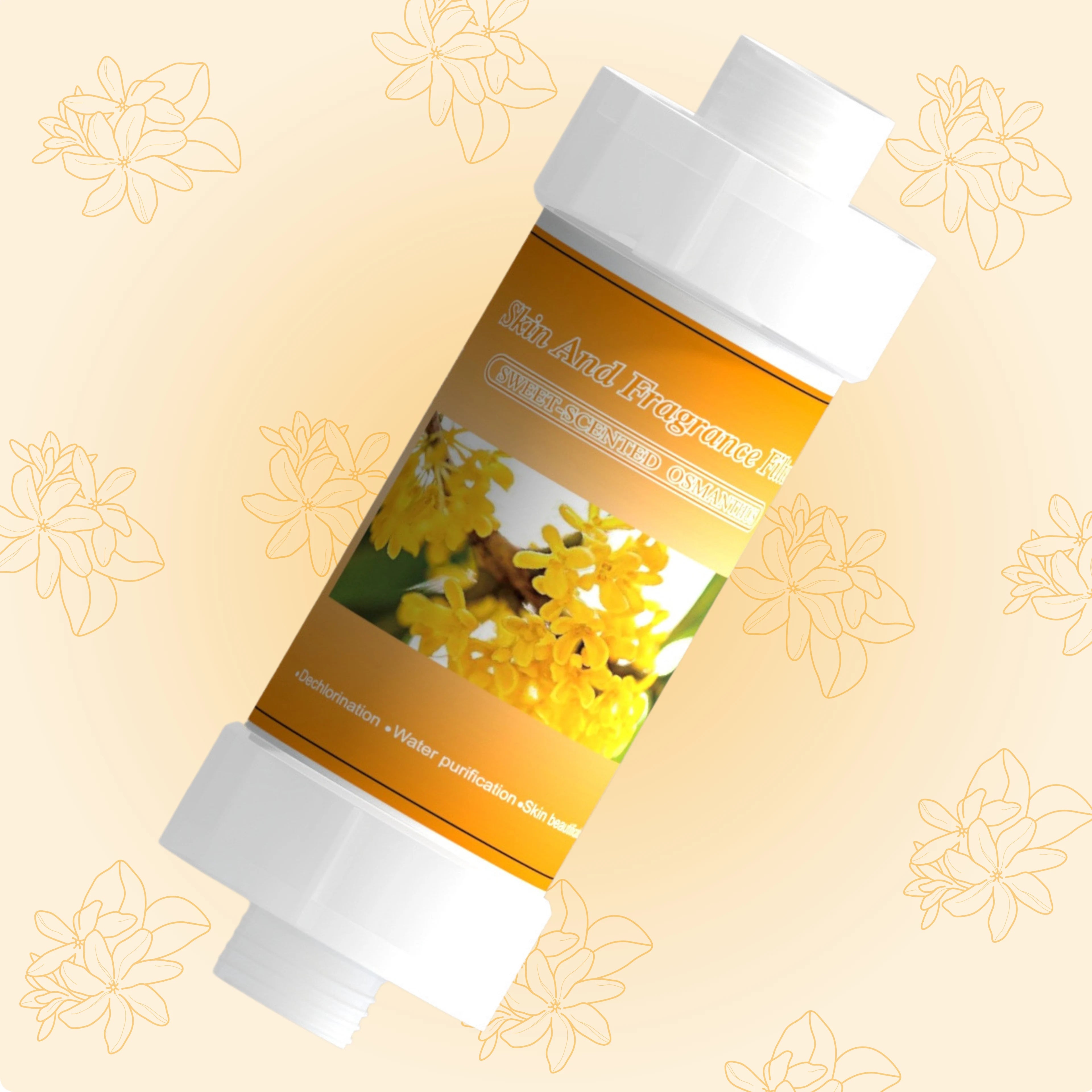
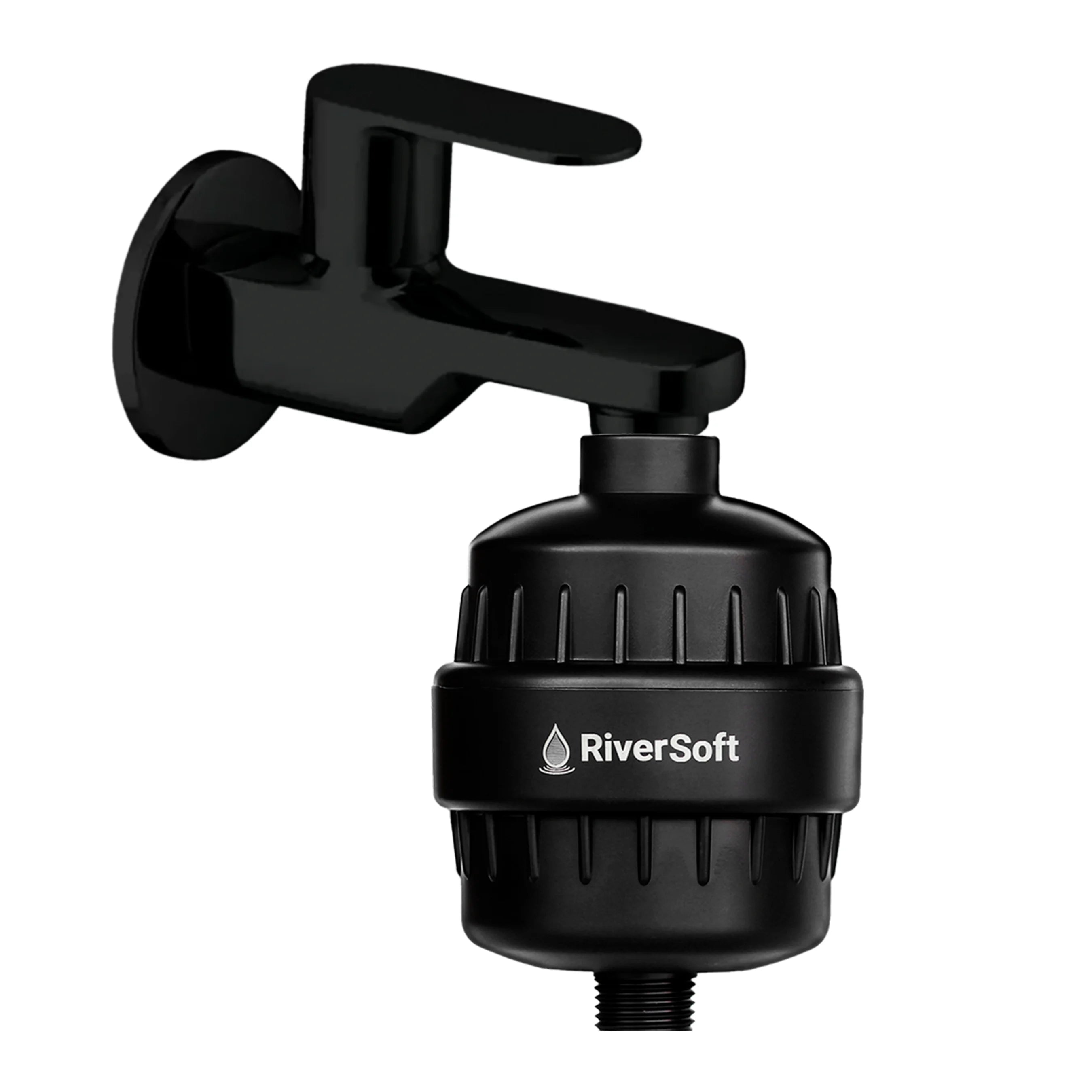
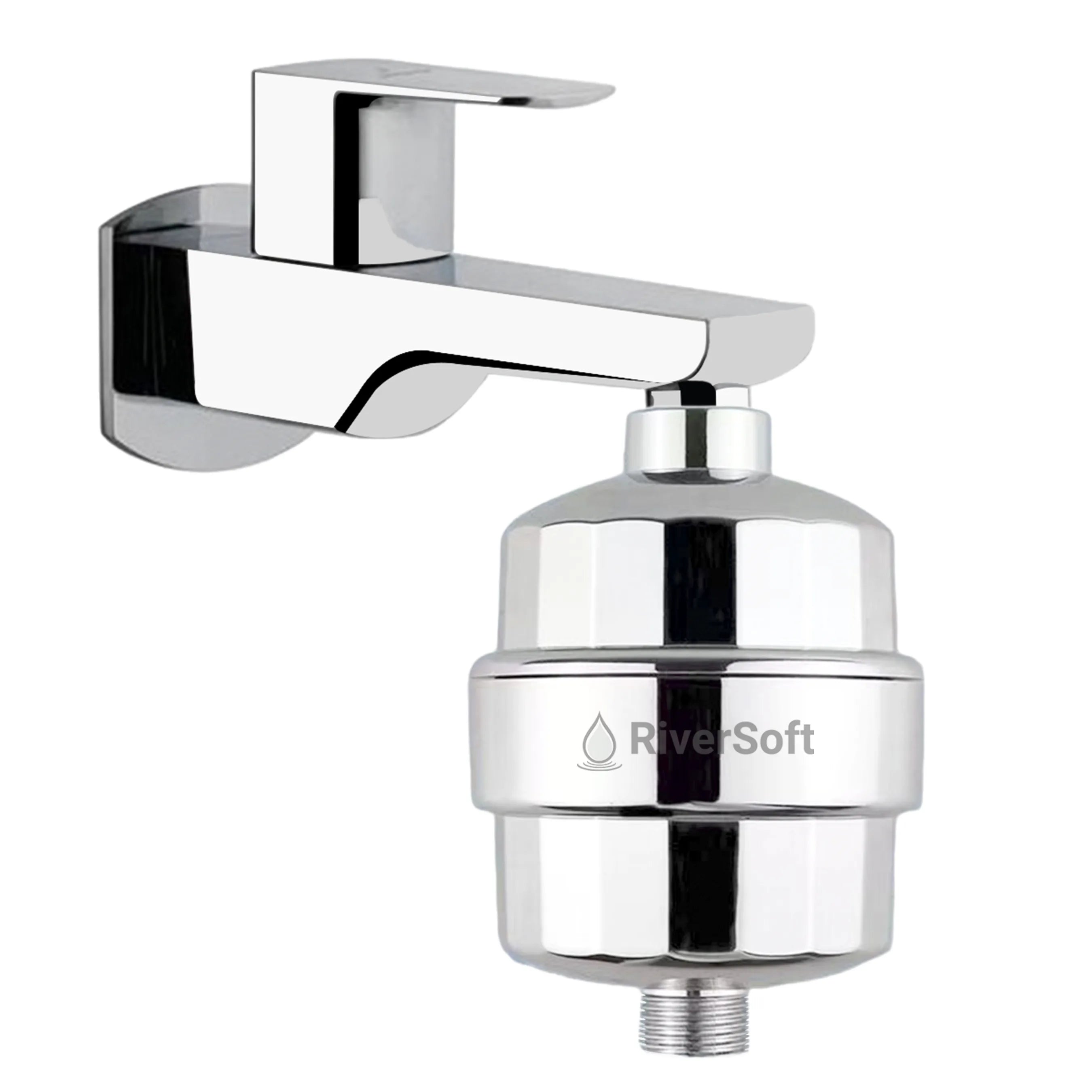
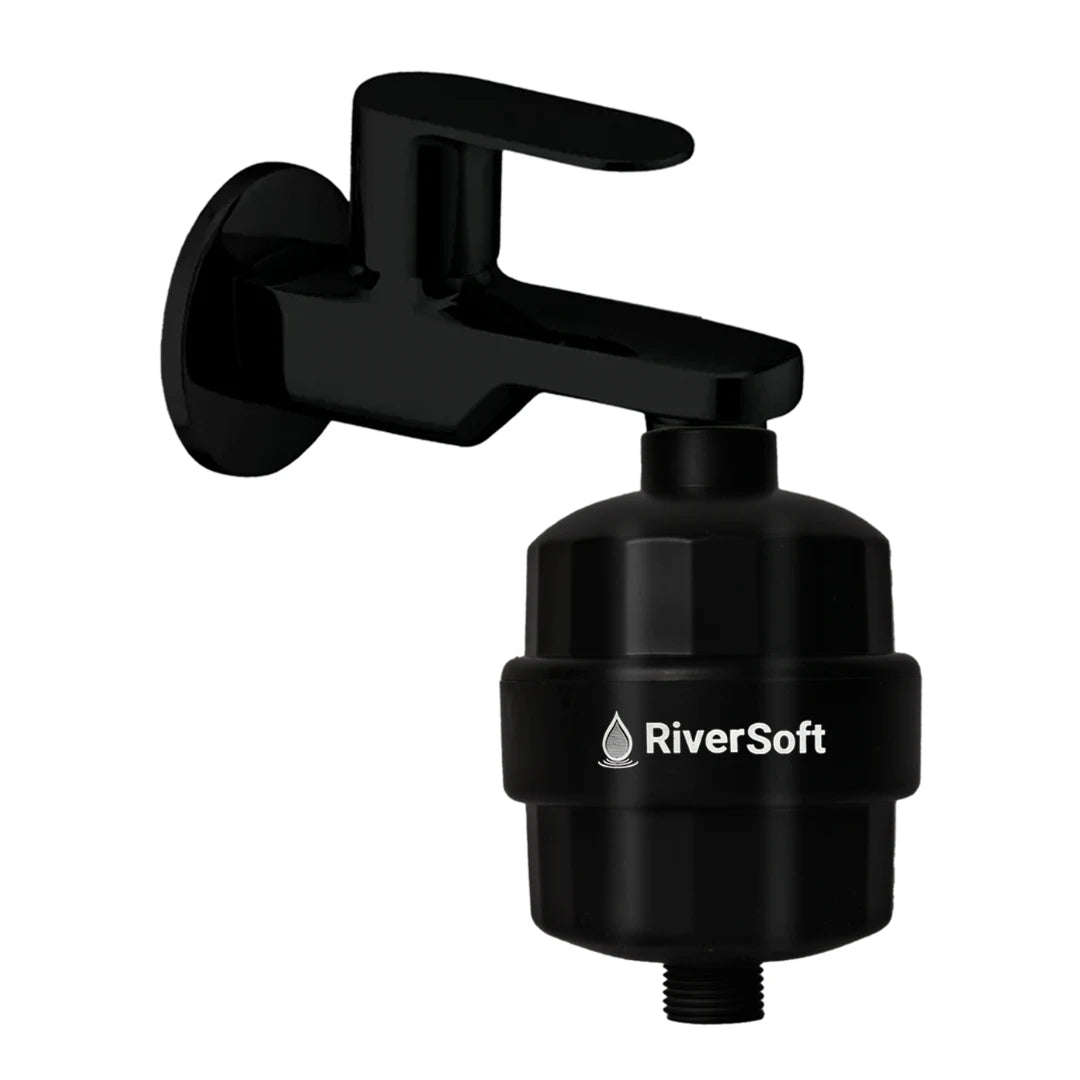
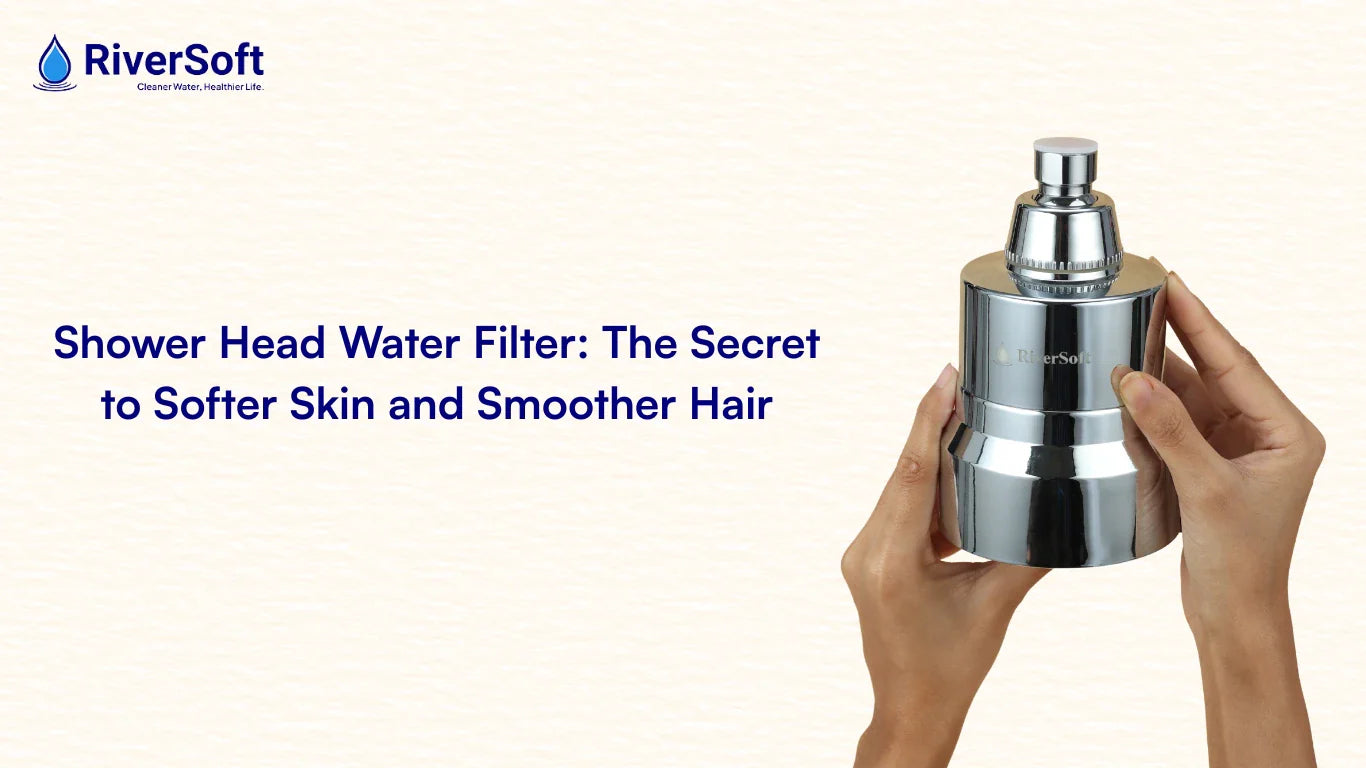
A shower or tap filter addresses the problem where it starts, cutting the mineral load before water touches your skin or your kitchen sink. At RiverSoft, we offer options depending on your water type.
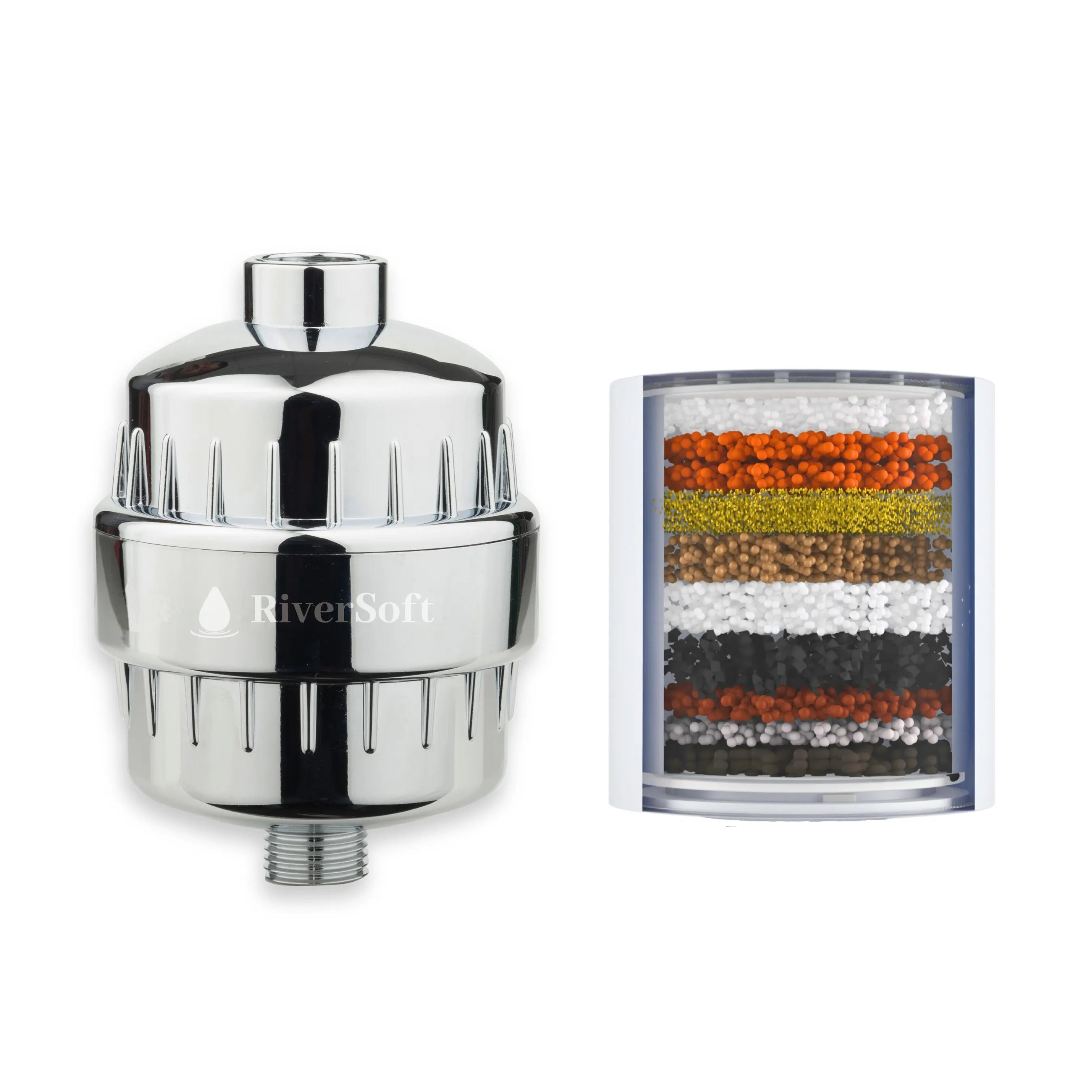
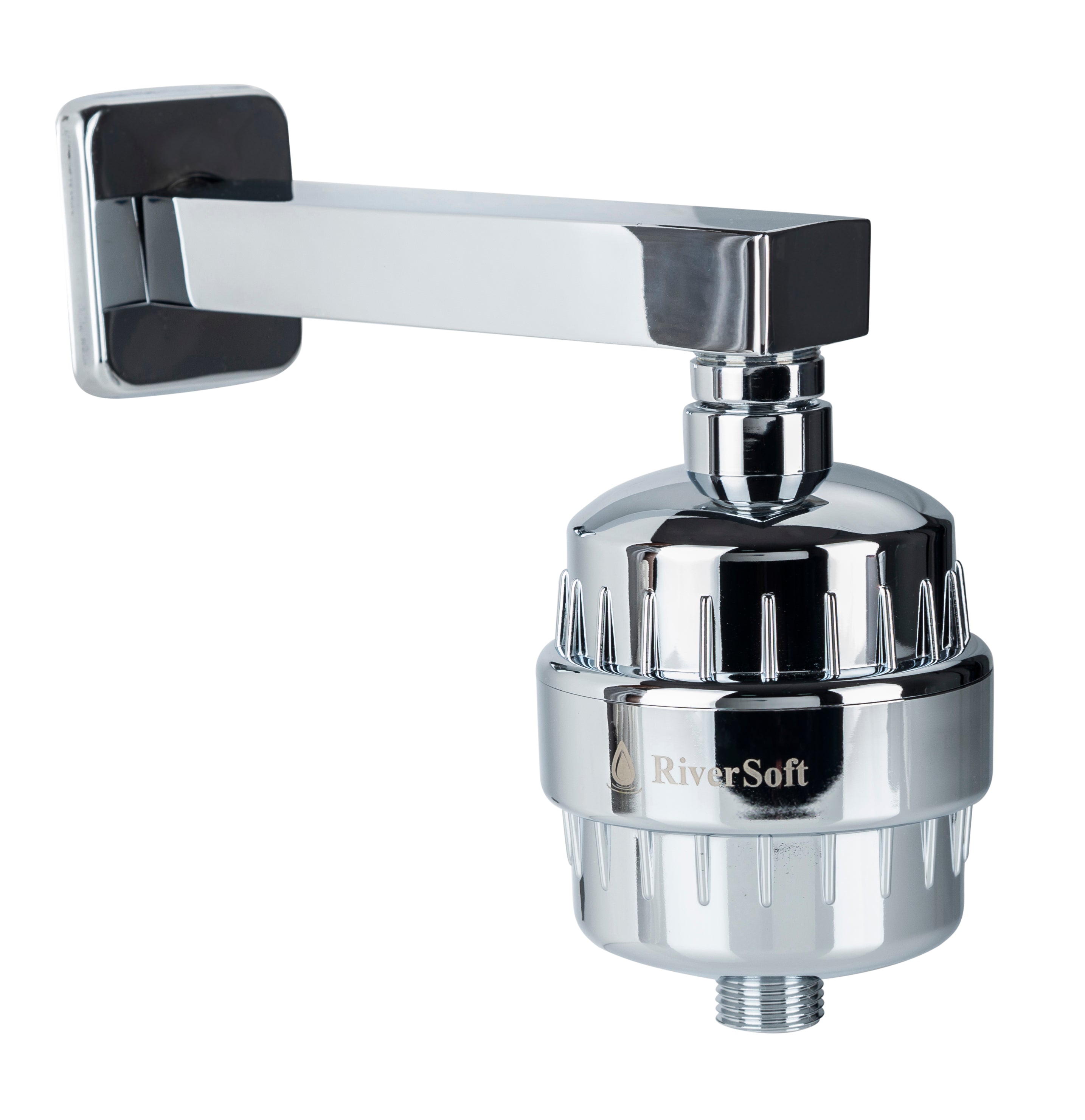
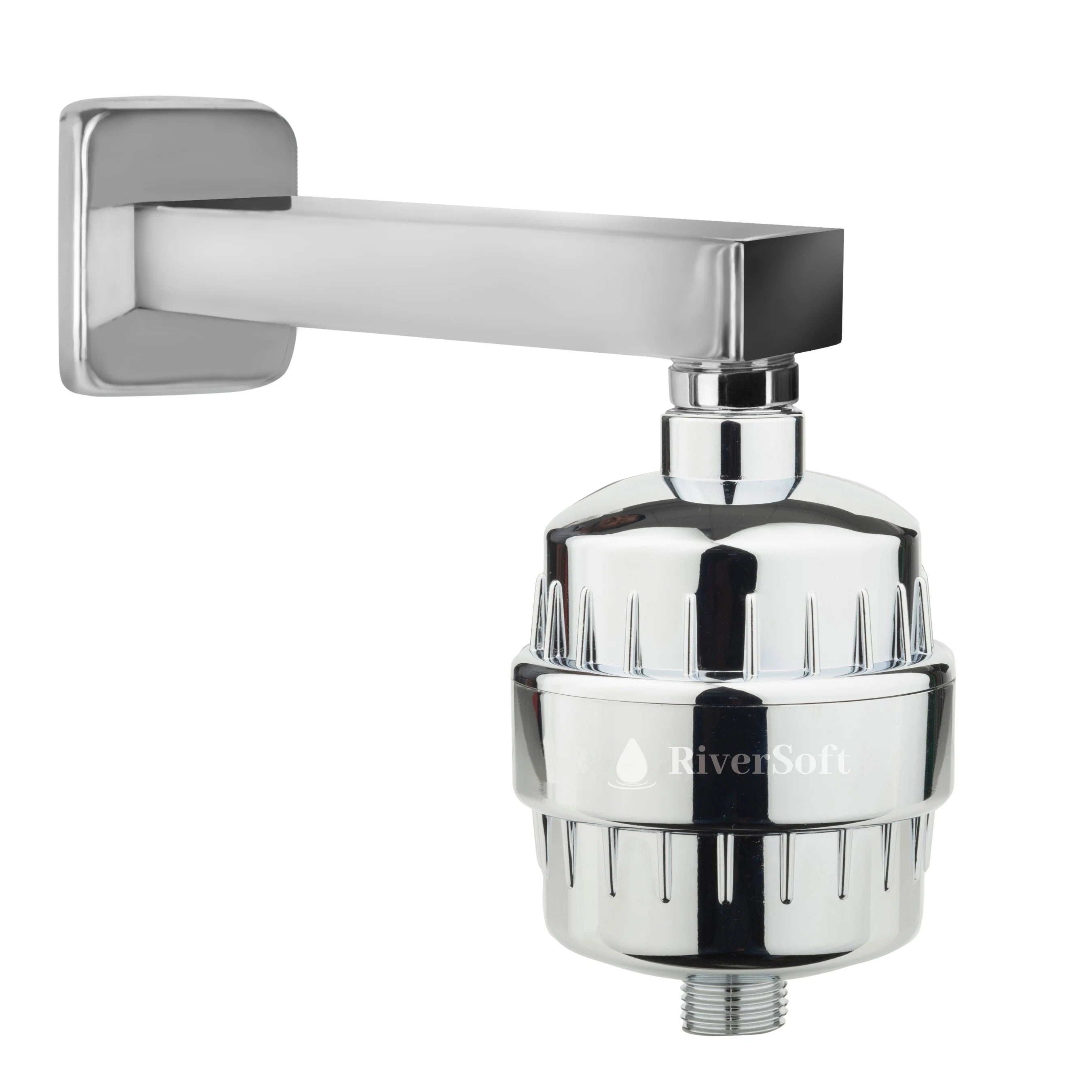
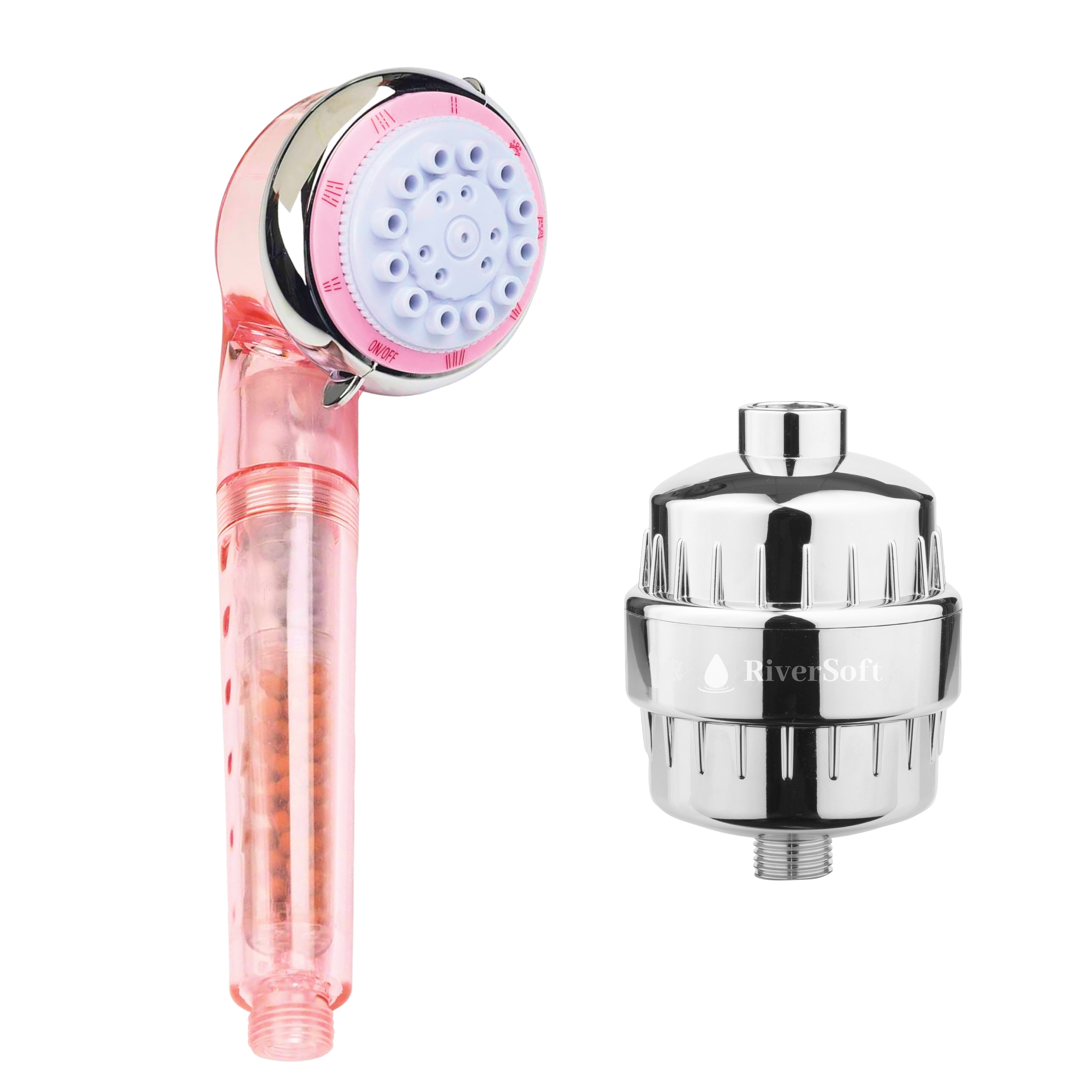
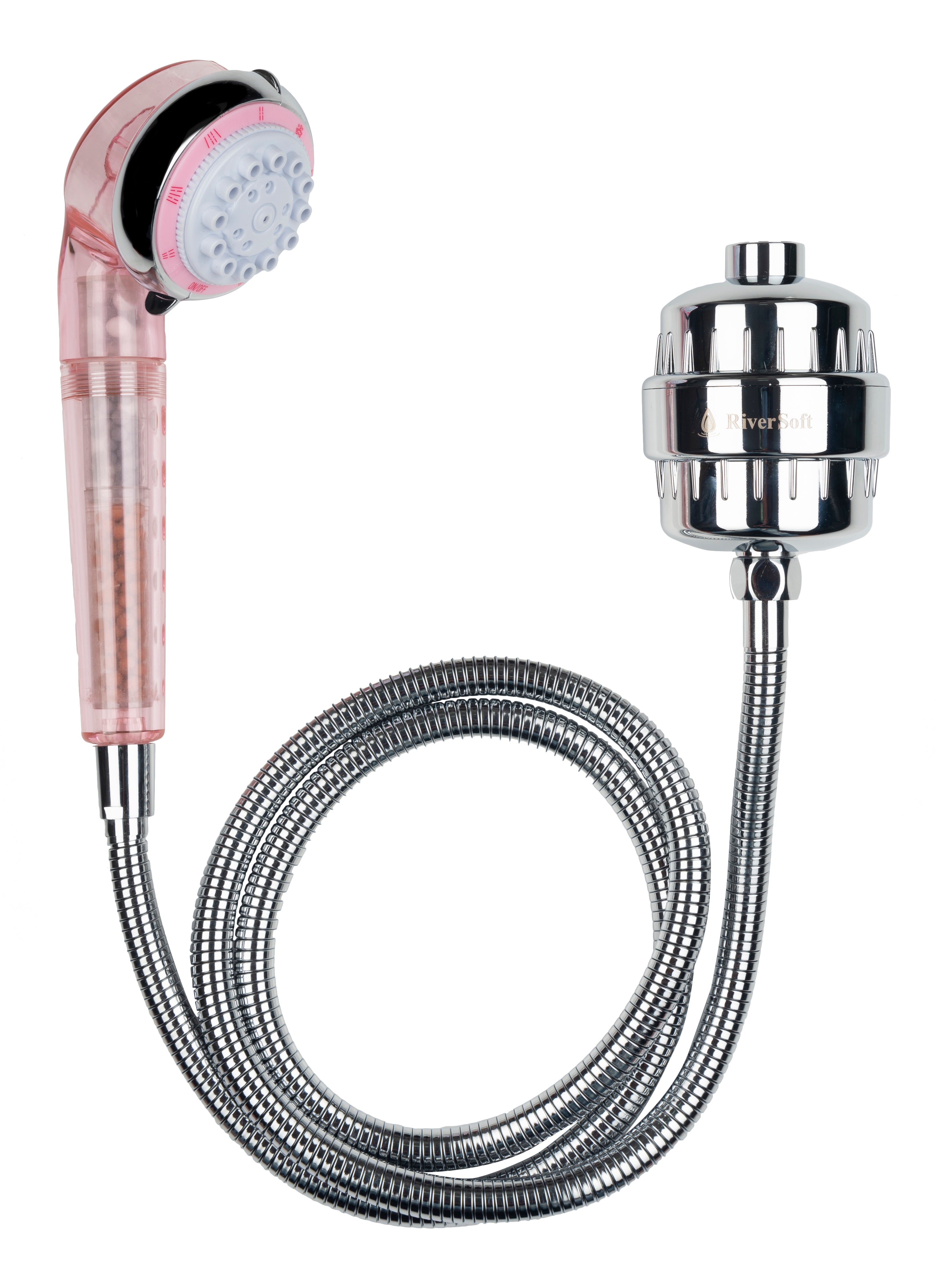
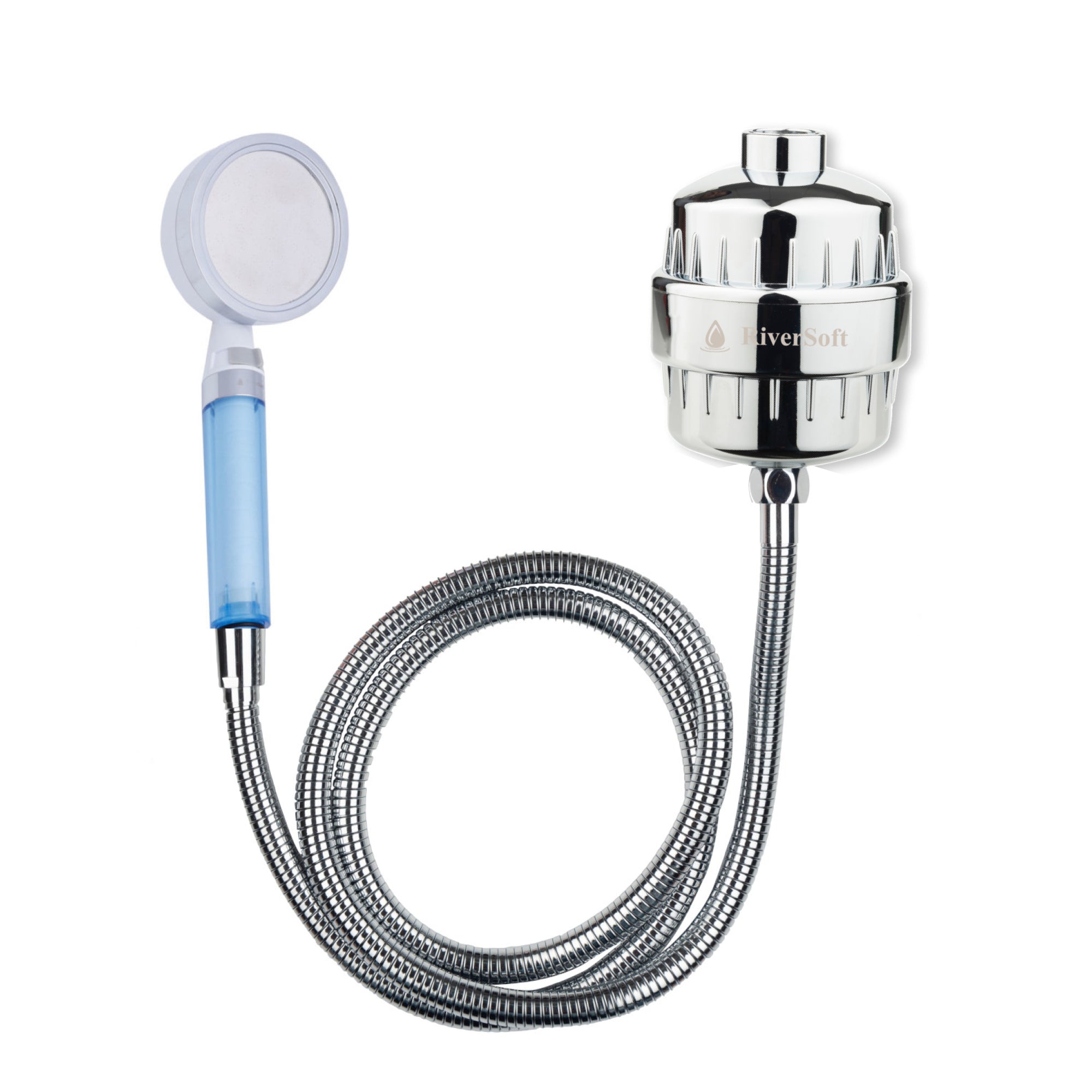
SF-15 PRO: A 15-stage shower filter for hard water, built for moderate hardness typical of Pune's water. Attaches above your existing showerhead, no plumber needed.
Bliss-15: Designed for very high hardness. Carries a higher concentration of filtration media than standard filters.
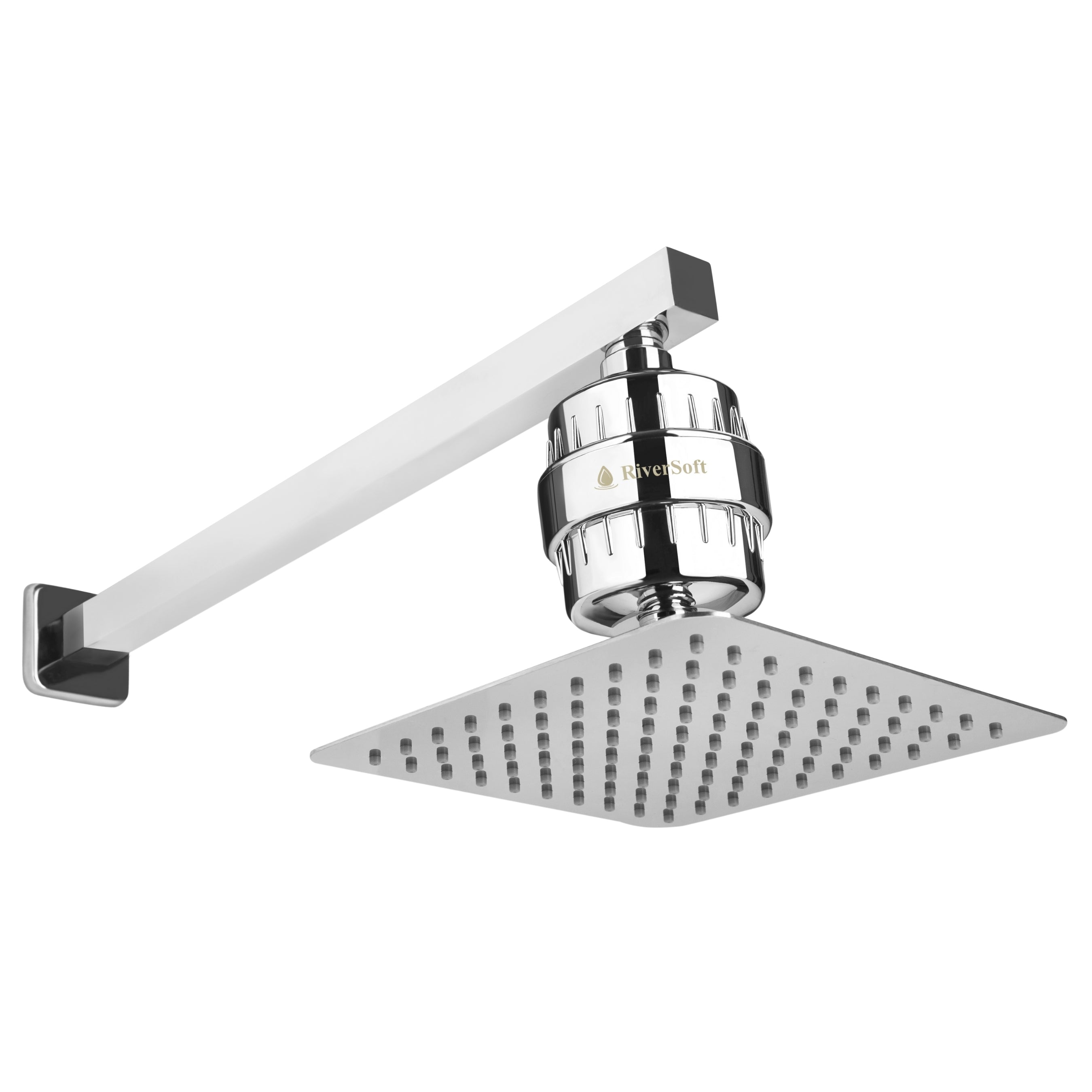
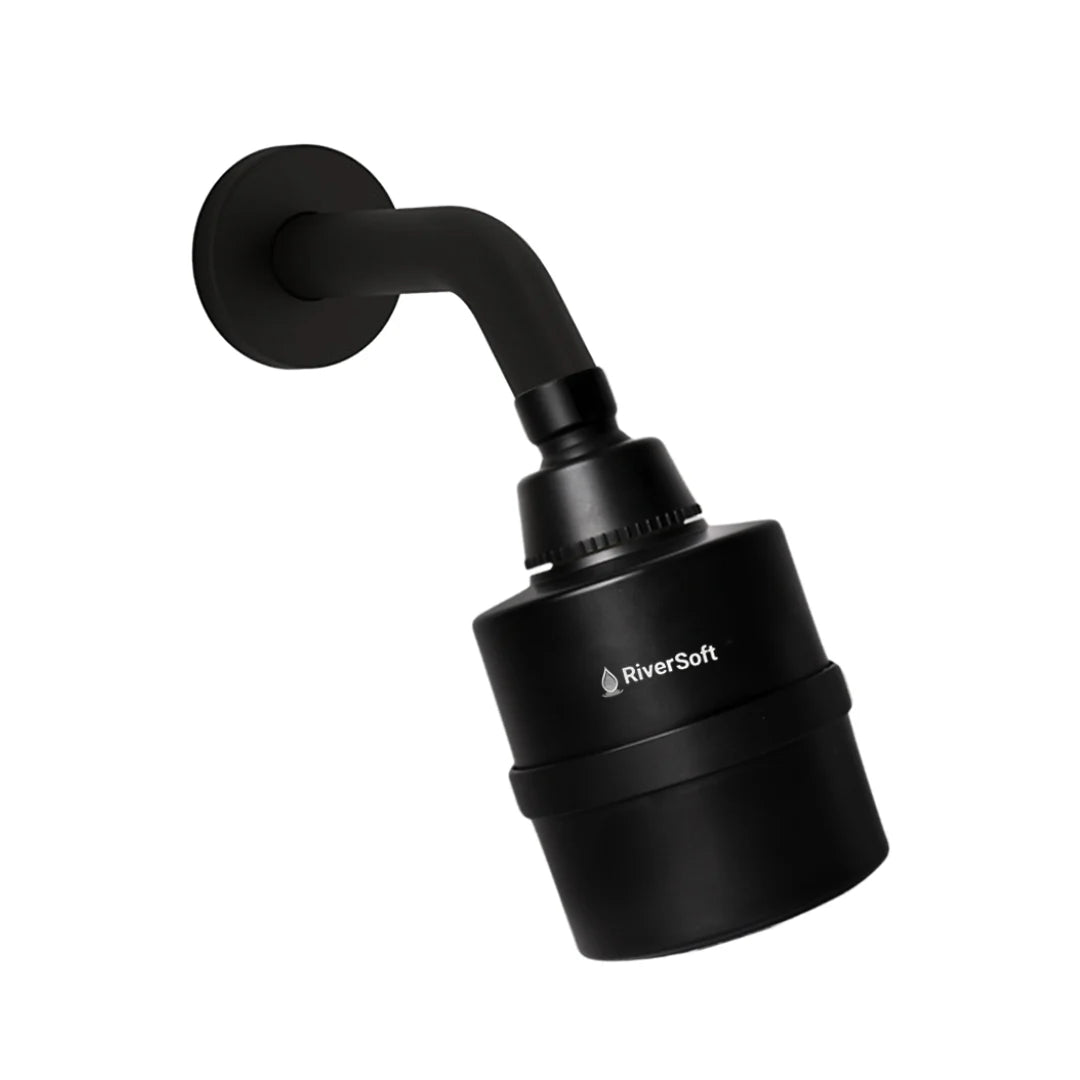
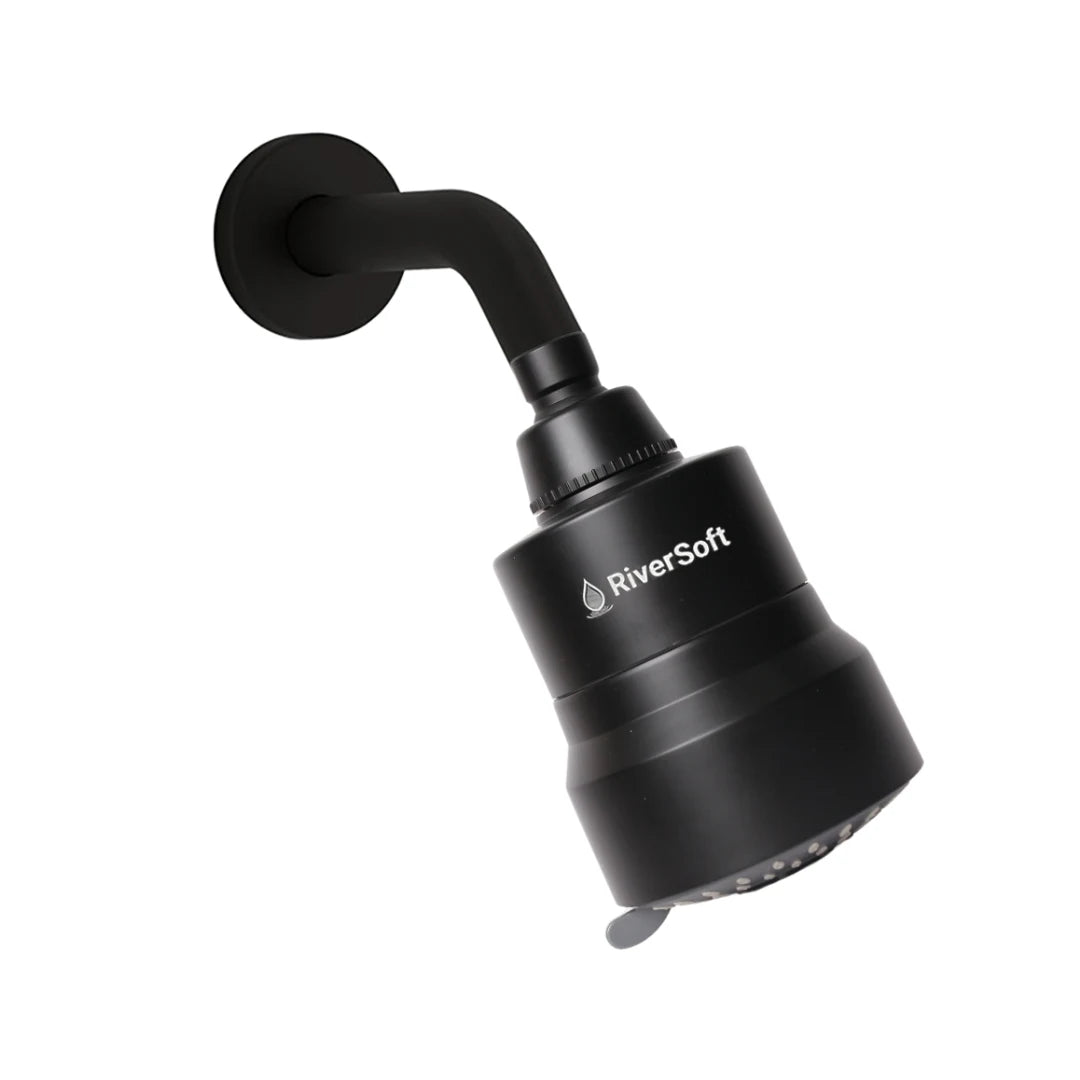
DIVA Series: Replaces your showerhead entirely with built-in multi-stage filtration. DIY installation, no plumber required.
Note: RiverSoft shower filters do not reduce Total Dissolved Solids (TDS). If your main concern is high TDS in drinking water, we recommend using an RO purifier.
Go here to check out RiverSoft's shower filter range and find the right fit for your water.
Conclusion
Pune water quality isn't a one-size-fits-all problem. It depends on your building's water source, your neighborhood's geology, and how much borewell water enters your supply. Municipal water tends to be moderately hard; borewell water usually pushes hardness higher. Knowing which applies to your home is the real starting point. Once you do, choosing the right filter is a straightforward decision.


























Leave a Comment