
Embark on a journey behind the scenes as we unveil the secrets of formulating the perfect limescale remover. This process involves a delicate dance of ingredients, a precise preparation, and a fascinating mechanism that dissolves limescale deposits. Join us as we simplify the formulation magic that keeps your surfaces sparkling.
This guide explains the chemistry behind how limescale removers work. If you are looking for step-by-step methods to remove stains from tiles, glass, or appliances, see hard water stain removal.
The alchemy begins with a carefully curated set of ingredients, each playing a vital role in the limescale removal process.
1. Acids: Citric and sulfamic acid are the safest, most common choices for household limescale removers. Hydrochloric acid is harsher and used mainly in industrial formulas.
2. Surfactants: The unsung champions ensuring even coverage, improved adherence, and enhanced cleaning effectiveness.
3. Chelating Agents: Ethylenediaminetetraacetic acid (EDTA) and others form soluble complexes with calcium ions, making them easier to remove.
4. Solvents: Helping dissolve organic matter and soap scum alongside limescale.
Water: The main component, serving as a diluent to make the process safe and practical.
5. Fragrances and Colorants: Adding a touch of sensory pleasure to the cleaning experience.
6. Inert Ingredients: Stabilizers and enhancers contributing to the overall stability, texture, or performance.
Preparation: The art of formulation involves precision and expertise. Here's a glimpse into the meticulous steps:
1. Weighing and Mixing: Carefully measure and weigh each ingredient according to the desired formulation.
2. Dissolving: Combine the acids and water, ensuring uniform dissolution. Heat may be applied to expedite the process.
3. Surfactant and Chelating Agent Addition: Introduce surfactants and chelating agents, stirring thoroughly for a homogeneous mixture.
4. Solvent, Fragrance, and Colorant Addition: Enhance the formula by adding solvents, fragrances, and colorants. Maintain continuous mixing.
5. Testing: Rigorous quality control tests ensure the product meets performance standards and safety requirements.
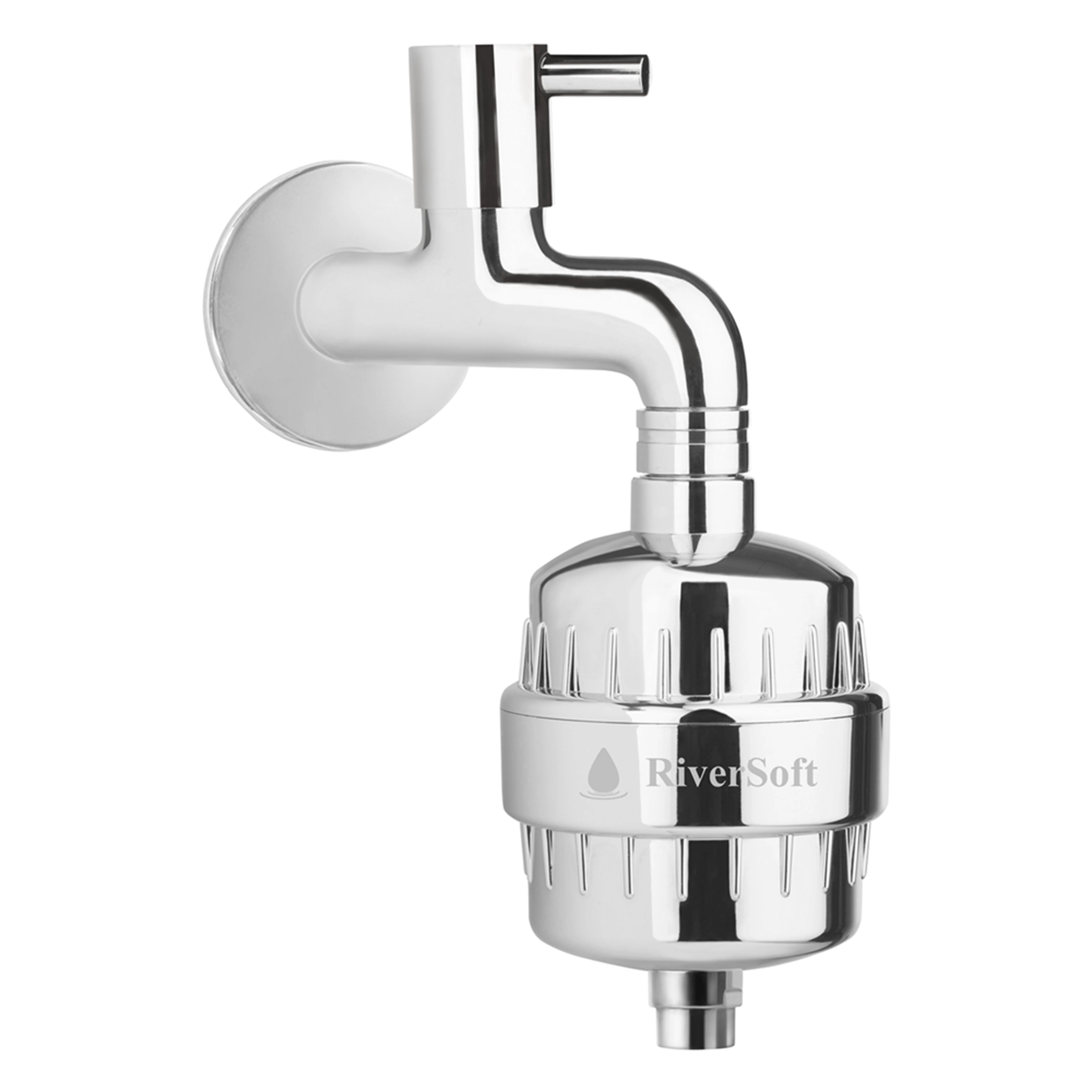
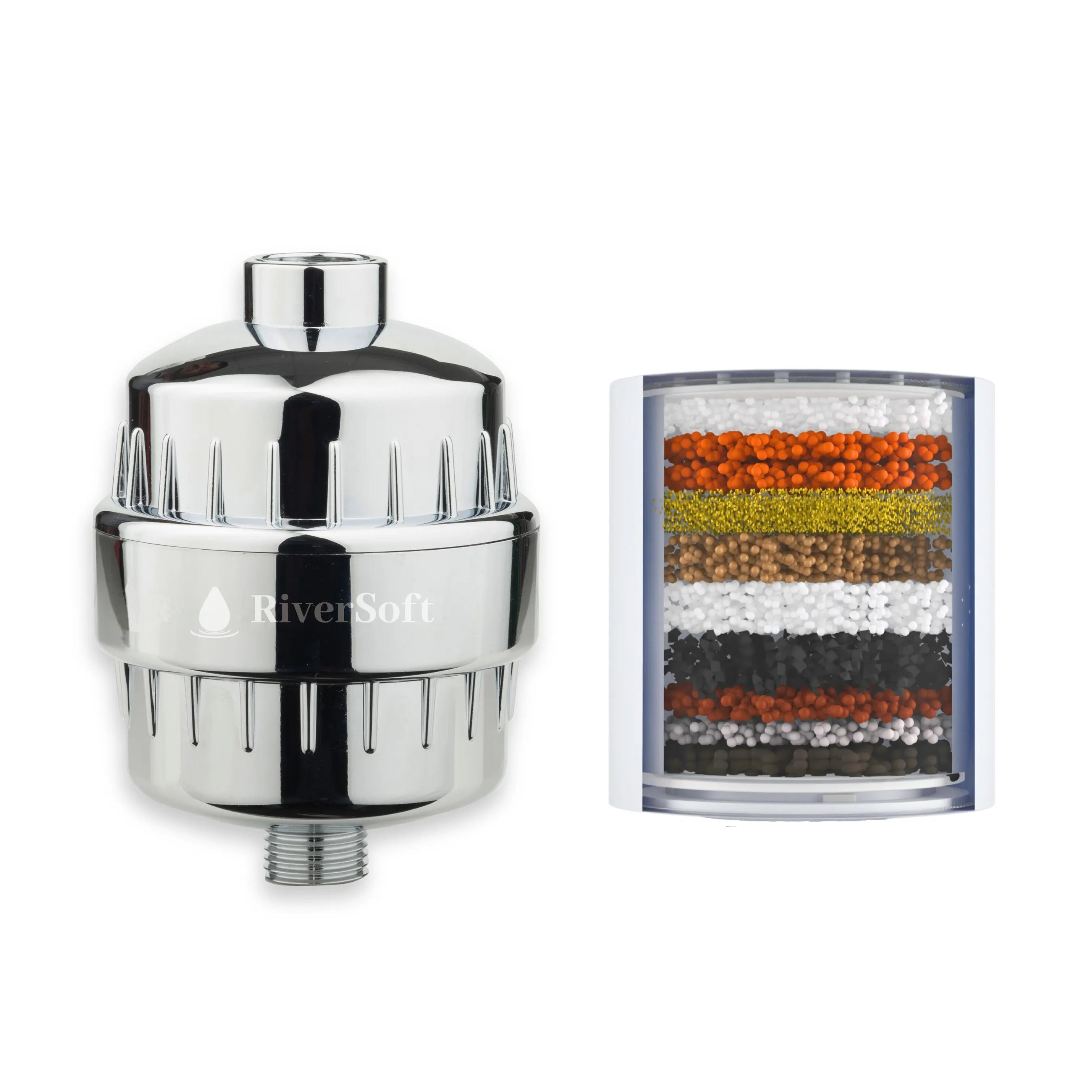
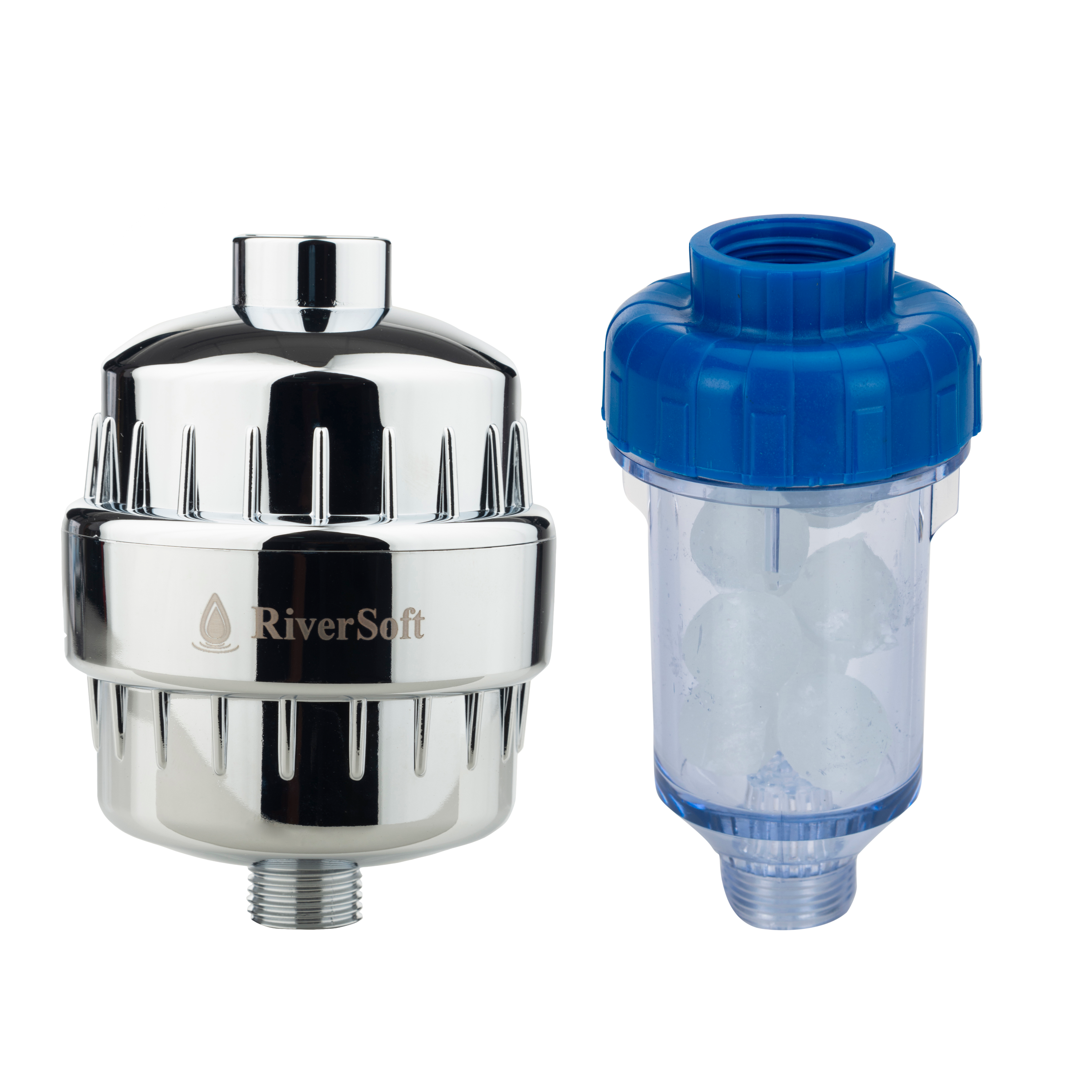
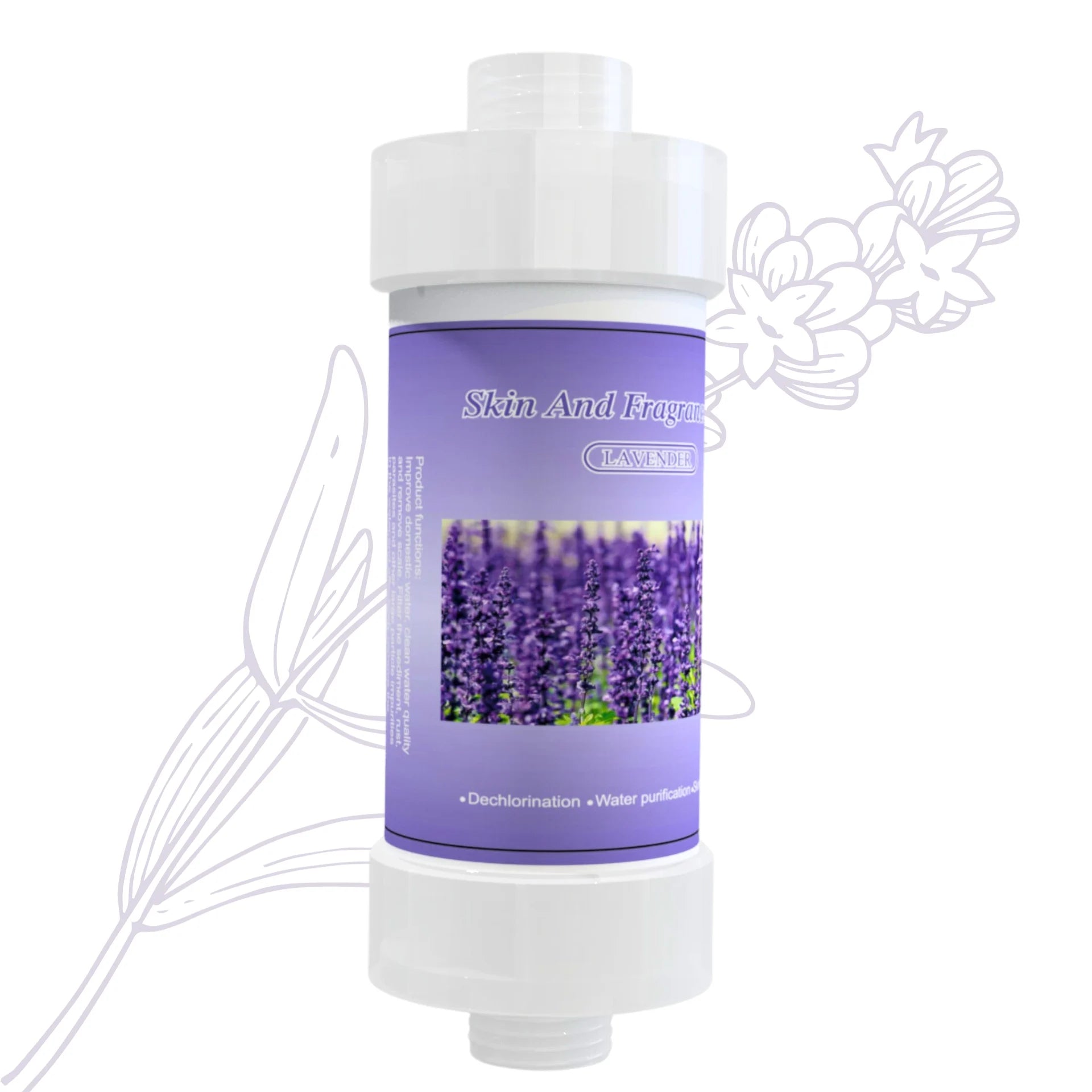
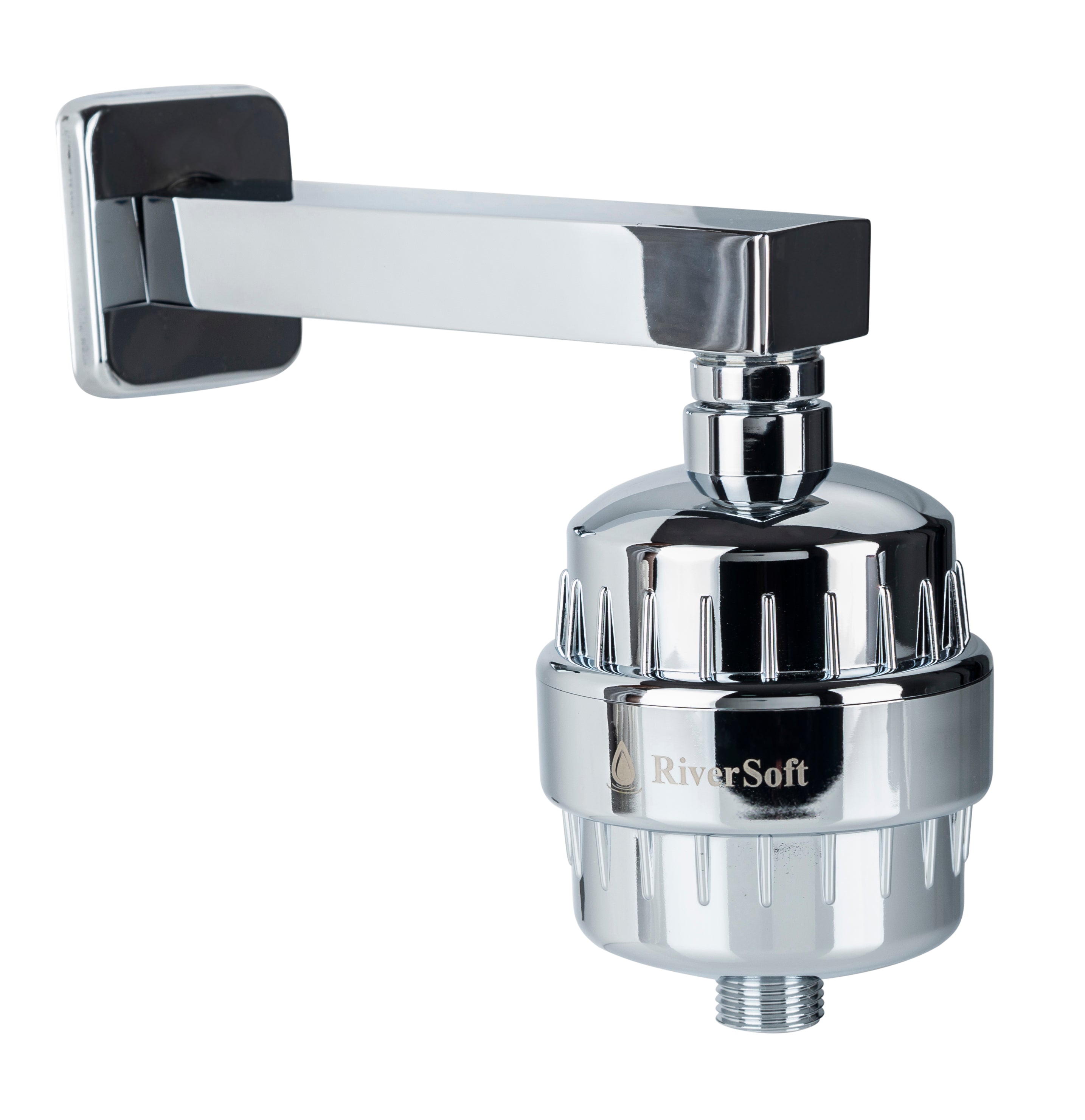
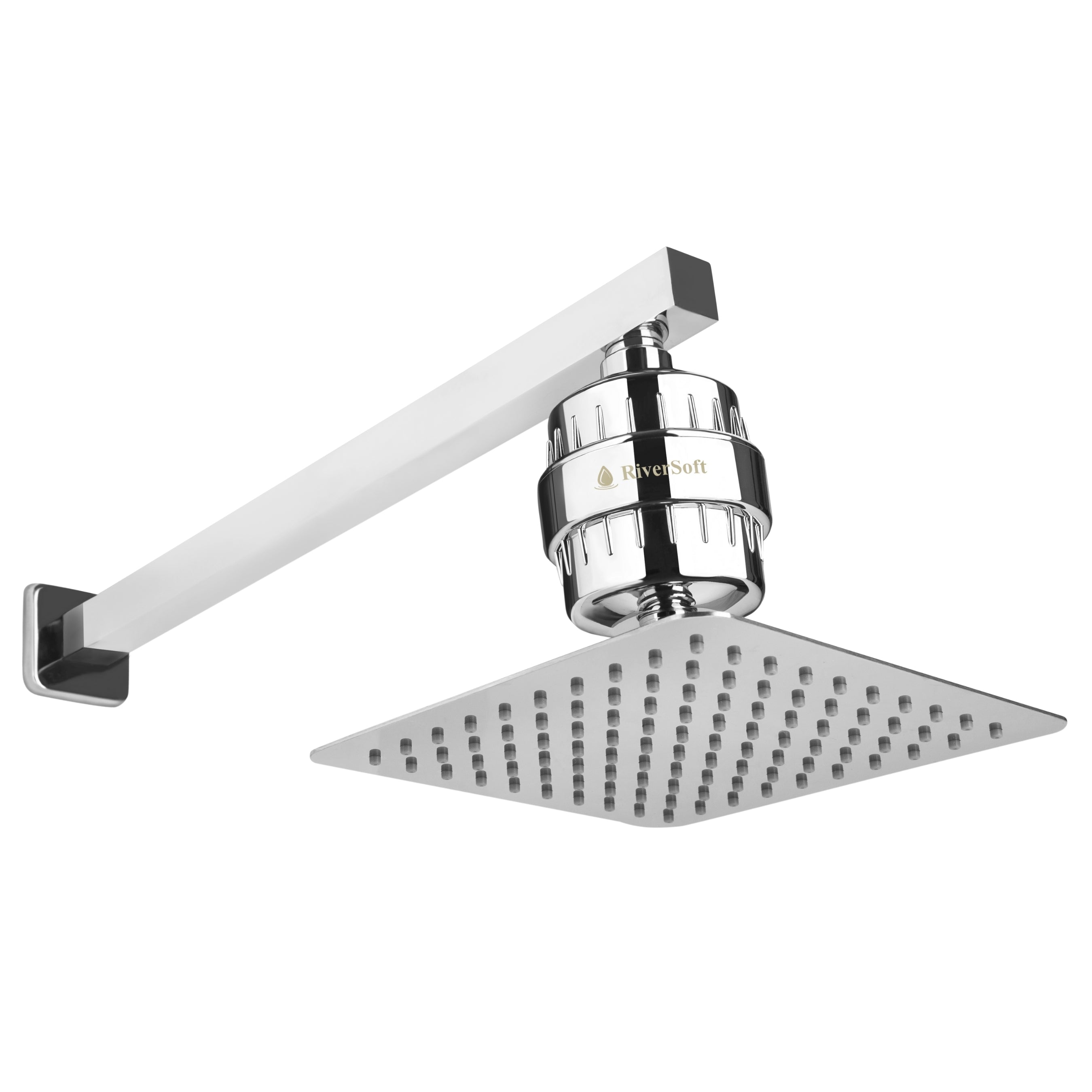
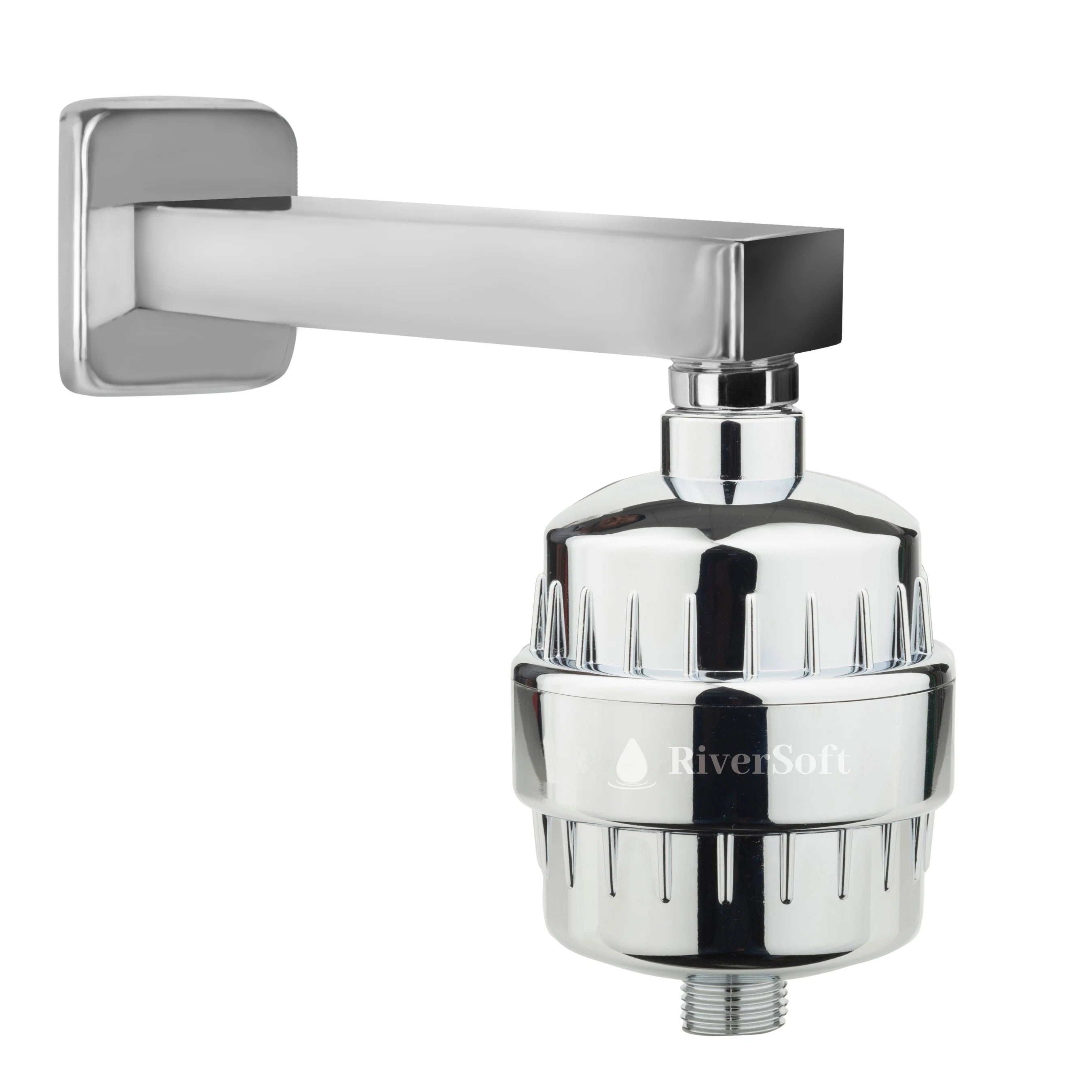
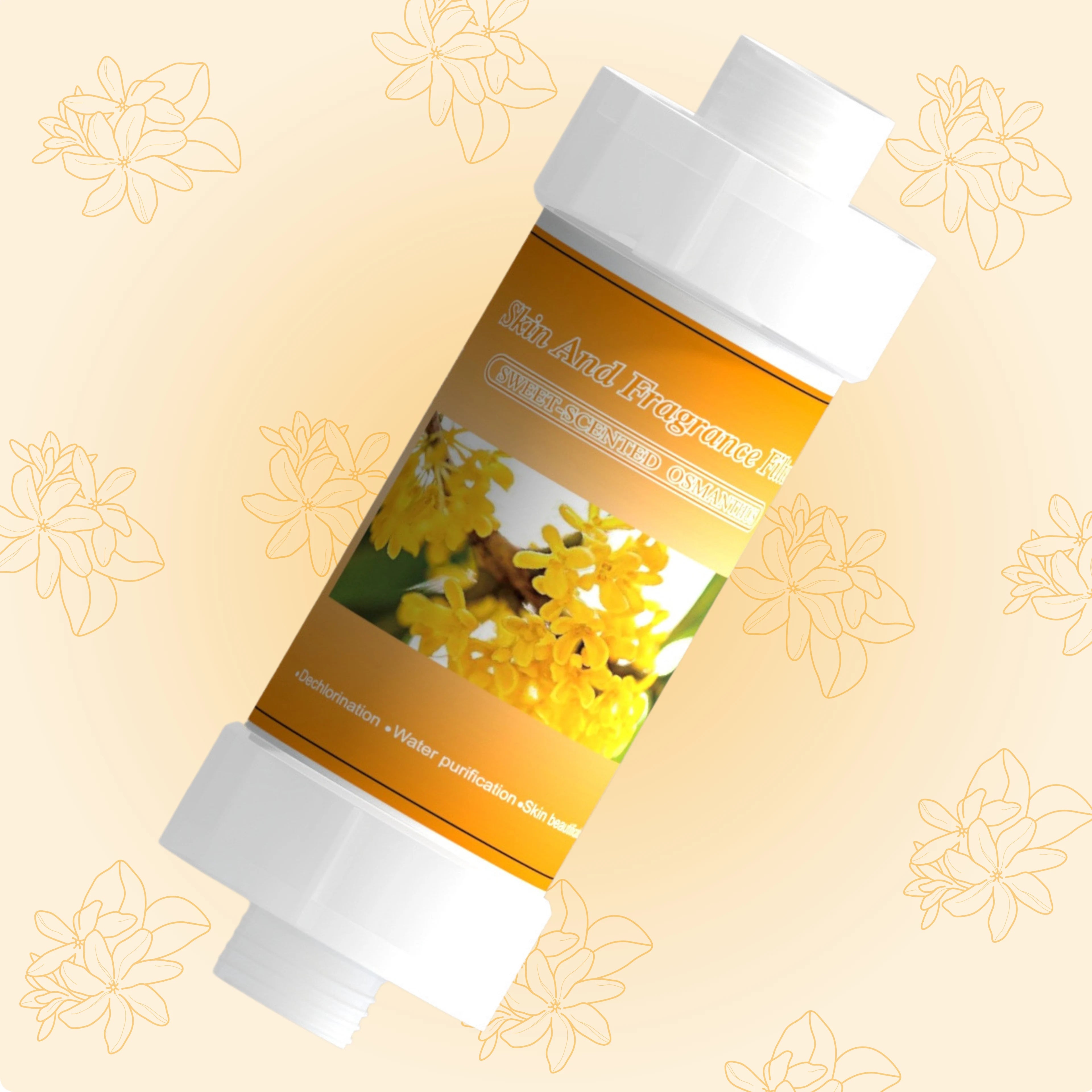
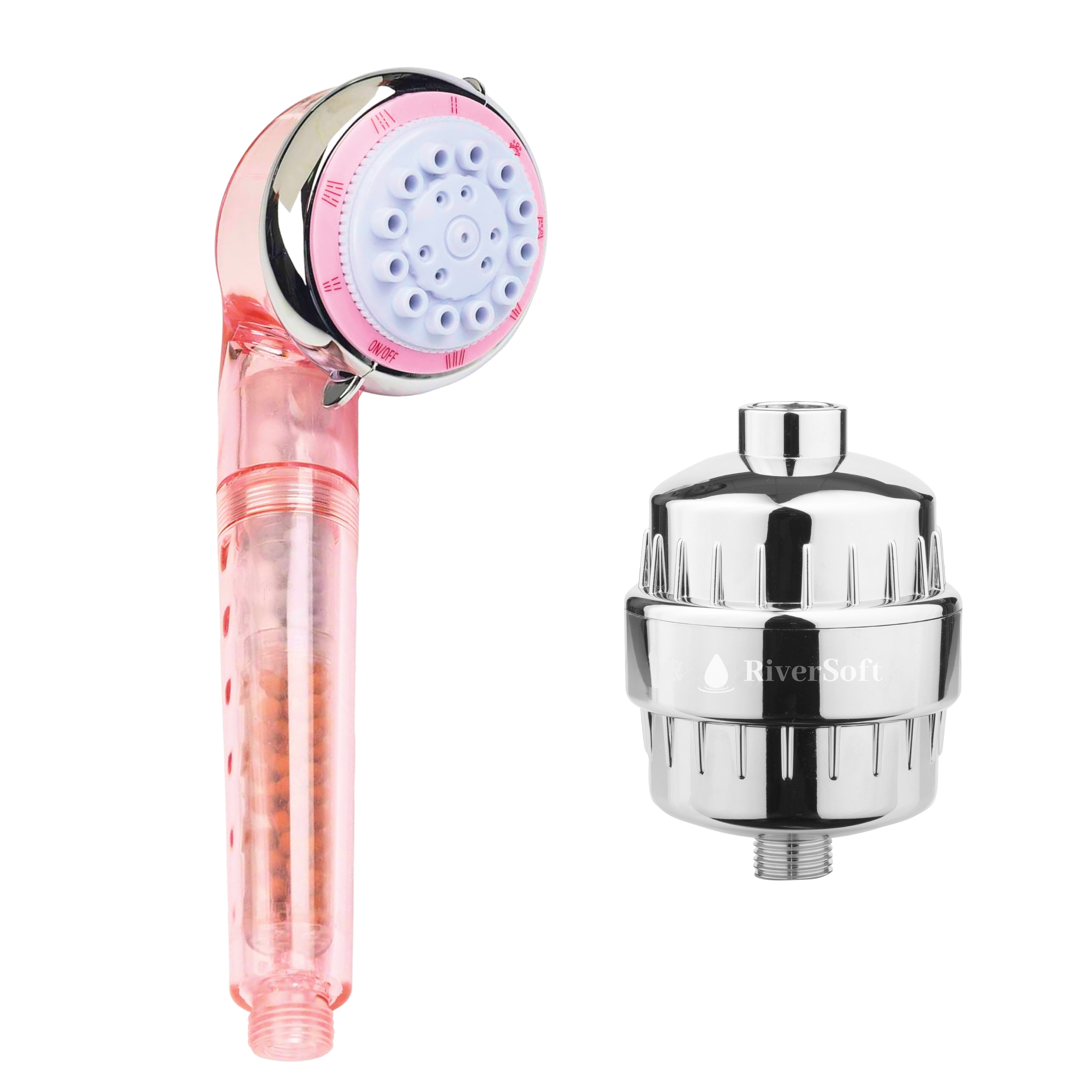
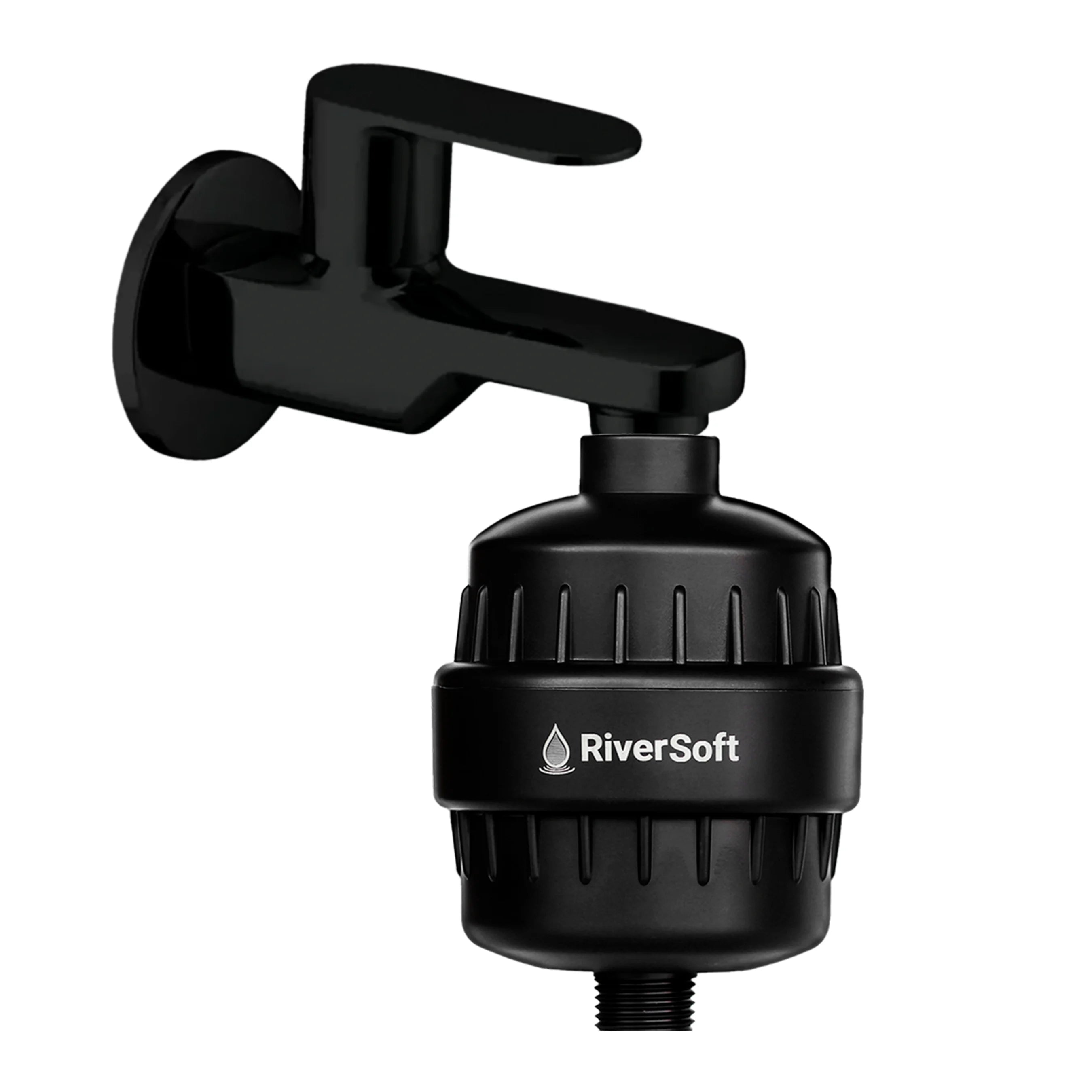
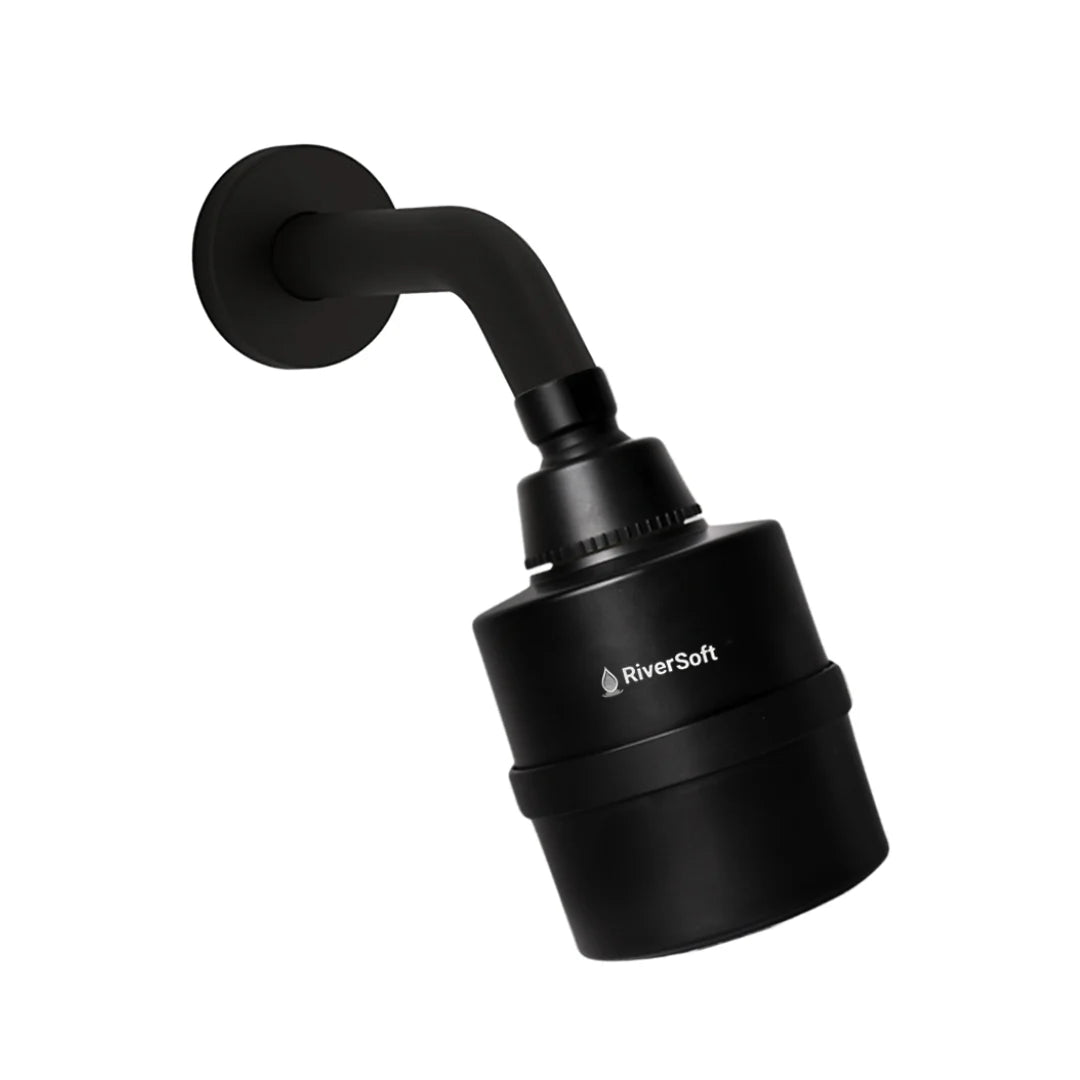
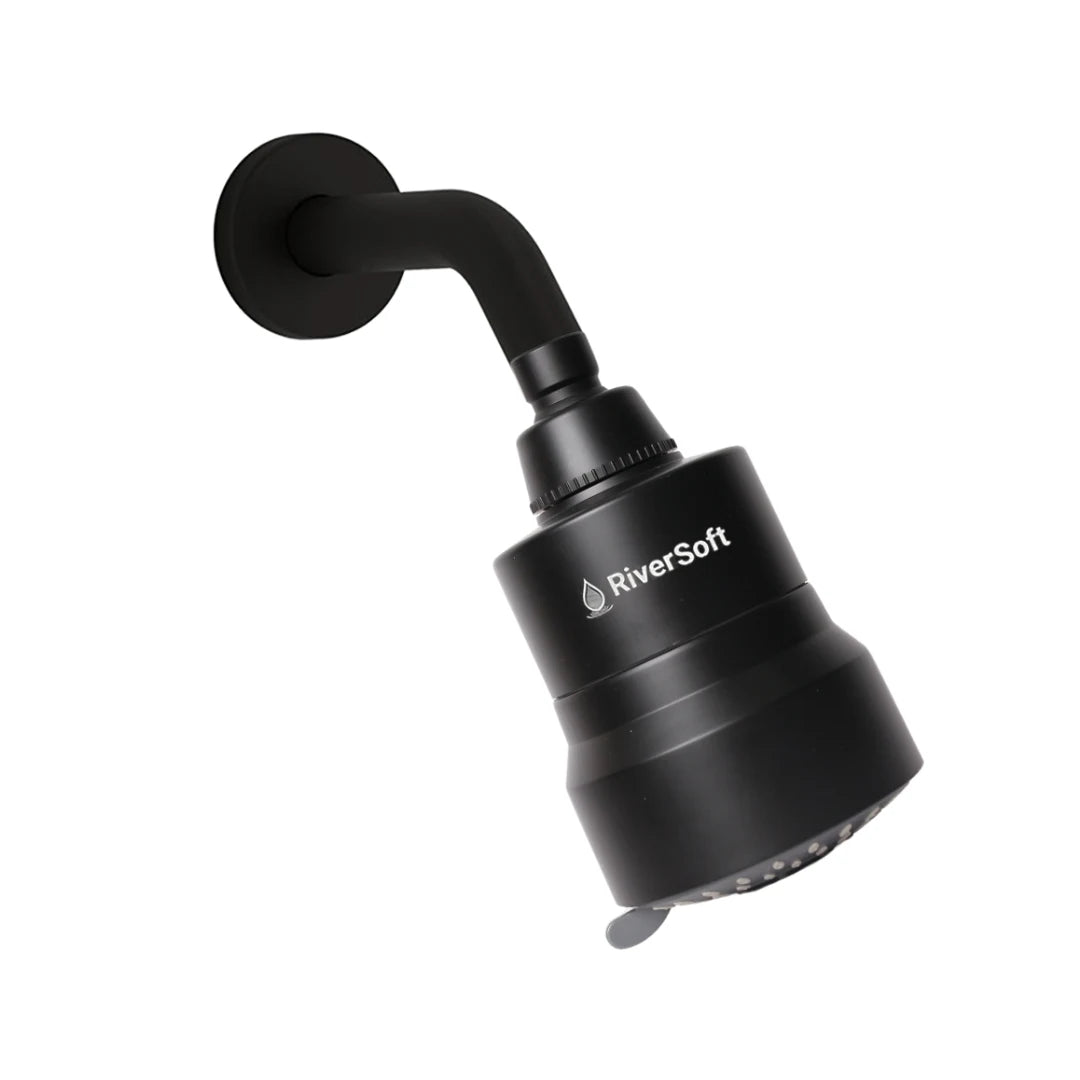
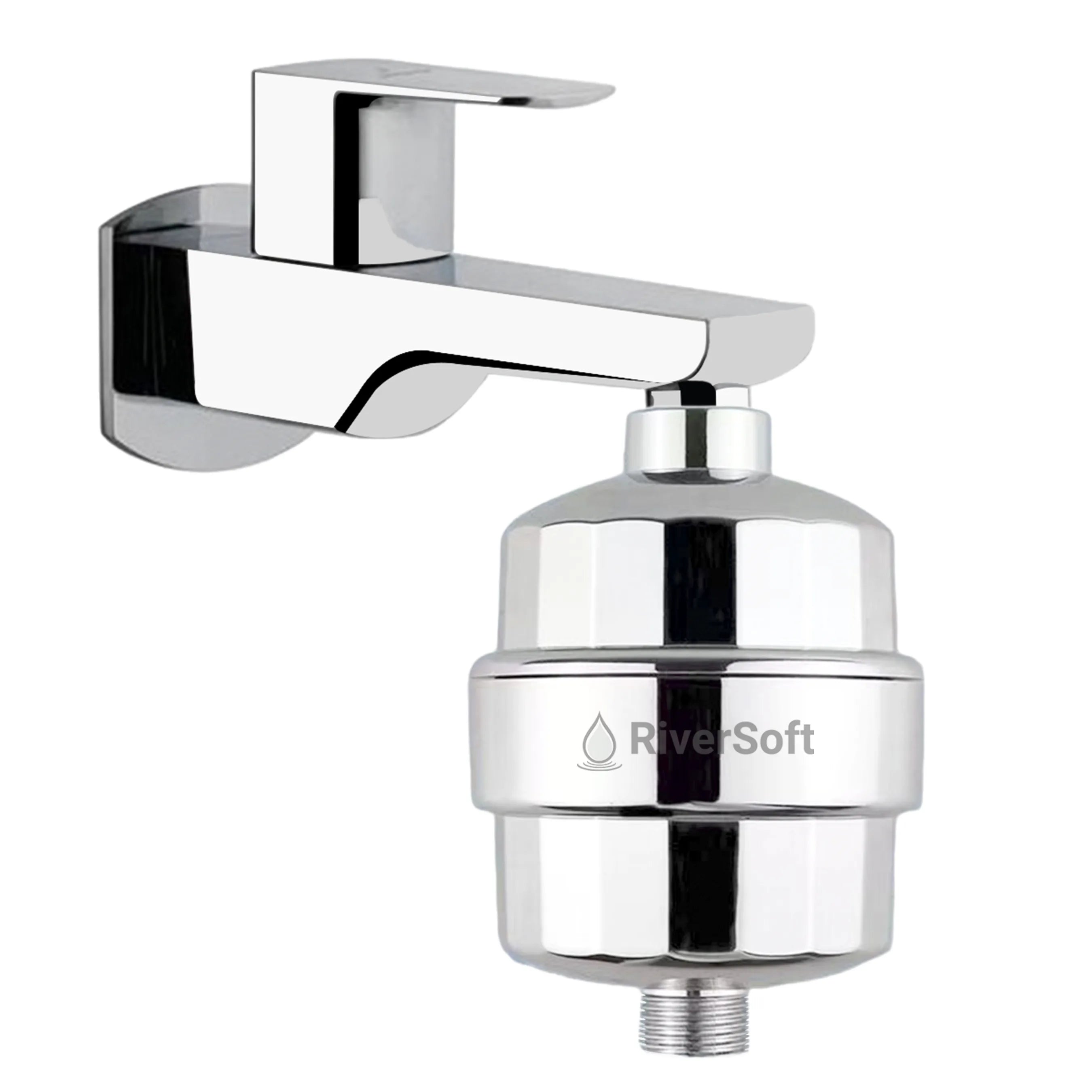
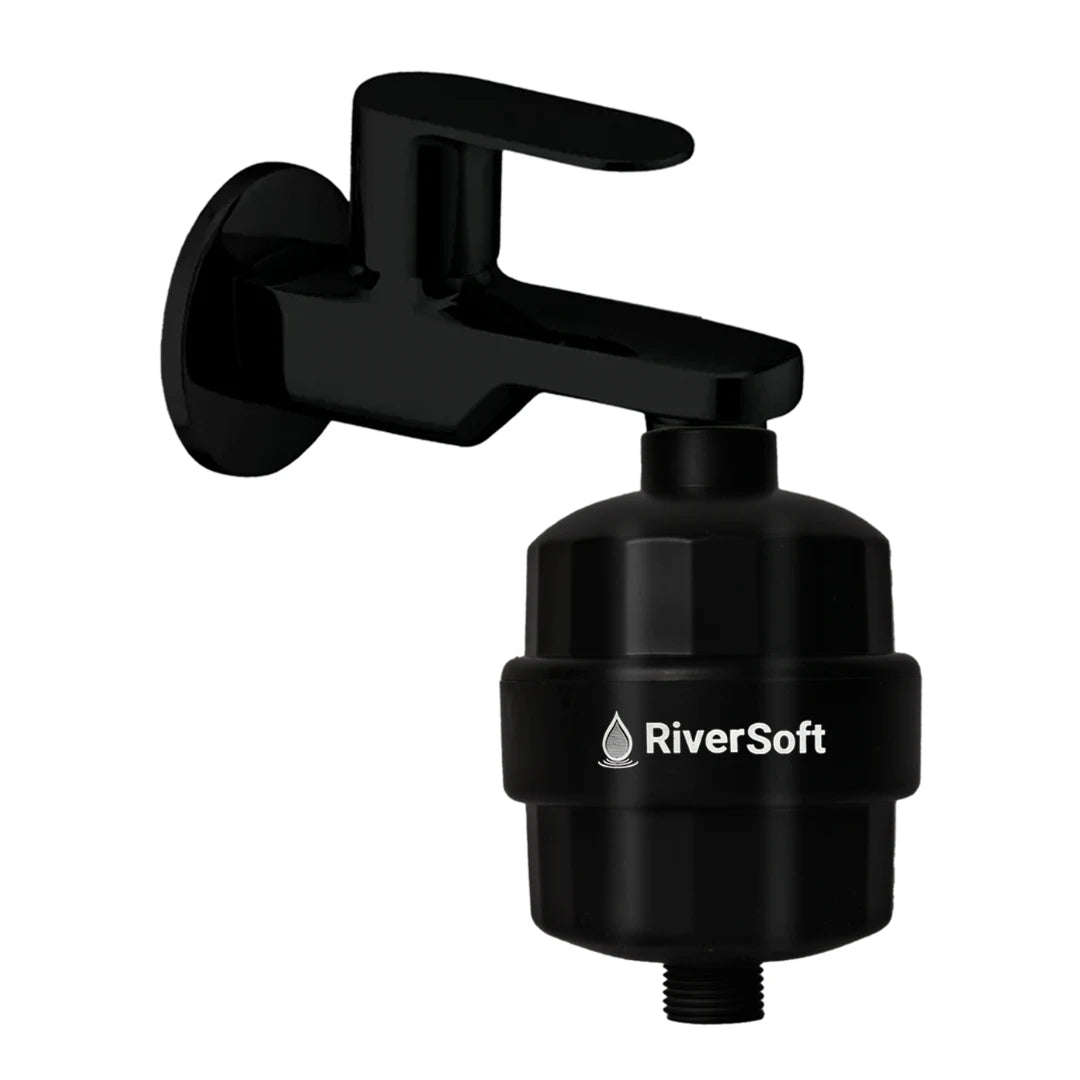
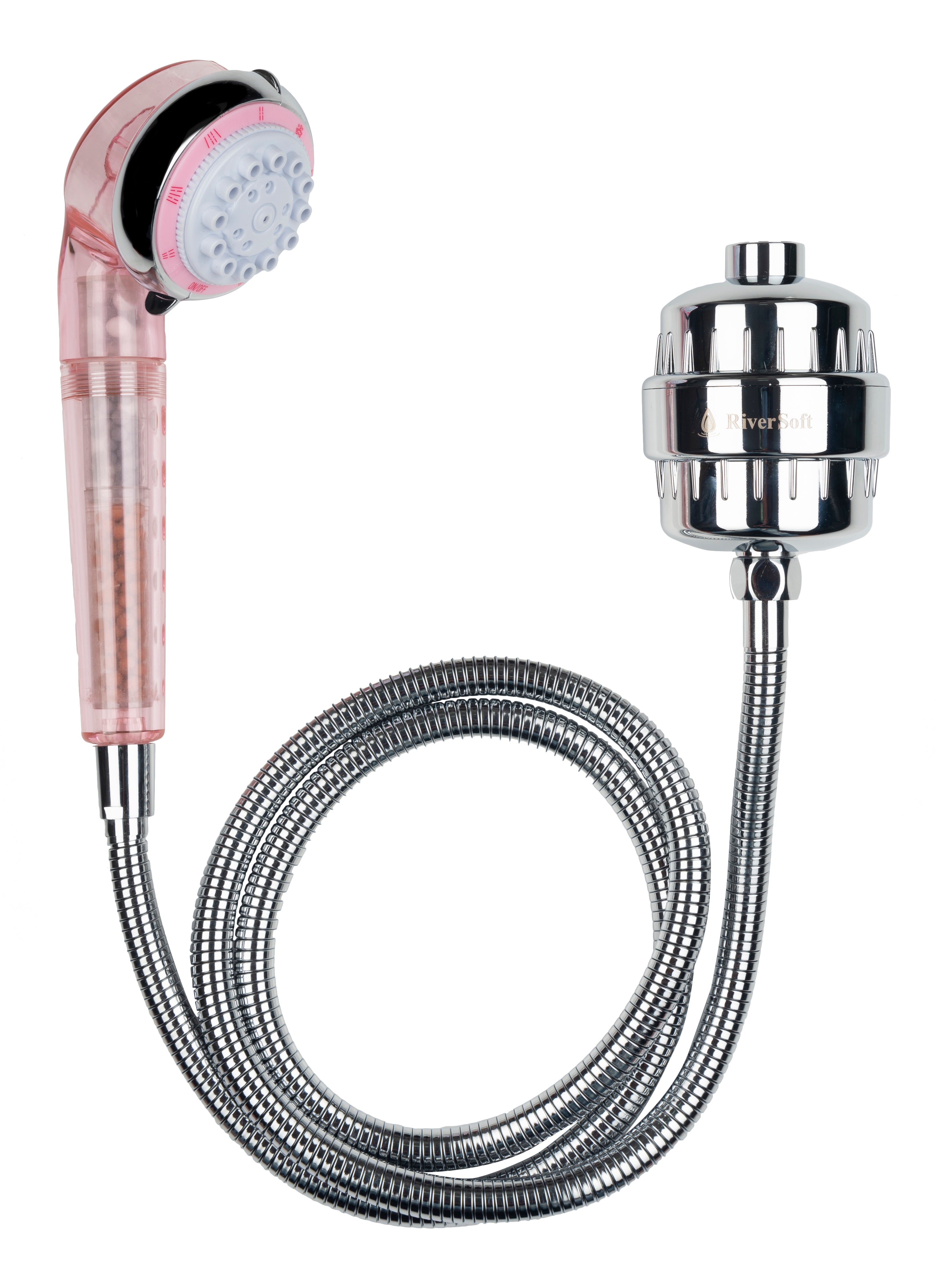
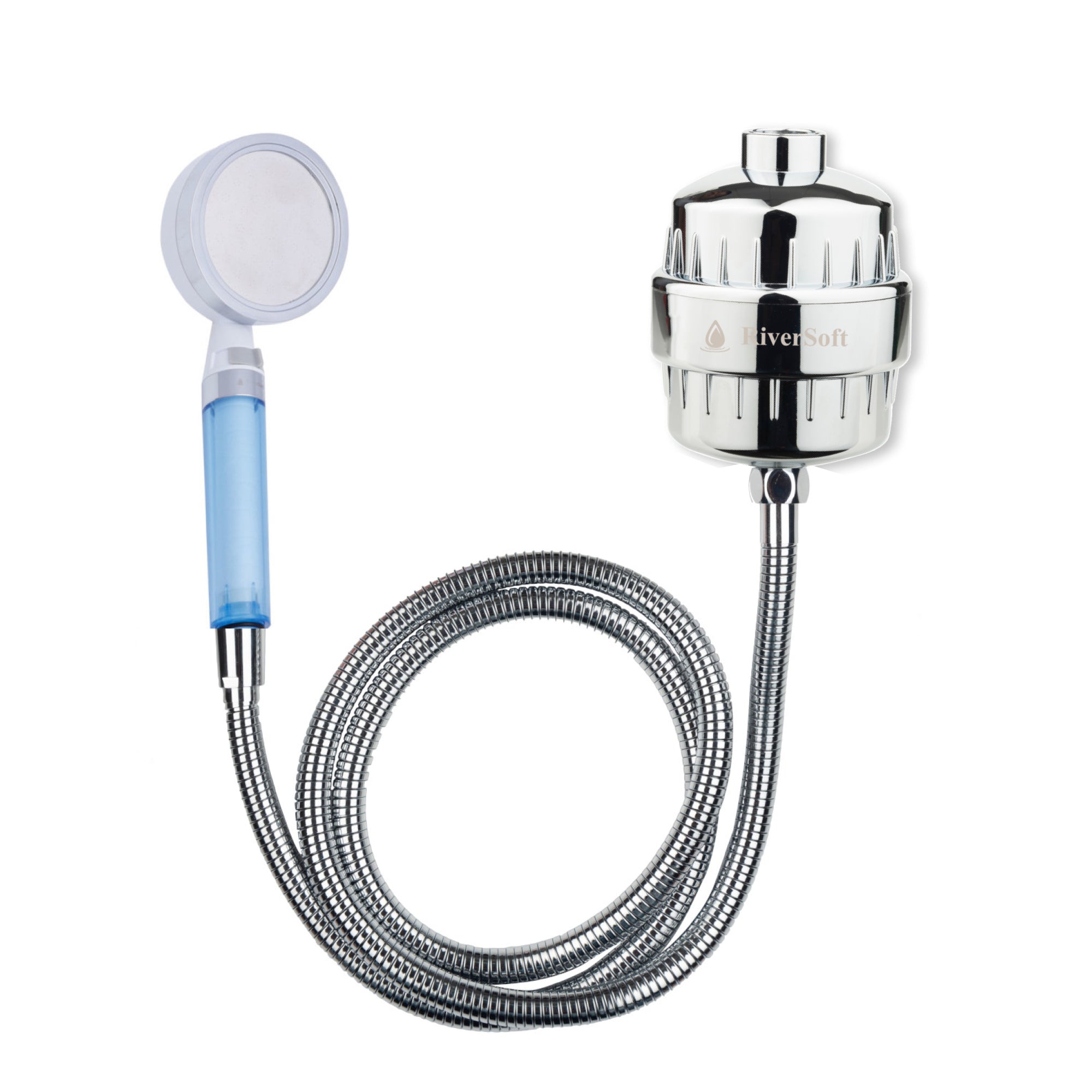
Limescale removers are especially useful in Indian cities with high borewell dependency, including Bangalore, Chennai, and Delhi, where hardness levels above 300 ppm cause limescale to form noticeably faster than in cities on softer municipal supply. While a remover dissolves existing buildup effectively, it only treats the symptom. Pairing it with a shower or tap filter prevents new limescale from forming in the first place.
Watch: How Easy it is to Remove Hard Water Stains from Glass, Tiles and Tap
Mechanism: The cleansing ballet begins when the limescale remover meets its calcium carbonate foe.
1. Breaking Down Limescale: Limescale removers employ acids, such as citric or hydrochloric acid, to initiate a chemical reaction with the calcium carbonate in limescale. This reaction results in the decomposition of limescale into soluble ions, weakening its bond with surfaces.
CaCO3 + 2HCl → CaCl2 + CO2 + H2O
2. Weakening the Grip: Once applied, the acid ions replace calcium ions in the limescale structure, initiating a graceful dance of dissolution. This chemical exchange weakens the grip of limescale on surfaces, making it more susceptible to removal.
CaCO3(s) + 2H+(aq) → Ca2+(aq) + CO2(g) + H2O(l)
3. Making Cleanup Effortless: Freed from their limescale prison, the soluble calcium and carbonate ions become highly soluble in water. This enhanced solubility makes it easy for the limescale to be rinsed away, leaving surfaces clean and revitalized.
4. Surfactants for an Extra Boost: Many limescale removers go beyond acids, incorporating surfactants. These compounds collaborate to lift and emulsify not only limescale but also other mineral deposits and stains on surfaces.
5. Gentle Agitation for Stubborn Spots: In cases of resilient limescale, a gentle scrub with a brush or sponge may be applied. This step aids in further breaking down dissolved limescale and ensures a thorough cleaning.
6. The Rinse Finale: To conclude this magical operation, a thorough rinse with water is the final act. This step washes away the remnants of both the limescale and the remover, leaving behind a pristine and refreshed surface.
Conclusion
In the battle against limescale, the limescale remover emerges victorious, leaving behind a trail of gleaming surfaces. Armed with the knowledge of this step-by-step process, you're ready to tackle limescale-related challenges and enjoy the sparkle of a limescale-free environment.
To experience the cleaning revolution first hand, check out our limescale remover. Unlock the secret to hassle-free cleaning and bid farewell to limescale woes.
Check out our Instagram reels on the topic. Stay tuned for more insights into the fascinating world of limescale removal on our blog



























Leave a Comment