

You step out of the shower, look down, and there it is. If hair fall after every shower has become your new normal, you're not alone, and you're right to wonder whether something more than stress or diet is behind it.
What Dermatologists Say Is Actually Happening
This question comes up often, and the answer starts with a baseline. Losing 50 to 100 hairs a day is completely normal. Washing simply speeds up what was already happening, which is why the shower looks dramatic even on a perfectly ordinary hair day.
Hard water adds a second layer to this. Washing your hair with hard water leaves mineral residue on the hair shaft, and over time this buildup makes hair feel rough and look dull. There is no direct medical evidence linking hard water exposure to hair loss from the root. What it does consistently cause is hair breakage, and that breakage is what makes the clump in your hand look so much bigger than it should.
So how do you know whether what you’re seeing is normal shredding or something made worse by hard water?
What are the Signs that Your Hair Fall After Shower May Be Caused by Hard Water?
Before assuming the worst, here's what to check:
-
The clump is growing, not steady. Normal shedding stays roughly the same week to week. If the amount keeps climbing, something is changing, and water is a likely suspect.
-
Strands are breaking mid-length, not coming out at the root. A white bulb at the end means natural shedding. A snapped, ragged end points to breakage from weakened hair.
-
Your taps or showerhead have white, chalky buildup. The same minerals coating your faucets are coating your hair with every wash.
-
Hair feels rough or straw-like even right after conditioning. This points to a mineral film sitting on the hair, blocking moisture from getting in.
Cities relying heavily on borewell water see this often. Bangalore's municipal BWSSB supply typically runs 150 to 300 ppm TDS, but borewell groundwater in the region frequently crosses 500 ppm, according to Central Ground Water Board data. That jump in hardness is enough to visibly change how hair behaves within weeks of a move or a switch to borewell supply, a pattern covered in more detail in our piece on borewell water side effects on hair.

Why Changing Shampoo Alone Won’t Stop Hair Fall After Shower
For mineral buildup, a chelating shampoo (one designed to remove mineral buildup) with EDTA or a weekly clarifying shampoo, applied gently to the scalp rather than scrubbed in, can help. These treat the surface of a problem that starts before the shampoo even touches your hair. For a deeper look at why this keeps happening, our guide on hard water hair damage breaks down the full mechanism.
While shampoos can remove some buildup, they don’t stop new minerals from coating your hair during every shower. That’s why dermatologists increasingly recommend addressing the water itself.
What Dermatologists Recommend For Treating Hard Water
Dermatologists are increasingly vocal about this exact issue. In this clip, a dermatologist explains hard water and its direct link to breakage and shedding, echoing the same mineral buildup we covered above. That's where the advice points further upstream, to the water itself. You can't control your city's supply, but you can control what touches your hair before it gets there. A shower filter reduces the hard water minerals like calcium and magnesium before they reach your scalp.
Once you’ve identified hard water as the likely cause, the next step is reducing mineral exposure rather than simply changing hair products.
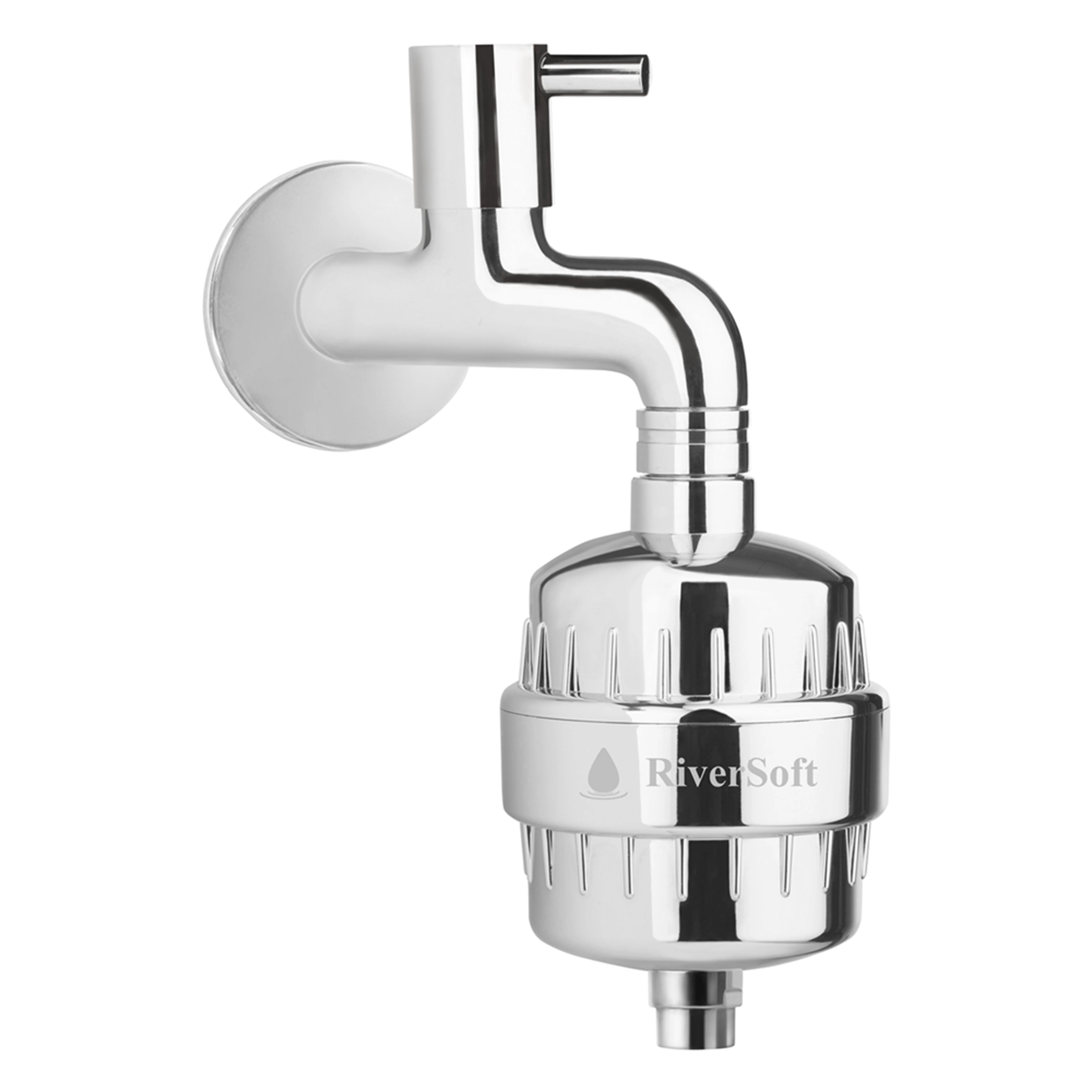
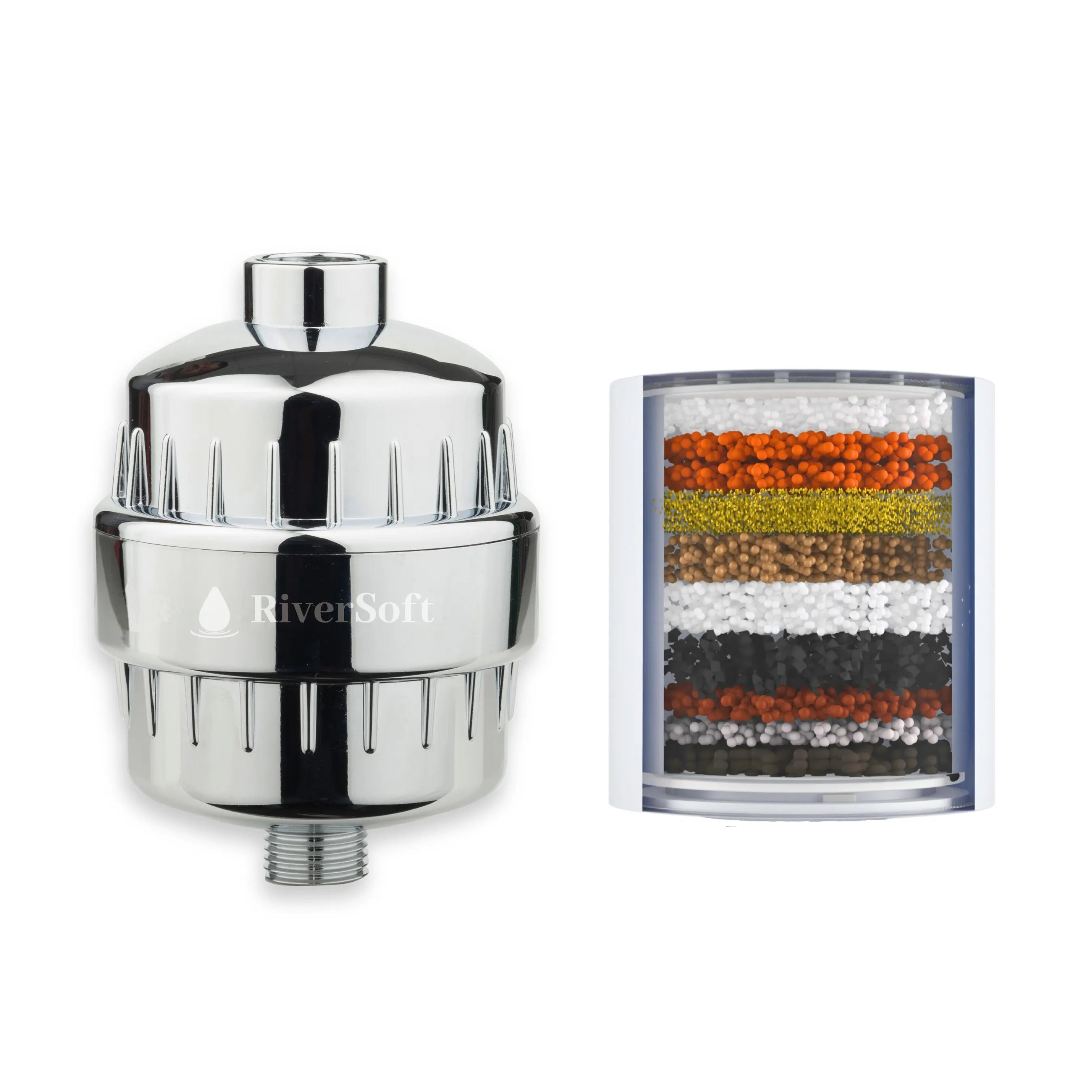
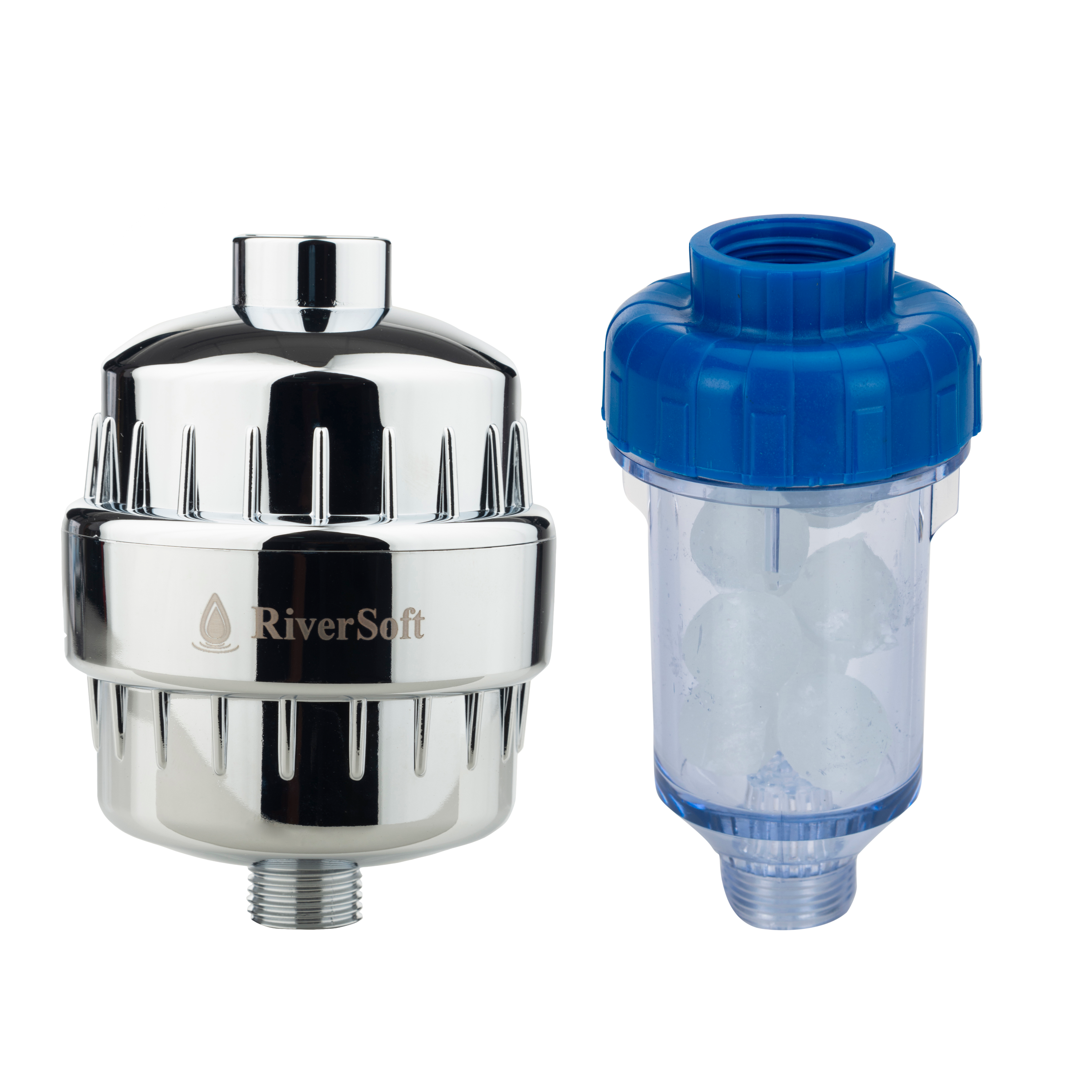
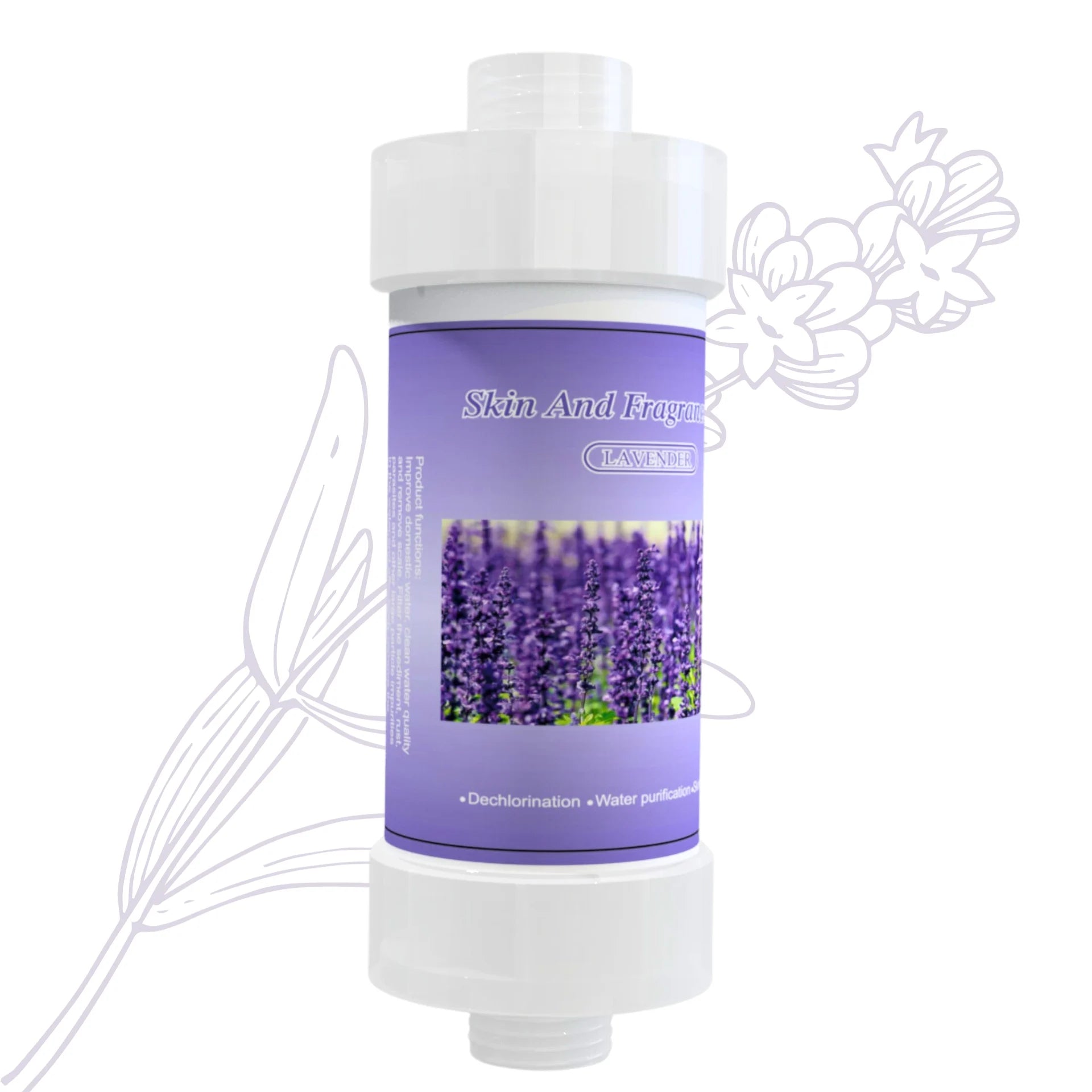
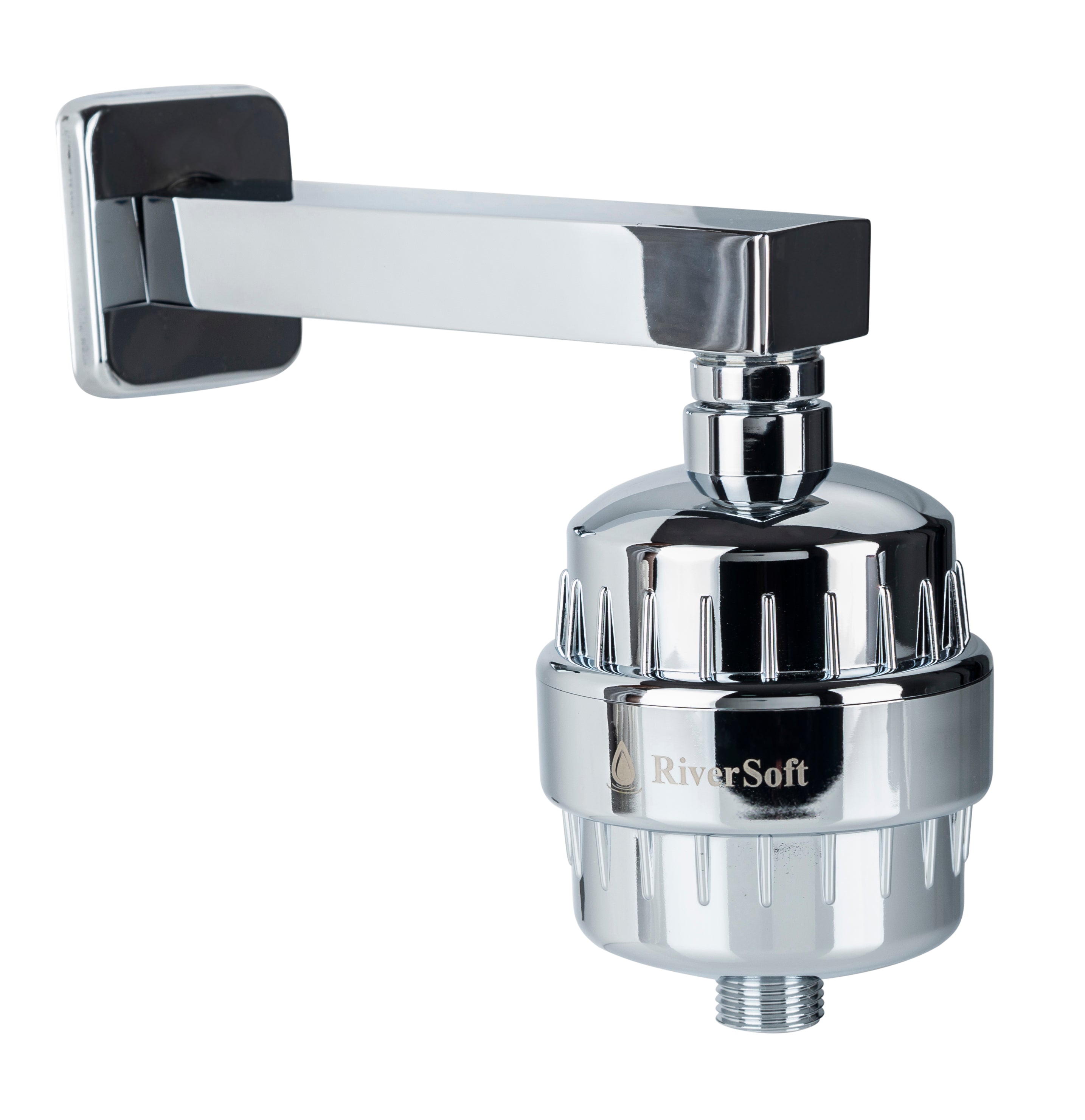
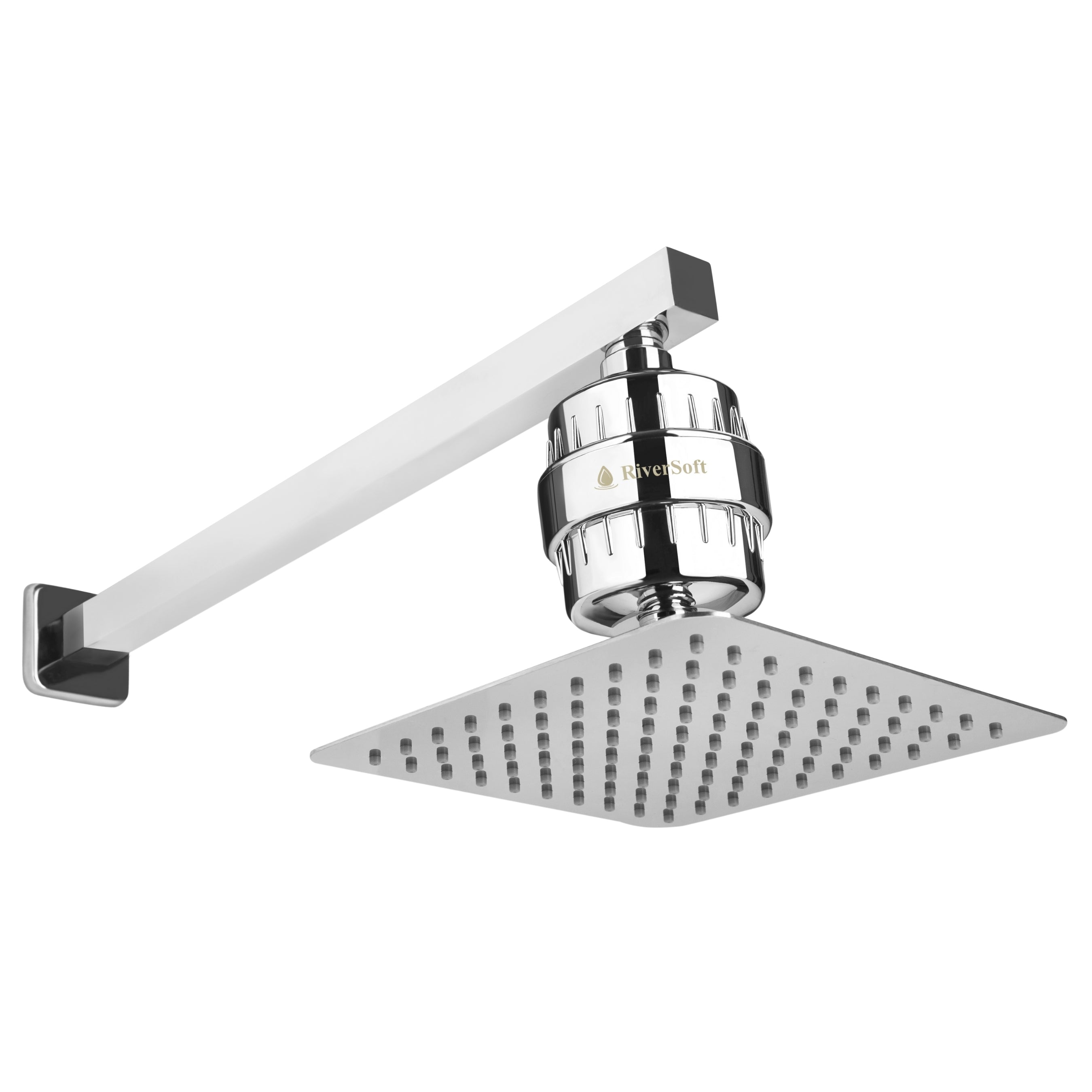
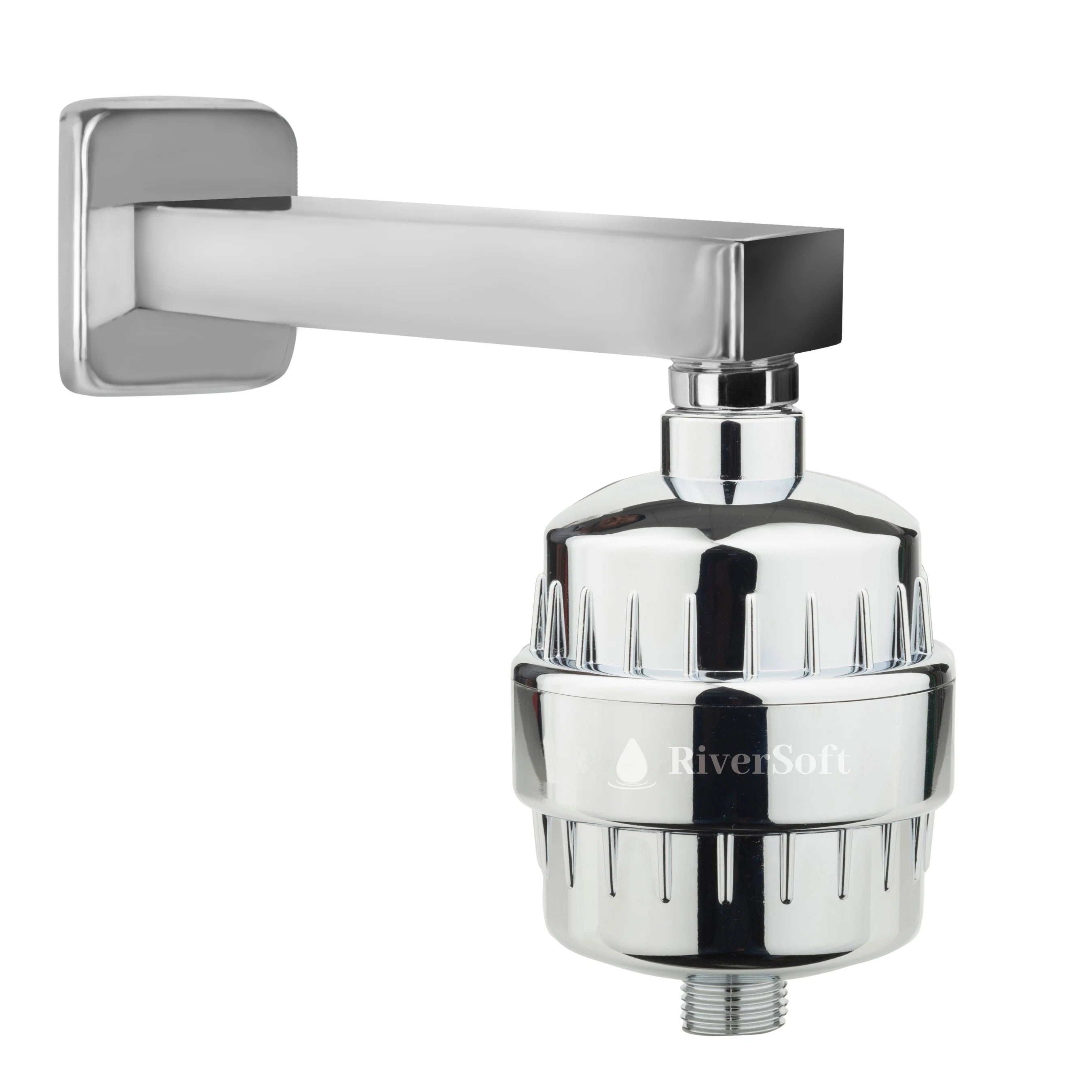
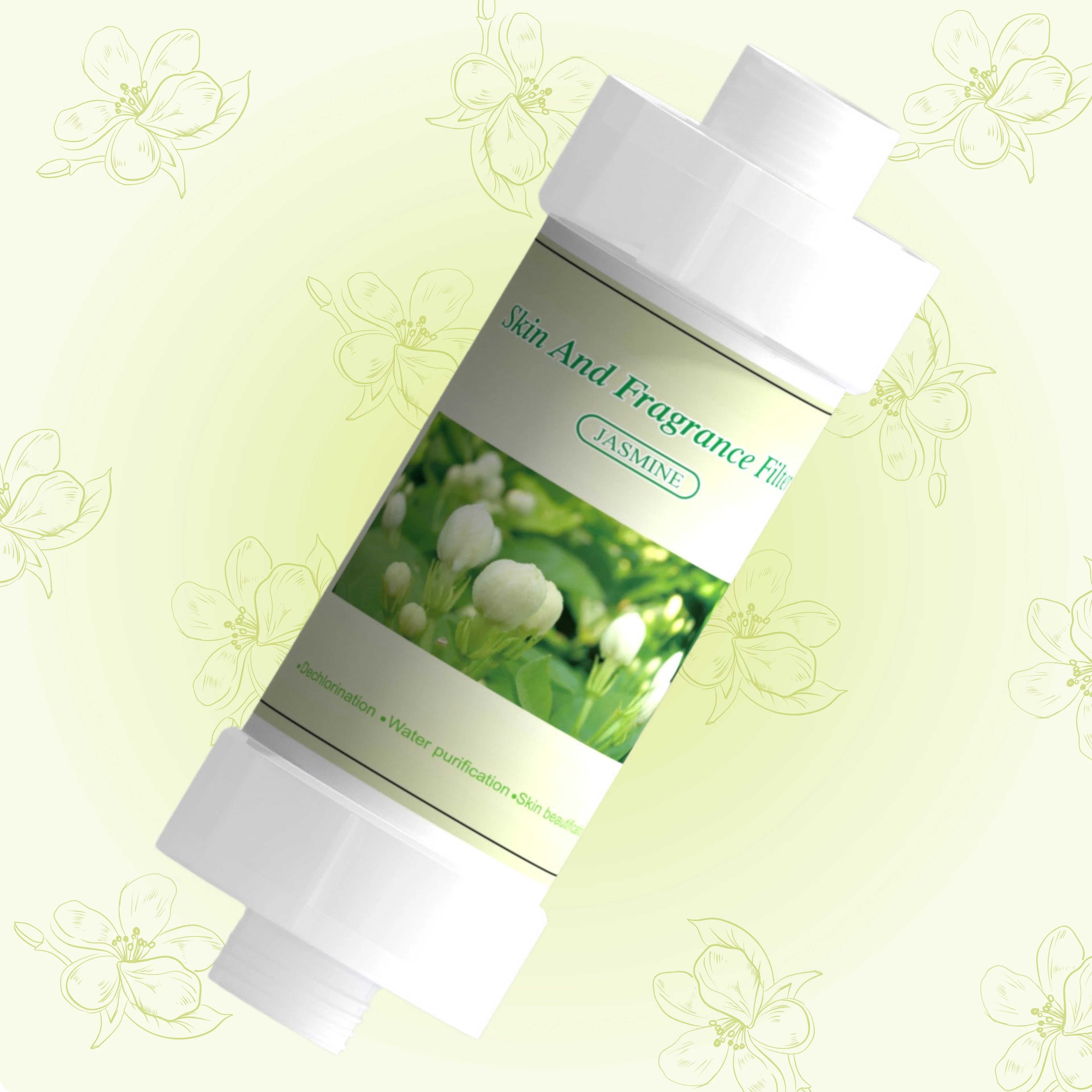
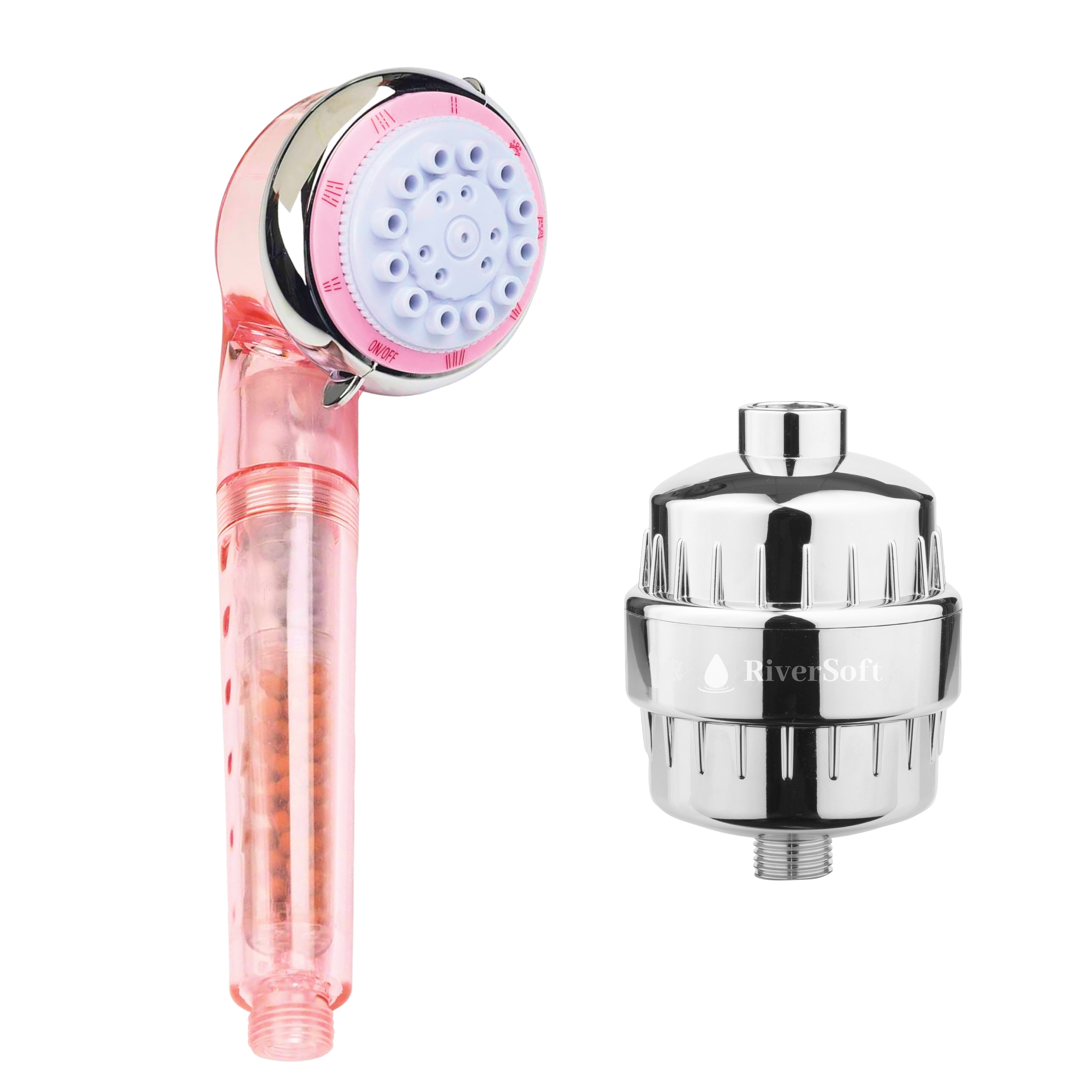
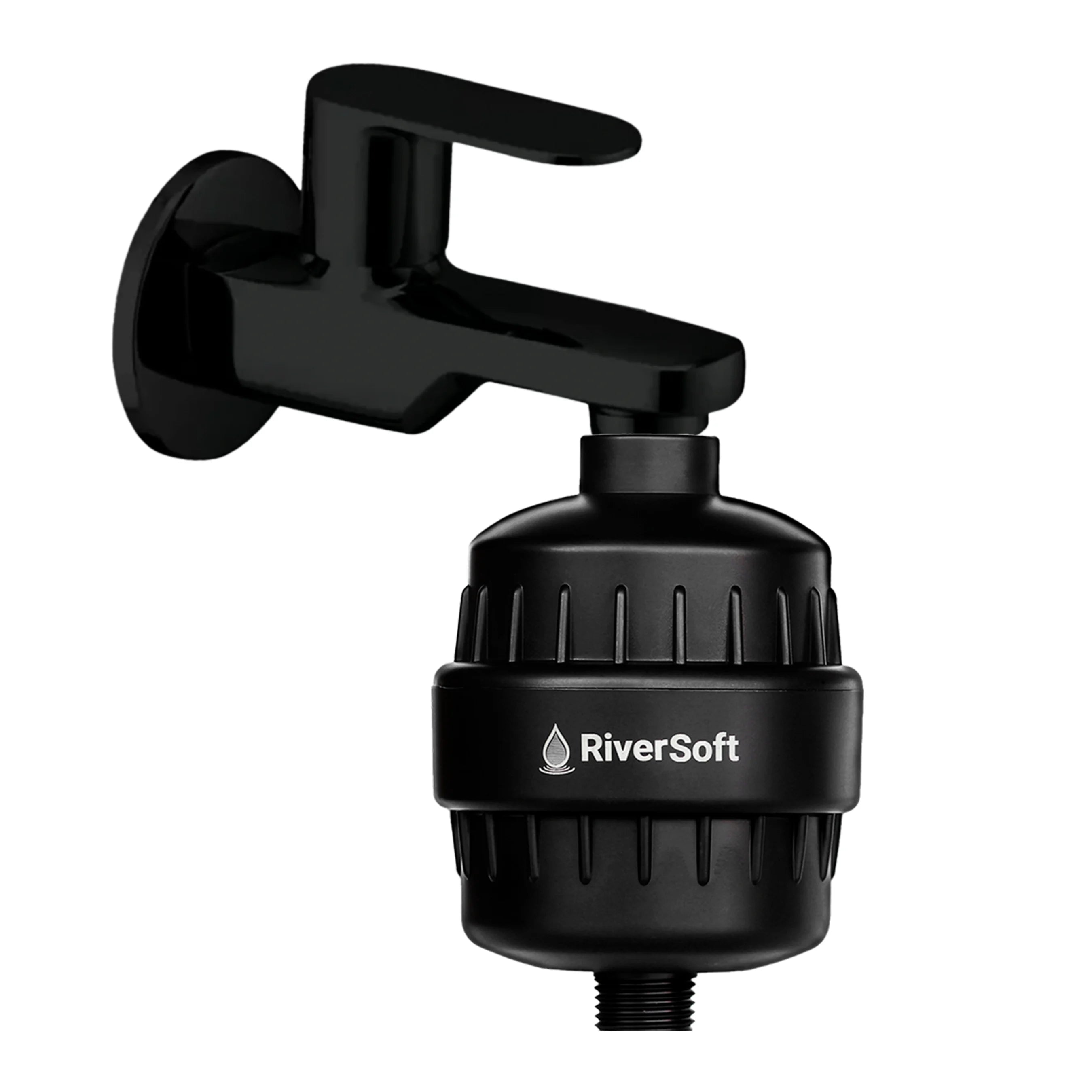
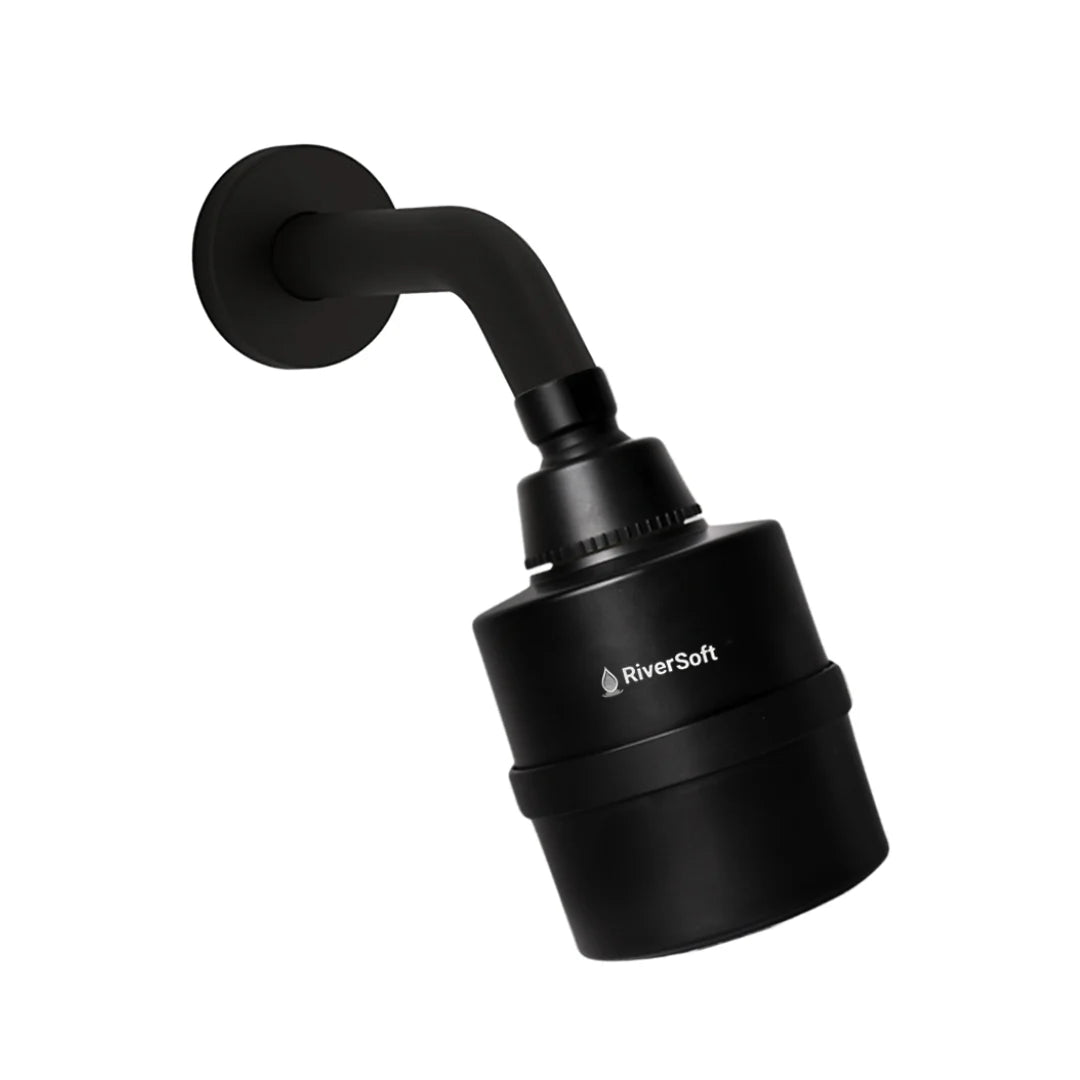
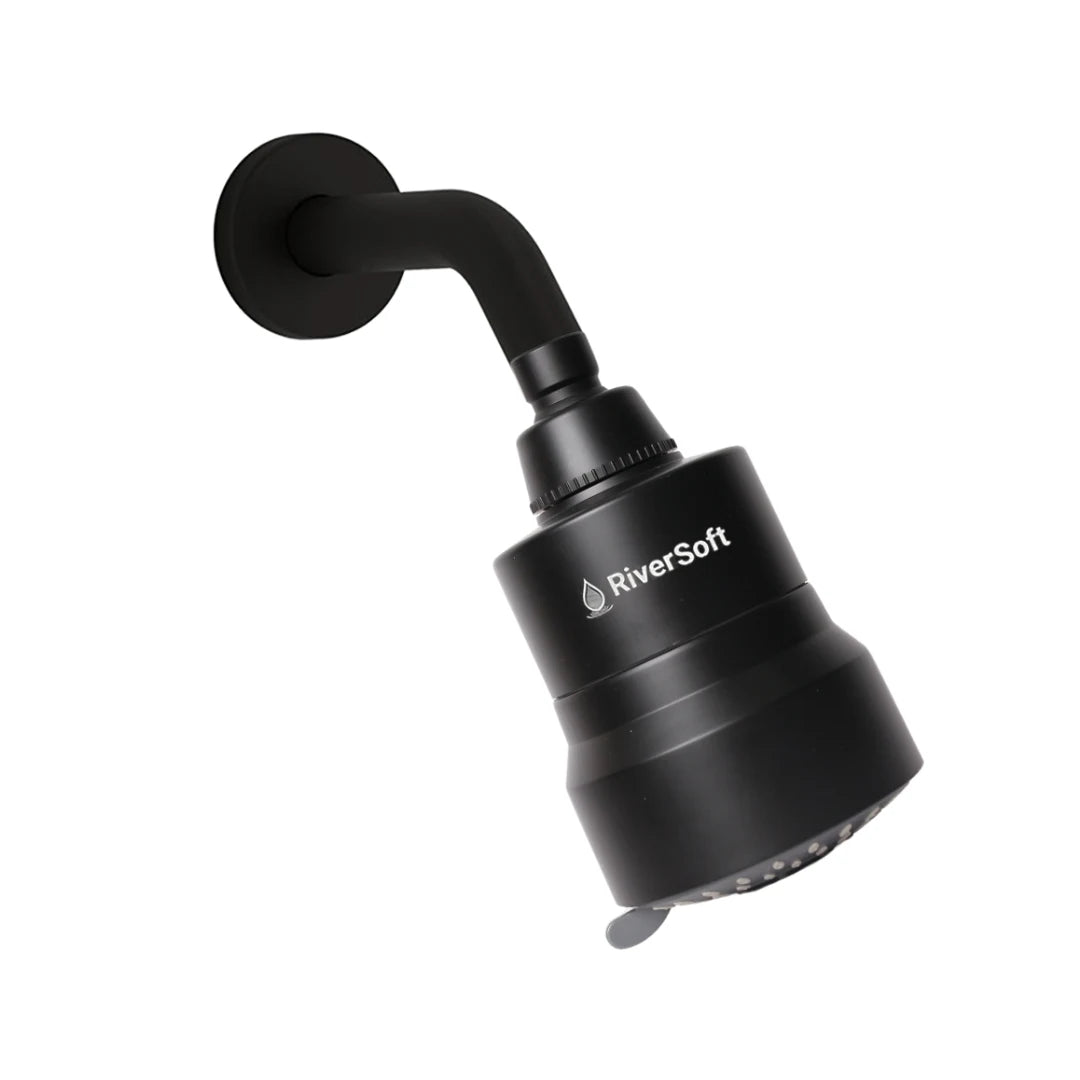
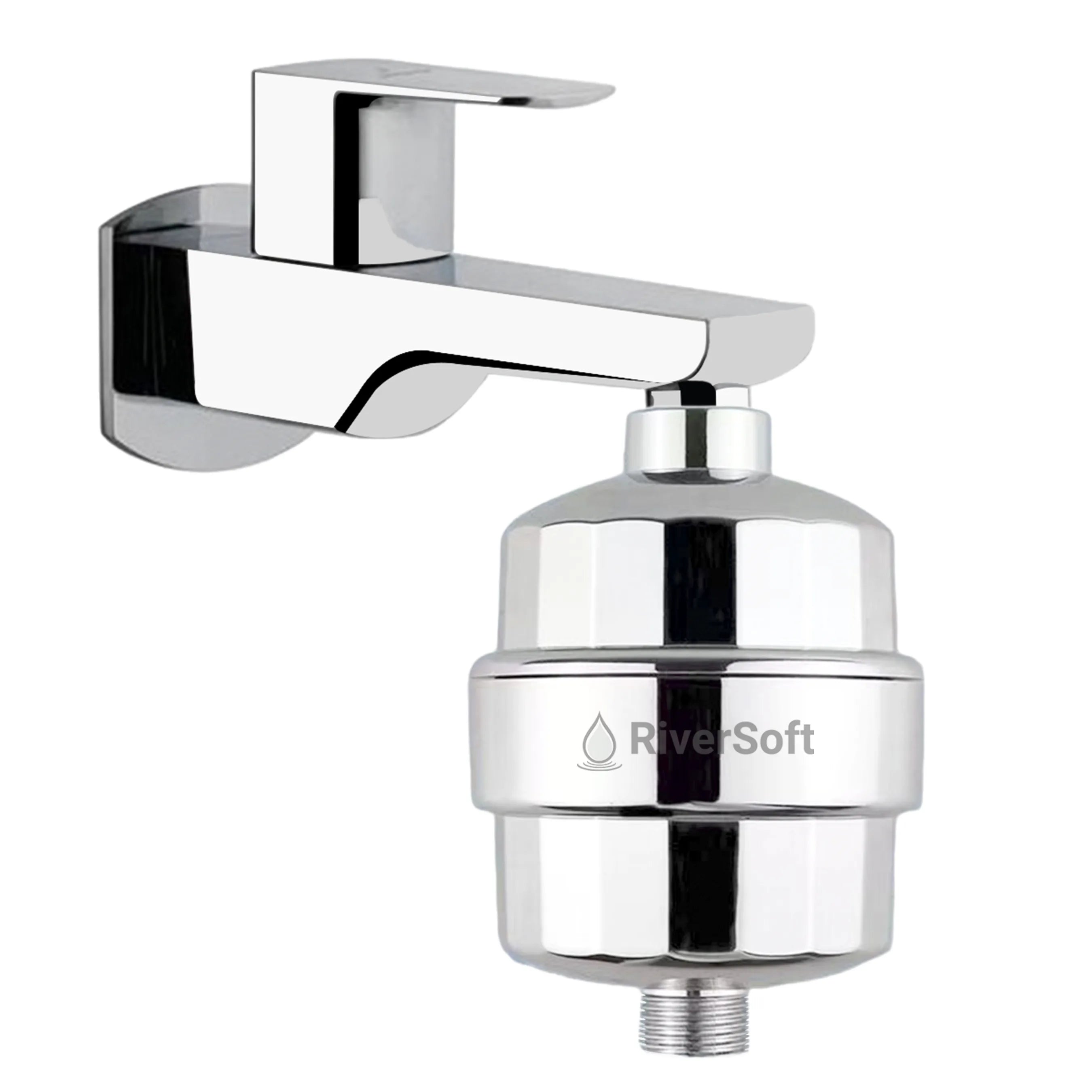
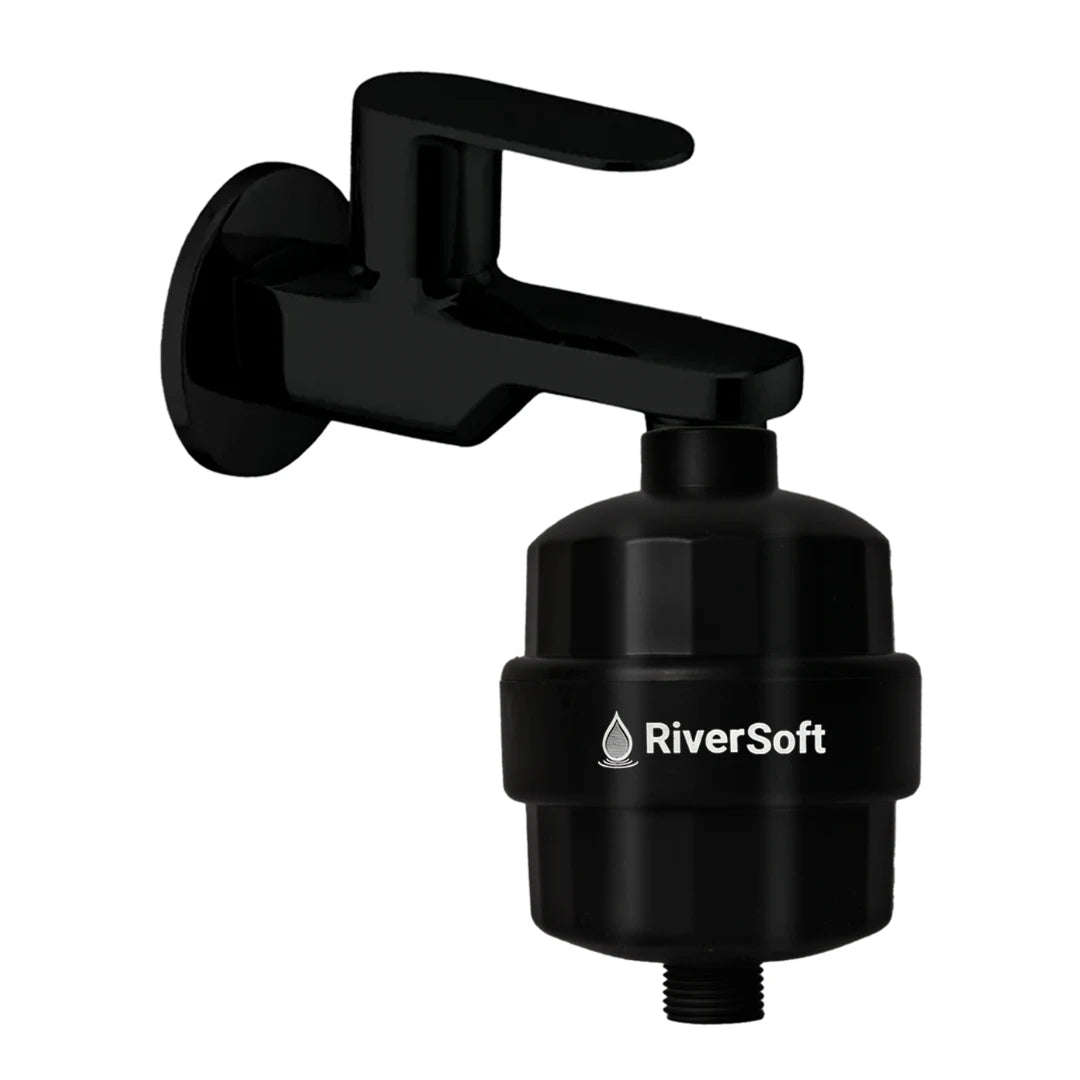
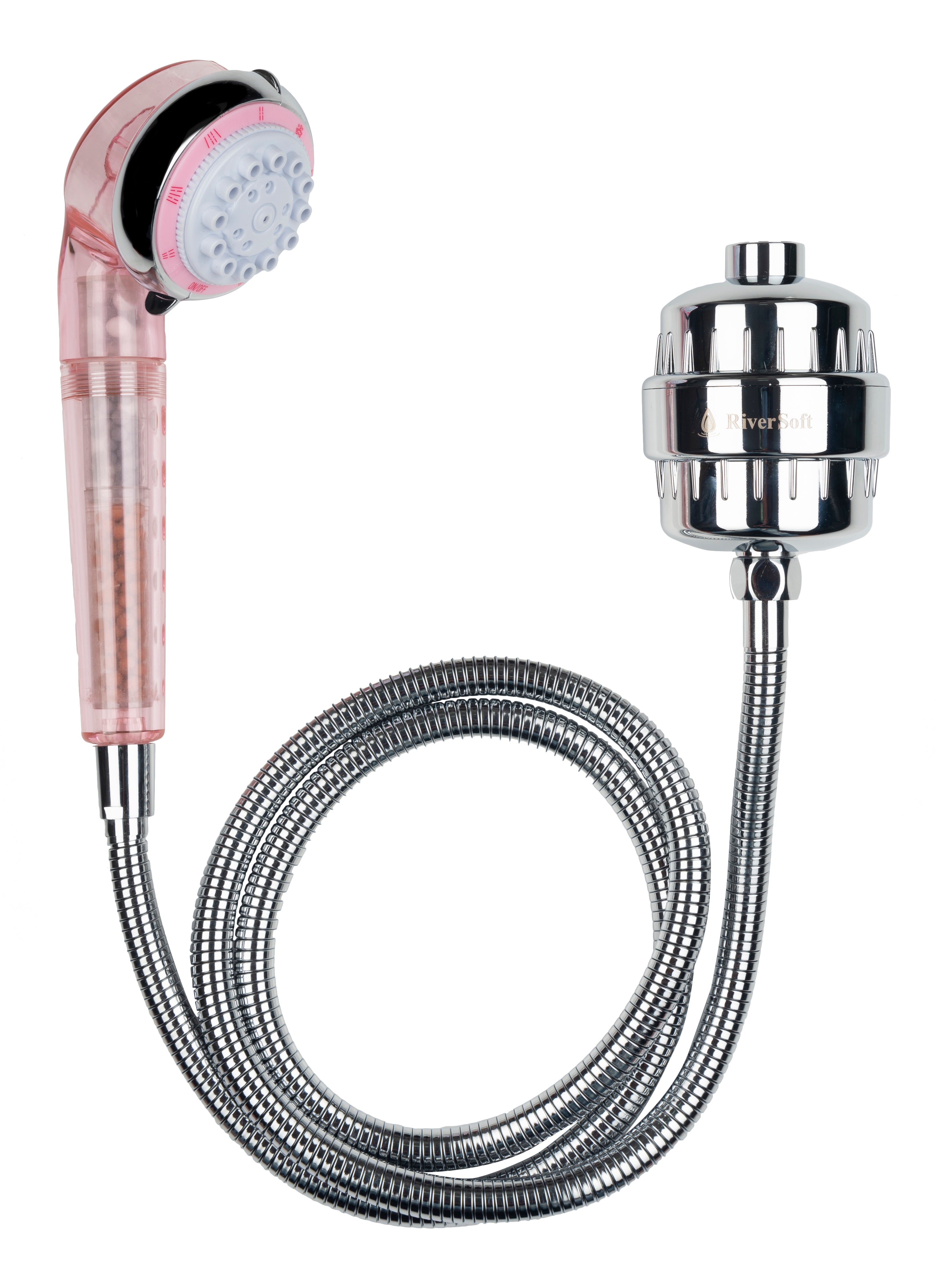
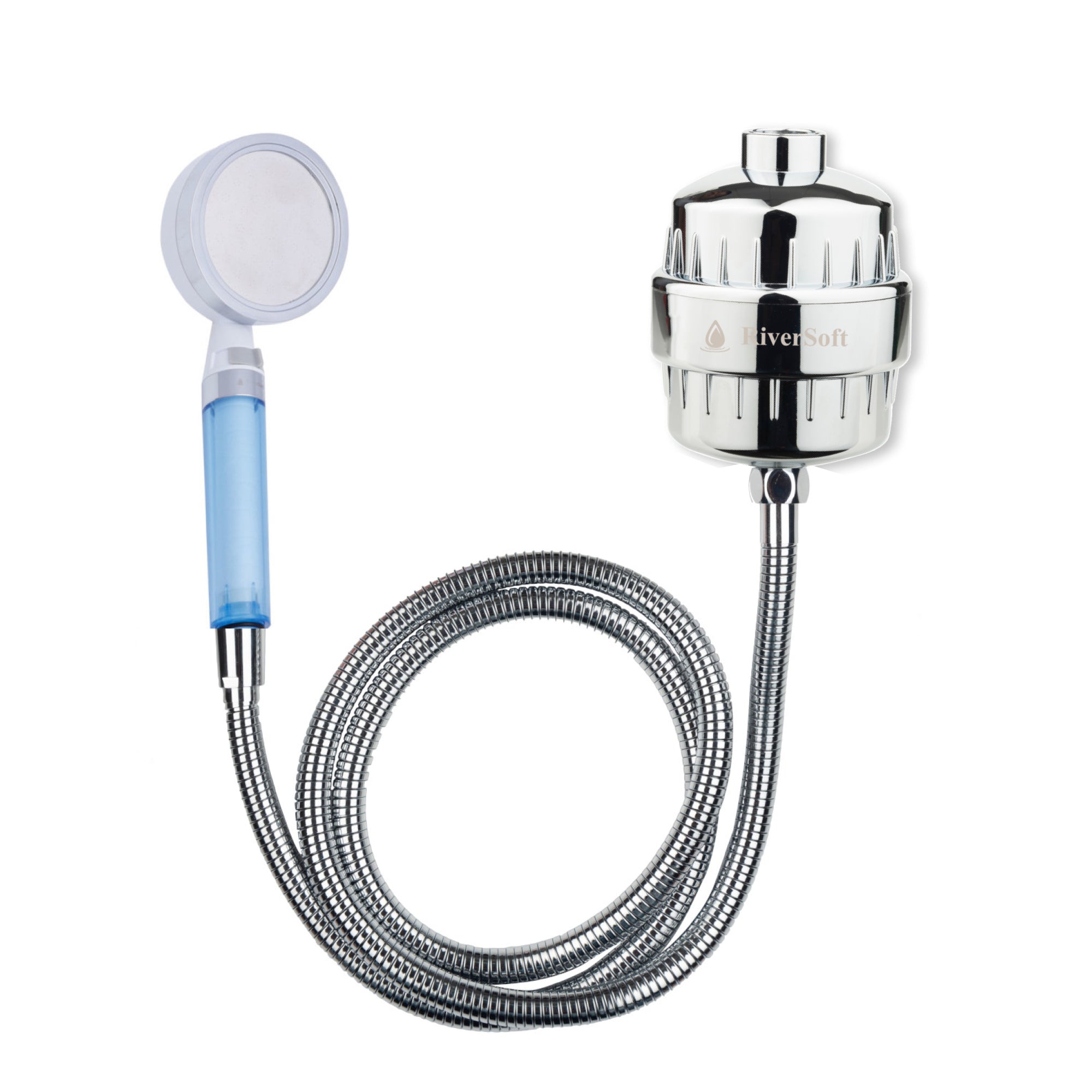
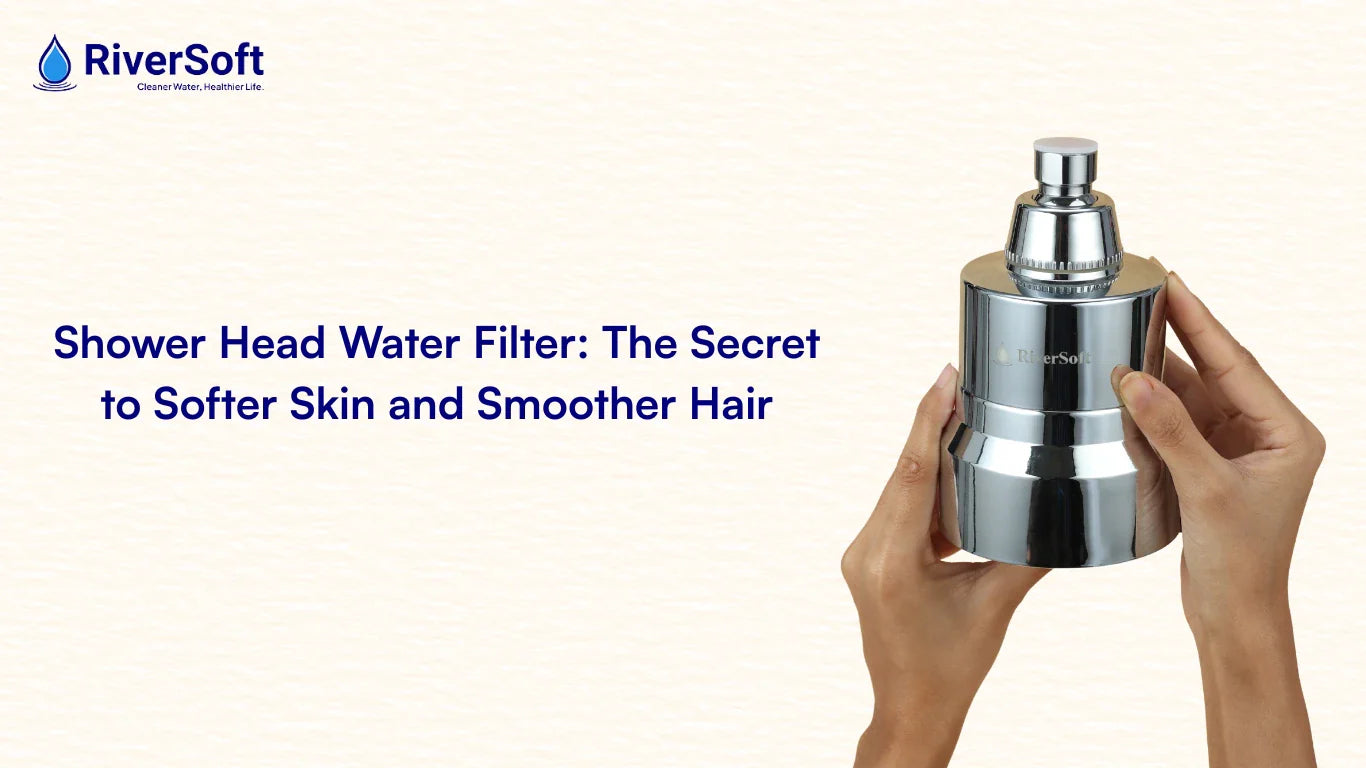
Depending on how hard your water is, different filters work better. RiverSoft offers two options. The SF-15 PRO suits moderate hardness, common in mixed municipal supply. The Bliss-15 shower filter is built for very high hardness, including borewell-dependent homes. Both install without a plumber, usually in under ten minutes.
Note: Our shower filters do not reduce Total Dissolved Solids (TDS). We recommend using an RO purifier if your main concern is high TDS in drinking water.
If you've noticed your sudden hair fall has tracked closely with a change in water source, this is worth ruling out early. Check out RiverSoft's range of shower filters built for Indian water conditions.
Conclusion
Some hair fall after a shower is simply your hair doing what it's supposed to do. But when hard water is in the mix, normal shedding turns into breakage, and the clump in your hand grows for reasons that have nothing to do with your shampoo. Spotting the difference early and filtering the water before the water reaches your hair is the most reliable way to keep that clump from growing further.





























Leave a Comment