
Moved to a new city and noticed rougher hair after washing?
Let's be honest: you didn't choose your city based on water quality. You moved for work, family, or a fresh start. But now, months later, your hair is thinning out, and you're wondering if hard water hair damage is the real reason.
"It's the water," everyone tells you. "This city's water ruins hair."
But is that actually true? Or is there more to the story?
In this blog, we'll break down what dermatologists and research actually say about hard water hair damage and show you how to reverse it with one simple change.
What Dermatologists Say About Hard Water Hair Damage
Here's what Dr Abhiram R, a Bangalore-based dermatologist, said when asked about hard water and hair loss:
"Hard water does not cause permanent or total loss of the hair from the root. Because it can never penetrate beyond the scalp, it causes direct damage to the hair root, leading to balding."
Hard water hair damage mainly concerns the hair strands, which may feel rough, tangled or prone to breakage.
It means hard water affects the outer layer of your hair and scalp. It doesn't destroy the follicles (the tiny organs under your skin that actually produce hair). Now, what hard water does is make existing strands weak and brittle, which leads to breakage.
But the good news is: breakage is reversible. In simple terms, hard water damages the hair you already have; it doesn’t stop new hair from growing.
Want to hear another dermatologist’s take on hard water and hair health? Watch dermatologist Dr. Arti Priya explain how hard water affects hair and scalp.

What Happens to Your Hair When You Wash with Hard Water?
So hard water causes breakage, not baldness. But does hard water cause hair fall? Understanding what happens to your scalp after every wash can help explain why hard water may affect the way your hair looks and feels. Here’s how:
-
Mineral Coating: Hard water minerals coat your hair strands with a thin, invisible film. This mineral layer t blocks moisture, making hair feel dry even after conditioning. This is because the products can't penetrate this mineral layer to reach and hydrate your hair.
-
Cuticle Roughness: Your hair cuticle is the protective outer layer. Hard water minerals rough it up, so instead of lying flat, the cuticles lift and stand up. This creates friction between strands, which leads to tangling, snagging, and breakage every time you brush or style your hair.
-
Scalp Buildup: Hard water leaves calcium deposits on your scalp that clog hair follicles and restrict blood flow to your roots. The result? A dry, irritated scalp that flakes, itches, and develops dandruff. These symptoms aren't limited to the scalp. Hard water can also affect the skin while bathing.
How to identify the signs of hard water without a test kit is important to understand if you are not sure if your symptoms point to hard water specifically.
-
pH Imbalance: A healthy scalp has a pH of around 5.5 -Hard water contains calcium and magnesium, but it is not always highly alkaline. BIS drinking water standards assess hardness and pH separately. Hardness alone cannot tell you the water’s pH or prove it causes hair breakage.
Moreover, it is better to know how hard water affects hair fall and makes your skin dry.
This surface-level damage is why people think hard water causes baldness. It looks bad and feels worse, but your hair can recover once you fix the water.
Recommended Reading:
Curious about other ways hard water impacts your daily routine beyond just hair? Check out how hard water affects hair fall, dry skin, and more in Indian households.
Watch: Breakage vs Hair Loss: What Hard Water Really Does to Hair
What Does Research Say About Hard Water and Hair Damage?
Research confirms what thousands of Indians already know. In a 2016 study published in the International Journal of Dermatology, 15 women washed their hair in hard water for 30 days . This mirrors what dermatologists recommend for hair fall after showering due to hard water to treat the surface damage before assuming it's permanent. By the end, researchers observed it has:
-
Reduced hair thickness
-
Rough, ruffled appearance
-
Greater fragility during handling
Hard water doesn't change your hair's core strength, but it roughens the surface so much that hair becomes dull, brittle, and prone to breakage. Once you relocate to a new city, it is better to know how to deal with the changing water quality across Indian cities and protect your hair and skin from the hardness of water.
Why Dermatologists Suggest Shower Filters for Hard Water Hair Problems?
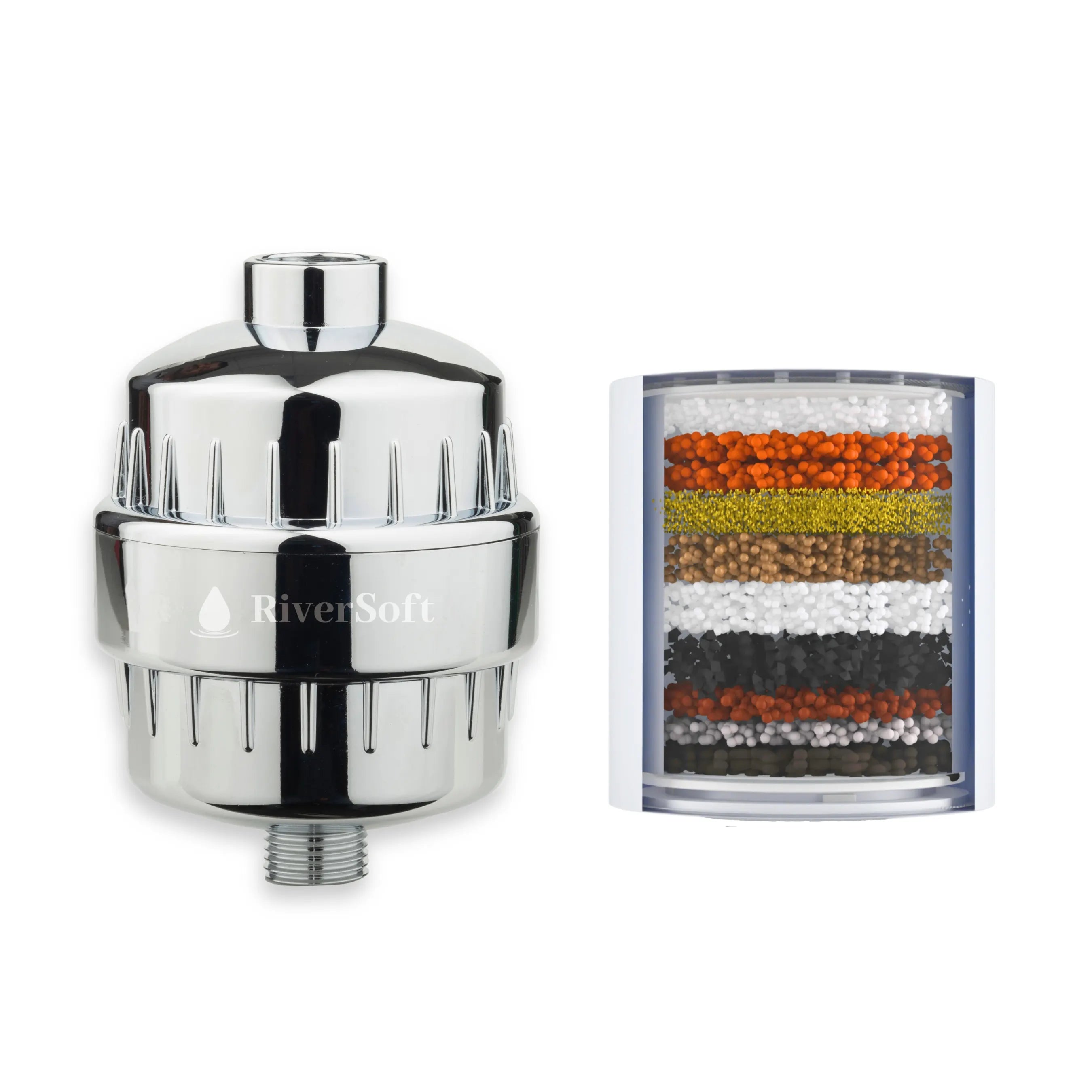
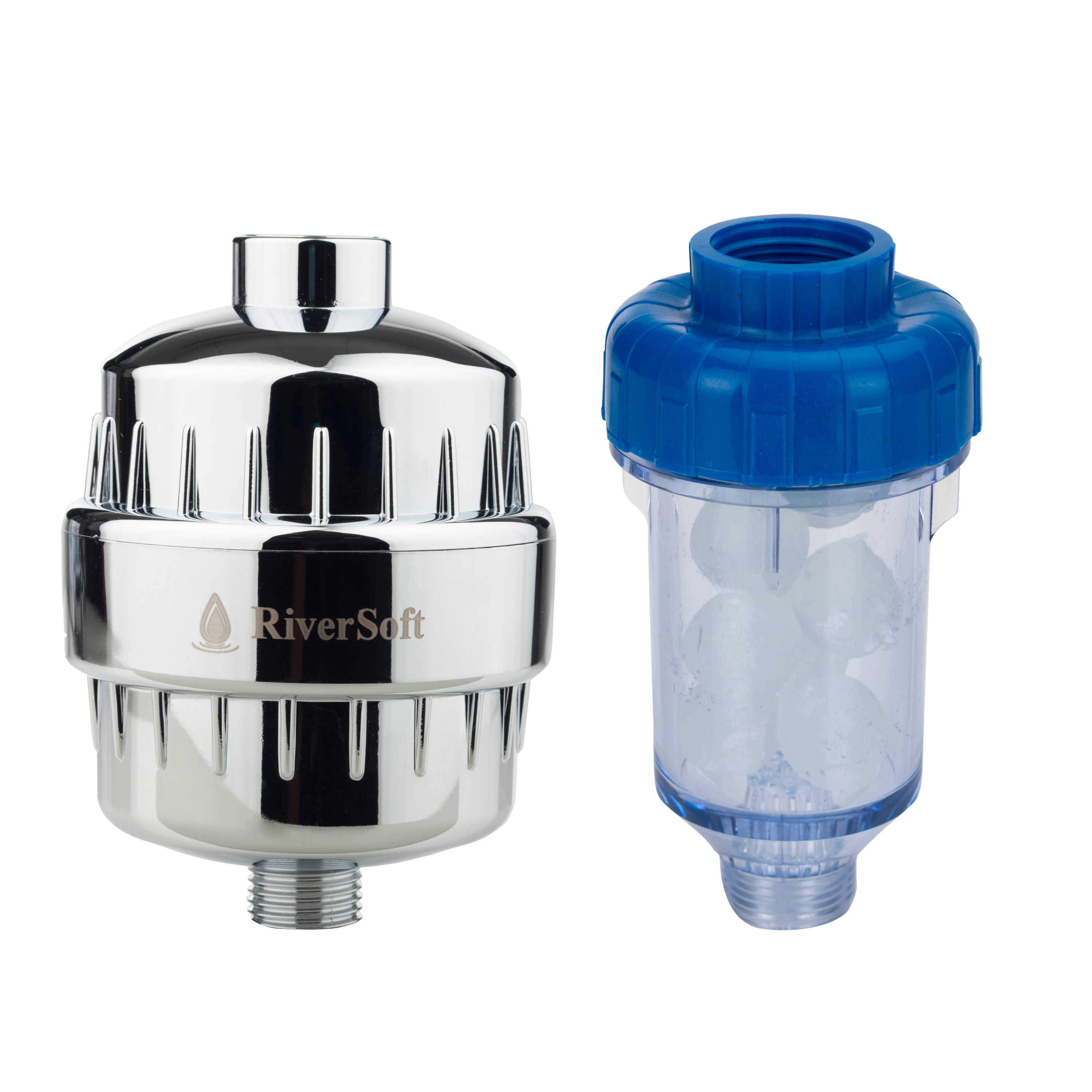
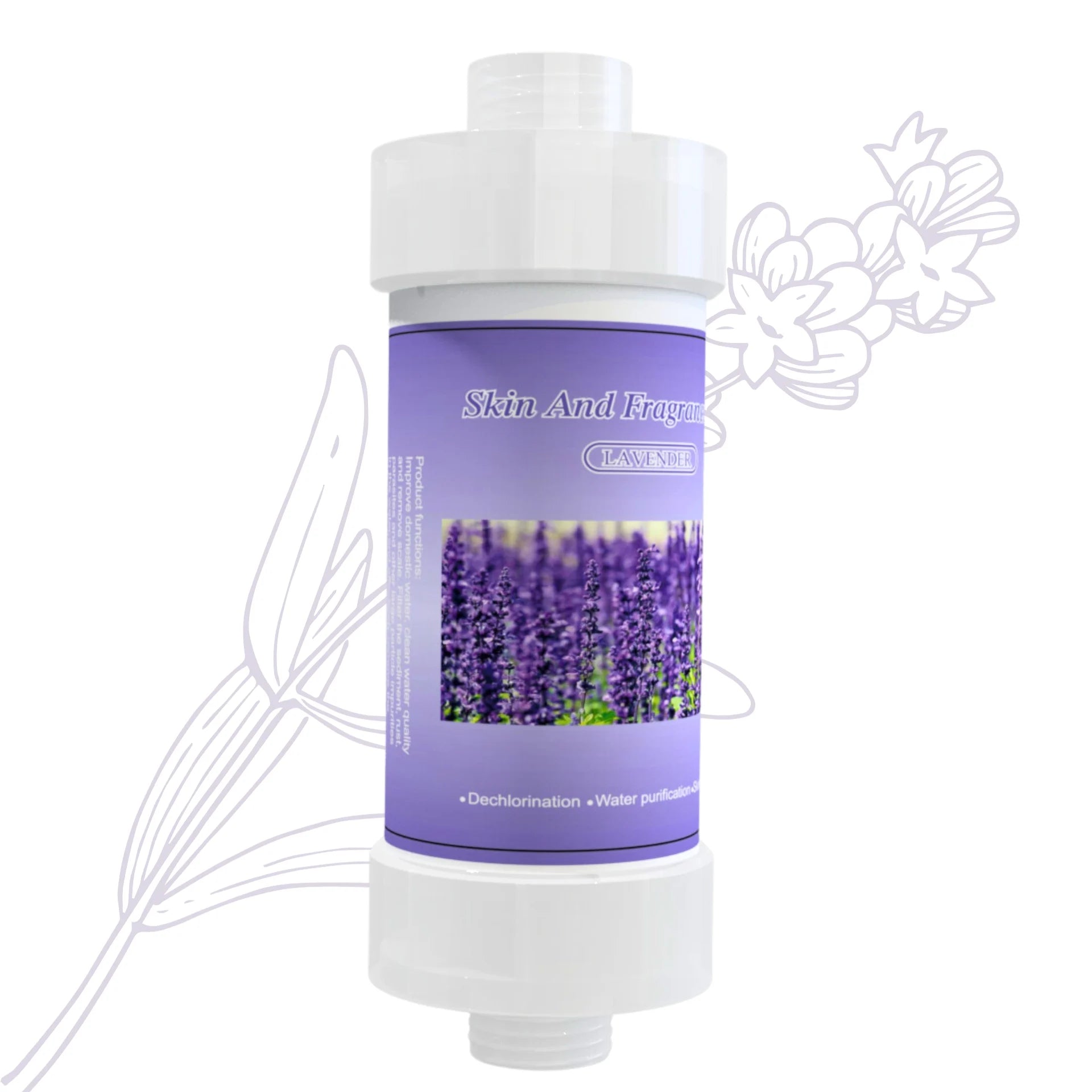
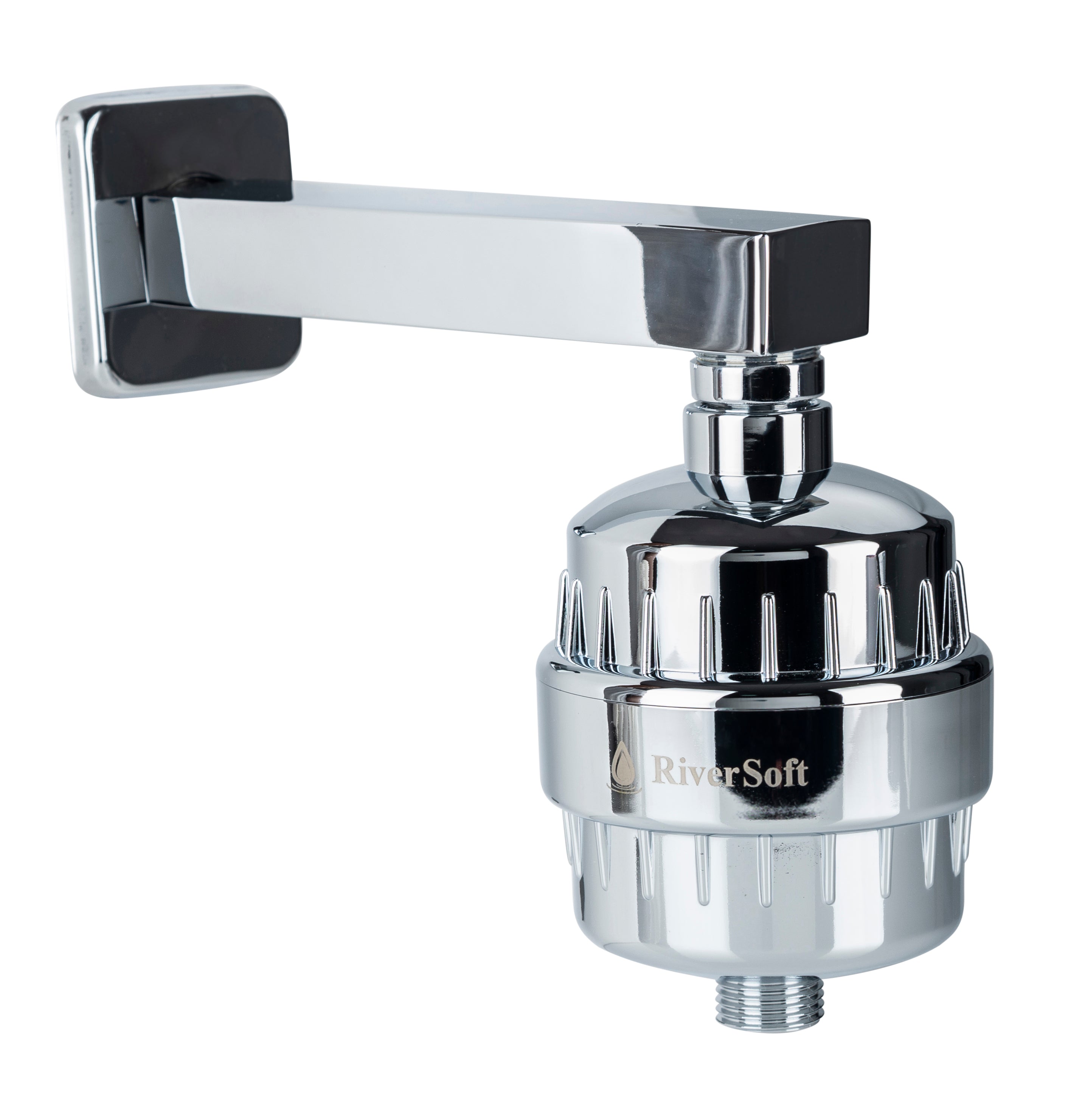
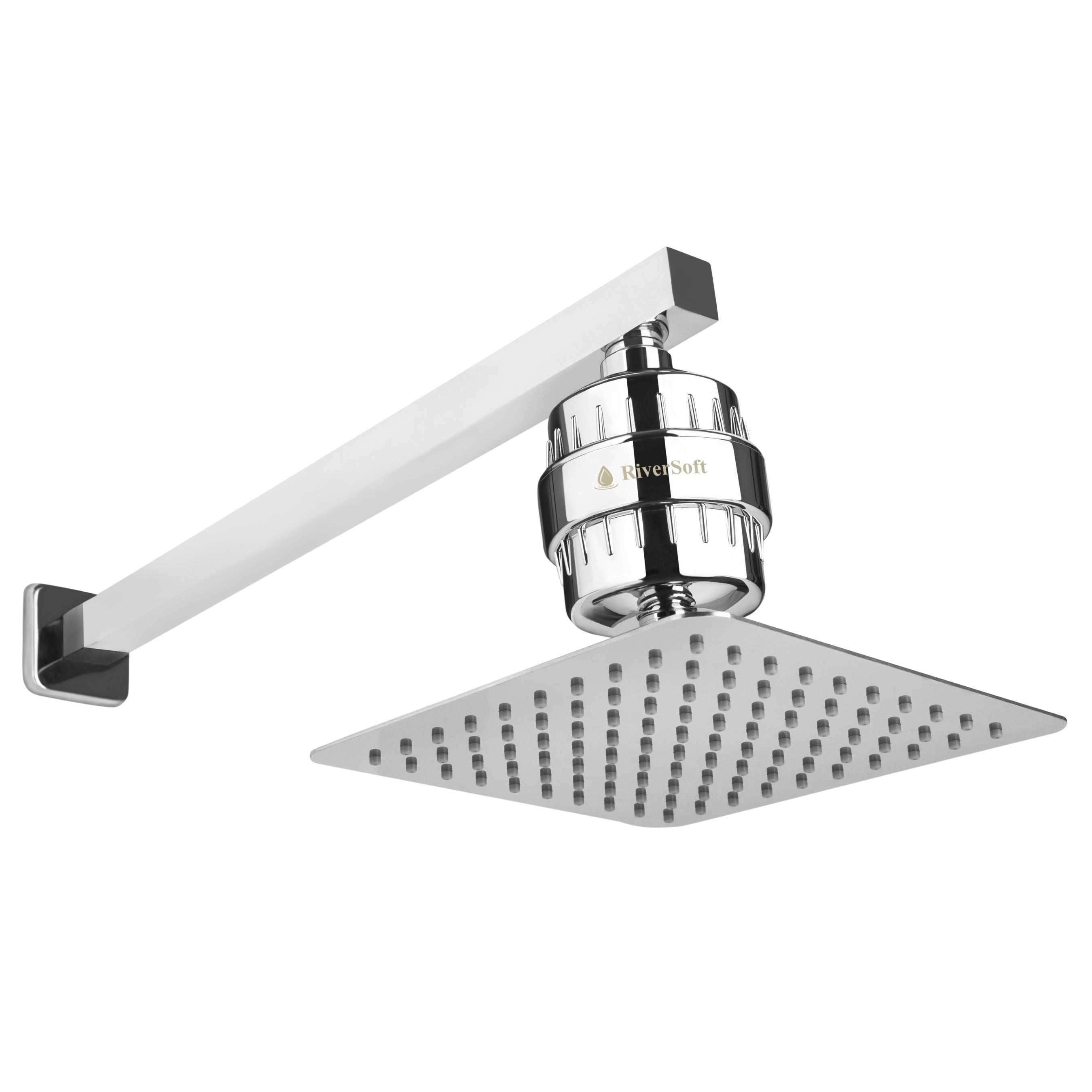
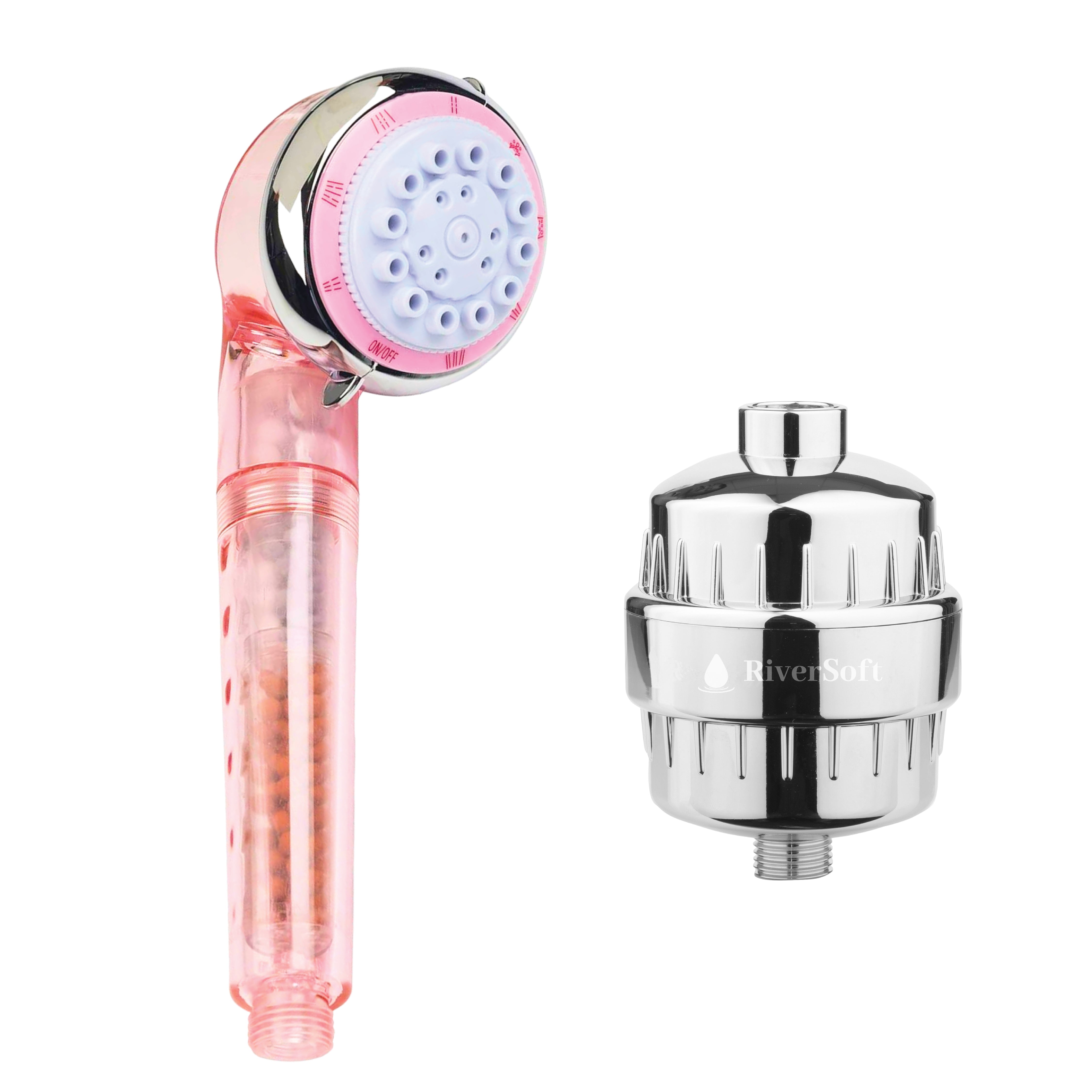
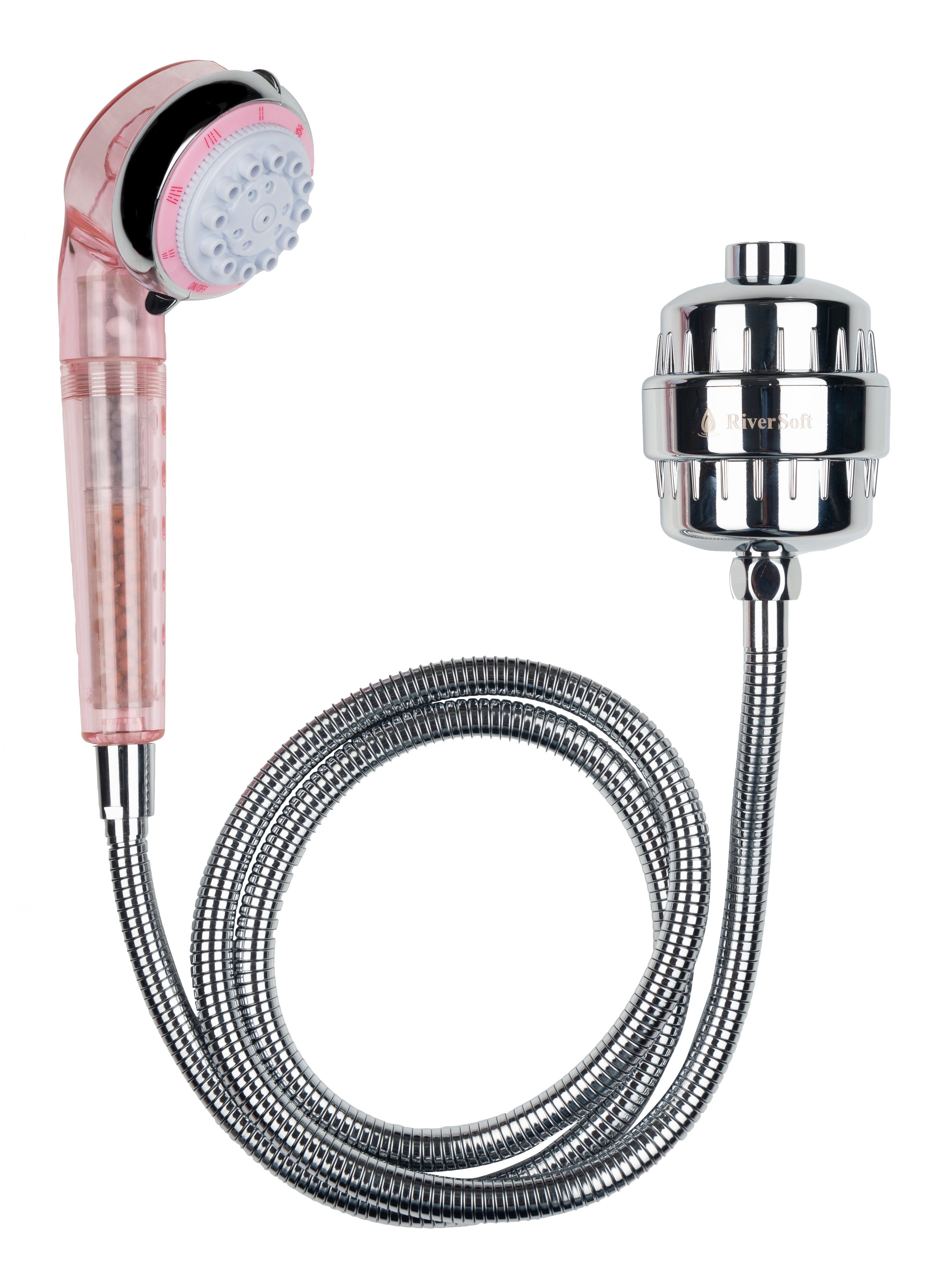
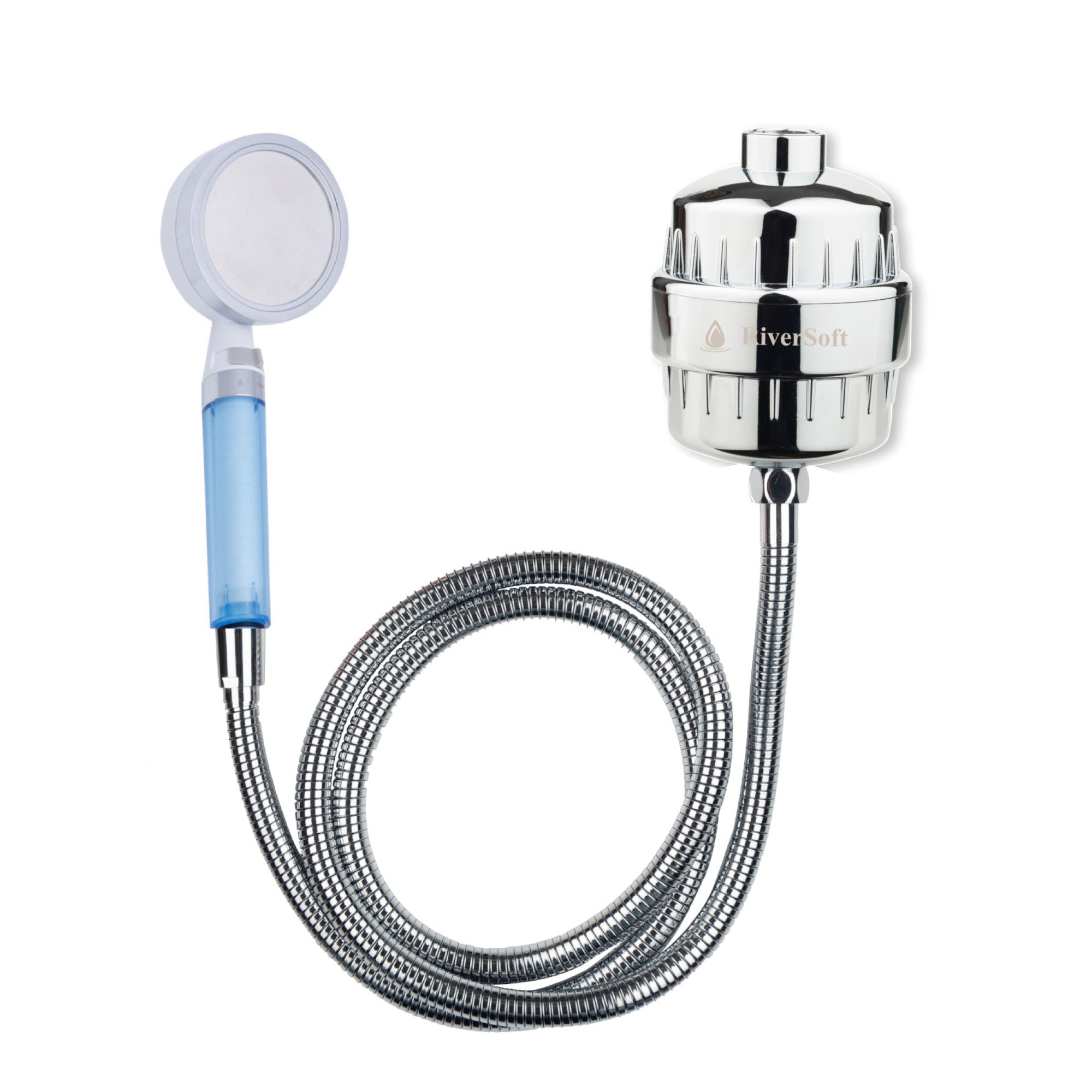
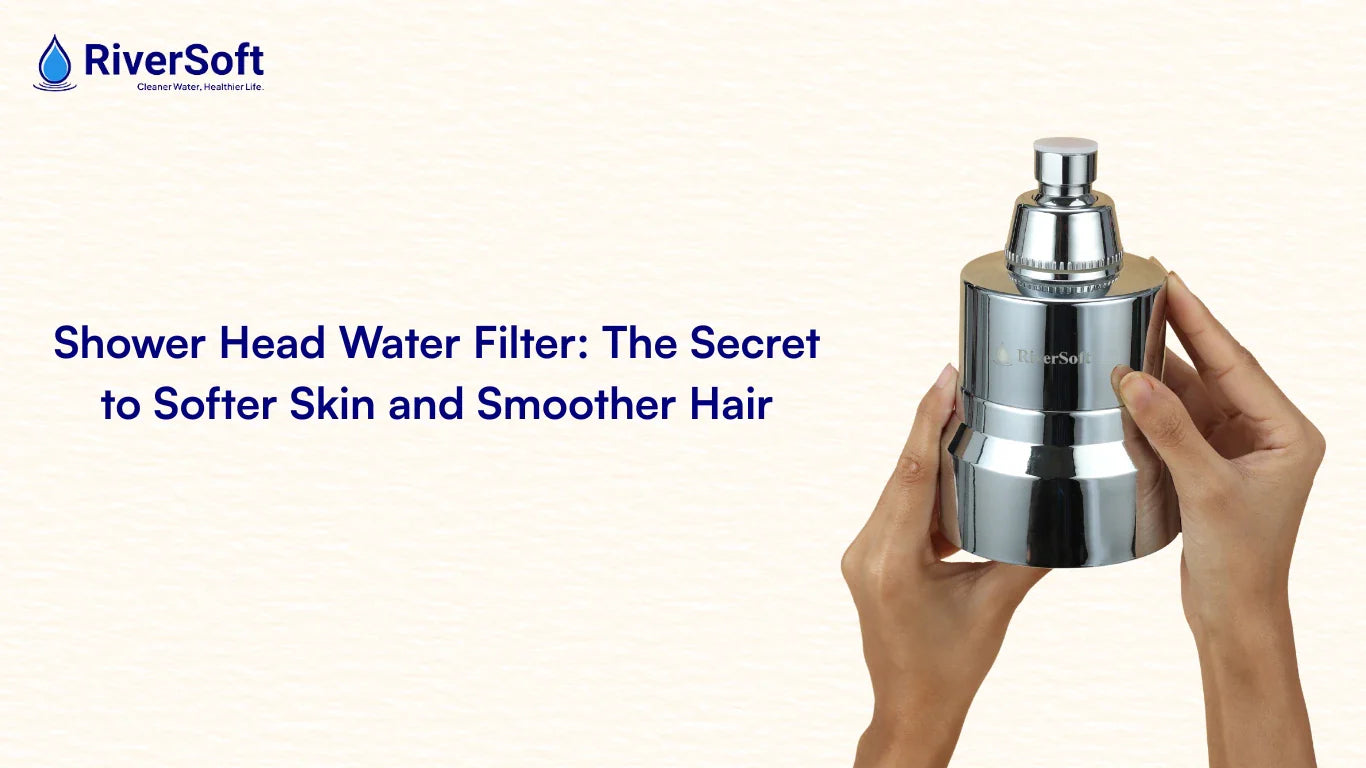
Dermatologists recommend installing a hard water shower filter as the first line of defence against hard water hair issues. The reason? You can't change your city's water supply, but you can change the water that touches your hair. At RiverSoft, our shower filters use multi-stage filtration to remove calcium, magnesium, and chlorine from the water. We've designed three models to match different needs and water hardness levels:
-
Bliss-15: Designed for areas with very high water hardness, the Bliss-15 looks identical to the SF-15 but contains a higher concentration of filtration media to handle extreme mineral levels.
-
SF-15 Pro: Perfect for areas with moderate water hardness, this filter uses a 15-stage filtration system with vitamin C, activated carbon, and mineral stones to reduce hard water minerals and chlorine
-
Diva Filters: Available in three models (DIVA-01, DIVA-03, and DIVA-05), these shower filters come with multiple spray modes, including rain, massage, and a water-saving mist option that saves up to 70% water.
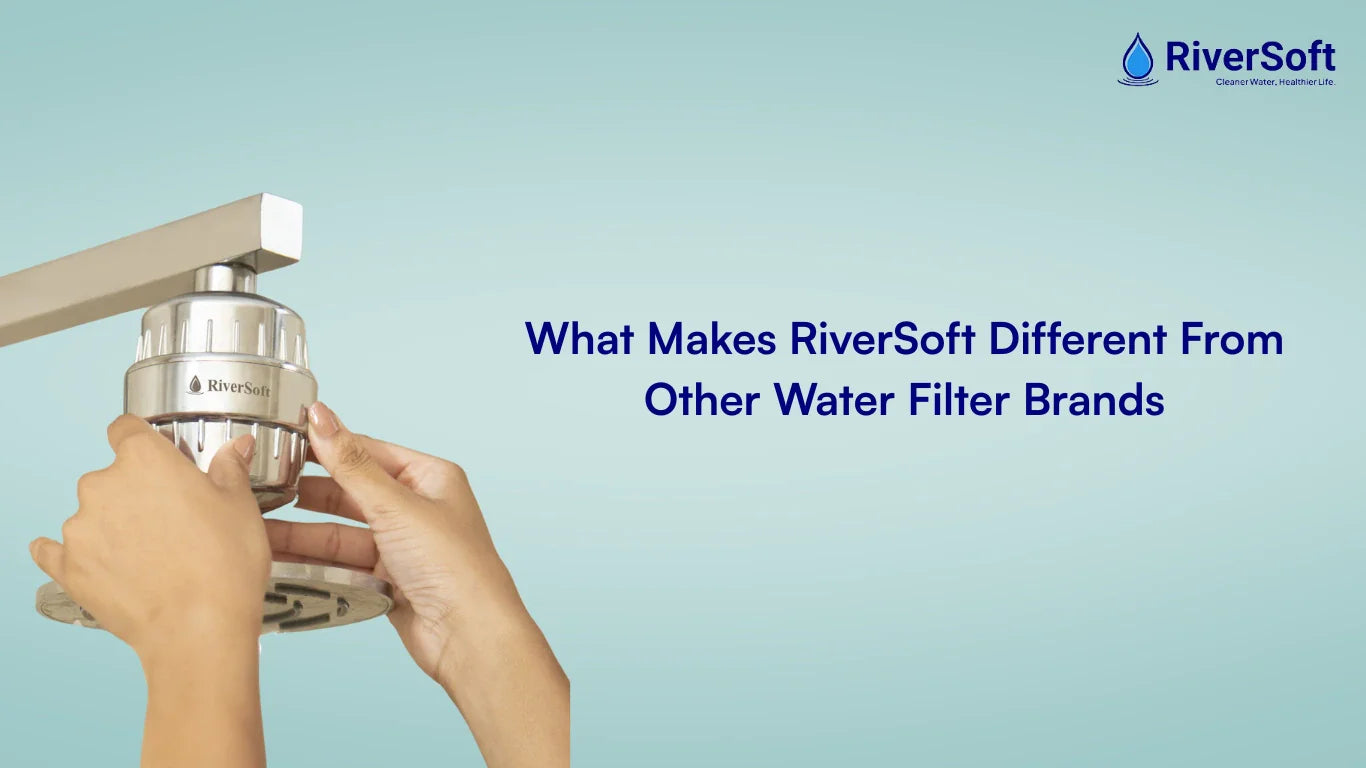
All three filter models are specially designed for Indian households dealing with hard water. The best part? You don't need to call a plumber or drill any holes. Simply watch our shower filter installation video, and you can set it up yourself in minutes.
Treat the Water Before It Even Reaches Your Shower?
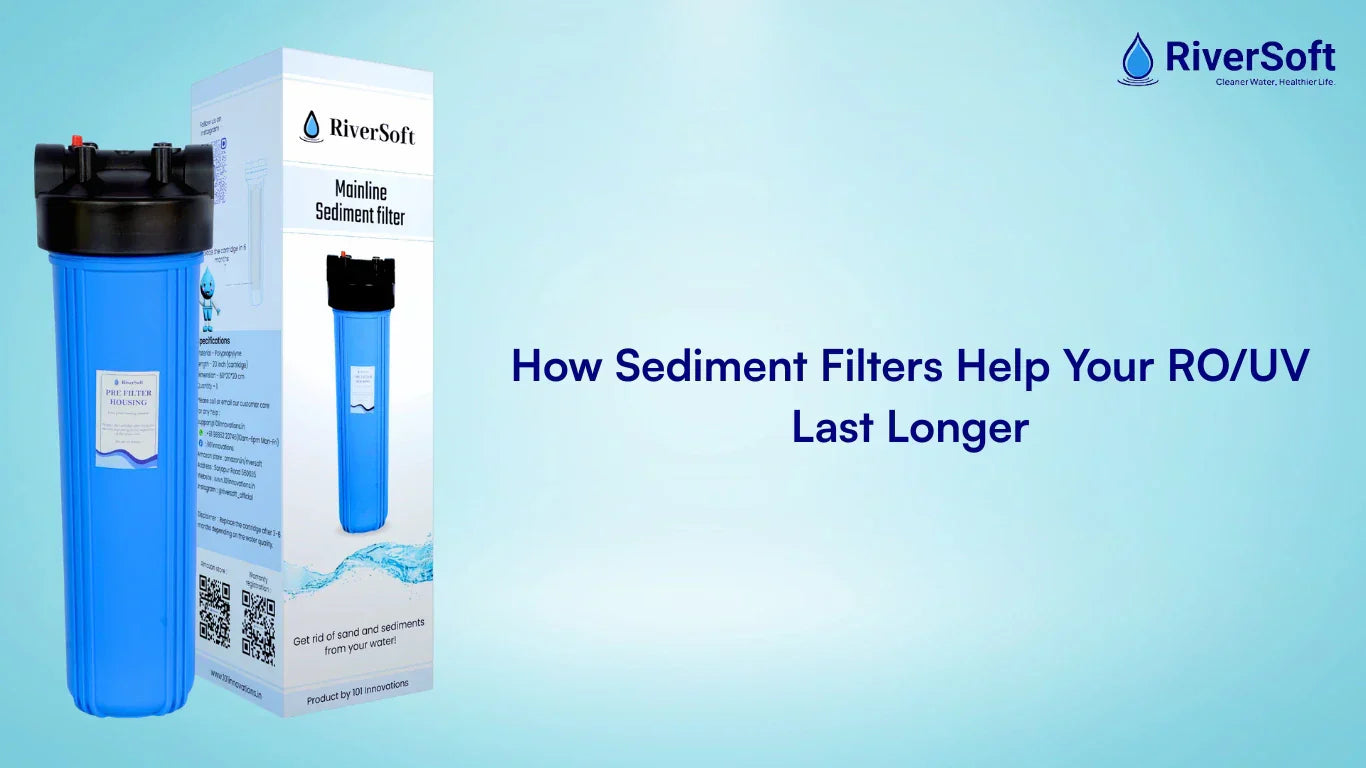
A shower filter treats water directly where it comes into contact with your hair and scalp. However, if hard water also affects your kitchen taps, washing machine, and geyser, a mainline filter can help improve water quality throughout your home.
RiverSoft offers three mainline filtration systems for different household needs:
-
RIVIQ MHW-20: A single-stage filter that reduces sediment, mud, and rust while conditioning hard water to help minimise mineral buildup.
-
RIVIQ MHW-20-2: A two-stage system with an additional CTO carbon filter to help reduce chlorine, unpleasant taste, and odour alongside sediment filtration and hard water conditioning.
-
RIVIQ MHW-20-3: A three-stage system combining hard water conditioning with GAC and CTO carbon filtration for more comprehensive water treatment.
While a shower filter provides targeted filtration for your hair and scalp, a mainline filter helps manage water quality across multiple household outlets. Using both can provide filtration at the household level and directly at your shower.
Conclusion
Hard water doesn’t cause baldness, but it does weaken your hair every single day. The dryness, roughness, and breakage you’re experiencing is from mineral buildup, not expensive products failing you. But since this is external damage, not follicle destruction, it's completely reversible. By fixing the water touching your hair, you allow moisture and products to work again. A good shower filter removes calcium and chlorine before they damage your strands, helping your hair to heal naturally, without changing your routine.
Discover RiverSoft's range of shower filters built for Indian water conditions and start your hair recovery journey today.























Leave a Comment