

Your hair feels rougher, and more strands are ending up in the drain. It started after you moved to a home with borewell water. Sounds familiar? Before blaming your shampoo or conditioner, look at the water coming from your shower. . Does borewell water cause hair fall? In most cases, yes, and the reason comes down to what's dissolved in it.
In this article, we’ll look at how borewell water affects hair, what you can do about it, and whether a shower filter can help.
Why Is Borewell Water Harder on Hair Than Municipal Water?
Borewell water is pulled straight from underground, passing through layers of rock and soil on its way up. Groundwater sits in these layers for years. Over that time, it can pick up calcium, magnesium, and iron from the surrounding rock. The amount varies depending on local geology and groundwater source. None of this gets treated before it reaches you. By the time it hits your shower, it may be carrying a mineral load built up over years underground.
To understand the full scope of what's happening, it helps to know what is hard water and how underground minerals accumulate differently than treated municipal supply.
Municipal water works differently. It's drawn from rivers or reservoirs and treated at a plant before distribution. That treatment reduces mineral content and blends water from multiple sources. What reaches your tap is generally more consistent, and comparatively lower in dissolved minerals.
This is why two homes in the same city can have completely different water quality:
-
A house on municipal supply might have relatively manageable hardness
-
The house next door running on a borewell can have mineral levels several times higher, even though both are technically "hard water"
What Do Minerals like Calcium and Magnesium Actually Do to Your Hair?
Hard water minerals like calcium can settle onto your strands and scalp with every wash. Over time, this can form a fine layer that gets in the way of moisture. This may be why conditioners and serums seem to slide over the buildup instead of soaking in, regardless of what product you use. It's also worth checking whether a flaky scalp is actually dandruff, since mineral buildup can look similar.
-
Mineral residue can make hair feel drier, rougher and harder to manage.
-
For coloured or treated hair, this tends to show up faster and more visibly
Over time, mineral buildup at the root level is associated with hair feeling weaker and shedding more easily during washing and combing. For many people, this is part of what shows up as gradual hair fall.
How Do You Solve the Mineral Problem in Borewell Water?
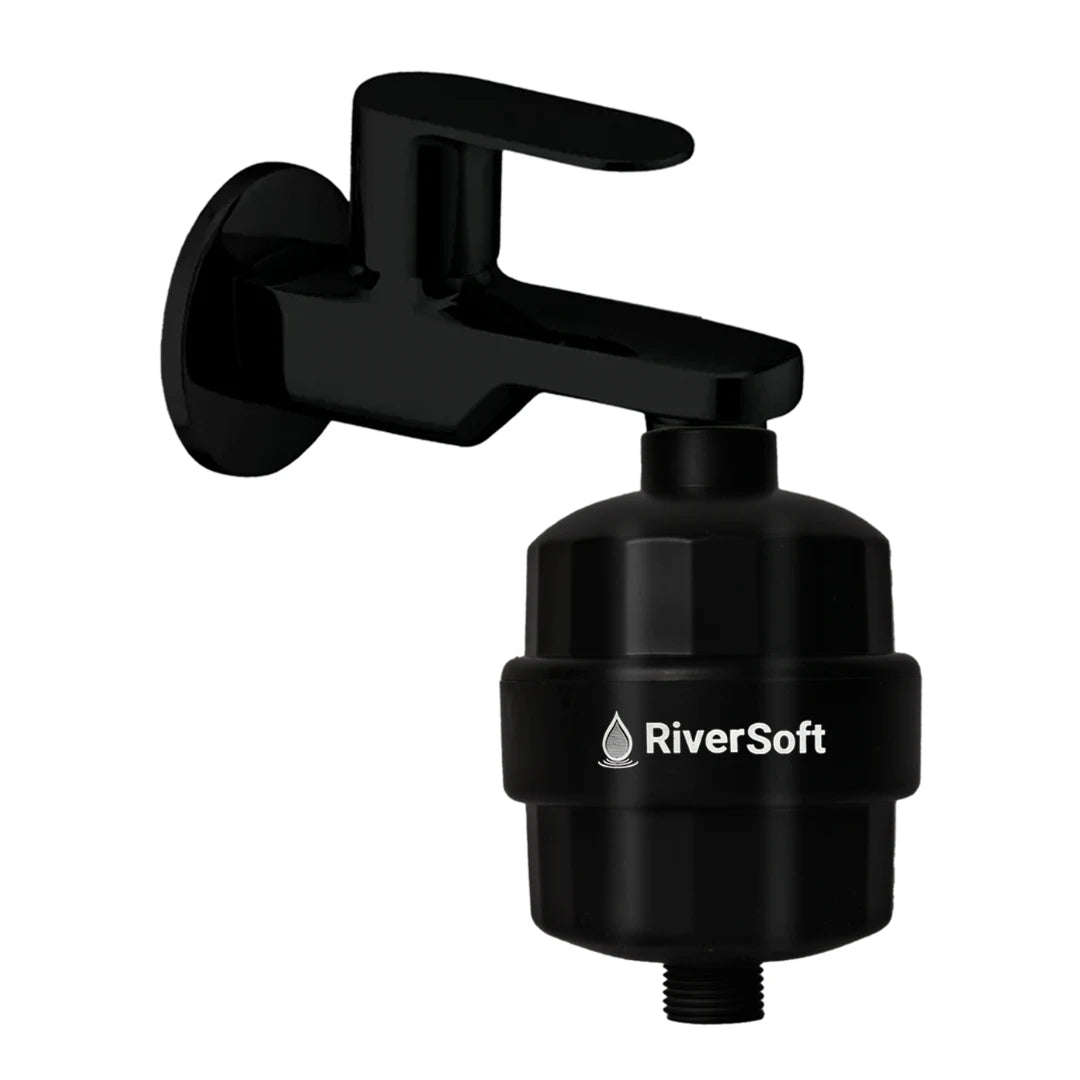
The most direct fix is to filter the water before it reaches your hair. A shower filter placed at your tap or showerhead can reduce exposure to hard water minerals and impurities at the source depending on the filtration media. Your hair isn't exposed to fresh buildup every time you wash. This is different from treating your hair after the fact. It works on the exposure itself, so the cycle doesn't get a chance to restart after every wash. Addressing the source tends to work better than managing symptoms on repeat, the same logic behind treating hard water first.
The benefits of shower filters become clear within weeks once the mineral exposure stops and your hair starts to recover its natural texture and strength.
Why Don't Regular Fixes Like Shampoo or Conditioner Solve the Root Problem?
Most people don't start with the water. They reach for a clarifying shampoo to strip the buildup, add more conditioner to restore moisture, or try vinegar rinses to cut through residue.
These feel like they work for a day or two. Then the next wash brings fresh mineral exposure, and the problem returns close to where it left off.
Oiling, deep conditioning, and scalp treatments share the same limitation: they're applied after the fact. None of them change what's in the water. Addressing the water itself is generally a more complete approach than routine changes alone. If sediment is also an issue in your area, a Mainline hard water filter handles the particle load as well as protects your hair from hard water.

What's RiverSoft's Fix for Borewell Water?
If borewell water is the problem, the fix needs to work at the water level. That's exactly where RiverSoft's hard water filters are built to work.
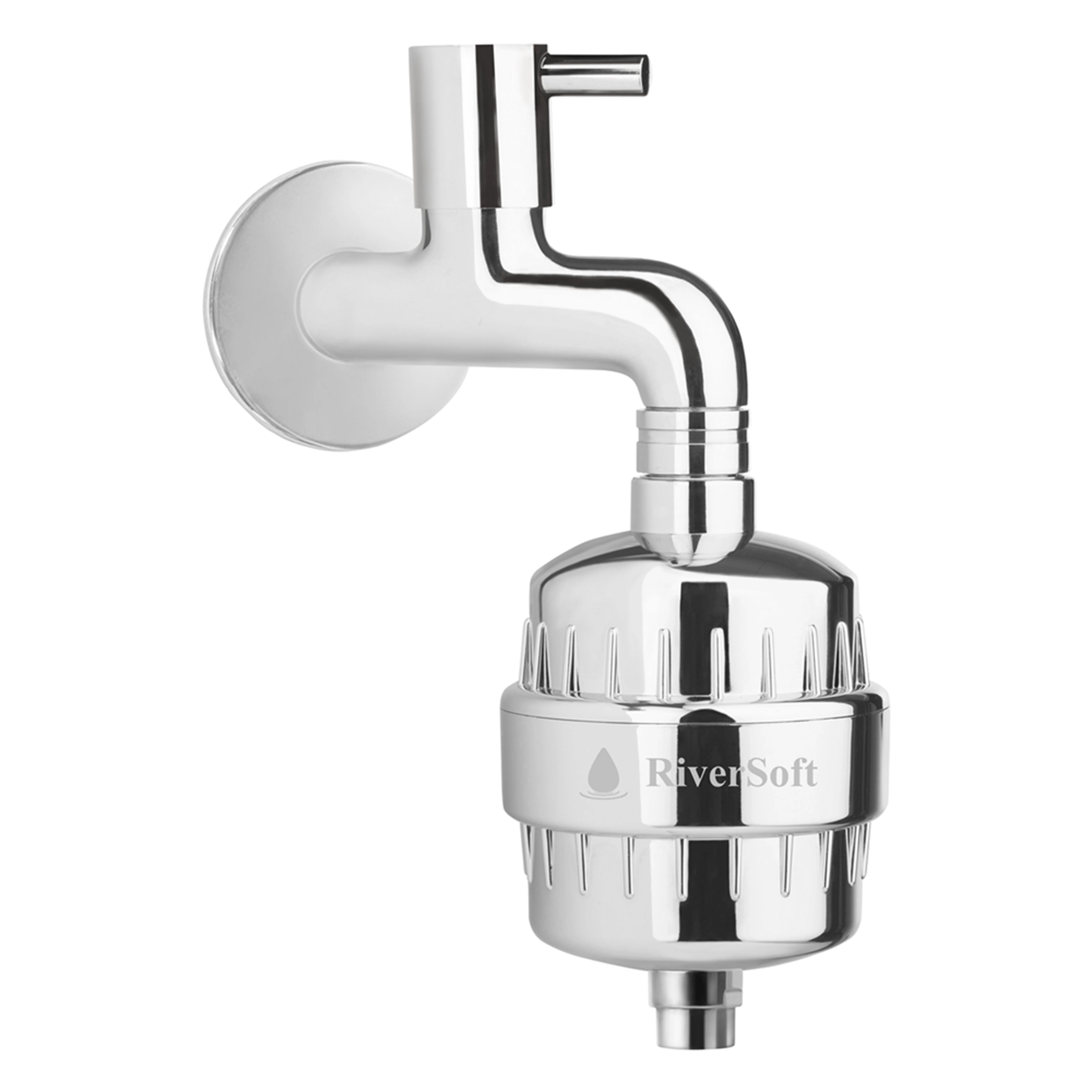
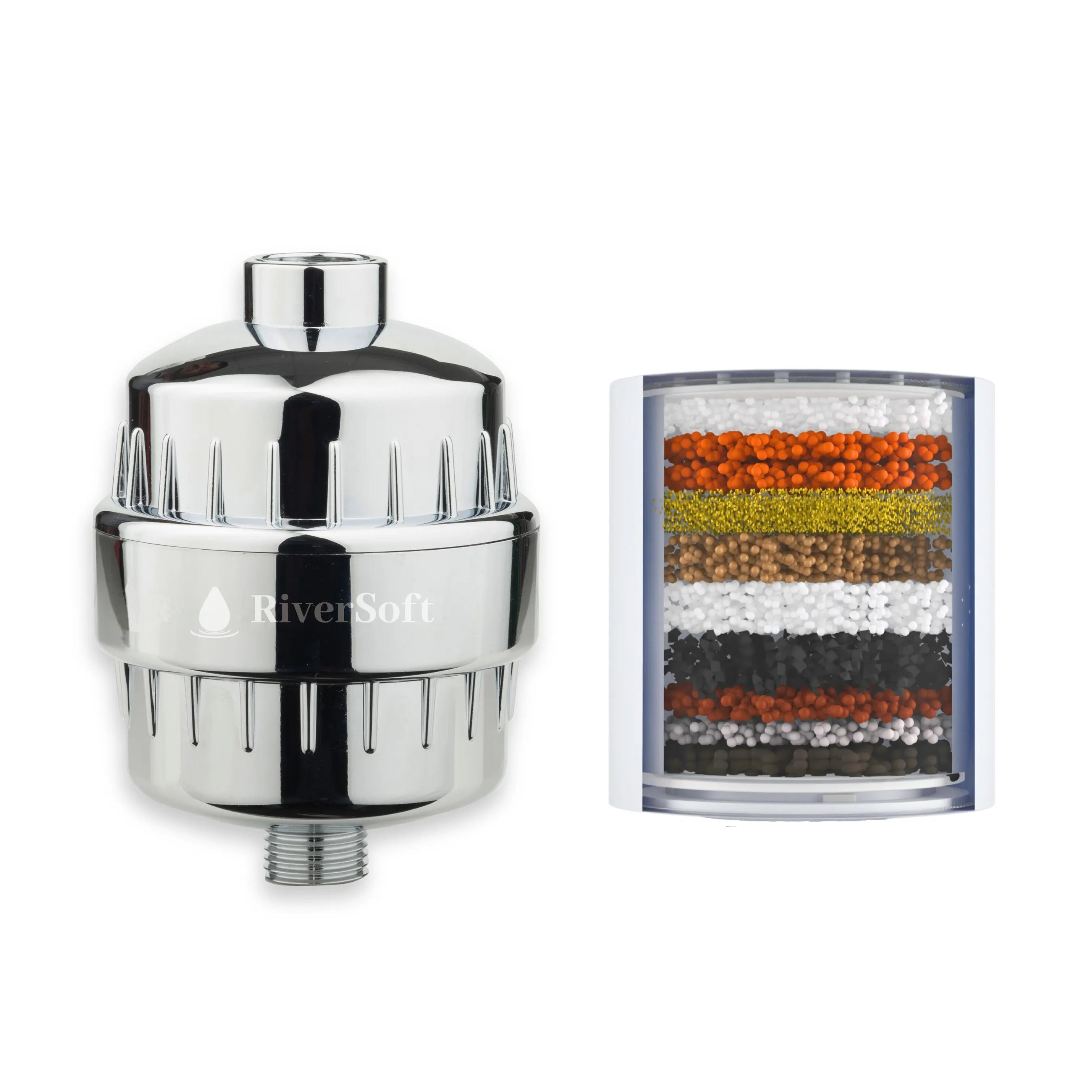
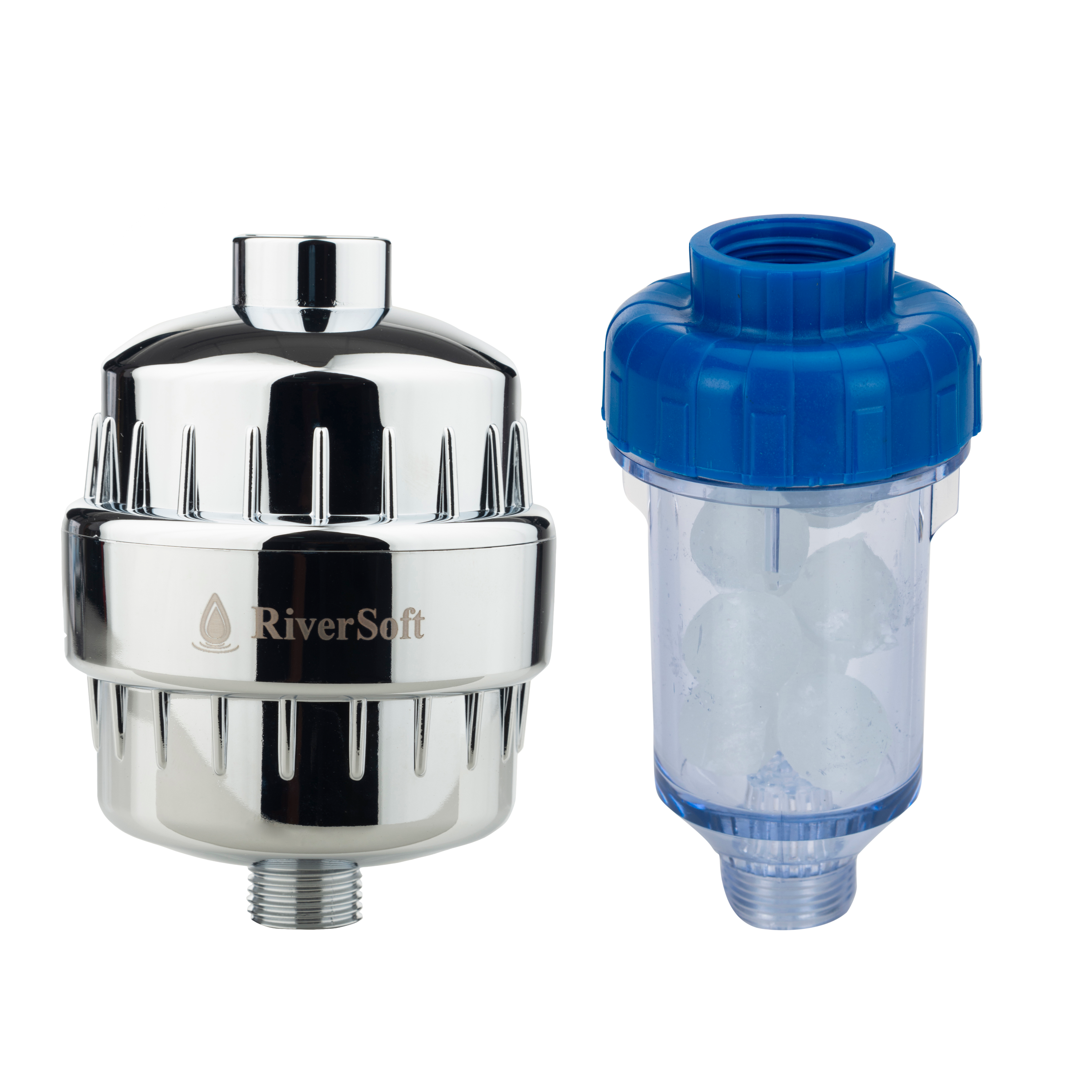
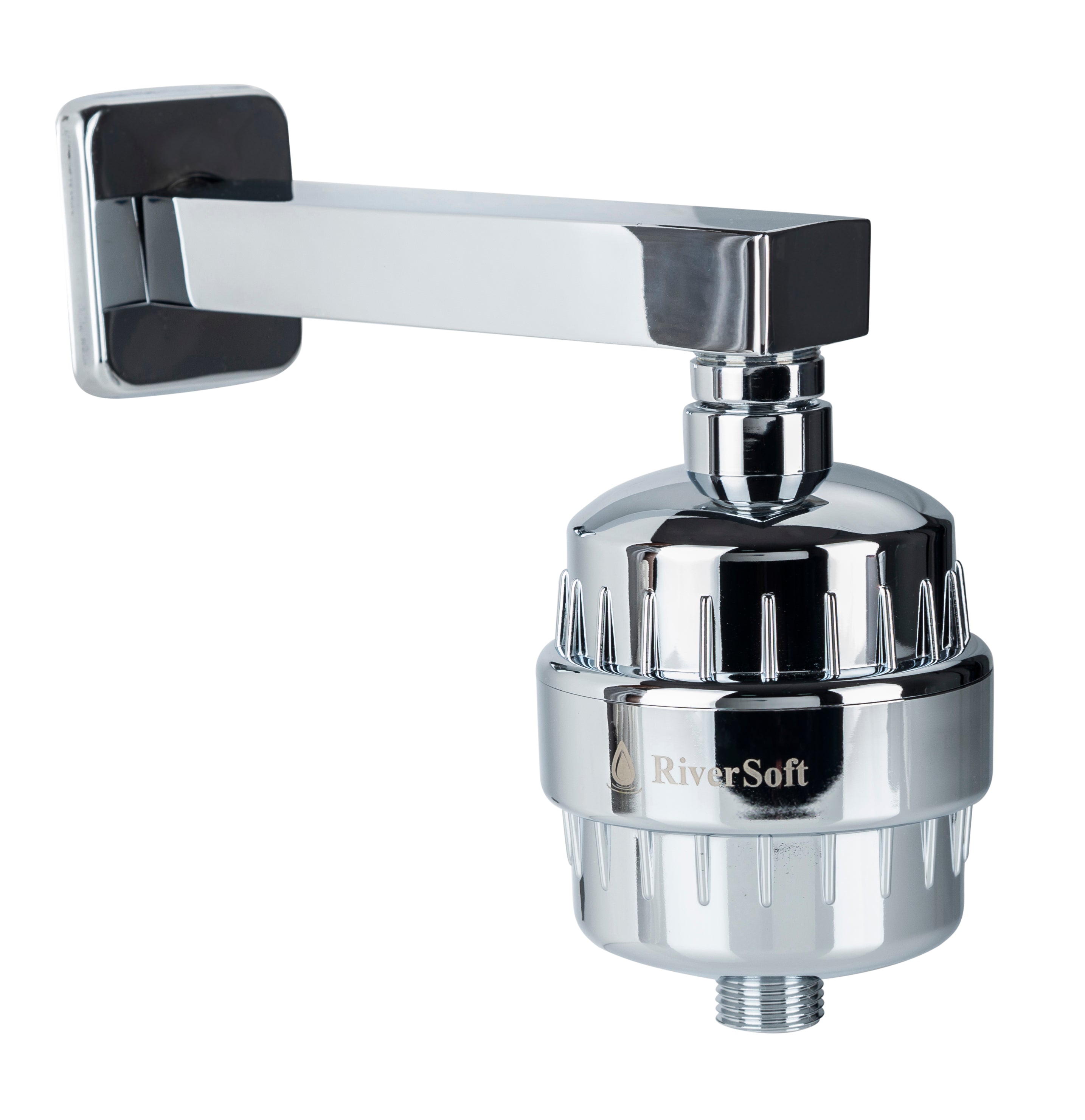
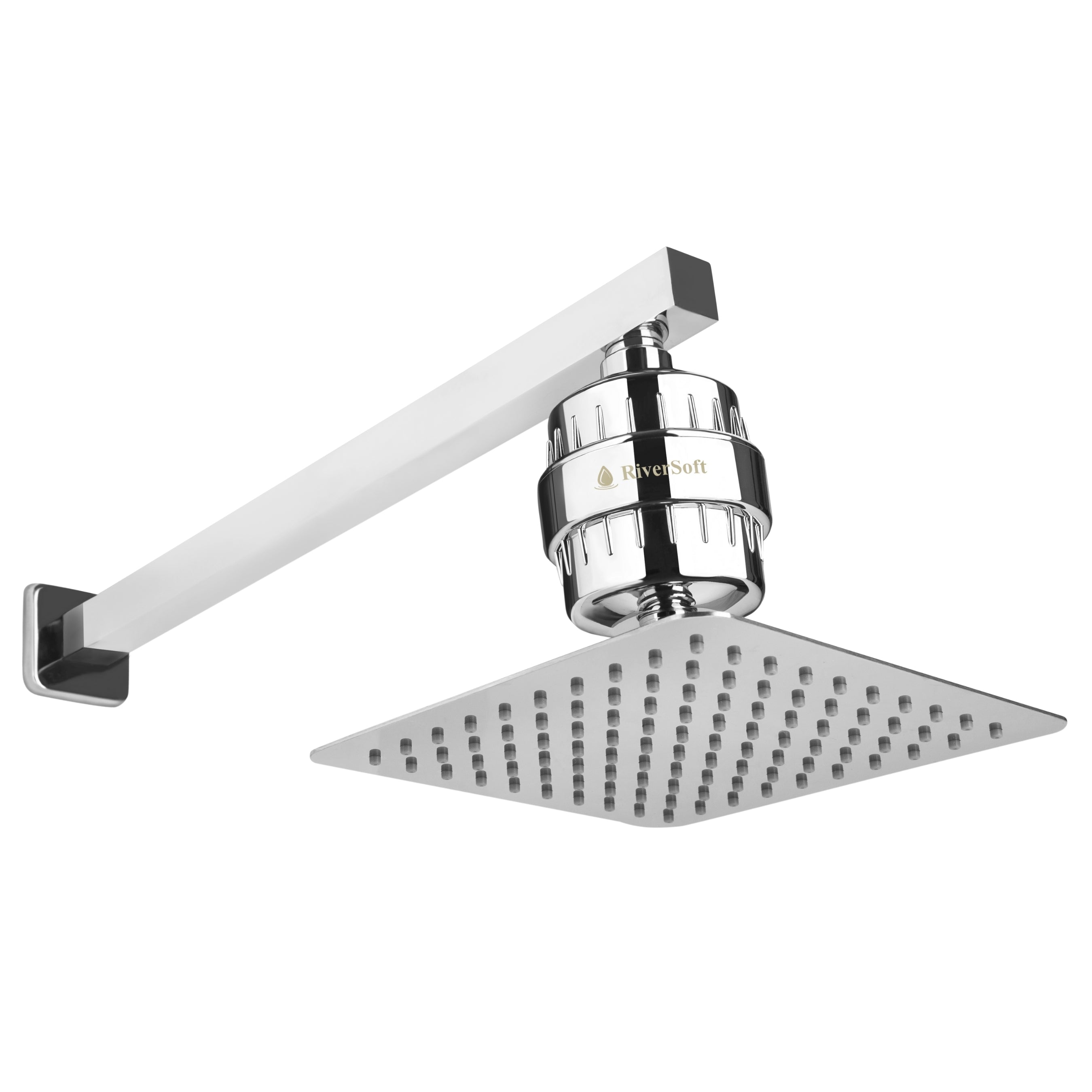
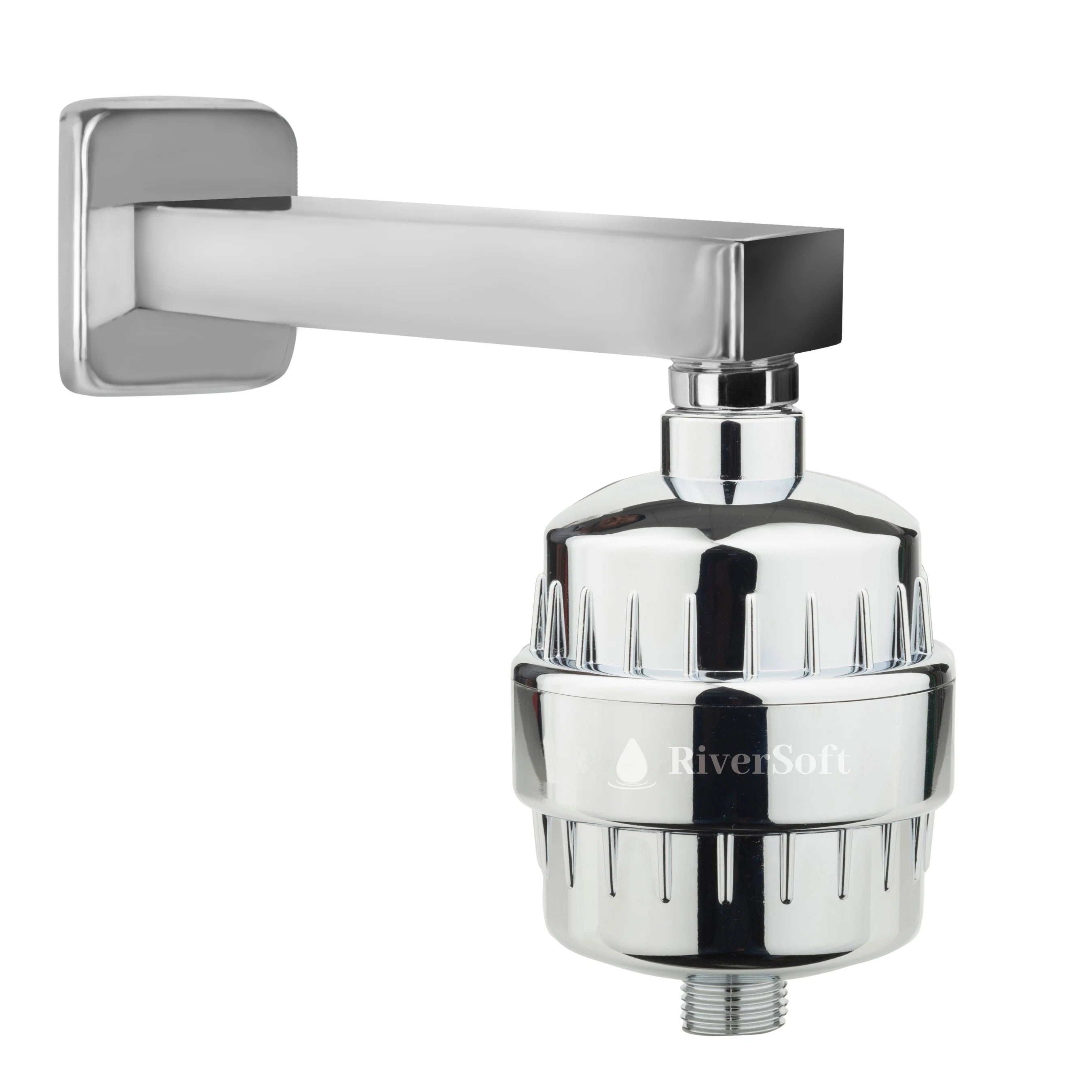
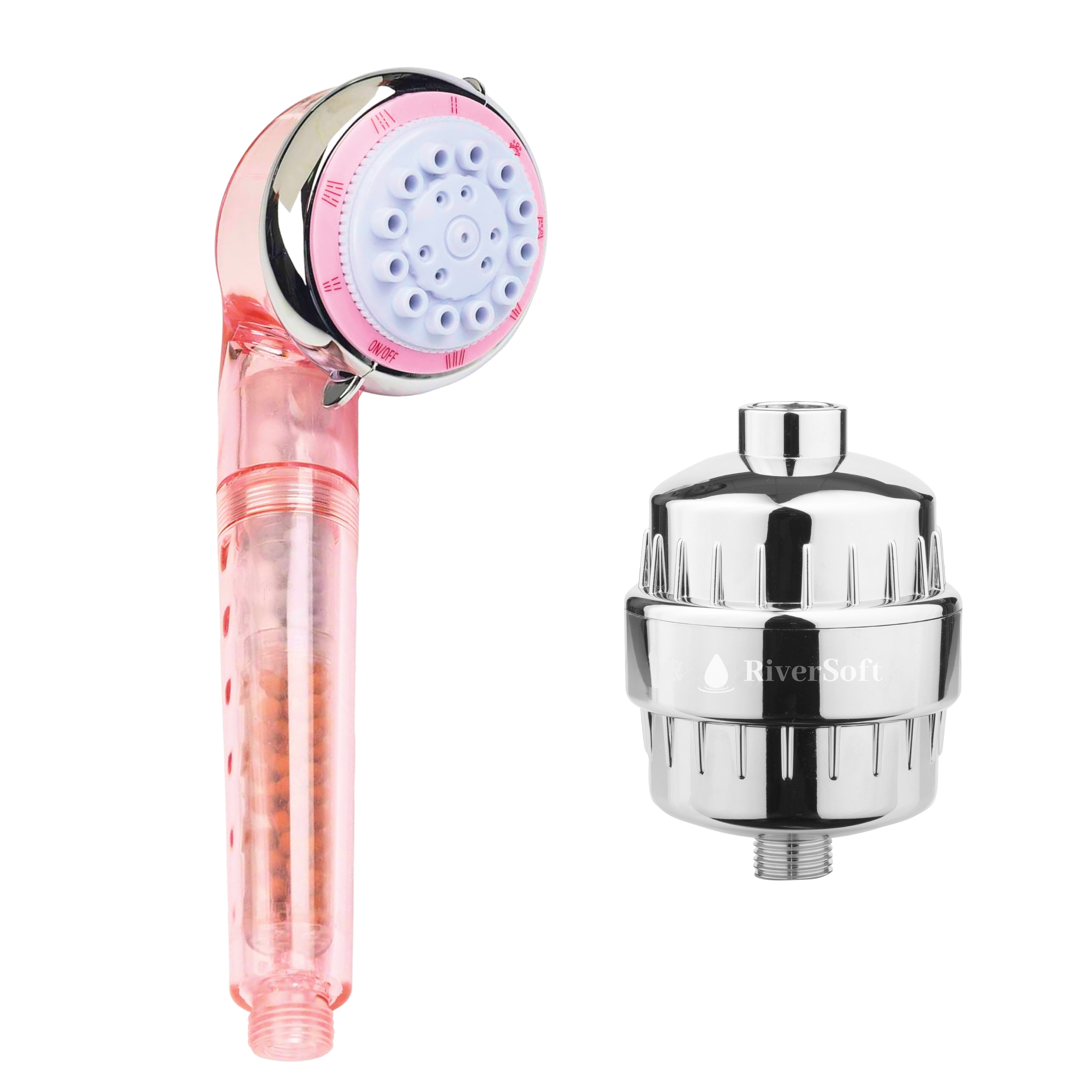
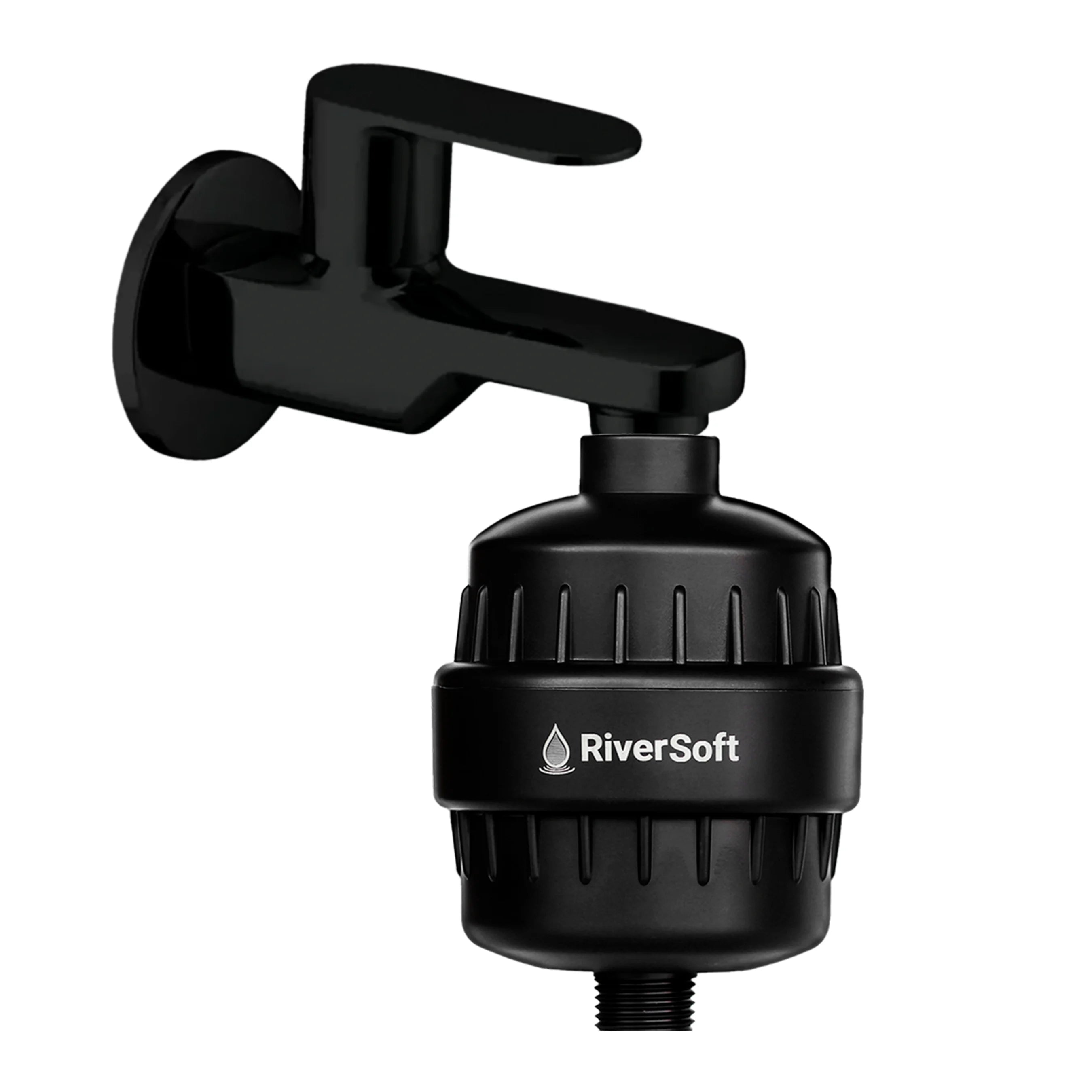
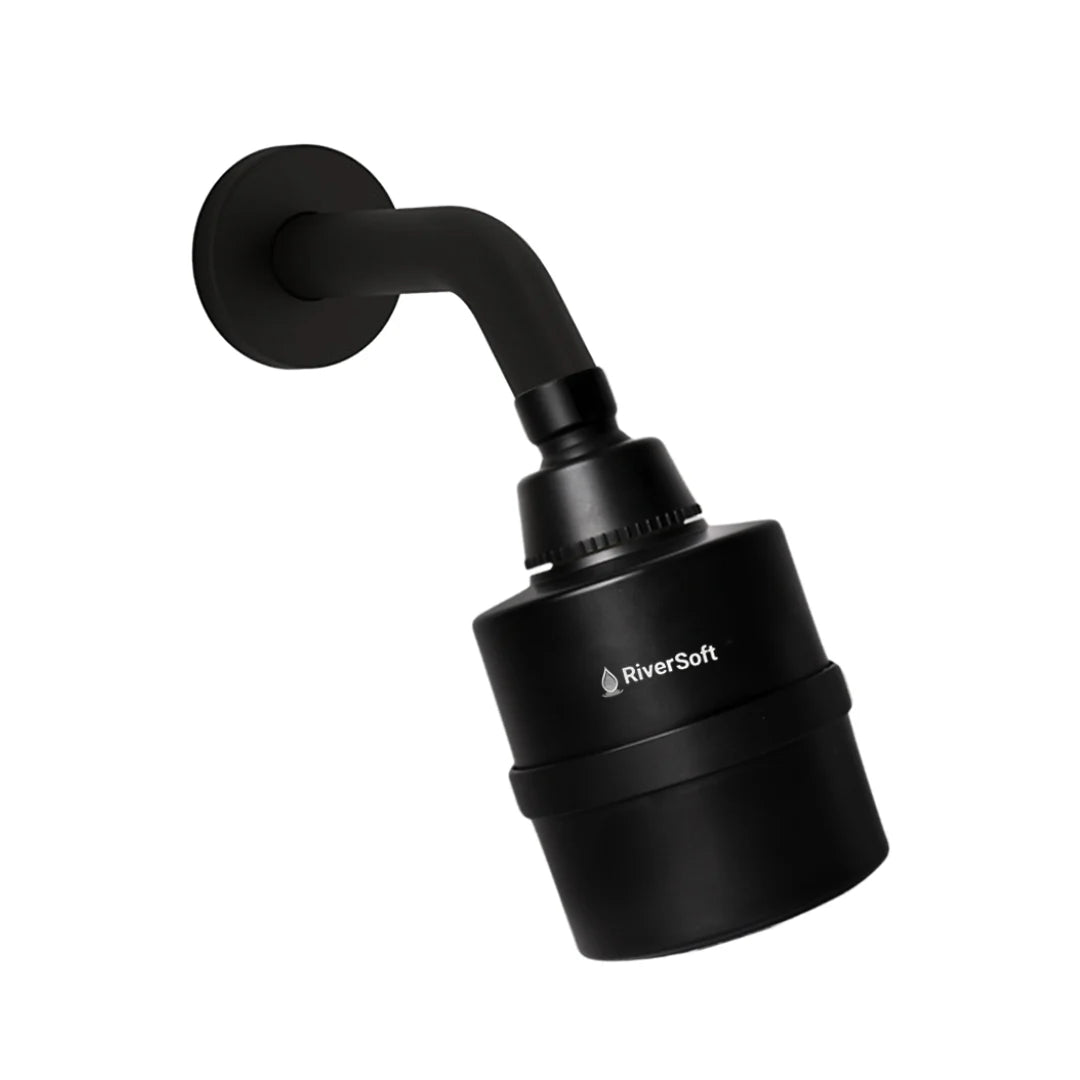
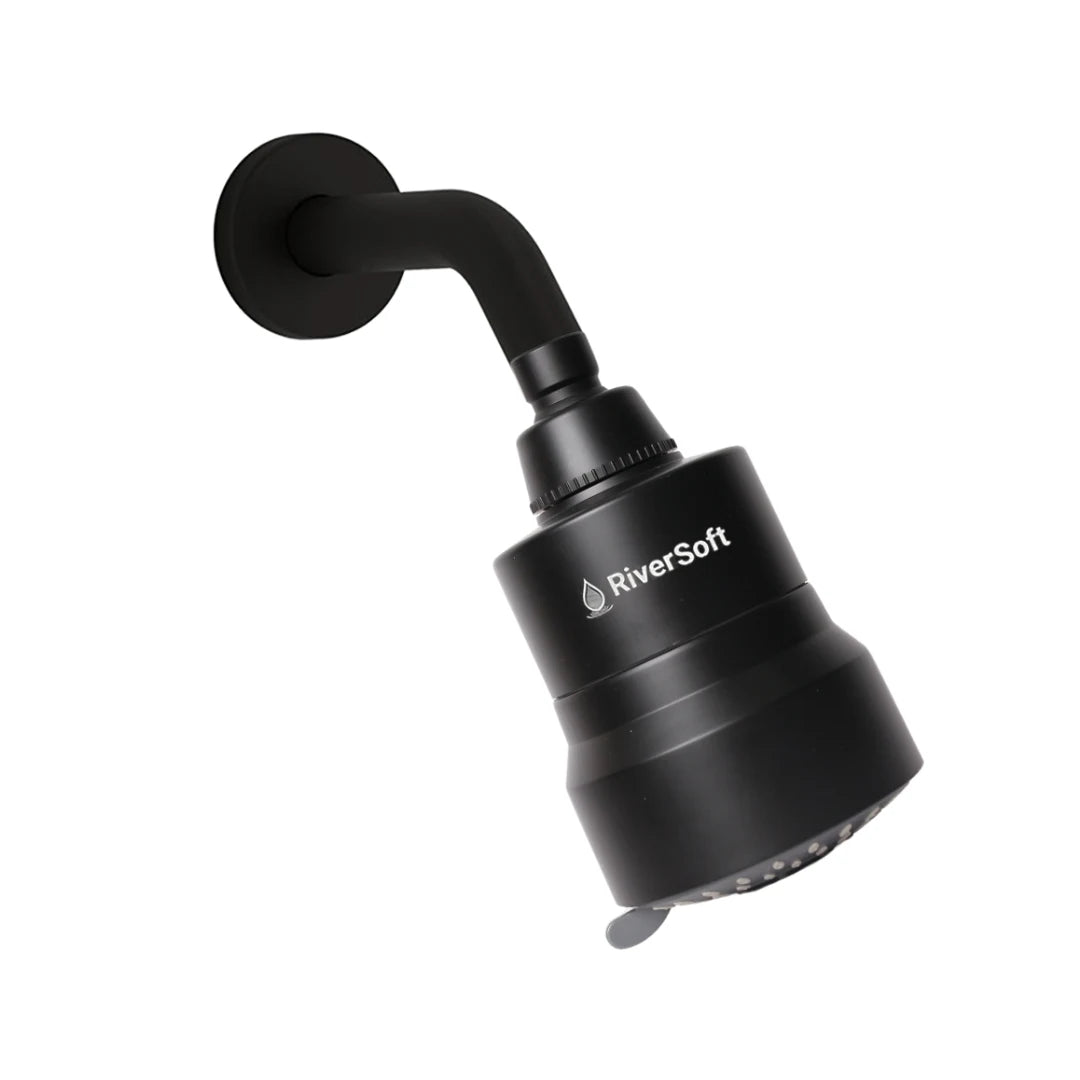
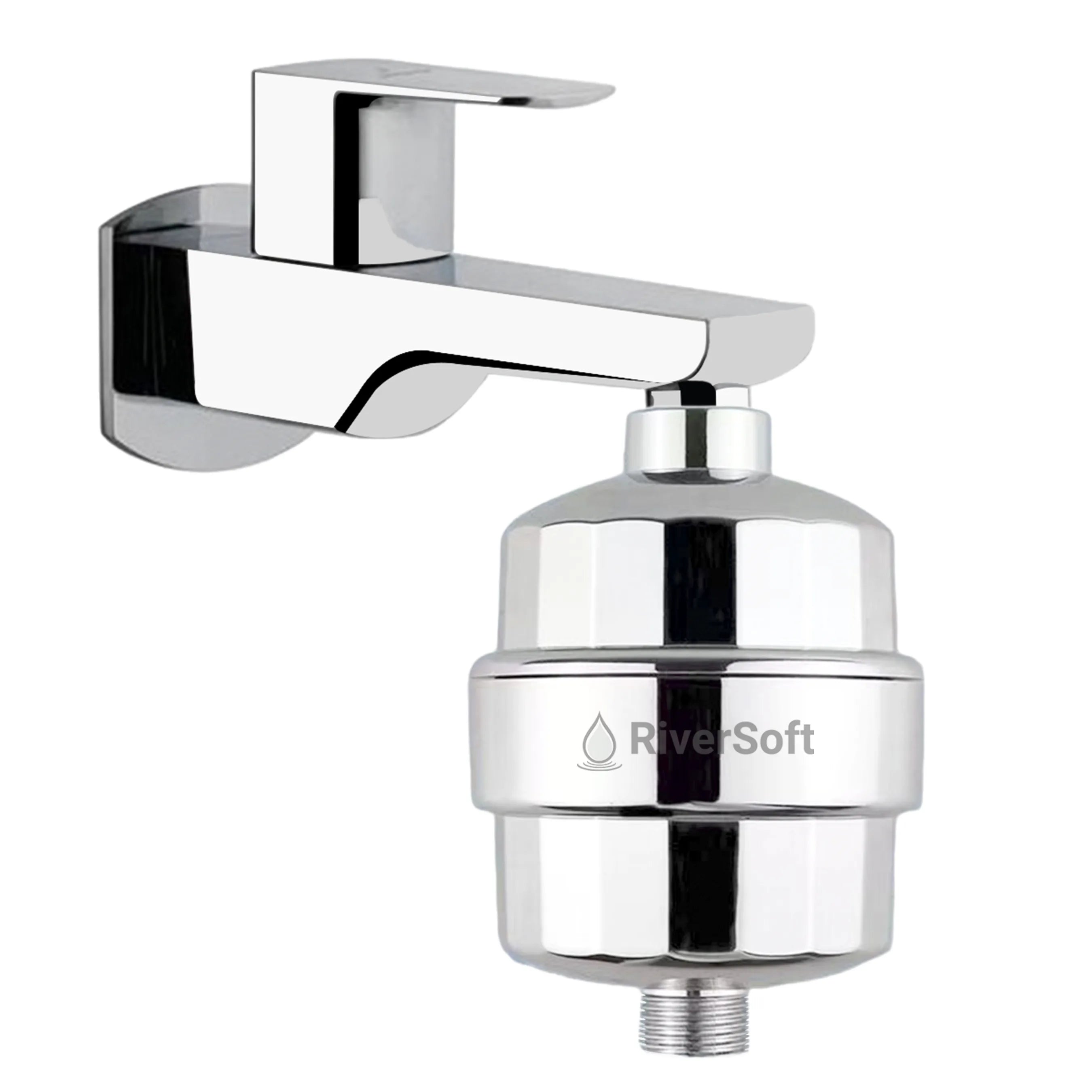
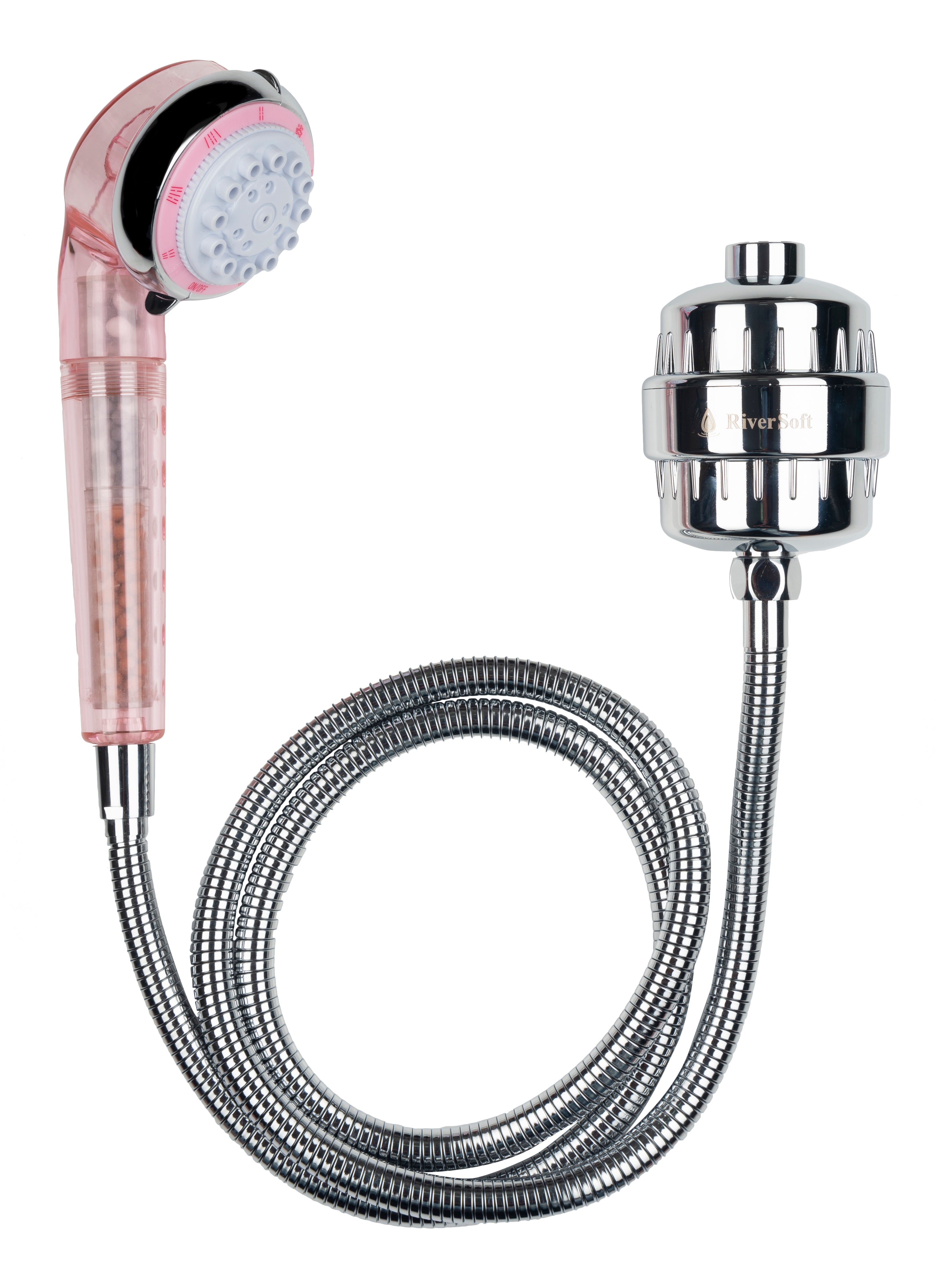
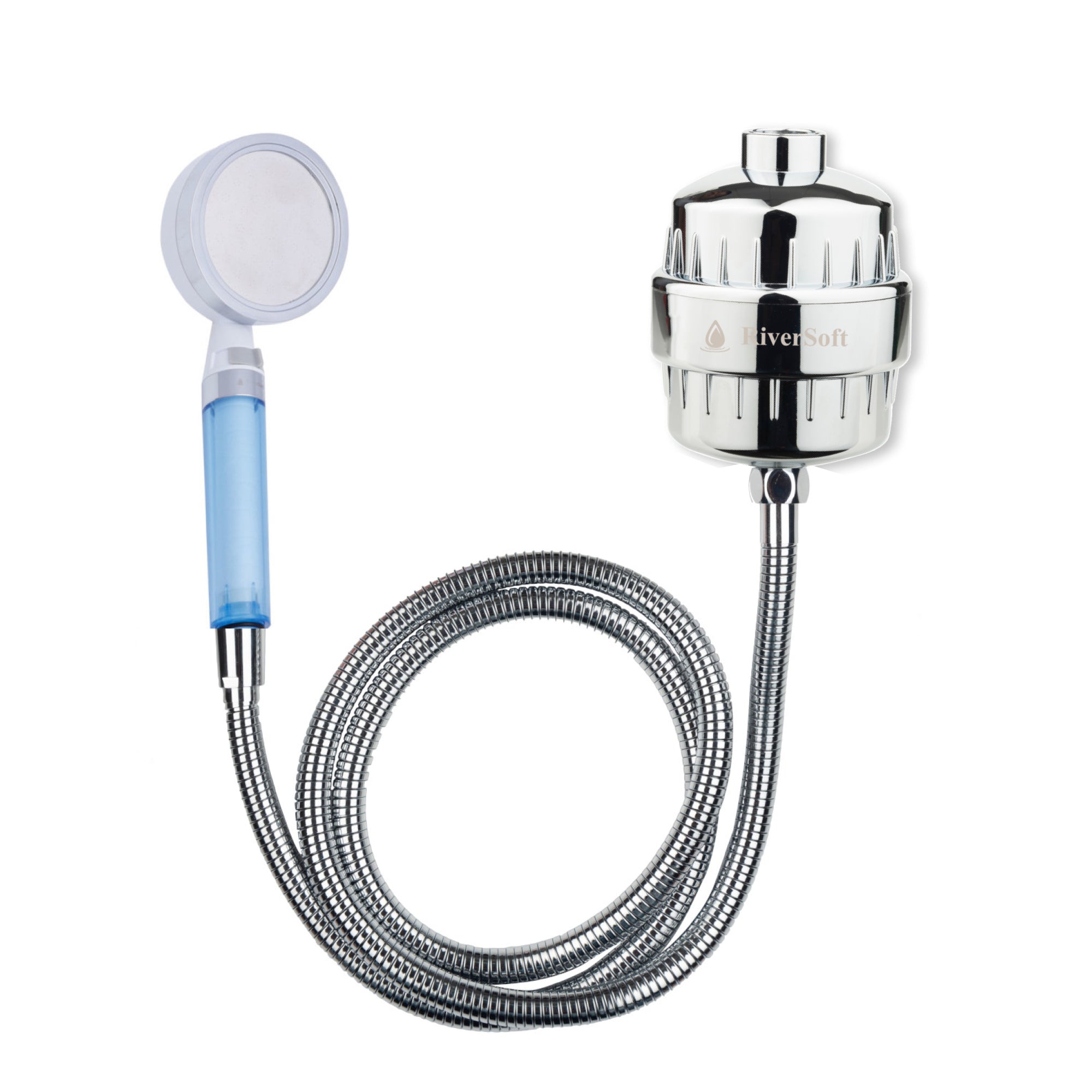
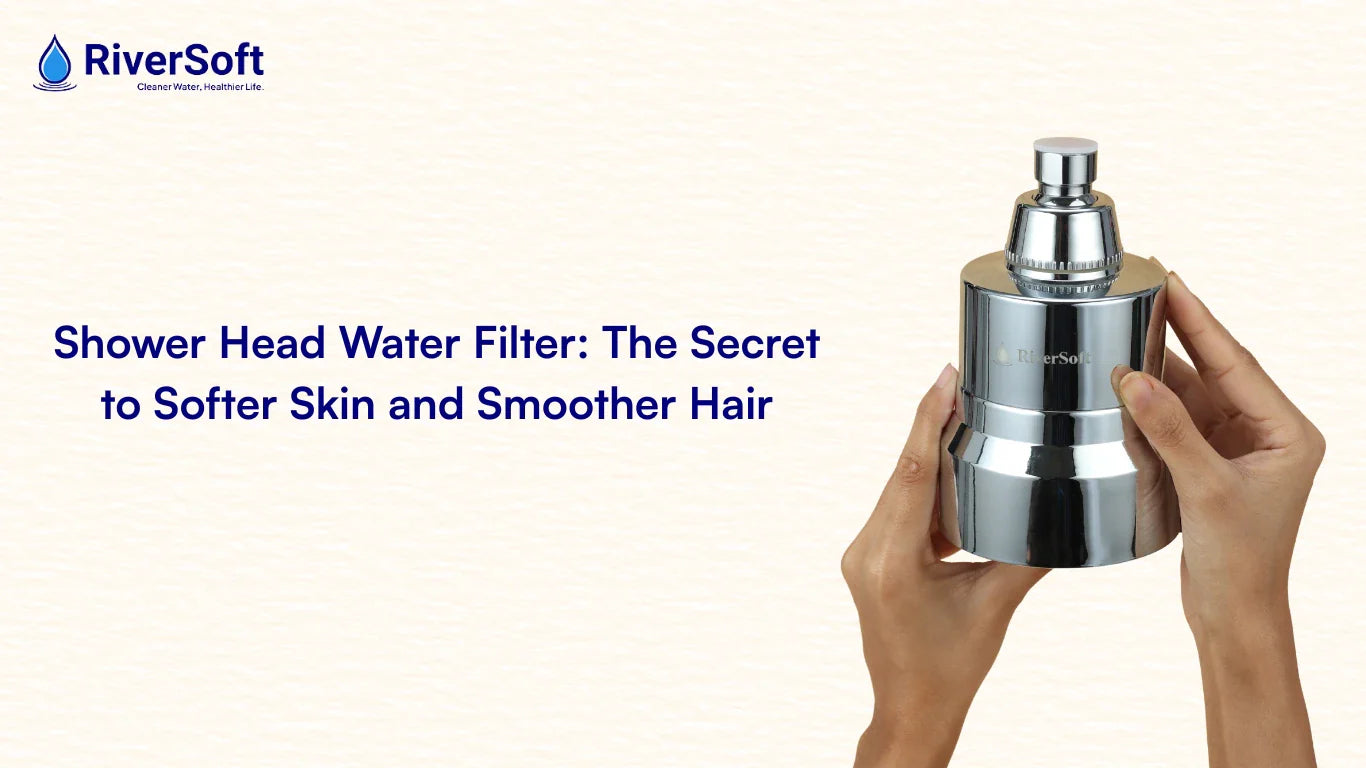
The SF-15 Proshower and tap filter with 15 stage filtration .eases the effects of hard water minerals before water reaches your scalp. It installs directly onto your existing shower fitting in minutes, no plumber needed.
For homes running on borewell supply, the SF-15 Pro is a practical starting point. The cartridge lasts 4 to 6 months depending on your usage and water quality. Replacement is simple. If your hardness levels vary, RiverSoft's hard water filters range covers different flow rates and borewell conditions.
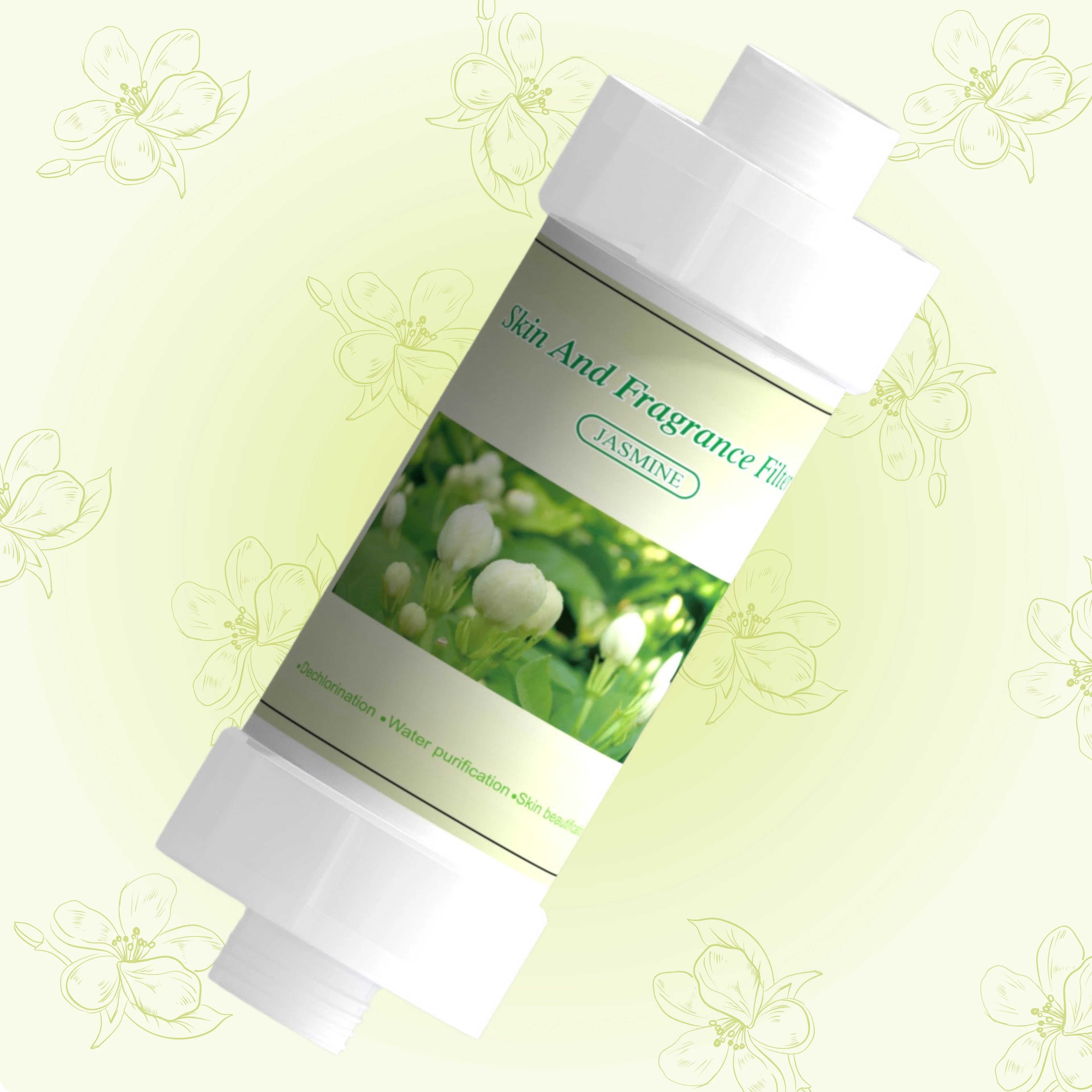
For homes using municipal water, the SF-MW-10 is another option. It is designed to help reduce chlorine, odour, sediment and the effects of mild hardness, making it suitable for treated municipal water supplies. Like the SF-15 Pro, it installs onto the existing shower connection without requiring a plumber.
Note: RiverSoft shower filters are designed to reduce the effects of hard water minerals on hair and skin. These filters do not reduce the TDS of your water. If your main concern is high TDS in drinking water, we recommend using an RO purifier.
Check out RiverSoft's shower filters to see which fits your water.
Conclusion
Borewell water carries minerals that municipal water largely doesn't. Over time, those minerals are linked to buildup, roughness, and hair fall in ways that shampoos and conditioners alone can't fully address. If your water is hard, changing your hair care routine alone may not address the underlying water-quality issue. Filtering the water before it reaches your hair is the step that goes furthest toward breaking the cycle.






























Leave a Comment