

Have you noticed more hair in the shower drain since moving to Delhi?
Possibly!
It's worth asking whether hair fall due to water in Delhi is actually a water problem.
Hard water will leave hair feeling rougher, more prone to breakage, and cause flakes on your scalp, but it doesn't explain every type of hair fall.
In this blog, we’ll explore what kind of water we get in Delhi, how that water can affect your hair, the signs that suggest breakage rather than shedding, and what you can do before you change your entire routine.
Why Delhi NCR Water Is Often Hard
Many parts of Delhi NCR rely on groundwater, which passes through soil and rock. It picks up minerals such as calcium and magnesium that cause water hardness. The Central Ground Water Board publishes groundwater reports that will not reflect your home’s supply.
Water can look clear and still be hard. As explained by the USGS, hardness mainly comes from dissolved calcium and magnesium. The white deposits on taps, kettle crust, and repeated geyser scale are useful warning signs.
Your water supply will also change between municipal water, tanker deliveries, and borewell water. When these sources mix in an overhead tank, hardness can vary.
Choose a treatment system after checking the water source, measuring hardness in your water, and your household’s water use.
Does Water Hardness Vary Across Different Areas of Delhi?
Yes, water hardness can vary across Delhi depending on the source of water supplied to households. Groundwater drawn from borewells may contain higher concentrations of dissolved minerals, such as calcium and magnesium. However, hardness levels can differ within the same neighbourhood.
The Delhi Jal Board's water quality reports provide information on water samples collected from different locations across the city. These reports can help residents understand local water quality.
Southern and south-western parts of Delhi tend to face more groundwater quality issues. The Delhi government has flagged Okhla, Dwarka, Nilothi-Nangloi, Chilla and Najafgarh, where groundwater has high salinity, hardness or TDS levels, climbing from 245 to 620, making it unsuitable for direct use.
Why Hair Fall Due to Water in Delhi Is So Common
Hard water is a common problem in Delhi NCR homes that store borewell water or mixed-source water in overhead tanks. You will notice white stains on taps, scale in geysers, stiff laundry, or residue on your hair and skin after a shower. Moreover, Delhi has several water supplies, and they behave very differently.
The groundwater study in South West Delhi found that 82% of sampled wells fell in the very hard category, above 300 mg/L. The Bureau of Indian Standards on drinking water specifications lists water quality parameters, including total hardness, along with acceptable and permissible limits.
Across the city, water typically sits between 400 and 800 ppm, with treated Yamuna supply being moderately hard while groundwater in outer areas like Dwarka, Rohini and East Delhi runs significantly harder.
Three things make Delhi a particularly rough place for hair:
-
Supply switching: Your tank may be filled by DJB one week and a borewell the next. Your hair notices the change before you do.
-
Seasonal swings: Dwarka residents recorded TDS climbing from 150 to 180 ppm in April to over 615 ppm within weeks, which is why your hair can feel fine in one month and straw-like in the next.
-
Chlorine on top of hardness: Municipal water is chlorinated before it reaches you, which dries your hair out, and chlorine strips the oils that would have protected it.
If you have never checked what you are washing your hair or clothes with, it takes ten minutes to test hard water at home before assuming the problem sits with your haircare routine.
Watch: How to Check If Your Water Is Hard
What Hard Water Actually Does to Your Hair
Hard water does not reach into your follicle and switch off hair growth. Calcium and magnesium ions settle on the cuticle, the outer protective layer, and build up wash after wash until the strand feels rough, looks dull, and snags against itself. It decreases hair strength and increases breakage.
So what you are seeing in the drain is usually breakage along the shaft, and Delhi households really feel it:
-
Minerals stop lather from forming properly, so you use more product and rinse longer. This is exactly why your shampoo lather less than it was doing before.
-
Residue builds on the scalp and creates flaking that gets mistaken for dandruff.
-
Rough, high-porosity strands tangle more, which means more hair breakage every time you comb.
The pattern repeats across Delhi NCR and Noida.

Why Oiling, Hair Spas and Anti-Hair Fall Shampoos Don't Fix It
You have probably tried:
-
Clarifying shampoos.
-
Weekly oiling.
-
Expensive salon treatments.
Your hair will feel better for a wash or two, but the same problems can return if you keep rinsing with hard water.
Even after you remove the build-up, each wash can leave fresh mineral deposits behind. Using a system designed to soften water can help reduce this repeated exposure, alongside dermatologists’ haircare advice.
How a Shower Filter Can Fix It at the Source
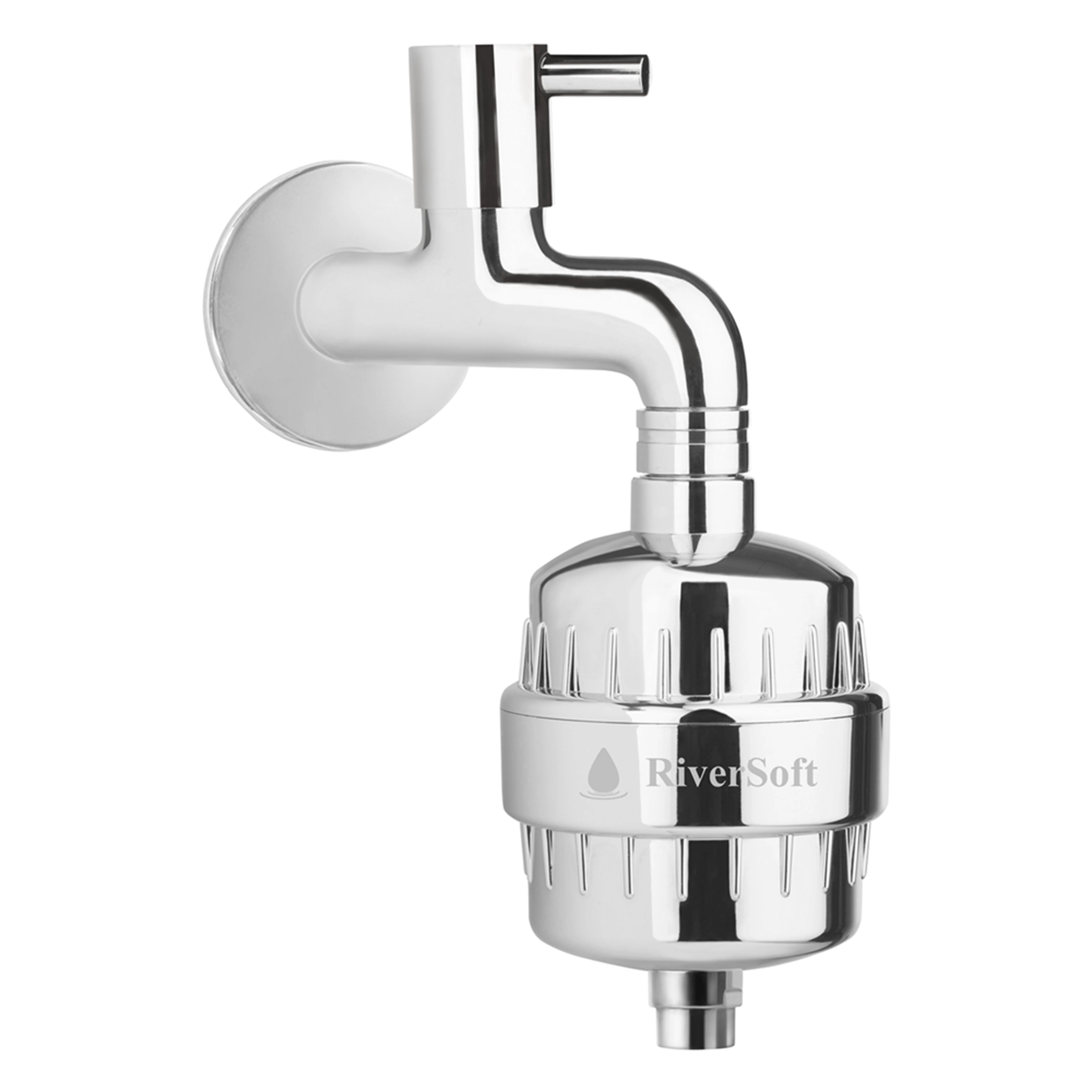
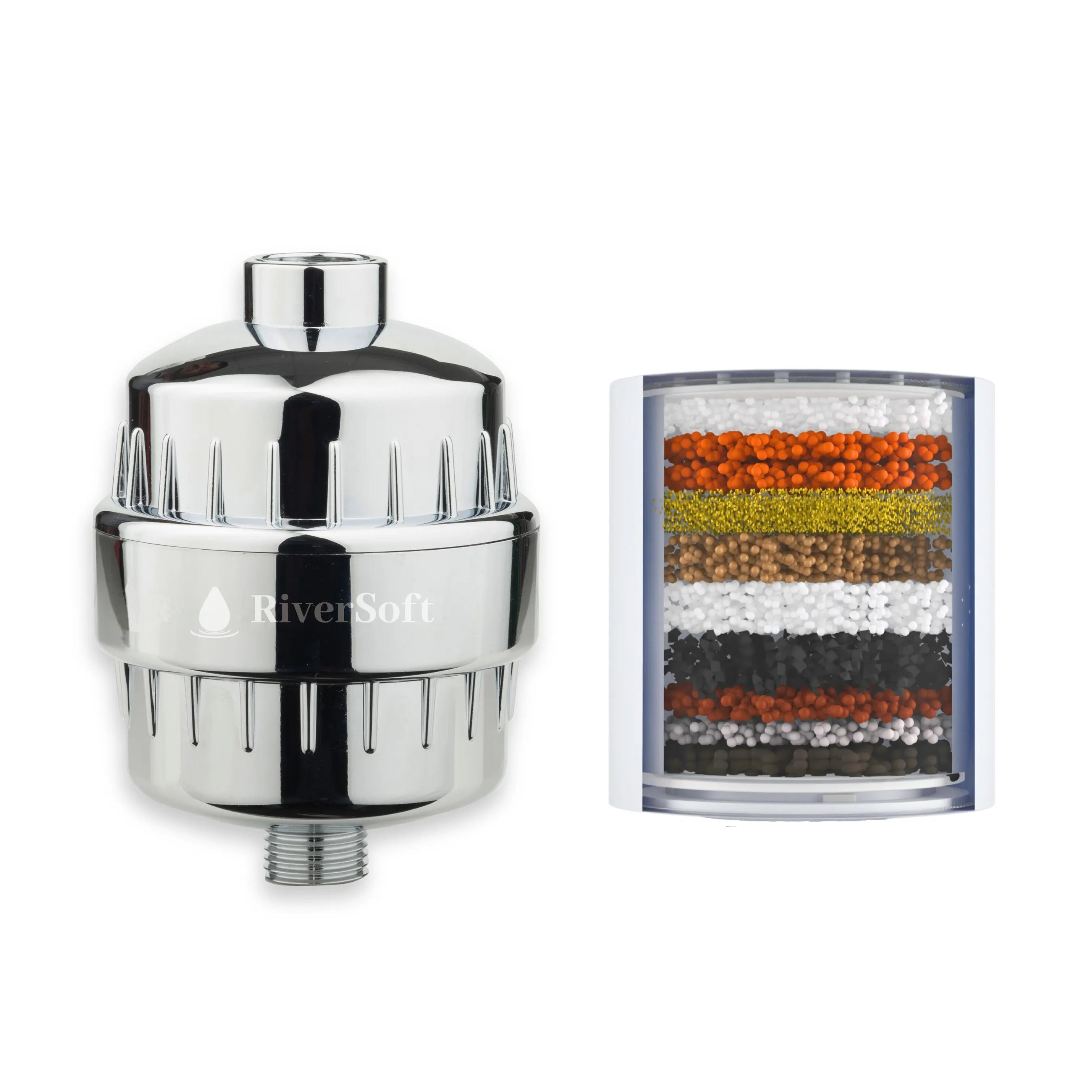
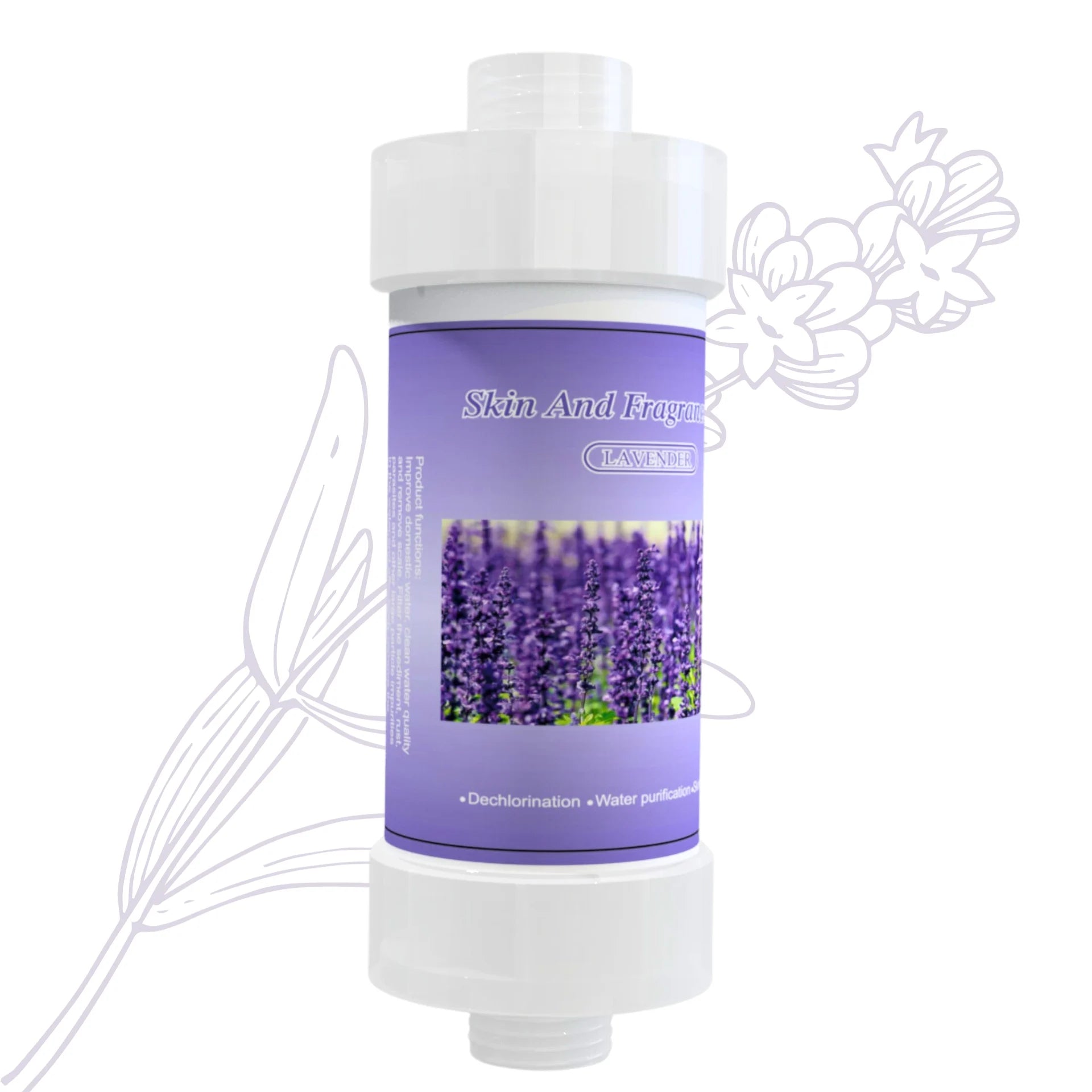
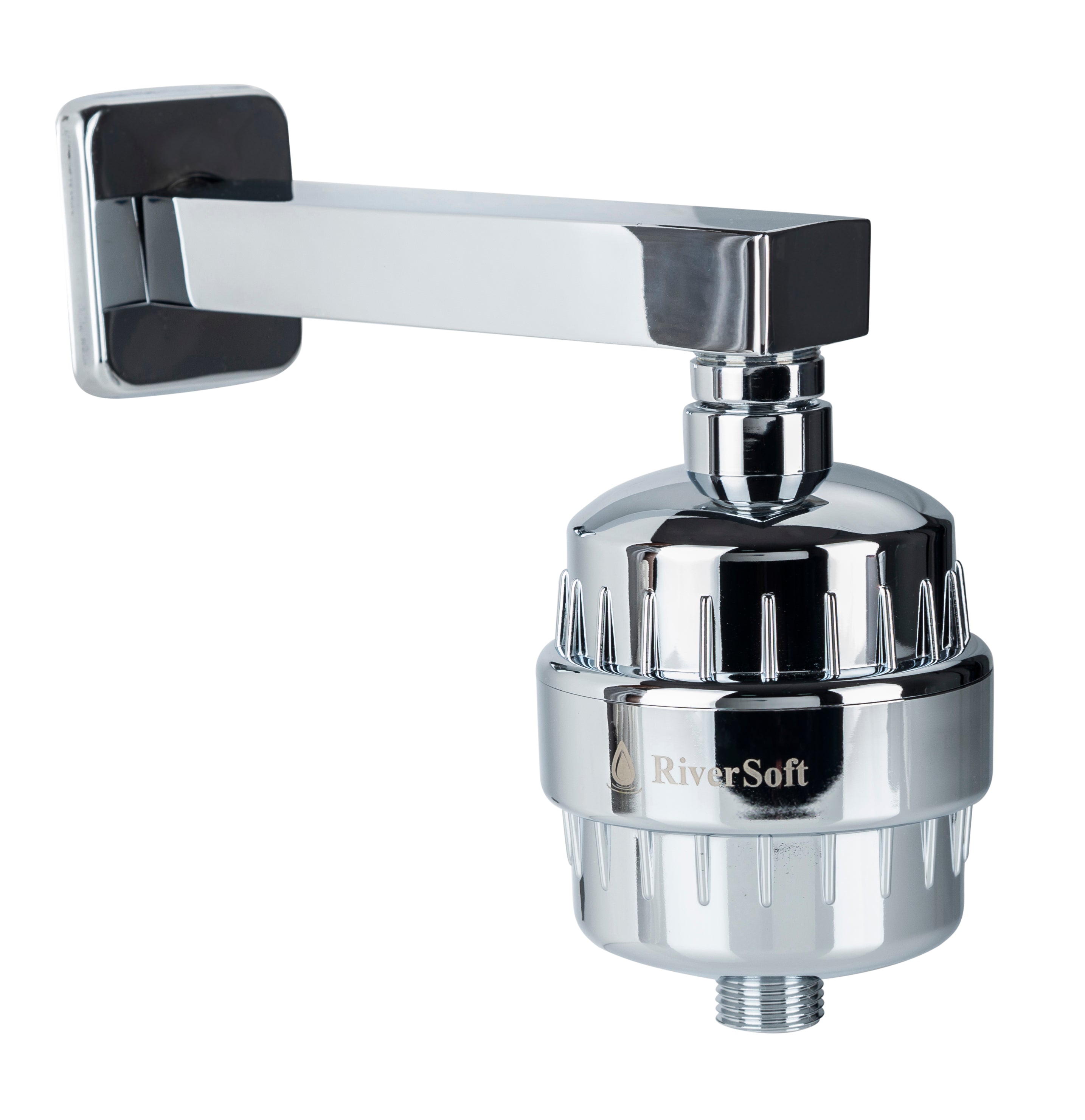
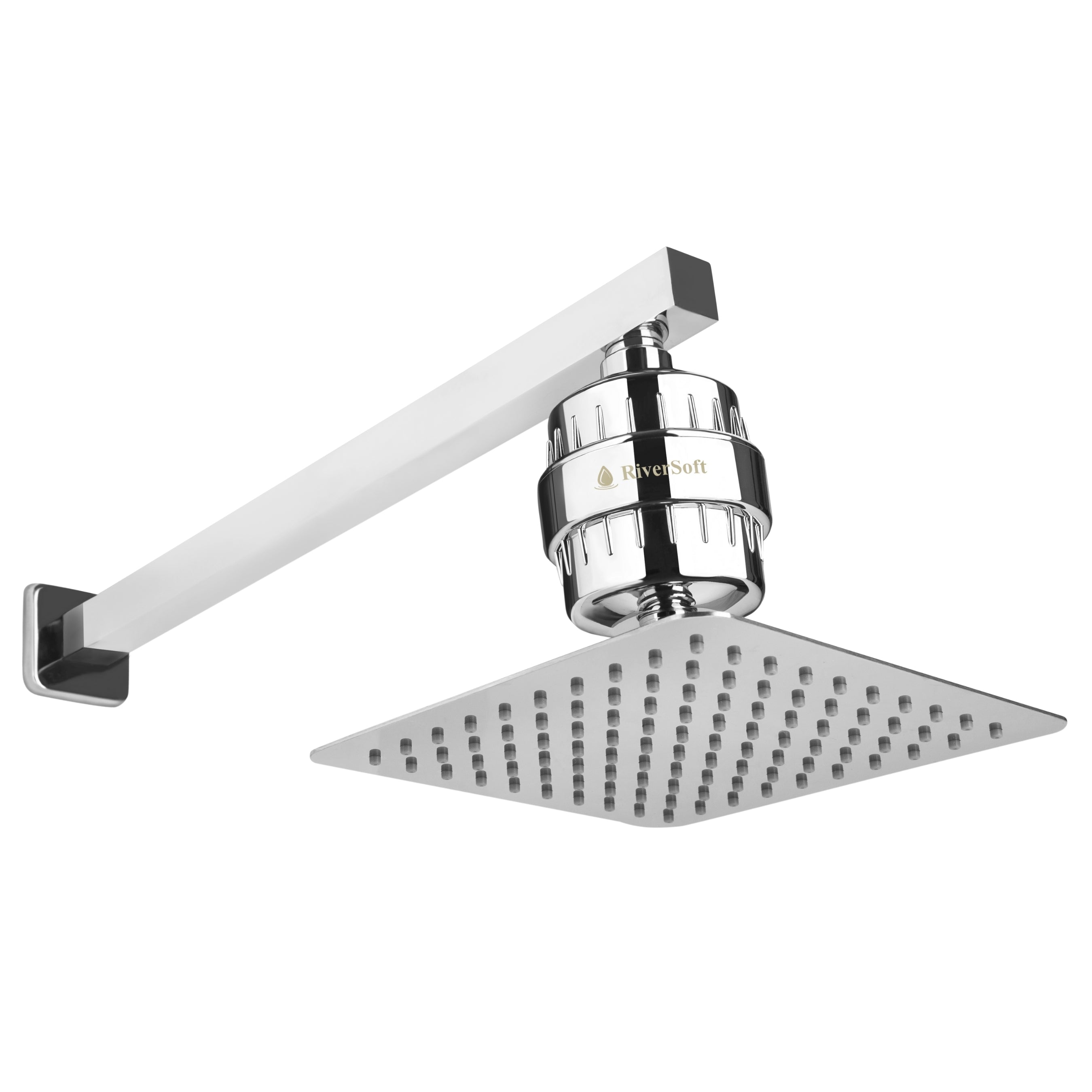
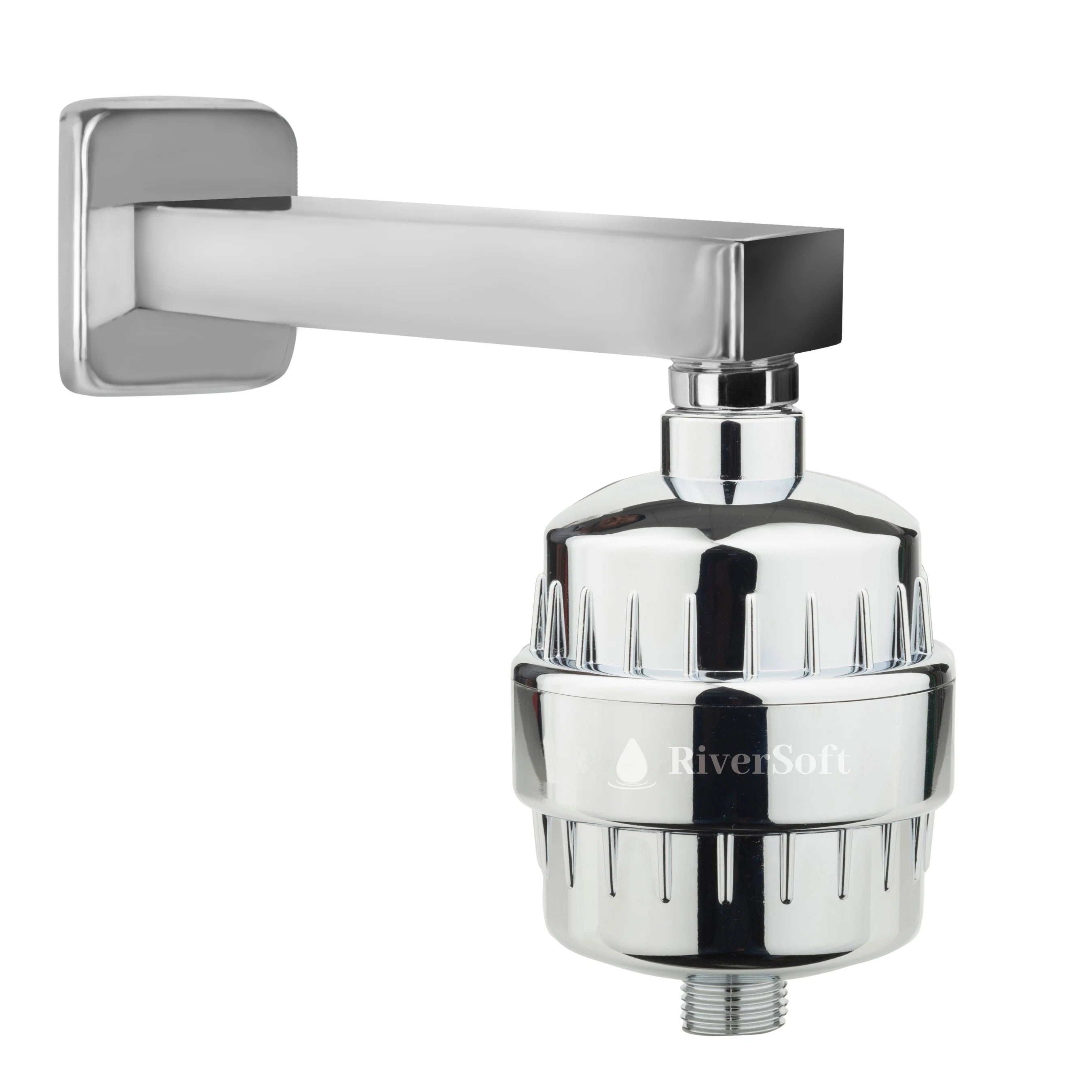
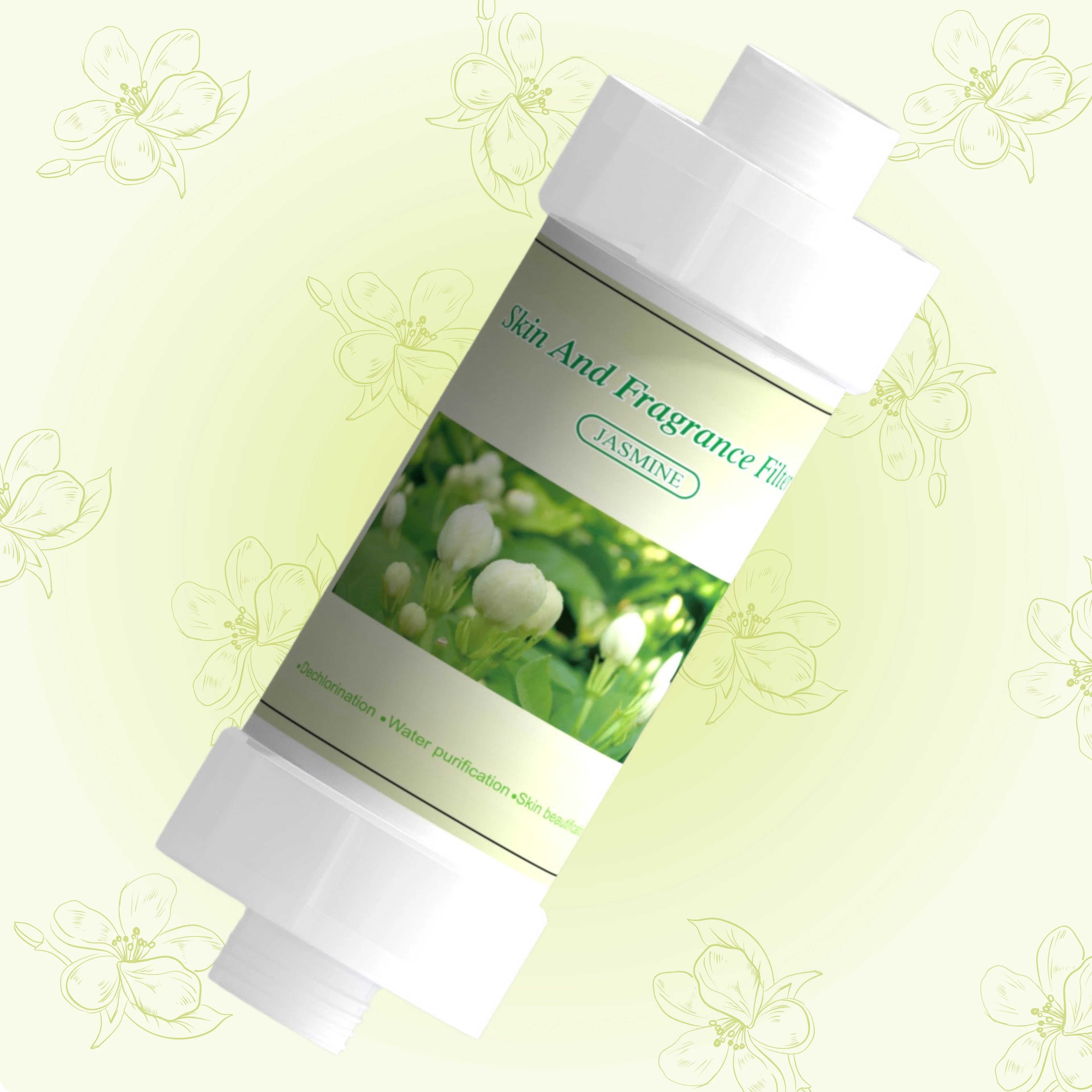
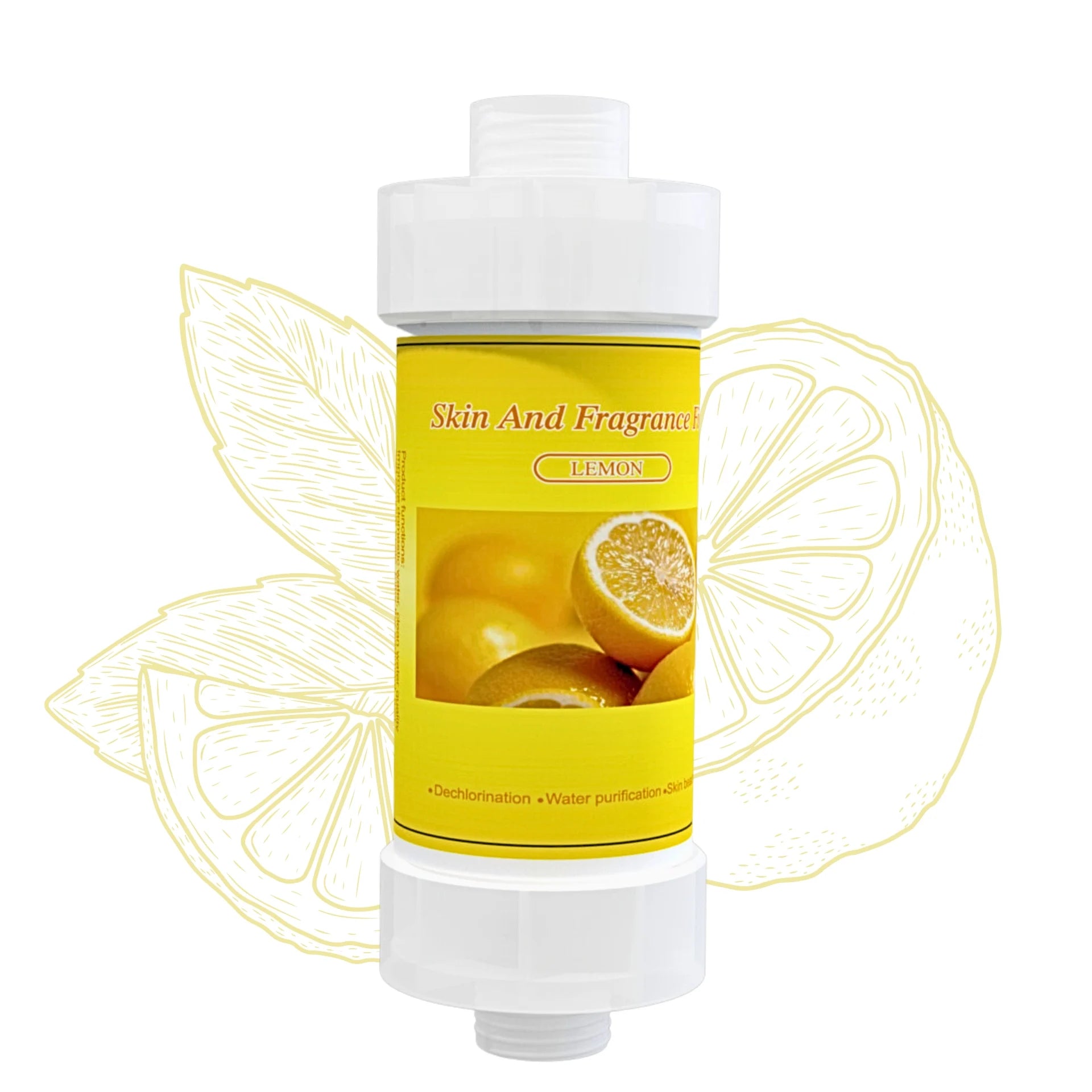
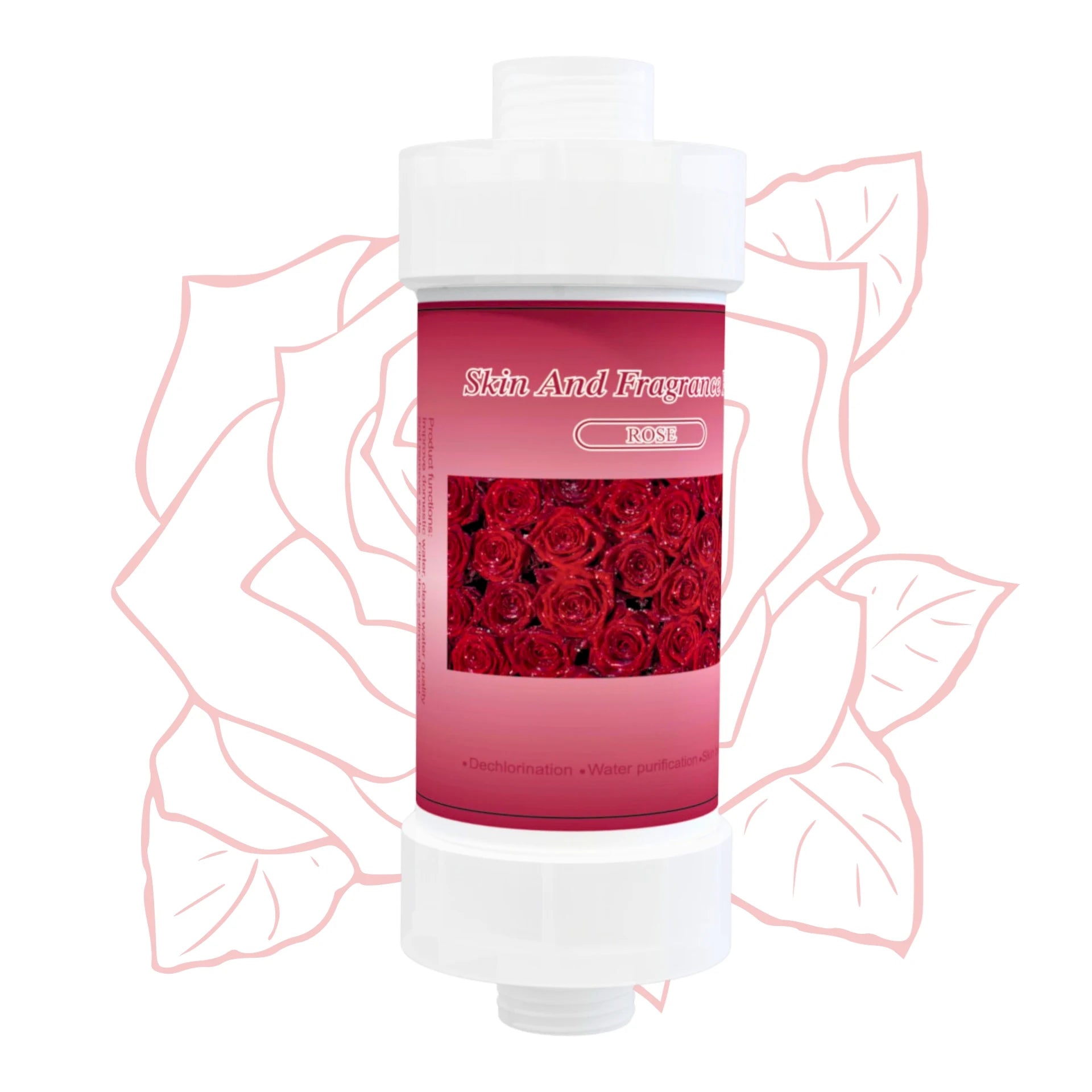
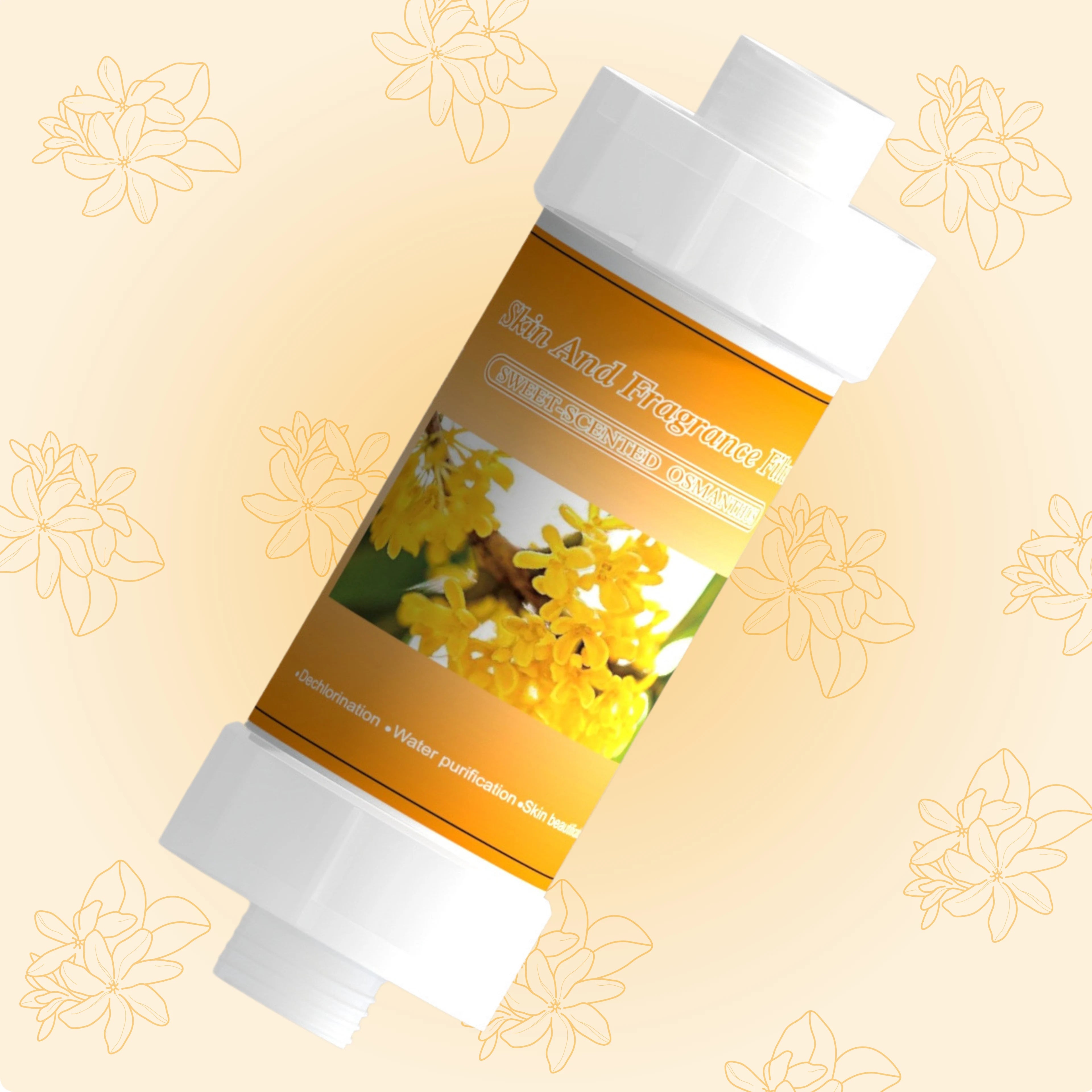
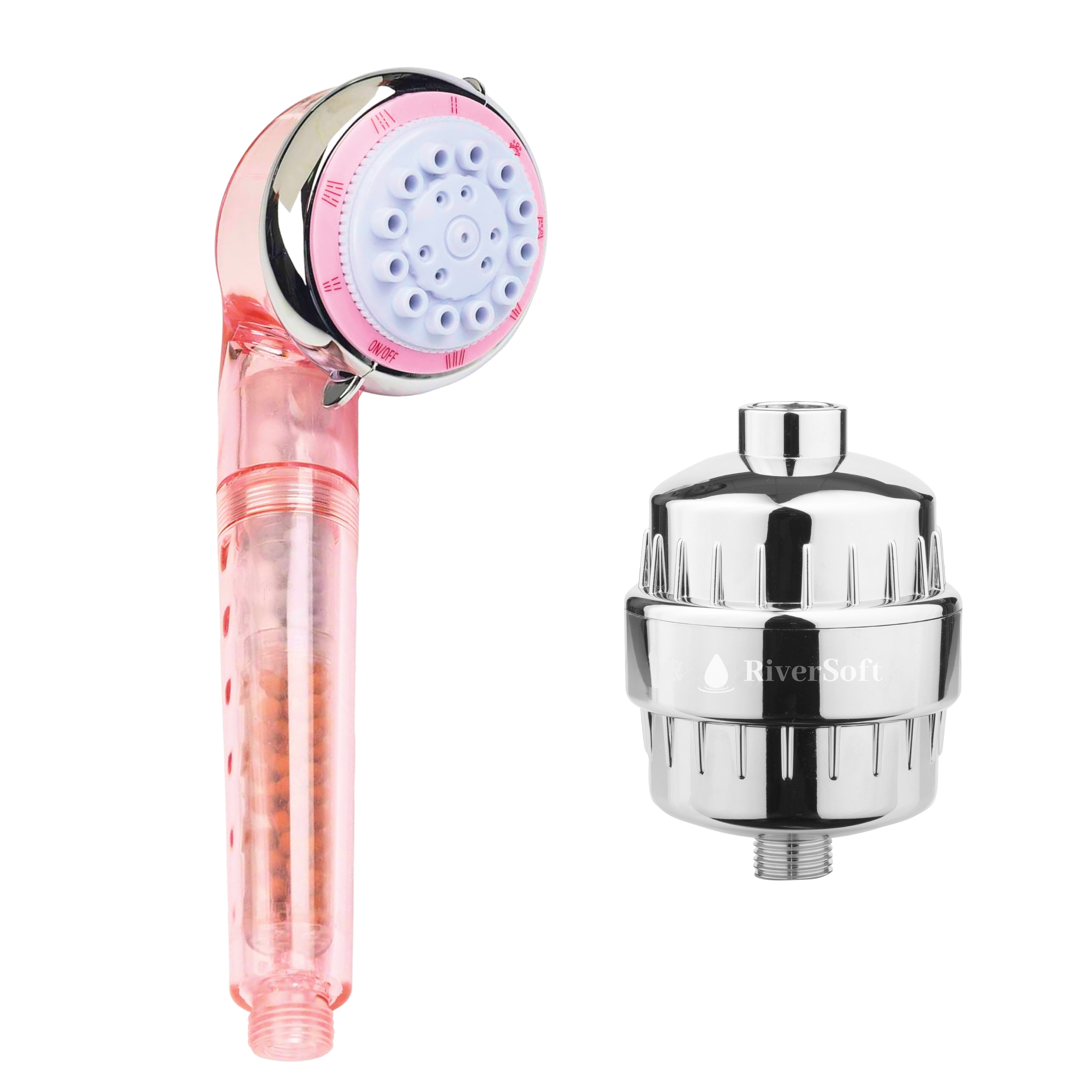
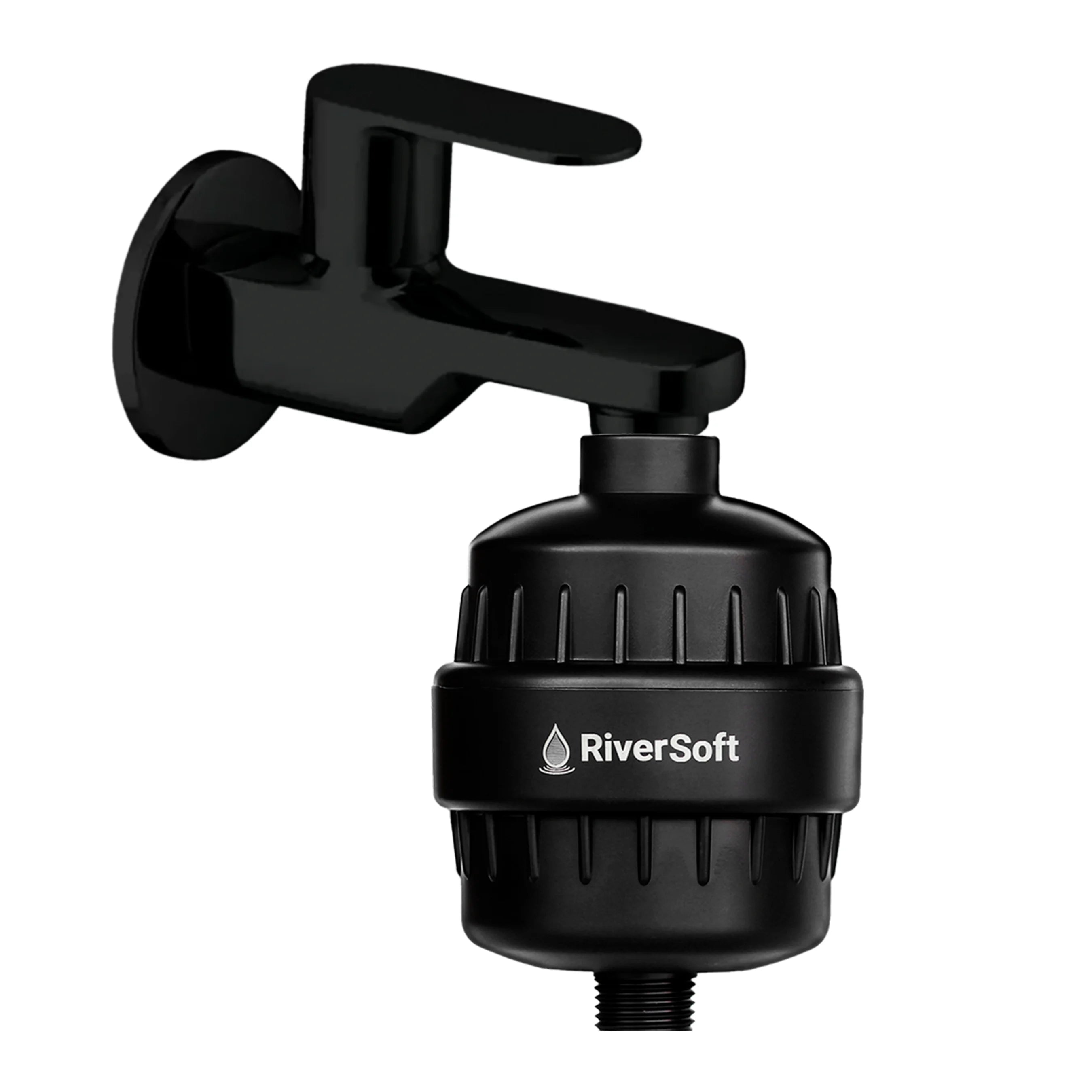
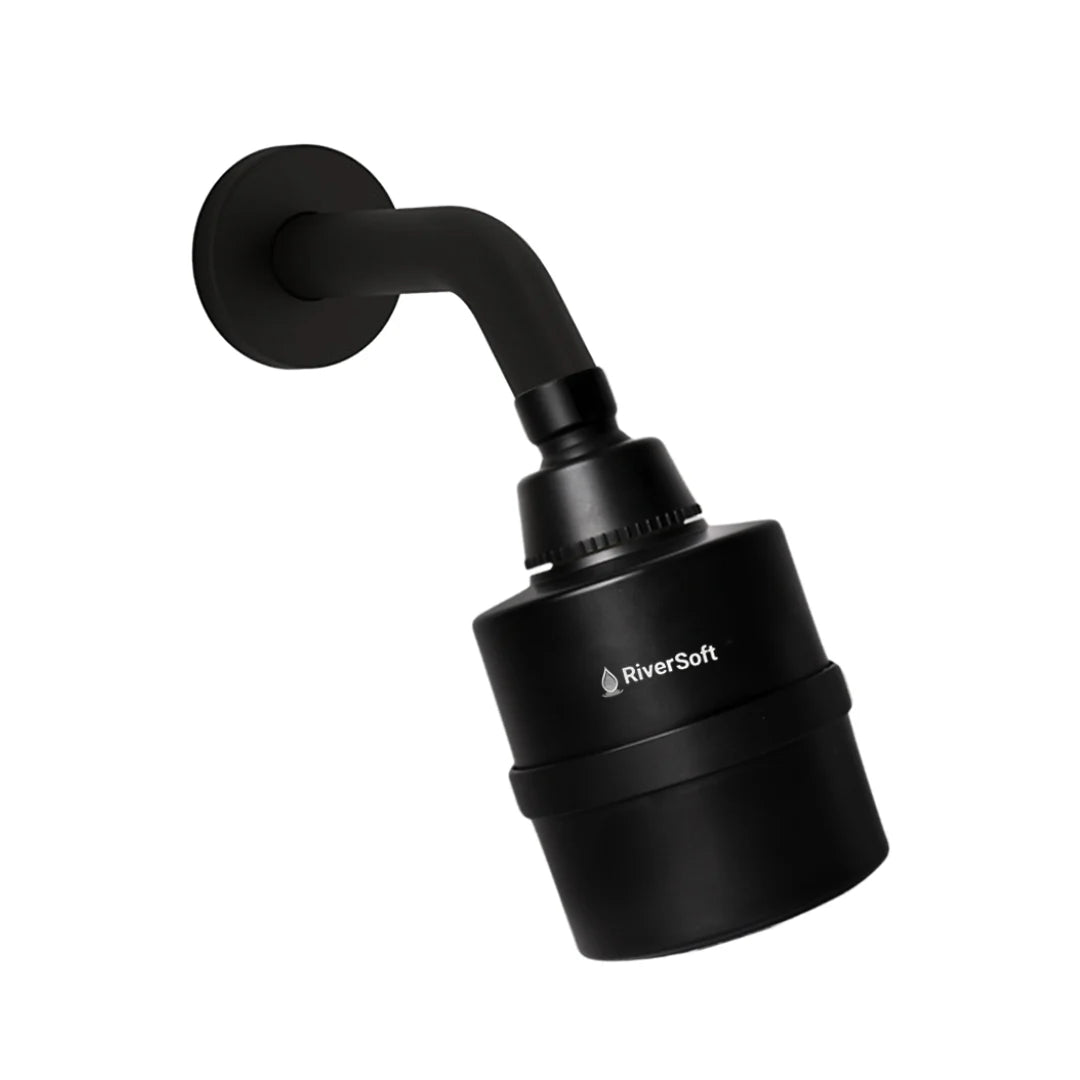
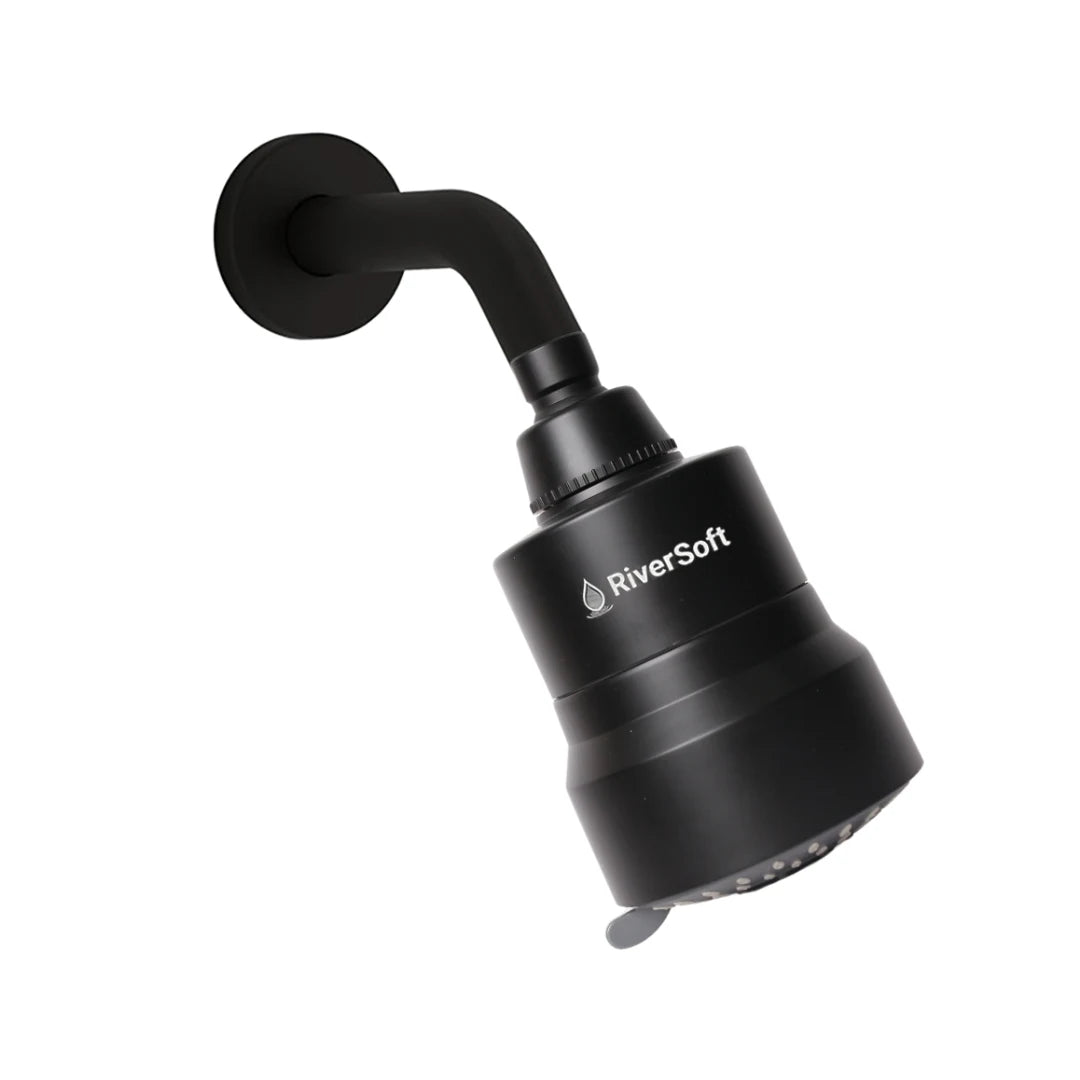
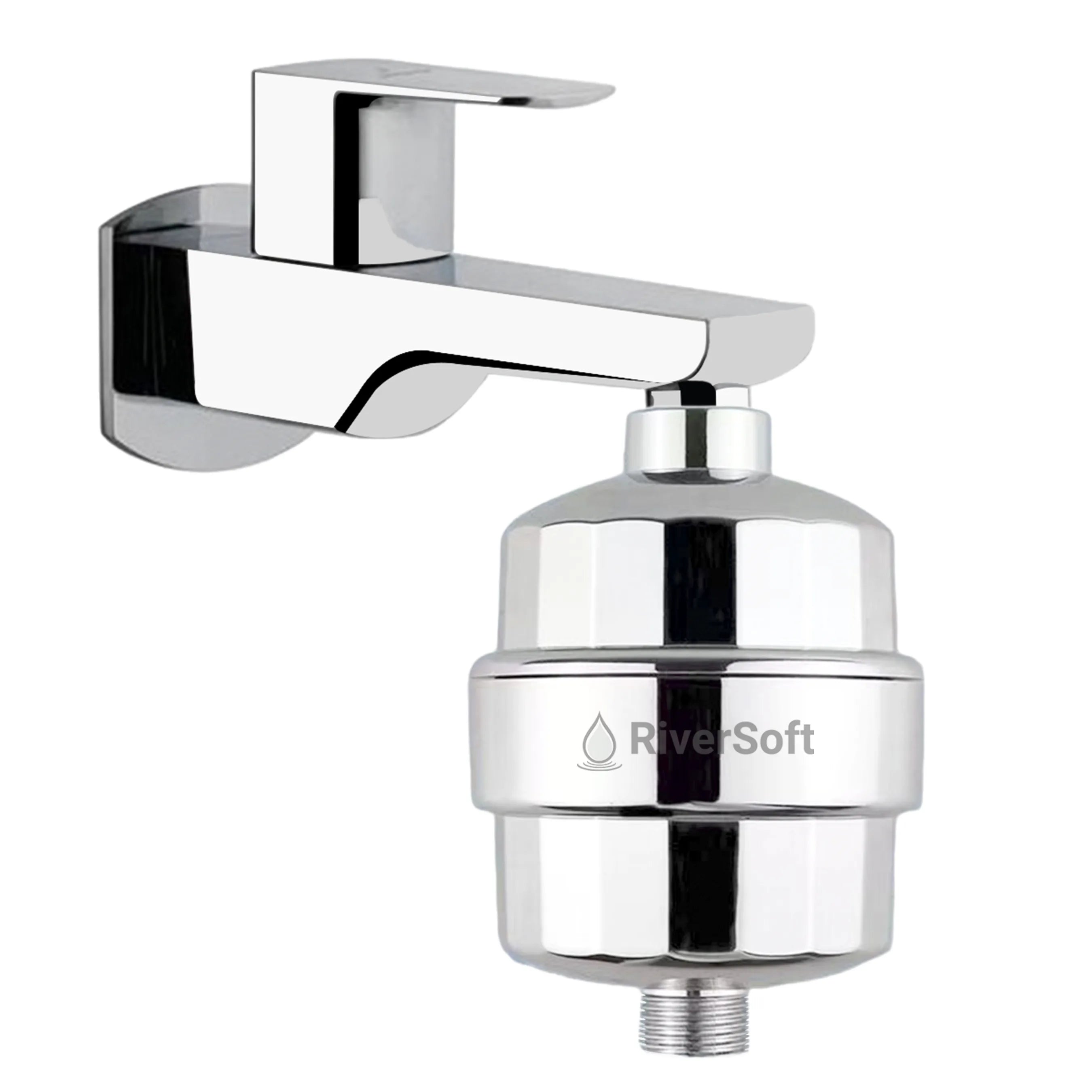
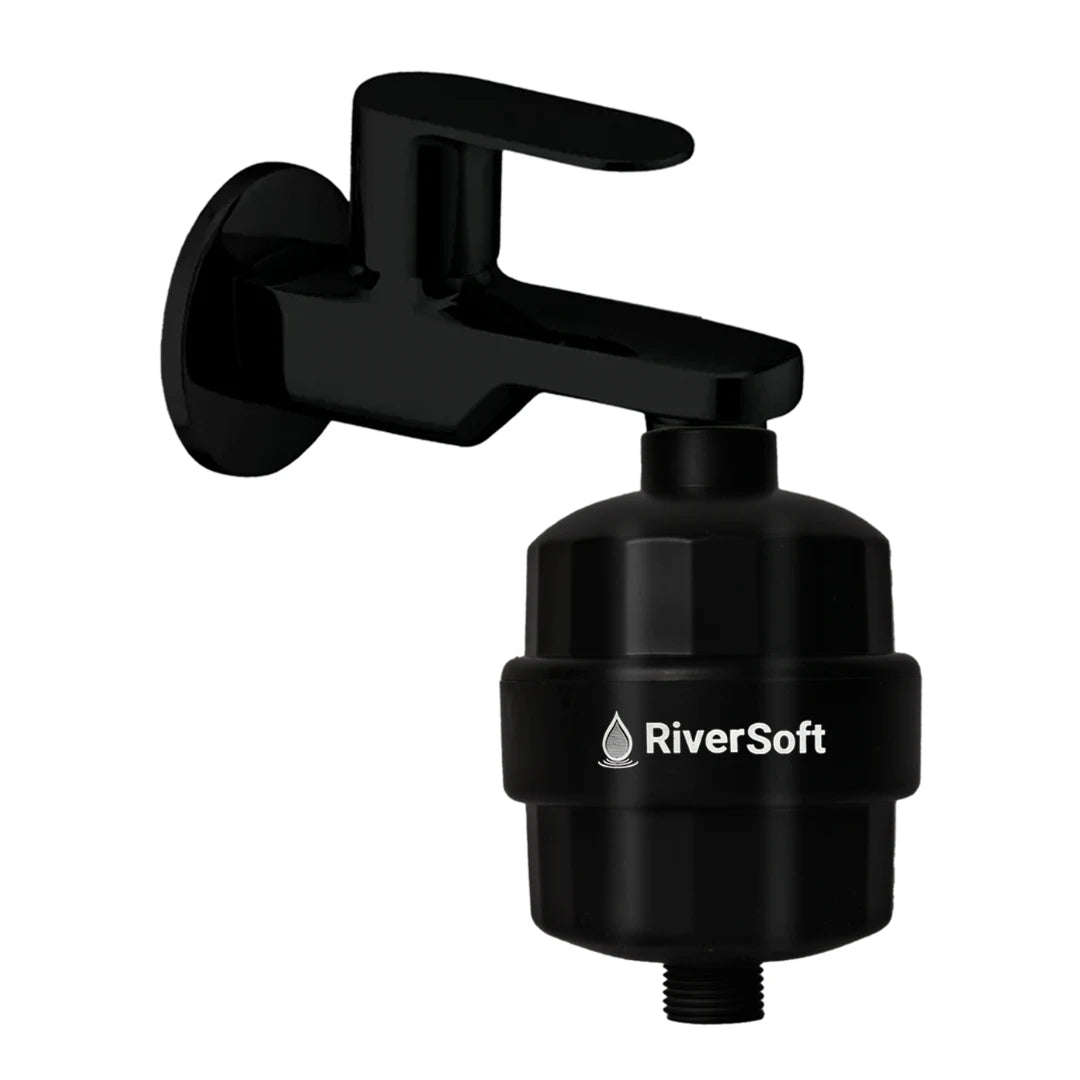
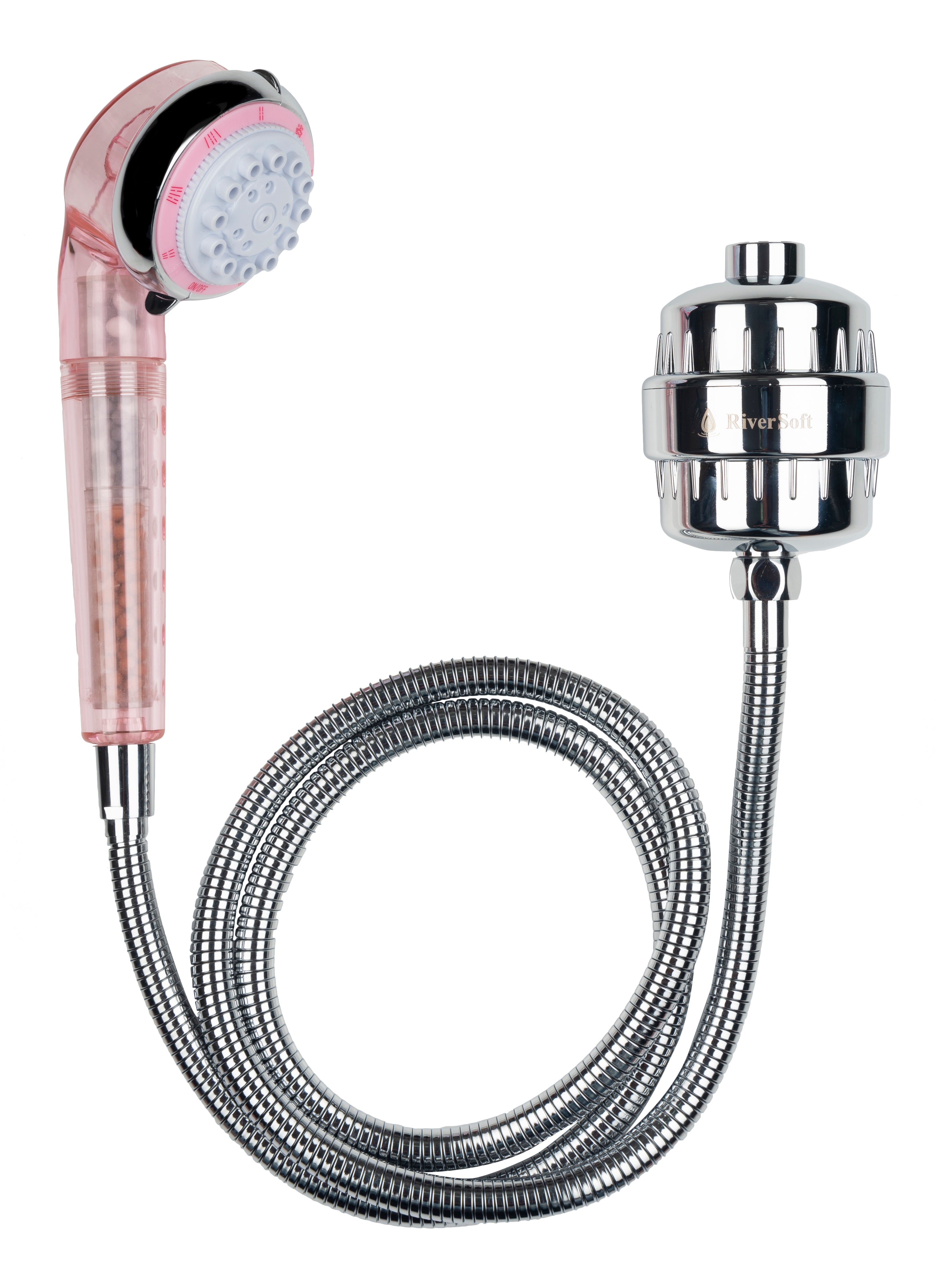
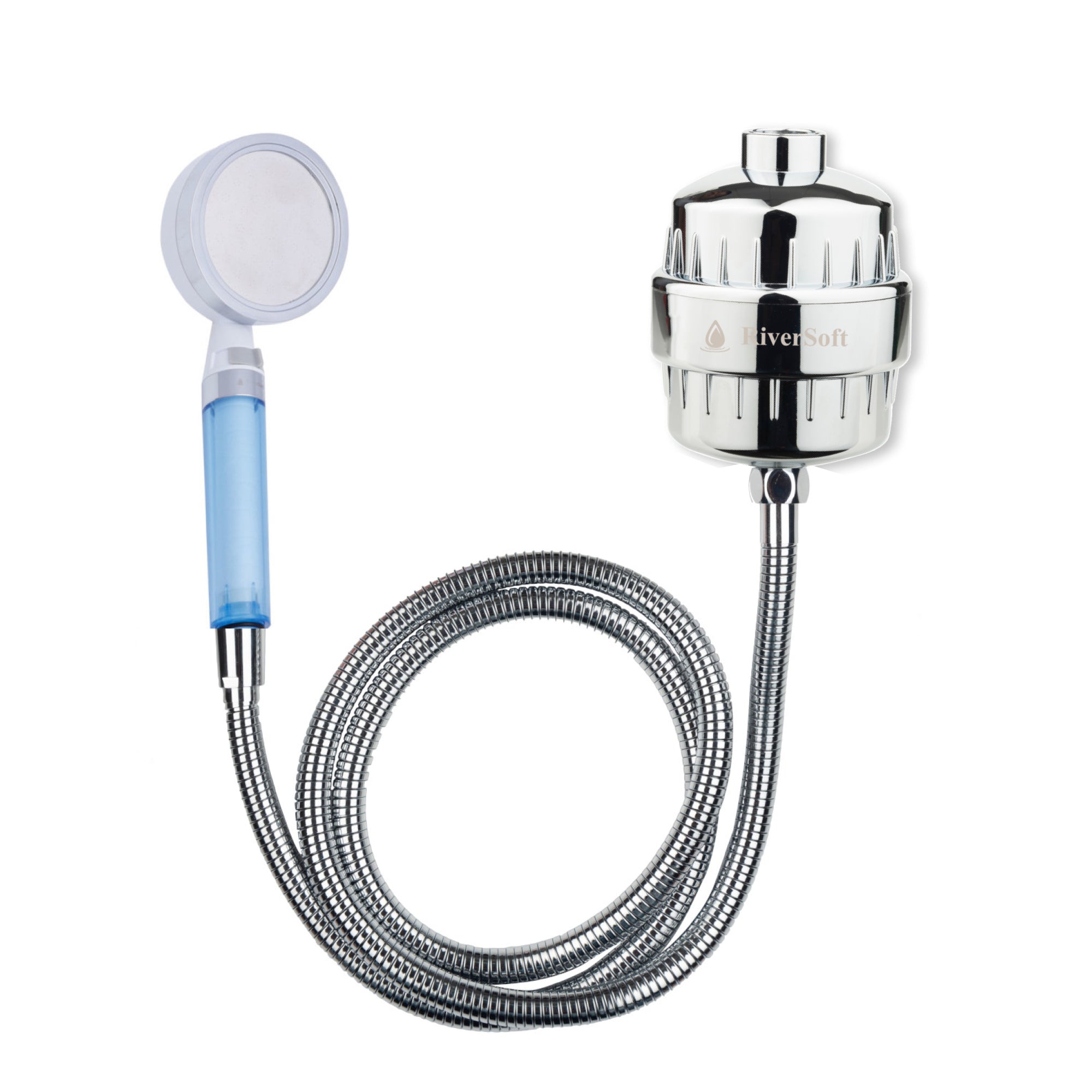
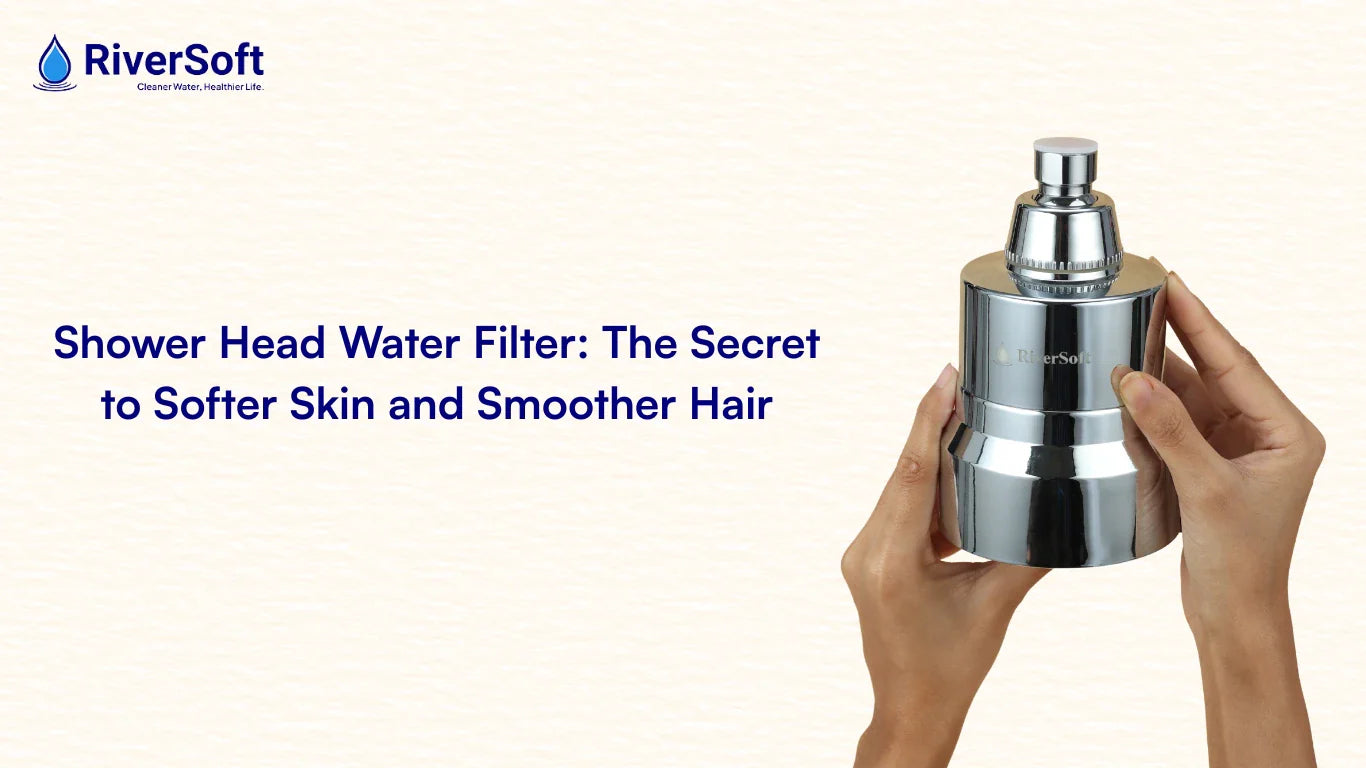
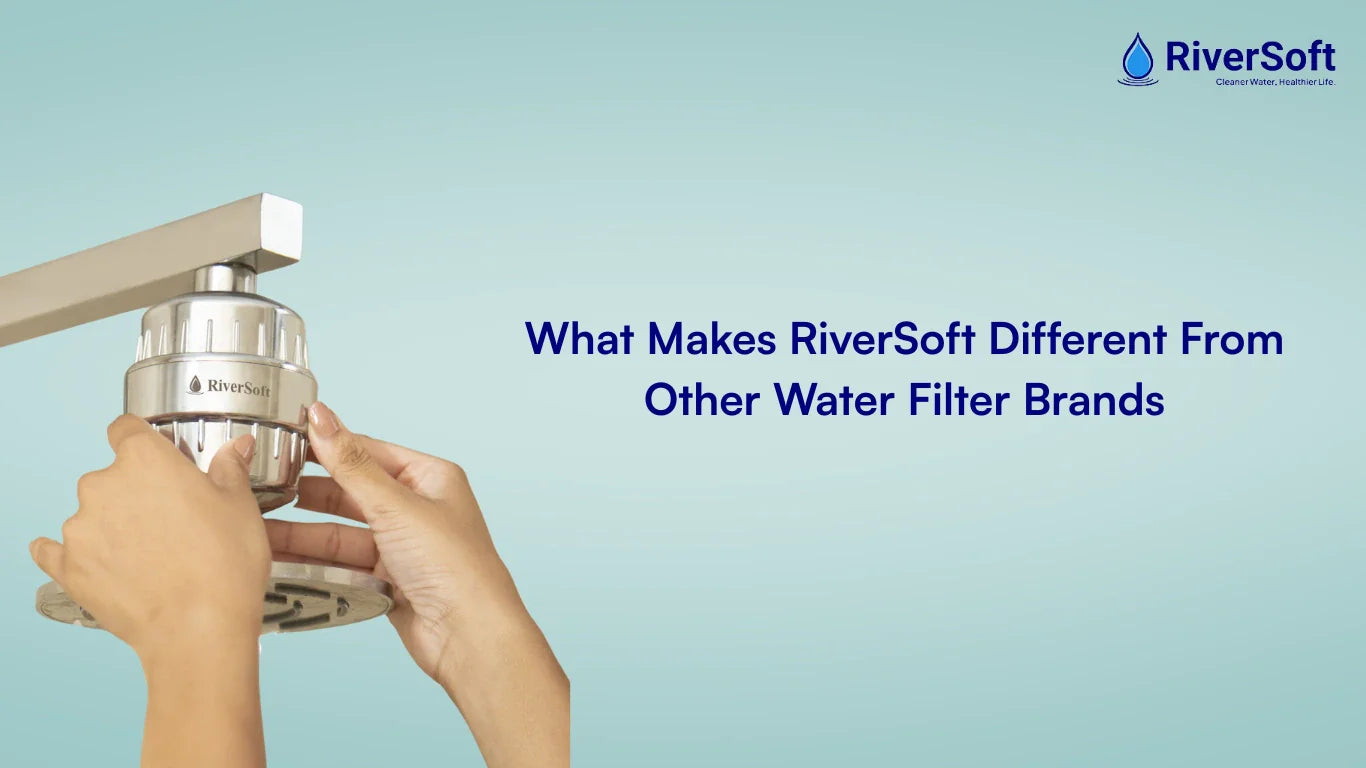
A hard water shower filter or a tap filter can help improve the water you wash your hair with by reducing chlorine and certain impurities, depending on its filtration system.
-
It will reduce chlorine and sediment, helping limit dryness and roughness.
-
They will reduce impurities and help lessen dryness and irritation in hair and skin.
-
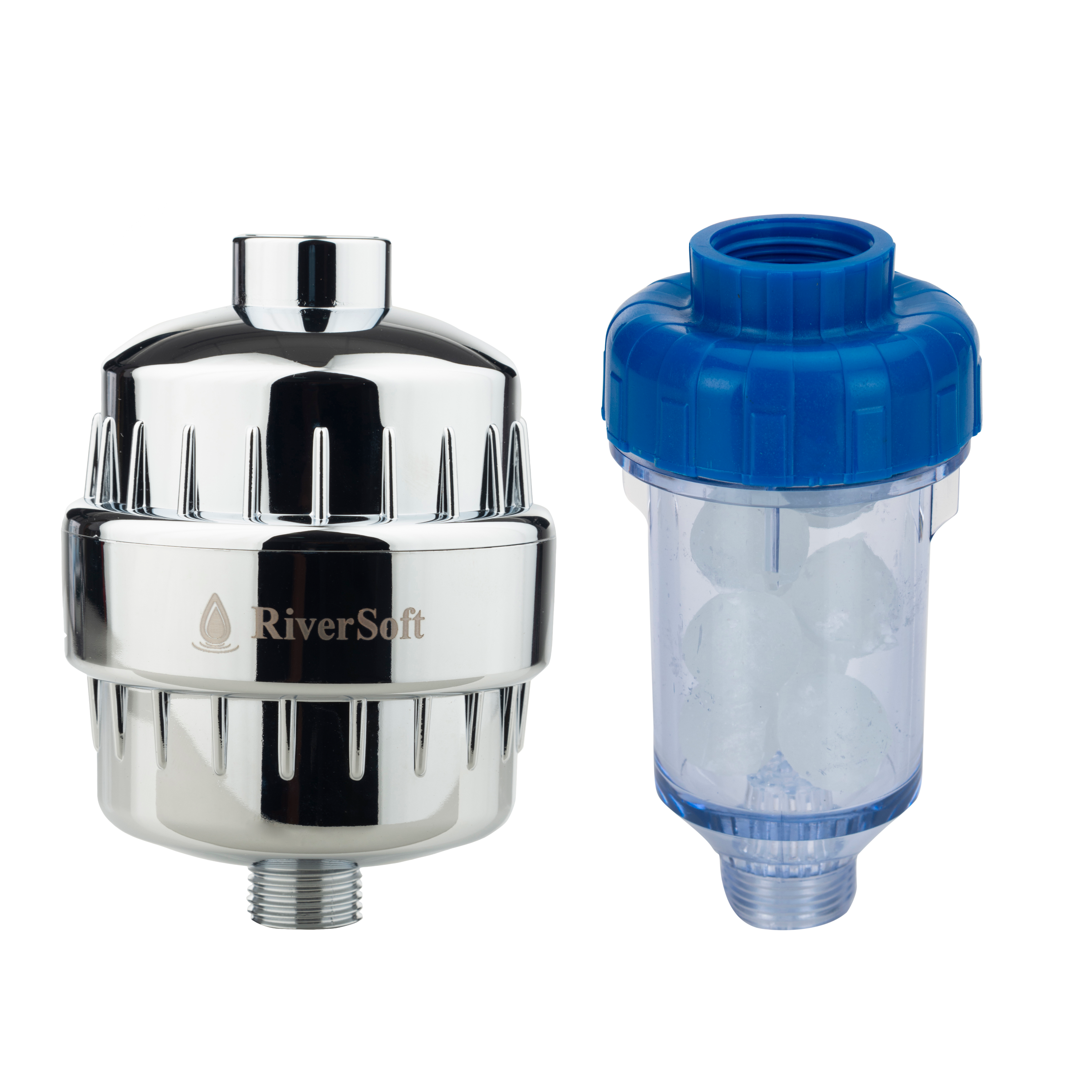
A water softener, along with a shower filter, reduces these hardness minerals.
-
They mainly trap sediment and protect the RO system
-
They suit most DJB-supplied homes on moderately hard water; if your building runs on a borewell
- They are built for higher hardness levels, which matters if you are renting in Delhi and cannot touch the plumbing.
Treating water before it reaches your shower can help tackle hard water at the source.
Final Thoughts
Hair fall due to water in Delhi is real. And if you are really concerned, start checking your water quality. Hard water can leave mineral deposits on your hair, making it feel rough and harder to manage.
A few practical steps can help:
-
Test your water hardness before choosing a treatment system.
-
Use a suitable water softener to reduce hardness minerals.
-
Choose a shower filter based on the impurities it can remove.
-
Keep your haircare routine gentle and avoid excessive heat.
-
Consult a dermatologist if shedding persists or you notice thinning.
Improving your water quality can support your haircare routine. Start by understanding your water, choose the right treatment, and pay attention to how your hair responds.





























Leave a Comment