
Your anti-dandruff shampoo isn't working, and you're starting to wonder why. If you live in Bangalore, Chennai, or any borewell-heavy pocket of an Indian city, the flakes on your shoulders might have been caused by dandruff, a dry scalp, or residue from hard water?
Hard-water-related mineral buildup can cause dryness or residue that may look similar to dandruff, but dandruff has multiple possible causes. The good news is that managing it at home is simpler than switching shampoo brands every few weeks.
What Causes Dandruff-Like Flaking From Hard Water?
Hard water carries dissolved calcium and magnesium. When this water mixes with your shampoo, it can leave a dry, chalky film on the scalp instead of rinsing clean. Over time, that residue flakes off and looks a lot like dandruff, even though nothing fungal is happening underneath.
Water hardness varies significantly by locality and source. Borewell-dependent homes can have harder water than some municipal supplies, so testing your water is more reliable than assuming hardness from your city alone.
Dermatologists point out that hard water is not the sole cause of dandruff, and the two can be easy to confuse. If you want to figure out which one you're actually dealing with, this guide on dandruff or mineral buildup breaks down the visual differences in detail.
How to Manage Hard Water Dandruff at Home, Step by Step
You don't need a complete haircare overhaul. A few adjustments to your existing routine can reduce the buildup significantly.
-
Use a clarifying shampoo once a week, not daily. Clarifying or chelating shampoos help lift mineral deposits, but using them every day can dry out your scalp further and make flaking worse.
-
Wash with lukewarm water, not hot. Hot water strips natural oils faster, and your scalp compensates by producing more oil, which can trap flakes closer to the skin.
-
Massage your scalp gently while washing. Use fingertips, not nails. This loosens flakes without irritating the skin underneath.
-
Avoid adding acidic DIY rinses if your scalp is irritated. If you have persistent dandruff or scalp irritation, use an evidence-based dandruff treatment and consider speaking with a dermatologist.
-
Rinse thoroughly for longer than feels necessary. Hard water residue clings to hair strands, so a quick rinse often isn't enough to clear it fully.
If your scalp also feels oilier than usual by afternoon, that's a related hard water effect worth understanding. This blog on hard water oily scalp explains why stripped oil often leads to overcompensation.

Habits That Make Hard Water Dandruff Worse
A few common habits quietly work against you, even if your wash routine is otherwise solid.
-
Over-washing with medicated shampoo. Anti-dandruff shampoos are formulated to strip oil. On top of hard water residue, this combination can leave your scalp drier than before.
-
Tying your hair up wet. Trapping mineral-laden moisture against the scalp for hours gives residue more time to settle in.
-
Ignoring your water source. Borewell water is typically much harder than municipal supply. If you've recently moved to a hard water area or a new flat with a private borewell connection, your scalp may simply be adjusting to a mineral load it hasn't handled before.
-
Skipping conditioner. Conditioner helps smooth the hair cuticle and can reduce how much mineral film clings after a wash.
Cities like Bangalore and Chennai see this pattern often, since borewell dependency there is high and municipal supply alone rarely meets demand. If you're dealing with a private borewell connection, it helps to know what you're working with this guide to filters for borewell water covers what to look for based on your water source.
Also worth checking: this breakdown on shower filter dandruff myths if you're wondering whether a filter is worth adding to your routine at all.
Watch: Is Hard Water Behind Your Scalp Flaking?
Using RiverSoft's to Manage Hard Water Effects on Hair and Scalp
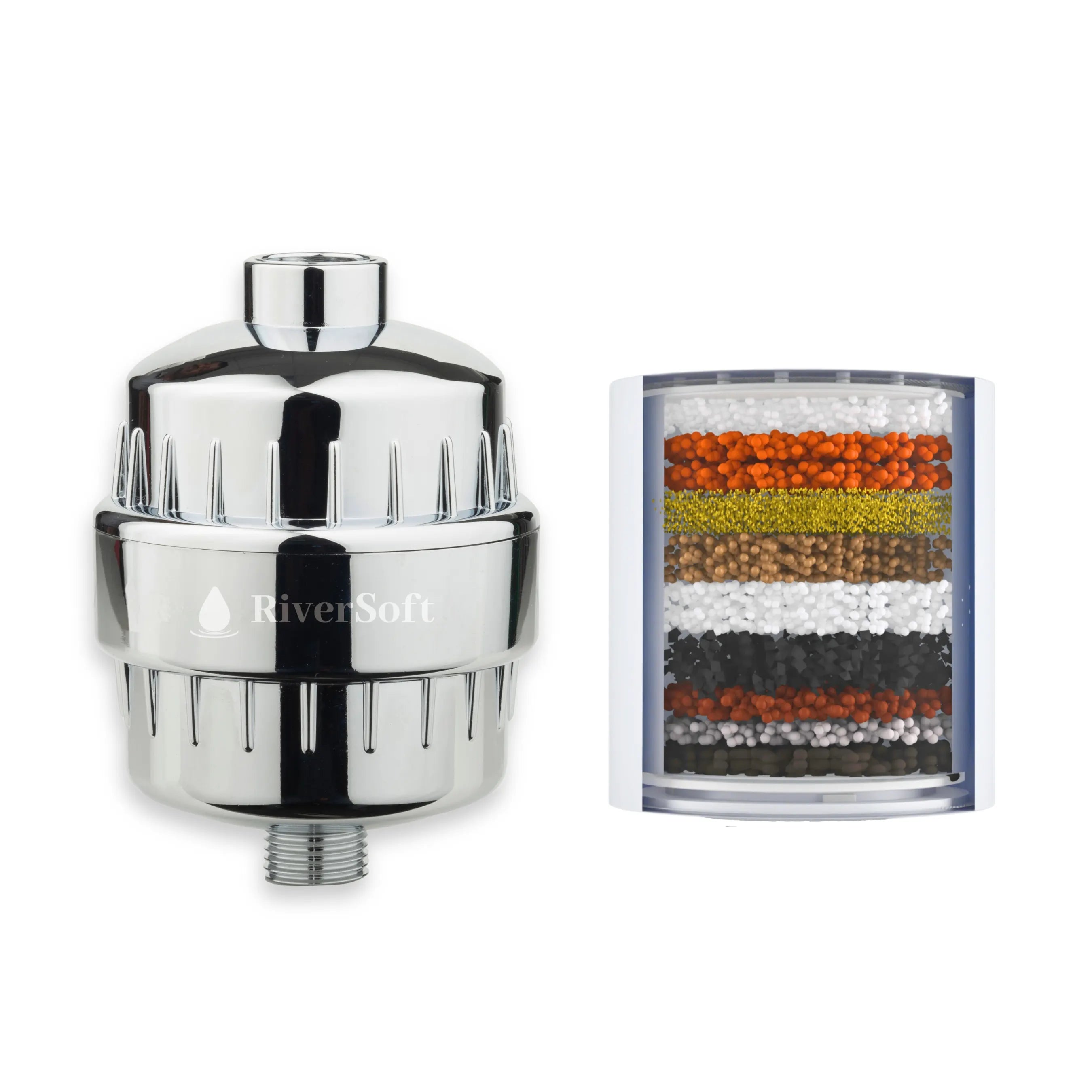
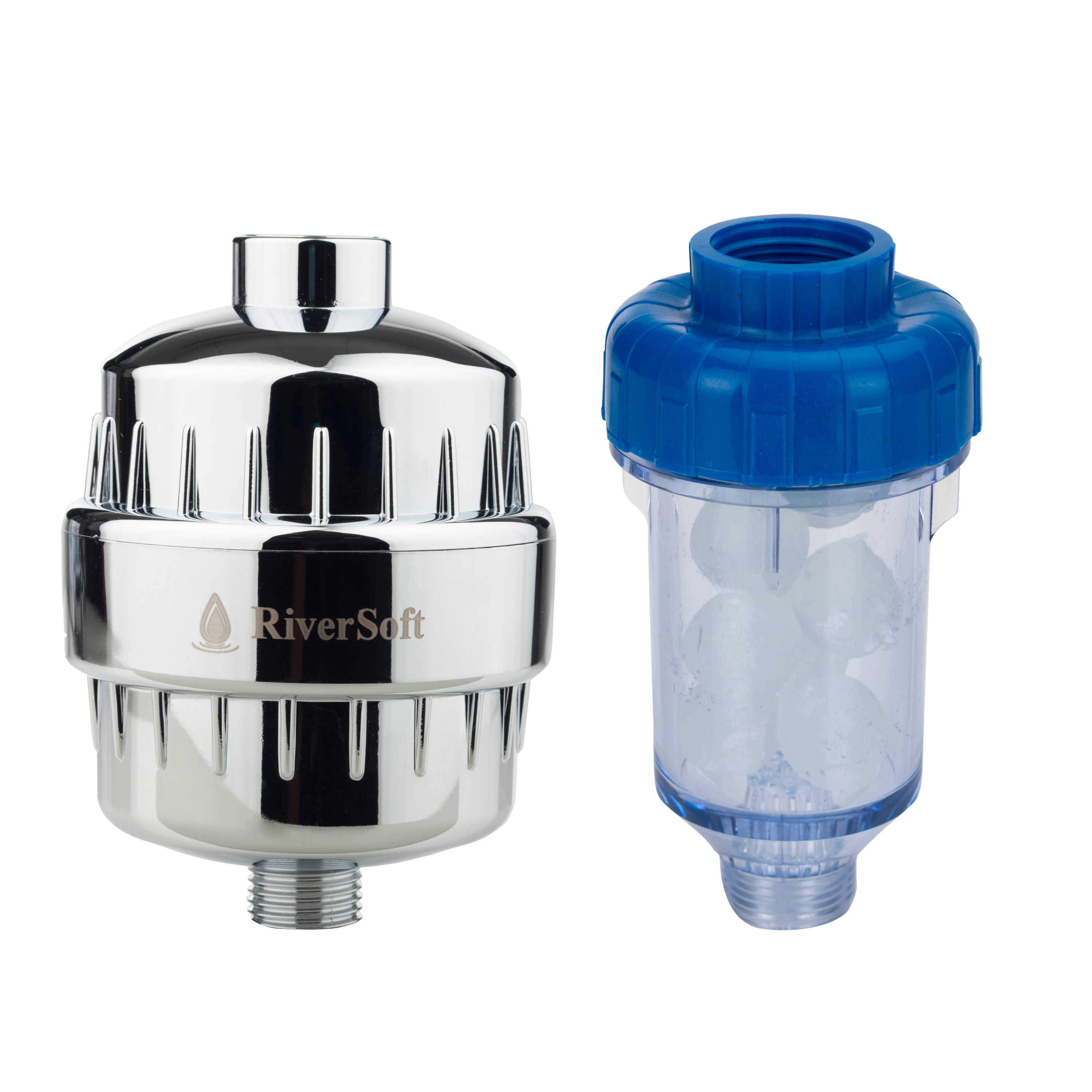
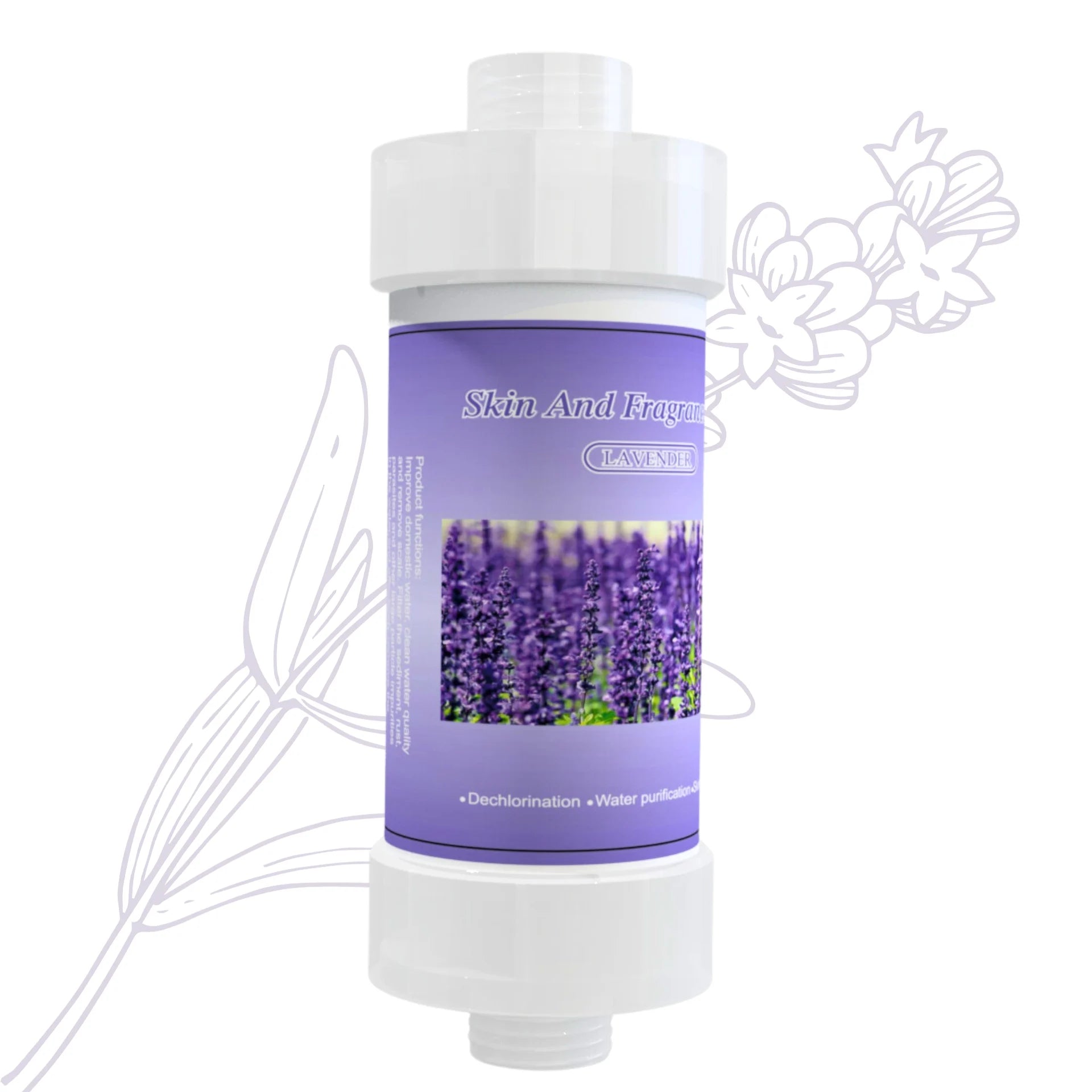
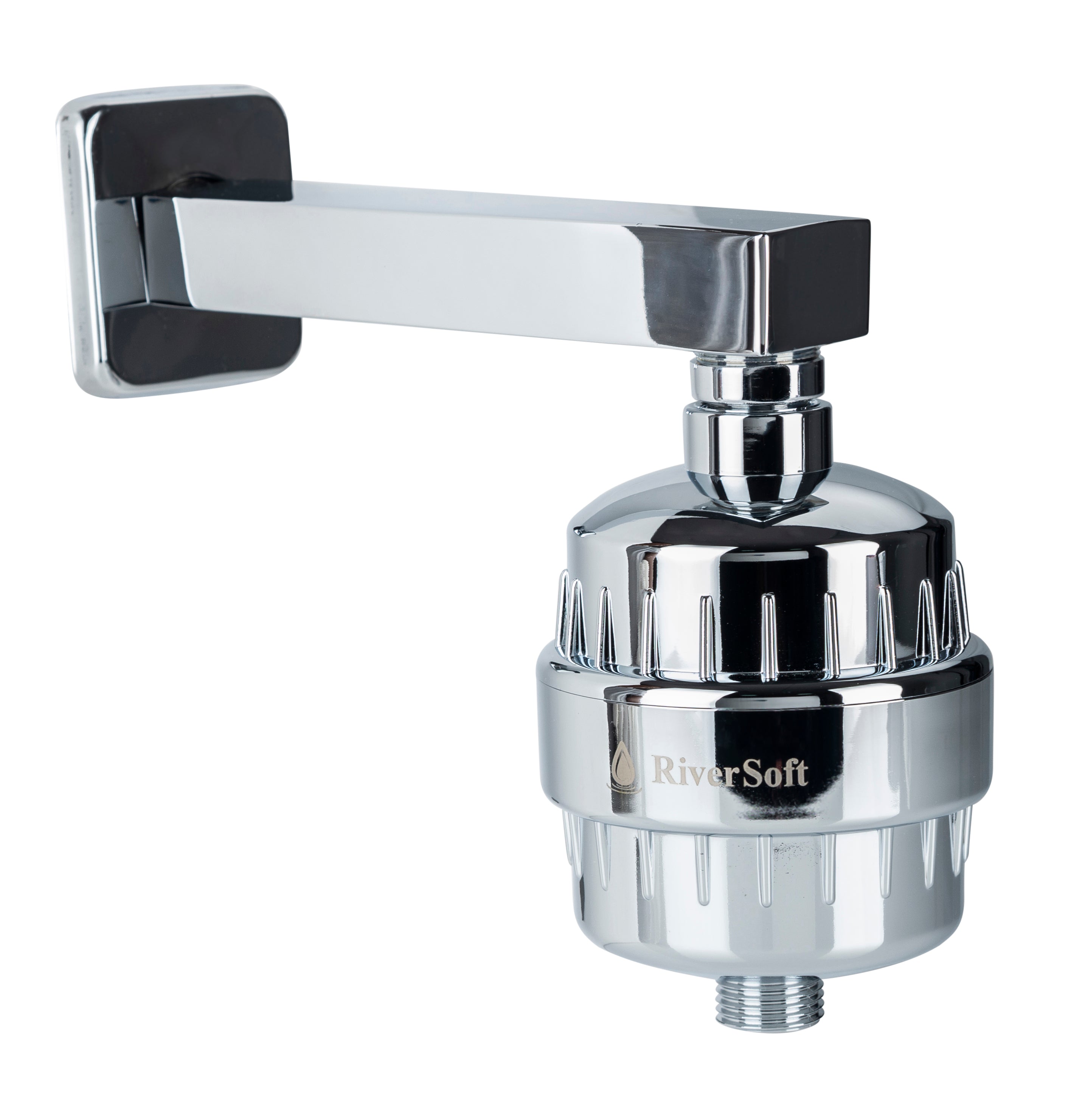
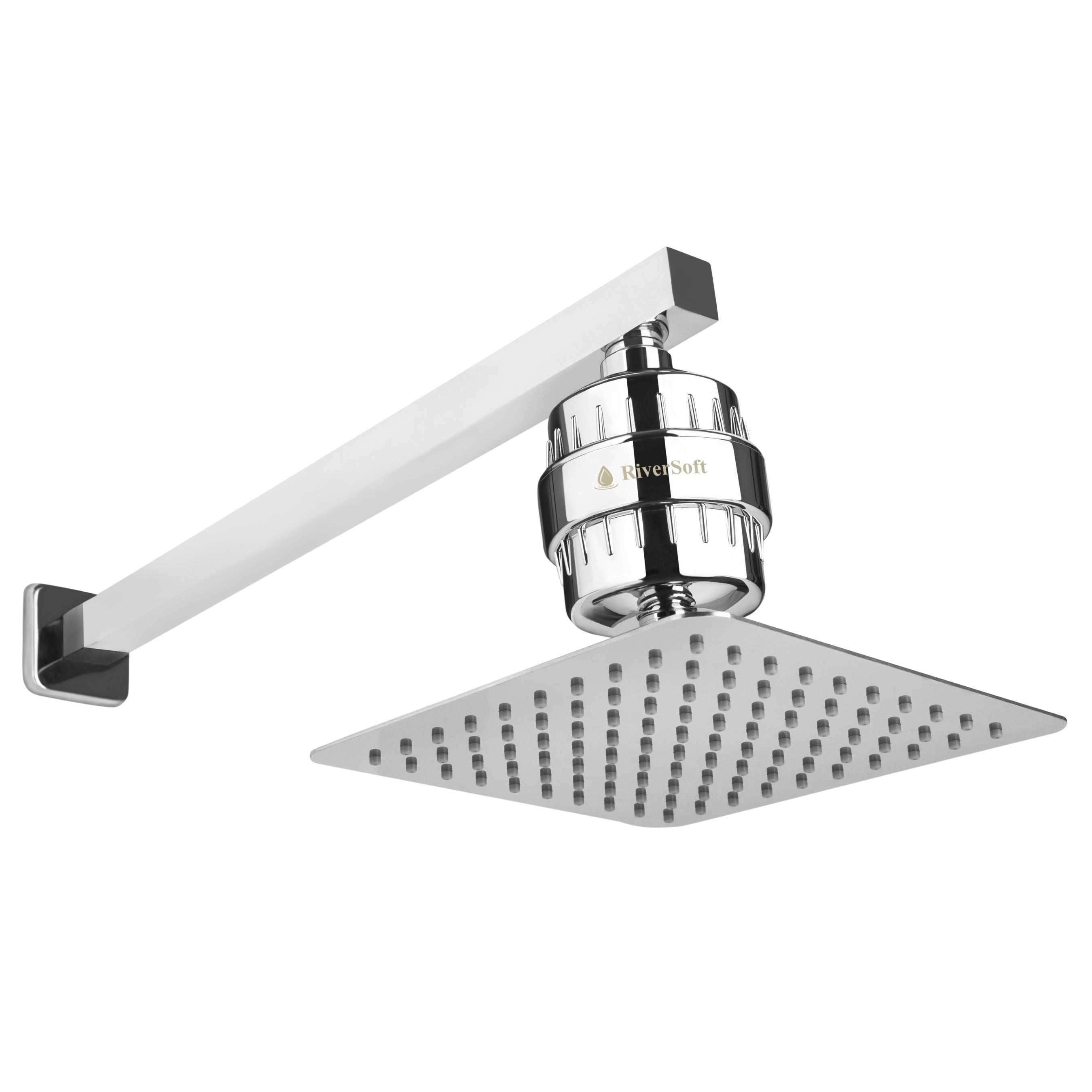
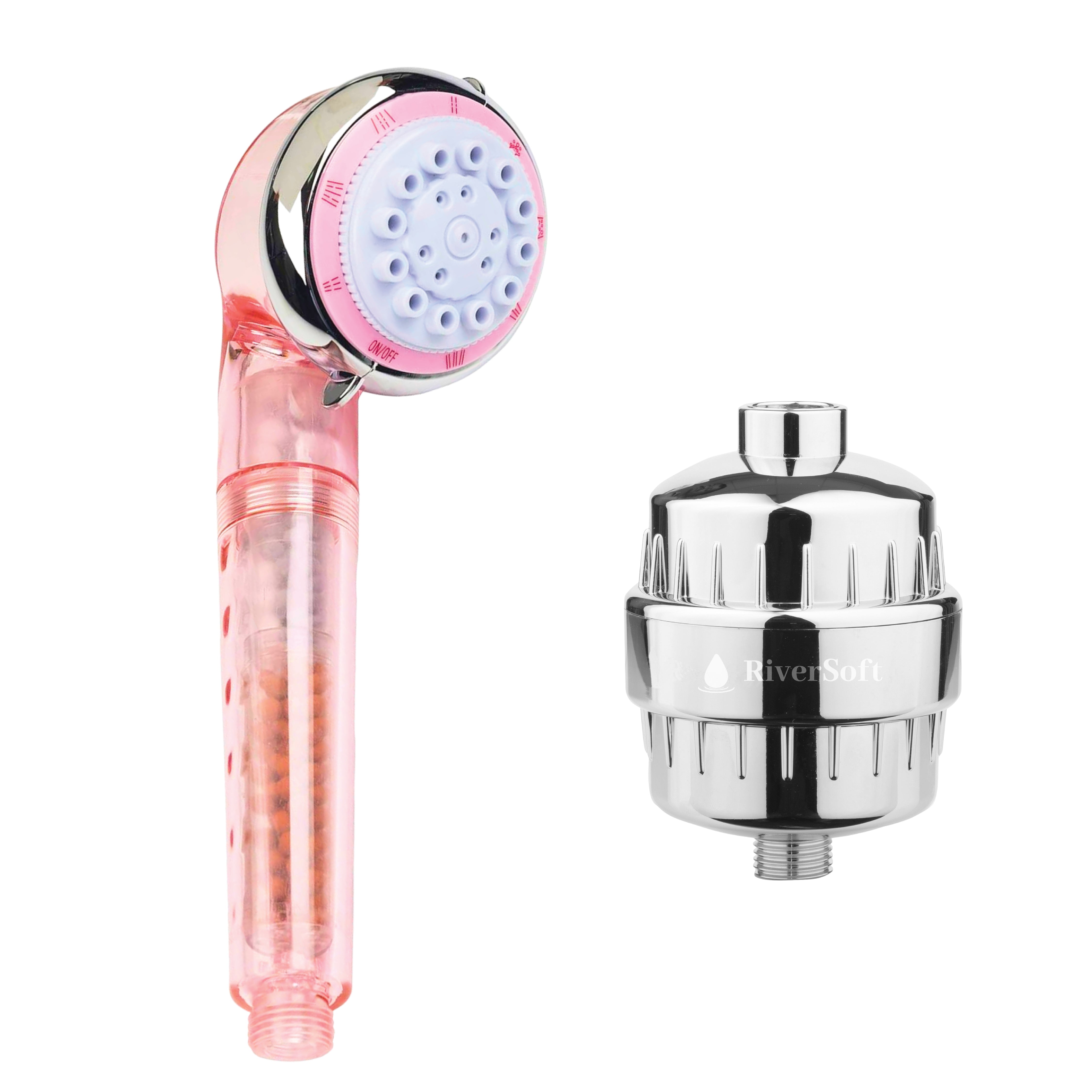
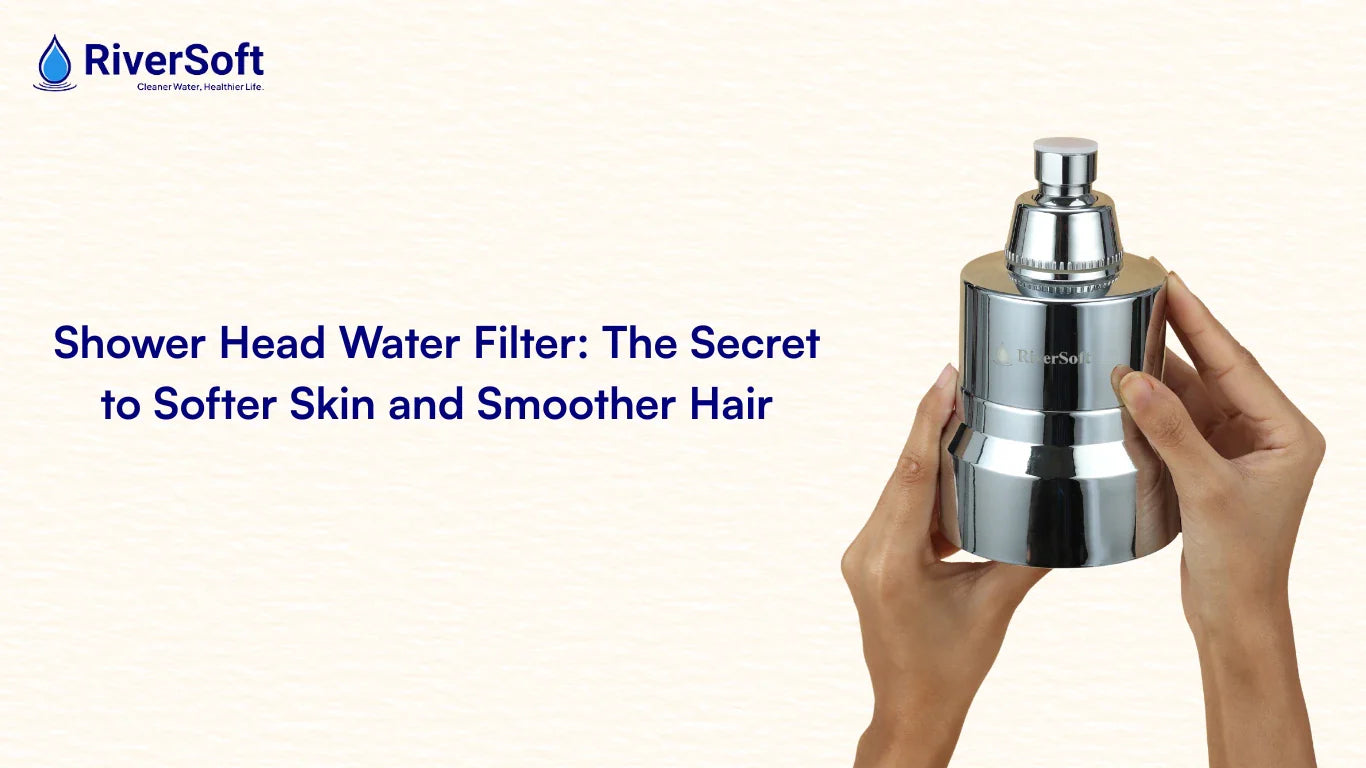
Home habits help, but they treat the daily flare-up, not the water causing it. A shower filter sits between your water supply and your scalp, reducing the mineral load your hair and skin come into contact with every wash.
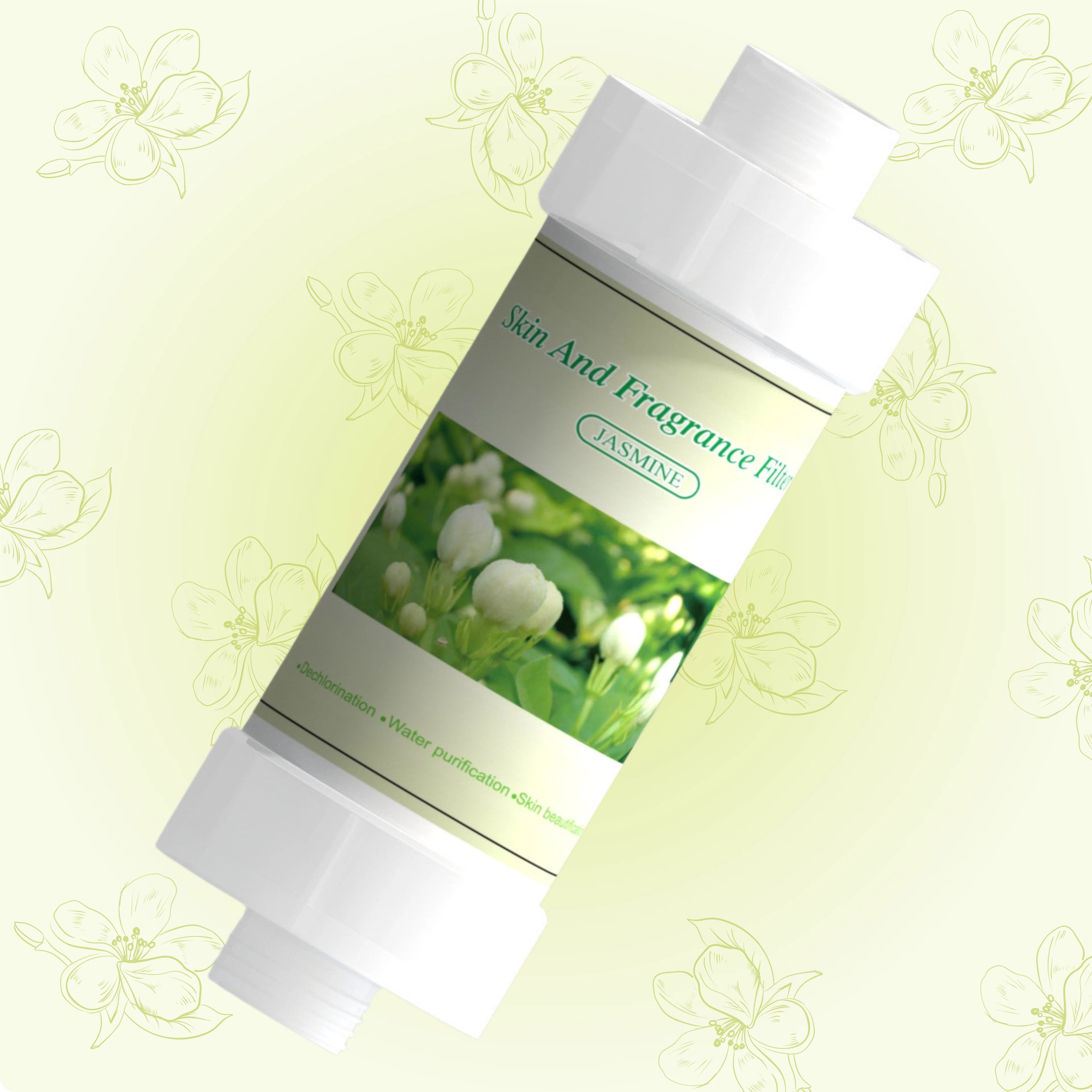
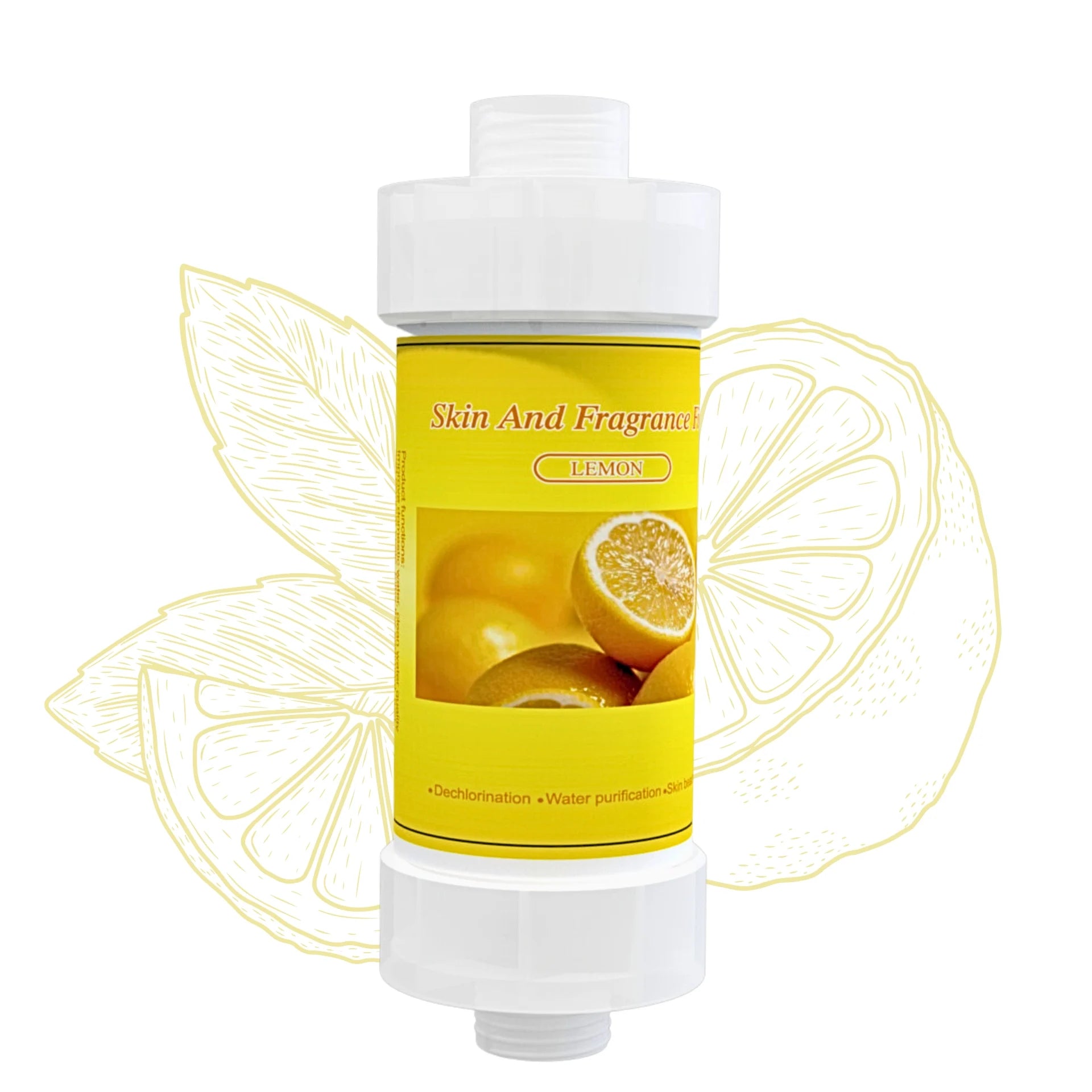
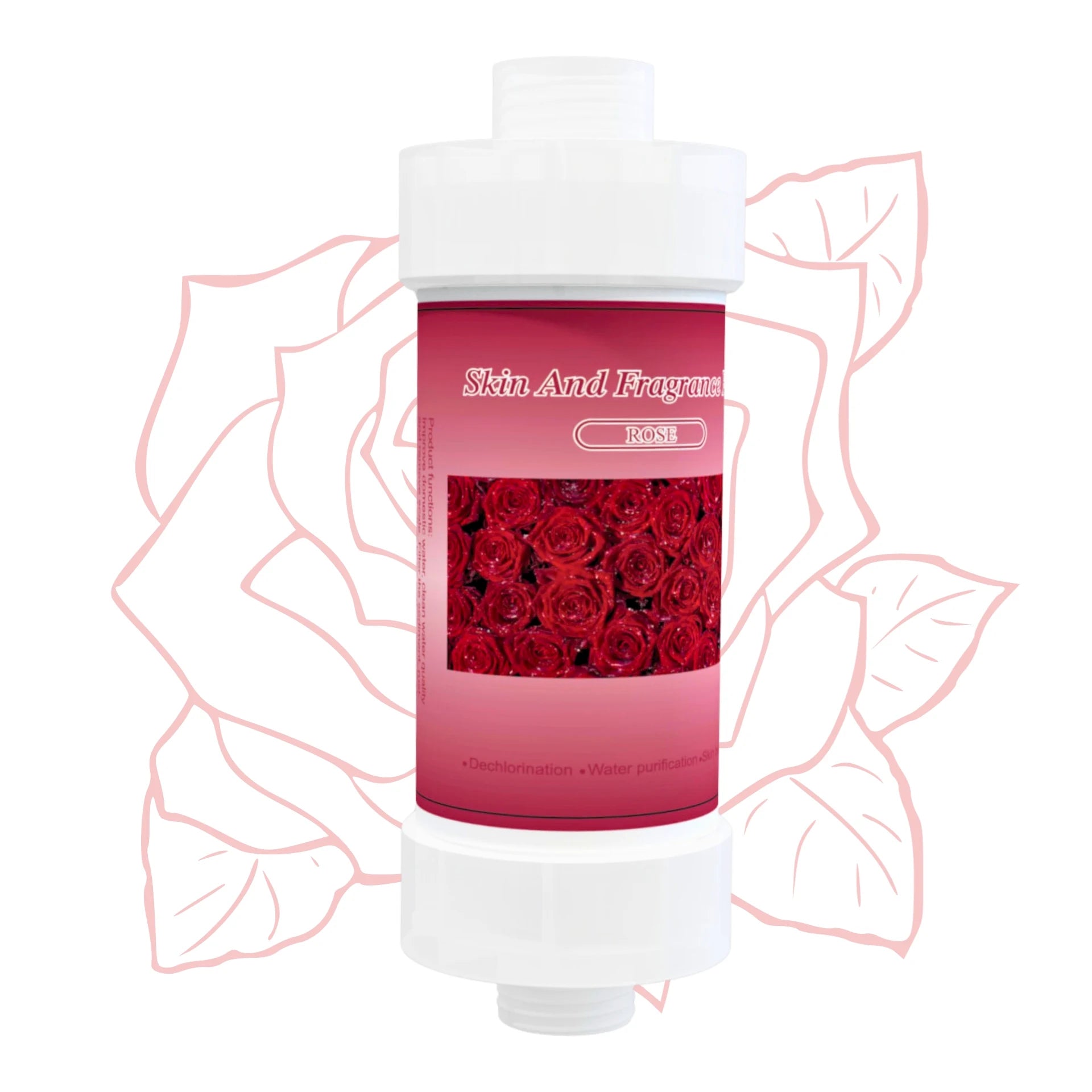
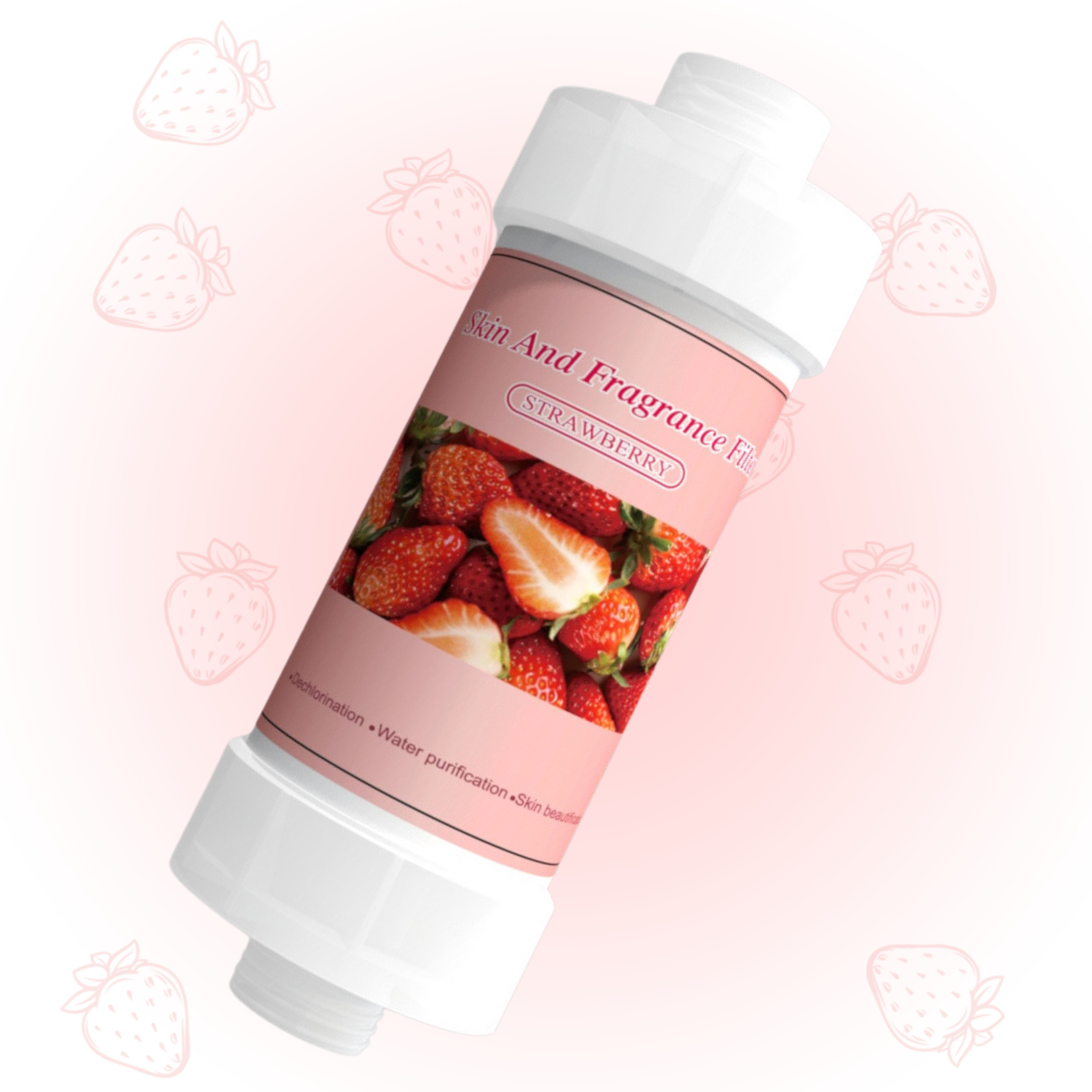
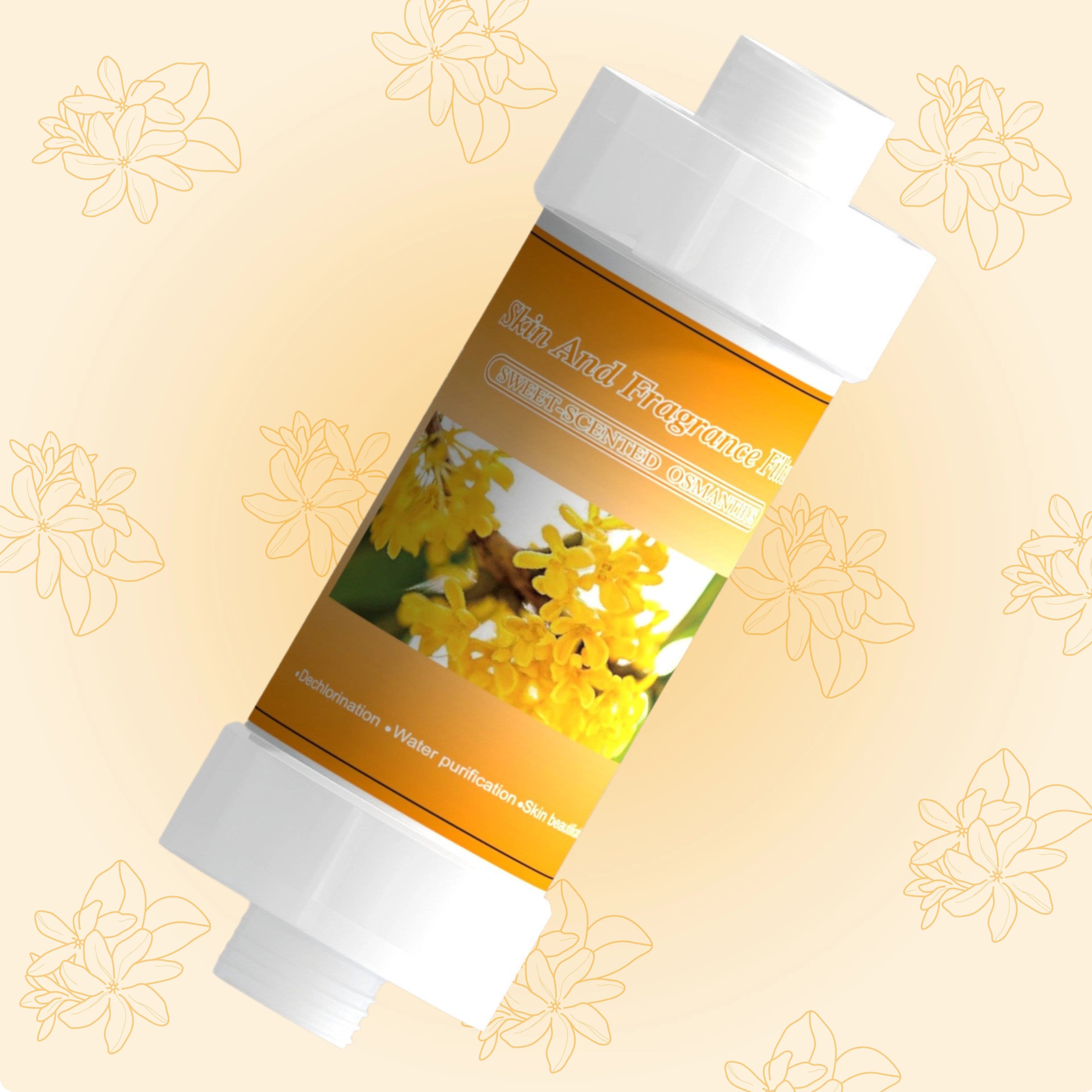
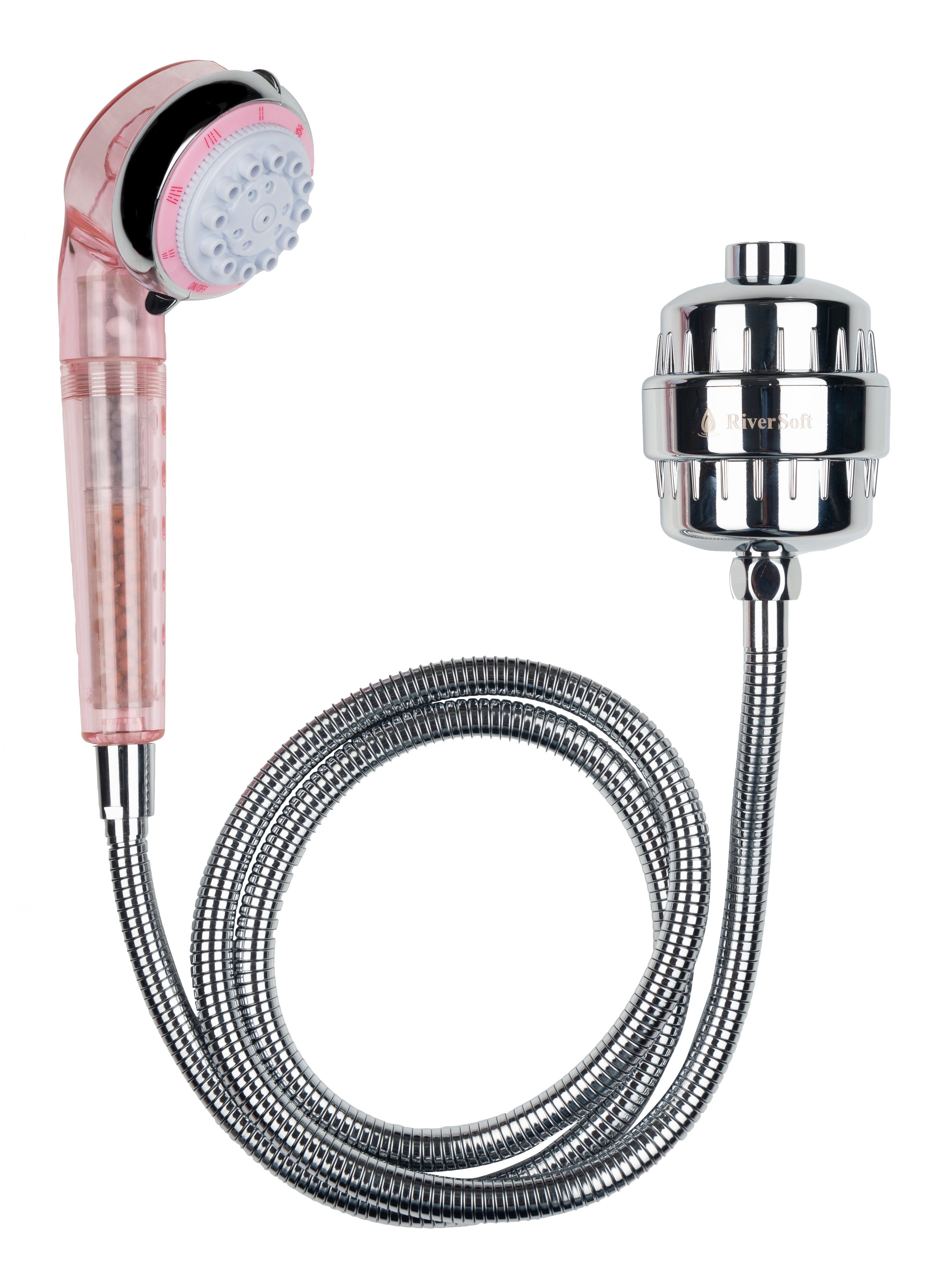
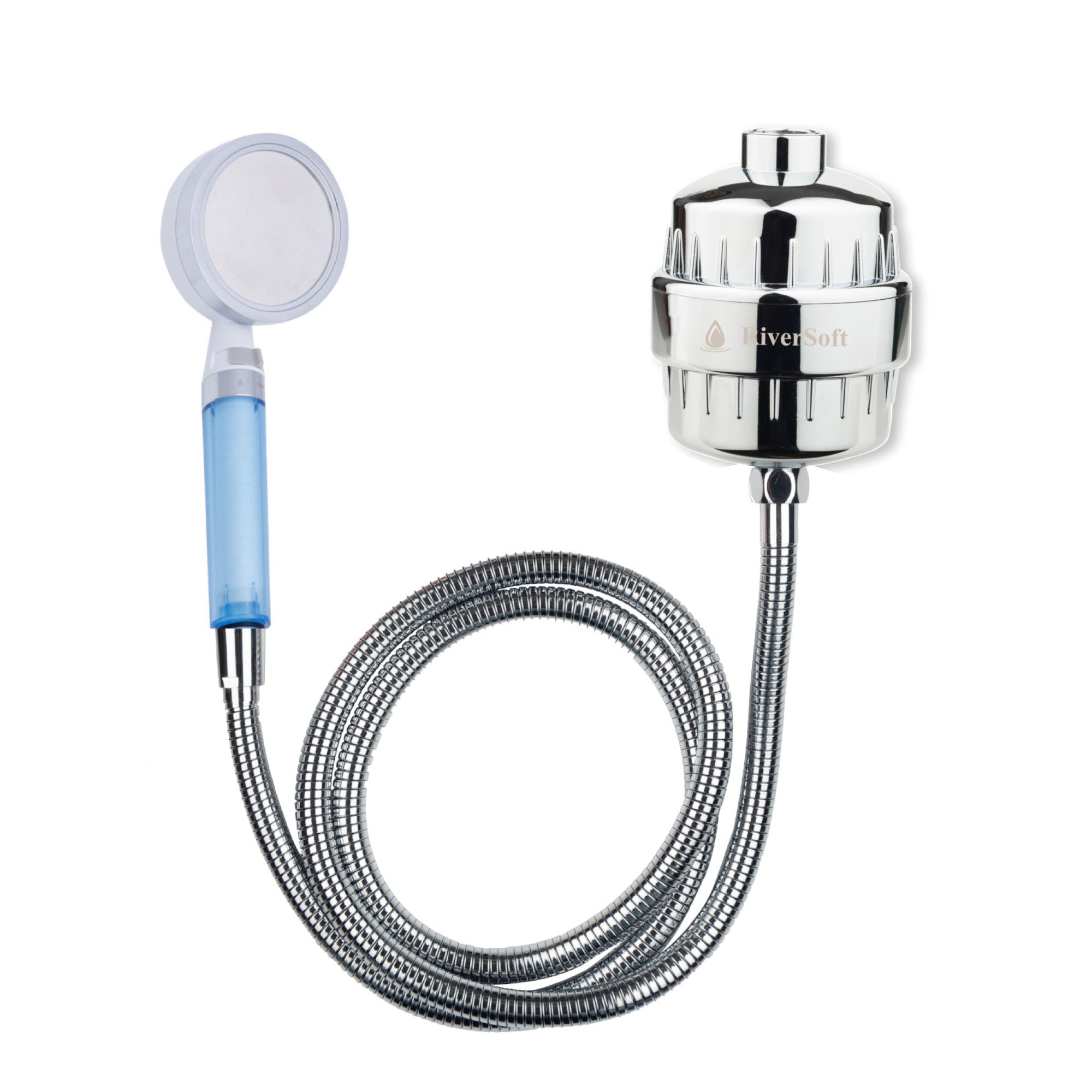
For homes with different water conditions, RiverSoft offers shower filters suited to different needs. The shower filters for hard water and tap filter for hard water can be used in showers and taps respectively. For water that has more hardness, the higher hardness tap filter Bliss-15 can be used. is designed for areas with high water hardness, while the SF-15 Pro is suitable for borewell or mixed water supplies with moderate hardness. For municipal water with mild hardness and higher chlorine levels, the SF-MW-15 is another option to consider.
All three are designed for DIY installation, so you can fit them to a compatible shower connection without hiring a plumber or making permanent plumbing changes. Choose the filter based on your water source and its specific water-quality concerns.
which matters if you're renting or don't want a permanent fixture change.
Note: Our shower and tap filters do not reduce Total Dissolved Solids (TDS).
Check out RiverSoft's shower filters for hard water if flaking keeps returning no matter what you try with your shampoo.
Conclusion
Dandruff due to hard water is manageable with the right at-home routine: a weekly clarifying wash, lukewarm rinses, gentler washing habits, and attention to where your water actually comes from. For homes dealing with borewell water or consistently high hardness, pairing these habits with a shower filter addresses the mineral buildup at its source instead of just managing the flakes after they appear.



























Leave a Comment