
Does your scalp feel weirdly oily or itchy just a day after a nice, relaxing shower – no matter what shampoo or conditioner you try using? We might know why!
A lot of people assume they have “naturally greasy” hair, but hard water in Tier-1 Indian cities and/or water source for each residency affecting your scalp’s sebum production is often the real reason!
In this guide, we’ll explain the specific relationship hard water has with an oily scalp, the role sebum plays in all of this, and how exactly you should be managing mineral buildup on your scalp.
What Is Sebum And Why Does Your Scalp Produce It?
Before we dive into the impact of hard water, it’s essential to understand what sebum even is. Sebum is an oily substance produced by the sebaceous glands located in your skin – including your scalp. A normal amount of sebum helps maintain the scalp environment and protect your scalp while keeping your hair moisturized. When sebum production is balanced your scalp stays hydrated and healthy, resulting in shiny, nourished hair – but excess sebum production can make the scalp and hair appear greasy. Sebum overproduction can also clog your pores and lead to uncomfortable symptoms like itchiness and dandruff. The scalp has its own ecosystem of bacteria and fungi, and sebum is one part of this ecosystem. Changes in scalp lipids can affect the environment in which microorganisms live.
Research conducted in 2024 on dandruff and oily scalp conditions has found relationships between sebum, scalp lipids, microbial composition and inflammation. Treatment studies have also shown that improving dandruff can affect scalp oiliness, sebum composition and microbial populations.
Oily scalp conditions can also be influenced by several other factors, including but not limited to:
-
Sebaceous-gland activity
-
Scalp microbiome
-
Haircare products and other cleansing habits
-
Environmental factors such as
-
Pre-existing conditions such as dandruff and seborrheic dermatitis
Also, more recent research such as a 2025 multi-omics study of oily and dandruff-affected scalps has found distinct microbial profiles between healthy oily scalps and oily scalps affected by dandruff, highlighting that scalp “oiliness” is a bit more complicated in some cases than simply too much sebum!
Can Hard Water Impact Sebum Production?
So, how does hard water come into the picture? Does hard water cause the oily scalps all of us fear?
The short answer: not necessarily.
However, hard water does in fact contain high levels of minerals, such as calcium and magnesium ions, which interact with the natural oils on your scalp. And when mineral-rich water is used repeatedly and continuously to wash hair. These minerals can build up and block your hair follicles, leading to a greasy-feeling scalp as well as hair that feels rough, coated and dirty soon after washing – even when your actual sebum production has not increased. That’s an important distinction! In addition, hard water has a more alkaline pH compared to your scalp’s naturally acidic environment. If you have naturally oily hair, additional residue can make your hair look greasy faster, even if your scalp’s sebum production has not changed. This imbalance can disrupt the pH of your scalp, leading to an overproduction of sebum as your scalp tries to compensate. As a result, your sebaceous glands begin to work overtime, producing more oil than necessary, which leads to an oilier scalp.
More Consequences of Excess Sebum Production
To elaborate, excess sebum on your scalp does more than just make your hair greasy. Since the calcium and magnesium present in water can interact with the hair shaft, research has demonstrated that waterborne minerals can deposit on hair after repeated exposure. Additionally, higher oil levels can influence the scalp's microbial environment and may lead to other issues such as:
- Greasy Hair and Roots:
As mentioned already, excess sebum can make the scalp and roots appear oily or greasy soon after washing due to mineral buildup.
- Dandruff and Flaking:
Sebum can also contribute to the scalp environment associated with dandruff and seborrheic dermatitis, which may in turn cause greasy scales, flaking and itching.
- Scalp Irritation:
When oiliness is accompanied by inflammation, redness or persistent itching, an underlying scalp condition may be involved
How You Can Protect Your Scalp from Hard Water
The good news is that you can take steps to protect your scalp and hair from the damaging effects of hard water. Here are some effective tips:
1. Consider Installing a Shower Filter.
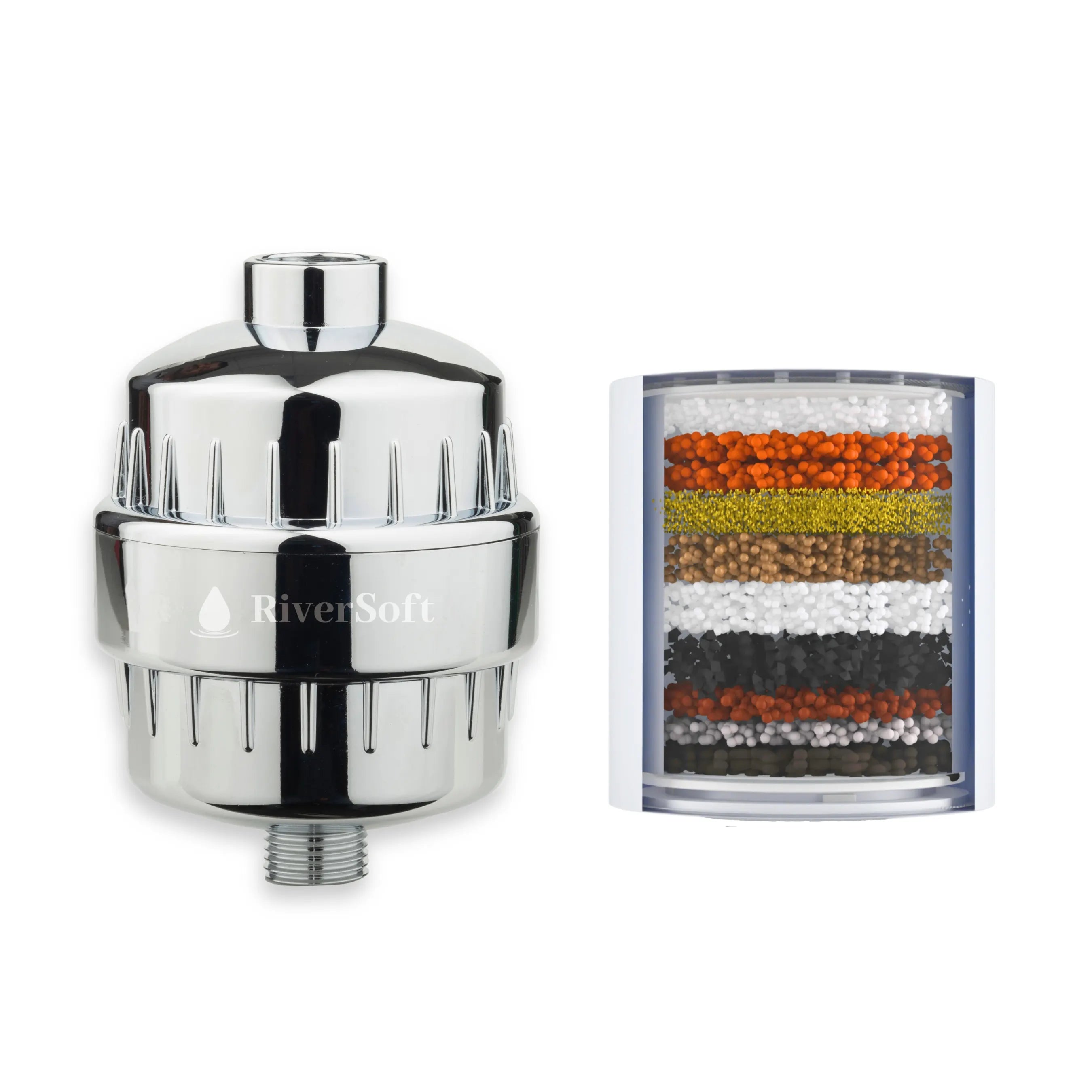
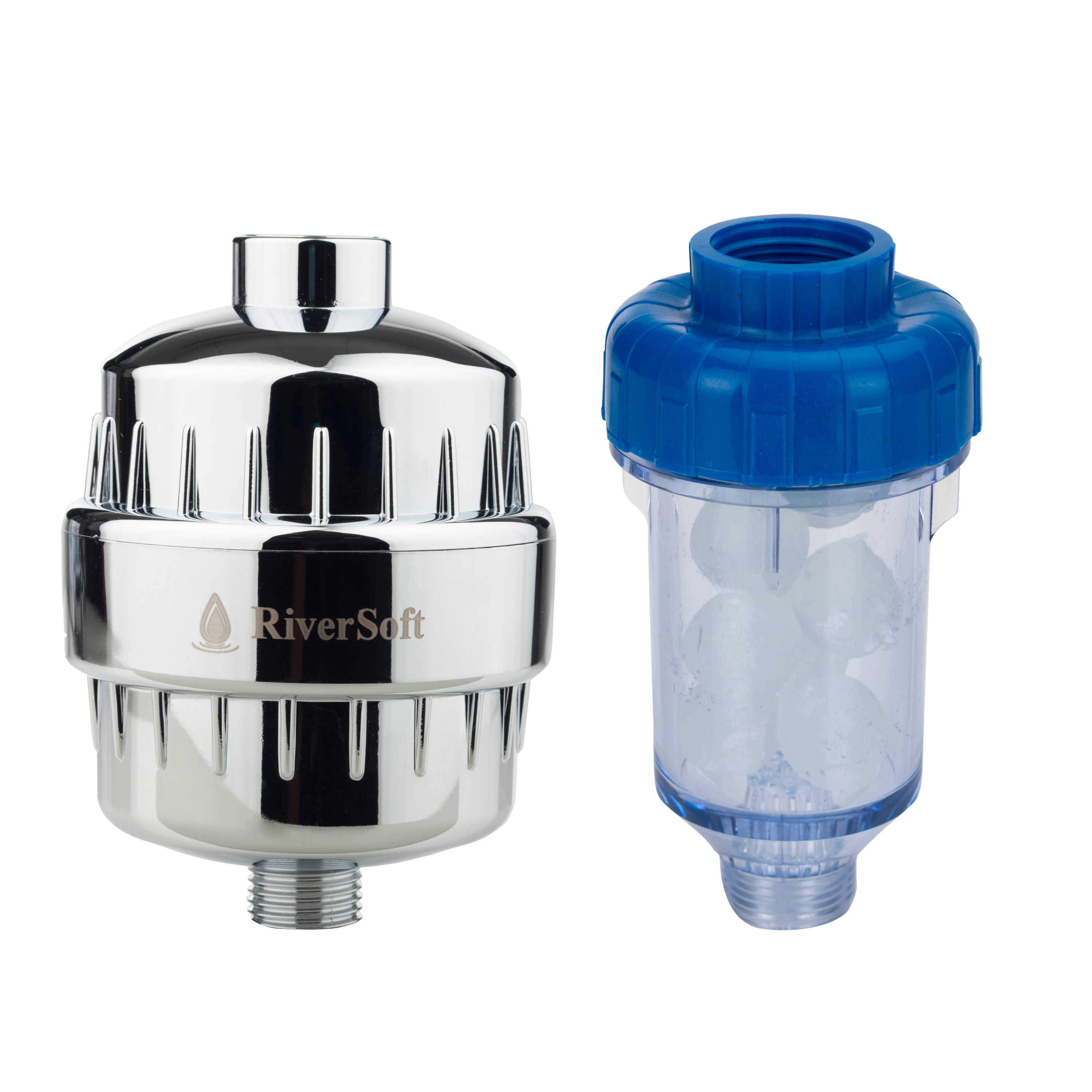
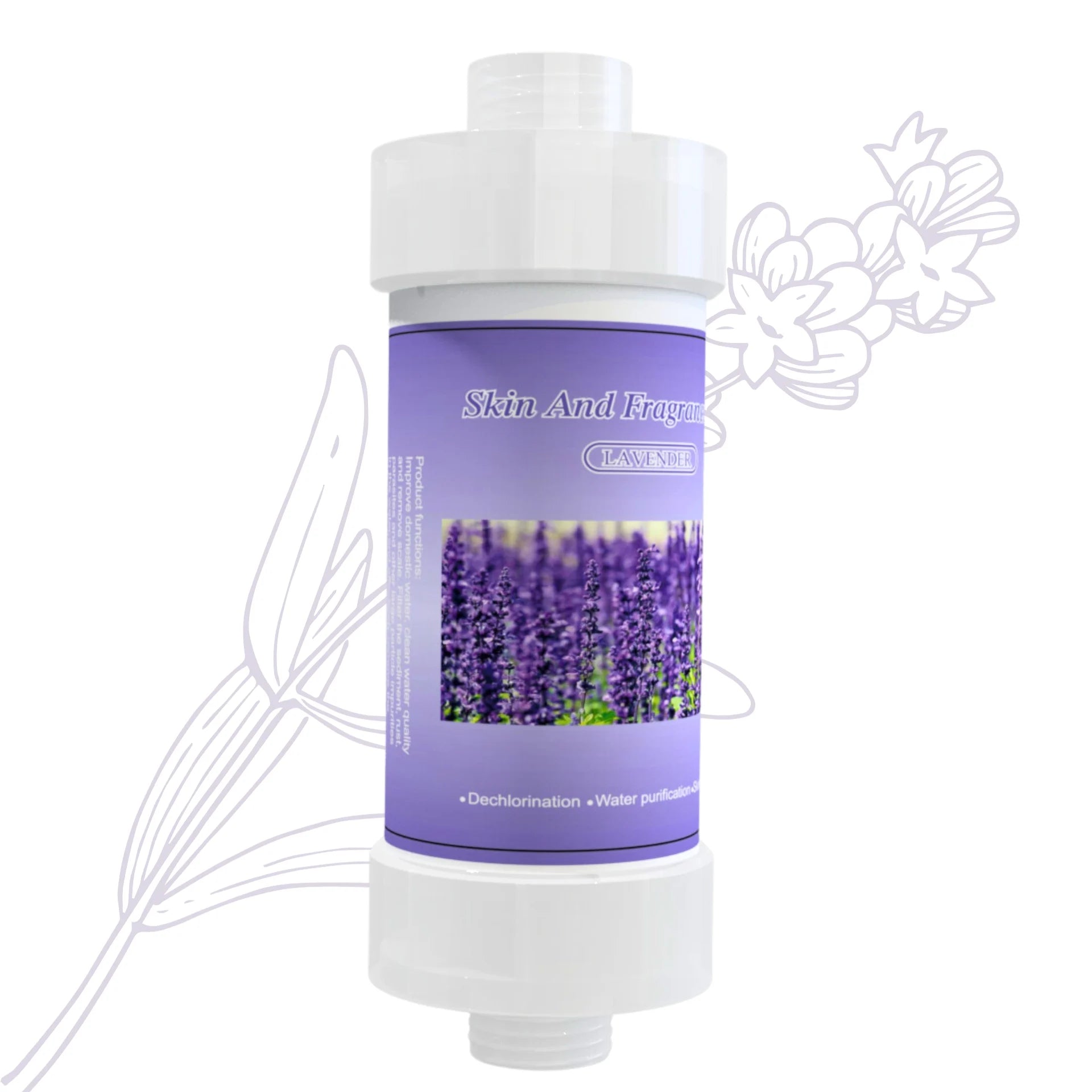
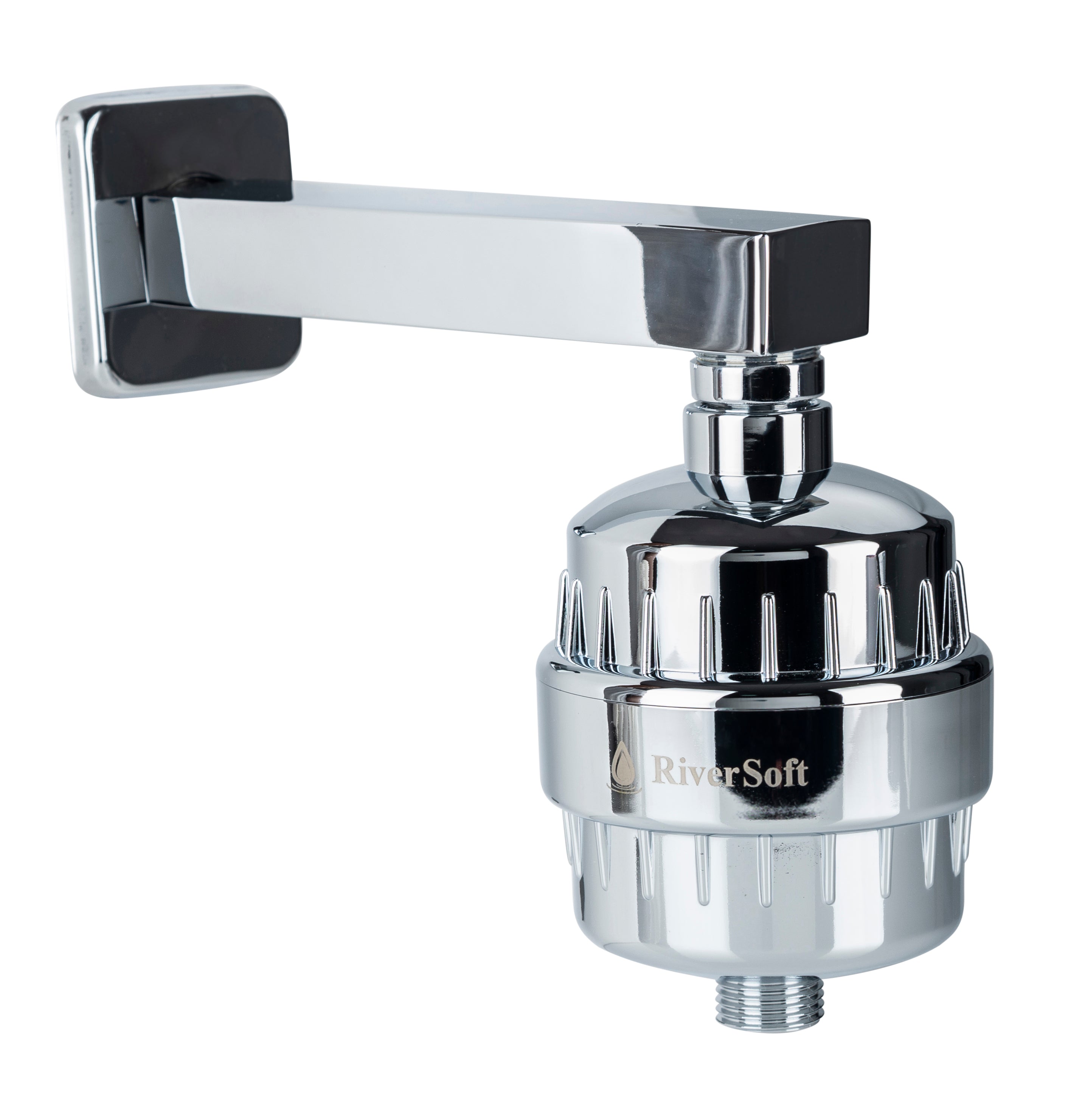
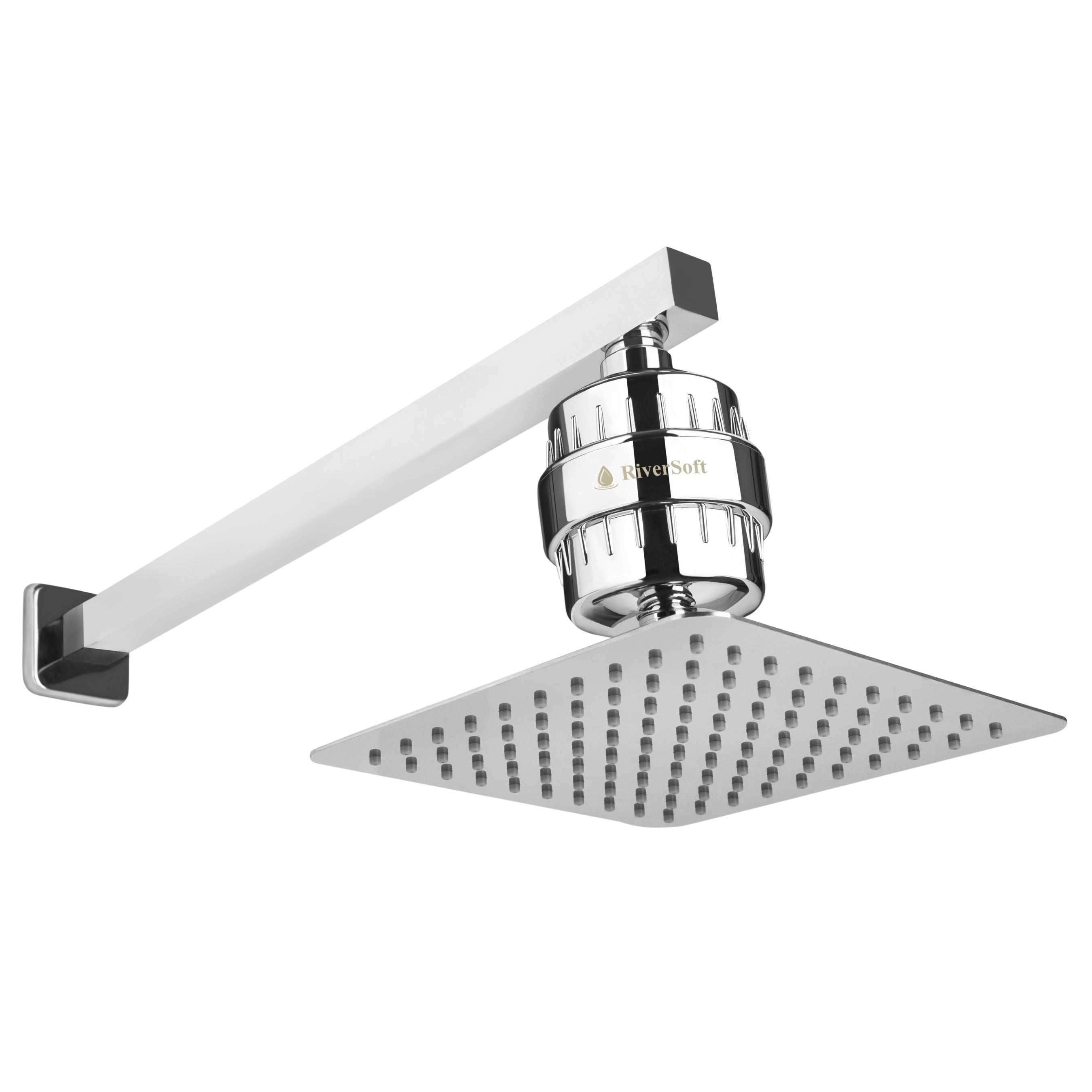
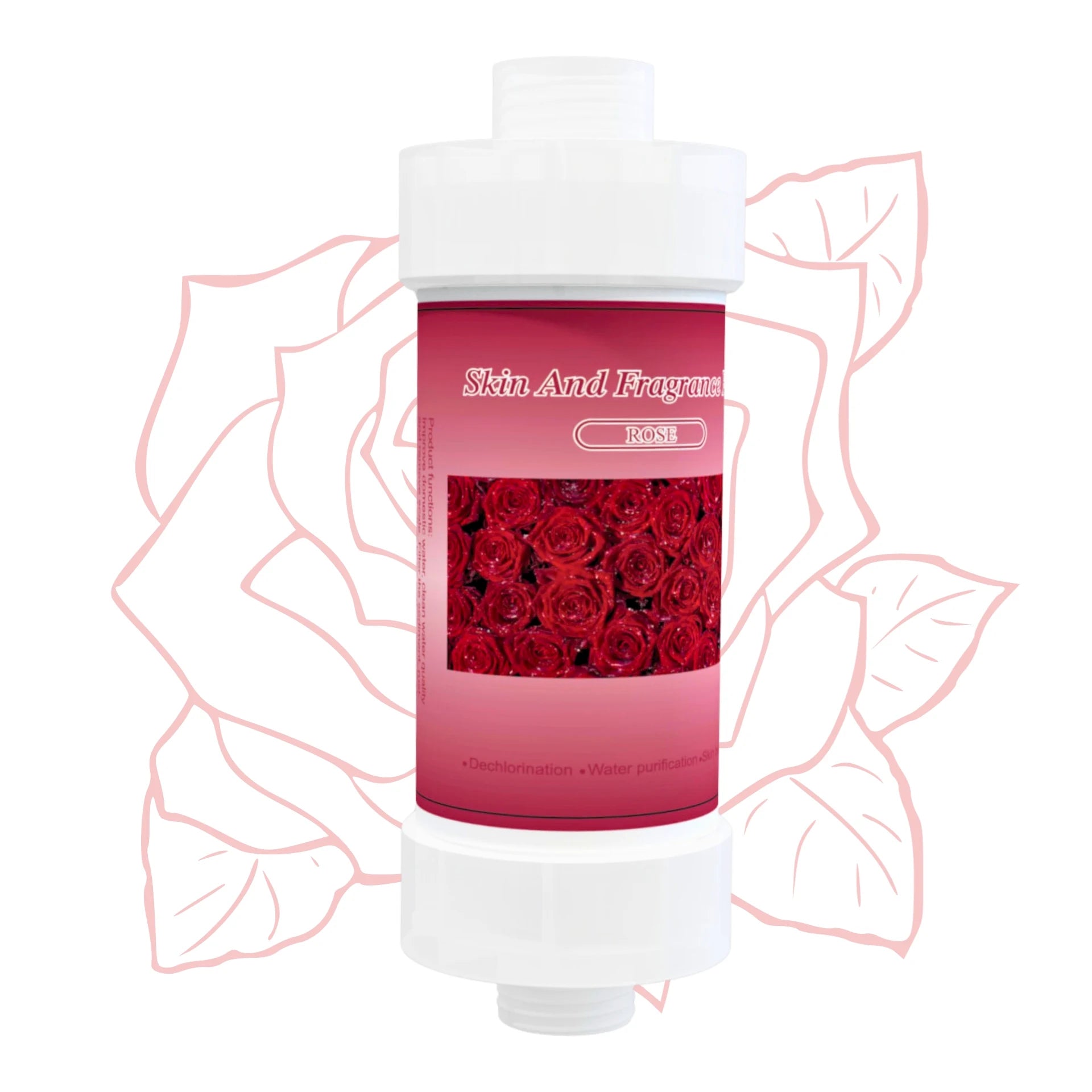
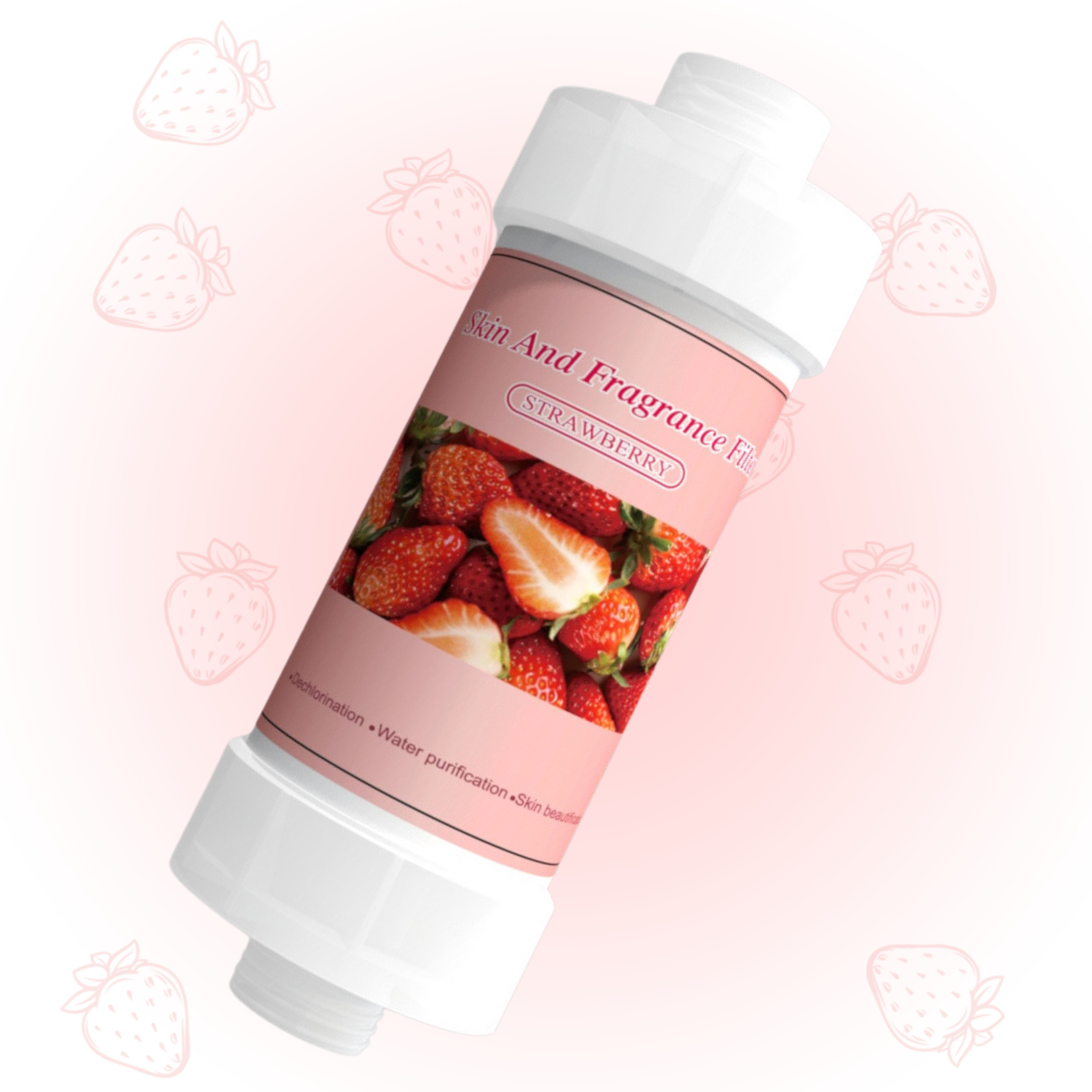
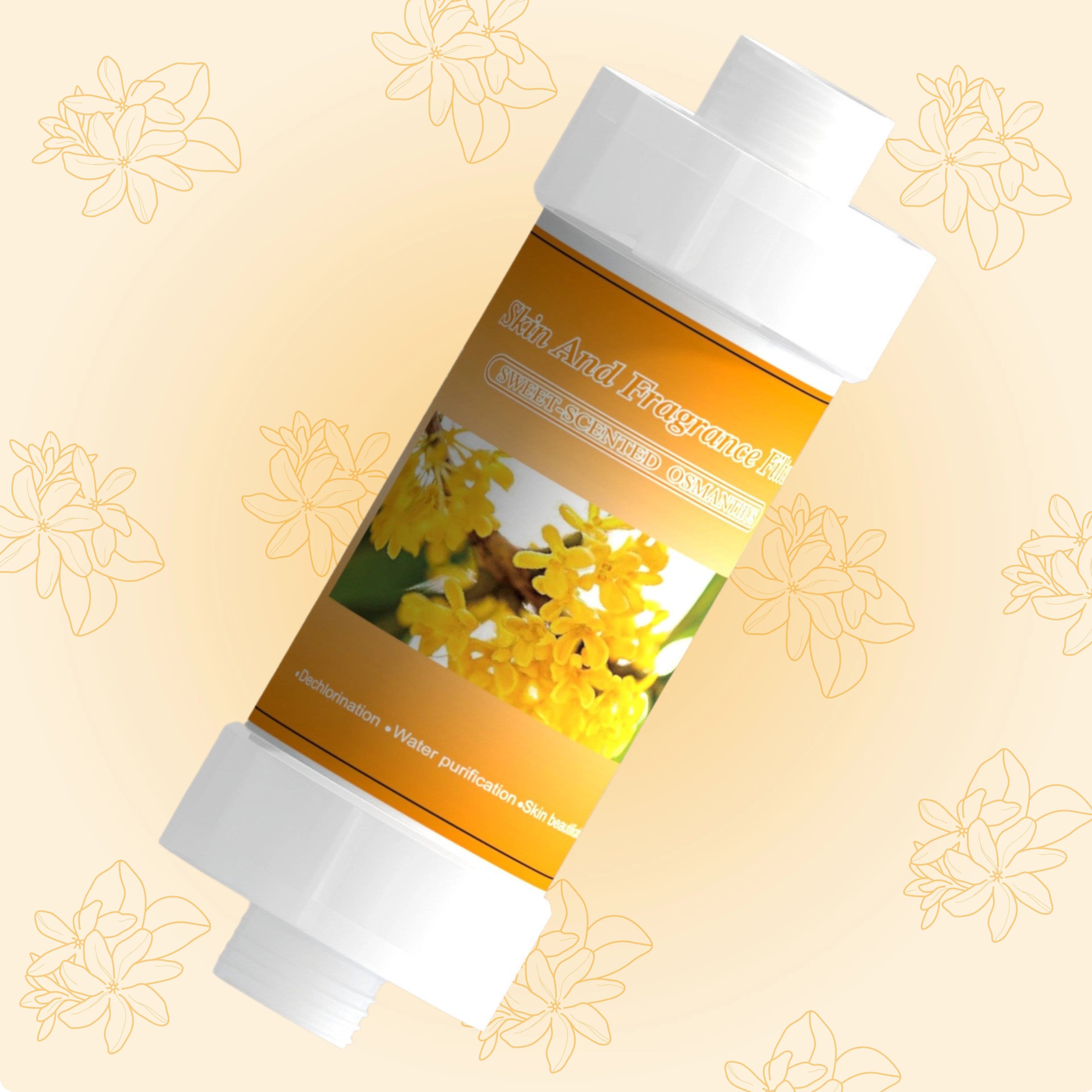
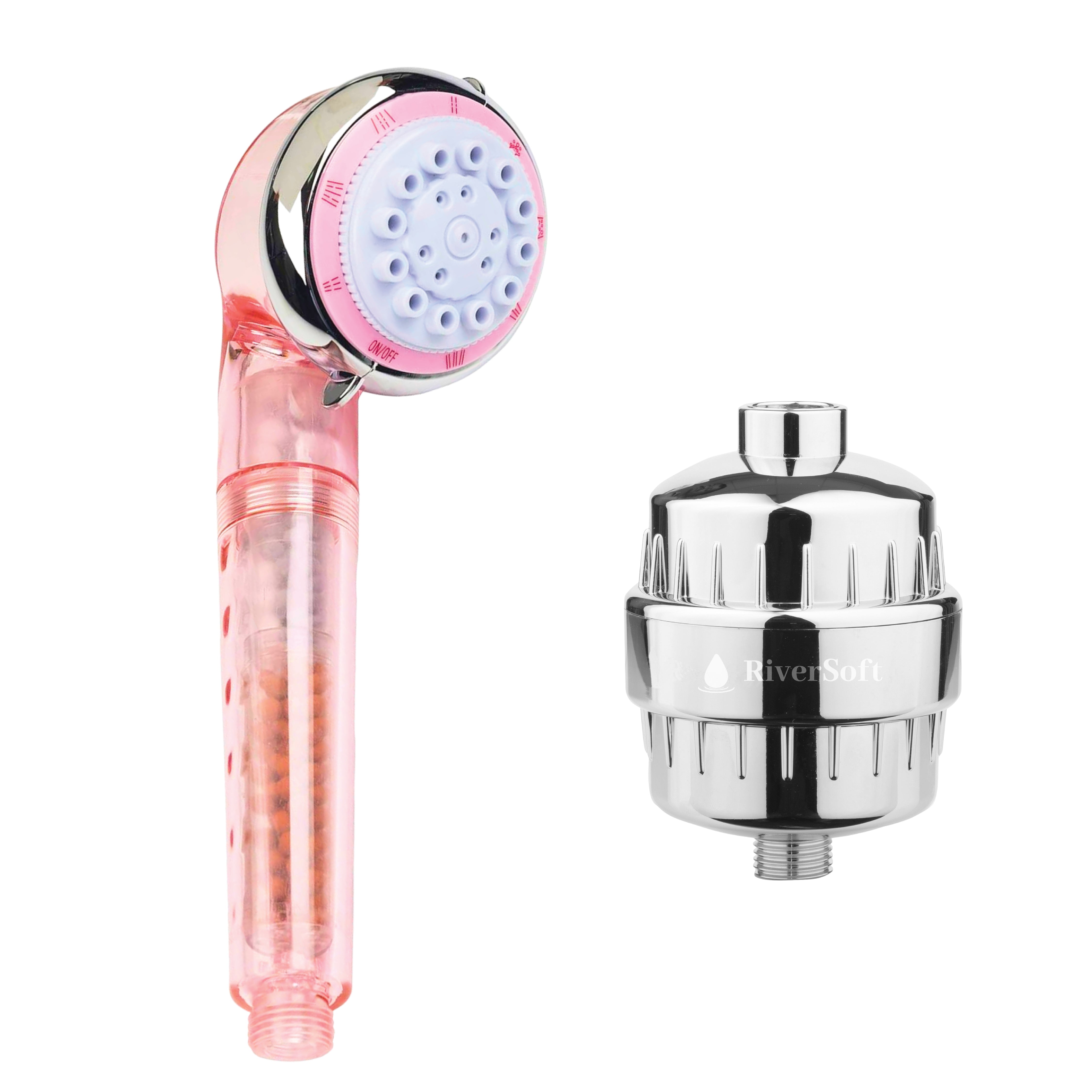
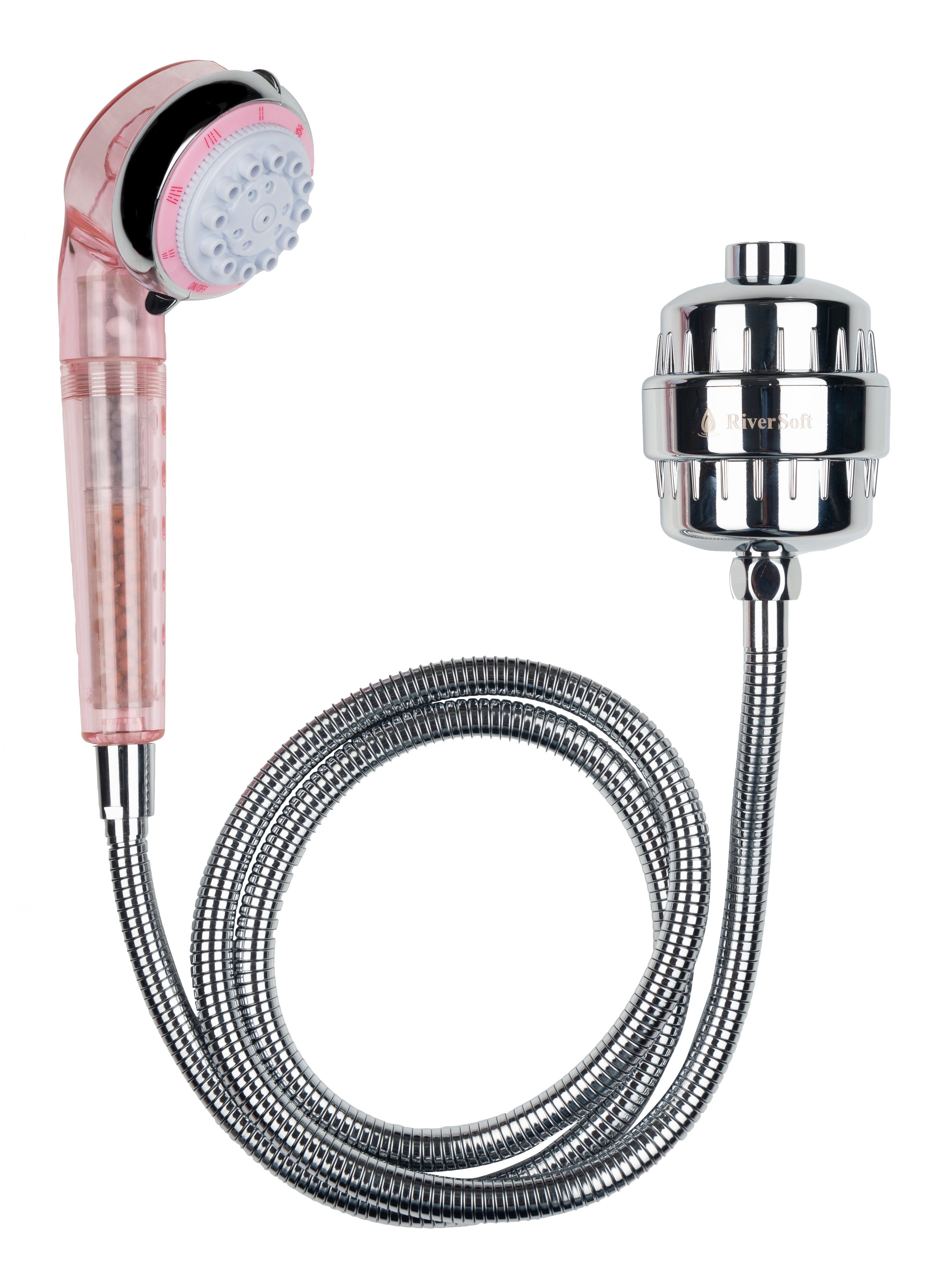
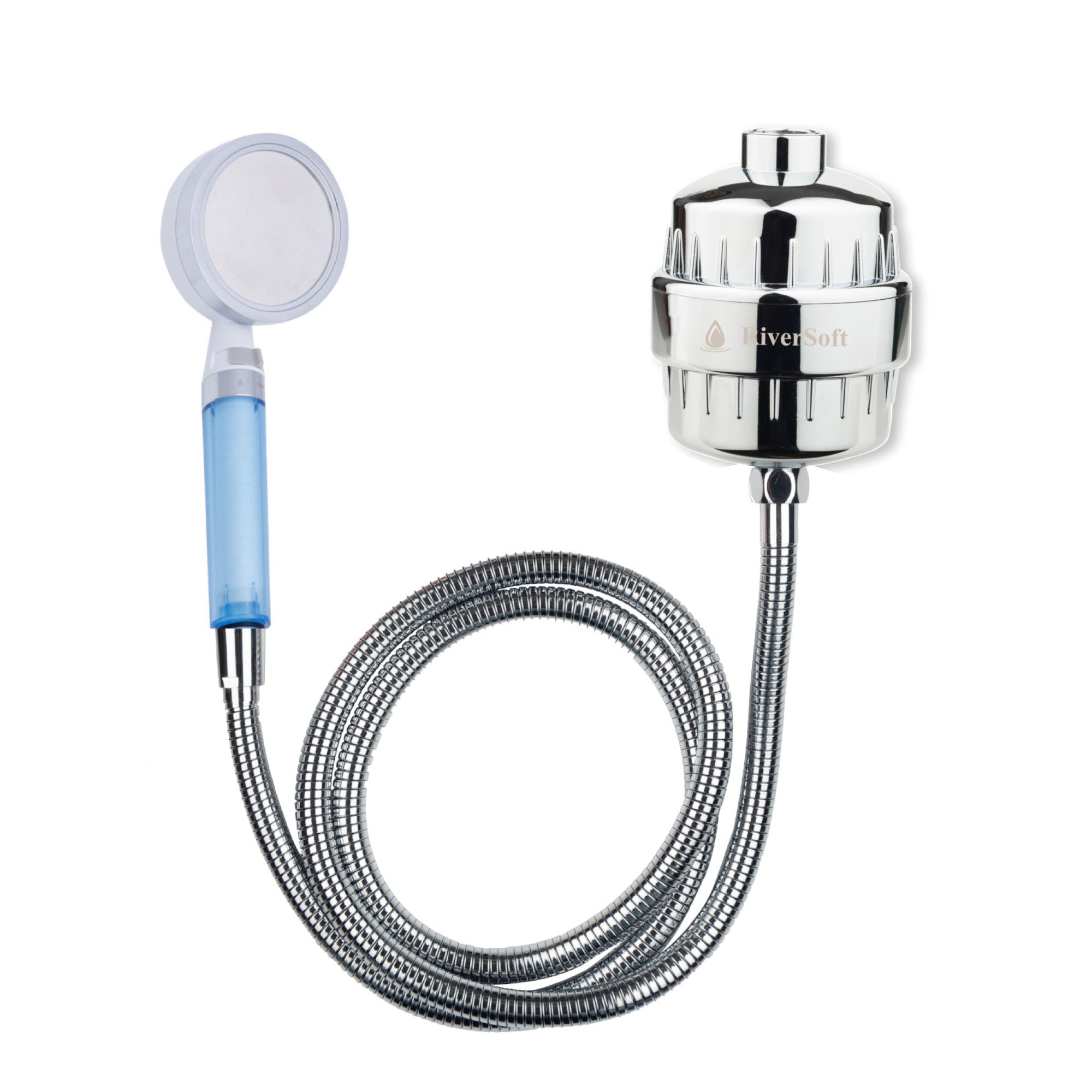
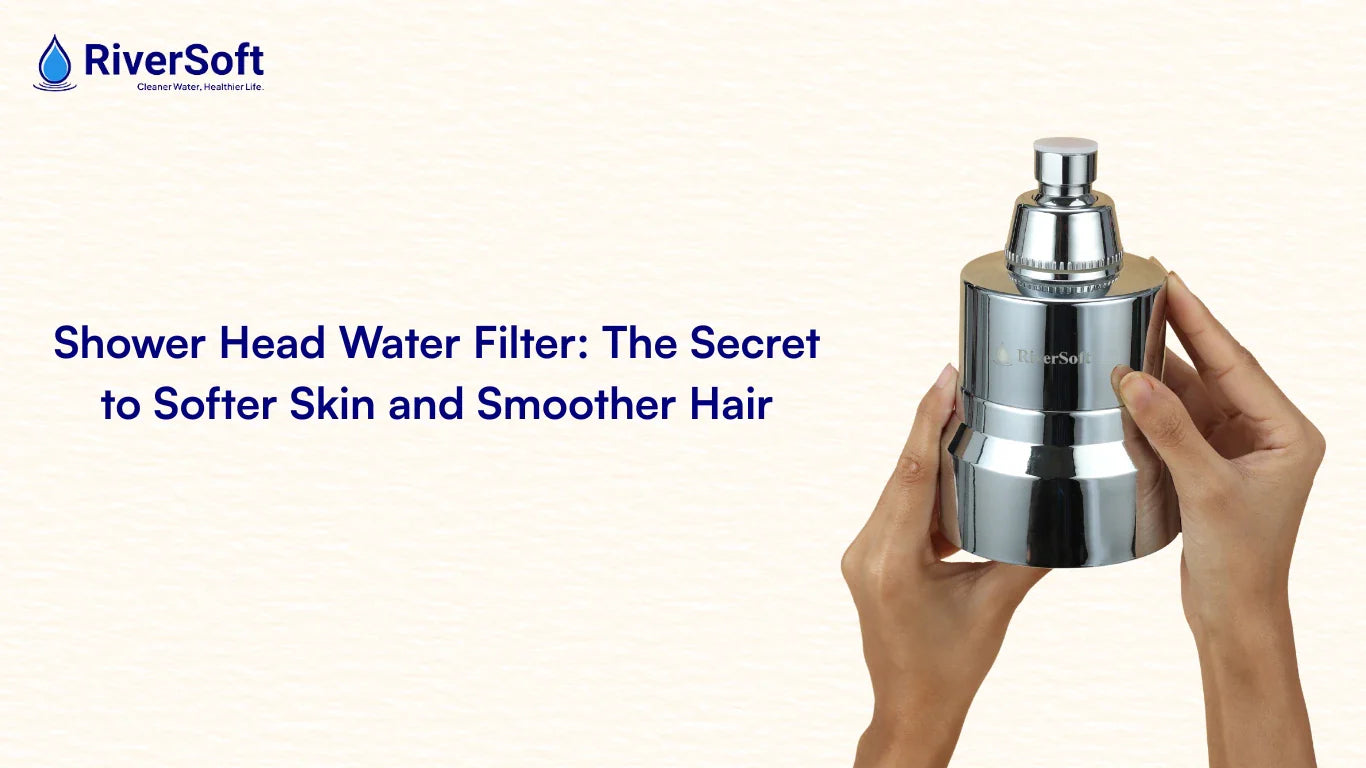
If you’ve tested your water and confirmed that the water coming out of your tap is hard, a water softener for taps or shower filter for hard water can address certain water-quality concerns depending on the filtration technology used.
If hard water affects multiple fixtures throughout your home, including taps, showers, washing machines, dishwashers and plumbing, a whole-house ion-exchange water softener may be more appropriate. If the problem is limited to your shower or bathroom, a point-of-use solution may be sufficient.
In metro cities like Noida, Bangalore and Chennai, where borewell hardness regularly exceeds 300 ppm, a water filter is perhaps the most direct fix because it reduces mineral contact with the scalp before the damage starts.
2. Use a Clarifying or Chelating Shampoo.
These shampoos are specifically designed to remove mineral buildup caused by hard water. They help to clear your scalp of unwanted minerals, restoring balance and reducing excess sebum production on the scalp.
Use it once a week, not daily, and remember to rinse thoroughly. Over-use strips natural oils and triggers the sebaceous glands to compensate by producing even more sebum. If your hair feels coated consistently, comparing several washes using appropriately-treated water as a final rinse might help.
3. Condition hair regularly.
Conditioning helps keep hair moisturized, soft and easier to manage – especially when it feels dry or rough. Focus the conditioner mainly on the lengths and ends, and adjust how often you use it based on your hair type and how dry it feels!
Look for a pH-balancing scalp toner or serum with ingredients like salicylic acid or niacinamide, which help regulate sebum without over-drying the scalp.
Should You Consult A Dermatologist?
Listen, if symptoms persist despite adjusting your haircare routine or getting filtration, it may just be worth seeing a dermatologist rather than assuming hard water – or any other external factor – is the root cause. Symptoms such as persistent dandruff, a severely itchy scalp, redness, swelling, painful or crusted areas, or noticeable hair loss can sometimes point to an underlying scalp condition that needs specific treatment. In fact, The American Academy of Dermatology states that conditions such as seborrheic dermatitis, psoriasis, fungal infections and contact dermatitis can have overlapping symptoms, so a dermatologist can help identify the true cause behind any conditions you might have.
You should also consider professional advice if over-the-counter dandruff treatments aren't improving your symptoms or if your scalp becomes more irritated after using a new shampoo or treatment. Safety first, always!
What You Should Remember
Hard water isn’t always the reason behind an oily scalp – but it definitely doesn’t help. Oily hair is usually caused by sebum secretion and can be affected by genetics and hormones, whereas hard water has the ability to impact hair due to accumulation of calcium and magnesium, which can make hair feel coated and heavy.
If your hair feels greasy just after shampooing, think twice – proper hair cleansing will help with sebum and product accumulation, but if your hair gets oily because of the hard water, you might need to get rid of it with special water softener. Knowing the difference between sebum and hard water goes a long way!
























Leave a Comment