

Why does your hair still feel rough after every wash? You've switched shampoos, tried cold-water rinses, experimented with different hair products, yet nothing seems to work. Your scalp still flakes. Your skin still feels tight after a shower. If your routine isn't the problem, your water probably is.
What's Coming Out of Your Tap Every Day
Most urban households in India are dealing with two water problems at once:
-
Groundwater/Borewell Sources: Groundwater and borewell water naturally contain dissolved calcium and magnesium. Once hardness levels cross 120 ppm, its effects on hair and skin become noticeable with daily use. In cities like Bangalore, the variation is significant. Water samples tested in Whitefield showed hardness levels ranging from 96 to 492 ppm, while some areas in Electronics City crossed 580 ppm, which is much higher than what hair and skin can comfortably tolerate every day.
-
Chlorine: Municipal water supplies across Delhi, Hyderabad, Chennai, Mumbai and most major Indian cities are treated with chlorine before the water reaches homes. Mumbai, for example, has relatively soft borewell and groundwater sources that's BMC-treated — but if you've explored our Mumbai hard water guide, you'll know that hardness levels can be considerably different depending on location and source. Chlorine is important for killing bacteria and making water safe, but regular exposure can make hair feel dry, increase scalp irritation, and leave skin feeling rough or tight after showers.
What makes this worse is that both problems tend to show up together:
-
If you're on municipal supply in a metro, you're already dealing with chlorinated water every time you shower.
-
If your building has a borewell backup, as most apartments in Bangalore, Hyderabad, and Chennai do, you're adding high mineral content on top of that.
The two together cause compounding damage that no shampoo or moisturiser is designed to fix.
Why Is Hard Water Becoming a Bigger Problem in Indian Cities?
Understanding where these water issues come from helps explain why more people are noticing changes in their hair and skin today than they did a decade ago.
As cities push outward, newer neighbourhoods end up further from established municipal supply lines. Many of these areas rely heavily on borewell water, which carries significantly higher mineral loads than surface water. By the time water reaches the tap in an older building, it can carry particulates that a treatment plant never intended to send downstream.
Recommended Reading:
Understanding what shower filters prevent hair fall has become one of the more searched questions among urban renters in India, for good reason.
How Hard Water and Chlorine Damage Hair and Skin
So what exactly happens when you shower in hard, chlorinated water every day?
The damage doesn't happen all at once. Hard water and chlorine work gradually, and by the time you notice a real change in your hair or skin, the buildup has already been going on for weeks.
-
For hair, the process is gradual. Calcium and magnesium minerals coat each strand on contact. Over repeated washes, this coating builds up and blocks moisture from getting in. If the hair looks dull, tangles easily, breaks during combing, or remains frizzy even after conditioning, hard water buildup could be the reason. The scalp is affected too. The mineral film disrupts the oil balance, causing persistent flakiness that anti-dandruff shampoos don't fully clear.
Recommended Reading:
For a detailed look, hard water hair damage explains exactly what's happening at a strand level.
-
For skin, hard water pushes pH above the skin's natural level of around 5.5. When that barrier is disrupted repeatedly, moisture escapes more easily, and skin feels tight and rough after washing. Soap and body wash don't rinse clean in hard water, leaving residue that can clog pores and cause irritation.
What makes this particularly frustrating is the timeline. The damage accumulates over weeks and months. By the time someone notices their hair texture has genuinely changed, the buildup has been happening for a long time.

How to Protect Your Hair and Skin from Hard Water
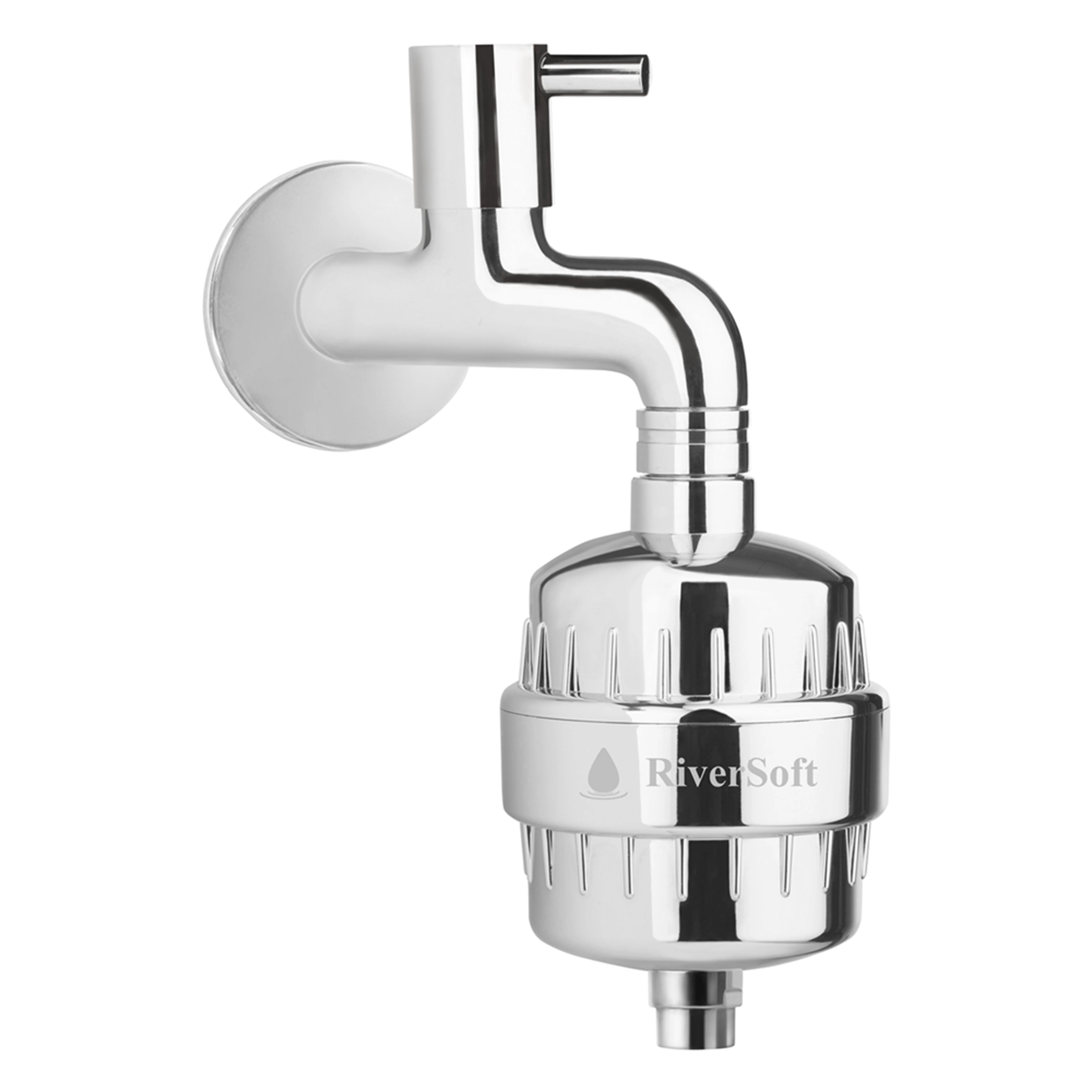
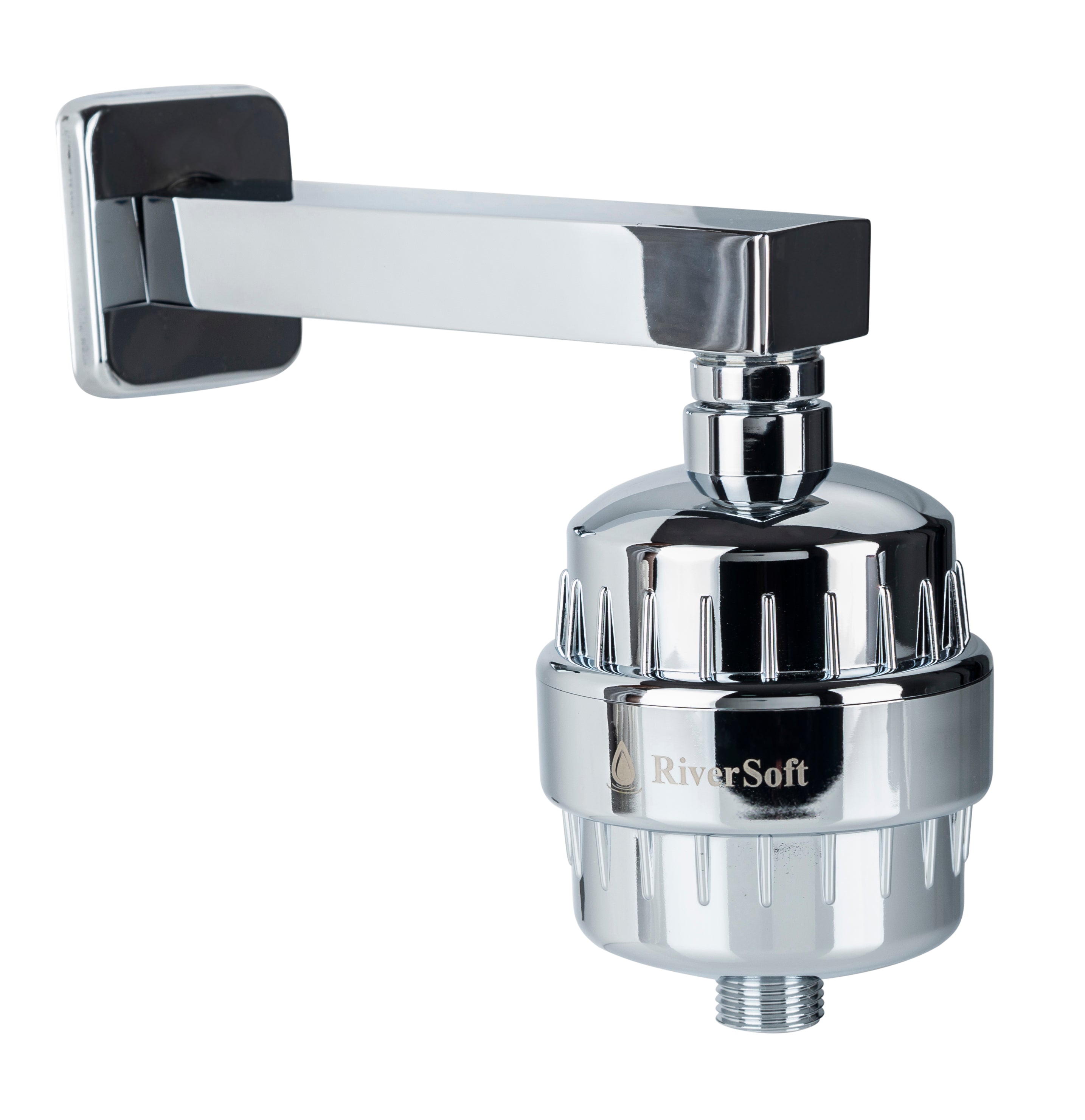
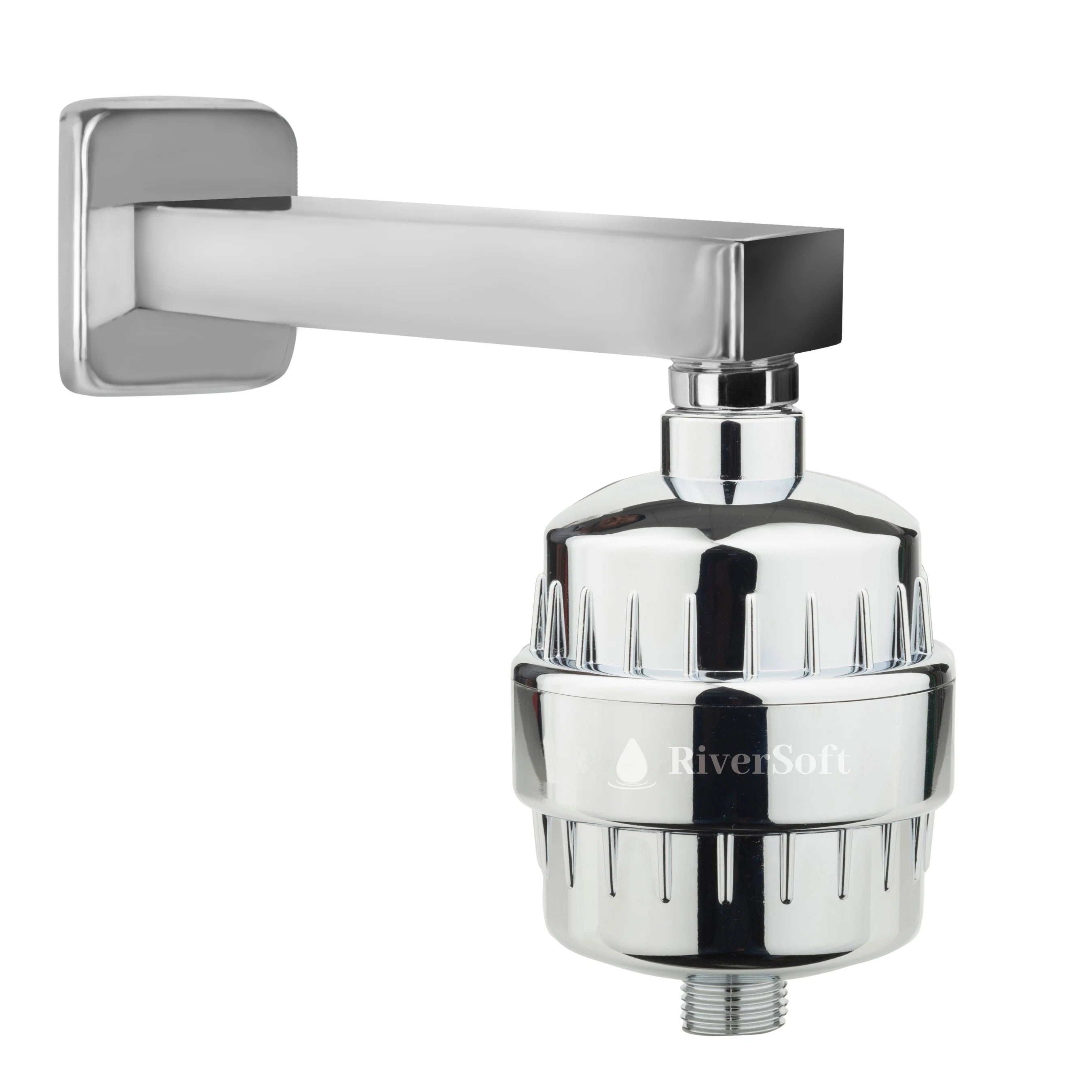
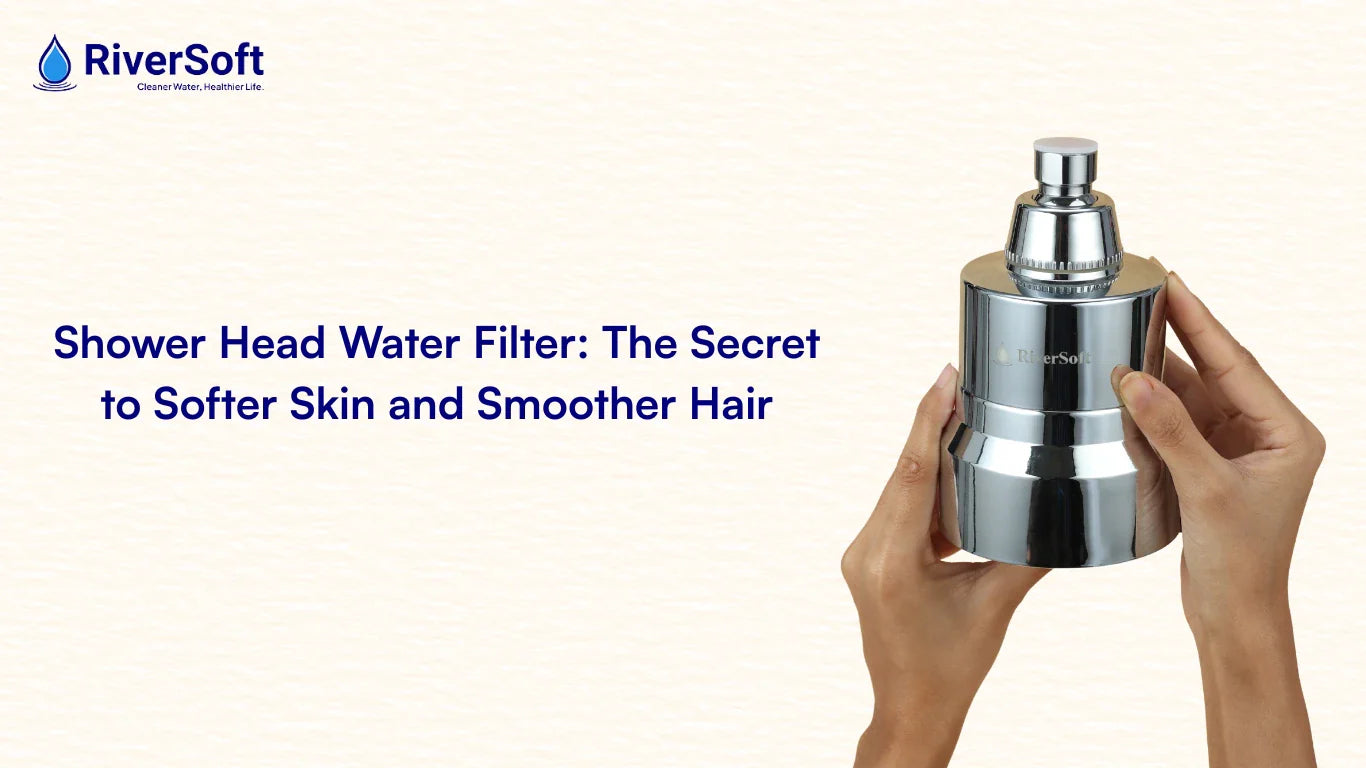
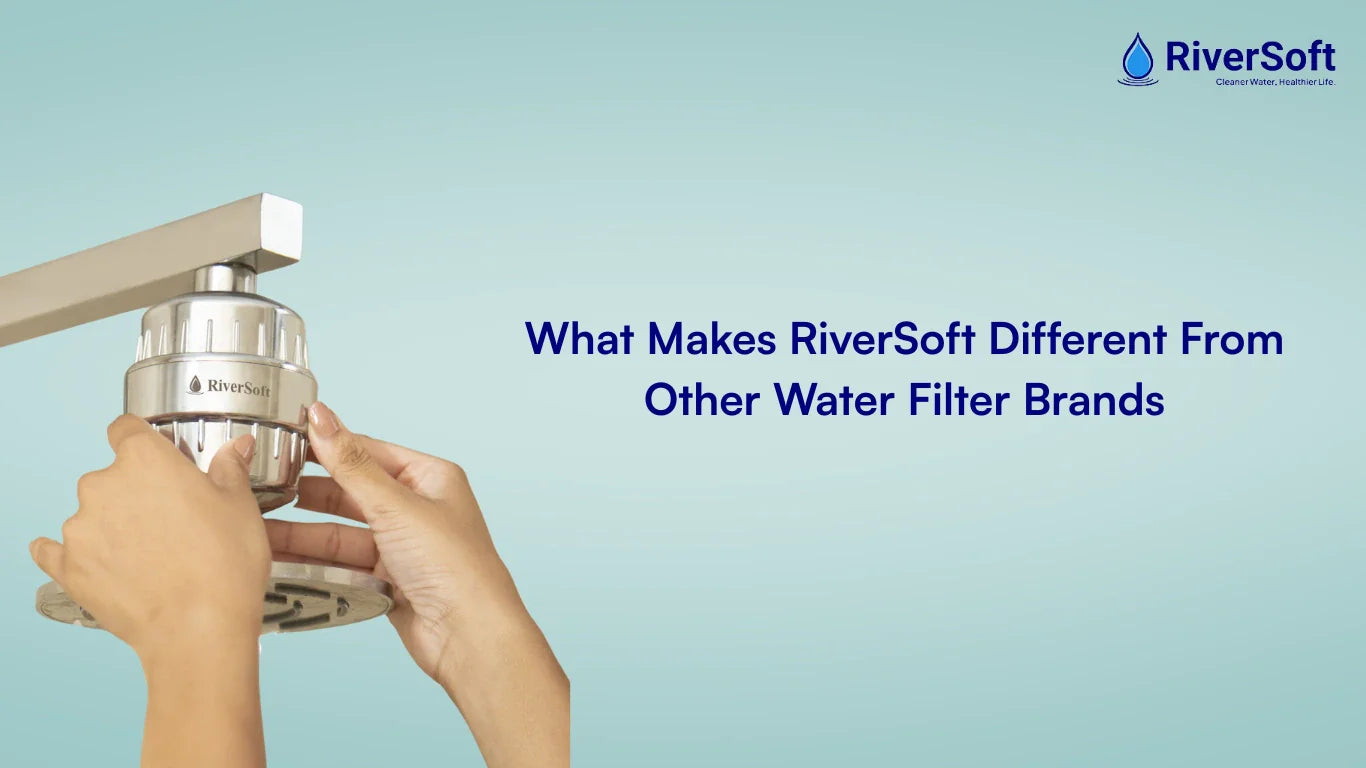
The good news is that you don't need to change your entire haircare routine to reduce these effects, and you can't change your city's water infrastructure. But you can filter what actually touches your hair and skin every day. A shower filter for hard water works at the source, reducing the mineral and chlorine load before it reaches you.
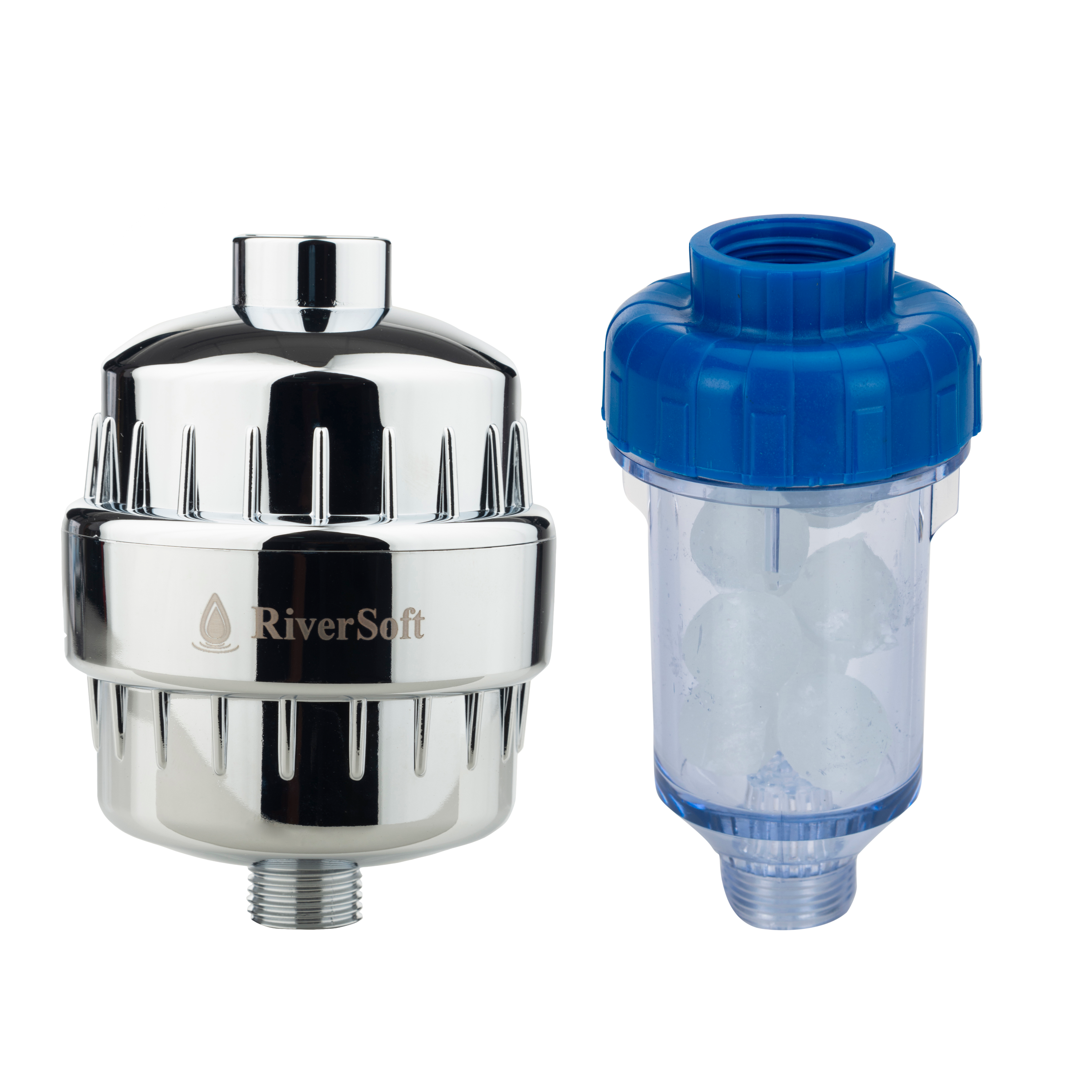
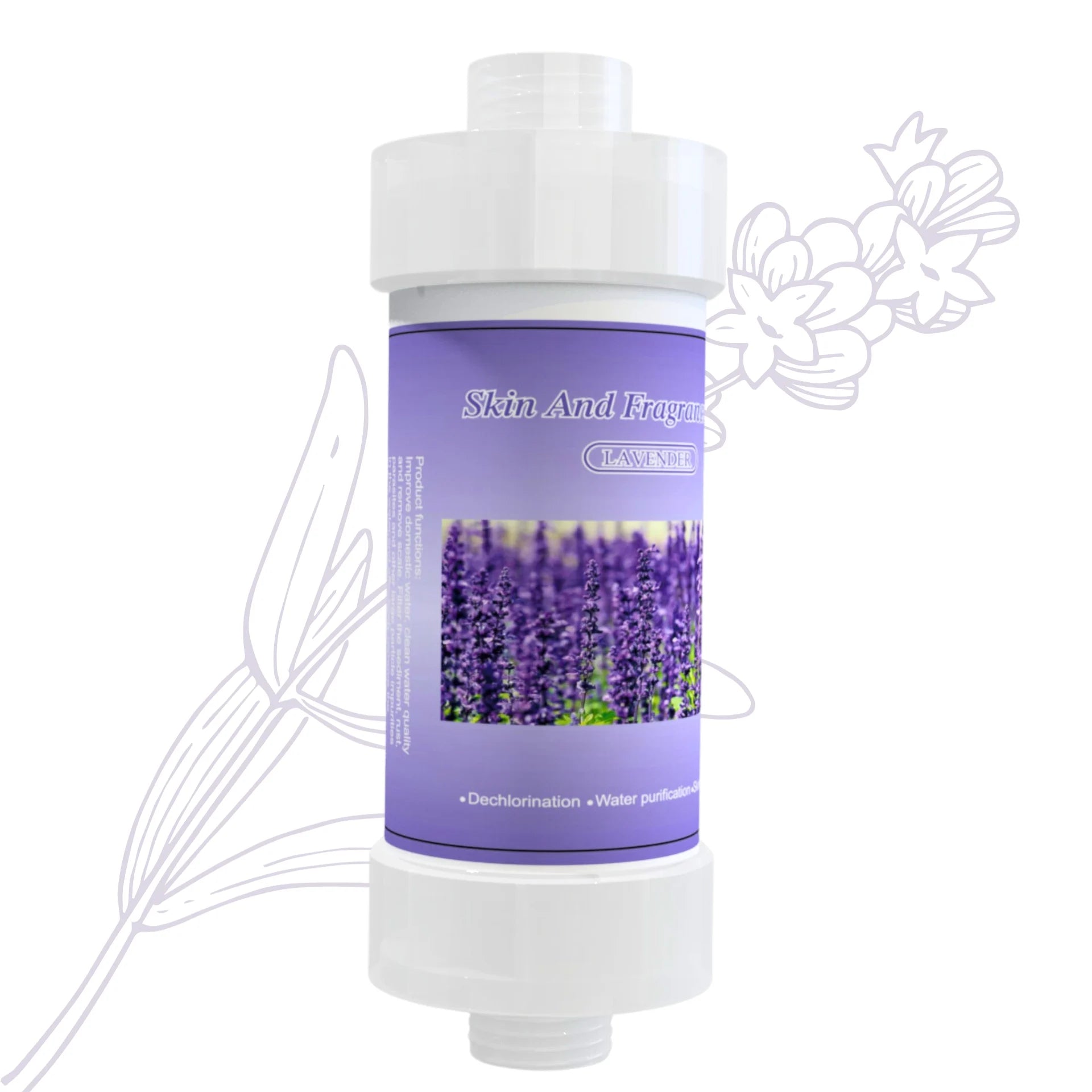
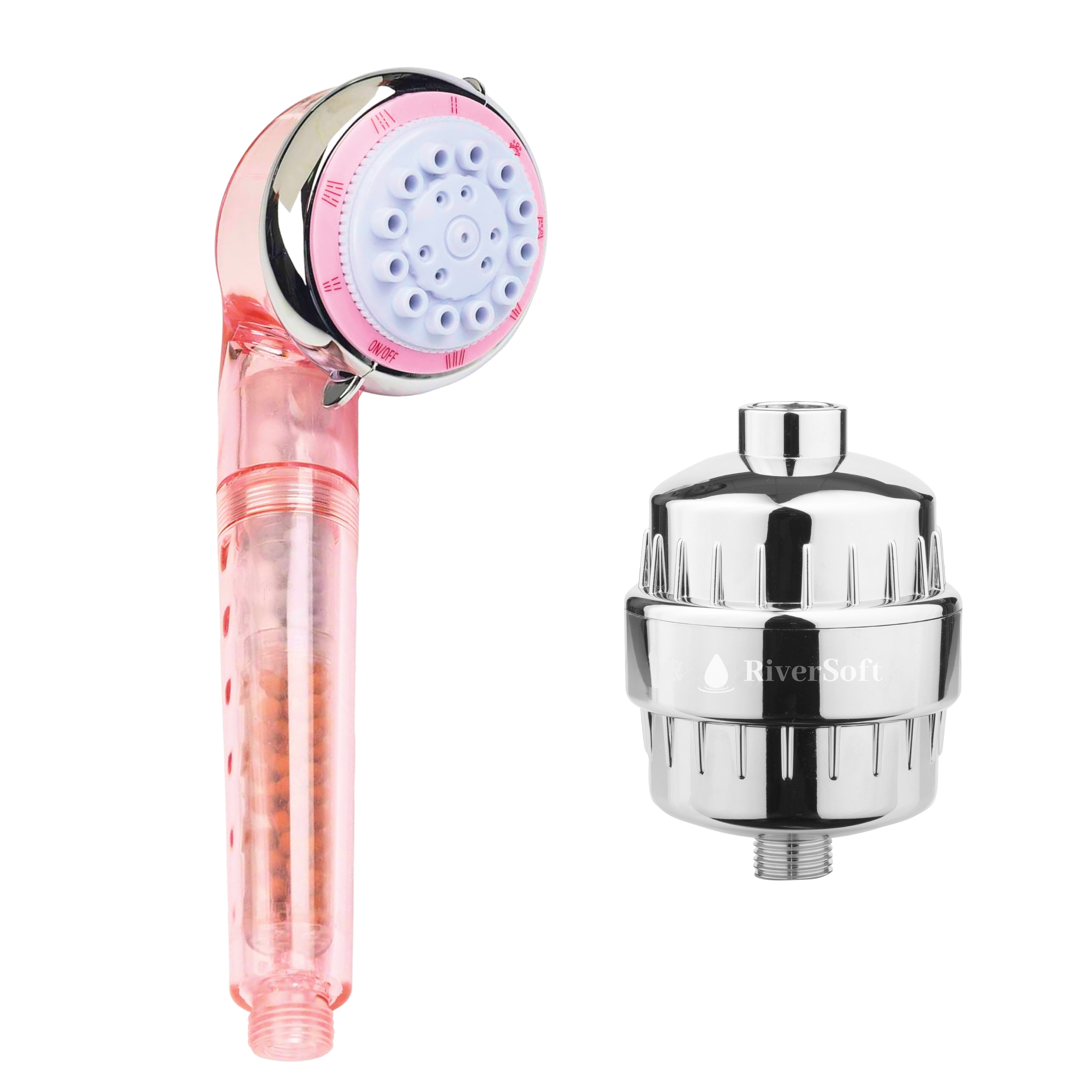
At RiverSoft, we make filters designed for different water conditions across Indian cities:
-
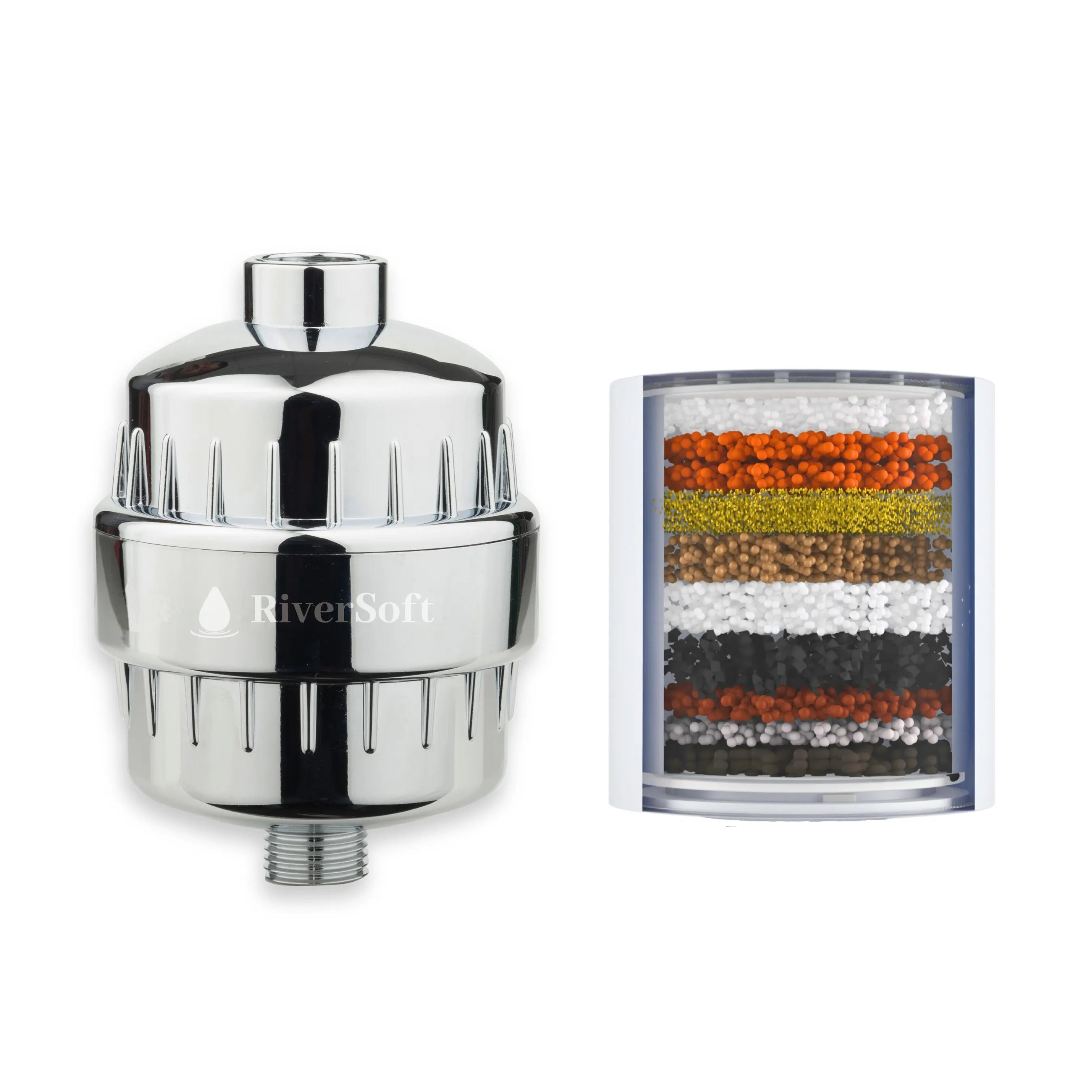
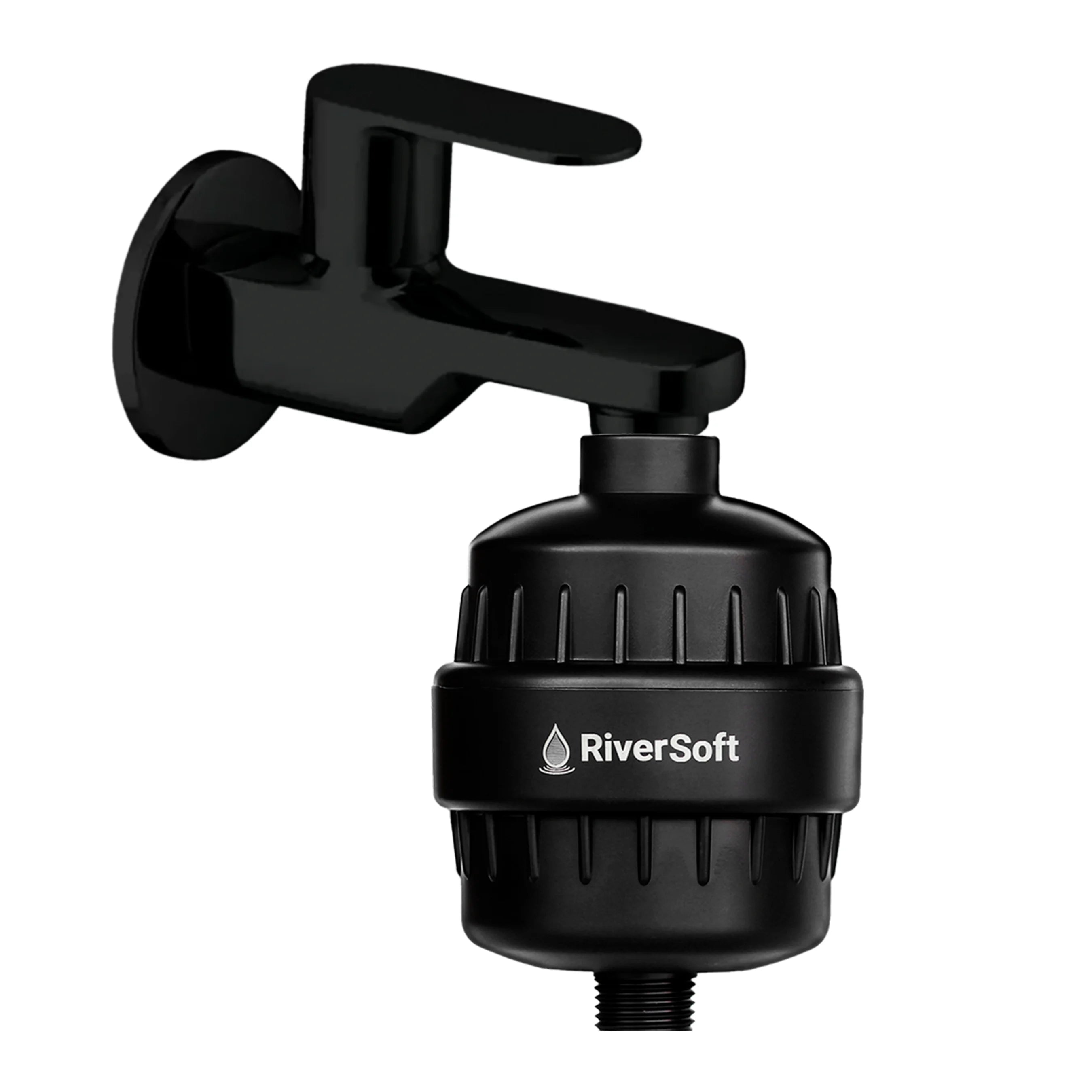
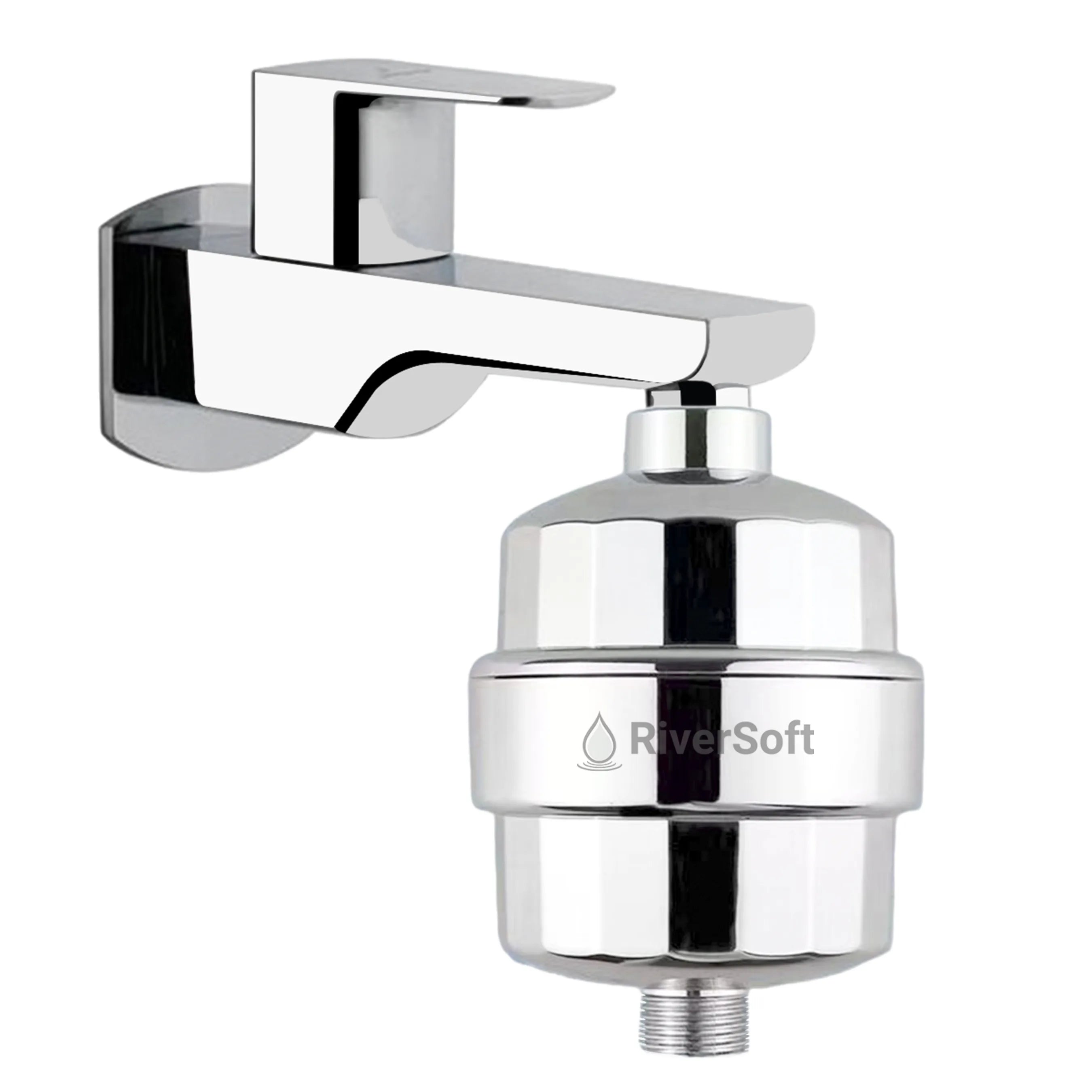
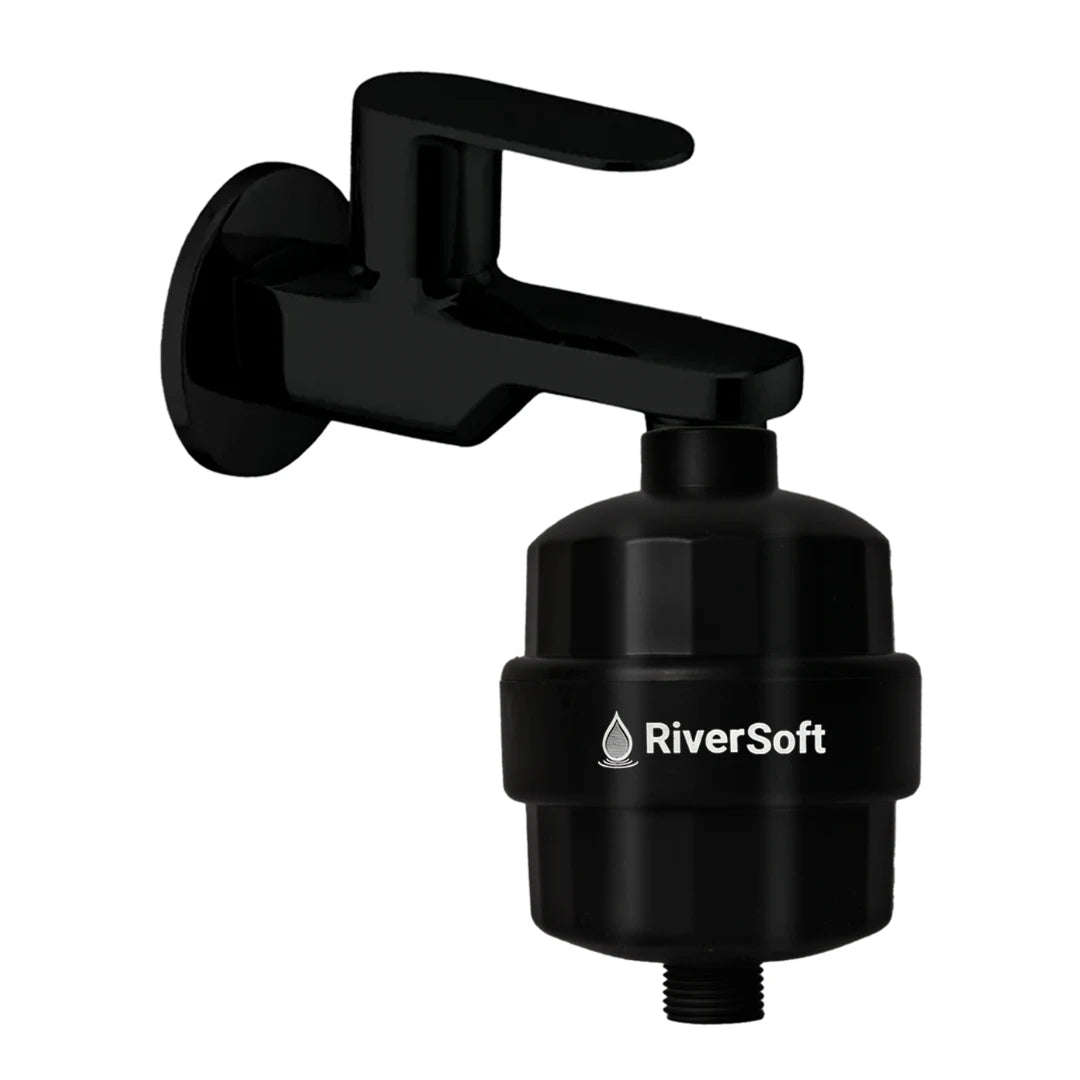
SF-15 PRO: For moderate hardness areas, go for our SF-15 Pro Shower & Tap filter: 15-stage filtration, easy DIY installation, and no plumber needed.
-
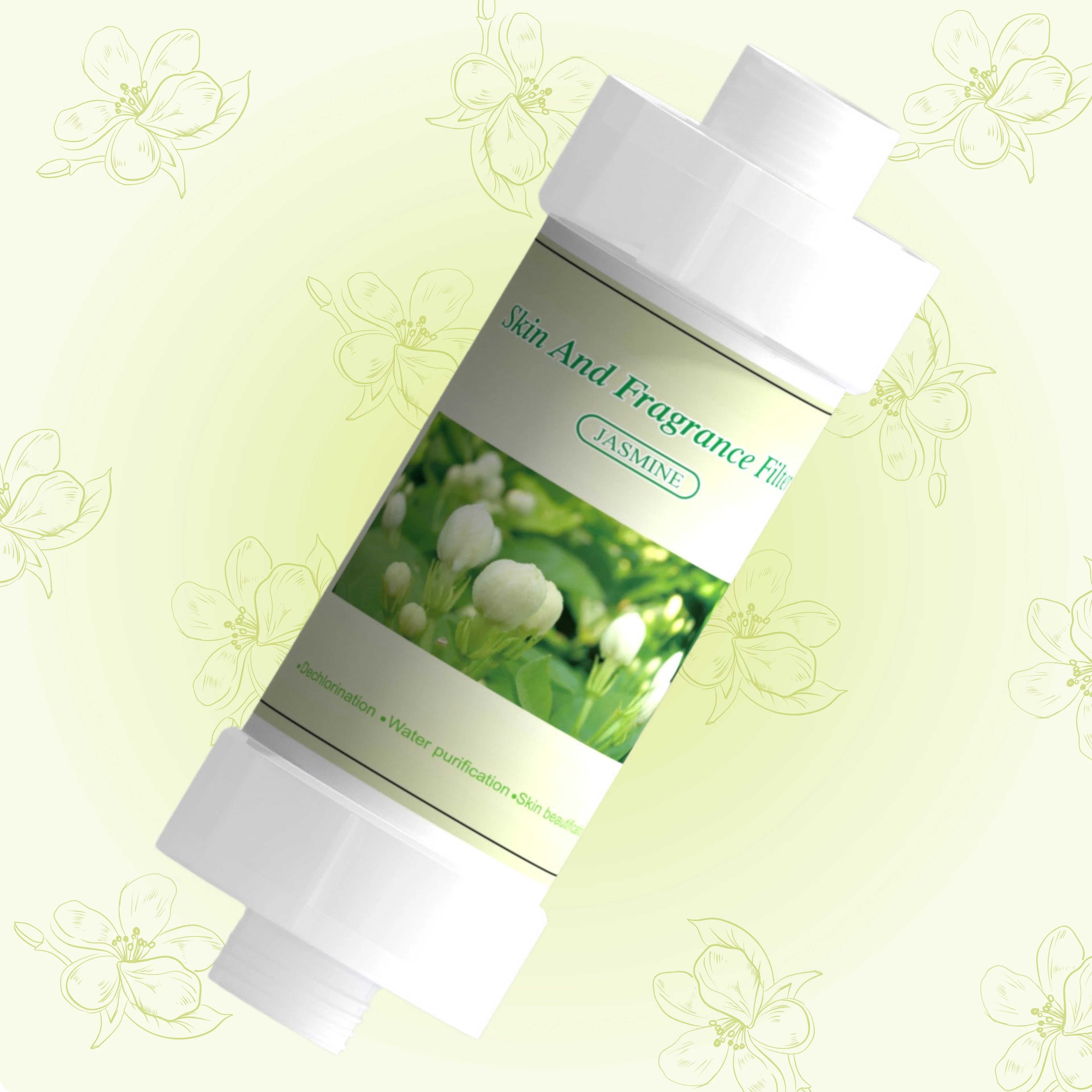
Bliss-15: For very high hardness in borewell-dependent areas, opt for Bliss-15, which comes with a higher concentration of filtration media.
-
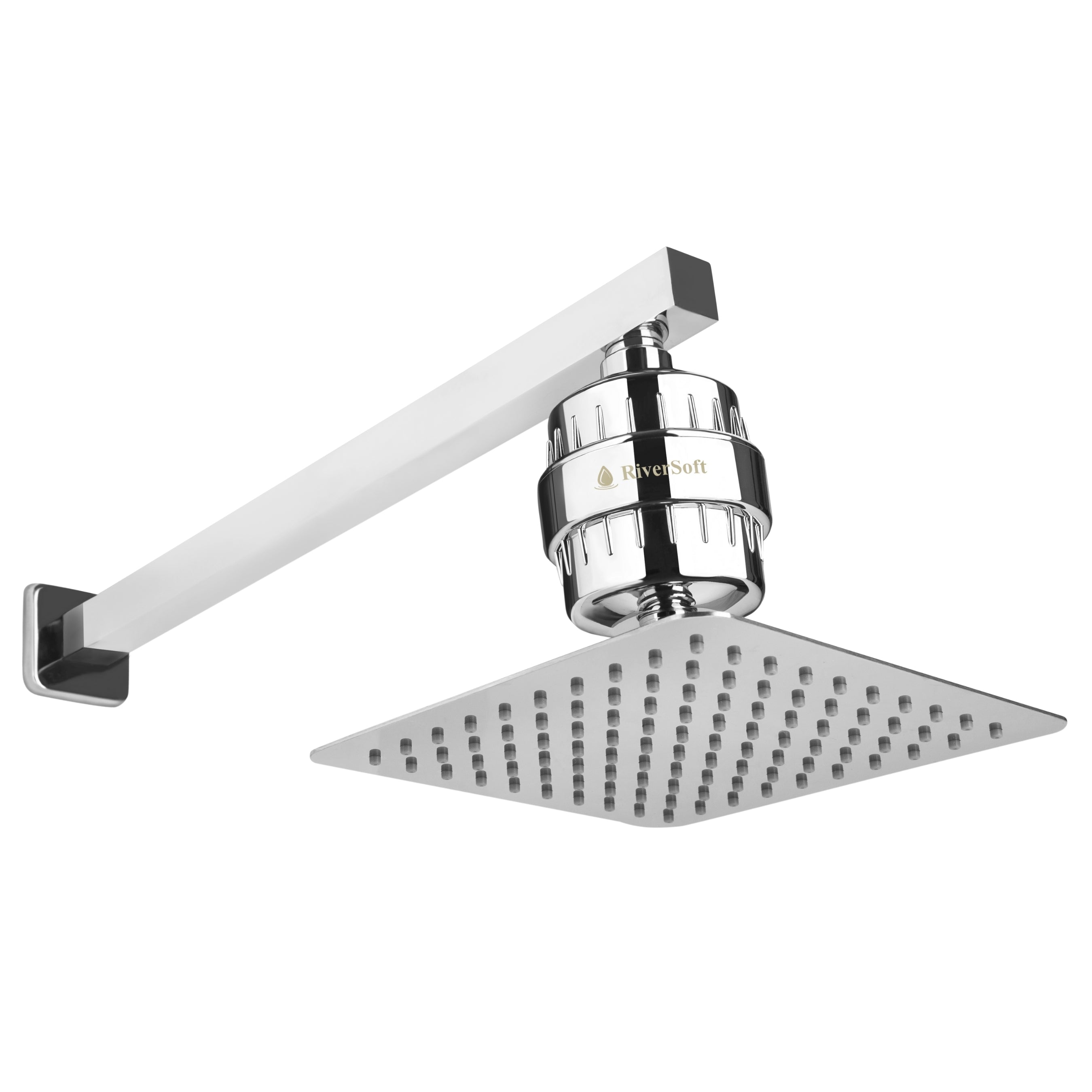
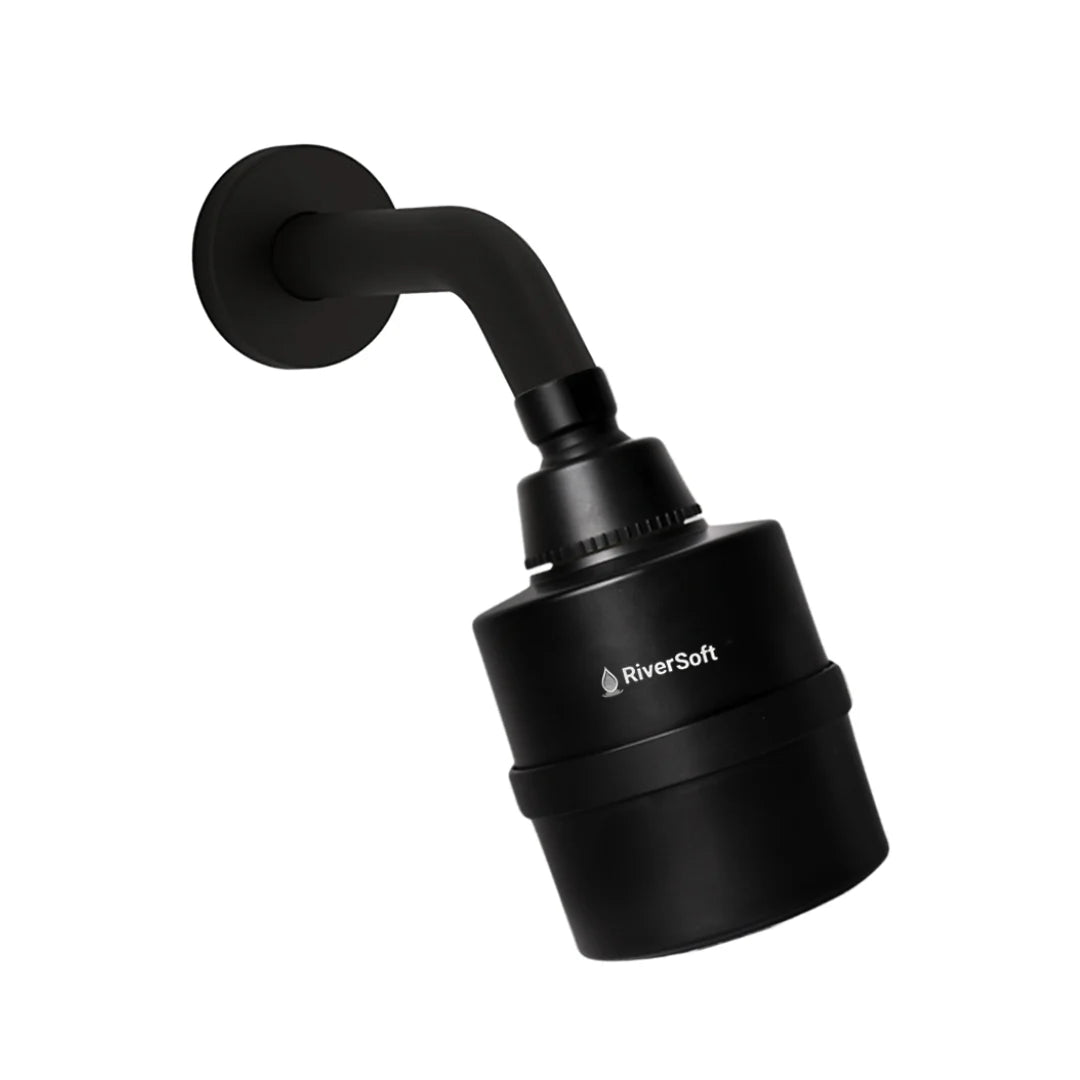
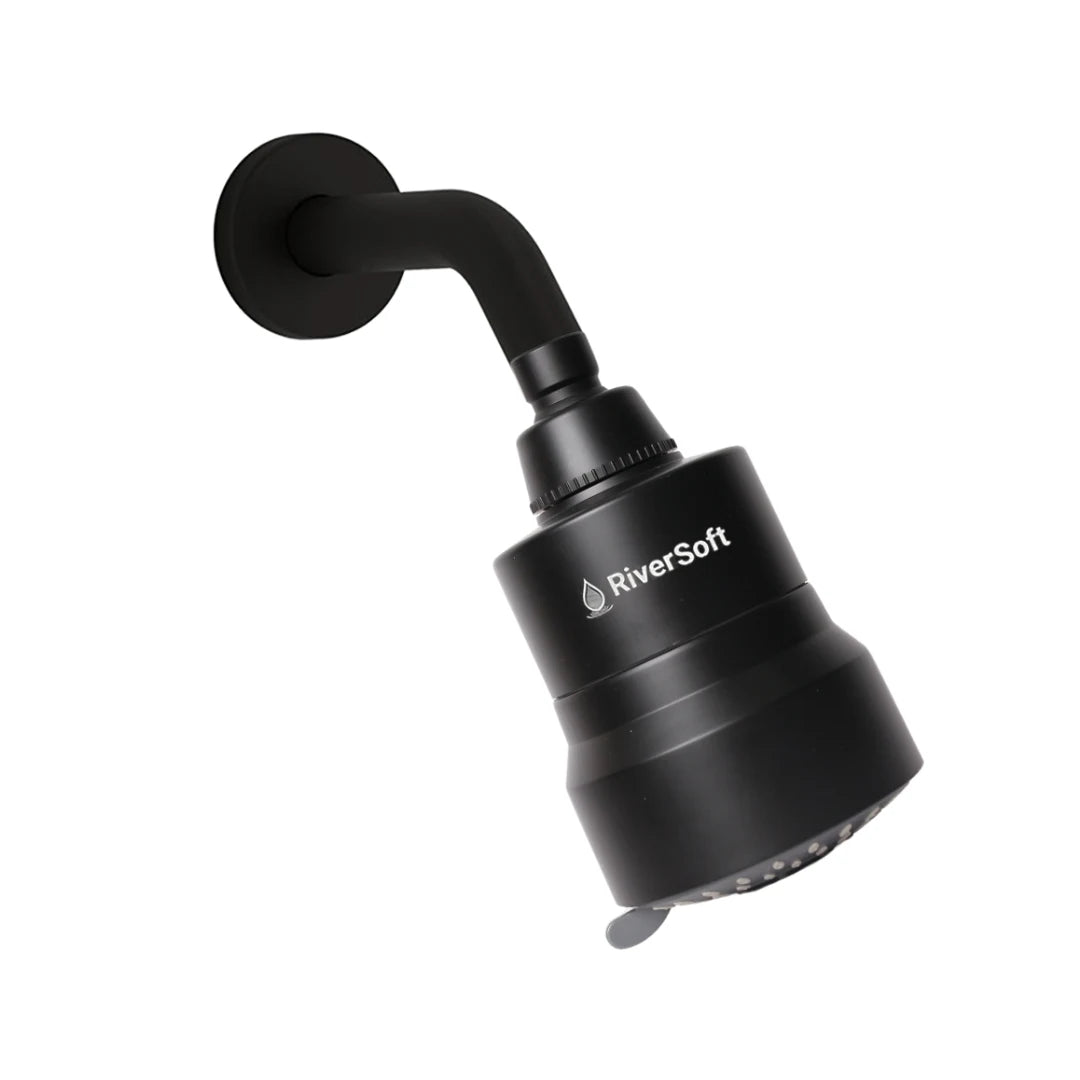
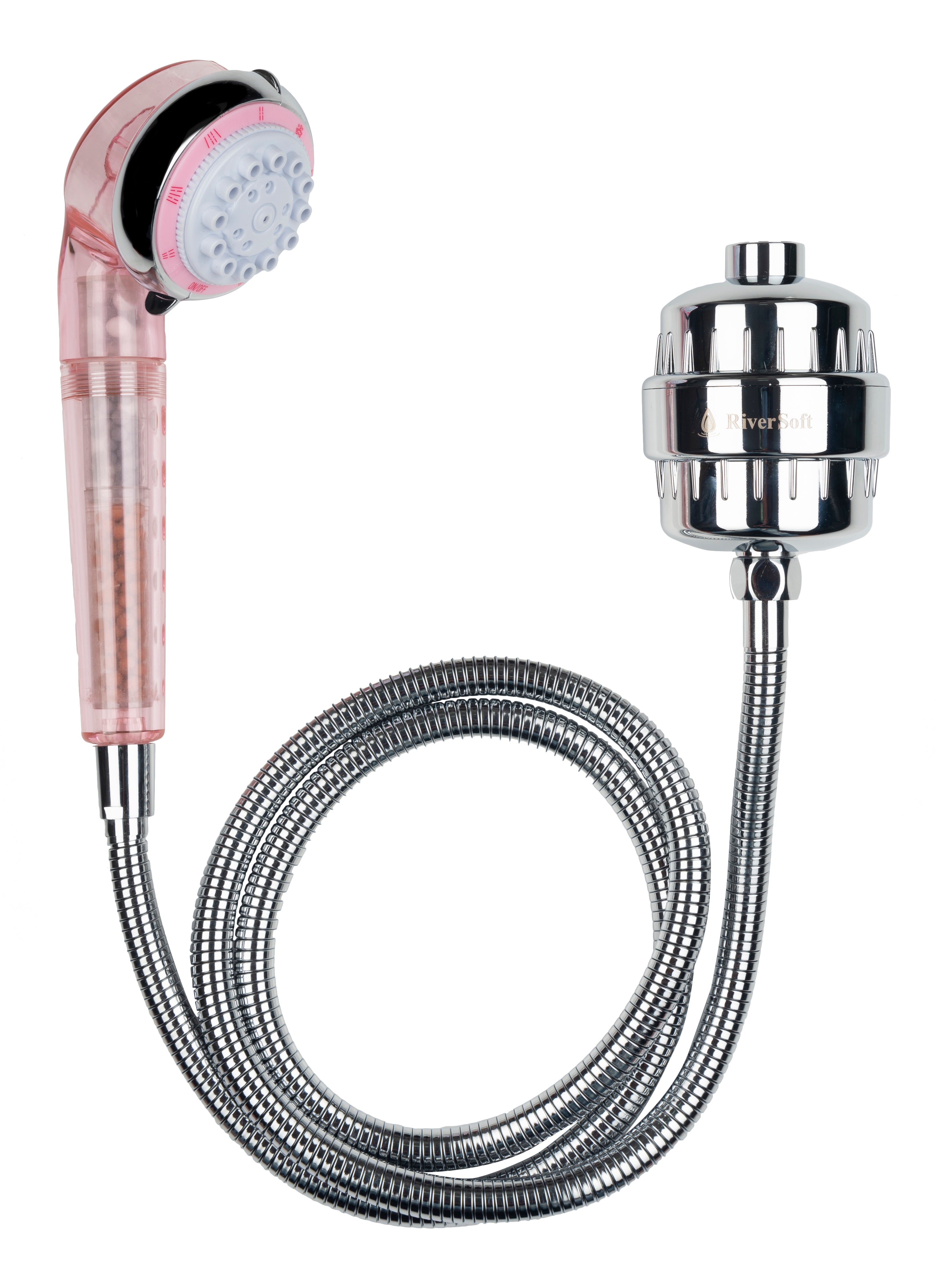
DIVA Series: A complete showerhead with built-in filtration and multiple spray modes. Good fit if you want to replace your existing showerhead rather than add on to it.
Note: Our shower filters do not reduce Total Dissolved Solids (TDS). For high TDS in drinking water, an RO purifier is what you need.
Final Thoughts
Hard water from borewell sources, chlorine from municipal treatment, and ageing pipes all contribute to what reaches your shower every day. The practical answer isn't to change your hair care products again. It's to filter the water before it touches your hair and skin. A hard water filter for bathroom is one of the simplest changes an Indian household can make to stop daily damage from building up. Check out RiverSoft's range of shower filters to find the right fit for your city's water.





























Leave a Comment