

You’ve moved to the city of dreams, Mumbai, settled into your new home -- and your hair suddenly feels different.
Your shampoo isn’t lathering the way it used to, you keep noticing this weird white buildup around the taps and to top it off; ask yourself: could your water be the reason?
The answer: Yes. While Mumbai's treated municipal water is generally relatively soft, groundwater and borewell water in different parts of Mumbai can be moderately hard to very hard.
What Makes Water Hard?
Let’s get a little technical, shall we?
See, according to the World Health Organization guidelines for drinking water quality, water hardness is primarily caused by calcium (Ca²⁺) and magnesium (Mg²⁺) ions, commonly expressed as concentration of CaCO₃ in milligrams per litre.
Now, hard water is mainly caused when calcium and magnesium ions are picked up as water moves through underground soil and rock. Water containing calcium carbonate at concentrations below 60 mg/L is considered relatively soft, while 60-120 mg/L is considered moderately hard, and water with more than 180 mg/L is considered hard. Therefore, the higher the concentration of calcium and magnesium, the harder the water becomes!
And while both hardness and TDS are related to what gets dissolved in water, they measure different things – TDS covers all dissolved substances, while hardness refers specifically to calcium and magnesium. But if you’re still unsure, we’ve got full guides on the implications of TDS in water — as well as how hard water in general affects you — can definitely help you understand what it is and what you can do about it!
Is Mumbai Water Hard or Soft?
Well, it depends!
There isn’t one singular hardness level that applies to the entire city, but the water reaching your bathroom can depend on whether your building receives BMC-supplied water, uses groundwater or borewell water, relies on tankers, or uses a combination of sources.
Why Does Water Hardness Vary Across Mumbai?
Water hardness in Mumbai can vary considerably because the water reaching different homes does not always come from the same source or pass through the same geological conditions.
Mumbai’s Municipal Water
See, most of Mumbai's municipal water comes from BMC's treated water supply system.
And based on MCGM's published water-quality data, treated water at major treatment facilities has generally recorded softer water. Which in turn means BMC-supplied water can generally be considered relatively soft, but these figures should not be assumed to represent every tap in Mumbai.
Why? Because the water reaching an individual home may also be affected by the building's water source, storage system, groundwater supplementation or tanker supply.
What About Tanker Water?
When it comes to tankers, the water isn't automatically hard or soft; it depends on its source.
A tanker could be carrying:
-
Borewell water
-
Private groundwater
-
Treated water, OR
-
A blended or mixed source
So even when it comes to tanker water, the source matters more than the word “tanker!”
Coastal Influence
Mumbai's coastal geography can also influence groundwater chemistry in certain areas. In fact, a 2014 peer- reviewed case study on the geomorphology of Mumbai's groundwater from the Indian Institute of Technology, Mumbai, found considerable variation in hardness between different geomorphic settings.
Groundwater in denudational areas generally recorded hardness below 300 ppm, while groundwater from coastal landforms exceeded 300 ppm and reached the very-hard category during the monsoon. This is important because monsoonal rainfall, however abundant, is usually limited to a four-month period. Meanwhile, the water demand for the rest of the year is met by groundwater. Now, groundwater quality in the deeper regions of the aquifer is also brackish to slightly saline in Colaba, Dharavi, and Khar, which could be attributed to seawater incursion.
Groundwater and Borewell Water
Here's where things become a lot more variable.
As groundwater moves through soil and rock, it dissolves minerals such as calcium and magnesium ions. So depending on underlying geology and groundwater conditions, these minerals can occur at vastly different concentrations!
Additionally, the quality of the groundwater of Mumbai is also quite variable depending upon the location and source of the water. In this respect, CGWB reports the total hardness (TH), Calcium, Magnesium, TDS and others individually for the groundwater sampling sites located in Mumbai City and the Mumbai Suburban District.
Water hardness varies much more by source as well (BMC supply v/s borewell or tanker), building plumbing and local groundwater than simply by neighbourhood. And if you’ve read our guide on borewell water and the effects it has on your hair, you know just how important that distinction is!
Monsoon vs Summer
Groundwater quality can also change with the seasons! Mumbai's monsoon brings substantial rainfall and groundwater recharge, which can alter the concentration and movement of dissolved substances underground.
Factors that can influence seasonal groundwater chemistry include:
Recharge:
Rainfall replenishes groundwater and can change its composition.
Dilution:
Increased recharge can dilute some dissolved substances.
Evaporation:
During hotter, drier periods, evaporation can concentrate dissolved substances.
Groundwater movement:
Changes in groundwater levels and flow can alter how water interacts with surrounding geological formations.
So even if you're using groundwater from the same source, its chemistry may not remain completely constant throughout the year.
How Hard Is Water in Different Parts of Mumbai?
The hardness of ground water in various parts of Mumbai varies considerably, and even depends on the season. For example, a report on groundwater in the Mumbai Metropolitan Region reported post-monsoon hardness of approximately 126–270 mg/L and pre-monsoon hardness of 164–271 mg/L across sampled locations including Mahim, Matunga, Andheri, Mulund and Chembur.

South Mumbai
South Mumbai receives substantial BMC municipal supply, which is generally relatively soft. However, some properties may also rely on groundwater or tanker water. In coastal areas, groundwater can have different chemical characteristics, including higher mineral and TDS levels, so the source of water matters.
Older buildings may also have their own storage and plumbing arrangements, meaning the water reaching an individual tap may not be identical to the water entering the building.
Central Mumbai
Water conditions can vary between buildings depending on their source of supply.
While BMC-supplied water is generally relatively soft, buildings that supplement their supply with groundwater, borewell or tanker water may experience different water characteristics. The building's water source can therefore be more informative than the neighbourhood name alone.
Western Suburbs
The western suburbs include areas such as Andheri, Jogeshwari, Borivali and Malad, but these areas shouldn't simply be labelled as either “hard-water” or “soft-water” zones.
Most importantly, the water source matters. A home receiving treated BMC water may have a very different water profile from a building using borewell or tanker water, even within the same locality.
Eastern Suburbs
Areas such as Chembur and Mulund also have differences in groundwater characteristics and household water sources.
Groundwater data from these areas demonstrates why hardness measurements shouldn't automatically be applied to every home in the locality. A sample from one groundwater source tells us about that source — not necessarily every building nearby.
Navi Mumbai and Thane Region
Navi Mumbai and Thane are part of the wider Mumbai Metropolitan Region but have different water-supply systems and groundwater conditions from Mumbai city. As a result, hardness levels can vary depending on the local water source, groundwater conditions and whether a property relies on municipal or alternative supplies.
But how does this concern you, you ask? The thing is, your neighborhood’s name alone may not tell whether the water in your bathroom is hard, because the source of the water matters too.
4 Signs Your Mumbai Home Water Could Be Hard
If you’re now unsure about whether your water is hard or not, look around your bathroom before buying another shampoo – or blaming your skincare routine! Here are four telltale signs of hard water in your life:
1. Mineral Buildup Around Taps & Faucets
White, chalky mineral deposits around taps, faucets and shower heads could be a good indication that your water is hard.
These deposits are commonly called limescale and form when pesky dissolved minerals build on surfaces. You can read our guide on limescale removers, and find ways to get rid of them pretty easily!
2. Soap and shampoo don’t lather as easily
If your soap or shampoo takes longer to lather when washed, you might be dealing with hard water in your household.
For a more detailed explanation, our guide on why exactly hard water makes your shampoo ineffective should be a good place to start!
3. Dry and Rough Hair
Hair exposed to hard water may feel dry and rough due to accumulation of minerals in the water. But don’t worry – if you’ve read up on our guide on hard water effects on your hair and scalp, you’ll know it’s a fixable problem!
4. Feeling Tight Skin Post-Shower
Hard water can interact with soaps and cleansers and might cause your skin to feel uncomfortably tight after showers.
And if you're still concerned about how well these characteristics fit the water in your home, our handy guide to why your skincare and haircare products stop working in hard water should sort it out!
Can Hard Water Damage Your Hair?
It sure can! Hard-water exposure has been shown to increase mineral deposition on hair, and may also affect the hair shaft. This can contribute to dryness and roughness: thereby causing hair fall.
However, hair fall has many possible causes, including genetics, hormonal changes, nutrition, stress and scalp conditions.
But if you wanted a more professional opinion, our guide on what dermatologists say about hard water hair damage offers a more detailed breakdown!
What You Can Do To Fix Effects of Hard Water
First: don’t panic. The effects of hard water on your hair and skin may be worrying, but all the symptoms have easy fixes. Here are just a few:
1. Switch to a Clarifying Shampoo
If you don’t already have one, using a clarifying shampoo occasionally goes a long way in removing mineral buildup and residue that can accumulate on the roots of your hair and scalp.
2. Avoid Extremely Hot Water
Very hot showers can leave your hair and skin feeling drier, so try sticking to lukewarm or cold water when washing hair.
3. Condition Regularly
Conditioning regularly can help keep your hair moisturised and manageable, especially if it feels dry or rough!
4. Use a Shower or Tap Filter
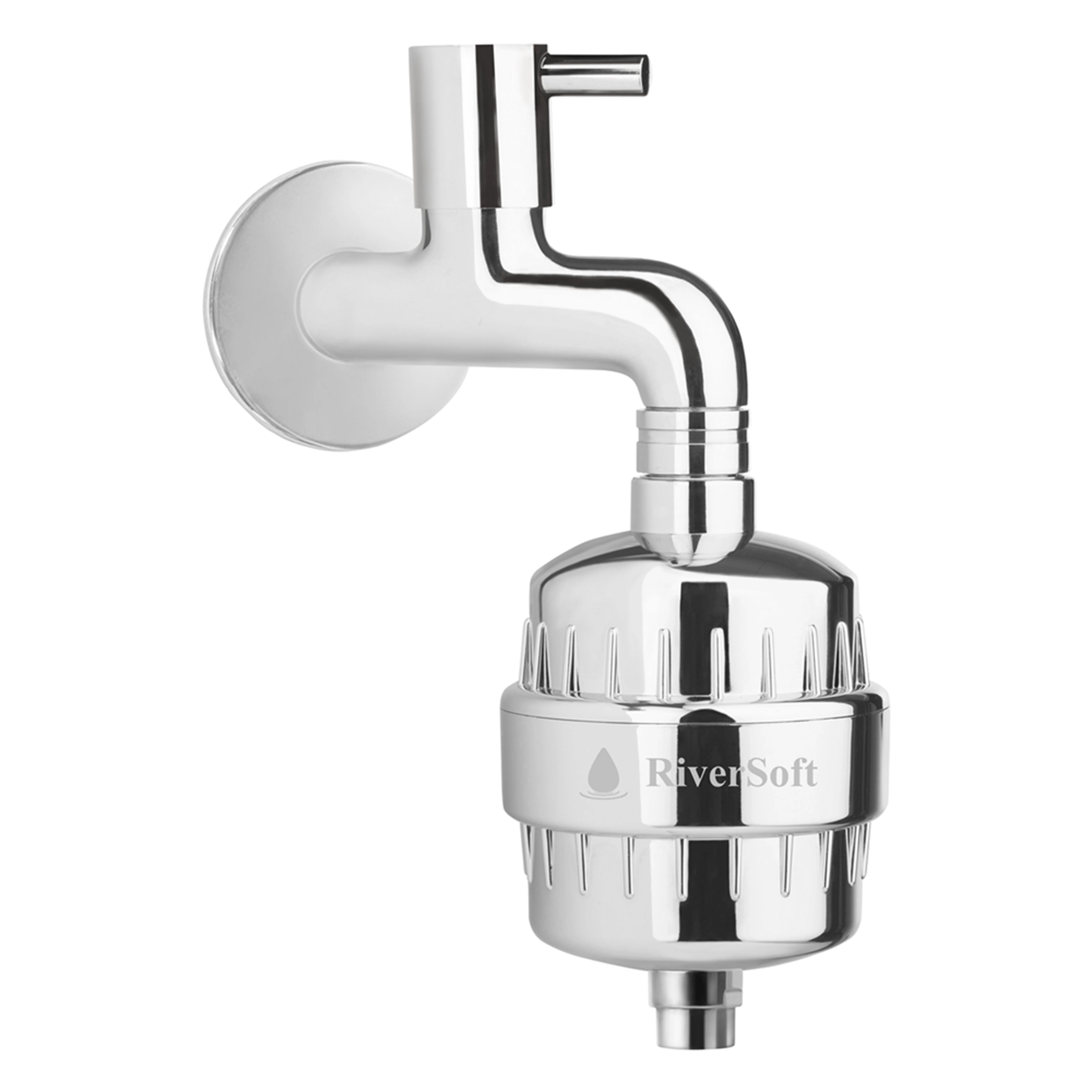
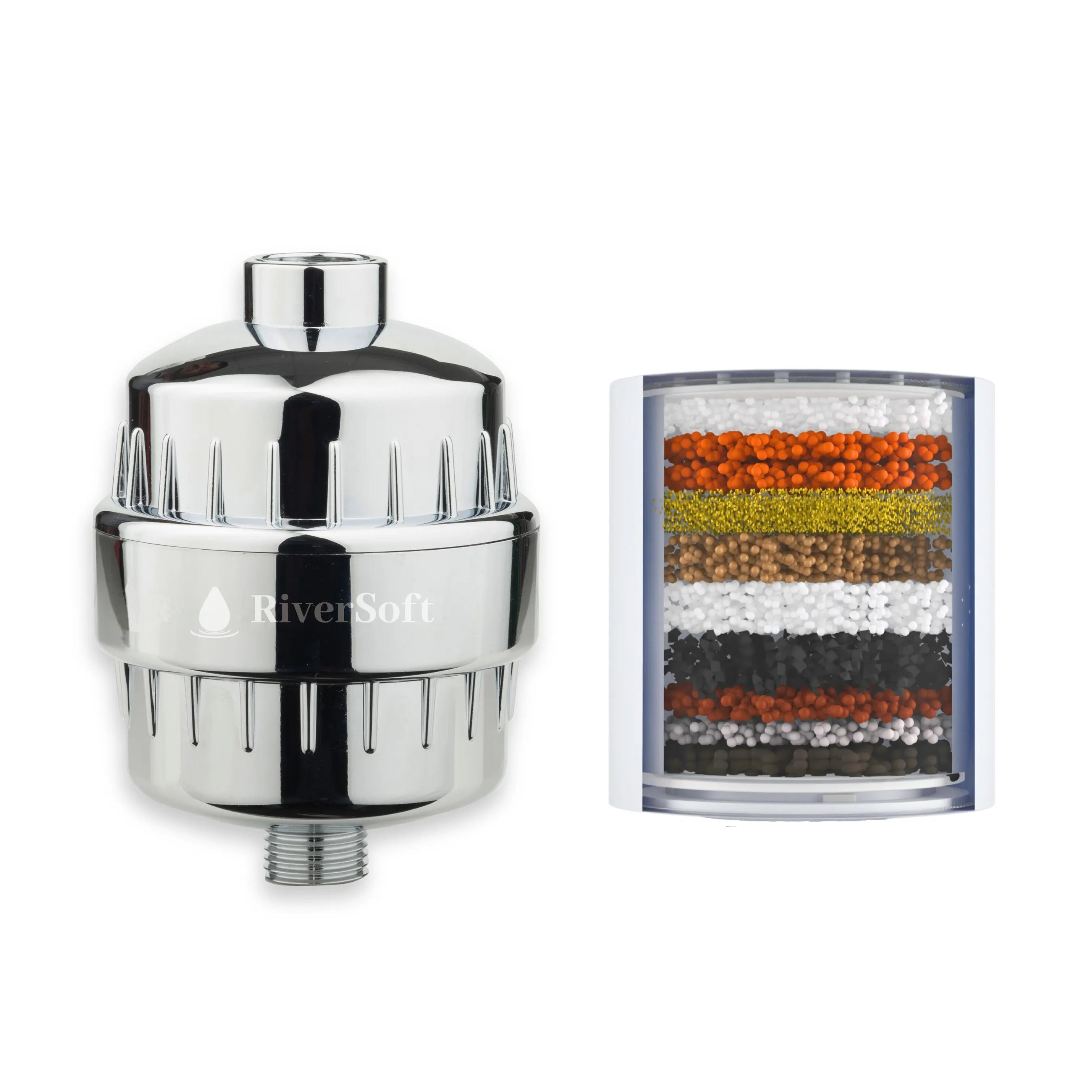
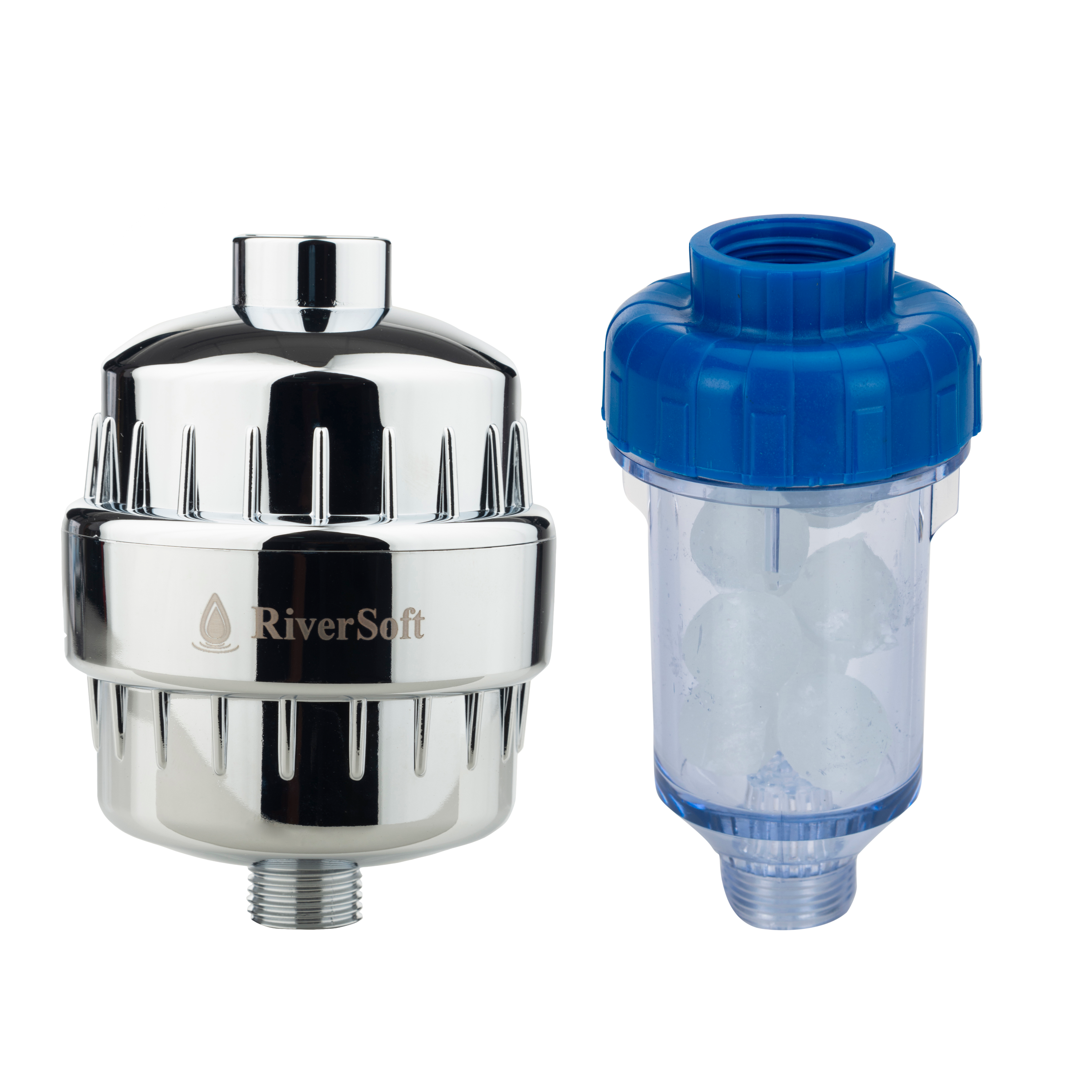
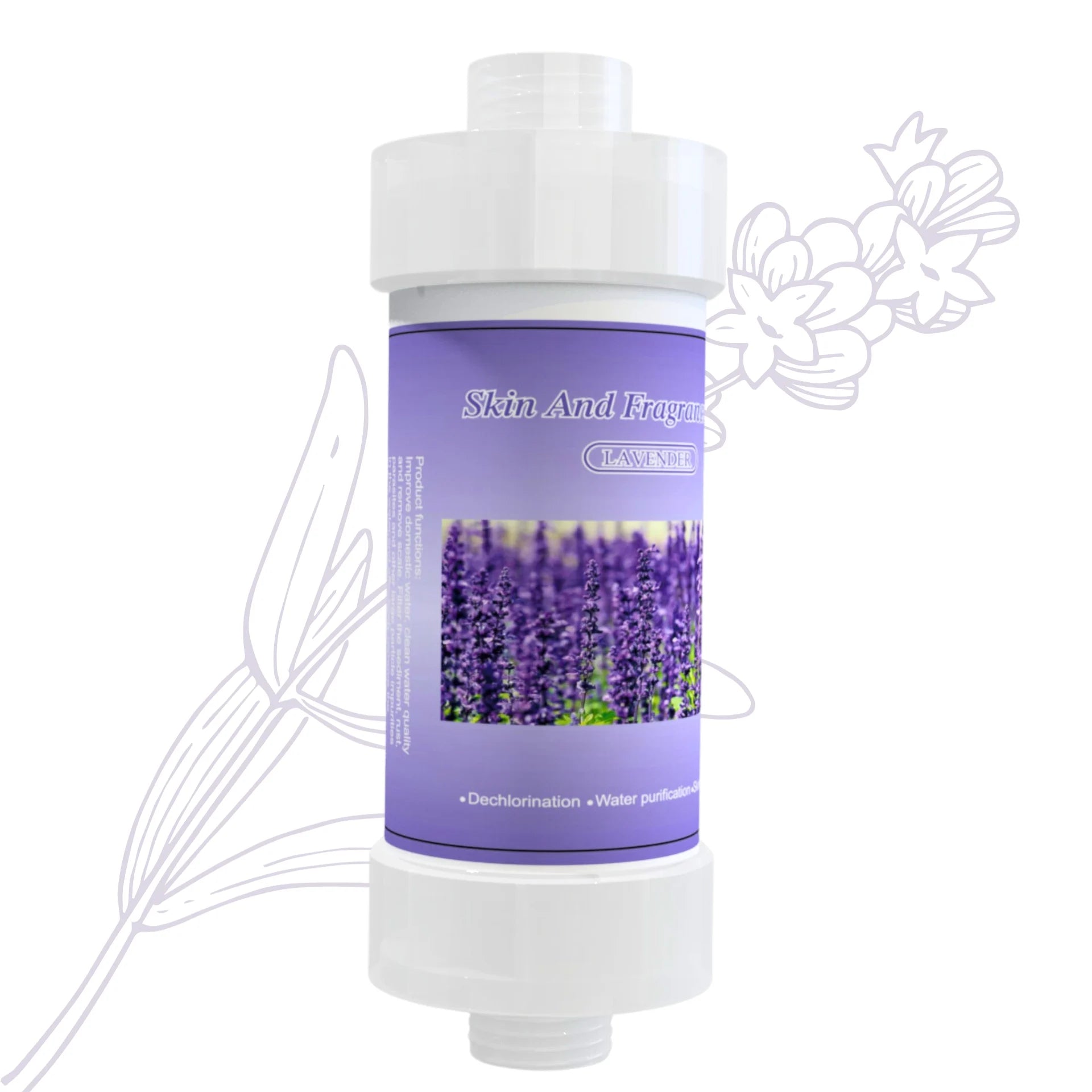
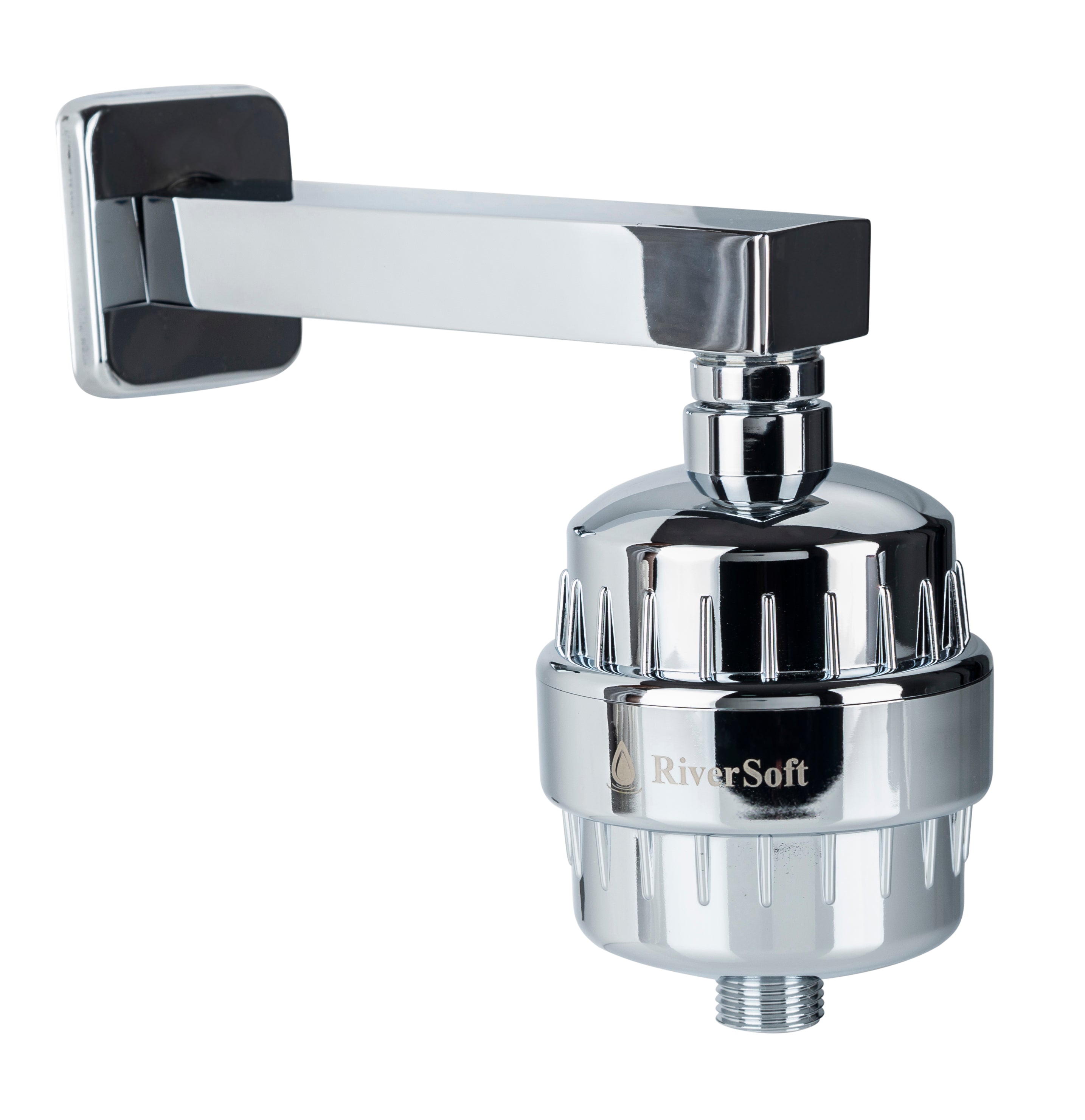
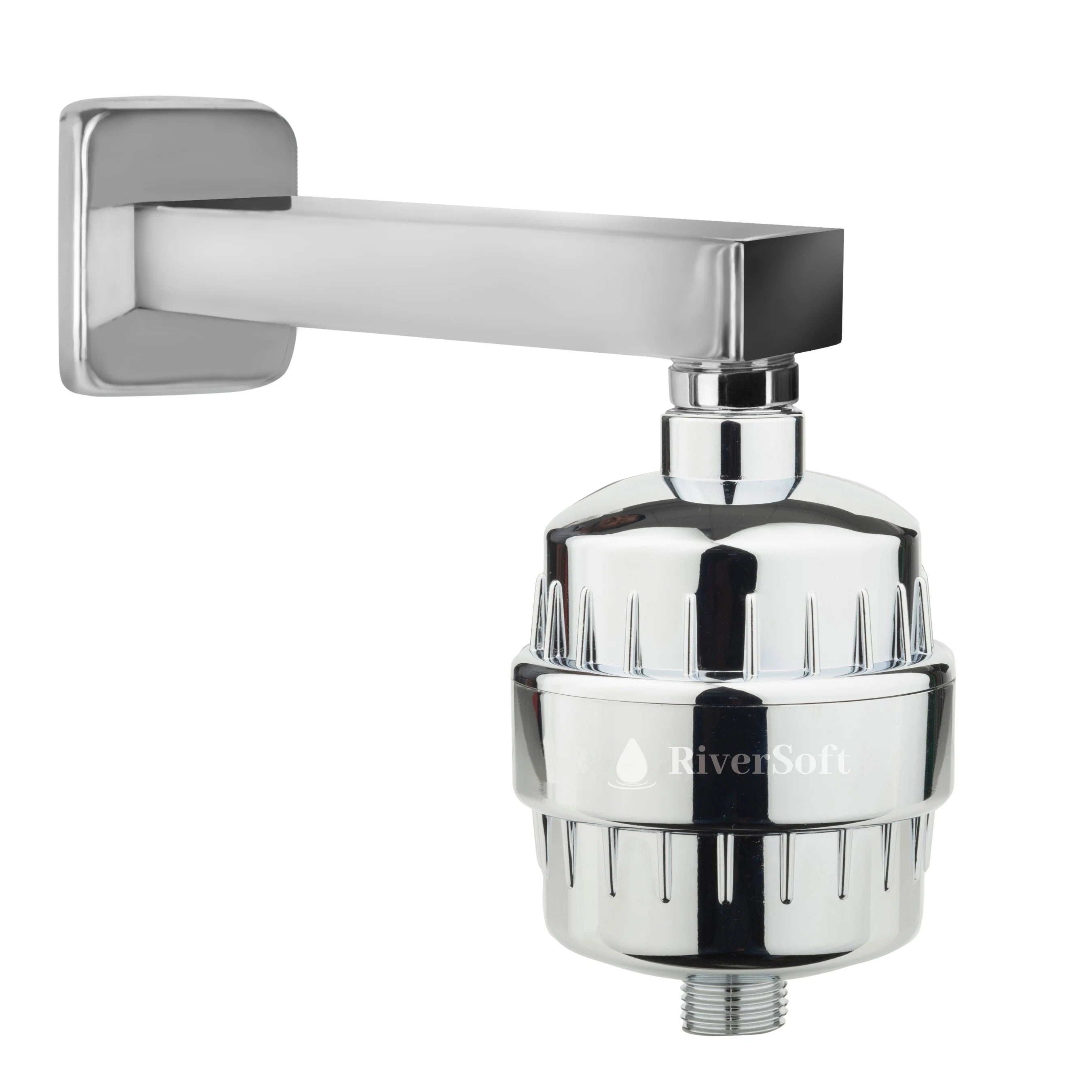
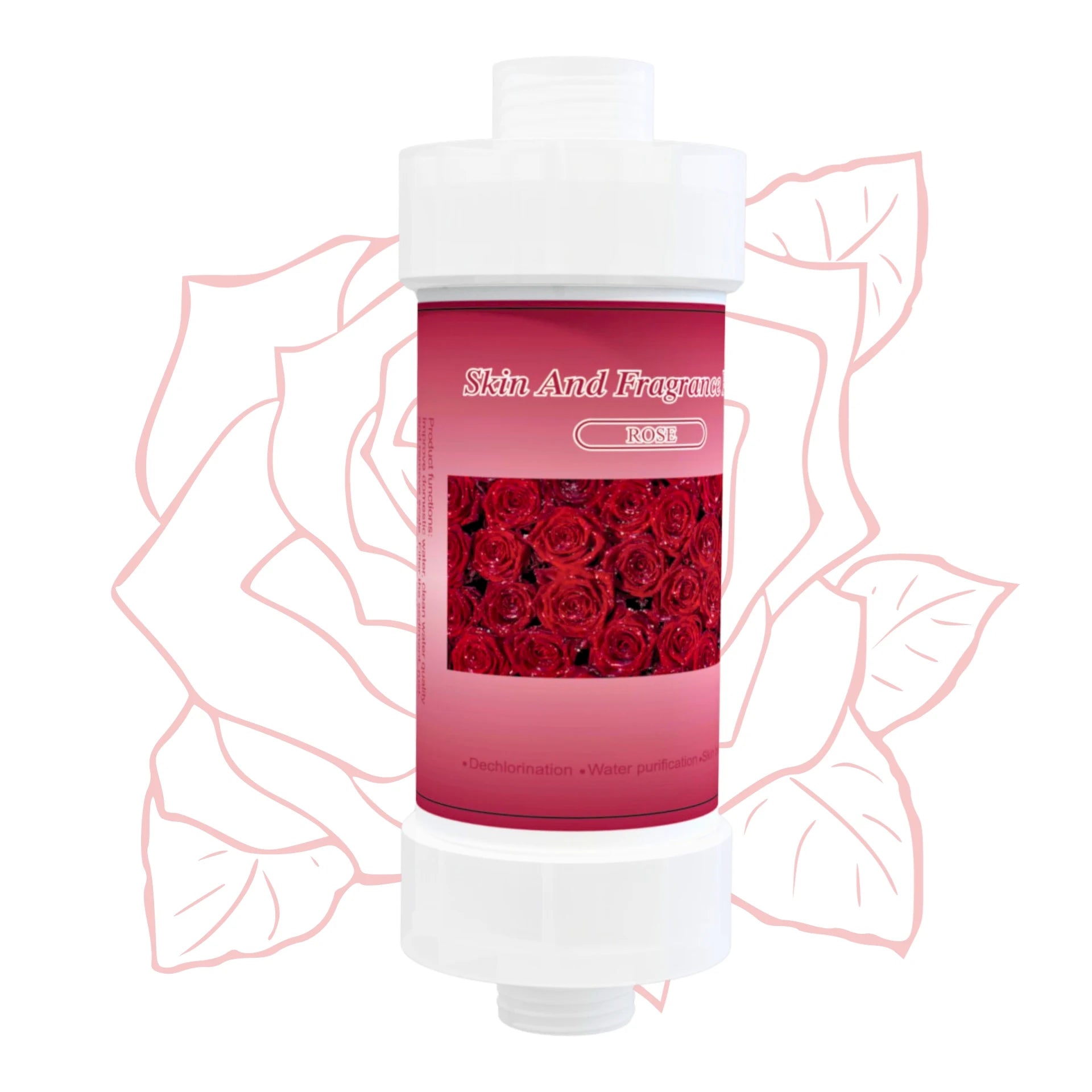
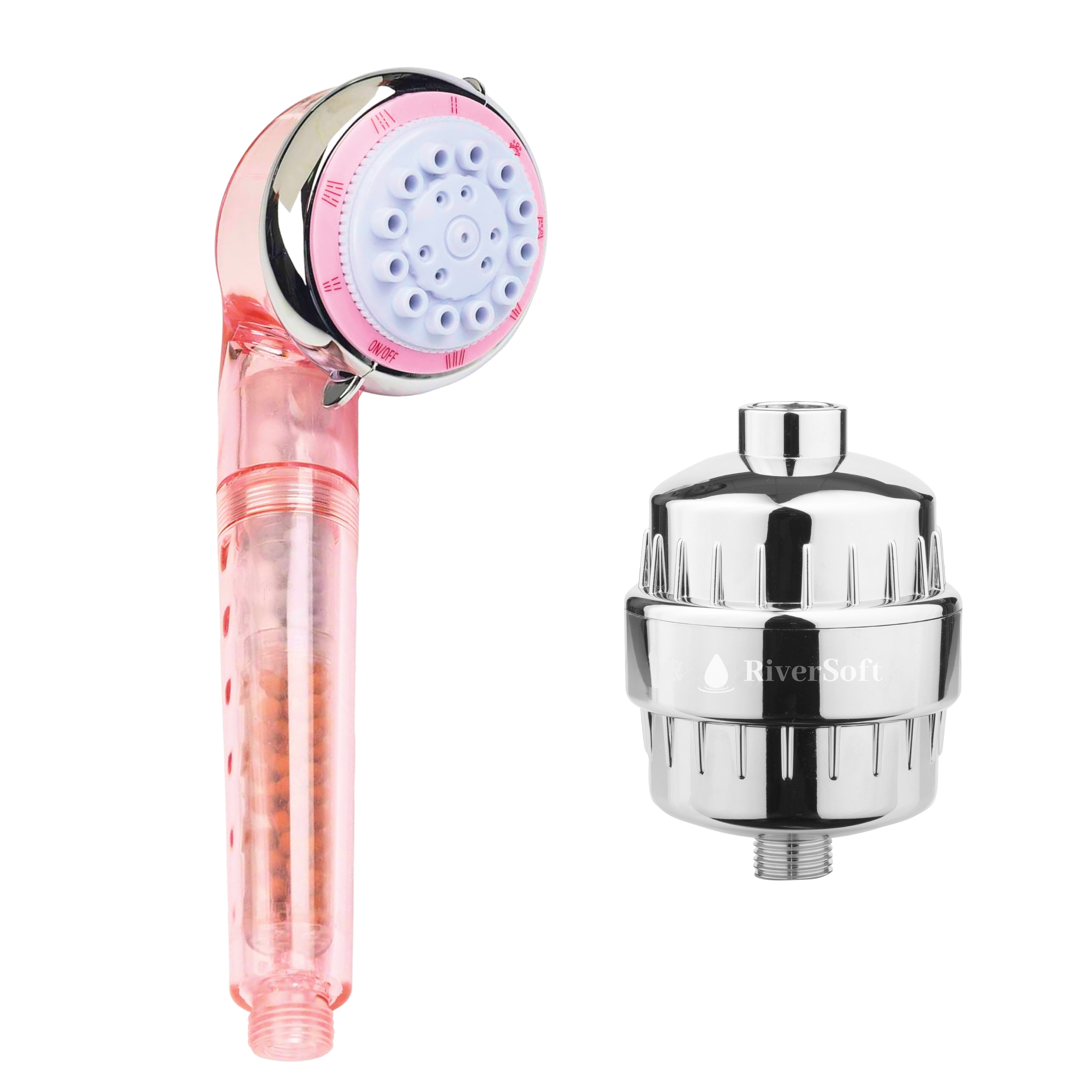
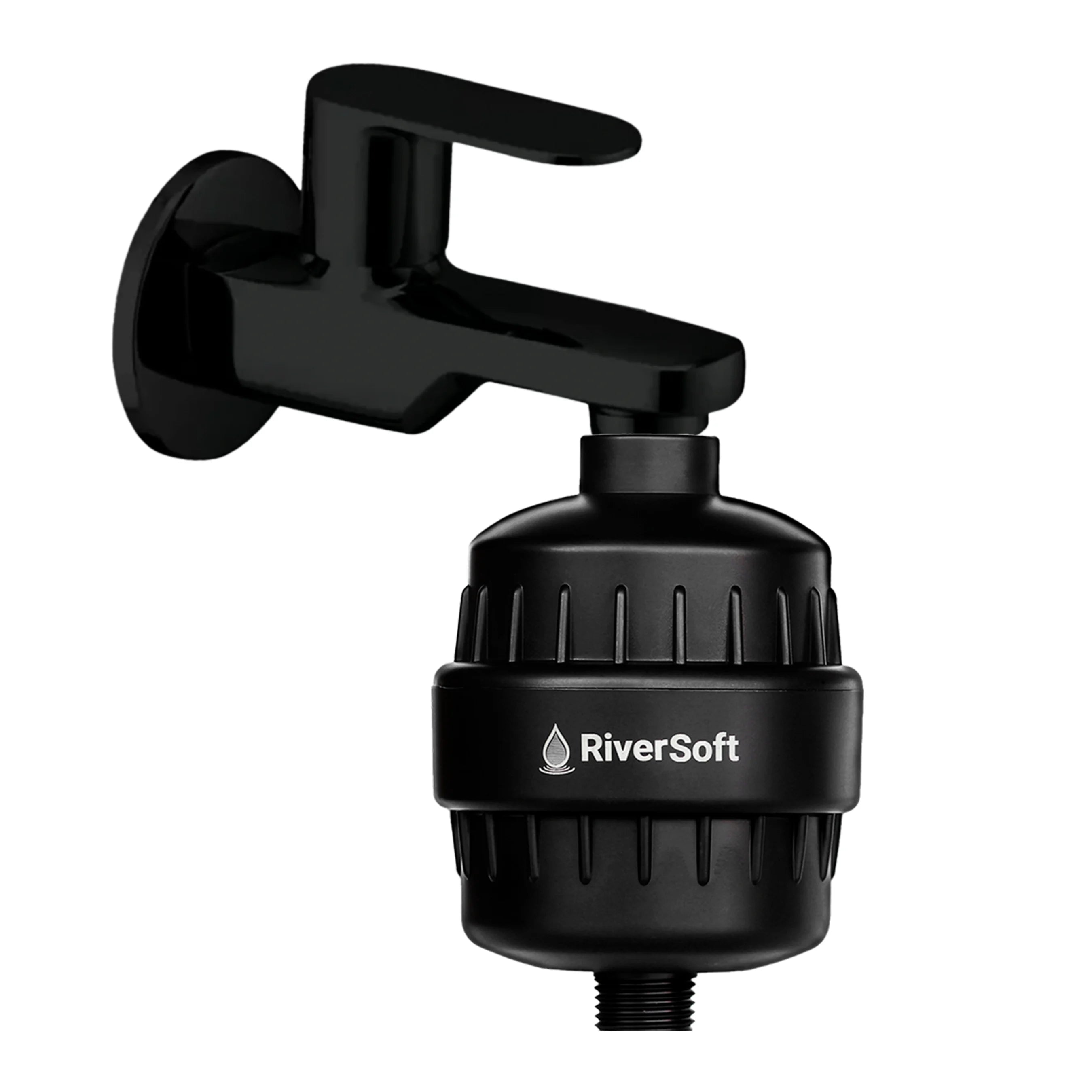
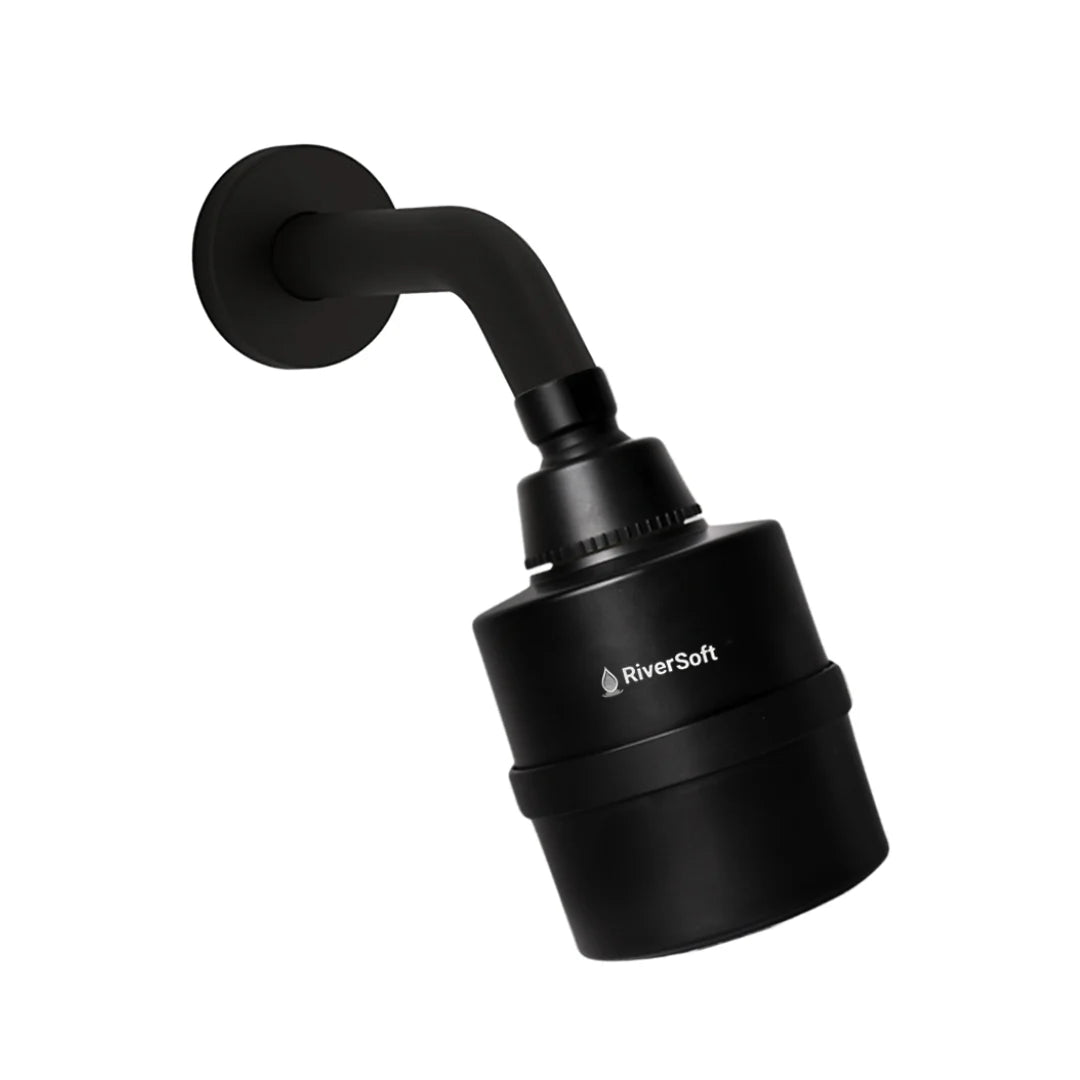
If testing confirms that hard water is contributing to the problems you’re experiencing, the right filtration solution can help manage your everyday exposure. RiverSoft’s shower and tap filters for hard water are designed for Indian water conditions, helping filter common impurities and reduce the effects of hard-water salts before the water reaches your hair and skin. There are quite a few options to choose from, too:
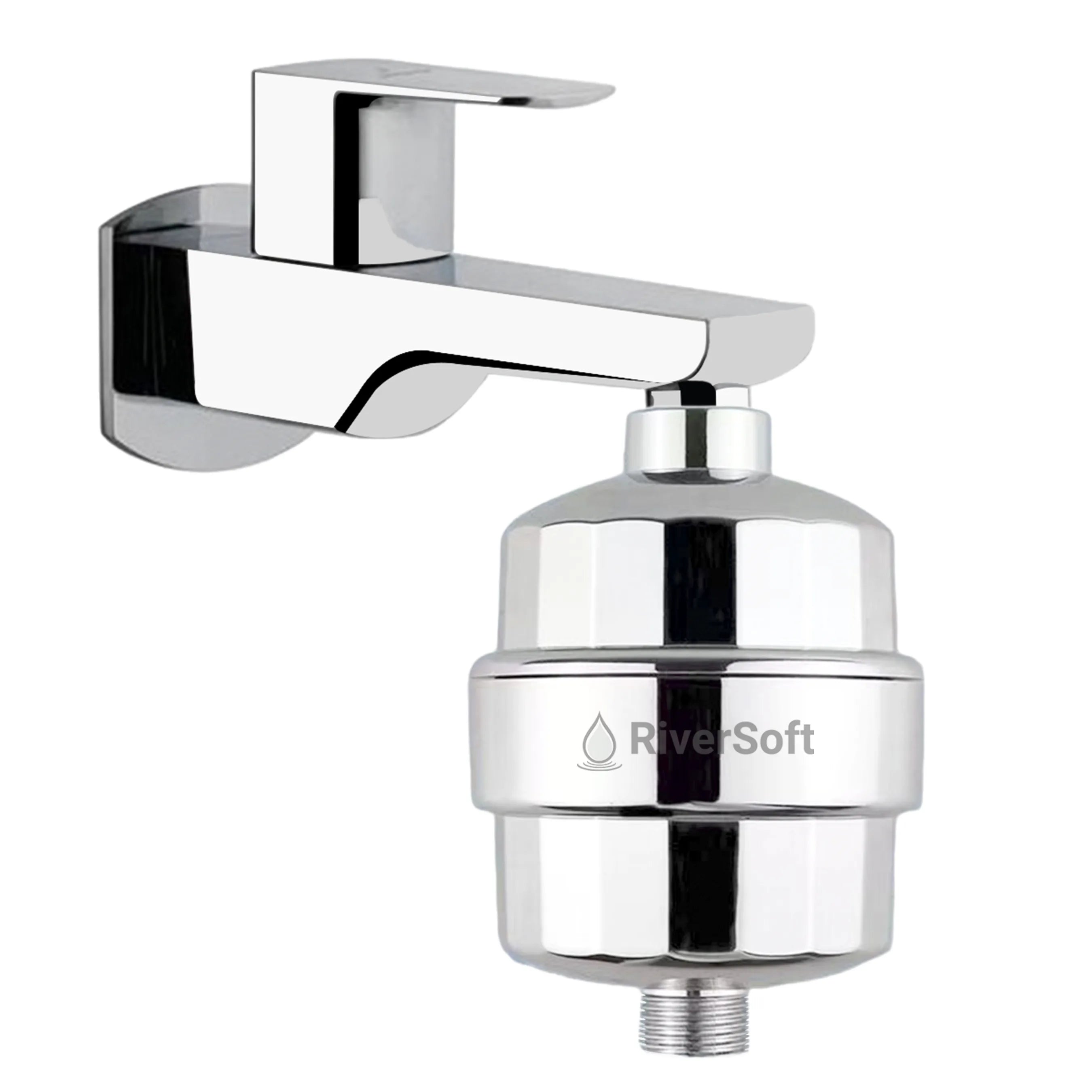
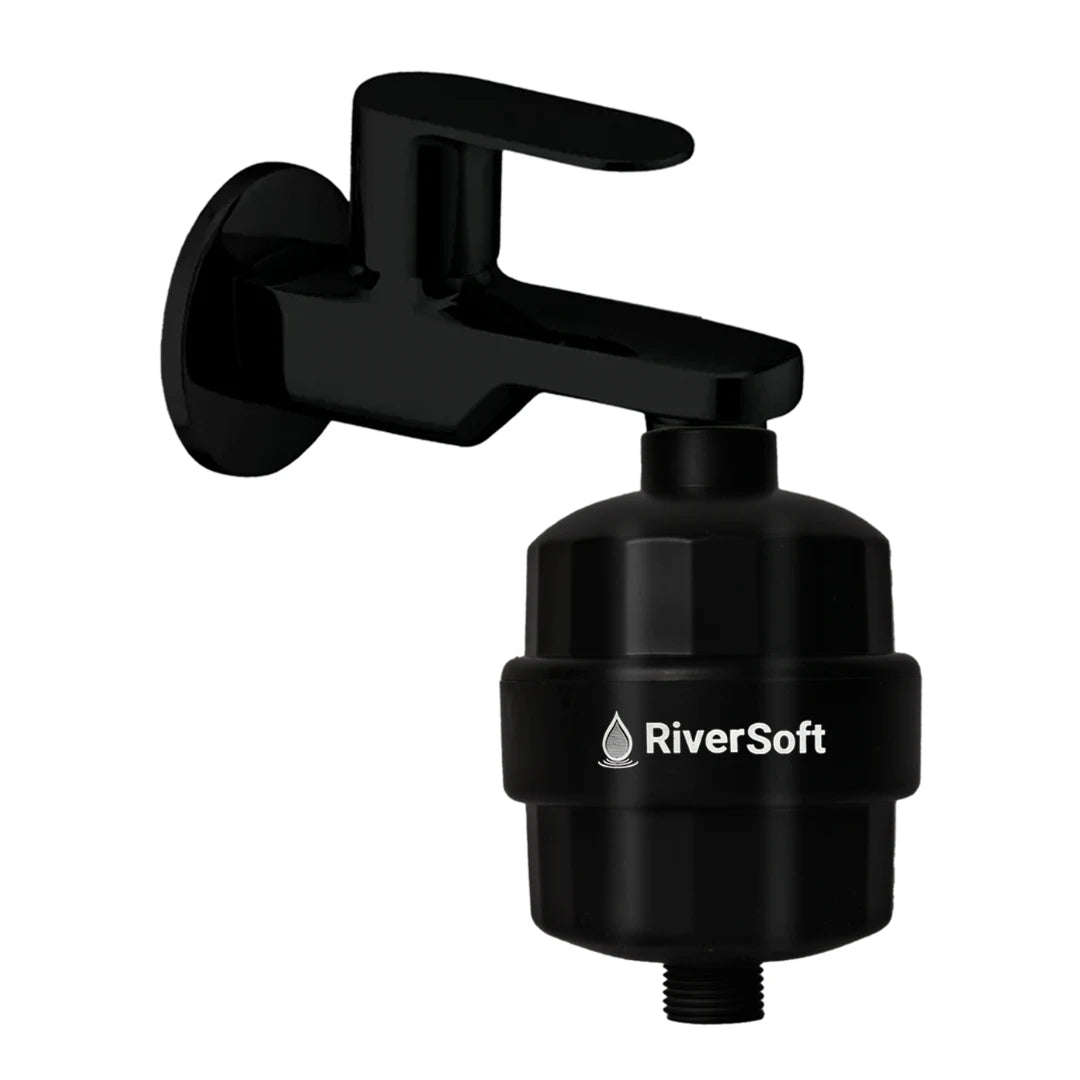
Tap filter for hard water – The SF-15 PRO works best for households looking for a filter for both shower and tap use, especially where hard-water concerns affect both hair and skin.
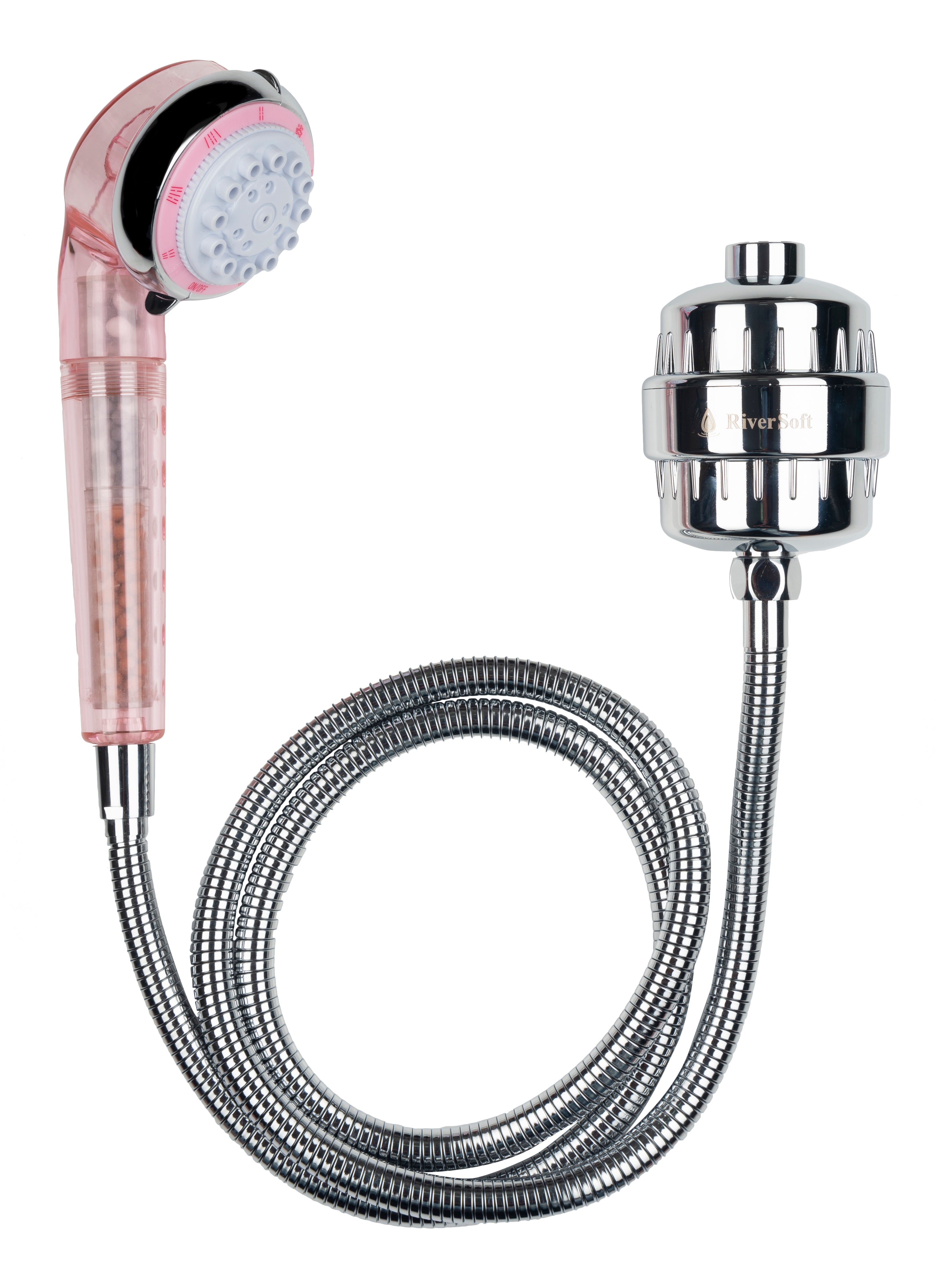
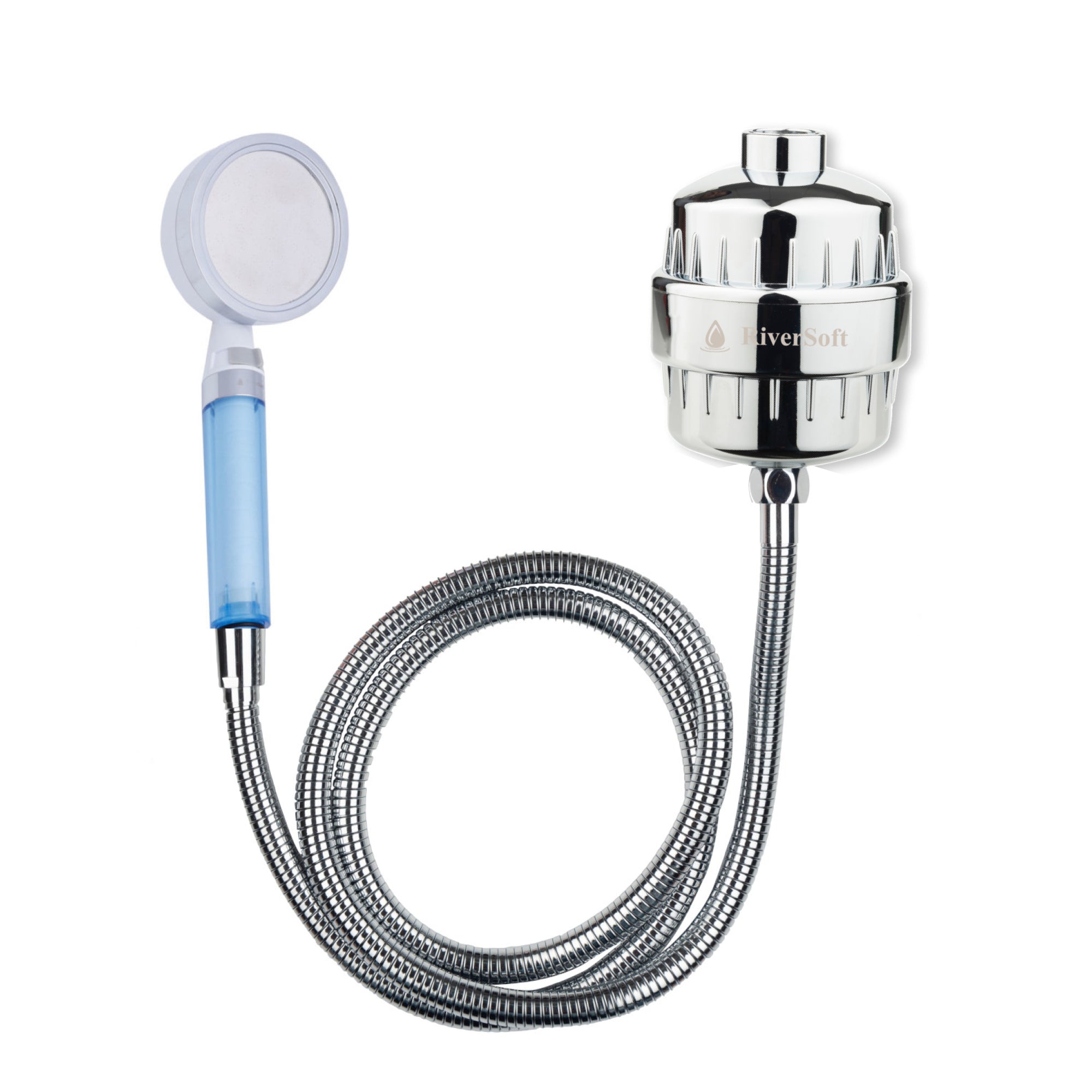
Shower filter for hard water - If you're looking specifically for a shower solution, the DIVA Shower Filter gives you multiple range options with the DIVA-01, DIVA-03 and DIVA-05 for a variety of spray configurations for that perfect shower!
What You Should Remember
Look, Mumbai's water quality isn't a one-size-fits-all situation. The most useful takeaway here is to understand the water reaching your own home rather than relying on assumptions about your neighbourhood. If you're noticing changes in your hair, skin, lathering, or mineral buildup, treat those as signals worth investigating, but bear in mind that water quality is only one possible factor. Once you know what’s actually in your water, you can decide whether you need any treatment of filtration!

































4 Comments
Well researched and well written. And very nicely articulated. Thanks for the information.
This is so interesting! Amazingly written by Indrakshi Roy
A well-researched and engaging piece. As a professional working in water safety and public health, I particularly appreciated the clear distinction between total dissolved solids (TDS) and water hardness, as well as the emphasis on source- and season-specific variation. One scientific nuance worth noting is that hard water is more directly associated with mineral deposition, dryness, and hair breakage than with hair loss itself. Overall, this is an excellent example of science communication. Please continue producing such informative work.
Sujoy Roy
Lead, Injury Prevention & National Advocacy, CINI
Very well written article.
Thanks for this awareness.
Leave a Comment