

You probably have an RO purifier for drinking water. Most Noida households do. But what about the water that touches your skin and hair every single day? The water in your shower, bathroom tap, and washing machine - all comes from the same municipal supply. And Noida water quality is a more complicated story than most people realise.
Where does Noida's Water Come From?
Noida draws from two main sources. The primary supply is treated Ganga water, piped in from a reservoir in Ghaziabad. The remaining demand is met by groundwater drawn from tube wells and underground aquifers across the city. These two sources are blended before they reach your taps. This mix varies by sector, which is why water quality differs across Noida.
The treatment process includes chlorination, which means most households in Noida are receiving chlorinated water. Greater Noida remains more dependent on groundwater due to ongoing delays in the Ganga water pipeline expansion.
According to Pulse of Noida, despite treatment, residents in these areas still occasionally report issues with hardness, unusual odour, and elevated TDS that official testing doesn't always reflect at the household level.
That explains why two homes in different sectors can have noticeably different water quality.
Why Is Noida’s Water Hard
The groundwater feeding Noida's supply comes from aquifers the Central Ground Water Board has flagged as heavily used over the years. Decades of extraction have lowered the water table, and as the table drops, mineral concentration in the remaining water rises. Calcium and magnesium - the minerals responsible for water hardness - become more concentrated as a result.
Reported TDS levels in parts of Greater Noida have crossed 500 ppm, with some areas going higher near ageing pipelines. You can test your water at home or using a hardness testing kit. Anything above 200 ppm is considered hard, and above 300 ppm is very hard.
Even in sectors with better Ganga water coverage, the chlorine added during treatment strips natural oils from your skin and hair with every shower.

What Hard Water Does to Your Hair, Skin, and Home
The effects of hard water are cumulative. Most people notice them slowly and blame their shampoo or the weather. Here is what is actually happening.
-
Hair: Over time, hard water can leave a thin mineral film on your hair. This blocks moisture, weakens roots, and makes strands brittle. It's the kind of hard water and hair damage that conditioners alone may not completely remove.
-
Skin: Minerals and soap mix to form a residue that sits on your skin rather than rinsing clean. This leaves your skin after showering feeling tight, dry, and rough, especially in winter.
-
Appliances: Limescale from hard water builds up inside geysers and washing machines over time. Heating elements work harder, efficiency drops, and appliances and limescale problems compound year after year.
-
Laundry: Clothes washed in hard water feel rough and fade faster. Detergent doesn't lather properly, so you end up using more and still not getting a clean wash.
These are not minor inconveniences. This is the water quality impact that compounds over months into real, visible damage.
What Noida Households Can Do About It?
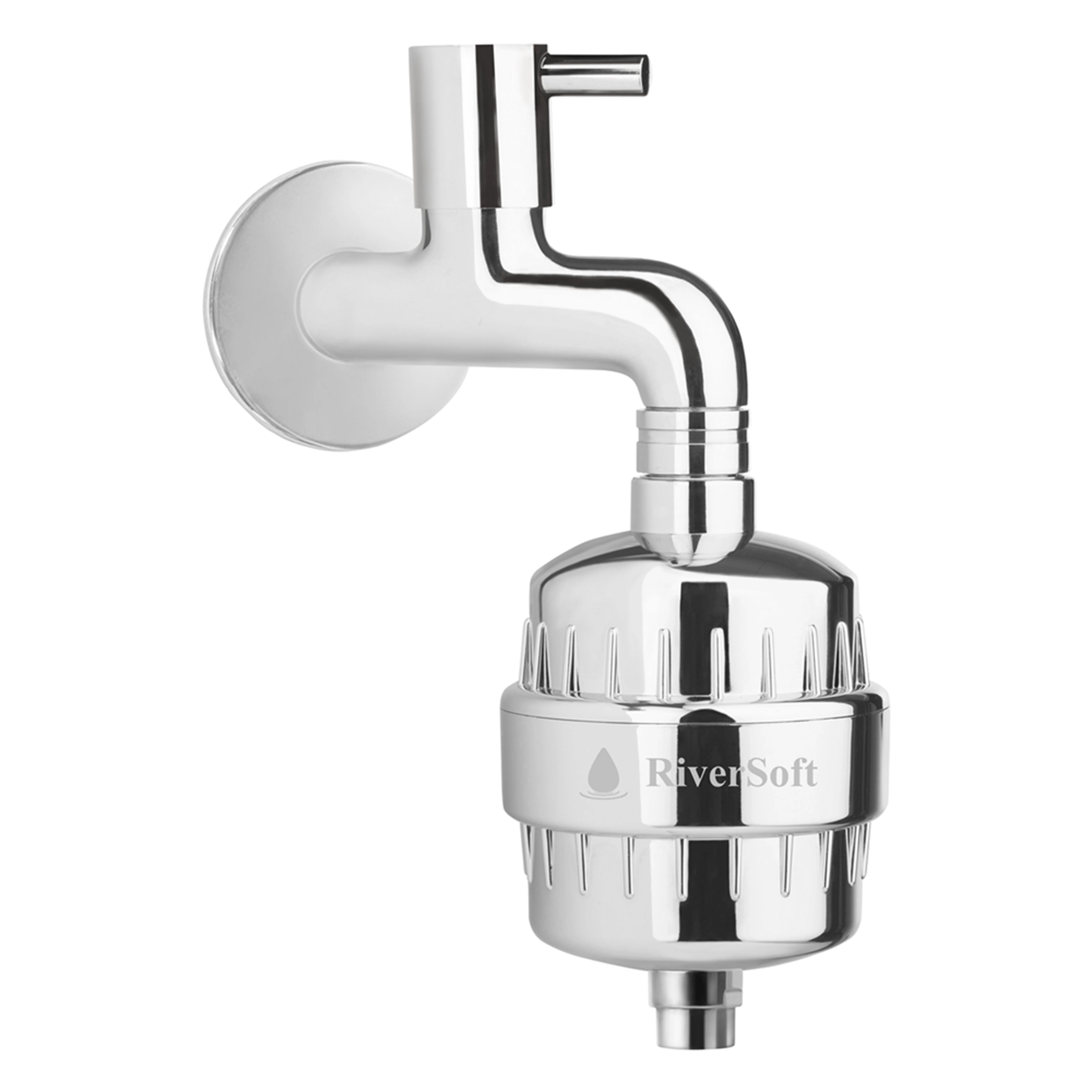
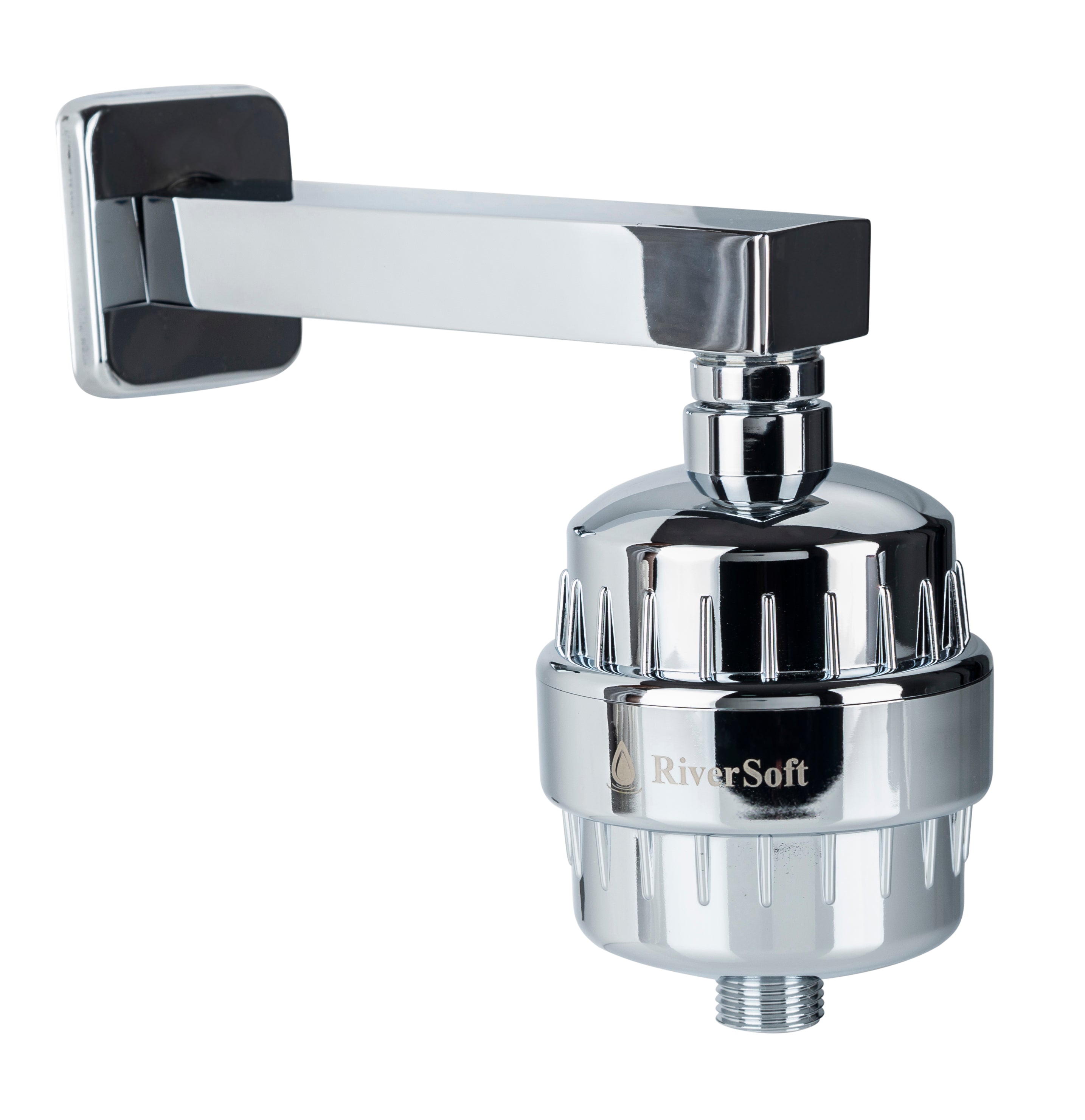
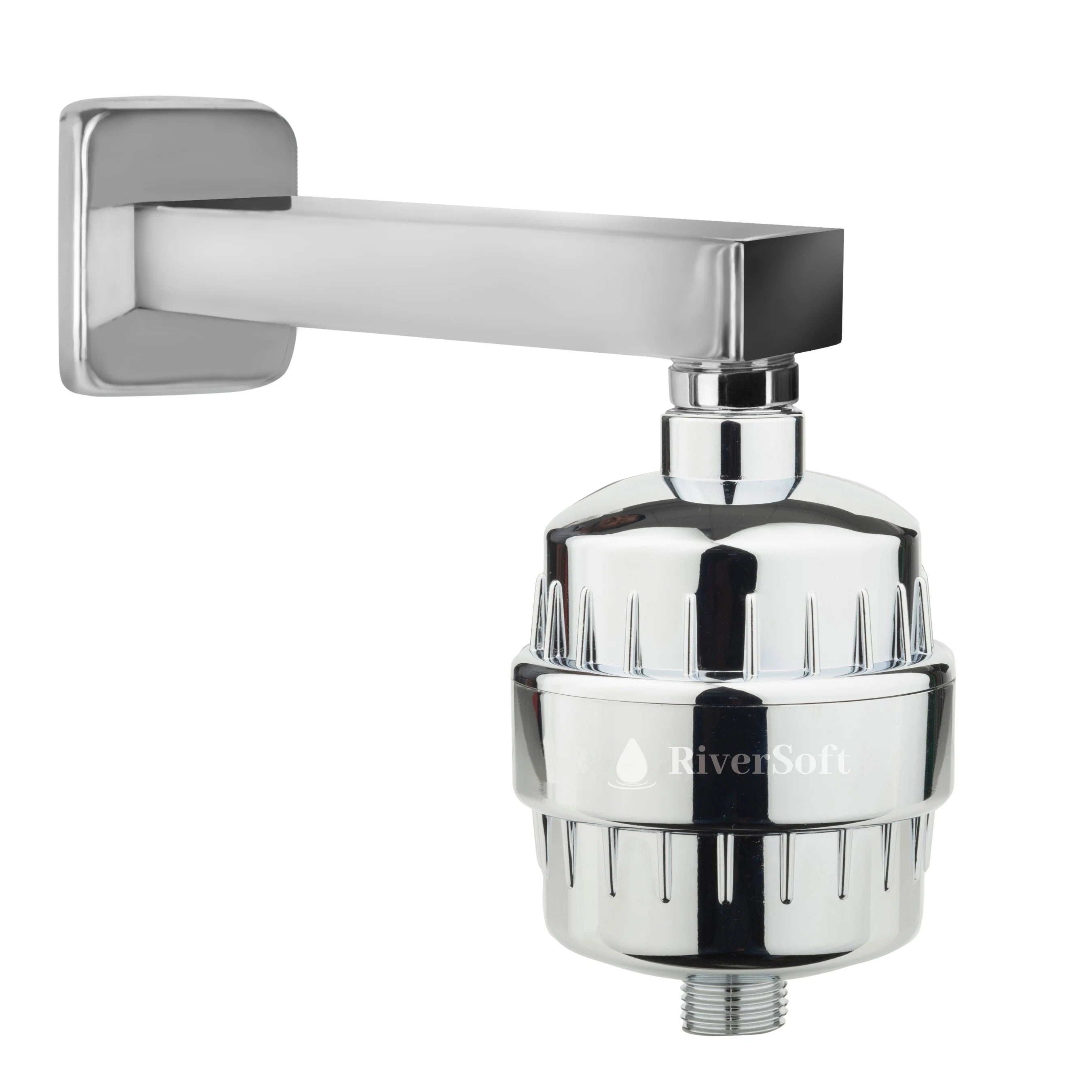
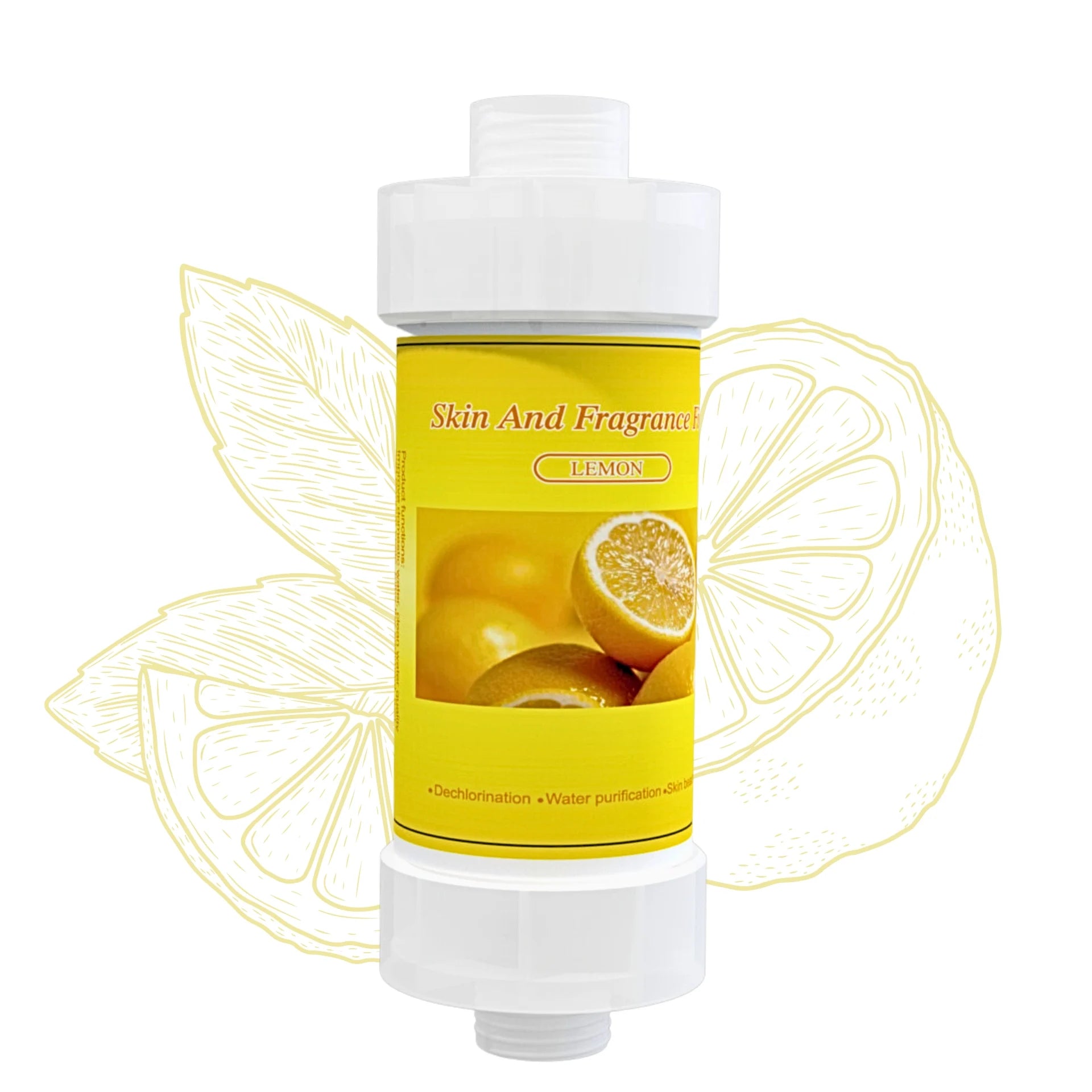
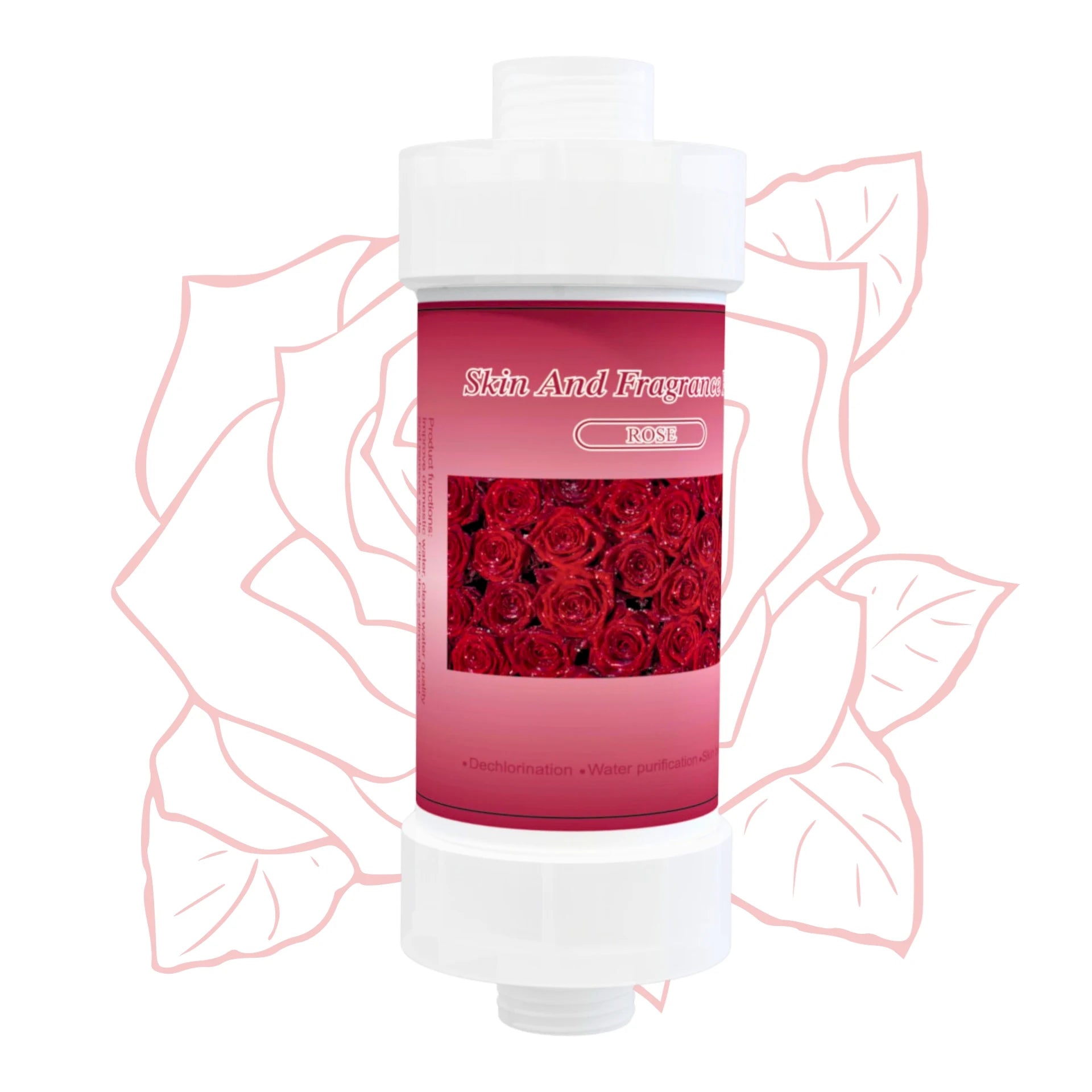
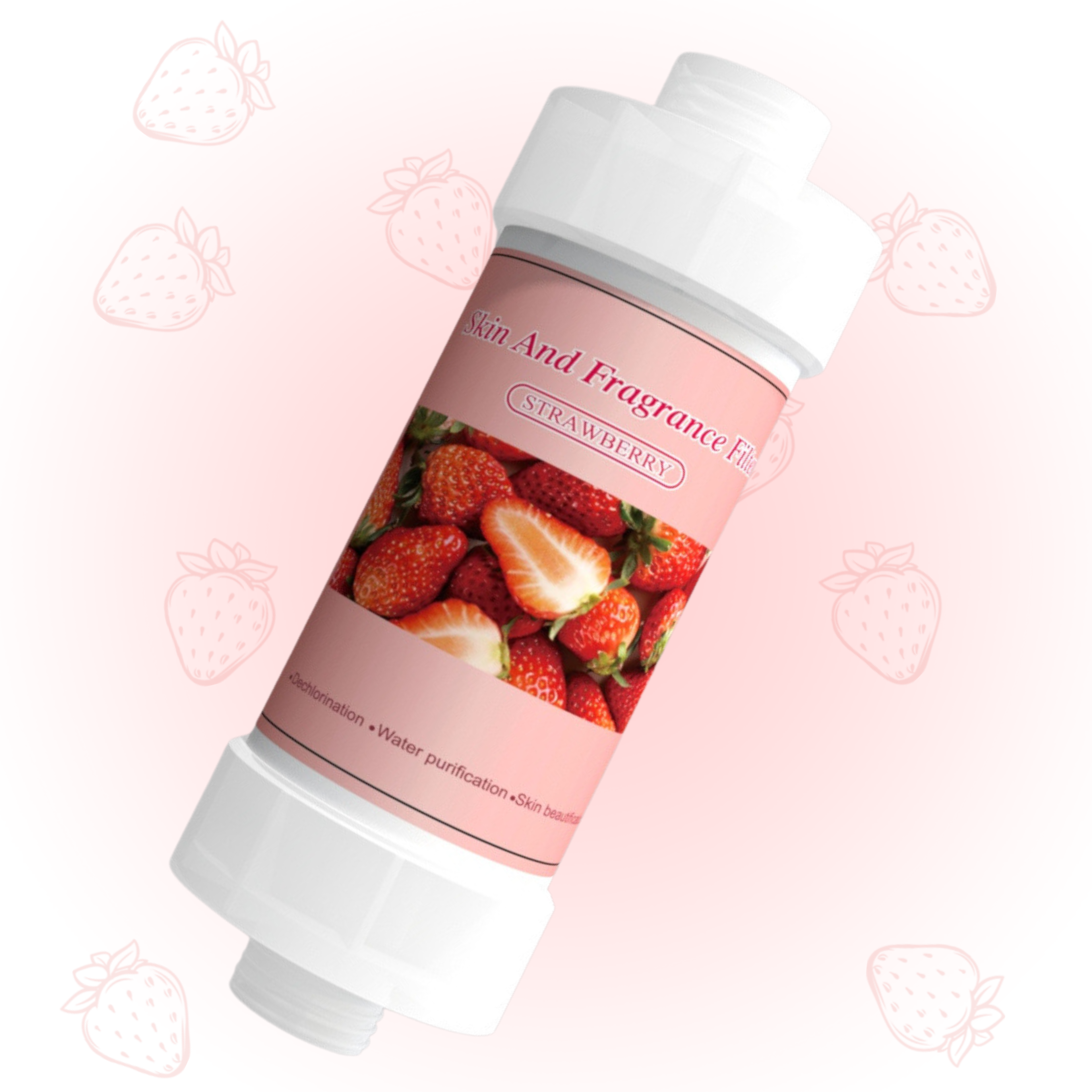
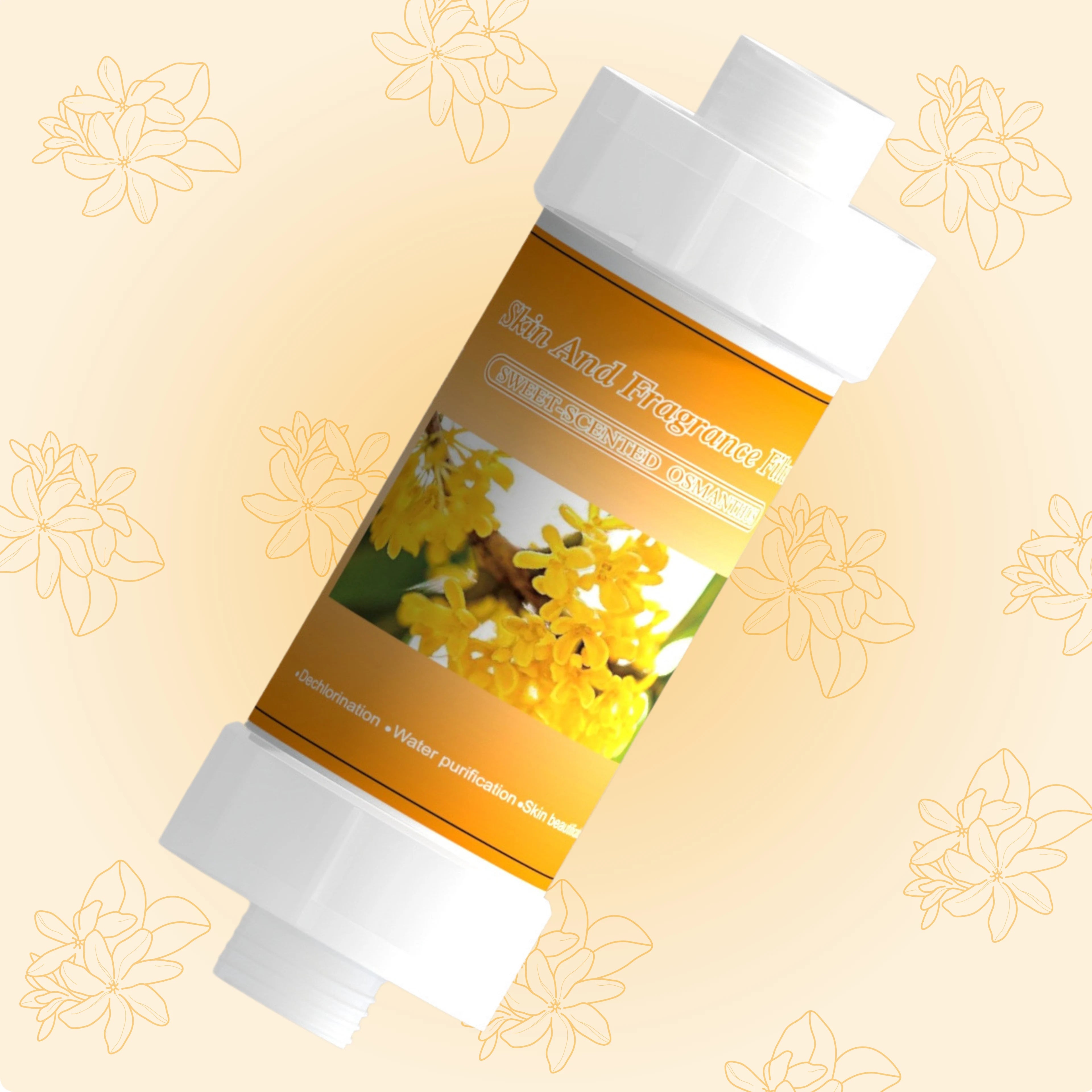
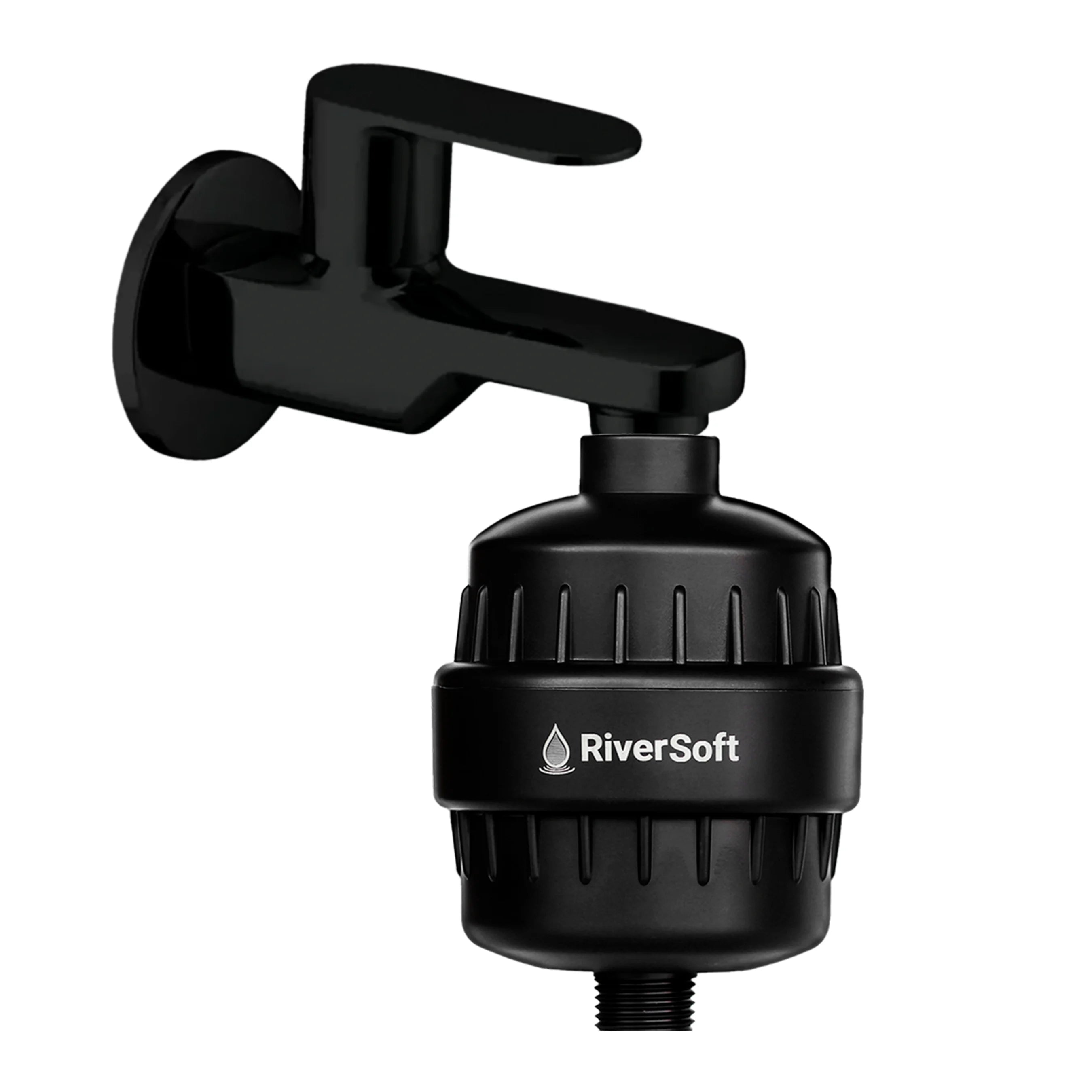
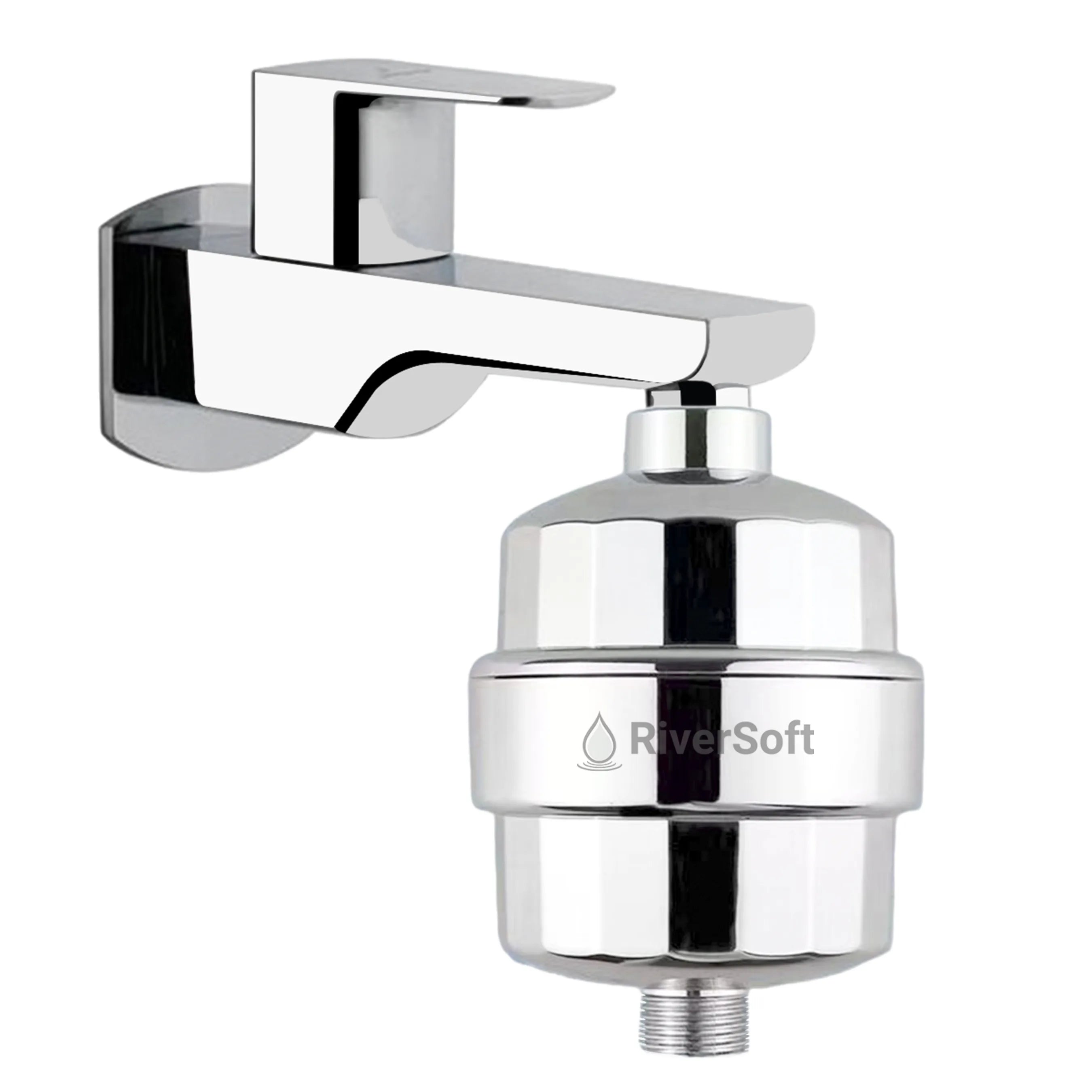
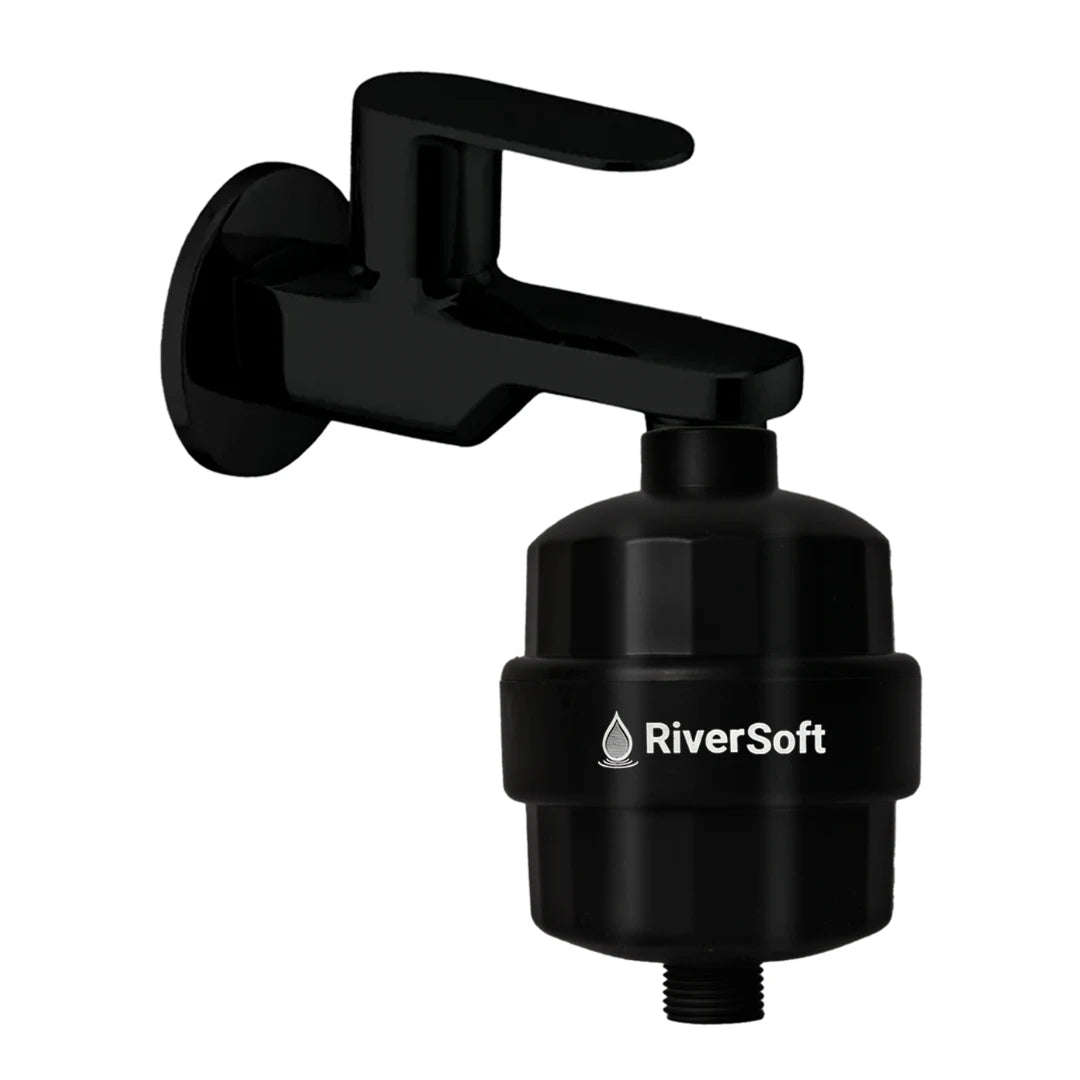
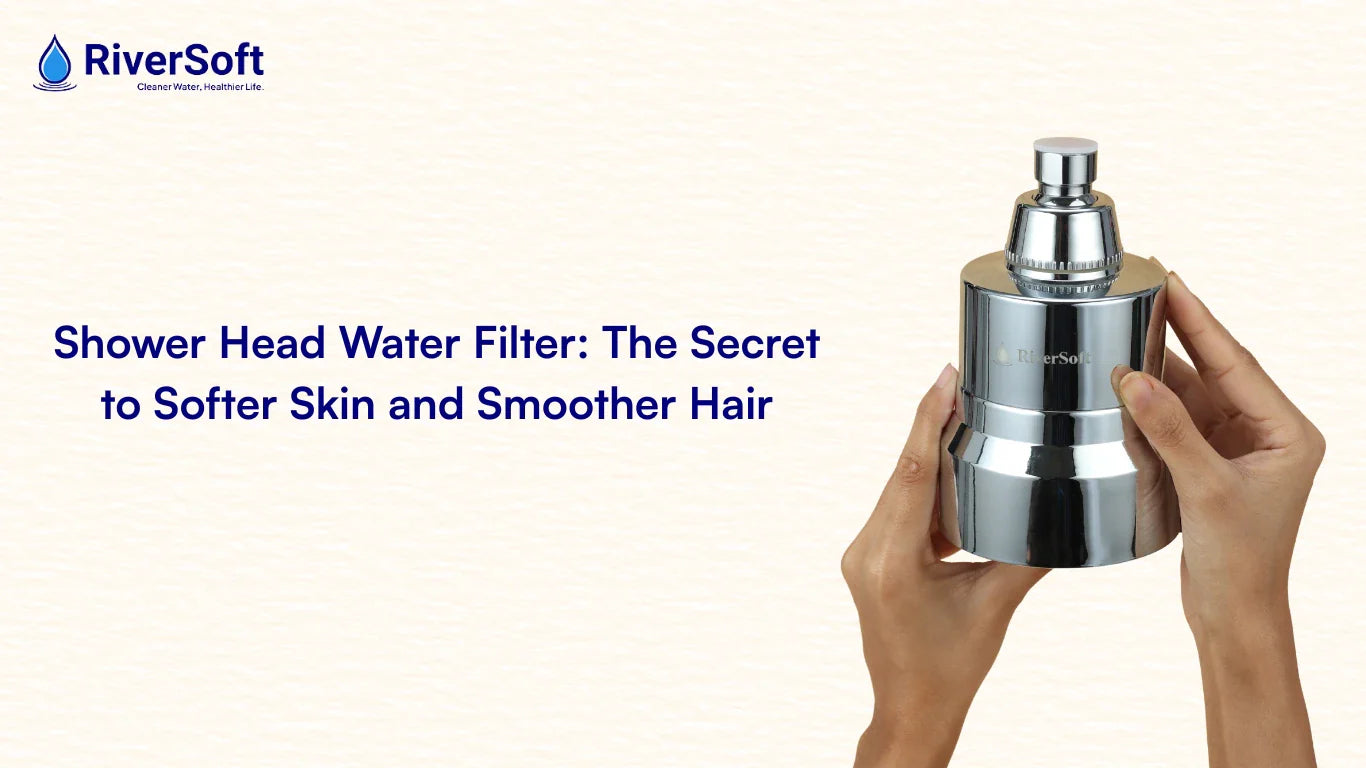
An RO purifier handles your drinking water. But it does nothing for the water in your shower or bathroom tap. For that, you need a point-of-use filter, a small device that attaches directly to your showerhead or tap and treats the water before it touches your skin and hair.
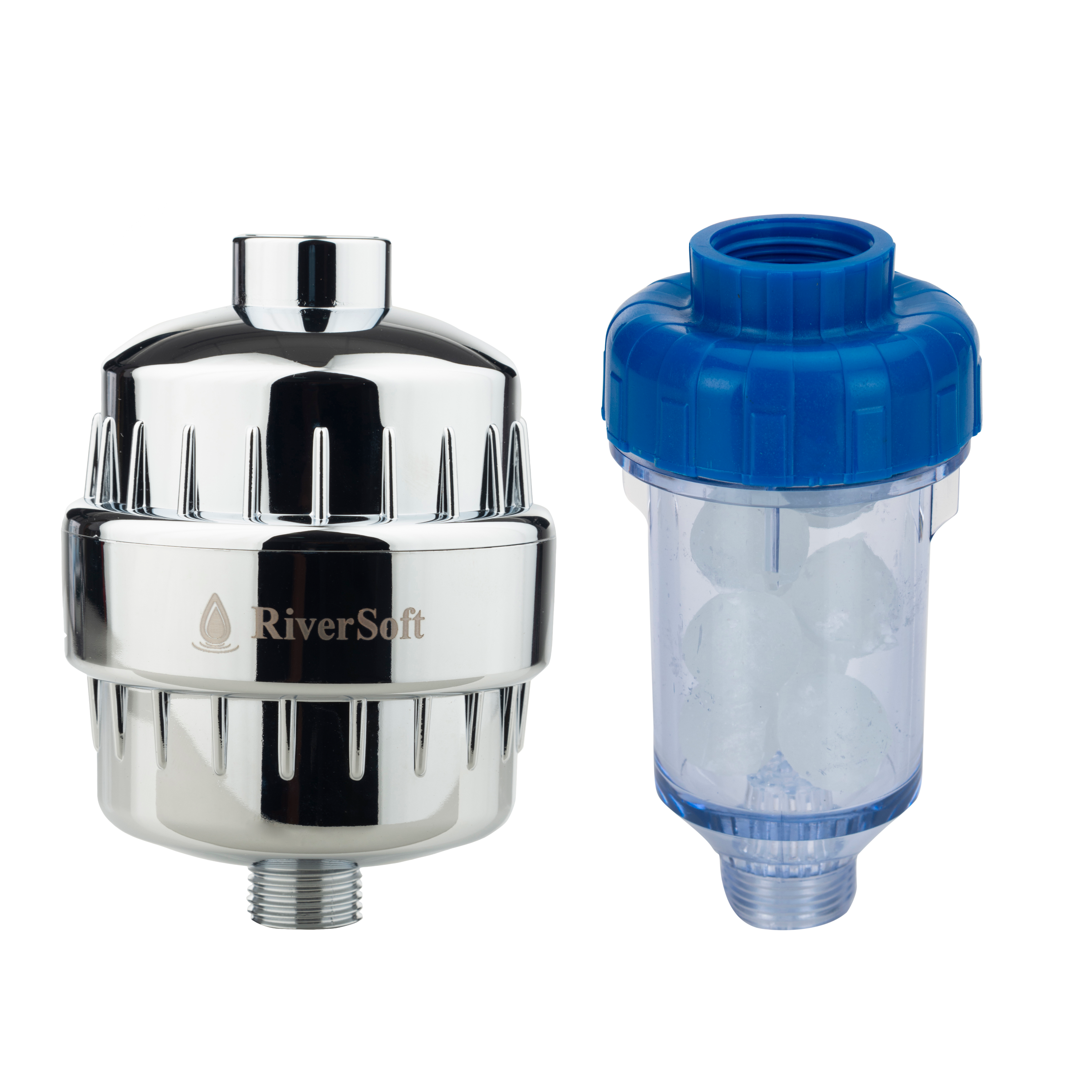
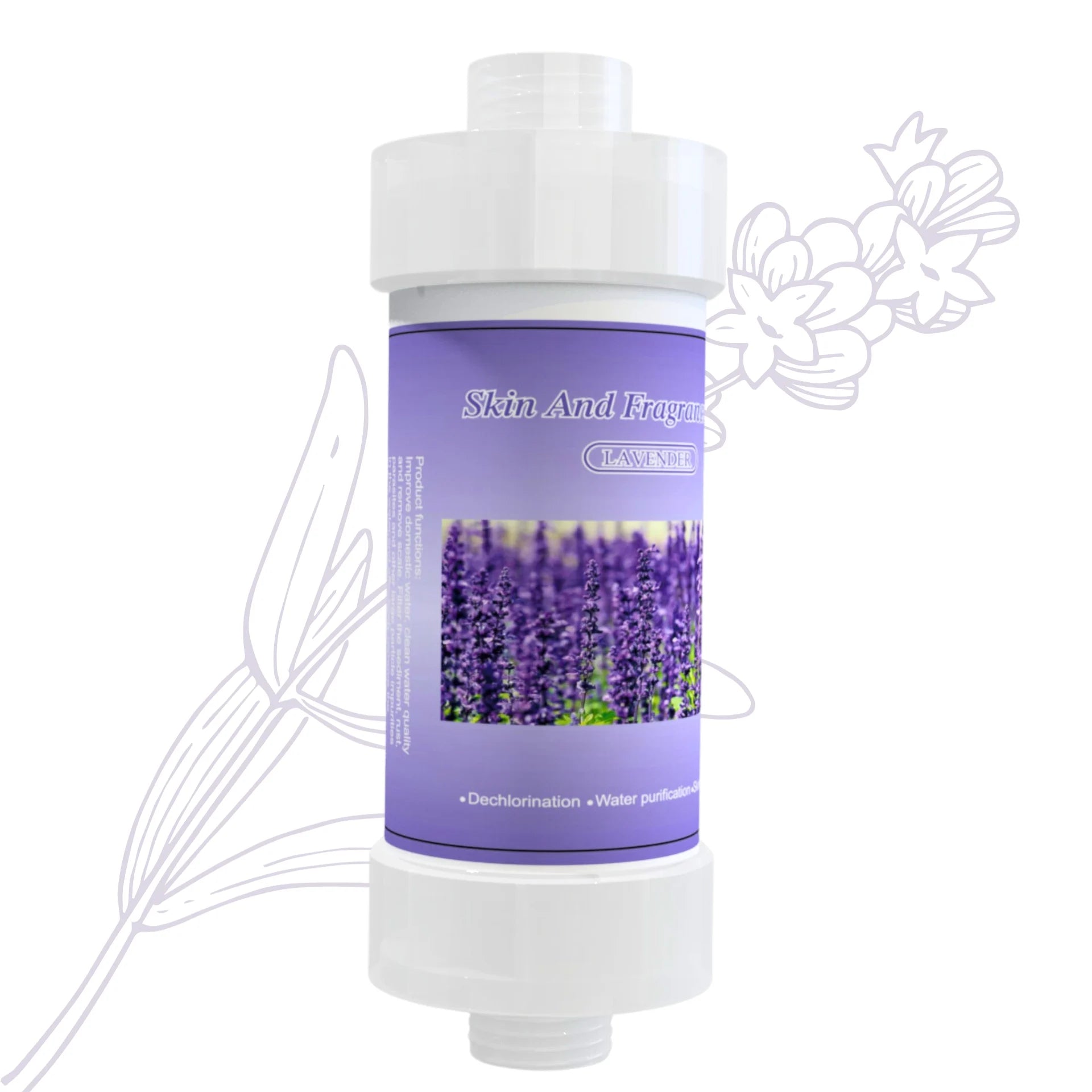
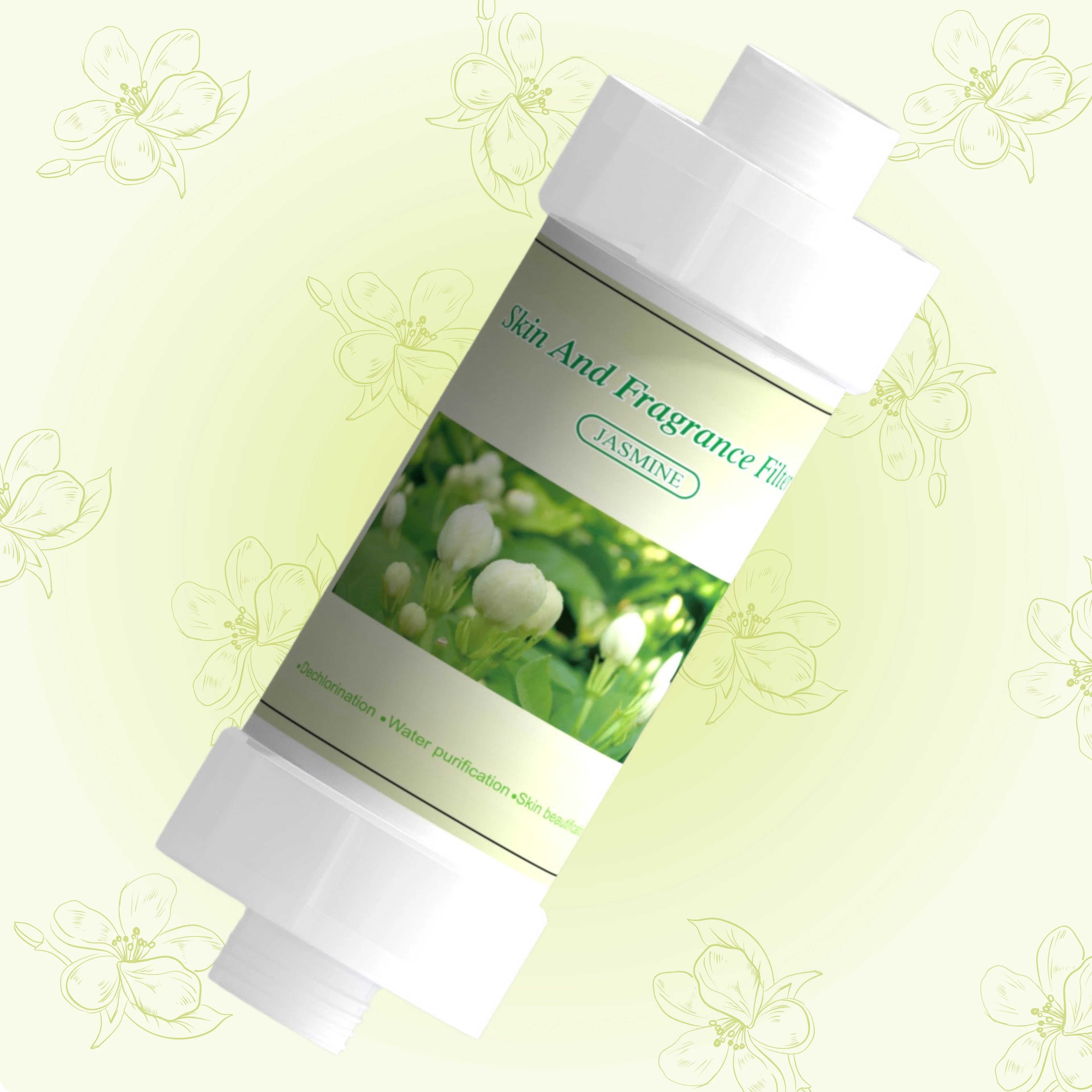
One way to reduce chlorine and mineral exposure during bathing is by using a point-of-use shower or tap filter. RiverSoft offers options designed for these water conditions.
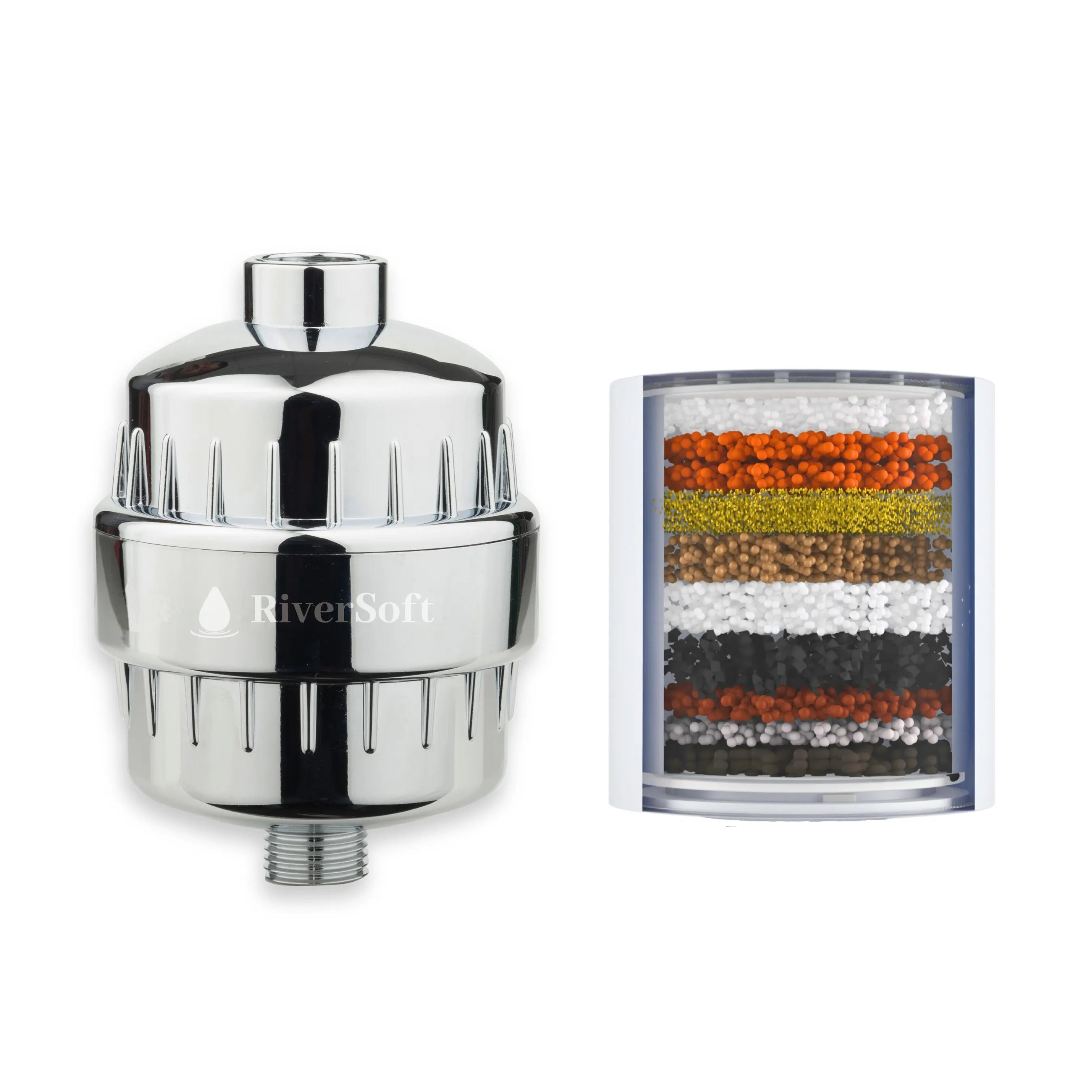
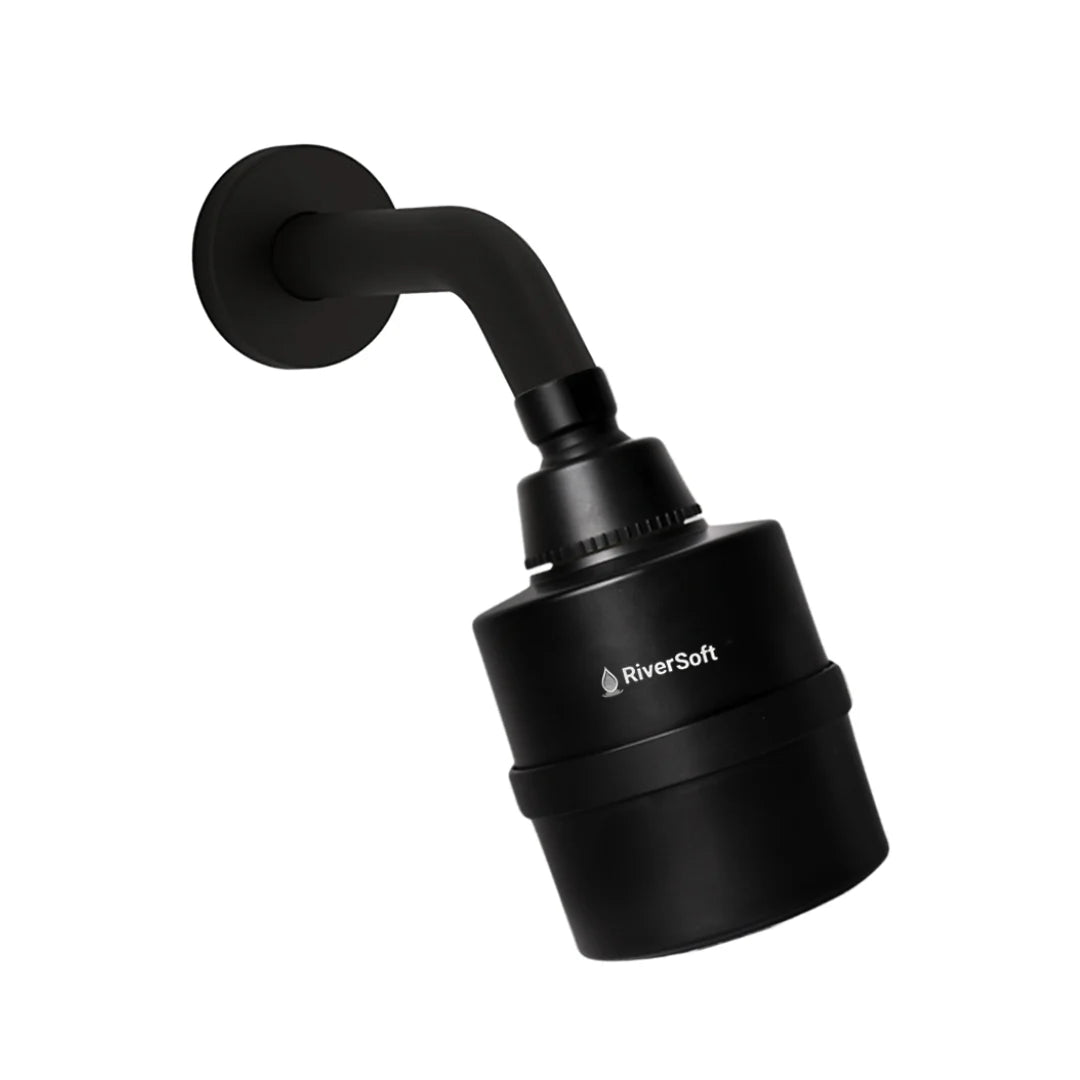
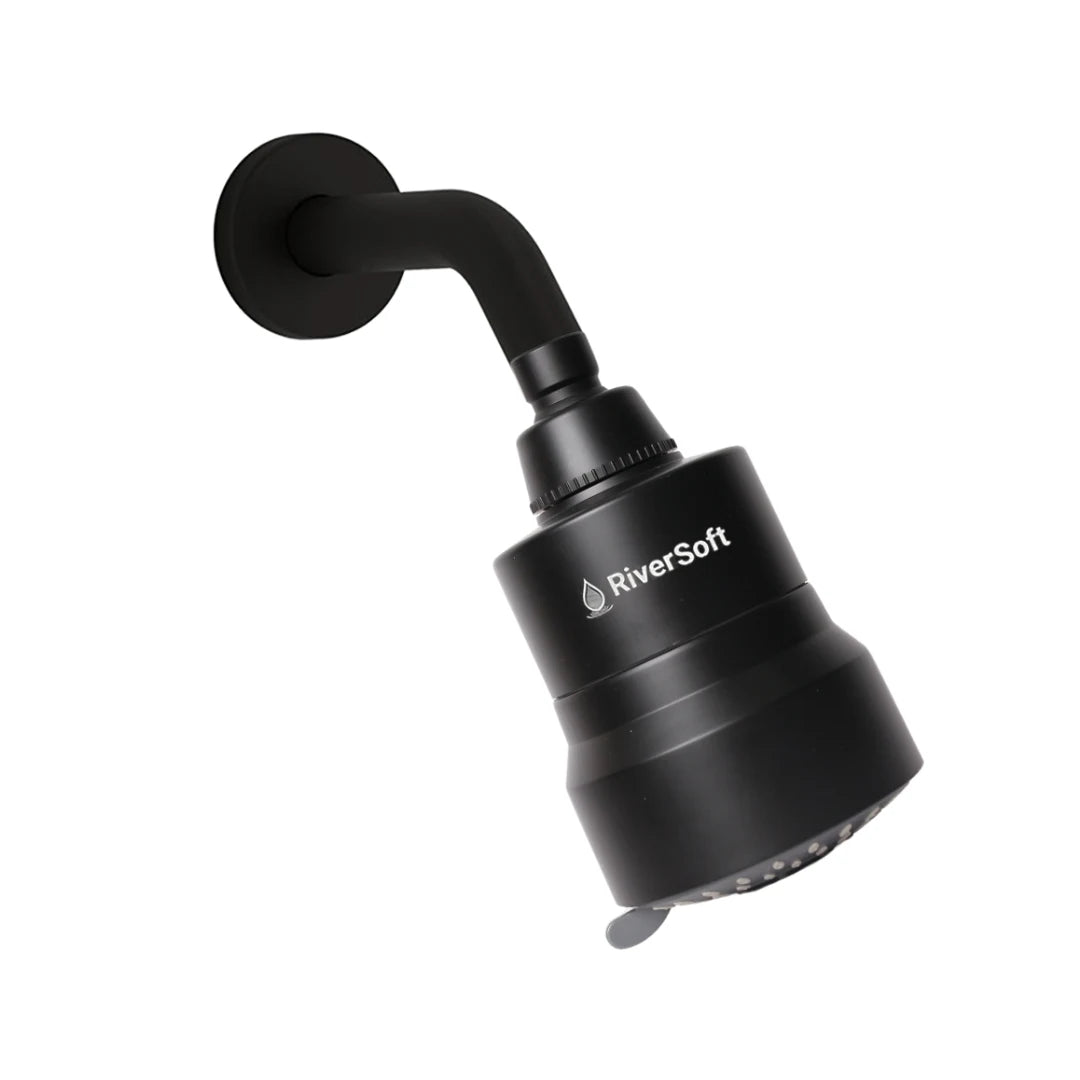
For most Noida sectors on municipal supply, where the main concerns are chlorine and moderate hardness, the SF-15 PRO handles both through 15-stage filtration.
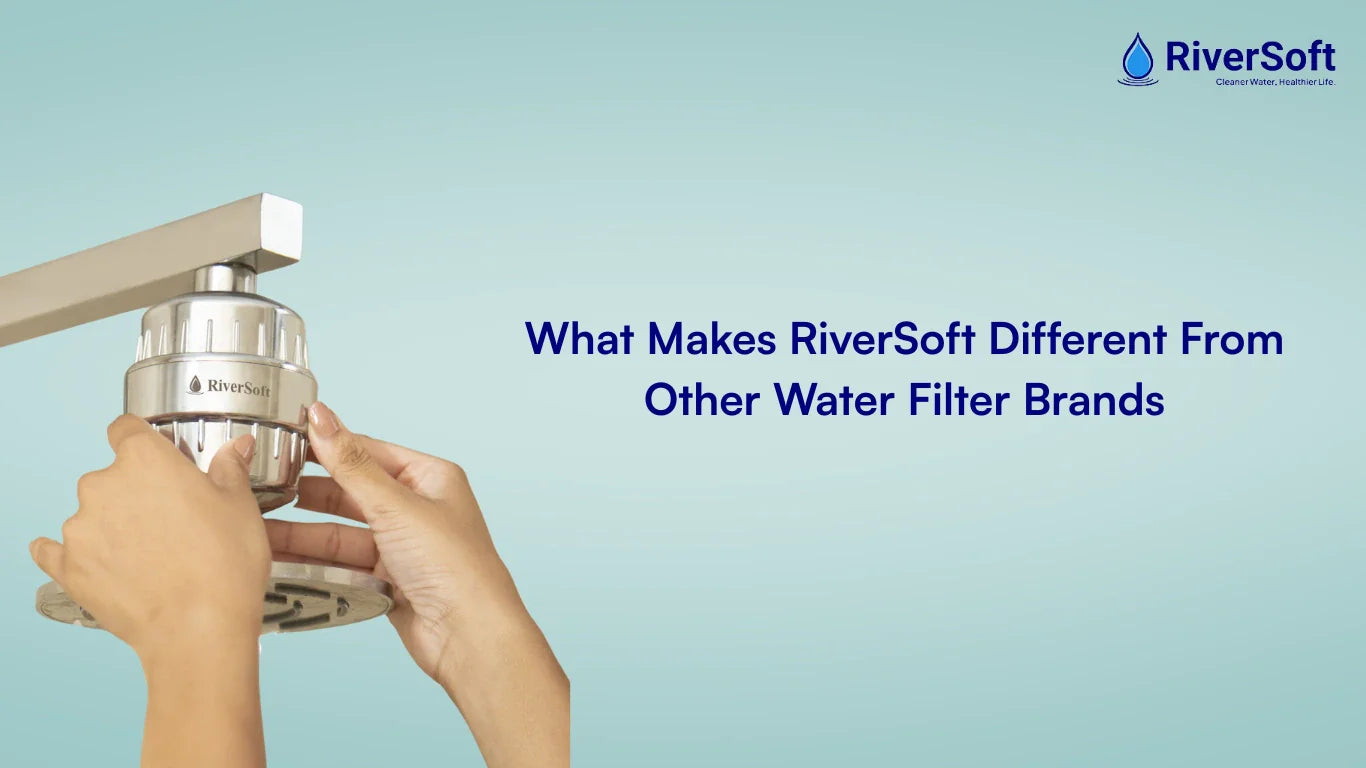
For buildings in Greater Noida that rely heavily on borewell or groundwater with higher mineral content, the Bliss-15 is designed for high hardness conditions. Both install without a plumber; no drilling required.
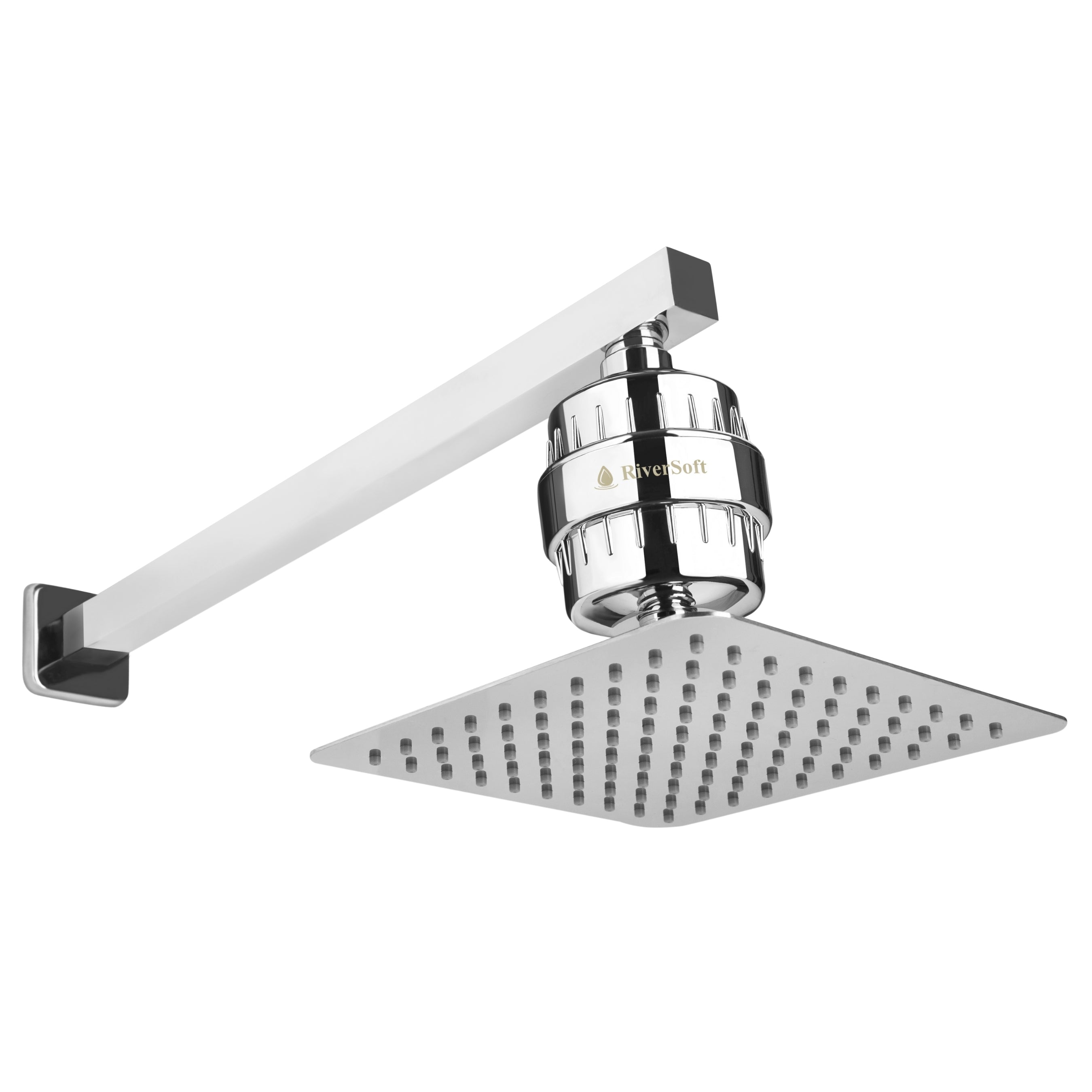
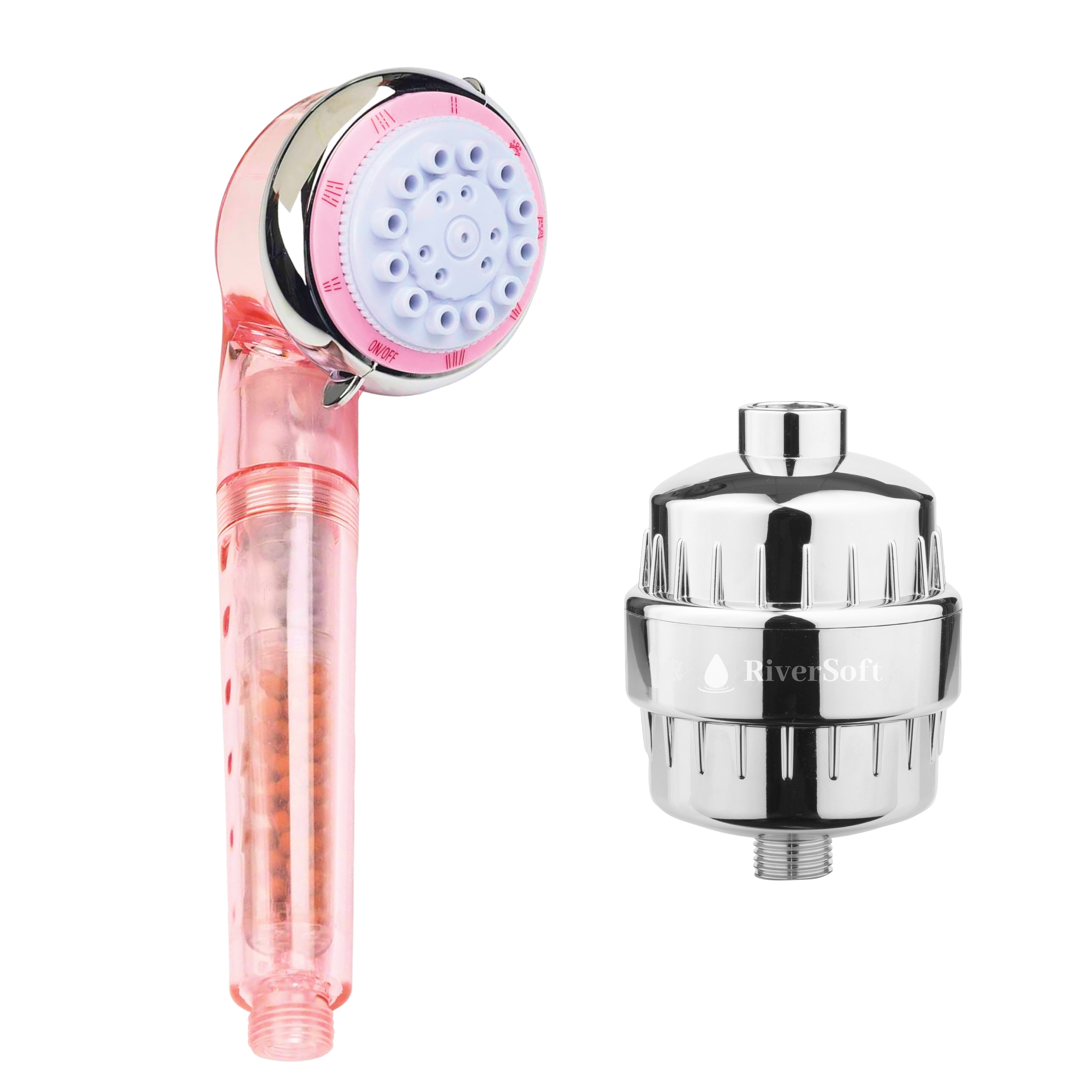
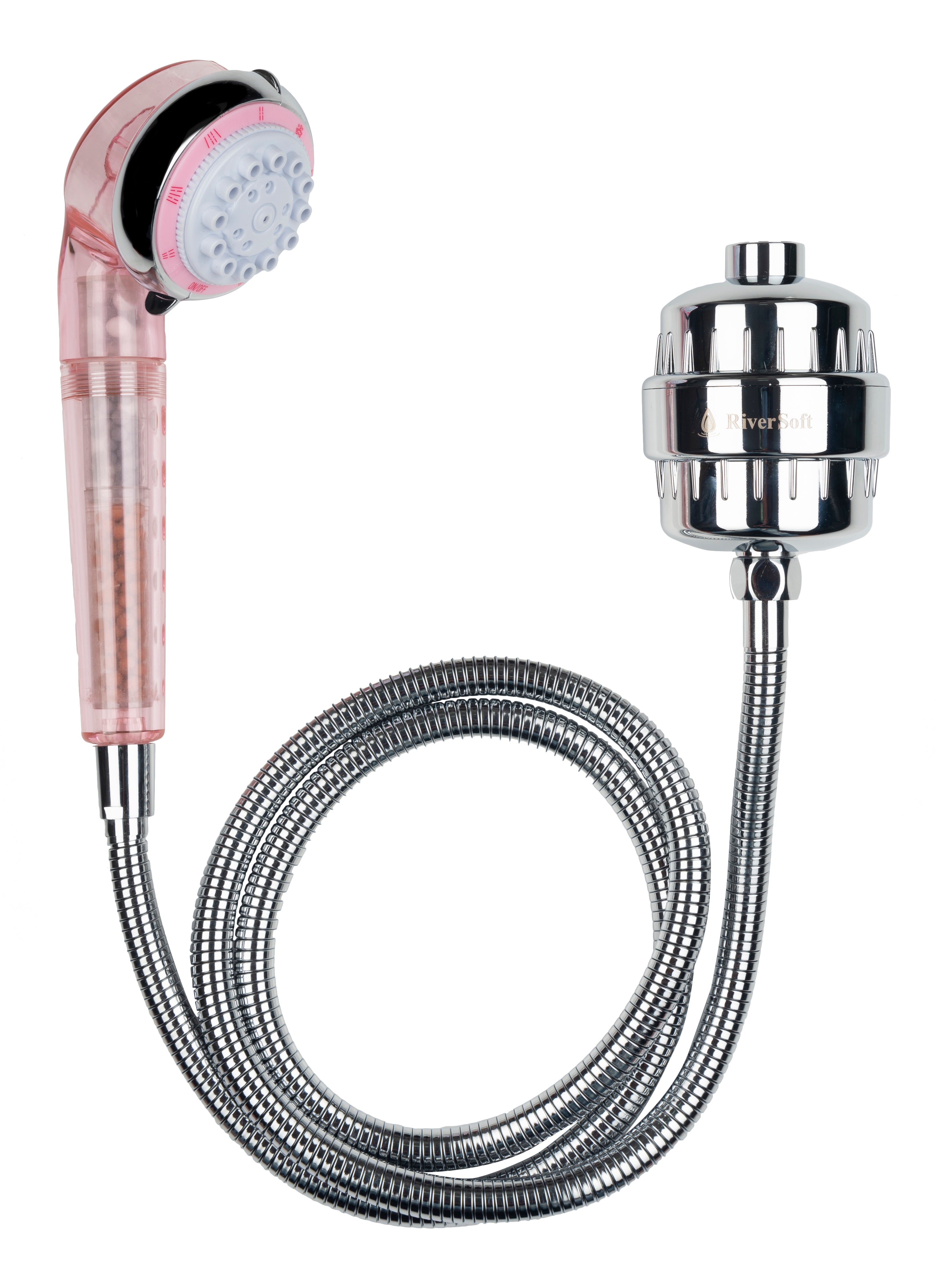
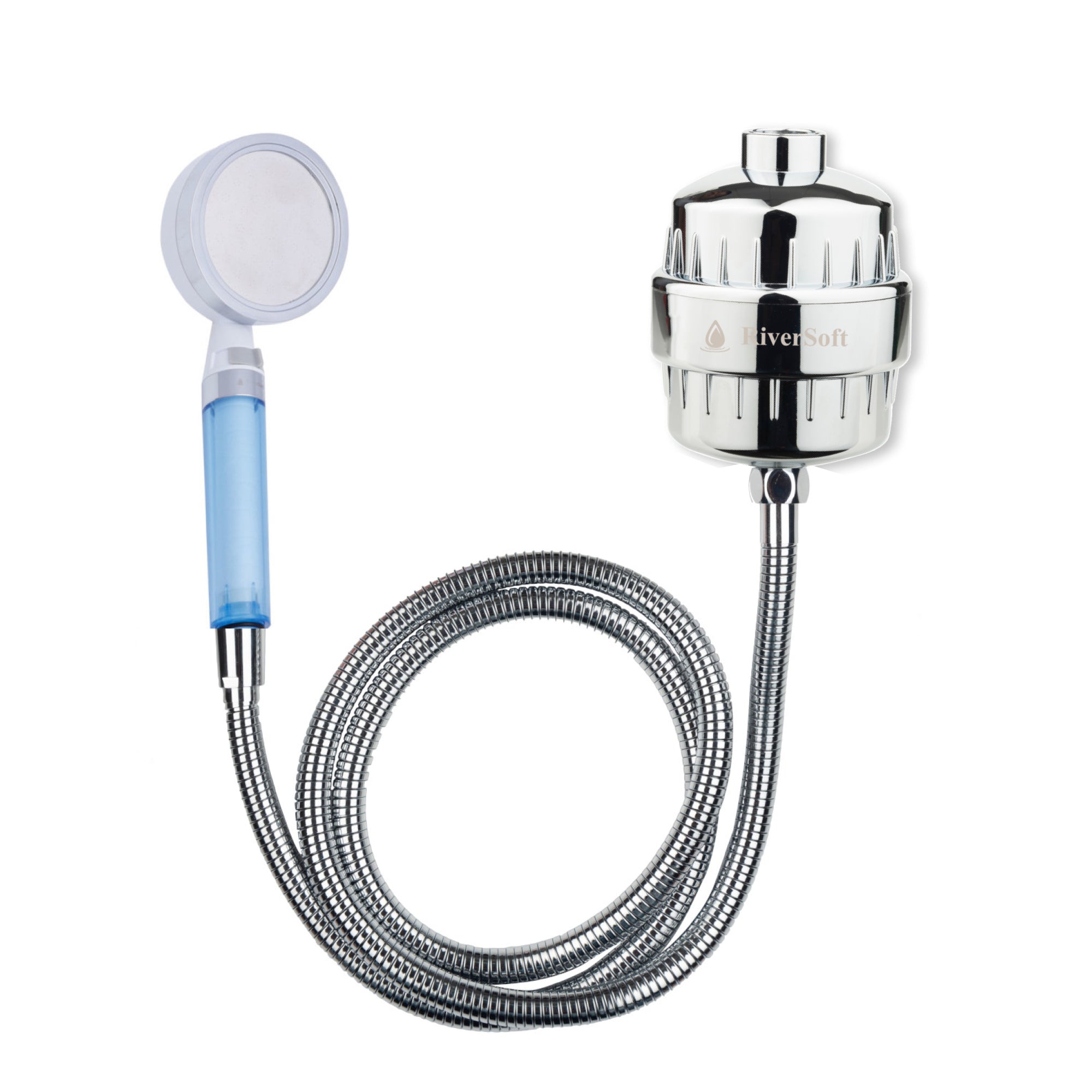
If you want a complete showerhead replacement with spray modes, the DIVA series fits directly onto your existing shower outlet.
Explore RiverSoft’s shower filters for hard water and choose the right fit for your home’s water conditions.
Note: Our shower filters do not reduce Total Dissolved Solids (TDS). We recommend using an RO purifier if your main concern is high TDS in drinking water.
Conclusion
Noida's water supply is a mix: treated Ganga water in most sectors, with groundwater filling the gaps. That groundwater carries real mineral hardness, and the chlorine from municipal treatment adds to what your skin and hair deal with every day. A shower or tap filter that attaches directly to your existing fitting is enough to stop most of that damage before it starts.

























Leave a Comment