

You've switched shampoos twice this year, tried a new conditioner, and even cut back on heat styling. But your hair still feels dry within hours of washing, sits flat instead of falling with volume, and snaps the moment you run a comb through it.
If your hair routine hasn't changed but your hair keeps getting worse, the problem probably isn't your products. It's your water, and it's often the real story behind hard water hair thinning.
Why Your Hair Feels Dry No Matter What You Use
Hard water carries dissolved calcium and magnesium. Every time you rinse, these minerals leave deposits to your hair strands and settle into a thin film you can't see or feel while showering. That film sits between your hair and whatever product you apply next.
This is why the conditioner stops working the way it used to. That build up can make it harder for conditioning products to work effectively, leaving your hair feeling dry again soon after washing. You step out of the shower, and within a few hours, your hair feels dry again, no matter how expensive the product was.
There's a second layer to this problem: your hair's cuticle, the outer protective layer, gets roughened up by the same mineral buildup. Instead of lying flat and smooth, the cuticle lifts. Rough cuticles catch on each other, which is part of why hair tangles more and feels coarse to the touch. Reading about the signs of hard water damage on hair an help you confirm if this matches what you're seeing.
It's not just your hair, either. If your shampoo stops working the way it used to lather or rinse clean, that's the same mineral interference at play.
Why Hard Water Hair Thinning Looks Flat, Not Just Dry
Dryness explains the rough texture. It doesn't fully explain why your hair looks flat and lifeless, even right after washing. That comes down to something most people don't realize: mineral buildup adds weight.
Every wash leaves behind a small amount of residue. Over weeks, this residue accumulates on your strands, especially near the roots. Hair that should spring up with natural volume instead lies weighed down. Your blow-dry doesn't hold the way it used to. Your part looks wider. None of this is about your hair losing thickness. It's about your hair carrying something extra it shouldn't be.
This distinction matters. Flat, weighed-down hair and thinning hair look similar from a distance but come from different causes:
-
Mineral buildup: hair feels coated, looks dull, sits flat, and improves once you clarify or filter your water
-
Actual thinning: hair strands become individually finer over time, usually connected to genetics, hormones, or prolonged root-level damage
If you're noticing your hair feels different in porosity, more resistant to absorbing moisture, or oddly rough, it's worth reading about hair porosity effects to understand what's changing at the strand level.

How This Leads to Breakage and the Appearance of Thinning
Here's where dryness and flatness combine into something more noticeable: breakage.
Dry, coated hair loses elasticity. Healthy hair can stretch slightly and bounce back. Hair coated in hard water minerals is stiffer and more brittle, so instead of bending under pressure from a comb, a hair tie, or a pillow, it snaps.
There's also a pH factor to consider. . The scalp is naturally slightly acidic, with a pH of around 5.5. While hard water isn't necessarily alkaline, repeated exposure to higher-pH water can affect the hair cuticle and make the hair feel rougher and more prone to damage. Hard water also contains minerals such as calcium and magnesium that can build up on the hair over time. Together, these effects can contribute to dryness, roughness and breakage, which is often when people start looking for ways to manage the effects of hard water on their hair.
Note: Our shower filters do not reduce Total Dissolved Solids (TDS). We recommend using an RO purifier if your main concern is high TDS in drinking water.
The important thing to understand is that this cycle, dryness, flatness, and breakage, isn't the same as your follicles shutting down. It damages the hair you already have. That's frustrating, but it also means it's reversible once the water problem is addressed, rather than something that requires years to undo. For a broader daily framework to protect your hair while you sort out the water issue, this daily hair care routine is a useful starting point.
Fixing the Water Your Hair Actually Touches
No conditioner, serum, or hair mask can undo damage that's happening every single time you shower. If hard water is coating your strands with every wash, the fix has to start at the source, before the water reaches your hair.
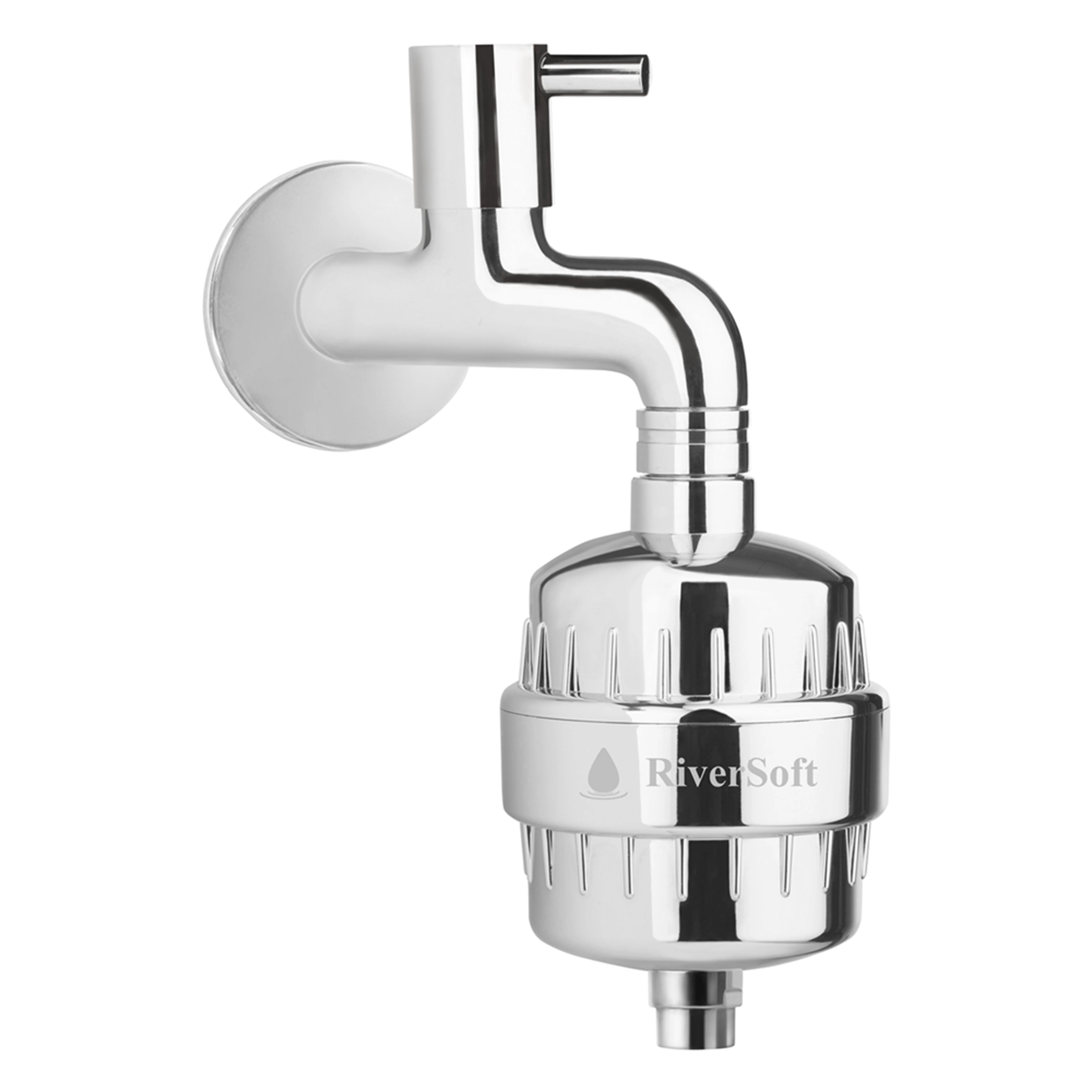
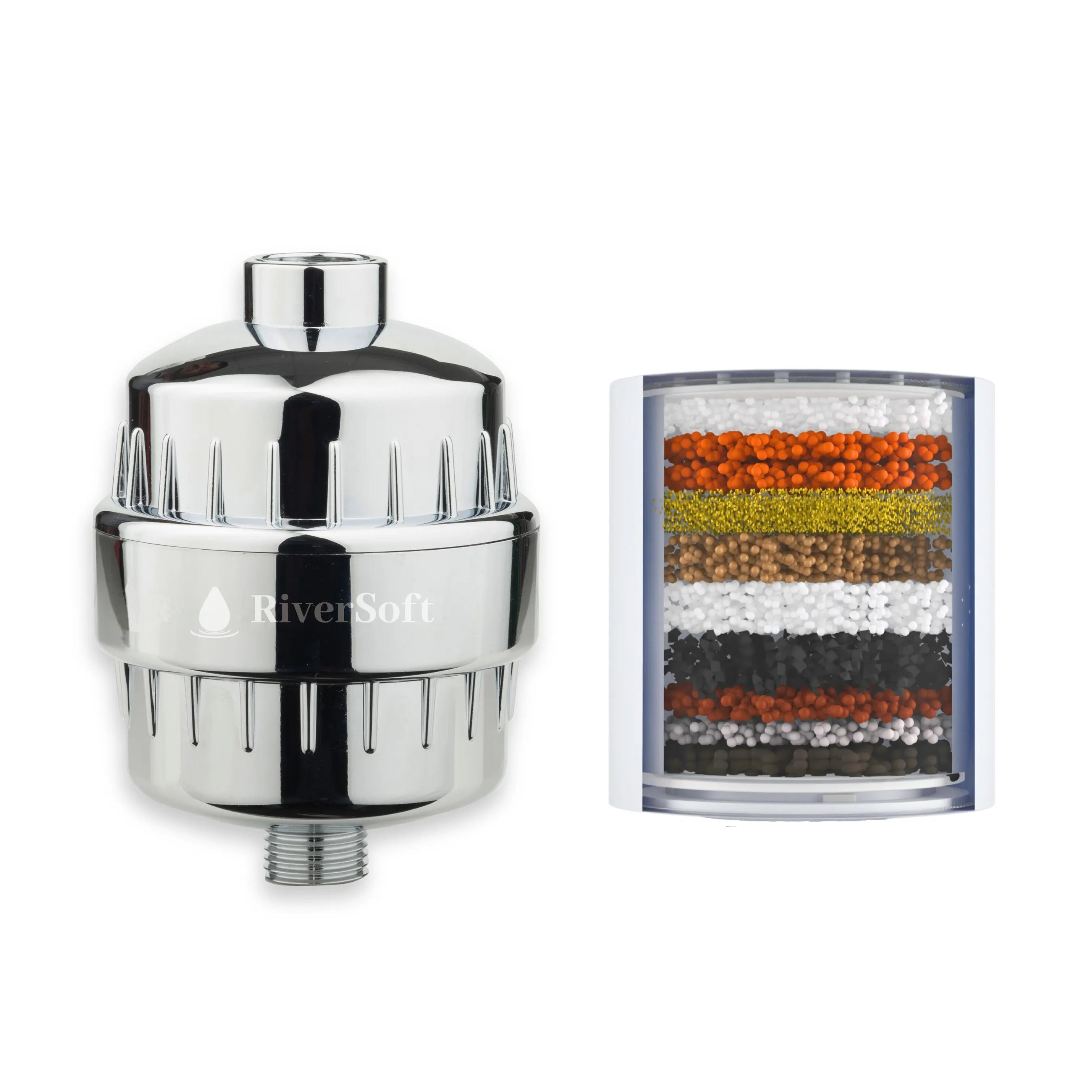
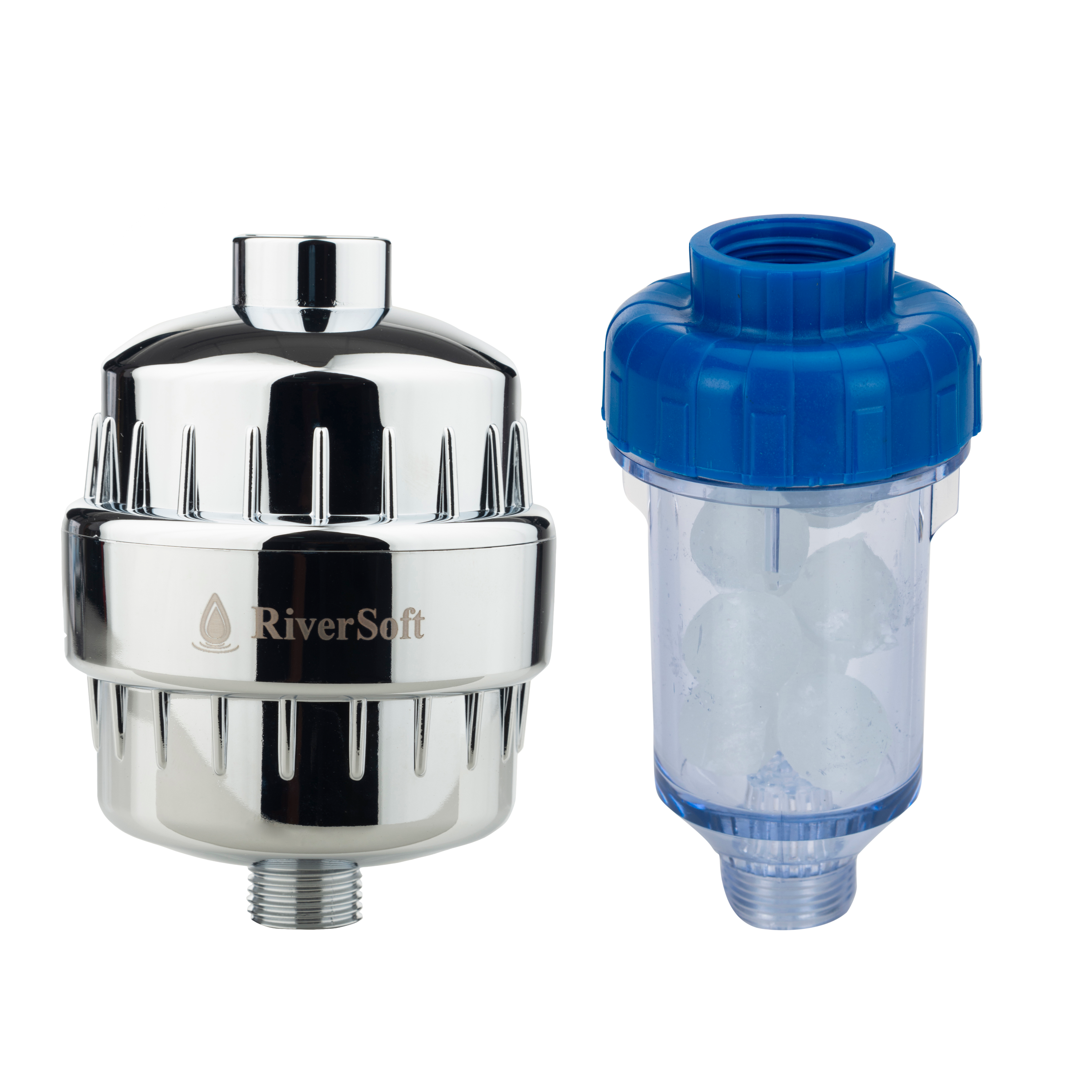
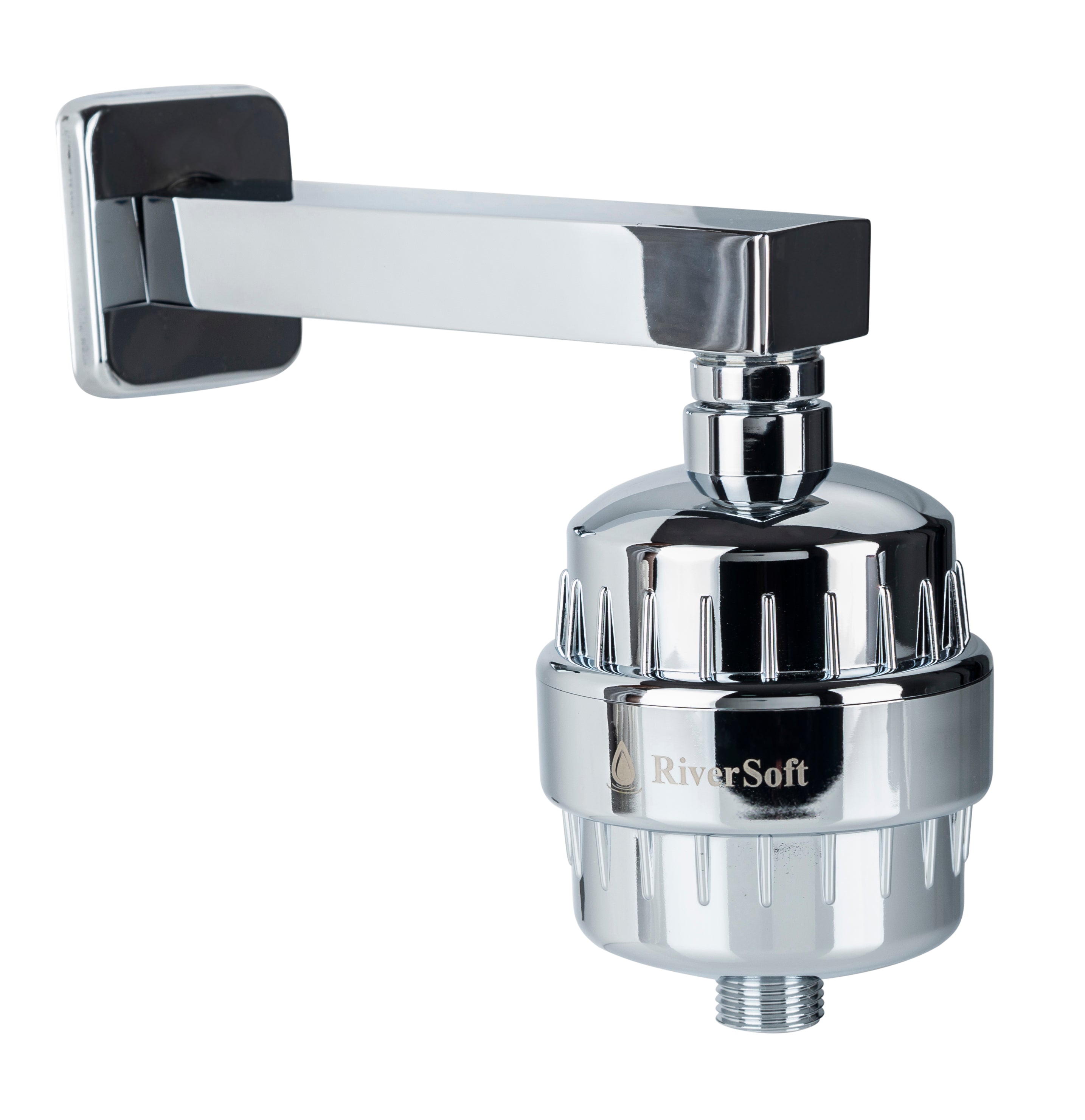
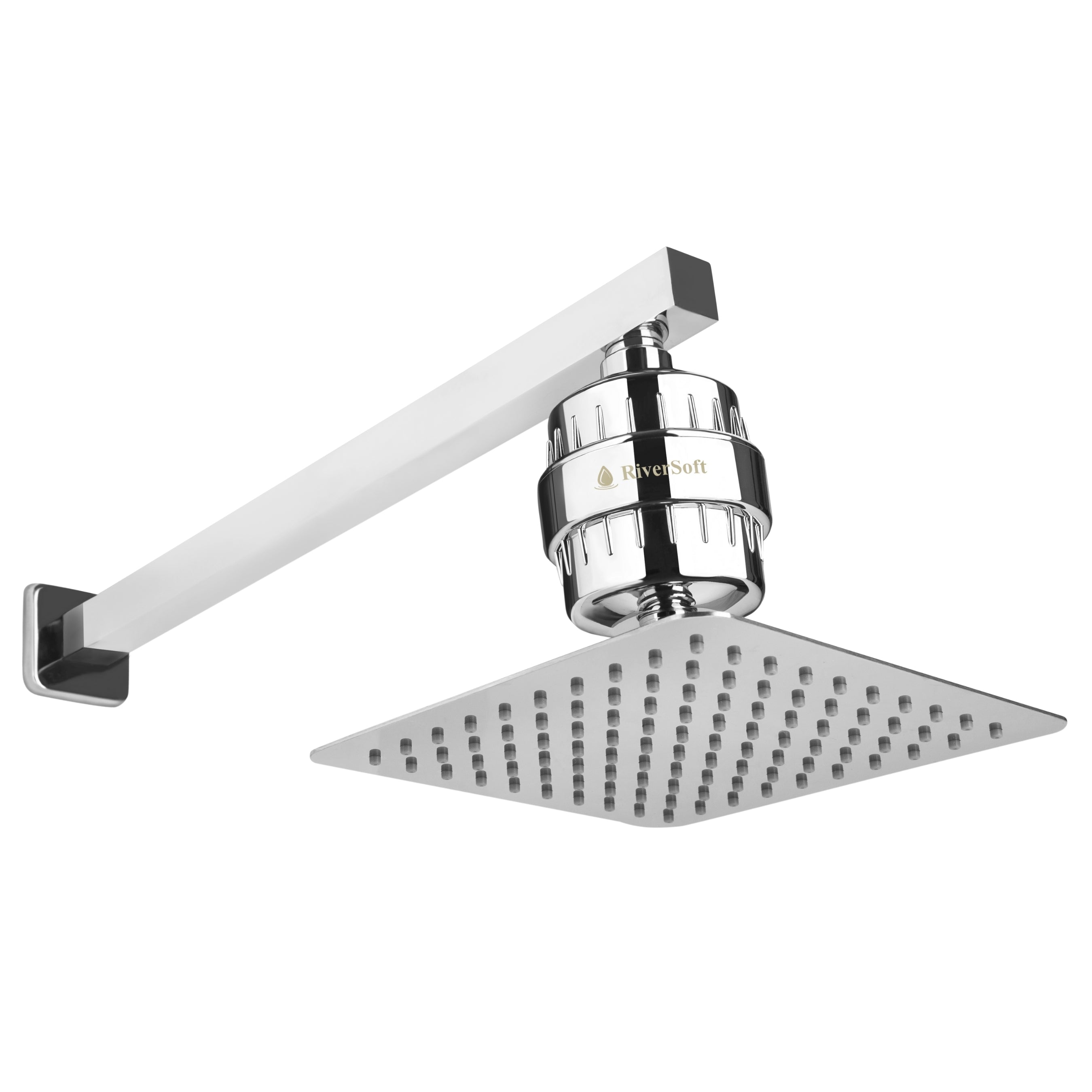
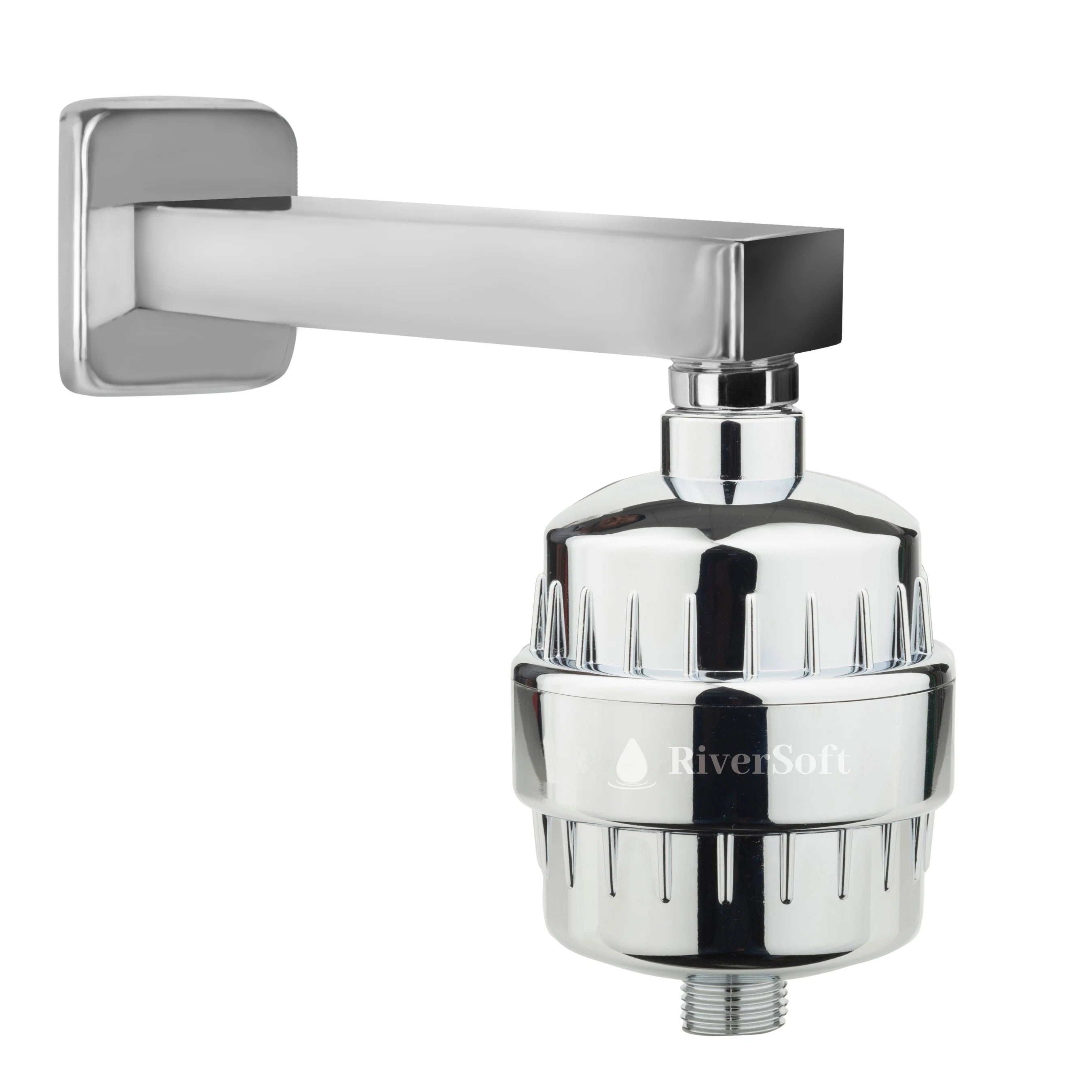
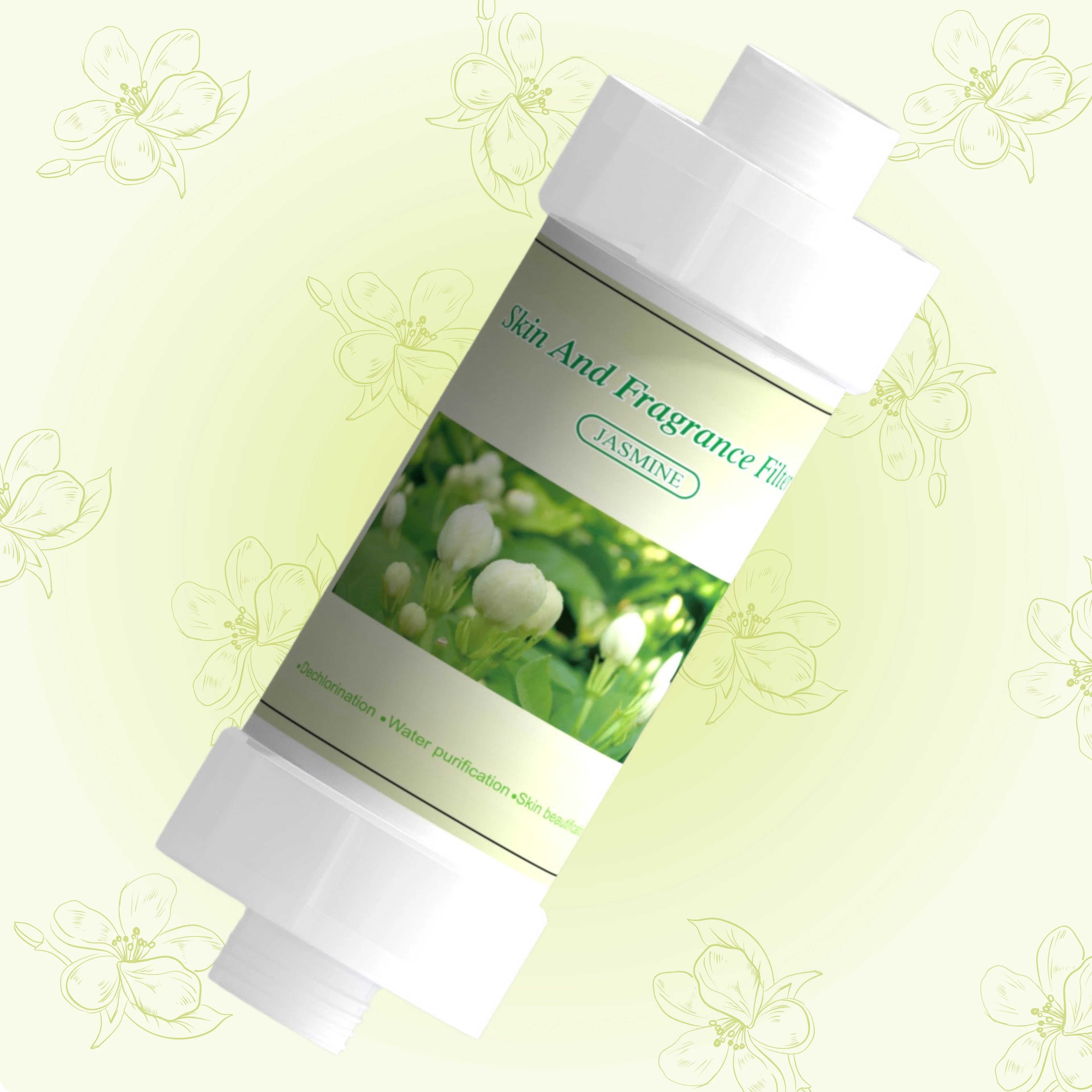
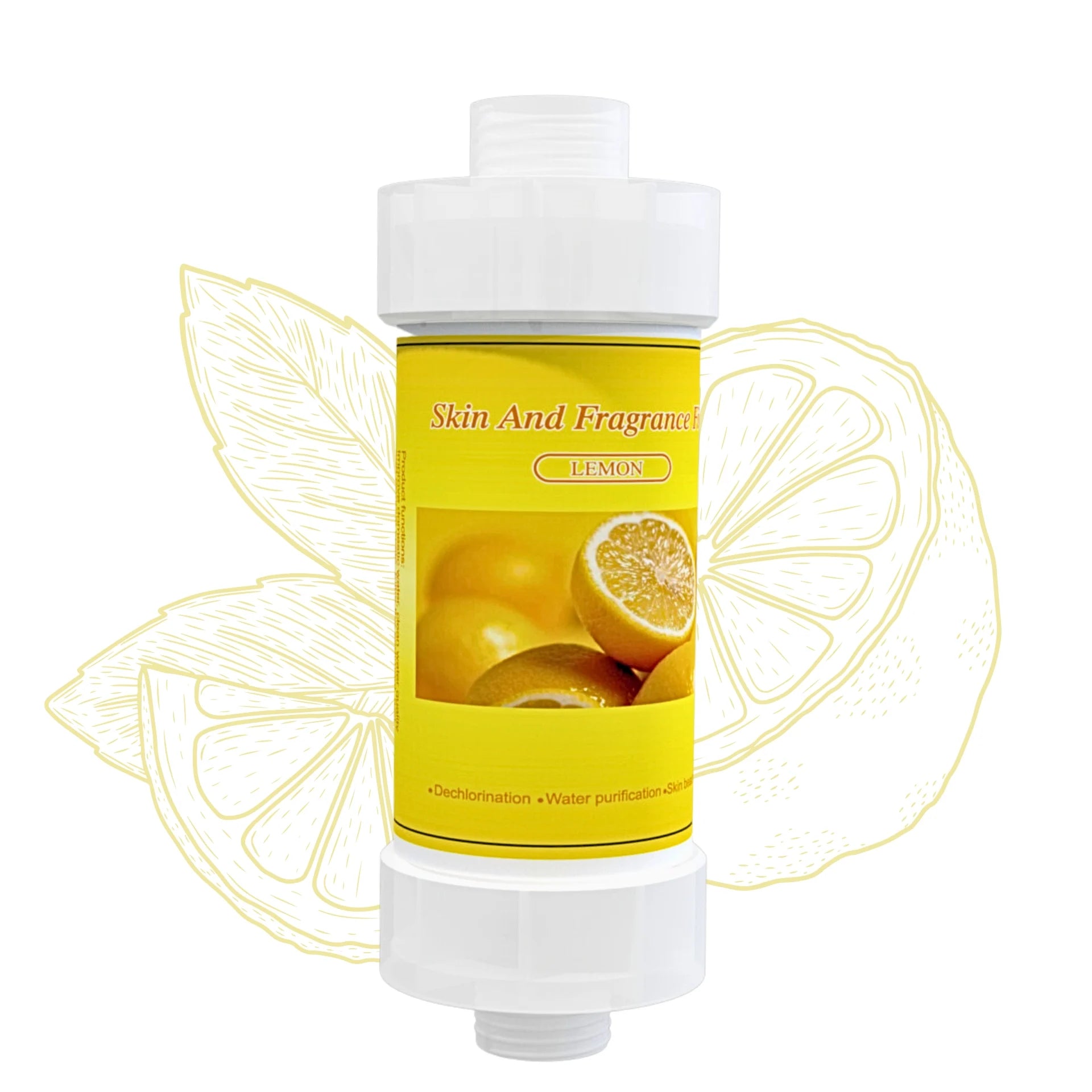
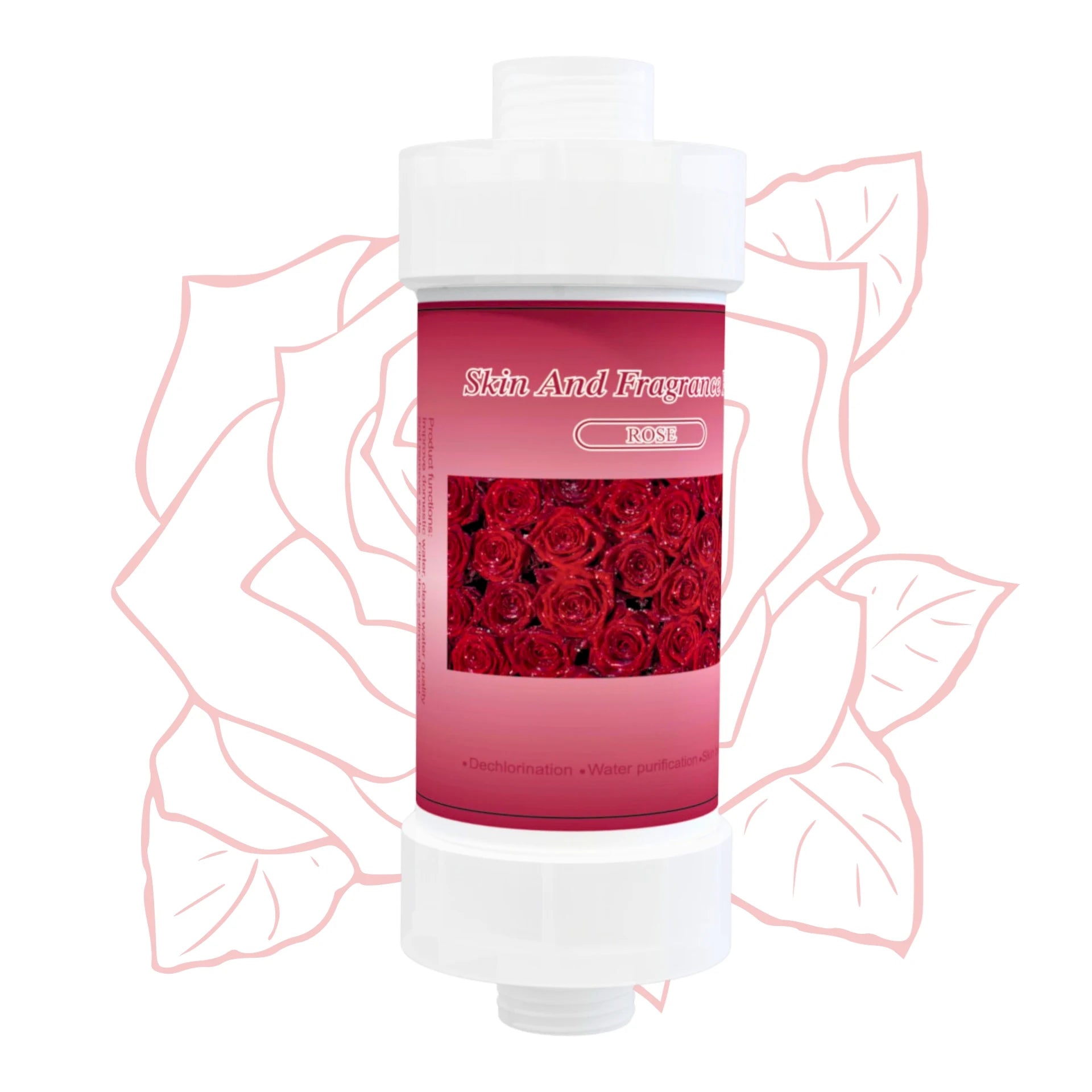
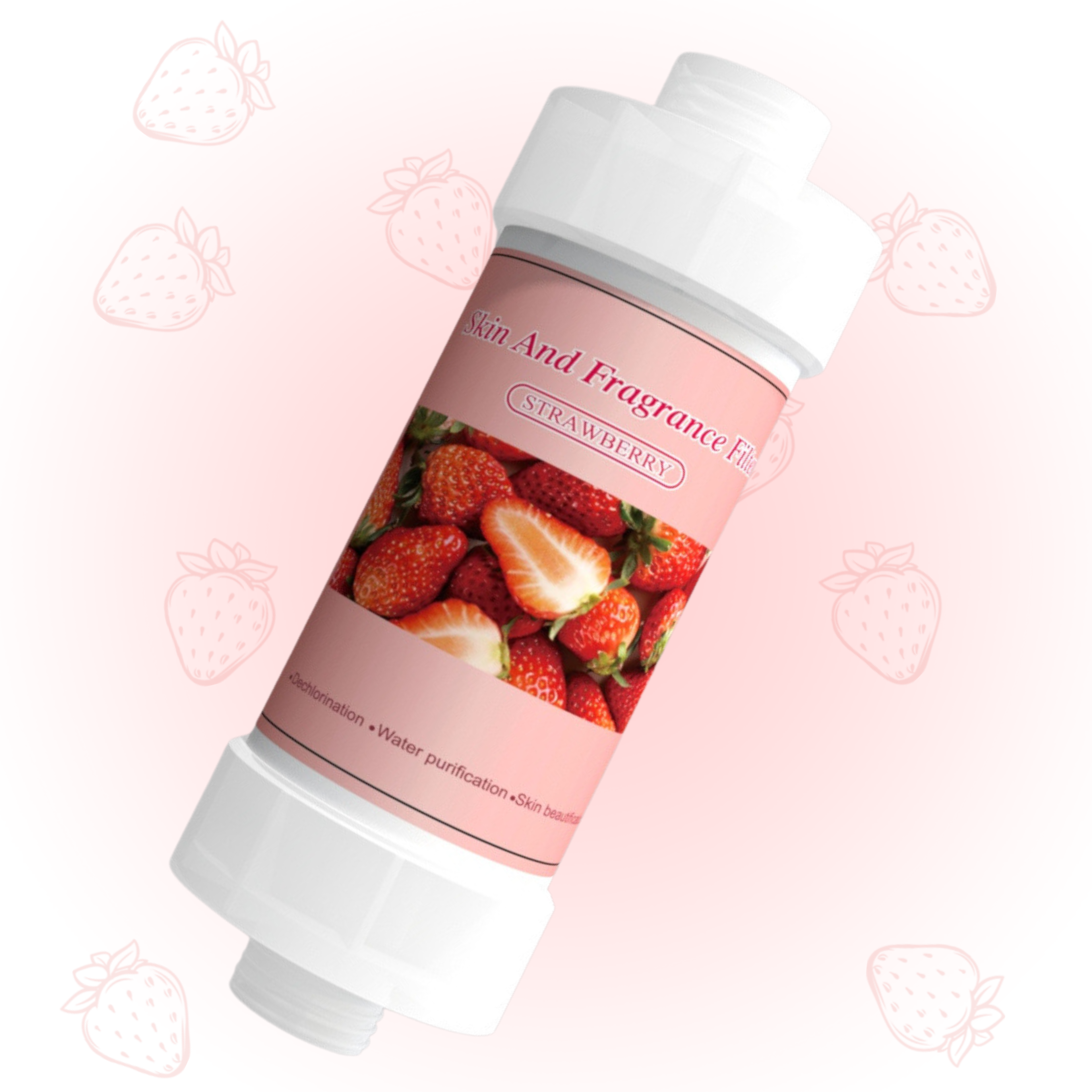
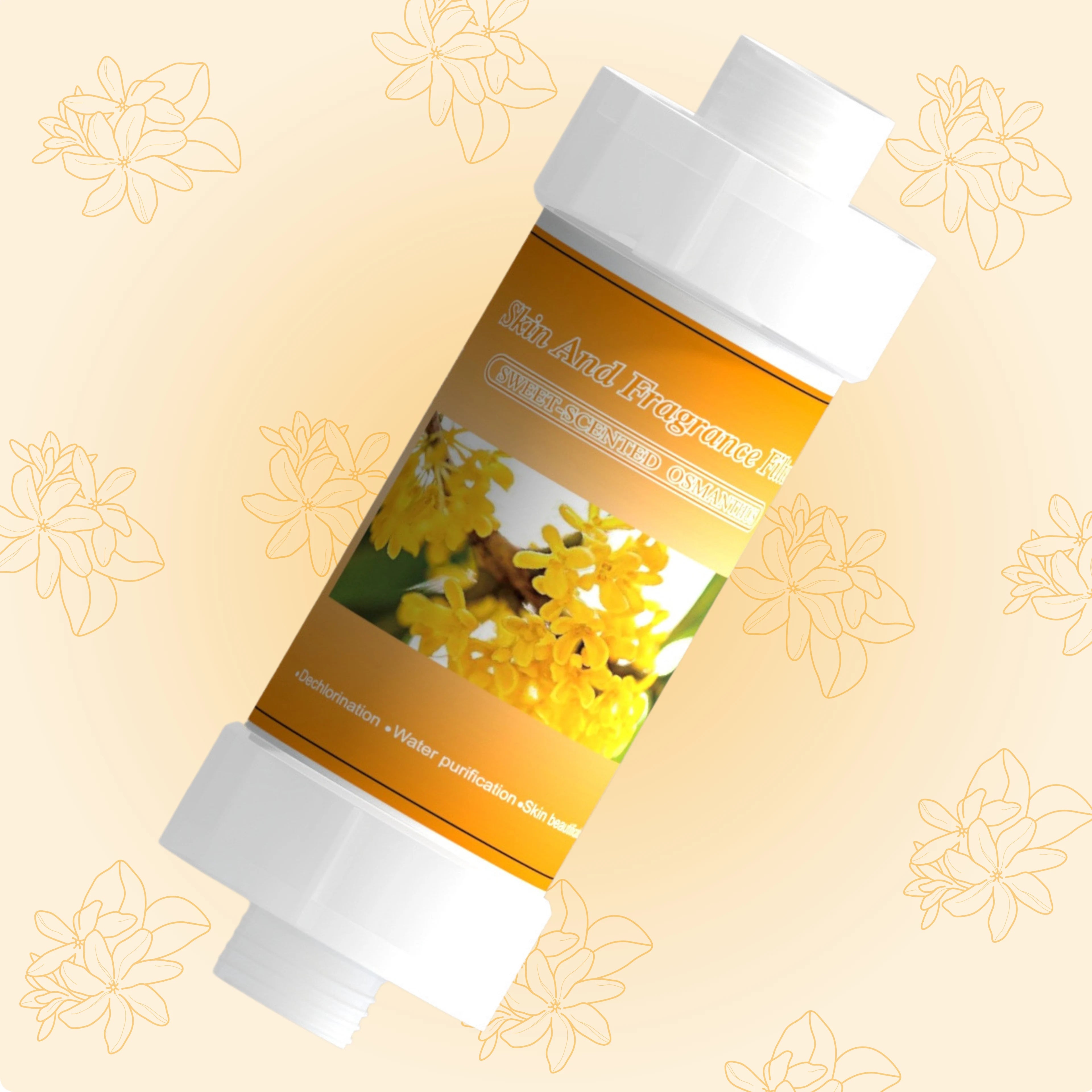
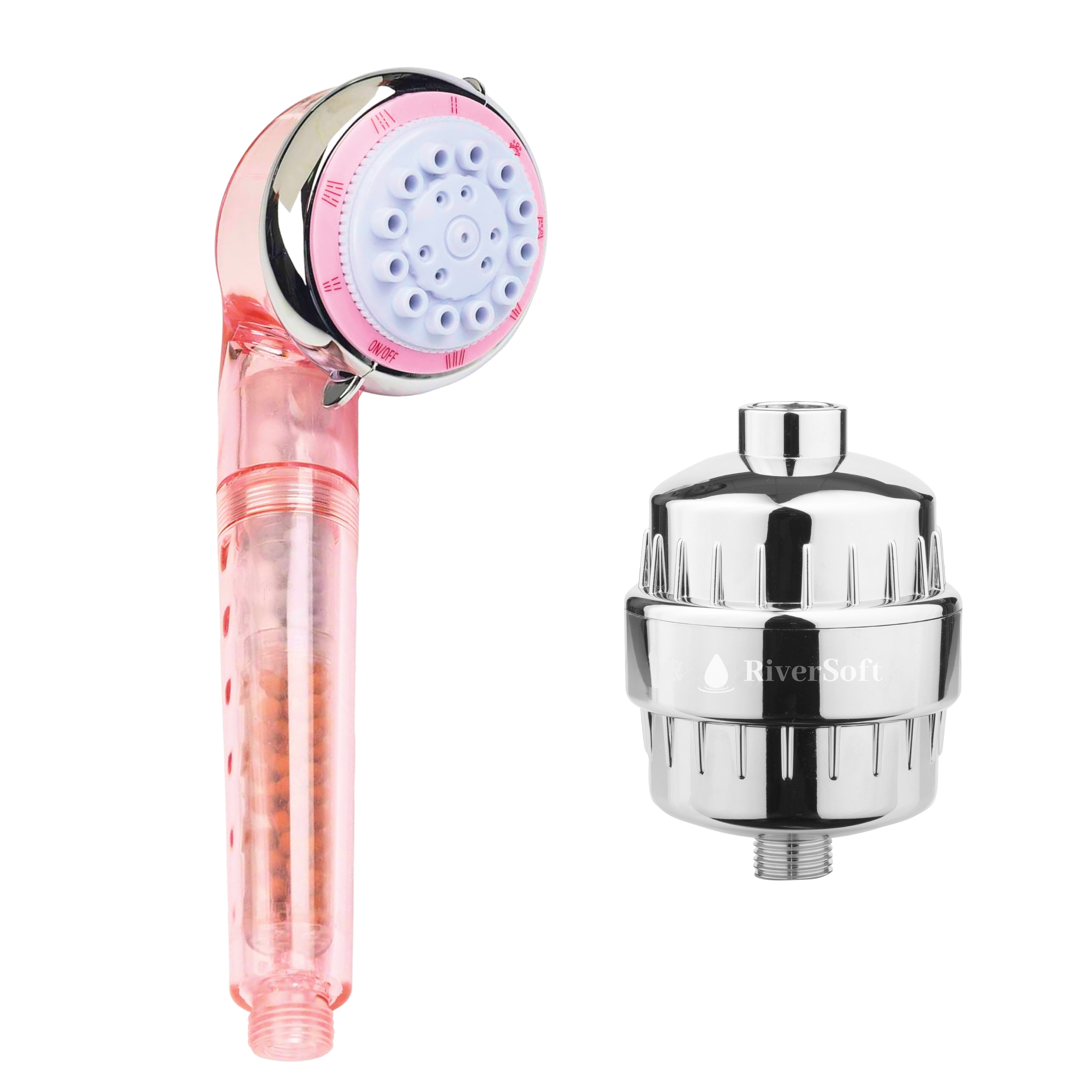
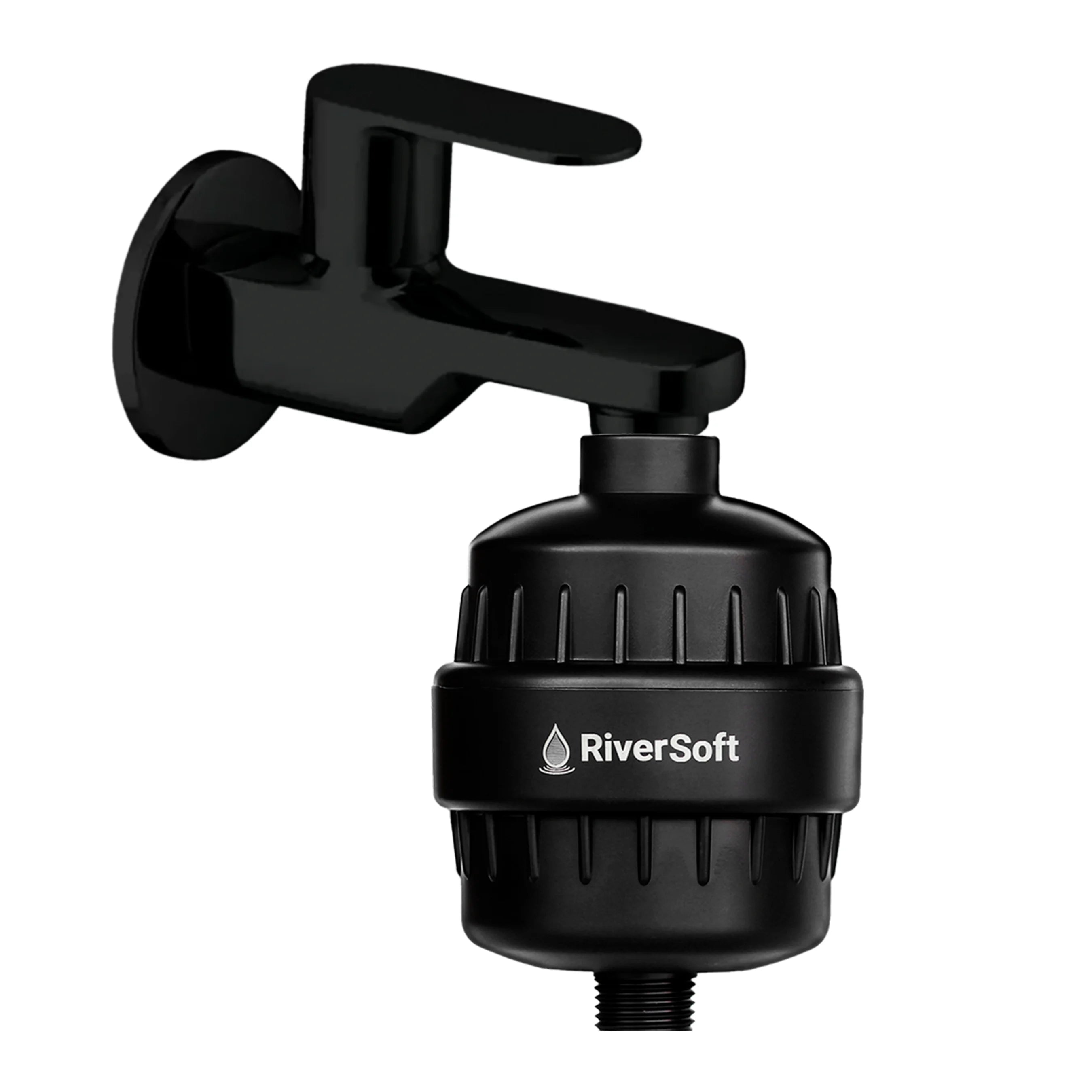
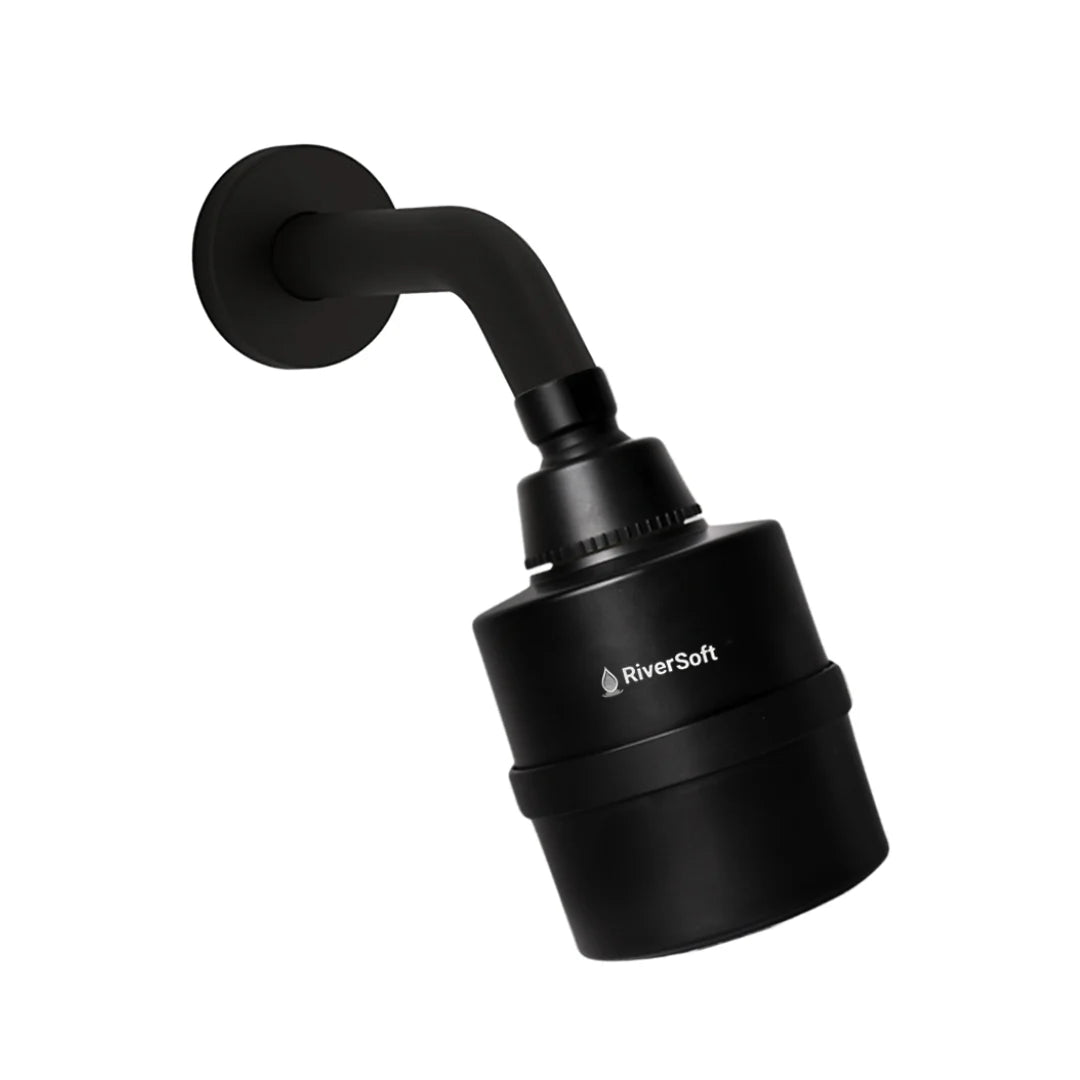
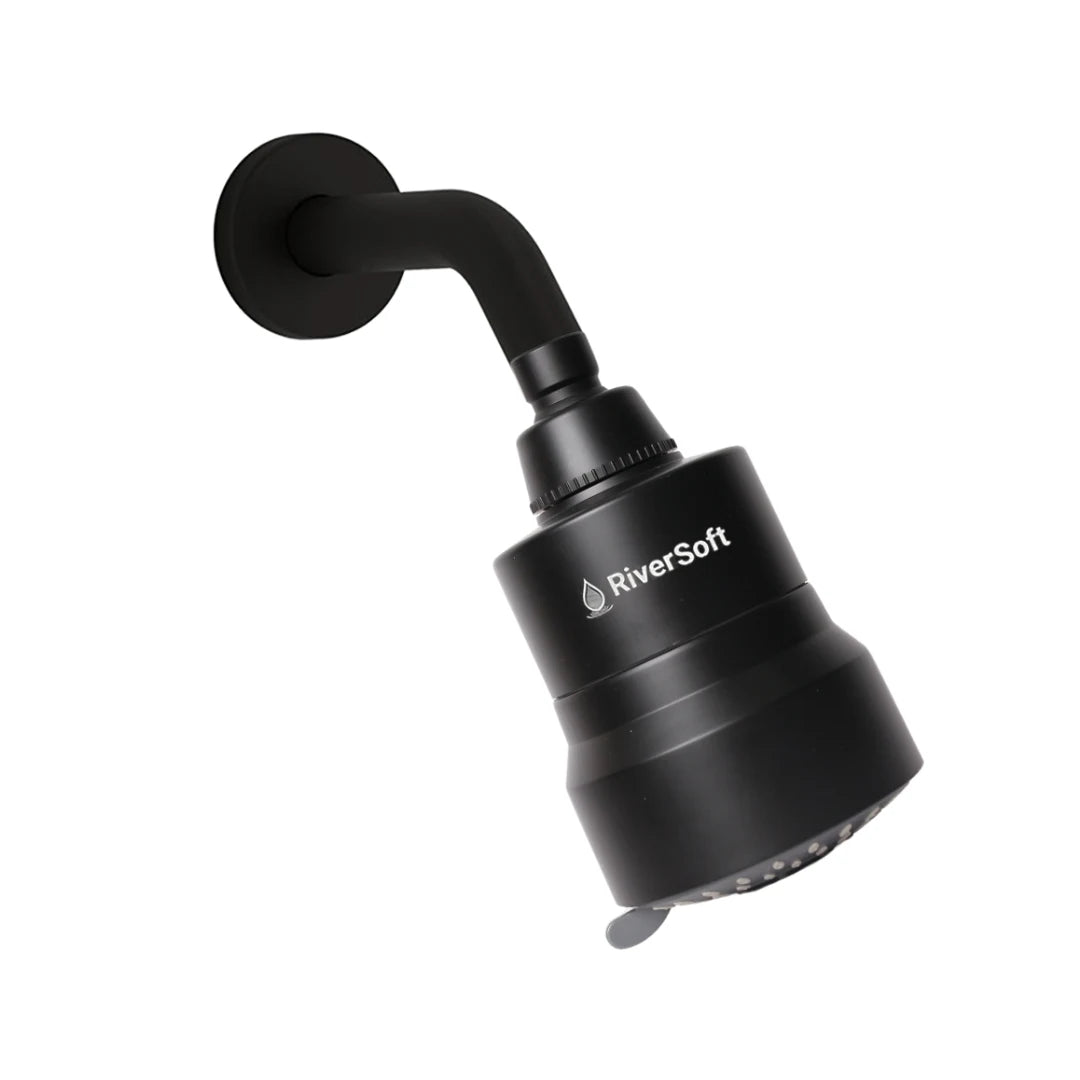
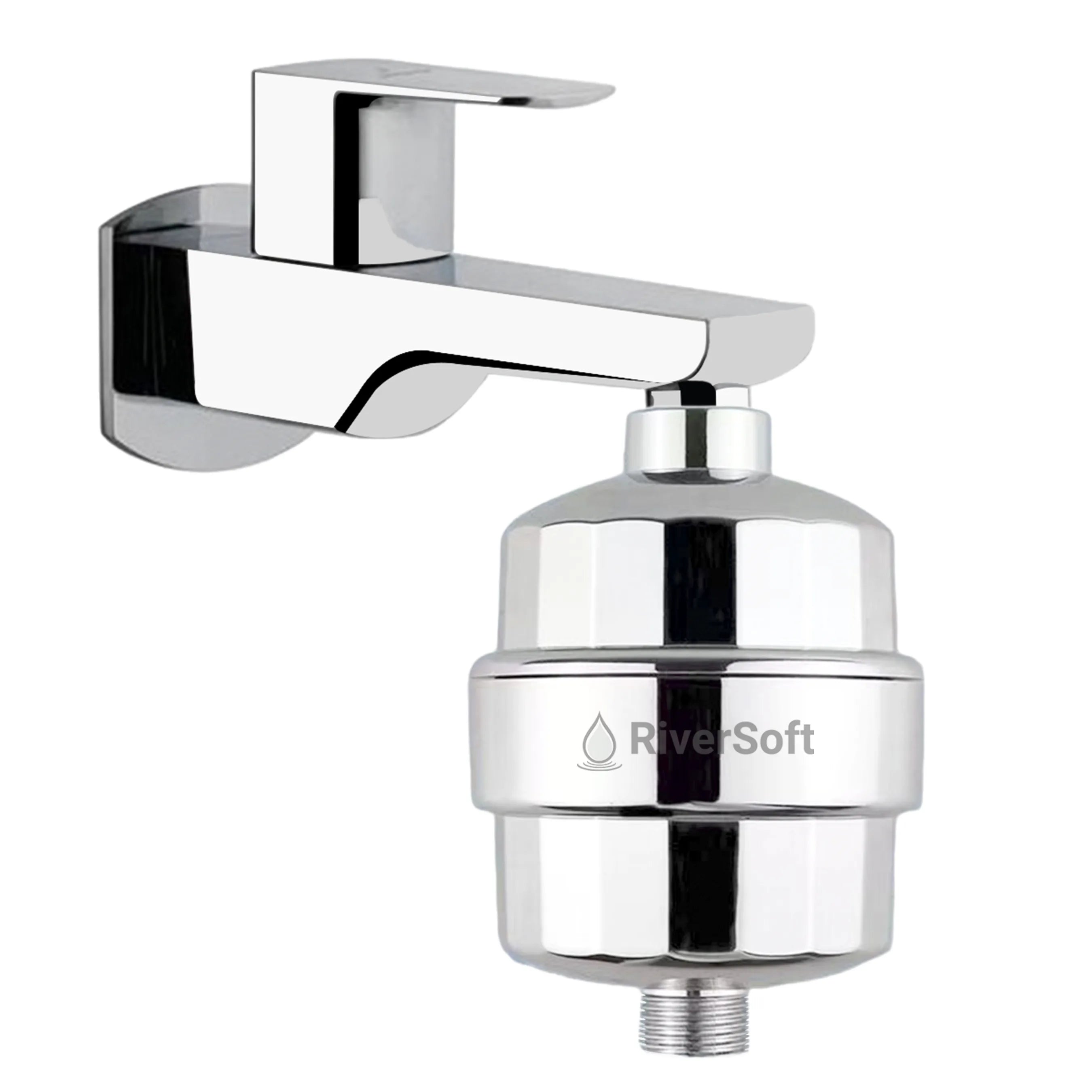
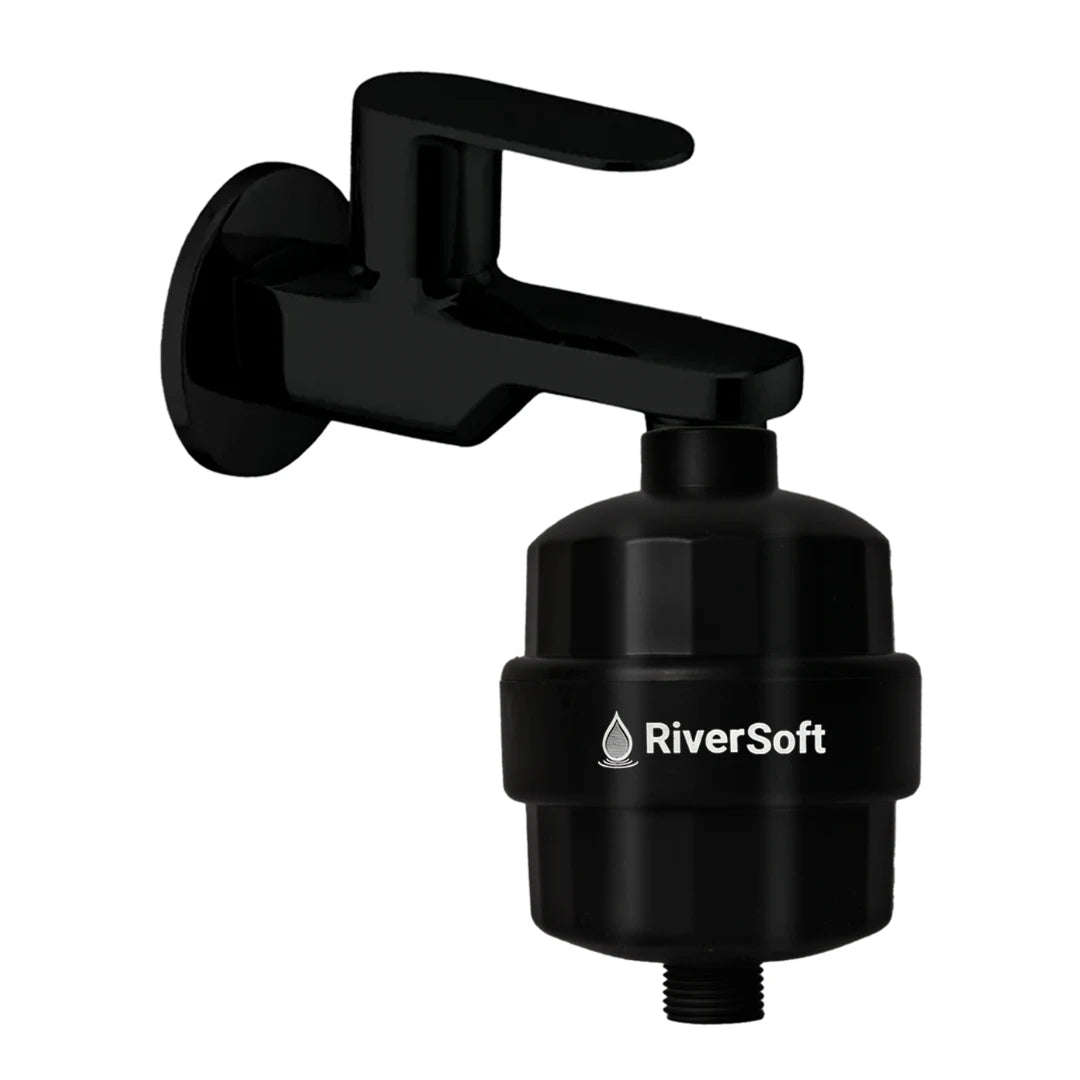
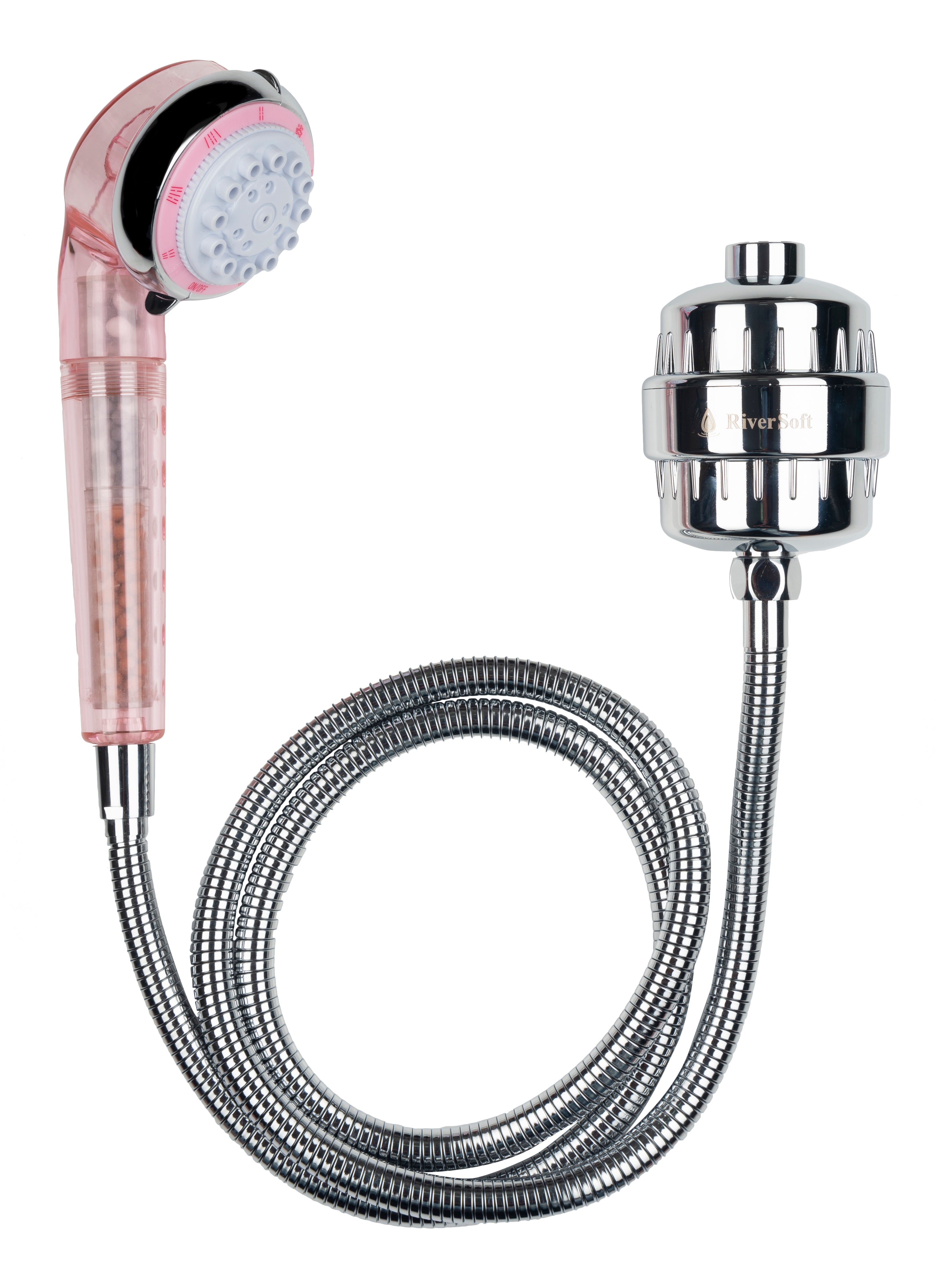
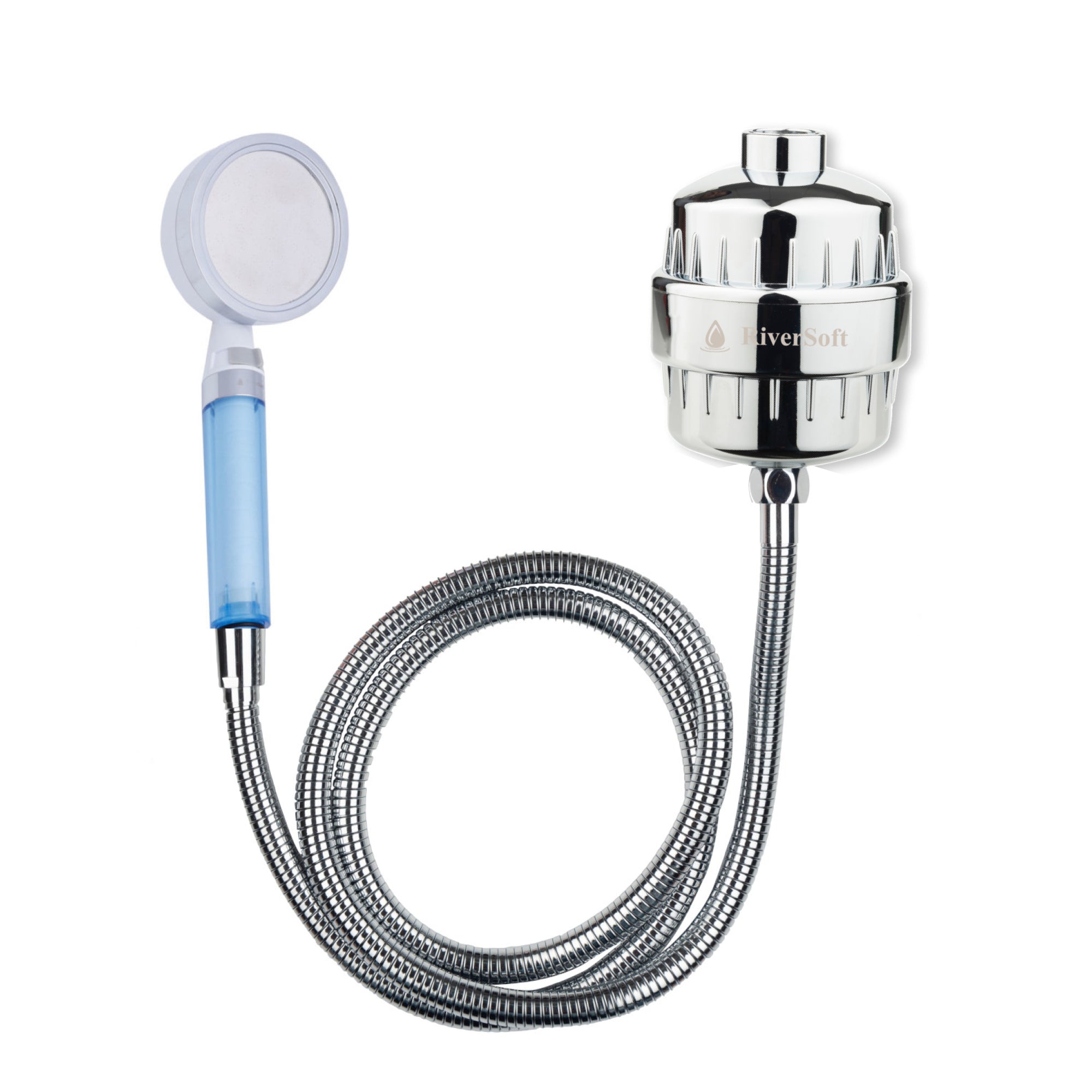
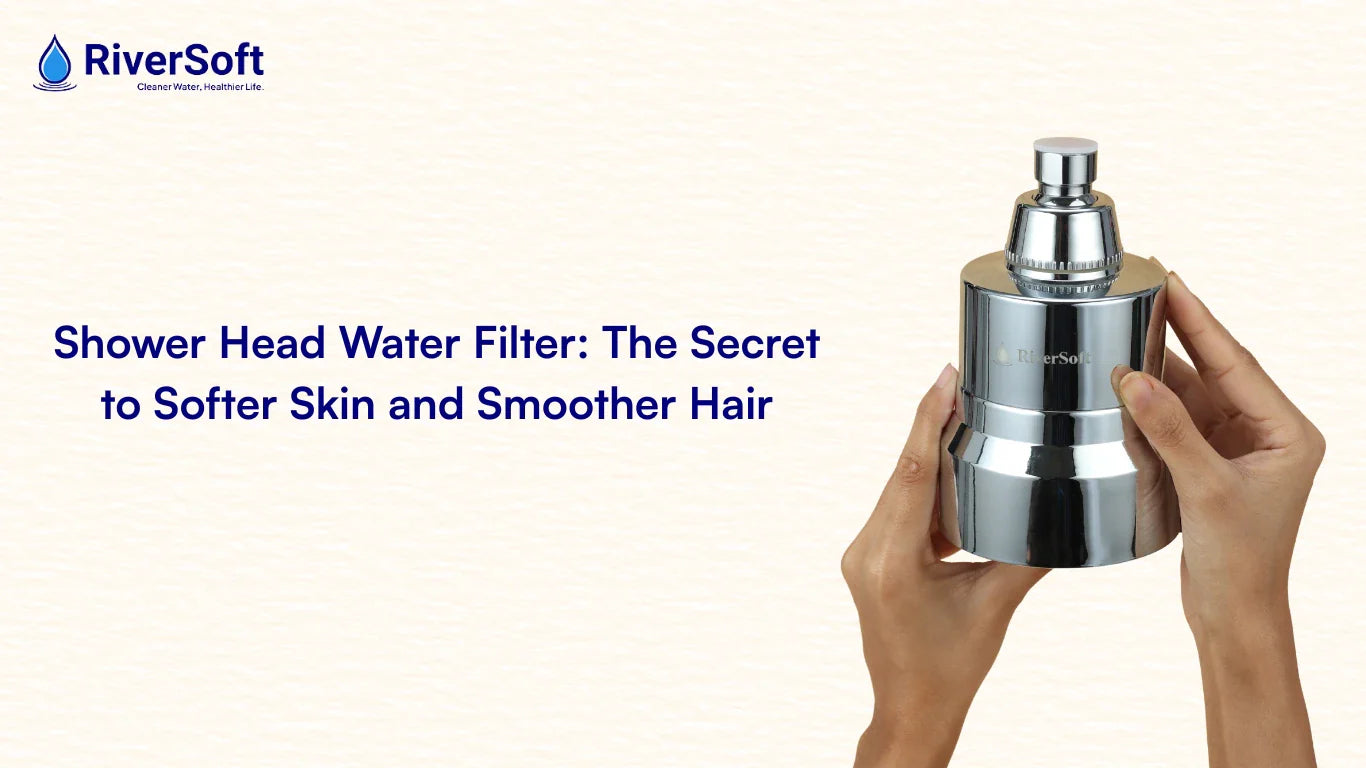
A shower filter for hard water is built to reduce the calcium, magnesium, and chlorine your hair is exposed to during every wash. Instead of fighting the damage after it happens, you're cutting it off before it starts. If you're also noticing hard water residue on bathroom taps, a hard water filter for tap covers that too.
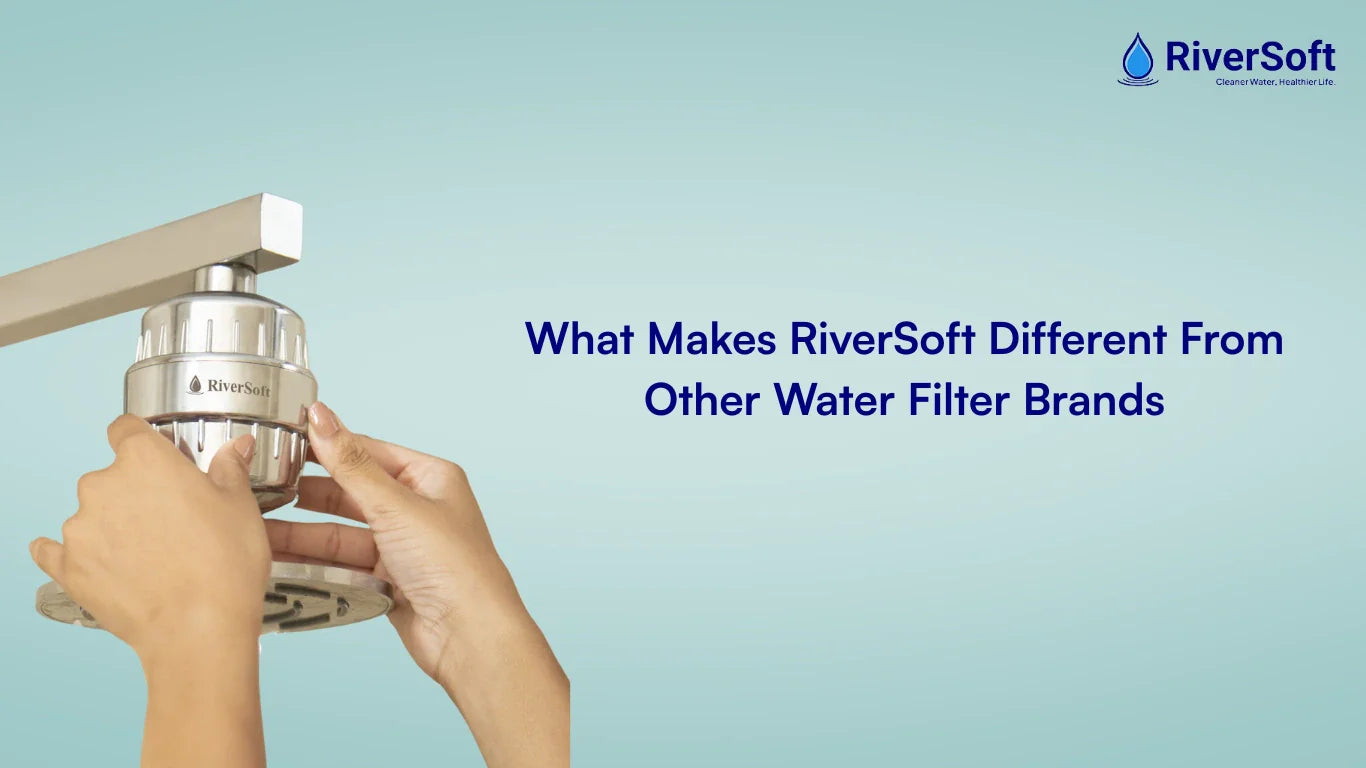
Installation doesn't need a plumber. Every RiverSoft filter is designed for DIY setup, so you can have it running in minutes
So if you suspect hard water is affecting your hair, reducing your exposure to the hard water during washing is a practical place to start. Learn what dermatologists say about hard water hair damage.
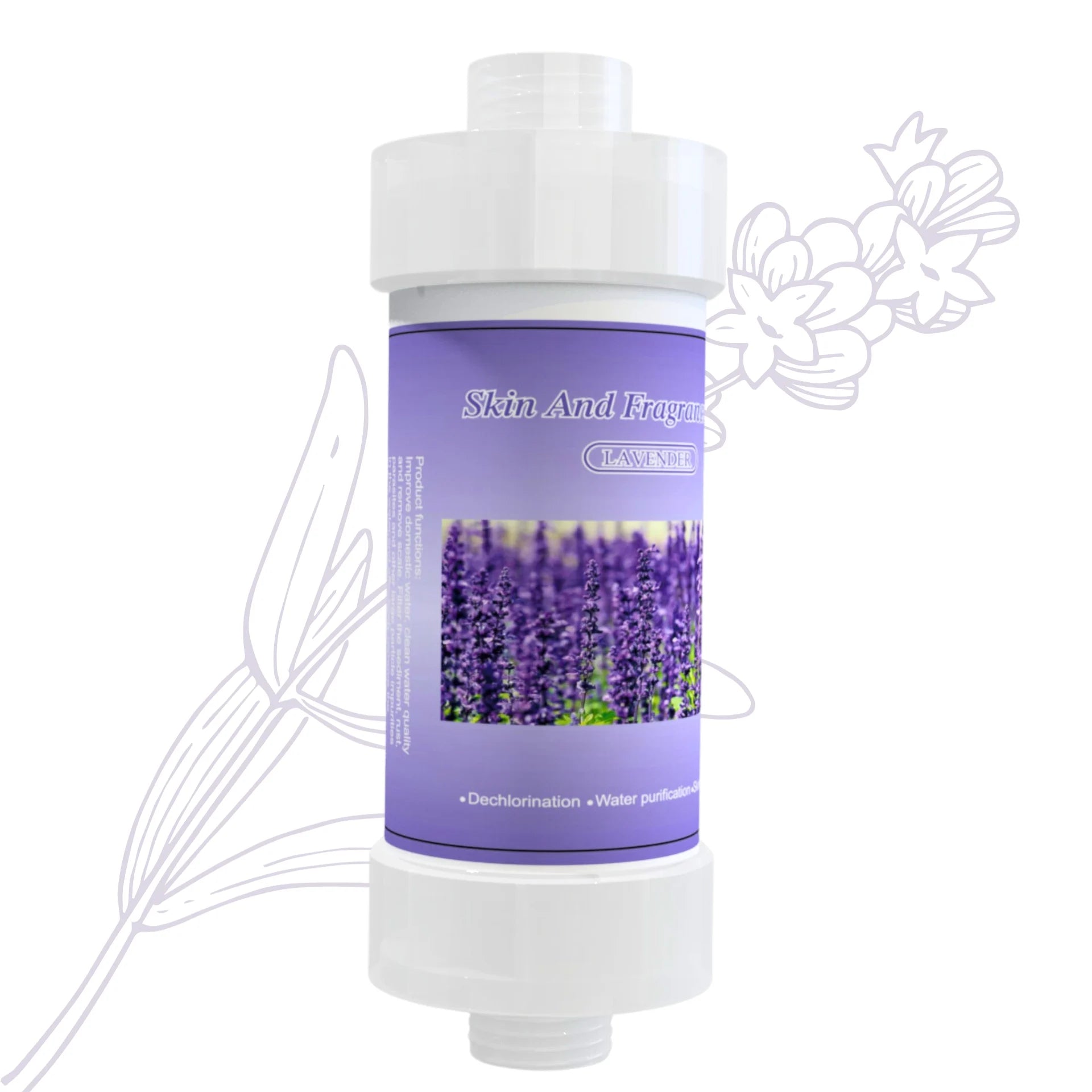
Check out RiverSoft's range of shower and tap filters to start protecting your hair from hard water damage.
Conclusion
Dry, flat, easily broken hair usually isn't three separate problems. It's one problem, hard water, showing up three different ways. Minerals block moisture, weigh your strands down, and weaken them enough to snap. Left unaddressed, this is exactly how hard water hair thinning develops over time. None of this means your follicles are damaged or your hair is gone for good. It means the water touching your hair every day needs to change before your routine can actually work.



























Leave a Comment