

If you’ve just moved into your brand new Noida flat and your hair’s suddenly caught an attitude – wait. Breathe.
Before blaming the weather, your shampoo or the mysterious new flat-water curse, consider the other possibility: the water itself!
And the most interesting part? What comes out of your shower can depend on where that water comes from and what happens between the water source and your bathroom tap.
Which raises the question: how hard is the water in Noida, really? And the answer is never that straightforward. But if “hard water” still sounds complicated, check out our guide on what hard water really means for you and how you can test it at home!
So Why Does Hard Water Matter In Noida?
Hard water isn’t unique to Noida. In fact, hard water levels vary across Indian cities, depending on local water sources and geology.
Well, it’s the whole variation in groundwater quality across Gautam Buddha Nagar.
See, groundwater doesn't come from one giant underground tank with identical chemistry everywhere. As it moves through underground rocks and soil, it can pick up dissolved minerals, including (most importantly!) calcium (Ca²⁺) and magnesium (Mg²⁺) ions.
Does Water Hardness Vary Across Sectors in Noida?
Yes, your sector does matter!
Government and academic studies such as the Government monitoring reports from the Central Ground Water Board (CGWB), the 2025 groundwater quality assessment around the industrial area of Gautam Budh Nagar by the International Journal For Research In Applied Science and Engineering Technology and the physico-chemical analysis of Noida and Ghaziabad groundwater published by IOP Publishing limited show that groundwater quality varies considerably across Gautam Buddha Nagar.
Total Hardness (TH) in groundwater differs significantly across Noida, ranging from acceptable limits to extreme non-potable levels depending on the block and land use. The CGWB's groundwater-quality records include measurements from individual monitoring points, while its groundwater assessment has identified locations in the district with total hardness above 600 mg/L.
So yes, Noida's water landscape is a real mixed bag – just take a look at how drastically the numbers from the 2025 survey swing from one sector to the next:
|
Area |
Reported Total Hardness (mg/L as CaCO₃) |
What The Data Shows |
|
Noida Sector 62 |
95 mg/L (approx)* |
A 2025 water-quality test reported 95 mg/L at a site located in Sector 62. Moderate hardness; the reported value is below the BIS permissible limit of 200 mg/L. |
|
Noida Sector 63 |
761 mg/L |
Very high hardness; the reported value exceeds the BIS permissible limit of 600 mg/L. |
|
Noida Phase II |
921 mg/L |
Very high hardness; the reported value exceeds the BIS permissible limit of 600 mg/L. |
|
Greater Noida |
212–672 mg/L as CaCO₃; mean 387.59 mg/L |
Considerable variation across sampled groundwater sources |
Useful info to keep, but here’s the important distinction: these measurements do not automatically mean: “everyone in Sector 63 has 761 mg/L water,” for example.
Which is why testing the water reaching your home matters. It tells you exactly what you’re dealing with, including its hardness and TDS levels.
But here’s a catch: TDS and water hardness levels are two different things. And if you’ve read our detailed guide on what TDS means for your water safety, you’ll know higher TDS levels don’t automatically mean your water is hard!
Is Your Water Source More Important Than Your Address?
Often, yes. Your building may receive water from municipal supply, borewells, tankers or groundwater sources; but it's always going to have distinct qualities.
Noida's supply can also involve multiple sources – particularly in larger apartment complexes or gated societies – meaning the water reaching your tap may differ even from another building in the same neighbourhood!
So How Can Noida’s Hard Water Affect You?
Unfortunately though, hard water can affect your hair and skin and leave mineral deposits on bathroom surfaces and appliances over time.. Hard water may not automatically mean “bad water”, but if you’ve read our guide on how mineral buildup can affect more than just your hair and skin – even household surfaces and appliances – you’ll know it’s actually more expensive to ignore in the long run. Keep in mind:
How Noida’s Hard Water Affects Your Hair
Mineral Buildup
The calcium and magnesium from hard water can accumulate on your hair with repeated exposure, potentially leaving it feeling coated or less clean. Plus, this can lead to an itchy scalp after showers, as well as dry, flaky coating that presents like dandruff.
Hard water buildup on your scalp is not the same as your everyday dandruff, though, so remember to check out our guide on the differences between buildup and dandruff to know the difference in detail!
Dry or Rough-Feeling Hair
Mineral buildup and interaction with cleansing products can leave your hair feeling drier, rougher or less manageable.
Dull-Looking Hair
The same mineral deposition on the hair surface can also affect how the hair looks and feels, making it appear less smooth or shiny.
Shampoo May Feel Less Effective
Hard water can interfere with soap and cleansing products during showers, making it harder to create lather and potentially leaving more residue behind on your scalp and the roots of your hair.
Still, hard water has not yet been established as a direct cause of hair loss from the root. If you're experiencing hair fall, other factors such as genetics, hormones, nutrition, stress or scalp conditions should also be considered. And if you’d like a more medical opinion, you can always check out our guide on what dermatologists recommend for hair loss due to hard water!
How Noida’s Hard Water Affects Your Skin
Tight or Dry-Feeling Skin
Hard water can interact with soaps and cleansers, potentially leaving skin feeling tight or dry after a shower. And if your skin was already dry or sensitive, the effects of hard water and cleansing may be more noticeable!
More Cleansing-Product Residue
Hard water can increase the amount of surfactant residue left on the skin, which may make your skin feel less comfortable after cleansing.
And if you’re now concerned about how well these characteristics fit the water in your home, our handy guide to why your skincare and haircare products stop working in hard water give you all the details!
How Noida’s Hard Water Affects Your Home
White Mineral Buildup
Hard water can leave chalky deposits around taps, showerheads and sinks when dissolved minerals are left behind after the water evaporates. But don’t worry, you can fix it — especially if you’ve read our easy-to-follow guide on how to prevent and remove the stains on important bathroom surfaces such as tiles and glass!
Limescale on Fixtures
Repeated exposure can cause a buildup called limescale to form on bathroom fixtures, particularly around areas where water is regularly heated or evaporates.
Over time, heavy limescale buildup can restrict water flow and increase cleaning and maintenance needs.
But don’t worry – if you’ve read up on our limescale guide, you’ll know it's pretty easy to get rid of, even if it’s hard to look at!
Scale on Water-Using Appliances
Hard-water minerals can also accumulate in appliances that repeatedly heat or use water, potentially affecting their performance over time.

What You Can Do To Counter Noida’s Hard Water
All is not lost! There are quite a few things you can do to undo possible damage Noida’s unpredictably hard water has brought to your lifestyle:
For Your Hair And Skin:
Use a clarifying shampoo.
This helps remove accumulated product and mineral residue from the hair.
Condition hair regularly.
This helps keep hair moisturised and manageable when it feels dry or rough.
Use gentle cleansers.
Try avoiding overly harsh soaps and/or exfoliators if your skin continues to feel tight or dry after washing.
Avoid very hot showers.
A hot shower feels great at the moment, but keeping water temperature lukewarm can help prevent additional dryness, in both your hair and skin.
Moisturise after showering.
Apply a moisturiser and/or body oil while your skin is still slightly damp to help retain moisture.
Consider a shower filter.
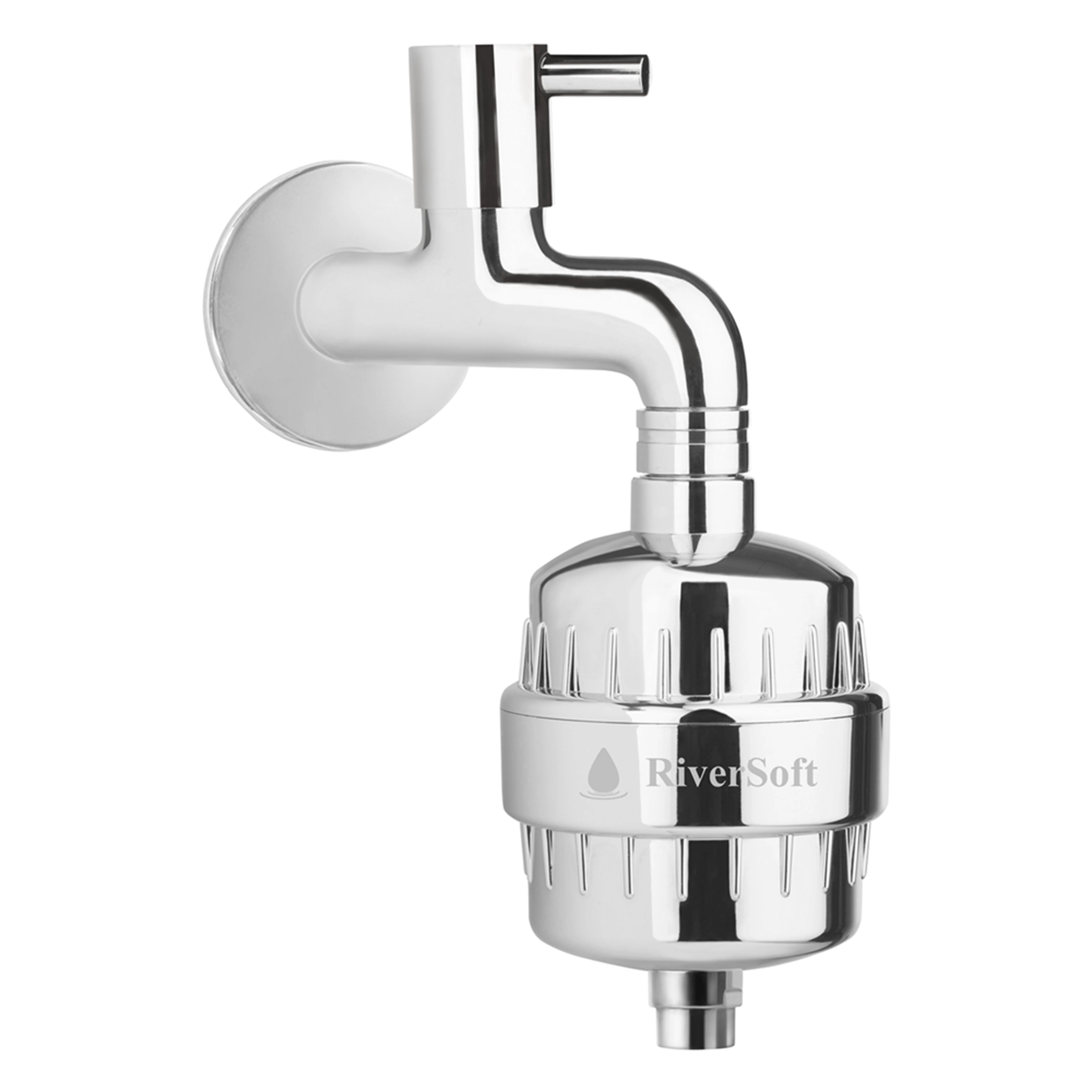
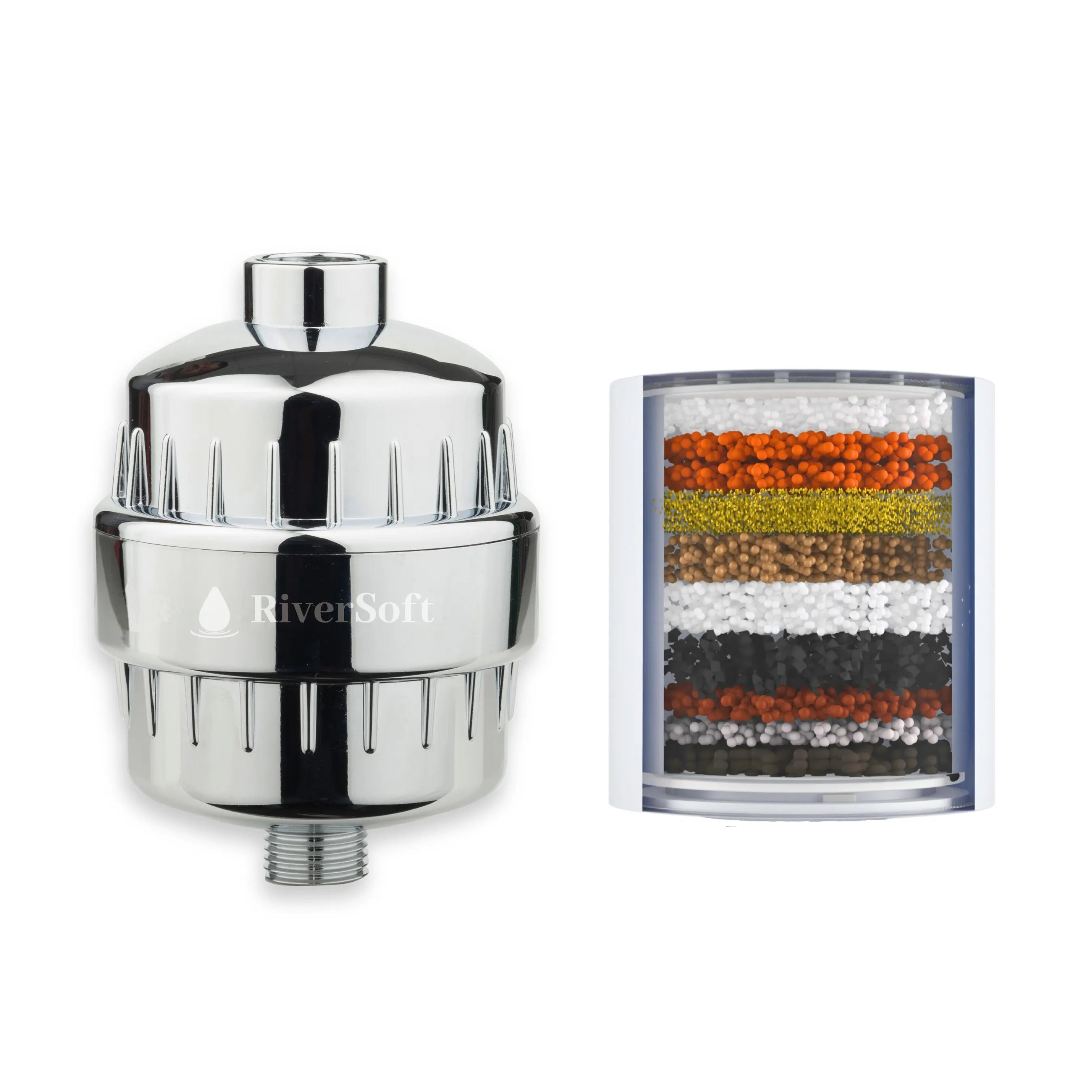
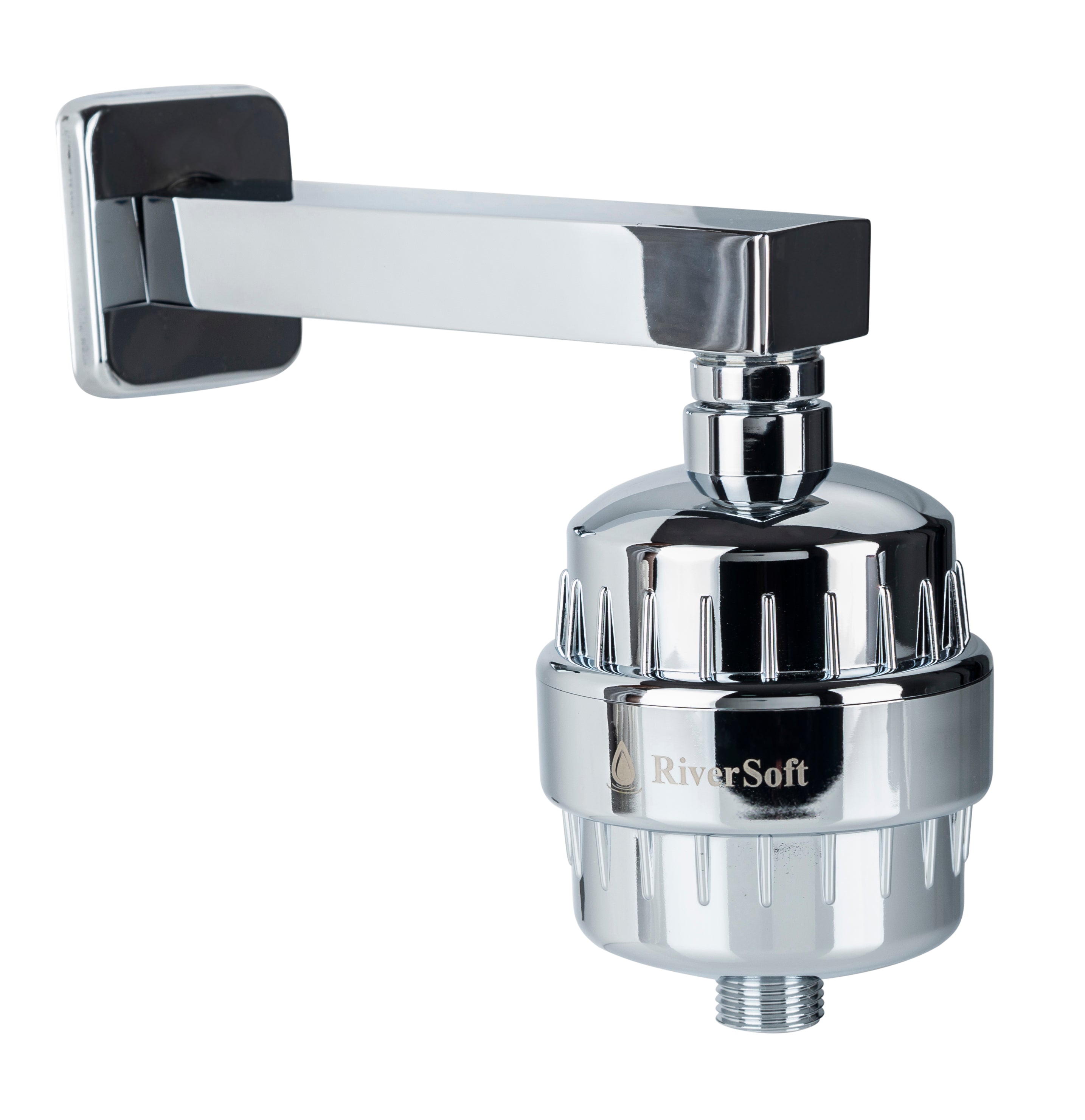
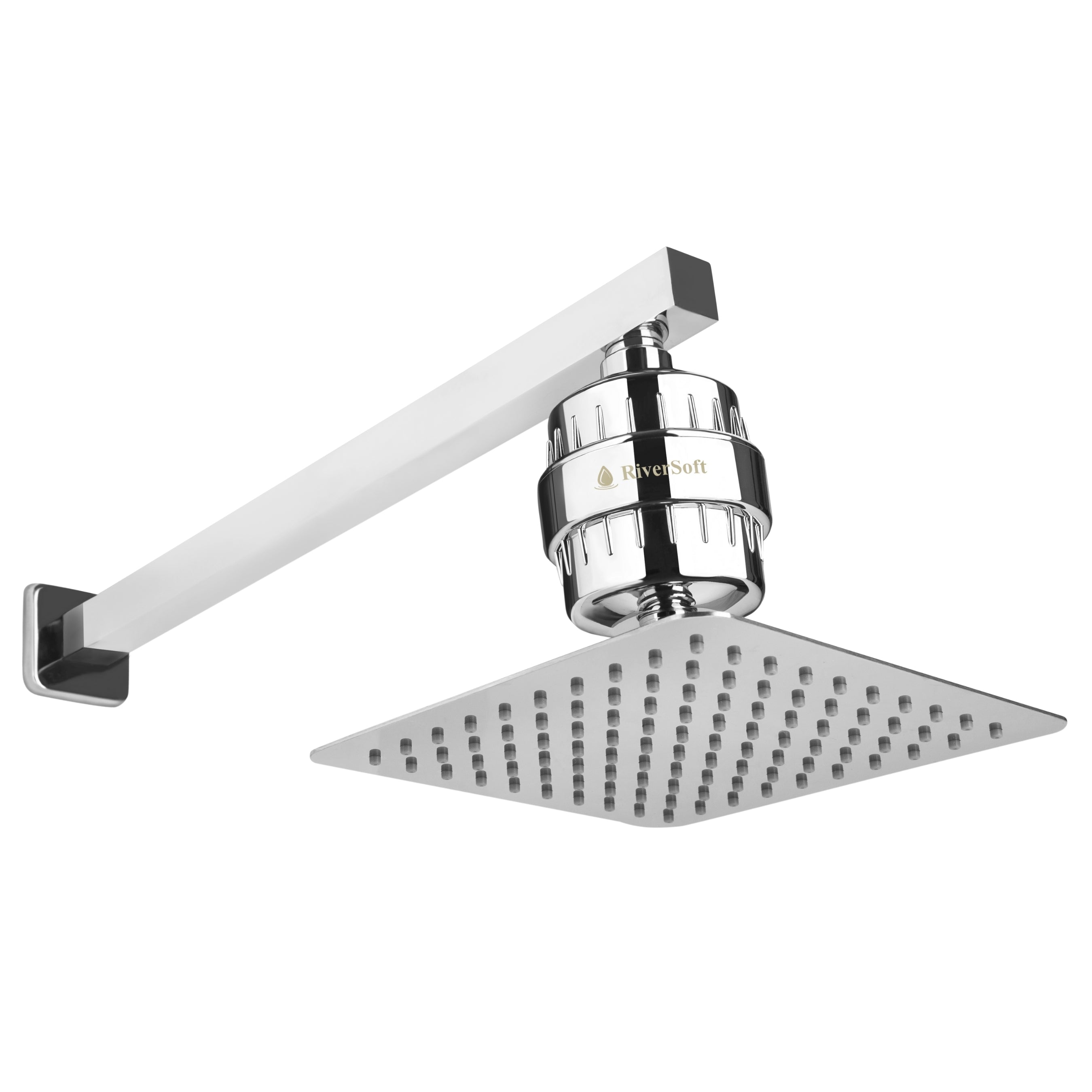
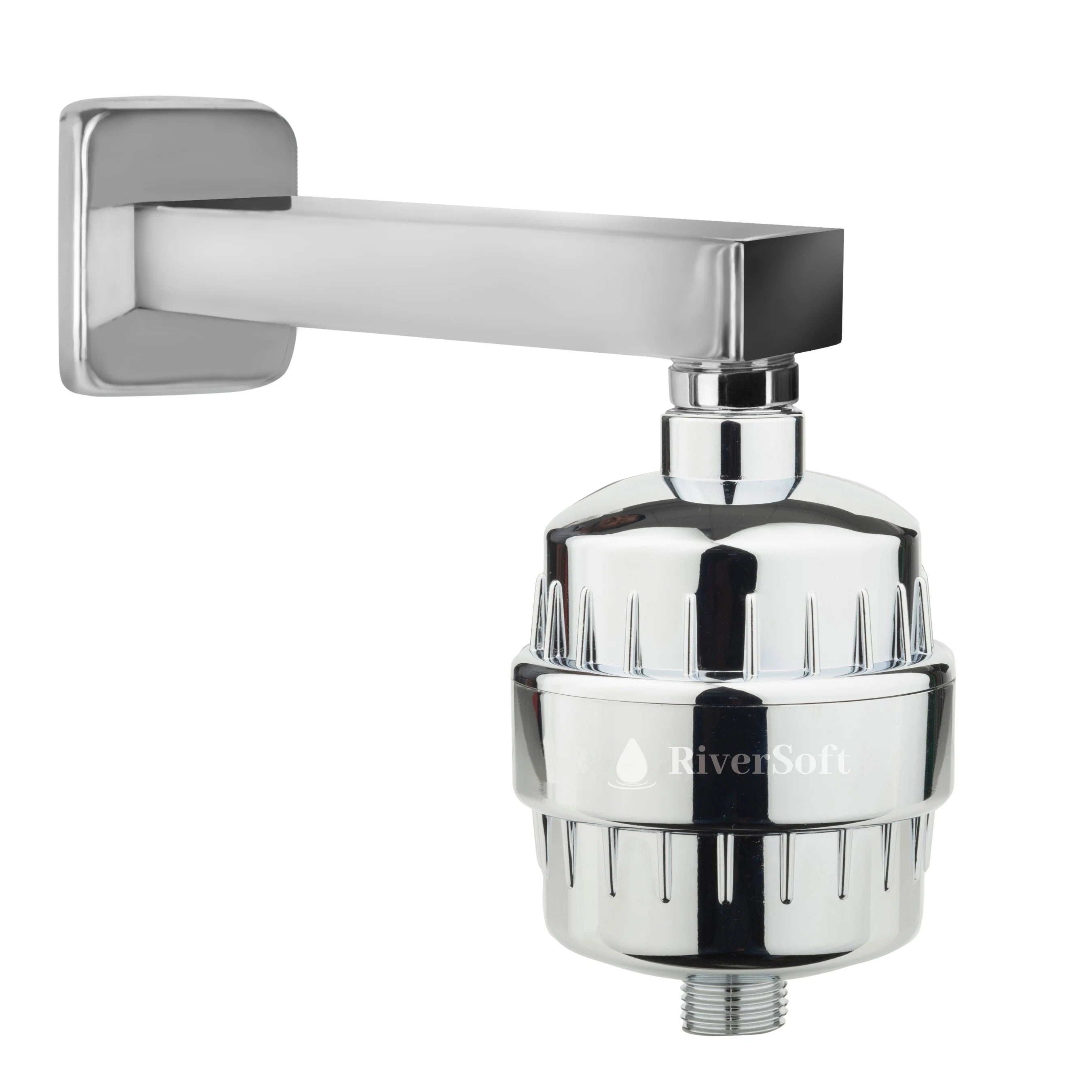
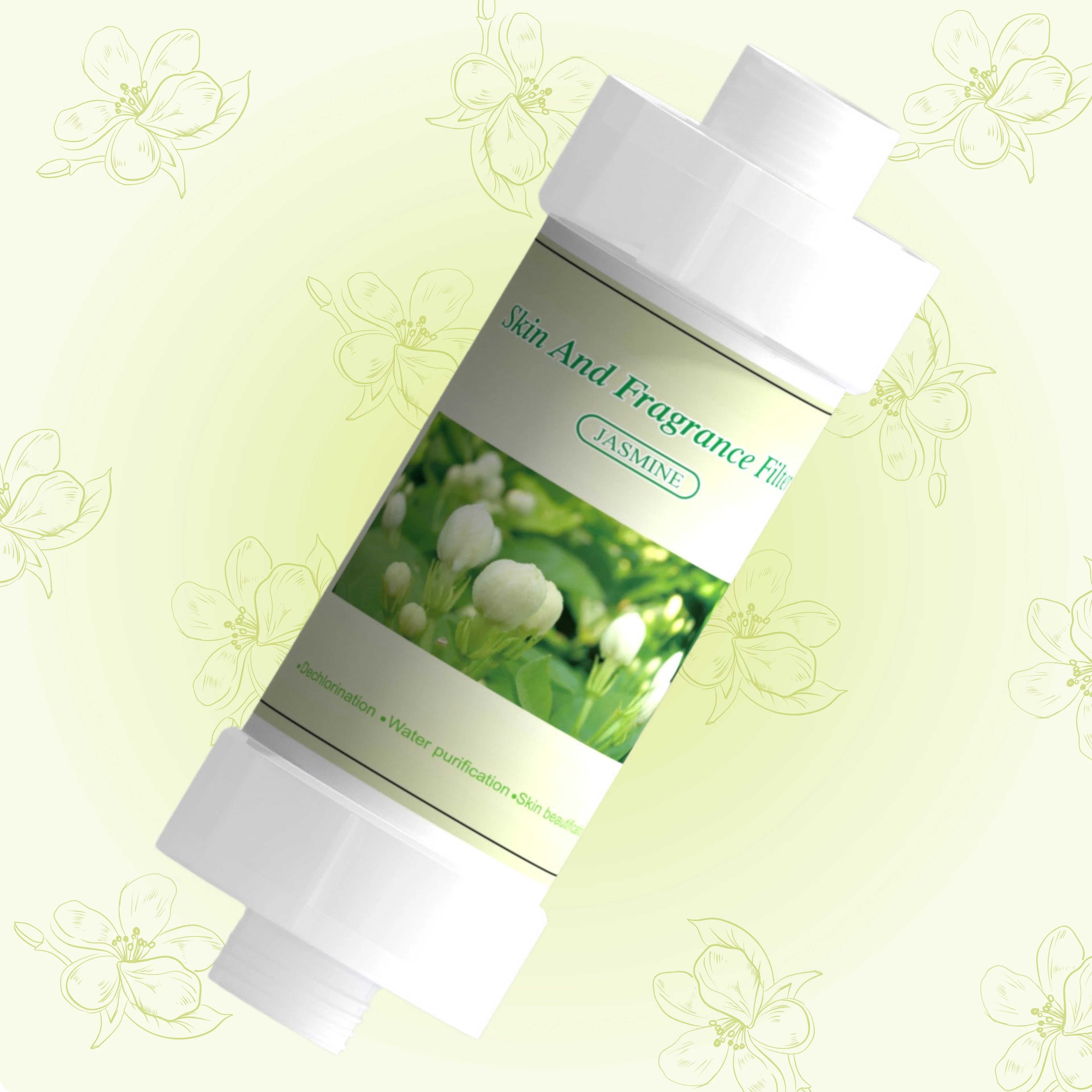
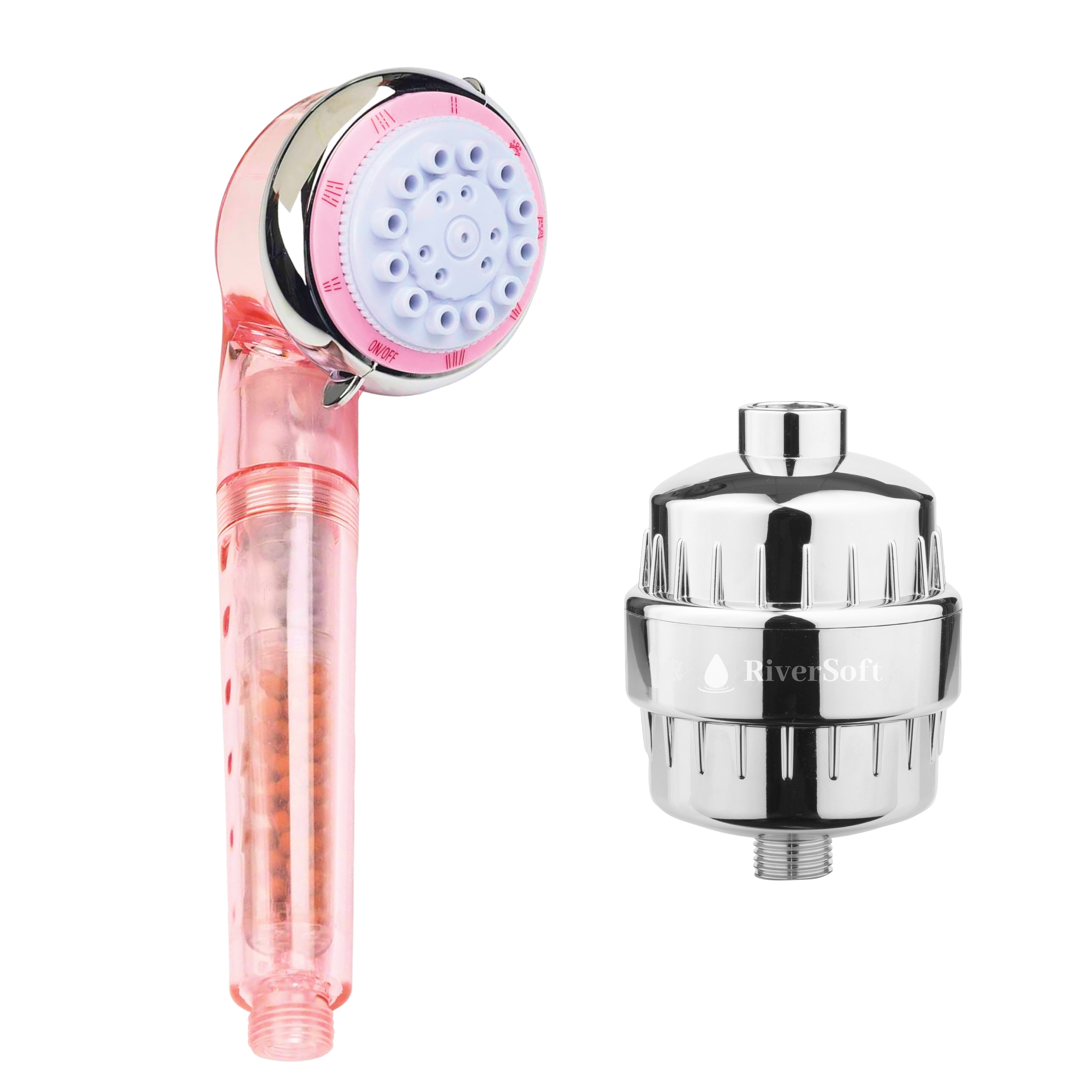
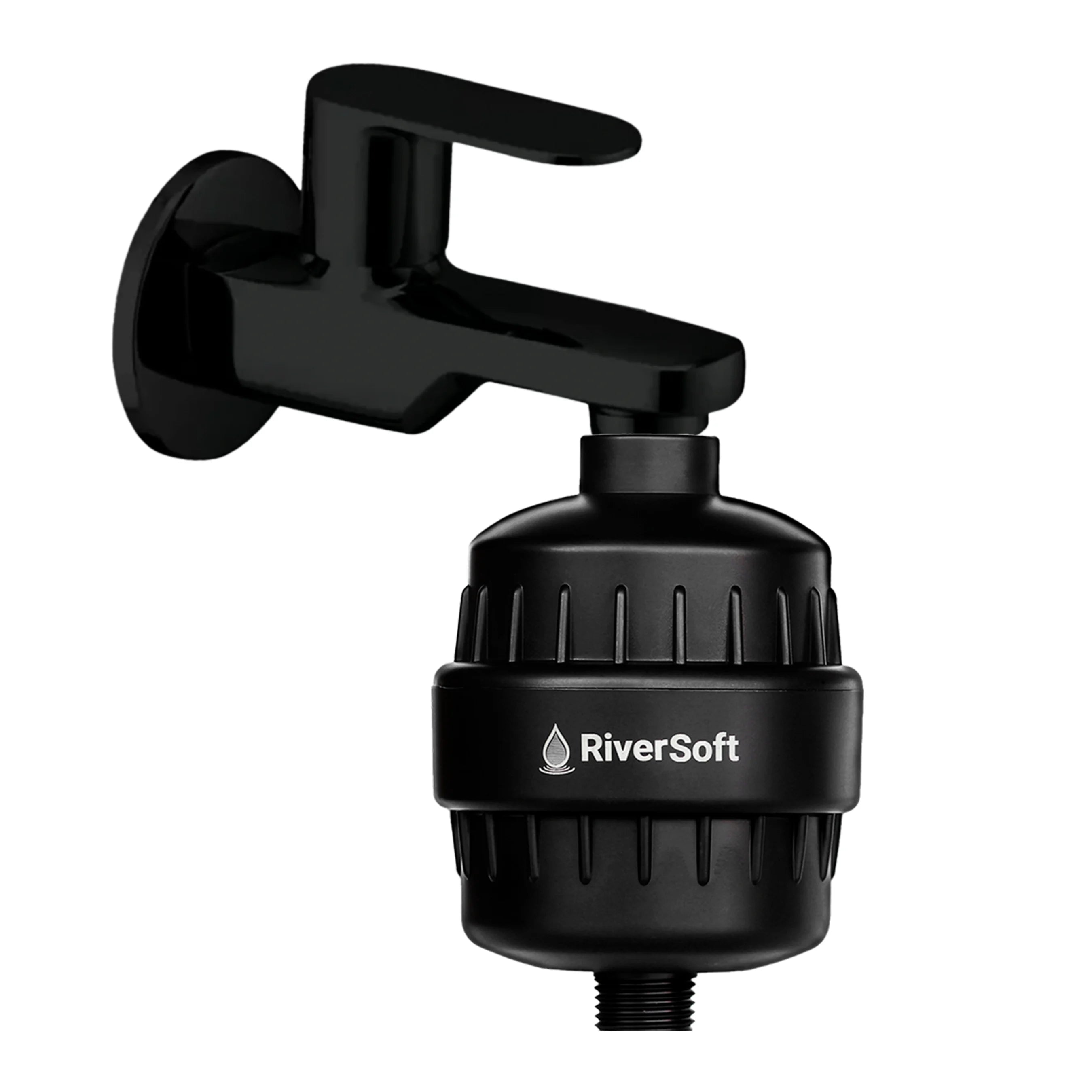
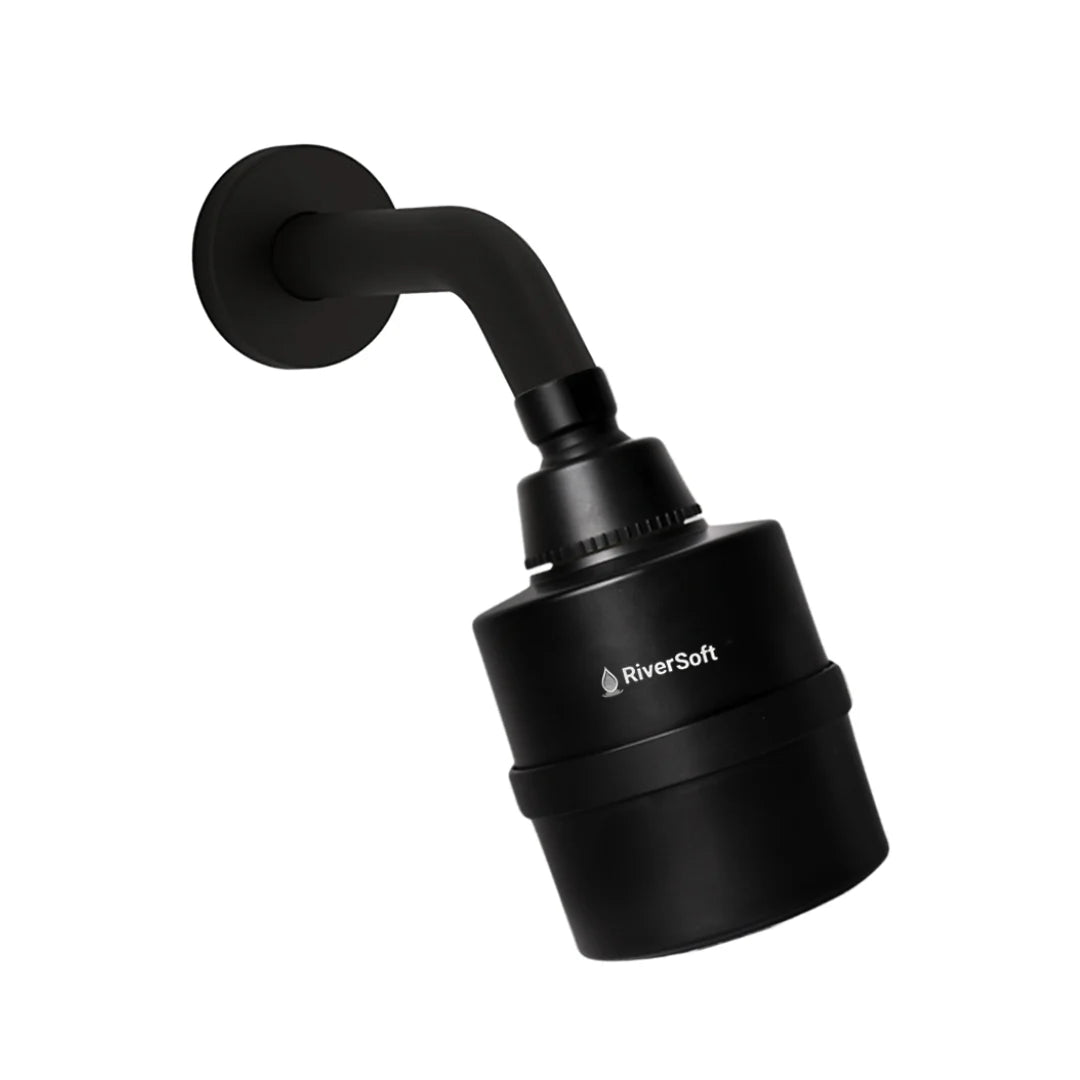
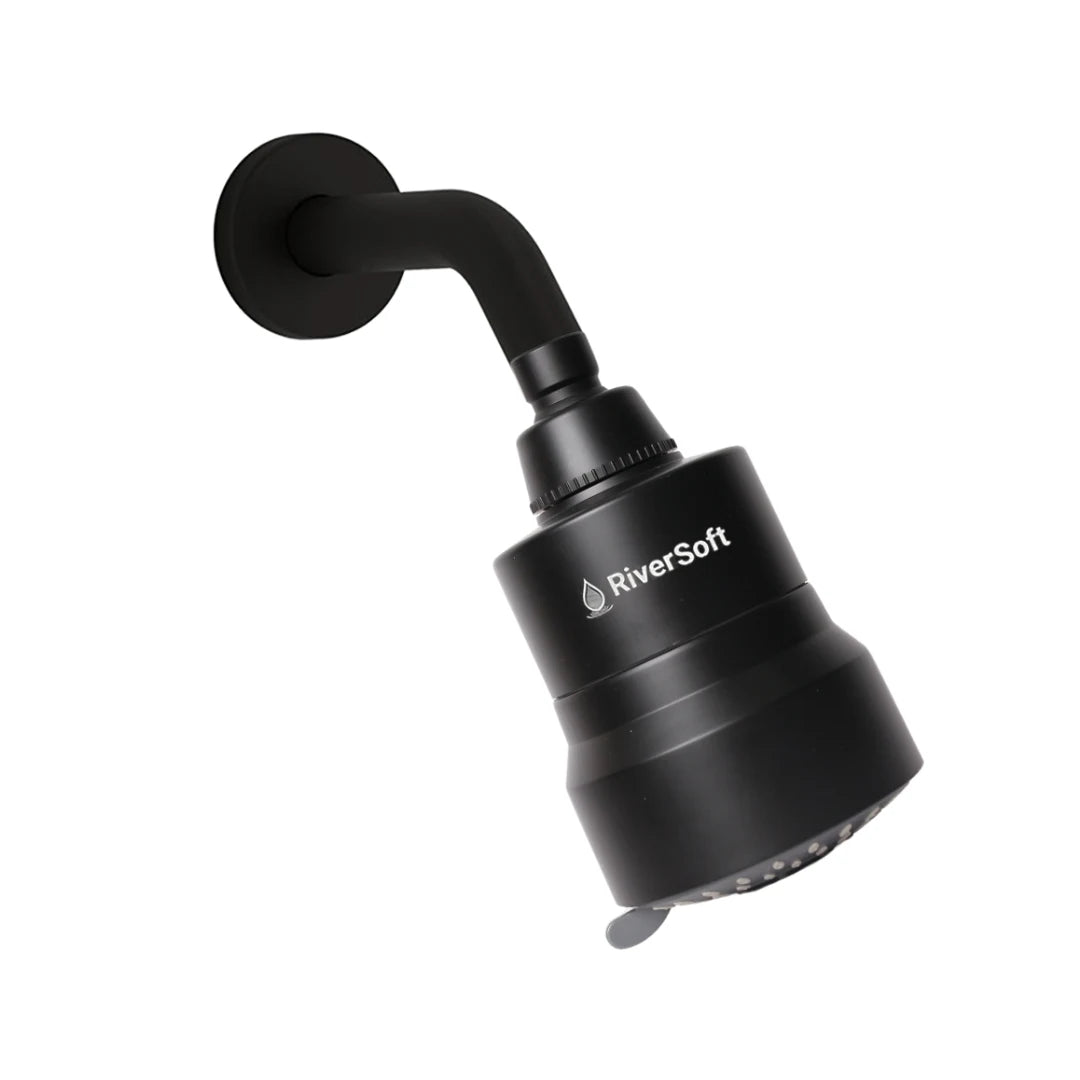
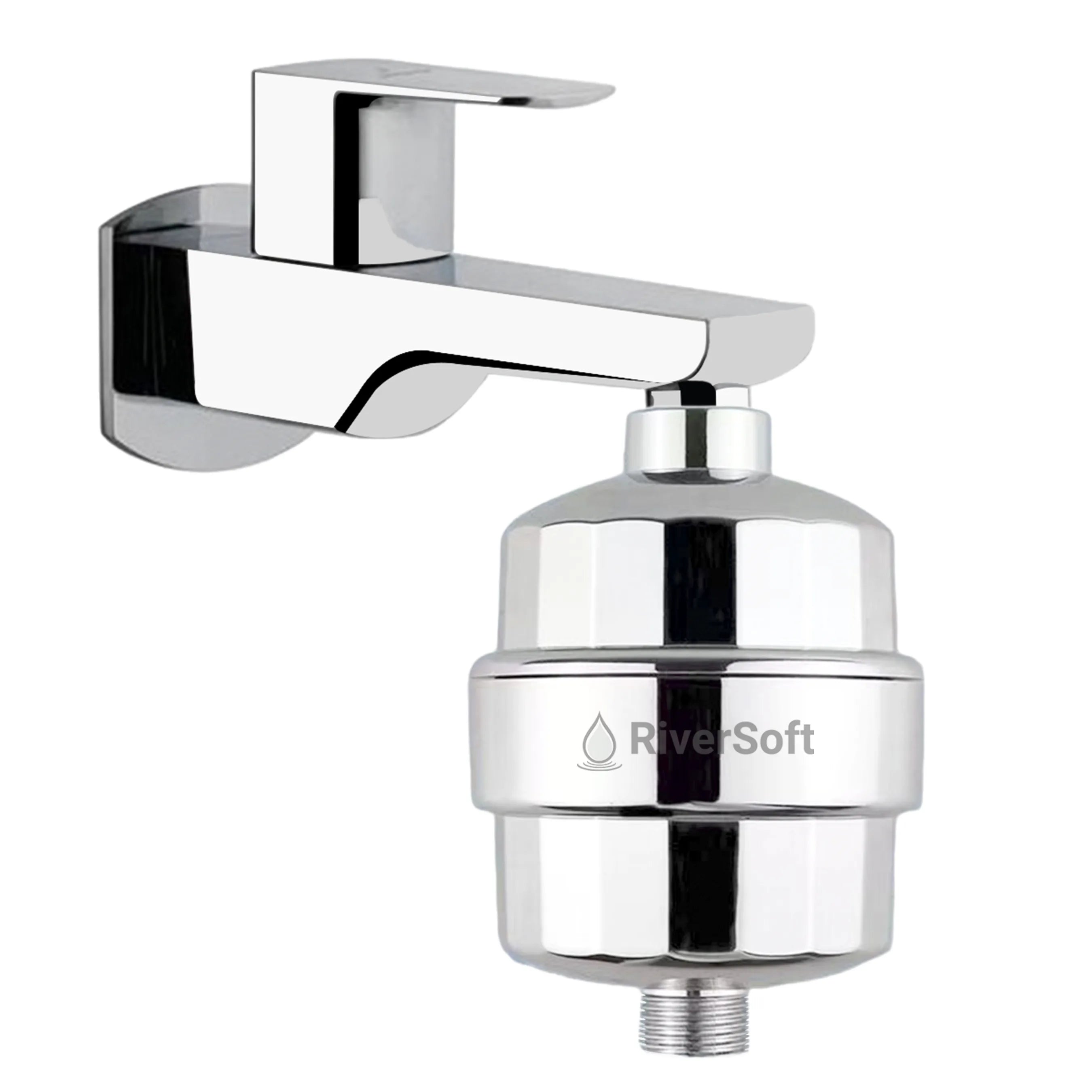
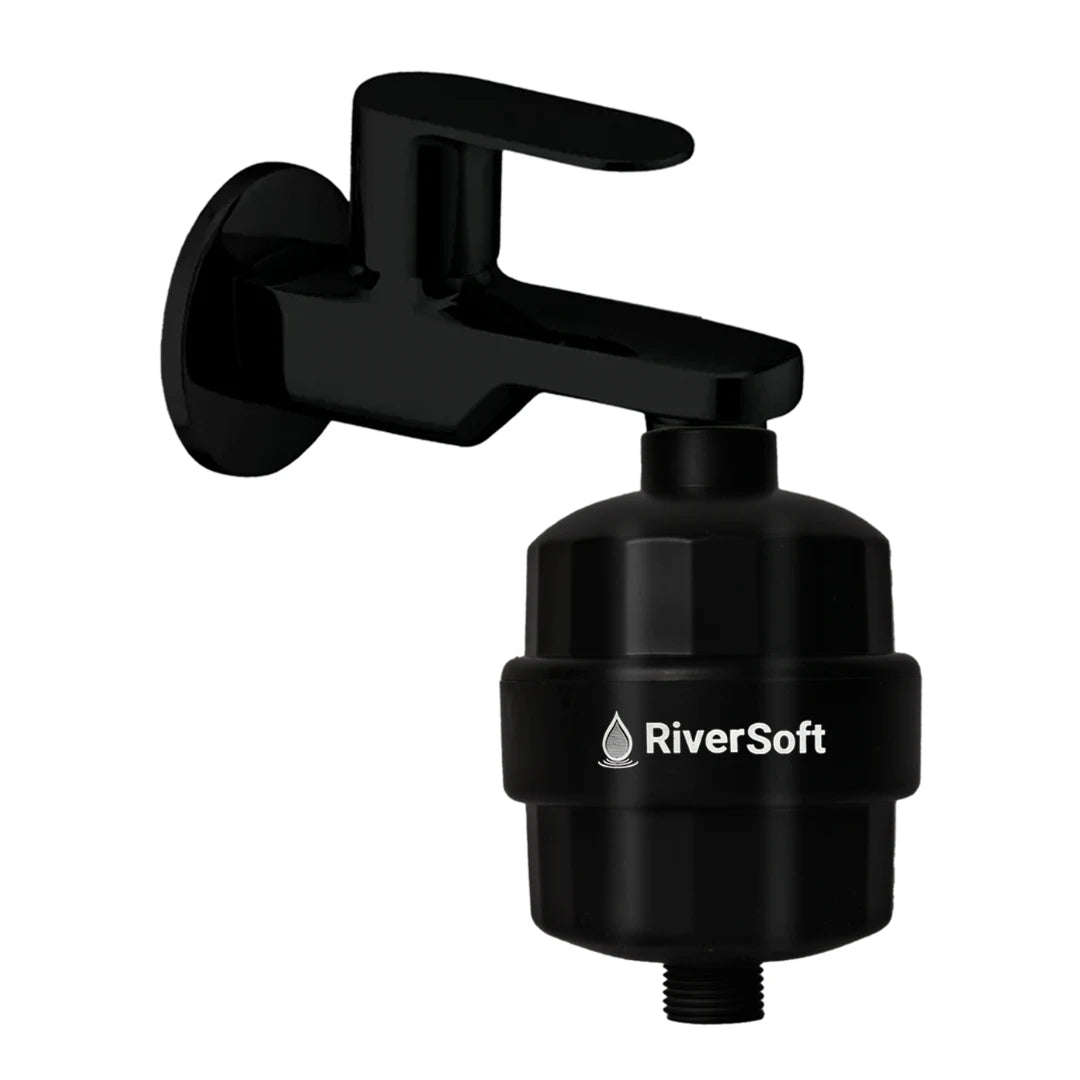
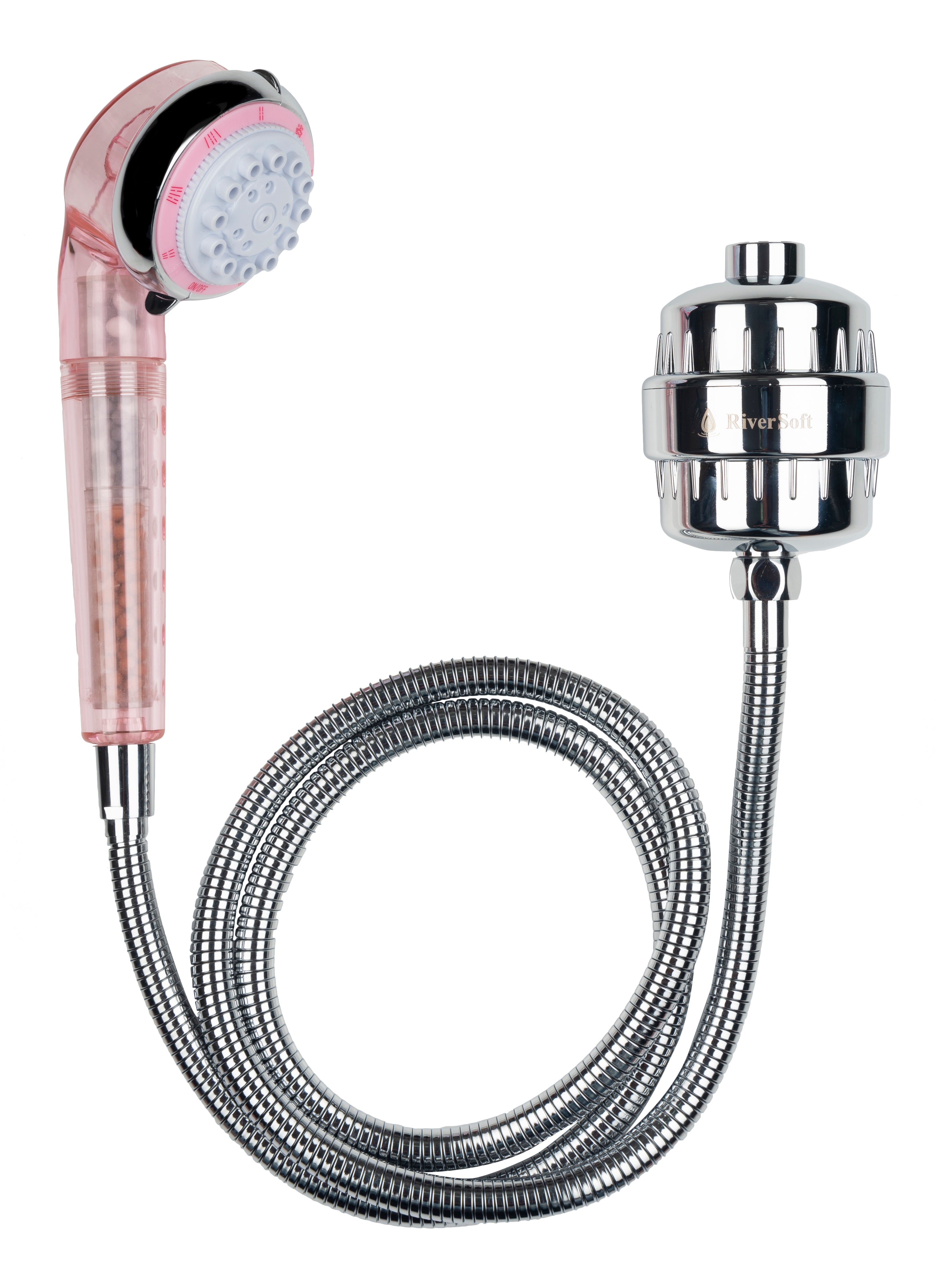
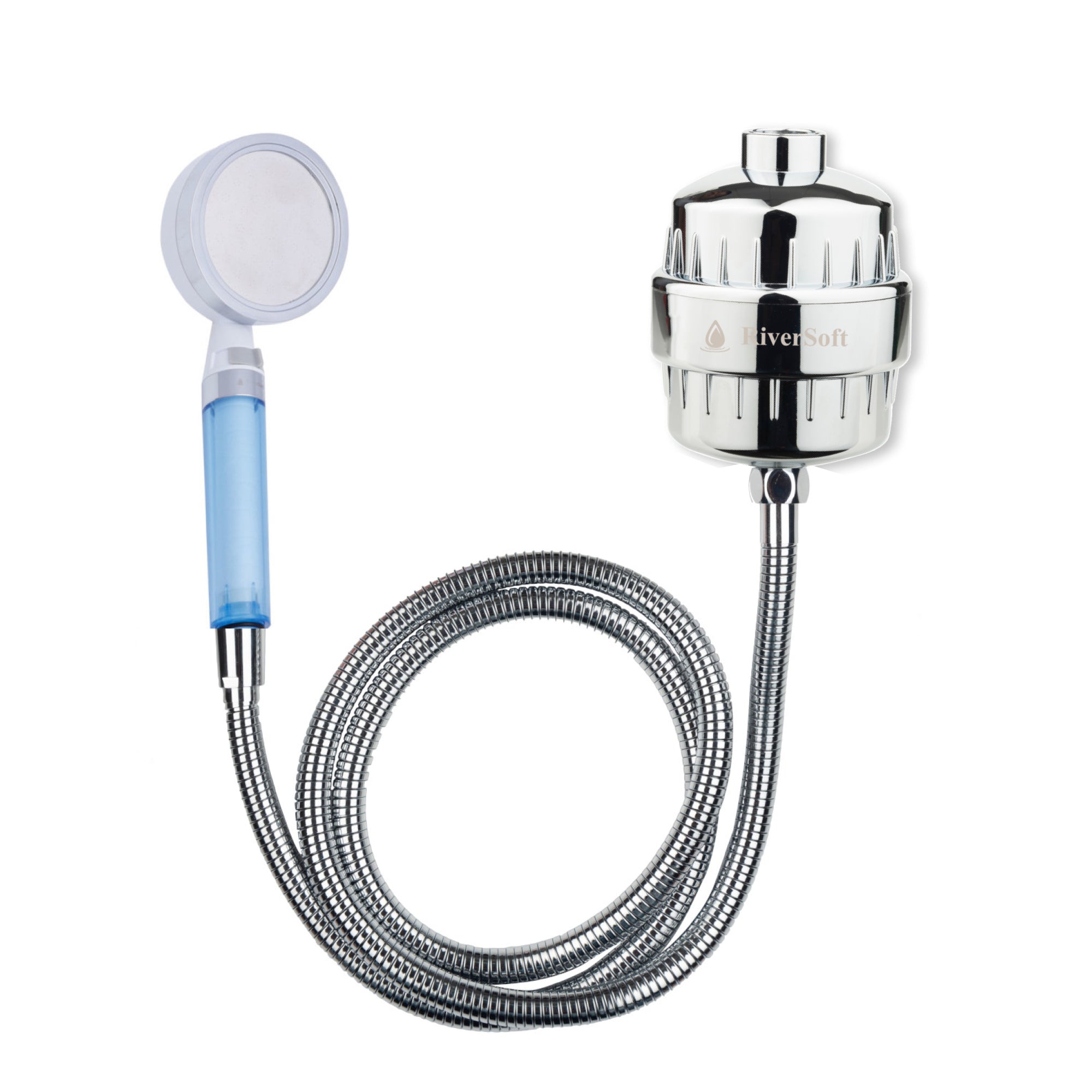
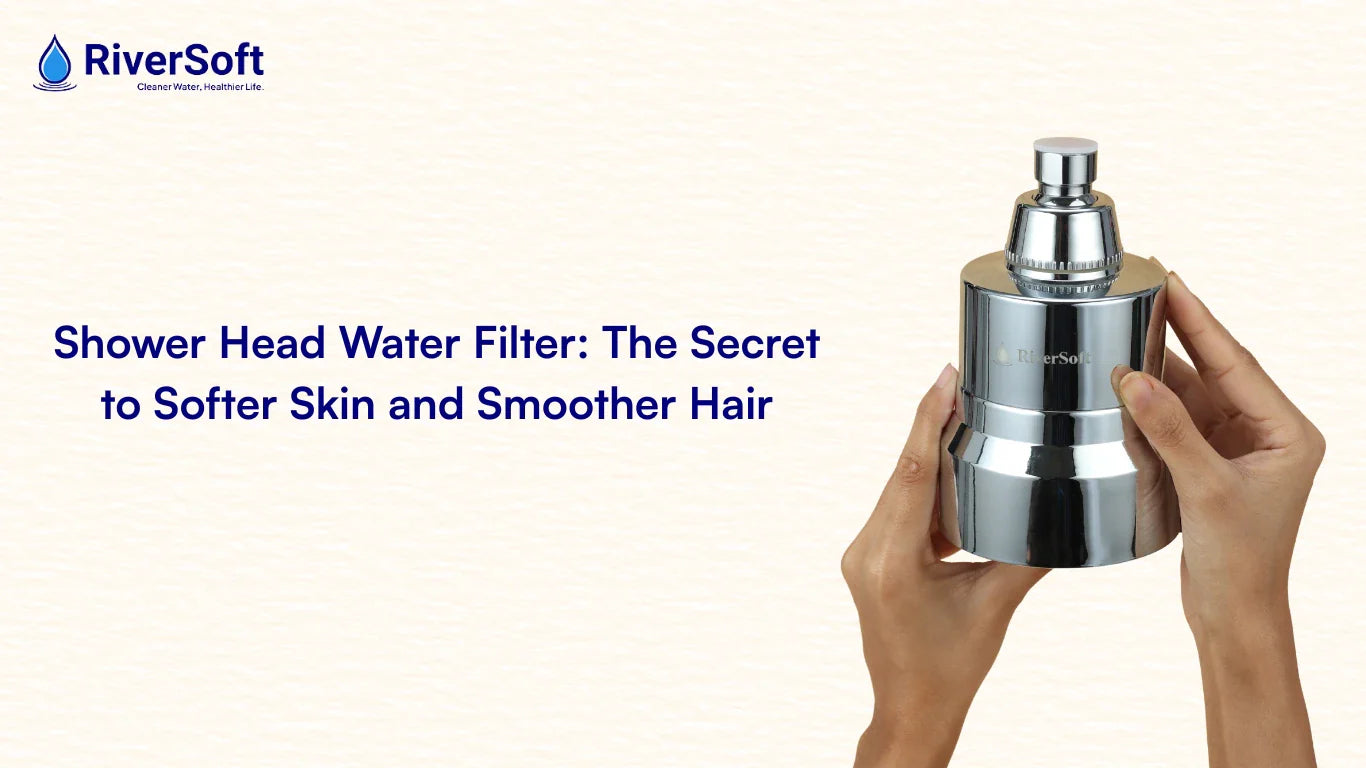
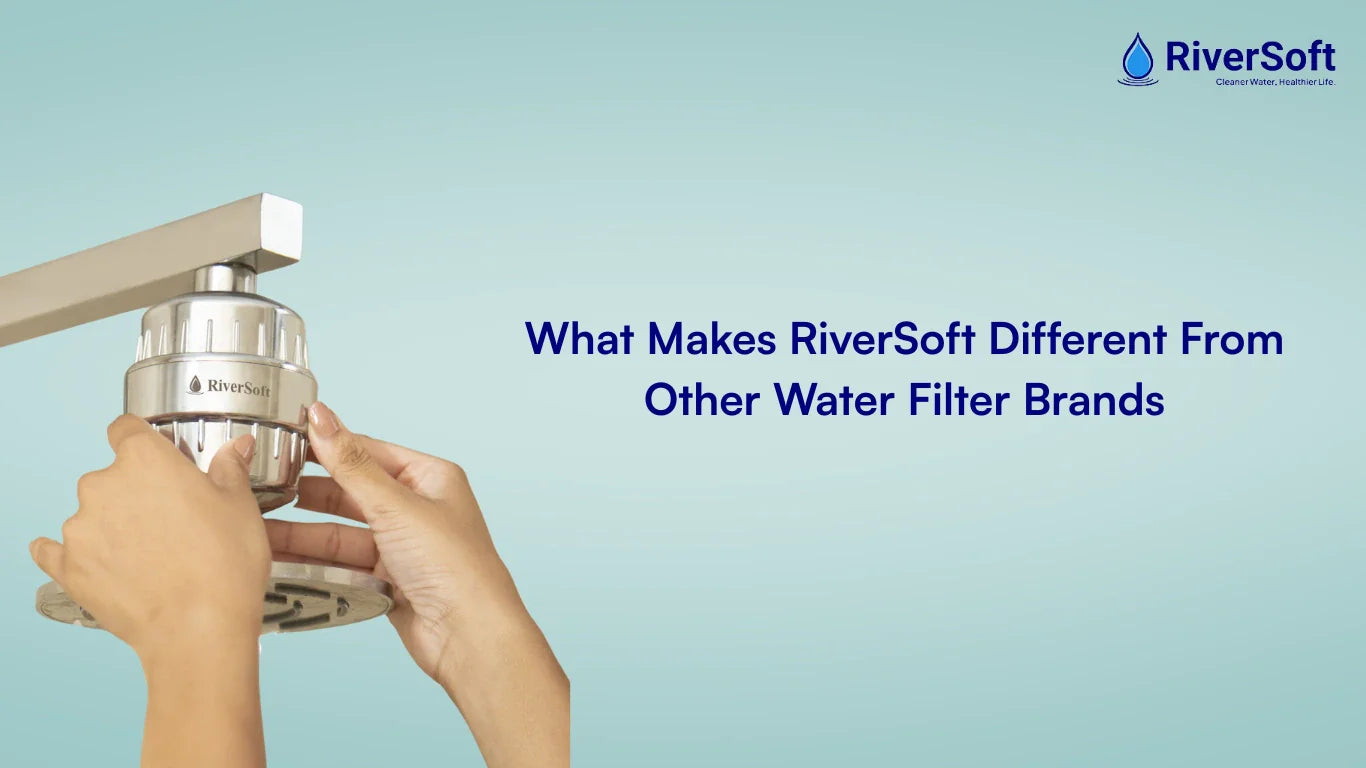
A point-of-use shower filter can help reduce exposure to minerals and other impurities during washing. RiverSoft’s shower and tap filters for hard water are designed for Indian water conditions, reduce the effects of hard-water salts before the water reaches your hair and skin and helps to filter impurities. There are quite a few options to choose from:
Tap filter for hard water – The SF-15 PRO works best for households looking for a filter for both shower and tap use, especially where hard-water concerns affect both hair and skin.
Shower filter for hard water - If you're looking specifically for a shower solution, the DIVA Shower Filter gives you multiple range options with the DIVA-01, DIVA-03 and DIVA-05 for a variety of spray modes for that perfect shower!
And For Your Home:
Try Cleaning Limescale Regularly
Remove mineral buildup from taps, showerheads and other fixtures before it accumulates. A suitable limescale remover can make routine cleaning much easier.
Descale Water-Using Appliances
Regularly clean and descale appliances that heat or repeatedly use water, such as kettles, water heaters and washing machines, to help manage mineral buildup.
Use the Right Cleaning Products
Hard water can make cleaning less effective and leave mineral residue behind, so using products designed to tackle limescale can help keep surfaces cleaner.
Protect Your Washing Machine
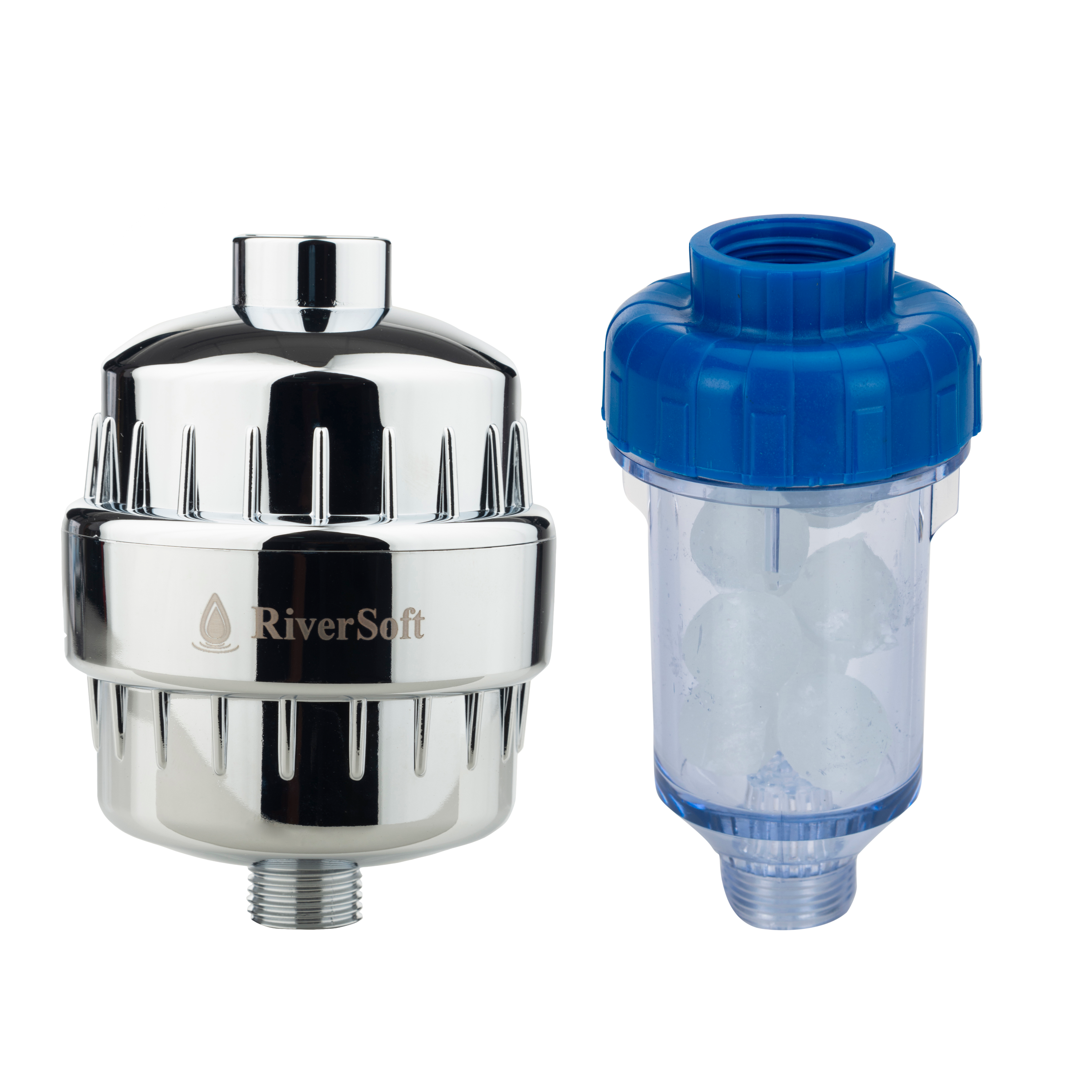
If you’ve spotted mineral buildup in your washing machine, a suitable washing-machine filter can help reduce the amount of unwanted material entering the appliance and help manage scale-related buildup for one of the major appliances in your home that uses a lot of water.
And going into specific recommendations, RiverSoft’s washing machine filters for hard water, like the EcoBlu EBWF-04T and EBWF-04 definitely could be a good choice!
What You Should Remember
Look, Noida's water can vary considerably depending on where it comes from – and some groundwater sources in the region do have really high recorded levels of hardness. And if hard water is affecting your hair/skin/home, there are simple ways to manage the buildup and dryness that don't need you to uproot your hair and skincare routine. But the best place to start is always to first understand the water coming into your home – and choosing your solution accordingly!

























Leave a Comment